The United Methodist Church Annual Conference is a significant religious event that brings together clergy and lay members to conduct the business of the conference. This gathering serves as the basic unit of the church, facilitating worship, fellowship, and decision-making.
As a regional body and organizational unit, the conference plays a crucial role in the church’s structure. Its annual sessions are attended by an equal number of clergy and lay members, who work together to adopt future goals, programs, and budgets.
Key Takeaways
- The United Methodist Church Annual Conference is a vital gathering for clergy and lay members.
- It serves as the basic unit of the church, facilitating worship and decision-making.
- The conference is responsible for adopting future goals, programs, and budgets.
- Clergy and lay members attend the annual sessions in equal numbers.
- The event is a crucial aspect of the church’s structure and operations.
What is the Annual Conference?
The Annual Conference is a fundamental component of the United Methodist Church, serving as a gathering of representatives from various local churches. It is described by the church’s Constitution and Book of Discipline as the “basic unit” of the church. In the United States, an annual conference may cover an entire state, only part of the state, or even parts of two or more states.
Overview of the Conference
The Annual Conference is overseen by a bishop and has a central office with professional staff that coordinate and conduct ministry and the business of the conference. This structure enables the conference to effectively manage its operations and make informed decisions.
Purpose and Goals
The primary purpose of the Annual Conference is to provide a forum for clergy and laity to come together, discuss important issues, and make decisions that impact the United Methodist Church. The conference aims to foster a sense of community and connectionalism among its members.
Structure of the Conference
The structure of the Annual Conference includes various components, such as plenary sessions, committee meetings, and worship services. These elements work together to facilitate the business and spiritual growth of the conference.
History of the United Methodist Church Annual Conference
The history of the United Methodist Church Annual Conference is a story of growth, adaptation, and commitment to faith. As a pivotal event in the UMC, the Annual Conference has played a crucial role in shaping the church’s mission and practices.
Key Milestones
The United Methodist Church has a complex and rich history, with the Annual Conference being a significant part of it. One of the key milestones in the history of the Annual Conference is its establishment as a regional gathering where clergy and lay members come together to discuss important church matters.
Over the years, the Annual Conference has undergone several transformations. For instance, the UMC has expanded globally, with 75 annual conferences in Africa, Europe, and the Philippines, supervised by 20 bishops. In the United States alone, there are 51 annual conferences, overseen by 32 bishops in 38 episcopal areas.
Evolution Over the Years
The Annual Conference has evolved significantly, adapting to the changing needs of the church and its members. This evolution is reflected in its structure and practices, which have been shaped by the UMC meeting dynamics. The conference has become more inclusive, with greater participation from lay members and clergy alike.
As the UMC continues to grow and face new challenges, the Annual Conference remains a vital institution. It provides a platform for connectionalism, where members from different regions come together to share their experiences and make collective decisions that impact the church’s mission and direction.
The history of the Annual Conference is a testament to the enduring spirit of the United Methodist Church. As we look to the future, understanding this history is crucial for navigating the complexities of the church’s present and future endeavors.
Importance of the Annual Conference
At the heart of the United Methodist Church is the Annual Conference, a gathering that embodies the principles of connectionalism and community. This event is crucial for the church’s leadership assembly, bringing together clergy and lay members to make key decisions.
The Annual Conference plays a vital role in fostering a sense of unity and cooperation among its members. It is here that reports of past and ongoing work are shared, future goals are adopted, and programs and budgets are decided upon.
Connectionalism and Community
The United Methodist Church is built on the principle of connectionalism, where different congregations and leaders come together to support one another. The Annual Conference is a manifestation of this principle, providing a platform for sharing experiences and best practices.
Through the Annual Conference, members are able to connect with one another on a deeper level, fostering a sense of community that transcends local church boundaries. This connection is essential for the church’s overall mission and effectiveness.
Decision-Making Process
The Annual Conference is also responsible for making important decisions that impact the church’s future. This includes the ordination of clergy members as deacons and elders, as well as the election of delegates to Jurisdictional and General Conferences.
The decision-making process at the Annual Conference is a deliberate and thoughtful one, involving careful consideration of proposals and votes by the attending members. This process ensures that the church is guided by a collective vision and direction.
| Decision-Making Aspect | Description | Impact |
|---|---|---|
| Ordination of Clergy | Selection of clergy members for roles as deacons and elders | Leadership development and church growth |
| Election of Delegates | Selection of representatives to higher-level conferences | Representation of local church interests at a broader level |
| Adoption of Budgets | Approval of financial plans for the upcoming period | Financial stewardship and planning |
Roles and Responsibilities at the Conference
Understanding the roles and responsibilities at the Methodist annual conference is crucial for its success. The conference is a complex organization that relies on the active participation of both clergy and lay members to achieve its goals.
Clergy Responsibilities
Clergy play a vital role in the Annual Conference, with responsibilities that include presiding over sessions, providing spiritual guidance, and participating in decision-making processes. The bishop presides over the annual conference sessions, ensuring that the proceedings are conducted in an orderly and respectful manner.
Clergy members are also involved in various committees and boards, contributing to the conference’s mission and outreach efforts. Their leadership and pastoral care are essential to the well-being of the church community.
Lay Member Involvement
Lay members are integral to the success of the Annual Conference, participating in discussions, decision-making, and various committees. They bring diverse perspectives and experiences, enriching the conference’s deliberations and outcomes.
Lay members serve on conference boards, commissions, and committees alongside clergy, working together to advance the conference’s objectives. Their involvement is a testament to the connectionalism that characterizes the United Methodist Church.
| Role | Responsibilities | Participants |
|---|---|---|
| Clergy | Presiding over sessions, spiritual guidance, decision-making | Bishops, clergy members |
| Lay Members | Participating in discussions, decision-making, committee work | Lay delegates, committee members |
Annual Conference Schedule and Activities
The Annual Conference of the United Methodist Church is a pivotal gathering that encompasses worship, fellowship, and business meetings, shaping the church’s future. Understanding the schedule and activities is crucial for effective planning and participation.
Key Dates to Remember
The United Methodist Church Annual Conference typically takes place in May and June in the United States. The conference sessions often last between 3 to 5 days, filled with various activities that foster spiritual growth and community building.
Some important dates to keep in mind include:
- The opening day of the conference, which usually features a worship service.
- Business sessions where key decisions are made.
- Fellowship events designed to encourage bonding among attendees.
Common Activities and Sessions
The Annual Conference includes a range of activities and sessions, such as:
| Activity | Description |
|---|---|
| Worship Services | Special worship services that bring together attendees in prayer and reflection. |
| Business Meetings | Sessions where important decisions are made regarding the church’s direction. |
| Fellowship Events | Events designed to foster community and camaraderie among clergy and lay members. |
The United Methodist Church Annual Conference is a significant Christian faith event that brings together people from various backgrounds. It is a time for spiritual rejuvenation, learning, and service planning.
How to Prepare for the Annual Conference
To make the most of the Annual Conference, it’s vital to understand the steps involved in preparing for this significant religious gathering. The conference provides various resources to help attendees prepare, ensuring a meaningful and engaging experience.
Recommended Resources
The Annual Conference offers a range of materials to support attendees, including reports, agendas, and other relevant documents. These resources are designed to provide valuable insights into the conference proceedings and help attendees navigate the event.
Some of the key resources include:
- Detailed reports from various church committees
- Agendas outlining the conference schedule
- Background information on key discussion topics
Attendees can access these resources through the official conference website or by contacting the conference organizers directly.
What to Bring
To fully participate in the Annual Conference, attendees should come prepared with the necessary materials. This includes:
- A copy of the conference agenda
- Any relevant documents or reports provided by the conference organizers
- A notebook and pen for taking notes
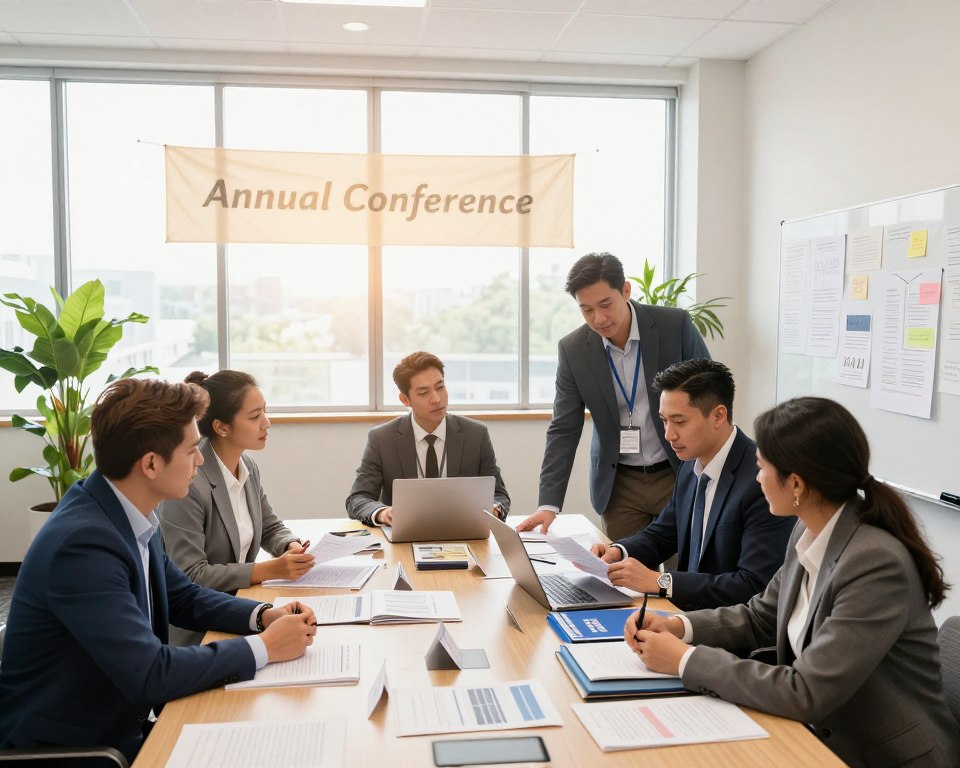
Being well-prepared will enable attendees to engage fully with the conference activities and make the most of this important denomination gathering.
Participation in the Annual Conference
The Annual Conference serves as a faith-based convention where members of the United Methodist Church gather to engage in meaningful discussions and decision-making processes.
Who Can Attend?
The Annual Conference is an inclusive event that welcomes various participants, including clergy, lay members, and other stakeholders. Both clergy and lay members play crucial roles in the conference, contributing to its success and the overall mission of the church.
Clergy members are expected to attend the Annual Conference as it is a key part of their connectional responsibilities. Lay members, representing their local churches, also participate actively in the conference, ensuring that the voices of their congregations are heard.
Ways to Get Involved
There are several ways to get involved in the Annual Conference, making it a truly collaborative and engaging experience for all participants.
- Joining committees and task forces that focus on specific areas such as mission, outreach, and church administration.
- Participating in workshops and sessions that address various topics relevant to the church’s mission and the needs of its members.
- Engaging in discussions and debates during the business sessions, where important decisions are made.
| Participation Category | Description | Benefits |
|---|---|---|
| Clergy Members | Active participation in decision-making processes. | Connectional responsibilities fulfilled, spiritual growth. |
| Lay Members | Representation of local churches in conference decisions. | Voices of local congregations heard, community building. |
| Other Stakeholders | Participation in workshops and committee work. | Opportunities for networking, skill development. |
By understanding who can attend and how to get involved, participants can maximize their experience at the Annual Conference, contributing to the church’s growth and mission.
Impact of the Annual Conference
As a regional gathering, the Annual Conference plays a crucial role in shaping the future of local churches and community outreach programs. This significant event brings together church leaders and members to discuss key issues, share experiences, and plan for the future.
Local Church Benefits
The Annual Conference provides numerous benefits to local churches, including opportunities for clergy development, lay member training, and connectionalism. Through various workshops and sessions, attendees can enhance their skills and knowledge, ultimately strengthening their local churches.
Some of the key benefits to local churches include:
- Enhanced leadership capabilities through training and workshops
- Increased connectionalism among churches, fostering a sense of community
- Access to resources and support for addressing local challenges
| Benefit | Description | Impact |
|---|---|---|
| Leadership Development | Training and workshops for clergy and lay members | Enhanced leadership capabilities |
| Connectionalism | Increased networking among churches | Stronger sense of community |
| Resource Access | Support and resources for local challenges | Improved ability to address local needs |
Community Outreach Initiatives
The Annual Conference also focuses on community outreach initiatives, promoting programs that benefit the wider community. These initiatives are designed to foster engagement, support those in need, and promote social justice.
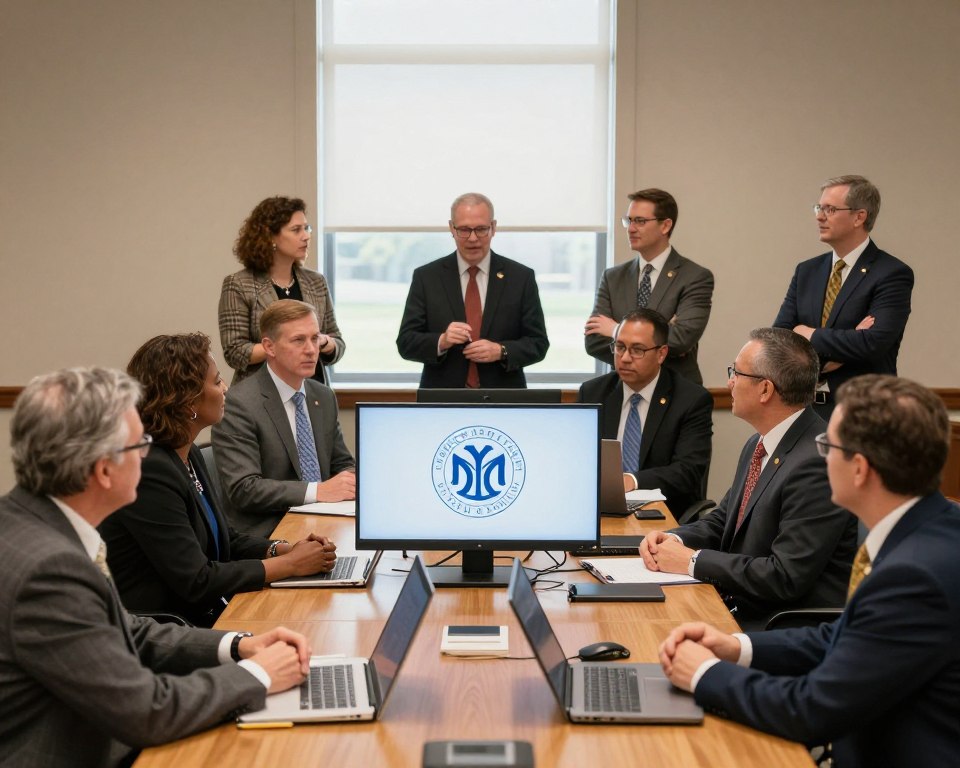
Some notable community outreach initiatives supported by the Annual Conference include:
- Food banks and feeding programs
- Disaster relief efforts
- Youth development programs
By supporting these initiatives, the Annual Conference demonstrates its commitment to serving the community and promoting positive change.
Future of the Annual Conference
The United Methodist Church’s Annual Conference is poised for a bright future, driven by emerging trends and a clear vision for its direction. As a pivotal Christian faith event, the conference continues to evolve, adapting to changing circumstances while remaining true to its core values and mission.
Emerging Trends
The Methodist annual conference is witnessing a shift towards more inclusive and diverse participation. This trend is expected to continue, with a growing emphasis on community outreach and social justice initiatives. The conference is also leveraging technology to enhance engagement and accessibility.
Vision and Goals Moving Forward
As the conference moves forward, its vision is centered on fostering a deeper connection among its members and the wider community. The goals include promoting spiritual growth, enhancing connectionalism, and addressing social issues. By achieving these goals, the Annual Conference aims to remain a vibrant and relevant Christian faith event.
FAQ
What is the purpose of the United Methodist Church Annual Conference?
The Annual Conference is a vital gathering that serves as the basic unit of the United Methodist Church, responsible for conducting the business of the church, including adopting future goals, programs, and budgets.
Who attends the United Methodist Church Annual Conference?
The Annual Conference is attended by an equal number of clergy and lay members, who come together to achieve the conference’s goals and objectives.
What is the structure of the United Methodist Church Annual Conference?
The conference is overseen by a bishop and has a central office with professional staff that coordinate and conduct ministry and the business of the conference.
How does the Annual Conference impact the local church?
The conference supports various programs and activities that benefit local churches and promote community outreach, having a profound impact on the local church and the community.
What can I expect from the Annual Conference schedule and activities?
The conference includes worship, fellowship, and business meetings, making it a significant event in the United Methodist Church’s calendar, with various activities and sessions taking place over several days.
How can I prepare for the Annual Conference?
Understanding the recommended resources and what to bring can help attendees participate fully in the conference, with the conference providing various materials and resources to support attendees.
Who can attend the United Methodist Church Annual Conference?
The conference is an inclusive event that welcomes various participants, including clergy, lay members, and other stakeholders, who can engage in the business and activities of the church.
What is the significance of the Annual Conference in the United Methodist Church?
The conference is a fundamental component of the United Methodist Church, fostering connectionalism and community among its members, and making important decisions that impact the church’s future.
What are the future plans and goals of the United Methodist Church Annual Conference?
The conference is committed to adapting to changing circumstances while remaining true to its core values and mission, with emerging trends and a clear vision shaping its direction.
How does the Annual Conference promote community outreach?
The conference supports various programs and activities that promote community outreach, benefiting local churches and the wider community.