The compensation for bishops in the United Methodist Church is a topic of interest for many. In 2016, the salary for U.S. bishops was $150,000, accompanied by an episcopal residence.
Factors such as local economic conditions and cost of living influence the compensation for bishops outside the United States, resulting in varying salaries.
Understanding the average salary of these religious leaders provides insight into the financial aspects of their roles.
Key Takeaways
- The 2016 salary for U.S. bishops was $150,000.
- Each bishop received an episcopal residence.
- Salaries for bishops outside the U.S. vary based on local economic conditions.
- The cost of living influences compensation for international bishops.
- The United Methodist Church considers local factors when setting salaries.
Introduction to Bishop Salaries in the United Methodist Church
Bishop salaries in the United Methodist Church are under scrutiny as the Council of Bishops plans to review the financial challenges facing the church. This examination not only highlights the importance of understanding the compensation of religious leaders but also underscores the broader financial context in which the church operates.
The role of bishops within the United Methodist Church is multifaceted, involving spiritual leadership, administrative responsibilities, and pastoral care. Bishops are tasked with guiding the church’s direction, supporting clergy, and making key decisions that impact the denomination’s overall health and mission. Understanding the complexity of their role is crucial to appreciating the context of their salaries.
Overview of Bishop Roles
Bishops in the United Methodist Church serve as spiritual leaders and overseers, responsible for the appointment of clergy, the management of church properties, and the promotion of the church’s mission. Their duties are both varied and demanding, requiring a deep commitment to the church and its congregants. Their leadership is pivotal in shaping the church’s response to social issues, guiding its stance on theological debates, and fostering a sense of community among its members.
Importance of Salaries in Ministry
The compensation of bishops is a critical aspect of their ministry, reflecting the church’s valuation of their work and enabling them to carry out their duties effectively. A fair and adequate salary allows bishops to focus on their spiritual and administrative responsibilities without undue financial stress, thereby supporting the overall effectiveness of their leadership.
The discussion around bishop salaries also touches on broader themes within the church, including financial transparency, the equitable distribution of resources, and the balance between the church’s spiritual mission and its financial realities. As the United Methodist Church navigates these issues, the insights gained from examining bishop salaries will contribute to a more nuanced understanding of the church’s financial and operational challenges.
Factors Influencing Bishop Salaries
Understanding the salary structure for United Methodist Church bishops requires examining several influencing factors. The compensation for these religious leaders is not uniform and varies significantly based on a number of considerations.
Geographic Location
The geographic location plays a crucial role in determining the salaries of United Methodist Church bishops. Bishops serving in the United States receive a different compensation package compared to their counterparts in other countries. This discrepancy is largely due to differences in the cost of living and local economic conditions.
For instance, in 2020, U.S. bishops each received a salary of $162,345. In contrast, bishops in Africa and the Philippines had a salary of $79,788, reflecting the economic realities of these regions.
| Region | Average Bishop Salary (2020) |
|---|---|
| United States | $162,345 |
| Africa and Philippines | $79,788 |
Church Size and Membership
Another significant factor influencing bishop salaries is the size and membership of the church within their jurisdiction. Larger churches with more members typically have more resources available to compensate their leaders. This can result in variations in salary even within the same geographic region.
The size of the church and its financial health can impact the bishop’s salary, as larger and more financially stable congregations are generally able to provide higher compensation.
Salary Range for United Methodist Bishops
The salary of United Methodist bishops varies, influenced by several factors including geographical location and conference affiliations. Understanding these variations is essential to grasping the overall compensation structure within the church.
Average Salary Estimates
According to available data, the salaries of United Methodist bishops in the United States have shown an increase over the years. In 2016, the salary was $150,000, which rose to $162,345 by 2020. This adjustment reflects the church’s efforts to maintain a competitive compensation package for its bishops.
Key Statistics:
- 2016 Salary: $150,000
- 2020 Salary: $162,345
Variations Across Conferences
The compensation for bishops can differ significantly across various conferences. For instance, European bishops’ salaries range from $61,824 in Germany to $127,491 in Central and Southern Europe. These variations are influenced by local economic conditions, cost of living, and other regional factors.
As noted by a church official, “The compensation for our bishops is a reflection of our commitment to supporting their work and ensuring they are able to serve effectively within their communities.” This highlights the church’s consideration for the financial well-being of its clergy.
“Fair compensation is crucial for maintaining the integrity and effectiveness of our clergy,” said a spokesperson for the United Methodist Church.
The variations in salary underscore the complex nature of determining fair and adequate compensation for religious leaders, taking into account the diverse economic contexts in which they serve.
Additional Compensation and Benefits
Beyond their base salaries, United Methodist bishops receive additional forms of compensation that are crucial to their overall remuneration package. These benefits not only enhance their financial security but also support their role within the church.
Housing Allowances
One significant benefit provided to United Methodist bishops is the housing allowance. Each bishop is provided with an episcopal residence, which is a significant component of their compensation package. The provision of a housing allowance or a residence is a common practice among many religious denominations, recognizing the unique demands and responsibilities placed on their leaders.
Pension Plans
United Methodist bishops also benefit from comprehensive pension plans. The Episcopal Fund plays a crucial role in managing these plans, ensuring that bishops have financial security in their retirement. The fund covers not only the bishops’ compensation but also their travel expenses, meetings, and the costs associated with their office staff. This comprehensive approach to compensation underscores the church’s commitment to supporting its leaders throughout their careers and beyond.
The total compensation package for United Methodist bishops, including housing allowances and pension plans, reflects the church’s recognition of the significant contributions these leaders make. By providing a range of benefits, the church ensures that its bishops can focus on their spiritual and pastoral duties without undue financial stress.
The Role of Conferences in Salary Determination
The salary determination process for United Methodist bishops is significantly influenced by the church’s conference system. Conferences play a crucial role in setting the compensation for bishops, ensuring that it is fair and reflective of the church’s financial situation.
General Conference Guidelines
The General Conference is the highest legislative body of the United Methodist Church and has the authority to set the salary for U.S. bishops. The General Conference guidelines provide a framework for determining the salaries, taking into account various factors such as the cost of living and economic conditions.
Key Factors Influencing Salary Guidelines:
- Economic conditions in the U.S.
- Cost of living adjustments
- Comparative salary data from other denominations
The General Conference also considers the financial health of the church and the budget allocations for leadership. This ensures that the salaries are reasonable and sustainable for the church.
Jurisdictional Conference Influence
While the General Conference sets the salary for U.S. bishops, jurisdictional conferences have some influence over the compensation for bishops in their respective regions. Jurisdictional conferences consider local economic conditions and the cost of living when determining salaries for bishops outside the U.S.
Salaries for bishops outside the U.S. are set at varying levels that reflect local economic conditions and cost of living.
| Region | Average Salary | Cost of Living Index |
|---|---|---|
| United States | $120,000 | 100 |
| Europe | $90,000 | 120 |
| Africa | $60,000 | 80 |
The jurisdictional conferences work within the guidelines set by the General Conference, ensuring that the salaries are consistent with the overall compensation structure of the United Methodist Church.
Comparison with Other Denominations
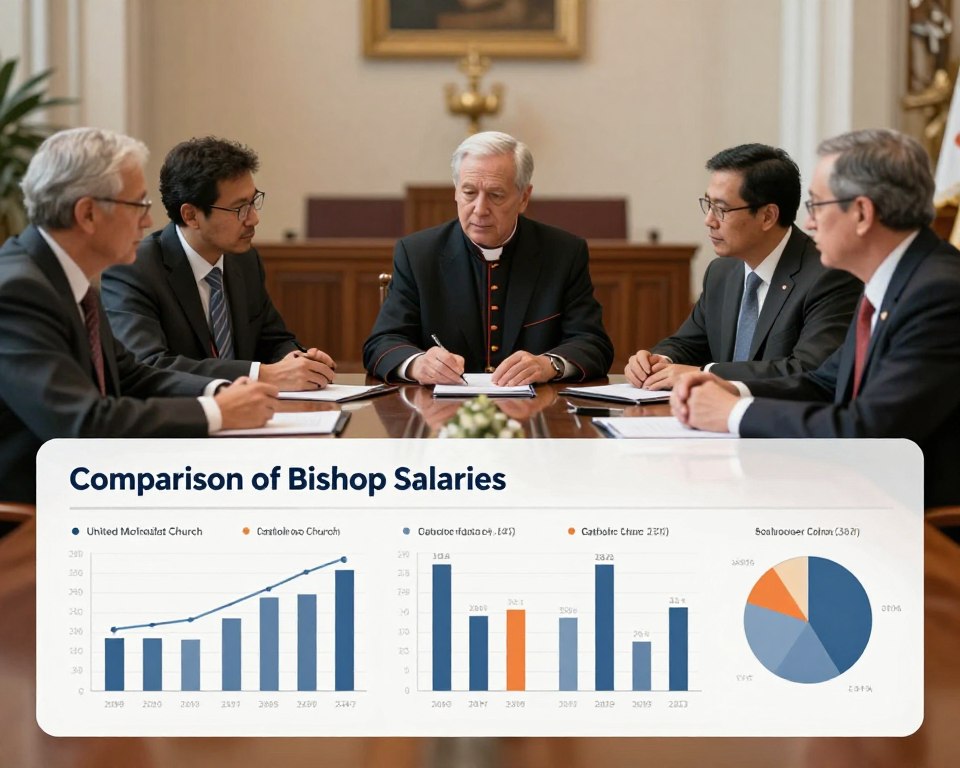
To put the salaries of United Methodist bishops into perspective, it’s essential to compare them with those of other major Christian denominations. This comparison can reveal trends and differences in compensation practices that may be influenced by various factors, including the size of the denomination, its geographical spread, and its theological and organizational structures.
Salary Insights from the Episcopal Church
The Episcopal Church, being a denomination closely related to the United Methodist Church in terms of governance and liturgical practices, provides a useful point of comparison. According to available data, Episcopal bishops generally receive compensation packages that are comparable to, if not slightly higher than, those of their United Methodist counterparts. This can be attributed to the Episcopal Church’s historical and financial background.
A key factor influencing Episcopal bishop salaries is the diocesan budget, which varies significantly across different regions. For instance, bishops in larger, more affluent dioceses tend to receive higher compensation than those in smaller or less financially robust dioceses.
Catholic Bishop Compensation Trends
Catholic bishops, on the other hand, operate under a different compensation structure. The salaries of Catholic bishops are generally not publicly disclosed and are often modest, reflecting the vow of simplicity and dedication to spiritual service. However, Catholic bishops receive comprehensive support, including housing, transportation, and health insurance, which are typically covered by the diocese.
| Denomination | Average Bishop Salary | Additional Benefits |
|---|---|---|
| United Methodist | $60,000 – $80,000 | Housing allowance, pension plans |
| Episcopal | $70,000 – $90,000 | Diocesan housing, comprehensive insurance |
| Catholic | Not publicly disclosed | Housing, transportation, health insurance |
Understanding these differences is crucial for grasping the nuances of religious leadership compensation. While the figures may vary, the underlying principles guiding these compensation packages often reflect the denomination’s values and priorities.
The Impact of Church Budgets
Understanding the impact of church budgets is essential to grasping how bishop salaries are determined. The financial health of a church significantly influences its ability to compensate its clergy.
The United Methodist Church’s budgetary processes play a crucial role in allocating funds for bishop salaries. Budget allocations for leadership are a significant aspect of this process, as they directly affect how much is available for compensating bishops.
Budget Allocations for Leadership
The allocation of budgets for leadership within the United Methodist Church involves careful planning and consideration. The Episcopal Fund is a key component in this process, covering not only the compensation of bishops but also their travel expenses, meetings, and a portion of their office staff costs.
This fund is crucial for ensuring that bishops are adequately compensated for their services. The data highlights the comprehensive nature of the Episcopal Fund, demonstrating its role in supporting the overall activities of bishops within the denomination.
Financial Health and Salary Adjustments
The financial health of a church conference can lead to adjustments in bishop salaries. In times of financial prosperity, churches may be able to allocate more funds towards bishop compensation. Conversely, during financial downturns, adjustments may be necessary to ensure the sustainability of church operations.
Understanding these dynamics is crucial for grasping the nuances of bishop salary determination within the United Methodist Church. The interplay between church budgets and bishop compensation underscores the complexity of clergy salary structures.
By examining the financial health and budgetary decisions of church conferences, we gain insight into the factors influencing compensation for United Methodist Church bishops. This understanding is vital for a comprehensive view of clergy compensation.
Public Perception of Bishop Salaries
The funding of United Methodist bishops is about to be under a microscope, revealing complex community perspectives. As the church navigates its role in contemporary society, the compensation of its leaders has become a focal point for discussions about financial priorities and accountability.
Community Perspectives
Within the United Methodist Church, community perspectives on bishop salaries vary widely. Some view the compensation as a necessary reflection of the bishops’ significant responsibilities and the costs associated with maintaining a religious leadership structure. Others, however, question the level of compensation, especially in times when local churches are facing financial challenges.
A survey conducted among church members revealed that opinions on bishop salaries are closely tied to individual perspectives on the church’s financial priorities. Those who believe that the church should prioritize supporting local community programs are more likely to view high bishop salaries critically.
- Concerns about financial fairness and equality within the church hierarchy.
- Debates over the allocation of resources between local churches and denominational leadership.
- Discussions about the transparency of salary structures and financial reporting.
Media Coverage and Controversies
Media coverage of United Methodist bishop salaries has occasionally highlighted controversies, often focusing on the perceived disconnect between the financial struggles of local churches and the compensation packages of bishops. This coverage can influence public perception, sometimes portraying the church as out of touch with the financial realities faced by its members.
“The disparity between the financial struggles of local churches and the salaries of bishops can erode trust in church leadership,” said a church member in a recent interview.
The controversy surrounding bishop salaries is not unique to the United Methodist Church. Many religious denominations face similar challenges in balancing the compensation of their leaders with the financial needs and expectations of their congregations.
As the United Methodist Church continues to navigate these challenges, the public’s perception of bishop salaries will likely remain a significant issue. By examining community perspectives and media coverage, the church can work towards greater transparency and understanding regarding its salary structures.
Reflecting on Salary Structures
Reflecting on the salary structures within the United Methodist Church reveals a complex landscape. The compensation for bishops is not just a matter of financial remuneration; it encompasses various benefits and allowances that contribute to their overall package.

Ethical Considerations in Compensation
The ethical considerations surrounding the compensation of United Methodist bishops are multifaceted. On one hand, the church needs to ensure that its leaders are fairly compensated for their work. On the other hand, there’s a need for transparency and accountability in how these salaries are determined.
The average salary of United Methodist church bishops varies significantly across different conferences and regions. This variation is due to factors such as the cost of living, church size, and local economic conditions.
Encouraging Transparency
Encouraging transparency in bishop compensation is crucial for maintaining trust within the church community. This can be achieved by making salary information more accessible and providing clear explanations for how compensation packages are determined.
Some of the measures to enhance transparency include:
- Regularly publishing salary ranges for bishops
- Providing detailed breakdowns of compensation packages
- Engaging in open dialogue with church members about compensation practices
By adopting these practices, the United Methodist Church can foster a more transparent and equitable compensation system for its bishops.
Resources for Further Research
To gain a deeper insight into the salaries of United Methodist Church bishops, one can refer to official church documents and financial data. These resources provide a comprehensive understanding of the factors influencing bishop compensation.
Official Church Reports
The General Council on Finance and Administration (GCFA) is a key source of information on bishop salaries. The GCFA publishes reports on the Episcopal Fund, which includes detailed financial data on bishop compensation across different conferences.
Key Reports from GCFA:
- Episopal Fund Reports: These reports provide annual data on the compensation of bishops, including base salary, housing allowances, and other benefits.
- Financial Data: Detailed financial information on various conferences within the United Methodist Church, helping to understand the financial context of bishop salaries.
Salary Comparison Tools
Salary comparison tools are invaluable for understanding how United Methodist Church bishop salaries compare across different regions and conferences. These tools often aggregate data from various sources, including church reports and surveys.
| Conference | Average Bishop Salary | Housing Allowance |
|---|---|---|
| Northeastern Jurisdiction | $80,000 | $20,000 |
| Southeastern Jurisdiction | $85,000 | $22,000 |
| Western Jurisdiction | $78,000 | $21,000 |
For a more detailed comparison, one can refer to online resources that provide salary data for different denominations and religious organizations.
Frequently Asked Questions About Bishop Salaries
As the spiritual leaders of the United Methodist Church, bishops’ salaries are often a subject of curiosity and inquiry. The compensation for these religious leaders is determined through a structured process, reflecting the church’s commitment to transparency and fairness.
How are salaries determined?
The salary for United Methodist Church bishops is primarily set by the General Conference, the topmost legislative body of the United Methodist Church. This centralized approach ensures a standardized compensation framework across different regions.
“The General Conference sets the salary for U.S. bishops,” highlighting the church’s structured approach to compensating its bishops. This method allows for a uniform salary scale, adjusted according to the cost of living and other relevant factors.
Are bishops paid differently based on experience?
The compensation structure for United Methodist Church bishops does not directly correlate with their years of experience. Instead, the salary is more closely tied to the bishop’s role and responsibilities within the church.
The uniformity in salary reflects the church’s emphasis on the equality of its clergy, regardless of their specific assignments or the number of years they have served. However, certain allowances and benefits may vary based on the bishop’s location and the specific needs of their ministry.
Understanding the nuances of bishop salaries can provide insights into the church’s financial practices and its approach to supporting its clergy. For those interested in further exploring this topic, additional resources are available that delve into the specifics of clergy compensation within the United Methodist Church.
Conclusion on Bishop Salary Insights
The salary structure for United Methodist Church bishops is complex, influenced by various factors including geographic location, church size, and conference guidelines. Understanding these elements is crucial for grasping the nuances of united methodist church bishop salary.
Fair Compensation
Fair compensation for bishops is essential, reflecting their significant responsibilities and the financial challenges faced by The United Methodist Church. The Council of Bishops’ initiative to examine the episcopacy’s role and the church’s financial situation underscores the need for a balanced approach to salary structure for united methodist church bishops.
Future Trends
As The United Methodist Church navigates its financial future, the compensation of its bishops will likely evolve. The church’s leadership is expected to prioritize transparency and fairness in determining united methodist church bishop salary, ensuring that the salaries reflect the church’s values and financial capacity.
In conclusion, the discussion around united methodist church bishop salary highlights the need for ongoing evaluation and adaptation. By focusing on fair compensation and transparency, The United Methodist Church can continue to support its bishops effectively.
FAQ
What is the average salary of a United Methodist Church bishop?
The average salary for a United Methodist Church bishop varies based on factors such as geographic location and church size, but it generally falls within a specific range.
How are United Methodist Church bishop salaries determined?
Salaries are determined by the jurisdictional conference and are influenced by guidelines set by the General Conference, taking into account factors like the cost of living and the size of the conference.
Are United Methodist Church bishops paid differently based on experience?
While experience is a consideration, the primary factors influencing bishop salaries are related to the conference and geographic location rather than individual experience.
What additional compensation and benefits do United Methodist Church bishops receive?
In addition to their base salary, bishops often receive benefits such as housing allowances, pension plans, and other forms of compensation that contribute to their total remuneration package.
How do United Methodist Church bishop salaries compare to those of other denominations?
A comparison with other denominations, such as the Episcopal Church and the Catholic Church, reveals variations in compensation structures and levels, reflecting differences in governance and financial practices.
What role do church budgets play in determining bishop salaries?
Church budgets significantly influence bishop salaries, as allocations for leadership and overall financial health affect the compensation packages available to bishops.
How is the public perception of United Methodist Church bishop salaries?
Public perception varies, with some communities questioning the level of compensation for bishops, while others see it as a necessary aspect of supporting religious leadership.
What are the ethical considerations in compensating United Methodist Church bishops?
Ethical considerations include ensuring fair compensation that reflects the cost of living and the demands of the role, while also being mindful of the financial constraints faced by the church.
Where can I find more information on United Methodist Church bishop salaries?
Resources for further research include official church reports and salary comparison tools, which provide insights into the compensation structures and trends within the denomination.