The United Methodist Church is guided by a clear mission: to form disciples of Jesus Christ who love boldly, serve joyfully, and lead courageously. At the heart of this mission are the bishops, who play a vital role in shaping the church’s vision and direction.
The church’s new vision statement, unveiled by the Council of Bishops, emphasizes the importance of loving boldly, serving joyfully, and leading courageously in local communities and worldwide connections.
Key Takeaways
- The United Methodist Church has a clear mission to form disciples of Jesus Christ.
- Bishops play a crucial role in guiding the church’s vision and direction.
- The new vision statement emphasizes loving boldly, serving joyfully, and leading courageously.
- The church’s hierarchy is designed to support its mission and vision.
- The Council of Bishops is responsible for unveiling the church’s new vision statement.
Overview of United Methodist Church Leadership
At the heart of the United Methodist Church’s organizational framework lies the office of the bishop, a position steeped in history and responsibility. The United Methodist Church is known for its connectionalism, a system that binds churches and leaders together in a shared mission and governance structure.
The leadership within the UMC is characterized by a robust episcopal system, where UMC bishops play a crucial role in guiding the church’s direction and mission. This system is supported by various councils and boards, including the United Methodist Episcopal Council, which works closely with bishops to address the church’s spiritual and administrative needs.
The Role of Bishops in the Church
Bishops in the United Methodist Church are entrusted with significant responsibilities, including providing spiritual leadership and overseeing the administrative aspects of the church. They are key figures in promoting unity and guiding the church’s mission.
- Overseeing the ordination and appointment of clergy
- Providing guidance on doctrine and church policies
- Facilitating communication among different levels of the church hierarchy
Historical Context of Bishopric in Methodism
The office of the bishop in Methodism has a rich historical context, evolving significantly since the church’s inception. The role of bishops has adapted to the changing needs of the church and society, maintaining its relevance and importance.
Key historical milestones include:
- The establishment of the Methodist Episcopal Church in the late 18th century
- The evolution of the episcopal system in response to church growth and global expansion
- The merging of different Methodist traditions, leading to the formation of the United Methodist Church
The UMC bishops continue to play a vital role in the church’s mission, upholding the principles of connectionalism and guiding the faithful.
Responsibilities of United Methodist Church Bishops
The responsibilities of United Methodist Church bishops are multifaceted, encompassing both spiritual guidance and governance within the church. As leaders in the United Methodist denomination, bishops play a crucial role in guiding local congregations and making key decisions that impact the church at various levels.
Spiritual Leadership and Oversight
One of the primary responsibilities of UMC episcopal leaders is to provide spiritual leadership and oversight. This involves:
- Guiding local churches in their spiritual journeys
- Providing pastoral care and support to clergy and laity
- Overseeing the teaching and interpretation of Methodist doctrine
Through these efforts, bishops help to foster a sense of community and spiritual growth among the faithful. Their role is not only to lead but also to serve as a symbol of unity within the church.
Administrative Tasks and Governance
In addition to their spiritual roles, United Methodist conference bishops are also responsible for various administrative tasks and governance. These duties include:
- Presiding over annual conferences and other church gatherings
- Managing the appointment of clergy to local churches
- Overseeing the financial and operational aspects of the church at the conference level
By effectively managing these administrative tasks, bishops enable the church to function smoothly and efficiently, allowing it to focus on its mission and ministry.
In summary, the responsibilities of United Methodist Church bishops are diverse and critical to the functioning of the church. Through their spiritual leadership and administrative governance, they play a vital role in shaping the future of the United Methodist Church.
The Selection Process for United Methodist Church Bishops
United Methodist Church bishops are chosen through a rigorous selection process that involves careful consideration and discernment. This process is fundamental to ensuring that bishops are equipped to provide spiritual leadership and guidance to the church community.
Criteria for Nomination
The nomination process for United Methodist Church bishops involves evaluating candidates based on specific criteria. These include:
- Demonstrated leadership abilities
- Strong theological understanding
- Commitment to the United Methodist Church’s mission and values
- Pastoral experience and effectiveness
The criteria for nomination are designed to identify individuals who are not only spiritually grounded but also capable of providing effective leadership in a diverse and dynamic church environment.
“The process of selecting bishops is a sacred trust, requiring careful discernment and prayerful consideration.”
The Election Process Explained
The election of United Methodist Church bishops occurs during the General Conference, a global gathering of church delegates. The process involves:
- Nominations are received from various jurisdictions within the church.
- A nominating committee reviews the nominees and prepares a ballot.
- Delegates vote on the nominees, with the outcome determining the new bishops.
| Stage | Description |
|---|---|
| Nominations | Receipt of nominations from jurisdictions |
| Nominating Committee | Review of nominees and preparation of ballot |
| Election | Delegates vote on nominees |
The selection process for United Methodist Church bishops is a complex and meaningful procedure that reflects the church’s commitment to identifying and empowering leaders who can guide the community of faith effectively.
The Current Landscape of United Methodist Bishops
The landscape of United Methodist Church leadership is evolving, with bishops playing a crucial role in guiding the faithful. The current cohort of United Methodist bishops reflects a broad spectrum of experiences and theological viewpoints.
Notable Bishops in the United States
The United States is home to many influential United Methodist bishops who have made significant contributions to the church. Bishop Karen Oliveto, for instance, is a prominent figure known for her advocacy on issues related to LGBTQ+ inclusion. Her leadership has been instrumental in shaping the church’s stance on various social issues.
Other notable bishops include Bishop Cynthia Fierro Harvey, who has been a vocal advocate for social justice, and Bishop John R. Schol, recognized for his work in church revitalization. These leaders, among others, are shaping the future of the United Methodist Church.
Diversity Among Current Bishops
The diversity among current United Methodist bishops is a significant aspect of the church’s leadership. The bishops represent a wide range of backgrounds, experiences, and perspectives. This diversity is reflected in the table below, which highlights the demographic characteristics of some of the current UMC bishops.
| Bishop | Location | Notable Contributions |
|---|---|---|
| Bishop Karen Oliveto | Mountain Sky Area | LGBTQ+ Advocacy |
| Bishop Cynthia Fierro Harvey | Northeastern Jurisdiction | Social Justice Advocacy |
| Bishop John R. Schol | Greater New Jersey Area | Church Revitalization |
The diversity among United Methodist bishops enriches the church, bringing various viewpoints to the forefront of decision-making. As the church continues to evolve, the leadership of these bishops will be crucial in navigating the complexities of modern ministry.
Challenges Facing United Methodist Bishops Today
As spiritual leaders, United Methodist bishops face significant challenges in addressing social issues and maintaining church unity. Their role is multifaceted, requiring them to be both spiritual guides and administrative leaders.
Addressing Contemporary Social Issues
United Methodist bishops are at the forefront of addressing contemporary social issues, including racial justice, gender equality, and climate change. These issues often require the church to take a stand and advocate for change.
- Racial justice initiatives
- Promoting gender equality within the church
- Advocating for environmental stewardship
The United Methodist Episcopal Council plays a crucial role in guiding bishops on these matters, providing a framework for addressing complex social issues.
| Social Issue | Bishop’s Role | UMC Initiative |
|---|---|---|
| Racial Justice | Advocate for policy change | Reconciliation and Justice Ministry |
| Gender Equality | Promote inclusive practices | Women’s Division initiatives |
| Climate Change | Encourage sustainable practices | Creation Care initiative |
Navigating Church Unity and Division
Navigating church unity and division is another significant challenge faced by United Methodist bishops. The church is not immune to internal conflicts, and bishops must work to maintain unity among diverse congregations.
Through effective communication and pastoral care, bishops can help to heal divisions and foster a sense of community within the church.
Impact of United Methodist Bishops on Local Congregations
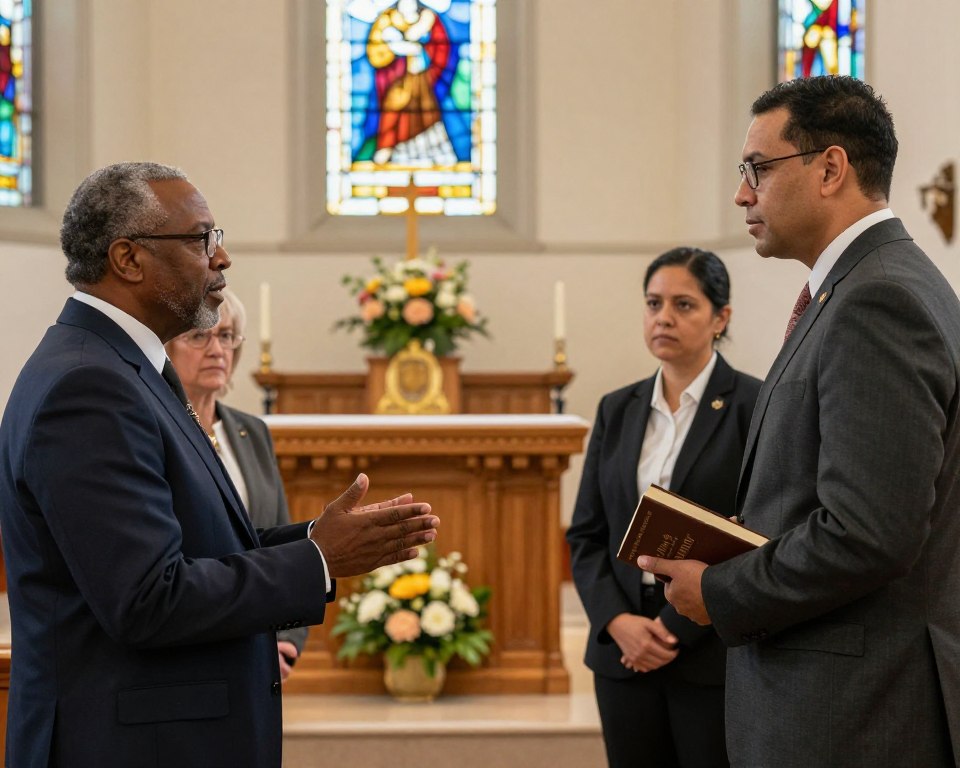
United Methodist bishops play a pivotal role in shaping the spiritual lives of local congregations across the United States. Their influence extends beyond spiritual guidance to include administrative oversight and community empowerment.
Empowering Church Communities
One of the key ways United Methodist bishops impact local congregations is by empowering church communities. They achieve this through various initiatives, including:
- Providing leadership development programs to enhance the capabilities of local church leaders.
- Encouraging community outreach efforts that foster a sense of connection and service among church members.
- Supporting mission work that addresses social issues and promotes the values of the United Methodist Church.
By empowering local church communities, United Methodist bishops enable them to become more effective in their mission and service. As UMC episcopal leaders, they are instrumental in guiding congregations toward a path of spiritual growth and community engagement.
Encouraging Discipleship and Mission Work
United Methodist conference bishops also play a crucial role in encouraging discipleship and mission work within local congregations. They promote a culture of discipleship by:
- Advocating for biblical literacy and spiritual practices among church members.
- Supporting mission trips and service projects that allow members to engage in meaningful work.
- Fostering a sense of connectionalism within the United Methodist Church, emphasizing the interconnectedness of congregations.
“The mission of the Church is to make disciples of Jesus Christ for the transformation of the world.” – This quote encapsulates the essence of the United Methodist Church’s mission, which is supported by the leadership of its bishops.
Through their efforts, United Methodist bishops inspire local congregations to embrace their role in the broader mission of the Church, promoting a spirit of service and discipleship.
Programs Initiated by United Methodist Bishops
Under the guidance of United Methodist bishops, the church has introduced several key initiatives that focus on leadership development and community support. These programs are designed to strengthen the church’s mission and enhance its ability to serve the community.
Leadership Development Initiatives
The United Methodist Church recognizes the importance of developing strong leaders within its congregations. To this end, bishops have initiated various leadership development programs. These initiatives provide training, mentorship, and resources to help individuals grow in their faith and leadership skills.
Key components of these initiatives include:
- Training workshops and conferences
- Mentorship programs pairing experienced leaders with emerging leaders
- Resource materials and online courses
Community Outreach and Support Programs
In addition to leadership development, United Methodist bishops have also launched community outreach and support programs. These initiatives aim to address social issues, provide support to vulnerable populations, and promote community engagement.
Examples of these programs include:
- Food banks and food distribution programs
- Health clinics and wellness initiatives
- Disaster relief efforts and support for affected communities
The impact of these programs can be seen in the following table, which highlights some of the achievements of United Methodist Church initiatives:
| Program | Description | Impact |
|---|---|---|
| Leadership Training | Comprehensive training for church leaders | 500+ leaders trained |
| Community Food Bank | Food distribution to those in need | 10,000+ meals served |
| Disaster Relief | Support for communities affected by natural disasters | $1 million+ in aid provided |
The programs initiated by United Methodist bishops demonstrate the church’s commitment to serving both its members and the broader community. Through leadership development and community outreach, the church is making a positive impact and fostering a spirit of service and compassion.
The Role of Bishops in United Methodist Church Conferences
Bishops in the United Methodist Church are central to the organization and execution of church conferences. These conferences are vital gatherings that bring together clergy and laity to discuss important matters, make decisions, and foster a sense of community and connection among church members.
Annual Conferences and Their Significance
Annual conferences are a cornerstone of the United Methodist Church’s organizational structure. These events provide a platform for bishops to lead and guide the church, addressing various issues ranging from theological discussions to administrative matters. During these conferences, bishops play a crucial role in facilitating discussions, making key decisions, and ensuring that the church remains aligned with its core values and mission.
The significance of annual conferences can be seen in several areas:
- They offer a chance for clergy and laity to come together, share experiences, and learn from one another.
- They provide a forum for addressing contemporary issues and challenges facing the church and society.
- They are instrumental in shaping the future direction of the church through decisions made during the conference.
Connectionalism in Methodism
Connectionalism is a fundamental aspect of Methodism, emphasizing the interconnectedness of church members and congregations. Bishops are key facilitators of this connection, working to ensure that local churches are linked with the broader United Methodist Church community.
The table below highlights key aspects of connectionalism in Methodism and the role of bishops:
| Aspect of Connectionalism | Role of Bishops |
|---|---|
| Unity and Cooperation | Fostering collaboration among clergy and congregations |
| Shared Resources | Ensuring equitable distribution of resources across the church |
| Support and Guidance | Providing pastoral care and leadership to clergy and laity |
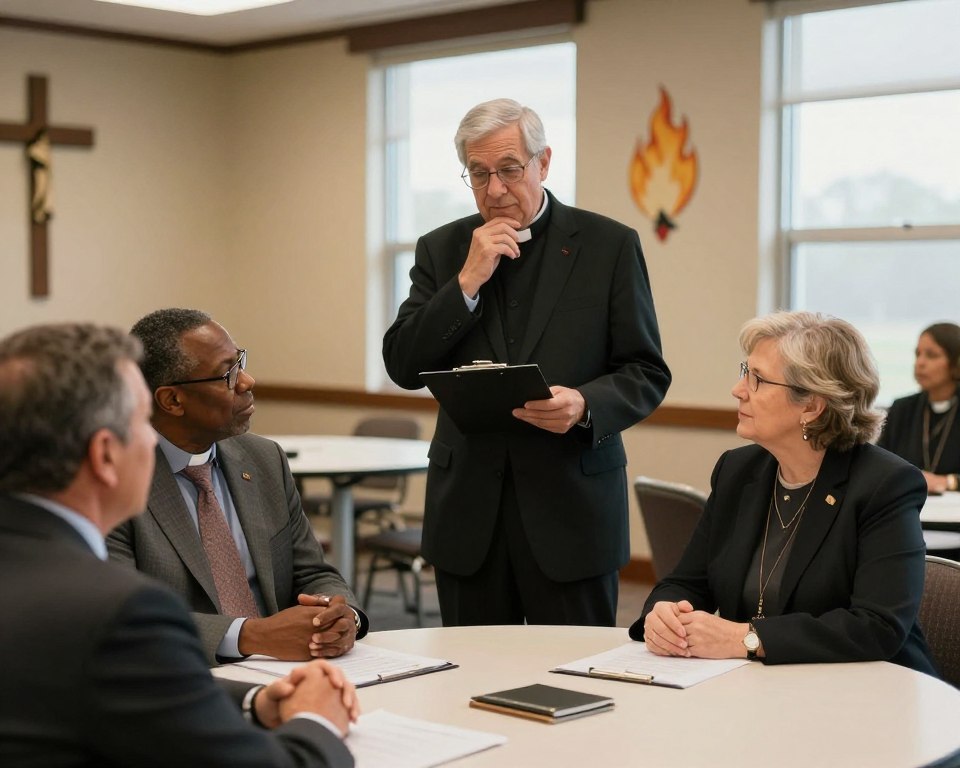
In conclusion, the role of bishops in United Methodist Church conferences is multifaceted and crucial to the functioning and direction of the church. Through their leadership and guidance, bishops help to foster a sense of unity and purpose among church members, ensuring that the church remains vibrant and effective in its mission.
Future Directions for United Methodist Bishops
In an era of significant social and cultural change, United Methodist bishops must navigate complex issues with wisdom and compassion. The church is not immune to the societal shifts that are reshaping communities across the United States.
Adapting to Cultural Changes
The United Methodist Church is called to be a beacon of hope and love in a world that is increasingly diverse and interconnected. Bishops must be forward-thinking, embracing changes that allow the church to remain relevant and effective in its mission.
As noted by a prominent religious leader,
“The church’s ability to adapt to cultural changes while remaining true to its core values is a testament to its resilience and commitment to serving the Lord.”
Embracing Technology and Innovation in Ministry
The rapid advancement of technology presents both opportunities and challenges for the United Methodist Church. Bishops are tasked with leveraging these advancements to enhance ministry and outreach efforts.
- Utilizing digital platforms to expand the church’s reach and engage with a wider audience.
- Incorporating technology into worship services and community programs.
- Supporting clergy and laity in developing the skills needed to effectively use technology in their ministries.
By embracing innovation and technology, United Methodist bishops can help the church remain vibrant and relevant in a rapidly changing world. As the church continues on its mission, the role of its bishops will be pivotal in guiding and supporting the faithful.
How to Get Involved with United Methodist Church Leadership
The United Methodist Church invites individuals to explore various ways to get involved in its leadership and make a positive impact. By participating in church activities and engaging with its leadership structure, members can contribute to the church’s mission and values.
Volunteer Opportunities within the Church
One of the primary ways to get involved with United Methodist Church leadership is through volunteer opportunities. These can range from serving on local church committees to participating in community outreach programs. Volunteering is a great way to meet like-minded individuals while serving the community.
- Join a local church committee to help with decision-making processes.
- Participate in community outreach programs, such as food drives or charity events.
- Assist with administrative tasks to support church staff.
Attending Conference Sessions
Attending conference sessions is another way to engage with United Methodist Church leadership. These conferences provide opportunities to learn about the church’s initiatives, network with other members, and participate in discussions about the church’s future. Conferences can be a valuable resource for personal and spiritual growth.
| Conference Type | Description | Frequency |
|---|---|---|
| Annual Conference | A gathering of church members to discuss important issues and elect leadership. | Annually |
| Regional Conference | A meeting of regional church leaders to address local concerns and initiatives. | Bi-Annually |
| General Conference | A global gathering of United Methodist Church members to discuss church-wide policies. | Quadrennially |
By exploring these opportunities, individuals can become more involved in the United Methodist Church’s leadership and contribute to its mission. Whether through volunteering or attending conferences, every effort counts in making a positive impact within the church and the broader community.
Resources for United Methodist Bishops and Laity
United Methodist bishops and laity can access various resources to deepen their understanding and engagement with the church. These resources support the development of spiritual leadership and the overall mission of the United Methodist Church.
Educational Materials and Training
The United Methodist Church offers numerous educational materials and training programs for bishops and laity. These resources cover topics such as church governance, spiritual leadership, and community outreach, ensuring that leaders are equipped to guide their congregations effectively. Understanding the UMC church hierarchy is crucial for effective leadership and decision-making within the church.
Online Platforms for Support
Online platforms provide opportunities for United Methodist bishops and laity to connect, share experiences, and access support. These platforms facilitate communication and collaboration, helping to foster a sense of community and unity among church members. Staying informed about united methodist bishop appointments can also help laity stay connected with the church’s leadership.
FAQ
What is the role of bishops in the United Methodist Church?
United Methodist Church bishops provide spiritual leadership and oversight, guiding local congregations and making key decisions for the church. They are responsible for ensuring the church’s mission and vision are carried out.
How are United Methodist Church bishops selected?
The selection process for United Methodist Church bishops involves nomination and election. The criteria for nomination include a deep understanding of the church’s teachings and a demonstrated ability to lead. The election process is carried out by the church’s General Conference.
What is the significance of the United Methodist Church’s new vision statement?
The new vision statement, unveiled by the Council of Bishops, emphasizes loving boldly, serving joyfully, and leading courageously. This statement guides the church’s mission and direction, and bishops play a key role in implementing it.
How do United Methodist bishops address contemporary social issues?
United Methodist bishops are responsible for guiding the church’s response to contemporary social issues, such as social justice and inequality. They provide leadership and support to local congregations as they address these issues.
What is the role of bishops in United Methodist Church conferences?
Bishops play a crucial role in facilitating connection and collaboration among church members and leaders at annual conferences. They preside over conference sessions and provide guidance and support to delegates.
How can I get involved with United Methodist Church leadership?
There are several ways to get involved with United Methodist Church leadership, including volunteer opportunities within the church and attending conference sessions. You can also explore leadership development initiatives and training programs.
What resources are available to support United Methodist bishops and laity?
The United Methodist Church provides a range of resources to support bishops and laity, including educational materials, training programs, and online platforms for networking and support.
How do United Methodist bishops empower church communities?
United Methodist bishops empower church communities by providing guidance and support, encouraging discipleship and mission work, and facilitating connection and collaboration among church members.
What is the importance of diversity among United Methodist bishops?
Diversity among United Methodist bishops is essential for ensuring the church remains relevant and effective in its mission. A diverse episcopacy brings different perspectives and experiences, enriching the church’s leadership.
How are United Methodist bishops adapting to cultural changes?
United Methodist bishops are adapting to cultural changes by embracing new technologies and innovative approaches to ministry. They are also working to address the needs of a changing society.