The role of a District Superintendent in the United Methodist Church is multifaceted and crucial to the church’s leadership structure. They play a vital part in guiding local churches and pastors.
The Lewis Center for Church Leadership collaborates closely with District Superintendents to help them achieve their goals, underscoring the importance of this position. By working together, they can better serve the needs of the church community.
A District Superintendent’s responsibilities are diverse, ranging from providing spiritual guidance to overseeing administrative tasks. Their leadership is essential to the success of the church.
Key Takeaways
- Understanding the role of a District Superintendent
- The importance of their leadership in the church
- Collaboration with the Lewis Center for Church Leadership
- Diverse responsibilities of a District Superintendent
- Significance of their guidance for local churches and pastors
What is a District Superintendent?
The position of a District Superintendent is vital in shaping the United Methodist Church’s ministry strategies. As an extension of the episcopal office, they serve as the district’s chief mission strategist, guiding clergy and congregations alike.
Definition and Role
A District Superintendent in the United Methodist Church (UMC) is a clergy member appointed to oversee a district within an annual conference. They are responsible for providing spiritual leadership and administrative guidance to the local churches within their district.
The role of a District Superintendent is multifaceted, involving the supervision of clergy, providing support to pastors, and facilitating communication between the local churches and the annual conference.
Responsibilities
The responsibilities of a District Superintendent are diverse and critical to the functioning of the UMC. Some of their key duties include:
- Providing pastoral care and guidance to clergy and their families
- Facilitating the appointment process for pastors to local churches
- Conducting district meetings and training events
- Collaborating with other District Superintendents and church leaders
| Responsibility | Description |
|---|---|
| Pastoral Care | Providing emotional and spiritual support to clergy and their families |
| Appointment Process | Facilitating the appointment of pastors to local churches |
| District Meetings | Organizing and conducting meetings for clergy and laity within the district |
By understanding the role and responsibilities of a District Superintendent, one can appreciate the significant impact they have on the United Methodist Church’s operations and spiritual growth.
The Importance of District Superintendents
District Superintendents are essential leaders within the United Methodist Church, guiding both spiritually and administratively. They hold significant power within the church, guiding decisions that impact the annual conference and supervising the ministry within their district.
Spiritual Leadership
The District Superintendent plays a pivotal role in providing spiritual guidance to the pastors and churches within their district. They are responsible for fostering a sense of community and cooperation among the churches, encouraging them to work together towards common goals.
- Providing pastoral support and guidance to clergy
- Facilitating spiritual growth and development programs
- Encouraging collaboration and unity among churches
By doing so, they help create an environment where churches can thrive and effectively serve their communities. The methodist district leader is instrumental in promoting a culture of spiritual growth and service.
Administrative Oversight
In addition to spiritual leadership, District Superintendents are also responsible for the administrative oversight of their district. This includes managing the operational aspects of the churches, ensuring compliance with church policies, and overseeing the appointment of pastors to local churches.
- Supervising the administrative tasks of the district
- Ensuring adherence to church laws and policies
- Managing the appointment process for pastors
Effective administrative oversight by the District Superintendent is crucial for the smooth functioning of the churches within their district. It allows pastors to focus on their spiritual duties, knowing that the administrative aspects are being handled competently.
In summary, the role of a District Superintendent is multifaceted, encompassing both spiritual leadership and administrative oversight. Their contributions are vital to the health and effectiveness of the United Methodist Church.
How District Superintendents are Appointed
The United Methodist Church has a structured process for appointing District Superintendents, which is overseen by the bishop of the Annual Conference. This process is crucial for ensuring that the right individuals are selected for these significant leadership roles.
Appointment Process
The appointment of District Superintendents involves several key steps. First, the bishop considers the needs of the church and the districts within the Annual Conference. Then, potential candidates are evaluated based on their qualifications, experience, and spiritual leadership abilities.
District Superintendents are appointed by the bishop and must be elders or individuals ordained in Word, Sacrament, and Order. This requirement ensures that they have the necessary theological grounding and pastoral experience to lead effectively.
Criteria for Selection
The criteria for selecting District Superintendents include their ability to provide spiritual leadership, administrative competence, and a deep understanding of the United Methodist Church’s teachings and practices.
| Criteria | Description |
|---|---|
| Spiritual Leadership | Ability to guide and inspire clergy and laity within the district. |
| Administrative Competence | Skills in managing the administrative aspects of the district, including financial management and organizational oversight. |
| Theological Understanding | Deep understanding of the United Methodist Church’s doctrine and practices. |
The appointment process is designed to identify individuals who not only meet these criteria but also have a proven track record of leadership within the church. By carefully selecting District Superintendents, the United Methodist Church ensures that its districts are led by capable and dedicated individuals.
Relationship with Local Churches
In the United Methodist Church, District Superintendents serve as vital links between the church’s administrative body and its local churches. This connection is crucial for the effective functioning of the church at the local level.
Support for Pastors
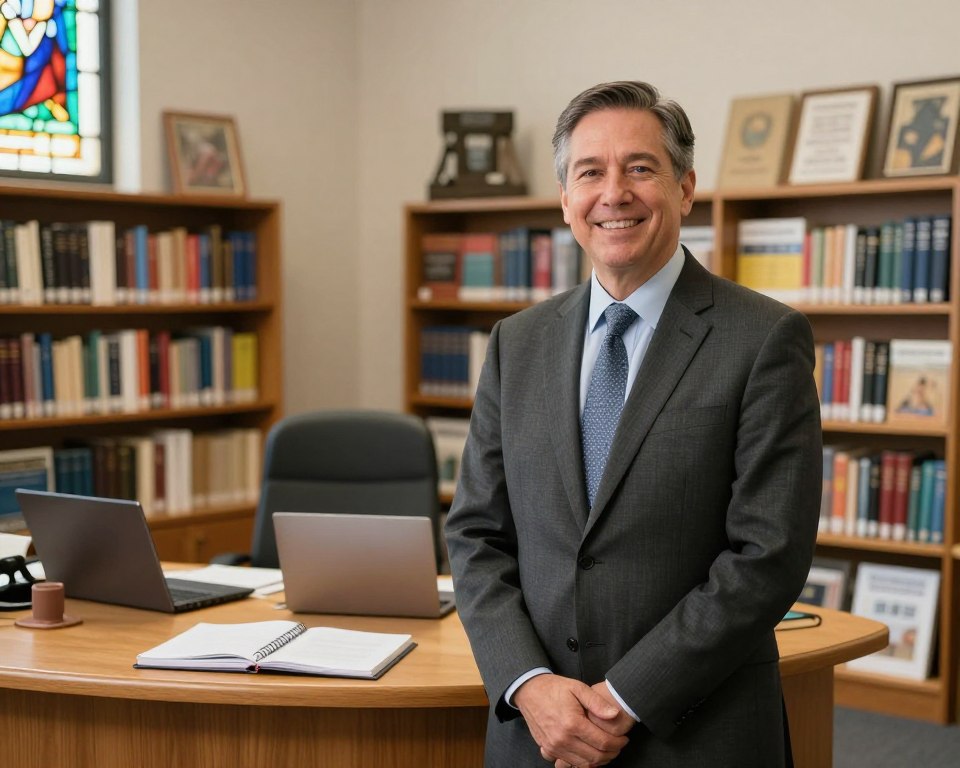
One of the key roles of a District Superintendent is to provide support for pastors within their district. This support can take many forms, including guidance on pastoral matters, assistance with conflict resolution, and help with administrative tasks. By providing this support, District Superintendents enable pastors to focus on their core duties, such as preaching, teaching, and pastoral care.
District Superintendents also play a crucial role in the appointment process for pastors. They work closely with pastors and local churches to identify the best fit for each church, taking into account the needs of the congregation and the skills and experience of the pastor.
Connection to Congregations
In addition to supporting pastors, District Superintendents maintain a strong connection to congregations. They visit local churches, attend worship services, and engage with church members to understand their needs and concerns. This connection helps District Superintendents to make informed decisions about clergy appointments and other matters affecting the local church.
Some of the ways District Superintendents connect with congregations include:
- Regular visits to local churches
- Participation in worship services and other church events
- Meetings with church leaders and members
- Providing guidance and support on church-related matters
By maintaining a strong connection to congregations, District Superintendents can facilitate effective communication between the church’s administrative body and its local churches. This, in turn, helps to promote a sense of unity and cooperation throughout the United Methodist Church.
“The District Superintendent is a key figure in the United Methodist Church, providing a vital link between the church’s administrative body and its local churches.”
The role of the District Superintendent is multifaceted, involving both support for pastors and connection to congregations. By fulfilling these responsibilities, District Superintendents play a critical role in the life of the United Methodist Church.
The District Superintendent’s Role in Conference
As a key figure in the United Methodist Church, the District Superintendent’s involvement in the Annual Conference is multifaceted. Their role encompasses a range of responsibilities that are crucial to the effective functioning of the conference.
Participation in Annual Conference
The District Superintendent’s participation in the Annual Conference is a significant aspect of their role. They are actively involved in the conference proceedings, contributing to discussions and decision-making processes. This involvement ensures that the conference is well-informed about the needs and challenges faced by local churches and clergy.
Key Responsibilities during the Annual Conference:
- Reporting on the state of local churches within their district
- Participating in the discussion on key issues affecting the church
- Collaborating with other District Superintendents and church leaders
Collaboration with Other Leaders
District Superintendents work closely with other church leaders, including the bishop and other District Superintendents. This collaboration is essential for aligning the efforts of different districts and ensuring a unified approach to addressing the challenges faced by the church.
The importance of this collaboration cannot be overstated, as it enables the church to present a cohesive front in its mission and ministry.
Here is a summary of the District Superintendent’s role in the Annual Conference and their collaboration with other leaders:
| Role | Description | Key Collaborators |
|---|---|---|
| Participation in Annual Conference | Contributing to discussions and decision-making | Bishop, Other District Superintendents |
| Collaboration with Other Leaders | Aligning district efforts and addressing church challenges | Bishop, Other District Superintendents, Local Church Leaders |
Challenges Faced by District Superintendents
The position of District Superintendent is fraught with challenges that test their leadership and management skills. As a key figure in the United Methodist Church, a District Superintendent must navigate complex issues while maintaining a strong connection with local churches and pastors.
One of the significant challenges they face is navigating conflict within the district. Conflicts can arise from various sources, including differences in opinion among church members, disagreements between pastors and congregation, or issues related to church policies.
Navigating Conflict
Navigating conflict effectively requires strong interpersonal skills, patience, and a deep understanding of the church’s teachings. District Superintendents must be adept at mediating disputes and finding resolutions that align with the church’s values.
- Active listening to understand the concerns of all parties involved
- Empathy to connect with individuals experiencing conflict
- Fairness in decision-making to maintain trust and respect
As noted by a seasoned District Superintendent,
“The ability to navigate conflict is crucial for maintaining harmony within the district. It requires a delicate balance between understanding different perspectives and making decisions that are in the best interest of the church.”
Balancing Diverse Needs
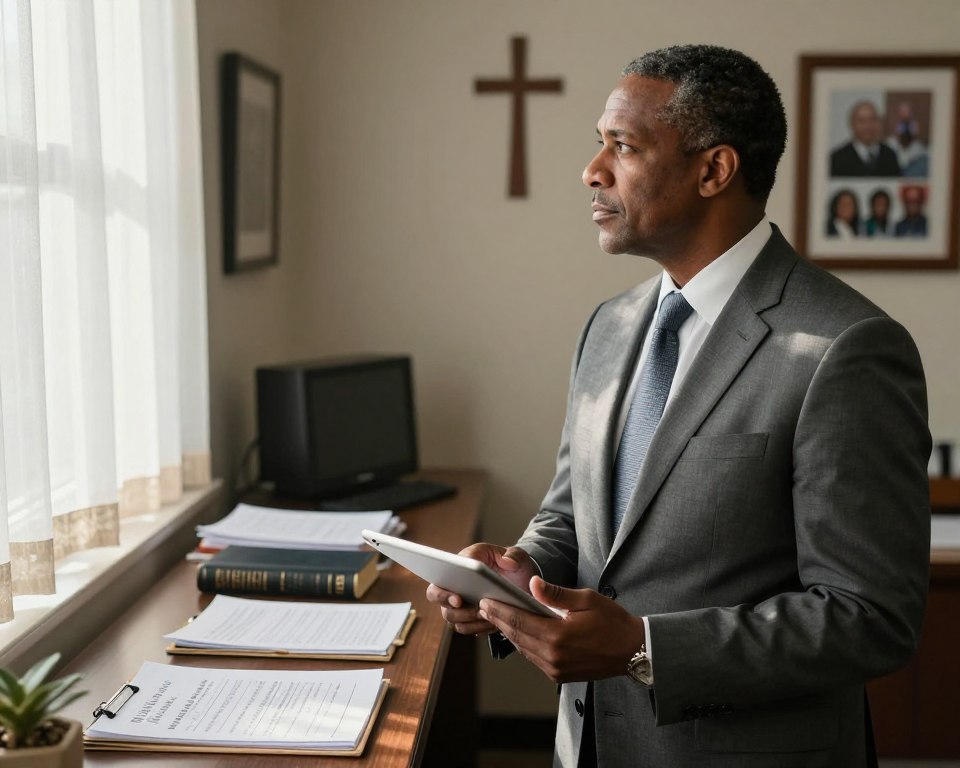
Another significant challenge is balancing the diverse needs within the district. District Superintendents must cater to various congregations with different needs, expectations, and cultural backgrounds.
This involves:
- Understanding the unique needs of each congregation
- Allocating resources effectively to support diverse initiatives
- Fostering a sense of unity among diverse groups
By adopting a flexible and inclusive approach, District Superintendents can better address the diverse needs within their district, ensuring that all congregations feel supported and valued.
Effective leadership in this context means being able to adapt to changing circumstances while keeping the church’s mission at the forefront.
Resources Available for District Superintendents
To effectively lead, District Superintendents rely on a range of resources available through the United Methodist Church. These resources are crucial for supporting their roles and ensuring they can provide effective leadership.
The Lewis Center for Church Leadership is one of the key organizations that offer various resources, including training and development programs, to support District Superintendents. These programs are designed to enhance their leadership skills and address the challenges they face.
Training and Development Programs
Training and development programs are essential for District Superintendents to stay updated on best practices and to develop their skills further. The Lewis Center for Church Leadership provides a variety of programs tailored to the needs of District Superintendents, focusing on areas such as spiritual leadership, administrative oversight, and conflict resolution.
These programs not only enhance their ability to lead but also provide a platform for them to share their experiences and learn from others. By participating in these training sessions, District Superintendents can gain insights into effective strategies for managing their districts and supporting their pastors and congregations.
Networking Opportunities
Networking is a vital aspect of being a successful District Superintendent. It allows them to connect with other leaders, share challenges, and collaborate on solutions. The United Methodist Church facilitates various networking opportunities through conferences, workshops, and online platforms.
These networking opportunities enable District Superintendents to build relationships with other church leaders, including bishops, pastors, and lay leaders. By doing so, they can foster a sense of community and cooperation, which is essential for achieving the church’s mission.
District Superintendents can also benefit from the experiences and insights shared by their peers, gaining valuable knowledge on how to navigate complex issues and improve their leadership.
Engaging with the Community
The United Methodist Church’s District Superintendents are instrumental in promoting community outreach and volunteerism. As spiritual leaders, they play a crucial role in fostering connections between the church and the broader community.
Outreach Programs
Outreach programs are a vital component of community engagement. District Superintendents can initiate or support programs that address local needs, such as food drives, educational workshops, and health services. These programs not only benefit the community but also strengthen the church’s presence and relevance.
“The church is not a building; it’s the people.” This quote emphasizes the importance of active engagement with the community. By focusing on outreach, District Superintendents can help the United Methodist Church become a positive force in the lives of individuals and families.
Encouraging Volunteerism
Encouraging volunteerism is another key aspect of community engagement. District Superintendents can inspire and mobilize church members to participate in volunteer work, fostering a sense of purpose and unity among congregants. Volunteer efforts can range from environmental initiatives to supporting local charities.
By promoting a culture of service, District Superintendents can help united methodist clergy and laity alike to engage meaningfully with the community, reflecting the values of compassion, empathy, and kindness that are central to the United Methodist Church’s mission.
Effective community engagement requires a thoughtful and multi-faceted approach. District Superintendents who prioritize outreach and volunteerism can make a significant difference in their communities, enhancing the church’s impact and building stronger, more resilient relationships with the people they serve.
The Future of the United Methodist Church Leadership
As the United Methodist Church evolves, its leadership must adapt to a changing landscape. The role of the District Superintendent is crucial in this evolution, requiring a blend of traditional values and innovative practices.
Changing Roles in a Diverse Landscape
The United Methodist Church is becoming increasingly diverse, with congregations spanning different cultures, ages, and theological perspectives. District Superintendents must navigate this diversity, ensuring that the church remains inclusive and relevant.
Key challenges include:
- Embracing theological diversity
- Fostering unity among diverse congregations
- Addressing the needs of a changing demographic
This requires adaptability and a willingness to listen to different perspectives, making the role of the District Superintendent both challenging and rewarding.
Adapting to New Challenges
The future of the United Methodist Church leadership will be shaped by its ability to address new challenges. These include technological advancements, societal changes, and internal restructuring.
District Superintendents will need to:
- Leverage technology to enhance communication and outreach
- Respond to societal issues with compassion and guidance
- Navigate the complexities of church polity and governance
By embracing these challenges, the United Methodist Church can position itself for a vibrant future, with District Superintendents playing a pivotal role in church leadership position.
The methodist district leader of tomorrow will be characterized by their ability to innovate, collaborate, and lead with empathy.
Concluding Thoughts on Leadership
The role of a United Methodist Church District Superintendent is multifaceted and crucial to the functioning of the church. As a united methodist church district superintendent, they provide spiritual leadership, administrative oversight, and guidance to local churches and pastors.
Lasting Legacy of District Superintendents
District Superintendents have a significant impact on the church, shaping its direction and fostering growth. Their leadership can inspire future generations of church leaders, leaving a lasting legacy within the United Methodist Church.
Inspiring Future Leaders
By mentoring pastors and engaging with congregations, a umc district superintendent plays a vital role in developing the next generation of church leaders. Their influence extends beyond their tenure, as they help shape the church’s future.
In conclusion, the leadership provided by District Superintendents is essential to the United Methodist Church’s continued growth and vitality. Their dedication and service have a lasting impact on the church and its community.
FAQ
What is the role of a District Superintendent in the United Methodist Church?
A District Superintendent is a key leader in the United Methodist Church, responsible for guiding clergy and congregations, and serving as a chief mission strategist in shaping the church’s ministries.
How are District Superintendents appointed?
District Superintendents are appointed by the bishop, who selects them based on specific criteria, including their experience, skills, and spiritual leadership abilities.
What is the relationship between a District Superintendent and local churches?
District Superintendents provide support for pastors and maintain a connection to congregations, facilitating informed decision-making about clergy appointments and fostering a collaborative relationship with local churches.
What challenges do District Superintendents face?
District Superintendents face challenges such as navigating conflict, balancing diverse needs, and adapting to changing circumstances, requiring effective leadership and problem-solving skills.
What resources are available to District Superintendents?
District Superintendents have access to training and development programs, networking opportunities, and support from organizations like the Lewis Center for Church Leadership, helping them to develop their skills and stay connected with other leaders.
How do District Superintendents engage with the community?
District Superintendents engage with the community through outreach programs, encouraging volunteerism, and fostering partnerships with other organizations, promoting the church’s mission and values.
What is the future of leadership in the United Methodist Church?
The future of leadership in the United Methodist Church will require District Superintendents to adapt to changing circumstances, embracing new challenges and opportunities, and continuing to provide effective spiritual leadership and guidance.
What is the impact of a District Superintendent on the church?
District Superintendents have a significant impact on the church, providing spiritual leadership, administrative oversight, and guidance, and inspiring future generations of leaders.
What is the role of a District Superintendent in the Annual Conference?
District Superintendents participate in the Annual Conference, collaborating with other leaders, and contributing to the conference’s work, helping to shape the church’s mission and direction.
How do District Superintendents balance the diverse needs of their district?
District Superintendents balance the diverse needs of their district by being attentive to the needs of clergy and congregations, and by making informed decisions that take into account the unique circumstances of each local church.