The United Methodist Church is a Protestant denomination with a rich history and a strong emphasis on social justice. Its doctrine is rooted in the teachings of John Wesley, who emphasized the importance of personal faith, evangelism, and social responsibility.
The church’s beliefs are shaped by its understanding of God, Jesus, the Holy Spirit, and the Bible. At its core, the UMC theology is centered on the idea of personal salvation and the pursuit of social justice.
Key Takeaways
- Understanding the United Methodist Church’s core beliefs
- The importance of personal faith and evangelism
- The role of social responsibility in UMC theology
- The church’s views on God, Jesus, and the Holy Spirit
- The significance of the Bible in Methodist beliefs
Overview of United Methodist Church Doctrine
Understanding the United Methodist Church’s doctrine requires an exploration of its foundational beliefs and the historical context that has shaped them. The United Methodist Church is rooted in Wesleyan theology, which emphasizes the importance of personal faith, evangelism, and social justice.
Key Beliefs and Principles
The United Methodist Church’s doctrine is centered on the concept of the Trinity, affirming the Father, Son, and Holy Spirit as one God. This foundational belief shapes their understanding of God’s relationship with humanity and informs their practices and teachings.
Key principles include the importance of personal faith and the role of social responsibility. United Methodists believe that faith is not just a personal matter but is also lived out through acts of love and service to others. This is encapsulated in the concept of “Faith Working Through Love,” which examines how the United Methodist Church understands God’s actions in Christ and through the Spirit.
Historical Context and Development
The United Methodist Church’s doctrine has developed over time, influenced by its Wesleyan roots and the broader Christian tradition. The church’s history is marked by significant events and theological debates that have shaped its current beliefs and practices.
The doctrine of the United Methodist Church is also influenced by its ecumenical dialogues and the quest for Christian unity. This historical context is crucial for understanding the church’s current stance on various theological issues and its engagement with contemporary challenges.
The Role of Scripture in Doctrine
At the heart of United Methodist doctrine lies a deep reverence for scripture, interpreted in the context of reason, tradition, and experience. This approach, often referred to as the Wesleyan quadrilateral, underscores the comprehensive nature of the church’s theological framework.
Importance of the Bible
The United Methodist Church affirms the authority of the Bible, viewing it as a primary source of guidance for faith and practice. The church’s doctrine is rooted in the belief that scripture contains the fundamental truths necessary for salvation and living a Christian life.
“The Bible is the primary source of guidance for faith and practice in the United Methodist Church, providing the foundational truths necessary for salvation and Christian living.”
The significance of the Bible in United Methodist doctrine is further highlighted by its role in worship, education, and decision-making processes within the church. Scripture is seen as a living word that speaks to the hearts of believers, guiding them in their spiritual journeys.
Interpretation of Scriptures
The interpretation of scriptures in the United Methodist Church is guided by the principles of reason, tradition, and experience. This multifaceted approach allows for a nuanced understanding of biblical texts, taking into account historical context, scholarly insights, and personal experiences of faith.
| Principle | Description | Role in Interpretation |
|---|---|---|
| Reason | The use of rational thought and scholarly inquiry | Provides a critical and informed understanding of scripture |
| Tradition | The historical and cultural context of the church | Offers insights into how scripture has been interpreted throughout church history |
| Experience | Personal and communal experiences of faith | Brings a living and personal dimension to the interpretation of scripture |
The United Methodist Church’s approach to scripture interpretation is reflective of its broader theological commitments, including the Wesleyan emphasis on personal and social holiness. By engaging scripture through the lens of reason, tradition, and experience, the church seeks to deepen its understanding of God’s will and to live out its faith in a meaningful and authentic way.
Understanding Grace in United Methodist Teachings
Grace, as understood by the United Methodist Church, is the unmerited favor of God towards humanity. This concept is central to Methodist beliefs and is rooted in Wesleyan theology, which emphasizes the importance of grace in the Christian life.
The United Methodist Church teaches that grace is not something that can be earned; rather, it is a gift from God that allows believers to experience His love and forgiveness. As John Wesley, the founder of Methodism, noted, “Grace is God’s love in action towards us.” This understanding of grace is foundational to United Methodist doctrine and informs various aspects of Methodist beliefs and practices.
The Concept of Prevenient Grace
Prevenient grace refers to the grace that precedes human decision-making. It is the grace that “goes before” us, enabling us to respond to God’s love. In United Methodist teachings, prevenient grace is seen as a universal gift, available to all people, regardless of their faith background. This type of grace is understood to be at work in the lives of individuals, drawing them towards God and preparing them for the reception of further grace.
As the United Methodist Church emphasizes, prevenient grace is a crucial aspect of the Christian experience, as it allows individuals to come to faith freely. It is this grace that enables people to see the need for salvation and to respond to the Gospel message.
The Role of Justifying Grace
Justifying grace is the grace that brings individuals into a right relationship with God. It is through justifying grace that people are forgiven of their sins and justified before God. In United Methodist doctrine, justifying grace is seen as a gracious act of God, where He declares the believer righteous, not because of their works, but because of their faith in Jesus Christ.
“We are justified by faith alone, but not by a faith that is alone.” This quote highlights the United Methodist understanding that while faith is the means by which we are justified, true faith is always accompanied by works of love and obedience.
The Process of Sanctifying Grace
Sanctifying grace is the grace that transforms believers, enabling them to grow in holiness and to live a life that is pleasing to God. This type of grace is seen as a continuous process, where the believer is progressively sanctified, or made holy, through the work of the Holy Spirit.
In United Methodist teachings, sanctifying grace is understood to be essential for living out one’s faith in a meaningful way. It is this grace that empowers believers to love God and their neighbors, and to live according to the teachings of Jesus Christ.
In conclusion, the concept of grace is multifaceted in United Methodist teachings, encompassing prevenient, justifying, and sanctifying grace. Each of these aspects of grace plays a vital role in the Christian life, from enabling individuals to come to faith, to justifying them before God, to transforming them into the likeness of Christ.
The Sacraments in United Methodist Theology
Sacraments play a crucial role in the spiritual lives of United Methodists, serving as a conduit for divine grace. The United Methodist Church recognizes two primary sacraments: Baptism and Holy Communion. These sacraments are considered means of grace, through which God’s love and salvation are experienced by believers.
Baptism: Significance and Practice
Baptism is understood as a symbol of initiation into the Christian faith. It represents a person’s commitment to follow Jesus Christ and is considered a sacrament of initiation and incorporation into the body of Christ. The United Methodist Church practices baptism by sprinkling, pouring, or immersion, accommodating various understandings of the mode of baptism.
The significance of Baptism lies in its representation of God’s grace and the individual’s response to that grace. It is a visible sign of an inward spiritual reality, symbolizing the cleansing of sin and the new life in Christ.
Holy Communion: Understanding the Eucharist
Holy Communion, also known as the Eucharist, is a sacrament in which believers participate in the body and blood of Christ through the elements of bread and wine (or grape juice). United Methodists understand Holy Communion as a means of experiencing God’s grace and presence among the community of believers.
The practice of Holy Communion is seen as a communal act, where participants are united with Christ and with one another. It is a celebration of the Last Supper and a commemoration of Christ’s sacrifice on the cross.
In United Methodist theology, the sacraments of Baptism and Holy Communion are integral to the life of faith, providing a tangible connection to the divine and to the community of believers.
The Nature of God in United Methodist Doctrine
At the heart of United Methodist doctrine is the belief in one God in three persons: Father, Son, and Holy Spirit. This fundamental Christian doctrine, known as the Trinity, is central to understanding the United Methodist Church’s teachings about God’s nature and character.
Trinity: Father, Son, and Holy Spirit
The United Methodist Church affirms the Trinitarian concept of God, emphasizing the unity and coequality of the Father, Son, and Holy Spirit. This doctrine is foundational to John Wesley’s teachings, which stress the importance of understanding God’s nature as a unity of three distinct yet inseparable persons.
The Trinity is not just a theological concept but a living reality that shapes the Methodist church’s teachings on salvation, worship, and community life. It underscores the relational aspect of God’s being, highlighting God’s interaction with humanity through the Father’s creation, the Son’s redemption, and the Holy Spirit’s sanctification.
God’s Relationship with Humanity
United Methodist doctrine emphasizes that God’s relationship with humanity is characterized by love, mercy, and grace. According to United Methodist church principles, God is not a distant creator but a loving parent who desires a personal relationship with each individual.
| Aspect of God’s Relationship | United Methodist Understanding |
|---|---|
| Creation | God created humanity in God’s own image, desiring a loving relationship. |
| Redemption | Through Jesus Christ, God offers salvation and reconciliation to humanity. |
| Sanctification | The Holy Spirit works within believers to sanctify and grow them in faith. |
This understanding of God’s relationship with humanity is rooted in the John Wesley doctrine, which emphasizes the grace of God available to all people. It encourages believers to live out their faith in service and love to others, reflecting God’s character in the world.
The United Methodist Church’s Social Principles
Social justice and community service are foundational elements of the United Methodist Church’s doctrine, reflecting its commitment to putting faith into action.
Importance of Social Justice
The United Methodist Church sees social justice as a vital component of the Christian faith. This involves advocating for the rights of the marginalized, promoting equality, and standing against injustice. The emphasis on social justice is rooted in the belief that faith without works is dead.
Thus, United Methodists are encouraged to be actively involved in their communities, working towards creating a more just and equitable society. This can involve various activities, from advocacy to direct service.
Engagement in Community Service
Community service is another critical aspect of the United Methodist Church’s social principles. Members are called to serve others, demonstrating God’s love through tangible actions. This service can take many forms, including volunteering at local shelters, participating in community development projects, and providing aid to those in need.
| Initiative | Description | Impact |
|---|---|---|
| Community Food Drives | Organizing food drives to support local food banks and pantries. | Provides essential nutrition to families and individuals in need. |
| Advocacy for Policy Change | Advocating for legislative changes that promote social justice. | Contributes to systemic changes that benefit marginalized communities. |
| Disaster Relief Efforts | Providing immediate and long-term support to areas affected by natural disasters. | Helps communities recover and rebuild after disasters. |
The United Methodist Church’s social principles are a defining feature of its doctrine, emphasizing the importance of living out one’s faith through service and advocacy. By engaging in social justice and community service, United Methodists embody their commitment to making a positive difference in the world.

Doctrinal Differences with Other Denominations
The United Methodist Church’s theology is shaped by its history and Wesleyan principles, setting it apart from other denominations like Baptists and Catholics. Understanding these differences is essential for grasping the unique aspects of United Methodist beliefs.
Key Distinctions from Baptists
One of the primary distinctions between the United Methodist Church and Baptists lies in their views on baptism and salvation. While Baptists practice believer’s baptism by immersion, the United Methodist Church practices infant baptism and recognizes various modes of baptism.
Baptismal Practices: The United Methodist Church’s practice of infant baptism reflects its emphasis on grace and the sacrament as a means of grace, whereas Baptists emphasize believer’s baptism as a symbol of faith.
Comparison with Catholic Doctrine
The United Methodist Church shares some similarities with Catholic doctrine, such as the importance of sacraments and the concept of the Trinity. However, significant differences exist, particularly regarding the authority of the Pope and the concept of transubstantiation in the Eucharist.
Sacramental Theology: United Methodists view sacraments as means of grace, but they do not subscribe to the Catholic doctrine of transubstantiation. Instead, they hold to a more symbolic understanding of the Eucharist.
| Doctrine | United Methodist Church | Baptists | Catholics |
|---|---|---|---|
| Baptism | Infant baptism, various modes | Believer’s baptism by immersion | Infant baptism, sacrament of initiation |
| Eucharist | Symbolic understanding | Symbolic or memorial view | Transubstantiation |
| Authority | Conference-based governance | Congregational governance | Papal authority |
The United Methodist Church and Traditions
The United Methodist Church’s rich heritage is reflected in its liturgical traditions and worship practices. With a strong foundation in the teachings of John Wesley, the church has developed a unique approach to worship that emphasizes the importance of community and spiritual growth.
Liturgical Practices
The United Methodist Church places a significant emphasis on liturgical practices, which are guided by the Book of Worship and the Book of Discipline. These resources provide a framework for worship services, including the sacraments of baptism and Holy Communion. The church’s liturgical practices are designed to be inclusive and accessible, allowing congregations to worship in a manner that is meaningful to them.
Liturgical Elements include the use of ritual, symbol, and sacrament to convey the depth of God’s love and grace. For example, the practice of baptism is seen as a symbol of initiation into the community of faith, while Holy Communion is understood as a means of experiencing God’s grace and presence.
| Liturgical Element | Significance | Practice |
|---|---|---|
| Baptism | Initiation into the community of faith | Performed with water, symbolizing cleansing and new life |
| Holy Communion | Experiencing God’s grace and presence | Sharing bread and wine (or grape juice), symbolizing Christ’s body and blood |
Importance of Worship
Worship is central to the life of the United Methodist Church, providing a means for individuals to connect with God and with one another. Through worship, congregations express their faith, celebrate the sacraments, and are equipped for service in the world.
The United Methodist Church’s approach to worship is characterized by a balance between tradition and contemporary expression. This balance allows the church to remain rooted in its heritage while being relevant to the needs of the contemporary world.
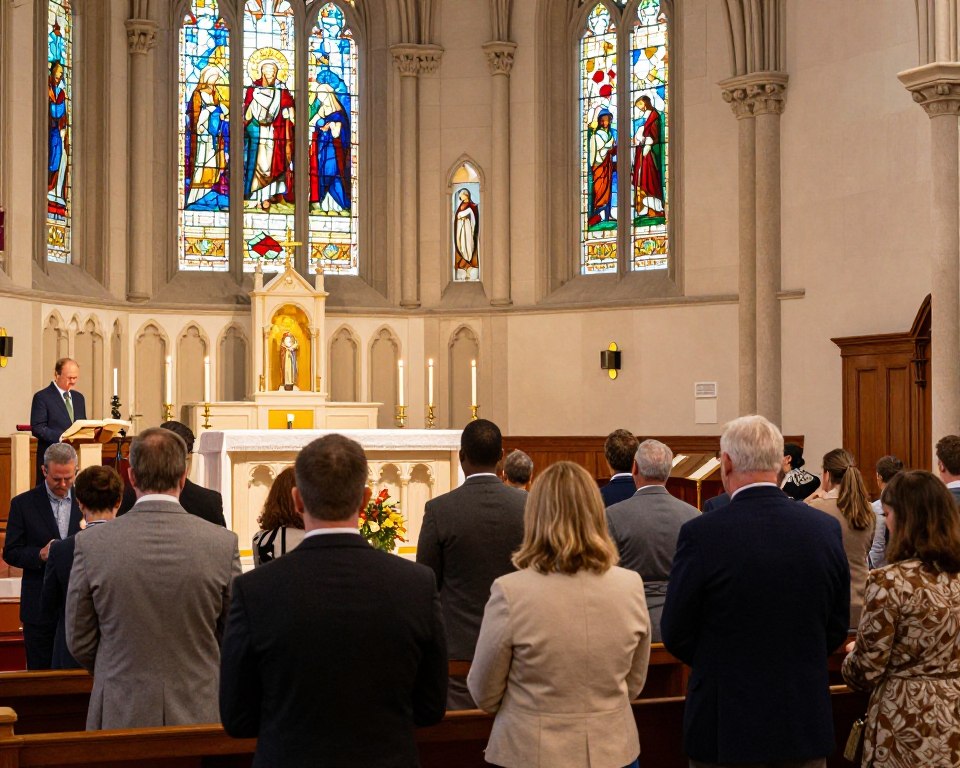
The importance of worship in the United Methodist Church is reflected in its commitment to providing resources and guidance for congregations to worship in a meaningful and effective manner. By prioritizing worship, the church seeks to foster a deep and abiding relationship between God and God’s people.
Conclusion: Living Out United Methodist Doctrine
The United Methodist Church doctrine is rooted in a deep commitment to living out one’s faith in daily life, guided by key principles and beliefs that shape the lives of its adherents. At its core, United Methodist theology emphasizes the importance of personal devotion, community service, and fellowship with others.
Faith in Action
Living out Methodist beliefs involves putting faith into practice through acts of service and compassion. This understanding is central to the United Methodist Church’s approach to Christianity, where faith is not just a personal conviction but a call to action.
Community and Worship
The United Methodist Church sees community and worship as essential components of the Christian life. Through participation in Holy Communion and other liturgical practices, adherents of UMC theology deepen their relationship with God and with one another, fostering a sense of unity and shared purpose.
In summary, the united methodist church doctrine provides a comprehensive framework for understanding and living out the Christian faith. By embracing the principles of Methodist beliefs and UMC theology, individuals can cultivate a rich and meaningful spiritual life.
FAQ
What are the core beliefs of the United Methodist Church?
The United Methodist Church is rooted in the teachings of John Wesley and emphasizes the importance of personal faith, evangelism, and social responsibility, with a strong focus on the Trinity and the authority of scripture.
How does the United Methodist Church interpret the Bible?
The United Methodist Church interprets the Bible using the principles of reason, tradition, and experience, guided by the Wesleyan theological tradition.
What is the significance of grace in United Methodist teachings?
The United Methodist Church emphasizes the importance of grace, including prevenient, justifying, and sanctifying grace, as a means of experiencing God’s love and forgiveness.
What are the sacraments in United Methodist theology?
The United Methodist Church recognizes two sacraments: Baptism and Holy Communion, which are seen as means of experiencing God’s grace and presence.
How does the United Methodist Church understand the nature of God?
The United Methodist Church believes in the Trinity, understanding God as a loving and merciful parent, and emphasizes the importance of understanding God’s nature and character.
What is the United Methodist Church’s stance on social justice?
The United Methodist Church sees social justice as a key aspect of the Christian faith, emphasizing the need for Christians to be engaged in their communities, serving others and promoting justice.
How does the United Methodist Church differ from other denominations?
The United Methodist Church has its own unique theology and practices, with key distinctions from other Christian traditions, such as Baptists and Catholics, particularly in its understanding of sacraments and social principles.
What is the importance of worship in the United Methodist Church?
The United Methodist Church places a strong emphasis on worship, seeing it as a means of experiencing God’s presence and grace, and as an essential aspect of the Christian faith.
How does the United Methodist Church understand the relationship between faith and community service?
The United Methodist Church sees the Christian life as a journey of personal faith, community service, and fellowship with others, emphasizing the importance of living out one’s faith in daily life.
What is the role of liturgical practices in United Methodist worship?
The United Methodist Church has a rich liturgical tradition, with practices that guide worship and sacraments, providing a sense of continuity and connection with the broader Christian tradition.