The United Methodist Church General Conference is the highest legislative body in the denomination, convening every four years to determine its future direction.
This significant event shapes the future of the United Methodist Church, addressing key issues and setting the denomination’s course.
Understanding the General Conference is crucial for members and those interested in the denomination’s developments.
Key Takeaways
- The General Conference is the highest legislative body in The United Methodist Church.
- It convenes once every four years to determine the denomination’s future.
- The conference addresses key issues and sets the denomination’s direction.
- Understanding the General Conference is essential for UMC members.
- The event plays a crucial role in shaping the denomination’s future.
What Is the United Methodist Church General Conference?
As the supreme legislative body, the General Conference plays a crucial role in governing the United Methodist Church. It is the highest authority in the UMC, responsible for making decisions that affect the global denomination.
Definition and Purpose
The General Conference is defined as the legislative body that governs the entire United Methodist Church worldwide. Its primary purpose is to pass budgets, set priorities, and amend the Book of Discipline, which serves as the rulebook of the United Methodist Church. According to the UMC’s official documentation, “The General Conference is the only body that can officially speak for the UMC.” This highlights its significance in shaping the denomination’s policies and direction.
“The General Conference is the legislative body that has the authority to define the laws and regulations governing the United Methodist Church.”
Key Responsibilities
The General Conference has several key responsibilities, including:
- Passing budgets that allocate resources across the denomination.
- Setting priorities that guide the UMC’s mission and activities.
- Amending the Book of Discipline to reflect changes in policy or doctrine.
These responsibilities underscore the General Conference’s role in guiding the UMC’s overall direction and ensuring its continued relevance and effectiveness.
Frequency of Meetings
The General Conference meets every four years, providing a regular rhythm for the denomination’s legislative process. This schedule allows for careful consideration and preparation of the issues to be addressed. The UMC conference schedule is typically announced well in advance, enabling delegates and participants to plan accordingly.
The quadrennial meeting schedule is a key aspect of the General Conference, allowing for a balance between continuity and change. It ensures that the UMC remains responsive to the needs of its members while maintaining stability and consistency in its governance.
Historical Background of the General Conference
The General Conference, the legislative body of the United Methodist Church, has a storied past that influences its present and future. As the highest level of authority within the UMC, the General Conference has been instrumental in shaping the church’s doctrine, polity, and mission.
Origins of the General Conference
The United Methodist Church was formed in 1968 through the union of the Methodist Church and the Evangelical United Brethren Church. The General Conference, however, has its roots in the earlier Methodist traditions. The first General Conference of the Methodist Church was held in 1792, marking the beginning of a formal gathering of clergy and laity to make decisions for the church.
The early conferences were pivotal in establishing the Methodist movement’s direction, focusing on missionary work, doctrine, and church governance. These gatherings set a precedent for the modern General Conference, which continues to address the needs and challenges of the church.
Major Changes Over the Years
Over the decades, the General Conference has undergone significant changes, reflecting the evolving nature of the church and society. One major shift has been the increasing involvement of laity in decision-making processes. This change has enriched the conference by bringing diverse perspectives to the table.
Another significant development has been the adaptation of the General Conference to global challenges, such as social justice issues and technological advancements. The conference has addressed these matters through legislation and resolutions, aiming to guide the UMC in its mission.
Notable Past Conferences
Several General Conferences have been particularly noteworthy due to the significant decisions made or the context in which they were held. For instance, conferences during times of social upheaval, such as the civil rights movement, played crucial roles in shaping the church’s stance on critical issues.
| Year | Location | Significant Actions |
|---|---|---|
| 1968 | Dallas, Texas | Union of the Methodist Church and the Evangelical United Brethren Church |
| 1980 | Indianapolis, Indiana | Adoption of a new constitution for the UMC |
| 2016 | Portland, Oregon | Debate and vote on LGBTQ+ rights within the church |
These conferences demonstrate the General Conference’s role in navigating the UMC through periods of change and challenge, always seeking to align the church’s practices with its mission.
Structure of the General Conference
The General Conference of the United Methodist Church is organized in a specific manner that facilitates its decision-making processes. This structure is crucial for understanding how the denomination is governed and represented.
Who Can Attend?
The General Conference is attended by delegates who are elected by their respective annual, missionary, or provisional conferences. According to the United Methodist Church’s rules, the total number of delegates must always be between 600 and 1,000. This ensures a broad representation from around the world.
“The diversity of delegates is a hallmark of the General Conference, reflecting the global nature of the United Methodist Church.”
Governance and Leadership
The governance of the General Conference is outlined in the United Methodist Church’s constitution and bylaws. Leadership roles within the General Conference are typically held by experienced church leaders who have been entrusted with guiding the denomination. The leadership is responsible for ensuring that the conference is conducted in an orderly and efficient manner.
Role of Delegates
Delegates play a crucial role in the General Conference, as they are responsible for representing their respective conferences and making decisions on behalf of their constituents. The delegates engage in discussions, debates, and voting on various issues that affect the United Methodist Church.
As noted by a prominent church leader,
“Delegates are the backbone of the General Conference, bringing diverse perspectives and experiences to the decision-making process.”
By understanding the structure of the General Conference, including who can attend, its governance and leadership, and the role of delegates, one can gain insight into how the United Methodist Church operates at its highest level.
Key Issues Discussed at the General Conference
The United Methodist Church General Conference is a pivotal event where crucial decisions are made, shaping the future of the denomination. The conference addresses a broad spectrum of issues that are vital to the church’s direction and operations.
Social and Political Topics
The General Conference provides a platform for discussing pressing social and political issues. These discussions often lead to the adoption of resolutions that reflect the church’s stance on current matters.
- Human rights and social justice
- Environmental stewardship
- Immigration policies
These topics are crucial in understanding the church’s engagement with contemporary societal challenges.
Doctrinal Discussions
Doctrinal discussions are a significant aspect of the General Conference. The church examines its teachings and practices, ensuring they align with its core values and biblical principles.
The General Conference considers revisions to church law and the official ritual of the church, which is a critical process that involves careful deliberation among delegates.
Administrative Matters
Administrative matters are also a key focus during the General Conference. This includes the election of officers for various churchwide positions and decisions on the church’s organizational structure.
| Administrative Task | Description |
|---|---|
| Election of Officers | Delegates elect leaders to key positions within the church. |
| Organizational Structure | Decisions are made regarding the church’s administrative framework. |
| Budget Approvals | The conference approves budgets that fund various church activities. |
The decisions made during the General Conference have a lasting impact on the United Methodist Church, influencing its mission and activities.
The General Conference is a comprehensive event that covers a wide range of critical issues, from social and political topics to doctrinal discussions and administrative matters. Understanding these aspects is essential for grasping the complexities of the United Methodist Church’s decision-making process.
Recent Decisions and Their Impact
As the United Methodist Church navigates its future, the General Conference plays a vital role in determining its path forward. The United Methodist Church General Conference is a pivotal event where significant decisions are made, shaping the denomination’s direction and policies.
2020 General Conference Highlights
The 2020 General Conference was postponed to 2024 due to the COVID-19 pandemic, a decision that was made to ensure the safety of delegates and participants. Despite the delay, the conference received 1009 petitions for action, which were reviewed and voted on by the delegates. This significant event has had a lasting impact on the United Methodist Church, with the petitions covering a wide range of topics from social and political issues to doctrinal discussions and administrative matters.
Some of the key highlights include:
- Review and voting on 1009 petitions for action
- Discussions on significant social and political topics
- Doctrinal discussions that shaped the denomination’s stance on various issues
- Administrative matters that impacted the governance and leadership of the church
Changes in Leadership
The General Conference also brought about changes in leadership within the United Methodist Church. The conference provided an opportunity for new leaders to emerge and for the church to reaffirm its commitment to its mission and values. The changes in leadership have been seen as a positive step towards addressing some of the challenges faced by the denomination.
Legislation Passed
The legislation passed during the General Conference has been instrumental in shaping the future of the United Methodist Church. The UMC conference news highlighted the significant decisions made regarding the denomination’s policies and practices. The legislation covered a range of areas, including:
- Revisions to the church’s stance on certain social issues
- Updates to the governance structure to improve efficiency and effectiveness
- Measures to enhance inclusivity and diversity within the denomination
Looking ahead to the UMC conference schedule, the United Methodist Church is poised to continue its mission and service, guided by the decisions made during the General Conference.
Preparing for the Upcoming General Conference
With the next General Conference approaching, it’s essential for United Methodist Church members to know how to participate and make their voices heard. The General Conference is a pivotal event in the life of the United Methodist Church, where significant decisions are made regarding the church’s doctrine, polity, and programs.
How to Get Involved
Getting involved in the General Conference requires understanding the various roles and processes involved. Delegates are elected to represent their annual conferences, and they play a crucial role in debating and voting on legislation.
- Become informed about the issues to be discussed by reviewing the Petitions for Legislation and other relevant documents.
- Contact your annual conference to learn about the process for electing delegates and to express your interest in being involved.
- Participate in local church discussions and forums to contribute to the conversation and gain insights from others.
Important Dates to Remember
Several key dates are important for the General Conference. Petitions for the upcoming General Conference must be submitted by specific deadlines, such as September 6, 2023, or March 10, 2024, for consideration. Marking these dates on your calendar will ensure you stay informed and involved.
| Date | Event |
|---|---|
| September 6, 2023 | Petition submission deadline |
| March 10, 2024 | Petition submission deadline |
Resources for Attendees
To facilitate a meaningful experience at the General Conference, various resources are available. These include guides on parliamentary procedure, legislative petitions, and background information on key issues.
- Review the official United Methodist Church website for updates and resources.
- Attend pre-conference workshops or webinars to gain insights into the issues and processes.
- Utilize the General Conference app or online portal to stay informed about the schedule, legislation, and other important information.
The Role of Delegates in the General Conference
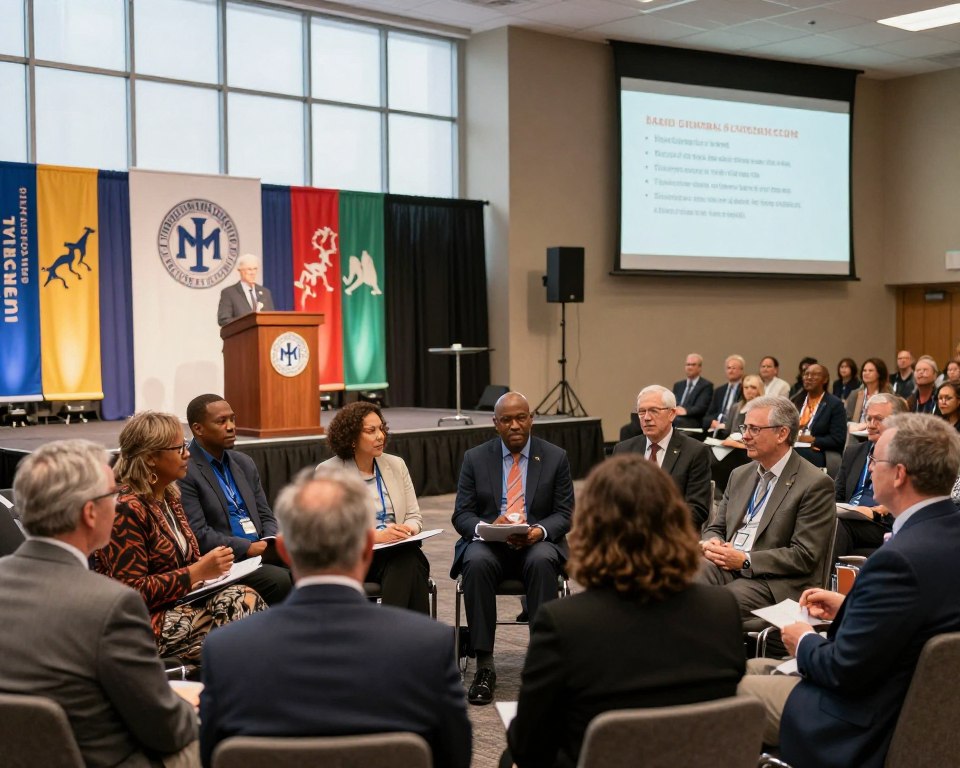
At the heart of the General Conference are the delegates, individuals chosen by their annual conferences to participate in the decision-making process. These delegates are the backbone of the United Methodist Church conference, responsible for representing their respective annual conferences and shaping the future of the church.
Selection Process
Delegates to the General Conference are elected by their annual conferences. This process ensures that delegates are representative of their local churches and are entrusted with the responsibility of making decisions that align with the interests of their constituents. The selection process is crucial as it directly impacts the UMC decision making process.
The election of delegates often involves a careful consideration of the candidates’ ability to represent their annual conference effectively. It is a process that requires discernment and a deep understanding of the church’s needs and challenges.
Responsibilities of Delegates
Once elected, delegates have several key responsibilities. They are expected to be informed about the issues that will be discussed at the General Conference, to engage in debates, and to vote on legislation that will shape the church’s policies and practices. Delegates must also be prepared to represent the views of their annual conferences while being open to the perspectives of others.
As stated by a prominent church leader,
“Delegates are not just representatives; they are also listeners and learners, tasked with the duty of making informed decisions that will impact the future of the United Methodist Church.”
Voices from the Floor
The General Conference provides a platform for delegates to make their voices heard. Through speeches, debates, and voting, delegates play a critical role in shaping the outcomes of the conference. Their voices are essential in the UMC conference, as they bring diverse perspectives and experiences to the table.
In conclusion, delegates are vital to the functioning of the General Conference. Their role in the UMC decision making process is indispensable, and their participation ensures that the United Methodist Church remains a vibrant and representative body.
Future of the United Methodist Church General Conference
As the United Methodist Church looks to the future, the General Conference stands at the forefront of shaping its direction. The General Conference will continue to play a vital role in guiding the denomination, addressing critical issues, and setting the course for future growth and development.
Meetings Scheduled and Expectations
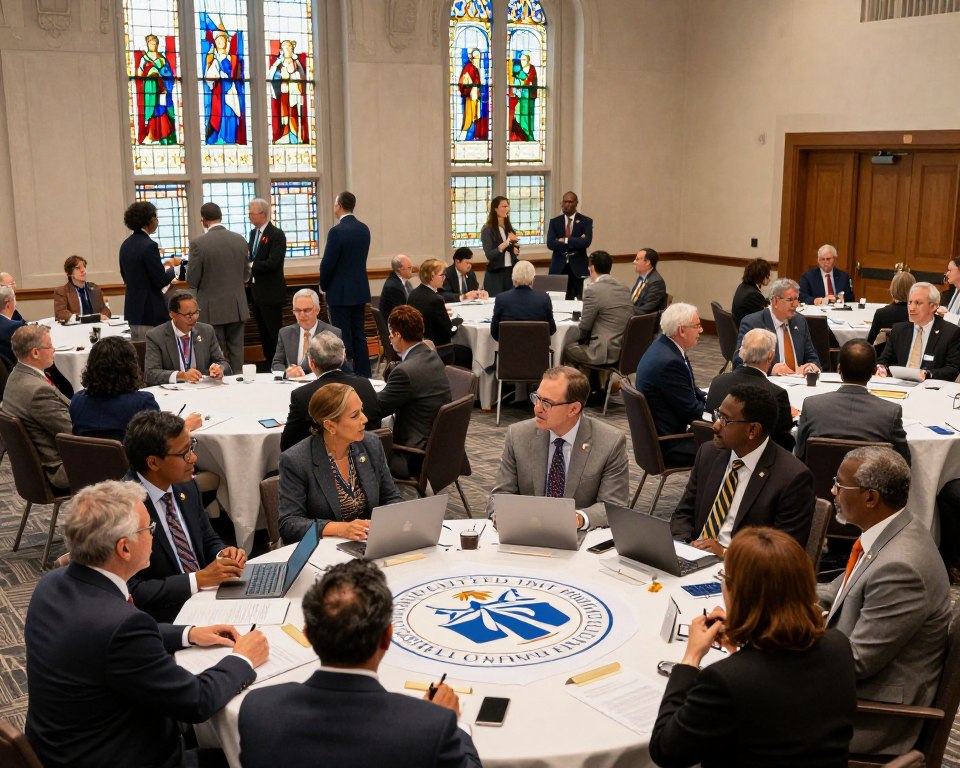
The United Methodist Church has several meetings scheduled in the coming years, with the next General Conference expected to draw significant attention from both within and outside the denomination. These meetings are anticipated to tackle pressing matters, including church unity, social justice, and community outreach. Delegates and attendees alike are preparing for robust discussions and decision-making processes that will impact the church’s trajectory.
Potential Shifts in Policy
As the church continues to evolve, there are expectations of potential shifts in policy, particularly in areas related to inclusivity and diversity. The General Conference is likely to address these issues, considering proposals aimed at making the church more welcoming and inclusive to all members, regardless of their background. Such policy shifts could have a significant impact on the church’s stance on various social and theological issues.
Building Inclusivity and Diversity
A key focus for the upcoming General Conferences is the effort to build greater inclusivity and diversity within the United Methodist Church. This involves not only policy changes but also initiatives to promote diversity among church leadership and within congregations. By fostering a more inclusive environment, the church aims to become more representative of the communities it serves, enhancing its ability to serve and minister effectively.
The future of the United Methodist Church General Conference is marked by anticipation and preparation for the challenges and opportunities ahead. As the church navigates its path forward, the General Conference will remain a crucial element in shaping its future.
Conclusion: The Significance of the General Conference
The United Methodist Church General Conference is a pivotal event that shapes the future of the denomination. As the highest legislative authority in the UMC, the General Conference has a lasting impact on the church, influencing congregations and local churches alike.
Ongoing Relevance for Congregations
The decisions made during the UMC general conference have far-reaching implications, affecting various aspects of church life, from doctrine to administrative matters. The United Methodist Church conference provides a platform for delegates to discuss and decide on key issues, ensuring the church remains relevant and responsive to the needs of its members.
Impact on Local Churches
The UMC decision making process involves delegates from various jurisdictions, making it a truly representative gathering. The outcomes of the General Conference can influence local churches, guiding their mission, ministry, and community engagement.
Call to Participate in the Process
As the United Methodist Church continues to evolve, it is essential for members to participate in the General Conference process. By engaging with the UMC general conference, individuals can contribute to the church’s future, shaping its direction and ensuring its continued relevance in an ever-changing world.
FAQ
What is the United Methodist Church General Conference?
The United Methodist Church General Conference is the supreme legislative body of the United Methodist Church, responsible for making key decisions that affect the denomination as a whole.
How often does the General Conference meet?
The General Conference meets every four years, although the exact schedule may be subject to change due to various factors.
Who can attend the General Conference?
The General Conference is attended by delegates from annual conferences, as well as other invited guests and observers. The specific rules governing attendance may vary depending on the conference.
What are the key issues discussed at the General Conference?
The General Conference tackles a wide range of issues, including social and political topics, doctrinal discussions, and administrative matters relevant to the United Methodist Church.
How are delegates selected for the General Conference?
Delegates are selected through a process that involves their respective annual conferences, with the specific procedures varying depending on the conference.
What is the role of delegates in the General Conference?
Delegates play a crucial role in representing their annual conferences and making key decisions on behalf of the United Methodist Church.
How can I get involved in the General Conference?
To get involved, you can start by contacting your annual conference or local church to learn more about the process and opportunities for participation.
What are the potential outcomes of the General Conference?
The General Conference can result in significant changes to the United Methodist Church, including shifts in policy, changes in leadership, and new legislation.
How does the General Conference impact local churches?
The decisions made at the General Conference can have far-reaching implications for local churches, influencing their practices, policies, and overall direction.
What is the significance of the General Conference for the United Methodist Church?
The General Conference is a pivotal event that shapes the future of the United Methodist Church, providing a platform for discussion, decision-making, and direction-setting.