The United Methodist Church is a worldwide mainline Protestant Christian denomination with a significant presence in the United States. With 10 million members globally, it is a prominent Christian community that spans across Africa, the Philippines, Europe, and the United States.
This denomination has a rich history and a strong presence in the United States, with a diverse range of beliefs and practices. As a major Christian denomination, it plays a vital role in shaping the spiritual lives of its members and contributing to the broader Christian community.
Key Takeaways
- A worldwide mainline Protestant Christian denomination
- 10 million members globally
- Significant presence in the United States
- Diverse range of beliefs and practices
- Major contributor to the Christian community
Overview of the United Methodist Church
The United Methodist Church, founded in 1968, represents a union of Methodist and Evangelical United Brethren traditions. This significant religious denomination in the United States has a rich history that spans centuries, tracing its roots back to the revival movement led by John and Charles Wesley in England and the Great Awakening in the United States.
History and Formation
The United Methodist Church’s history is deeply rooted in the Wesleyan movement, emphasizing liturgical worship, holiness, and evangelical elements. The present denomination was formed through the union of the Methodist Church and the Evangelical United Brethren Church in Dallas in 1968. This union brought together two distinct traditions, creating a diverse and vibrant religious community.
The Methodist movement, initiated by John Wesley, focused on personal holiness, social justice, and evangelism. Over time, this movement evolved and merged with the Evangelical United Brethren, resulting in the formation of the United Methodist Church. The church’s theological orientation remains decidedly Wesleyan, embracing a broad spectrum of Christian practices and beliefs.
Core Beliefs and Values
The United Methodist Church is guided by a set of core beliefs and values that reflect its Wesleyan heritage. At its core, the church emphasizes the importance of personal faith, social justice, and community service. United Methodists believe in the authority of Scripture, the sacraments, and the role of reason and experience in understanding God’s will.
Key aspects of UMC beliefs include:
- Emphasis on personal holiness and spiritual growth
- Commitment to social justice and advocacy
- Importance of community and fellowship
- Recognition of sacraments such as baptism and communion
Global Impact and Presence
The United Methodist Church has a significant global presence, with worship locations and church services across the world. Beyond its U.S. roots, the UMC has established a strong international footprint, engaging in mission work, community development, and disaster relief efforts globally.
The church’s global impact is felt through its various mission projects, humanitarian aid, and advocacy for social justice. The United Methodist Church’s commitment to serving others and promoting peace, justice, and equality reflects its core values and contributes to its global influence.
Worship Services and Practices
At the heart of the United Methodist Church’s practices are vibrant worship services that nurture faith and foster a sense of community among its members. The mission of the Church, as stated in the Book of Discipline, is to make disciples of Jesus Christ for the transformation of the world, and worship services play a crucial role in this mission.
Sunday Services
Sunday services are a fundamental aspect of worship in the United Methodist Church. These services typically include Scripture readings, sermons, and communion, providing a foundation for spiritual growth and development. The services are designed to be inclusive and welcoming, reflecting the church’s commitment to diversity and community.
The structure of Sunday services can vary between congregations, but they generally follow a traditional format that includes elements like hymns, prayers, and offerings. This blend of traditional and contemporary elements helps to create a rich and engaging worship experience.
Special Events and Services
Beyond regular Sunday services, the United Methodist Church observes various special events and services throughout the year. These can include holy days like Easter and Christmas, as well as other significant occasions such as weddings and funerals. These events are important for marking key life milestones and celebrating the church’s faith traditions.
Special services often incorporate unique elements and rituals, enhancing the spiritual significance of these events. For example, during Holy Week, many United Methodist churches participate in special services that reflect on the Passion of Christ, fostering a deeper connection with the faith.
Music and Worship Styles
Music plays a vital role in the worship services of the United Methodist Church, contributing to the spiritual atmosphere and enhancing the overall worship experience. The church embraces a wide range of music styles, from traditional hymns to contemporary Christian music, reflecting the diverse preferences of its congregations.
The incorporation of various worship styles allows the church to reach a broader audience and cater to different spiritual needs. Whether through traditional liturgy or contemporary worship services, the United Methodist Church seeks to create an inclusive and engaging worship environment that supports spiritual growth and community building.
The diversity in worship practices within the United Methodist Church is a testament to its commitment to being a religious organization that is both inclusive and vibrant. By embracing a range of worship styles and practices, the church is able to support the spiritual growth of its members in a meaningful and effective way.
Community Engagement and Mission Work
The United Methodist Church is deeply committed to community engagement and mission work, reflecting its core values of compassion and service. This commitment is evident in its extensive range of activities and initiatives both locally and globally.
Local Outreach Initiatives
Locally, the United Methodist Church engages in various outreach initiatives aimed at serving the community’s needs. These include food banks, homeless shelters, and health services, all of which are critical in addressing social issues within local communities. Faith-based activities are at the heart of these initiatives, providing not only material support but also spiritual guidance to those in need.
For instance, many United Methodist churches operate food pantries and soup kitchens, providing essential nutrition to the hungry. Others offer counseling services, support groups, and educational programs, all designed to empower individuals and families.
Global Mission Projects
On a global scale, the United Methodist Church is involved in numerous mission projects that address a wide range of issues, from disaster relief and refugee support to community development and healthcare initiatives. These projects are undertaken in partnership with local communities and organizations, ensuring that efforts are tailored to the specific needs of each region.
Global mission projects not only provide immediate aid but also work towards long-term solutions, fostering sustainable development and resilience in communities worldwide.
Volunteer Opportunities
The United Methodist Church offers a variety of volunteer opportunities for its members to engage in community service and mission work. From local outreach programs to global mission trips, members are encouraged to participate in faith-based activities that align with the church’s mission.
Volunteering is seen as a vital aspect of membership, allowing individuals to live out their faith in practical ways. Whether through serving at a local soup kitchen, participating in a community clean-up event, or traveling on a mission trip, members can contribute their time and talents to making a positive impact.
By engaging in community engagement and mission work, the United Methodist Church in the United States continues to embody its commitment to serving others and living out its faith in meaningful ways.
Education and Youth Programs
The United Methodist Church (UMC) places a significant emphasis on education, recognizing its role in nurturing the faith of its members. This commitment is reflected in its comprehensive range of educational programs and activities designed for individuals of all ages.
Sunday School Programs
Sunday School programs are a vital part of the UMC’s educational offerings. These programs are designed to provide Christian education to children, youth, and adults, helping them understand and live out their faith in daily life. The curriculum is typically designed to be engaging and relevant, using a variety of teaching methods to cater to different learning styles.
These programs not only provide a foundation for understanding Christian teachings but also foster a sense of community among participants. By engaging in discussions, activities, and service projects, participants can deepen their faith and develop meaningful relationships with others.
Youth Groups and Activities
The UMC also offers a range of youth groups and activities aimed at supporting the spiritual, emotional, and social development of its young members. These groups provide a supportive environment where young people can explore their faith, develop leadership skills, and participate in service projects that benefit their local communities.
Through these youth groups, the UMC seeks to empower young people to become active and engaged members of their church and community. Activities may include retreats, mission trips, and social events, all designed to help young people grow in their faith and build lasting connections with their peers.
Educational Resources for All Ages
In addition to Sunday School and youth groups, the UMC provides a wealth of educational resources for members of all ages. These resources may include Bible studies, discipleship programs, and other educational materials designed to support ongoing spiritual growth and development.
The church also leverages technology to provide online resources and courses, making it easier for members to access educational content that fits their needs and schedules. Whether through traditional classroom settings or online platforms, the UMC is committed to providing high-quality educational opportunities that nurture the faith of its members and foster a strong sense of Christian community.
The United Methodist Church’s Governance
The United Methodist Church’s governance is characterized by a blend of local autonomy and connectional accountability. This unique structure enables the church to make decisions at various levels while maintaining unity across its worship locations globally.
The UMC is organized into conferences, which serve as the primary units of governance. These conferences are geographical areas that encompass multiple local churches. The conferences are further divided into districts, facilitating more localized administration and support.
Leadership Structure
The leadership structure of the UMC is multifaceted, involving various roles and responsibilities. At the heart of this structure are the bishops, who play a crucial role in guiding the church.
Role of Bishops
Bishops in the UMC are elected by the jurisdictional conferences and serve as spiritual leaders and overseers. They are responsible for providing guidance, support, and pastoral care to clergy and laity within their respective areas. Bishops also play a key role in the appointment of pastors to local churches.
Connectional System Explained
The connectional system is a defining feature of the UMC’s religious organization. It refers to the network of relationships and structures that connect local churches, conferences, and other entities within the denomination. This system fosters cooperation, mutual support, and a sense of unity among UMC members and churches.
The connectional system operates through various mechanisms, including conferences, councils, and boards. These entities work together to address issues, develop policies, and implement programs that benefit the church as a whole.
Through its governance structure, leadership, and connectional system, the United Methodist Church is able to function as a cohesive religious organization while still allowing for local flexibility and initiative.
Social Justice Initiatives
Social justice is a cornerstone of the United Methodist Church’s mission, driving its efforts to address inequality and promote human rights. The church is actively involved in various initiatives aimed at creating a more just and equitable society.
Advocacy for Equality
The United Methodist Church is committed to advocating for equality across different spectrums. This includes promoting racial justice, supporting the rights of marginalized communities, and advocating for gender equality. Through its advocacy efforts, the church seeks to create a society where everyone has equal opportunities and is treated with dignity and respect.
As Rev. Dr. Martin Luther King Jr. once said, “Darkness cannot drive out darkness; only light can do that. Hate cannot drive out hate; only love can do that.” This powerful message resonates deeply within the church’s approach to advocacy, emphasizing the importance of love and compassion in driving out injustice.
Response to Social Issues
The church is also proactive in responding to various social issues, including poverty, healthcare disparities, and environmental degradation. By engaging in faith-based activities and community service, the United Methodist Church addresses these issues at both local and global levels.
“The earth is the Lord’s, and everything in it, the world and all who live in it.” This biblical perspective underlines the church’s commitment to environmental stewardship and sustainability, recognizing the sacred responsibility to care for creation.
Community Partnerships
Community partnerships are a vital aspect of the United Methodist Church’s social justice initiatives. By collaborating with other organizations and community groups, the church is able to amplify its impact and support a wider range of initiatives. These partnerships facilitate spiritual growth and community development, fostering a more compassionate and equitable society.
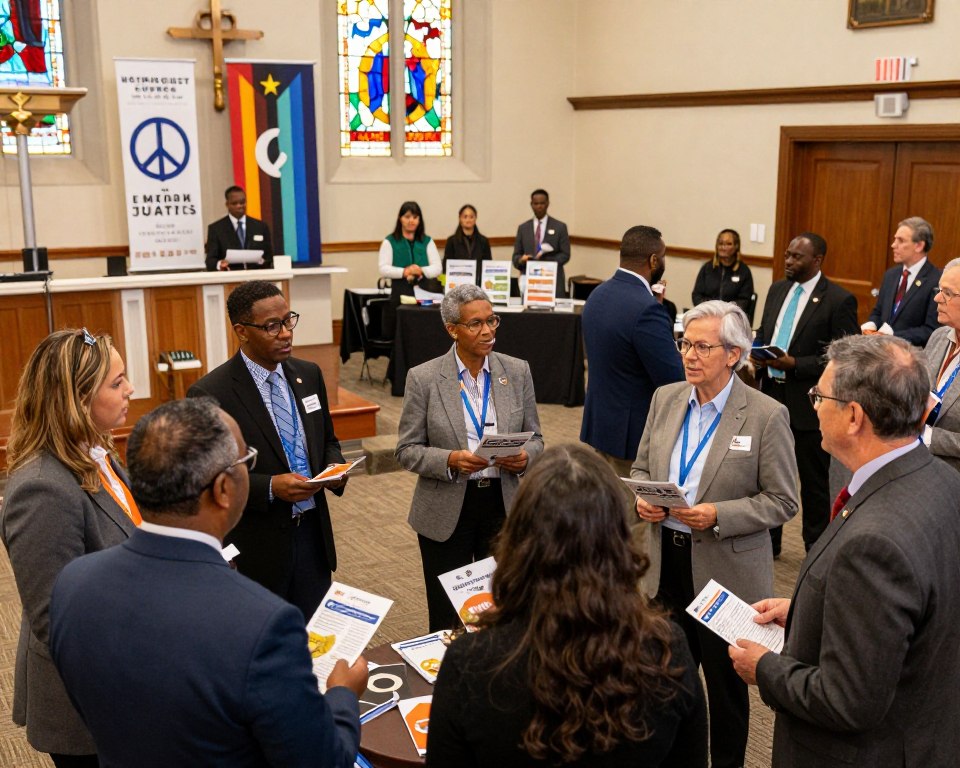
Through its comprehensive approach to social justice, the United Methodist Church continues to be a force for positive change, inspiring its members and the broader community to work towards a more just and equitable world.
The Role of Women in the Church
The United Methodist Church has been at the forefront of recognizing the vital role women play in its community and leadership. This acknowledgment is reflected in the various opportunities available for women to serve and lead within the church.
Women in Leadership
Women have increasingly taken on leadership roles within the United Methodist Church, serving as pastors, administrators, and members of various church committees. The church has made significant strides in ordaining women as clergy, with many serving congregations across the United States.
According to a report, “The number of women clergy in the United Methodist Church has been steadily increasing, reflecting the church’s commitment to gender equality in leadership.” This trend is a testament to the church’s progressive stance on women’s roles.
Women’s Organizations
The United Methodist Church is home to various women’s organizations that focus on service, fellowship, and advocacy. These organizations provide a supportive community for women to grow spiritually and engage in mission work. They also offer opportunities for women to develop leadership skills and participate in decision-making processes.
One notable organization is the United Methodist Women, which has been instrumental in promoting social justice and supporting global missions. Through their efforts, women are empowered to make a positive impact both within and beyond the church.
Empowerment Initiatives
The United Methodist Church has implemented several empowerment initiatives aimed at supporting women in their spiritual journeys and leadership development. These initiatives include training programs, mentorship opportunities, and resources for personal and professional growth.
“Empowering women is not just about giving them a voice; it’s about creating an environment where their voices are heard and valued,” said a leader in the United Methodist Church. This philosophy underpins the church’s approach to women’s empowerment.
By fostering an inclusive and supportive environment, the United Methodist Church continues to promote the role of women in its community, aligning with its values of equality and justice.
United Methodist Church’s Stance on Contemporary Issues
The United Methodist Church has been at the forefront of addressing contemporary social issues, taking clear stances on matters that impact communities worldwide. This proactive approach is reflected in its doctrines, community engagement, and advocacy efforts.
LGBTQ+ Inclusion
The United Methodist Church has grappled with issues surrounding LGBTQ+ inclusion, reflecting a broader societal debate. While the church has traditionally held conservative views on LGBTQ+ matters, there is a growing movement within the denomination to become more inclusive. This shift is evident in the increasing number of United Methodist churches that welcome LGBTQ+ individuals and perform same-sex weddings.
The church’s stance on LGBTQ+ issues has evolved over time, with some congregations and leaders advocating for greater inclusion. This has led to a diverse range of practices within the denomination, with some churches actively supporting LGBTQ+ rights and others maintaining more traditional views.
Environmental Responsibility
The United Methodist Church has emphasized the importance of environmental stewardship, encouraging its members to care for creation. This commitment is reflected in various initiatives aimed at reducing the church’s ecological footprint, such as promoting energy efficiency in church facilities and supporting environmental advocacy.
The church’s Creation Justice Ministries program is a notable example of its efforts to address environmental issues. This initiative encourages congregations to adopt sustainable practices, advocate for environmental policies, and educate their members about the importance of caring for the planet.
Healthcare and Poverty
Addressing healthcare and poverty are critical components of the United Methodist Church’s social justice agenda. The church operates numerous healthcare facilities and programs aimed at providing access to medical care for underserved populations. Additionally, it supports initiatives to alleviate poverty through community development projects and advocacy for policies that benefit low-income individuals.
The United Methodist Church’s commitment to healthcare is exemplified by its operation of hospitals, clinics, and other healthcare services. These institutions provide vital care to communities in need and serve as a tangible expression of the church’s mission to serve others.
By taking a stand on contemporary issues, the United Methodist Church demonstrates its commitment to being a force for positive change in society. Through its various initiatives and advocacy efforts, the church seeks to make a meaningful impact on the lives of individuals and communities.
Events and Conferences
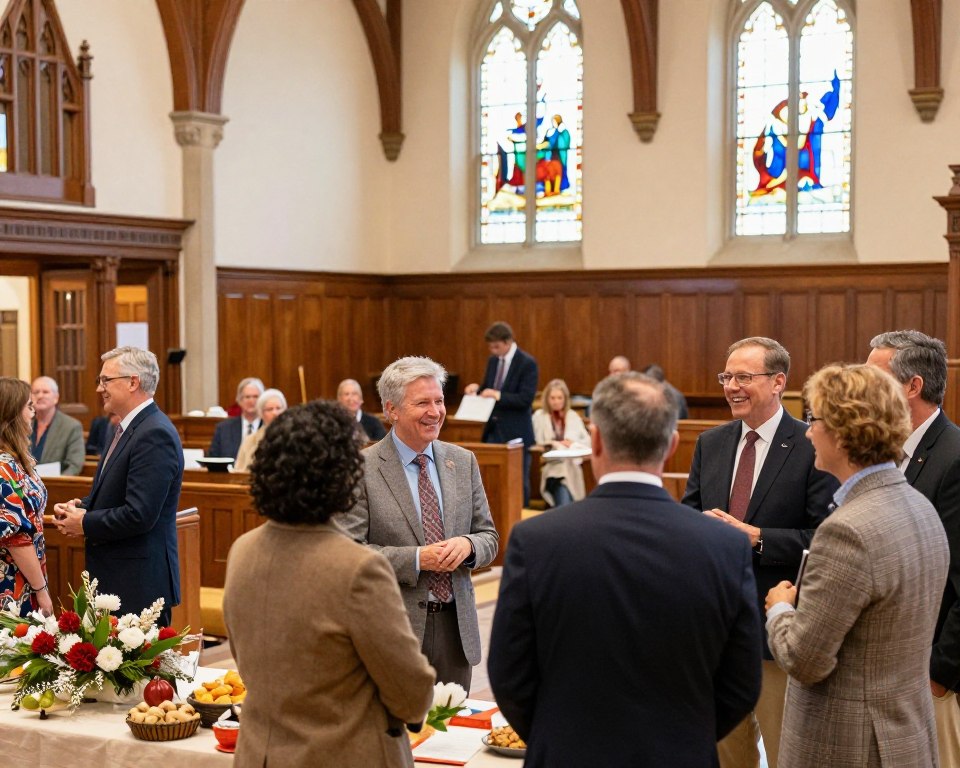
Throughout the year, the United Methodist Church organizes numerous events and conferences that cater to diverse needs of its congregation. These events are designed to foster spiritual growth and a sense of community among members.
The United Methodist Church’s events range from annual conferences to special church gatherings, each serving a unique purpose in the spiritual journey of its attendees. By participating in these events, members can deepen their understanding of their faith and connect with others who share similar beliefs.
Annual Conferences
Annual conferences are a significant part of the United Methodist Church’s calendar. These conferences bring together clergy and laity to discuss important issues, celebrate milestones, and make decisions that impact the church’s mission and ministry.
During these conferences, attendees have the opportunity to engage in workshops, hear from renowned speakers, and participate in business sessions that shape the future of the church.
Special Church Events
The United Methodist Church also hosts special events throughout the year, including revival services, community outreach programs, and festivals that celebrate the church’s heritage.
These events are designed to inspire and rejuvenate the congregation, providing a chance for members to come together and celebrate their faith in a joyful and uplifting atmosphere.
Youth and Family Conferences
Recognizing the importance of nurturing the faith of its younger members, the United Methodist Church organizes conferences specifically for youth and families.
These conferences offer a range of activities, including workshops, games, and worship services tailored to the needs and interests of younger attendees, promoting spiritual growth in a supportive and engaging environment.
By hosting a variety of events and conferences, the United Methodist Church demonstrates its commitment to fostering a vibrant and inclusive community of faith, where members can grow spiritually and connect with one another.
Finding a United Methodist Church Near You
Finding a United Methodist Church near you can be accomplished with a few clicks, utilizing the church’s online search features. The United Methodist Church provides various resources for individuals looking to find a local church, making it easier to engage in faith-based activities.
Search Tools and Resources
The official United Methodist Church website offers a church locator tool that allows users to find a local church by entering their location or zip code. This resource is invaluable for those new to an area or seeking a church that aligns with their beliefs and values.
Tips for First-Time Visitors
For those visiting a United Methodist Church for the first time, it’s helpful to know what to expect. Here are a few tips:
- Arrive a few minutes early to get settled.
- Be prepared to participate in the service, which may include singing hymns or reciting prayers.
- Take the opportunity to meet new people and introduce yourself.
What to Expect on Your Visit
During your visit to a United Methodist Church, you can expect a warm welcome. The service typically includes:
- A sermon or message from the pastor.
- Music and worship, which may vary in style depending on the church.
- Opportunities to participate in communion or other sacraments.
Overall, visiting a United Methodist Church is a great way to connect with a community of believers and engage in meaningful faith-based activities.
Online Presence and Digital Resources
The United Methodist Church has embraced the digital age, enhancing its Christian community through various online platforms. This shift towards digitalization has made church services and resources more accessible to a wider audience.
Official Websites and Apps
The United Methodist Church maintains official websites and apps that serve as central hubs for information and community engagement. These digital tools provide users with easy access to:
- Church news and updates
- Service times and locations
- Community event calendars
- Spiritual resources and devotionals
As Rev. Dr. Cynthia Hale, a prominent figure in the UMC, notes, “Technology has allowed us to be more connected than ever before, fostering a sense of community that transcends geographical boundaries.”
Online Worship Services
In response to the growing demand for remote worship experiences, the United Methodist Church has expanded its online worship services. These services are streamed live on various platforms, allowing members to participate in worship from anywhere in the world.
The benefits of online worship services include:
| Benefit | Description |
|---|---|
| Accessibility | Allows members to participate in worship services from anywhere, at any time. |
| Community Building | Fosters a sense of community among members who may be geographically dispersed. |
| Flexibility | Enables members to worship according to their schedules. |
Social Media Engagement
The United Methodist Church is also actively engaged on social media platforms, using these channels to share inspiring messages, promote events, and engage with its community. By leveraging social media, the church is able to:
“Social media has become an essential tool for us to connect with our members and the wider community, sharing the love of Christ in a digital age.” –
- Share uplifting content and devotionals
- Promote community events and services
- Engage in meaningful conversations with members and the broader community
By embracing digital technology, the United Methodist Church is not only enhancing its Christian community but also making its church services more accessible to a wider audience.
How to Get Involved
Getting involved with the United Methodist Church is a meaningful way to deepen your faith and engage with your community. The church offers various opportunities for spiritual growth through worship locations, faith-based activities, and community service.
Becoming a Member
The membership process is a significant step in your spiritual journey. It involves attending a membership class, meeting with church leaders, and affirming your faith. By becoming a member, you become part of a larger religious organization that supports and uplifts one another.
Contributing to the Community
There are numerous ways to contribute to the United Methodist Church, including volunteering for local outreach initiatives, participating in global mission projects, and engaging in faith-based activities. Your contributions can make a significant difference in the lives of others and foster spiritual growth.
Building Connections
Building community connections is at the heart of the United Methodist Church’s mission. By attending worship services, joining small groups, and participating in church events, you can build meaningful relationships with others who share your faith.
FAQ
What is the United Methodist Church?
The United Methodist Church is a Christian denomination with a significant presence in the United States, formed in 1968, and characterized by its Wesleyan theological orientation, embracing liturgical worship, holiness, and evangelical elements.
What are the core beliefs of the United Methodist Church?
The United Methodist Church’s core beliefs are rooted in its Wesleyan heritage, emphasizing the importance of personal faith, social justice, and service to others, guided by the principles of love, mercy, and compassion.
What types of worship services does the United Methodist Church offer?
The United Methodist Church offers a variety of worship services, including traditional and contemporary styles, incorporating music, liturgy, and sacraments, to cater to diverse spiritual needs and preferences.
How can I get involved in community engagement and mission work?
The United Methodist Church provides numerous opportunities for community engagement and mission work, including local outreach initiatives, global mission projects, and volunteer opportunities, allowing members to serve and make a positive impact.
What education and youth programs are available?
The United Methodist Church offers a range of education and youth programs, including Sunday School, youth groups, and educational resources for all ages, designed to foster spiritual growth, community building, and faith development.
How is the United Methodist Church governed?
The United Methodist Church is governed through a connectional system, with leadership provided by bishops, and a hierarchical structure that facilitates decision-making and accountability.
What is the United Methodist Church’s stance on social justice?
The United Methodist Church is committed to social justice, advocating for equality, responding to social issues, and partnering with communities to promote justice, equity, and compassion.
Can women participate in leadership roles within the United Methodist Church?
Yes, women play a vital role in the United Methodist Church, participating in leadership, women’s organizations, and empowerment initiatives, contributing to the church’s mission and growth.
How does the United Methodist Church address contemporary issues?
The United Methodist Church engages with contemporary issues, including LGBTQ+ inclusion, environmental responsibility, and healthcare and poverty, taking a stance that promotes justice, compassion, and understanding.
How can I find a United Methodist Church near me?
You can find a United Methodist Church near you by utilizing online search tools and resources, visiting the church’s official website, or contacting local churches directly to inquire about their services and activities.
What digital resources are available for United Methodist Church members?
The United Methodist Church offers various digital resources, including official websites, apps, online worship services, and social media engagement, to enhance the Christian community, facilitate connection, and promote spiritual growth.
How can I become a member of the United Methodist Church?
To become a member of the United Methodist Church, you can contact a local church, participate in a membership class, and profess your faith, committing to the church’s values and mission.