The United Methodist Church lectionary is a vital part of worship planning, providing a structured approach to reading and reflecting on scripture throughout the year.
It follows the Revised Common Lectionary, a three-year cycle that ensures a broad coverage of biblical narratives.
This lectionary is not just a list of readings but a guide that helps congregations delve deeper into the faith through weekly scripture readings.
Key Takeaways
- The United Methodist Church lectionary follows a three-year cycle.
- It provides a structured approach to worship planning.
- The lectionary ensures a broad coverage of biblical narratives.
- Weekly scripture readings help congregations deepen their faith.
- The lectionary calendar guides planners of Sunday worship.
Understanding the United Methodist Church Lectionary
The lectionary serves as a comprehensive guide for worship planners in the United Methodist Church, ensuring a rich and varied diet of scripture readings.
What is a Lectionary?
A lectionary is essentially a list of scripture readings appointed for each day of the year, following a specific cycle. This systematic approach to reading scripture ensures that congregations are exposed to a broad spectrum of biblical texts.
The United Methodist Church Lectionary is designed to guide worship planners in selecting readings that complement the liturgical season, thereby enhancing the spiritual journey of the congregation.
Purpose of the Lectionary in Worship
The purpose of the lectionary in worship is multifaceted. It not only ensures a wide range of biblical exposure but also fosters a deeper understanding and appreciation of scripture among congregants.
By following the lectionary, worship planners can create services that are rich in biblical content, aligning with the liturgical calendar and enhancing the spiritual growth of the congregation.
How It Supports Spiritual Growth
The lectionary supports spiritual growth by providing a structured approach to scripture reading, ensuring that congregations engage with a variety of texts over time.
| Aspect | Description | Benefit |
|---|---|---|
| Scripture Variety | Exposure to a wide range of biblical texts | Deeper understanding of scripture |
| Liturgical Alignment | Readings aligned with the liturgical calendar | Enhanced spiritual relevance |
| Structured Approach | Systematic reading of scripture over a cycle | Consistent spiritual growth |
The Structure of the Lectionary
The United Methodist Church Lectionary is structured around a three-year cycle that encompasses a broad spectrum of biblical narratives. This cycle is designed to provide a comprehensive overview of Christian teachings, ensuring that congregations are exposed to the core messages of the faith from different perspectives.
Three-Year Cycle Overview
The Revised Common Lectionary follows a three-year cycle (Years A, B, and C), with each year focusing on one of the Synoptic Gospels: Matthew in Year A, Mark in Year B, and Luke in Year C. This approach allows worshipers to delve deeply into the teachings and stories presented in each Gospel.
As noted by liturgical experts, “The three-year cycle ensures that the congregation hears the majority of the Gospel narratives and teachings over a relatively short period.”
This cycle provides a rich tapestry of scripture readings that support spiritual growth and understanding.
| Year | Gospel Focus | Key Themes |
|---|---|---|
| A | Matthew | Christ as Teacher and Messiah |
| B | Mark | Christ as Servant and Savior |
| C | Luke | Christ as Savior of All People |
Seasons and Themes of the Year
The lectionary calendar is also marked by various seasons and themes, including Advent, Christmas, Lent, and Easter. Each of these seasons has its own set of readings and liturgical practices, enriching the worship experience.
For instance, during Lent, the readings focus on preparation and reflection, while Easter celebrations center on the resurrection of Christ. Understanding these seasons and their associated themes is crucial for effective worship planning.
By navigating the lectionary’s structure, worship planners can create meaningful and engaging services that resonate with their congregation. The combination of the three-year cycle and the liturgical seasons provides a robust framework for exploring the depth of Christian faith.
Weekly Readings Explained
Weekly scripture readings play a vital role in the worship life of the United Methodist Church, guiding congregants through the narrative of salvation history. These readings are not random selections but are carefully chosen to align with the liturgical season and theme, providing a cohesive worship experience.
Importance of Weekly Scriptures
The weekly scriptures are fundamental to the worship life of the congregation. They are selected to:
- Reflect the broader narrative of salvation history
- Align with the liturgical season, enhancing the thematic coherence of worship
- Provide a rich and varied exploration of biblical teachings
By engaging with these scriptures, congregants can deepen their understanding of their faith and its application in daily life. The lectionary guide ensures that the readings are presented in a structured manner, facilitating a comprehensive exploration of the Bible over time.
How to Engage with the Text
Engaging with the weekly readings involves more than just reading the texts; it requires understanding their context, interpreting their meaning, and applying their teachings. Here are some ways to engage more deeply:
- Read the texts in advance: Preparing ahead allows for a more meaningful participation in worship.
- Reflect on the readings: Consider how the scriptures relate to your life and faith.
- Discuss with others: Engaging in conversations about the readings can provide new insights and deepen understanding.
By adopting these practices, congregants can derive greater benefit from the weekly scripture readings, enhancing their spiritual growth and worship experience.
The Role of Sermons in Worship
Sermons based on the lectionary readings serve as a bridge between ancient biblical texts and contemporary faith practices. By exploring the themes and motifs present in the lectionary, preachers can craft messages that are both theologically rich and relevant to the lives of their congregation.
Integrating the Lectionary into Sermons
Integrating the lectionary into sermons involves more than just using the weekly readings as a starting point. It requires a deep dive into the theological insights and themes present in the texts. Preachers can achieve this by considering the liturgical season and how it influences the interpretation of the scriptures. For instance, during Lent, sermons might focus on themes of repentance and renewal, while Advent sermons could emphasize hope and preparation.
Examples of Sermon Themes from the Lectionary
Sermon themes derived from the lectionary can vary widely depending on the liturgical season and the specific readings. For example, during the season of Epiphany, sermons might explore the manifestation of Jesus Christ to the world, highlighting themes of revelation and mission. In contrast, sermons during Ordinary Time could delve into the teachings of Jesus and the implications of discipleship.
Some potential sermon themes include:
- Reflections on justice and mercy during Lent
- Celebrations of hope and renewal during Advent
- Explorations of the Psalms and their relevance to contemporary life
By grounding sermons in the lectionary, preachers can ensure that their messages are both faithful to the biblical tradition and relevant to the contemporary experience of their congregation.
Special Days and Festivals
The lectionary calendar is punctuated by major feast days that are crucial to Christian worship. These special days and festivals enrich the liturgical year, providing a framework for worship, reflection, and celebration.
Major Feast Days in the Lectionary
The United Methodist Church Lectionary includes various significant feast days such as Christmas, Easter, and Pentecost. Each of these days has its own set of readings and liturgical practices that are central to the Christian faith.
For instance, Christmas is a celebration of the birth of Jesus Christ, observed on December 25. It is a time of joy and festivity, marked by special readings and hymns. Easter, on the other hand, commemorates the resurrection of Jesus and is observed in the spring. The readings during Easter focus on the post-resurrection appearances of Jesus and the significance of his resurrection for the Christian faith.
| Feast Day | Date | Significance |
|---|---|---|
| Christmas | December 25 | Celebration of the birth of Jesus Christ |
| Easter | Variable date in spring | Commemoration of the resurrection of Jesus |
| Pentecost | Fifty days after Easter | Celebration of the Holy Spirit’s descent |
Significance of Liturgical Colors
Liturgical colors play a significant role in enhancing the worship experience. Different colors are used to symbolize different themes and seasons of the church year. For example, purple is often used during Advent and Lent to signify repentance and preparation. White is used during Christmas and Easter to symbolize joy and celebration.
- Purple: Used during Advent and Lent for repentance and preparation
- White: Used during Christmas and Easter for joy and celebration
- Red: Used on Pentecost to symbolize the Holy Spirit
- Green: Used after Epiphany and Trinity Sunday to symbolize growth and life
Understanding the significance of these colors can enrich the worship experience, providing a visual representation of the spiritual themes being explored.
Lectionary Resources for Congregations
To effectively integrate the lectionary into worship, congregations can draw upon a range of valuable resources. These resources are designed to enhance understanding and engagement with the weekly readings, supporting both pastors and laypersons in their spiritual journeys.
Books and Guides on the Lectionary
Several books and guides are available to help congregations understand the lectionary. These include commentaries on the lectionary readings, which provide in-depth analysis and interpretation. Guides specifically designed for the United Methodist Church Lectionary offer insights into the historical and theological context of the readings.
Some of these resources are tailored to specific needs, such as worship planning guides that help in preparing sermons and other worship elements. By utilizing these resources, congregations can deepen their understanding of the scriptures and enhance their worship practices.
Online Tools for Pastors and Laypersons
In addition to printed resources, numerous online tools are available. These include websites that offer daily and weekly lectionary readings, sermons, and worship planning aids. Online platforms also provide access to a wide range of sermons and Bible studies related to the lectionary readings.
Pastors and laypersons can benefit from online devotionals and study guides that complement the lectionary readings. These resources can be used in personal devotion, Bible study groups, or in worship services, enhancing the congregation’s engagement with the lectionary.
The Lectionary and Community Worship
The lectionary serves as a foundational tool for guiding community worship practices. By providing a structured framework for scripture readings, it helps congregations engage deeply with the biblical narrative.
Enhancing Group Bible Studies
Group Bible studies are an essential part of community worship, allowing members to explore scripture together. The lectionary enhances these studies by providing a common text for reflection.
Using the lectionary, group leaders can create focused discussions around the weekly readings, fostering a deeper understanding of the scripture among participants.
Incorporating Readings into Prayer Services
Prayer services are another vital aspect of community worship where the lectionary can be effectively utilized. By incorporating the lectionary readings into these services, congregations can enrich their prayer life.
The lectionary readings provide a scriptural foundation for prayers, helping participants to connect their personal prayers with the broader narrative of faith.
| Aspect | Group Bible Studies | Prayer Services |
|---|---|---|
| Focus | Exploration of scripture | Integration of scripture into prayer |
| Benefit | Deeper understanding of scripture | Enhanced prayer life |
| Lectionary Role | Provides common text for study | Offers scriptural foundation for prayer |
Adaptation of the Lectionary in Local Churches
The key to a vibrant worship experience is adapting the lectionary readings to resonate with the local congregation. This adaptation involves understanding the unique needs and cultural context of the church community.
Contextualizing Readings for Your Congregation
Contextualizing the lectionary readings means making the weekly lectionary readings relevant to the lives of the congregants. This can be achieved by:
- Understanding the local culture and community concerns
- Incorporating local traditions and customs into worship
- Using language and imagery that resonates with the congregation
By doing so, the lectionary calendar becomes more than just a schedule of readings; it becomes a tool for connecting the congregation to their faith and to each other.
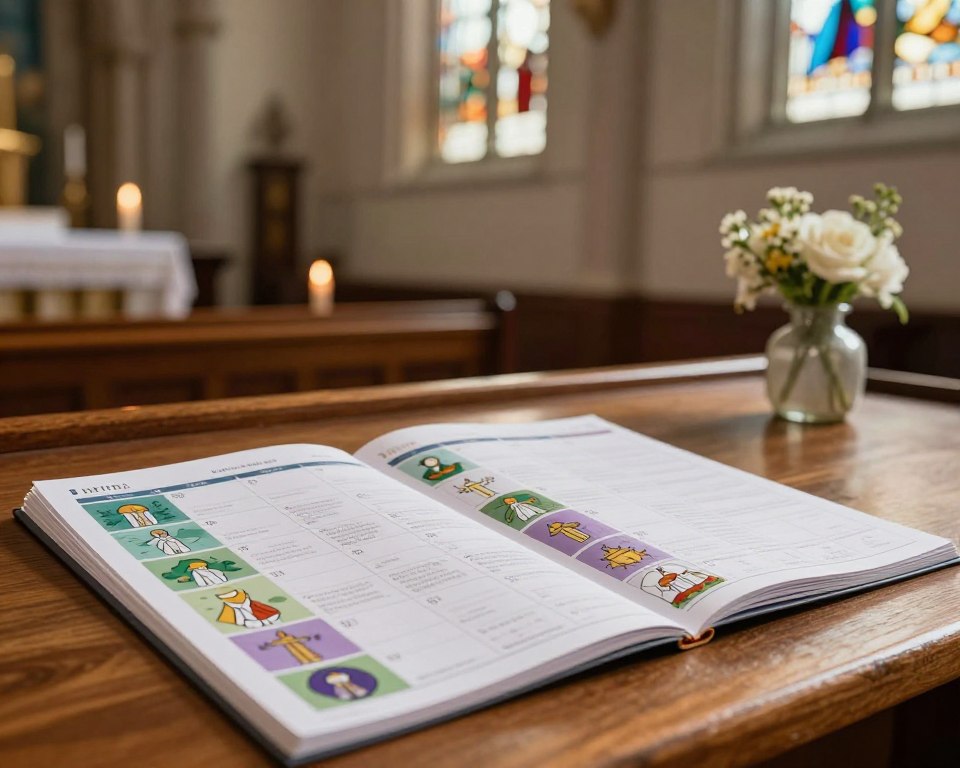
Tips for Creative Worship Planning
Creative worship planning is essential for bringing the lectionary to life. Here are some tips:
- Use music and art that reflects the themes of the weekly lectionary readings
- Incorporate testimonies or stories from congregants that illustrate the biblical messages
- Plan sermons that address the specific needs and concerns of the congregation, using the lectionary readings as a foundation
By adapting the lectionary in these ways, local churches can enhance the worship experience, making it more engaging and meaningful for their congregations. This approach not only honors the tradition of the church calendar but also makes it relevant to contemporary life.
Frequently Asked Questions about the Lectionary
As congregations explore the United Methodist Church Lectionary, numerous questions arise regarding its structure and application. The lectionary is a valuable tool for worship planning, providing a framework for engaging with scripture in a meaningful way.
Common Misconceptions
One common misconception about the lectionary is that it restricts the choice of scriptures, limiting the flexibility of worship planning. However, the lectionary is designed to guide congregations through a broad range of biblical texts, ensuring a comprehensive exploration of the Christian faith.
Another misconception is that the lectionary is only for large or traditional churches. In reality, the lectionary can be adapted to suit the needs of congregations of all sizes and styles, providing a rich resource for worship planning.
| Misconception | Reality |
|---|---|
| The lectionary restricts scripture choices. | It guides congregations through a wide range of biblical texts. |
| The lectionary is only for large or traditional churches. | It can be adapted for congregations of all sizes and styles. |
How to Get Started with the Lectionary
For those new to the lectionary, getting started can seem daunting. Begin by familiarizing yourself with the liturgical calendar and the three-year cycle of readings. Understanding the structure of the lectionary is key to effectively integrating it into your worship planning.
Utilize lectionary resources such as guides, commentaries, and online tools to deepen your understanding of the scriptures and enhance your worship services. Many Methodist lectionary resources are available, offering insights into the biblical texts and their application.
By addressing common misconceptions and following practical steps to get started, congregations can harness the full potential of the lectionary to enrich their worship experiences.
Conclusion: Embracing the Lectionary in Faith Life
As we journey through the United Methodist Church Lectionary, we discover a rich resource for deepening our faith life, both individually and communally. By embracing the lectionary, congregations can experience a more structured and meaningful approach to scripture reading and worship.
Deepening Daily Engagement
Engaging daily with the lectionary readings allows their themes and messages to permeate our daily lives. This intentional practice fosters a deeper connection with the biblical narrative, enriching our personal and communal worship experiences.
Fostering Community Involvement
Encouraging community involvement in lectionary-based worship and study can foster a sense of unity and shared purpose among congregants. As congregations journey through the lectionary together, guided by a lectionary guide, they can experience a deeper connection with each other and with the scripture.
By incorporating the United Methodist Church Lectionary into our faith practices, we can cultivate a more profound and meaningful faith life, supported by the structured guidance of the lectionary.
FAQ
What is the United Methodist Church Lectionary?
The United Methodist Church Lectionary is a structured approach to reading and reflecting on scripture throughout the year, following the Revised Common Lectionary, a three-year cycle that ensures a broad coverage of biblical narratives.
How does the lectionary support spiritual growth?
The lectionary supports spiritual growth by exposing congregations to a wide range of biblical texts, fostering a deeper understanding and appreciation of scripture, and aligning with the liturgical calendar to enhance the worship experience.
What is the significance of the three-year cycle in the lectionary?
The three-year cycle ensures that congregations are exposed to the core teachings of Christ from different perspectives, with each year focusing on a different Synoptic Gospel: Matthew in Year A, Mark in Year B, and Luke in Year C.
How can I effectively engage with the weekly lectionary readings?
To effectively engage with the weekly lectionary readings, it’s essential to understand their context, interpret their meaning, and apply their teachings to daily life, going beyond just reading the texts.
How can the lectionary be adapted for local churches?
Local churches can adapt the lectionary by contextualizing the readings to address the specific needs, concerns, and cultural backgrounds of the congregation, and through creative worship planning that incorporates local traditions and relevant elements.
What resources are available for understanding and using the lectionary?
Various resources are available, including books and guides that provide in-depth analysis and interpretation of the lectionary readings, as well as online tools that offer daily and weekly lectionary readings, sermons, and worship planning aids.
How can the lectionary be used beyond Sunday worship?
The lectionary can be used to enrich community worship practices by incorporating the readings into group Bible studies and prayer services, fostering a deeper understanding of scripture among congregants.
What are some common misconceptions about the lectionary?
Common misconceptions include viewing the lectionary as a rigid or restrictive framework, rather than a flexible guide that can be adapted to the needs of the congregation.
How do I get started with using the lectionary in my church?
To get started, familiarize yourself with the lectionary’s structure and cycle, explore available resources, and begin incorporating the readings into your worship planning, adapting them as needed to your congregation’s context.