The United Methodist Church Liturgical Calendar is a guide to the church’s seasons and holy days, providing a framework for worship, preaching, and discipleship throughout the year.
This rich tradition connects Christians to the life of Christ and the early Church, including major seasons like Advent, Christmas, Lent, and Easter, as well as lesser festivals and holy days.
Understanding the liturgical calendar is essential for appreciating the depth and breadth of the Christian faith.
Key Takeaways
- The UMC Liturgical Calendar organizes the year into different seasons reflecting the life of Jesus Christ.
- It includes major seasons like Advent, Christmas, Lent, and Easter.
- The calendar provides a framework for worship, preaching, and discipleship.
- Understanding the liturgical calendar is crucial for appreciating the Christian faith.
- The UMC Liturgical Calendar connects Christians to the life of Christ and the early Church.
Overview of the Liturgical Calendar in the United Methodist Church
The liturgical calendar in the United Methodist Church is a vital component of its worship practices, reflecting the life of Jesus Christ and the early Church. It provides a structured framework for the church year, guiding worshipers through various seasons and holy days.
What is the Liturgical Calendar?
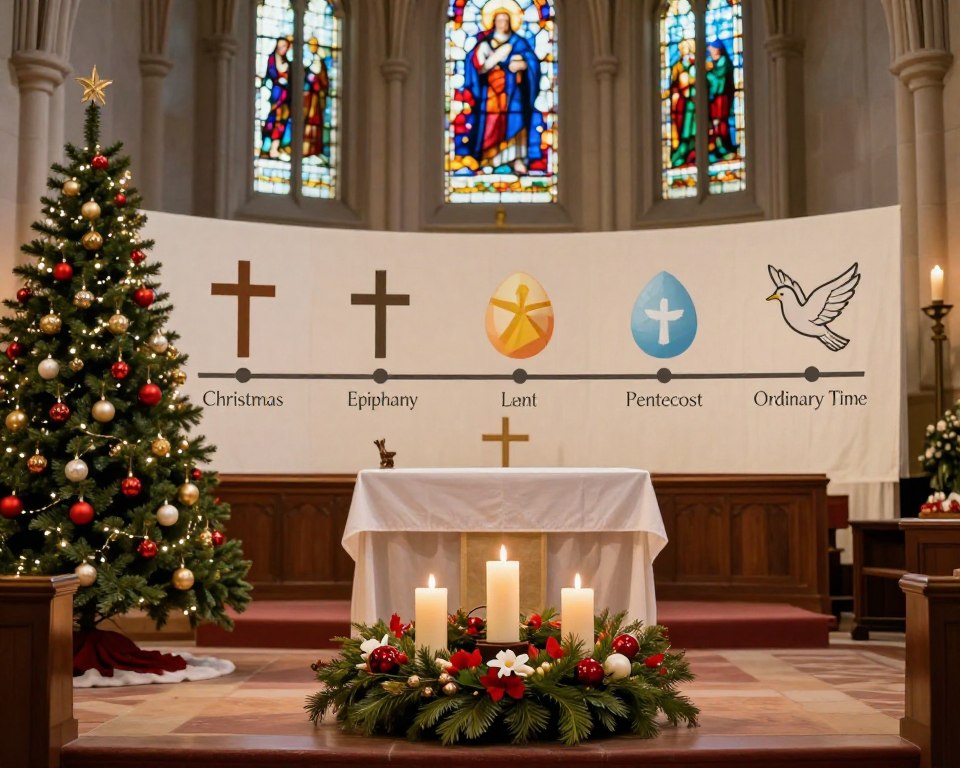
The liturgical calendar, also known as the church year, is a cycle of seasons and holy days that commemorate the life, death, and resurrection of Jesus Christ, as well as the history of the Christian faith. It includes six main seasons: Advent, Christmas, Epiphany, Lent, Easter, and Ordinary Time. Each season has its unique character, liturgical colors, and thematic focus, which are reflected in the worship services and practices of the United Methodist Church.
The Christian year is marked by four key holy days: Christmas Day, Epiphany, Easter, and Pentecost. These holy days serve as transitions between the seasons and are associated with specific liturgical colors that symbolize the spirit of the time. For instance, red is often used during Pentecost to signify the fire of the Holy Spirit.
Importance of the Calendar in Worship
The liturgical calendar plays a crucial role in United Methodist worship, providing a shared experience across different congregations and denominations. It helps believers connect with the broader Christian tradition and deepens their understanding of their faith through the cyclical nature of the church year.
- It structures the worship year, providing a rhythm to the life of the church.
- It emphasizes key events in the life of Jesus Christ and the early Christian community.
- It incorporates a variety of liturgical colors and symbols, enriching the worship experience.
- It fosters a sense of unity among United Methodist congregations worldwide.
By following the liturgical calendar, United Methodist churches ensure that their worship practices are grounded in the rich history and theology of the Christian faith, making the church year a meaningful and transformative journey for believers.
Major Seasons of the Year
At the heart of the United Methodist Church’s worship calendar are four significant seasons that mark important periods in the life of Christ and the Christian faith.
Advent: Preparing for Christ’s Birth
Advent begins the Christian year, starting on the fourth Sunday before Christmas. It is a time of preparation to celebrate the arrival of Christ into the world. During Advent, churches often use purple or blue vestments to signify a period of waiting and preparation.
Christmas: Celebrating the Incarnation
Christmas marks the beginning of the season of Christmastide, which continues for 12 days, ending with Epiphany. This season celebrates the incarnation of God in Jesus Christ. The use of white and gold in decorations and vestments symbolizes joy, light, and the celebration of the birth of Jesus.
Lent: A Time for Reflection and Penitence
Lent is a season of repentance, self-examination, and spiritual preparation, beginning with Ash Wednesday and spanning 40 days to Easter. It is a period when many United Methodists engage in fasting, prayer, and acts of charity as a way to deepen their faith.
Easter: The Resurrection Celebration
Easter is the culmination of the Lenten season, celebrating the resurrection of Jesus Christ. It is a time of great joy in the United Methodist Church, often marked by festive worship services and the use of white and gold vestments to symbolize the hope and new life brought by the resurrection.
| Season | Duration | Significance | Liturgical Colors |
|---|---|---|---|
| Advent | 4 Sundays before Christmas | Preparation for Christ’s birth | Purple or Blue |
| Christmas | 12 days | Celebration of Christ’s birth | White and Gold |
| Lent | 40 days | Reflection, repentance, and spiritual preparation | Purple |
| Easter | 50 days | Celebration of Christ’s resurrection | White and Gold |
The major seasons of the United Methodist Church Liturgical Calendar provide a rich framework for worship, reflection, and celebration throughout the year. By observing these seasons, members of the United Methodist Church deepen their understanding of their faith and participate in a global community of believers.
Lesser Festivals and Holy Days
Beyond the major seasons, the UMC calendar includes numerous lesser-known observances that are significant to the Christian faith. These special days and periods offer a deeper understanding of the Christian year and provide opportunities for diverse worship experiences.
Special Observances Throughout the Year
The United Methodist Church Liturgical Calendar is filled with various observances that commemorate important events and figures in Christian history. For instance, Epiphany on January 6th marks the visit of the Magi to Jesus, symbolizing the revelation of Jesus to the Gentiles. This day is a celebration of the manifestation of Christ to the world.
Another significant observance is Pentecost, celebrated on the fiftieth day after Easter, which commemorates the descent of the Holy Spirit upon the apostles. This event is often considered the birthday of the Christian Church.
The Role of Saints and Martyrs
The UMC calendar also honors various saints and martyrs throughout the year. These individuals are remembered for their faith, courage, and contributions to the Christian community. Observing the lives of saints and martyrs can inspire believers and provide role models for Christian living.
The commemoration of saints and martyrs is not limited to specific days but is an integral part of the Christian tradition, enriching the liturgical calendar with stories of devotion and sacrifice.
By incorporating these lesser festivals and holy days into their worship, United Methodist congregations can enrich their understanding of the Christian faith and connect with the broader Christian community.
Weekly Worship and the Liturgical Cycle
Sunday worship in the United Methodist Church is shaped by the liturgical cycle, creating a rich tapestry of themes and reflections. This connection between the liturgical calendar and weekly worship enhances the spiritual journey of the congregation.
Sunday as the Day of Worship
Sunday is the primary day of worship in the United Methodist Church, a tradition that dates back to the early Christian church. The significance of Sunday is rooted in the resurrection of Jesus Christ, making it a day of celebration and worship.
“The Lord’s Day is a day of joy, a day of worship, a day of proclamation, and a day of rest,” as emphasized in United Methodist liturgical practices. This day is central to the church’s life and worship.
The Structure of Weekly Services
The structure of weekly services in the United Methodist Church is influenced by the liturgical calendar. The lectionary readings play a crucial role in shaping the themes and focus of the service. These readings are selected based on the liturgical season, ensuring that the worship service is aligned with the broader narrative of the church year.
The liturgical cycle influences various elements of the worship service, including prayers, hymns, and sermons. For instance, during Lent, the focus might be on penitence and reflection, while Easter celebrations are marked by joy and festivity.
The United Methodist Church’s worship services are designed to be inclusive and engaging, incorporating the liturgical calendar to create a meaningful experience for the congregation. By understanding the connection between the liturgical calendar and weekly worship, participants can deepen their appreciation of the service and enhance their spiritual growth.
As the liturgical year progresses, the themes and emphasis of Sunday worship evolve, providing a diverse and enriching experience for the congregation. This dynamic approach to worship keeps the church’s liturgical practices vibrant and relevant.
Colors and Symbols of the Liturgical Seasons
The United Methodist Church’s worship is enriched by the use of liturgical colors and symbols, which play a significant role in the liturgical calendar. These visual elements not only enhance the aesthetic appeal of worship services but also serve to deepen the spiritual experience of the congregation.
Meaning of Liturgical Colors
Liturgical colors are used to symbolize the themes and moods of different seasons within the church calendar. Each color has a specific meaning:
- Purple is used during Advent and Lent, symbolizing penitence, preparation, and royalty.
- White and Gold are used during Christmas and Easter, representing joy, glory, and celebration.
- Red is used on Palm Sunday, Good Friday, and Pentecost, signifying the blood of Christ and the fire of the Holy Spirit.
- Green is used after Epiphany and Trinity Sunday, representing growth and life.
Common Symbols Used in Worship
Alongside liturgical colors, various symbols are used throughout the year to enrich the worship experience. Some common symbols include:
- The Cross, representing the sacrifice and resurrection of Jesus Christ.
- The Dove, symbolizing the Holy Spirit.
- The Lamb, signifying Christ as the Lamb of God.
- Crown of Thorns and Nails, symbols associated with the Passion of Christ.
Understanding the significance of these colors and symbols can enhance one’s participation in worship and provide a deeper connection to the Christian tradition. By incorporating these elements, the United Methodist Church creates a rich and meaningful worship experience that resonates with its congregation.
The Role of Scripture in the Liturgical Calendar
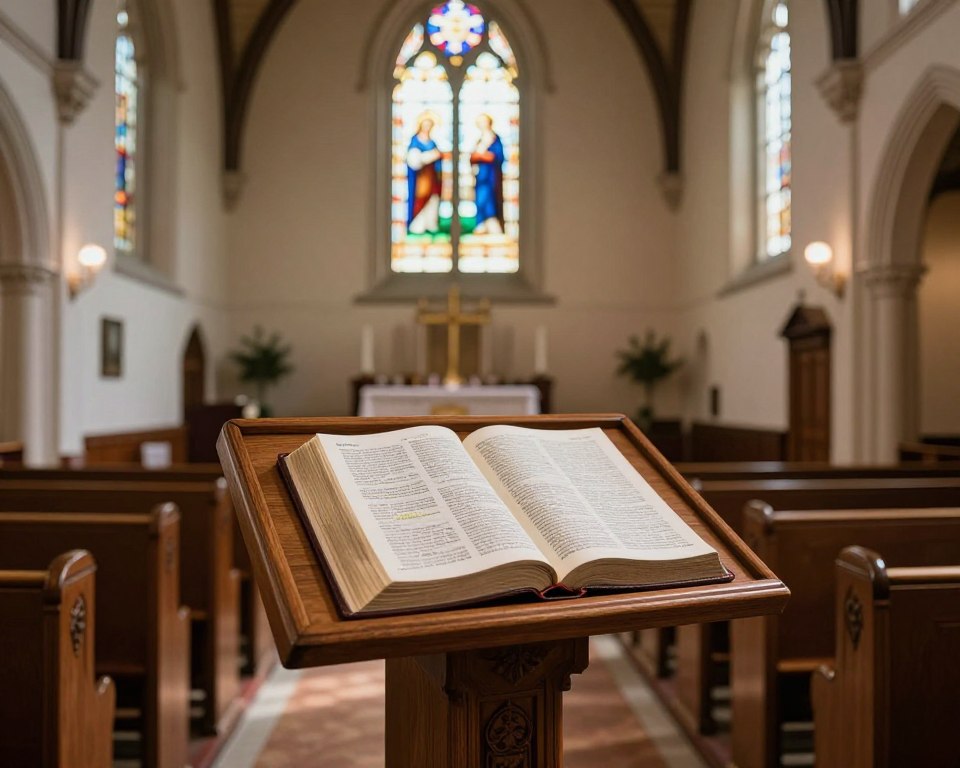
Through the lectionary, the United Methodist Church ensures that its worship is grounded in a wide range of biblical texts throughout the year. This structured system of readings follows the liturgical calendar, providing a thematic focus that aligns with the various seasons and holy days.
Lectionary Readings and Their Significance
The United Methodist Church lectionary is designed to expose the congregation to a broad spectrum of scripture, from the narratives of the Old Testament to the teachings of the New Testament. By doing so, it deepens the understanding of the Christian faith and its connection to the life of Christ.
The lectionary readings are significant because they:
- Provide a systematic approach to reading scripture, ensuring that key stories, teachings, and events are not overlooked.
- Align with the liturgical seasons, enhancing the thematic focus of worship services.
- Encourage a deeper understanding of the biblical context and its relevance to contemporary life.
Thematic Focus Throughout the Year
The thematic focus provided by the lectionary readings changes throughout the year, reflecting the various seasons of the liturgical calendar. For example, during Lent, the readings often focus on themes of repentance, reflection, and preparation for Easter. In contrast, the Easter season is marked by readings that celebrate the resurrection and the new life it brings.
This thematic approach helps congregations engage more deeply with the scripture and the significance of the liturgical seasons, fostering a richer worship experience.
Planning Worship Services Around the Calendar
Incorporating the liturgical calendar into worship services enhances the spiritual experience, making it more meaningful and engaging for the congregation. The United Methodist Church liturgical calendar provides a structured framework that guides worship planning throughout the year.
Incorporating the Seasons into Service Themes
The liturgical calendar is divided into major seasons such as Advent, Christmas, Lent, and Easter, each with its unique themes and symbols. Worship planners can incorporate these themes into service themes to create a cohesive and meaningful worship experience.
For instance, during Advent, services can focus on preparation and reflection, using symbols like the Advent wreath. In contrast, Easter services can celebrate the resurrection with themes of renewal and joy.
Creative Ideas for Each Season
Here are some creative ideas for incorporating the liturgical calendar into worship services:
- Use seasonal colors and symbols in decorations and vestments.
- Incorporate thematic music and hymns that align with the season.
- Develop sermon series that explore the theological significance of the season.
- Include special rituals or practices unique to each season, such as Lenten ash Wednesday or Easter vigil.
Effective worship planning also involves considering the lectionary readings and how they relate to the season. This can help create a cohesive and engaging worship experience that resonates with the congregation.
| Season | Theme | Symbolic Colors |
|---|---|---|
| Advent | Preparation and Reflection | Blue or Purple |
| Christmas | Celebration of Incarnation | White or Gold |
| Lent | Reflection and Penitence | Purple |
| Easter | Celebration of Resurrection | White or Gold |
By creatively engaging with the liturgical calendar, worship planners can develop services that are not only meaningful but also connected to the broader Christian tradition. This enhances the spiritual journey of the congregation and fosters a deeper understanding of the faith.
Theological Foundations of the Liturgical Calendar
The theological underpinnings of the liturgical calendar provide a rich backdrop for the worship and faith practices of Methodists. The liturgical calendar is grounded in the theological and historical context of the Christian faith, influencing how worship is conducted throughout the year.
Historical Context of the Calendar
The liturgical calendar has its roots in the early Christian Church, evolving over time due to various theological and cultural factors. The early Christian community celebrated Easter and other significant events, gradually developing a more complex calendar that included various seasons and observances.
“The Christian year is a journey through the life of Christ, from the anticipation of Advent through the celebration of Christ’s birth, to the reflection of Lent, the joy of Easter, and the empowerment of Pentecost.”
The historical development of the liturgical calendar was influenced by early Christian traditions, the significance of Easter, and the role of the Church in shaping worship practices. Over the centuries, the calendar has adapted to the needs of the Christian community, incorporating new festivals and observances while maintaining its core focus on the life and teachings of Jesus Christ.
Connection to United Methodist Doctrine
The United Methodist Church’s doctrine plays a crucial role in understanding the liturgical calendar. The church’s emphasis on personal holiness, social justice, and the authority of Scripture is reflected in its worship practices and the way the liturgical calendar is observed.
| Season | Theological Emphasis | Worship Practices |
|---|---|---|
| Advent | Preparation for Christ’s return | Reflection, prayer, and acts of charity |
| Lent | Reflection on Christ’s sacrifice | Fasting, prayer, and community service |
| Easter | Celebration of Christ’s resurrection | Joyful worship, baptism, and renewal |
The connection between the liturgical calendar and United Methodist doctrine is evident in how the church approaches worship. By observing the liturgical calendar, Methodists are reminded of the core teachings of Christianity and the significance of living out their faith in daily life.
Resources for Learning More
For those seeking a deeper understanding of the liturgical calendar, numerous resources are available. These resources can enhance one’s appreciation and knowledge of the calendar’s significance in worship and daily life.
Books and Online Materials
A variety of books and digital materials offer insights into the liturgical calendar. These include detailed explanations of the calendar’s structure, reflections on its significance, and studies on its historical development. Some recommended books are available through the United Methodist Publishing House, while online materials can be found on the official United Methodist Church website.
Online resources include devotionals, study guides, and articles that explore the liturgical calendar’s themes and seasons. Websites such as www.umc.org provide access to a wealth of information, including downloadable resources for personal or group study.
Church Programs and Workshops
The United Methodist Church offers various church programs and workshops designed to educate participants about the liturgical calendar. These programs can be found at local churches and sometimes online, providing a community-based approach to learning.
Workshops may cover topics such as the history of the liturgical calendar, its theological foundations, and practical ways to incorporate its themes into daily life and worship. By participating in these programs, individuals can gain a deeper understanding of the calendar and its role in the life of the church.
By leveraging these resources, individuals can enrich their understanding of the liturgical calendar and its significance in the United Methodist tradition.
Conclusion: Embracing the Liturgical Calendar in Daily Life
As we navigate the rhythms of the United Methodist Church’s liturgical calendar, we discover a profound pathway to personal reflection and spiritual growth. The methodist church liturgical calendar dates offer a structure that not only guides our corporate worship but also invites us into a deeper connection with the Christian tradition.
Deepening Faith Through the Church Year
Engaging with the liturgical calendar allows individuals to experience the richness of the church year, from the anticipation of Advent to the joy of Easter. By participating in these seasonal rhythms, we find opportunities for personal reflection, growth, and renewal.
Participating Fully in Worship
As we embrace the liturgical calendar, we are encouraged to participate fully in the life of the church. This involves not just attending worship services but also incorporating the themes and reflections of the church year into our daily lives. Through this integration, we deepen our understanding of the Christian faith and our connection to the broader Christian community.
FAQ
What is the United Methodist Church Liturgical Calendar?
The United Methodist Church Liturgical Calendar is a guide to the church’s seasons and holy days, providing a framework for worship, preaching, and discipleship throughout the year.
What are the major seasons in the United Methodist Church Liturgical Calendar?
The major seasons are Advent, Christmas, Lent, and Easter, each with its unique characteristics and significance.
What is the significance of liturgical colors in the United Methodist Church?
Liturgical colors enhance the worship experience and visually represent the themes of each season, providing a deeper connection to the Christian tradition.
How does the lectionary work in the United Methodist Church?
The lectionary provides a structured system of readings that follow the church year, ensuring that the congregation is exposed to a wide range of biblical texts.
What are some lesser festivals and holy days observed in the United Methodist Church?
Some lesser festivals and holy days include Epiphany, which marks the visit of the Magi, and Pentecost, which commemorates the giving of the Holy Spirit.
How can the liturgical calendar be used in planning worship services?
The liturgical calendar provides themes, readings, and symbols that can be incorporated into service themes, helping to develop services that are meaningful and connected to the broader Christian tradition.
What resources are available for learning more about the United Methodist Church Liturgical Calendar?
Resources include books that provide detailed explanations of the calendar, online materials that offer insights and reflections, and church programs and workshops that can provide hands-on learning experiences.
How can individuals deepen their faith through the liturgical calendar?
By engaging with the calendar, individuals can connect with the broader Christian tradition, find meaning in the rhythms of the church year, and deepen their faith.
What is the historical context of the United Methodist Church Liturgical Calendar?
The liturgical calendar is grounded in the theological and historical context of the Christian faith, reflecting the life of Jesus Christ and the early Church.
How does the liturgical calendar influence weekly worship in the United Methodist Church?
The liturgical cycle shapes the themes, readings, and prayers used in services, providing a structure for weekly worship that reflects the life of Jesus Christ and the early Church.