The Apostles’ Creed is a foundational statement of faith that has been recited for centuries, playing a significant role in Christian worship and doctrine. As a core expression of Christian beliefs, it holds considerable importance in the United Methodist Church.
The Apostles’ Creed serves as a unifying element among Christians, outlining the fundamental principles of the faith. Its significance extends beyond historical context to contemporary relevance in Christian worship and doctrine. This article will explore the importance of the Apostles’ Creed in the United Methodist Church and its beliefs.
Key Takeaways
- The Apostles’ Creed is a foundational statement of faith in Christian doctrine.
- It holds significant importance in the United Methodist Church.
- The Creed serves as a unifying element among Christians.
- Its significance extends to contemporary Christian worship and doctrine.
- The United Methodist Church has its own interpretation of the Apostles’ Creed.
What is the Apostles’ Creed?
At the heart of Christian worship and doctrine lies the Apostles’ Creed, a declaration of faith that has stood the test of time. This creed is considered one of the earliest documents written by early followers of Jesus, outlining what it means to be a Christian.
Historical Background
The Apostles’ Creed has its roots in the early Christian Church, with its exact origins shrouded in mystery. Historians believe it evolved from the baptismal creeds used by the early Church Fathers. The creed as we know it today is a culmination of theological developments over the first few centuries of Christianity.
As
“a symbol of faith, it was not written by the apostles themselves but represents the apostolic faith”
, according to many Christian traditions. The historical development of the Apostles’ Creed reflects the theological debates and affirmations of the early Christian communities.
Significance in Christianity
The Apostles’ Creed holds significant importance in Christianity as it succinctly summarizes the core beliefs of the faith. It is recited in worship services across various Christian denominations, serving as a unifying element among diverse Christian communities.
The creed’s significance extends beyond its liturgical use, as it provides a foundational understanding of Christian doctrine, affirming beliefs in God the Father, Jesus Christ the Son, and the Holy Spirit. It is a powerful symbol of Christian unity and a declaration of faith that transcends denominational boundaries.
The Role of the Apostles’ Creed in United Methodism
United Methodism embraces the Apostles’ Creed as a fundamental expression of its beliefs, deeply rooted in Wesleyan theology. This creed is not merely a relic of the past but a living statement of faith that guides the beliefs and practices of United Methodists today.
Connection to Wesleyan Theology
The Apostles’ Creed is closely tied to the theological foundations laid by John Wesley, the founder of Methodism. Wesleyan theology emphasizes personal faith, social justice, and the pursuit of holiness. The creed’s affirmations of faith in God the Father, Jesus Christ, and the Holy Spirit resonate with these core Methodist beliefs.
Wesleyan theology is characterized by its emphasis on grace, faith, and the sacraments. The Apostles’ Creed reflects these elements by affirming belief in the communion of saints, the forgiveness of sins, and the resurrection of the body. This alignment underscores the creed’s significance in United Methodist theology.
Use in Worship Services
The Apostles’ Creed is a regular feature in United Methodist worship services. It is often recited corporately, serving as a unifying element among congregants. The creed’s inclusion in worship liturgy highlights its importance in expressing the collective faith of the community.
In addition to its liturgical use, the Apostles’ Creed is incorporated into various aspects of United Methodist worship, including baptismal and confirmation services. This reinforces the creed’s role in initiating and affirming faith within the community.
| Aspect of Worship | Role of the Apostles’ Creed |
|---|---|
| Corporate Recitation | Unifies congregants in a shared statement of faith |
| Baptismal Services | Initiates individuals into the Christian faith |
| Confirmation Services | Affirms and strengthens the faith of believers |
The integration of the Apostles’ Creed into United Methodist worship services not only reflects the church’s theological heritage but also fosters a sense of continuity with the broader Christian tradition.
Key Beliefs Expressed in the Apostles’ Creed
The Apostles’ Creed serves as a cornerstone of Christian faith, articulating key beliefs about God, Jesus Christ, and the Holy Spirit in a manner that has been revered for centuries. This creed is not just a statement of faith; it’s a summary of the core convictions that have shaped Christian doctrine and practice.
The Apostles’ Creed is recited in various Christian traditions, including the United Methodist Church, as a way of affirming faith and unity among believers. It encapsulates the fundamental beliefs that are central to Christianity, making it a unifying element across different denominations.
The Nature of God
The creed begins by affirming belief in “God, the Father Almighty, creator of heaven and earth.” This statement underscores the Christian understanding of God as the all-powerful creator of the universe. It emphasizes God’s omnipotence and role as the originator of all that exists.
The concept of God as “Father” also introduces the relational aspect of God’s nature, suggesting a personal and caring deity. This understanding is foundational to Christian theology and practice, influencing how believers perceive their relationship with God.
Christ’s Death and Resurrection
The Apostles’ Creed also affirms belief in “Jesus Christ, his only Son, our Lord,” who was crucified, died, and was buried. The creed then states that Christ “descended into hell; the third day he rose again from the dead.” These statements are central to Christian soteriology, emphasizing the significance of Christ’s death and resurrection for the salvation of humanity.
The creed’s affirmation of Christ’s resurrection highlights the Christian belief in the victory over death and sin, offering hope of eternal life to believers. This belief is a cornerstone of Christian faith, shaping the community’s worship, doctrine, and daily life.
The Role of the Holy Spirit
The creed continues by affirming belief in “the Holy Spirit,” emphasizing the Spirit’s role in the life of the believer and the church. The Holy Spirit is understood as the presence of God that empowers, guides, and sanctifies the community of faith.
| Aspect of Faith | Description |
|---|---|
| The Nature of God | Affirms God as the all-powerful creator, emphasizing God’s omnipotence and relational nature. |
| Christ’s Death and Resurrection | Highlights the significance of Christ’s death and resurrection for humanity’s salvation, affirming victory over death and sin. |
| The Role of the Holy Spirit | Emphasizes the Holy Spirit’s role in empowering, guiding, and sanctifying the community of faith. |
In conclusion, the Apostles’ Creed encapsulates the core beliefs of Christianity, providing a shared expression of faith that transcends denominational boundaries. Its affirmations about God, Christ, and the Holy Spirit form the foundation of Christian doctrine and practice, continuing to inspire and guide believers around the world.
How the Apostles’ Creed is Recited
The recitation of the Apostles’ Creed in United Methodist worship services is a practice deeply rooted in the church’s history and theology. This creed, a cornerstone of Christian faith, is recited in various ways, reflecting the diverse liturgical practices within the United Methodist Church.
Liturgical Context
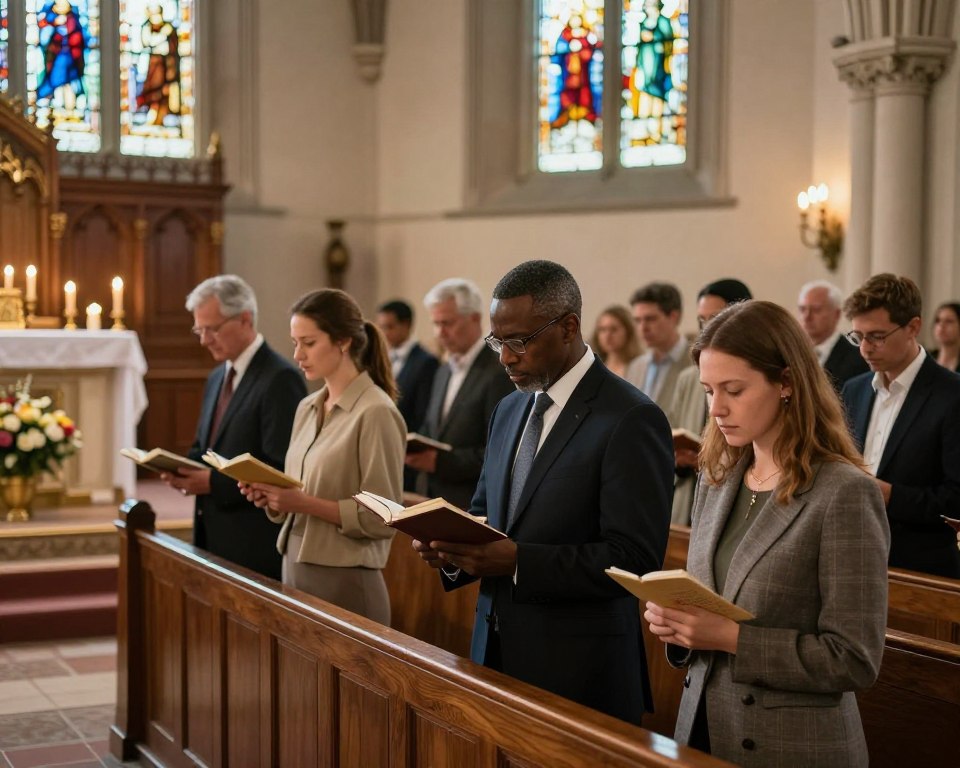
The Apostles’ Creed is an integral part of the liturgy in many United Methodist worship services. It is typically recited during Sunday services, serving as a unifying element among congregants. The creed’s recitation is often accompanied by other liturgical elements, such as prayers and hymns, creating a rich tapestry of worship.
Key aspects of the liturgical context include:
- The creed’s placement within the service, often following the sermon or as part of the responsive liturgy.
- The use of traditional or contemporary language, reflecting the church’s adaptability to different worship styles.
- The incorporation of the creed into sacraments and special services, such as baptisms and confirmations.
Variations in Recitation
The United Methodist Church allows for variations in the recitation of the Apostles’ Creed, accommodating different theological emphases and liturgical preferences. Two notable versions are the Traditional and Ecumenical versions.
Variations include:
- The Traditional version, which adheres closely to the historical wording of the creed.
- The Ecumenical version, which may include slight modifications to facilitate unity among different Christian denominations.
These variations reflect the church’s commitment to both preserving its heritage and fostering ecumenical dialogue. The choice between versions often depends on the specific worship context and the congregation’s preferences.
The Apostles’ Creed and Church Unity
The Apostles’ Creed is more than a statement of faith; it’s a bridge that connects diverse Christian traditions. By affirming this creed, Christians from various denominations express a shared commitment to their faith, fostering a sense of unity and cooperation.
The significance of the Apostles’ Creed in promoting church unity cannot be overstated. It serves as a common ground where different Christian denominations can come together, celebrating their shared beliefs and values.
Ecumenical Significance
The Apostles’ Creed holds considerable ecumenical significance as it is recognized and recited across many Christian denominations. This shared affirmation of faith transcends denominational boundaries, promoting a sense of unity and cooperation among Christians worldwide.
The ecumenical dialogue facilitated by the Apostles’ Creed encourages Christians to look beyond their denominational differences and focus on the core beliefs that unite them. This shared statement of faith has been instrumental in fostering a spirit of cooperation and mutual understanding among different Christian traditions.
Bridging Denominational Differences
The Apostles’ Creed plays a crucial role in bridging denominational differences by providing a common language of faith that is understood and respected across different Christian denominations. This creed serves as a foundation for ecumenical dialogue, allowing Christians to engage in meaningful conversations about their shared beliefs and values.
| Denomination | View on Apostles’ Creed | Role in Worship |
|---|---|---|
| United Methodist | Accepted as a statement of faith | Recited in worship services |
| Catholic | Part of the broader Apostolic Tradition | Used in liturgical contexts |
| Lutheran | Used in catechesis and worship | Recited during certain services |
By examining the role of the Apostles’ Creed in different Christian denominations, it becomes clear that this creed serves as a powerful symbol of unity, bridging the gaps between various Christian traditions.
Teaching the Creed to Congregants
Understanding the Apostles’ Creed is crucial for United Methodist congregants, and the church offers various educational programs to facilitate this understanding. The United Methodist Church is committed to educating its members about the significance and meaning of the Apostles’ Creed, recognizing its importance in strengthening their faith.
Educational Programs
The United Methodist Church offers a range of educational programs designed to teach congregants about the Apostles’ Creed. These programs are tailored to different age groups and include:
- Sunday School classes that delve into the history and significance of the creed
- Bible studies that explore the creed’s connection to scripture
- Workshops and seminars that provide in-depth analysis of the creed’s clauses
According to the United Methodist Church’s General Board of Discipleship, “Educating people about the Apostles’ Creed helps them understand the core beliefs of Christianity and how these beliefs are lived out in daily life.” This educational focus helps congregants appreciate the creed’s relevance to their personal faith journeys.
Resources for Leaders
To support leaders in teaching the Apostles’ Creed, the United Methodist Church provides various resources, including:
| Resource Type | Description |
|---|---|
| Study Guides | Detailed guides that outline the creed’s clauses and their significance |
| Discussion Questions | Questions designed to stimulate thoughtful discussion among congregants |
| Multimedia Materials | Videos, podcasts, and other multimedia resources that explore the creed’s meaning |
“The Apostles’ Creed is a powerful tool for teaching the core beliefs of Christianity. By understanding the creed, congregants can deepen their faith and develop a richer prayer life.” –
By providing these educational programs and resources, the United Methodist Church empowers its leaders to effectively teach the Apostles’ Creed, fostering a deeper understanding of its significance among congregants.
The Creed’s Impact on Personal Faith
In the United Methodist tradition, the Apostles’ Creed is recited as a means of reaffirming one’s beliefs and strengthening community bonds. This practice not only unites the congregation but also provides individuals with a powerful tool for personal reflection and affirmation of their faith.
Affirmation in Daily Life
Reciting the Apostles’ Creed can have a profound impact on an individual’s daily life. It serves as a reminder of their core beliefs and values, guiding their actions and decisions. By regularly affirming their faith, believers can cultivate a deeper sense of purpose and direction.
The creed’s affirmation in daily life can be seen in several ways:
- Spiritual Growth: Regular recitation fosters spiritual growth by reinforcing key beliefs.
- Personal Reflection: It encourages individuals to reflect on their faith and its application in daily life.
- Moral Guidance: The creed provides a moral framework that guides ethical decisions and behaviors.
Strengthening Community Identity
The Apostles’ Creed also plays a crucial role in strengthening the identity of the United Methodist community. By collectively reciting the creed, congregants affirm their shared beliefs and values, fostering a sense of unity and belonging.
Some key aspects of how the creed strengthens community identity include:
- Unity in Belief: The creed unites the congregation in their core beliefs, creating a shared identity.
- Communal Worship: Reciting the creed together enhances the communal aspect of worship, making it a more meaningful experience.
- Tradition and Continuity: The use of a traditional creed like the Apostles’ Creed connects the current community with the historical and theological traditions of the United Methodist Church.
By understanding and embracing the Apostles’ Creed, individuals within the United Methodist Church can deepen their personal faith while also strengthening their connection to the broader community of believers.
Common Questions About the Apostles’ Creed
The Apostles’ Creed, a statement of faith used by Christians worldwide, is not without its misconceptions and queries. As a foundational element of Christian doctrine, understanding its meaning and significance is crucial for believers.

Misunderstandings and Clarifications
One common misunderstanding about the Apostles’ Creed is its origin. Many believe it was written by the apostles themselves, but this is not entirely accurate. The creed’s exact origins are unclear, but it is believed to have evolved from early Christian baptismal formulas. Clarifying this helps in understanding its significance in United Methodist Church beliefs.
Another area of confusion is the creed’s interpretation. Different Christian denominations may have slightly varying interpretations of the creed’s phrases, reflecting their unique theological emphases. For instance, the Methodist teachings on the Apostles’ Creed emphasize the creed’s role in affirming core Christian beliefs, such as the Trinity and the resurrection.
Addressing Challenges in Belief
Believers often face challenges in understanding certain aspects of the Apostles’ Creed, such as the concept of the “communion of saints.” This phrase can be particularly puzzling. It refers to the spiritual unity of all Christians, both living and deceased, emphasizing the connection between the earthly church and the heavenly realm.
Addressing these challenges involves providing clear explanations and contextualizing the creed within contemporary Christian practice. By doing so, the Apostles’ Creed remains a vibrant and meaningful part of apostles creed interpretation in modern Christianity.
Through education and discussion, the United Methodist Church encourages its members to explore the Apostles’ Creed deeply, fostering a richer understanding of their faith and its traditions.
Historical Changes to the Apostles’ Creed
The historical development of the Apostles’ Creed is a fascinating narrative of theological refinement and contextual adaptation. As Christianity spread across different regions and cultures, the creed underwent significant transformations, reflecting the dynamic interplay between tradition and contemporary understanding.
Evolution Over Time
The Apostles’ Creed, with its roots in early Christianity, has evolved substantially over the centuries. Initially, it was not a fixed formula but rather a collection of beliefs that were gradually formalized into a creed. The process of its development involved various theological debates and councils, shaping its final form.
One of the pivotal moments in its evolution was the Council of Nicaea in 325 AD, which laid the groundwork for the creed’s Christological affirmations. Later, the Council of Constantinople in 381 AD further refined these affirmations, contributing to the creed’s structure and content.
Contemporary Relevance
Despite its ancient origins, the Apostles’ Creed remains highly relevant in contemporary Christianity. It continues to be a foundational element in worship services and catechetical instruction within the United Methodist Church and other Christian denominations. The creed’s affirmations about God, Christ, and the Holy Spirit provide a theological framework that resonates with believers today.
The creed’s significance extends beyond its liturgical use, serving as a bridge between different Christian traditions. Its ecumenical potential lies in its broad affirmations, which can be interpreted in various ways, fostering unity among diverse Christian communities.
In the context of the United Methodist Church, the Apostles’ Creed is not just a historical relic but a living expression of faith. It is recited in worship services, used in educational programs, and serves as a reference point for theological discussions. The creed’s enduring presence in Methodist worship and theology underscores its importance in the life of the church.
Conclusion: Embracing the Apostles’ Creed
The Apostles’ Creed remains a foundational element of Christian faith, particularly within the United Methodist tradition. Its significance extends beyond historical relevance to personal application and communal identity.
Personal Application
For individuals within the United Methodist Church, reciting the Apostles’ Creed is a declaration of faith that resonates deeply. It encapsulates core beliefs, including the nature of God and the significance of Christ’s death and resurrection, which are central to united methodist beliefs.
The Future of the Creeds in United Methodism
As the United Methodist Church continues to evolve, the Apostles’ Creed remains a unifying factor. Its enduring presence in worship services and educational programs underscores its importance in shaping methodist teachings on apostles creed. The creed’s role in fostering unity and affirming faith will likely continue, influencing the apostles creed in united methodist tradition for generations to come.
FAQ
What is the Apostles’ Creed, and why is it significant in the United Methodist Church?
The Apostles’ Creed is a foundational statement of faith that has been recited for centuries, outlining the core beliefs of Christianity. In the United Methodist Church, it is significant because it connects the denomination to its historical roots and the broader Christian tradition, affirming key beliefs about God, Christ, and the Holy Spirit.
How is the Apostles’ Creed used in United Methodist worship services?
The Apostles’ Creed is often recited during worship services in the United Methodist Church, serving as a unifying element among congregants. It is typically recited corporately, with the congregation speaking the creed in unison, affirming their shared faith.
What is the historical background of the Apostles’ Creed?
The Apostles’ Creed has its roots in the early Christian Church, evolving from various creedal statements used in baptismal rites. Its exact origin is unclear, but it is believed to have developed from the Old Roman Creed, eventually becoming a widely accepted statement of faith across Christianity.
How does the Apostles’ Creed relate to Wesleyan theology?
The Apostles’ Creed aligns with Wesleyan theology by affirming core Christian beliefs that are central to John Wesley’s teachings, such as the Trinity, the divinity of Christ, and the importance of the Holy Spirit. Wesleyan theology emphasizes personal holiness and social justice, both of which are supported by the creed’s affirmations.
Are there different versions of the Apostles’ Creed used in the United Methodist Church?
Yes, there are variations of the Apostles’ Creed, with slight differences in wording. The United Methodist Church uses different versions, but the core affirmations remain consistent across these variations, ensuring a unified expression of faith.
How does the Apostles’ Creed promote church unity?
The Apostles’ Creed promotes church unity by providing a shared statement of faith that transcends denominational differences. By affirming the same core beliefs, Christians from various backgrounds can come together, fostering a sense of unity and shared identity.
What role does the Apostles’ Creed play in personal faith?
The Apostles’ Creed serves as a meaningful affirmation of faith in daily life, providing a framework for understanding and expressing one’s beliefs. Reciting the creed can be a powerful way to connect with the broader Christian tradition and strengthen personal devotion.
How is the Apostles’ Creed taught to congregants within the United Methodist Church?
The Apostles’ Creed is taught through various educational programs and resources available within the United Methodist Church. These may include Sunday school classes, confirmation classes, and other discipleship programs aimed at helping members understand the creed and its significance.
What are some common misunderstandings about the Apostles’ Creed?
Common misunderstandings about the Apostles’ Creed include misconstruing its historical development and the implications of its affirmations. Some may view it as outdated or irrelevant, while others may not fully understand its theological significance or how it relates to contemporary Christian practice.
How has the Apostles’ Creed evolved over time?
The Apostles’ Creed has undergone changes throughout its history, adapting to different contexts while maintaining its core affirmations. Despite these changes, the creed remains a vital part of Christian worship and doctrine, continuing to be relevant in contemporary Christianity.