The United Methodist Church has taken a significant step towards LGBTQ inclusion by revising its policies. As of January 1, 2025, the church has removed restrictions on the ordination of LGBTQ clergy and the celebration of same-sex marriages.
This change marks a new era for the church, affirming human sexuality as “a sacred gift.” The church now recognizes the importance of sexual intimacy in fostering emotional, spiritual, and physical well-being.
The shift in policy is expected to have a profound impact on the church’s culture and its relationship with the LGBTQ community.
Key Takeaways
- The United Methodist Church has lifted bans on LGBTQ clergy ordination.
- Same-sex marriages can now be celebrated within the church.
- Human sexuality is recognized as a sacred gift.
- The policy change is effective as of January 1, 2025.
- The church’s culture and relationship with the LGBTQ community are expected to be significantly impacted.
Overview of the United Methodist Church’s Stance on LGBTQ Issues
The United Methodist Church’s approach to LGBTQ issues has evolved substantially over time. This evolution reflects the church’s ongoing efforts to balance its traditional teachings with the need for inclusivity and compassion.
Historical Context of LGBTQ Inclusion
The United Methodist Church has a complex history regarding LGBTQ inclusion. Historically, the church has grappled with its stance on LGBTQ issues, with significant debates and discussions taking place within the church. The church’s Book of Discipline has traditionally contained language that was not affirming of LGBTQ individuals.
However, over the years, there has been a growing movement within the church to become more inclusive. This movement has been driven by changing societal attitudes and the work of LGBTQ advocates within the church.
Recent Developments in Policies
Recently, the 2024 General Conference marked a significant turning point in the church’s stance on LGBTQ issues. The conference voted to remove language from the Book of Discipline that previously stated “the practice of homosexuality is incompatible with Christian teaching.” This change reflects a more inclusive and accepting approach, aligning with the church’s core values of love, compassion, and acceptance.
The removal of this language is a crucial step towards becoming an affirming church for LGBTQ individuals. It signifies a shift towards greater inclusivity and sets the stage for further developments in LGBTQ policies within the United Methodist Church.
Key Documents Influencing LGBTQ Policies
Understanding the United Methodist Church’s LGBTQ policies requires examining the foundational documents that shape these policies. The church’s approach to LGBTQ inclusion is guided by several critical documents that have evolved over time, reflecting changing societal attitudes and theological interpretations.
The Book of Discipline
The Book of Discipline is a pivotal document that outlines the church’s teachings, practices, and policies. It has undergone revisions to reflect the church’s growing understanding and affirmation of LGBTQ individuals. Notably, it now affirms that human sexuality is “a sacred gift,” recognizing the importance of sexual intimacy in fostering emotional, spiritual, and physical well-being.
https://www.youtube.com/watch?v=UPE8XezDaDg
General Conference Resolutions
General Conference Resolutions also play a significant role in shaping the church’s LGBTQ policies. These resolutions are adopted during the General Conference, the church’s highest legislative authority, and address various aspects of LGBTQ inclusion. Recent resolutions have focused on promoting understanding, acceptance, and support for LGBTQ individuals within the church.
The United Methodist Church’s journey towards LGBTQ inclusion is reflected in the evolution of these documents. As the church continues to grapple with these issues, the Book of Discipline and General Conference Resolutions remain crucial in guiding the church’s policies and practices.
Current Policies Regarding LGBTQ Clergy
The United Methodist Church has recently made significant strides in promoting equality within its clergy. This shift is largely attributed to the changes in policies regarding LGBTQ individuals. The church has moved towards a more inclusive environment, embracing diversity among its clergy.
Ordination Standards for LGBTQ Individuals
A significant development in the United Methodist Church’s policies is the lifting of the ban on ordaining “self-avowed, practicing homosexuals.” This change allows boards of ordained ministry to recommend candidates for ordination based on criteria such as integrity, commitment, and adherence to the church’s teachings. As a result, LGBTQ individuals now have a fairer opportunity to serve as clergy, promoting equality and diversity within the church’s leadership.
Affirmation and Support Structures
The United Methodist Church has also established various affirmation and support structures to promote a welcoming environment for LGBTQ clergy. These structures are designed to provide support and resources, ensuring that LGBTQ individuals feel affirmed and valued within the church community. By fostering an inclusive atmosphere, the church aims to promote equality and understanding among its members.
The establishment of these support structures reflects the church’s commitment to challenging traditional norms and embracing a more inclusive approach. As the church continues to evolve, it is likely that these policies will have a positive impact on the United Methodist Church LGBTQ community, promoting a culture of acceptance and equality.
Same-Sex Marriage Policies in the United Methodist Church
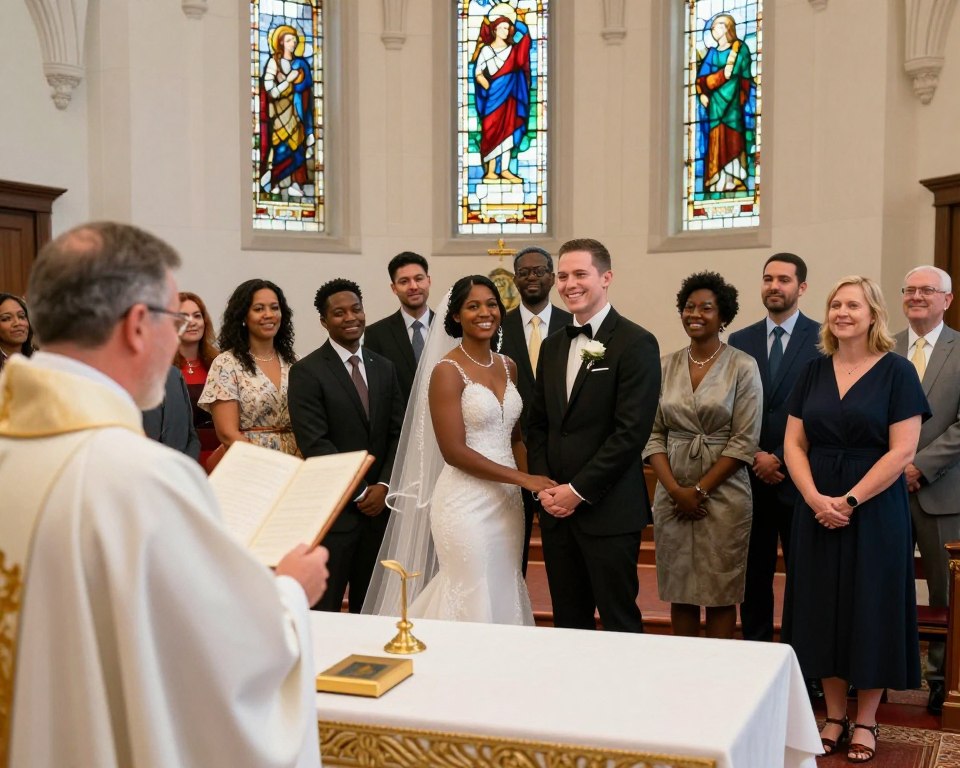
In a significant shift, the United Methodist Church now permits same-sex marriages to be performed by its clergy. This change reflects the church’s ongoing efforts to become more inclusive and welcoming to all members, regardless of their sexual orientation.
Local Church Autonomy on Marriage Ceremonies
The United Methodist Church has granted local churches the autonomy to decide whether to host same-sex weddings. This means that clergy can officiate same-sex marriages, and such ceremonies can be held in United Methodist churches, subject to the discretion of the clergy and local church leadership.
The decision to host a same-sex wedding is made at the local level, allowing churches to respond to the needs and circumstances of their community. This autonomy is crucial in ensuring that the church remains relevant and supportive of its members.
The Role of Bishops in Same-Sex Weddings
Bishops play a crucial role in supporting and guiding local churches in the matter of same-sex weddings. They provide pastoral guidance and help to ensure that the church’s teachings are implemented in a way that is both faithful to the church’s tradition and sensitive to the needs of its members.
The role of bishops is not only to provide guidance but also to foster an environment of inclusivity and respect within the church. By doing so, they help to promote a culture of acceptance and understanding.
| Aspect | Previous Policy | Current Policy |
|---|---|---|
| Same-Sex Marriages | Not permitted | Permitted with local church autonomy |
| Clergy Officiation | Not allowed to officiate | Allowed to officiate |
| Bishops’ Role | Limited guidance | Active guidance and support |
Differences Across Regions and Conferences
The diversity within the United Methodist Church is reflected in the varying degrees of LGBTQ inclusion across its regional conferences. This variance is a result of different interpretations and implementations of the church’s policies regarding LGBTQ issues.
Variances in Acceptance by Conferences
Some Annual Conferences have taken significant steps towards LGBTQ inclusion, such as appointing openly LGBTQ+ district superintendents. This move not only signifies a progressive stance but also provides a supportive environment for LGBTQ individuals within the church.
The level of acceptance can vary widely, with some conferences establishing committees to support LGBTQ+ individuals. These initiatives demonstrate a commitment to creating an inclusive environment within the church.
Notable Conferences Supporting LGBTQ Inclusion
Conferences like the Mountain Sky Conference have been at the forefront of supporting LGBTQ inclusion. By establishing specific committees and programs, these conferences set a precedent for other regions to follow.
The actions of these conferences highlight the church’s potential for growth and inclusivity. They serve as examples of how regional differences can be leveraged to promote a more accepting and supportive environment for LGBTQ individuals within the United Methodist Church.
By embracing diversity and promoting inclusivity, the United Methodist Church can continue to evolve and better serve its LGBTQ members across different regions and conferences.
Initiatives for LGBTQ Support and Advocacy
As part of its commitment to Christianity’s message of love and acceptance, the United Methodist Church has developed several initiatives to support LGBTQ inclusion. These efforts reflect the church’s broader mission to create a welcoming and affirming environment for all members.
Inclusion Ministries and Programs
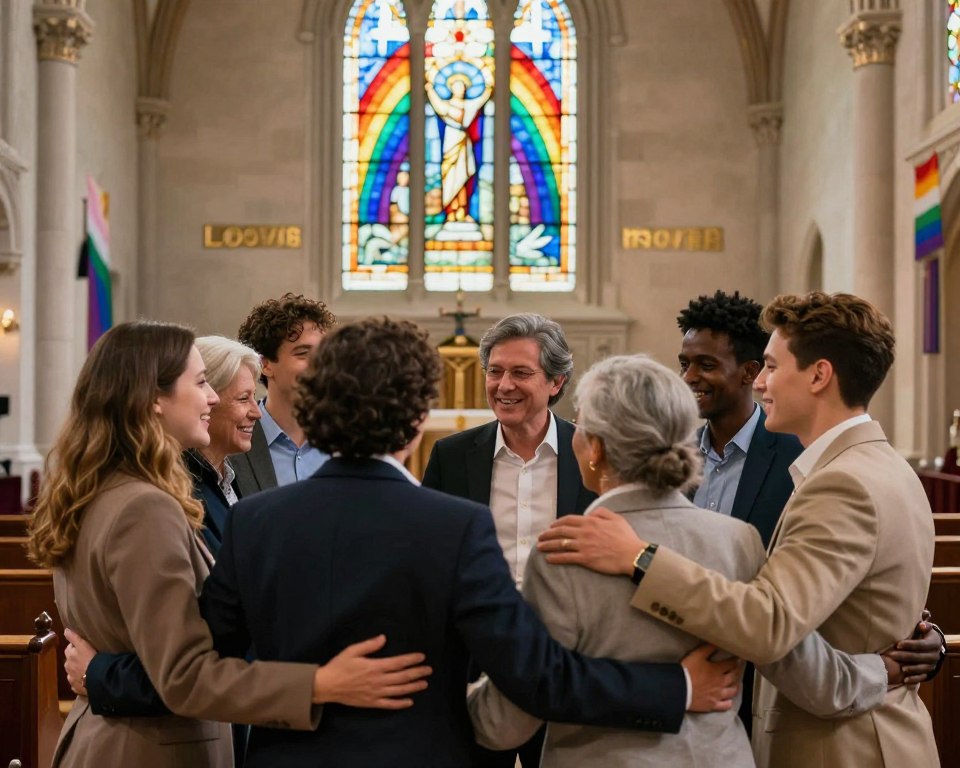
The UMC has established various inclusion ministries and programs designed to support LGBTQ individuals. Organizations like the Reconciling Ministries Network and Affirmation: United Methodists for Lesbian, Gay, Bisexual, Transgender, and Queer Concerns are at the forefront of these efforts, working to promote understanding and acceptance within the church.
These ministries often provide resources, support groups, and educational programs aimed at fostering a more inclusive church community. By engaging in these activities, the UMC demonstrates its commitment to Christianity LGBTQ acceptance, ensuring that all members feel valued and supported.
Partnerships with LGBTQ Organizations
In addition to its internal initiatives, the United Methodist Church is also forming partnerships with LGBTQ organizations to amplify its support and advocacy efforts. These partnerships enable the church to leverage external expertise and resources, further enhancing its ability to promote LGBTQ inclusion.
By collaborating with organizations that specialize in LGBTQ issues, the UMC can provide more effective support to its LGBTQ members. This collaborative approach underscores the church’s commitment to creating a welcoming and affirming environment for everyone, regardless of their sexual orientation or gender identity.
Through these combined efforts, the United Methodist Church is making significant strides in promoting LGBTQ support and advocacy within its community. As the church continues to evolve and grow, its commitment to inclusion and acceptance remains a guiding principle.
Challenges Within the Church Community
The United Methodist Church faces significant internal challenges as it moves forward with its LGBTQ inclusion policies. Despite efforts to create a more inclusive environment, the church is confronted with opposition from various factions within its community.
Internal Conflicts: Traditionalists vs. Progressives
The debate over LGBTQ inclusion has created a divide between traditionalists and progressives within the church. Traditionalists argue that the church’s stance on LGBTQ issues contradicts traditional biblical teachings, while progressives see the inclusion of LGBTQ individuals as a step towards a more compassionate and inclusive church.
“The church must balance its commitment to traditional teachings with its duty to be welcoming and inclusive to all individuals.” This sentiment is echoed by many who believe that the United Methodist Church can find a middle ground that respects both traditional values and the needs of the LGBTQ community.
Impact of Membership Decline
The United Methodist Church has been experiencing a decline in membership over the years, a trend that some attribute to the church’s historical stance on LGBTQ issues. As the church moves towards greater inclusion, it hopes to reverse this trend by attracting a more diverse and inclusive congregation.
According to
“The church’s commitment to LGBTQ inclusion is not just a moral imperative but also a strategic move to revitalize its membership and ensure its relevance in a changing societal landscape.”
This perspective suggests that the church’s efforts to be more inclusive could be a key factor in its future growth and sustainability.
The path forward for the United Methodist Church involves navigating these internal conflicts while continuing to promote a message of love, acceptance, and inclusion. By doing so, the church aims to create a more vibrant and diverse community that is welcoming to all, regardless of their sexual orientation or gender identity.
The Role of LGBTQ Advocates in the Church
Within the United Methodist Church, LGBTQ advocates have emerged as key figures in the push for a more inclusive environment. These advocates have played a crucial role in shaping the church’s stance on LGBTQ issues, often through tireless efforts in promoting understanding and acceptance.
The impact of LGBTQ advocates is evident in the various initiatives and policies that have been implemented to foster a more affirming church united methodist community. Their work has been instrumental in driving change from within the church.
Key Figures and Organizations Supporting Change
Advocates like Rev. Burton Edwards and organizations such as the Reconciling Ministries Network have been at the forefront of promoting LGBTQ inclusion within the UMC. These individuals and groups have worked diligently to create a more welcoming environment for LGBTQ members.
Their efforts have included organizing support groups, advocating for policy changes, and providing educational resources to promote understanding and acceptance. The work of these advocates has been crucial in shaping the church’s policies and promoting a more inclusive environment.
Grassroots Movements for Inclusion
Grassroots movements have been a significant driving force behind the push for LGBTQ inclusion within the United Methodist Church. These movements, often led by local advocates, have garnered significant support from within the church community.
The table below highlights some of the key initiatives and outcomes of these grassroots movements:
| Initiative | Description | Outcome |
|---|---|---|
| Reconciling Ministries Network | Organization advocating for LGBTQ inclusion | Established numerous LGBTQ-friendly churches |
| Local Support Groups | Groups providing support to LGBTQ individuals | Increased sense of community and belonging |
| Policy Advocacy | Advocacy for policy changes to support LGBTQ inclusion | Influenced church policies to be more inclusive |
The collective efforts of LGBTQ advocates, key figures, and grassroots movements have been instrumental in driving change within the United Methodist Church. Their work continues to shape the church’s stance on LGBTQ issues, promoting a more inclusive and affirming environment.
Future Prospects for LGBTQ Inclusion
With the landscape of religious institutions evolving, the United Methodist Church is set to embrace a more inclusive stance towards LGBTQ individuals. This shift is largely driven by changing societal attitudes and the growing influence of younger generations within the church.
Policy Changes on the Horizon
As the United Methodist Church approaches 2024, there are indications of potential changes in its policies regarding LGBTQ inclusion. These changes are expected to further solidify the church’s commitment to equality and inclusivity. The influence of progressive voices within the church is likely to play a significant role in shaping these policies.
The General Conference, a pivotal decision-making body within the United Methodist Church, is anticipated to revisit and potentially revise existing policies that have been barriers to full LGBTQ inclusion. This could involve amendments to The Book of Discipline, a key document that outlines the church’s teachings and practices.
The Role of Younger Generations
Younger generations, who are generally more accepting and supportive of LGBTQ rights, are increasingly taking on leadership roles within the United Methodist Church. Their influence is expected to be a driving force behind the church’s evolving stance on LGBTQ issues. As these younger members bring their values and perspectives into the church’s decision-making processes, the church is likely to become even more inclusive and supportive of LGBTQ individuals.
The future of the United Methodist Church’s LGBTQ policies looks promising, with a clear trajectory towards greater inclusion and equality. As the church continues to navigate the complexities of its stance on LGBTQ issues, the voices of its younger members will undoubtedly play a crucial role in shaping its path forward.
Personal Stories from LGBTQ Members
Personal narratives from LGBTQ individuals within the United Methodist Church reveal a spectrum of experiences, underscoring the need for continued advocacy and education. These stories not only highlight the challenges faced by LGBTQ members but also showcase the successes and the potential for a more inclusive church environment.
Testimonials of Acceptance and Rejection
Many LGBTQ individuals have shared their experiences of both acceptance and rejection within the UMC. For instance, some have been welcomed and affirmed by their local congregations, while others have faced exclusion and marginalization. The diversity of these experiences underscores the complex relationship between the LGBTQ community and the United Methodist Church.
A poignant example is the story of a young LGBTQ individual who was initially rejected by their family but found acceptance and support within their local UMC congregation. Such stories highlight the potential for the church to be a source of comfort and affirmation for LGBTQ individuals.
Successes in Local Congregations
Despite the challenges, there are numerous stories of success and inclusion at the local congregation level. Many UMC churches have actively worked to become more welcoming and affirming to LGBTQ individuals, demonstrating that the church can be a positive and supportive environment. These successes serve as beacons of hope and models for other congregations.
- Congregations have implemented inclusive policies and practices.
- Some have established specific ministries and programs for LGBTQ individuals.
- Others have provided support and resources for LGBTQ members and their families.
These personal stories and successes in local congregations highlight the ongoing journey towards a more inclusive United Methodist Church. By sharing these experiences, the church can continue to grow and become a more welcoming environment for all members, regardless of their sexual orientation or gender identity.
Resources for LGBTQ Individuals Within the Church
The United Methodist Church is committed to providing a supportive environment for LGBTQ individuals, recognizing the importance of spiritual nourishment and community. Organizations such as the Reconciling Ministries Network play a vital role in offering resources and support.
Support and Counseling
LGBTQ individuals within the United Methodist Church can access various support groups and counseling services. These resources help individuals navigate their faith and identity, promoting a deeper understanding of themselves and their place within the church community. The availability of LGBTQ affirming congregation methodist environments fosters a sense of belonging.
Educational Resources
Educational materials on faith and identity are crucial for LGBTQ individuals and the broader church community. These resources facilitate discussions on christianity LGBTQ acceptance, helping to challenge traditional norms and promote a more inclusive understanding of faith. The united methodist church LGBTQ rights initiatives are supported through these educational efforts.
By providing these resources, the United Methodist Church demonstrates its commitment to creating a welcoming and affirming environment for all members, regardless of their sexual orientation or gender identity.
FAQ
What changes has the United Methodist Church made to its LGBTQ policies?
The United Methodist Church has removed longstanding bans on the ordination of LGBTQ+ clergy and the celebration of same-sex marriages, effective January 1, 2025. The church now affirms human sexuality as “a sacred gift” and recognizes the importance of sexual intimacy in fostering emotional, spiritual, and physical well-being.
How has the United Methodist Church’s stance on LGBTQ issues evolved over the years?
The United Methodist Church’s stance on LGBTQ issues has evolved significantly, from historically grappling with its stance on LGBTQ inclusion to recently removing language that previously condemned homosexuality at the 2024 General Conference, reflecting a more inclusive and accepting approach.
What key documents influence the United Methodist Church’s LGBTQ policies?
The Book of Discipline and General Conference Resolutions are key documents that shape the church’s policies, with the Book of Discipline now affirming human sexuality as a sacred gift and General Conference Resolutions promoting LGBTQ inclusion and acceptance.
Can LGBTQ individuals be ordained as clergy in the United Methodist Church?
Yes, with the lifting of the ban on ordaining LGBTQ individuals, the church is now more inclusive and diverse, and has established affirmation and support structures to promote equality and provide a welcoming environment for LGBTQ clergy.
How does the United Methodist Church approach same-sex marriages?
The church allows clergy to officiate same-sex marriages, and local churches have autonomy in deciding whether to host same-sex weddings, with bishops playing a crucial role in supporting and guiding local churches in this matter.
Are there differences in LGBTQ inclusion across regions and conferences within the United Methodist Church?
Yes, some conferences have been more accepting and supportive of LGBTQ individuals, with notable examples including conferences that have appointed LGBTQ district superintendents and established support committees, highlighting the diversity within the church.
What initiatives are being taken by the United Methodist Church to support LGBTQ individuals?
The church is developing inclusion ministries and programs, and forging partnerships with LGBTQ organizations to promote education and advocacy, reflecting its commitment to promoting Christianity’s message of love and acceptance.
What challenges does the United Methodist Church face in promoting LGBTQ inclusion?
The church faces internal conflicts between traditionalists and progressives, as well as declining membership, but its commitment to promoting LGBTQ rights and inclusion is seen as a key step in revitalizing its membership.
Who has driven change within the United Methodist Church regarding LGBTQ inclusion?
LGBTQ advocates, including key figures and organizations, have worked tirelessly to promote LGBTQ inclusion, often through grassroots movements that have garnered significant support, helping shape the church’s policies.
What are the future prospects for LGBTQ inclusion within the United Methodist Church?
The church’s future prospects are promising, with potential changes in policy post-2024 expected to further promote equality and inclusion, and younger generations likely to play a significant role in shaping the church’s policies.
What resources are available to LGBTQ individuals within the United Methodist Church?
The church is developing resources, including support groups, counseling services, and educational materials, to promote a deeper understanding of faith and identity, helping LGBTQ individuals navigate their spiritual journeys.