The United Methodist Communion Liturgy is a profound aspect of the church’s worship, embodying the unity of believers with Christ and with each other.
This sacred service, as outlined in the United Methodist Book of Worship, encompasses pivotal elements such as confession, proclamation, and communion, fostering a deep spiritual connection among participants.
By exploring the structure and significance of this liturgy, we can gain a deeper understanding of its role in the spiritual lives of believers.
Key Takeaways
- The United Methodist Communion Liturgy symbolizes unity among believers.
- It includes essential elements like confession and communion.
- This liturgy plays a significant role in the spiritual lives of participants.
- The service is guided by the United Methodist Book of Worship.
- It fosters a deep connection with Christ and among the community.
What is Communion in the United Methodist Church?
The United Methodist Church practices communion as a means of grace, where believers partake in the body and blood of Christ, fostering a deeper spiritual life. This sacrament is central to Methodist worship and identity, embodying the church’s commitment to spiritual nourishment and community.
Historical Background of Communion
The practice of communion in the United Methodist Church has its roots in the early Christian church, where the breaking of bread was a central act of worship. The Methodist movement, founded by John Wesley, emphasized the importance of this sacrament as a means of grace and spiritual growth. Over time, the United Methodist Church has maintained this emphasis, seeing communion as a vital part of its worship and discipleship.
Theological Significance of Communion
In the United Methodist Church, communion is understood as a sacrament that conveys God’s grace to the believer. It is seen as a means of spiritual nourishment, where participants receive Christ’s presence through the bread and wine. The theological significance of communion is multifaceted, encompassing themes of remembrance, community, and anticipation of the heavenly banquet.
The United Methodist Church’s theology of communion is grounded in its understanding of the sacraments as means of grace, through which God’s love and forgiveness are communicated to believers. This understanding is rooted in scripture and the Christian tradition, emphasizing the importance of communion in the life of the church.
The Structure of Communion Liturgy
In the United Methodist tradition, the communion liturgy follows a specific order that guides worshippers through a meaningful experience of communion with Christ. This structured service is designed to foster a deep spiritual connection among participants.
The communion liturgy is composed of several key elements that work together to create a rich and meaningful worship experience. Understanding these elements is crucial to appreciating the depth of the communion service.
Elements of the Liturgy
The communion liturgy includes several significant components, such as the invitation, confession, and the Great Thanksgiving. Each of these elements plays a vital role in the overall service.
- The invitation sets the stage for the communion service, welcoming participants to the table.
- The confession allows worshippers to reflect on their faith and seek forgiveness.
- The Great Thanksgiving is a central part of the communion liturgy, during which the congregation gives thanks for the gift of salvation.
These elements, among others, contribute to a comprehensive and meaningful communion experience.
Order of Worship
The order of worship in a United Methodist communion service is carefully designed to guide participants through a spiritual journey. The sequence of events is intended to create a cohesive and impactful experience.
| Liturgy Element | Description |
|---|---|
| Invitation to Communion | Welcomes participants to the communion table |
| Confession and Pardon | Provides an opportunity for reflection and forgiveness |
| Great Thanksgiving | A central prayer of thanksgiving for salvation |
| Breaking of the Bread | Symbolizes the sharing of Christ’s body |
The structured order of the communion liturgy in the United Methodist Church enhances the worship experience, fostering a deeper connection with Christ and the community.
The Role of the Pastor in Communion
Leading the communion service is a profound honor for pastors in the United Methodist Church, requiring both spiritual guidance and liturgical precision. The pastor’s role is not only to administer the sacrament but also to prepare the congregation for this meaningful experience.
Leading the Service
The pastor’s leadership during the communion service involves several key elements. Firstly, they must ensure that the liturgy is conducted in accordance with the United Methodist Church’s traditions and practices. This includes the proper consecration of the elements and the distribution of communion to the congregation.
The pastor must also be mindful of the congregation’s spiritual needs, providing guidance and comfort through the service. This can involve prayer, reflection, and the words of institution, which are central to the communion liturgy.
Preparing the Congregation
Preparing the congregation for communion is another critical aspect of the pastor’s role. This involves educating the congregation on the significance of communion and how to participate fully in the service.
Pastors may also use various methods to prepare the congregation, including sermons, Bible studies, and pre-communion reflections. The goal is to help the congregation understand the sacrament’s meaning and to foster a deeper connection with God and the community.
Communion from a Congregational Perspective
Communion in the United Methodist Church is characterized by the active involvement of the congregation, creating a sense of unity and shared faith. This communal aspect of communion is deeply rooted in Methodist church traditions, emphasizing the importance of collective worship and the participation of all believers.
Active Participation
Active participation is a cornerstone of the United Methodist communion service. Congregants are encouraged to engage fully in the liturgy, participating in prayers, hymns, and the reception of communion. This active engagement fosters a deeper connection among the community members and enhances their spiritual experience.
The role of the congregation in communion is not passive; rather, it is an active and integral part of the service. By participating in communion, believers affirm their faith and their connection to one another.
Community and Fellowship
The United Methodist Church views communion as a sacrament that not only nourishes the individual spirit but also strengthens the bonds within the community. Through communion, believers experience a profound sense of fellowship and unity.
The communal nature of communion is reflected in the way it brings people together, transcending individual differences and fostering a sense of belonging among congregants.
| Aspect of Communion | Significance | Impact on Congregation |
|---|---|---|
| Active Participation | Encourages engagement and spiritual growth | Fosters a sense of unity and shared faith |
| Community and Fellowship | Strengthens bonds among believers | Creates a sense of belonging and togetherness |
| Tradition and Liturgy | Roots the service in historical and theological context | Provides a meaningful and familiar experience for congregants |
Seasonal Variations in Communion Liturgy
Throughout the liturgical year, the United Methodist Church celebrates communion with variations that reflect the theological and spiritual nuances of different seasons. This adaptability enriches the worship experience, allowing congregations to deeply engage with the significance of communion in the context of major Christian holidays and seasons.
Advent and Christmas Observances
During Advent and Christmas, the communion liturgy takes on a preparatory and celebratory tone. The elements of the liturgy, such as prayers and hymns, are chosen to reflect the themes of hope, preparation, and the incarnation of Jesus Christ. The use of Advent wreaths and Christmas decorations in the sanctuary creates a visual representation of the season, enhancing the spiritual atmosphere.
“The light of Christ shines in the darkness, and the darkness has not overcome it.” – John 1:5
The communion service during this period often includes readings and prayers that highlight the anticipation and joy associated with the coming of Christ. The emphasis on light in both Advent and Christmas services symbolizes the light of Christ entering the world.
Lent and Easter Practices
Lent and Easter bring their own unique practices to the communion liturgy. During Lent, the focus is on repentance, reflection, and preparation for the resurrection of Jesus. The communion service may include special Lenten prayers and the use of ashes on Ash Wednesday, marking the beginning of the Lenten season.
Easter, on the other hand, is a time of celebration and joy, marking the resurrection of Jesus. The communion liturgy is characterized by themes of renewal and new life. The service often includes special Easter hymns and the use of flowers and other symbols of new life in the sanctuary.
| Season | Communion Liturgy Themes | Special Practices |
|---|---|---|
| Advent | Hope, Preparation | Advent wreaths, special prayers |
| Christmas | Incarnation, Joy | Christmas decorations, special hymns |
| Lent | Repentance, Reflection | Ashes on Ash Wednesday, Lenten prayers |
| Easter | Renewal, New Life | Easter flowers, special Easter hymns |
The seasonal variations in communion liturgy in the United Methodist Church highlight the dynamic nature of worship, allowing congregations to experience the depth and richness of Christian tradition in diverse ways throughout the year.
The Importance of Preparation for Communion
Before receiving communion, the United Methodist Church encourages believers to engage in thorough spiritual preparation. This preparation is not just a ritual but a meaningful process that enhances the communion experience.
Spiritual Reflection
Spiritual reflection is a critical component of communion preparation. It involves taking time to introspect and examine one’s faith, actions, and relationship with God. This reflection can be facilitated through personal prayer, meditation, or reading scripture.
Reflecting on one’s spiritual journey helps individuals understand their faith more deeply and appreciate the significance of communion. It is an opportunity to reconnect with the core beliefs of the United Methodist Church and to renew one’s commitment to its teachings.
| Aspect of Reflection | Practices | Benefits |
|---|---|---|
| Personal Prayer | Meditation, Personal Supplication | Deepens Faith, Enhances Spiritual Connection |
| Scripture Reading | Studying Biblical Texts | Understanding God’s Word, Guidance |
Confession and Forgiveness
Another vital aspect of preparation for communion is confession and forgiveness. The United Methodist Church teaches the importance of acknowledging one’s sins and seeking forgiveness, both from God and from others.
Confession is a process of acknowledging one’s shortcomings and weaknesses. It is a step towards healing and reconciliation, allowing individuals to approach communion with a clear conscience.

By engaging in confession and seeking forgiveness, believers can experience a deeper sense of peace and unity with their community. This practice is fundamental to the United Methodist tradition and is seen as essential for a meaningful communion experience.
Open Table Theology Explained
At the heart of the United Methodist Church’s communion practice lies an “open table” theology that welcomes all believers. This approach is rooted in the church’s understanding of communion as a means of grace and unity.
The “open table” theology is not just a practice but a theological stance that emphasizes the inclusive nature of communion. It signifies that the table is open to all who wish to participate, regardless of their denominational background or personal beliefs.
Understanding the Invite
The invitation to communion in the United Methodist Church is an expression of its “open table” theology. The church extends an open invitation to all who seek to participate in the sacrament, emphasizing the universal call to communion.
This invitation is not limited to members of the United Methodist Church but is extended to all believers who wish to participate. It reflects the church’s understanding of communion as a unifying element among Christians.
Inclusivity in Communion
The United Methodist Church’s practice of communion is characterized by its inclusivity. The “open table” theology ensures that communion is accessible to all who wish to participate.
| Aspect of Inclusivity | Description |
|---|---|
| Denominational Openness | Communion is open to all Christians, regardless of their denominational affiliation. |
| Personal Background | Individuals from various personal backgrounds are welcomed to participate in communion. |
| Theological Perspective | The church’s theology emphasizes the sacrament’s role in uniting believers across different theological perspectives. |
The “open table” theology of the United Methodist Church serves as a powerful symbol of unity and inclusivity. By welcoming all believers to communion, the church embodies its commitment to Christian fellowship and the universal call to communion.
Music and Worship During Communion
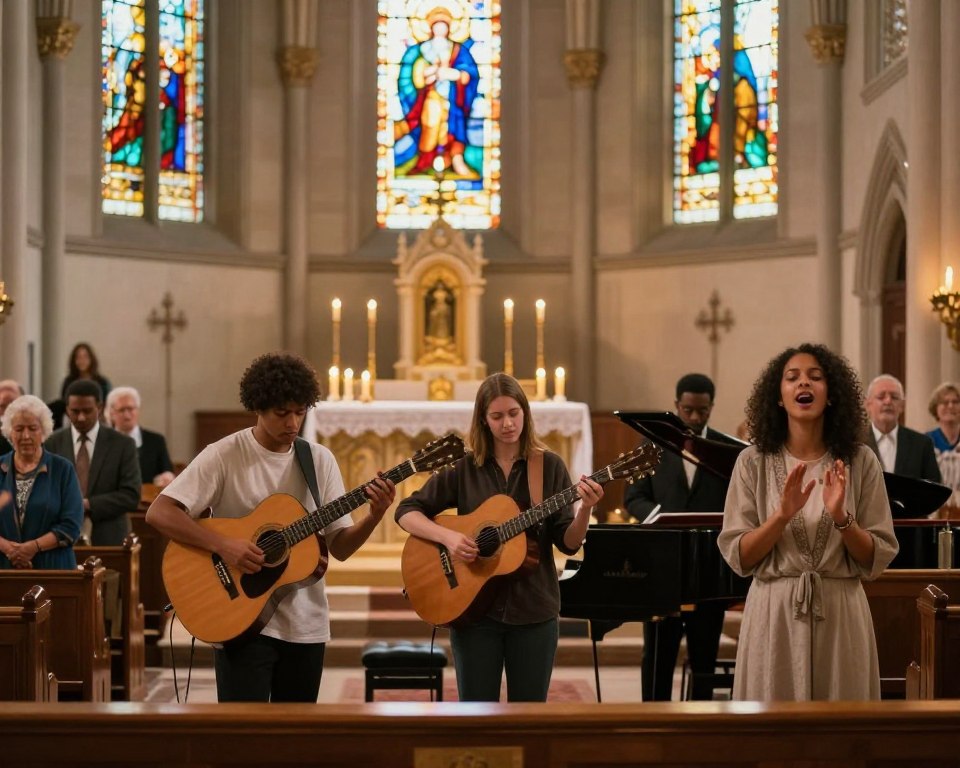
In the United Methodist tradition, music is an integral part of the communion liturgy, fostering a reverent atmosphere. The careful selection of hymns and songs enhances the worship experience, creating a sense of community and spiritual connection among congregants.
Hymns and Songs for Communion Services
The choice of hymns and songs for communion services is crucial, as it sets the tone for the entire service. Traditional hymns such as “Jesus, Remember Me” and “O Sacred Head, Now Wounded” are often selected for their theological significance and historical relevance. Contemporary songs that reflect the themes of communion, such as unity, remembrance, and gratitude, are also incorporated to engage the congregation.
“Music is a powerful tool in worship, capable of expressing the deepest longings and highest aspirations of the human spirit.” This quote highlights the importance of music in creating a meaningful communion experience.
The Impact of Music on Communion Experience
Music significantly impacts the communion experience by creating a contemplative atmosphere that encourages reflection and prayer. The right hymns and songs can unify the congregation, fostering a sense of community and shared worship experience.
A well-chosen communion hymn can also serve as a form of prayer, expressing the congregation’s collective sentiments. For example, hymns that focus on the themes of Christ’s sacrifice and the promise of salvation resonate deeply with the congregation, enhancing their spiritual experience.
“The singing of hymns during communion is not just an accompaniment to the ritual; it is an integral part of the worship experience, enriching the liturgy and deepening the spiritual connection among participants.”
By thoughtfully integrating music into the communion service, the United Methodist Church creates a rich and meaningful worship experience that resonates with congregants.
Communion and Children in the United Methodist Church
The United Methodist Church has a thoughtful approach to involving children in communion, reflecting its broader commitment to inclusivity in worship. This approach is guided by a deep understanding of the sacrament and its significance for individuals of all ages.
Understanding Age Guidelines
The age at which children can participate in communion varies, but the emphasis is on understanding and readiness rather than a specific age. Typically, children are prepared through education and reflection on the sacrament’s meaning.
To guide churches, the United Methodist denomination provides resources that help in educating children about communion. This includes age-appropriate materials and guidance for parents and church leaders.
Teaching Children About Communion
Teaching children about communion is a vital part of their spiritual development. It involves explaining the significance of the bread and wine (or grape juice) and encouraging them to reflect on their faith.
A key aspect of this education is preparing children to understand the sacrament fully. This preparation often involves a series of lessons or discussions, culminating in their first communion.
The following table summarizes key points about children’s participation in communion:
| Age Group | Preparation Focus | Communion Participation |
|---|---|---|
| Pre-K to Early Elementary | Introduction to basic concepts of communion | Typically observing or participating in age-appropriate ways |
| Older Elementary to Middle School | Deeper understanding of the sacrament’s significance | Preparing for first communion |
| High School and Beyond | Reflection on faith and the role of communion in spiritual life | Active participation in communion services |
FAQ About United Methodist Communion Liturgy
The United Methodist Church provides a rich and meaningful communion experience, rooted in its traditions and rituals. As we’ve explored throughout this article, communion is a vital aspect of Methodist worship, symbolizing the presence of Christ and the unity of the community.
Practical Considerations
Many individuals have questions about participating in communion within the Methodist church. Common concerns include the significance of communion, the role of the pastor, and the inclusivity of the sacrament. The United Methodist Church offers guidance on these matters, emphasizing the importance of understanding and participating in communion as a means of deepening one’s faith.
Exploring Further
For those seeking to explore the United Methodist Communion Liturgy further, various resources are available. The official United Methodist Church website and liturgical guides provide detailed information on methodist church traditions and methodist church rituals, offering a deeper understanding of the communion service and its significance within the Methodist community.
FAQ
What is the significance of communion in the United Methodist Church?
In the United Methodist Church, communion is a vital part of worship and identity, symbolizing the presence of Christ and the unity of believers.
What is the historical background of communion in the Methodist tradition?
The Methodist tradition roots its communion practice in the early Christian church and the sacraments observed by John Wesley, the founder of Methodism, emphasizing the importance of sacramental worship.
How is the communion liturgy structured in a United Methodist service?
The communion liturgy in a United Methodist service typically includes elements such as the invitation, the consecration of the elements, the distribution of communion, and a post-communion prayer, contributing to a rich and meaningful experience.
What is the role of the pastor in leading communion?
The pastor plays a crucial role in leading the communion service, preparing the congregation, and ensuring that the sacrament is a meaningful experience for all participants.
How can congregants actively participate in communion?
Congregants can actively participate in communion by engaging in the liturgy, reflecting on their faith, and coming forward to receive the elements, fostering a sense of community and fellowship.
How does the communion liturgy vary across different seasons of the church year?
The communion liturgy varies across different seasons, with unique observances and practices associated with major holidays and seasons, such as Advent, Lent, and Easter, enhancing the worship experience.
Why is preparation important before receiving communion?
Preparation is essential before receiving communion, involving practices such as spiritual reflection, confession, and forgiveness, which contribute to a meaningful and reverent communion experience.
What is the “open table” theology of the United Methodist Church?
The “open table” theology emphasizes the inclusivity of communion, inviting all believers to participate, regardless of their denominational background or personal circumstances, reflecting the church’s commitment to hospitality and unity.
How does music contribute to the communion experience?
Music plays a significant role in the communion experience, with the selection of hymns and songs enhancing the atmosphere and reverence of the service, and contributing to the overall worship experience.
At what age can children participate in communion in the United Methodist Church?
The United Methodist Church typically welcomes children to communion around the age of discernment, usually around 6-8 years old, with the understanding that they are being taught about the sacrament and its significance.
How can children be taught about communion in the United Methodist Church?
Children can be taught about communion through age-appropriate education and guidance, helping them understand the sacrament’s significance and how to participate reverently.