The Presbyterian Church is a Protestant denomination rooted in the Reformation, particularly influenced by the teachings of John Calvin. At its core, this faith community is guided by Reformed Theology, shaping its beliefs and practices.
The church is known for its distinctive form of government, where decision-making authority is vested in councils composed of ministers and elected elders. This governance structure reflects the church’s commitment to community and shared leadership.
Key Takeaways
- Rooted in the Protestant Reformation
- Guided by Reformed Theology
- Distinctive governance structure
- Emphasis on community and shared leadership
- Committed to serving God’s Word
What Makes the Presbyterian Church Unique
At the heart of Presbyterian identity lies a commitment to Reformed theology and a rich tradition of Christian practice. Presbyterians belong to widening circles of theological identity and relationship: Reformed, Protestant, and Christian. This multifaceted identity shapes the Presbyterian Church’s unique characteristics and informs its place within the broader Christian tradition.
Distinctive Features of Presbyterian Faith
The Presbyterian Church is characterized by several distinctive features that shape its faith and practice. Reformed theology is at the forefront, emphasizing the sovereignty of God in all things. This theological perspective is rooted in the teachings of John Calvin and other Reformation leaders. The authority of Scripture is another cornerstone, with Presbyterians holding the Bible as the inspired word of God and the final authority in matters of faith and life.
The governance structure of the Presbyterian Church is also a defining characteristic. It operates through a system of assemblies, including sessions, presbyteries, synods, and general assemblies, which are composed of elected elders. This governance model reflects the Presbyterian commitment to participatory leadership and collective decision-making.
Presbyterian Identity in Christian Tradition
Presbyterian identity is deeply rooted in the Christian tradition, while also maintaining its unique Reformed distinctives. As part of the broader Protestant tradition, Presbyterians share a commitment to the principles of the Reformation, such as the priesthood of all believers and justification by faith alone. The Presbyterian Church also places a strong emphasis on education and the pursuit of knowledge, reflecting its historical role in founding educational institutions.
“The Presbyterian Church has a rich history of theological reflection and a commitment to engaging with contemporary issues from a Reformed perspective.”
The table below summarizes key aspects of Presbyterian identity and its place within the Christian tradition:
| Aspect | Description |
|---|---|
| Theological Roots | Reformed Theology, influenced by John Calvin |
| Governance | Presbyterian polity, with assemblies of elders |
| Scripture’s Role | Authority of the Bible in faith and practice |
Historical Foundations of Presbyterianism
The origins of Presbyterianism are closely tied to the Protestant Reformation, with significant contributions from reformers like John Calvin and John Knox. Presbyterianism grew out of the theology and teachings of these Protestant reformers, shaping its distinctive features and governance structure.
Calvin’s Geneva and Reformed Beginnings
John Calvin’s influence on Presbyterianism cannot be overstated. In Geneva, Calvin established a reformed church that became a model for Presbyterian governance and theology. His teachings on the sovereignty of God, predestination, and the importance of biblical authority laid the groundwork for Presbyterian beliefs. Calvin’s Institutes of the Christian Religion was a seminal work that outlined Reformed theology, impacting Presbyterian thought significantly.
“The church is not limited by any particular form, but is constituted by the Word and Spirit of God.”
Calvin’s Geneva became a hub for Protestant reformers, influencing the development of Presbyterianism across Europe. The Reformed tradition, as it came to be known, emphasized church governance by elders and the importance of education, setting the stage for Presbyterian polity.
| Key Aspect | Calvin’s Influence | Presbyterian Application |
|---|---|---|
| Church Governance | Elder-led church government | Session governance by ruling and teaching elders |
| Theology | Reformed theology emphasizing God’s sovereignty | Adherence to Reformed theology and the Westminster Standards |
John Knox and Scottish Presbyterian Roots
John Knox, a Scottish reformer who studied under Calvin in Geneva, played a crucial role in establishing Presbyterianism in Scotland. Knox brought back Reformed ideas and helped shape the Church of Scotland along Presbyterian lines. His advocacy for a church governed by presbyteries and assemblies rather than bishops was instrumental in forming Presbyterian polity.
Knox’s contributions to Presbyterianism include the establishment of the Church of Scotland’s governance structure and the promotion of Reformed theology. The influence of Knox and other reformers helped solidify Presbyterianism’s presence in Scotland and beyond.
The historical foundations laid by Calvin and Knox have had a lasting impact on Presbyterianism, shaping its theology, governance, and practices. Understanding these roots is essential to grasping the essence of Presbyterian identity within the broader Christian tradition.
The Presbyterian Church in America’s Development
The Presbyterian Church’s journey in America began with the arrival of Scottish and Irish Presbyterians in the early 1700s. These early congregations laid the foundation for the church’s growth and influence in the colonies.
Colonial Era Presbyterian Congregations
During the colonial era, Presbyterian congregations sprouted up primarily in the Middle Colonies, particularly in Pennsylvania, New Jersey, and Delaware. These early churches were often established by Scottish and Irish immigrants who brought their Presbyterian faith with them to the New World.
The first Presbyterian church in America was established in 1704 in Philadelphia. By the mid-1700s, Presbyterianism had become a significant presence in the colonies, with many prominent clergy and community leaders.
Presbyterian Influence in American Independence
Presbyterians played a significant role in the American Revolution. Many Presbyterian ministers and laypeople were strong advocates for independence from Britain. The church’s emphasis on individual liberty, education, and community responsibility resonated with the revolutionary spirit.
Notable Presbyterians, such as John Witherspoon, a signer of the Declaration of Independence, contributed to the fight for American freedom. The Presbyterian Church’s organizational structure, with its emphasis on local church governance and broader presbyteries, also influenced the development of American democratic institutions.
19th and 20th Century Denominational Evolution
Over the 19th and 20th centuries, the Presbyterian Church in America underwent significant changes, including denominational splits and mergers. The church continued to play a vital role in American society, particularly in education and social justice.
| Century | Major Events | Impact on Presbyterian Church |
|---|---|---|
| 18th | Colonial era, American Revolution | Establishment of early congregations, influence on independence |
| 19th | Denominational splits, missionary expansion | Growth, educational institutions founded |
| 20th | Social justice movements, ecumenical dialogue | Involvement in civil rights, reunification efforts |
The Presbyterian Church’s development in America reflects its adaptability and commitment to serving the broader community. Through its history, the church has maintained its core theological principles while engaging with the changing needs of society.
Core Theological Principles
The theological foundations of the Presbyterian Church are built upon Reformed theology and a strong emphasis on biblical authority. This foundation shapes the Church’s understanding of God, humanity, and salvation.
Reformed Theology and the Sovereignty of God
Reformed theology, deeply rooted in the teachings of John Calvin and other Reformers, emphasizes the sovereignty of God in all aspects of life and salvation. This theological framework underscores God’s control over everything, shaping the Presbyterian understanding of divine providence and grace.
Predestination and Election
A key aspect of Reformed theology is the doctrine of predestination, which holds that God has chosen certain individuals for salvation. This doctrine is closely tied to the concept of election, where God’s sovereign choice is seen as the primary factor in an individual’s faith.
Covenant Theology
Covenant theology is another crucial element, understanding God’s relationship with humanity through covenants. This framework provides insight into God’s promises and the structure of biblical history, emphasizing the continuity between the Old and New Testaments.
The Westminster Standards
The Westminster Standards, particularly the Westminster Confession of Faith, are foundational to Presbyterian theology. Adopted in the 17th century, these documents provide a detailed expression of Reformed theology, covering topics from the nature of God to church government.
Biblical Authority in Presbyterian Thought
Presbyterian theology places a high value on biblical authority, affirming the Bible as the inspired Word of God. This commitment to Scripture shapes Presbyterian worship, teaching, and practice, guiding the Church’s understanding of God’s will and purpose.
In summary, the Presbyterian Church’s core theological principles are deeply rooted in Reformed theology and a strong commitment to biblical authority. These principles guide the Church’s worship, teaching, and practice, providing a foundation for its understanding of God and humanity.
Understanding Presbyterian Church Governance
Presbyterian church governance is characterized by a unique system of councils that guide the church’s activities and decisions. This governance structure is rooted in the Reformed tradition and emphasizes the collective decision-making authority of these councils.
The Session: Ruling and Teaching Elders
The session is the governing body of a local Presbyterian congregation, composed of ruling elders and teaching elders (ministers). The session is responsible for the spiritual guidance and administrative oversight of the local church. Ruling elders are elected by the congregation to serve alongside the teaching elders, and together they make decisions regarding the church’s mission, worship, and community life.
The session’s duties include:
- Providing spiritual guidance to the congregation
- Overseeing the church’s worship and sacraments
- Managing the church’s properties and finances
- Coordinating community outreach and mission initiatives
Presbyteries, Synods, and General Assembly
Beyond the local church, Presbyterian governance is further structured through presbyteries, synods, and the General Assembly. A presbytery is a regional body that oversees a group of local churches, providing support and guidance while also having the authority to ordain ministers and approve local church decisions.
| Governance Level | Description | Key Responsibilities |
|---|---|---|
| Session | Local church governing body | Spiritual guidance, administrative oversight |
| Presbytery | Regional body overseeing local churches | Support, guidance, ordination of ministers |
| Synod | Multi-presbytery regional body | Coordination between presbyteries, mission initiatives |
| General Assembly | National or denominational governing body | Setting overall church policy, resolving disputes |
This hierarchical structure allows for a balance between local church autonomy and broader denominational unity, facilitating cooperation and coordination across different levels of church governance.
Sunday Worship in the Presbyterian Church
The Presbyterian Church’s Sunday worship services are characterized by a blend of liturgy, preaching, and music. This blend creates a rich and varied worship experience that is both deeply rooted in tradition and open to contemporary expressions.
Order of Worship and Liturgy
The order of worship in Presbyterian churches typically follows a structured liturgy that includes elements such as the call to worship, invocation, confession of sin, assurance of pardon, and the sacraments. This structure provides a framework for the service, allowing for a meaningful and reverent experience.
The liturgy may vary among different Presbyterian congregations, reflecting the diversity within the denomination. Some services may incorporate traditional hymns and prayers, while others may include more contemporary music and expressions of worship.
Preaching and Scripture in Presbyterian Services
Preaching is a central element of Presbyterian worship, with a strong emphasis on the exposition of Scripture. Pastors prepare sermons that are grounded in biblical texts, aiming to communicate the relevance and application of the scripture to everyday life.
The reading of Scripture is also an integral part of the service, with many Presbyterian churches following a lectionary or other systematic approach to reading the Bible. This ensures that the congregation is exposed to a wide range of biblical teachings.
Presbyterian Hymnody and Musical Traditions
Music plays a vital role in Presbyterian worship, with a rich tradition of hymnody that encompasses both classic and contemporary hymns. The choice of hymns and music is often carefully considered to complement the theme of the service and enhance the overall worship experience.
Many Presbyterian churches have a strong musical tradition, with choirs, instrumental ensembles, and other musical elements contributing to the service. This not only enhances the aesthetic quality of the worship but also provides opportunities for congregational participation.
Sacraments and Ordinances
The Presbyterian Church recognizes two primary sacraments: Baptism and the Lord’s Supper, which are central to its worship and theology. These sacraments are not only significant rituals but also serve as means of grace through which God nurtures the faith of believers.
Infant and Adult Baptism Practices
Baptism is a sacrament that symbolizes the covenant between God and believers. In the Presbyterian Church, both infant and adult baptisms are practiced. Infant baptism is seen as a sign of God’s covenant with the family and the child, while adult baptism is a public declaration of faith. The mode of baptism can vary, with sprinkling, pouring, or immersion being acceptable.
The practice of baptism is rooted in the biblical command to baptize “in the name of the Father, Son, and Holy Spirit” (Matthew 28:19). The Presbyterian Church emphasizes the importance of baptism as a sacrament that initiates one into the Christian community.
The Lord’s Supper: Meaning and Celebration
The Lord’s Supper, also known as Communion, is a sacrament in which believers participate in the body and blood of Christ through bread and wine (or grape juice). It is a celebration of Christ’s sacrifice and a commemoration of his Last Supper with his disciples. Presbyterians believe in the real presence of Christ in the sacrament, but understand it in a spiritual sense rather than a physical one.
The frequency of celebrating the Lord’s Supper varies among Presbyterian congregations, ranging from weekly to monthly or quarterly. The service typically involves the distribution of the elements to the congregation, accompanied by prayers, scripture readings, and hymns.
| Sacrament | Significance | Practice |
|---|---|---|
| Baptism | Initiation into the Christian community, signifying God’s covenant | Performed with water, can be infant or adult, using sprinkling, pouring, or immersion |
| Lord’s Supper | Celebration of Christ’s sacrifice, commemoration of the Last Supper | Involves bread and wine (or grape juice), frequency varies by congregation |
Major Presbyterian Denominations Today
Several significant Presbyterian denominations exist in the United States, each with its unique history and emphasis. These denominations reflect a range of theological perspectives and approaches to church governance.
PC(USA): History and Distinctive Emphases
The Presbyterian Church (USA), or PC(USA), is one of the largest Presbyterian denominations in the United States. Formed in 1983 by the reunion of two predecessor denominations, the PC(USA) has a strong emphasis on social justice, ecumenical cooperation, and global mission. It is known for its relatively progressive stance on various social issues.
PCA: Conservative Presbyterian Tradition
In contrast, the Presbyterian Church in America (PCA) represents a more conservative branch of Presbyterianism. Founded in 1973, the PCA emerged as a response to theological liberalism and perceived theological drift in the PCUS (one of the PC(USA)’s predecessor denominations). The PCA is characterized by its commitment to Reformed theology and traditional Presbyterian practices.
ECO, EPC, and Other Presbyterian Bodies
Beyond the PC(USA) and PCA, other significant Presbyterian denominations exist. The Evangelical Presbyterian Church (EPC) and ECO: A Covenant Order of Evangelical Presbyterians (ECO) are examples of Presbyterian bodies that have emerged in response to specific theological or governance concerns. The EPC is known for its evangelical emphasis, while ECO seeks to balance evangelical and Reformed theology with a more contemporary approach to church life.
| Denomination | Theological Orientation | Notable Characteristics |
|---|---|---|
| PC(USA) | Progressive/Reformed | Emphasis on social justice, ecumenical cooperation |
| PCA | Conservative/Reformed | Commitment to traditional Reformed theology |
| EPC | Evangelical/Reformed | Evangelical emphasis, missions focus |
| ECO | Evangelical/Reformed | Contemporary approach to church governance and life |
The diversity among Presbyterian denominations reflects the complexity and richness of Presbyterianism in the United States. Each denomination contributes to the broader Presbyterian witness, offering various expressions of Reformed theology and practice.
The Presbyterian Church’s Mission Work
With a strong commitment to serving communities globally, the Presbyterian Church undertakes extensive mission work. This commitment is reflected in its various initiatives aimed at addressing issues such as poverty, injustice, and human dignity.
The church’s mission work is guided by its theological principles, emphasizing the importance of serving others as a form of worship. As stated by a Presbyterian leader,
“Mission is not just a program or activity, but a way of being in the world that reflects God’s love for all people.”
Local and National Mission Initiatives
The Presbyterian Church is involved in numerous local and national mission initiatives. These include community development programs, disaster relief efforts, and advocacy for social justice. For instance, the church has been actively involved in providing aid to marginalized communities, promoting equality and justice.
| Initiative | Description | Impact |
|---|---|---|
| Community Development | Programs aimed at improving local community infrastructure and services. | Enhanced quality of life for community members. |
| Disaster Relief | Immediate response and support following natural disasters. | Rapid recovery and support for affected individuals. |
Global Missions and International Partnerships
Globally, the Presbyterian Church partners with other churches and organizations to advance its mission. These partnerships enable the church to respond to global challenges effectively. The church supports projects in areas such as education, healthcare, and economic development.
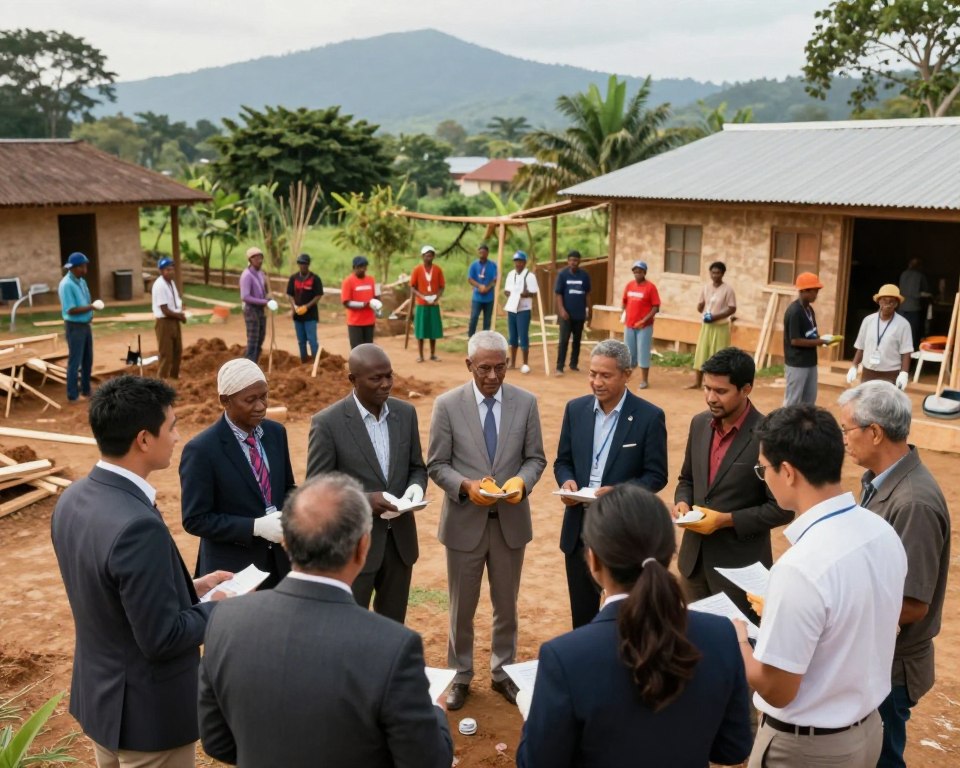
Through its global missions and international partnerships, the Presbyterian Church demonstrates its commitment to a more just and equitable world. As the church continues to expand its mission work, it remains dedicated to serving communities worldwide.
Presbyterian Education and Spiritual Formation
The Presbyterian Church places a high value on Christian education, recognizing its crucial role in spiritual formation across all age groups. Education is a vital component that nurtures faith, fosters spiritual growth, and prepares individuals for service within the church and the community.
Nurturing Faith in Children and Youth
Christian education for children and youth is a significant focus within Presbyterian churches. Programs are designed to engage young minds with the teachings of Christ, using age-appropriate curricula that encourage exploration and understanding of the faith. These initiatives not only educate but also help young Presbyterians develop a personal relationship with God.
Adult Discipleship Programs
Adult discipleship is another critical aspect of Presbyterian education. These programs are tailored to meet the diverse needs and interests of adults, offering Bible studies, theological explorations, and service projects. They provide opportunities for spiritual growth, community building, and service, helping adults deepen their faith and apply Christian principles in their daily lives.
Presbyterian Seminaries and Leadership Development
For those called to ministry, Presbyterian seminaries play a pivotal role in leadership development. These institutions offer advanced theological education, preparing future church leaders for their roles. The seminaries provide a rich environment for spiritual growth, academic rigor, and practical training, equipping graduates to serve effectively in various capacities within the church.
| Age Group | Education Focus | Program Examples |
|---|---|---|
| Children | Introduction to Christian faith | Sunday School, Vacation Bible School |
| Youth | Deepening faith understanding | Confirmation classes, Youth Group activities |
| Adults | Spiritual growth and service | Bible studies, Discipleship groups, Community service projects |
Social Justice and Community Engagement
With a rich history of advocating for the marginalized, the Presbyterian Church continues to be at the forefront of social justice and community service. The church’s commitment to these causes is rooted in its theological understanding of God’s love for all people and the biblical mandate to care for the least among us.
Historical Presbyterian Social Activism
The Presbyterian Church has a long history of social activism, from abolitionist movements to civil rights advocacy. Presbyterians have been instrumental in promoting social justice, often challenging unjust systems and advocating for the rights of the oppressed. Notable Presbyterians like John Witherspoon and William Sloane Coffin have played significant roles in shaping the church’s stance on social issues.
Current Social Justice Initiatives
Today, the Presbyterian Church continues its commitment to social justice through various initiatives. These include advocacy for climate justice, racial equity, and immigrant rights. The church engages in policy advocacy at local, national, and international levels, working to create a more just and equitable society. Some specific initiatives include:
- Supporting community development programs
- Advocating for policy changes at the governmental level
- Providing aid to marginalized communities
Local Church Community Service
At the local level, Presbyterian churches are actively involved in community service, addressing the needs of their neighborhoods. This includes operating food banks, homeless shelters, and after-school programs. By serving their local communities, Presbyterian churches demonstrate their commitment to living out their faith in practical ways.
Becoming Part of a Presbyterian Church
Joining a Presbyterian church is a significant step in deepening one’s faith and becoming part of a community that shares similar beliefs and values. This process is designed to help individuals understand the church’s theology, practices, and commitments.

The Membership Process Explained
The membership process typically begins with attending worship services and engaging in discussions with church members or leaders. Prospective members are usually required to participate in a membership class or orientation, where they learn about the church’s beliefs, governance, and community activities.
Confirmation and Profession of Faith
For many Presbyterian churches, confirmation or profession of faith is a crucial step in the membership process. This involves affirming one’s faith in Jesus Christ and committing to the church’s teachings and practices. It’s a meaningful way for individuals to publicly declare their faith and become full members of the congregation.
Finding Your Presbyterian Congregation
With numerous Presbyterian denominations and congregations, finding the right fit can be a personal and intentional process. Individuals are encouraged to visit different churches, meet with pastors or members, and explore the church’s mission and values to determine which community aligns best with their spiritual journey.
By understanding the membership process and what it entails, individuals can make an informed decision about joining a Presbyterian church and become an integral part of its community.
Presbyterian Contributions to American Society
Presbyterian influence on American society is multifaceted, touching on education, democracy, and cultural heritage. The Presbyterian Church has been instrumental in shaping the country’s values and institutions.
Educational Institutions Founded by Presbyterians
The Presbyterian Church has a long history of establishing educational institutions that have become cornerstones of American academia. Universities like Princeton were founded by Presbyterians, contributing significantly to the country’s intellectual and cultural development. These institutions have not only provided quality education but have also fostered critical thinking and innovation.
Presbyterian Influence on American Democracy
Presbyterians have played a crucial role in shaping American democracy. The Reformed tradition emphasizes the importance of governance by the people, reflecting Presbyterian values. Many founding fathers were influenced by Presbyterian thought, which is evident in the country’s democratic principles and institutions.
Notable Presbyterian Americans
Throughout American history, numerous notable figures have been Presbyterians, contributing to various fields. Individuals like Woodrow Wilson, the 28th President of the United States, exemplify the significant impact Presbyterians have had on American society. Their contributions span politics, education, and social reform, leaving a lasting legacy.
The Future of the Presbyterian Church
The future of the Presbyterian Church is being shaped by its response to contemporary challenges and its embrace of innovative ministry approaches. As the church navigates the complexities of the modern world, it remains committed to its core values while adapting to the changing needs of its congregation and the wider community.
Addressing Contemporary Challenges
The Presbyterian Church faces several contemporary challenges, including declining membership in some denominations and the need to engage with a more diverse and technologically savvy population. To address these challenges, the church is:
- Enhancing its online presence through live streaming services and social media engagement
- Fostering inclusive communities that welcome people from all backgrounds
- Developing new programs to meet the spiritual and social needs of its members
Innovations in Ministry and Outreach
Innovation is key to the Presbyterian Church’s future, with a focus on:
- Creative worship practices that incorporate contemporary music and art
- Community outreach programs that address social issues such as poverty and inequality
- Collaborations with other faith communities and organizations to amplify its impact
By embracing change and innovating in its ministry and outreach, the Presbyterian Church is poised to remain a vibrant and relevant force in the lives of its members and the broader community.
Conclusion: Embracing Presbyterian Faith and Community
The Presbyterian Church offers a vibrant faith community centered on the teachings of Jesus Christ. With its rich history, theological depth, and commitment to social justice, the Presbyterian faith provides a nurturing environment for spiritual growth.
At the heart of the Presbyterian community is a strong sense of fellowship and service. Through its various ministries and programs, the church engages in local and global mission initiatives, fostering a culture of compassion and outreach.
As you explore the Presbyterian faith, you are invited to experience the warmth and hospitality of a Presbyterian community. With its emphasis on biblical authority, Reformed theology, and the sovereignty of God, the Presbyterian Church provides a solid foundation for a lifelong journey of faith.
Whether you are seeking a new spiritual home or simply exploring the Presbyterian tradition, we encourage you to visit a Presbyterian church and discover the richness of its faith and community.
FAQ
What is the Presbyterian Church?
The Presbyterian Church is a Protestant denomination that originated from the Reformation, particularly influenced by John Calvin’s teachings.
What makes the Presbyterian Church unique?
The Presbyterian Church is characterized by its emphasis on the sovereignty of God, the authority of Scripture, and the importance of church governance through assemblies of elders.
What are the core theological principles of the Presbyterian Church?
The Presbyterian Church adheres to Reformed theology, the concept of predestination, and the importance of covenant theology, as outlined in the Westminster Standards.
How is the Presbyterian Church governed?
The Presbyterian Church is governed through a system of councils, including the session, presbyteries, synods, and the General Assembly, which are composed of ministers and elected elders.
What is the significance of the sacraments in the Presbyterian Church?
The Presbyterian Church observes two sacraments, Baptism and the Lord’s Supper, which are considered essential elements of worship and church life.
What are the different Presbyterian denominations in the United States?
Some of the major Presbyterian denominations in the United States include the PC(USA), PCA, ECO, and EPC, each with their own distinctive histories, theological emphases, and characteristics.
How does the Presbyterian Church approach Christian education and spiritual formation?
The Presbyterian Church places a strong emphasis on Christian education and spiritual formation, with programs for children and youth, adult discipleship initiatives, and Presbyterian seminaries for leadership development.
What is the Presbyterian Church’s commitment to social justice and community engagement?
The Presbyterian Church is committed to promoting justice and compassion, with a long history of social activism and current initiatives addressing issues of poverty, justice, and human dignity.
How can I become a member of a Presbyterian church?
To become a member of a Presbyterian church, you can contact a local congregation and participate in the membership process, which typically involves a period of instruction, a profession of faith, and a vote by the congregation.
What contributions have Presbyterians made to American society?
Presbyterians have made significant contributions to American society, including the establishment of educational institutions, their influence on American democracy, and notable Presbyterian Americans who have shaped the country’s history and culture.
How is the Presbyterian Church addressing contemporary challenges?
The Presbyterian Church is addressing contemporary challenges through innovative approaches to ministry and outreach, including efforts to remain relevant and effective in a changing world.
What is the role of the Westminster Confession of Faith in Presbyterian theology?
The Westminster Confession of Faith is a foundational document in Presbyterian theology, providing a framework for understanding God’s sovereignty and humanity’s relationship with God.
How does the Presbyterian Church approach worship?
Presbyterian worship is characterized by a balance between tradition and flexibility, with a focus on preaching, Scripture reading, and music, allowing for a rich and varied worship experience.