For over 400 years, Baptist teachings have shaped Christian communities worldwide. Rooted in 17th-century England, this faith tradition spread to America, where groups like the American Baptist Churches USA continue to prioritize personal relationships with God and the transformative power of Jesus Christ. Unlike denominations relying on formal creeds, Baptists emphasize individual spiritual journeys guided by Scripture.
Central to their practice is the conviction that Jesus Christ serves as both Lord and Savior. Followers hold that His sacrifice offers redemption, and every believer must consciously choose to follow Him. This direct connection fosters a faith deeply tied to daily life, not just Sunday worship.
Baptists also view the Bible as the ultimate authority—a divinely inspired text that informs their values and decisions. Historical records show early congregations rejected hierarchical structures, instead empowering local churches and members. This focus on autonomy and personal accountability remains a hallmark today.
As we explore these principles, you’ll discover how Baptist beliefs influence modern practices, from baptism rituals to community outreach. Whether you’re new to the topic or seeking deeper understanding, this guide illuminates the heart of their faith.
Key Takeaways
- Baptist traditions began in the 1600s, emphasizing personal faith over rigid doctrines.
- Jesus Christ’s role as Savior and His sacrificial love are foundational to their teachings.
- The Bible is considered the supreme guide for spiritual and moral decisions.
- Believers prioritize individual choice in faith, often called “soul freedom.”
- Local churches operate independently, reflecting a commitment to congregational autonomy.
Foundations of Baptist Faith
Emerging from religious upheaval in 17th-century England, Baptist groups forged a distinct path separate from the Church of England. Early followers faced persecution for rejecting infant baptism and state-controlled worship. Their commitment to local church autonomy and scriptural authority became cornerstones of a movement now spanning 1.3 million members globally.
From Persecution to Global Presence
Seventeenth-century Baptists navigated intense opposition while establishing core practices. Leaders like Thomas Helwys championed religious freedom, declaring in 1612, “The king is a mortal man, not God—let him not judge spiritual matters.” This defiance shaped their identity as communities valuing individual conscience over institutional control.
Scripture as the Unchanging Guide
Baptist groups unified around the Bible’s supreme authority, rejecting human-made creeds. This focus fueled doctrinal clarity across centuries. For example:
| Century | Practice | Impact |
|---|---|---|
| 17th | Congregational governance | Empowered members to lead local churches |
| 18th | Revival meetings | Strengthened personal faith experiences |
| 21st | Digital outreach | Expanded global community connections |
Today, these historical principles continue shaping worship styles and missionary work. Churches maintain independence while collaborating through voluntary networks, proving ancient roots can nurture modern growth.
Core Inquiry: What Are the Main Baptist Beliefs
Baptist teachings center on a vibrant, lived faith that shapes daily choices and spiritual growth. Rather than relying solely on tradition, these communities emphasize how Scripture and personal conviction guide believers’ journeys. This approach creates a dynamic faith experience rooted in both ancient truths and modern relevance.
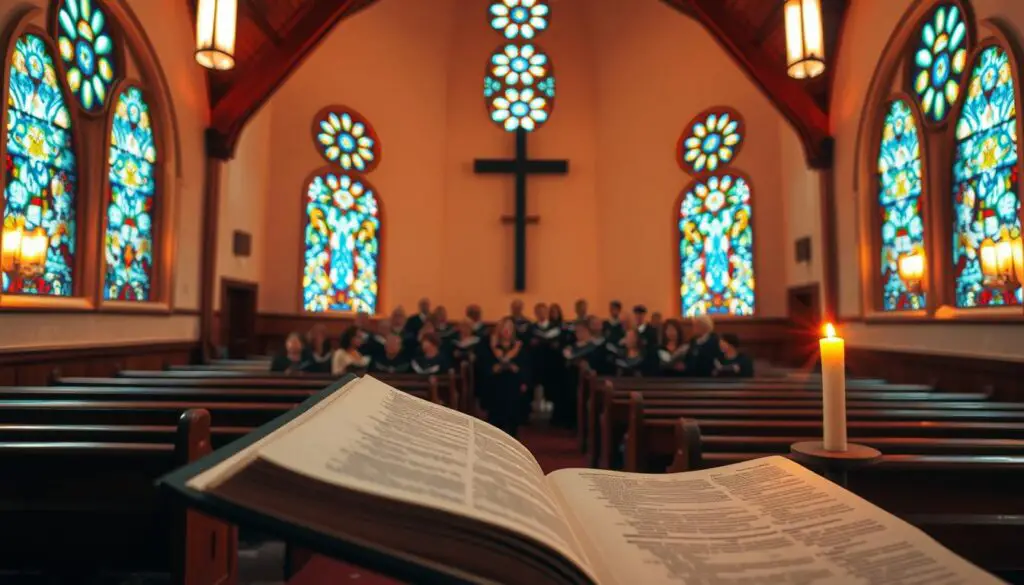
Key Doctrines and Principles
Four pillars define Baptist theology:
- Biblical authority: Scripture remains the ultimate guide for doctrine and ethics
- Regenerate membership: Churches consist of those who’ve consciously chosen faith
- Soul freedom: Every person answers directly to God, not institutions
- Local church autonomy: Congregations self-govern under Christ’s leadership
These principles foster spiritual maturity. As 19th-century pastor Charles Spurgeon noted, “A Bible-reading church is a growing church.” Members study Scripture independently and collectively, seeking wisdom for contemporary challenges.
The Role of Faith and Relationship With God
Baptists reject the idea of spiritual intermediaries. Each believer maintains a direct connection with God through prayer and Scripture. This “priesthood of all believers” means:
- Worship becomes personal, not performative
- Moral decisions flow from individual conscience
- Service stems from gratitude rather than obligation
Modern congregations use small groups and mentorship programs to nurture this relationship. A member in Texas shares, “My faith isn’t just Sunday morning—it’s how I parent, work, and vote.” This holistic approach distinguishes Baptist communities, where spiritual growth and daily life intertwine.
Biblical Authority and Local Church Autonomy
Two pillars define Baptist communities: unwavering trust in Scripture’s guidance and self-governed congregations. These principles create a faith ecosystem where divine truth meets human responsibility, shaping both spiritual practices and community structures.
Authority of Scripture in Worship and Life
Baptists treat the Bible as their ultimate roadmap—not just for Sunday services, but for career choices, family matters, and social ethics. One pastor explains, “Our worship songs, sermons, and small-group studies all start with ‘What does Scripture say?’” This approach fosters unity across diverse congregations while allowing personal application.
Independence and Function of the Local Church
Each Baptist church operates like a self-contained spiritual family. Members vote on leaders, approve budgets, and shape outreach programs without denominational mandates. This autonomy mirrors the early Christian churches described in the New Testament.
The separation of church and state remains vital. Baptists historically resisted government interference, like 17th-century advocate Roger Williams who founded Rhode Island as a haven for religious liberty. Today, congregations collaborate voluntarily through missions or disaster relief while preserving local decision-making.
Every believer’s voice matters through the priesthood principle. From selecting pastors to revising bylaws, members gather to pray and vote. This shared responsibility strengthens community bonds and keeps faith rooted in collective wisdom rather than top-down control.
Believer’s Baptism and Ordinances
In Baptist communities, two sacred acts vividly express faith: baptism and the Lord’s Supper. These practices aren’t mere rituals—they’re visible testimonies of spiritual rebirth and communal remembrance. Rooted in Scripture, they unite congregations across generations.

Baptism by Immersion: Symbolism and Practice
Baptists reserve baptism for those who consciously embrace faith. Infant christening is rejected because, as one pastor notes, “Grace can’t be inherited—it’s chosen.” Full immersion in water mirrors Jesus’ own baptism and carries rich symbolism:
- Death: Going under represents dying to sin
- Burial: Submersion reflects Christ’s tomb
- Resurrection: Rising signifies new life through salvation
This practice dates to 17th-century English dissenters. Modern churches maintain it to honor biblical patterns and personal commitment.
The Significance of the Lord’s Supper
Communion services focus on remembrance, not mystical transformation. Bread and juice symbolize Christ’s body and blood, reminding believers of His sacrificial love. Unlike some traditions, Baptists view this meal as:
- A memorial of Jesus’ crucifixion
- A celebration of spiritual unity
- A recommitment to live by His teachings
Churches typically serve communion monthly or quarterly. A deacon in Georgia explains, “Each time, I’m humbled by God’s grace and challenged to love deeper.”
| Century | Practice | Purpose |
|---|---|---|
| 1600s | Believer’s baptism | Distinguish from state churches |
| 1800s | Open communion | Welcome all redeemed believers |
| 2000s | Multimedia explanations | Clarify symbolism to modern audiences |
These ordinances anchor Baptist identity. They transform internal faith into shared action, creating communities where personal conviction and collective worship thrive together.
Baptist Evangelism, Ministry, and Social Impact
Baptist communities channel their faith into action through global missions and local service. Their commitment to sharing spiritual hope fuels initiatives that transform lives while addressing societal needs. This dual focus creates ripples of change across neighborhoods and continents.
Mission Work and Global Outreach
Over 5,000 missionaries supported by Baptist churches serve in 30+ countries. The Cooperative Baptist Fellowship partners with local leaders to provide:
- Medical clinics in Southeast Asian villages
- Literacy programs across African communities
- Disaster recovery teams in hurricane-prone regions
One volunteer in Honduras shared, “We don’t just build houses—we build relationships that last generations.”
Advocating Religious Freedom and Social Justice
Baptists have defended religious liberty since their founding. The Baptist Joint Committee recently influenced U.S. Supreme Court cases protecting worship rights for all faiths. Churches also address systemic issues through:
| Initiative | Location | Impact |
|---|---|---|
| Food equity programs | Urban centers | 1.2 million meals served annually |
| Prison ministry networks | 12 states | 3,000 inmates mentored since 2020 |
| Refugee resettlement | Southern border | 200 families housed in 2023 |
Empowering Every Beliener in Ministry
Local congregations equip members through training programs. A Texas church’s “Neighborhood Hope” project trained 400 volunteers to:
- Tutor at-risk students
- Repair homes for seniors
- Host community reconciliation dinners
Membership growth often follows these efforts—35% of new attendees cite community service as their entry point into church life.
Conclusion
At the heart of Baptist identity lies a dynamic interplay between timeless truths and modern faith practice. Centuries-old principles—like Scripture’s authority and congregational freedom—still fuel vibrant ministries addressing today’s spiritual and social needs.
Local churches thrive through the priesthood of all believers, where every member contributes gifts and insights. This principle shapes everything from baptismal services to food pantries, proving ancient practices adapt to contemporary matters.
Religious liberty remains non-negotiable. Baptists champion the separation of church and state, ensuring worship stays voluntary and conscience-driven. Meanwhile, global missions and neighborhood outreach demonstrate how personal faith becomes collective action.
Looking ahead, communities need fresh passion for spiritual renewal. Through prayer, Scripture, and the Holy Spirit’s guidance, Baptist churches continue writing their story—one where individual conviction and shared purpose build hope across generations.
FAQ
Why is baptism by immersion central to Baptist practice?
Baptists view immersion as a public declaration of faith, symbolizing Jesus Christ’s death, burial, and resurrection. This act reflects a believer’s commitment to follow Christ and join a community of faith.
How do Baptist churches maintain independence?
Local congregations govern themselves under Christ’s authority, free from external control. Membership is voluntary, and decisions are made collectively by believers through prayer and scriptural guidance.
What role does religious liberty play in Baptist beliefs?
Baptists advocate for the separation of church and state, emphasizing freedom of conscience. This principle protects individuals from government interference in matters of faith and worship.
How do Baptists approach evangelism globally?
Mission work and outreach are prioritized, focusing on sharing the gospel and addressing social justice issues. Many churches partner with organizations to support education, poverty relief, and religious freedom efforts worldwide.
What defines the “priesthood of all believers”?
This doctrine teaches that every Christian has direct access to God through Jesus Christ. It empowers individuals to interpret Scripture, serve in ministry, and participate in worship without needing a human mediator.
How is salvation understood in Baptist theology?
Salvation is seen as a gift of grace received through faith in Christ’s sacrificial death and resurrection. Baptists emphasize a personal relationship with God, marked by repentance and spiritual renewal.
What requirements exist for church membership?
Membership typically requires believer’s baptism and a profession of faith. Congregations often value active participation in worship, service, and communal support as part of their shared mission.