The Anglican Communion, a global fellowship of churches, has a rich and diverse understanding of marriage. At its core, Anglican beliefs about marriage are rooted in Christian theology and tradition.
Anglican views on marriage emphasize the importance of commitment, love, and fidelity. The sacrament of marriage is seen as a union between a man and a woman, reflecting the love of Christ for his Church.
In recent years, the Anglican Communion has grappled with contemporary issues, including same-sex marriage. This has led to a diversity of views within the Anglican Church, with some provinces affirming the traditional understanding of marriage, while others have adopted more inclusive stances.
Key Takeaways
- Anglican beliefs about marriage are rooted in Christian theology and tradition.
- The sacrament of marriage is seen as a union between a man and a woman.
- The Anglican Communion has diverse views on contemporary issues like same-sex marriage.
- Commitment, love, and fidelity are core values in Anglican marriage.
- Anglican views on marriage reflect the love of Christ for his Church.
The Biblical Foundation of Marriage in Anglicanism
The Anglican Communion’s understanding of marriage is grounded in its interpretation of biblical texts. This foundation is crucial in shaping Anglican teachings on marriage, influencing how Anglicans view and practice marriage.
Key Scriptures on Marriage
Several scriptures are pivotal in Anglican discussions about marriage. For instance, Ephesians 5:21-33 is often cited for its description of the relationship between husbands and wives, emphasizing mutual respect and love. Another key passage is Genesis 2:24, which speaks to the unity of marriage, stating, “Therefore a man shall leave his father and his mother and hold fast to his wife, and they shall become one flesh.”
These scriptures, among others, form the biblical basis for understanding marriage in Anglicanism. They highlight the importance of commitment, love, and unity in the marital relationship.
Traditional Teachings in Scripture
Traditional teachings in scripture also play a significant role in shaping Anglican views on marriage. The scriptures provide not only a description of marriage but also guidance on how to conduct marital relationships. For example, the scripture encourages husbands to love their wives as Christ loved the church, setting a high standard for marital love and sacrifice.
| Scripture | Teaching | Application in Anglican Marriage |
|---|---|---|
| Ephesians 5:21-33 | Mutual respect and love between spouses | Emphasizes the importance of a loving and respectful relationship |
| Genesis 2:24 | Unity of marriage | Highlights the leaving and cleaving aspect of marriage, emphasizing unity |
| 1 Corinthians 13:4-7 | Love is patient, kind, and not easily angered | Encourages patience, kindness, and understanding in marital relationships |
By examining these scriptures and their interpretations, Anglicans gain a deeper understanding of marriage as a sacred institution. This understanding is foundational to Anglican marriage traditions and teachings.
Anglicans’ Views on Marriage Covenant
Anglicans understand marriage as a covenantal relationship, grounded in biblical teachings and nurtured through prayer and mutual support. This perspective emphasizes the depth of commitment and the sacred nature of the bond between two individuals.
Understanding Marriage as a Covenant
The concept of marriage as a covenant is central to Anglican beliefs. It is seen as a lifelong promise between two people, reflecting God’s covenant with humanity. This understanding is rooted in biblical scriptures that highlight the importance of faithfulness, love, and mutual support.
Covenant implies a deep, unbreakable bond. In the context of marriage, it signifies a commitment that is not taken lightly. Anglican marriage ceremonies often include vows that reflect this covenantal understanding, with couples promising to love and cherish each other through all of life’s challenges.
The Role of Commitment in Marriage
Commitment is a cornerstone of Anglican marriage beliefs. It involves not just a legal or social contract but a deeply spiritual bond. This commitment is nurtured through regular worship, prayer, and the support of the community.
In Anglican teachings, commitment is about standing by one’s partner through joy and hardship, reflecting the steadfast love of God. This understanding encourages couples to work through challenges together, fostering a strong and resilient relationship.
The Anglican view on marriage covenant underscores the importance of a lifelong commitment, supported by faith and the community. It provides a rich foundation for understanding the sacramental nature of marriage within the Anglican tradition.
The Sacramental Nature of Marriage
In Anglican theology, marriage is regarded as a sacrament, imbuing the union with profound spiritual significance. This perspective underscores the belief that marriage is not merely a social or legal contract but a sacred institution that involves a deep, spiritual commitment between two individuals.
The concept of marriage as a sacrament is rooted in the understanding that it is a means of grace, a way through which God’s love and blessing are conferred upon the couple. This belief is central to Anglican teachings on marriage, emphasizing the importance of the spiritual dimension in the marital relationship.
Marriage as a Sacrament
The sacramental nature of marriage signifies that the union is considered a visible sign of God’s love and grace. In Anglican belief, the sacrament of marriage is seen as a reflection of the love between Christ and the Church, drawing on biblical imagery to understand the depth of marital commitment.
Key aspects of marriage as a sacrament in Anglicanism include:
- The mutual commitment of the couple to one another
- The presence of God in the marital relationship
- The understanding of marriage as a lifelong bond
Spiritual Significance in Anglican Belief
The spiritual significance of marriage in Anglican belief is multifaceted. It not only represents the union between two people but also symbolizes the relationship between Christ and his Church. This understanding is derived from biblical teachings and is central to the Anglican perspective on marriage.
The spiritual dimensions of marriage are nurtured through:
| Spiritual Practice | Description | Significance |
|---|---|---|
| Prayer | Couple praying together | Strengthens spiritual bond |
| Worship | Participating in church services | Fosters community and spiritual growth |
| Scripture Reading | Reading biblical teachings together | Guides the couple in their spiritual journey |
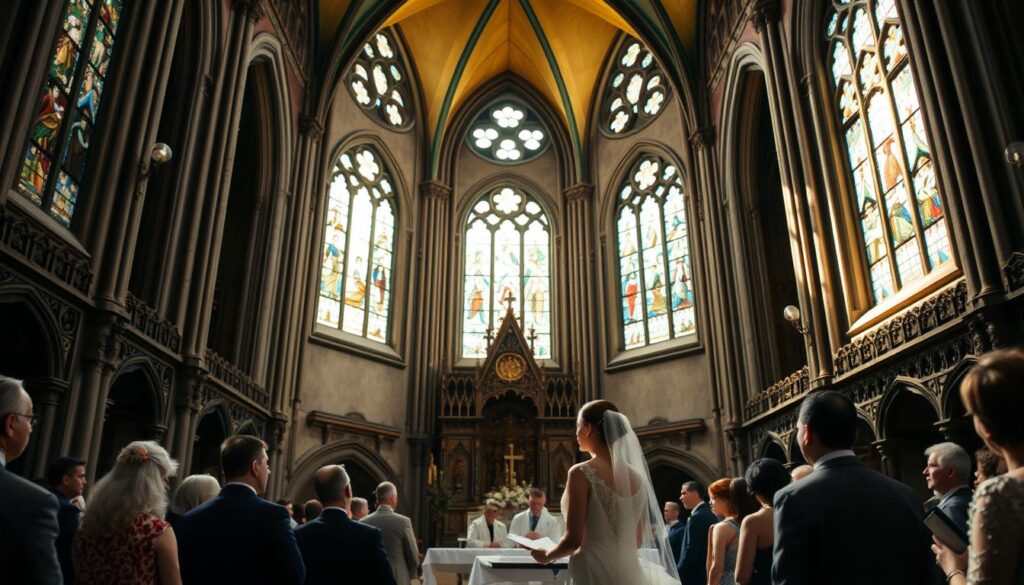
The Anglican Communion’s emphasis on the sacramental nature of marriage highlights the importance of spiritual practices in nurturing the marital relationship. By understanding marriage as a sacrament, couples are encouraged to deepen their faith and commitment to one another, reflecting the love of Christ in their union.
The Role of the Church in Marriage
In the Anglican tradition, marriage is not just a civil contract but a sacred vow made before God, with the church providing spiritual oversight. This understanding underscores the significant role the Anglican Church plays in the institution of marriage.
Marriage and the Anglican Church’s Authority
The Anglican Church’s authority in marriage is rooted in its sacramental understanding of the union. The church views marriage as a lifelong commitment that is not only between two individuals but also involves their relationship with God. This perspective is reflected in the church’s liturgy and the vows exchanged during the marriage ceremony.
The church’s authority is exercised through its clergy and the liturgical rites used in marriage ceremonies. Clergy are not just officiants but also spiritual guides who ensure that the marriage is conducted in accordance with Anglican beliefs and practices.
The Importance of Clergy in Weddings
Clergy play a crucial role in Anglican weddings, serving as witnesses to the couple’s vows and providing a spiritual blessing for their union. The presence of clergy is seen as essential for the sacrament of marriage to be valid within the Anglican Communion.
The clergy’s role extends beyond the ceremony, as they are often involved in pre-marital counseling and post-marital support. This ongoing involvement underscores the church’s commitment to supporting couples throughout their married life.
The Anglican Church’s emphasis on the importance of clergy in weddings highlights its commitment to maintaining the spiritual integrity of the marriage sacrament.
Pre-marital Counsel and Preparation
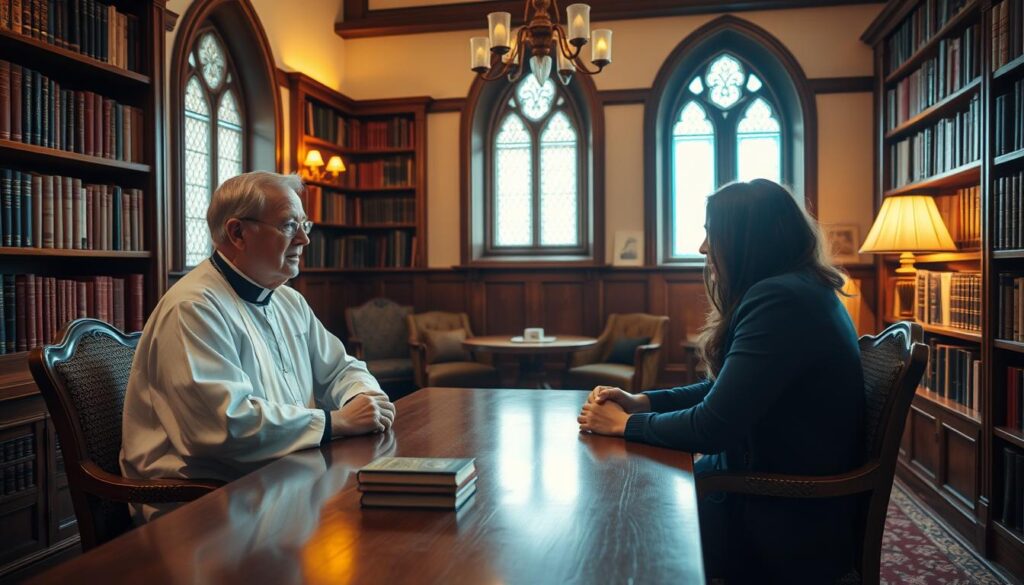
In the Anglican Communion, the journey towards marriage is supported by a comprehensive approach to pre-marital counseling. This process is designed to ensure that couples are well-prepared for the lifelong commitment they are about to undertake.
Importance of Pre-marital Counseling
Pre-marital counseling is considered a vital component of marriage preparation within the Anglican tradition. It provides couples with the opportunity to explore various aspects of their relationship, including communication, financial management, and family planning, under the guidance of experienced clergy or counselors.
Key benefits of pre-marital counseling include:
- Enhanced understanding of each other’s values and expectations
- Improved communication skills
- Better preparation for potential challenges in marriage
Resources Offered by Anglican Churches
Anglican churches offer a variety of resources to support couples during the pre-marital counseling process. These may include:
- Personalized counseling sessions with clergy
- Group workshops on marriage preparation
- Recommended reading materials and online resources
By providing these resources, the Anglican Church demonstrates its commitment to supporting couples as they prepare for marriage, ensuring that they are equipped with the knowledge, skills, and spiritual foundation necessary for a strong and lasting union.
Perspectives on Divorce and Remarriage
The Anglican Church approaches divorce and remarriage with a deep sense of pastoral care, balancing doctrine with compassion. This balanced approach is crucial in addressing the complex needs of its members who have experienced divorce.
Anglican Teachings on Divorce
Anglican teachings on divorce are rooted in biblical teachings and tradition. The church acknowledges that divorce is a reality in many lives, and it seeks to provide guidance and support.
Key Considerations include the reasons for divorce, the impact on families, and the pastoral care needed for those involved. The church emphasizes the importance of forgiveness and healing.
- Understanding the causes of divorce
- Providing support for families affected by divorce
- Guiding individuals towards healing and potential remarriage
Conditions for Remarriage in the Church
Remarriage within the Anglican Church is subject to certain conditions, reflecting the church’s commitment to upholding the sacrament of marriage while showing compassion to individuals.
| Condition | Description |
|---|---|
| Previous Marriage Annulment | In some cases, a previous marriage may need to be annulled before remarriage can occur. |
| Pastoral Approval | Approval from church authorities is typically required, involving a process of counseling and reflection. |
| Preparation for Remarriage | Couples are often required to undergo pre-marital counseling to prepare for their new commitment. |
The process of remarriage is handled with sensitivity, recognizing the complexities involved and the need for spiritual guidance.
The Anglican Church’s teachings on divorce and remarriage underscore its commitment to supporting members through challenging life circumstances, balancing doctrine with pastoral care.
Same-Sex Marriage in the Anglican Communion
The Anglican Communion’s stance on same-sex marriage is complex, reflecting a wide range of perspectives among its member churches. This diversity is a result of historical, cultural, and theological factors that have shaped the Communion’s views on marriage and human sexuality.
Historical Context of Same-Sex Marriage
The debate over same-sex marriage within the Anglican Communion has evolved significantly over the past few decades. Historically, the Church’s teachings on marriage were based on traditional understandings of gender and sexuality. However, as societal views began to shift, the Anglican Communion was compelled to re-examine its stance.
The Church’s journey towards understanding and addressing same-sex relationships has been marked by extensive dialogue and consultation. This process has involved theological reflection, pastoral care considerations, and an examination of the biblical foundations of marriage.
Varied Views Among Different Branches
The Anglican Communion is a global entity with diverse member churches, each with its own cultural and theological perspectives. As a result, views on same-sex marriage vary significantly across different regions.
| Region | View on Same-Sex Marriage | Notable Actions |
|---|---|---|
| North America | Some dioceses have approved same-sex marriages. | The Episcopal Church in the United States has performed same-sex weddings. |
| Europe | More liberal views, with some churches allowing same-sex unions. | The Church of England has discussed but not yet approved same-sex marriage. |
| Africa | Generally conservative, with many churches opposing same-sex marriage. | Some African Anglican churches have taken strong stances against same-sex relationships. |
The table above illustrates the diversity of views within the Anglican Communion regarding same-sex marriage. This diversity reflects the complex interplay of cultural, theological, and societal factors.
The ongoing debate within the Anglican Communion highlights the challenges of balancing tradition with contemporary societal changes. As the Communion continues to navigate these issues, the discussion around same-sex marriage remains a pivotal aspect of its broader conversation on human sexuality and marriage.
Gender Roles and Marriage
Within the Anglican Communion, the discussion around gender roles in marriage reflects a dynamic interplay between historical practices and modern interpretations. The Anglican perspective on marriage encompasses a broad view of gender roles, influenced by both traditional teachings and contemporary understandings.
Traditional Gender Roles in Anglican Marriage
Historically, Anglican marriages have been influenced by traditional gender roles, where the husband is often seen as the primary breadwinner and the wife as the caregiver. This perspective is rooted in certain interpretations of biblical teachings and has been a cornerstone of many Anglican families.
However, it’s essential to recognize that these traditional roles have evolved over time, and many Anglican couples now share responsibilities more equitably, reflecting changing societal norms and individual family needs.
Evolving Perspectives on Gender Equality
In recent years, there has been a growing movement within the Anglican Communion towards embracing gender equality in marriage. This shift is characterized by a more nuanced understanding of biblical teachings and a recognition of the diverse experiences of Anglican couples.
Many Anglican churches now actively promote a more inclusive and equitable understanding of marriage, encouraging mutual respect and shared responsibilities between partners. This evolving perspective is seen as a way to strengthen marriages and build more resilient families.
The Anglican Communion continues to navigate the complexities of gender roles in marriage, balancing traditional practices with modern needs. As the Church moves forward, it’s likely that the discussion around gender equality will remain a significant aspect of its teachings on marriage.
Family Life and Parenting in Anglican Beliefs
At the heart of Anglican beliefs is the notion that family life and parenting play a crucial role in the spiritual development of individuals. The Anglican Communion views family as a fundamental unit of society and a cornerstone of Christian community.
The Significance of Family in Anglicanism
In Anglicanism, family is seen as a haven where faith is nurtured. The community emphasizes the importance of creating a home environment that reflects Christian values such as love, compassion, and forgiveness. This perspective is rooted in biblical teachings that highlight the family as a place of spiritual growth and development.
The Anglican Church encourages families to participate actively in church life, including attending services and engaging in community service. This involvement is seen as a way to strengthen family bonds and to live out one’s faith in a practical manner.
Parenting as a Shared Responsibility
Anglican beliefs also underscore the importance of parenting as a shared responsibility between both parents, as well as between parents and the wider church community. This shared approach to parenting is viewed as essential for raising children who are grounded in their faith and equipped to face the challenges of the modern world.
| Aspect of Parenting | Anglican Perspective |
|---|---|
| Spiritual Guidance | Parents are encouraged to model Christian values and to teach their children about faith. |
| Community Involvement | The church community plays a supportive role in parenting, offering guidance and resources. |
| Family Practices | Families are encouraged to establish practices such as prayer and Bible reading. |
By working together, parents and the church community can provide a supportive environment that fosters the spiritual, emotional, and social development of children. This collaborative approach to parenting is a hallmark of Anglican beliefs about family life.
The Future of Marriage in Anglicanism
As societal norms and values continue to evolve, the Anglican Communion is faced with the task of re-examining its teachings on marriage. The Anglican Church’s views on marriage are influenced by its interpretation of biblical teachings and its response to contemporary societal changes.
Shifting Perspectives
Trends in Anglican views on marriage indicate a shift towards greater inclusivity and diversity. The debate surrounding same-sex marriage has led to varied responses across different branches of the Anglican Communion, reflecting the complexity of the issue.
Adapting to Change
The impact of modern society on Anglican marriage beliefs is evident in the Church’s efforts to balance traditional teachings with contemporary realities. As the Anglican Communion navigates these changes, its core commitment to the sacramental nature of marriage remains a guiding principle. The anglican teachings on marriage continue to evolve, reflecting the dynamic interplay between tradition and innovation.
In this context, the Anglican Church marriage beliefs will likely continue to be shaped by ongoing theological debates and societal trends, influencing the future of marriage in the anglican religion.
FAQ
What is the Anglican view on marriage?
Anglicans believe that marriage is a sacred institution ordained by God, and it is a lifelong commitment between a man and a woman, although views on same-sex marriage vary across the Anglican Communion.
What are the biblical foundations of Anglican marriage beliefs?
Anglican marriage beliefs are rooted in biblical teachings, including the creation story, the teachings of Jesus on marriage, and the writings of St. Paul, which emphasize the importance of love, commitment, and mutual respect in marriage.
How do Anglicans understand marriage as a covenant?
Anglicans view marriage as a covenant between a man and a woman, made in the presence of God, and characterized by a lifelong commitment to one another, reflecting the love and faithfulness of God.
Is marriage considered a sacrament in the Anglican Church?
In the Anglican tradition, marriage is considered a sacrament by some, although this is not universally accepted across the Communion, and is seen as a means of grace and a symbol of the love between Christ and the Church.
What is the role of the Anglican Church in marriage ceremonies?
The Anglican Church plays a significant role in marriage ceremonies, with clergy typically officiating weddings and providing guidance and support to couples as they prepare for marriage.
Why is pre-marital counseling important in the Anglican Communion?
Pre-marital counseling is considered essential in the Anglican Communion as it helps couples to understand the commitments they are making to one another, and to prepare for the challenges and joys of married life.
What are the Anglican teachings on divorce and remarriage?
The Anglican Church teaches that marriage is a lifelong commitment, and while divorce is not encouraged, it is recognized that sometimes marriages do end in divorce, and the Church provides pastoral care and guidance on remarriage.
How does the Anglican Communion view same-sex marriage?
The Anglican Communion has a range of views on same-sex marriage, with some provinces permitting same-sex marriage ceremonies, while others do not, reflecting ongoing debates and discussions within the Communion.
What are the traditional gender roles in Anglican marriage?
Traditionally, Anglican marriage has been understood to involve distinct gender roles, with men and women having different responsibilities and expectations, although there is a growing recognition of the importance of mutual respect and equality.
How does the Anglican Church view family life and parenting?
The Anglican Church places a high value on family life and parenting, recognizing the importance of families in nurturing faith, love, and responsibility, and providing guidance and support to parents.
What is the future of marriage in Anglicanism?
The future of marriage in Anglicanism is likely to be shaped by ongoing debates and discussions around issues such as same-sex marriage, gender equality, and the challenges of modern society, as the Church seeks to remain faithful to its traditions while being relevant to contemporary culture.