The Church of England is a significant denomination within Christianity, with a rich history and a distinct set of beliefs. At its core, it understands itself as one branch of the apostolic and Catholic church around the world.
As a part of the global Christian community, the Church of England shares the basic tenets of Christianity with other denominations. Its teachings are rooted in the apostolic tradition, emphasizing the importance of scripture, sacraments, and the episcopacy.
Key Takeaways
- The Church of England is a branch of the global Christian church.
- It shares core Christian beliefs with other denominations.
- The church’s teachings are based on apostolic tradition.
- Scripture, sacraments, and episcopacy are central to its beliefs.
- The Church of England has a distinct history and identity.
Introduction to Church of England Beliefs
The Church of England, established in 1534, has a unique blend of Catholic and Protestant traditions. This blend is a result of its history, which began when King Henry VIII broke away from the authority of the Pope. Understanding the Church of England’s beliefs requires a look into its history and its role in British society.
Brief History of the Church of England
The Church of England was formed during the Reformation period, a time when various Christian denominations were emerging across Europe. The English Reformation was sparked by King Henry VIII’s desire to annul his marriage, which was denied by the Pope. This led to the monarch declaring himself the supreme head of the Church of England, with the Act of Supremacy in 1534. Over the centuries, the Church of England has evolved, incorporating various theological and liturgical practices.
The Church’s history is complex, with periods of Catholic resurgence and Protestant reform. The Book of Common Prayer, introduced by Thomas Cranmer, played a crucial role in shaping Anglican worship. This historical context is essential to understanding the Church of England’s beliefs and practices today.
Importance in British Society
The Church of England plays a significant role in British society, extending beyond religious services. It is involved in various social and community activities, including education and charity work. The Church of England has a considerable presence in the UK, with churches in nearly every town and village.
| Aspect | Description | Impact |
|---|---|---|
| Education | The Church of England runs numerous schools and educational institutions. | Provides quality education to thousands of students. |
| Charity Work | The Church is involved in various charitable activities, including food banks and homeless shelters. | Supports vulnerable populations across the UK. |
| Community Services | Churches often serve as community hubs, hosting events and providing support. | Fosters community spirit and provides a sense of belonging. |
The Church of England’s influence on British society is multifaceted, reflecting its commitment to both spiritual guidance and community welfare. As a result, it remains an integral part of the UK’s cultural and social fabric.
Core Tenets of Faith
Understanding the Church of England’s core tenets of faith provides insight into its values and practices. The Church of England, as part of the broader Christian community, adheres to several fundamental principles that guide its beliefs and practices.
The Bible and Its Authority
The Church of England places significant emphasis on the authority of the Bible. The Bible is considered the primary source of Christian doctrine and is seen as the inspired word of God. It is used in worship services and is a foundational element in the Church’s teachings.
The Church of England’s approach to the Bible is characterized by a balance between tradition and interpretation. This balance allows for a nuanced understanding of biblical teachings in the context of contemporary society.
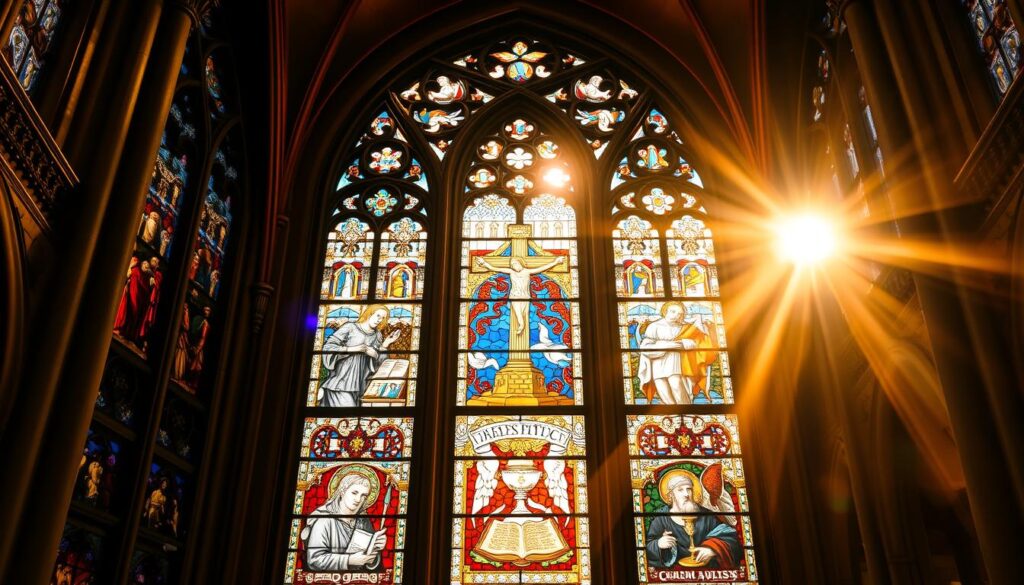
The Role of Tradition
Tradition plays a crucial role in the Church of England’s faith. The Church values its historical roots and the traditions that have been passed down through the centuries. This includes liturgical practices, sacraments, and the episcopal structure of governance.
The integration of tradition into the Church’s life helps maintain a connection with the broader Christian heritage, while also informing its contemporary practices and beliefs.
The Apostolic Creed
The Apostolic Creed is a fundamental statement of faith in the Church of England. It is recited in worship services and is seen as a concise summary of the Christian faith. The Creed affirms the belief in God the Father, Jesus Christ the Son, and the Holy Spirit.
The use of the Apostolic Creed in worship underscores the Church of England’s commitment to the core beliefs of Christianity, as well as its continuity with the early Christian community.
| Core Tenet | Description | Significance |
|---|---|---|
| The Bible | Primary source of Christian doctrine | Guides teachings and worship |
| Tradition | Historical practices and governance | Maintains connection with Christian heritage |
| The Apostolic Creed | Statement of faith | Affirms core Christian beliefs |
The Nature of God and Jesus
At the heart of Church of England beliefs lies a complex and deeply nuanced understanding of God and Jesus Christ. This understanding is foundational to the Church’s theology and practices.
Understanding the Holy Trinity
The Church of England affirms the doctrine of the Holy Trinity, which describes God as a single entity in three distinct persons: God the Father, God the Son (Jesus Christ), and God the Holy Spirit. This belief is central to Anglican beliefs and is reflected in various liturgical and devotional practices.
The concept of the Trinity is not just a theological abstraction but a living reality that shapes the way Church of England Christians understand their relationship with God. It emphasizes the unity and diversity within God’s nature.
Beliefs About Jesus Christ
Church of England Christians believe that Jesus Christ is the Son of God, fully divine and fully human. This belief is crucial to understanding the Church’s stance on salvation and the significance of Jesus’ life, death, and resurrection.
The Church of England’s Christology is rooted in the Bible and the traditions of the early Christian Church. It emphasizes Jesus’ role as mediator between God and humanity, and as the ultimate sacrifice for sin.
The Role of the Holy Spirit
The Holy Spirit is seen as the presence of God within the believer and the Church, guiding, empowering, and sanctifying. The Church of England believes that the Holy Spirit is essential for understanding and experiencing God’s grace.
In worship and daily life, the Holy Spirit is invoked to bring about spiritual renewal and to empower Christians in their faith and service.
By understanding the Church of England’s beliefs about God and Jesus, including the Holy Trinity, Jesus Christ, and the Holy Spirit, one can gain insight into the rich theological landscape of Church of England beliefs.
Worship Practices
The central act of worship for Church of England Christians is the Sunday service, which typically includes communion. This service is a cornerstone of their faith, bringing together the community to celebrate their beliefs and values.
Structure of Worship Services
Worship services in the Church of England follow a structured format that includes various elements such as prayers, hymns, and readings from the Bible. The service is usually led by a priest or a licensed lay minister. The structure is designed to guide the congregation through a meaningful experience of worship, reflection, and communion.
The typical elements of a Church of England worship service include:
- Opening hymns or songs
- Prayers of confession and absolution
- Readings from the Old and New Testaments
- A sermon or address
- Intercessions
- The Eucharist or Holy Communion
- Final blessings and dismissal
Role of Sacraments
The Church of England recognizes two primary sacraments: Baptism and the Eucharist. These sacraments are considered fundamental to Christian life and worship. Baptism is seen as the initiation into the Christian community, while the Eucharist is a commemoration of Christ’s Last Supper and a means of grace for believers.
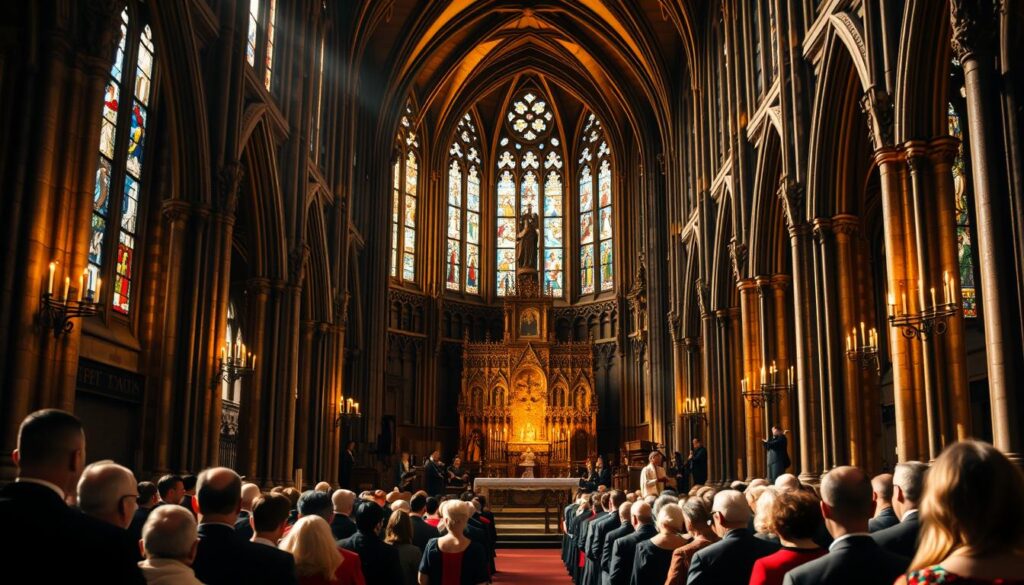
The sacraments are integral to the worship practices of the Church of England, providing a tangible connection to the divine and to the community of believers.
Importance of Prayer
Prayer is a vital component of worship in the Church of England. It is through prayer that the community expresses its devotion, gratitude, and intercession. Prayers are said throughout the service, including prayers of confession, thanksgiving, and intercession for the world and its needs.
The Church of England encourages its members to pray both corporately and privately, fostering a deep and personal relationship with God.
The Church’s Stance on Social Issues
The Church of England is known for its commitment to tackling social issues head-on. As a significant religious institution in British society, it has a long history of addressing various social matters.
Views on Poverty and Charity
The Church of England is actively involved in charitable work, particularly in addressing poverty. It operates numerous food banks and homeless shelters across the country.
- Providing aid to the needy through various charitable programs
- Advocating for policies that address the root causes of poverty
- Supporting community initiatives that promote economic stability
Stance on Marriage and Family
The Church of England has a defined stance on marriage and family, emphasizing the importance of these institutions in society. While it traditionally views marriage as between a man and a woman, it has engaged in discussions regarding LGBTQ+ rights.
The Church supports families through various initiatives, including counseling services and community programs.
Engagement with Global Issues
The Church of England is also engaged with global issues, including climate change and human rights. It participates in international dialogues and supports global initiatives aimed at addressing these challenges.
- Advocating for environmental stewardship
- Supporting human rights initiatives globally
- Engaging in ecumenical dialogue to promote global understanding
Through its stance on these social issues, the Church of England continues to play a significant role in shaping public discourse and promoting positive change.
Inclusivity and Diversity
As the Church of England continues to evolve, it places a significant emphasis on inclusivity and diversity. This focus is reflected in its ongoing debates and discussions regarding LGBTQ+ individuals, gender equality in leadership, and interfaith relations.

Acceptance of LGBTQ+ Individuals
The Church of England has been engaged in discussions about the inclusion of LGBTQ+ individuals. While there have been debates and varying opinions among its members, the Church has taken steps to become more inclusive. For instance, the Church has allowed same-sex marriages to be blessed in certain circumstances, although it maintains that marriage is between a man and a woman according to its doctrine.
The Church’s approach to LGBTQ+ issues is complex, reflecting a range of views from conservative to liberal. This diversity of opinion is a testament to the Church’s commitment to dialogue and understanding.
Gender Equality in Leadership
Gender equality in leadership roles within the Church of England has seen significant progress. The Church now permits women to be ordained as priests and has appointed female bishops. This shift towards gender equality is seen as a positive step by many within the Church.
| Year | Milestone |
|---|---|
| 1994 | First women ordained as priests |
| 2015 | Legislation passed to allow women to become bishops |
Interfaith Relations
The Church of England is also committed to fostering interfaith relations. It engages in dialogue with other Christian denominations and faiths, promoting understanding and cooperation. This is reflected in its participation in ecumenical services and joint community projects.
By engaging in interfaith dialogue, the Church of England aims to build bridges between different religious communities, promoting a message of peace and mutual respect.
Life After Death
The Church of England’s stance on life after death encompasses various beliefs, including the importance of resurrection. This aspect of Christian faith is deeply rooted in the Church’s doctrine and teachings.
Teachings on Heaven and Hell
The Church of England teaches that the afterlife is a continuation of one’s relationship with God. Beliefs about heaven and hell vary among Anglicans, but the general understanding is that heaven is a state of being in the presence of God, while hell is separation from God.
The Catechism of the Church of England provides insight into these beliefs, stating that heaven is a place of eternal joy and hell is a state of eternal suffering. However, the Church also emphasizes God’s love and mercy, suggesting that the specifics of heaven and hell are not as rigidly defined as in some other Christian traditions.
The Importance of Resurrection
The resurrection of Jesus Christ is a cornerstone of Christian faith and is particularly significant in the Church of England’s teachings on life after death. The belief is that just as Jesus was raised from the dead, so too will believers be resurrected.
This belief in resurrection underscores the hope of eternal life and is celebrated during Easter, a pivotal period in the Church of England’s liturgical calendar. The resurrection is seen not just as a historical event but as a promise of what is to come for believers.
Spiritual Life and Afterlife
The Church of England emphasizes the importance of living a virtuous life, guided by Christian principles, as a preparation for the afterlife. The spiritual life of believers is nurtured through prayer, worship, and acts of charity.
| Aspect | Description |
|---|---|
| Heaven | Eternal life in the presence of God |
| Hell | State of separation from God |
| Resurrection | Belief in being raised from the dead, as Jesus was |
The Church teaches that the afterlife is a mystery that is not fully comprehensible in this life, but through faith, believers can have confidence in God’s promises.
Education and Community
Education and community are at the heart of the Church of England’s mission, encompassing schools, outreach programs, and youth engagement. The Church’s involvement in these areas reflects its commitment to serving both its congregation and the wider community.
Church of England Schools
The Church of England is a significant player in the UK’s educational landscape, operating a large number of schools. These institutions not only provide academic education but also aim to instill Christian values in their students.
Key Features of Church of England Schools:
- Emphasis on moral and spiritual development
- Inclusive environment welcoming students of all faiths
- Community-focused, often engaging in local outreach and charity work
Community Outreach Programs
Beyond its schools, the Church of England is involved in various community outreach programs. These initiatives range from food banks and homeless shelters to youth clubs and counseling services.
| Program Type | Description | Impact |
|---|---|---|
| Food Banks | Providing essential groceries to those in need | Supporting families and individuals facing food insecurity |
| Youth Clubs | Offering a safe space for young people to engage in activities | Fostering a sense of community and providing positive role models |
| Counseling Services | Providing emotional and psychological support | Helping individuals cope with personal challenges |
The Role of Youth in the Church
The Church of England recognizes the importance of engaging its younger members. Through various programs and activities, young people are encouraged to participate in church life, develop their faith, and contribute to community service.
By involving youth in its activities, the Church of England ensures a vibrant and dynamic community that is equipped to face the challenges of the modern world while remaining true to its Christian faith.
Conclusion: The Future of Church of England Beliefs
The Church of England continues to evolve, adapting its church of england beliefs to the changing landscape of modern society. As the world becomes increasingly complex, the Church remains committed to its core tenets of faith while engaging with contemporary issues.
Embracing Change
The anglican beliefs have always been characterized by a balance between tradition and innovation. As the Church moves forward, it is likely to continue this trend, embracing new perspectives while remaining true to its heritage.
Ongoing Discussions
Debates surrounding church of england doctrine are ongoing, reflecting the diverse views within the Church. These discussions are a sign of a vibrant, living faith community that is not afraid to explore and challenge its own beliefs.
As the Church of England navigates the future, its commitment to its core values and its willingness to adapt will remain essential in maintaining its relevance and influence in an ever-changing world.
FAQ
What are the core beliefs of the Church of England?
The Church of England’s core beliefs are rooted in the Christian faith, emphasizing the authority of the Bible, the importance of tradition, and the Apostolic Creed. Anglican beliefs are centered on the Holy Trinity, Jesus Christ, and the Holy Spirit.
What is the Church of England’s stance on social issues like poverty and charity?
The Church of England is actively engaged in addressing poverty and promoting charity, both within the UK and globally. The church supports various initiatives and programs aimed at alleviating poverty and promoting social justice.
How does the Church of England approach inclusivity and diversity?
The Church of England strives to be inclusive and welcoming, embracing diversity in all its forms. The church has taken steps to promote LGBTQ+ inclusion, gender equality in leadership, and interfaith dialogue.
What are the Church of England’s teachings on life after death?
The Church of England’s teachings on life after death emphasize the importance of resurrection, the reality of heaven and hell, and the ongoing spiritual life. The church affirms the belief in an afterlife, where individuals are judged based on their faith and actions.
How is the Church of England involved in education and community?
The Church of England is heavily involved in education, operating a significant number of schools and promoting community outreach programs. The church also places a strong emphasis on the role of youth in the church, encouraging young people to participate in worship and community activities.
What is the future of Church of England beliefs?
The Church of England continues to adapt to modern times, engaging in ongoing discussions and debates about its teachings and practices. The church seeks to remain relevant and faithful to its core beliefs, while navigating the complexities of a changing world.
What is the significance of the Apostolic Creed in Church of England worship?
The Apostolic Creed is a foundational statement of faith in the Church of England, affirming the core beliefs of Christianity. It is recited in worship services, serving as a unifying element across the Anglican Communion.
How does the Church of England understand the Holy Trinity?
The Church of England affirms the doctrine of the Holy Trinity, believing in one God in three persons: Father, Son, and Holy Spirit. This understanding is central to Anglican theology and worship.