Holy Baptism in the Episcopal Church is described in the Book of Common Prayer as the sacrament by which God adopts us as children, makes us members of Christ’s Body, and opens the way to the kingdom of God.
This rite is a single, lifelong act of welcome into the church. It marks belonging to Jesus Christ and sets a person on the path of Christian life.
Baptism is for infants, children, and adults. The gathered community normally celebrates it during Sunday worship so the whole parish can witness and support the newly baptized.
When water and the Trinitarian name have been used in another Christian setting, that baptism is recognized; re-baptism is not required. Every candidate is accompanied by sponsors who pledge to help nurture faith.
This introduction points ahead to the meaning and grace of the rite, special days and roles for parents and godparents, preparation steps, and life after the font. If you are exploring baptism for a child or yourself, this page will offer clear next steps and pastoral guidance.
Key Takeaways
- Holy Baptism is a sacrament of adoption into God’s family.
- It is a single, unrepeatable act that marks lifelong belonging.
- Infants, children, and adults are all welcomed into the rite.
- Previous Trinitarian water baptisms are recognized; re-baptism is not needed.
- Sponsors join each candidate to support the newly baptized.
- Baptism is usually celebrated during Sunday worship with the whole church.
Welcome: A Sacred Invitation into Christian Life and Community
The font opens a gateway into communal prayer, service, and the rhythms of church life. This celebration is a visible, joyful entry into a shared life marked by prayer and care.
Baptism is a public affirmation faith within the gathered congregation. The principal Sunday service is the usual time because the whole parish can welcome and support each newly baptized person.
Families and parents are guided by clergy and lay leaders as they prepare and live into their promises. Sponsors stand with candidates, offering ongoing prayer and example.
This moment is both pastoral and practical: questions are welcomed, preparation is offered, and friendly guidance accompanies every household. Whether you are new to church or have long attended, the path into this community is open and lovingly supported.
- Visible support: congregation and sponsors pledge care.
- Guided preparation: clergy and lay leaders help families live into promises.
- Ongoing life: baptized members are welcomed into prayer, service, and fellowship.
Holy Baptism in the Episcopal Church: Meaning and Grace
The Book of Common Prayer frames Holy Baptism as the sacrament by which God adopts us as children and makes us members of Christ’s Body.
“Holy Baptism is the sacrament by which God adopts us as his children and makes us members of Christ’s Body, the Church, and inheritors of the kingdom of God.”
“Adopted as God’s children” in the Book of Common Prayer
The Book of Common Prayer teaches that baptism brings people into God’s family and into the promises of the kingdom.
This adoption makes us members of the Church and secures a lasting bond that is described as indissoluble.
The gift of forgiveness, belonging, and new life in Jesus Christ
Baptism gives forgiveness and a fresh start in Jesus Christ. It begins a lifelong journey of discipleship and service within the community.
The rite uses water—either pouring or immersion—and invokes the Trinity: Father, Son, and Holy Spirit. That simple act welcomes infants, children, youth, and adults of every age.
- Grace and belonging: God adopts the newly baptized as members of Christ’s Body.
- Community support: sponsors and the parish sustain each candidate through prayer and discipleship.
- Assurance: the Church affirms the bond of baptism as durable across a life of faith.
If you want to explore the meaning more deeply, speak with clergy or join a parish workshop designed for candidates and families.
What Do Episcopalians Believe About Baptism
Baptism in the Episcopal tradition stands as a once-for-all sacrament that shapes a whole life.
One baptism for the forgiveness of sins—once for all time
The Episcopal Church affirms one baptism for the forgiveness of sins. This act is not repeated; the bond it creates is described as enduring and indissoluble.
Those already baptized with water in the Name of the Father, Son, and the Holy Spirit are welcomed without re-baptism. The Book of Common Prayer guides this practice and its pastoral care.
Marked as Christ’s own forever by water and the Holy Spirit
Baptism uses water and the Spirit to mark a person as belonging to Jesus Christ. It begins a lifelong pattern of worship, prayer, and discipleship in the community.
That calling includes turning from evil and making promises. Adults make these vows directly; parents and sponsors speak on behalf of infants, children, and other candidates.
- It is communal: sponsors, parents, and the congregation pledge care for the candidate.
- People of every age—infants, older children, adults—come to the font to begin or renew their identity in Christ.
- The Book Common Prayer frames the meaning, promises, and ongoing life that follow the rite.
Baptism Is Public: A Community Act of Faith and Worship
A public baptism invites the whole congregation to witness and promise support for the newly baptized.
Baptism takes place within regular worship so the parish can be present. Celebrating during the principal Sunday service lets people see and join the joy.
Sponsors stand with the candidate as a visible sign of the community’s care. Their presence shows ongoing participation in the child’s or adult’s spiritual life.
The congregation answers prayers and makes promises together. These responses show that members accept shared responsibility for formation and encouragement.
Holding the rite publicly strengthens bonds across the church. It integrates new Christians into the rhythms of worship, service, and parish life.
Invite friends and family to celebrate. A full gathering makes the moment a vivid sign of grace and shared hope.
| Aspect | Who | Effect |
|---|---|---|
| Service timing | Principal Sunday service | Whole parish witnesses and rejoices |
| Sponsors | Godparents and chosen supporters | Visible pledge to nurture faith |
| Congregation | People and members together | Shared prayers and lifelong encouragement |
| Community life | Families, friends, parish | Stronger bonds and active participation |
When Baptisms Happen: Special Days that Highlight the Meaning
Major liturgical days often provide a meaningful backdrop for baptism and the promises it seals.
Easter is a natural choice because it celebrates new life in Jesus Christ. Celebrating on this day links the font to resurrection hope and the new spiritual life begun in the rite.
Pentecost highlights the outpouring of the Holy Spirit. Parishes often mark baptisms then to emphasize the Spirit’s role in forming community and empowering followers.
All Saints connects new members to the wider communion of believers across time. The day reminds people that the newly baptized join a long fellowship of faith.
The Sunday after Epiphany recalls the Baptism of Jesus Christ. That day offers a clear scriptural echo for initiating candidates at the font.
When a Bishop visits, many parishes schedule baptisms and Eucharist together. Such occasions celebrate diocesan ties and invite broader participation from the church.
Who Is Baptized? Infants, Young Children, Older Children, and Adults
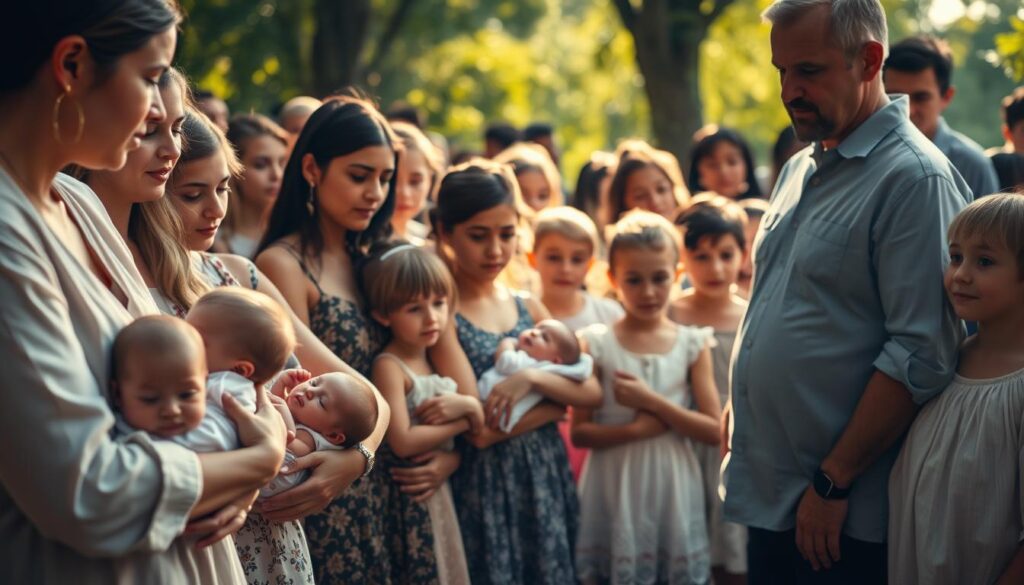
People of every age are welcome at the font. The Episcopal Church has no required age for this sacrament. That openness lets families and individuals follow spiritual timing and pastoral care.
Infants and young children: The rite affirms God’s unearned gift of grace. Parents and godparents speak promises on behalf of the child and pledge to raise them in the Church’s life.
Older children and adults: Older children and adults make their own vows. Their baptism is a public commitment and an affirmation of intent to follow Jesus in community.
Sponsors and presentation: Sponsors present each candidate and promise prayerful support. Their role continues as a visible sign of care in the years of growth and formation.
Parents preparing for a child’s baptism should ask about workshops and conversations that explain the promises and daily practices. Adult candidates are reassured that the parish will walk with them through preparation and welcome their commitment.
How Baptism Is Celebrated: Water, Words, and Worship
The liturgy at the font brings visible signs and spoken promises together. The ceremony uses plain actions that carry deep meaning for each person who is received into the community.
In the Name of the Father, the Son, and the Holy Spirit
The central words are the Trinitarian formula: “In the Name of the Father, and of the Son, and of the Holy Spirit.” These words are spoken as water is applied to the candidate.
Pouring or immersion at the Baptismal font within Sunday worship
In Episcopal practice, water may be poured or the candidate may be immersed. Both gestures symbolize dying and rising into new life.
The rite normally occurs during the principal Sunday service so the congregation can offer prayer and witness the promises in real time.
Throughout the service, sponsors stand near the candidate. Their presence shows that no one follows Jesus alone and that the parish surrounds new members with care.
- Prayers of the people and the baptismal promises join the newly baptized to weekly worship and mission.
- Clergy and leaders rehearse movements and words with parents and adult candidates so the moment is confident and joyful.
Promises and the Baptismal Covenant: Commitment to Faith and Life
The vows at the font move a person from ceremony into daily discipleship. They set out how the newly received will live in community and grow in grace.
The service begins when candidates—or parents and sponsors for infants—renounce evil and turn to Jesus Christ.
They then affirm the baptismal covenant from the Book of Common Prayer, promising to continue in the apostles’ teaching and fellowship, in the breaking of bread, and in the prayers.
Renouncing evil and accepting a way of life
The core promises include resisting evil and proclaiming the Good News by word and example.
Living the covenant with worship, prayer, and service
The covenant calls each person into worship, regular prayer, service, and striving for justice and peace.
- Core promises: renouncing evil, turning to Jesus Christ, affirming the baptismal covenant.
- Practice: worship, fellowship, proclamation, service, and care for others.
- Support: parents, sponsors, and the parish help candidates and adults grow in a Christian faith life.
The Church offers formation, ministries, and practical steps so these vows become daily habits rather than a checklist. Trust in the Holy Spirit to guide growth and strengthen commitment.
Parents, Godparents, and Sponsors: Roles in Nurturing Faith
Those who present a child carry a promise that lasts far beyond the baptismal day. Parents, godparents, and sponsors form a lasting support network that helps a new member grow into parish life.
Presenting the candidate and making vows on behalf of a child
For infants and young children, parents and godparents present the child at the font and speak the vows that commit to raise the child within worship, teaching, and service. Most families choose two or three godparents or sponsors so the promises are shared.
Sponsors for adult candidates: prayer, example, and ongoing support
Every candidate has at least one baptized sponsor. Adult candidates select sponsors who will accompany them with prayer, mentoring, and faithful example as they embrace Christian commitment.
- Sponsors present the candidate at the font and continue to encourage growth in faith and life.
- Parents and godparents pledge regular prayer and practical formation for children in the household and community.
- Choose sponsors who actively participate in church life and can offer steady presence and guidance.
Talk with clergy about expectations, roles, and practical steps so families and sponsors feel confident and prepared. The Book Common Prayer guides these promises and shapes ongoing care for the newly baptized.
Recognition of Other Christian Baptisms
The Episcopal Church accepts baptisms from other Christian traditions when water was used in the Name of the Father, Son, and Holy Spirit.
Re-baptism is not practiced. Baptism is understood as once for all, creating an enduring bond that joins people into the life of the church.
Those who were baptized elsewhere are welcomed as full members of the community. Families, infants, and older candidates find their prior rite already incorporates them into parish life.
If someone seeks a visible affirmation within the parish, clergy can explain Confirmation or Reception as fitting next steps. Sponsors remain an important support for ongoing formation.
- Bring baptismal certificates so the parish can keep accurate records.
- Talk with clergy about Confirmation or Reception to mark commitment.
- Expect warm inclusion as new members of the church community.
| Topic | Guidance | Action |
|---|---|---|
| Recognition | Trinitarian baptisms from other churches are valid | No re-baptism required |
| Affirmation | Confirmation or Reception available | Discuss options with clergy |
| Records | Parish keeps sacramental documentation | Provide certificate or details at registration |
Private or Public? Why Baptism Is Normally Within the Principal Service
A public celebration roots the moment in the life of the gathered community and links the newly received to shared worship.
Pastorally and theologically, the principal Sunday service shows that entrance into the faith is also entrance into the community. The assembly bears witness, offers prayer, and names each new person as part of parish life.
The presence of people matters because the rite is a public affirmation faith. Sponsors stand and pledge to support candidates and infants. Clergy and the congregation pray for each person by name, promising ongoing care.
Private ceremonies may occur in rare or emergency situations, yet the norm remains the gathered parish. Celebrating in worship connects different ages, from children to adults, and marks a visible link across generations.
Families can expect the service to be brief, guided, and joyful. This setting lets everyone join the promise, making the day both sacred and warmly communal.
Preparing for the Day: Workshops, Rehearsals, and Prayer
Parish preparation helps everyone arrive calm, informed, and ready to join the service.
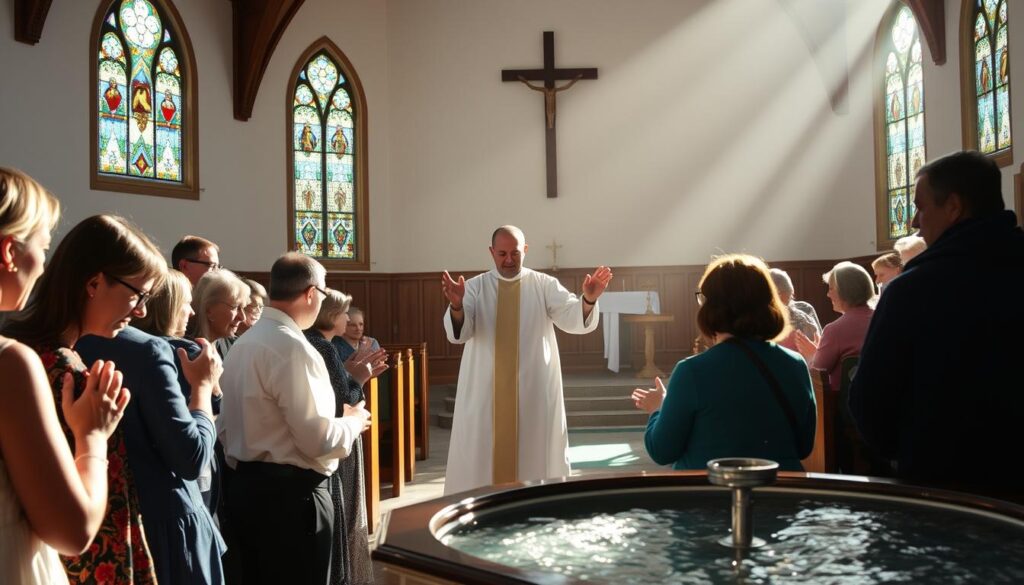
A common practice is a Baptismal Workshop held the day before the service. Sessions cover the meaning and symbols, review promises in the Book Common Prayer, and clarify sponsors’ and parents’ roles.
Rehearsals let candidates and families walk the route to the font. People see the Paschal candle, meet clergy, and practice responses. This eases nerves and speeds the liturgy on Sunday.
Baptismal Workshop: meaning, symbols, and rehearsal
Workshops explain why water and words matter. They include short demos and time for questions so everyone understands logistics and expectations.
Child-friendly learning and Baptismal banners
Sessions welcome parents, godparents, siblings, and grandparents. Children join interactive activities and often make a baptismal banner with a symbol, name, and date as a keepsake.
Prayer is central: gatherings begin and end with prayer to entrust the candidate and families to God’s care.
| Feature | Who attends | Outcome |
|---|---|---|
| Teaching on symbols | Parents, sponsors | Clear meaning from the Book Common Prayer |
| Rehearsal at the font | Candidates, families | Less anxiety and smoother service |
| Child activities | Children, siblings | Engaging learning and keepsakes |
| Q&A and prayer | Families and godparents | Roles clarified; spiritual readiness |
Life After the Font: Eucharist, Formation, and Belonging
When a person leaves the font, the parish welcomes them into ongoing prayer, learning, and service. This welcome is practical and spiritual. It moves new members into shared worship and daily habits that shape a Christian life.
Sharing the Eucharist as newly baptized members
Many parishes conclude the liturgy with the Eucharist. The newly baptized join the congregation at the Peace and are invited to the Lord’s Table as full members. This immediate participation affirms their place in the body of jesus christ and in parish worship.
Ongoing Christian formation for all ages
Baptism marks a beginning, not an end. Parishes offer formation for children, youth, and the adult newcomer. Classes, small groups, and service ministries help people live the baptismal covenant in daily choices.
- Encourage regular prayer and worship attendance to build rhythm and participation.
- Sponsors and families support each candidate, offering guidance and example.
- Engage in ministries that grow faith, service, and communal life.
Remember: the Church walks with you. Ongoing formation and community care turn the promises at the font into lasting commitment and joyful belonging for all members.
Parish Membership, Records, and Participation for Families
A permanent entry in the baptismal register anchors new members within parish life and practical care. The parish records every baptism to create a lasting sacramental record. This helps clergy and staff support families and candidates across the years.
Families are often invited to become participating members—attending worship, joining formation, and offering time or gifts to the community. Providing a baptismal certificate helps the church keep accurate registers and plan follow-up formation for children and adults.
Sponsors and godparents play a practical role after the service. They can share certificates, remind parents of parish events, and stay engaged in the child’s spiritual growth.
“Parish records help the church care for every household from the font into daily life.”
- Permanent records: entries support pastoral care and sacramental history.
- Active membership: regular worship and service deepen the baptismal covenant and community ties.
- Sponsor support: godparents and sponsors assist with paperwork and ongoing encouragement.
If you have questions about registration, membership, or records, contact the parish office so staff can welcome and guide your family into full participation in the church.
Next Steps: Scheduling, Sponsors, and Getting Connected Today
Ready to take practical steps toward scheduling and preparation? Reach out to your parish office or clergy to discuss available dates, upcoming feast-day opportunities, and the baptism request form.
Identify sponsors early. Invite them to join preparation, prayer, and conversations about the baptismal covenant so everyone knows their role before the service.
Register for a workshop or rehearsal to learn the words and movements. These sessions help families, candidates, and sponsors feel calm and confident on the day.
- Complete the parish request form and confirm a date.
- Gather any prior certificates for parish records.
- Sign up for workshops and rehearsal times.
| Step | Who | When | Outcome |
|---|---|---|---|
| Contact parish | Parents / adults / candidates | As soon as possible | Date set; forms sent |
| Choose sponsors | Families and candidates | Before workshops | Sponsors prepared to support |
| Attend workshop | Sponsors, parents, children, adults | Week before service | Clear roles and peace of mind |
We will accompany you. The parish offers clear guidance and warm support as families and adult candidates move from preparation into a shared life of prayer, service, and commitment in the community.
Conclusion
Through the font we enter a lasting bond with jesus christ and the parish that will shape our life. holy baptism brings adoption, forgiveness, and a new start in the Church’s shared life. This gift begins a path of prayer, worship, and service.
The baptismal covenant sets the pattern for growth. The community and sponsors stand with each candidate to pray, teach, and encourage steady discipleship.
Whether preparing for a child or for yourself, take the next step with confidence. The parish will guide you with care. We welcome the newly baptized and invite them to grow in faith, worship, formation, and service as part of this life together.
FAQ
What does baptism mean in the Episcopal Church?
Baptism is a sacrament that signs a person into the life of Christ and the church. It marks forgiveness, new life, and belonging through water and the Holy Spirit, using words and symbols found in the Book of Common Prayer.
Who can be baptized — infants, children, or adults?
People of all ages may be baptized. Infants and young children are received as a gift of grace, with parents and godparents promising to nurture faith. Older children and adults make a public affirmation of faith and personal commitment before the community.
Why is baptism usually part of the main Sunday service?
Baptism is a communal act of worship. Celebrating it during the principal service invites the whole congregation to welcome and commit to supporting the newly baptized in Christian life and formation.
What role do parents, godparents, and sponsors play?
Parents and godparents present the candidate, answer questions on behalf of a child, and promise to raise the child in the faith. Sponsors for adult candidates offer prayer, example, and ongoing support for growth in the life of the church.
How is baptism performed physically?
The ritual uses water and Trinitarian words: in the Name of the Father, the Son, and the Holy Spirit. A priest may pour water over the candidate’s head or use full immersion at the baptismal font, normally within regular Sunday worship.
When are baptisms often scheduled?
Many congregations baptize on Sundays that highlight baptism’s meaning—Easter, the Sunday after Epiphany, Pentecost, All Saints’ Day, or during a bishop’s visitation. These times connect the rite to core events in the life of Jesus and the Spirit.
Are baptisms from other Christian traditions recognized?
The Episcopal Church generally recognizes baptisms performed with water and the Trinitarian formula. Parishes discuss particulars with clergy to confirm recognition and pastoral care.
What is the Baptismal Covenant?
The covenant involves renouncing evil, professing faith in Jesus Christ, and committing to a life of prayer, worship, and service. It is a lifelong promise supported by the community and sustained through formation.
How does the Holy Spirit relate to baptism?
In baptism, the Holy Spirit is invoked to seal and empower the newly baptized for Christian life. Pentecost is often highlighted as the moment that connects baptism to the Spirit’s ongoing presence and gifting.
How should families prepare for a baptism service?
Parishes often offer baptismal workshops covering the rite’s meaning, symbols, and practical details. Families may rehearse and prepare child-friendly materials like banners, and clergy guide prayers and logistics.
What happens after baptism — participation and formation?
Newly baptized persons are encouraged to receive the Eucharist, join formation programs, and engage in parish life. Ongoing Christian education and small groups help deepen faith and belonging for all ages.
Is baptism a one-time event or an ongoing journey?
Baptism is once for all time in its sacramental effect, marking a permanent identity in Christ. It also begins a lifelong journey of growth, discipleship, and regular participation in the church’s worship and service.
How are parish records and membership handled after baptism?
Parishes record baptisms in their registers and often welcome baptized families into active membership. Records support pastoral care and sacramental history while helping people connect with ministries and community life.
Can a private baptism be arranged instead of a public one?
While the norm is public celebration within the main service, clergy may consider pastoral exceptions. Most churches encourage public rites to emphasize community support and the baptismal covenant.
How do sponsors support adult candidates?
Sponsors for adults pledge to pray for the candidate, model Christian living, and provide practical and spiritual encouragement as the person grows in faith and joins the life of the congregation.