The Episcopal Church places significant emphasis on Holy Communion, also known as the Eucharist. It is a central sacrament in their faith, symbolizing a family meal for Christians and a foretaste of the heavenly banquet.
For Episcopalians, Communion is more than a ritual; it’s a way to connect with the divine and with each other. The act of sharing bread and wine is a powerful symbol of unity and community.
The significance of Communion in Episcopal worship underscores its importance in their daily lives and spiritual practices.
Key Takeaways
- The Episcopal Church views Holy Communion as a central sacrament.
- Communion is considered a family meal and a foretaste of the heavenly banquet.
- It symbolizes unity and community among Episcopalians.
- The Eucharist is a significant part of Episcopal worship.
- Communion connects Episcopalians with the divine and with each other.
Understanding the Sacrament of Communion
The Episcopal Church’s understanding of Communion is rooted in its definition, history, and theological significance. The sacrament is a vital part of Episcopal worship, embodying the spiritual connection between believers and Christ.
Definition of Communion in the Episcopal Church
The Eucharist is defined as a sacrament commanded by Christ for the continual remembrance of his life, death, and resurrection. The Episcopal Church believes in the Real Presence of Christ in the Eucharist, a doctrine that underscores the sacred nature of Communion.
“The Eucharist is a sacrament of Christ’s presence, where Christ is truly present in the elements of bread and wine,” as reflected in the Episcopal Church’s liturgical practices.
Historical Background of Communion Practices
The historical context of Communion practices in the Episcopal Church is deeply intertwined with the broader Christian tradition. The early Christian church’s practices, as recorded in the New Testament, have influenced the development of Communion rituals over centuries.
The Episcopal Church’s Prayer Book outlines the liturgical framework for Communion, ensuring continuity with historical practices while accommodating contemporary worship needs.
Theological Significance of Communion
Theologically, Communion is seen as a means of grace, where believers receive spiritual nourishment through the sacrament. It is a moment of intimate connection with Christ and the community of faith.
- Communion symbolizes unity among believers.
- It is a ritual that commemorates Christ’s sacrifice.
- The sacrament is believed to convey God’s grace to the participants.
By understanding the definition, historical context, and theological significance of Communion, Episcopalians can deepen their appreciation for this central aspect of their faith.
The Role of Communion in Episcopal Worship
Communion is a cornerstone of Episcopal worship, serving as a fundamental expression of faith and community. The Episcopal Church places a significant emphasis on the sacrament of Communion, integrating it into the heart of its worship practices.
Frequency of Communion Services
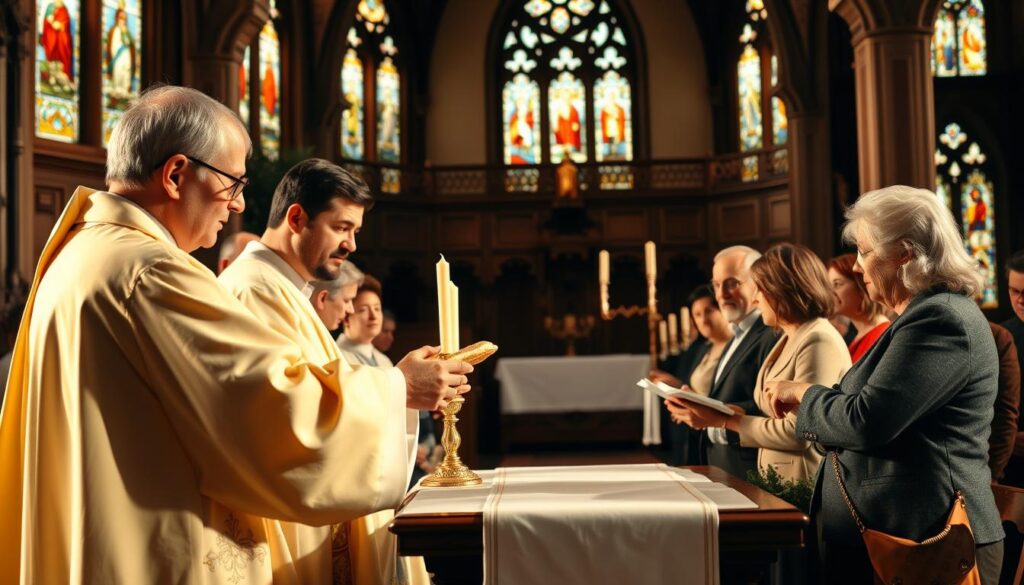
The Holy Eucharist is considered the principal act of Christian worship in the Episcopal Church. As such, it is celebrated on the Lord’s Day (Sunday) and on all other Major Feasts. This frequency underscores the importance of Communion in the spiritual lives of Episcopalians, providing regular opportunities for worship, reflection, and communion with God and the community.
The frequency of Communion services varies among different Episcopal churches, but the practice is generally observed weekly or on significant religious holidays. This variation allows individual parishes to tailor their worship schedules according to their community’s needs and traditions.
Liturgical Context of Communion
The liturgical context of Communion in the Episcopal Church is rich and multifaceted. The service is typically conducted within a structured liturgy, which includes readings from Scripture, prayers, and the consecration of bread and wine. The liturgical context is designed to create a reverent and contemplative atmosphere, fostering a deep sense of connection among the participants.
The Episcopal Church’s approach to Communion is characterized by a balance between tradition and contemporary relevance, ensuring that the sacrament remains a vibrant and meaningful experience for its members.
Beliefs About the Presence of Christ in Communion
Episcopalians have a distinct view on the Eucharist, emphasizing the Real Presence of Christ. This belief is central to their understanding of Communion, setting them apart from other Christian denominations with different interpretations of the sacrament.
Consubstantiation vs. Transubstantiation
The Episcopal Church does not adhere to a specific doctrine like transubstantiation or consubstantiation. Instead, it embraces the belief in the Real Presence, allowing for a nuanced understanding of Christ’s presence in the Eucharist.
The concept of transubstantiation, which suggests that the bread and wine used in Communion transform into the literal body and blood of Christ, is not adopted by the Episcopal Church. Similarly, consubstantiation, which posits that Christ is present alongside the bread and wine, is also not a doctrine they subscribe to.
Significance of the Elements: Bread and Wine
The elements of bread and wine are significant in the Episcopal Communion service. They are not just symbols but are believed to be a means through which Christ is present among the worshippers.
| Element | Symbolism | Significance in Communion |
|---|---|---|
| Bread | Body of Christ | Represents Christ’s presence and nourishment |
| Wine | Blood of Christ | Symbolizes Christ’s sacrifice and redemption |
The use of bread and wine in Communion services underscores the Episcopal Church’s commitment to tradition while affirming the Real Presence of Christ in a way that is meaningful to its adherents.
The Open Table: Who Can Receive Communion?
Communion in the Episcopal Church is an open table, inviting all baptized Christians to share in the Eucharist. This inclusive approach reflects the Church’s commitment to unity and fellowship among its members and the broader Christian community.
Policies on Communion for Children
The Episcopal Church has a thoughtful approach to admitting children to Communion. Baptized children are welcome to receive Communion, recognizing that baptism is the sacrament that initiates one into the Christian community. This practice underscores the Church’s belief in the importance of nurturing children’s spiritual growth through participation in the Eucharist.
“The Episcopal Church welcomes all baptized persons to the Holy Table,” as stated in the Book of Common Prayer. This principle guides the Church’s practice regarding children’s participation in Communion, emphasizing the significance of baptism as the criterion for receiving the sacrament.
Inclusivity in the Episcopal Church
The Episcopal Church’s open Communion policy is a testament to its inclusive nature. By welcoming baptized individuals from any Christian denomination, the Church fosters a sense of unity and shared faith among diverse Christian traditions.
“The table is open to all who are baptized, regardless of their denominational affiliation,” reflecting the Church’s commitment to ecumenism and Christian unity.
This approach not only enriches the spiritual lives of Episcopalians but also serves as a powerful symbol of the Church’s dedication to breaking down barriers and embracing the broader Christian community.
The Importance of Communion for Spiritual Life
Episcopalians believe that Communion is an essential practice that brings them closer to Christ and enhances their spiritual lives. This belief is rooted in the understanding that Communion serves as a direct means of experiencing God’s grace.
The significance of Communion in the Episcopal Church cannot be overstated. It is viewed as a vital component of spiritual nourishment, where believers come together to share in the Eucharist, thereby strengthening their faith and their bond with the community.
Communion as a Means of Grace
In the Episcopal tradition, Communion is considered a means of grace, a concept that underscores its role in conveying God’s love and forgiveness to the participants. Through the act of receiving Communion, Episcopalians believe they are participating in a sacred ritual that brings them into closer communion with God.
This understanding is based on the belief that Christ is present in the Eucharist, and by partaking in it, individuals receive spiritual nourishment that sustains them in their daily lives. The grace received through Communion is seen as empowering believers to live out their faith in practical ways.
Spiritual Nourishment Through Communion
The Eucharist is a source of spiritual nourishment for Episcopalians, providing them with the strength and guidance needed to navigate life’s challenges. By regularly participating in Communion, individuals can experience a deepening of their spiritual lives, as they are continually reminded of God’s presence and love.
The table below highlights the key aspects of Communion as a means of spiritual nourishment:
| Aspect | Description | Significance |
|---|---|---|
| Presence of Christ | Christ is believed to be present in the Eucharist | Provides a direct link to the divine |
| Spiritual Nourishment | The Eucharist nourishes the soul | Empowers believers to live out their faith |
| Community Building | Communion is a shared experience among believers | Fosters a sense of unity and belonging |
As illustrated in the table, Communion encompasses multiple facets that together contribute to the spiritual well-being of Episcopalians. It is a practice that not only deepens individual faith but also strengthens the bonds within the community.
Differences Between Anglican and Episcopal Communion Beliefs
Understanding the nuances between Anglican and Episcopal Communion beliefs reveals both unity and diversity within the shared tradition of the Episcopal Church and the Anglican Communion.
The Episcopal Church, part of the worldwide Anglican Communion, shares many core beliefs and practices regarding Communion. However, there are also distinct variations that reflect the diverse interpretations and emphases within different Episcopal churches.
Similarities in Doctrine
Despite geographical and cultural differences, the Episcopal Church and the broader Anglican Communion are united in their understanding of Communion as a sacrament. Both recognize the significance of the Eucharist as a means of grace and a central act of worship.
The doctrine of Communion in the Episcopal Church is rooted in the Anglican tradition, emphasizing the importance of the sacraments as a means of encountering the divine. This shared doctrine underscores the belief in the real presence of Christ in the elements of bread and wine, although the precise nature of this presence is interpreted in various ways.
| Aspect | Anglican Communion | Episcopal Church |
|---|---|---|
| Understanding of Communion | Sacrament of unity and grace | Sacrament of unity and grace |
| Elements Used | Bread and Wine | Bread and Wine (with variations in type) |
| Frequency of Communion | Varies by province | Regularly celebrated, often weekly |
Distinct Practices in Various Episcopal Churches
While the Episcopal Church maintains a consistent theological framework regarding Communion, there are variations in practice that reflect local culture and tradition. Some Episcopal churches may incorporate unique liturgical elements or observe Communion with different frequencies.
For instance, some churches may use traditional language and liturgy from the Book of Common Prayer, while others may adopt more contemporary language and practices. This diversity in practice is a hallmark of the Episcopal Church’s approach to worship and Communion.
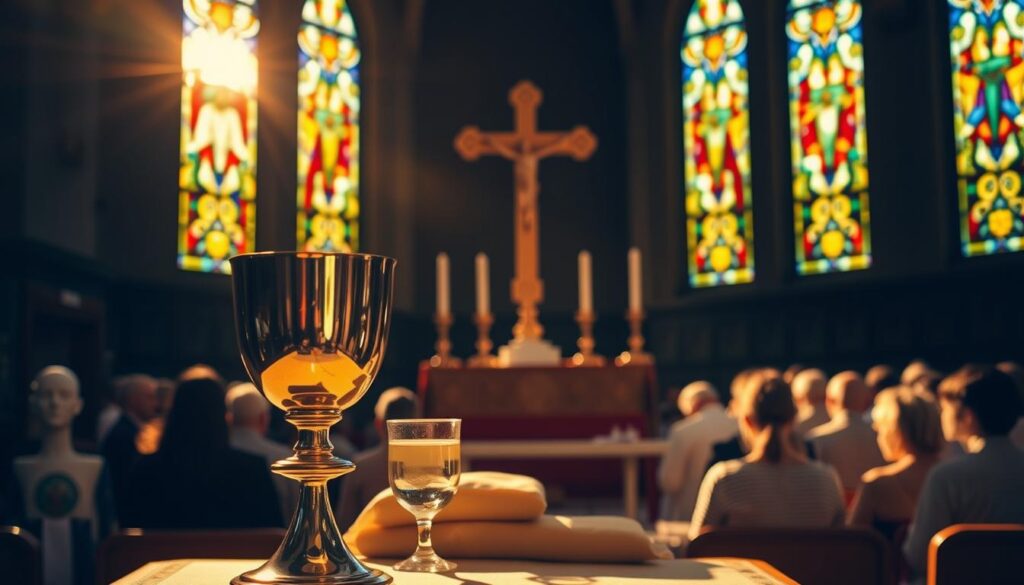
The flexibility in Communion practices within the Episcopal Church allows for a rich tapestry of worship experiences. This diversity is seen as a strength, enabling the church to reach and serve a wide range of people within its community.
In conclusion, while the Anglican Communion and the Episcopal Church share a common heritage and doctrine regarding Communion, there are distinct practices and variations that reflect the diverse nature of the Episcopal Church.
Episcopal Communion and Community
For Episcopalians, Communion is more than just a religious ritual; it’s a vital expression of their communal faith. The Episcopal Church views the Eucharist as a sacrament that not only nourishes the spiritual lives of its members but also strengthens their bonds with one another.
The act of participating in Communion is seen as a unifying factor, bringing together individuals from diverse backgrounds into a shared experience of worship and fellowship. This communal aspect of Communion is deeply rooted in the Episcopal tradition, emphasizing the importance of gathering together as a community of believers.
Role of Fellowship in Communion
Fellowship plays a crucial role in the context of Communion within the Episcopal Church. It is through the shared experience of the Eucharist that Episcopalians feel a deep sense of connection with one another. This sense of community is fostered through the regular gathering of members to participate in the sacrament.
The communal nature of Communion is further highlighted by the Episcopal Church’s emphasis on the “open table,” welcoming both members and non-members to participate in the Eucharist. This inclusivity reinforces the sense of fellowship and community among those who gather.
Building Unity Through Shared Faith
The Episcopal Church believes that Communion serves as a powerful means of building unity among its members. By sharing in the Eucharist, Episcopalians demonstrate their unity in faith and their commitment to one another. This unity is not limited to the act of Communion itself but extends into the daily lives of the faithful.
Through their participation in Communion, Episcopalians are called to live out their faith in service to others, further strengthening the bonds within the community. This call to service is a key aspect of the Episcopal Church’s understanding of Communion, highlighting its role in fostering both personal spiritual growth and communal unity.
| Aspect of Communion | Role in Community Building | Impact on Episcopalians |
|---|---|---|
| Fellowship | Creates a sense of belonging | Strengthens bonds among members |
| Shared Faith | Fosters unity in belief | Encourages communal worship |
| Inclusivity | Welcomes diverse members | Promotes a sense of community |
Liturgical Variations in Communion Practices
The Episcopal Church’s approach to Communion is characterized by a blend of tradition and flexibility in its liturgical practices. This blend is evident in the various ways Communion is celebrated across different congregations.
One of the key factors contributing to these variations is the use of different prayer books. The Episcopal Church has a rich liturgical tradition, with prayer books that provide a framework for worship. The Book of Common Prayer is a cornerstone of Episcopal worship, but its use can vary significantly from one congregation to another.
Use of Different Prayer Books
The Book of Common Prayer is not the only liturgical resource used by the Episcopal Church. Various prayer books and liturgical resources are employed, reflecting the diverse needs and preferences of different congregations.
“The Book of Common Prayer is a symbol of unity for the Episcopal Church, yet its interpretation and application can vary, allowing for a rich diversity in worship practices.”
This diversity is further illustrated by the following table, which highlights some of the differences in prayer book usage and Communion practices across different regions.
| Region | Prayer Book Used | Frequency of Communion |
|---|---|---|
| Northeast | Book of Common Prayer (1979) | Weekly |
| South | Book of Common Prayer (1928) | Monthly |
| West Coast | Enriched Prayer Book | Bi-Weekly |
Regional Differences in Communion Rituals
Regional differences also play a significant role in shaping Communion rituals within the Episcopal Church. These differences are influenced by cultural, historical, and theological factors.
For instance, some congregations may incorporate unique cultural practices into their Communion services, making the ritual more meaningful to their local community.
Understanding these variations is crucial for appreciating the Episcopal Church’s approach to Communion. By embracing diversity in liturgical practices, the Church fosters a richer and more inclusive worship experience.
Conclusion: The Significance of Communion for Episcopalians
The Episcopal Church places a profound emphasis on the sacrament of Communion, also known as the Eucharist. This practice is not only a fundamental aspect of worship but also a vital component of daily life for Episcopalians.
Core Beliefs and Practices
Episcopalians believe that Communion is a means of receiving spiritual nourishment and grace. The elements of bread and wine are central to this sacrament, symbolizing the body and blood of Christ. Understanding what do episcopalians believe about communion reveals a deep commitment to the principles of inclusivity and community.
Ongoing Relevance
The episcopal church beliefs on communion underscore the significance of this practice in fostering a sense of unity and shared faith among its members. As a cornerstone of Episcopal worship, Communion continues to play a vital role in the spiritual lives of Episcopalians, providing a connection to their faith community and to the divine.
FAQ
What is the significance of Communion in the Episcopal Church?
In the Episcopal Church, Communion, also known as the Eucharist, is a central sacrament that represents the presence of Christ among believers. It is a vital part of their worship and daily life, serving as a means of grace and spiritual nourishment.
What do Episcopalians believe about the Real Presence of Christ in Communion?
Episcopalians believe in the Real Presence of Christ in Communion, but the specifics of this belief can vary. Some adhere to the concept of transubstantiation, while others believe in consubstantiation or a more symbolic understanding of the elements.
Who can receive Communion in the Episcopal Church?
The Episcopal Church has an open table policy, welcoming baptized Christians from various denominations to receive Communion. The Church also allows children to receive Communion, typically after being confirmed or receiving first Communion.
How often is Communion celebrated in Episcopal churches?
The frequency of Communion services varies among Episcopal churches. Some celebrate Communion daily, while others do so on Sundays or specific days of the week.
What is the role of fellowship in Episcopal Communion practices?
Fellowship plays a significant role in Episcopal Communion practices, as the sacrament is seen as a way to build unity among believers. The shared experience of Communion fosters a sense of community and togetherness.
Are there differences in Communion practices among various Episcopal churches?
Yes, there can be differences in Communion practices among various Episcopal churches, including the use of different prayer books and regional variations in Communion rituals.
How does Communion nourish Episcopalians spiritually?
Communion nourishes Episcopalians spiritually by providing a means of grace and a source of spiritual sustenance. It is seen as a way to connect with Christ and with fellow believers, promoting spiritual growth and renewal.
What are the similarities and differences between Anglican and Episcopal Communion beliefs?
Anglican and Episcopal Communion beliefs share similarities in their understanding of the sacrament, but there can be differences in doctrine and practice among various Episcopal churches. Both traditions emphasize the importance of Communion in worship and daily life.
How does the Episcopal Church view the elements of bread and wine in Communion?
The Episcopal Church views the elements of bread and wine as sacred symbols that represent the body and blood of Christ. The significance of these elements is deeply rooted in the Church’s theology and liturgical practices.