The Episcopal Church views marriage as a sacred institution, emphasizing lifelong commitment, mutual support, and the nurturing of the relationship between two individuals, as well as their faith community and God.
According to the Book of Common Prayer (BCP), marriage is a sacramental rite where two persons “enter into a life-long union, make their vows before God and the Church, and receive the grace and blessing of God to help them fulfill their vows” (BCP, p.861). This understanding underscores the significance of marriage in the Episcopal faith.
Key Takeaways
- The Episcopal Church considers marriage a sacramental rite.
- Marriage involves a lifelong commitment between two individuals.
- The church emphasizes the importance of vows and mutual support.
- Marriage is viewed as a union before God and the faith community.
- The Episcopal Church provides guidance and blessings for married couples.
The Foundation of Episcopal Marriage Beliefs
The foundation of Episcopal marriage beliefs is built upon a rich historical context and a nuanced understanding of scripture. The Episcopal Church’s views on marriage are shaped by its interpretation of Christian teachings, historical traditions, and its understanding of marriage as a sacrament.
Historical Context of Marriage in the Episcopalian Church
The historical context of marriage within the Episcopalian Church is complex and has evolved significantly over time. Initially, marriage was viewed through the lens of Catholic traditions, given the Church’s roots in the Roman Catholic Church. However, the Episcopal Church has adapted and modified its stance on various issues, including marriage, over the centuries.
The Reformation period played a crucial role in shaping the Episcopal Church’s views on marriage. The Church of England, from which the Episcopal Church originates, moved away from some Catholic doctrines, influencing its understanding of sacraments, including marriage. This historical shift laid the groundwork for the Church’s contemporary beliefs about marriage.
The Role of Scripture in Defining Marriage
Scripture plays a pivotal role in defining marriage within the Episcopal Church. The Church interprets biblical teachings on love, commitment, and relationships to inform its stance on marriage. Key scriptures, such as those found in the letters of St. Paul and the Gospels, are examined for their insights into the nature of marital commitment and the roles of spouses.
The Episcopal Church has also acknowledged the importance of adapting its interpretation of scripture to contemporary societal changes, including the recognition of same-sex marriages. This evolution reflects the Church’s commitment to inclusivity and its ongoing dialogue with scripture in the context of modern realities.
| Aspect | Historical Context | Scriptural Influence |
|---|---|---|
| Marriage as a Sacrament | Rooted in Catholic tradition, adapted during the Reformation | Influenced by biblical teachings on love and commitment |
| Evolution of Marriage Beliefs | Changed over centuries, influenced by societal and theological factors | Interpretation of scripture adapted to contemporary issues, including same-sex marriages |
The Nature of Marriage in Episcopalian Doctrine
Episcopalians consider marriage a public covenant between two individuals in the presence of God. This understanding is rooted in the belief that marriage is not just a civil contract but a sacred institution that involves a deep commitment to one another, characterized by fidelity and mutual support.
Marriage as a Sacred Covenant
In the Episcopalian tradition, marriage is viewed as a sacred covenant that is made in the presence of God. This covenant is not just between the couple but also involves their faith community. The church emphasizes the importance of this commitment, encouraging couples to nurture their relationship through mutual love, respect, and support.
The Episcopal Church defines marriage as a solemn public covenant between two persons, with at least one being a baptized Christian. This definition underscores the significance of faith in the marital bond, highlighting the role of Christianity in guiding the couple’s commitment to each other.
Understanding Commitment and Fidelity
Commitment and fidelity are core elements of marriage in the Episcopalian doctrine. Couples are encouraged to cultivate a deep and abiding commitment to one another, rooted in their faith and nurtured through their relationship. Fidelity, or faithfulness, is seen as a crucial aspect of this commitment, reflecting the couple’s dedication to their vows and to each other.
The importance of commitment and fidelity can be seen in the following aspects:
| Aspect | Description |
|---|---|
| Mutual Support | Couples are encouraged to support each other emotionally, spiritually, and practically. |
| Faithfulness | Fidelity is considered essential, reflecting the couple’s commitment to their vows. |
| Community Involvement | The faith community plays a significant role in supporting and nurturing the couple’s relationship. |
By understanding marriage as a sacred covenant and emphasizing commitment and fidelity, the Episcopalian doctrine provides a rich and meaningful context for couples to build their lives together.
The Importance of Love and Mutual Respect
At the heart of Episcopalian marriage beliefs is the importance of love and mutual respect between partners. This foundation is crucial for building a strong, healthy relationship that can withstand life’s challenges.
The Episcopal Church teaches that marriage is a sacred institution intended by God for the mutual benefit of the couple. As stated in the church’s liturgy, the union is understood to be for “their mutual joy; for the help and comfort given one another in prosperity and adversity; and, when it is God’s will, for the procreation of children and their nurture in the knowledge and love of the Lord.” This understanding underscores the significance of love and respect in marital relationships.
Love as the Basis for Marriage
Love is not just a feeling but a commitment to care for and support one another. In the context of marriage, love involves a deep emotional connection, loyalty, and a willingness to work through challenges together. The Episcopal Church emphasizes that this love is foundational to a successful marriage.
Some key aspects of love in Episcopalian marriage include:
- Commitment: A pledge to stand by one another through all of life’s circumstances.
- Support: Providing emotional, spiritual, and practical support to each other.
- Forgiveness: The ability to forgive and be forgiven, fostering a culture of understanding and grace.
The Role of Respect and Equality in Partnerships
Mutual respect and equality are also vital components of a healthy Episcopalian marriage. The church teaches that both partners should be treated with dignity and respect, recognizing the inherent worth of each individual. This respect is foundational to building a balanced and equitable relationship.
Key elements of respect and equality in Episcopalian marriages include:
- Recognizing the autonomy and agency of both partners.
- Fostering open and honest communication.
- Sharing responsibilities and decision-making.
By emphasizing love, respect, and equality, the Episcopal Church provides a framework for couples to build strong, resilient marriages. These principles guide couples in navigating the complexities of married life, offering a foundation for mutual support and understanding.
The Clergy’s Role in Marriage
Clergy in the Episcopal Church are not just officiants but also spiritual advisors, helping couples understand the depth of their commitment. The clergy’s role is multifaceted, involving guidance, support, and the solemnization of the marriage ceremony.
Responsibilities of Episcopal Priests in Marriages
Episcopal priests are responsible for providing pre-marital counseling, which is a crucial aspect of preparing couples for marriage. This counseling typically involves several meetings with the couple to discuss the meaning of Christian marriage, the importance of commitment, and how to build a strong, healthy relationship.
During these sessions, priests also explore the couple’s understanding of marriage vows, their expectations from the marriage, and how they plan to navigate life’s challenges together. This process not only prepares the couple for the responsibilities of marriage but also deepens their understanding of the sacrament.
Conducting Weddings: A Sacred Service
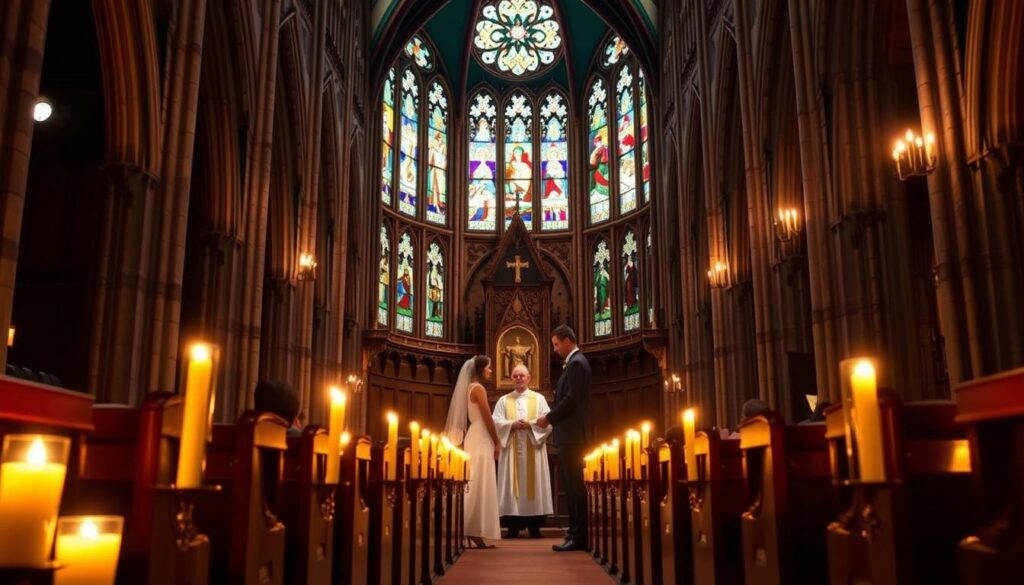
The act of conducting a wedding is considered a sacred service within the Episcopal Church. Clergy are tasked with creating a meaningful and spiritual experience for the couple and their guests. This involves not only the liturgical aspects of the ceremony but also ensuring that the service is personalized to reflect the couple’s unique journey and commitment to each other.
The clergy’s role in marriage ceremonies is a significant aspect of Episcopal marriage customs, emphasizing the importance of faith and community in the union.
| Aspect of Clergy’s Role | Description | Significance |
|---|---|---|
| Pre-Marital Counseling | Guiding couples through discussions on commitment, Christian marriage, and relationship building. | Prepares couples for the responsibilities and challenges of marriage. |
| Solemnization of Marriage | Officiating the wedding ceremony, making the marriage official and recognized by the Church. | Confirms the couple’s commitment in the eyes of God and the community. |
| Spiritual Guidance | Providing ongoing support and guidance to couples as they navigate married life. | Helps couples maintain a strong spiritual foundation in their relationship. |
The clergy’s involvement in marriages within the Episcopal Church underscores the religious and communal aspects of the union, highlighting the importance of faith, love, and mutual respect. By supporting couples through pre-marital counseling and the solemnization of their vows, clergy play a vital role in fostering strong, enduring marriages that reflect the values of the Episcopal tradition.
LGBTQ+ Inclusion in Episcopalian Marriage
The Episcopal Church’s stance on marriage has seen a notable shift with the inclusion of LGBTQ+ couples in its sacrament. This change reflects the church’s commitment to embracing diversity and promoting love and respect for all individuals.
A Historical Perspective on Inclusion
The journey towards LGBTQ+ inclusion in Episcopalian marriage has been gradual. Initially, the church faced challenges in addressing the rights of LGBTQ+ individuals. However, over time, it has moved towards greater acceptance.
In 2012, a significant step was taken when the General Convention approved a resolution allowing bishops to authorize rites for blessing same-sex unions. This was a precursor to the more comprehensive changes that followed.
Recent Changes in Church Doctrine
The 78th meeting of the General Convention of The Episcopal Church marked a pivotal moment in its history by acting to extend the sacrament of marriage to same-sex couples. This decision underscored the church’s commitment to inclusivity and equality.
Key Changes Include:
- Recognition of same-sex marriages within the church
- Equal rights for LGBTQ+ couples to receive the sacrament of marriage
- Updated liturgies to be inclusive of all couples
| Year | Event | Significance |
|---|---|---|
| 2012 | Approval for blessing same-sex unions | Initial step towards LGBTQ+ inclusion |
| 2018 | General Convention extends sacrament to same-sex couples | Full recognition of LGBTQ+ marriages |
The Episcopal Church continues to evolve, ensuring that its teachings and practices are welcoming to all. The inclusion of LGBTQ+ couples in the sacrament of marriage is a testament to the church’s dedication to love, respect, and equality.
Preparing for Marriage in the Episcopal Church
In the Episcopal Church, preparing for marriage involves more than just planning the ceremony. It’s a process that includes spiritual growth, understanding the commitments of marriage, and building a strong foundation for a lifelong relationship.
Pre-Marital Counseling: Importance and Purpose
Pre-marital counseling is a crucial aspect of marriage preparation in the Episcopal Church. This process is designed to help couples understand the sacrament of marriage, discuss their expectations, and address any issues that could impact their relationship in the future.
The purpose of pre-marital counseling is not only to prepare couples for the wedding ceremony but also to equip them with the tools and understanding necessary for a strong, healthy marriage. It involves exploring various aspects of their relationship, including communication, financial management, and family planning.
What to Expect During Pre-Marital Sessions
During pre-marital counseling sessions, couples can expect to engage in discussions and exercises designed to strengthen their relationship. These sessions are typically conducted by an Episcopal priest or a trained counselor.
Couples will explore topics such as their understanding of marriage vows, their expectations for their relationship, and how they handle conflicts. The sessions provide a safe and supportive environment for couples to ask questions and seek guidance.
| Topic | Description | Objective |
|---|---|---|
| Understanding Marriage Vows | Exploring the meaning and commitment involved in marriage vows. | To deepen the couple’s understanding of their lifelong commitment. |
| Communication Skills | Developing effective communication skills to strengthen the relationship. | To enhance the couple’s ability to communicate effectively. |
| Conflict Resolution | Learning strategies for resolving conflicts in a healthy and constructive manner. | To equip the couple with tools for managing disagreements. |
By the end of the pre-marital counseling process, couples will have a deeper understanding of each other and of the commitments they are about to undertake. They will be better prepared to face the challenges and joys of married life.
Preparing for marriage in the Episcopal Church is a journey that involves spiritual growth, mutual understanding, and a deepening commitment to one another. Through pre-marital counseling, couples are given the tools and support needed to build a strong foundation for their future together.
The Wedding Ceremony: Key Elements
The wedding ceremony in the Episcopal tradition is a sacred event that combines prayer, scripture, and sacrament, creating a meaningful and spiritual experience for the couple and their guests.
At the heart of the Episcopal wedding ceremony is the liturgical structure, which provides a framework for the celebration of marriage. This structure is rooted in the church’s worship traditions and is designed to emphasize the sacred nature of the commitment being made.
The Liturgical Structure of an Episcopal Wedding
The Episcopal wedding ceremony typically begins with a procession, followed by a greeting and a prayer. The ministry of the word then ensues, which includes readings from scripture, a sermon, and prayers. The marriage service itself replaces the ministry of the word, and the Eucharist begins with the offertory, where the couple may present their gifts, symbolizing their commitment to each other and to God.
The liturgical structure is not just a formal ritual; it is imbued with deep meaning and symbolism. For example, the exchange of vows is a pivotal moment, where the couple publicly declares their commitment to one another. The exchange of rings is another significant ritual, symbolizing the couple’s love and fidelity.
Meaning Behind the Rituals and Symbols
The rituals and symbols in an Episcopal wedding ceremony are rich in meaning and are designed to underscore the seriousness and beauty of the marital commitment. The use of scripture highlights the biblical foundations of marriage, while the prayers and blessings invoke God’s grace and guidance for the couple.
Understanding these elements can deepen one’s appreciation for the ceremony and its significance. The Episcopal wedding ceremony is not just a celebration of love; it is a sacrament that unites the couple in a lifelong commitment, supported by their faith community.
By participating in an Episcopal wedding ceremony, couples are not only marrying each other but are also committing to a life guided by their faith and the principles of their church community.
The Significance of Community Support
Community support is a cornerstone of Episcopalian marriage practices, providing couples with a foundation for lifelong commitment. The Episcopal Church emphasizes the importance of community in nurturing a strong and healthy marriage.
The Role of the Church Community in Marriage
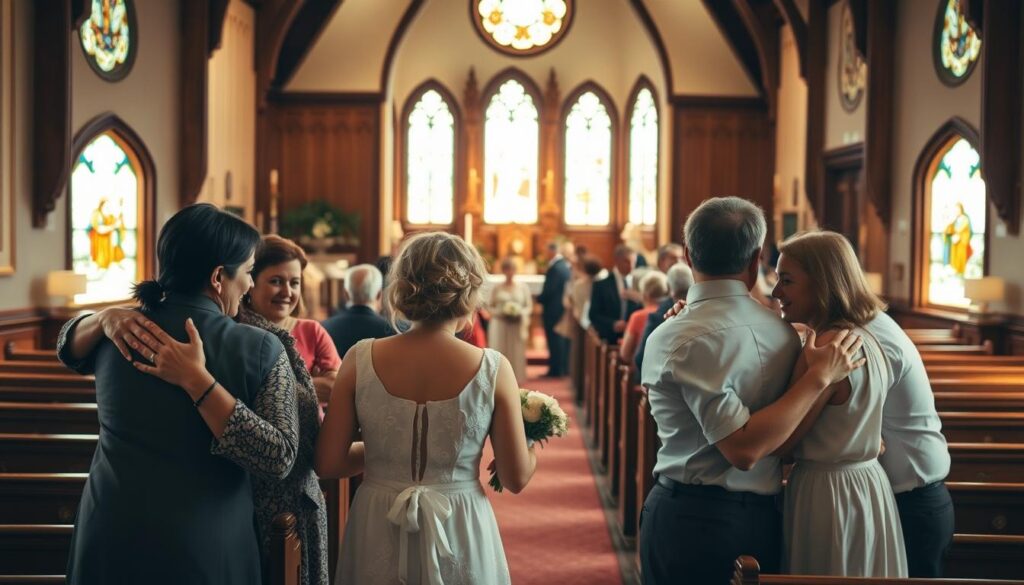
The church community plays a vital role in witnessing and supporting a couple’s marriage vows. During the wedding ceremony, the congregation witnesses the couple’s promises and promises to do all in their power to uphold the couple in their marriage. This communal support is seen as essential for building a strong and resilient marital bond.
The Episcopal Church’s approach to marriage highlights the significance of community involvement in the couple’s life. By involving the community, couples are surrounded by people who have pledged to support them through the joys and challenges of married life.
Building a Strong Support System
A strong support system is crucial for navigating the complexities of marriage. The Episcopalian community provides a network of support through various means, including pre-marital counseling, post-wedding check-ins, and ongoing community activities.
| Support Mechanism | Description | Benefit |
|---|---|---|
| Pre-Marital Counseling | Counseling sessions before marriage to prepare couples | Strengthens understanding and commitment |
| Post-Wedding Check-ins | Regular visits or meetings after the wedding | Provides ongoing support and guidance |
| Community Activities | Participation in church events and groups | Fosters a sense of belonging and connection |
By engaging with the church community, couples can build a robust support system that enhances their marital journey. This communal approach to marriage is a hallmark of Episcopalian marriage customs, emphasizing the value of unity and mutual support.
Divorce and Remarriage in Episcopalian Beliefs
The Episcopal Church’s stance on divorce and remarriage reflects its nuanced understanding of marriage as a lifelong commitment. While the church upholds the ideal of marriage as a permanent bond, it also acknowledges the complexities of human relationships and the reality of divorce.
Understanding Church Teachings on Divorce
The Episcopal Church views marriage as a sacred covenant between two individuals. However, it recognizes that not all marriages succeed. The church’s teachings on divorce are guided by a balance between upholding the sanctity of marriage and showing compassion to those whose marriages have ended.
Key considerations in the church’s teachings on divorce include:
- The importance of forgiveness and healing
- The role of pastoral care in supporting individuals through divorce
- The church’s stance on the grounds for divorce
Guidance for Remarriage within the Church
For Episcopalians considering remarriage after divorce, the church provides guidance. A key requirement is obtaining the consent of the diocesan bishop prior to the solemnization of the marriage, especially when one of the parties has been previously married and divorced.
The process involves:
- Seeking pastoral guidance and support
- Obtaining the necessary consent from the diocesan bishop
- Preparing for the new marriage with pre-marital counseling
This approach ensures that the church’s teachings are followed while supporting the individuals involved.
Continuing the Journey After the Wedding
The Episcopal faith views marriage as a vocation, a calling to a particular vowed manner of life over the course of a lifetime. This understanding underscores the importance of ongoing commitment and growth in marital relationships.
Marriage is not just a legal or social contract; it is a sacred covenant between two individuals. As such, it requires continuous nurturing and dedication. The Episcopal Church recognizes that the journey of marriage is lifelong, filled with challenges and opportunities for growth.
Lifelong Commitment and Growth
A lifelong commitment to one another is at the heart of the Episcopal view on marriage. This commitment is not just about enduring hardships but also about growing together in love, faith, and mutual respect. Couples are encouraged to continually nurture their relationship, fostering an environment of trust, understanding, and open communication.
Growing Together: The Episcopal Church emphasizes the importance of couples growing together in their faith and in their understanding of each other. This growth is facilitated through various means, including prayer, counseling, and community support.
Resources for Strengthening Marital Bonds
The Episcopal Church offers several resources to help couples strengthen their marital bonds. These include pre-marital and post-marital counseling, marriage enrichment programs, and support groups. Such resources provide couples with the tools and guidance needed to navigate the challenges of married life.
| Resource | Description | Benefit |
|---|---|---|
| Pre-Marital Counseling | Counseling sessions before marriage to discuss expectations, commitments, and challenges. | Helps couples understand each other’s needs and expectations. |
| Marriage Enrichment Programs | Programs designed to enhance marital relationships through workshops and retreats. | Provides tools and strategies for maintaining a healthy marriage. |
| Support Groups | Groups for couples to share experiences and receive support from others in similar situations. | Fosters a sense of community and provides emotional support. |
By utilizing these resources and maintaining a commitment to their marital journey, couples in the Episcopal Church can build strong, resilient relationships that honor their vows and reflect the love of Christ.
Conclusion: The Episcopal Vision of Marriage
The Episcopal Church’s understanding of marriage is rooted in its Christian teachings, emphasizing a lifelong commitment between two individuals. According to episcopal teachings on marriage, the union is intended by God for mutual joy, help, and comfort in both prosperity and adversity.
Key Beliefs and Practices
Episcopalians believe that marriage is a sacred covenant, not just a legal or social contract. This belief is reflected in the church’s liturgical structure for weddings, which emphasizes the importance of love, mutual respect, and commitment.
Guidance for Couples
For couples seeking guidance, the Episcopal Church offers pre-marital counseling and support throughout their marital journey. By understanding what Episcopalians believe about marriage, couples can deepen their appreciation for the church’s teachings and practices, fostering a stronger, more meaningful relationship.
FAQ
What do Episcopalians believe about marriage?
Episcopalians view marriage as a sacred institution where two individuals commit to a lifelong union, emphasizing vows, mutual support, and the nurturing of their relationship, not just between the couple but also within their faith community and God.
What is the Episcopal Church’s stance on same-sex marriages?
The Episcopal Church has evolved to include same-sex marriages, extending the sacrament of marriage to LGBTQ+ couples, reflecting its commitment to inclusivity and love.
What is the role of clergy in Episcopal marriages?
Clergy play a significant role in conducting wedding ceremonies, providing pre-marital counseling, and offering guidance and support to couples as they prepare for marriage.
What is the significance of pre-marital counseling in the Episcopal Church?
Pre-marital counseling is essential in preparing couples for the commitments and challenges of married life, helping them understand the sacrament of marriage and their responsibilities to each other.
What are the key elements of an Episcopal wedding ceremony?
An Episcopal wedding ceremony includes various liturgical elements and symbols, such as the exchange of vows and rings, prayers, and the nuptial blessing, which are rich in meaning and significance.
How does the Episcopal Church view divorce and remarriage?
The Episcopal Church acknowledges that not all marriages succeed and provides guidance for those seeking remarriage within the church, while emphasizing the importance of lifelong commitment.
What resources does the Episcopal Church offer to couples to strengthen their marital bonds?
The Episcopal Church provides resources, including counseling and support groups, to help couples navigate the challenges of married life and strengthen their relationship.
How does the Episcopal Church support LGBTQ+ individuals in marriage?
The Episcopal Church has taken significant steps to include LGBTQ+ individuals in its understanding and celebration of marriage, reflecting its commitment to love, acceptance, and equality.
What is the importance of community support in Episcopalian marriage practices?
The church community plays a vital role in witnessing and supporting a couple’s marriage vows, providing a foundation for a strong and healthy marriage.
How does the Episcopal Church understand the concept of love in marriage?
The Episcopal Church teaches that marriage should be based on love, which is not just a feeling but a commitment to care for and support one another, reflecting mutual respect and equality in the partnership.