The Episcopal Church has a rich tradition of honoring Mary, the mother of Jesus, rooted in scripture and centuries of Christian practice. Since the apostolic age, Mary has been an object of veneration in the church, celebrated for her humility and obedience to God’s message.
The Episcopalian perspective on Mary emphasizes her pivotal role in the life of Jesus, reflecting a deep respect for her place in Christian tradition. This introduction sets the stage for exploring the nuances of Episcopalian beliefs about Mary.
Key Takeaways
- The Episcopal Church honors Mary for her humility and obedience.
- Mary’s role as the mother of Jesus is central to Episcopalian beliefs.
- Episcopalian views on Mary are rooted in scripture and tradition.
- The church celebrates Mary as a pivotal figure in Christian practice.
- Episcopalian beliefs about Mary reflect a deep respect for her place in Christian tradition.
Introduction to Episcopal Beliefs
Understanding the Episcopal Church’s stance on Mary requires a look into its foundational beliefs and traditions. The Episcopal Church is part of the Anglican Communion, a global fellowship of churches with a shared heritage and theology.
Overview of the Episcopal Church
The Episcopal Church is a mainline Protestant denomination in the United States, with roots in the Church of England. It is known for its liberal theology and inclusive practices. Episcopalians affirm the ancient Tradition of the Church, along with Holy Scripture, as authoritative. This blend of tradition and scripture shapes their understanding of various theological concepts, including their beliefs about Mary.
Historical Background
The Episcopal Church’s history dates back to the colonial era when the Church of England was established in the American colonies. After the American Revolution, the Episcopal Church became an independent entity, though it retained many of the traditions and practices of the Church of England. This historical context is crucial in understanding the Episcopal Church’s beliefs and practices, including its views on Mary.
“The Episcopal Church stands in the historic Anglican tradition, seeking to preserve, practice, and proclaim the apostolic faith and order.”
Significance of Tradition
Tradition plays a significant role in the Episcopal Church’s theology. Episcopalians believe in the importance of the early church’s traditions and the decisions of the ecumenical councils. The church affirms the ancient creeds and the teachings of the early church fathers, which include references to Mary, the mother of Jesus. This traditional context is vital in understanding the Episcopal Church’s perspective on Mary.
The Episcopal Church shares about 95% of the Ancient Catholic Faith with other communions, indicating a strong continuity with historical Christian traditions. This continuity influences how Episcopalians view Mary and her role in the life of the church.
Mary in Scripture and Tradition
In examining the Episcopal views on Mary, it’s essential to consider both Scripture and the historical context of Tradition. The Episcopal Church’s understanding of Mary is deeply rooted in the biblical narrative, which provides the foundation for her significance in Christian faith.
Biblical References to Mary
The Bible mentions several pivotal events involving Mary, including the Annunciation, where she is visited by the angel Gabriel and announces that she will bear a son, Jesus (Luke 1:26-38). The Visitation is another significant event, where Mary visits her cousin Elizabeth, and the unborn John the Baptist leaps in her womb (Luke 1:39-56). Mary’s presence at the Crucifixion (John 19:25-27) underscores her enduring commitment to her son, even in the face of immense sorrow.
These biblical accounts are fundamental to understanding Mary’s role in the Christian narrative. As
“Mary’s fiat, or ‘yes,’ to God’s will is seen as a model of faith and obedience”
, illustrating the depth of her commitment to God’s plan.
The Role of Tradition in Understanding Mary
Beyond the biblical references, the Episcopal Church draws on Tradition to further understand Mary’s significance. Tradition encompasses the practices, teachings, and interpretations that have been passed down through the ages. In the context of Mary, Tradition has contributed to the development of various doctrines and devotions that enrich the understanding of her role in salvation history.
The Episcopal Church’s approach to Tradition is balanced, recognizing the value of historical teachings while also being mindful of contemporary understandings and interpretations. This balance allows for a nuanced appreciation of Mary’s place within the Christian faith, reflecting both the historical context and the ongoing relevance of her story.
By embracing both Scripture and Tradition, the Episcopal Church offers a comprehensive view of Mary that is grounded in biblical narrative and enriched by the insights of Tradition.
Theological Perspective on Mary
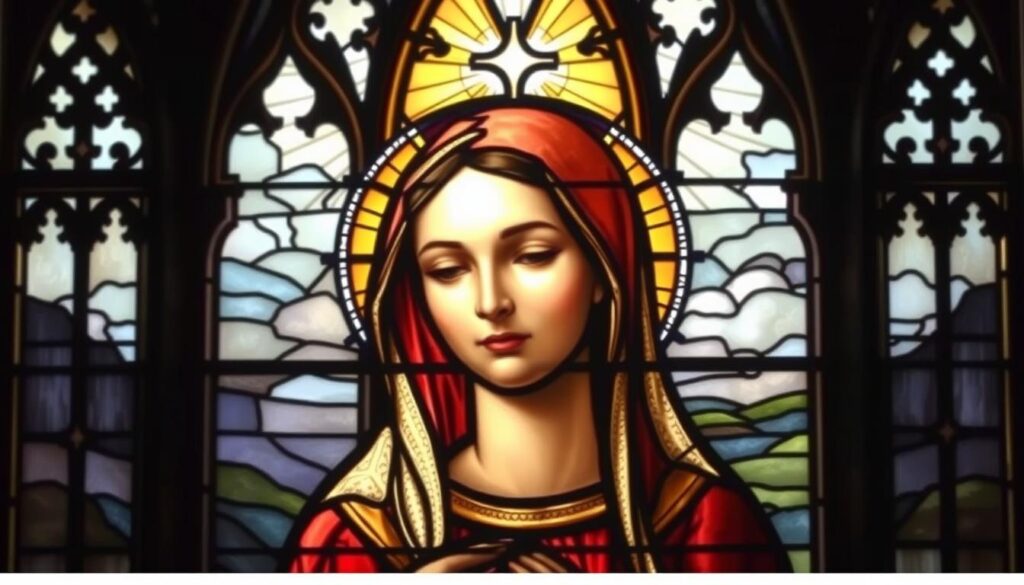
The Episcopal Church’s doctrine on Mary is characterized by a nuanced understanding of her role as Theotokos and her significance in the narrative of Jesus Christ. This theological perspective is rooted in both scripture and tradition, providing a comprehensive view of Mary’s importance in the Christian faith.
Mary as Theotokos (God-Bearer)
The designation of Mary as Theotokos, or God-Bearer, was affirmed by the Council of Ephesus in 431. This title is based on the understanding of the hypostatic union of divinity and humanity in Jesus Christ, affirming that Mary gave birth to God incarnate. In the Episcopal Church, this doctrine is seen as a cornerstone of the Christian understanding of the Incarnation.
The significance of Mary being Theotokos extends beyond the historical council, influencing the devotional and theological practices within the Episcopal Church. It underscores the belief in the divinity of Jesus Christ and the role Mary played in the Incarnation.
Mary’s Role in Salvation History
Mary’s participation in the events of Jesus’ life, from the Annunciation to the Crucifixion, positions her as a pivotal figure in salvation history. Episcopalians understand Mary’s role not as a mediator between God and humanity, but as a faithful servant whose actions contributed to the fulfillment of God’s plan.
The Episcopal Church emphasizes the importance of understanding Mary’s role within the context of salvation history, highlighting her faith and obedience as exemplary for Christians.
| Aspect | Significance | Episcopal Perspective |
|---|---|---|
| Mary as Theotokos | Affirms Jesus’ divinity | Cornerstone of Incarnation belief |
| Mary’s Role in Salvation History | Highlights her faith and obedience | Exemplary for Christian discipleship |
Comparison with Other Christian Denominations
A nuanced understanding of the Episcopal Church’s stance on Mary is achieved by examining its similarities and differences with Catholic and Protestant denominations. The Episcopal Church’s beliefs about Mary are rooted in a balance between scripture, tradition, and reason.
Catholic Views on Mary
The Roman Catholic Church has several doctrines related to Mary that are not adopted by the Episcopal Church, such as the Immaculate Conception and the Assumption. Catholic doctrine holds that Mary was born without sin and was taken up to heaven, body and soul, at the end of her earthly life. These beliefs are significant in Catholic devotion and are celebrated in various feast days throughout the year.
Protestant Perspectives
Protestant denominations vary in their views on Mary, ranging from a high veneration in some Lutheran and Anglican traditions to a more minimalist approach in many Evangelical churches. Some Protestant churches honor Mary as the mother of Jesus and a model of faith, while others give her little attention.
Distinctive Episcopal Beliefs
The Episcopal Church’s perspective on Mary is characterized by a balance between tradition and scripture. While Episcopalians do not adopt the Catholic doctrines of the Immaculate Conception and Assumption as dogma, they do honor Mary as the mother of Jesus and a significant figure in the history of salvation. The Episcopal Church celebrates certain feast days related to Mary, reflecting its liturgical and sacramental heritage.
In conclusion, the Episcopal Church’s beliefs about Mary are distinct from, yet related to, those of other Christian denominations. Understanding these similarities and differences enriches our appreciation of the diverse ways Mary is revered and understood across Christian traditions.
The Celebration of Feast Days
Celebrating Mary through various feast days is a cherished tradition in the Episcopal Church, fostering a deeper connection with the divine. These celebrations are integral to the Episcopal liturgical calendar, providing opportunities for reflection, prayer, and communal worship.
Major Feast Days Related to Mary
The Episcopal Church observes several significant feast days related to Mary, each highlighting a different aspect of her life and role in Christian faith. These include:
- The Presentation: Celebrated on February 2, this feast day commemorates the presentation of Jesus at the temple and Mary’s obedience to the law.
- The Annunciation: Observed on March 25, this feast day marks the angel Gabriel’s announcement to Mary that she would bear Jesus.
- The Visitation: Celebrated on May 31, this feast day remembers Mary’s visit to her cousin Elizabeth, where Mary proclaims the Magnificat, a canticle of praise and worship.
Significance of These Celebrations
These feast days are not merely commemorations; they are significant liturgical events that enrich the spiritual lives of Episcopalians. They serve as reminders of Mary’s importance in the narrative of salvation and her role as a model of faith and discipleship. Through these celebrations, the Episcopal Church honors Mary’s place in Christian tradition and reaffirms the values she represents, such as humility, faithfulness, and obedience to God’s will.
By observing these feast days, Episcopalians are invited to deepen their understanding of Mary’s role in the life of Jesus and the early Christian community. This, in turn, can inspire a more profound devotion to the principles Mary embodied, fostering a richer spiritual life.
Mary in Liturgical Practices
The significance of Mary in Episcopal liturgy is multifaceted, encompassing prayers, services, and artistic representations. This comprehensive approach reflects the Episcopal Church’s deep reverence for Mary and her role in the Christian faith.
Inclusion in Prayers and Services
Mary is mentioned in various prayers and services within the Episcopal Church’s liturgy, underscoring her importance in the Church’s tradition. The Book of Common Prayer, a central liturgical text, includes references to Mary in several contexts, highlighting her role as the Mother of God and her significance in salvation history.
The Episcopal Church’s liturgical practices often invoke Mary in prayers, asking for her intercession and celebrating her role in the life of Jesus Christ. For instance, the Church observes several feast days dedicated to Mary, such as the Feast of the Annunciation and the Feast of the Visitation, which are integral to the Church’s calendar.
- The Feast of the Annunciation on March 25 commemorates the angel Gabriel’s announcement to Mary that she would bear Jesus.
- The Feast of the Visitation on May 31 celebrates Mary’s visit to her cousin Elizabeth, highlighting the significance of Mary’s role in the early Christian community.
Artistic Representations in Episcopal Churches
Artistic representations of Mary are also a notable feature of Episcopal churches, reflecting her importance in the faith. These representations can take many forms, including statues, icons, and stained glass windows, often depicting Mary in various aspects of her life and significance.
For example, many Episcopal churches feature statues or images of Mary holding the infant Jesus, symbolizing her role as the Mother of God. Other representations may depict scenes from the Bible or Christian tradition that highlight Mary’s faith and obedience.
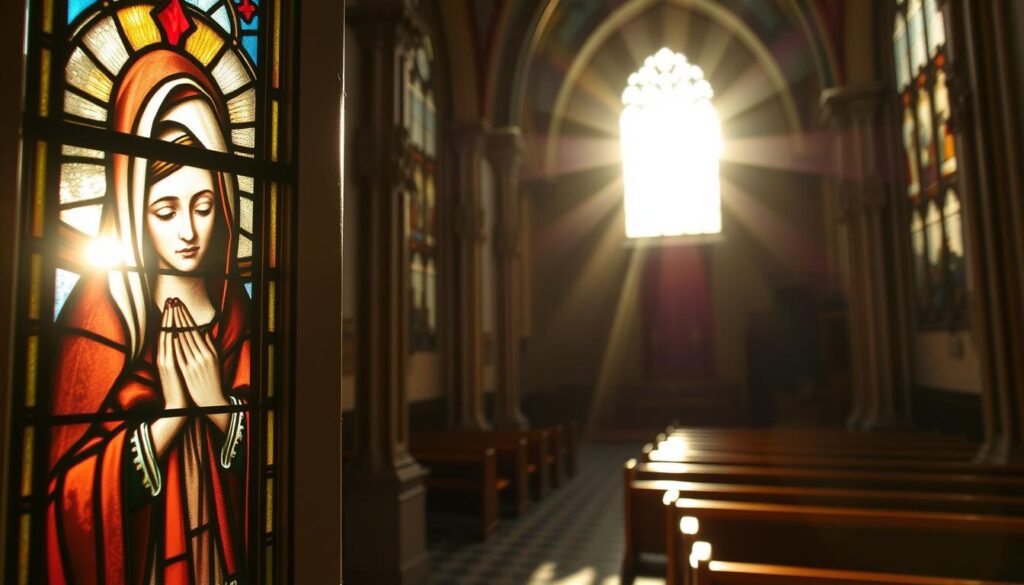
The inclusion of Mary in both liturgical practices and artistic representations within Episcopal churches demonstrates the Church’s commitment to honoring her role in the Christian faith. Through these practices, Episcopalians are reminded of the significance of Mary and her relevance to their spiritual lives.
The Virgin Birth in Episcopal Theology
The Virgin Birth is a fundamental aspect of Christian doctrine that the Episcopal Church affirms with conviction. This doctrine is not only a cornerstone of Christian theology but also plays a significant role in shaping the faith and worship practices of Episcopalians.
Understanding the Doctrine
The doctrine of the Virgin Birth refers to the belief that Jesus Christ was born of the Virgin Mary, conceived through the Holy Spirit, without human intervention. This miraculous event is seen as a fulfillment of Old Testament prophecies and is central to the Christian understanding of Jesus’ divinity and humanity.
Theological Significance: The Virgin Birth underscores the divine origin of Jesus Christ, emphasizing his unique role as both fully human and fully divine. This doctrine is crucial for understanding the Christian concept of salvation, as it highlights Jesus’ ability to redeem humanity.
How It Influences Faith and Worship
The affirmation of the Virgin Birth influences Episcopal faith and worship in several ways. It is reflected in the liturgical practices and prayers of the Episcopal Church, often invoking the significance of Mary’s role in the Incarnation.
Liturgical Practices: The Episcopal Church celebrates various feast days related to the Incarnation and the Virgin Mary, reinforcing the importance of the Virgin Birth in the liturgical calendar. These celebrations serve to deepen the faithful’s understanding and appreciation of this doctrine.
The doctrine also influences the way Episcopalians understand their faith and approach worship. It emphasizes the miraculous and mysterious nature of God’s intervention in human history, encouraging a deeper reverence and awe in worship practices.
In conclusion, the Virgin Birth is a pivotal doctrine in Episcopal theology, influencing both the faith and worship practices of Episcopalians. Its significance is underscored by its inclusion in various liturgical celebrations and its role in understanding Jesus Christ’s divinity and humanity.
Contemporary Views and Practices
As the Episcopal Church navigates modernity, the figure of Mary remains a pivotal element in understanding faith and discipleship. The contemporary Episcopal perspective on Mary is characterized by a diverse range of interpretations, reflecting the denomination’s broad theological spectrum.
Modern Interpretations of Mary’s Role
Modern Episcopalians continue to find significance in Mary’s role as a model of faith and discipleship. Her presence in scripture and tradition is seen as a powerful reminder of the importance of devotion and service. The Episcopal Church’s liturgical practices and theological discussions often highlight Mary’s unique position in the narrative of salvation.
In contemporary practice, Mary’s role is interpreted in various ways. Some Episcopalians view her as a symbol of the ideal disciple, while others see her as an intercessor or a model for spiritual growth. This diversity of perspectives enriches the Episcopal Church’s understanding of faith and its expression in daily life.
Mary as a Model of Faith and Discipleship
Mary’s significance in the Episcopal Church is also understood through her embodiment of faith and discipleship. Her response to the angel Gabriel, as recorded in Luke’s Gospel, is seen as a paradigm of faithful obedience. Episcopalians often look to Mary as a model for navigating the complexities of modern life while remaining committed to their spiritual beliefs.
The Episcopal Church’s contemporary views on Mary underscore the importance of balancing tradition with modern understanding, ensuring that the figure of Mary remains relevant and meaningful in the lives of Episcopalians today.
Conclusion: Mary in the Life of Episcopalians
The Episcopal Church’s beliefs about Mary are rooted in a rich tradition that combines scripture, tradition, and theology. Understanding what Episcopalians believe about Mary provides insight into the broader Episcopal faith and practice.
Core Beliefs
Episcopalians view Mary as a significant figure in the story of salvation. The Episcopal beliefs about Mary are centered on her role as the mother of Jesus Christ, emphasizing her importance in the biblical narrative. This understanding is reflected in various liturgical practices and celebrations throughout the year.
Relevance in Modern Faith
Mary remains a vital part of Episcopal worship and theology, serving as a model of faith and discipleship. The ongoing relevance of Mary in the life of Episcopalians is evident in the continued celebration of feast days and her inclusion in prayers and services. By examining episcopal beliefs about Mary, we gain a deeper understanding of the Episcopal tradition and its approach to faith and worship.
FAQ
What is the Episcopal Church’s view on Mary?
The Episcopal Church views Mary as the mother of Jesus, emphasizing her role in scripture and tradition. Episcopalians believe in honoring Mary as a significant figure in the life of Jesus and the early Christian community.
How do Episcopalians understand Mary’s role in salvation history?
Episcopalians understand Mary as playing a crucial role in salvation history as the mother of Jesus, the Son of God. They see her as a faithful servant of God who cooperated with God’s plan for salvation.
What is the significance of Mary being referred to as Theotokos?
The term Theotokos, meaning “God-bearer,” signifies that Mary gave birth to Jesus, who is fully human and fully divine. This title is important in Episcopal theology as it affirms the divinity of Jesus and Mary’s role in bearing him.
How do Episcopal beliefs about Mary compare to those of the Catholic Church?
While both the Episcopal and Catholic Churches honor Mary, there are differences in their beliefs and practices. Episcopalians tend to focus more on Mary’s role in scripture and less on some of the traditions and dogmas surrounding her that are prominent in Catholicism.
Are there specific feast days related to Mary observed by the Episcopal Church?
Yes, the Episcopal Church observes several feast days related to Mary, including the Annunciation and the Visitation. These celebrations highlight significant events in Mary’s life and their importance in the Christian calendar.
How is Mary incorporated into Episcopal liturgical practices?
Mary is incorporated into Episcopal liturgical practices through prayers, services, and artistic representations. Episcopalians may invoke her in certain prayers and honor her in worship services, reflecting their reverence for her role in the life of Jesus.
What is the Episcopal Church’s understanding of the Virgin Birth?
The Episcopal Church affirms the doctrine of the Virgin Birth, believing that Jesus was born of the Virgin Mary through the power of the Holy Spirit. This doctrine is seen as a fundamental aspect of Christian theology, emphasizing the miraculous nature of Jesus’ conception.
How do contemporary Episcopalians view Mary?
Contemporary Episcopalians view Mary as a model of faith and discipleship. They see her as an example of obedience to God’s will and as a figure who continues to inspire devotion and faith in the lives of believers.
What is the significance of Mary’s role in the Episcopal Church today?
Mary’s role remains significant in the Episcopal Church as a symbol of faith, obedience, and the importance of women’s roles in the life of the Church. She continues to be a figure of reverence and inspiration for Episcopalians.