The United Methodist Church is a denomination that shares many beliefs with other Christian denominations. At its core, the church is centered on the teachings of Jesus Christ and the authority of the Bible.
United Methodists believe in the Trinity, comprising God the Father, Jesus Christ the Son, and the Holy Spirit. Their faith is guided by the principles of love, compassion, and service to others.
The United Methodist Church has a rich history and a strong presence in the United States, with a diverse community of believers.
Key Takeaways
- United Methodists believe in the Trinity: God the Father, Jesus Christ the Son, and the Holy Spirit.
- Their faith is centered on the teachings of Jesus Christ and the authority of the Bible.
- The church is guided by principles of love, compassion, and service to others.
- United Methodists have a rich history and a diverse community of believers.
- Their beliefs are shaped by a commitment to social justice and community service.
Core Beliefs of United Methodism
United Methodists adhere to a rich theological heritage that shapes their understanding of God and the world. This heritage is rooted in the Christian tradition and is characterized by a deep commitment to the principles of faith, hope, and love.
The Nature of God
At the heart of United Methodist belief is the concept of one God, who is omnipotent, omniscient, and omnipresent. This understanding of God’s nature is foundational to the faith and practices of United Methodists. They believe that God is a loving and gracious God, who is actively involved in the world and in the lives of individuals.
The United Methodist Church affirms that God is a God of justice and mercy, who calls people to repentance and faith. This understanding of God’s nature is reflected in the Church’s emphasis on social justice and its commitment to serving the poor and marginalized.
The Trinity
United Methodists believe in the doctrine of the Trinity, which affirms that God is one God in three persons: Father, Son, and Holy Spirit. This doctrine is central to the Christian faith and is seen as a mystery that is both revealed and hidden.
The Trinity is understood as a relational concept, highlighting the dynamic and reciprocal relationships within the Godhead. United Methodists believe that the Trinity is essential to understanding the nature of God and the work of salvation.
Salvation and Grace
United Methodists believe that salvation is a gift from God, received through faith in Jesus Christ. They affirm that salvation is a process that involves the work of the Holy Spirit in the lives of individuals, transforming them into the likeness of Christ.
The concept of grace is central to United Methodist theology, emphasizing that God’s love and forgiveness are freely given to humanity. United Methodists believe that grace is not limited to salvation but is also evident in the ongoing work of the Holy Spirit in the lives of believers, empowering them for service and witness.
The Role of Scripture in United Methodism
For United Methodists, the Bible is more than just a sacred text; it’s a living document that informs their understanding of God and the world. This perspective underscores the significance of Scripture in shaping the beliefs and practices of United Methodists.
The United Methodist Church approaches Scripture with a nuanced understanding, recognizing its authority while also acknowledging the importance of interpreting it within the context of tradition, experience, and reason. As stated in the United Methodist Book of Discipline, “Scripture is considered the primary source and criterion for Christian doctrine.”
Interpretation of the Bible
United Methodists interpret the Bible through a lens that balances historical context, literary analysis, and theological reflection. This approach allows for a rich and multifaceted understanding of Scripture.
“We recognize that the Bible is a complex collection of texts written in different historical and cultural contexts. Our interpretation of Scripture is guided by the Holy Spirit, the teachings of Jesus, and the broader Christian tradition.”
This interpretive framework is crucial for understanding how United Methodists derive theological insights and ethical guidance from the Bible.
Scripture vs. Tradition
The relationship between Scripture and tradition is a vital aspect of United Methodist theology. While Scripture is considered authoritative, tradition plays a significant role in interpreting and applying biblical teachings to contemporary contexts.
| Source | Role in United Methodism |
|---|---|
| Scripture | Primary source for doctrine and practice |
| Tradition | Guides interpretation and application of Scripture |
| Experience | Personal and communal experience informs understanding of Scripture |
| Reason | Rational reflection on Scripture and its implications |
The interplay between these elements reflects the Wesleyan quadrilateral, a methodological framework that emphasizes the importance of considering multiple perspectives in theological inquiry.
By embracing this balanced approach, United Methodists seek to engage with Scripture in a way that is both faithful to their heritage and responsive to contemporary challenges.
The Sacraments in United Methodism
United Methodists believe that sacraments are more than just rituals; they are means of experiencing God’s grace. The sacraments of Baptism and Holy Communion are foundational to the worship and practices of the United Methodist Church, reflecting the core beliefs of United Methodists.
Baptism
Baptism is considered a sacrament of initiation into the Christian faith. It symbolizes the death and resurrection of Jesus Christ and is a rite of passage for believers. In the United Methodist Church, Baptism is performed with water, symbolizing cleansing and renewal, and is a significant aspect of the United Methodist faith.
Holy Communion
Holy Communion, also known as the Lord’s Supper, is a sacrament in which believers participate in the body and blood of Christ. It is a celebration of Christ’s life, death, and resurrection, and is seen as a means of grace. United Methodists believe that Christ is present in the elements of bread and wine (or grape juice), though they do not specify how He is present. This practice is central to understanding what do United Methodists believe about communion and community.
The sacraments are integral to the spiritual lives of United Methodists, providing a tangible connection to their faith and to the community. Through Baptism and Holy Communion, believers experience God’s grace and are nurtured in their spiritual journey.
Social Principles of the United Methodist Church
At the heart of the United Methodist Church’s teachings are the Social Principles, which emphasize the importance of justice, inclusivity, and diversity. These principles guide the actions and decisions of United Methodists, reflecting their commitment to putting faith into practice.
The United Methodist Church is known for its progressive stance on social issues, rooted in its interpretation of Christian teachings. The Social Principles are a call to action, urging members to work towards a more just and equitable society.
Commitment to Justice
The United Methodist Church’s commitment to justice is a fundamental aspect of its Social Principles. This commitment is reflected in its advocacy for the rights of the marginalized and the oppressed. United Methodists believe in actively working towards a society where everyone has equal opportunities and is treated with dignity.
“The Social Principles are a call to action, urging United Methodists to be in ministry with those who are marginalized, oppressed, and in need.”
The church’s stance on justice is guided by its belief in the inherent worth and dignity of every individual. This belief is central to the United Methodist doctrine and is reflected in its practices.
Inclusivity and Diversity
Inclusivity and diversity are core values of the United Methodist Church, as reflected in its Social Principles. The church welcomes individuals from all backgrounds, cultures, and identities, promoting a culture of acceptance and understanding.
| Principle | Description |
|---|---|
| Justice | Advocacy for the rights of the marginalized and oppressed |
| Inclusivity | Welcoming individuals from diverse backgrounds and identities |
| Diversity | Promoting a culture of acceptance and understanding |
The United Methodist Church’s emphasis on inclusivity and diversity is a reflection of its belief in the unity of all people under God. This belief is a cornerstone of United Methodist beliefs and practices.
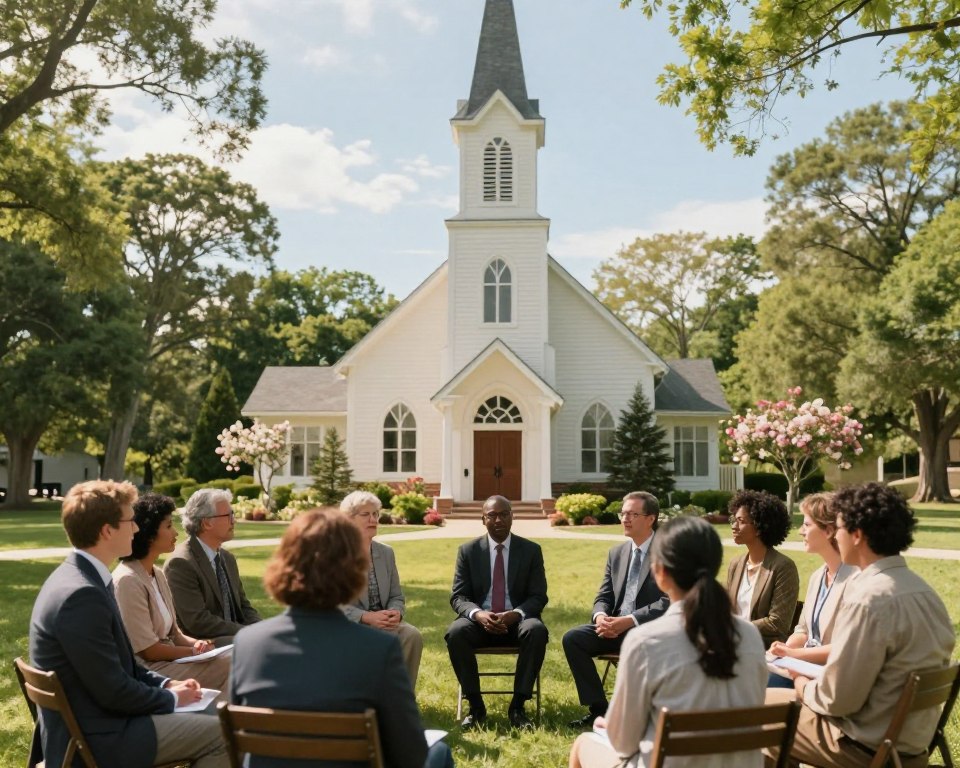
In conclusion, the Social Principles of the United Methodist Church are a guiding force in its commitment to justice, inclusivity, and diversity. These principles are integral to the church’s doctrine and practices, shaping its interactions with the world.
The Importance of Community and Fellowship
For United Methodists, the concept of church extends beyond a physical building or a Sunday service; it’s about being part of a community that lives out its faith together. This understanding is rooted in the core beliefs of United Methodists, which emphasize the importance of fellowship and community in nurturing spiritual growth.
The United Methodist faith is not just about individual beliefs; it’s about how those beliefs are lived out in community. This communal aspect of faith is what makes the United Methodist Church vibrant and dynamic.
Worship Practices
Worship is a central aspect of community life in the United Methodist Church. It is through worship that United Methodists express their statement of faith and connect with God and with each other. Worship practices vary among congregations but are united in their purpose to honor God and to foster a sense of community.
- Traditional worship services often include liturgy and sacraments like Holy Communion.
- Contemporary services may incorporate modern music and multimedia elements.
- Some congregations may also have specialized services for specific occasions or demographics.
Regardless of the style, worship in the United Methodist Church is designed to be inclusive and welcoming, reflecting the church’s commitment to diversity and inclusivity.
Small Groups and Their Significance
Beyond Sunday worship, many United Methodists participate in small groups that provide a deeper level of community and support. These groups can focus on a variety of activities, including:
- Bible study and spiritual growth.
- Service projects and community outreach.
- Fellowship and mutual support.
These small groups are significant because they allow individuals to form meaningful relationships and to grow in their faith in a supportive environment. They embody the United Methodist statement of faith by putting into practice the values of compassion, justice, and love.
In conclusion, community and fellowship are at the heart of the United Methodist Church, shaping how members live out their faith and interact with one another. Through worship practices and small groups, United Methodists find support, spiritual growth, and a sense of belonging.
United Methodism and Social Justice
At the heart of United Methodism is a strong commitment to social justice, driven by the belief that faith should impact everyday life. United Methodists believe in “practical divinity,” combining faith with social action in profound and meaningful ways.
Advocacy for the Marginalized
United Methodists are committed to advocating for the marginalized, including the poor, the oppressed, and those on the fringes of society. This commitment is rooted in the biblical call to care for the least among us and to work towards a more just and equitable society.
Key areas of advocacy include:
- Promoting economic justice and addressing poverty
- Advocating for the rights of immigrants and refugees
- Supporting the LGBTQ+ community and fighting against discrimination
By engaging in these and other advocacy efforts, United Methodists seek to live out their faith in tangible ways, making a positive difference in the lives of individuals and communities.
Environmental Stewardship
Another critical aspect of United Methodism’s commitment to social justice is environmental stewardship. United Methodists believe that caring for the earth is a fundamental part of their faith, reflecting a commitment to sustainability and the responsible use of natural resources.
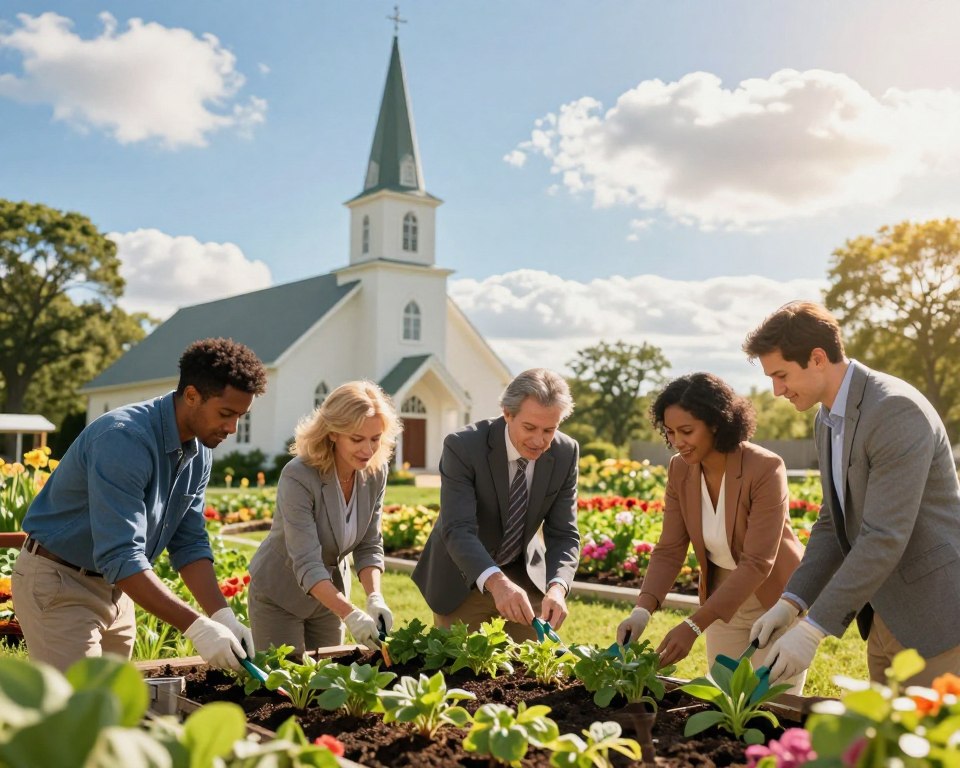
The United Methodist Church has taken a proactive stance on environmental issues, encouraging its members to adopt practices that reduce their environmental footprint and to advocate for policies that protect the planet.
By combining advocacy for the marginalized with environmental stewardship, United Methodists are working to create a more just and sustainable world, reflecting their belief in the interconnectedness of all people and the planet.
The Meaning of Discipleship
For United Methodists, discipleship is a holistic approach to faith, encompassing both the personal journey of spiritual growth and the outward expression of serving others. This understanding is rooted in the teachings of John Wesley, who emphasized the importance of combining faith with social action.
Discipleship in United Methodism is not just about individual spiritual practices but also about how these practices inform and inspire actions in the world. It involves a deepening relationship with God through Jesus Christ, nurtured by personal spiritual disciplines such as prayer, Bible study, and worship.
Personal Spiritual Growth
Personal spiritual growth is a cornerstone of discipleship in United Methodism. It involves a commitment to developing a personal relationship with God, guided by the Holy Spirit. This growth is nurtured through:
- Prayer and meditation
- Study of Scripture
- Participation in worship and sacraments
- Engagement in spiritual practices such as fasting and reflection
Through these practices, United Methodists believe that individuals can deepen their faith, develop a stronger sense of purpose, and become more effective witnesses to the love of God in the world.
Serving Others
Serving others is an integral part of discipleship in United Methodism. It reflects the belief that faith without works is dead. United Methodists are encouraged to engage in various forms of service, from local community outreach to global missions, as a way of living out their faith.
Examples of serving others include:
- Volunteering at local shelters or food banks
- Participating in mission trips, both domestically and internationally
- Advocating for social justice and human rights
- Engaging in environmental stewardship and conservation efforts
By serving others, United Methodists demonstrate their commitment to the teachings of Jesus Christ and to building a more just and compassionate world.
In conclusion, discipleship in United Methodism is a multifaceted journey that encompasses both personal spiritual growth and serving others. It is a path that is guided by the principles of love, compassion, and justice, and is nurtured through a variety of spiritual practices and acts of service.
Global Impact of United Methodism
With a mission to make disciples of Jesus Christ, United Methodism has become a significant force globally. The United Methodist Church’s commitment to transforming lives is evident in its widespread presence and diverse initiatives.
The global presence of the United Methodist Church is a testament to its dedication to spreading the teachings of Jesus Christ. Through various mission works and connectional ministries, United Methodists are making a tangible difference in communities around the world.
Mission Work
United Methodism’s mission work encompasses a wide range of activities, from providing disaster relief to promoting education and healthcare. These efforts are guided by the church’s core beliefs and its commitment to serving others.
Disaster relief efforts are a crucial aspect of United Methodism’s mission work, providing immediate assistance to those affected by natural disasters. Additionally, the church invests in education and healthcare initiatives, aiming to improve the quality of life for individuals and communities.
| Mission Initiative | Description | Global Impact |
|---|---|---|
| Disaster Relief | Providing immediate assistance to disaster-affected areas | Supported communities in crisis, offering aid and shelter |
| Education Initiatives | Promoting education through scholarships and infrastructure development | Enhanced educational opportunities for thousands worldwide |
| Healthcare Programs | Improving healthcare access through clinics and medical training | Increased healthcare availability in underserved regions |
Connectional Ministries
Connectional ministries play a vital role in fostering unity and cooperation among United Methodists globally. These ministries facilitate the sharing of resources, expertise, and support, strengthening the church’s overall mission.
Through connectional ministries, United Methodists are able to respond collectively to global challenges, leveraging their collective strength to make a more significant impact. This collaborative approach enables the church to address complex issues more effectively.
The Future of United Methodism
The United Methodist Church continues to evolve, guided by its core beliefs and doctrine. As it moves forward, the church faces the challenge of balancing tradition with the needs of a changing world.
Embracing Change
United Methodist beliefs emphasize the importance of being open to new perspectives while remaining true to its foundational principles. This approach enables the church to address modern challenges effectively.
Fostering Unity
The United Methodist doctrine highlights the value of unity among its diverse membership. By promoting understanding and cooperation, the church can continue to grow and thrive. The united methodist church beliefs in inclusivity and diversity are key to its future success.
As the United Methodist Church looks to the future, it remains committed to its mission of spreading the love of God and serving humanity. Through its united methodist beliefs and practices, the church will continue to make a positive impact on communities around the world.
FAQ
What are the core beliefs of United Methodism?
United Methodists believe in the Trinity, the nature of God as loving and just, and the importance of salvation and grace. They also emphasize the role of Scripture, tradition, and reason in understanding their faith.
How do United Methodists interpret the Bible?
United Methodists approach biblical interpretation by considering Scripture, tradition, and reason. They believe the Bible is the primary source of authority, but also recognize the importance of understanding its historical and cultural context.
What is the significance of Baptism and Holy Communion in United Methodism?
Baptism is seen as a sacrament of initiation into the Christian faith, while Holy Communion is a sacrament of nourishment and community. United Methodists believe these sacraments are essential to spiritual growth and development.
What are the Social Principles of the United Methodist Church?
The Social Principles emphasize the commitment to justice, inclusivity, and diversity. They guide United Methodists in their actions and decisions, promoting a more just and equitable society.
How do United Methodists understand discipleship?
Discipleship in United Methodism involves personal spiritual growth and serving others. It is about living out one’s faith in daily life, cultivating a deeper relationship with God, and making a positive impact in the world.
What is the global impact of United Methodism?
United Methodists are making a difference around the world through mission work and connectional ministries. They are committed to serving the marginalized, promoting justice, and caring for creation.
How does the United Methodist Church address modern challenges?
The United Methodist Church addresses modern challenges by promoting unity and growth, and by being open to new ways of understanding and living out their faith. They strive to be relevant and effective in their mission to serve others.
What is the role of community and fellowship in United Methodism?
Community and fellowship are essential to United Methodism, providing opportunities for worship, spiritual growth, and service. Small groups and other forms of community play a significant role in the lives of United Methodists.
How do United Methodists understand the concept of salvation?
United Methodists believe salvation is a gift from God, received through faith in Jesus Christ. They understand salvation as a process of being transformed by God’s love and grace, and being empowered to live a life of love and service.
What is the United Methodist statement of faith?
The United Methodist statement of faith is a summary of the core beliefs and values of the denomination. It emphasizes the importance of faith in God, the significance of Jesus Christ, and the role of the Holy Spirit in the lives of believers.