The United Methodist Church shares many beliefs with other Christian denominations, rooted in its understanding of God, Jesus Christ, and the Holy Spirit.
The church’s doctrine is based on the core Christian teachings, emphasizing the importance of faith, love, and service. Its views on various theological issues are shaped by scripture, tradition, and reason.
At its core, the United Methodist Church believes in the Trinity and the significance of Jesus Christ as the savior of humanity.
Key Takeaways
- The United Methodist Church adheres to core Christian doctrines.
- Its beliefs are influenced by scripture, tradition, and reason.
- The church emphasizes the importance of faith, love, and service.
- The Trinity is a foundational aspect of its theology.
- Jesus Christ is considered the savior of humanity.
Overview of the United Methodist Church
In 1968, the Methodist Church and the Evangelical United Brethren Church merged to form the United Methodist Church. This union brought together two denominations with a shared commitment to spreading the teachings of Jesus Christ and serving humanity. The United Methodist Church is characterized by its connectional polity, a system where churches are connected through a complex network of conferences and jurisdictions.
Brief History
The United Methodist Church has its roots in the 18th-century Wesleyan movement, founded by John Wesley. The movement emphasized personal holiness, evangelism, and social justice. Over the years, the church has evolved, adapting to societal changes while maintaining its core mission. The merger in 1968 marked a significant milestone, creating a larger, more diverse denomination.
As John Wesley once said, “The world is my parish.” This quote encapsulates the United Methodist Church’s global perspective and its commitment to spreading the Gospel. The church’s history is not just about its own development but also about its role in the broader Christian community.
Core Values
The United Methodist Church is guided by several core values, including social justice, evangelism, and personal holiness. These values are reflected in its teachings and practices, shaping the way the church engages with the world.
- Social Justice: The church advocates for the rights of the marginalized and works towards creating a more just society.
- Evangelism: The United Methodist Church is committed to spreading the Gospel and inviting others to faith.
- Personal Holiness: Members are encouraged to live a life of personal holiness, reflecting the teachings of Jesus Christ.
The church’s core values are not just theoretical but are put into practice through various programs and initiatives. For instance, the United Methodist Church is involved in numerous social justice projects, from advocating for human rights to providing aid to those in need.
“The best way to find yourself is to lose yourself in the service of others.” This quote, often attributed to Mahatma Gandhi, resonates with the United Methodist Church’s emphasis on service and compassion.
Key Doctrines of the United Methodist Church
At the heart of the United Methodist Church’s theology are several core doctrines that guide its practices and beliefs. These doctrines are foundational to understanding the church’s stance on various theological and social issues.
The Trinity
The United Methodist Church affirms the doctrine of the Trinity, believing in one God in three persons: God the Father, Jesus Christ the Son, and the Holy Spirit. This belief is central to the church’s understanding of God’s nature and interaction with humanity.
The Trinity is not just a theological concept but a living reality that shapes the church’s worship, sacraments, and daily life. It emphasizes the relational nature of God, who is both transcendent and immanent.
Salvation
The doctrine of salvation is another cornerstone of the United Methodist Church’s theology. United Methodists believe that salvation comes through faith in Jesus Christ, emphasizing the importance of personal conversion and the grace of God.
The church teaches that salvation is a process that involves justification, sanctification, and glorification. This process is facilitated by the Holy Spirit, who works in the lives of believers to bring them to full maturity in Christ.
| Aspect of Salvation | Description |
|---|---|
| Justification | The act by which God declares a sinner righteous through faith in Jesus Christ. |
| Sanctification | The process of being made holy, where believers are transformed into the likeness of Christ. |
| Glorification | The ultimate state of believers, where they are fully conformed to Christ’s image. |
The Sacraments
The United Methodist Church recognizes two sacraments: Baptism and Communion (Eucharist). These sacraments are considered means of grace, through which God nurtures the faith of believers.
Baptism is seen as the sacrament of initiation into the body of Christ, while Communion is the sacrament that sustains and nourishes the spiritual life of believers. Both sacraments are integral to the church’s worship and are practiced with reverence and joy.
In summary, the key doctrines of the United Methodist Church—The Trinity, Salvation, and The Sacraments—form the theological foundation upon which the church’s beliefs and practices are built. Understanding these doctrines is essential to grasping the church’s stance on various issues and its overall methodist church beliefs and united methodist church stance.
Understanding Grace in United Methodist Theology
Grace is a foundational element in the United Methodist Church’s understanding of God’s relationship with humanity. It is viewed as the love and mercy given freely to people by God, playing a crucial role in the church’s doctrines and practices.
United Methodists distinguish between several types of grace, each with its own significance in the theological framework of the church. These distinctions are essential for understanding how grace operates in the lives of believers.
Preventing Grace
Preventing grace refers to the grace that precedes human decision-making, drawing individuals towards God. It is the initial step in the process of salvation, where God’s love and mercy are at work, even before a person is aware of it.
This type of grace is seen as a universal phenomenon, touching the lives of all people, regardless of their faith background or beliefs. It is a manifestation of God’s universal love, seeking to bring people into a relationship with Him.
Justifying Grace
Justifying grace is the grace that brings individuals to faith in Jesus Christ, justifying them before God. It is through this grace that people are forgiven of their sins and reconciled with God.
In United Methodist theology, justifying grace is understood as a gift from God, received through faith. It is not something that can be earned but is rather a response to God’s initiative in a person’s life.
Sanctifying Grace
Sanctifying grace is the grace that follows justification, enabling believers to grow in holiness and become more like Christ. It is a transformative process, where the Holy Spirit works in the lives of believers to sanctify them.
This ongoing process is crucial for the spiritual growth of believers, helping them to live out their faith in practical ways. It is through sanctifying grace that United Methodists believe Christians can achieve a state of Christian perfection, where love for God and neighbor becomes the central focus of their lives.
| Type of Grace | Description | Significance |
|---|---|---|
| Preventing Grace | Draws individuals towards God, preceding human decision-making. | Initiates the process of salvation, manifesting God’s universal love. |
| Justifying Grace | Brings individuals to faith in Jesus Christ, justifying them before God. | Forgives sins and reconciles individuals with God through faith. |
| Sanctifying Grace | Enables believers to grow in holiness, becoming more like Christ. | Transforms believers, enabling them to live out their faith practically. |
The Role of Scripture
In understanding Christian doctrine and practice, United Methodists prioritize the Bible alongside tradition, experience, and reason. This approach is fundamental to the Methodist faith, emphasizing a balanced consideration of various elements to guide believers.
Authority of the Bible
The United Methodist Church views the Bible as the primary source of authority for Christian doctrine and practice. The church affirms the Bible’s significance in guiding faith and life, recognizing its role in revealing God’s will.
The Authority of Scripture is not limited to its historical or cultural context but is seen as a living word that speaks to contemporary issues. United Methodists believe that scripture provides the foundational principles for understanding God’s grace and love.
Interpretation of Scripture
Interpreting scripture is a nuanced process within the United Methodist Church, involving a combination of scripture, tradition, experience, and reason. This Wesleyan Quadrilateral approach ensures a comprehensive understanding of biblical teachings.
By considering scripture first, United Methodists establish a biblical foundation for their beliefs and practices. Tradition provides historical context, while experience and reason offer personal and rational insights, respectively.
- Scripture serves as the primary source.
- Tradition offers historical and cultural context.
- Experience provides personal insight into faith.
- Reason enables a thoughtful and rational understanding.
Social Principles of the United Methodist Church
The United Methodist Church’s commitment to social justice, environmental stewardship, and peace is reflected in its Social Principles. These principles guide the church’s actions and decisions on various social issues, serving as a moral compass for its members.
Social Justice
The United Methodist Church places a strong emphasis on social justice, advocating for the rights and dignity of all individuals. This includes addressing issues such as economic inequality, racial justice, and human rights. The church believes in promoting justice and equality in society.
“The United Methodist Church believes that justice and equality should be the guiding principles of society, and that the church should be actively engaged in promoting these values.”
The church’s stance on social justice is reflected in its support for various community programs and advocacy initiatives. For instance, the United Methodist Church has been involved in efforts to address systemic racism and promote economic justice.
Environmental Stewardship
Environmental stewardship is another key aspect of the United Methodist Church’s Social Principles. The church recognizes the importance of caring for the earth and its resources, promoting sustainability, and addressing climate change.
| Environmental Issue | United Methodist Church’s Stance |
|---|---|
| Climate Change | Advocates for policies to reduce carbon emissions and promote renewable energy |
| Conservation | Supports conservation efforts to protect natural habitats and biodiversity |
| Sustainability | Promotes sustainable practices in daily life and church operations |
Peace and Nonviolence
The United Methodist Church is committed to promoting peace and nonviolence, both within its community and in the wider world. This includes advocating for peaceful resolution of conflicts, supporting disarmament initiatives, and promoting nonviolent conflict resolution.
The church’s commitment to peace and nonviolence is reflected in its involvement in various peacebuilding initiatives and its support for organizations working towards conflict resolution.
Worship Practices and Traditions
At the heart of the United Methodist Church’s worship practices are the sacraments and liturgical seasons. The church’s approach to worship is deeply rooted in its doctrine and traditions, emphasizing the importance of community and spiritual growth.
Communion
The United Methodist Church practices communion as a sacrament, believing it to be a means of grace where believers participate in the body and blood of Christ. This practice is central to the church’s worship, symbolizing unity and fellowship among its members.
In communion, United Methodists believe that Christ is present, and it serves as a reminder of Christ’s sacrifice and love. The church’s understanding of communion is rooted in its doctrine, emphasizing the importance of this practice in the life of a believer.
Baptism
Baptism is another sacrament observed by the United Methodist Church, seen as a rite of initiation into the Christian faith. It symbolizes cleansing from sin and the believer’s commitment to follow Jesus Christ.
The church practices baptism by sprinkling, pouring, or immersion, believing that it is a sacrament that brings the individual into the community of faith. Baptism is considered a significant moment in a person’s spiritual journey, marking the beginning of their walk with God.
Liturgical Seasons
The United Methodist Church observes liturgical seasons, which are periods of the church calendar that focus on different aspects of the Christian faith. These include Lent, Easter, Advent, and Christmas, among others.
- Lent is a period of reflection and preparation for Easter, often marked by fasting, prayer, and acts of charity.
- Easter celebrates the resurrection of Jesus Christ, symbolizing hope and renewal.
- Advent is a season of preparation for Christmas, focusing on the coming of Jesus Christ.
- Christmas is a celebration of the birth of Jesus Christ, emphasizing joy, peace, and goodwill.
These liturgical seasons provide a rhythm to the church’s worship, guiding believers through the year in a journey of faith and spiritual growth.
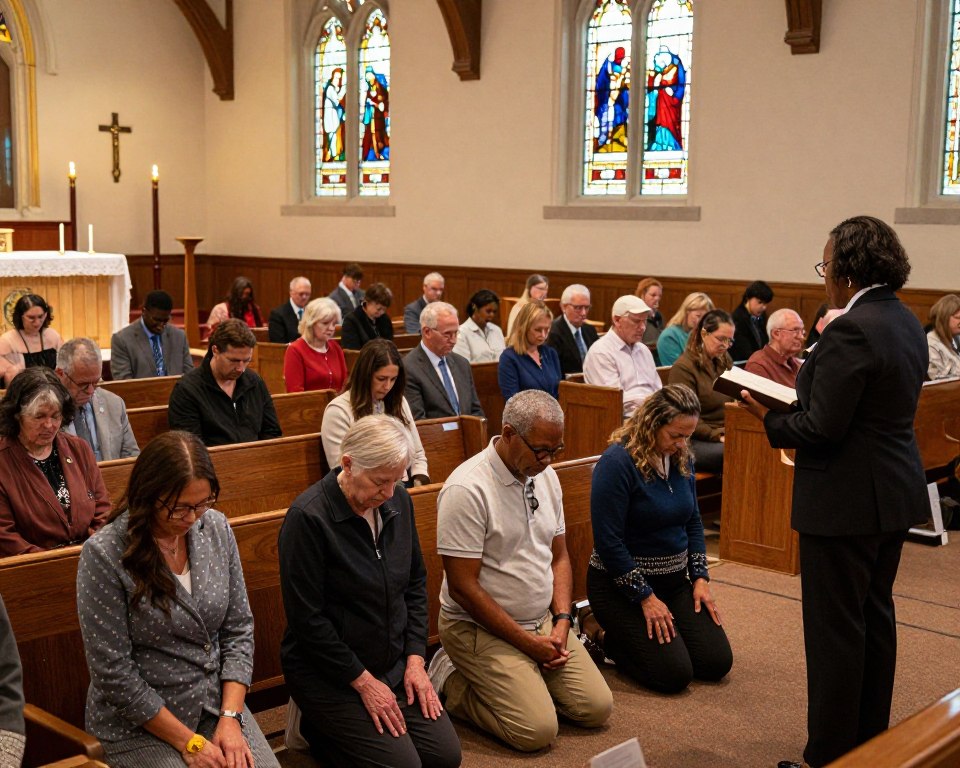
The United Methodist Church’s worship practices and traditions are designed to foster a deep sense of community and spiritual growth among its members. Through the sacraments and the observance of liturgical seasons, the church provides a rich and meaningful worship experience.
The United Methodist Church’s View on Morality
The United Methodist Church approaches morality with a nuanced view that encompasses various aspects of life. This nuanced approach is reflected in its discussions and debates on sexual ethics and family and relationships.
Sexual Ethics
The United Methodist Church has had ongoing discussions about sexual ethics, reflecting a range of views within the church. The church’s stance on sexual ethics is guided by its interpretation of scripture and tradition. The debates surrounding sexual ethics have been a significant aspect of the church’s moral discourse.
Some of the key issues include the church’s teaching on human sexuality and its implications for LGBTQ+ individuals. The church has grappled with these issues, seeking to balance its commitment to scripture with its call to be inclusive and welcoming.
| Aspect | Traditional View | Progressive View |
|---|---|---|
| Sexual Orientation | Views it as a binary concept | Recognizes a spectrum of orientations |
| LGBTQ+ Inclusion | Historically conservative stance | Advocates for full inclusion |
Family and Relationships
The United Methodist Church also places a significant emphasis on family and relationships, recognizing the importance of these bonds in individuals’ lives. The church teaches about the value of love, commitment, and mutual respect in family relationships.
The church’s stance on family and relationships is influenced by its understanding of Christian values such as compassion, forgiveness, and service. These values are seen as essential in nurturing healthy and supportive family environments.
In conclusion, the United Methodist Church’s view on morality is complex and multifaceted, reflecting a range of perspectives within the church. The ongoing discussions and debates on sexual ethics and family and relationships highlight the church’s efforts to navigate these complex issues in a way that is faithful to its beliefs and values.
Diversity and Inclusion in the United Methodist Church
As a denomination, the United Methodist Church has emphasized the importance of embracing diversity and fostering an inclusive community. This commitment is reflected in its efforts to welcome individuals from all backgrounds and identities.
Welcoming LGBTQ+ Individuals
The United Methodist Church has taken significant steps to create a welcoming environment for LGBTQ+ individuals. The church’s official position on this matter has evolved, with a growing recognition of the need for inclusivity. Many United Methodist congregations have become Reconciling Ministries, openly welcoming LGBTQ+ individuals and affirming their full inclusion in the life of the church.

Racial Inclusivity
Racial inclusivity is another critical aspect of the United Methodist Church’s diversity and inclusion efforts. The church has acknowledged the historical context of racial segregation and discrimination, and it has taken steps to address these issues. Racial justice initiatives have been implemented to promote equity and challenge systemic racism within the church and broader society.
The United Methodist Church’s commitment to racial inclusivity is also reflected in its leadership development programs, designed to empower individuals from diverse racial backgrounds and promote representation at all levels of church leadership.
The United Methodist Church’s journey towards greater diversity and inclusion is ongoing, with a continued focus on methodist beliefs on current issues such as LGBTQ+ inclusion and racial justice. By embracing its diverse membership and promoting inclusivity, the church seeks to reflect the values of compassion, justice, and love.
Global Perspective of the United Methodist Church
As a global community, the United Methodist Church is dedicated to international missions and fostering relationships with other Christian denominations. This global perspective is rooted in its commitment to spreading the Gospel and serving humanity.
Mission Work Abroad
The United Methodist Church has a significant presence in numerous countries around the world, engaging in various forms of mission work. This includes providing humanitarian aid, supporting local churches, and promoting social justice.
Key Areas of Mission Work:
- Disaster Relief
- Community Development
- Health Services
- Education and Leadership Development
The church’s mission work is not limited to these areas; it continually adapts to the needs of the global community.
Ecumenical Efforts
In addition to its mission work, the United Methodist Church is actively involved in ecumenical relationships with other Christian denominations. This involves dialogue, cooperation, and joint initiatives aimed at promoting Christian unity.
“We believe in the unity of all Christians and seek to foster cooperation and understanding among different Christian denominations.”
The church participates in various ecumenical organizations and councils, furthering its goal of Christian unity.
| Ecumenical Partner | Description | Area of Cooperation |
|---|---|---|
| World Council of Churches | Global fellowship of churches | Interfaith dialogue, humanitarian aid |
| National Council of Churches | Ecumenical partnership in the United States | Social justice, advocacy |
The United Methodist Church’s global perspective is characterized by its commitment to both international missions and ecumenical relationships, reflecting its dedication to serving the global community and promoting Christian unity.
Connectionalism in the United Methodist Church
Connectionalism is a defining characteristic of the United Methodist Church, shaping its organizational structure and community practices. This connectional polity is what sets the United Methodist Church apart, fostering a sense of unity and cooperation among its diverse congregations worldwide.
Organizational Structure
The United Methodist Church’s connectional system is reflected in its organizational structure, which includes local churches, circuits, districts, annual conferences, jurisdictional conferences, and the General Conference. This hierarchical structure facilitates communication, decision-making, and support among its members.
- Local churches are the foundational units, where members gather for worship and community service.
- Circuits and districts group local churches together for mutual support and resource sharing.
- Annual conferences are key decision-making bodies that oversee the church’s operations within specific geographic areas.
- The General Conference, the highest legislative body, meets every four years to make decisions that affect the global church.
The connectional system allows for a collaborative approach to ministry, enabling the church to address global issues while remaining responsive to local needs. As the Discipline of the United Methodist Church states, “The United Methodist Church is a connectional church, and its structure is designed to facilitate connectional ministry.”
Importance of Connectional Giving
Connectional giving is a vital aspect of the United Methodist Church’s connectionalism, supporting various ministries and causes worldwide. Through connectional giving, members contribute to:
- Supporting missionaries and global missions.
- Funding theological education and clergy development.
- Aiding disaster relief efforts and community development projects.
This practice not only fosters a sense of global community but also demonstrates the church’s commitment to social justice and compassion. As Bishop Scott Jones once noted, “Connectional giving is a manifestation of our shared faith and commitment to serving the world.”
In conclusion, connectionalism is a cornerstone of the United Methodist Church’s identity, influencing its organizational structure and community practices. Through its connectional system and practices like connectional giving, the church embodies its commitment to unity, mutual support, and global mission.
Future Challenges and Discussions
The United Methodist Church is navigating a complex landscape of doctrinal differences and debates about unity and schism, reflecting its stance on various current issues.
Emerging Debates
Doctrinal differences within the church continue to be a pressing concern, influencing the church’s overall stance on key issues. These differences are driving discussions around Methodist beliefs on current issues, such as social justice and human sexuality.
Unity and Division
The potential for schism or unity within the United Methodist Church hangs in the balance, as the church grapples with its identity and mission. The outcome of these discussions will significantly impact the church’s future direction and its ability to address pressing social issues.
As the United Methodist Church moves forward, its ability to navigate these challenges will be crucial in determining its stance on current issues and its commitment to unity and inclusivity.
FAQ
What are the core beliefs of the United Methodist Church?
The United Methodist Church believes in the Trinity, the authority of the Bible, and the importance of personal faith and social justice. The church’s doctrine is rooted in the teachings of Jesus Christ and the apostles, and it emphasizes the role of grace in salvation.
What is the United Methodist Church’s stance on social justice?
The United Methodist Church is committed to social justice, advocating for the rights of marginalized communities, promoting environmental stewardship, and supporting peace and nonviolence initiatives. The church’s social principles guide its actions and decisions on various social issues.
How does the United Methodist Church approach biblical interpretation?
The United Methodist Church uses a combination of scripture, tradition, experience, and reason to interpret the Bible. This approach allows for a nuanced understanding of biblical teachings and their application in contemporary contexts.
What is the significance of grace in United Methodist theology?
In United Methodist theology, grace is understood as the unmerited favor of God, which is essential for salvation. The church teaches that there are different types of grace, including preventing, justifying, and sanctifying grace, each playing a distinct role in the believer’s life.
How does the United Methodist Church promote diversity and inclusion?
The United Methodist Church is committed to promoting diversity and inclusion, welcoming LGBTQ+ individuals, and advocating for racial inclusivity. The church’s official position on these issues is reflected in its policies and practices, which aim to create a more inclusive and equitable community.
What is connectionalism in the United Methodist Church?
Connectionalism refers to the organizational structure of the United Methodist Church, which emphasizes the interconnectedness of its congregations and institutions. The church’s connectional polity shapes its practices and decision-making processes, promoting a sense of unity and cooperation among its members.
What are the United Methodist Church’s views on morality and ethics?
The United Methodist Church’s views on morality and ethics are guided by its teachings on love, compassion, and justice. The church has a nuanced stance on issues like sexual ethics and family relationships, acknowledging the diversity of views within the church and promoting ongoing discussions and debates.
How does the United Methodist Church engage in global missions and ecumenical relationships?
The United Methodist Church is actively involved in international missions, partnering with other Christian denominations and organizations to promote the Gospel and serve communities around the world. The church also maintains ecumenical relationships with other Christian traditions, seeking to promote unity and cooperation.
What are the future challenges facing the United Methodist Church?
The United Methodist Church is currently grappling with doctrinal differences, debates about human sexuality, and discussions about the potential for schism or unity. The church is working to address these challenges, seeking to maintain its unity and promote a more inclusive and equitable community.