The Presbyterian denomination has its roots in the 16th-century Protestant Reformation, specifically in the Reformed tradition influenced by key figures such as John Calvin and John Knox.
The history of the Presbyterian Church is deeply intertwined with the Reformation movement, which led to the establishment of Presbyterian churches in Scotland, England, and later in North America.
The origin of Presbyterianism is traced back to the Reformation era, with its governance structure based on presbyteries and assemblies being formalized over time.
Key Takeaways
- The Presbyterian Church was established during the 16th-century Protestant Reformation.
- John Calvin and John Knox were influential figures in the development of Presbyterianism.
- The church’s governance is based on presbyteries and assemblies.
- Presbyterian churches were established in Scotland, England, and North America.
- The Reformed tradition played a significant role in shaping Presbyterian beliefs.
The Roots of Presbyterianism
The Presbyterian denomination has its roots deeply embedded in the 16th-century Reformation movement, a period that saw significant theological and ecclesiastical changes across Europe. At its core, Presbyterianism is a product of the Reformation era, influenced by key figures and theological debates.
The Reformation Movement
The Reformation movement was a pivotal moment in Christian history, challenging established doctrines and practices of the Roman Catholic Church. It emphasized the authority of Scripture and the sovereignty of God, laying the theological groundwork for Presbyterianism.
Led by reformers such as John Calvin and Martin Luther, the movement spread across Europe, influencing various regions differently. In Scotland, the Reformation had a profound impact, shaping the Presbyterian Church’s governance and theology.
Key Figures in Presbyterian History
John Calvin and John Knox were instrumental in shaping Presbyterian theology and governance. Calvin’s Reformed theology, as outlined in his Institutes of the Christian Religion, provided a theological framework that influenced Presbyterianism. Knox, often regarded as the founder of the Presbyterian Church of Scotland, played a crucial role in establishing Presbyterian governance based on elders and assemblies.
Their contributions not only defined Presbyterian theology but also its governance structure, distinguishing it from other Protestant denominations. The emphasis on the authority of Scripture, the priesthood of all believers, and church governance by elders and assemblies continues to characterize Presbyterian churches today.
The Early Formation of the Church
The early development of the Presbyterian Church was marked by significant theological and governmental structures, primarily influenced by John Calvin and the Scottish Reformation. This period was crucial in shaping the Presbyterian faith and its practices.
Influence of John Calvin
John Calvin’s Reformed theology played a pivotal role in the formation of Presbyterianism. His work in Geneva and writings, particularly Institutes of the Christian Religion, laid the groundwork for Presbyterian beliefs and governance. Calvin’s emphasis on the authority of the Bible, the sovereignty of God, and the importance of church discipline resonated with many reformers.
“The church is not in the bishops, but in the faithful.” – John Calvin
Calvin’s theology was not only influential in Geneva but also had a profound impact on the development of Presbyterianism in Scotland and beyond. His ideas about church government, which emphasized the role of elders and assemblies, became foundational to the Presbyterian system.
The Role of Scotland
The Scottish Reformation was instrumental in the practical application of Calvin’s principles. John Knox, a Scottish reformer who had been influenced by Calvin, played a key role in establishing a Presbyterian form of government in Scotland. The Church of Scotland became a model for other Presbyterian churches, with its emphasis on elders, assemblies, and a disciplined approach to church life.
The governance structure established in Scotland, which included local kirk sessions, regional presbyteries, and national assemblies, provided a framework that other Presbyterian churches followed. This structure allowed for a balance between local autonomy and broader denominational unity.
The interaction between Calvin’s theology and the Scottish Reformation was crucial in the early development of the Presbyterian Church. This blend of theological and governmental principles shaped the identity and practices of Presbyterianism, influencing its spread to other parts of the world.
The Establishment in America
With roots tracing back to Scotland and Ireland, the Presbyterian Church in America began to take shape in the early 18th century. The arrival of Presbyterians in the New World marked the beginning of a new chapter in the denomination’s history.
Arrival of Presbyterians in the New World
The first Presbyterians arrived in America primarily from Scotland and Ireland, bringing with them their theological beliefs, church governance, and cultural practices. These early immigrants played a crucial role in establishing the foundations of Presbyterianism in the New World. As Francis Makemie, one of the key figures, noted, “The Presbyterian Church was not merely a religious institution; it was a community bound by shared beliefs and practices.”
The challenges faced by early Presbyterians in organizing their church life led to the formation of the first American Presbytery in 1706. This significant event was a milestone in the history of the Presbyterian Church in America, paving the way for its growth and development.
Early Congregations and Leaders
The establishment of early congregations was a critical step in the expansion of Presbyterianism. Leaders such as Francis Makemie were instrumental in organizing these congregations and guiding the denomination through its formative years. The founding of the College of New Jersey (now Princeton University) in 1746 was another significant event, reflecting the denomination’s commitment to education and theological training.
“The Presbyterian Church in America developed its own distinct character while maintaining ties with its Scottish and Irish roots,” highlighting the blend of old and new in its establishment.
The growth of the Presbyterian Church in America was characterized by its ability to adapt to the New World context while retaining its Presbyterian heritage. This balance enabled the denomination to flourish, contributing to the rich tapestry of American religious life.
The Westminster Assembly
In the midst of the 17th century, the Westminster Assembly played a crucial role in shaping Presbyterian theology and practice. Convened in 1643, this gathering of theologians and clergy was instrumental in reforming the Church of England along Presbyterian lines.

Purpose and Significance
The primary purpose of the Westminster Assembly was to provide a unified theological and governance framework for the Church of England. Its significance extends beyond the historical context, as it laid the groundwork for Presbyterian church governance and doctrine that would be adopted by Presbyterian churches worldwide.
The Assembly’s work was pivotal in several areas:
- Establishing a clear Presbyterian theology based on Reformed principles.
- Developing documents that would serve as the foundation for Presbyterian faith and practice.
- Providing a structured approach to church governance that emphasized the importance of assemblies and councils.
Key Documents Produced
The Westminster Assembly is renowned for producing several key documents that have become central to Presbyterian faith beginnings. These include:
- The Westminster Confession of Faith, a comprehensive statement of faith that outlines the theological beliefs of Presbyterian churches.
- The Larger Catechism, which provides detailed explanations of the principles of the Christian faith.
- The Shorter Catechism, designed for the instruction of children and new believers, offering a concise overview of Christian doctrine.
These documents have had a lasting impact on the Presbyterian church establishment, shaping its theology, worship, and governance structures. They continue to be studied and revered by Presbyterian churches around the world.
Growth and Expansion
The 18th and 19th centuries were pivotal for the Presbyterian Church, witnessing extensive expansion and missionary endeavors. This period was marked by significant developments that shaped the church’s future.
18th and 19th Century Developments
During the 18th century, the Presbyterian Church in America experienced considerable growth, driven in part by the Great Awakening, a religious revival that emphasized personal conversion and evangelism. This movement had a profound impact on the church, leading to increased missionary activities and the establishment of new congregations.
The 19th century saw further expansion, with the church facing challenges such as divisions over slavery, which ultimately led to schisms within the church. Despite these challenges, the church continued to grow, with missionaries playing a crucial role in spreading Presbyterianism to new regions.
The Role of Missionaries
Missionaries were instrumental in the growth and expansion of the Presbyterian Church. They worked both domestically and internationally, establishing new churches and promoting the Presbyterian faith. The efforts of these missionaries not only expanded the church’s reach but also contributed to its theological and cultural diversity.
The role of missionaries during this period highlights the church’s commitment to spreading the Gospel and engaging with diverse communities. Their work laid the foundation for the global presence of the Presbyterian Church today.
Key Denominational Splits
The Presbyterian Church has experienced several significant denominational splits throughout its history. These divisions have been driven by theological, cultural, and regional differences, leading to the formation of various branches and denominations within Presbyterianism.
The Old School and New School Controversy
One of the most notable divisions in the Presbyterian Church was the Old School-New School controversy in the 19th century. This split was rooted in differing views on theology, revivalism, and the role of the church in society. The Old School adhered to traditional Presbyterian theology and practices, while the New School was more open to revivalist movements and new theological perspectives.
The Old School-New School controversy ultimately led to a formal split in the Presbyterian Church in 1837. This division lasted for several decades, with the two factions maintaining separate denominational structures until they reunited in 1869.
The Formation of Various Branches
Over time, the Presbyterian Church has seen the formation of various branches and denominations, often resulting from theological disagreements or regional differences. Some of the notable Presbyterian denominations in the United States include the Presbyterian Church (USA) and the Presbyterian Church in America.
These denominations have distinct theological and governance structures, reflecting the diverse interpretations of Presbyterian principles. The table below summarizes some of the key Presbyterian denominations and their characteristics.
| Denomination | Theological Orientation | Governance Structure |
|---|---|---|
| Presbyterian Church (USA) | Moderate to liberal | Presbyterian polity with a strong emphasis on synods and general assemblies |
| Presbyterian Church in America | Conservative | Presbyterian polity with a focus on local church autonomy |
| Orthodox Presbyterian Church | Conservative to evangelical | Presbyterian polity with a strong emphasis on confessional adherence |
Understanding these denominational splits and the resulting branches is crucial to grasping the complexity of Presbyterianism today. Each denomination has its own history, theology, and practices, contributing to the rich diversity within the Presbyterian tradition.
The Civil War Era and Its Impact
The Civil War era presented significant challenges to the Presbyterian Church, testing its unity and forcing it to confront the issue of slavery. As a denomination with a presence in both the North and South, the Presbyterian Church was not immune to the regional divisions that characterized the United States during this period.
The Presbyterian Church During the War
During the Civil War, the Presbyterian Church was divided, with congregations in the North and South often holding different views on slavery and secession. The Old School Presbyterian Church in the South supported the institution of slavery, while many in the North opposed it. This division ultimately led to a formal split within the church.
The war years were marked by hardship and loss for many Presbyterian congregations. Churches were affected by the war effort, with some being destroyed or significantly impacted by the conflict. The Presbyterian Church’s ability to maintain its unity was tested as it navigated these challenges.
Post-War Reunification Efforts
In the aftermath of the Civil War, the Presbyterian Church began the process of reunification. This was a complex and challenging process, requiring efforts from both the northern and southern branches of the church. Key steps in this process included:
- Rebuilding damaged or destroyed churches and infrastructure.
- Addressing the theological and social differences that had been exacerbated by the war.
- Engaging in dialogue and negotiations between the different branches of the Presbyterian Church.
The reunification efforts ultimately led to the reunion of the northern and southern branches of the Presbyterian Church in 1983, marking a significant milestone in the church’s history. The Presbyterian Church’s experience during the Civil War era and its subsequent reunification serve as a testament to the denomination’s resilience and commitment to its faith.
Modern Day Presbyterianism
The Presbyterian Church today is a vibrant global movement, embracing both tradition and innovation. With a presence in many countries, Presbyterianism continues to be a significant Christian denomination, characterized by its Reformed heritage and diverse theological perspectives.
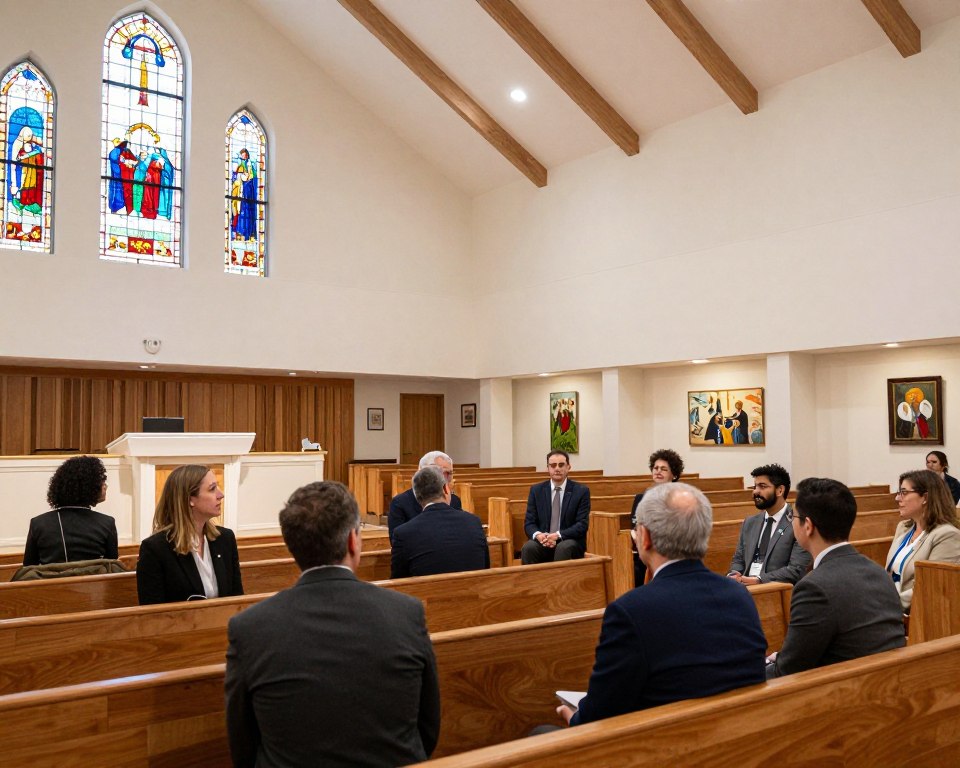
Current Denominations and Associations
Modern Presbyterianism encompasses a range of denominations and associations, reflecting the diverse theological and cultural contexts in which it exists. Some of the major Presbyterian denominations include the Presbyterian Church (USA), the Presbyterian Church in America, and the Evangelical Presbyterian Church. These denominations often have different governance structures, worship styles, and theological emphases.
The Presbyterian Church (USA), for example, is known for its progressive stance on social issues and its emphasis on inclusivity. In contrast, more conservative denominations like the Presbyterian Church in America tend to adhere to more traditional theological interpretations.
Key Denominations:
- Presbyterian Church (USA)
- Presbyterian Church in America
- Evangelical Presbyterian Church
- Orthodox Presbyterian Church
Trends in Worship and Beliefs
Contemporary Presbyterianism is marked by a variety of worship styles, ranging from traditional liturgical services to more contemporary and informal gatherings. The use of technology, such as online worship services and social media, has also become more prevalent, especially in response to the COVID-19 pandemic.
Theological beliefs within Presbyterianism continue to evolve, with ongoing discussions around issues such as the role of women in church leadership, LGBTQ+ inclusion, and social justice. While some churches maintain traditional beliefs and practices, others are adapting to changing social and cultural contexts.
Key Trends:
- Increased diversity in worship styles
- Greater emphasis on social justice and community engagement
- Ongoing debates around gender and LGBTQ+ issues
- Use of technology in worship and communication
As Presbyterianism continues to navigate the complexities of the modern world, it remains committed to its core values of faith, justice, and community. The diversity within modern Presbyterianism is a testament to its ability to adapt and thrive in a rapidly changing global landscape.
Social and Political Engagement
The Presbyterian Church has been at the forefront of social and political engagement throughout its history. With a strong foundation in Reformed theology, the church has consistently advocated for justice and equality.
The church’s commitment to social justice is reflected in its involvement in various movements and initiatives. From advocating for civil rights to addressing environmental concerns, the Presbyterian Church has played a significant role in shaping social and political discourse.
Role in Social Justice Movements
The Presbyterian Church has a long history of participating in social justice movements. One notable example is its involvement in the Civil Rights Movement. Presbyterian churches and leaders were actively engaged in advocating for racial equality and justice.
The church continues to be involved in contemporary social justice issues, including:
- Advocating for immigrant rights
- Addressing economic inequality
- Promoting environmental stewardship
Through its advocacy and community programs, the Presbyterian Church demonstrates its commitment to creating a more just and equitable society.
Education and Health Initiatives
In addition to its social justice efforts, the Presbyterian Church is also involved in various education and health initiatives. These initiatives are designed to promote the well-being of individuals and communities, both locally and globally.
Some examples of the church’s education and health initiatives include:
| Initiative | Description | Impact |
|---|---|---|
| Education Programs | Providing educational resources and scholarships to underprivileged communities | Empowering individuals through education |
| Health Clinics | Establishing clinics to provide healthcare services to underserved populations | Improving health outcomes in communities |
| Disaster Relief | Providing aid and support to communities affected by natural disasters | Supporting recovery efforts |
The Presbyterian Church’s initiatives in education and health are a testament to its commitment to serving others and promoting the common good.
The Future of the Presbyterian Church
The Presbyterian Church’s future is shaped by its ability to adapt to changing circumstances while remaining true to its Reformed heritage. As the church looks ahead, it faces several challenges, including declining membership in some denominations.
Challenges and Opportunities
The church must navigate these challenges while capitalizing on opportunities for growth and renewal, particularly through its global connections and commitment to social justice. The Presbyterian Church’s engagement with younger generations is crucial in this endeavor.
Engaging the Next Generation
To effectively engage younger generations, the Presbyterian Church must continue to evolve its approach to worship, community outreach, and social justice initiatives. By doing so, the church can ensure a vibrant future and remain a relevant force in the lives of its members and the broader community, addressing the future of presbyterian church and tackling presbyterian church challenges head-on to foster presbyterian church youth engagement.
FAQ
When was the Presbyterian Church founded?
The Presbyterian Church was founded in the 16th century as part of the Protestant Reformation.
Who were the key figures in the development of Presbyterianism?
Key figures in Presbyterian history include John Calvin and John Knox, who played crucial roles in shaping the church’s theology and governance.
What is the significance of the Westminster Assembly in Presbyterian history?
The Westminster Assembly, convened in the 1640s, produced foundational documents such as the Westminster Confession of Faith, the Larger Catechism, and the Shorter Catechism, which have shaped Presbyterian theology and practice.
How did Presbyterianism arrive in America?
Presbyterianism was brought to America by immigrants from Scotland and Ireland, with the first American Presbytery formed in 1706.
What were the main issues that led to divisions within the Presbyterian Church?
The Presbyterian Church experienced divisions over issues such as slavery, theological differences, and regional differences, leading to the formation of various branches and denominations.
How did the American Civil War impact the Presbyterian Church?
The Civil War led to divisions within the church, with Presbyterians in the North and South often on opposite sides of the conflict, and ultimately resulted in efforts towards reunification.
What is the current state of Presbyterianism globally?
Modern Presbyterianism is characterized by a diversity of denominations and theological viewpoints, with a presence in many countries and a commitment to its Reformed heritage.
How has the Presbyterian Church engaged with social and political issues?
The Presbyterian Church has a long history of engagement with social justice movements, advocating for causes such as civil rights, environmental protection, and economic justice.
What are the challenges facing the Presbyterian Church in the future?
The church faces challenges such as declining membership in some denominations and the need to engage younger generations, but also has opportunities for growth and renewal.
What is the Presbyterian Church’s stance on social justice?
The Presbyterian Church is committed to social justice, rooted in its Reformed theology and understanding of the Christian’s role in society.
How has the Presbyterian Church contributed to education and healthcare?
Presbyterian churches have been active in education and healthcare initiatives, both locally and globally, reflecting their commitment to social justice and community service.