Recent Posts

Lutheran Manor: Enriching Retirement


Finding a welcoming home that balances independence with support can transform retirement years. Nestled on Westgate Drive in Bethlehem, Pennsylvania, this senior-focused housing option offers more than just apartments—it creates a thriving community where neighbors become friends.

The building sits in a quiet area with tree-lined streets, combining peaceful living with easy access to shops and public transit. Updated interiors, elevators, and balconies make daily life comfortable for seniors and those with mobility needs. On-site parking and modern appliances add convenience to every residence.

Operated by a non-profit organization, this community prioritizes resident well-being over profits. Affordable pricing and tailored services help older adults maintain independence while receiving necessary support. Staff members work Monday through Friday to assist with questions or tours.

Key Takeaways

  • Non-profit organization ensures resident-focused care and affordability
  • Prime Bethlehem location near amenities with peaceful neighborhood setting
  • Modern features include elevators, updated kitchens, and outdoor spaces
  • Designed to foster social connections and active senior lifestyles
  • Accessible housing options for individuals with mobility challenges

Overview of the Lutheran Manor Legacy

Since 1976, a Lehigh Valley institution has redefined affordable senior living. What began as two towering apartment buildings now stands as proof that quality care evolves with compassion. This non-profit organization started with simple goals: provide safe housing while keeping costs low for older adults.

Roots in Community Care

The original 11-story structures prioritized function over comfort, housing nearly 200 residents through HUD partnerships. Today’s approach flips that script completely. Staff focus on creating environments where neighbors connect through shared activities and accessible common areas.

Growing With Purpose

Modern upgrades reflect decades of listening to resident needs. Spacious apartments now feature safety modifications for those with mobility challenges. Community rooms host everything from yoga classes to game nights, combating isolation through planned social opportunities.

True to its non-profit values, the organization channels resources into services rather than profits. Monthly fees stay reasonable through careful budgeting and government partnerships. Residents enjoy independence without worrying about sudden cost hikes common in corporate facilities.

This evolution from basic housing to vibrant community demonstrates how senior living can balance affordability with dignity. By adapting spaces and programs to modern needs, the apartments help occupants maintain active lifestyles while receiving discreet support.

Amenities and Services for a Healthy Quality of Life

Thoughtful design meets practical living in spaces crafted to support both body and mind. Every feature aims to create effortless comfort while encouraging social bonds.

senior living amenities

Modern Spaces for Active Lifestyles

Bright apartments blend style with accessibility. Air-conditioned units feature private balconies overlooking green spaces. Updated interiors include full kitchens with garbage disposals and energy-efficient appliances.

The fitness center stands out with senior-friendly equipment. Pneumatic machines reduce joint strain, while cushioned floors prevent slips. A walking track circles the room, supervised by trained staff.

Where Connections Flourish

Game nights come alive in the multi-purpose room. Residents challenge friends to shuffleboard or team up for Wii bowling tournaments. The community room transforms daily—yoga mats one hour, movie screens the next.

Even laundry day sparks conversations. Benches and tables turn chore areas into chat hubs. The salon offers pampering with massages and facials, keeping self-care routines joyful.

Amenity Features Benefits
Fitness Center Pneumatic equipment, walking track Safe exercise for all mobility levels
Community Rooms Multi-use spaces, gaming options Daily social engagement opportunities
Apartments Balconies, elevators, modern kitchens Independent living with comfort

These spaces work together to create a vibrant environment. From morning workouts to evening lectures, every day brings new ways to thrive.

lutheran manor: Design and Biophilic Integration

Architecture becomes therapy when spaces heal through natural connections. The recent redesign focuses on biophilic principles that dissolve barriers between indoor comfort and outdoor inspiration. Every detail supports wellness through organic patterns and purposeful material choices.

Reimagined Spaces Foster Connection

The updated building features a two-story addition that enhances accessibility without overwhelming scale. Undulating brick panels create depth along exterior walls, while windows mimic vertical tree trunks in a sunlit forest. Exposed steel beams nod to local history, honoring former steelworkers among residents.

Green spaces flow seamlessly into common areas through full-height glass walls. Natural light filters into hallways and lounges, reducing artificial lighting needs. “We wanted sunlight to guide daily rhythms,” explains the design team behind these light-filled spaces.

Wellness Through Material Harmony

Inside, wood from exterior overhangs becomes built-in benches near a vibrant living wall. This material continuity creates calming transitions between environments. Key features include:

  • Floor-to-ceiling windows framing landscaped courtyards
  • Glazed interior walls that share natural light between rooms
  • Acoustic panels made from renewable cork

The wellness center exemplifies this philosophy with airy exercise rooms overlooking gardens. Motion-friendly flooring and adjustable equipment accommodate various mobility levels. These thoughtful touches help seniors maintain active lifestyles while feeling connected to nature’s cycles.

Community Living, Accessibility, and Resident Benefits

Creating meaningful connections forms the heartbeat of this senior-focused home. Research shows older adults with daily social interactions maintain better physical and mental health compared to those living in isolation. This philosophy shapes every design choice and program offered.

senior living community engagement

Resident Engagement Through Smart Design

Glass-walled activity spaces act like social magnets throughout the building. Residents spot card games or art classes through these transparent “visual invitations” as they walk by. “The design encourages participation without pressure,” notes a team member involved in the recent renovations.

Built-in benches cluster near a living plant wall and saltwater aquarium, creating casual gathering spots. These areas welcome both active participants and observers, respecting individual comfort levels. Weekly surveys ensure programs match what residents truly want—from book clubs to tech tutorials.

Accessibility That Empowers Independence

Every apartment and common area eliminates barriers to movement. Zero-step entries and wide doorways accommodate wheelchairs, while color-contrasted handrails guide those with vision changes. The interior layout features:

  • Elevators with tactile buttons and auditory signals
  • Non-slip flooring in bathrooms and kitchens
  • Adjustable-height countertops in community spaces

A stunning meditation space demonstrates inclusive design. Sunlight filters through movable stained glass, creating shifting patterns that engage the senses. Best of all, these features come standard—no extra fees for accessibility upgrades.

Conclusion

Redefining senior living requires more than buildings—it demands heart. This Bethlehem home shows how spaces designed with care can spark joy at every stage of life. Over four decades, what began as simple apartments blossomed into a nurturing community where laughter echoes through sunlit halls.

Non-profit values fuel every improvement, from accessibility features to social programs. Residents enjoy modern comforts without hidden fees, proving quality care shouldn’t strain budgets. Shared gardens and activity rooms turn neighbors into lifelong friends.

Here, independence thrives alongside support. Thoughtful layouts and safety features empower residents to live fully while staff handle the details. Weekly events blend learning with fun, from art workshops to local history talks.

Lutheran Manor stands as proof that aging can mean growing—not slowing down. It offers more than shelter; it builds connections that enrich golden years. For those seeking purpose-filled retirement, this community reimagines what senior living can achieve.

FAQ

What housing options are available for seniors?

The community offers modern, accessible apartments designed for comfort and safety. Features include air conditioning, adaptable layouts, and emergency call systems to support independent living.

How does the non-profit structure benefit residents?

As a mission-driven organization, funds are reinvested into maintaining facilities, updating amenities like the fitness center, and expanding programs that promote social engagement and wellness.

Are there accessibility features for mobility challenges?

Yes! The building includes wheelchair-friendly pathways, elevators, and grab bars. Apartments can be modified to accommodate qualifying disabilities, ensuring residents stay comfortably long-term.

What social activities or amenities are offered?

Residents enjoy a vibrant lifestyle with community rooms, organized events, and wellness classes. Shared spaces like lounges and gardens encourage daily interaction and friendship-building.

How does the design promote a healthy environment?

Natural lighting, low-VOC materials, and preserved green spaces create an uplifting atmosphere. The wellness center and fitness areas further support physical and mental health goals.

Is there support for aging in place?

Absolutely. The focus is on enabling residents to maintain independence through accessible layouts, on-site services, and partnerships with local healthcare providers when needed.


Lutheran West: Empowering Students to Succeed


For over six decades, a Rocky River-based institution has shaped young minds through academic excellence and faith-based learning. This college-preparatory environment serves grades 6-12, blending challenging coursework with character development. With a 13:1 student-teacher ratio, learners receive personalized attention to unlock their full potential.

Founded in 1958, the school creates opportunities for holistic growth through arts, athletics, and community service programs. Over 440 students benefit from modern facilities and experienced educators who prioritize both intellectual curiosity and spiritual development. The campus atmosphere fosters collaboration while encouraging individual achievement.

Families across Northeast Ohio choose this institution for its proven track record of college readiness and leadership development. Beyond textbooks, students gain real-world skills through partnerships with local organizations and hands-on learning experiences. Every program aligns with the core values of integrity, compassion, and lifelong learning.

Key Takeaways

  • College-prep curriculum with faith-based values since 1958
  • Personalized learning through small class sizes
  • Comprehensive programs for academic and personal growth
  • Strong community partnerships enhancing education
  • Proven success in college and career preparation
  • Inclusive environment nurturing leadership skills

Overview of Lutheran West History and Mission

Sixteen congregations united in 1946 with a shared mission: to create a faith-based learning environment for Cleveland’s youth. Their collaboration led to the Cleveland Lutheran High School Association, which championed academic rigor paired with spiritual growth.

Origins and Founding of the School

The first Lutheran high school opened in 1948, offering families a unique blend of college-prep academics and Christian values. When Interstate 90 construction required relocation in 1958, leaders seized the opportunity. They established two campuses instead of one, doubling their impact across the region.

This bold move allowed more students to access faith-centered education. Teachers prioritized character development alongside classroom success, creating a legacy of holistic learning that continues today.

Evolution and Expansion into Middle School

In 2022, the institution expanded to serve grades 6-8, responding to growing community needs. This middle school addition created a seamless path from early adolescence through graduation. Families now benefit from:

  • Consistent faith-based values across all grade levels
  • Specialized programs for younger learners
  • Smoother transitions to high school coursework

The expansion reflects ongoing commitments to accessibility and innovation. Through partnerships with local congregations, the school maintains its founding vision while adapting to modern educational demands.

Academic Excellence and Student Experience

This AdvancED-accredited institution redefines learning through personalized pathways. With 445 learners guided by 33 dedicated teachers, the 13:1 ratio ensures tailored academic journeys. The school’s motto – “Inspiring scholarship, faith, and community” – shapes every classroom interaction.

College-Prep Curriculum and Faith-Based Learning

Advanced courses blend intellectual challenge with ethical exploration. Honors and AP classes meet rigorous standards while integrating moral reasoning exercises. Faith development occurs organically through service projects and values-driven discussions.

college-prep curriculum high school programs

Course Level Faith Integration College Credit Options
Honors Ethics case studies AP exam preparation
Advanced Service learning Dual enrollment
Standard Values discussions Credit recovery

Student Support and Faculty Expertise

Educators combine content mastery with mentorship skills. Weekly advisory sessions help learners set academic and personal goals. Specialized staff training ensures updated teaching strategies across all subjects.

Support Type Frequency Impact
Tutoring Daily 83% grade improvement
College counseling Bi-weekly 100% acceptance rate
Spiritual guidance Weekly 25 service hours avg.

Through this holistic approach, students gain both academic confidence and life-purpose clarity. The high school experience becomes preparation for meaningful adulthood rather than just college admission.

lutheran west Service Directory and Resource Navigation

Finding essential information at our institution is simpler than ever with our redesigned digital hub. The online service directory acts as a 24/7 virtual assistant for families, staff, and community partners.

How to Navigate the Directory

Start by visiting the main website at www.lutheranwest.com. The top menu offers quick access to:

  • Academic calendars updated in real-time
  • Sports team rosters and game schedules
  • Parent portal login for grades and attendance

Use the search bar for specific requests like “field trip forms” or “club meeting times.” Filter results by category or date to narrow down options quickly.

Key Features and Information Resources

Our digital tools help families stay informed and engaged. Highlights include:

  • Automated alerts for weather-related closures
  • Direct messaging to teachers and coaches
  • Video tutorials for first-time users

The partnership with www.clhsa.org expands resources with regional event listings and scholarship opportunities. All forms – from enrollment documents to permission slips – live in one centralized download section.

Bookmark your favorite pages to streamline your school west experience. Our team refreshes content weekly, ensuring you always have current details about programs and policies.

Community, Faith, and Cultural Impact

Diversity and faith intersect here, creating a vibrant tapestry of learning and collaboration. With students representing six ethnic backgrounds – including Hispanic, Asian, and Multiracial communities – the school fosters understanding through shared values. Over 40% of families come from non-white backgrounds, enriching classroom discussions and extracurricular activities.

community faith cultural impact school

Engagement with Congregations and Local Schools

Strong ties with 16+ congregations create a support network extending beyond campus walls. Monthly partnership programs include:

Initiative Participants Outcome
Youth mentorship Church volunteers 150+ hours annually
Resource sharing Area schools 23 joint programs
Service projects Students & members 4,200 meals donated

These collaborations strengthen both academic opportunities and neighborhood relationships. Shared worship spaces and joint events help maintain faith-centered connections across generations.

Building a Supportive Community Environment

The institution’s community framework encourages dialogue through cultural awareness workshops and interfaith panels. Students practice leadership through:

  • Peer mediation training
  • Diversity task forces
  • Multilingual outreach programs

This approach helps 92% of graduates report feeling prepared for diverse workplaces. By balancing Christian traditions with inclusive practices, the school models how faith and cultural awareness can coexist harmoniously.

Extracurricular Activities and Athletic Achievements

Team spirit thrives through dynamic programs that build skills on and off the field. Students balance competitive drive with core values, creating memorable moments while representing their school.

high school west athletic programs

Notable Athletic Programs and Award Ceremonies

The Longhorns shine in the Chagrin Valley Conference, earning recognition for both performance and sportsmanship. At the 2025 awards ceremony, standout athletes like Alisha Steinmann received OHSAA Scholar Awards for maintaining top grades while excelling in sports.

Upcoming changes bring fresh opportunities as teams prepare to join the North Coast Conference in 2027. This move will expand competitive horizons while maintaining the program’s focus on character development.

Recent Coaching and Program Highlights

New leadership energizes key teams this season. Mrs. Grace Escandon brings championship-level expertise to cheerleading, while Ms. Julia Riley revitalizes women’s basketball with innovative training methods.

With 14 sports options – from wrestling to bowling – students find perfect matches for their interests. “Our coaches teach more than plays,” says a veteran staff member. “They build resilience and camaraderie that lasts beyond graduation.”

Seasonal recognition events celebrate both victories and personal growth, reinforcing the connection between athletic effort and life success. These experiences help learners develop time management skills that benefit them in college and careers.

Conclusion

At the heart of Rocky River, Ohio, Lutheran West thrives as a vibrant educational community shaping future leaders. Located at 3850 Linden Road, this institution serves grades 6-12 with a balanced focus on academic achievement and ethical growth. Principal Mike Waugh leads a team dedicated to maintaining core values while embracing educational innovation.

The recent addition of middle school programs ensures continuity during critical developmental years. Accessible tuition and a prime location make quality education achievable for Northeast Ohio families. Alumni like politician Nickie Antonio and NHL athlete Tim Gettinger exemplify diverse post-graduation success paths.

Families stay connected through the user-friendly website, while community standards and dress codes promote focused learning environments. As education evolves, the school remains committed to empowering students through faith-based values, academic excellence, and lifelong support systems that extend far beyond campus walls.

FAQ

What academic programs set this institution apart?

The school offers a rigorous college-prep curriculum blended with faith-based learning. Small class sizes and personalized mentorship ensure students develop critical thinking skills while exploring their spiritual growth.

How does the school support extracurricular involvement?

From championship-winning athletic teams to award-winning arts programs, students access diverse opportunities. Coaches and advisors focus on teamwork, leadership, and character development alongside skill-building.

Can families outside the Lutheran community enroll?

Absolutely! While rooted in Lutheran values, the institution welcomes students of all backgrounds. The focus is on creating an inclusive environment where everyone can thrive academically and socially.

What resources help navigate campus services?

The online service directory provides quick access to schedules, staff contacts, and event details. Filter tools let users search by category, grade level, or keyword for efficient information retrieval.

How does the school engage with local communities?

A> Partnerships with congregations, neighboring schools, and nonprofits foster collaboration. Service projects, cultural exchanges, and shared events strengthen ties while teaching students the value of civic responsibility.

Are there opportunities for parent involvement?

Parents can join committees, volunteer at events, or participate in mentorship programs. Regular workshops and family-oriented activities keep the community connected and informed.

Lutheran Hour Devotions: Daily Inspiration for Your Faith


Welcome to a space where ancient wisdom meets modern life. Daily moments with scripture aren’t just rituals—they’re transformative encounters that shape how we see the world. Whether you’re starting your spiritual journey or deepening your walk, these reflections offer fresh perspectives for every season of life.

Think of devotional time as your daily compass. It’s not about complicated theology but practical truth you can apply immediately. Each day brings new opportunities to discover grace, find hope, and see challenges through a lens of faith.

This guide will walk you through meaningful practices that fit your schedule. You’ll explore how timeless messages speak to today’s questions. From morning routines to evening reflections, we’ll uncover tools to strengthen your spiritual foundation.

Key Takeaways

  • Daily reflections bridge biblical wisdom and modern living
  • Accessible insights for all faith experience levels
  • Practical tools for applying spiritual truths
  • Encouragement to grow through life’s challenges
  • Consistent guidance for building resilient faith

Introduction to Lutheran Hour Devotions

The journey of faith thrives when grounded in practices that withstand time’s test. For over five centuries, believers have turned to scripture reflection as a compass—not just for doctrine, but for daily connection with divine truth.

The Legacy of Devotional Practices

Rooted in the Reformation era, personal Bible engagement became revolutionary. Leaders emphasized direct access to God’s word, shifting faith from ritual to relationship. This approach transformed how ordinary people experienced spiritual growth.

Through wars, cultural shifts, and technological leaps, one constant remains: the power of daily reflection. Early believers carved out moments for prayer amid farming chores. Today’s seekers find similar pauses between meetings and notifications.

Modern-Day Relevance in Daily Faith

In our swipe-and-scroll culture, ancient rhythms offer surprising relief. Short readings fit morning coffee routines. Audio prayers accompany commutes. These adaptations keep timeless truths accessible for today’s pace.

Misunderstandings often paint devotionals as perfection-seeking exercises. Reality? They’re about showing up imperfectly. As one modern father shared: “My five-minute morning prayer reshapes how I parent.”

This practice isn’t solitary—it fuels community. Shared reflections strengthen friends and inspire collective ministry. When individuals grow, entire congregations feel the ripple effect. That’s the enduring good news: faith nurtured daily transforms life’s ordinary moments.

Understanding the Power of Faith in Daily Life

Faith becomes real when it steps out of Sunday services and into Monday’s mess. It’s the quiet power that reshapes how we handle deadlines, disagreements, and dirty dishes. This section explores how ancient truths about grace and hope fuel modern resilience.

grace and hope daily living

Embracing Grace and Hope

Grace isn’t earned—it’s given. A teacher shared: “Knowing I’m loved despite my flaws changed how I parent.” This unmerited favor frees us from chasing perfection. When projects fail or tempers flare, grace says: Try again tomorrow.

Hope anchors us when storms hit. A 2023 survey found 68% of Americans feel overwhelmed weekly. Biblical hope says: “This isn’t the end of the story.” It transforms traffic jams into prayer moments and work stress into trust exercises.

Aspect Grace Hope
Source God’s gift Eternal promises
Impact Frees from shame Steadies in chaos
Daily Expression Forgiving others Seeking solutions

Living Out the Good News in Every Day

The good news isn’t just a message—it’s a Monday morning mindset. It turns office rivalries into teamwork opportunities. One nurse redefined her shifts: “I now see patients as image-bearers, not charts.”

Practical faith thrives through small choices. Compliment a coworker. Donate unused clothes. Text encouragement. These love-fueled actions create ripples—a parent’s patience inspires a child’s kindness.

When life overwhelms, remember: storms pass. A farmer’s proverb applies: “You don’t curse the rain—you trust the harvest.” Daily faith plants seeds only eternity fully reveals.

Embracing lutheran hour devotions for Spiritual Growth

Ancient texts meet modern dilemmas, offering guidance for today’s challenges. These practices turn scripture into a living conversation partner—one that speaks directly to parenting struggles, workplace ethics, and personal doubts. By linking timeless principles with current realities, faith becomes an active force shaping our daily choices.

Connecting Scripture with Daily Inspiration

The word gains fresh relevance when we ask: “How does this truth apply to my situation?” A parent might reimagine patience through Paul’s letters. A manager could rethink leadership using Jesus’ servant model. This way of reading transforms information into transformation.

Three keys make this work:

  • Start small—5-minute reflections build lasting habits
  • Journal one actionable insight daily
  • Share discoveries with trusted people

The Holy Spirit turns reading into revelation. As Lord Jesus Christ promised, “The Advocate will teach you all things (John 14:26). Growth happens when we show up consistently, not perfectly.

Common obstacles lose power with simple fixes:

  • Distracted? Try audio devotions during your commute
  • Time-crunched? Pair readings with morning coffee
  • Dry seasons? Revisit favorite passages with fresh eyes

These disciplines shape character like rivers carve canyons—slowly, surely. Decisions begin reflecting God’s name rather than cultural pressures. At life’s end, these small daily works of faith leave eternal imprints.

Scriptural Reflections and Devotional Insights

Ancient letters carry fresh power when we let their words challenge our assumptions. The Colossians passage reveals how early believers navigated faith in complex times—a reality that mirrors modern spiritual journeys.

scripture reflection insights

Key Passages from Colossians 1:1-14 and Job

Paul’s prayer in Colossians 1:9 offers a blueprint for spiritual growth: “Ask God to fill you with knowledge of His will through wisdom.” This isn’t about memorizing rules—it’s seeking divine perspective for daily decisions.

The author emphasizes community support: “Saints and faithful brothers/sisters” (verse 2) share responsibility. Like receiving encouraging text messages today, first-century believers needed reminders they weren’t alone.

Transformation Before After
Identity Power of darkness Kingdom of Christ
Guidance Human understanding Spiritual wisdom
Purpose Self-focused Pleasing the Lord

Interpreting Biblical Messages for Modern Believers

Being “rescued from darkness” (verse 13) changes how we handle conflicts. A parent shared: “When my teen rebels, I respond with light—not anger.” This shift starts with daily thanks in prayer.

Rev. Yackel-Juleen notes how Christ Jesus unites believers across eras. Whether through ancient letters or smartphone apps, God’s truth adapts to reach us where we are. Our task? Live in ways that make others ask: “What makes you different?”

Incorporating Devotionals into Your Daily Routine

Your morning coffee can become sacred space. Spiritual growth thrives when woven into ordinary day-to-day rhythms. Let’s explore practical ways to anchor your time in faith without adding pressure.

Practical Steps for a Faith-Filled Day

Start small. Five minutes with scripture sets the tone. Try this sequence:

  1. Read one verse aloud during breakfast
  2. Write a single sentence prayer
  3. Choose one action reflecting the text

Busy parents and students thrive with flexible approaches. Pair devotionals with existing habits:

Time Slot Practice Impact
Morning commute Audio prayers Calms workday stress
Lunch break Gratitude list Renews perspective
Bedtime Silent reflection Improves sleep quality

Integrating Prayer, Reflection, and Action

Turn routine things into holy moments. A teacher shared: “I pray for each student while writing attendance.” This way of living makes faith tangible.

Keep a pocket journal for quick notes:

  • Record answered prayers
  • Jot down tough questions
  • Celebrate small victories

When schedules explode, remember: consistency matters more than duration. A nurse’s trick? “I whisper thanks while washing hands between patients.” These micro-moments shape lives over time.

Real-Life Testimonies and Transformations

Modern faith journeys shine brightest through lived experiences. Stories of ordinary people reveal how divine truth meets human struggle. These accounts don’t just inspire—they prove spiritual practices transform actual lives.

faith testimonies transformations

Stories of Enduring Faith and Ministry

Rev. Margaret Yackel-Jacken’s experience captures today’s spiritual support systems. “When I need encouragement most,” she shares, “a text arrives—a digital lifeline reminding me I’m not alone in this ministry.” Her story mirrors countless believers who find strength through simple, timely connections.

Consider Mark, a teacher who battled addiction for 15 years. Daily scripture readings became his anchor. “Those 10 morning minutes rewired my brain,” he reflects. Today, he mentors others facing similar battles—proof that small disciplines yield lifelong change.

Challenge Devotional Practice Outcome
Loss of spouse Evening prayer journal Renewed hope
Career change Proverbs wisdom studies Clear purpose
Chronic illness Audio psalms during treatments Peace amid pain

Relationships flourish when rooted in shared spiritual habits. Sarah and Tom credit weekly couple’s devotions with saving their marriage. “We learned to fight fair using Ephesians 4,” Sarah explains. Their story shows how biblical love heals broken bonds.

Even in life’s final chapters, faith shines. Hospice nurse Clara observes: “Patients at the end often find profound peace through familiar hymns or Psalms.” These testimonies remind us—every beginning and ending holds potential for sacred connection.

Words of Wisdom from Mustard Seed Devotions

Everyday moments become sacred when viewed through faith’s lens. Mustard Seed Devotions masterfully connect biblical truths to modern struggles, offering practical tools for those seeking deeper spiritual awareness.

Insights from “Calamity or Celebration?”

Jesus’ first miracle—turning water into wine—reveals a profound truth. As the devotion notes: “Divine power shines brightest when we trust Christ’s timing.” This story isn’t about fancy beverages but about transforming ordinary situations through obedience. A mother shared how this principle helped her reframe financial stress: “I started thanking God for what we had—our ‘water’ became ‘wine’.”

The Race of Faith: Stretch It Out and Persevering

Spiritual growth works like muscle training. The author compares Bible study to daily stretches: “Flexibility prevents injury when life throws curveballs.” Three keys for endurance:

  • Morning prayer as mental warm-ups
  • Scripture memorization for “strength reps”
  • Weekly service projects as teamwork drills

Perseverance pays off. A marathon runner confessed: “My race mantra became Ephesians 6:18—pray without ceasing.”

Everyday Celebrations: Embracing Newness of Life

Baptism symbolizes fresh starts, but Romans 6:4 makes it practical. A teacher’s classroom experiment proved this: She gave a student a donut without earning it—a vivid grace demonstration. The result? “Kids grasped forgiveness faster than any sermon,” she marveled.

These devotions remind us: Miracles aren’t reserved for special occasions. Whether facing calamity or brewing coffee, Christ’s presence turns routine into revelation.

Conclusion

Faith shapes our days like sunlight guides a garden’s growth—steady, life-giving, essential. Through daily practices, we align our hearts with timeless truths that transform ordinary moments into sacred encounters. Whether sharing hope with friends or serving in quiet ministry, each act plants seeds for eternity.

The good news of Jesus Christ isn’t confined to ancient texts—it breathes in our modern world. As we walk in love and light, even small choices reflect our Father’s heart. A kind word today might echo in someone’s life years later, proving God’s work transcends time.

Let your life be a living response to grace. When challenges arise, remember: the Lord Jesus walks with us, turning struggles into strength. This journey isn’t about perfection but persistent trust—one step, one prayer, one day at a time.

Start where you are. Embrace scripture’s wisdom, lean on community, and watch how heaven’s light reshapes your path. Together, we’re building something eternal—here, now, and forever.

FAQ

How do Lutheran Hour Devotions help strengthen daily faith?

These devotions offer scriptural insights and practical reflections to connect God’s Word with everyday challenges, fostering hope and grounding believers in grace.

What makes Lutheran Hour Devotions unique compared to other resources?

Rooted in a legacy of ministry spanning decades, they blend timeless biblical truths with relatable applications for modern life, emphasizing grace, redemption, and the transformative power of Christ.

Can these devotions fit into a busy schedule?

Absolutely! Designed for accessibility, they provide short yet meaningful readings that can be integrated into morning routines, commutes, or moments of quiet reflection.

How do the devotions connect Scripture to current struggles?

By exploring passages like Colossians 1:1-14, they highlight themes of perseverance, renewal, and God’s sovereignty—offering encouragement for today’s uncertainties.

What role does prayer play in these devotional practices?

Prayer is central, creating a dialogue with God. The devotions guide readers to reflect, seek guidance, and act on their faith through intentional prayer and service.

Are there stories of real-life impact from using these devotions?

Yes! Many share how these reflections deepened their trust in God during trials, renewed their purpose, or helped them celebrate small joys as acts of faith.

How does the "Calamity or Celebration?" devotion inspire believers?

It challenges readers to view life’s highs and lows through God’s promises, transforming ordinary moments into opportunities to witness His faithfulness.

Can newcomers to faith benefit from these devotions?

Definitely. The clear, compassionate teachings welcome all—whether exploring faith or deepening it—to discover the hope and newness found in Christ.

Find a Lutheran Missouri Synod Church Near You


Discovering a faith-based community that aligns with your beliefs can transform your spiritual journey. Many families seek a welcoming environment where they can worship, learn, and connect with others who share their values. The Lutheran Church—Missouri Synod (LCMS) supports this through its organized regional structure, making it simpler to locate congregations in your area.

For example, districts like the Northern Illinois District serve 24 counties, while the Central Illinois District includes 148 congregations across 50+ counties. This network ensures every member has access to consistent teachings and shared traditions, whether they’re in bustling cities or rural towns.

Each local church maintains the same core doctrines but tailors its programs to meet neighborhood needs. Visitors will find opportunities for worship, Bible study, and fellowship events designed for all ages. Circuit visitors and regional leaders further strengthen connections between congregations, helping coordinate joint activities and resources.

Joining an LCMS congregation means becoming part of a broader family. Members gain access to educational materials, youth programs, and regional gatherings that deepen faith and relationships. Whether you’re new to the area or exploring your beliefs, you’ll find open doors and supportive faces ready to welcome you.

Key Takeaways

  • Regional districts simplify finding congregations aligned with LCMS teachings
  • Local churches balance shared beliefs with community-focused programs
  • Leadership support enhances collaboration between congregations
  • Members access educational resources and multigenerational events
  • Visitors experience inclusive worship services and fellowship opportunities

Understanding the Lutheran Missouri Synod Community

The Lutheran Missouri Synod’s journey began in 1847, driven by a dedication to scriptural truth and discipleship. Its founders sought to maintain traditional teachings while answering Christ’s call to “go and make disciples of all nations” (Matthew 28:19). Today, this mission fuels outreach programs, educational initiatives, and collaborative ministry efforts across the U.S.

History and Mission

Born from German immigrant congregations, the synod prioritized preserving salvation by grace through faith as central to its identity. Its structure connects local churches through regional districts, ensuring doctrinal consistency while addressing community-specific needs. Circuit visitors and pastors work together to share resources, from youth programs to disaster relief efforts.

Historical Foundation Modern Application
Founded to uphold Lutheran teachings Integrates technology for virtual Bible studies
Emphasis on liturgical worship Blends traditional hymns with modern music
Scripture as ultimate authority Online devotionals for daily spiritual growth

Core Beliefs and Worship Practices

Services often follow a liturgical format, featuring hymn singing, sacraments, and sermons rooted in the gospel of Jesus Christ. Members affirm the Bible as God’s inspired Word, guiding decisions from family life to community service. Communion holds special significance, offered regularly as a testament to Christ’s sacrifice.

Churches balance time-honored rituals with fresh approaches like café-style fellowship hours or interactive youth sessions. Pastors complete rigorous training to deliver messages that resonate across generations, ensuring teachings remain both faithful and accessible.

Finding Your lutheran missouri synod near me

Modern technology simplifies the search for a spiritual home aligned with your values. The LCMS offers an intuitive online tool to connect seekers with congregations, schools, and ministry partners in their neighborhood.

Using the Synod Locator Tools

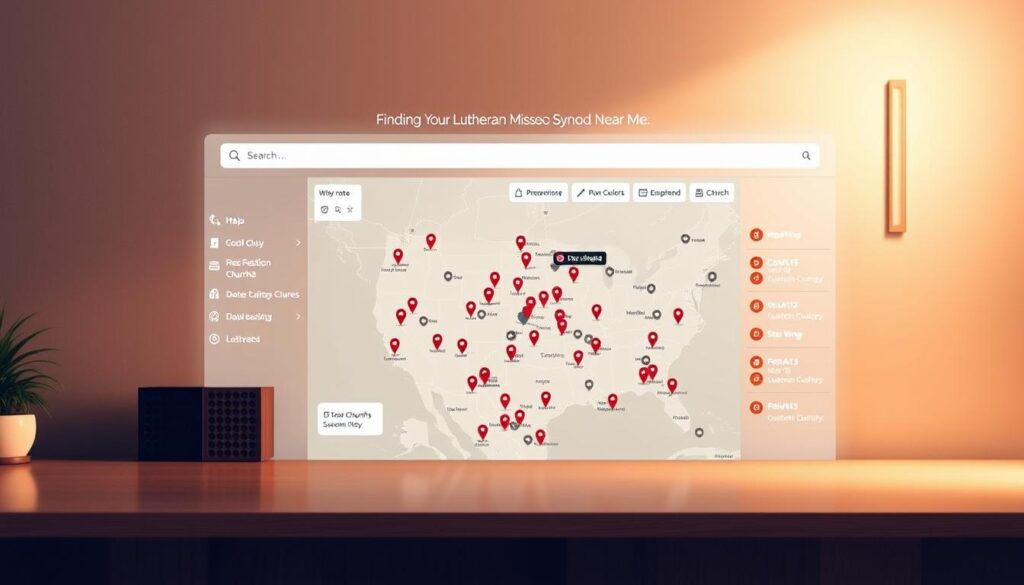
Visit the synod’s official website to access their interactive search feature. Enter your city or ZIP code to see mapped results organized by regional circuits. This structure helps identify multiple worship centers within driving distance while maintaining doctrinal unity.

LCMS church locator tool

Color-coded pins distinguish congregations from schools and ministry hubs. Zoom in to view street-level details or filter results by specific programs like youth ministries. Many users appreciate the “contact now” buttons that streamline initial outreach.

Circuit visitors—experienced leaders who support local congregations—often update these maps. They can help coordinate joint events between nearby churches or answer questions about service times. When contacting a congregation, ask about newcomers’ classes or seasonal activities starting soon.

Pro tip: Bookmark your top three options and compare their fellowship opportunities. Most communities welcome visitors with open arms, whether you’re exploring faith or seeking a permanent spiritual family.

Exploring Worship Services and Programs

From traditional hymns to modern fellowship activities, congregations create spaces where faith comes alive for all ages. Weekly rhythms of worship and learning help members grow spiritually while forming meaningful bonds.

Weekly Services and Devotions

Sunday mornings blend time-honored liturgy with fresh approaches. Many churches offer traditional services featuring organ music and sacraments, alongside contemporary gatherings with band-led worship. Midweek Bible studies dive deeper into Scripture, while prayer groups provide support for personal needs.

Daily email devotionals help families start their mornings with focused reflection. These resources often include discussion questions perfect for car rides or dinner conversations.

Special Events and Community Gatherings

Seasonal celebrations unite entire neighborhoods. Advent candlelight services, Lenten suppers, and Easter sunrise gatherings draw crowds seeking hope-filled traditions. Summer often brings outdoor concerts and Vacation Bible School programs.

Regular Offerings Seasonal Highlights
Sunday worship Christmas Eve candlelight
Wednesday Bible study Good Friday reflection
Monthly potlucks Harvest festival activities

Family and Youth Programs

Parents appreciate age-specific ministries that make faith relatable. Elementary kids enjoy interactive Bible games, while teens join mission trips and leadership retreats. Young adult groups tackle real-world topics through small group discussions.

Lay volunteers and staff collaborate to design activities like:

  • Parent-child confirmation classes
  • High school service projects
  • Toddler playgroups with faith-based stories

These programs help families grow together while connecting with others on similar journeys.

Community, Events, and Outreach Initiatives

Building meaningful connections through shared faith lies at the heart of congregational life. Local gatherings and service projects create spaces where neighbors grow closer while living out the gospel of Jesus Christ. From seasonal celebrations to disaster relief efforts, these initiatives reflect Christ’s call to love others actively.

Local Events and Calendar Highlights

Churches buzz with activity throughout the week. Sunday potlucks and Wednesday prayer circles foster fellowship, while annual traditions like Advent workshops and Easter egg hunts draw entire neighborhoods. Summer often features outdoor movie nights and service projects like park cleanups. One member shared, “These events help our family connect faith to everyday joy.”

Special calendar markers include Reformation Day celebrations and Thanksgiving food drives. Many congregations publish monthly event guides, making it easy to join Bible studies, craft fairs, or senior luncheons. Families appreciate youth-led carnivals and intergenerational game nights that blend fun with spiritual growth.

Outreach and Ministry Initiatives

Targeted programs meet diverse needs across communities. Spanish-language services welcome bilingual families, while deaf ministry teams provide interpreted worship and ASL Bible studies. College students find support through campus groups offering mentorship and free meals.

Disaster response teams mobilize quickly during crises, delivering supplies and emotional care. The National Youth Gathering unites thousands every three years for worship and service projects. Volunteers also organize free clinics, tutoring programs, and prison outreach—proving faith in action changes lives.

Whether packing meals for food banks or hosting ESL classes, these efforts open doors to share hope. As one leader noted, “Serving others isn’t just what we do—it’s who we are.”

Available Ministries and Educational Opportunities

Growing in faith requires both spiritual nourishment and practical tools. The Illinois District equips members with resources to deepen their understanding and share their beliefs confidently. From interactive study guides to legacy planning, these offerings empower individuals at every stage of their journey.

ministry education resources

Ministry Support and Education Resources

Local congregations access Bible study kits and age-specific Sunday school materials. Adult education programs explore topics like biblical stewardship and family discipleship. One pastor noted, “These tools help families connect Scripture to daily life.”

Witnessing helps include video workshops on sharing the gospel of Jesus with compassion. Printable conversation starters and faith-sharing guides make evangelism approachable for all ages. These resources align with the synod’s mission to train confident ambassadors of hope.

Resource Type Key Features
Educational Materials Customizable curricula for all age groups
Stewardship Support LCMS Foundation guides for legacy planning
Leadership Development “Set Apart to Serve” mentorship initiatives

The “Set Apart to Serve” program identifies potential church workers through aptitude assessments and mentorship. Participants gain hands-on ministry experience while studying theology or education. Scholarship programs further support those pursuing vocational training.

Mission education toolkits help congregations engage with global outreach efforts. Continuing education webinars keep lay leaders updated on pastoral care techniques and community engagement strategies. Whether through classroom teaching or overseas missions, members find pathways to live out their calling.

District Information and Regional Connections

Strong regional networks form the backbone of faith communities, enabling shared resources and coordinated growth. The Illinois District exemplifies this through its structured approach to supporting congregations while preserving doctrinal unity.

Illinois district church networks

Insights from Northern and Central Districts

The Northern Illinois District serves 24 counties with a focus on urban ministries and multicultural outreach. Regional vice presidents collaborate with pastors to address challenges like shifting demographics or youth engagement. Circuit visitors—experienced clergy assigned to specific areas—help congregations share event ideas and volunteer teams.

Meanwhile, the Central Illinois District supports 148 congregations across 50+ rural and suburban counties. Leaders here prioritize pastoral training and disaster response coordination. One circuit visitor noted, “Our size demands creativity—like pairing small churches for joint vacation Bible schools.”

District Feature Northern Illinois Central Illinois
Congregations Metro-focused Rural/suburban mix
Key Programs Immigrant outreach Agricultural ministry
Leadership Support Tech training workshops Emergency grant access

Both districts offer:

  • Quarterly clergy development seminars
  • Disaster relief funding pools
  • Inter-congregation mentorship programs

This framework allows localized adaptation while maintaining core teachings. Members benefit from specialized resources like marriage retreats or seminary scholarships, ensuring every community thrives.

Conclusion

Finding your spiritual home strengthens both personal faith and community bonds. Local congregations offer consistent teachings through worship services, Bible studies, and multigenerational programs. By joining this network, you gain access to lifelong friendships and resources that nurture spiritual growth.

Take the first step today using official locator tools to explore nearby options. Many first-time visitors discover warm welcomes through introductory classes or seasonal events. District staff stand ready to help answer questions about ministry programs or service times.

Every new member strengthens the collective mission of sharing hope through Jesus Christ. Whether you’re seeking mentorship opportunities or family-focused activities, you’ll find spaces to belong. Lasting relationships form naturally through shared worship and service projects.

Experience this welcoming community firsthand by attending a Sunday service or midweek gathering. Your journey toward deeper faith and meaningful connections starts with a simple visit.

FAQ

How can I locate a congregation in my area?

Use the official Synod locator tool on the LCMS website. Enter your zip code or city to find nearby churches, service times, and contact details.

What distinguishes worship services in these congregations?

Services focus on traditional liturgy, sacraments, and Gospel-centered preaching. Many congregations blend hymns with contemporary music while emphasizing Scripture and community fellowship.

Are there programs for children and teenagers?

Yes! Most churches offer Sunday School, youth groups, and events like Vacation Bible School. The Northern Illinois District also hosts annual retreats and leadership training for teens.

How does the Central Illinois District support local communities?

Through food drives, disaster relief efforts, and partnerships with organizations like Lutheran World Relief. Many congregations also run mentorship programs and senior care initiatives.

Can I access educational resources through the Synod?

Absolutely. Explore Concordia Publishing House for faith-based materials, or check district websites for workshops, Bible studies, and seminary extension courses tailored to laypeople.

What annual events should I watch for?

Look for Reformation celebrations, Advent workshops, and summer festivals. The Central Illinois District’s “Gathering in Grace” conference is a popular event for spiritual growth and networking.

Lutheranism: A Closer Look at This Protestant Christian Denomination


What began as one man’s call for change reshaped Christianity forever. In 1517, Martin Luther sparked a religious transformation that created a new branch of faith. His ideas spread rapidly, challenging traditions and inspiring millions to rethink their spiritual path.

Today, this movement spans the globe, uniting nearly 90 million people through shared beliefs. At its core lies the principle of “grace through faith alone”—a revolutionary concept during its time. Communities gather in churches worldwide to practice traditions blending ancient wisdom with modern relevance.

From its German roots to vibrant congregations across America, this faith emphasizes accessibility. Worship services often feature hymns, scripture readings, and communal rituals designed to connect members with core teachings. Beyond Sunday gatherings, many churches prioritize education and social outreach, reflecting their commitment to practical faith.

Key Takeaways

  • Originated from Martin Luther’s 16th-century reforms
  • Third-largest Protestant tradition globally
  • Focuses on salvation through faith rather than works
  • Blends traditional worship with community engagement
  • Maintains strong presence in the United States
  • Uses liturgy and sacraments as central practices

Understanding Lutheranism Religion

You might be surprised by the origins of the name “Lutheran.” Critics first used it mockingly to describe those who supported Martin Luther’s reforms. Though the label stuck, Luther urged followers to focus on Christ rather than his name, saying, “The church should be called evangelical, not mine.

Defining Lutheran Identity

Modern Lutheran church communities build their identity on one foundation: God’s free gift of grace. This contrasts with stereotypes about cultural foods or festivals. At its heart, being Lutheran means trusting Jesus’ promises more than human traditions.

Early Lutherans faced a funny twist. Their opponents coined the term as an insult, but reformers reclaimed it with pride. Today, many still prefer “evangelical” to highlight their focus on scripture’s core message.

The Role of the Gospel in Lutheran Thought

Every sermon, song, and sacrament in Lutheran church life points to one truth: Christ’s sacrifice redeems humanity. This faith shapes how believers read the Bible and serve their neighbors.

Lutherans see the gospel as God’s power in action. It’s not just ancient history—it transforms lives today. This perspective unites global congregations while allowing local church customs to flourish.

Through this lens, even challenging Bible passages reveal hope. As one member shared, “The gospel isn’t a rulebook—it’s a love letter that changes how we live.”

Historical Background and the Reformation

Imagine living in a time when spiritual questions shook entire nations. The 16th century brought exactly that—a powder keg of ideas about faith, authority, and salvation. At the center stood Martin Luther, whose bold actions would redefine Christianity’s landscape.

Martin Luther’s 1517 Challenge

Picture a crisp October day in Wittenberg. A young monk nails 95 arguments to a church door, sparking debates across Europe. Luther’s main gripe? The Catholic Church‘s practice of selling forgiveness through indulgences. “Why should gold coins decide God’s mercy?” he essentially asked.

Luther’s writings spread like wildfire thanks to the new printing press. He insisted scripture—not church leaders—held ultimate authority. “A simple shoemaker deserves God’s truth as much as any bishop,” he declared, making faith accessible to ordinary people.

The Division from the Catholic Church

By 1521, tensions reached boiling point. At the Diet of Worms, leaders demanded Luther recant. His legendary reply: “I cannot and will not. Here I stand.” The resulting edict branded him an outlaw, cementing the split.

Two key issues divided the camps:

  • Whether salvation came through faith alone or good deeds
  • If the Bible or church tradition held final authority

Though Luther never planned to start a new movement, his reforms birthed lasting change. What began as theological debates reshaped worship, education, and society itself.

Core Doctrines: Justification, Law and Gospel

At the heart of this tradition lies a radical idea that reshaped Christianity: God’s love isn’t earned—it’s freely given. This truth anchors every teaching about human worth and divine mercy.

justification by grace through faith

Justification by Grace Through Faith

Martin Luther called it “the article by which the church stands or falls.” The Augsburg Confession spells it out clearly: we’re made right with God through grace alone, received by faith in Jesus Christ. No rituals, donations, or perfect behavior required.

This isn’t about checking belief boxes. True faith means trusting God like a child trusts a parent—leaning entirely on His promises. As one pastor explains, “Grace turns ‘I should’ into ‘I get to’—a relationship, not a transaction.”

Balancing the Law and the Gospel

Scripture reveals God’s voice in two modes. The law acts like a mirror, showing our imperfections. The gospel hands us a clean slate through Christ’s sacrifice.

Here’s how it works:

  • The law guides moral choices but can’t grant salvation
  • The gospel offers forgiveness while inspiring grateful action

This balance stops two extremes: pride in good deeds or ignoring God’s standards. Churches use this framework to shape sermons, counseling, and community projects—always pointing to God’s grace as the starting line.

Foundational Documents: Augsburg Confession & Book of Concord

How do 500-year-old texts still shape modern faith communities? Two landmark works answer this question—the Augsburg Confession and Book of Concord. These documents remain living guides rather than historical relics, actively shaping beliefs and practices.

Importance of the Augsburg Confession

Picture a tense meeting in 1530: Reformers hand Emperor Charles V a bold confession of faith. Crafted by Philipp Melanchthon, the Augsburg Confession outlined core beliefs using clear biblical references. Seven rulers and two cities endorsed it, blending spiritual conviction with political courage.

This document did more than explain theology—it proved reformers weren’t rebels. As Melanchthon noted, “We seek unity, not division, in Christ’s church.” Today, churches worldwide use it as their doctrinal GPS.

The Role of the Book of Concord

Fifty years later, leaders faced a new challenge: preserving Luther’s legacy after his death. The solution? A definitive collection of ten documents called the Book of Concord. It included:

  • Ancient creeds like the Apostles’ and Nicene
  • Luther’s catechisms for teaching fundamentals
  • Key writings defending the Augsburg Confession

With 86 official signatories, this book became the ultimate reference for resolving disputes. Pastors still promise to teach its contents, ensuring continuity across generations.

Document Year Key Purpose Signatories
Augsburg Confession 1530 Define core beliefs 7 rulers + 2 cities
Book of Concord 1580 Unify teachings 51 rulers + 35 cities

These works form a theological anchor. As one modern leader explains, “Subscribing to these confessions isn’t about the past—it’s our promise to future believers.”

Key Figures and Influences in Lutheranism

Great movements often begin with a single spark but grow through collective effort. While Martin Luther ignited the Reformation, his teaching and work flourished through partnerships with scholars, civic leaders, and devoted pastors. Together, they built a lasting legacy that extended far beyond Luther’s lifetime.

key figures in Lutheran reform movement

Martin Luther and His Collaborators

Luther’s inner circle included brilliant minds like Philip Melanchthon. Known as the “Teacher of Germany,” Melanchthon crafted the Augsburg Confession and designed schools to spread Reformation ideas. Another key ally, Johannes Bugenhagen, organized churches across Northern Europe while mentoring new leaders.

After Luther’s death in 1546, Martin Chemnitz stepped up. His writings defended Lutheran beliefs against critics, earning him the nickname “Second Martin.” Meanwhile, Swedish brothers Olaus and Laurentius Petri translated essential texts, proving the movement’s adaptability across cultures.

Notable Theologians and Reformers

Later thinkers deepened Lutheran teaching during challenging times. Johann Gerhard and Abraham Calovius systematized theology during the 1600s, creating clear guides for congregations. Their work balanced intellectual rigor with heartfelt faith.

Modern figures like Dietrich Bonhoeffer showed how these teachings apply to real-world crises. His resistance to Nazi tyranny demonstrated faith in action. Today, scholars like Robert Jenson continue refining Lutheran thought while honoring its roots.

As one historian notes, “Lutheranism thrives when its people unite wisdom with courage—just like its founders.” This collaborative spirit remains its greatest strength.

Sacraments and Worship Practices

sacraments baptism communion worship

Imagine a sacred space where simple elements—water, bread, and wine—become bridges to divine grace. For many believers, these tangible acts form the heartbeat of spiritual life. While three practices are recognized, two stand central: baptism and the Lord’s Supper.

Baptism and Baptismal Regeneration

Water becomes more than H₂O in this ancient ritual. Baptism marks entry into God’s family, washing away sin through Christ’s promise. Unlike symbolic traditions, this act creates faith rather than reflecting it.

Infants often receive this gift, countering the idea that understanding precedes grace. As one parent shared, “It’s not our choice—it’s God claiming our child first.” The Holy Spirit works through water and word to spark spiritual rebirth.

The Real Presence in the Eucharist

Communion tables hold mystery alongside bread and wine. Lutherans teach Christ’s body and blood exist “in, with, and under” these elements—a concept called sacramental union. This differs from both Catholic transubstantiation and Protestant symbolism.

Weekly celebrations of the Lord’s Supper nourish faith communities. Members describe it as “a meal where heaven meets earth.” The table becomes a place of forgiveness and renewal, reinforcing bonds between believers.

Practice Elements Key Belief
Baptism Water Creates faith through grace
Lord’s Supper Bread & Wine Christ truly present

These worship practices anchor spiritual life, offering visible signs of invisible grace. Through them, many find assurance of salvation and strength for daily living.

Lutheran Church Organization and Synods

Picture a network of communities working together yet maintaining local flavor. The Lutheran church operates through a unique synod system—a Greek term meaning “walking together.” This structure balances independence with shared mission, allowing congregations to address regional needs while upholding core teachings.

Structure and Governance

Most congregations belong to a synod or regional body. These groups pool resources for education, disaster relief, and global outreach. Unlike top-down hierarchies, decisions emerge through dialogue between pastors and laypeople.

In the United States, major bodies like the ELCA and LCMS showcase different approaches. Some emphasize collaborative governance, while others maintain stricter doctrinal unity. All share a commitment to Christ-centered service and scriptural authority.

Modern synod structures adapt to new challenges. Digital tools now connect rural churches with urban partners. Youth initiatives and social justice projects often cross regional lines, proving this centuries-old model remains vital today.

FAQ

What makes the Lutheran Church different from other Protestant denominations?

The Lutheran Church emphasizes justification by grace through faith alone, a teaching rooted in Martin Luther’s reforms. Unlike some denominations, Lutherans affirm the Real Presence of Christ in Communion and prioritize foundational documents like the Augsburg Confession.

Why did Martin Luther challenge the Catholic Church in 1517?

Luther opposed practices like selling indulgences, which he believed distorted the Gospel’s message of forgiveness. His 95 Theses sparked the Reformation, advocating salvation through faith rather than works.

Do Lutherans believe in baptismal regeneration?

Yes, Lutherans teach that baptism is a sacrament where God’s grace actively creates or strengthens faith. This contrasts with groups viewing baptism as solely symbolic.

How is the Book of Concord used in Lutheran teachings?

The Book of Concord unites Lutherans by compiling key texts like the Small Catechism and Augsburg Confession. It serves as a doctrinal standard for interpreting Scripture and addressing theological disputes.

What role do synods play in Lutheran church governance?

Lutheran synods are regional or national bodies that provide structure, support shared missions, and maintain doctrinal unity. They allow congregations to collaborate while retaining local decision-making.

How do Lutherans view the relationship between Law and Gospel?

Lutherans see the Law as revealing human sinfulness and the Gospel as proclaiming God’s forgiveness through Christ. This balance shapes preaching, teaching, and personal spiritual growth.

Are Lutheran worship services similar to Catholic Mass?

Some elements, like liturgical structure and Communion, overlap. However, Lutheran services focus more on Scripture reading and congregational singing, with less emphasis on rituals like veneration of saints.

Lutheran Patient Portal: Convenient Healthcare Access


Managing your health just got easier. Advocate Lutheran General Hospital’s secure online platform puts essential medical services at your fingertips. This tool connects you to one of America’s largest nonprofit health systems, recognized for its commitment to excellence and staff dedication.

With 24/7 access, you can view test results, schedule appointments, or message your care team securely. Advocate Health, ranked third in size nationally, ensures this system meets high standards for both quality and privacy. Their 2021 Top Workplaces USA award highlights their focus on patient-centered innovation.

The digital platform simplifies how you engage with providers. No more waiting on hold or digging through paperwork. Everything stays organized in one place, empowering you to take charge of your wellness journey.

Key Takeaways

  • Access medical records and test results anytime, anywhere
  • Communicate directly with healthcare providers
  • Schedule appointments without phone calls
  • Part of a top-ranked U.S. health system
  • Secure platform protecting personal information
  • Supports proactive health management

Understanding the Benefits of the Lutheran Patient Portal

Taking control of your medical care has never been more straightforward. Advocate Lutheran General offers a modern solution that simplifies three critical aspects of health management. Let’s explore how these features create smoother experiences for users.

Effortless Scheduling Solutions

Gone are the days of playing phone tag with clinic offices. The system lets you book visits with physicians in seconds. Need to adjust times? Reschedule directly through your account – no waiting for callback confirmations.

Feature Traditional Method Digital Advantage
Appointments 3-5 business days Instant confirmation
Specialist Access Multiple transfers Direct selection
Reminders Mailed postcards Email/text alerts

Instant Health Updates

Bloodwork results appear in your account faster than ever. The platform translates complex medical data into clear charts. Reference ranges help you understand what numbers mean for your health.

Direct Provider Connections

Have questions about medications? Message your care team securely. The system keeps conversations organized, making follow-ups simple. Many users report faster responses compared to traditional voicemail systems.

This approach reflects Advocate Lutheran’s commitment to patient-centered innovation. By combining convenience with security, they help people stay informed about their health journey.

Navigating the lutheran patient portal for Easy Healthcare Access

Accessing your medical information shouldn’t feel like solving a puzzle. The digital system at Advocate Lutheran General streamlines every interaction, whether you’re checking lab reports or coordinating care for family members. Let’s explore how its design keeps health management stress-free.

healthcare access dashboard

Quick Account Setup

Creating your profile takes under five minutes. You’ll need basic details like your birthdate and contact information from past hospital visits. Security checks match your identity against existing records, ensuring only approved users gain entry.

Forgot your password? Reset it instantly through email or SMS verification. Two-factor authentication adds extra protection for sensitive health data. Caregivers can request access during setup to view loved ones’ medical history.

Intuitive Interface Design

The dashboard organizes everything clearly. Large buttons guide you to appointments, prescriptions, or test results. Customize your view to highlight frequently used tools – like upcoming doctor visits or vaccination records.

Need help? Built-in tutorials explain each feature. The system works equally well on phones, tablets, or computers. Real-time updates keep all devices synchronized, so you never miss important health alerts.

Additional Advocate Lutheran General Services and Patient Amenities

Your hospital experience extends beyond medical treatment. Advocate Lutheran General offers thoughtful services designed to support your comfort and practical needs during care. These features help families focus on what matters most – wellness and recovery.

Preparing for Your Visit

Bring your insurance card, photo ID, and medication list for smooth check-in. Credit cards or cash cover co-payments not included in your plan. Share allergy details to help physicians tailor treatments safely.

Convenience at Every Turn

Multiple dining options cater to dietary needs, with meals approved by care teams. An ATM in the main lobby handles quick cash needs. Stay connected through in-room phones offering local calls or educational TV channels.

Parking Area Spaces Cost
Main Garage Free $0
Valet Service Unlimited $3/day
Emergency Lot Priority Free

Inclusive Support Systems

Wheelchair stations and sign language interpreters ensure accessibility for all. Translation services break language barriers during consultations. Ethics specialists guide families through complex care decisions.

Nurturing Mind and Spirit

The 24-hour chapel provides quiet reflection space. Chaplains lead weekly prayer sessions and support diverse faith practices. This holistic approach reinforces the health system’s commitment to whole-person care.

Conclusion

Modern healthcare meets digital convenience through Advocate Lutheran General’s innovative approach. This platform transforms how individuals engage with their medical needs, offering 24/7 access to vital resources. From reviewing test results to managing medications, everything stays organized in one secure space.

As part of the Advocate Health system, these tools reflect a commitment to quality care. Families appreciate features that simplify coordinating appointments for multiple members. Whether at home or on-the-go, users maintain control over their health journey with just a few clicks.

The blend of advanced technology and compassionate services creates a seamless experience. Support extends beyond digital tools – from accessible parking options to specialized care teams. Every detail focuses on making healthcare feel personal, efficient, and stress-free.

Explore how this system puts your wellness first. With user-friendly design and reliable support, managing health becomes simpler than ever. It’s healthcare that adapts to your life – on your terms.

FAQ

How do I sign up for online access to my health records?

You can register through Advocate Lutheran General’s website using your email and personal details. After verification, you’ll gain instant access to manage appointments, view lab results, and message providers securely.

Can family members access my health information through the portal?

Yes! With your permission, caregivers or trusted relatives can request proxy access. This lets them view test results, schedule visits, or communicate with your care team on your behalf.

What services are available if I visit Advocate Lutheran General in person?

The campus offers valet parking, on-site pharmacies, dietary support, and spiritual care. Special needs accommodations, ATMs, and free Wi-Fi are also provided for a comfortable experience.

How quickly are test results shared through the platform?

Most lab and imaging results appear in your account within 24–48 hours. Your provider will review them first and may send follow-up notes to explain findings.

Is there support for non-English speakers or vision-impaired users?

Absolutely. The portal offers language translation tools, and assistive technologies like screen readers work with its interface. In-person interpreters are also available during appointments.

Can I refill prescriptions or check medication lists online?

Yes! The pharmacy section lets you request refills, review current medications, and set reminders for doses. Your care team updates these lists after each visit.