Recent Posts

Lutheran Church Missouri Synod: Connecting Faith and Community


For over 175 years, a vibrant faith community has united families across America through timeless traditions and meaningful service. This group, rooted in biblical teachings, began with courageous German immigrants in the 1840s who sought religious freedom. Today, it stands as the nation’s second-largest Lutheran denomination, supporting 1.7 million members in nearly 6,000 congregations.

Headquartered near St. Louis, Missouri, this organization blends historical values with modern outreach. Weekly gatherings focus on worship, learning, and community support—creating bonds that extend far beyond Sunday services. Their network spans 35 districts nationwide, each committed to preserving core beliefs while addressing contemporary needs.

Education plays a central role, with schools and programs designed to nurture spiritual growth. Members actively partner with local organizations to address hunger, disaster relief, and social challenges. Through these efforts, they demonstrate how authentic fellowship can transform neighborhoods and strengthen families.

Key Takeaways

  • Serves 1.7 million members through 5,900+ U.S. congregations
  • Founded in 1847 by German immigrants valuing religious freedom
  • Maintains headquarters in Kirkwood, Missouri since its early days
  • Operates 35 regional districts for localized community support
  • Prioritizes education through schools and faith-based programs
  • Combines traditional worship with modern outreach initiatives

Introduction to the Lutheran Church Missouri Synod

Balancing heritage and innovation, a leading denomination supports millions through faith and action. This group stands out for its unwavering commitment to historical Christian teachings while actively serving modern communities. With congregations in every state and parts of Canada, it creates a cohesive network united by shared beliefs.

Members affirm their dedication to scriptural authority through the Book of Concord—a collection of foundational Lutheran texts. This approach fosters clarity in doctrine and worship practices. Over half of its participants reside in the Midwest, yet its influence spans coast to coast.

The organization partners globally through the International Lutheran Council, enhancing collaborative ministry efforts. Local chapters adapt outreach programs to address issues like food insecurity and education gaps. This blend of tradition and practicality helps neighborhoods thrive spiritually and socially.

Feature LCMS Other Lutheran Groups
Confessional Stance Requires Book of Concord adherence Varies by denomination
Geographic Focus Strong Midwest presence Nationally distributed
Global Connections International Lutheran Council member Different affiliations

Financial stability allows sustained support for schools and relief programs. By prioritizing both spiritual growth and tangible service, this community demonstrates how timeless values can meet today’s challenges effectively.

Historical Background and Roots

The foundation of this faith community traces back to courageous pioneers who crossed oceans to protect their spiritual identity. Their journey began as religious tensions rose in 19th-century Europe, where traditional beliefs clashed with new philosophical movements.
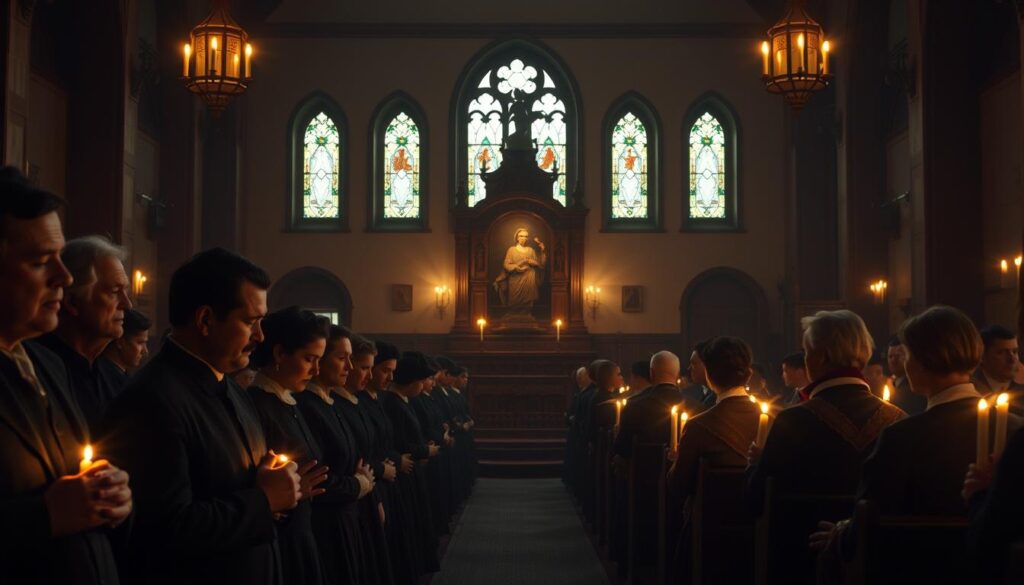
german evangelical lutheran immigrants

Immigrant Foundations and Early Settlement

In 1838, over 600 German immigrants embarked on a daring voyage to America. Led by pastor Martin Stephan, they sought refuge from pressures to abandon their evangelical lutheran convictions. These settlers established Perry County, Missouri, as their spiritual headquarters after navigating Mississippi River challenges.

Frontier life demanded adaptability. Families preserved core theological principles while building schools and churches from scratch. “We carried our faith like precious cargo,” one settler wrote, “reshaping it for new soil without losing its essence.”

Missionary Work and German Heritage

Bavarian pastor Wilhelm Löhe became instrumental in strengthening communities. He dispatched 80 trained ministers to support German evangelical settlements across Ohio and Michigan. These missionaries didn’t just serve European immigrants—they also shared teachings with Native tribes.

The Perry County colony sparked a network of congregations valuing education and service. Their legacy lives through hymnbooks blending German lyrics with American folk melodies, and through food banks continuing traditions of communal support.

Founding and Growth of the LCMS

April 26, 1847, marked the birth of a faith movement that would shape generations. Twelve pastors representing fourteen congregations gathered at St. Paul’s in Chicago to establish the German Evangelical Lutheran Synod of Missouri, Ohio and Other States. This historic meeting united scattered communities under a shared vision for biblical teaching.

C.F.W. Walther, elected as the first president, built a framework emphasizing education and unity. His leadership helped the young denomination grow from 4,000 members to over 687,000 within fifty years. By 1854, rapid expansion required dividing the organization into four regional districts for better support.

Key Milestones in Formation

The group’s growth mirrored America’s westward expansion. Publishing houses produced hymnals and catechisms, while schools trained future leaders. A member recalled, “We planted roots wherever families settled—churches became community anchors.”

Year Event Impact
1847 Founding convention Created unified structure
1854 District formation Improved local governance
1897 50th anniversary 687,000 members nationwide
1947 Name simplification Reflected American identity

In 1947, the evangelical lutheran synod adopted its shorter name, signaling its transition from immigrant fellowship to national institution. Today, its legacy continues through vibrant congregations upholding Walther’s original vision.

The Role of German Immigrants in Shaping the Synod

Visionary settlers from Europe laid the groundwork for a spiritual network that still thrives today. When German families arrived in America, they brought more than trunks filled with belongings—they carried a blueprint for building faith-centered communities. F.C.D. Wyneken, the denomination’s second president, understood their needs extended beyond Sunday sermons.
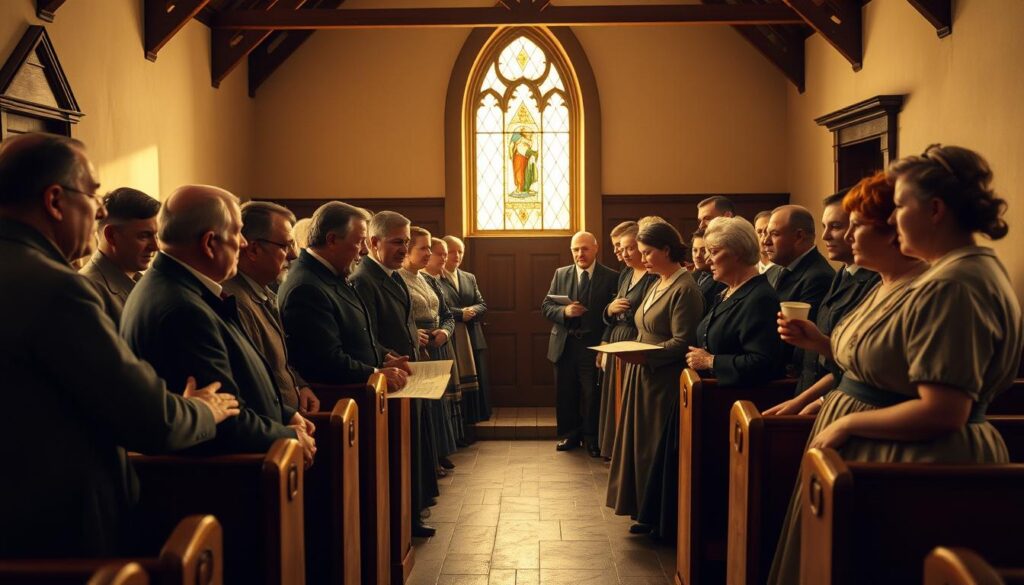
german immigrants shaping congregations

Wyneken’s leadership transformed scattered newcomers into connected congregations. His teams helped families secure housing, learn English, and preserve cultural traditions through bilingual schools. One immigrant journal noted: “Our churches became community centers—places where bread recipes and Bible verses shared equal importance.”

This practical approach fueled explosive growth. By 1888, the group had become the largest Lutheran body in the United States. European-trained pastors established rigorous theological programs, while local churches hosted job fairs and literacy classes. The strategy created self-sufficient neighborhoods where faith and daily life intertwined seamlessly.

Today’s congregations still reflect this heritage. Food pantries operate beside Sunday schools, echoing early immigrants’ belief that service strengthens belief. Through education and cultural preservation, these pioneers built a legacy that continues shaping communities nationwide.

Theological Foundations and Core Beliefs

At the heart of this faith tradition lies a commitment to timeless truths that shape daily living. Members find guidance through ancient texts and modern applications, creating a bridge between centuries-old wisdom and today’s challenges.

scriptural inerrancy and sacraments

Scriptural Inerrancy and Lutheran Confessions

The Book of Concord serves as a spiritual compass, uniting communities under shared principles. This collection of 16th-century documents outlines core beliefs about salvation and divine grace. One pastor notes: “These writings help us navigate complex questions with clarity rooted in scripture.”

Every congregation affirms the Bible’s authority without exception. This approach fosters unity across generations while allowing personalized spiritual growth. Historical creeds like the Apostles’ and Nicene remain central to teaching programs.

Sacraments and Worship Practices

Two sacred rituals anchor weekly gatherings. Baptism marks spiritual rebirth, while communion reinforces connections to Christ’s sacrifice. Both acts emphasize God’s active role in strengthening faith through tangible experiences.

Sacrament Symbol Purpose
Baptism Water Spiritual cleansing & renewal
Communion Bread & Wine Remembrance & divine connection

Worship styles blend traditional hymns with contemporary music. Liturgical elements coexist with informal prayer circles, reflecting the community’s ability to honor heritage while embracing innovation. This balance helps members find relevance in ancient practices.

Confessional Lutheranism Explained

Understanding faith traditions requires exploring their core principles. Confessional Lutheranism centers on teachings preserved in the Book of Concord, a collection of historic documents outlining key beliefs. This approach emphasizes scripture as the ultimate authority in matters of faith and practice.

At its heart, this tradition upholds doctrines like justification by grace through faith alone. Followers maintain that salvation comes solely through Christ’s sacrifice, not human effort. These principles shape worship practices and community life within evangelical lutheran traditions.

The Bible book remains central to teachings, with congregations prioritizing its inerrant truth. Through the lutheran confessions, communities affirm shared values like the Trinity and Christ’s divine nature. The LCMS holds these timeless truths as essential for nurturing authentic faith connections in today’s changing world.

By grounding modern life in the Book of Concord, members build bridges between ancient wisdom and contemporary challenges. This balance helps evangelical lutheran groups maintain spiritual integrity while fostering meaningful dialogue across generations.

FAQ

What makes the LCMS distinct from other denominations?

The LCMS emphasizes confessional Lutheranism, upholding teachings like scriptural inerrancy and the authority of historic documents such as the Book of Concord. It maintains traditional worship practices and a structured approach to sacraments.

How did German heritage influence its development?

Early settlers from Germany brought their language, traditions, and theological rigor. This heritage shaped worship styles, educational institutions, and a commitment to preserving doctrinal purity within congregations.

What sacraments are central to its beliefs?

Baptism and Communion are viewed as sacred acts instituted by Christ. The body and blood of Jesus are believed to be truly present in the Lord’s Supper, offered for forgiveness and spiritual renewal.

Does the LCMS ordain women as pastors?

No, the denomination reserves the pastoral office for men based on its interpretation of Scripture. However, women actively serve in roles like teaching, music, and outreach within congregations.

Is it part of larger religious organizations?

The LCMS belongs to the International Lutheran Council, a global association of confessional Lutheran bodies. It maintains fellowship with groups sharing its doctrinal stance but operates independently.

How does it approach missionary work today?

Efforts focus on planting congregations, supporting global partners, and humanitarian aid. Missionaries emphasize both spiritual outreach and practical care, rooted in the teachings of the Augsburg Confession.

Are non-members allowed to take Communion?

Participation is typically reserved for those who share its doctrinal beliefs. This practice reflects a commitment to unity in faith and understanding of the sacrament’s significance.

Lutheran Hour Ministries: Inspiring Faith & Community


Imagine an organization connecting millions across borders through hope-filled messages. For decades, this global Christian network has harnessed media’s power to uplift hearts and strengthen communities. Their mission? To share timeless truths in fresh ways that resonate with modern seekers.

With a presence in over 50 countries, the team creates content that speaks directly to life’s challenges. From radio broadcasts to digital resources, they meet people where they are. Over 1,600 North American stations carry their flagship program, including military networks supporting service members overseas.

What makes this work special is its collaborative spirit. Volunteers and creators partner to develop materials addressing real needs – parenting guides, addiction recovery tools, and cultural celebration kits. These resources don’t just inform; they spark conversations that build bridges between neighbors.

As technology evolves, so do their methods. Interactive apps and social media campaigns now complement traditional broadcasts. Yet the core focus remains unchanged: helping individuals discover purpose through meaningful connections.

Key Takeaways

  • Reaches 51+ million weekly through radio, digital, and community programs
  • Collaborates with volunteers to create culturally relevant resources
  • Maintains North America’s longest-running Christian radio broadcast
  • Supports military families via American Forces Network
  • Adapts timeless messages for modern communication channels

Our Mission and Impact

Building bridges between hearts and communities starts with shared purpose. For over eight decades, this organization has united individuals through transformative spiritual resources. Their approach combines ancient wisdom with modern tools to meet people where they are.

Empowering Faith and Community

Local groups receive tailored materials addressing real-life challenges. Parenting workshops blend practical advice with scriptural insights. Addiction recovery kits help families rebuild trust while strengthening spiritual foundations.

Training programs equip leaders with communication strategies. Interactive webinars teach effective storytelling methods. Participants learn to create safe spaces for open conversations about life’s toughest questions.

Volunteer Role Regions Served Annual Impact
Bible Study Leaders North America 850+ groups formed
Digital Content Creators Asia & Africa 12 languages supported
Community Organizers Latin America 200+ outreach events

Global Outreach and Volunteer Engagement

Teams adapt materials for cultural relevance across six continents. A recent project in Southeast Asia combined traditional art forms with faith-based messages. Local artists helped design visual storytelling tools now used in village gatherings.

Volunteers form the backbone of these efforts. Retired teachers lead literacy programs using spiritual texts. Tech professionals develop apps connecting isolated believers. “Seeing neighbors support each other – that’s when faith becomes action,” shares a longtime participant from Texas.

Sustainable networks ensure lasting change. Leaders receive mentorship to continue local projects independently. This creates ripple effects – one training session in Kenya inspired three new community farms with shared spiritual practices.

Programs and Services Overview

For generations, families have gathered around radios to find spiritual nourishment. One voice stands out as North America’s longest-running Christian broadcast, adapting timeless messages for today’s seekers. Through airwaves and digital streams, this initiative connects hearts across time zones and life circumstances.

radio program listeners

Broadcasting The Lutheran Hour

Every Sunday at 10:00 AM ET, 1.6 million households tune to Sirius XM Family Talk 131. The show also reaches military families through the American Forces Network. With content refreshed weekly, episodes blend scriptural wisdom with real-life struggles – from workplace ethics to parenting teens.

Ministry and Service Highlights

Beyond radio waves, three key resources strengthen communities:

  • Mobile apps delivering daily devotionals
  • Printable study guides for group discussions
  • Cultural celebration kits for holiday outreach

Production teams work with theologians and storytellers to craft messages. “We’re not just creating content – we’re building conversation starters,” notes a lead developer. Recent updates include podcast versions for commuters and video snippets for social media sharing.

lutheran hour ministries: Faith in Action

Putting beliefs into practice transforms lives beyond Sunday services. This organization bridges spiritual teachings with everyday needs through hands-on initiatives. From neighborhood food drives to international mentorship programs, volunteers turn compassion into concrete support.

Connecting Listeners with the Gospel

The good news reaches listeners through creative channels that spark real conversations. Interactive Bible studies stream live to mobile devices, while local workshops teach parenting skills rooted in spiritual values. A construction worker from Ohio shares: “Their app’s daily verses got me through tough days on the job site.”

Volunteer Opportunities and Community Programs

People from all backgrounds find meaningful ways to serve. Retired nurses lead health clinics in underserved areas. Tech experts build apps connecting isolated seniors with prayer groups. Recent projects include:

  • Disaster response teams providing supplies and emotional support
  • After-school tutoring paired with character-building activities
  • Cultural exchange programs that share faith traditions

The Men’s NetWork stands out as a unique resource, offering leadership guides and virtual meetups. Over 15,000 participants have joined their annual retreats since 2020. Lutheran Hour podcasts feature stories from these gatherings, inspiring others to lead with purpose.

Inspiring Faith Through Storytelling

Stories shape how we understand life’s toughest questions. One program uses ancient texts to help people find meaning in modern struggles. Their approach turns complex ideas into relatable lessons that spark hope.

Reflections on Biblical Narratives

Dr. Michael Zeigler’s sermon “A Little Light, Reading” shows how old stories stay relevant. He explores the Book of Job, helping listeners see suffering through hope. “Job’s story isn’t about why bad things happen,” he explains. “It’s about trusting God when answers don’t come easy.”

Bible Story Modern Connection Key Insight
Job’s Trials Career Loss/Health Crises Finding purpose in pain
David & Goliath Overcoming Bullies Strength through faith
Prodigal Son Family Reconciliation Unconditional love wins

Real-Life Experiences and Sermon Insights

A teacher from Colorado shares: “The Book of Job study guide helped my class discuss grief openly.” These resources turn Sunday sermons into weekday tools. Listeners learn to connect Bible lessons to daily choices.

Three ways stories create change:

  • Podcasts breaking down complex Bible parts
  • Group guides for tough topics like justice
  • Social media posts sharing hope in 15 seconds

One mom said it best: “Their little light approach helped me explain hard things to my kids.” By the end of each program, listeners gain fresh ways to grow their faith.

Engaging Media, Audio, and Digital Resources

Faith meets technology in innovative ways through modern spiritual tools. A redesigned mobile app brings daily inspiration to users’ fingertips, offering sermons, study guides, and prayer prompts. Busy parents, commuters, and travelers can now weave faith practices into routines effortlessly.

digital faith resources

Mobile Apps and Online Devotions

The updated app syncs across devices, letting users bookmark favorite messages or set reminder alerts. One teacher shared: “The 5-minute morning devotions became my way to start class with clarity.” Weekly video series tackle topics like stress management, using relatable stories paired with scriptural wisdom.

Archived audio content spans decades, offering timeless insights for new listeners. These recordings remain a vital part of the library, with classic sermons updated with fresh commentary. Recent additions include interactive quizzes and discussion prompts for group settings.

Resource Type Key Features Formats Available
Mobile App Daily push notifications
Offline listening mode
iOS/Android
Video Library Short films & tutorials
Closed captioning
YouTube/Vimeo
Audio Archives Searchable by topic
Downloadable MP3s
Web/Podcast

Multiplatform access ensures everyone finds their preferred way to engage. Social media snippets distill key messages into 15-second reels, perfect for sharing hope during a coffee break. Whether through screens or speakers, these tools meet people where they are – today and for years to come.

Nurturing Your Spiritual Journey

Navigating life’s challenges often requires more than quick fixes—it demands wisdom that withstands storms. The Book of Job offers raw honesty about suffering while pointing to hope. Through thoughtful programs, individuals learn to approach tough questions with both patience and purpose.

spiritual growth guidance

Guidance Through Job’s Story and Other Biblical Teachings

The Nurturing Your Faith: Patient Urgency program reshapes how people engage with scripture. Over five sessions, Mark’s Gospel becomes a roadmap for meaningful talks about doubt and grace. “True growth happens when we wrestle with hard truths together,” notes a program leader.

Dr. Tim Saleska from Concordia Seminary brings Job’s struggles to life through dramatic readings. His insights teach believers to sit with hurting friends instead of offering empty platitudes. Light of Christ transforms confusing passages into sources of strength—like finding dawn after endless night.

Practical tools bridge ancient texts and modern life. Study guides break down complex ideas into digestible steps. Workshops pair scriptural truths with real-world scenarios, helping parents discuss tough topics with teens or coworkers navigate ethical dilemmas.

Collaboration with Concordia Seminary ensures depth without dryness. Scholars translate academic research into relatable lessons. One video series uses everyday metaphors to explain God’s presence in pain—like a flashlight guiding hikers through dark trails.

These resources don’t just inform—they equip. Participants leave ready to turn good news into action, whether comforting a neighbor or leading community projects. As Job learned, endurance grows when we seek light in life’s hardest chapters.

Conclusion

Transforming lives through shared faith requires both vision and action. For over eight decades, this organization has connected 51 million people weekly with hope-filled resources. Through radio waves, mobile apps, and neighborhood projects, they turn spiritual values into practical support.

Anyone can join this movement. Tune into their flagship radio program for weekly inspiration. Share skills through volunteer networks or support outreach campaigns. Digital tools make it easy to access devotionals anywhere – perfect for busy schedules.

What sets this work apart is its balance of tradition and innovation. While expanding into new formats like social media reels, the core mission stays focused. Communities grow stronger when individuals discover purpose through service and connection.

From military families to urban youth programs, the impact continues multiplying. Every contribution – whether time, funds, or shared stories – helps write new chapters in this global journey of faith.

FAQ

What is the main goal of Lutheran Hour Ministries?

The organization focuses on sharing the Gospel globally through media, community programs, and volunteer efforts. Its mission is to inspire faith, offer spiritual guidance, and connect people with biblical teachings in practical ways.

How can I listen to The Lutheran Hour program?

The broadcast is available on radio stations, streaming platforms, and mobile apps. You can also access past episodes, sermon insights, and devotional content online for free.

Are there volunteer opportunities available?

Yes! From local community projects to global outreach initiatives, volunteers can join efforts like distributing resources, mentoring, or supporting digital ministry campaigns. Visit the website to explore options.

What types of digital resources does the ministry offer?

You’ll find Bible study tools, daily devotions, video series, and mobile apps designed to deepen faith. These resources cover topics like Job’s story, prayer, and applying Scripture to everyday challenges.

How does the organization use storytelling in its work?

Through sermons, real-life testimonies, and reflections on biblical narratives, stories are shared to highlight hope, resilience, and the transformative power of faith. These are featured in broadcasts, articles, and social media.

Can I access content focused on specific Bible stories, like Job’s story?

Absolutely. The ministry provides study guides, sermons, and devotional series that explore Job’s journey and other biblical accounts. These materials aim to offer comfort and wisdom during difficult times.

Kendrick Lamar’s Powerful Connection to Martin Luther


When a chart-topping track spends 13 straight weeks at No. 1, it’s more than just a hit—it’s a cultural moment. The 2024 collaboration between a genre-defying rapper and a soulful vocalist created exactly that, blending old-school R&B roots with modern hip-hop innovation. Titled after a legendary singer, this song samples a classic 1982 duet, proving timeless melodies can find new life in unexpected ways.

This musical partnership didn’t just break records—it bridged eras. By honoring a soul icon through sharp lyricism and lush harmonies, the artists crafted a track that feels both nostalgic and groundbreaking. Fans and critics alike praised how the work respects musical history while pushing creative boundaries, making it a standout entry in both performers’ catalogs.

What makes this collaboration so impactful isn’t just its technical brilliance. It’s how it showcases hip-hop’s role as a curator of musical heritage. The song’s success highlights how today’s artists can pay tribute to their influences while creating something entirely fresh—a balance that resonates across generations.

Key Takeaways

  • The track samples Luther Vandross and Cheryl Lynn’s 1982 version of “If This World Were Mine”
  • Spent 13 consecutive weeks atop the Billboard Hot 100 chart
  • Represents a fusion of classic R&B elements with contemporary hip-hop production
  • Demonstrates how modern artists can creatively honor musical pioneers
  • Highlights the enduring influence of soul music on current chart-toppers

Introduction and Context

In a year dominated by high-profile rap battles, one surprise album drop redefined expectations. GNX arrived unannounced in late 2024, showcasing the artist’s versatility through soulful collaborations that contrasted sharply with his fiery diss tracks. This sixth studio album became a cultural reset button, blending raw lyricism with unexpected tenderness.

From Feuds to Harmonies

The project’s fourth single, released November 29, revealed a softer creative direction. Teaming with SZA and Grammy-winning writers, the track’s lush vocals paid homage to R&B traditions while pushing modern boundaries. “It’s about honoring roots without being trapped by them,” one producer noted during recording sessions.

2024’s explosive rap rivalries made this melodic departure even more striking. Where earlier hits sparred with rivals, this collaboration celebrated musical lineage through intricate harmonies and vulnerable storytelling. The creative team transformed a 1980s sample into fresh commentary on artistic legacy.

This pivot showcased an evolving approach to hip-hop’s role in preserving cultural memory. By weaving classic influences into contemporary narratives, the work bridges generations while cementing its creator’s status as a shapeshifting innovator.

Unpacking kendrick lamar luther’s Musical Brilliance

Musical innovation often thrives at intersections. This collaboration merges eras through unexpected textures—classical strings meet digital beats, vintage samples frame modern flows. Producers built layers like sonic archaeologists, unearthing gems from music history while crafting fresh landscapes.

Kendrick Lamar SZA vocal harmonies

Sound Design That Bridges Generations

The opening guitar riff nods to 1980s freestyle, while 808 drums ground the track in today’s hip-hop. A brilliant flip of Vandross’ 1982 duet forms the emotional backbone. Key production choices reveal themselves through contrast:

Classic Elements Modern Touches Collaborative Impact
Vintage vocal sample Punchy 808 patterns Creates temporal dialogue
Orchestral swells Double-tracked vocals Enhances emotional weight
Acoustic guitar Hi-hat flourishes Balances raw/refined

Harmonic Alchemy Between Voices

SZA’s layered vocals float above the artist’s introspective verses like sunlight through storm clouds. Their harmonies during the chorus—“If this world were mine”—transform the sampled phrase into a shared vow. This interplay elevates the track from mere song to cultural time capsule.

Lyrics envisioning better futures gain urgency through vocal contrasts. Monotone deliveries mirror life’s daily grind, while the repeated “fa” syllables mimic hesitant breaths before confession. Every production choice serves the central theme—honoring roots while reaching upward.

Visual Expression and Cultural Impact

Great art doesn’t just sound profound—it looks revolutionary. The 2025 music video transforms the track’s romantic themes into a visual feast, blending architectural grandeur with intimate storytelling. Director Karena Evans crafts a dreamscape where every frame whispers secrets about connection and legacy.

Iconic Music Video Elements and Aesthetics

Evans chose locations that breathe meaning into the song’s narrative. The Westin Bonaventure Hotel’s glass elevators become symbols of emotional ascent, while the House of the Book’s circular architecture mirrors cyclical love stories. Three standout choices define the video’s DNA:

  • Annahstasia Enuke and Geron McKinley’s casting as muses, reflecting duality in modern relationships
  • Golden-hour lighting that bathes scenes in nostalgic warmth
  • Mirror sequences creating infinite reflections of longing

Live Performance Highlights and Milestones

When the duo brought the song to Super Bowl LIX, they redefined halftime shows. Fog machines dissolved into crystal-clear harmonies as SZA’s vocals intertwined with her partner’s verses. The performance’s climax—a rain-soaked piano duet—became 2025’s most shared sports moment.

This visual storytelling didn’t just complement the music—it multiplied its cultural reach. From TikTok recreations of hotel scenes to think pieces analyzing architectural metaphors, the collaboration became a shared language across generations.

Chart-Topping Success and Critical Reception

History was rewritten in late 2024 when a genre-blending anthem shattered expectations. Dominating the Billboard Hot 100 for nearly three months, the track became a cultural touchstone. Its mix of velvet vocals and razor-sharp lyricism proved timeless formulas still resonate when reimagined boldly.

Record-Breaking Billboard Achievements

The collaboration spent 13 consecutive weeks at No. 1—a rare feat in today’s fast-paced charts. It dethroned previous record-holders across multiple categories, including Hot R&B/Hip-Hop Songs. Streaming platforms reported unprecedented replay rates, with fans dissecting every layered harmony and lyrical nod.

Industry, Fan Reactions, and Historical Context

Critics praised how the work honored R&B traditions while pushing boundaries. “This isn’t just a hit—it’s a masterclass in musical evolution,” wrote one Rolling Stone contributor. Fans flooded social media with covers, analyzing how the album GNX track bridges soulful roots with modern production.

Beyond commercial success, the song’s legacy lies in its cultural bridging. By fusing eras and styles, it redefined what hip-hop songs can achieve—proving innovation thrives when artists respect their foundations.

FAQ

How does Martin Luther influence the artist’s work?

Themes of social justice, resilience, and spiritual reflection in his music echo Martin Luther’s legacy, blending activism with creative storytelling.

What sets his production style apart from others?

Bold genre-blending, layered samples, and collaborations with boundary-pushing producers create a sound that’s both nostalgic and futuristic.

Why are his music videos considered groundbreaking?

Striking visuals, symbolic imagery, and narratives that tackle race, identity, and power dynamics elevate his videos into cultural statements.

Has he broken any notable chart records?

Yes! Multiple tracks from his latest album debuted in the Billboard Hot 100 Top 10, with streaming numbers shattering industry expectations.

How do live performances enhance his artistry?

High-energy shows blend theater, poetry, and raw emotion, turning concerts into immersive experiences that resonate with audiences globally.

What role do vocal harmonies play in his music?

Layered harmonies add depth, often drawing from gospel and soul traditions to amplify emotional weight and thematic complexity.

Lutheran LCMS: Embracing the Teachings, Worship & Mission


Welcome to your guide to one of America’s most steadfast Christian communities. With roots tracing back to 19th-century German immigrants, this denomination has grown into a nationwide network of over 1.7 million members. Their commitment to Scripture and time-honored confessions shapes every aspect of worship and ministry.

Founded by families seeking religious freedom, the Missouri Synod now spans all 50 states and parts of Canada. Nearly half its congregations thrive in the Midwest, where traditions run deep. The church’s headquarters in Kirkwood, Missouri, supports 35 regional districts under President Matthew C. Harrison’s leadership since 2010.

What makes this community unique? Unwavering focus on biblical authority and the Book of Concord defines their identity. Unlike other Protestant groups, they maintain strict adherence to Lutheran teachings passed down through generations. This creates unity across urban megachurches and small rural parishes alike.

Key Takeaways

  • Second-largest Lutheran body in the U.S. with 1.7 million members
  • Rooted in 19th-century German immigrant traditions
  • Guided by Scripture and historic Lutheran confessions
  • Organized into 35 districts across North America
  • Balances tradition with modern outreach efforts

Introduction to the Lutheran LCMS

Explore a Protestant group rooted in 19th-century immigrant values. What began as a small gathering of German settlers in 1847 Chicago now spans North America with 5,914 vibrant congregations. This faith community combines historical traditions with active ministry in today’s world.

Overview of the Denomination

The evangelical lutheran body now called the Missouri Synod serves 1.7 million members through structured regional districts. Its educational network includes:

  • Two seminaries training future leaders
  • Seven degree-granting colleges
  • 900+ elementary schools nationwide

This church maintains close ties with global partners through the International Lutheran Council. Shared communion practices unite 35 million believers across 35 countries.

Feature Missouri Synod Other Lutheran Groups
Membership 1.7 million Varies widely
Founding Year 1847 Most post-1900
Schools Operated Largest Protestant system Smaller networks
Worship Style Liturgical tradition More contemporary

Article Purpose and Scope

Our guide illuminates how this evangelical lutheran community preserves 500-year-old confessions while addressing modern needs. You’ll discover:

  • Historical roots in religious freedom movements
  • Current outreach strategies
  • Educational priorities shaping future generations

From rural chapels to urban campuses, the church’s presence across the United States reflects its enduring mission. Let’s examine what makes this denomination uniquely equipped for 21st-century challenges.

Historical Foundations of the LCMS

Deep in America’s heartland lies an origin story shaped by faith and resilience. The denomination’s early days unfolded through daring journeys and visionary leadership that laid bedrock for generations.

german evangelical lutheran immigration

Saxon Immigration and Early Settlements

Between 1838-1839, over 600 German believers embarked on a risky Atlantic voyage. Led by Pastor Martin Stephan, they sought freedom to practice their faith without compromise. Tragedy struck when one ship sank, but five vessels reached New Orleans by January 1839.

Settlers established roots in Missouri’s Perry County and St. Louis. Crisis hit when Stephan faced misconduct claims, leaving the community leaderless. C.F.W. Walther stepped forward, guiding settlers through spiritual and practical challenges.

Support arrived from Bavaria through Wilhelm Löhe’s mission efforts. His sending of 80+ pastors strengthened scattered German communities across the Midwest. This network became vital for the church’s future growth.

Founding Moments and Key Figures

Twelve dedicated pastors made history on April 26, 1847. Gathering at Chicago’s First Saint Paul Lutheran Church, they united fourteen congregations into the German Evangelical Lutheran Synod of Missouri, Ohio and Other States.

Walther’s election as first president signaled a new era. The founders vowed to preserve traditional teachings while serving America’s evolving spiritual landscape. Their balanced approach fueled rapid expansion across state lines.

This bold beginning explains why the Missouri Synod remains deeply connected to its confessional roots. From humble settlements to national influence, early sacrifices built a legacy that still shapes congregations today.

Evolution of Worship and Liturgical Practices

The rhythm of worship within this denomination beats like a living timeline, harmonizing centuries-old traditions with modern expressions of faith. Two forces shaped this journey: unwavering commitment to foundational documents and cultural adaptation.

The Role of the Book of Concord

Since 1847, every pastor and congregation pledged loyalty to the Book of Concord. This 1580 compilation of Lutheran confessions became the non-negotiable roadmap for:

  • Worship structure
  • Doctrinal standards
  • Educational materials

One early leader noted:

“Our strength lies in standing united under these timeless teachings.”

This commitment prevented doctrinal drift while allowing stylistic changes.

Transition from German to English Worship

Sunday services echoed with German hymns until the 1890s. By 1911, the newly formed English District signaled a strategic shift. World War tensions accelerated the change:

Era Primary Language Liturgical Focus Cultural Influence
1847-1900 German Traditional hymns European heritage
1911-1945 Bilingual Scripture readings American identity
Post-1945 English Modern hymns Global outreach

Today’s services blend ancient creeds with projection screens, proving teachings can remain constant while methods evolve. The church’s ability to adapt without compromising its core continues to define its worship identity.

Core Beliefs and Theological Principles

At the heart of this denomination’s identity lies a powerful trio of convictions shaping every teaching and practice. These principles guide how members understand salvation, worship, and daily living.

lutheran sacramental union beliefs

Sola Gratia, Sola Fide, and Sola Scriptura

The church stands firmly on three Latin phrases meaning “Grace Alone,” “Faith Alone,” and “Scripture Alone.” Sola Gratia reveals God’s radical love – sending Jesus Christ to die for humanity’s sins despite human imperfection. This gift of forgiveness comes freely, never earned through good deeds.

Sola Fide teaches that trust in Christ’s sacrifice alone brings salvation. As one leader explains:

“Our rescue from death comes through faith, not personal achievements or rituals.”

Sola Scriptura makes the Bible the ultimate authority. Every doctrine gets tested against God’s Word, seen as perfect truth without error.

Sacramental Union in Communion

During worship services, members experience a profound mystery. The denomination teaches that Christ’s actual body and blood coexist with bread and wine during communion. This Sacramental Union differs from other Christian views:

  • Not symbolic representation
  • Not physical transformation of elements
  • Real spiritual presence “in, with, and under” the meal

Through this sacred practice, believers receive forgiveness and renewed strength. The ancient Smalcald Articles affirm:

“We hold that the bread and wine…are Christ’s true body and blood.”

Understanding lutheran lcms Beliefs

Faith communities thrive when anchored by clear guiding principles. For one major American denomination, this foundation comes from confessional Lutheranism – a system where historic documents shape modern practice.

confessional lutheranism beliefs

Confessional Lutheranism Explained

The Book of Concord serves as the North Star for this tradition. Compiled in 1580, these writings help believers interpret Scripture through time-tested lenses. Leaders emphasize:

  • Treating confessions as living documents, not relics
  • Maintaining unity through shared doctrinal standards
  • Rejecting modern reinterpretations of key teachings

A seminary professor notes:

“Our confessions keep us rooted in biblical truth while engaging contemporary questions.”

Distinctives Compared to Other Lutheran Bodies

While sharing Reformation roots, this denomination diverges from other Lutheran bodies in crucial ways. The table below highlights key differences:

Practice Missouri Synod ELCA
Scripture Authority Inerrant Word Contextual interpretation
Communion Practice Closed to non-members Open to all baptized
Women’s Ordination Not permitted Allowed since 1970
Social Issues Traditional marriage LGBTQ+ affirming

These distinctions stem from strict adherence to the Book of Concord. Members may participate in other churches’ sacraments but protect their own communion as a confessional act. This balance preserves identity while fostering respectful dialogue across Lutheran bodies.

Through this approach, the denomination maintains its 175-year mission: upholding timeless teachings in changing times. Its educational materials and worship practices all flow from this commitment to historic Christianity.

LCMS Congregations and Community Life

Local churches form the heartbeat of this faith tradition, pulsing with energy from rural towns to bustling cities. With 5,914 congregations across every U.S. state and parts of Canada, these communities connect through shared beliefs and service.

Grassroots Impact Through Education

The denomination operates America’s largest Protestant school network – 822 elementary and 99 high schools. These institutions nurture young minds while strengthening neighborhood ties. Many congregations run food pantries, tutoring programs, and senior care initiatives alongside Sunday services.

Midwestern churches anchor the membership base, but coastal communities show rapid growth. Each location adapts outreach methods while preserving core teachings. From disaster relief teams to summer Bible camps, pastors and volunteers create lasting change.

This nationwide web of congregations proves ancient truths thrive in modern settings. Through schools, soup kitchens, and Sunday sermons, members live their faith where it matters most – right at home.

FAQ

What distinguishes the LCMS from other Lutheran denominations?

The Lutheran Church—Missouri Synod holds firmly to confessional Lutheranism, emphasizing the Bible as the sole authority and teachings like sacramental union in Communion. Unlike some Lutheran bodies, it rejects liberal theological shifts and maintains traditional views on scripture and social issues.

How did the Missouri Synod begin?

Founded in 1847 by German immigrants, the LCMS grew from Saxon Lutherans seeking religious freedom. Key figures like C.F.W. Walther shaped its early identity, blending rigorous theological education with a commitment to preserving Lutheran doctrine in America.

Why does the LCMS emphasize the Book of Concord?

The Book of Concord unites congregations around historic Lutheran teachings, serving as a guide for interpreting scripture. It ensures doctrinal consistency across the denomination, reflecting its dedication to sola Scriptura (Scripture alone).

How does the LCMS view Communion?

The denomination teaches Christ’s true body and blood are present “in, with, and under” the bread and wine. This sacramental union differs from symbolic interpretations in other Christian traditions, underscoring its literal reading of Jesus’ words.

Are LCMS services only in English today?

While early worship was in German, most congregations now use English. Some retain German or other languages for heritage services, balancing tradition with accessibility in modern ministry.

How does the LCMS differ from the ELCA?

The Evangelical Lutheran Church in America (ELCA) allows broader doctrinal flexibility, ordaining women and LGBTQ+ clergy. The LCMS, part of the International Lutheran Council, rejects these practices, aligning closely with conservative biblical interpretations.

What role do congregations play in LCMS communities?

Local churches drive outreach through schools, food banks, and global missions. These efforts reflect the synod’s focus on sharing the Gospel while supporting practical needs, rooted in law and Gospel teachings.

Does the LCMS collaborate with non-Lutheran groups?

While prioritizing unity in doctrine, the denomination partners with groups like the Wisconsin Evangelical Lutheran Synod on shared goals. However, it avoids ecumenical alliances that require compromising its beliefs.

Discover Lutheran Community Services: Empowering Lives


Every day, millions of Americans face challenges that threaten their stability. From food insecurity to housing crises, these struggles demand compassionate solutions that address immediate needs while fostering lasting change. One organization stands out for its ability to deliver both: a faith-based network operating at national scale.

With a presence in over 1,400 neighborhoods, this group helps 6 million people annually through essential programs. Their approach goes beyond temporary fixes. Dignity and respect guide every interaction, whether providing emergency financial aid or creating pathways to healthcare access.

The network’s strength lies in its holistic support system. Families receive coordinated assistance for multiple needs – meals today, job training tomorrow. This method helps individuals transition from crisis to self-sufficiency, building stronger communities block by block.

Key Takeaways

  • Operates one of America’s largest health and human services networks
  • Serves 6 million people annually across 1,400+ locations
  • Focuses on both emergency relief and sustainable independence
  • Provides comprehensive support including housing and healthcare
  • Rooted in principles of dignity and community empowerment

Our Mission and Impact

Breaking cycles of hardship requires more than temporary fixes—it demands solutions that restore dignity while building independence. At its core, this organization helps families and individuals tackle urgent needs like housing insecurity and hunger through personalized support systems.

Last year alone, over 30,000 people accessed nutritious food through pantry programs designed to respect cultural preferences. Meanwhile, $1.67 million in housing assistance prevented evictions for hundreds of households. These efforts create ripple effects—stable homes allow parents to seek better jobs, while reliable meals help children thrive in school.

What sets the approach apart? Staff address overlapping challenges through:

  • Case management connecting clients to healthcare and job training
  • Financial coaching to break debt cycles
  • Emergency aid that preserves self-respect

Open to all regardless of faith or background, the model proves that compassion paired with practical tools can rewrite life stories. As one client shared: “They saw my potential, not just my problems.”

Overview of lutheran community services in Action

Economic turbulence has pushed food insecurity to record levels, with 1 in 6 households facing tough choices between meals and bills. This crisis demands more than good intentions—it requires strategic action backed by robust networks. Through coordinated efforts spanning 50 states, teams deliver critical aid while empowering people to rebuild stability.

community services in action

Volunteers form the backbone of operations, sorting donations at food hubs and mentoring job seekers. Last month alone, 12,000 helpers packed emergency kits containing fresh produce and hygiene items. “We meet urgency with creativity,” explains a program director. “Mobile pantries now reach rural areas, while nutrition classes teach budget-friendly cooking.”

Key initiatives address interconnected challenges:

  • Three-tier assistance combining immediate groceries with financial coaching
  • Health screenings paired with insurance navigation support
  • Childcare subsidies enabling parents to attend workforce training

Corporate partnerships amplify these efforts. A recent tech grant funded tablets for telehealth appointments—connecting isolated seniors to doctors within minutes. Every project undergoes rigorous impact reviews, ensuring resources create measurable change.

From urban neighborhoods to tribal lands, this approach proves customized care fosters lasting progress. As inflation strains budgets, the focus remains clear: equip families with tools to thrive, not just survive.

Comprehensive Community Support Programs

When basic needs are met, individuals can focus on building brighter futures. This principle drives initiatives that combine nutritional support with financial stability tools. Designed to address multiple challenges at once, these efforts create pathways out of crisis.

Food Pantries and Nutritional Aid

Over 30,000 people access fresh produce and culturally appropriate meals each year through neighborhood distribution centers. The Delaware Food Farmacy stands out, delivering 35,250 medically tailored meals to those managing diabetes or heart conditions. Partnerships with healthcare providers ensure food becomes part of treatment plans.

Housing and Financial Assistance

Security deposits and utility bill help prevent evictions while case workers develop long-term stability plans. “We pair emergency funds with budgeting workshops,” explains a program coordinator. This dual approach helps families tackle immediate costs while learning money management skills.

Both initiatives share a common thread: addressing physical and financial health together. By meeting urgent needs while teaching self-sufficiency strategies, these programs help people regain control of their lives.

Health and Wellbeing Initiatives

True wellness extends beyond physical health—it thrives when mind and body work in harmony. Our initiatives tackle both aspects through evidence-based strategies that empower lasting change.

Breaking Free From Tobacco

The smoking cessation program partners with state resources to offer free coaching and nicotine replacements. Over 2,500 individuals have enrolled, accessing tools to manage cravings and build healthier habits. “We help people rewrite their relationship with tobacco,” shares a counselor.

Holistic Care Networks

Mental health support blends seamlessly with practical assistance. Trained specialists address stress, trauma, and anxiety while connecting participants to housing or job resources. This dual focus helps people tackle root causes of instability.

Key features include:

  • Personalized care plans combining therapy with life skills training
  • Culturally sensitive approaches honoring diverse backgrounds
  • Preventive education on coping mechanisms and nutrition

By treating health as interconnected, these efforts create ripple effects. Families gain stability, workplaces retain employees, and neighborhoods grow stronger—one healed life at a time.

Family and Child Support Services

Strong families form the backbone of thriving neighborhoods, yet many in Wilmington face daily pressures that strain their foundations. Poverty rates and food access challenges create complex barriers to stability. Our approach focuses on strengthening households through tailored solutions that nurture both parents and children.

family support services

Last year, over 800 families gained access to free childcare while parents completed job training. “This program gave me breathing room to rebuild,” shares a single mother of three. Teams work closely with schools to identify at-risk youth, providing tutoring and mentorship that keeps kids engaged in learning.

Key strategies include:

  • Parent coaching sessions focused on stress management and budgeting
  • After-school meals paired with homework help
  • Emergency housing placements that keep families together

Prevention remains central to the model. Early intervention workshops teach conflict resolution and financial planning before crises emerge. Partnerships with healthcare providers ensure children receive developmental screenings during food pantry visits.

By addressing multiple needs simultaneously, these efforts create lasting change. Children in supported households show 40% higher school attendance rates, while parents report better job retention. It’s proof that investing in families today builds stronger communities tomorrow.

Empowering Immigrant Communities

New beginnings often come with complex challenges. Navigating legal systems and cultural differences can feel overwhelming for those building lives in unfamiliar territory. One initiative in the Pacific Northwest bridges these gaps through specialized support tailored to immigrant needs.

immigrant community support programs

Legal Pathways to Stability

The Immigration Counseling and Advocacy Program offers affordable solutions across eight counties. From DACA renewals to family reunification cases, trained professionals guide applicants through each step. “We simplify complex processes,” notes a legal advocate. Key services include:

Service Type Eligible Applicants Key Benefit
Naturalization Assistance Permanent Residents Citizenship Preparation
VAWA Petitions Abuse Survivors Legal Protection
Employment Authorization TPS Holders Work Rights

Breaking Language Barriers

Bilingual staff provide critical support in English and Spanish, ensuring clear communication during sensitive legal matters. Cultural competency training helps teams address unique needs – from explaining court procedures to connecting families with local resources.

Partnerships with regional employers and schools foster integration beyond paperwork. Citizenship classes and know-your-rights workshops empower participants to engage confidently in their neighborhoods. As one recent citizen shared: “This program didn’t just change my status – it changed my future.”

Community Engagement and Volunteer Opportunities

Volunteers are the heartbeat of meaningful change. Across the nation, individuals and businesses partner with this network to strengthen neighborhoods through hands-on action. Whether sorting fresh produce at food hubs or mentoring job seekers, every contribution creates ripples of progress.

Opportunities to Give Back

Teams match helpers with roles that fit their talents and schedules. A retired teacher might tutor students, while a marketing pro could assist with event promotions. “I found purpose in organizing donation drives,” shares a longtime volunteer. Flexible options ensure everyone can participate:

Role Time Commitment Primary Impact
Food Pantry Assistant 4 hrs/week Feeds 120 families
Garden Coordinator Seasonal Grows 800 lbs of produce
Career Mentor 2 sessions/month Supports 15 job seekers

Corporate teams often adopt special projects, like sponsoring mobile food units or skills workshops. Training programs help volunteers grow personally while addressing critical needs. Seasonal campaigns and cultural festivals offer additional ways to connect while driving awareness.

Through these collaborations, neighborhoods gain resilience. As one partner business leader notes: “Our employees learn empathy while making tangible differences.”

Collaborative Partnerships and Sponsorship

Progress thrives when hands join together. Corporate sponsors, local businesses, and foundations amplify efforts to uplift neighbors through shared resources and expertise. Strategic alliances turn ideas into action—like a recent tech grant funding tablets for telehealth access in rural areas.

Regional grocers donate surplus food while logistics firms transport supplies at cost. These collaborations stretch every dollar further. “Our partners don’t just write checks—they roll up sleeves,” notes a program director. A Midwest bank’s financial literacy workshops now reach 14 states through joint funding.

Sponsorship opportunities range from single events to multi-year pledges. Restaurants adopt meal programs, while manufacturers supply job training tools. Every contribution sparks measurable change: $5,000 sponsors 25 housing consultations, and 100 volunteer hours stocks pantries for a month.

By blending skills and passion, these bonds create solutions no group could achieve alone. Together, they prove that collective care builds bridges to brighter futures.

FAQ

How can I access food pantry support?

Nutritional aid programs are open to anyone facing food insecurity. Visit local centers during operating hours or contact staff for delivery options if transportation is a challenge.

What mental health resources are available?

Free counseling, crisis intervention, and case management services help individuals navigate emotional challenges. Bilingual specialists ensure culturally sensitive care for diverse populations.

Do you provide legal help for immigration cases?

Yes! Accredited representatives offer low-cost guidance on visa applications, citizenship processes, and family reunification. Walk-in clinics provide immediate assistance for urgent needs.

Can volunteers without specialized skills contribute?

Absolutely! Opportunities range from organizing donation drives to mentoring youth. Training is provided for roles like ESL tutors or event coordinators based on your interests.

How does housing assistance work?

Emergency rental support prevents evictions, while long-term programs connect families with affordable housing options. Financial coaching helps build budgeting skills for lasting stability.

Are smoking cessation programs free?

Yes, all wellness initiatives – including quit-smoking workshops – are offered at no cost. Participants receive nicotine replacements and personalized strategies to improve health outcomes.

What partnerships strengthen your impact?

Collaborations with healthcare networks, schools, and local businesses allow expanded reach. Sponsorships fund critical initiatives like back-to-school supplies and holiday meal distributions.

Discover Lutheran Services Florida: Empowering Communities


Across the Sunshine State, a dedicated organization works to uplift individuals and families during life’s toughest moments. With a focus on lasting change, this group prioritizes sustainable solutions over short-term fixes. Their approach centers on empowering people to rebuild their lives with dignity and confidence.

The team believes everyone deserves personalized care tailored to their unique circumstances. Whether addressing poverty, family challenges, or access to critical resources, their programs emphasize compassion and practical assistance. By tackling root causes, they create pathways for long-term stability.

Through a statewide network, this nonprofit offers a variety of initiatives designed to meet diverse needs. From counseling to crisis support, their work strengthens communities one person at a time. Their philosophy? A helping hand should inspire independence, not dependency.

Key Takeaways

  • Focuses on sustainable solutions rather than temporary relief
  • Provides tailored assistance for individuals and families
  • Operates statewide programs addressing critical social needs
  • Emphasizes dignity and self-sufficiency in all initiatives
  • Combines practical resources with compassionate care

Overview of Lutheran Services Florida

Every day, families across Florida find hope through comprehensive programs designed to meet life’s toughest challenges. This network focuses on building lasting stability by addressing immediate needs while nurturing long-term independence. Their approach combines practical resources with genuine compassion, creating pathways for meaningful change.

Guiding Principles in Action

At its core, this organization operates with three unwavering values: compassion first, respect for all, and integrity in every decision. Staff members work closely with individuals to create customized plans that honor cultural backgrounds and personal goals. “Our care grows stronger when we listen first,” explains a veteran case manager.

Programs That Transform Lives

From emergency housing to job training, the initiative offers multiple pathways to stability. See how key efforts create ripple effects:

Initiative Focus Area Annual Reach
Crisis Support Family Safety 8,200+ households
Employment Help Career Development 3,500+ placements
Refugee Aid Newcomer Support 1,800+ individuals
Senior Care Aging with Dignity 5,000+ older adults

Who Finds Support Here?

Services extend to diverse groups facing unique challenges. Young parents learn childcare skills while grandparents access meal deliveries. New residents receive language help alongside job leads. Teens in crisis find counselors who speak their cultural language. This wide reach ensures no one gets left behind.

Diverse Social Services and Community Support

When crisis strikes, having the right support can mean the difference between despair and hope. Dedicated teams work across multiple fronts to address urgent needs while building stronger foundations for the future. Their approach combines rapid response with thoughtful planning to create lasting solutions.

community crisis support

Family Crisis Intervention and Abuse Treatment

Specialized programs help families navigate tough situations like domestic violence or neglect. For children affected by abuse, evidence-based therapeutic interventions address trauma while teaching healthy coping skills. Caregivers receive tools to create safer home environments, breaking cycles of harm.

Disaster Response and Emergency Assistance

Natural disasters demand swift action. Teams mobilize resources like temporary housing, food supplies, and medical care within hours of emergencies. Long-term recovery plans help communities rebuild infrastructure and emotional well-being.

Initiative Target Group Key Features
Crisis Support Families in Conflict 24/7 hotline, mediation services
Emergency Housing Disaster Victims Temporary shelters, supply distribution
Recovery Programs Entire Communities Rebuilding grants, mental health support

Legal and Social Service Referrals

Navigating complex systems becomes easier with expert guidance. Case managers connect families to legal aid, counseling, and job training programs. This network of care ensures multiple needs get addressed simultaneously.

lutheran services florida: Empowering Immigrants and Families

Building bridges to opportunity, dedicated professionals help newcomers plant roots in their adopted homeland. Their work spans legal guidance, cultural integration, and economic stability programs designed to foster independence.

Refugee Resettlement and Immigration Assistance

New arrivals receive critical support navigating complex legal landscapes. Teams assist with asylum applications, family reunification paperwork, and citizenship processes. Multilingual staff simplify form completion while ensuring proper filings with immigration authorities.

Non-legal aid includes English classes and health service referrals. “We walk beside families through every challenge,” notes a Tampa Bay caseworker. This dual focus helps immigrants build stable foundations.

Employment, Housing, and Advocacy Services

Career development programs match skills with local job markets. Workshops teach resume writing and interview techniques. Employers receive guidance on creating inclusive workplaces for non-native English speakers.

Support Area Key Features Impact
Job Training Industry certifications, ESL integration 3,500+ employed annually
Housing Aid Temporary shelters, lease agreements 1,200 households stabilized
Victim Support Trafficking survivor advocacy, legal aid 400+ cases resolved

Holistic Case Management Approach

Each family partners with a coordinator who maps out personalized goals. These experts connect people to healthcare, education, and childcare resources simultaneously. Regular check-ins ensure progress toward self-sufficiency.

Language access remains prioritized, with interpreters available in 15+ languages. This comprehensive method addresses all aspects of successful integration, from paperwork to community belonging.

Conclusion

True change begins when communities unite to lift each other up. For over five years, professionals like Jillian Durdan have witnessed firsthand how personalized care transforms lives. “Watching young people rebuild their futures never gets old,” shares the Family Focus Counselor, highlighting the heart behind these efforts.

The organization’s approach combines immediate aid with skill-building tools. From disaster recovery plans to tailored family support, programs address both urgent needs and long-term goals. This dual focus helps individuals gain confidence while creating stable foundations.

By treating root causes rather than symptoms, teams foster lasting independence. Whether helping families navigate crises or guiding newcomers, every initiative prioritizes dignity. It’s this commitment that turns challenges into opportunities for growth across communities.

FAQ

What types of support are available for families facing crises?

The organization offers family crisis intervention, including counseling, emergency housing, and abuse treatment. Programs focus on stabilizing households through case management and connecting families to resources like childcare or mental health services.

How does the disaster response program assist communities?

During emergencies, teams provide immediate relief like food, shelter, and financial aid. Long-term recovery plans include rebuilding homes, offering trauma counseling, and coordinating with local partners to strengthen disaster preparedness.

Are immigration services limited to refugees?

No—support extends to asylum seekers, survivors of human trafficking, and those seeking legal status adjustments. Services include refugee resettlement, visa applications, and advocacy for immigrant rights.

What resources help individuals find employment?

Job training workshops, resume-building tools, and partnerships with local employers are available. Caseworkers also assist with interview preparation and employment retention strategies tailored to each person’s needs.

Can seniors access specialized care programs?

Yes. Services include adult guardianship, health monitoring, and daily living assistance. Seniors and caregivers receive personalized plans to ensure safety, social engagement, and access to medical care.

How can someone volunteer or donate?

Opportunities range from mentoring families to organizing donation drives. Financial contributions fund critical initiatives like child welfare programs or disaster relief. Visit the website for current needs and event updates.