Recent Posts

What Are the Rules for Protestant Churches?


Navigating the guidelines that shape spiritual communities can feel overwhelming, especially with so many traditions and practices across different groups. These frameworks blend ancient wisdom with modern values, offering structure while leaving room for personal growth. At their core, they focus on fostering connection—to faith, to others, and to shared purpose.

Many denominations prioritize Scripture as the ultimate authority, encouraging members to engage deeply with biblical teachings. This approach creates a balance between individual interpretation and collective understanding. Some groups follow formal structures for decision-making, while others adopt more flexible models led by both clergy and laypeople.

These guidelines touch every aspect of community life—from worship styles to ethical choices. They’re not just about Sunday services; they shape how people support one another during challenges or celebrate milestones together. This living tradition adapts to cultural shifts while preserving core beliefs that unite millions worldwide.

Key Takeaways

  • Spiritual communities use diverse governance models, ranging from formal structures to collaborative leadership
  • Scripture serves as the primary foundation for ethical and theological decisions
  • Guidelines address both collective worship practices and personal spiritual development
  • Individual interpretation coexists with shared principles across denominations
  • Modern applications of tradition emphasize community support and real-world relevance

Understanding Protestant Church Rules and Ethical Foundations

At the heart of spiritual communities lie principles that guide both collective worship and personal conduct. These foundations blend timeless wisdom with practical applications, shaping how people connect with the divine and each other.

Scripture as the Ultimate Guide

Central to these traditions is the belief that spiritual authority flows directly from sacred texts. Unlike rigid hierarchies, many groups view Scripture as their primary compass for ethical decisions. This approach empowers believers to interpret teachings while maintaining shared values.

Living by Love and Justice

Two key teachings shape daily practice:

  • The Ten Commandments outline respect for divine and human relationships
  • Jesus’ golden rule (“treat others as you want to be treated”) transforms rules into compassionate action

Grace Over Perfection

Recognizing human imperfection, these traditions emphasize grace as God’s unearned gift. This concept offers freedom from trying to “deserve” acceptance, focusing instead on growing through divine love. As one teacher noted: “We’re called to extend the same mercy we receive.”

These principles create a framework where faith becomes active – not just in worship spaces, but in workplaces, homes, and community interactions. They remind people that true spiritual growth happens through both personal reflection and service to others.

Rituals and Ordinances in Protestant Worship

Sacred traditions shape how believers connect with their faith through symbolic acts. These practices vary across denominations but share a common purpose: to anchor spiritual life in tangible expressions of devotion.
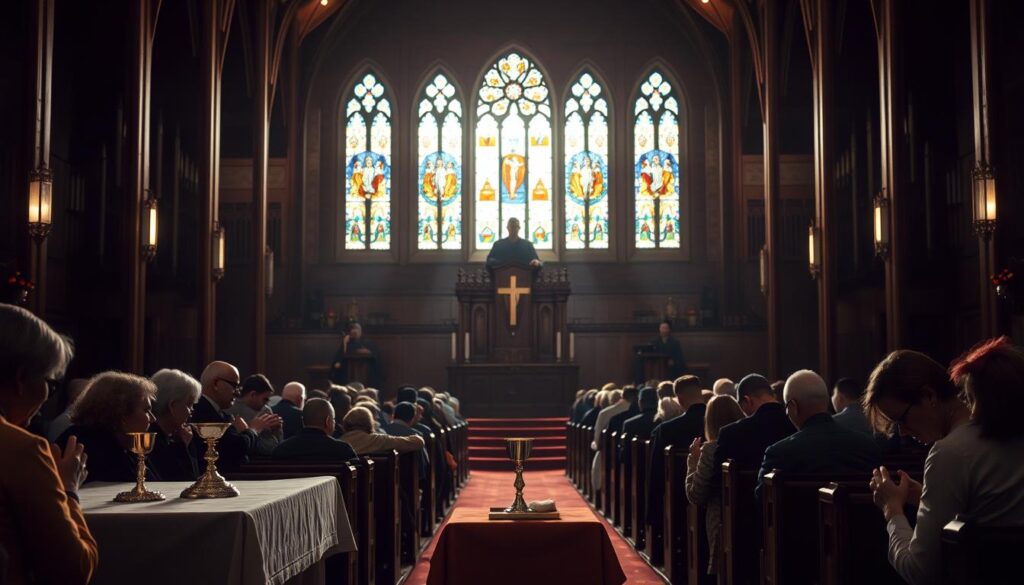
sacraments and worship practices

Baptism: Entry into the Faith

Water rituals mark spiritual rebirth, with methods reflecting theological perspectives. Some groups immerse adults fully, while others sprinkle infants. Lutheran and Anglican communities often baptize babies, viewing it as God’s promise to families. Baptist traditions wait until individuals can profess personal belief, usually during adolescence.

Communion: Celebrating Christ’s Sacrifice

Shared meals using bread and juice unite worshippers across generations. One pastor describes it as “remembering forward – honoring the past while anticipating eternity.” Frequency ranges from monthly observances to quarterly celebrations, depending on a congregation’s emphasis.

Dedication and Confirmation Practices

Families in non-baptizing denominations present babies during special services, pledging to nurture their faith. Later, teens often participate in confirmation classes. These milestones help children claim their spiritual identity while learning communal values.

Tithes and Acts of Charity

Financial giving becomes worship when paired with joyful intent. Many see tithing as returning a portion of God’s gifts to support community needs. Beyond money, members volunteer time and skills – from feeding neighbors to mentoring youth.

These rituals create spiritual rhythms, blending ancient symbolism with modern relevance. Whether through water, bread, or shared resources, they remind people their faith lives through action.

Community Impact: Practices and Modern Interpretations

Faith communities shape society through both ancient traditions and fresh approaches to spiritual connection. These groups balance time-honored customs with innovative ways to address today’s challenges, creating spaces where beliefs translate into meaningful action.

Diverse Denominational Practices

From high-church rituals to contemporary gatherings, spiritual groups express devotion in countless forms. One congregation might use centuries-old hymns, while another blends modern music with interactive discussions. Despite differences, most share a focus on Scripture-centered teaching and service-oriented missions.

Preaching, Weekly Observance, and Personal Worship

Sunday gatherings often mix structured elements with spontaneous moments. Many include creative programs for younger members, helping families grow together. Beyond weekly services, believers nurture their faith through morning meditations, mealtime blessings, and bedtime reflections.

Some find spiritual depth in group Bible studies held in living rooms. Others prefer solitary journaling sessions. A pastor recently shared: “Our worship doesn’t end when the music stops – it continues in how we treat our neighbors.”

Living Out Faith in Everyday Life

Modern interpretations of sacred texts inspire food drives, environmental initiatives, and advocacy for justice. Many communities operate mentorship programs pairing elders with youth. These efforts reflect the principle that love becomes tangible through practical support.

Volunteers often say serving others deepens their own spiritual journey. Whether tutoring students or visiting seniors, these acts bridge ancient teachings with contemporary needs. As one organizer noted: “We’re called to be hope with skin on.”

Conclusion

Spiritual growth thrives where structure meets personal freedom. The guidelines shaping these communities aim to help every person encounter the transformative presence of God through Jesus Christ. While practices vary across denominations, each tradition offers unique ways to live out shared values of compassion and service.

Central to this journey is the understanding that salvation flows from divine grace, not human achievement. This truth empowers believers to serve others without pressure to “earn” approval. Every baptized individual holds equal value, whether leading worship or volunteering in local neighborhoods.

Modern communities adapt ancient wisdom to address today’s challenges. From mentoring programs to environmental initiatives, they demonstrate faith through action. The Holy Spirit guides this work, helping people reflect God’s love in practical ways.

These frameworks honor both personal conscience and collective accountability. They remind us that spiritual vitality grows when we balance timeless truths with fresh approaches to serving the world.

FAQ

How do Protestant communities view spiritual authority?

Many emphasize the Bible as the ultimate guide, prioritizing Scripture over tradition. Leaders often encourage believers to personally engage with teachings while fostering accountability within congregations.

What role do the Ten Commandments play in daily life?

They serve as ethical foundations, highlighting values like honesty and respect. Paired with Jesus’ teachings in the Sermon on the Mount, they shape moral decisions and relationships.

Why is communion significant in worship services?

It commemorates Christ’s sacrifice, symbolizing unity among believers. Practices vary—some offer it weekly, others monthly—but all focus on remembering His grace and redemption.

How do denominations differ in baptism practices?

Some baptize infants as a covenant sign, while others wait for personal confession of faith. Both approaches reflect a commitment to welcoming individuals into the faith community.

What’s the purpose of tithing and charity?

Giving supports congregational needs and aids vulnerable groups. It’s seen as an act of gratitude, aligning with biblical calls to steward resources generously and justly.

How do modern believers integrate faith into daily routines?

Through prayer, ethical choices, and service. Many prioritize humility, forgiveness, and love—viewing everyday interactions as opportunities to reflect Christ’s teachings.

Are confirmation ceremonies common across traditions?

Yes, they often mark a person’s commitment to their beliefs. These rites vary but typically involve affirming one’s faith publicly and deepening understanding of Scripture.
Discover Protestant Churches in Your Area


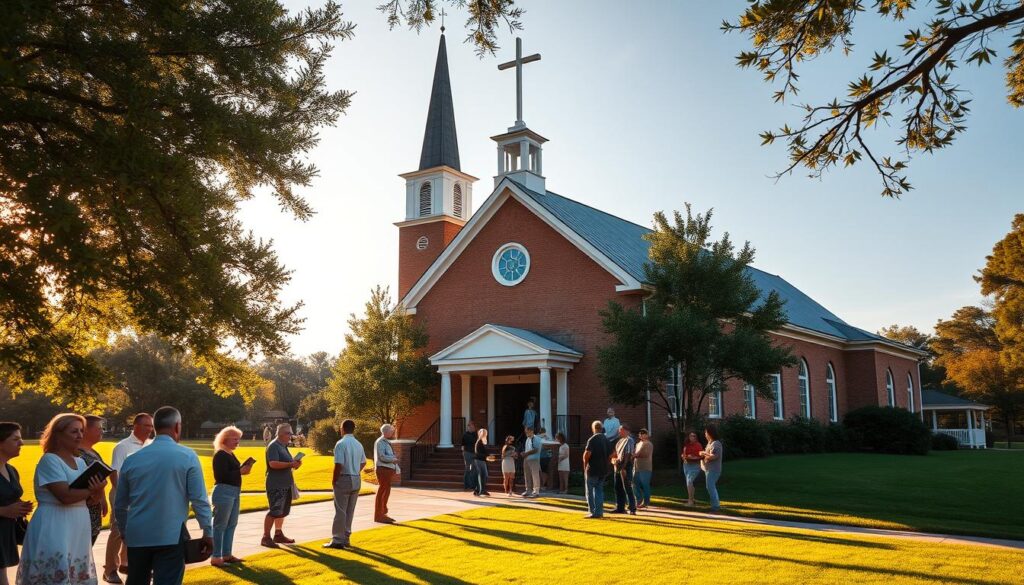
Finding a spiritual home that resonates with your beliefs can deepen your faith journey and create meaningful connections. Local faith communities often blend tradition with modern practices, offering worship experiences tailored to diverse preferences. From uplifting music to interactive sermons, these gatherings aim to inspire and unite.

Relocating or exploring new congregations? Many denominations prioritize hospitality, providing newcomer programs and social events to help you integrate smoothly. Whether you value historic liturgy or prefer casual services, options abound to match your spiritual needs.

Choosing where to worship involves practical considerations too. Service times, childcare availability, and outreach initiatives often influence decisions. Some groups focus on youth ministries, while others emphasize volunteer opportunities or Bible study groups.

Beyond Sunday gatherings, these spaces frequently act as neighborhood hubs. They host food drives, cultural events, and support networks—strengthening both individual faith and community bonds.

Key Takeaways

  • Local congregations offer varied worship styles, from traditional hymns to modern bands
  • Most provide orientation programs for visitors and new members
  • Evaluate practical factors like service schedules and family-friendly amenities
  • Many organize community service projects and social activities
  • Denominational differences shape theological emphasis and practices

Directory of Protestant Churches in My Area

Exploring Dallas’s vibrant spiritual landscape begins with knowing where to look. Our carefully curated guide simplifies your search for congregations that align with your values and lifestyle.

About Our Comprehensive Service Directory

This resource highlights diverse worship spaces across North Texas. From multi-campus networks like Watermark Community Church to neighborhood-focused groups such as Valley View Christian Church, we showcase locations in Far North Dallas, Carrollton, and beyond.

Each entry provides:

Church Location Style Unique Feature
Fellowship Church Downtown Dallas Contemporary Live streaming
Valley View Addison-adjacent Non-denominational Outdoor services
Watermark Multiple campuses Bible-centered Discipleship programs

How to Navigate Local Listings

Filter options let you sort by service times, music preferences, or ministry focus. Large print indicates parking details and accessibility features – crucial for stress-free visits.

Many locations offer first-time visitor packets with maps and program schedules. Whether you seek traditional liturgy or modern worship bands, our comparisons help identify your ideal faith community.

This tool isn’t just about addresses – it’s your roadmap to finding spiritual connections that feel like home.

Local Church Communities and Worship Times

Dallas-area congregations cater to diverse schedules with multiple worship opportunities each week. Morning services remain popular, with many offering back-to-back Sunday slots like 9:30 and 11:15am. This flexibility helps families coordinate activities while prioritizing spiritual growth.

worship times dallas

Insights on Dallas and Surrounding Regions

Modern faith communities blend tradition with innovation. Fellowship Church hosts live sermons with Pastor Ed at both morning services, while Valley View Christian Church streams their gatherings through YouTube and Facebook. Hybrid models let participants engage however they feel comfortable.

Weekend services typically feature:

  • Contemporary music with full bands
  • Interactive scripture discussions
  • Dedicated prayer sessions
Congregation Service Times Style Online Access
Fellowship Church Sun 9:30am & 11:15am Energetic In-person focus
Valley View Sun 10:00am Casual Live stream + archives
Grace Community Sat 5pm, Sun 8am & 10am Liturgical On-demand videos

Midweek groups strengthen connections beyond Sunday gatherings. Book clubs, volunteer teams, and study circles meet regularly across Dallas neighborhoods. These smaller settings often foster deeper relationships through shared experiences.

Many locations tailor their schedules to working professionals and students. Evening services and Wednesday prayer meetings provide alternative options for those with weekday commitments.

Service Highlights and Community Events

Vibrant gatherings and meaningful programs define local faith communities throughout the year. These experiences blend spiritual growth with practical support, creating spaces where families and individuals thrive together.

Featured Events: Year of the Word and Every Generation July

One standout initiative launching in 2025 is the Year of the Word. This church-wide effort invites participants to read through the entire Bible collectively over twelve months. Families receive reading plans and discussion guides to make scripture engagement a shared journey.

July brings intergenerational connections through Every Generation July. Children aged 3 years through grade 12 join main services alongside adults during this special month. The program strengthens family bonds through:

  • Age-appropriate worship activities
  • Interactive scripture lessons
  • Multigenerational service projects

Special Initiatives and Community Outreach

Local congregations extend their impact beyond weekly services. Many organize neighborhood cleanups and food drives that unite members across different grade levels. Annual clothing swaps and tutoring programs demonstrate year-round commitment to community support.

These efforts often span multiple years, creating lasting traditions. One church’s backpack giveaway has provided school supplies for eight consecutive years. Another hosts free summer camps for grades K-12, combining faith lessons with outdoor adventures.

Through such events, spiritual growth becomes a team sport. Families grow together while serving others – proving faith thrives when shared across generations.

Plan Your Visit and Get Connected

Stepping into a new worship space can feel both exciting and unfamiliar. Many congregations streamline this experience with thoughtful resources that answer questions before you arrive. Clear parking maps and accessible entrances help create a smooth start to your exploration.

Visitor Information: Parking, Accessibility, and First Impressions

Locations like Watermark Community Church prioritize stress-free visits with reserved guest parking near main entrances. Detailed accessibility guides outline ramp locations, hearing assistance devices, and sensory-friendly spaces. Most provide arrival recommendations – casual attire works nearly everywhere.

First-time guests often appreciate knowing where to find restrooms and children’s areas immediately. Valley View Christian Church’s lobby kiosk offers floor plans and welcome packets. Many greeters carry tablets to help navigate facilities in real time.

Online Services, Connect Cards, and Live Worship Options

Prefer to explore from home? Live streams let you experience music styles and teaching approaches beforehand. Valley View archives services for flexible viewing, while others offer virtual Q&A sessions with staff.

Digital connect cards make introductions effortless. Share your interests through online forms to receive personalized program suggestions. Several communities mail small welcome gifts – like coffee mugs with service schedules – to help newcomers feel at home.

Hybrid engagement meets people where they are. Whether you join through YouTube chats or in-person conversations, these tools help build connections at your own pace.

Explore Additional Ministries and Support Programs

Local congregations extend their impact through specialized programs that nurture spiritual growth and community bonds. These initiatives help individuals and families navigate life’s challenges while deepening their spiritual mission.

faith community support programs

Bible Study, Newcomers, and Marriage Enrichment

Structured learning opportunities form the backbone of spiritual development. Weekly study groups teach practical scripture application, helping participants connect biblical wisdom to modern life. New member initiatives pair recent arrivals with seasoned mentors, fostering relationships through shared meals and orientation sessions.

Couples find strength in marriage enrichment programs like Watermark’s re|engage. These safe spaces combine professional guidance with peer support, addressing communication challenges and financial stressors. One participant shared: “We rediscovered our foundation through honest conversations and grace-filled coaching.”

Support, Recovery, and Youth Programs

Healing ministries address challenges spanning addiction, grief, and anxiety. Christ-centered recovery programs help individuals rebuild over months or years, offering tools for lasting transformation. Valley View’s Care Team provides meals and transportation during health crises or major life transitions.

Youth initiatives engage students at every grade level:

  • Elementary clubs with interactive Bible games
  • Middle school mentorship partnerships
  • High school leadership development workshops

Young adults explore their mission through groups like The Porch, blending social events with service projects. These diverse offerings ensure everyone – from curious seekers to committed believers – finds pathways to strengthen their faith and purpose.

Experiencing Faith: Worship and Spiritual Growth

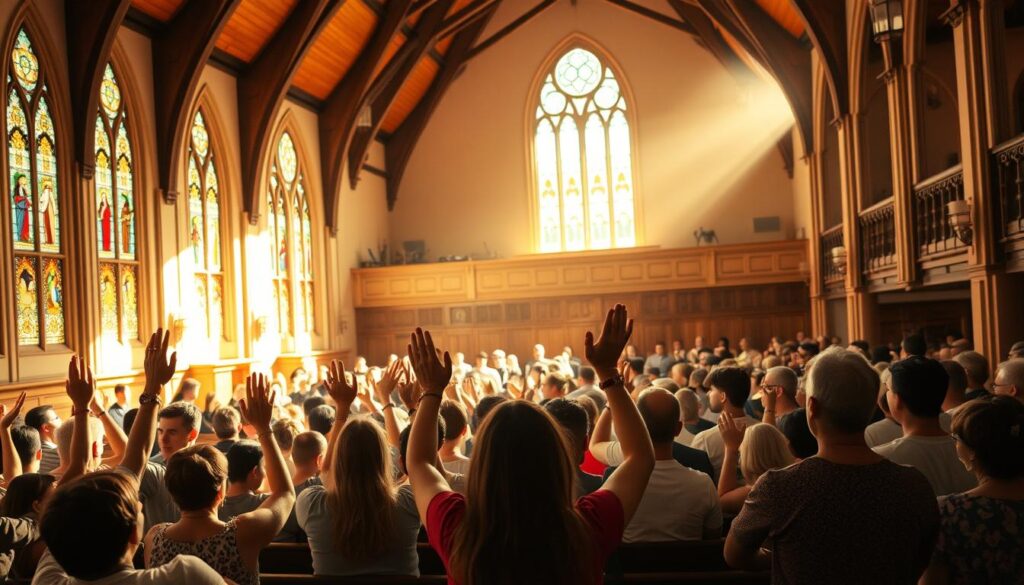
Meaningful worship experiences spark personal transformation while strengthening communal bonds. Across Dallas, gatherings blend dynamic teaching with practical faith application, creating spaces where beliefs become lived actions.

worship community growth

Engaging Sermons and Interactive Worship Moments

Weekend services at locations like Valley View Christian Church feature real-world scripture applications. Pastors address modern challenges through relatable stories and clear biblical principles. One attender noted: “The messages help me see how ancient wisdom solves today’s problems.”

Worship teams encourage participation through upbeat music and reflective prayer stations. Many incorporate interactive elements like:

  • Group scripture readings
  • Silent meditation periods
  • Written prayer requests

Deepening Your Spiritual Journey through Community

Valley View’s “Love Dallas, Live Free, Lead Others” mission comes alive through neighborhood projects. Members tutor students, organize food drives, and mentor newcomers – putting faith into action together.

Small groups foster growth through shared learning. These weekly gatherings help participants:

  • Apply sermon lessons to daily life
  • Build accountability partnerships
  • Discover personal leadership roles

As one member explains: “Our group helped me transition from Sunday spectator to active faith partner.” This shift from passive belief to purposeful living defines modern spiritual development.

Conclusion

Discovering a faith community that aligns with your values can enrich your life in unexpected ways. The Dallas region presents numerous options for those seeking meaningful connections through shared beliefs and service opportunities.

Modern congregations excel at blending spiritual growth with practical support. From marriage workshops to youth leadership programs, these groups create environments where members thrive personally and collectively.

Flexible worship formats and community outreach initiatives allow individuals to engage at their comfort level. Many locations now offer hybrid participation – join vibrant services in person or through high-quality streams.

Your search should balance personal preferences with opportunities for transformation. Consider how different ministries might address your current life stage or challenges. The right fit often combines inspiring teachings with authentic relationships.

Taking that initial visit opens doors to new friendships and purpose-driven activities. Whether through volunteer projects or study groups, these communities help turn beliefs into action. Your journey toward deeper connection starts with one courageous step.

FAQ

How do I find groups or events near Dallas?

Many local congregations host gatherings like Bible studies, youth programs, and community outreach. Check directories for updated schedules, including annual highlights like the Year of the Word or Every Generation July initiatives.

What should I expect during my first visit?

Most locations offer visitor parking, accessible entrances, and friendly greeters. Connect cards and live worship options help newcomers feel welcome. Dress codes are typically casual!

Are there programs for families or teens?

Yes! From grade-school activities to marriage enrichment workshops, many faith communities prioritize family support. Youth missions, summer camps, and recovery groups are also common.

Can I participate in online services?

Absolutely. Stream sermons, join virtual prayer circles, or explore interactive worship moments from home. Some even offer hybrid events for local and remote attendees.

How can I get involved in outreach efforts?

Local congregations often partner with food banks, shelters, and global missions. Check event calendars for volunteer opportunities or donation drives supporting Dallas-area needs.

Do churches host year-round spiritual growth activities?

Many provide weekly Bible studies, seasonal retreats, and discipleship courses. Look for small groups focused on prayer, scripture, or creative arts to deepen your faith journey.

Find the Best Christian Churches in Johnson City, TN


Searching for a spiritual home that aligns with your values? This vibrant Tennessee community offers diverse faith-based organizations focused on fostering meaningful connections. Whether you’re new to the area or exploring your beliefs, local congregations prioritize inclusivity and personal growth.

Grace Fellowship stands out by emphasizing community-driven outreach, blending traditional teachings with modern engagement. Their mission centers on creating spaces where members experience belonging while serving others. Meanwhile, Harrison Christian Church welcomes families through accessible programs designed to nurture spiritual curiosity at every age.

Worship styles vary widely here, from uplifting contemporary services to reflective traditional gatherings. Many congregations also organize volunteer initiatives, letting members strengthen their faith through action. This balance of reflection and service helps people build deeper relationships—with each other and their beliefs.

Key Takeaways

  • Multiple worship formats cater to different preferences and spiritual needs
  • Family-friendly programs help all ages engage with faith communities
  • Community service opportunities align spiritual growth with practical action
  • Newcomer-focused initiatives make first visits comfortable and welcoming
  • Churches prioritize both personal reflection and collective outreach efforts

Overview of christian churches johnson city tn

Finding a congregation that mirrors your commitment to service enriches daily life. Local faith groups unite around shared goals of fostering connections and demonstrating compassion through action. Their approach blends time-honored practices with fresh methods to meet modern needs.

Community Mission and Vision

Grace Fellowship lives by its motto: “building a community to reach a community.” Their programs encourage members to share kindness through volunteer projects and neighborhood partnerships. Another congregation focuses on three-fold connections—linking individuals to faith, to each other, and to regional support networks.

These groups recognize that spiritual growth thrives when people collaborate. Weekly gatherings often include planning sessions for food drives or mentorship programs. Relationship-building remains central, whether through shared meals or team-based outreach efforts.

Local History and Church Traditions

Many congregations honor heritage through annual events celebrating their founding principles. One organization hosts storytelling nights where long-time members share how early initiatives shaped current ministries. Others preserve customs like seasonal hymn festivals that unite multiple generations.

While respecting their roots, these groups adapt traditions to address current challenges. Youth programs might pair scripture study with social media safety workshops. This balance helps families maintain cultural touchstones while engaging with today’s world.

Worship Services and Events in Johnson City

From sunrise prayers to evening studies, varied opportunities help deepen spiritual connections. Local faith communities structure their weekly rhythms to support busy families while nurturing collective growth.

worship services events johnson city

Weekly Prayer & Sunday Worship Schedules

Early risers appreciate morning intercessory sessions starting at 8:30 AM. Most Sunday School programs run 9:30-10:30 AM, offering interactive lessons for all ages. Main services begin at 10:30 or 11:00 AM with blended music styles and practical messages.

Midweek options keep the momentum going. Wednesday evenings often feature Bible studies exploring scripture through modern lenses. One leader notes, “Our 6 PM gatherings help people apply ancient wisdom to current challenges.”

Family Programs and Children’s Ministries

Little ones enjoy safe nursery care while parents worship. Elementary kids dive into JAM sessions—creative activities mixing Bible stories with crafts. Teens participate in discussion groups tackling real-life topics through faith-based perspectives.

Special Community Events and Bible Studies

Seasonal festivals and service projects unite neighborhoods throughout the year. Summer backyard cookouts and winter coat drives demonstrate care beyond Sunday mornings. Small groups meet regularly for book discussions and prayer partnerships, creating spaces for authentic relationships to flourish.

Exploring Churches and Community Engagement

Innovative ministries in the area are redefining spiritual growth through hands-on service. These efforts blend timeless values with creative solutions to modern challenges, creating pathways for members to live their faith actively.

Innovative Programs and Initiatives

Grace Fellowship’s Grace Students program empowers teens through partnerships with organizations like the Appalachia Service Project. Youth repair homes for families in need, learning leadership skills while putting compassion into action. One volunteer shared, “These projects show kids how faith translates to real-world impact.”

Harrison’s approach includes funding local food banks and global missions equally. Their volunteer hub offers roles from mentoring kids to organizing charity events, ensuring everyone finds meaningful ways to contribute.

Connecting Through Faith and Service

Johnson City congregations build bridges by addressing practical needs. Monthly neighborhood cleanups and seasonal donation drives unite people across generations. These efforts create friendships rooted in shared purpose.

Annual backpack giveaways and free tutoring sessions demonstrate care beyond Sunday services. As one organizer notes, “When we serve together, we grow together.” Such initiatives strengthen both individual faith and the wider community.

Conclusion

Exploring faith communities in this Tennessee region reveals vibrant spaces where personal growth and service intersect. These organizations balance time-honored practices with fresh approaches, creating pathways for everyone to engage meaningfully.

Whether you prefer classic hymns or modern worship styles, local groups offer environments where families thrive. Many prioritize spiritual growth through interactive programs that spark curiosity across generations.

Weekly gatherings and seasonal events provide consistent opportunities to connect. From volunteer projects to study groups, these activities turn beliefs into action while building authentic relationships.

Visiting different congregations helps discover where your values align best. As one member shared, “Finding your place strengthens both faith and purpose.” Through teaching and outreach, these communities help deepen connections with Jesus Christ while serving neighbors near and far.

FAQ

What types of worship services are available locally?

Many congregations offer traditional Sunday services, contemporary gatherings, and midweek prayer meetings. Some also host live-streamed sessions for remote participation.

Are there programs for families with young children?

Yes! Several faith communities provide Sunday school classes, youth groups, and seasonal events like vacation Bible school. These programs focus on building values through age-appropriate activities.

How can I get involved in community outreach efforts?

Local congregations often organize food drives, volunteer projects, and partnerships with nonprofits. Check their websites or visit in person to learn about upcoming service opportunities.

Do churches here host events for newcomers?

Absolutely! From welcome dinners to small-group studies, many places prioritize connecting new faces with their ministries. Look for “visitor-friendly” tags on event calendars.

What makes local faith traditions unique?

The area blends Appalachian heritage with modern worship styles. You’ll find gospel music nights, historical lecture series, and interdenominational collaborations that reflect the region’s spirit.

Are there Bible study groups for adults?

Yes—most congregations offer weekday studies focusing on scripture, life application, and fellowship. Some even host hybrid sessions for in-person and online participation.

Explore the Leading Protestant Churches in Dublin


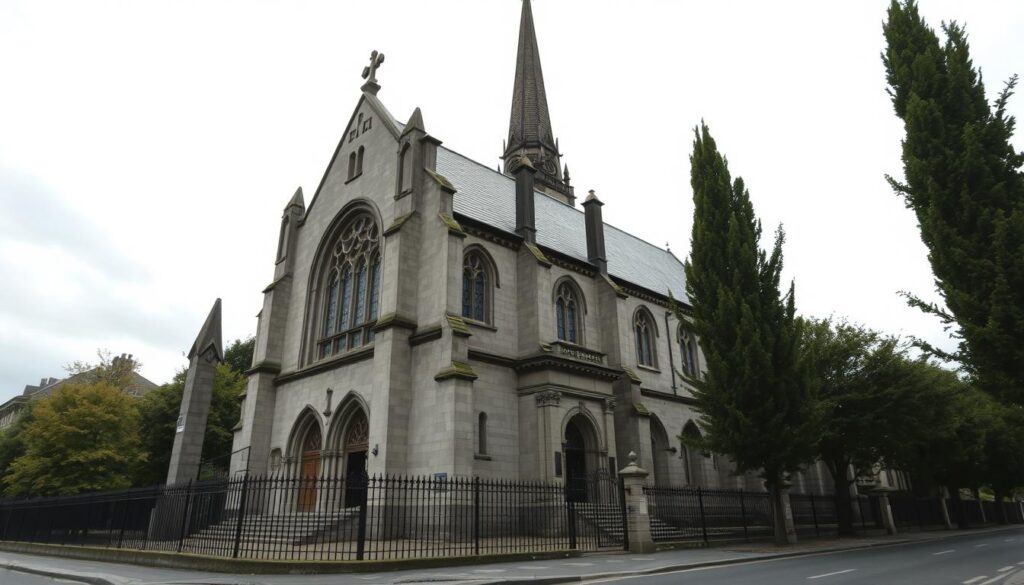
Ireland’s capital holds a unique spiritual legacy shaped by centuries of tradition. Religious life here traces back to the 1530s, when reforms transformed the island’s faith landscape. Today, historic landmarks like Saint Patrick’s Cathedral stand as symbols of this enduring heritage, blending ancient architecture with vibrant modern communities.

Visitors will discover diverse worship styles across the city. From traditional liturgies to contemporary gatherings, these faith groups prioritize inclusive fellowship and meaningful connections. Many host cultural events, youth programs, and outreach initiatives that strengthen local bonds.

What makes these congregations special? Their ability to honor the past while meeting today’s needs. Whether through music-filled services or quiet reflection spaces, they create welcoming environments for spiritual growth. The warmth of their communities reflects a shared commitment to service and unity.

Key Takeaways

  • Dublin’s religious roots date to the 16th-century Reformation
  • Iconic sites like Saint Patrick’s Cathedral showcase centuries of tradition
  • Worship styles range from formal ceremonies to casual gatherings
  • Community programs foster connection across generations
  • Modern congregations balance history with innovative outreach

Introduction to Protestant Churches in Dublin

Faith communities rooted in Reformation values shape Dublin’s spiritual landscape. These groups prioritize scripture-based teachings while fostering inclusive environments for all generations. Their distinct approach blends ancient traditions with modern expressions of belief.

What Defines These Spiritual Groups?

Central to their identity is the conviction that faith alone brings salvation. Unlike medieval practices, they emphasize direct engagement with biblical texts. Everyone participates equally – no special hierarchy separates leaders from congregants.

Historical Roots Meet Modern Life

The Church of Ireland stands as the most visible legacy, its steeples marking skylines since the 1500s. Yet today’s communities go beyond stone walls. Many host interactive family programs and youth mentorship initiatives that address contemporary needs.

Worship style varies widely across denominations. Traditional services feature liturgical chants and sacraments, while contemporary gatherings use modern music and casual formats. Both approaches share a focus on practical life applications of scripture.

These groups strengthen local bonds through food drives, counseling services, and cultural events. Their doors stay open throughout the week, proving spiritual care extends far beyond Sunday mornings.

Historical Background of Protestantism in Dublin

Dublin’s religious identity took a dramatic turn in the 16th century, setting the stage for centuries of spiritual evolution. This shift began with royal decrees that reshaped both politics and daily worship practices across Ireland.

church ireland historical transformation

The Reformation and Its Lasting Impact

In 1536, the Act of Supremacy marked a pivotal moment. King Henry VIII’s declaration as head of the Church of Ireland dissolved monasteries but spared iconic sites like Saint Patrick’s Cathedral through clever constitutional changes.

The cathedral’s transition from monastic to secular governance preserved its role as a worship center. Meanwhile, Trinity College Dublin emerged in 1592 to train clergy, cementing institutional support for reformed teachings.

Evolving Traditions Through the Centuries

New communities arrived during the 1600s, bringing diverse perspectives. English Puritans, Scottish Presbyterians, and French Huguenots each added unique flavors to local faith practices while maintaining core beliefs.

By the 1660s, these groups formed a vibrant tapestry of traditions. They weathered political storms and social changes, adapting services to meet shifting needs without losing their scriptural focus.

Today, stone buildings and active ministries stand as testaments to this enduring legacy. Their ability to honor the past while embracing time-tested values continues to shape Dublin’s spiritual character.

Protestant Churches Dublin: A Comprehensive Service Directory

Dublin’s diverse worship communities are now accessible through comprehensive online resources. Whether you prefer lively contemporary gatherings or traditional liturgy, organized directories help match seekers with their ideal spiritual home. Detailed listings showcase everything from charismatic celebrations to quiet contemplative services across the city.

Many congregations share contact details like email addresses and website links for easy access. Trinity Church on Gardiner Street Lower, for example, posts its weekly schedule online. Their vibrant services blend modern music with practical teachings that resonate across generations.

Neighborhoods from Terenure to the city center host varied denominations. Bethany Church offers structured evangelical programs for families, while other groups focus on youth mentorship or community outreach. Most provide multiple Sunday service times and midweek activities.

“Our doors – and inboxes – remain open to anyone seeking connection,” notes one church administrator. This welcoming approach extends through digital channels, where visitors can find maps, event calendars, and leadership contacts. Newcomers appreciate having key details like parking options and childcare availability upfront.

With updated directories, discovering local faith groups takes minutes instead of days. Essential information stays just a few clicks away, helping people connect with communities that align with their beliefs and geographical needs. Whether you’re settling in or just visiting, these tools simplify your spiritual journey.

Directory of Leading Dublin Churches

From ancient stone sanctuaries to modern worship spaces, the city hosts diverse spiritual hubs. Saint Patrick’s Cathedral remains the crown jewel of Ireland’s religious heritage, welcoming visitors daily with awe-inspiring architecture and serene prayer sessions.

church ireland service directory

Iconic Landmarks and Historic Congregations

Saint Patrick’s Cathedral offers Evening Prayer services that echo through its 13th-century walls. Their website shares live-stream links and downloadable event calendars. Monthly newsletters highlight volunteer opportunities and seasonal programs.

Congregation Service Style Key Feature
Saint Patrick’s Cathedral Traditional liturgy Free guided tours
Christ Church Cathedral Choral evensong Medieval crypt access
St. Ann’s Dawson Street Family-friendly Community choir

Evangelical and Church of Ireland Listings

Modern groups like Bethany Church blend upbeat music with interactive teachings. Their Thursday youth nights draw families from across the region. Contact forms on church websites simplify questions about service times or childcare options.

Community Service Times Contact Method
Trinity Church Sun 10:30 AM hello@trinitydublin.ie
Christ Embassy Wed 7 PM, Sun 9 AM Online chat
Bethany Church Sat 6 PM, Sun 11 AM Phone: +353 1 492 7088

Many congregations provide email updates about special events. First-time visitors often appreciate detailed parking maps and accessibility features listed on official sites. Whether you seek quiet reflection or lively fellowship, these groups make connection effortless.

Worship Services and Community Engagement

The rhythm of spiritual life here beats to diverse schedules designed for modern living. Morning gatherings create space for collective reflection, while evening sessions offer quieter moments for personal connection.

worship service community engagement

Morning and Evening Prayer Times

Sunday mornings typically buzz with energy between 10:30 and 11:00 AM when most communities hold their primary gatherings. Midweek evening services on Wednesdays and Sundays provide calmer environments for meditation. These twilight hours often feature candlelit spaces and acoustic music that deepen the prayer experience.

Service Type Days Atmosphere
Morning Worship Sundays Lively, family-oriented
Evening Prayer Wed/Sun Intimate, reflective

Special Programs, Family Services, and Events

Young families thrive through tailored initiatives like Storytime Bible Hours and summer camps. One parent shared: “Our kids beg to attend the Saturday craft workshops – they learn through play while we connect with other adults.”

Annual highlights include harvest festivals and neighborhood service projects. Prayer circles meet weekly to support local needs, from hospital visits to meal deliveries. These efforts strengthen bonds beyond Sunday gatherings, proving faith communities grow strongest through shared action.

Experiencing the Heritage and Community Spirit

Walking through centuries-old archways, visitors encounter living traditions that bridge past and present. Historic sites host vibrant gatherings where ancient hymns mingle with modern worship songs. These spaces offer more than sightseeing – they invite participation in community life shaped by shared values.

Guided tours reveal hidden stories etched in stained glass and stonework. Many locations let you book interactive experiences, like exploring medieval crypts or attending bell-ringing demonstrations. “Touching these walls feels like shaking hands with history,” shares a recent visitor from Texas.

Weekly coffee mornings and volunteer projects strengthen neighborhood bonds. Members rally around those facing challenges through meal trains, counseling services, and childcare swaps. This culture of support turns strangers into extended family within months.

Seasonal festivals blend heritage with creativity – think Christmas markets in Gothic courtyards or Easter art shows featuring local talent. Young families especially appreciate history-themed scavenger hunts that make learning playful.

“Our community doesn’t just preserve the past – we reimagine it for today’s needs.”

From choir rehearsals to food pantry shifts, daily activities prove spiritual growth happens through action. Whether you’re exploring alone or with loved ones, these spaces welcome all to write the next chapter of their story.

Diverse Denominations and Unique Worship Styles

Spiritual seekers in Ireland’s capital find a mosaic of faith expressions shaped by centuries of theological thought. This vibrant tapestry ranges from high-church rituals to spontaneous praise sessions, each reflecting distinct interpretations of Christian practice.

Expression Through Different Lenses

Evangelical communities emphasize personal spiritual journeys. Sunday gatherings often feature upbeat music and practical life lessons from scripture. “Our worship style feels like a conversation with friends,” shares a regular attendee at Mission Church. Small groups here dive deep into biblical analysis while fostering close-knit relationships.

Pentecostal assemblies bring energetic celebrations to life. Hands-raised singing and passionate prayer mark their services. At Christian Assembly, spontaneous testimonies and emphasis on spiritual gifts create dynamic atmospheres where emotion and devotion intertwine.

Traditional Anglican practice thrives through structured communion services. The Church of Ireland preserves liturgical rhythms using the Book of Common Prayer. Hymns echo through vaulted ceilings during formal Eucharist celebrations, connecting modern worshippers to reformation-era roots.

“Our different approaches all point to the same truth – that faith transforms lives.”

Reformed congregations blend intellectual rigor with heartfelt devotion. Theological discussions flourish in study groups, while Sunday services balance hymn-singing with expository preaching. This diversity ensures everyone finds spaces where their spiritual needs meet meaningful tradition.

Connecting with Dublin’s Vibrant Church Communities

Building meaningful connections with local faith groups begins with knowing where to start. Most communities make it easy through clear communication channels and welcoming programs designed for newcomers.

Practical Tips for Visitors and Congregants

Check websites for updated service schedules and direct links to contact forms. Many post summer activity calendars months in advance, including youth camps and family-friendly Bible schools. Email addresses listed online often connect you directly with clergy or volunteer coordinators.

Small groups provide ideal spaces to form friendships while exploring faith topics. These casual gatherings meet weekly in homes or community centers, blending study sessions with shared meals. First-time visitors often appreciate their relaxed atmosphere compared to larger services.

Don’t hesitate to ask questions! Pastoral teams prioritize personal conversations, whether through coffee meetings or quick email exchanges. Their open-door policy extends to practical support, from marriage counseling to school-year mentorship programs.

FAQ

What types of worship styles can I find in Dublin’s churches?

You’ll discover a mix of traditional and modern styles, including liturgical services with hymns, contemporary music, and informal gatherings. Some congregations blend ancient prayers with vibrant community-focused events.

Are there family-friendly programs available?

Yes! Many congregations host Sunday school, youth groups, and seasonal events like summer camps. Family services often include interactive activities tailored for children and parents.

How can visitors connect with local church communities?

Check websites for visitor hours, introductory coffee mornings, or newcomer meetups. Historic parishes like Saint Patrick’s Cathedral also offer guided tours to explore their heritage.

Do churches in the city host special events?

Absolutely. Look out for choir concerts, charity drives, and holiday celebrations like Christmas markets or Easter workshops. Some even organize community suppers or book clubs.

What’s the best way to learn about service times?

Most congregations update their schedules online. Morning prayers, evening services, and midweek gatherings are common. You can also call or email clergy for personalized guidance.

Are there differences between denominations like Evangelical and Church of Ireland?

While all share core Christian beliefs, practices vary. For example, Evangelical groups might emphasize lively worship, while Church of Ireland services often follow a structured liturgy with communion.

Can I attend services if I’m not a member?

Everyone is welcome! Whether you’re exploring faith or seeking community, congregations across the city encourage visitors to join worship, prayer groups, or social events.

Exploring the Origins of the Protestant Church


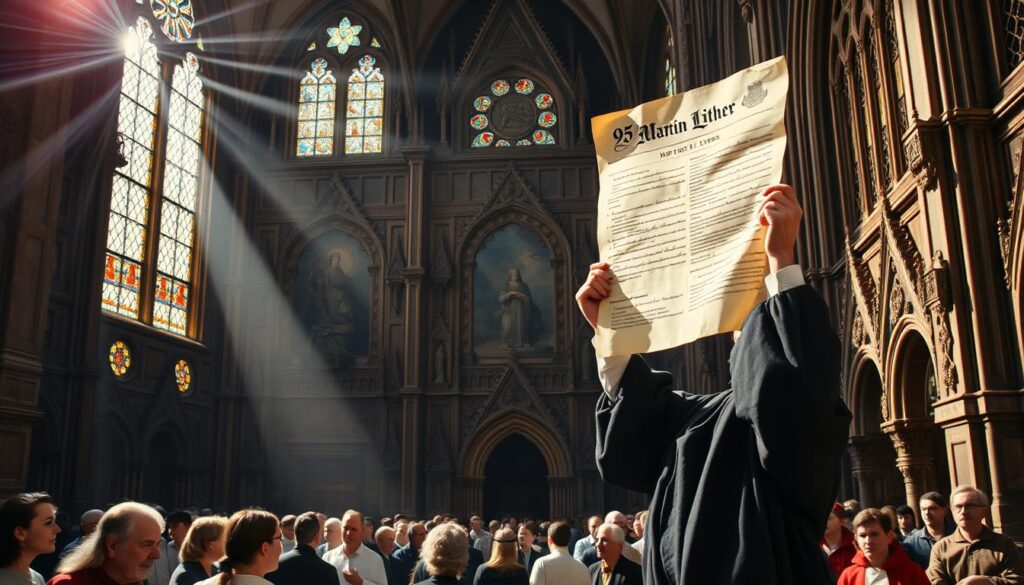
Let’s travel back to 16th-century Europe, where a single act of defiance sparked a spiritual revolution. On October 31, 1517, a German monk named Martin Luther nailed his 95 Theses to a church door in Wittenberg. This bold move questioned long-held religious practices and ignited debates that would reshape Christianity forever.

What started as a call for reform grew into a powerful movement. People across Europe began challenging traditional authority, demanding changes to how faith was practiced. The Reformation wasn’t just about theology—it became a cultural earthquake that shook politics, education, and daily life.

This period saw ordinary citizens gain unprecedented access to religious texts. New translations of the Bible empowered individuals to interpret scripture themselves. As these ideas spread, they created fractures in medieval society, leading to the rise of diverse Christian traditions.

Through this article, you’ll uncover how a humble protest evolved into a world-changing force. We’ll explore the social tensions, technological advancements (like the printing press), and courageous figures who made this transformation possible. Their legacy still influences modern discussions about faith, freedom, and community.

Key Takeaways

  • Martin Luther’s 95 Theses in 1517 sparked a religious revolution across Europe
  • The Reformation challenged both spiritual practices and political power structures
  • Accessible Bible translations shifted religious authority to individuals
  • Printing technology accelerated the spread of reformist ideas
  • Lasting impacts include modern concepts of religious freedom and self-governance

Historical Context: The Late Medieval Church and Its Society

Europe’s spiritual landscape looked dramatically different before reform movements took root. Religious institutions wielded unmatched influence, blending sacred duties with earthly ambitions. This era set the foundation for seismic shifts in how communities practiced faith and governed themselves.

Faith Meets Politics

Spiritual leaders held court like royalty, advising monarchs and managing territories larger than some kingdoms. One cardinal’s diary from 1490 reveals: “We build cathedrals not just for prayer, but to remind princes who shapes their destiny.” This fusion of roles created tensions that simmered for generations.

Breaking Point for Believers

Public trust eroded as leaders prioritized luxury over spiritual guidance. Consider these comparisons:

Aspect Late Medieval Era Early Reformation
Leadership Focus Art commissions Scripture access
Funding Priorities Papal palaces Local schools
Public Perception Growing distrust Grassroots movements

Scandals like Pope Alexander VI’s public family life shocked worshippers. Records show Venetian merchants complaining about “golden roofs funded by peasant coins” in 1501. As literacy spread, more citizens questioned why their hardships funded lavish projects rather than community needs.

This climate of frustration created fertile ground for change. By 1510, over 60% of German towns had secret reading groups studying banned texts—a quiet rebellion before the storm.

Catalysts of Change: The Reformation’s Root Causes

Three powerful forces collided to create history’s most transformative spiritual shift. Money, power, and ideas combined in ways that made religious upheaval unavoidable.

Economic, Political, and Doctrinal Pressures

Peasants watched carts loaded with silver coins rumble toward Rome. One German farmer’s 1512 ledger shows “half our harvest tithe sent to build marble halls we’ll never see”. This wealth transfer fueled anger across Europe.

Kings grew tired of foreign interference. When Henry VII of England demanded control over local religious appointments, a bishop protested: “Your majesty treads where angels fear to govern.” Monarchs increasingly saw centralized authority as outdated.

Pressure Type Example Impact
Economic Papal taxes Local resentment
Political Royal decrees Reduced Vatican influence
Doctrinal Wycliffe’s teachings Scripture-focused groups

Thinkers like John Wycliffe lit intellectual fires. His radical claim that “Scripture alone guides salvation” bypassed traditional structures. These ideas spread through merchant networks and university circles.

By 1500, over 200 underground study groups met in England alone. People craved direct connections to their faith—a hunger institutions couldn’t satisfy. This convergence made reform not just likely, but essential for millions seeking spiritual renewal.

Martin Luther: Challenging the Catholic Doctrine

A single document changed the course of religious history forever. In 1517, Martin Luther crafted 95 arguments questioning common practices, aiming to spark discussion rather than rebellion. His actions would ripple across continents, redefining how millions approached spirituality.

martin luther 95 theses

The 95 Theses and Their Impact

Luther’s critique of indulgences struck at the heart of religious commerce. “Why does the pope’s wealth outshine Christ’s mercy?” he wrote, challenging the sale of divine forgiveness. This bold stance resonated with farmers and nobles alike—both tired of funding lavish projects through mandatory payments.

Practice Luther’s View Public Reaction
Indulgence sales Corrupt profit scheme Widespread anger
Scripture access Right for all believers Growing literacy
Salvation process Faith-based, not works Personal empowerment

Personal Faith Versus Institutional Authority

Luther’s ideas turned tradition upside down. He argued that salvation came through individual belief, not institutional rituals. Commoners began reading translated Bibles, discovering they didn’t need intermediaries to connect with the divine.

This shift created both hope and chaos. Local leaders embraced self-guided worship, while Rome scrambled to maintain control. What started as an academic debate became a blueprint for spiritual independence that still shapes modern faith practices.

Examining the protestant church beginning and Its Foundational Figures

The spiritual revolution of the 16th century wasn’t a solo performance—it was a chorus of voices demanding change. While this article focuses on key architects of reform, their collective efforts reshaped Europe’s religious landscape through bold ideas and grassroots action.

Influence of Early Reformers

Luther’s stand against indulgences became a rallying cry for thinkers like John Calvin and Huldrych Zwingli. Calvin’s teachings in France emphasized predestination, while Zwingli’s Swiss reforms questioned traditional communion practices. Their debates created distinct branches within the growing movement.

Reformer Key Contribution Lasting Impact
John Calvin Systematic theology Presbyterian traditions
Huldrych Zwingli Symbolic communion Reformed worship styles
Anabaptists Adult baptism Mennonite/Amish roots

Legacy of Pioneering Movements

Radical groups like the Anabaptists took reforms further. They rejected infant baptism, arguing that faith required conscious choice. “True belief cannot be forced through ceremony,” wrote one leader in 1525. These ideas spread rapidly, forming communities that valued personal conviction over institutional approval.

Over the years, these diverse approaches attracted members from all social classes. Local adaptations helped the movement thrive in different regions—from German city-states to English villages. What united them was a shared commitment to accessible scripture and individual spiritual responsibility.

Today, over 900 million Christians trace their roots to these early reformers. Their courage to question authority continues to inspire modern discussions about faith, community, and personal freedom.

The Role of John Calvin: Structure and Worship in the Reformation

While fiery debates shaped early reforms, John Calvin brought something new to the table—blueprints for lasting change. His genius lay in creating repeatable systems that turned scattered groups into organized communities of belief.

calvin church structure

Development of Church Discipline and Governance

Calvin’s work in Meaux (1555) became a template for France’s growing network. He designed four leadership roles:

Role Function Impact
Pastors Teach scripture Unified doctrine
Elders Maintain discipline Community standards
Deacons Manage resources Social support
Teachers Educate members Literacy growth

This structure spread to Paris and southern regions within four years. Local groups adapted Calvin’s model while keeping core principles intact.

Synods, Confessions, and the Reformed Identity

Everything changed in 1559 when 72 representatives risked arrest to meet secretly in Paris. At this historic synod, they approved two groundbreaking documents:

  • A confession of faith emphasizing personal devotion
  • Articles of discipline outlining shared practices

One attendee wrote: “We emerged not as rebels, but as stewards of true religion.” These agreements helped diverse congregations feel part of something larger while preserving local flexibility.

Calvin’s systems proved so effective that by 1562, over 2,000 French communities had adopted his model. His blend of structure and spirituality continues to shape modern worship practices across denominations.

Reformation and Its Turbulent Political Landscape

The clash of faith and politics reshaped Europe’s power structures during this era. After King Henry II’s fatal jousting accident in 1559, his council members shocked the court by publicly supporting reformist groups. This bold move transformed religious debates into high-stakes power plays.

religious wars political landscape

Political Power Struggles in Europe

France’s royal court became a battleground between rival factions. The Guise brothers—Duke Francis and Cardinal Charles—controlled young King Francis II like chess pieces. “Our faith serves the crown,” the Cardinal declared in 1560, though many saw their actions as self-serving.

Faction Goal Tactic
Catholic Nobles Maintain Vatican ties Court influence
Reformist Lords Limit papal power Secret alliances

The failed Amboise conspiracy revealed growing desperation. Protestant nobles planned to kidnap the king, hoping to free him from Catholic advisors. Though unsuccessful, this event exposed deep divisions that would spark violence in coming years.

Religious Wars and Shifting Alliances

What began as theological debates soon turned bloody. By 1562, over 2,000 French towns saw clashes between armed groups. Local disputes over worship rights escalated into regional conflicts.

  • Catholic leaders formed the Holy League
  • Protestant nobles created defensive pacts
  • Neutral rulers played both sides

These shifting alliances turned religion into a political weapon. As one diplomat noted: “The cross and crown now share the same war chest.” The stage was set for decades of warfare that would redraw Europe’s map.

Impact on Society: Religion, Freedom, and Social Change

The Reformation reshaped daily life in ways still felt today. Ordinary individuals gained unprecedented control over their spiritual journeys, challenging centuries of tradition. This shift didn’t just alter religious practices—it rewrote the rules of community and personal identity.

Access to translated scriptures allowed believers to form direct spiritual relationships with divine teachings. Families began discussing faith around dinner tables rather than relying solely on institutions. This freedom sparked new forms of education and civic participation across Europe.

Social structures adapted to these changes. Local leaders emerged from lay communities, while shared interpretation of texts created bonds between neighbors. The reform movement’s emphasis on personal responsibility influenced early concepts of self-governance.

These transformations show how questioning authority can reshape entire societies. The push for spiritual independence planted seeds that grew into modern ideas about liberty and collective progress.

FAQ

What sparked the Reformation movement in Europe?

The Reformation grew from tensions like corruption in the Catholic Church, doctrinal disagreements, and political conflicts. Martin Luther’s 95 Theses in 1517 criticized practices like selling indulgences, igniting debates about faith and authority.

How did John Calvin shape Reformed churches?

Calvin introduced structured governance, emphasizing predestination and strict moral discipline. His teachings influenced synods and confessions, creating a distinct Reformed identity that prioritized scripture and community accountability.

Why did political leaders support the Reformation?

Rulers like German princes saw the movement as a chance to challenge papal authority and gain control over local churches. This shift often aligned with their goals for independence from the Holy Roman Empire.

What role did women play in early Reformed communities?

Women contributed through education, charity, and supporting reformers’ families. While leadership roles were limited, their activism in spreading ideas helped sustain the movement during persecution.

How did the Reformation impact social structures?

It challenged traditional hierarchies by promoting literacy and individual faith. Concepts like marriage reforms and addressing poverty reshaped communities, though conflicts like the Thirty Years’ War also caused upheaval.

What doctrines defined early Reformed theology?

Key ideas included salvation through faith alone, scripture as the ultimate authority, and predestination. These principles distanced Reformed groups from Catholic teachings on sacraments and clergy power.

How did Catholic dominance shape pre-Reformation society?

The Church influenced laws, education, and daily life. Criticisms of its wealth and practices, however, created fertile ground for reformers to demand accountability and simpler worship.

Discover the Names of Protestant Churches


Christianity’s diverse landscape includes hundreds of faith communities shaped by centuries of history. These groups, born from the 16th-century Reformation, carry titles reflecting their roots, beliefs, and cultural influences. Understanding their names offers a window into their identity—from honoring reformers like Martin Luther to highlighting practices such as adult baptism.

Today, over 800 million people identify with these traditions globally. Pentecostal and Charismatic groups lead in membership, followed by Anglicans, Baptists, and Lutherans. Each family has unique governance styles, often prioritizing local decision-making over centralized hierarchies.

Names like “Methodist” or “Adventist” reveal theological priorities, while others nod to geographic origins. This guide unpacks how these labels emerged, their core principles, and how they’ve adapted across continents. You’ll learn why some groups emphasize unity through alliances, while others focus on distinct teachings.

Key Takeaways

  • Protestant traditions began during the Reformation and now include hundreds of denominations
  • Church names often honor founders, locations, or theological practices
  • Pentecostal groups form the largest Protestant family worldwide
  • Local governance contrasts with centralized Catholic structures
  • Names reflect cultural, historical, and regional influences

Introduction to Protestant Denominations

Faith communities across the globe express their beliefs through various organized groups. These groups developed unique identities after breaking from older religious structures centuries ago. Their differences often center on how they interpret sacred texts and organize their practices.

What Are Protestant Denominations?

These faith groups trace their roots to 16th-century reforms. Unlike the Roman Catholic Church, which follows centralized leadership, they emphasize personal Bible study. Members believe everyone can connect directly with divine teachings without intermediaries.

Nine main families exist today, including Baptists and Lutherans. Each group maintains distinct traditions while sharing core ideas like salvation through faith. They view themselves as parts of a universal spiritual community beyond physical buildings.

Key Characteristics and Beliefs

Shared principles unite these groups despite their diversity. They prioritize scripture over tradition and reject hierarchical control. Local congregations often make decisions independently while collaborating on shared goals.

Here’s how they compare to other Christian traditions:

Feature Protestant Denomination Roman Catholic Church
Scripture Interpretation Individual & congregational Papal authority
Leadership Structure Local autonomy Central hierarchy
Core Emphasis Faith-based salvation Sacraments & tradition

This flexible system allows groups to adapt teachings to cultural contexts while preserving essential beliefs. From global networks to neighborhood assemblies, these communities shape modern spiritual life.

Historical Evolution of Protestant Churches

Religious transformations in 16th-century Europe reshaped spiritual landscapes forever. This period saw communities redefine their relationships with sacred texts and authority structures. Let’s explore how these changes unfolded through pivotal moments and leaders.

Reformation historical documents

The Reformation and Its Impact

Martin Luther’s 95 Theses in 1517 sparked a chain reaction across the Roman Catholic world. His critiques of indulgences and church practices found eager audiences. Within decades, reformers like John Calvin expanded these ideas into full theological systems.

England’s break from the Catholic Church came through royal politics. Henry VIII’s 1534 Act of Supremacy created the Church of England, blending traditional rituals with new governance. Thomas Cranmer later shaped its identity through prayer books and doctrinal statements.

Milestones in Denominational Development

New faith communities emerged as reforms spread. Lutherans organized around scriptural authority, while Baptists pioneered believer’s baptism in 1609 Amsterdam. Methodists later formed revival-focused societies within the Church of England framework.

Regional influences shaped these movements profoundly:

Event Year Key Figure
Lutheran Church Formation 1520s Martin Luther
Anglican Church Establishment 1534 Henry VIII
First Baptist Assembly 1609 John Smyth
Methodist Movement Begins 1730s John Wesley

Migration patterns carried these traditions across the world, adapting to local cultures while preserving core beliefs. Revival movements further diversified practices, creating the rich denominational tapestry we recognize today.

Understanding “protestant churches names”

What’s in a name? For faith communities, titles act like spiritual signposts pointing to core beliefs and historical journeys. These labels help members identify shared values while inviting others to explore their distinct approaches to worship.

Definition and Importance

Group titles often reveal what matters most to a denomination. “A church’s name functions as both compass and map,” notes theologian Dr. Emily Carter. Baptist churches highlight baptism practices, while reformed churches signal theological roots in Calvinist teachings.

Names preserve heritage too. The Lutheran church honors Martin Luther’s reforms, creating instant historical connections. Modern assemblies sometimes update titles to reflect new priorities without abandoning foundational truths.

Examples Across Various Denominations

This table shows how different groups use names to communicate identity:

Denomination Naming Reason Key Example
Baptist Churches Baptism practices Full immersion rituals
Methodist Church Disciplined faith approach John Wesley’s teachings
Lutheran Church Founder recognition Martin Luther’s legacy
Reformed Churches Theological tradition Calvinist principles
Presbyterian Leadership structure Elder-led governance

Geographic markers also appear frequently. Groups like the Korean Presbyterian Church or African Methodist Episcopal denomination blend location with tradition, showing how faith adapts across cultures.

Major Denominational Families Explained

Global spiritual communities organize around distinct belief systems that shape their identities. Six key groups stand out for their historical impact and unique practices. Let’s explore what makes each tradition special.

Major Protestant denominational families

Baptist, Methodist, and Lutheran Traditions

The baptist convention represents communities prioritizing adult baptism by immersion. With 84 million members, they value local decision-making over centralized control. Their focus on personal faith decisions shapes outreach efforts.

Lutheran church teachings stem from Martin Luther’s emphasis on grace-driven salvation. Nearly 70 million members practice liturgical worship and infant baptism. Their communion theology blends symbolic and literal elements.

John Wesley’s methodist church movement champions social justice and spiritual growth. Over 46 million members pursue “Christian perfection” through structured faith practices. Their small-group approach fosters personal accountability.

Anglican, Reformed, and Pentecostal Influences

The anglican church balances tradition with reform, serving 97 million believers. As a middle path between Catholic and Protestant practices, it maintains bishop-led governance. This flexibility allows cultural adaptation while preserving core rituals.

Reformed churches follow Calvinist principles emphasizing God’s supreme authority. With 70 million adherents, they stress predestination and scriptural authority. Presbyterian groups form the largest subset within this family.

Pentecostal communities lead global growth, boasting 644 million members. The pentecostal church experience centers on spiritual gifts like healing and speaking in tongues. Emotional worship services and spontaneous prayer define their vibrant gatherings.

Understanding these families helps navigate spiritual landscapes. While sharing core Christian beliefs, each group brings unique perspectives to scripture interpretation and community life.

The Role of Membership and Growth in Denominations

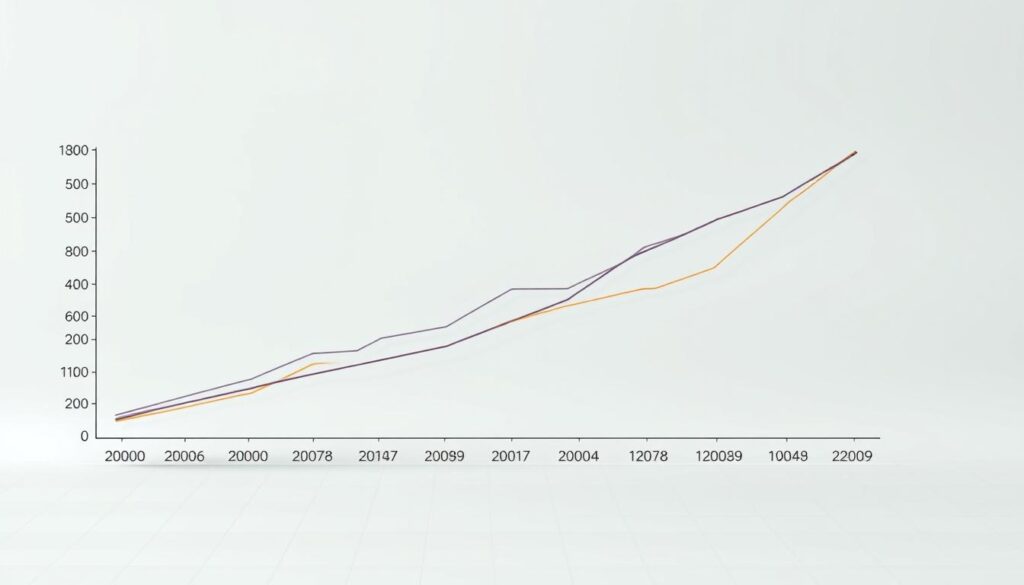
Numbers tell stories beyond mere counts—they reveal shifts in belief and community engagement. Tracking participation helps us see where spiritual movements thrive or face challenges. Let’s explore what membership data says about modern faith communities.

membership growth trends in denominations

Statistical Insights from Church Reports

Global alliances report striking figures. The World Evangelical Alliance connects 600 million believers, while the Anglican Communion spans 85-110 million members. Yet numbers don’t always reflect active participation. Some groups count every baptized person, while others track weekly attendees.

Recent trends show contrasts. The Assemblies of God saw a 0.5% U.S. membership increase—a rare growth story. Meanwhile, many traditional groups report declines. This table highlights key differences:

Denominational Family Global Membership Recent Growth
Anglican Communion 85-110 million Mixed (Global rise, Western decline)
Lutheran World Federation 78.4 million Stable
Baptist World Alliance 51 million Declining in North America
World Communion of Reformed Churches 100 million Growing in Africa/Asia
Assemblies of God Not specified +0.5% (U.S.)

Impact of Membership Data on Church Identity

These numbers shape how groups view themselves. Declining denominations often rethink outreach methods. Some adopt contemporary worship styles or focus on social justice issues. Others double down on traditional teachings.

Growth patterns also influence resource allocation. Groups expanding in Africa and Asia prioritize translation projects and local leadership training. Meanwhile, North American churches facing membership drops invest in digital outreach and community programs.

As one researcher notes: “A denomination’s survival often hinges on balancing heritage with cultural relevance.” Membership stats don’t just measure size—they mirror how effectively spiritual communities adapt to changing worlds.

Prominent Protestant Denominations in the United States

America’s spiritual tapestry features distinct communities shaping modern religious life. Recent data from the Yearbook of American and Canadian Churches reveals fascinating membership patterns. These groups adapt historic traditions to meet contemporary needs while maintaining core identities.

Southern Baptist Convention and United Methodists

The Southern Baptist Convention leads with 16.2 million members, emphasizing local decision-making and evangelism. Their decentralized structure allows congregations to address regional needs effectively. Meanwhile, the United Methodist Church reports 7.8 million members despite recent internal debates over doctrine.

Insights from National Membership Data

Other major groups include the National Baptist Convention (5 million) and Evangelical Lutheran Church. The Church of God in Christ ranks third with 5.5 million members, showcasing Pentecostal growth trends. Southern states dominate Baptist membership, while Methodists maintain stronger Midwest roots.

Urban centers see younger denominations gaining traction through contemporary worship styles. “Our numbers reflect both heritage and innovation,” notes a Dallas-based faith leader. These patterns highlight how communities balance tradition with cultural relevance in the United States.

FAQ

What are some major Protestant denominations in the United States?

The Southern Baptist Convention, United Methodist Church, Evangelical Lutheran Church in America, and Presbyterian Church (USA) are among the largest. Groups like the Assemblies of God and Anglican Communion also hold significant influence.

How do Baptist and Methodist traditions differ?

Baptists emphasize believer’s baptism and local church autonomy, while Methodists focus on Wesleyan theology, communal sacraments, and a connectional structure. Both value scripture but approach governance differently.

Why is membership data important for denominations?

Numbers from organizations like the National Baptist Convention or Evangelical Lutheran Church highlight growth trends, regional influence, and outreach effectiveness. This data shapes strategies for community engagement and resource allocation.

What role did the Reformation play in denominational development?

The Reformation sparked movements like Lutheranism and the Reformed Church, challenging Roman Catholic practices. It led to doctrinal splits, creating diverse traditions such as Anglican, Anabaptist, and later Pentecostal branches.

How do Pentecostal churches differ from Anglican traditions?

Pentecostal groups, like the Assemblies of God, prioritize spiritual gifts (e.g., speaking in tongues) and spontaneous worship. Anglicans, part of the global Anglican Communion, follow liturgical practices and episcopal governance rooted in Church of England heritage.

What defines a “denominational family”?

Groups like the Reformed Church in America or African Methodist Episcopal Church share core beliefs but may vary in practices. Families often emerge from historical splits, cultural contexts, or theological debates, such as the Methodist Episcopal Church’s evolution.