Recent Posts

What Do Baptists Believe? Explore Baptist Church Teachings


Exploring the foundations of Baptist teachings reveals a faith deeply rooted in Scripture and personal commitment. Central to these beliefs is the authority of the New Testament, guiding principles like salvation through Jesus Christ and the symbolic nature of baptism. Unlike some traditions, Baptists emphasize believer’s baptism—a public declaration of faith reserved for those who consciously choose to follow Christ.

Historical roots trace back to early Christian practices, with modern congregations prioritizing local autonomy. This structure allows each group to adapt while maintaining core doctrines. One key ritual is the Lord’s Supper, observed as a remembrance of Christ’s sacrifice rather than a sacramental act.

This guide will unpack essential topics, including baptism by immersion and the role of Scripture in shaping daily life. You’ll also discover how local fellowships foster community through shared worship and service. Historical context and scriptural references provide clarity for both newcomers and seasoned members seeking deeper understanding.

Key Takeaways

  • Baptist teachings prioritize New Testament authority and personal faith in Jesus Christ
  • Believer’s baptism symbolizes individual commitment to faith
  • The Lord’s Supper serves as a memorial of Christ’s sacrifice
  • Local congregations operate independently while sharing core doctrines
  • Scripture guides practices like salvation and church membership
  • Historical continuity connects modern practices to early Christian traditions

Introduction to Baptist Church Teachings

Central to Baptist identity are core values shaped by Scripture and community practice. These principles guide worship, fellowship, and daily living. Three pillars stand out: biblical authority, voluntary faith commitments, and self-governing congregations.

Understanding Baptist Core Values

Believer’s baptism remains a defining practice. Unlike infant christenings, this ritual follows personal decisions to follow Christ. Immersion symbolizes spiritual rebirth and public devotion.

Local fellowships operate independently, choosing leaders and ministries without external control. This autonomy fosters adaptability while preserving shared doctrines. Religious liberty also matters deeply—Baptists historically champion freedom of conscience for all.

Core Value Baptist Practice Distinction
Scriptural Authority New Testament guides doctrine Rejects extra-biblical traditions
Church Governance Congregational voting No denominational hierarchy
Spiritual Guidance Holy Spirit leads individuals Emphasis on personal conviction

Goals of This Ultimate Guide

This resource clarifies how Baptist churches balance unity and independence. You’ll explore:

  • Historical ties to early Christian movements
  • Modern applications of regenerate membership
  • Community-building through shared beliefs

Upcoming sections detail baptism methods, communion practices, and how congregations address contemporary challenges. Whether you’re new or curious, expect clear explanations rooted in Scripture.

Historical Overview and Baptist History

Tracing the roots of this faith tradition reveals a story of resilience and renewal. Early followers modeled their practices after New Testament accounts, prioritizing immersion as a public step of commitment. Informal gatherings met in homes, guided by shared leadership rather than centralized control.

Baptist history roots

Early Church Foundations and Anabaptist Roots

First-century believers practiced baptism after personal declarations of faith, mirroring Jesus’ own example in the Jordan River. By the 16th century, Anabaptist groups revived this approach, rejecting infant sprinkling. Their emphasis on adult commitment and separation from state religions sparked intense persecution across Europe.

These reformers faced imprisonment for re-baptizing members—a radical act symbolizing spiritual rebirth. Their underground fellowships maintained strict membership standards, foreshadowing modern Baptist church discipline practices. Scriptural themes like dying to old ways (Romans 6:4) became central to their identity.

The Evolution Through the Reformation and Beyond

The 17th century saw distinct groups form in England, combining Puritan ideals with Anabaptist convictions. John Smyth’s congregation in Amsterdam (1609) became a blueprint for self-governing assemblies. Later, Roger Williams established America’s first Baptist fellowship in Rhode Island (1638), championing religious freedom.

Key developments shaped Baptist history:

  • Split between General and Particular groups over salvation doctrines
  • Growth through revival movements in the 18th-19th centuries
  • Expansion of missionary work and educational institutions

Despite divisions, local congregations preserved core practices like immersion and Scripture-based governance. Today’s communities still reflect this legacy of voluntary faith and collective accountability.

Biblical Authority and Foundational Beliefs

Scriptural authority forms the bedrock of Baptist life and practice. Communities unite around shared convictions grounded in biblical teachings, while historic documents clarify these principles for modern application.

The Bible as the Ultimate Guide

Baptists view Scripture—particularly the New Testament—as the final word on spiritual matters. Every doctrine and practice traces back to its pages, rejecting traditions not explicitly supported by biblical texts. This commitment ensures teachings remain consistent with apostolic-era Christianity.

Confessions and Scriptural Interpretations

Historic statements like the Second London Confession (1677) distill core beliefs without replacing Scripture’s role. These documents outline essential truths, such as:

Belief Scriptural Basis Role of Confessions
Bible as sole authority 2 Timothy 3:16-17 Clarify doctrines
Jesus Christ’s resurrection 1 Corinthians 15:3-4 Unify congregations
Baptism by immersion Romans 6:4 Preserve symbolism
Local church autonomy Acts 15:22-29 Guide interpretation

Immersion symbolizes dying to old ways and rising anew—a public “yes” to transformed living. While congregations interpret texts independently, confessions foster unity across diverse fellowships. This balance allows flexibility without compromising essential truths.

Central to these beliefs is Jesus’ sacrifice, seen as humanity’s only path to redemption. The Baptist Faith Message reinforces this focus, linking personal faith to communal accountability. Through Scripture and shared confessions, members navigate modern challenges while honoring timeless principles.

Practices of Baptism and the Lord’s Supper

Two sacred practices stand at the heart of Baptist spiritual life. Both rituals connect members to foundational truths through symbolic actions. These observances unite congregations while honoring personal faith journeys.

baptism and Lord's Supper

Baptism by Immersion: Meaning and Method

Complete immersion in water marks this powerful declaration of faith. Candidates step into a baptismal pool or natural body of water, symbolizing spiritual rebirth. As Romans 6:4 describes, going under water represents dying to old ways. Rising up shows new life through Christ’s resurrection.

This practice traces back to Jesus’ own baptism in the Jordan River. Unlike infant ceremonies, it requires a conscious choice to follow Christian teachings. Most congregations invite members to share personal testimonies before the ritual.

Significance of the Lord’s Supper

Communion services focus on remembrance rather than mystical change. Bread and cup recall Jesus’ final meal with disciples—his body broken and blood shed for humanity. Participants reflect quietly, often accompanied by hymns or Scripture readings.

Local fellowships celebrate this observance monthly or quarterly. All baptized believers may join, regardless of denominational background. This openness strengthens bonds within the spiritual community while honoring individual convictions.

Practice Symbolism Frequency
Baptism Death, burial, resurrection Once per believer
Lord’s Supper Christ’s sacrifice Varies by congregation

Both rituals reinforce core messages of grace and transformation. Through water and shared meals, members visibly express their inward spiritual journey. These acts create lasting connections between personal faith and collective worship.

Local Church Autonomy and Membership Principles

Local congregations thrive on self-governance and intentional fellowship. This structure empowers each group to make decisions aligned with their unique needs while upholding shared convictions. Membership reflects a sacred bond between individuals and their spiritual family.

Regenerate Church Membership

Joining requires a personal confession of faith and baptism by immersion. Candidates share their spiritual journey publicly, affirming voluntary commitment to the community. This process ensures only professing believers become members—a practice called regenerate membership.

Matthew 18:15-17 guides how members support one another. Regular gatherings foster accountability through prayer and shared Scripture study. Leaders elected by the congregation oversee this process without external interference.

Church Discipline and Accountability

Structured guidance helps maintain unity when conflicts arise. The group addresses issues through private conversations first, then broader involvement if needed. This approach preserves trust while encouraging growth.

Practice Purpose Outcome
Membership Vows Affirm shared beliefs Clear expectations
Elected Leaders Local decision-making Adaptive ministries
Open Discussions Resolve disagreements Stronger bonds

These principles create spaces where people grow spiritually through mutual care. Servant leadership and collective worship nurture resilient communities ready to serve others.

Core Doctrines: what do the baptist church believe

At the heart of Baptist identity lies a shared commitment to foundational truths. These principles unite diverse congregations while allowing flexibility in practice. Salvation through grace alone anchors their theology—members affirm redemption comes solely through Christ’s sacrifice, not human effort.

Public immersion baptism marks a believer’s voluntary embrace of this faith. Unlike infant rituals, it reflects conscious choice. Communion similarly focuses on remembrance, using bread and cup to honor Jesus’ final meal with disciples.

“Scripture alone guides our understanding of salvation and fellowship,” explains a pastor from Texas. “Confessions clarify, but never replace, biblical authority.”

The Holy Spirit empowers both individuals and communities. Members pursue spiritual growth through prayer, service, and mutual accountability. Local fellowships maintain self-governance, choosing leaders and ministries without external mandates.

Three pillars sustain unity across Baptist groups:

  • Biblical authority as the final word on doctrine
  • Religious liberty protecting conscience rights
  • Shared confessions articulating essential beliefs

This framework fosters vibrant communities where personal conviction meets collective purpose. While worship styles vary, these core doctrines create a cohesive spiritual identity.

Distinctive Doctrines and Modern Interpretations

Distinct principles shape Baptist identity, blending historic convictions with fresh applications. These teachings emphasize personal responsibility and collective freedom, setting communities apart while addressing modern challenges.

Soul Competency and the Priesthood of All Believers

Soul competency affirms every person’s ability to connect with God directly. This belief rejects hierarchical mediation, empowering individuals to interpret Scripture under the Holy Spirit’s guidance. Members take ownership of their spiritual growth through prayer and Bible study.

This doctrine fosters active participation in worship and ministry. Congregations encourage members to use their gifts, whether teaching or serving. Modern fellowships apply this by rotating leadership roles and hosting open discussions on faith matters.

Religious Liberty and Separation of Church and State

Baptists champion religious liberty as a divine right, not government permission. Early advocates like Roger Williams argued against state-controlled religion, a stance now embedded in many constitutional frameworks. Today, communities defend this principle by supporting interfaith dialogue and opposing religious discrimination.

Separation of church and state ensures governments don’t dictate spiritual practices. Local fellowships address societal issues—like poverty or injustice—without political alignment. This balance preserves mission focus while engaging culture thoughtfully.

Traditional Doctrine Modern Application
Priesthood of believers Lay-led ministries
Church autonomy Decentralized outreach programs
Religious freedom Advocacy for minority faiths

By honoring conscience rights and scriptural authority, these groups maintain relevance across generations. Historic roots anchor their identity, while adaptable practices meet evolving needs.

Conclusion

Baptist teachings center on timeless truths that shape both individual lives and collective worship. Core principles like biblical authority, salvation through faith, and local congregation autonomy remain unwavering. These foundations connect modern practices to early Christian traditions while addressing contemporary spiritual needs.

Central rituals—immersion baptism and the Lord’s Supper—serve as vivid expressions of faith. Baptism symbolizes rebirth, while communion commemorates Christ’s sacrifice, uniting believers across generations.

Historical developments, from Reformation-era struggles to modern advocacy, reinforce commitments to religious liberty and church-state separation. Such principles ensure communities thrive without external constraints, preserving doctrinal integrity.

Exploring these teachings through local fellowships or personal study offers deeper insight into their transformative impact. While expressions vary, shared convictions about Scripture and spiritual freedom create a unifying framework for diverse congregations.

FAQ

How does biblical authority shape Baptist teachings?

Baptists view the New Testament as the supreme guide for faith and practice. Scripture’s authority overrides human traditions, ensuring teachings align with God’s revealed word. This principle fuels doctrinal clarity and personal accountability.

Why is baptism by immersion central to Baptist practice?

A: Believers baptism through full immersion symbolizes Jesus’ death, burial, and resurrection. It reflects a public commitment to Christ and aligns with New Testament examples, emphasizing conscious faith over infant rituals.

What role does religious liberty play in Baptist beliefs?

Baptists champion separation of church and state, advocating for freedom of conscience. This conviction stems from soul competency—the idea that individuals answer directly to God, not governmental or religious coercion.

How do local congregations maintain autonomy?

Each local church governs itself under Christ’s leadership, free from external hierarchies. Decisions on worship, membership, and doctrine are made collectively by believers, guided by Scripture and the Holy Spirit.

What distinguishes the Lord’s Supper in Baptist churches?

The Lord’s Supper is a symbolic act of remembrance, not a sacramental ritual. Participants commemorate Christ’s sacrifice, reaffirm their faith, and unite as a regenerate church membership committed to spiritual growth.

How do Baptists approach church membership?

Membership requires a personal confession of faith in Jesus Christ, followed by baptism. This regenerate membership ensures accountability, mutual support, and shared responsibility in fulfilling the church’s mission.

What is the Baptist stance on confessions of faith?

While Scripture remains primary, documents like the Baptist Faith and Message offer summaries of shared beliefs. These confessions guide teaching but aren’t binding—local churches retain interpretive freedom.

How do Baptists balance tradition with modern challenges?

Core doctrines like salvation through Christ remain unchanged. However, issues like cultural engagement or technology use are addressed through biblical principles, ensuring relevance without compromising truth.
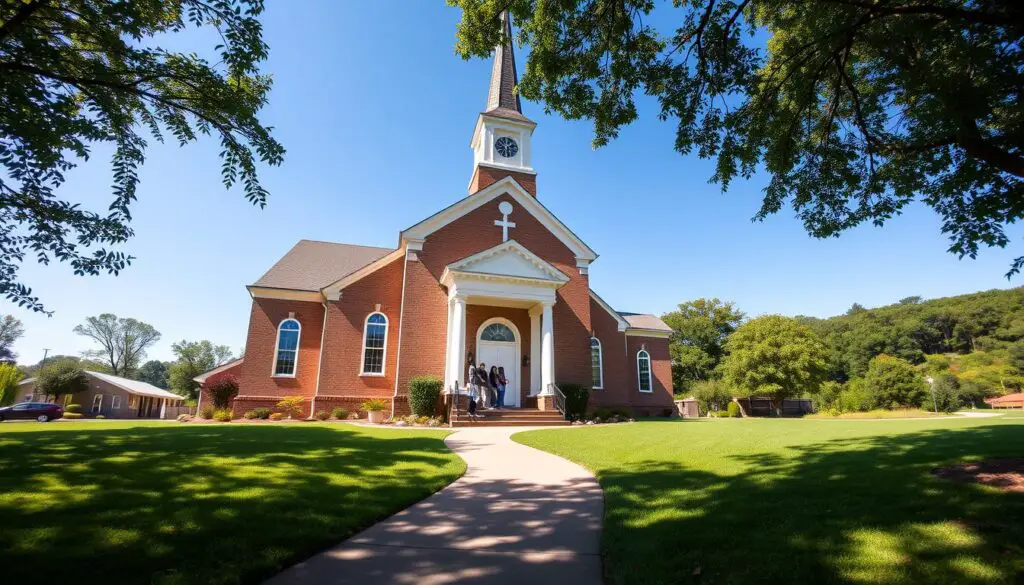
Sugar Creek Baptist Church in TX – Inspiring Faith & Community


In the heart of Texas, a welcoming spiritual hub brings people together through shared values and modern connections. This community-focused organization blends tradition with innovation, offering both physical campuses and digital platforms to nurture growth. With locations across multiple cities, it prioritizes accessibility while fostering deep relationships.

Founded on principles of unity and service, this group celebrates diversity within its congregations. Members engage in worship, small groups, and outreach programs designed to strengthen faith and local bonds. Their approach includes using tools like email updates to keep everyone informed and connected, ensuring no one feels isolated.

Beyond weekly services, initiatives focus on practical support for neighbors and global missions. Whether through volunteer projects or youth programs, the emphasis remains on creating meaningful impact. This balance of spiritual development and real-world action defines their unique identity.

Key Takeaways

  • Multi-site structure serving several Texas communities
  • Blend of traditional worship and digital accessibility
  • Diverse membership with inclusive programming
  • Modern communication methods like email updates
  • Strong emphasis on local and global outreach

Welcome to sugar creek baptist church tx Community

Every journey begins with connection, and here you’ll find open hearts ready to walk alongside you. Our diverse community thrives through shared purpose, celebrating different backgrounds while building bonds that transcend Sunday mornings.

A Mission of Love and Leadership

At our core lies a simple yet powerful commitment: “Love and Lead All People to Life Change in Christ.” This isn’t just a slogan – it’s the heartbeat of everything we do. Through Dr. Clifton R. Cummings’ compassionate guidance, members discover practical ways to transform their neighborhoods.

Leadership here means rolling up sleeves together. Weekly small groups tackle real-life challenges, while mentorship programs pair seasoned believers with those exploring faith. You’ll find people:

  • Hosting free car repairs for single parents
  • Preparing care packages for college students
  • Leading addiction recovery workshops

Fostering Spiritual Growth and Unity

True unity grows when everyone contributes their unique gifts. Our worship teams blend modern music with classic hymns, creating spaces where teenagers and grandparents alike feel at home. Monthly potluck dinners turn strangers into friends, with laughter echoing across generations.

Through interactive Bible studies and service projects, members deepen their faith while making tangible differences. Whether you’re questioning beliefs or strengthening established convictions, there’s room here to grow – together.

Our Services and Worship Opportunities

Modern faith communities blend tradition with innovation to serve everyone. At Sugar Creek Baptist, you’ll discover multiple pathways to connect, whether you prefer in-person gatherings or digital participation. Their calendar balances spiritual depth with practical engagement, designed to meet people where they are.

Weekend Worship & Bible Studies

Weekly services offer both reflective traditional worship and lively contemporary options. Adults can join thematic Bible studies exploring topics like forgiveness or leadership, while interactive youth sessions tackle real-world faith challenges. Sugar Creek gatherings often feature:

  • Live music blending hymns and modern worship songs
  • Practical sermons connecting scripture to daily decisions
  • Child-friendly programs running concurrently

worship services and community events

Virtual Services and Special Events

Can’t attend physically? This Baptist church streams all services in HD and archives them for later viewing. Their app sends reminders for annual highlights like Vacation Bible School and leadership conferences. Members particularly love:

  • Online prayer circles with real-time chat support
  • Virtual small groups meeting via video call
  • Seasonal workshops addressing community needs

Every initiative aligns with their core mission to make spiritual growth accessible and actionable. From summer camps building teen confidence to holiday outreach feeding families, programs create lasting impact through shared experiences.

Connecting with Our Dynamic Ministry

Expanding beyond traditional walls, our ministry thrives through interconnected campuses. Three locations in Sugar Land, Missouri City, and Richmond/Rosenberg form a collaborative network, each tailoring programs to local needs while sharing resources. This innovative structure lets members serve neighbors close to home and support broader regional initiatives.

Collaborative Impact Through Multiple Campuses

Each campus specializes in unique outreach efforts while maintaining core values. See how locations complement each other:

Location Signature Program Annual Reach
Sugar Land Career mentorship workshops 1,200+ participants
Missouri City Free health screenings 800+ served
Richmond/Rosenberg Food distribution hub 45,000 meals provided

Dr. Clifton R. Cummings’ leadership empowers volunteers to launch creative solutions. Last year, a Missouri City team transformed unused land into a community garden. Families now grow fresh produce while learning sustainable practices.

Partnerships with schools and businesses amplify impact. Through after-school tutoring and job training, members help bridge opportunity gaps. “Seeing someone gain confidence through new skills – that’s faith in action,” shares a longtime volunteer.

Modern tools keep teams connected across locations. Shared digital platforms allow real-time collaboration on projects like disaster relief drives. This blend of local focus and collective strength defines our mission to uplift entire communities.

Conclusion

At the crossroads of faith and action stands a community committed to meaningful connections. The creek baptist church family thrives through open doors – both physical and digital – creating spaces where spiritual growth meets practical service.

From traditional worship to interactive online gatherings, opportunities abound for all seeking purpose. The sugar creek community particularly shines through its blend of local outreach and multi-campus collaboration, ensuring support reaches every neighborhood.

Whether you prefer heartfelt in-person services or accessible virtual participation, this baptist church meets you where you are. Their calendar bursts with creative events that strengthen bonds while addressing real needs.

Ready to experience this dynamic ministry? Reach out via email or visit any campus to explore service times. Discover how shared values translate into life-changing action.

Through every initiative, one truth remains clear: transformed lives build stronger communities. This congregation continues writing its story of hope – one connection at a time.

FAQ

What worship styles are offered at your services?

Our weekend gatherings blend traditional and contemporary worship styles, designed to inspire reflection and connection. Whether in person or online, you’ll find a welcoming atmosphere focused on scripture and fellowship.

How can I participate in community outreach programs?

From food drives to local mission trips, we offer diverse outreach initiatives. Visit our website’s “Community Impact” page or email our outreach team to explore ways to serve alongside others.

Are there virtual options for attending services or events?

Yes! We stream weekend worship live and host Bible studies via Zoom. Check our calendar for virtual guest speakers, prayer nights, and seasonal celebrations accessible from anywhere.

What ministries are available for families and youth?

Families thrive here with age-specific ministries, parenting workshops, and summer camps. Students enjoy youth groups, retreats, and leadership training—all aimed at nurturing faith at every life stage.

How do I connect with staff or volunteers for support?

Reach out via our contact form, email, or visit the Welcome Center after services. Whether you need prayer, counseling, or guidance, our team is ready to walk alongside you.

Can I visit other campuses if I attend one location?

Absolutely! Our multi-site community encourages exploring different campuses. Each location shares the same mission but offers unique events and small-group dynamics to deepen your journey.

Do you host events for newcomers to meet others?

Yes—join our quarterly “Discover Sugar Creek” luncheons or casual coffee meetups. These gatherings help you learn about our mission, ministries, and ways to grow within the community.

Is there support for those facing life challenges?

Our Celebrate Recovery program and counseling services provide compassionate care. You’ll also find small groups focused on grief, marriage, and financial stewardship to uplift you during tough seasons.

Explore the Differences: Baptist Church vs Catholic


Understanding how faith traditions differ helps deepen respect for diverse spiritual paths. Two widely recognized Christian groups—often discussed for their unique practices—share core beliefs in one God and the teachings of Jesus Christ. Yet their approaches to worship, leadership, and salvation reveal fascinating contrasts worth exploring.

This comparison focuses on doctrinal foundations and community practices. For instance, one group emphasizes personal interpretation of scripture, while the other leans on centuries-old traditions. These distinctions shape everything from baptism rituals to how congregations connect with the divine.

Historical roots also play a role. Organizational structures vary significantly, influencing how members participate in services or seek guidance. By examining these elements, readers gain clarity on what makes each tradition distinct—and where unexpected similarities emerge.

Key Takeaways

  • Core beliefs in Jesus Christ unite both groups, but interpretations of scripture differ.
  • Sacraments like baptism hold contrasting symbolic meanings between the two.
  • Leadership models range from centralized hierarchies to congregational autonomy.
  • Approaches to salvation blend personal faith with communal traditions.
  • Historical developments shaped modern worship styles and theological priorities.

Introduction to Baptist Church and Catholic Traditions

The way communities worship reflects their core values and historical journeys. While both groups share foundational Christian teachings, their paths diverged over centuries. This comparison aims to highlight how distinct interpretations of scripture and tradition shape spiritual practices today.

Context and Purpose of the Comparison

Understanding these traditions helps individuals navigate personal faith decisions. For example, one group sees prayer as direct communication with God, while another incorporates saints as spiritual intermediaries. These differences influence daily rituals and communal identity.

Overview of Faith and Historical Impact

Originating during the Reformation, one tradition emphasizes individual scripture interpretation. The other traces its roots to early apostolic teachings. Both value salvation through Jesus Christ, but define sacraments like baptism differently.

Aspect Tradition A Tradition B
Prayer Focus Direct to God Saints as mediators
Baptism Symbolic act Sacramental necessity
Scripture Authority Sole guide Church + Bible

In Galesburg, IL, congregations like Harmony emphasize local autonomy in worship styles. Such practices show how traditions adapt while maintaining core beliefs about sin and redemption. This foundation prepares us to explore deeper doctrinal contrasts next.

Historical Roots and Foundational Beliefs

Tracing the footsteps of spiritual movements reveals how beliefs take shape across centuries. One tradition traces its lineage to the apostles, while another emerged during the Reformation’s call for scriptural simplicity. These divergent paths explain why sacraments like baptism hold contrasting meanings today.

Historical religious milestones

Origins and Early Developments

One group’s foundation rests on apostolic succession, claiming St. Peter as its first leader. Early councils solidified core teachings about Jesus Christ’s nature and the Holy Spirit’s role. By contrast, reformers like John Smyth championed adult baptism by immersion, rejecting infant rituals as unbiblical.

Key Theological Milestones

The concept of purgatory became central to one tradition’s view of afterlife purification. Meanwhile, the other emphasized faith alone for salvation, dismissing intermediary stages. Disputes over books like James—seen as emphasizing works—deepened these divides over time.

Event Tradition A Tradition B
Early Leadership Apostolic succession Congregational governance
Baptism View Infants (water ritual) Adults (symbolic act)
Salvation Focus Sacraments + faith Personal faith only
Afterlife Belief Purgatory Direct resurrection

Debates about wine in communion—whether it symbolized or became Christ’s blood—further separated practices. Such milestones show how interpretations of sin and grace evolved into distinct identities.

Worship Practices and Rituals

The rhythm of worship varies widely between these traditions, shaping how communities connect with the divine. From quiet prayers to elaborate ceremonies, each approach reflects deeply held beliefs about spiritual connection and communal identity.

Prayer Approaches and Intercessory Methods

In one tradition, prayers flow directly to God without intermediaries. Believers often use simple, heartfelt words during services. “Prayer is like breathing—natural and constant,” explains a member from a Midwestern congregation. Contrastingly, another group incorporates saints as spiritual advocates, using statues or icons as focal points during reflection.

Ritual objects like incense and crucifixes enrich sensory experiences in some settings. The cross serves as a universal symbol of sacrifice and hope. Yet its presentation differs: empty crosses emphasize resurrection, while detailed crucifixes highlight Christ’s suffering.

The Role of Communion and Sacraments

Communion practices reveal profound theological contrasts. One group views bread and wine as symbolic reminders of Christ’s last meal. Another teaches that these elements transform into His body and blood through sacred rites. This belief, called transubstantiation, underscores the holy spirit’s active role in worship.

Practice Tradition A Tradition B
Prayer Focus Direct to God Saints as mediators
Communion View Symbolic remembrance Sacramental transformation
Ritual Objects Minimalist Candles, incense, icons

Sacraments like baptism also differ. While one sees it as a public declaration of faith, the other treats it as essential for cleansing sin. These practices shape how communities perceive salvation and their journey toward heaven.

Through these rituals, believers find unity and purpose. Whether through silent reflection or structured liturgy, worship becomes a bridge between daily life and eternal hope.

Understanding baptist church vs catholic: Core Doctrinal Differences

At the heart of Christian teachings lie questions about salvation, divine guidance, and humanity’s relationship with the sacred. While both groups affirm one God and Christ’s sacrifice, their paths diverge in interpreting how grace transforms lives.

Salvation, Sin, and the Concept of Grace

For one tradition, salvation comes through personal faith alone—a gift not earned by deeds. “By grace you’ve been saved,” they emphasize, citing scripture. Sin separates humans from God, but repentance restores this bond instantly.

Another group sees salvation as a journey involving sacraments and communal support. Sin requires ongoing purification through acts like confession. Grace flows both through personal prayer and structured rituals guided by the holy spirit.

Bible Authority and Understanding of Tradition

Scripture’s role sparks sharp contrasts. One group treats the Bible as the sole authority (Sola Scriptura), dismissing later traditions. All 66 books shape their worship and ethics directly.

The other blends scripture with centuries of church teachings. Certain books not in Protestant Bibles inform doctrines about purgatory and saintly intercession. This mix of Bible and tradition creates a layered spiritual framework.

Doctrine Tradition A Tradition B
Salvation Faith alone Faith + sacraments
Scripture Authority Bible only Bible + tradition
Communion Symbolic Transubstantiation
Baptism Adult declaration Infant initiation

These differences shape how believers approach sin and forgiveness. One focuses on Christ’s blood as a once-for-all remedy, while the other sees ongoing sacramental renewal. Both aim to honor God—but through distinct lenses of faith and practice.

Lifestyle, Community, and Organizational Structures

Daily rhythms of faith communities reveal much about their priorities and connections. Organizational choices—like leadership styles or event planning—shape how members experience spiritual growth and fellowship. These structural differences create unique cultural fingerprints, even when core beliefs overlap.

community and governance structures

Church Governance and Leadership Models

One tradition operates under a centralized hierarchy led by the Pope and bishops. Decisions flow downward, ensuring uniformity in teachings across global parishes. Local priests implement guidelines while emphasizing sacraments as essential to life within the catholic church.

In contrast, congregational autonomy defines the other group. Each assembly elects its leaders and manages budgets independently. “Our unity comes from shared beliefs, not top-down rules,” notes a deacon from Texas. This flexibility allows tailored outreach programs, like neighborhood food drives or youth mentorship initiatives.

Community Life and Worship Traditions

Shared meals after services foster closeness in self-governed groups. Members volunteer for roles like music coordination or childcare, treating the congregation as an extended family. Annual revivals or baptism ceremonies become milestones that bind people together.

Structured parish events—such as Eucharistic processions or saint feast days—anchor communal identity elsewhere. These traditions highlight the gift of shared history, blending prayer with cultural celebrations. Both approaches nurture belonging but through different lenses: one prioritizes spontaneity, the other ritual continuity.

Aspect Tradition A Tradition B
Leadership Local autonomy Centralized hierarchy
Decision-Making Congregation votes Bishops’ directives
Community Events Potlucks, revivals Feast days, processions

Conclusion

Exploring spiritual traditions reveals both diversity and shared hopes. While one group emphasizes personal accountability for sins through direct prayer, another incorporates structured confession rituals. These paths to salvation—whether through faith alone or sacraments—show how communities honor grace differently.

Rituals like communion highlight symbolic contrasts. Bread and wine serve as reminders of sacrifice for some, while others view them as sacred transformations. The cross, central to both, unites believers despite varying interpretations of blood’s role in redemption.

Leadership models also shape daily life. Self-governed congregations foster local flexibility, whereas hierarchical structures prioritize unity. Yet both traditions value communal support to navigate sin and strive for heaven.

Shared similarities—like reverence for scripture—remind us that differences coexist with common ground. Whether confessing sins privately or through guidance, each person finds purpose in their spiritual journey.

Curious minds can delve deeper into these rich histories. Understanding fosters respect, turning contrasts into conversations that celebrate faith’s many expressions.

FAQ

How do beliefs about salvation differ between these two traditions?

One group teaches salvation through faith alone, emphasizing personal acceptance of grace. The other combines faith with sacraments and good works, guided by teachings that include penance and purgatory.

What role do sacraments play in each tradition?

Sacraments like baptism and communion are seen as vital channels of grace in one tradition, with seven official rites. The other views them as symbolic acts of obedience, recognizing only two ordinances rooted in Scripture.

How is religious authority structured differently?

One group follows a hierarchical system led by the Pope and bishops, relying on tradition and Scripture. The other prioritizes local congregational governance, with Scripture as the sole authority for doctrine and practice.

Do both traditions pray to saints or Mary?

Prayers to saints and Mary are common in one tradition as intercessors, while the other directs worship solely to God, viewing such practices as unnecessary or conflicting with biblical teachings.

Are there differences in communion practices?

Yes. One teaches that bread and wine become Christ’s literal body and blood during Mass. The other sees them as symbols memorializing His sacrifice, without supernatural transformation.

How do views on baptism contrast?

Infant baptism is practiced in one tradition to remove original sin. The other reserves it for professing believers, emphasizing conscious faith and immersion as an outward declaration of commitment.

Is confession handled similarly?

Confession to clergy is required in one tradition for forgiveness of grave sins. The other encourages direct repentance to God, though pastoral counseling is available for spiritual support.

Southeastern Baptist Church: Inspiring Worship and Fellowship


Walking into this faith community feels like being welcomed home. Families and individuals discover a safe space for spiritual growth, where laughter echoes through halls and meaningful connections flourish. The atmosphere blends warmth with purpose, creating an environment where everyone can belong.

At the heart of every gathering lies transformative worship that stirs the soul. Services blend time-honored hymns with clear, Scripture-centered messages that speak to modern life. This approach helps members deepen their understanding of God’s truth while building authentic relationships.

The music ministry embraces tradition, using familiar melodies to unite generations in praise. Messages focus on practical Bible teachings, offering guidance for daily challenges. Through these elements, attendees experience grace in action and discover fresh ways to express love in their communities.

Newcomers quickly notice the emphasis on service-oriented faith. From youth programs to outreach initiatives, members find opportunities to grow while making a difference. This congregation proves faith thrives when people explore truth together and support one another’s journeys.

Key Takeaways

  • Creates family-friendly environment fostering spiritual development
  • Features traditional worship music blended with biblical teaching
  • Prioritizes community building through meaningful fellowship
  • Offers practical guidance for applying faith to daily life
  • Encourages service opportunities for all age groups

Embracing Our Mission and Vision

Foundations matter, especially when they’re carved from eternal truths. Our community thrives by anchoring its purpose in Scripture’s unchanging wisdom. Romans 3:23 reminds us that “all have sinned,” while Romans 6:23 offers hope through Christ’s gift—truths that shape how we serve and grow together.

Understanding Our Biblical Foundations

Every initiative here springs from God’s Word. Like a house built on rock, our programs stand firm on passages that reveal humanity’s need for grace and redemption. These teachings aren’t just historical notes—they’re living guides for nurturing faith in today’s complex world.

Biblical Principle Scripture Reference Community Impact
Universal need for grace Romans 3:23 Creates inclusive worship spaces
Eternal life through Christ John 3:16 Fuels outreach to marginalized groups
Freedom from sin’s power Romans 6:23 Inspires addiction recovery programs

Living Out Love and Truth

We balance deep theological study with hands-on compassion. Sunday teachings about God’s love become Wednesday meals for hungry families. This fusion of belief and action helps neighbors see Christ’s relevance through practical support and genuine relationships.

Recent efforts include mentoring students and hosting job training workshops. By embodying both conviction and kindness, we aim to mirror the hope described in Scripture—one meal, conversation, and prayer at a time.

Inspiring Worship Services

Every Sunday morning brings a rhythm of faith that connects hearts across generations. Services balance cherished traditions with teachings that speak directly to today’s challenges. This intentional design helps members grow spiritually while staying rooted in timeless truths.

Melodies That Unite, Messages That Transform

Hymns like “Amazing Grace” and “How Great Thou Art” anchor worship, creating bridges between age groups. Live organ music accompanies congregational singing, fostering unity through shared participation. Preaching focuses on Scripture’s relevance, unpacking how Jesus Christ’s teachings apply to relationships, work, and personal growth.

inspiring worship services

Weekly Gatherings Made Simple

Consistent scheduling allows families to plan their spiritual priorities. Below are weekly events designed for local engagement and global connection:

Service Time Format
Sunday School 9:30 AM In-person & Zoom
Morning Worship 10:45 AM Livestream available
Evening Reflection 6:00 PM Chapel seating
Wednesday Prayer 7:30 PM Online group chat

Midweek sessions include Bible studies exploring God’s Word in a changing world. Livestreams reach viewers across 15 countries, proving faith knows no borders. Whether attending physically or digitally, everyone receives the same message of hope and grace.

Building a Caring Community and Fellowship

True connection forms when people share purpose and joy. Our gatherings spark friendships that last beyond Sunday mornings through creative programs designed for all life stages. From toddlers to grandparents, everyone finds ways to grow spiritually while strengthening bonds.

Family Gatherings and Youth Programs

Monthly Family Fun Nights turn fellowship into adventure. Parents laugh alongside kids during themed activities like “Water Night” splash parties or outdoor movie evenings. Teen groups meet weekly for discussions that blend faith with real-world challenges, creating safe spaces for authentic growth.

Special Events and AWANA Opportunities

The AWANA program fuels spiritual discovery through dynamic Wednesday nights:

  • Sparkies Club (ages 4-6): Bible stories through interactive play
  • Truth Trackers (7-12): Scripture memorization games
  • Teen Impact (13-18): Leadership training & service projects

Seasonal celebrations like Harvest Fest bring generations together through shared traditions. These carefully planned events help families grow roots in faith while forming memories that shape character. As one parent shared: “My kids now ask about Bible verses they learned during game nights!”

Experiencing the Truth of Jesus Christ

Scripture reveals a transformative truth: God’s love shines brightest through human need. Four key passages illuminate this reality, showing how Jesus Christ bridges the gap between brokenness and hope. These verses form the bedrock of faith for countless believers seeking purpose.

truth of jesus christ

Understanding Key Biblical Passages

John 3:16 paints a vivid picture of divine love—God giving His Son so anyone who believes gains eternal life. Romans 3:23 strips away illusions, reminding us all fall short. Yet Romans 6:23 flips the script: though sin brings death, Christ offers free salvation.

Scripture Core Message Life Impact
John 3:16 God’s sacrificial love Inspires gratitude-driven living
Romans 3:23 Universal need for grace Fosters humility in relationships
Romans 5:8 Christ died for the unworthy Heals shame through acceptance

A Message of Salvation and Grace

This radical grace changes everything. When people grasp they’re loved before measuring up, chains of guilt break. One member shared: “Learning Romans 5:8 helped me stop earning love and start receiving it.”

Communities thrive when this truth takes root. Weekly studies explore how ancient scriptures solve modern problems—like rebuilding trust or finding peace. Through honest conversations and practical support, timeless teachings become living hope.

Education, Ministry, and Spiritual Growth

In a rapidly changing world, theological education bridges timeless wisdom with modern realities. Our leadership programs combine academic rigor with hands-on ministry experience, preparing individuals to address spiritual needs with both depth and relevance.

Training for Future Ministry Leaders

Partnering with respected seminaries, we offer:

  • Certification courses in pastoral care and biblical counseling
  • Internships combining classroom learning with community outreach
  • Advanced studies in historical theology and contemporary ethics

One graduate shared: “The program taught me how to apply ancient truths to modern struggles—that’s where real transformation happens.”

Embracing Theological Heritage and Learning

While honoring centuries-old doctrines, training emphasizes practical application. Courses explore:

  • Interpreting Scripture through cultural contexts
  • Addressing social justice issues with theological clarity
  • Building intergenerational faith communities

This approach equips people to lead with both conviction and compassion. As challenges evolve, continuous learning ensures leaders remain grounded yet adaptable—ready to serve wherever they’re called.

southeastern baptist church Community Outreach

When compassion meets action, neighborhoods transform. Our local initiatives bridge faith with practical support, creating ripples of hope across the region. Through collaborative efforts, members extend care beyond Sunday services, addressing urgent needs while building lasting bonds.

Engaging Events and Local Impact

Monthly Neighbor Feast gatherings provide hot meals and fresh groceries to 200+ families. Volunteers also assemble Crisis Care Kits with essentials for those facing sudden hardships like fires or job loss. These efforts strengthen community resilience during challenging times.

Event Frequency Participants Impact
Food Pantry Days Weekly 50 volunteers 1,800 meals/month
Homework Helpers School Year Teen mentors 90 students assisted
Senior Lunch Series Biweekly Multi-gen teams 120 elders served

Nurturing Love, People, and Community Connections

After-school tutoring programs pair teens with younger students, fostering academic growth and cross-generational friendships. One mother shared: “The mentors helped my son read at grade level—and showed him people care.”

Seasonal outreach like Backpack Blessings supplies school essentials while connecting families to local resources. These efforts reflect the congregation’s core belief: love grows best when shared freely.

Conclusion

Every journey needs both roots and wings—a truth this faith family embodies daily. Through transformative worship and shared service, members grow deeper in faith while reaching wider in compassion. Weekly gatherings blend timeless hymns with practical teachings, creating spaces where ancient wisdom meets modern life.

From Sunday school to community meals, programs foster connections across generations. The rhythm of events—morning services, evening reflections, and midweek studies—offers consistent opportunities for spiritual nourishment. Newcomers find open doors and open hearts, regardless of background or current struggles.

At its core, this community thrives by living Christ’s radical love through action. Food pantries, mentorship initiatives, and recovery support demonstrate faith in motion. These efforts remind us that hope flourishes when people embrace truth together.

In today’s fast-paced world, finding belonging matters more than ever. Here, every story matters and every voice adds value. Come discover how grace transforms lives—one prayer, one friendship, one step forward at a time.

FAQ

What types of worship services are offered?

Services blend traditional hymns, Bible-centered preaching, and prayer. Both in-person and livestream options are available to connect people with Christ-centered worship.

How can families get involved in community activities?

Weekly youth programs, seasonal events like AWANA, and family gatherings foster fellowship. These opportunities help build relationships rooted in biblical truth and shared purpose.

Are there ways to grow spiritually through education?

Yes! Ministry training programs and theological courses equip members to deepen their faith. Leaders emphasize studying Scripture and applying its teachings to daily life.

What outreach initiatives does the church support?

Local outreach includes food drives, mentorship programs, and neighborhood events. These efforts reflect Christ’s love by meeting practical needs and sharing hope.

How does the church approach biblical teachings?

Messages focus on salvation through grace, key Scripture passages, and living out faith authentically. Teaching prioritizes truth while encouraging compassionate engagement with others.

Can visitors access sermon archives or study materials?

Absolutely! Past sermons, devotionals, and Bible study guides are available online. These resources help individuals explore faith at their own pace.

What makes your community gatherings unique?

Events balance joyful fellowship with intentional discipleship. From small groups to large celebrations, every gathering aims to strengthen connections and spiritual growth.

Mount Pleasant Baptist Church: A Spiritual Home in [City]


Nestled in the heart of [City], this faith-based community has served as a cornerstone of spiritual growth for generations. With open doors and open hearts, it provides a welcoming space where individuals and families can connect, worship, and grow together. Whether you’re seeking guidance or fellowship, you’ll find a supportive environment here.

Founded over a century ago, the congregation has evolved while staying rooted in timeless values. Milestones like its original chapel construction and community outreach expansions reflect its enduring mission. Today, members celebrate traditions through vibrant services and innovative programs designed to meet modern needs.

Live-streamed worship sessions and on-demand sermons ensure everyone can participate, no matter their location. The team also organizes local volunteer initiatives, fostering connections beyond Sunday services. Visitors are encouraged to explore weekly gatherings, prayer groups, or youth activities tailored to all ages.

From its historic architecture to its forward-thinking approach, this spiritual home balances heritage with accessibility. Come experience the warmth of a community that values kindness, inclusivity, and shared purpose.

Key Takeaways

  • A welcoming environment for worship and personal growth
  • Blends rich traditions with modern resources like online services
  • Active in local outreach and volunteer programs
  • Historic roots paired with contemporary community engagement
  • Multiple ways to connect, both in-person and virtually

Welcome to Our Church Community

Join us in a vibrant gathering space where everyone belongs. Whether you’re exploring faith or deepening your spiritual journey, our doors are open to all. Weekly services blend uplifting music, meaningful sermons, and opportunities to connect with others who share your values.

We balance time-honored traditions with fresh approaches to engagement. Participate in person every Sunday at 10:30 AM, or join our live-streamed gatherings from home. Our prayer meetings—both virtual and in-person—create spaces for reflection and mutual support.

Three ways to get involved:

  • Attend Sunday School classes for all age groups
  • Volunteer at neighborhood food drives
  • Join midweek Bible study sessions

As one member recently shared:

“This community helped me find purpose through service while growing closer to God.”

Newcomers receive a warm welcome packet with service schedules and ministry details. Need flexibility? Access sermon recordings and devotional guides online anytime. Together, we’re building relationships that extend beyond the sanctuary walls.

Our Rich History and Mission

Rooted in resilience and faith, this congregation began its journey during a transformative era. In 1941, Reverend D. C. Calvert and Louis Woodard envisioned a spiritual haven where neighbors could gather, learn, and uplift one another. Their partnership laid the groundwork for what would become a thriving Baptist church, initially meeting at the historic Orion Theater Building on Kinsman Road.

Early Inspiration and Founding History

The post-Depression years sparked a need for hope, driving Rev. Calvert to create spaces for worship and community support. Early members transformed the theater into a sanctuary, hosting prayer circles and outreach events. Key milestones include:

  • 1941: First services held with 35 founding families
  • 1952: Expansion of Sunday school programs
  • 1968: Launch of neighborhood mentorship initiatives

Our Mission Statement and Vision

Guided by the principle to “reach in, reach out, and reach up,” the congregation focuses on three core goals. Strengthening personal faith, supporting local families, and connecting with broader spiritual teachings shape daily efforts. Today’s leaders honor this legacy through food drives, youth workshops, and collaborative prayer networks.

“We grow best when we grow together—heart to heart and hand in hand.”

Service Times & Worship Opportunities

Discover flexible ways to worship and connect through our diverse service schedule and digital platforms. Whether you prefer traditional gatherings or modern virtual participation, we offer multiple pathways to engage with faith.

worship service schedule

Weekly Gatherings & Special Sessions

Join us throughout the week for uplifting experiences:

Day Time Format
Sunday 8:00 AM & 10:00 AM In-person & streaming
Tuesday 11:00 AM Midweek reflection hour
Wednesday 12:00 PM & 6:00 PM Prayer meetings

Virtual Participation Options

Can’t attend in person? Live-streamed services on YouTube and Facebook bring the sanctuary to your screen. Participate in real-time chat during broadcasts or watch archived sermons later. Our Wednesday evening virtual prayer circle lets you share requests via our online portal.

Engaging Worship Experiences

Every service includes interactive elements like real-time prayer request submissions and group discussion breaks. As member Jenna Cole notes:

“The ability to pray together across miles makes our community feel united.”

Digital participants receive follow-up resources to continue their spiritual journey at home.

From traditional hymns to modern worship songs, each gathering prioritizes meaningful connection. Our tech team ensures seamless streaming so you never miss a moment of inspiration.

Experience mount pleasant baptist church Community & Services

Step into a world of connection and purpose through dynamic programs designed for every stage of life. Our ministries blend spiritual growth with practical support, creating spaces where friendships flourish and faith comes alive.

Diverse Ministries and Programs

From lively teen groups to thoughtful senior fellowships, there’s something for everyone. Weekly gatherings include:

Program Age Group Day
Bible Study Circles Adults Tuesdays
Teen Leadership Workshops 12-18 Fridays
Senior Social Hour 65+ Wednesdays
Neighborhood Outreach Teams All Ages Saturdays

These programs help members explore faith while making a real difference. One volunteer shared: “I’ve found my calling through serving meals at our community kitchen.”

Youth, Family, and Special Events

Summer camps and holiday festivals turn ordinary days into unforgettable memories. Upcoming highlights include:

  • Interactive family game nights with live music
  • Annual back-to-school backpack drive
  • Multigenerational storytelling evenings

Parents rave about the energy at youth lock-ins and parent-child craft sessions.

“My kids beg to come early every Sunday!”

Whether you’re dancing at our fall festival or packing care kits, you’ll feel the warmth of belonging.

Plan Your Visit and Connect With Us

Ready to join our welcoming community? We’ve designed simple pathways for both in-person visits and online participation. Let us guide you through the process so you can focus on what matters most—connecting with others and nurturing your faith.

plan your visit to Mt. Pleasant services

In-Person Visiting Guidelines

Arriving for the first time? Our Sunday gatherings start at 10:00 AM, with parking attendants ready to assist. Friendly greeters will welcome you at the entrance and provide a visitor packet containing service details. Dress comfortably—whether in casual attire or Sunday best, you’ll fit right in.

We recommend arriving 15 minutes early to explore our facilities. Check our website for real-time updates on parking availability and seating. Safety remains a priority, with accessible seating and clear signage throughout the building.

Tips for Virtual Connectivity

Can’t make it onsite? Join our live-streamed services through YouTube or Facebook every Sunday. Click the “Visitor Form” link during broadcasts to receive follow-up resources and event invites. Newcomers appreciate our weekly email newsletter featuring prayer group schedules and volunteer opportunities.

One recent online attendee shared:

“The virtual team made me feel included from my very first login.”

Whether you participate from home or join us locally, we’ll help you stay engaged. Quick registration for email updates ensures you never miss inspiring messages or community updates.

Social Media & Online Engagement

Stay connected with our faith family beyond Sunday services through vibrant digital spaces. Our online platforms offer daily inspiration, event updates, and opportunities to grow together—no matter where life takes you.

Following Us on YouTube, Facebook, & Instagram

Join thousands who strengthen their faith through our interactive channels:

Platform Key Features Best For
YouTube Live worship streams, sermon archives Full service experiences
Facebook Event reminders, prayer chains Real-time interaction
Instagram Daily devotion visuals, youth updates Quick inspiration

Subscribers enjoy behind-the-scenes content like choir rehearsals and volunteer spotlights. One member shared:

“Seeing Wednesday prayer requests pop up on Facebook makes me feel part of something bigger.”

Boost your connection in three steps:

  • Hit ‘Subscribe’ for YouTube alerts
  • Turn on notifications for Facebook posts
  • Share Instagram stories with #FaithInAction

Prefer emails? Our Constant Contact newsletter delivers service schedules and devotionals straight to your inbox. Over 1,200 households use these updates to plan their spiritual routines. Whether you’re watching live or catching up later, you’ll always stay in the loop.

Inspiring Scripture and Daily Devotion

Strengthen your spiritual journey with daily moments of reflection and connection. Our community thrives when members engage with meaningful scripture, creating ripples of hope in everyday life.

Bible Verse of the Day: Matthew 5:18

“For truly I tell you, until heaven and earth disappear, not the smallest letter, not the least stroke of a pen, will by any means disappear from the Law until everything is accomplished.” This powerful reminder from Jesus emphasizes God’s enduring promises. Pastor D.M. Simmons reflects: “When life feels uncertain, this verse anchors us in divine truth that outlasts every storm.”

Daily Devotional Insights

Morning devotionals act as spiritual compasses, guiding decisions and nurturing resilience. Start your day with three simple practices:

  • Read one verse aloud
  • Journal personal reflections
  • Pray for clarity in challenges

These habits align with our Baptist church traditions while fitting modern schedules. As Pastor Simmons notes:

“Scripture isn’t just ancient text—it’s living wisdom for today’s struggles and joys.”

Weekly events like group Bible studies amplify individual devotion time. Many find that combining personal reflection with Sunday service discussions deepens their understanding. One member shared: “Daily verses prepare my heart to fully engage during worship gatherings.”

Explore our online devotional library for fresh perspectives. Whether you have five minutes or fifty, these resources help you grow closer to God while staying connected to our pleasant Baptist family.

Community Outreach, Giving & Support

Generosity fuels our mission to uplift neighbors near and far. Through simple giving methods and hands-on programs, everyone can contribute to meaningful change. Your support helps sustain vital initiatives that nurture hope and strengthen bonds across our area.

Simple Ways to Give Back

We’ve partnered with Givelify and PayPal for secure, one-click donations. These platforms let you give anytime—whether supporting weekly meals for families or youth mentorship projects. Recurring gift options make consistent impact effortless.

Transforming Lives Together

Local outreach programs address urgent needs while building lasting connections. Recent efforts include:

  • Monthly grocery distributions serving 300+ households
  • Free tutoring sessions for students in under-resourced schools
  • Care packages for seniors facing isolation

Upcoming events like our September community dinner invite volunteers to share meals and stories. One donor shared:

“Knowing exactly how my gift helps—like funding school supplies—makes giving joyful.”

Monthly impact reports detail fund allocation, honoring our transparency promise. Every contribution, large or small, empowers neighbors in Mt. Pleasant to thrive. Join us in creating ripples of compassion that extend far beyond our walls.

Conclusion

Embracing both tradition and innovation, this congregation continues to inspire. For over eight decades, members have gathered to uplift one another through worship and service. From Sunday gatherings to youth mentorship programs, every initiative reflects a commitment to fostering connections that transcend generations.

Whether joining in-person or online, visitors find flexible ways to engage. Weekly services stream live, while daily devotionals offer personal reflection. Social media channels keep the community united through shared prayers and event updates.

At its core, this spiritual home thrives on inclusivity. Historic values meet modern outreach, creating ripples of hope across neighborhoods. Members don’t just attend services—they build lasting relationships through volunteer projects and family-centered events.

Ready to experience this welcoming environment? Plan your visit this Sunday or tune into Mount Pleasant Baptist’s next live-streamed session. Discover how faith grows stronger when nurtured together—heart to heart and hand in hand with the Pleasant Baptist Church family.

FAQ

What worship opportunities are available?

We host weekly services, special prayer sessions, and interactive gatherings. Check our schedule for traditional Sunday worship, midweek Bible studies, and live-streamed events.

How can I join virtual services?

Tune in via YouTube or Facebook for real-time streaming. You’ll find links to live prayer meetings, sermons, and devotionals on our website’s “Connect” page.

Are there programs for families?

Yes! Our ministries include youth groups, parenting workshops, and seasonal events like vacation Bible school. Explore activities designed to strengthen relationships and faith.

What safety measures are in place for visitors?

We follow local health guidelines to ensure a welcoming environment. Greeters will assist with seating, masks (if needed), and answer any questions during your visit.

How do I support community outreach efforts?

Donations through Givelify or PayPal help fund food drives, mentorship programs, and neighborhood initiatives. Every contribution makes a tangible difference.

Where can I find daily devotionals?

Subscribe to our email newsletter or follow social media accounts for scripture insights, uplifting messages, and practical faith-building tips delivered daily.

Can I volunteer for ministries?

Absolutely! From music teams to outreach committees, there’s a place for everyone. Reach out via our contact form to discuss your interests and skills.

Thomasville Road Baptist Church: Welcoming Community


Walking into a place where you’re greeted like family can feel rare. At its core, this congregation is built on genuine connections and a shared desire to grow in faith. Whether you’re new to the area or exploring spirituality, everyone finds a seat here.

No one expects perfection. The community thrives because it’s filled with people from all walks of life—each with unique stories and struggles. Together, they focus on a simple yet powerful mission: “one Body, one Spirit… one hope” (Ephesians 4:4-6). This unity creates a space where questions are welcome, and judgment stays at the door.

First-time visitors often mention how easy it is to navigate. Clear details about parking, what to wear, and service times remove guesswork. Ministries for children, teens, and adults ensure every age group feels valued. From Sunday gatherings to midweek groups, there’s room to connect deeply.

Key Takeaways

  • A welcoming environment where everyone belongs, no matter their background.
  • Focus on unity and shared purpose, inspired by Ephesians 4:4-6.
  • Practical support for newcomers, including parking and service details.
  • Programs for all ages, fostering connection across generations.
  • Emphasis on authenticity over perfection in spiritual journeys.

Embracing a Welcoming Community of Faith

Every journey of faith thrives in a community that values connection. Here, relationships come first—whether you’re asking big questions or seeking practical support. The goal isn’t just to attend, but to grow together through shared experiences and purpose.

Our Mission and Vision

Guided by the principle of “Love God, Love People,” the focus is simple: help others discover hope through action.

“Above all, clothe yourselves with love, which binds us all together in perfect harmony”

(Colossians 3:14). This vision shapes everything, from Sunday services to neighborhood outreach. No complicated steps—just genuine care.

Programs for All Ages

From interactive kids’ lessons to dynamic youth groups, every age finds meaningful ways to engage. Adults explore faith through small groups and service projects, while families connect at seasonal events. Current offerings include:

  • Creative Bible learning for children
  • Teen discussions on real-life challenges
  • Adult classes blending study and conversation

No pressure, no prerequisites. Just open doors and warm smiles waiting for you.

Exploring the History of thomasville road baptist church

Every story has a starting point. For this congregation, it began with a spark of hope on April 11, 1948. A passionate sermon at a small mission ignited a vision that would shape generations.

A Journey from Mission to Church

Originally supported by the First Baptist Church of Tallahassee, the mission quickly outgrew its humble beginnings. In 1950, leaders secured a permanent home by purchasing land for $20,000—a bold step toward independence. By 1951, the group officially became a self-governing body, marking a new chapter in its spiritual journey.

historical church milestones

Key Milestones and Historical Highlights

The 1950s brought rapid growth. Membership tripled as families joined Sunday school programs and choir rehearsals. Tragedy struck in 1964 when fire destroyed the sanctuary. Undeterred, the congregation worshiped under a large tent for months while rebuilding.

Through decades of change, three constants remained: faith, resilience, and service. Annual revivals drew crowds, while outreach initiatives fed hungry neighbors. Today, the legacy continues through children’s ministries and intergenerational events that honor this rich history.

  • 1948: Founding sermon launches the mission
  • 1951: Achieves independent church status
  • 1964: Rebuilds after devastating fire
  • 1980s-Present: Expands community programs

Engaging Community Outreach and Educational Initiatives

Building bridges starts with hands-on involvement. The congregation’s outreach programs blend education, service, and creativity to empower individuals of all ages. Whether through local partnerships or global projects, the focus remains on practical acts of compassion.

Children’s Ministries and Vacation Bible School

Young learners thrive in interactive environments. Summer programs like Vacation Bible School combine storytelling, crafts, and music to make biblical lessons relatable. Weekly classes use age-appropriate activities to spark curiosity about faith. Parents often share how these experiences build confidence and kindness in their kids.

Community Groups and Mission Activities

Small groups meet regularly to address neighborhood needs—from food drives to home repairs. Global partnerships in places like Haiti and Senegal provide clean water and medical supplies. A recent project funded solar lamps for rural schools, proving that local action creates worldwide impact.

Program Age Group Key Activities
Youth Missions Teens Service trips, leadership training
Family Nights All Ages Games, shared meals, devotionals
Senior Support Adults 65+ Companionship, errand assistance

Family and Youth Involvement

Wednesday gatherings unite generations through shared meals and collaborative projects. Seasonal events like fall festivals and Easter egg hunts strengthen bonds while serving the broader community. Teens lead recycling initiatives, showing how every voice matters in shaping a better tomorrow.

Conclusion

Finding a community that feels like home while nurturing your faith is rare. For over 75 years, this baptist church has blended rich history with forward-thinking service. Its legacy—built on unity and resilience—shines through educational programs, outreach efforts, and intergenerational connections.

More than a location, it’s a living network where people grow together. The phrase “Setting the Guardrails in Life” reflects its mission: creating spaces where questions lead to discovery, and service fuels purpose. Whether through Sunday gatherings or neighborhood projects, every action roots back to loving God and people.

Curious to experience this road baptist community? Explore upcoming events online or join a service. You’ll find open seats, warm conversations, and opportunities to contribute your unique story. After all, faith thrives best when shared—one step, one connection at a time.

FAQ

What makes the community at Thomasville Road Baptist Church unique?

Our focus on inclusivity and connection sets us apart. We prioritize creating a space where everyone feels valued, supported, and encouraged to grow in their spiritual journey through worship, fellowship, and service.

Are there programs available for children and teens?

Yes! From Sunday School to youth groups and Vacation Bible School, we offer age-appropriate activities that nurture faith, build friendships, and inspire leadership. Safety and creativity are central to all our youth-focused ministries.

How does the congregation engage with the local area?

Through partnerships, mission trips, and volunteer-driven projects, we actively address needs in our neighborhood and beyond. Food drives, mentorship programs, and outreach events are just a few ways we serve together.

Can I learn about the history of the congregation?

Absolutely! Our journey from a small mission to an established congregation is documented through photos, stories, and annual celebrations. Visitors can explore historical displays or join guided discussions about our milestones.

What opportunities exist for families to grow together?

Family-centered worship nights, parenting workshops, and intergenerational events help strengthen bonds. We also provide resources for at-home spiritual practices, ensuring faith remains a shared experience.