Recent Posts

Understanding the Baptist Church: A Comprehensive Guide


With roots stretching back to the 1600s, this faith tradition has grown into one of the largest Protestant groups worldwide. Known for its emphasis on personal commitment, believers affirm their dedication through immersion baptism—a symbolic act central to their identity. Today, millions gather in congregations across Alabama, Britain, and beyond, united by shared values.

The name “Baptist” emerged from early leaders like John Smyth and Thomas Helwys, who championed religious freedom and scripture-based teachings. Their legacy lives on in communities that prioritize local autonomy while upholding core principles. Biblical authority remains foundational, with a focus on Jesus Christ’s teachings guiding daily life.

Though practices vary between congregations, common threads include believer’s baptism and a commitment to evangelism. Over 40 million members worldwide reflect its enduring appeal. Whether exploring doctrinal nuances or historical milestones, this guide offers clarity for curious readers.

Key Takeaways

  • Originated in the 17th century with a focus on individual faith and immersion baptism.
  • Grew globally, with strong communities in the U.S. (like Alabama) and Britain.
  • Emphasizes scripture as the ultimate authority and Jesus Christ’s teachings.
  • No centralized structure—each congregation governs itself.
  • Over 40 million members participate in diverse worship styles worldwide.

History and Origins of the Baptist Movement

In 1609, a group of English exiles in Amsterdam made a bold decision that would spark a global spiritual legacy. John Smyth, a former Anglican minister, performed self-baptism—a radical act rejecting infant sacraments. This event marked the birth of congregations built on voluntary faith, where only committed believers joined through personal choice.

Founding Figures and Early Beliefs

Smyth and fellow reformer Thomas Helwys championed two groundbreaking ideas: biblical authority over tradition and soul freedom. Fleeing persecution as nonconformists, they established the first Baptist community in Holland. Their 1611 confession declared, “The magistrate is not to compel men to this or that form of religion”—a revolutionary stance in an era of state-controlled churches.

Early communities faced harsh penalties for rejecting infant baptism and Anglican practices. By 1612, Helwys returned to England, founding the first permanent congregation there. These pioneers insisted that local churches govern themselves, free from external hierarchies.

Evolution Through the Centuries

By the 1640s, two distinct streams emerged. General Baptists emphasized Christ’s sacrifice for all people, while Particular Baptists taught salvation for the elect. Despite divisions, both groups shared core commitments to Scripture and believer’s baptism.

The 19th century brought unity efforts, like the 1891 Baptist Union of Great Britain. Today, over 400 years later, their legacy thrives in diverse global communities. From underground meetings to worldwide influence, this movement’s resilience continues shaping modern spiritual landscapes.

Core Doctrines and Beliefs

At the heart of this faith tradition lie foundational principles shaping both individual lives and community practices. These teachings unite diverse congregations while allowing flexibility in local expression.

baptism by immersion beliefs

Biblical Authority and Regenerate Church Membership

Scripture alone guides decisions and doctrines here. Every teaching traces back to biblical foundations, with leaders often quoting verses like 2 Timothy 3:16: “All Scripture is breathed out by God.”

Membership isn’t automatic. Individuals must first demonstrate personal commitment through a heartfelt confession. This ensures communities consist of those actively living out their faith.

Baptism by Immersion and the Priesthood of All Believers

Full-body immersion symbolizes spiritual rebirth, mirroring New Testament examples. It’s not just ritual—it’s a public declaration of inner transformation guided by the Holy Spirit.

Every believer holds equal access to divine connection. No special titles or mediators are needed. This empowers members to lead prayers, teach, or serve based on their gifts.

Local congregations govern themselves, preserving these values without external control. From choosing leaders to organizing outreach, autonomy strengthens shared beliefs while fostering unity in purpose.

What Religion is Baptist Church: A Closer Look

From spirited gospel choirs to modern worship bands, congregations thrive through shared convictions while embracing local creativity. This balance of unity and flexibility defines their approach to spiritual life.

Self-Governed Communities, Shared Convictions

Each congregation operates independently, making decisions through member votes. This autonomy allows communities to address local needs while upholding core principles like believer’s baptism. As one pastor noted, “We answer first to Scripture, then to our members.”

No central authority dictates policies. Instead, voluntary associations provide resources while respecting each group’s sovereignty. This structure traces back to early commitments separating church state influences.

Expressing Faith Through Diverse Lenses

Sunday services might feature pipe organs and hymnals or electric guitars and projectors. Some emphasize expository preaching, while others prioritize interactive Bible studies. These variations reflect the priesthood of all believers—a principle empowering laypeople to shape worship styles.

Despite differences, certain practices unite them. Immersion baptism remains a universal rite, symbolizing personal commitment. Shared meals and outreach programs further strengthen communal bonds across cultural contexts.

Baptist Influence on Religious Liberty and Community Values

For centuries, faith communities have shaped societies by championing freedoms many now take for granted. Among these groups, one movement stands out for its relentless advocacy of conscience rights and civic responsibility.
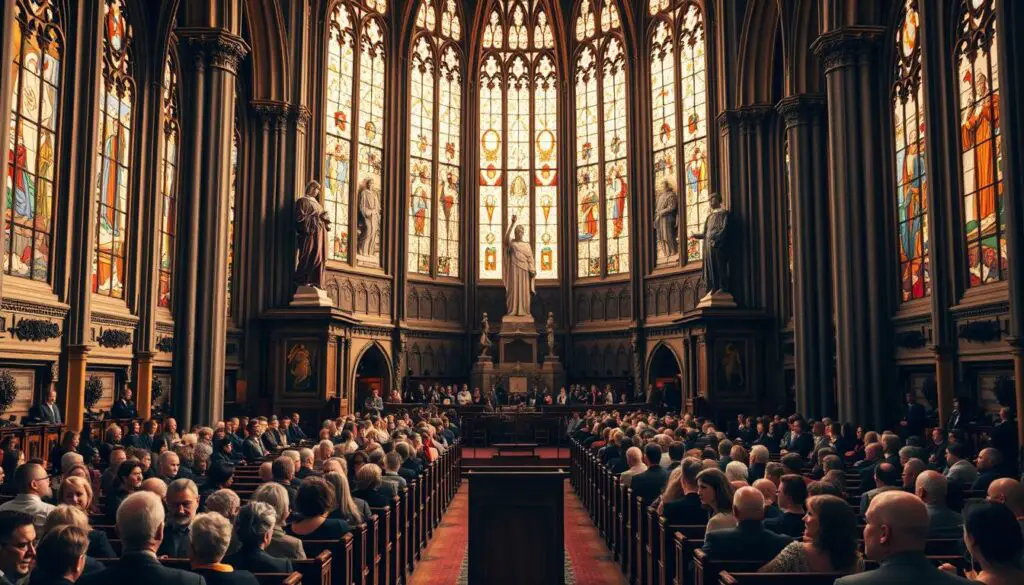
religious liberty advocacy

Separation of Church and State

Early leaders like Roger Williams argued that mixing government power with spiritual matters corrupts both. His 1636 Rhode Island colony became a safe haven for dissenters—a radical idea then. This principle later influenced America’s First Amendment, ensuring no state religion could dominate.

Modern organizations like the Baptist Joint Committee continue this mission. They’ve defended students’ right to wear religious symbols in schools and challenged laws favoring specific faiths. “Freedom flourishes when institutions remain distinct,” explains a recent policy statement.

Embracing Freedom and Individual Soul Competency

The belief that every person can connect with the divine without intermediaries fuels grassroots activism. Volunteers often lead local efforts—from food drives to voter education—guided by love for neighbors.

Consider the Ethics & Religious Liberty Commission’s global work. They partner with groups worldwide to protect minorities facing persecution. Their approach? Empower individuals through education while respecting cultural differences.

  • Historic court cases defending conscience rights
  • Interfaith alliances promoting peacebuilding
  • Youth programs teaching civic engagement

Conclusion

This exploration reveals a vibrant tradition shaped by four centuries of conviction. From Amsterdam exiles to Alabama congregations, communities thrive through believer’s baptism and self-governance. Immersion rituals mirror the New Testament model, while local autonomy preserves each group’s unique voice.

Central to this journey stands biblical authority. Scriptures guide daily choices, fostering personal connections with Jesus Christ and the Holy Spirit. These relationships empower individuals—whether leading prayers or organizing outreach—to live their faith actively.

Religious freedom remains a cornerstone. Early battles for church-state separation laid groundwork for modern liberties. Today, churches balance tradition with innovation, blending hymns with multimedia or hosting community meals alongside worship.

As you reflect, consider how shared values unite diverse groups. Whether studying historic confessions or visiting local congregations, discover how timeless principles adapt to serve modern believers. Every person’s spiritual path contributes to this living legacy—a testament to unity through sacred individuality.

FAQ

How do Baptists view the role of Scripture in their faith?

Baptists emphasize biblical authority, believing the Bible is the ultimate guide for beliefs and practices. They prioritize personal study and interpretation, trusting individuals to engage directly with God’s Word through the Holy Spirit.

Why is congregational autonomy important in Baptist churches?

Each local congregation governs itself independently, reflecting a commitment to self-governance and freedom from external hierarchies. This autonomy allows communities to adapt practices while maintaining core doctrines like believer’s baptism.

What distinguishes baptism practices among Baptists?

Baptists practice immersion as a public declaration of faith, symbolizing Jesus’ death and resurrection. This differs from traditions that sprinkle or pour water, emphasizing a conscious choice to follow Christ.

How do Baptists approach religious freedom?

Historically, Baptists championed separation of church and state, advocating for individual liberty to worship without government interference. This principle stems from their early struggles for recognition and equality.

Do Baptist beliefs vary between congregations?

While core doctrines like salvation through Christ remain consistent, worship styles and minor practices may differ. Local autonomy allows flexibility in cultural expressions while preserving unity in essentials like Scripture and mission.

What role do members play in church leadership?

The priesthood of all believers means every member has equal access to God and can contribute spiritually. Leadership roles, like pastors, are seen as servants guiding the congregation, not intermediaries.

How do Baptists engage with their communities?

Many prioritize evangelism and social outreach, driven by Christ’s command to love others. Initiatives often include missions, charity work, and fostering relationships that reflect God’s grace and justice.
Enon Baptist Church: Welcoming Community of Faith


Stepping into a vibrant spiritual home can transform lives. For decades, this congregation has stood as a pillar of hope, blending timeless values with modern fellowship. Its doors are open to everyone seeking connection, growth, and a deeper understanding of life’s purpose.

At its core, the community prioritizes authentic relationships and shared discovery. Members gather not just to learn but to support one another through life’s challenges. Whether you’re exploring spirituality or deepening your journey, you’ll find resources tailored to your needs.

The mission here revolves around fostering trust and compassion. Weekly gatherings blend heartfelt teachings with practical wisdom, creating spaces where questions are welcomed. Families, individuals, and newcomers alike discover a nurturing environment to thrive.

Beyond Sunday services, local outreach programs reflect the group’s dedication to making a difference. From food drives to youth mentorship, actions speak louder than words. This commitment to service strengthens bonds within and beyond the sanctuary walls.

Key Takeaways

  • A welcoming environment for spiritual exploration and growth
  • Focus on building meaningful connections through shared values
  • Practical teachings that blend faith with everyday life
  • Active community involvement and outreach initiatives
  • Resources tailored for both newcomers and long-term members

Our Community and Mission

Growing together in faith requires more than weekly gatherings—it demands intentional support. Our mission centers on three pillars: equipping individuals with scriptural wisdom, encouraging hearts through genuine relationships, and empowering everyone to live out their purpose. As 2 Timothy 3:16 reminds us, “All Scripture is profitable for teaching and training in righteousness,” guiding our approach to spiritual growth.

Equipping, Encouraging, and Empowering for Christian Growth

Leaders like Rev. Tim Turner and Kim Turner model this mission daily. Through Bible studies and practical teachings, members gain tools to navigate life’s challenges. The focus isn’t just on knowledge but on applying truth in ways that uplift others.

A Family Integrated Fellowship

From toddlers to grandparents, every generation finds belonging here. Shared meals, intergenerational activities, and collaborative service projects strengthen bonds. As Matthew 5:18 highlights, every detail matters—whether it’s a heartfelt prayer or a neighborhood cleanup effort.

This isn’t a place for spectators. Whether mentoring youth or packing care kits, everyone contributes. Because when families grow together, communities flourish.

Discover enon baptist church Services

Finding a rhythm of faith involves both reflection and community interaction. Our weekly schedule balances structured worship with organic relationship-building, designed to meet people where they are.

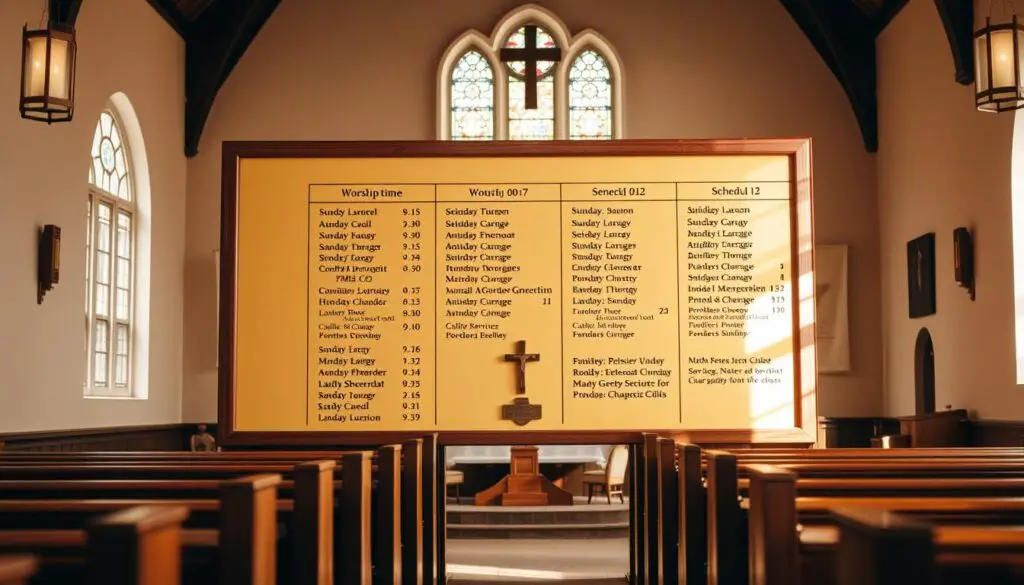
worship services schedule

Sunday and Wednesday Worship Details

Join us Sundays at 9:45 AM for small group discussions before the 11:00 AM main gathering. Both events stream live on YouTube for those unable to attend physically. Wednesday evenings feature interactive Bible study sessions paired with prayer circles—a midweek reset button for busy lives.

Prayer, Bible Study, and Fellowship Programs

Deep dives into scripture aren’t just academic exercises here. As Isaiah 55:11 reminds us, “My word will accomplish what I desire,” shaping how we approach group discussions. Monthly potluck dinners and seasonal service projects turn lessons into lived experiences.

Have questions about nursery availability or youth programs? Call (555) 123-4567 for personalized guidance. Whether you prefer hymnals or modern worship songs, every service blends tradition with fresh perspectives to spark genuine connection.

Upcoming Events and Special Announcements

Mark your calendars for meaningful moments that bring our fellowship closer together. This season offers opportunities to grow, serve, and celebrate shared milestones. Check back often—new gatherings get added regularly!

Vacation Bible School and Business Meetings

Kids ages 5–12 are invited to Vacation Bible School July 15–19 from 9 AM to noon daily. Themes include teamwork and kindness through interactive stories and crafts. Registration opens June 1—stop by the lobby for forms.

Quarterly business meetings start August 5 at 6:30 PM in the main hall. Members will review budget updates and outreach plans. All are welcome to observe or participate in discussions.

Special Events and Service Updates

Save September 21 for our 170-year homecoming celebration! Enjoy live music, historical displays, and a potluck lunch honoring generations of faith. Event calendars are available at the welcome desk through July.

The office will close July 1–5 for summer break. During this time, call (555) 123-4567 for urgent prayer requests or visit our website for streaming service times. Regular hours resume July 8.

Looking to volunteer? Sign up sheets for fall ministries go live next week. From mentoring programs to meal deliveries, there’s a place for every skill set. Together, we strengthen bonds while making a difference.

Connecting with Our Leadership and Community

Building meaningful connections starts with trusted guides and shared stories. Our leadership team combines decades of experience with fresh energy, creating a place where questions lead to growth. They’re not just teachers—they’re neighbors walking alongside you.

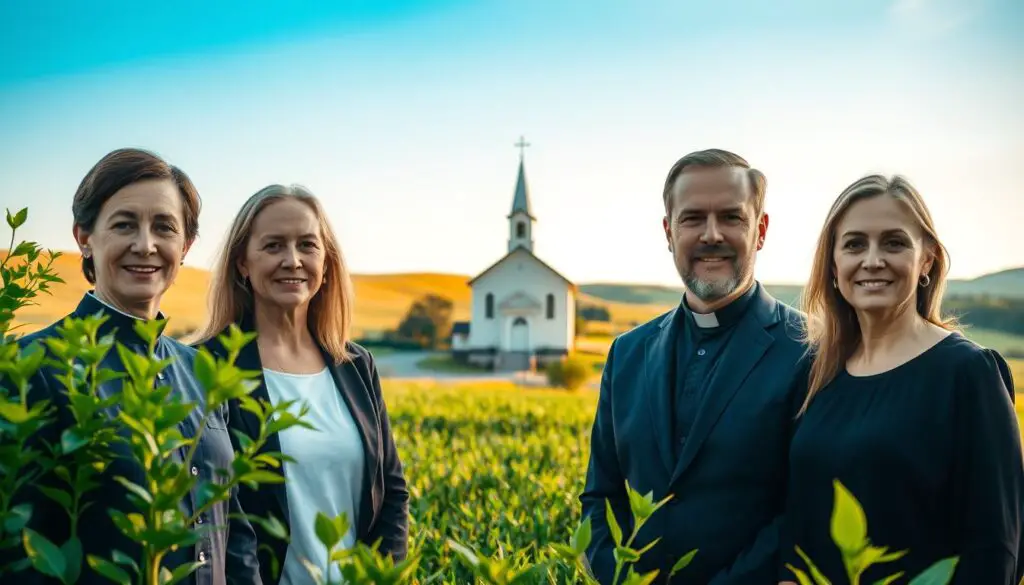
pastoral leadership team

Meet the Pastoral and Leadership Teams

Rev. Tim Turner and Kim Turner lead with humility, focusing on truth over trends. Supported by deacons like Martha Green and youth director Jason Cole, they prioritize listening before advising. “We grow best when we grow together,” shares Rev. Turner during monthly leadership roundtables.

This collaborative approach extends beyond Sunday mornings. From organizing family counseling workshops to coordinating disaster relief, the team models service. Their door is always open—call (555) 123-4567 for personalized information or prayer support.

Community Outreach and Testimonials

Local partnerships fuel initiatives like the Backpack Blessings program, providing school supplies to 300+ kids annually. “This fellowship helped my family through job loss with groceries and job leads,” shares member Sarah M. “They gave hope, not just handouts.”

Outreach extends through free tax prep clinics and senior tech tutorials. Volunteers emphasize honest conversations, ensuring help addresses real needs. As one team member notes, “Serving others means respecting their story while sharing ours.”

Conclusion

Every journey of faith thrives when surrounded by support and genuine connection. Through vibrant Sunday school classes and interactive Bible study groups, this community equips individuals to grow spiritually while building lasting relationships.

Families discover more than a place to gather—they find a network that celebrates milestones and weathers storms together. From shared meals to collaborative service projects, every generation contributes meaningfully.

Prayer remains central to both personal growth and collective outreach. Whether through quiet reflection or neighborhood initiatives, compassion fuels action here.

Ready to experience this welcoming environment? Use the contact details provided to ask questions or join upcoming events. Explore how timeless values meet modern fellowship in a setting designed for discovery.

The true description of this vibrant community can’t be fully captured in words—it must be lived. We invite you to visit and witness firsthand how faith transforms lives at Enon Baptist Church. Your seat at the table awaits.

FAQ

What time are Sunday services held?

We gather for Sunday School at 10:00 AM, followed by worship at 11:00 AM. Midweek Bible study and prayer meetings take place every Wednesday at 7:00 PM.

Are children welcome during worship services?

Absolutely! Our family-integrated approach encourages all ages to worship together. Special programs like Vacation Bible School are also offered for younger members.

How can I get involved in community outreach?

Join our fellowship programs or volunteer teams! From local missions to prayer groups, there are opportunities to serve and connect with others who share your faith.

Do you offer small group studies or discipleship classes?

Yes! We host weekly Bible studies, discipleship courses, and seasonal workshops designed to deepen your understanding of Scripture and strengthen your walk with Christ.

How can I stay updated on special events?

Check our website’s announcements page or contact the office to join our email list. We share details about upcoming conferences, business meetings, and seasonal celebrations regularly.

What makes your church’s approach unique?

We focus on equipping believers through truth-centered teaching while fostering authentic relationships. Our leadership team prioritizes spiritual growth and practical support for every member.

How do I reach the pastoral staff with questions?

Call our office during business hours or send a message through the website’s contact form. Our team responds promptly to prayer requests, counseling needs, or general inquiries.

Abyssinia Baptist Church: Inspiring Worship and Fellowship


Since 1808, a historic spiritual hub has thrived at 132 West 138th Street in Harlem. This vibrant institution, rooted in faith and community, blends rich traditions with modern outreach. Its name reflects a connection to ancient heritage, symbolizing unity across generations.

Founded by trailblazers like Thomas Paul, the congregation has shaped New York City’s cultural fabric for over two centuries. Today, it welcomes members and visitors through uplifting services and events that celebrate fellowship. The welcoming atmosphere invites everyone to explore its legacy of empowerment.

From its iconic architecture to dynamic programs, this Harlem landmark fosters connection both locally and online. Its website offers resources for spiritual growth and updates on upcoming activities. Whether you’re seeking inspiration or community, there’s always something meaningful happening here.

Key Takeaways

  • Founded in 1808, this institution holds deep roots in Harlem’s history
  • Located at 132 West 138th Street, a cornerstone of New York City’s spiritual life
  • Pioneered by influential leaders like Thomas Paul
  • Combines traditional worship with contemporary community engagement
  • Online presence enhances accessibility for members and newcomers

Historic Roots and Community Impact

When African-Americans and Ethiopian seamen walked out of a segregated worship space in 1808, they ignited a legacy of courage. This bold protest against racially segregated seating in New York City became the spark for creating an independent spiritual home. Their unified action laid the groundwork for a congregation focused on equality and justice.

Founding Moments That Shaped a Movement

Led by visionary Thomas Paul, the group transformed defiance into purpose. They established a new house of worship where racial integration wasn’t just ideal—it was practice. Ethiopian merchants supported this effort, blending cultural pride with communal faith.

Social Justice as Spiritual Practice

The congregation’s early stand against exclusion set a powerful precedent. Members prioritized advocacy, turning sermons into platforms for change. Over time, their commitment attracted diverse New Yorkers seeking both spiritual growth and societal progress.

From its humble beginnings, this Harlem institution became a beacon. Its story reminds us that unity and determination can reshape communities. Today, that 19th-century courage still echoes in every outreach program and shared prayer.

Architectural and Musical Heritage

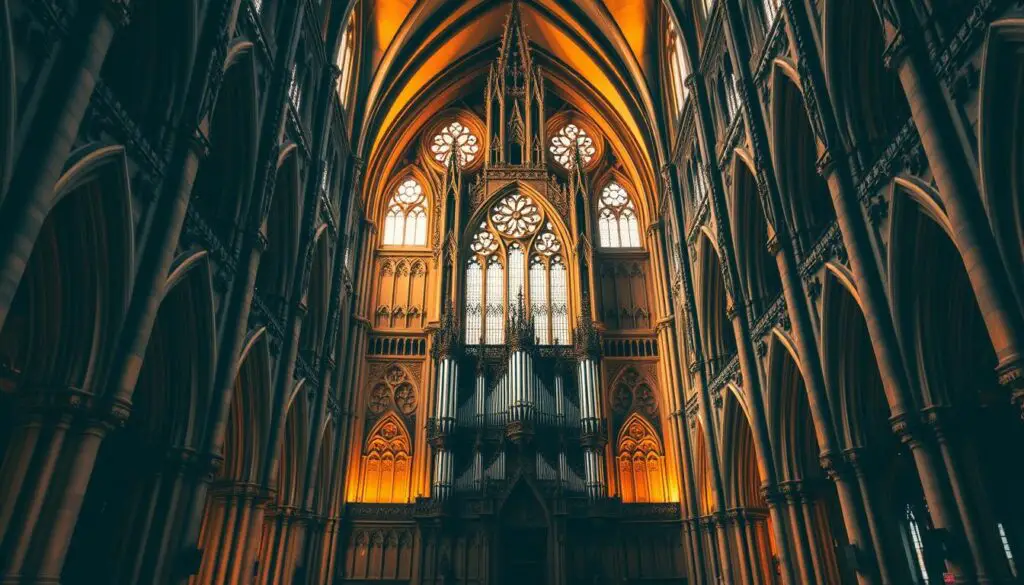
When the current building opened in 1923, it became an instant landmark, marrying Gothic grandeur with cultural innovation. Located steps from 138th Street, this New York treasure combines Tudor Revival touches with soaring arches that draw eyes upward. Its design wasn’t just about beauty—it created spaces where music and activism could thrive together.

gothic revival church architecture

Gothic Revival Style and Iconic Design Features

Craftsmen spent two years shaping Indiana limestone into a masterpiece. Sunlight streams through stained glass windows, casting rainbows over marble altars carved with intricate patterns. The bell tower, visible from Odell Clark Place, stands as a silent sentinel of Harlem’s history.

Every corner whispers stories. Wooden pews curve around a pulpit designed for powerful voices. Architects blended medieval inspiration with 1920s flair, making it a living museum of African American resilience.

Harlem Renaissance and Music Legacy

During the Harlem Renaissance, these walls buzzed with jazz legends and gospel pioneers. W.C. Handy’s 1958 funeral here drew thousands, while Nat King Cole’s 1948 wedding added romantic lore. The acoustics—honed by vaulted ceilings—turned sermons into symphonies.

This wasn’t just a church. It became New York’s cultural heartbeat, where Duke Ellington’s harmonies mingled with Sunday hymns. Today, visitors still feel that energy, proving great design fuels timeless inspiration.

Community Engagement at abyssinia baptist church

For over a century, visionary leaders have transformed this Harlem institution into a powerhouse of community action. Their work bridges spiritual guidance with real-world solutions, creating ripples of change across New York City.

Leadership Legacies from Adam Clayton Powell to Present

Adam Clayton Powell Sr. ignited a tradition of activism when he became pastor in 1908. He fought for fair housing and better schools, setting the stage for his son, Adam Clayton Powell Jr., to become Harlem’s first Black congressman. Together, they turned sermons into blueprints for social reform.

Later leaders like Samuel DeWitt Proctor expanded job training programs, while Calvin O. Butts III launched the Abyssinian Development Corporation. This nonprofit built affordable homes, revitalized local businesses, and supported education—proving faith and action go hand in hand.

Leader Initiative Impact
Adam Clayton Powell Sr. Anti-poverty campaigns Improved housing conditions
Adam Clayton Powell Jr. Civil rights legislation National policy changes
Calvin O. Butts III Economic development 1,000+ affordable units built

Today, members access resources through the congregation’s user-friendly website, from volunteer sign-ups to virtual food drives. This digital shift keeps New Yorkers connected, whether they’re across Harlem or across the globe.

From packed pews to online forums, the spirit of justice lives on. Every initiative honors a simple truth: Strong communities grow where compassion meets courage.

Conclusion

From its bold 1808 origins to today’s vibrant programs, this Harlem landmark remains a cornerstone of faith and justice in New York. Its story—forged by pioneers like Adam Clayton Powell—shows how courage can build bridges across generations. The stunning Gothic architecture and jazz-infused traditions still draw visitors to 138th Street, proving history lives in every brick and hymn.

Beyond its walls, the congregation’s spirit fuels change. Affordable housing projects, youth programs, and digital outreach through their website keep communities connected nationwide. Leaders here have always known: true worship thrives when paired with action.

Today, this United States treasure stands as both a historic site and living testament to unity. Whether you explore its iconic attractions or join virtual events, the legacy invites everyone to be part of something bigger. Come witness how one group’s vision continues shaping New York City—and beyond—for all.

FAQ

When was the congregation first established?

The community began in 1808 when a group of Black worshippers left a segregated house of worship. They later built their first permanent home on Worth Street in 1840 under Reverend Thomas Paul’s leadership.

How did the Harlem Renaissance shape its cultural identity?

During the 1920s-1930s, the institution became a hub for artists and activists. Its choir and musical programs amplified gospel traditions, influencing Harlem’s creative revival and social movements.

What role did Adam Clayton Powell Sr. play in its history?

As senior minister from 1908–1936, Powell expanded outreach programs and advocated for civil rights. His son, Adam Clayton Powell Jr., later became New York’s first Black congressman.

Are there unique design elements in the building?

Yes! The Gothic Revival structure on Odell Clark Place features stained-glass windows, vaulted ceilings, and a historic pipe organ—showcasing craftsmanship from its 1923 construction.

Does it still host community-focused events?

Absolutely. From food drives to youth mentorship, the congregation remains active in education, health initiatives, and voter registration efforts across New York City.

Can visitors attend services or tours?

Guests are welcome at Sunday worship or guided tours. Check the official website for schedules, special events like gospel concerts, and volunteer opportunities.

Mount Pisgah Baptist Church: A Welcoming Community


At the heart of every thriving neighborhood lies a place where people connect, grow, and find purpose. For many families, that place is a Baptist church known for its warmth and inclusivity. Here, individuals from diverse backgrounds come together to share in faith, fellowship, and meaningful service.

This congregation prioritizes creating a supportive environment where everyone feels valued. Whether through uplifting worship services or practical community outreach, the focus remains on fostering genuine relationships. Families appreciate the blend of traditional values and modern programs designed to meet today’s needs.

Service time is structured to accommodate busy schedules, with options for morning and afternoon gatherings. Youth activities, Bible studies, and volunteer opportunities ensure there’s something for every age group. The leadership team works tirelessly to build a space where spiritual growth and practical support go hand in hand.

Key Takeaways

  • A welcoming environment for families and individuals of all backgrounds
  • Balances traditional worship with contemporary community engagement
  • Flexible service times to fit modern lifestyles
  • Focus on youth development and intergenerational connections
  • Strong emphasis on both spiritual growth and practical support

Welcome to Our Vibrant Church Community

A welcoming environment starts with open doors and hearts ready to embrace newcomers. At 1599 East Sycamore in Kokomo, Indiana, our space serves as both spiritual sanctuary and community crossroads. The building’s circular seating and shared fellowship areas encourage conversation, creating natural opportunities for connection.

Service Times and Location Insights

Weekly gatherings occur every Sunday at 10:30am ET, allowing families to worship together before afternoon activities. Our central Indiana location makes us accessible to multiple neighborhoods while maintaining a tight-knit local feel. First-time visitors often remark how our greeters remember names and preferences by the second visit.

Weekly Schedule Activity Participants
Sundays Morning Worship All Ages
Wednesdays Bible Study Adults
Fridays Youth Night Teens
Saturdays Children’s Crafts 5-12 Years

Pastoral Leadership and Warm Hospitality

Reverend Doctor L. E. Anderson, Jr. brings 22 years of experience and a Doctor of Ministry degree to his role. His sermons blend historical biblical context with modern life applications. “True faith grows through service and relationships,” he often shares during Wednesday night suppers.

Children participate fully through age-specific lessons that mirror adult worship themes. Nursery care and elementary programs run concurrently with services, letting parents focus while young ones engage with peers. This intergenerational approach helps people of all ages feel valued within our community.

What Makes mount pisgah baptist church a Home for Families

Building a spiritual foundation starts with spaces where every family member feels seen and heard. Our approach blends interactive learning with meaningful traditions, creating an environment where parents and children grow together.

family worship activities

Family-Centered Worship Experience

Sunday services balance group participation with age-specific engagement. While adults focus on sermon themes, younger attendees receive activity pages mirroring the day’s message. These tools help kids connect biblical stories to real-life situations through puzzles and simple reflection questions.

Children’s Church: Teaching, Worship, and Growth

Children from kindergarten through second grade join peers for dedicated sessions after the opening worship. Leaders use music, crafts, and storytelling to explain prayer practices and worship fundamentals. “We want them to understand the why behind what we do,” explains one teacher.

As children advance in grade levels, they gradually transition to full sanctuary services. Third graders begin attending select gatherings, using specially designed note-taking sheets to track sermon topics. This phased method builds confidence while maintaining educational support.

Key elements of our approach:

  • Interactive lessons that make faith concepts tangible
  • Weekly take-home materials reinforcing Sunday teachings
  • Celebration of milestones like completing Bible memory challenges

Engaging Worship and Modern Church Outreach

Modern technology bridges gaps, allowing spiritual growth to flourish beyond physical walls. Our community combines heartfelt traditions with innovative tools to create meaningful connections that resonate across generations.

Active Participation Across All Ages

Worship services now include interactive elements like live polling and song requests via mobile apps. Teens lead tech teams managing soundboards, while seniors share wisdom through video testimonies played during services. Even children contribute by drawing digital prayer walls updated weekly.

Digital Tools Strengthen Bonds

A secure membership portal streamlines communication for 450+ families. Leaders access real-time prayer requests through encrypted dashboards, ensuring timely support. “Our app lets me join Bible studies while commuting,” shares one parent. Automated event reminders and youth activity sign-ups keep everyone engaged.

Building Tomorrow’s Ministry Today

New members receive instant access to volunteer networks matching their skills with community needs. This system helped launch a summer lunch program serving 1,200 meals last year. Future plans include hybrid worship spaces where virtual attendees control camera angles during services.

By blending timeless values with smart solutions, we empower people to grow their faith while addressing real-world challenges. Membership isn’t just about attendance—it’s about co-creating a legacy of compassion.

Conclusion

Every generation seeks a foundation where growth and belonging intersect. At our welcoming church, Sunday gatherings at 10:30am ET offer flexible time for reflection and connection. Located in central Indiana, we blend heartfelt traditions with creative approaches to spiritual education.

Families thrive through programs designed for children’s development and parent support. Younger members engage with interactive Bible lessons, while teens lead tech teams during worship services. This balance helps every child build confidence in their faith journey.

Our community stands out through hybrid service models – live-streamed gatherings with in-person warmth. Members access real-time prayer networks and volunteer opportunities through secure apps, proving tradition and innovation coexist beautifully.

Ready to experience meaningful connections? Join us where timeless values meet modern engagement. Together, we create spaces where every person’s story matters and worship becomes a catalyst for positive change.

FAQ

What types of family-focused activities are available?

We offer Sunday School, youth groups, seasonal events like Vacation Bible School, and parent-child workshops. These activities foster connection and spiritual growth for all ages.

How can I get involved in community outreach programs?

Join our food drives, neighborhood cleanups, or mentorship initiatives. Visit our website’s “Serve” page or contact our outreach team for current opportunities.

Are there programs tailored for teens and young adults?

Yes! Our youth ministry includes Bible studies, mission trips, and social events designed to engage teenagers while building faith-based friendships.

What safety measures are in place for children’s programs?

All volunteers undergo background checks, and we use secure check-in systems. Classrooms are staffed with trained leaders who prioritize a safe, nurturing environment.

Can I access sermons or services online?

Absolutely! We livestream Sunday worship and archive past messages on our website. You can also subscribe to our podcast for weekly updates.

How does the membership process work?

Attend a newcomers’ class to learn about our beliefs and values. Afterward, you’ll meet with a pastor to discuss joining our faith family through baptism or transfer of membership.

What modern tools do you use to stay connected?

We utilize a church app for event registrations, prayer requests, and giving. Follow us on social media for daily devotionals and real-time updates about ministries.

Do you offer support for parents raising faith-driven kids?

Yes! Our parenting resource library and monthly “Faith at Home” workshops provide practical tools to nurture spiritual habits in everyday family life.

Discover the Warmth of Pleasant Hill Baptist Church


Welcome to a place where faith and fellowship thrive. At the heart of our community lies a vibrant spiritual home built on decades of tradition and heartfelt connection. Whether you’re seeking meaningful worship or a supportive network, you’ll find both here.

Our story began over a century ago, rooted in humble beginnings and a steadfast commitment to growth. What started as a small congregation has blossomed into a dynamic space for prayer, service, and lifelong friendships. Explore our ministries, events, and outreach programs designed to uplift every member.

Modern conveniences meet timeless values at PHBC. Join us in person or online through live-streamed services and easy-to-use digital giving tools. Weekly gatherings are held Sundays at 10:30 AM, with midweek programs for all ages. Questions? Reach out anytime—we’d love to connect!

Key Takeaways

  • A welcoming community with deep spiritual roots and active ministries.
  • Services blend tradition with modern accessibility, including online options.
  • Explore PHBC’s history, from its early days to current outreach efforts.
  • Convenient digital tools like live streaming and online giving available.
  • Weekly worship every Sunday at 10:30 AM, plus midweek activities.

Church History and Legacy

Deep roots shape strong communities. Our story starts in 1885, when passionate believers gathered under a simple brush arbor near Little Rock. Guided by Rev. B. H. Willis, these early services blended raw faith with unwavering determination.

The Humble Beginnings

Sister Fannie Ward and other dedicated women organized the first congregation. They called themselves the First A.M.E. Church, meeting outdoors until securing land in 1892. For years, members pooled resources to build a permanent home—a testament to their unity.

Transition to New Foundations

By 1900, the group became Pleasant Hill Methodist Church. But a pivotal shift came in 1980. Rev. Robert Williams led members to adopt Baptist teachings, creating PHBC as we know it today. This bold move honored tradition while embracing fresh spiritual perspectives.

Year Milestone Key Figures
1885 First brush arbor services Rev. B.H. Willis
1892 Land purchased in Little Rock Sister Fannie Ward
1900 Renamed Pleasant Hill Methodist Community leaders
1980 Adopted Baptist practices Rev. Robert Williams

Through every era, one truth remains: people power this legacy. From open-air sermons to modern ministries, each chapter strengthens our shared purpose.

Ministries and Community Initiatives at Pleasant Hill Baptist Church

Building connections through shared purpose drives our ministries. From lively youth groups to creative workshops, every program strengthens bonds while deepening faith. Discover opportunities tailored for all ages and interests.

ministries and community initiatives

Youth and Women’s Discipleship Groups

Teens aged 13-18 gather Sundays at 6 PM in the fellowship hall. These groups blend scripture discussions with real-life challenges. One participant shared: “This feels like a second family—we grow together.”

Sunday School and Bible Study Sessions

Free study materials make spiritual learning accessible to everyone. Classes meet weekly before morning worship, with midweek options for busy schedules. Teachers focus on practical lessons that apply to modern life.

Creativity Meets Faith

Wednesday quilting sessions turn fabric into heartfelt gifts for local families. The hand bell choir adds melodic depth to services, while the music ministry leads contemporary and traditional hymns. No experience needed—just bring your enthusiasm!

Every initiative reflects our core belief: spiritual growth thrives in community. Whether through thread, song, or scripture, there’s space here for all to contribute and belong.

In-House Events and Outreach Programs

Strengthening bonds through shared moments defines our calendar. From uplifting worship services to hands-on community projects, every event fosters connection while serving others. Discover how scheduled gatherings and outreach efforts create ripples of hope locally and beyond.

Weekly Gatherings & Service Times

Our rhythm of fellowship follows a purposeful schedule:

Day Time Event Location
Sunday 8:55 AM Sunday School Education Wing
Sunday 10:00 AM Morning Worship Main Sanctuary
Wednesday 6:00 PM Bible Study Fellowship Hall
Daily 7:00 AM Prayer Line Call-in Service

First-time visitor? A member shared: “The 10 AM service feels like coming home—energetic music, relevant messages, and warm smiles everywhere.”

Mission Projects and Community Support

Our outreach extends far beyond Sunday mornings. Teams partner with local schools to provide weekend meal kits for food-insecure students. Women’s groups create quilts for hospital patients, stitching comfort into every thread.

Recent initiatives include:

  • Annual back-to-school supply drives
  • Senior citizen technology tutoring
  • Disaster relief partnerships in 3 states

These efforts embody our commitment to practical faith. As one volunteer noted: “Serving others helps me live what I learn in Bible study.” Questions? Reach us at (501) 555-0123 or visit phbcares.org.

Conclusion

For over a century, this spiritual home has transformed lives through faith and action. From outdoor prayer circles to vibrant ministries, every chapter honors its roots while embracing new ways to serve.

Today’s programs reflect this evolution. Youth groups tackle modern challenges with ancient wisdom. Women stitch comfort into quilts for neighbors in need. Outreach teams extend hands-on service through meal kits and disaster relief.

What makes this community thrive? People. Whether you’re exploring Bible studies or joining the hand bell choir, there’s space to grow and give back. Weekly worship blends timeless hymns with fresh perspectives—all welcome here.

Ready to write your chapter? Join us Sundays at 10:30 AM or connect through midweek activities. At Pleasant Hill Baptist Church, every story matters, and every voice strengthens our shared journey.

FAQ

What is the history behind your congregation’s founding?

Our roots trace back to 1875, starting as a small Methodist congregation. Through prayer and community needs, we embraced Baptist traditions in 1911, fostering a legacy of faith and service.

Are there programs tailored for youth and women?

Yes! We offer discipleship groups for young people and women, focusing on spiritual growth, mentorship, and building meaningful connections through shared experiences.

When are weekly services and gatherings held?

Join us Sundays for worship at 10:45 AM, with Sunday School at 9:30 AM. Midweek Bible studies and choir rehearsals also provide regular opportunities for fellowship.

How does the congregation support the local community?

From food drives to mission projects, we actively partner with neighbors. Initiatives like quilting groups and charity events reflect our commitment to practical care and compassion.

Can I participate in music ministries without prior experience?

Absolutely! Our Hand Bell Choir and music programs welcome all skill levels. It’s about joyfully sharing gifts, not perfection—come as you are!

How can I get involved in Bible study or Sunday School?

Simply visit during scheduled sessions or contact our team for details. Classes explore Scripture in relatable ways, encouraging questions and group discussions.

What led to the transition from Methodist to Baptist traditions?

Early members felt called to align with Baptist principles of congregational governance and believer’s baptism. This shift strengthened our identity while honoring shared Christian values.

Cottonwood Creek Baptist Church: Welcoming Community of Faith


At the heart of our neighborhood lies a place where warmth and spiritual growth come together. This community-focused congregation strives to create meaningful connections, helping individuals deepen their relationship with faith and one another. Whether you’re new to the area or seeking a fresh start, you’ll find a supportive environment here.

Staying connected matters now more than ever. That’s why this baptist church embraces tools like the Creek App, designed to keep members engaged no matter where they are. From streaming services to event updates, technology bridges the gap between physical and digital spaces seamlessly.

Members often share how this approach has enriched their lives. One testimonial highlights, “The sense of belonging here is unmatched—like family.” These stories reflect the church’s commitment to fostering unity and personal growth.

In the sections ahead, we’ll explore how this community lives out its values through outreach, worship, and small groups. Discover how you can grow spiritually while making a difference alongside others.

Key Takeaways

  • A welcoming environment focused on building connections and spiritual development.
  • Innovative tools like the Creek App enhance engagement for members near and far.
  • Personal testimonials highlight the strong sense of belonging within the community.
  • Upcoming sections will dive into service opportunities and support networks.
  • Emphasis on inclusivity and accessibility in both physical and digital spaces.

Our Welcoming Community and Core Values

Every journey of faith thrives in a space where privacy and encouragement coexist. At Cottonwood Creek, members discover a thoughtful balance between spiritual development and personal boundaries. This approach helps individuals grow at their own pace while feeling secure.

Nurturing Faith and Personal Growth

Small groups and mentorship programs create tailored pathways for spiritual discovery. Weekly workshops blend inspirational teachings with practical life strategies. Members often describe these sessions as “transformative moments where growth feels natural.”

Support Method Frequency Focus Area
One-on-One Mentorship Flexible Personal Challenges
Life Application Groups Weekly Practical Faith
Prayer Partnerships Daily Emotional Wellness

Emphasizing Privacy, Support, and Trust

The Creek App uses advanced encryption to protect user data—a reflection of the community’s respect for personal boundaries. Members control what information they share, whether joining virtual services or accessing resources.

Mutual support shines through everyday actions here. From meal trains during tough times to discreet prayer requests via the app, care remains consistent yet unobtrusive. As one member notes, “You’re never alone here, but never crowded either.”

Service Offerings and Worship Experience

Innovative worship formats meet timeless messages in a community-focused environment. Services blend dynamic music, reflective prayer, and teachings that connect ancient wisdom to modern life. Whether attending in person or online, participants find fresh ways to engage with their faith journey.

Engaging Worship Services and Inspirational Preaching

Weekly gatherings balance structure with spontaneity. Live bands lead uplifting music, while pastors deliver sermons that spark self-reflection and group discussions. Interactive elements like real-time polls or Q&A sessions keep services relatable. One attendee shared, “I leave every Sunday feeling challenged yet encouraged—it’s fuel for the week.”

Missed a service? Archived messages let you catch up anytime. Topics range from practical relationships to exploring Scripture’s relevance today. This flexibility ensures no one falls behind on their spiritual growth.

Innovative Use of Technology for Seamless Connection

The Creek App acts as a digital hub for members. Features include:

Feature Purpose Accessibility
Sermon Notes Track key points Sync across devices
Event Registration RSVP for gatherings Calendar integration
Life Group Chat Stay connected 24/7 availability

Giving options and prayer requests are also app-enabled. Members appreciate how tools simplify participation without replacing personal connections. As one user noted, “It’s like having church in my pocket—always there when I need it.”

A Closer Look at cottonwood creek baptist church

Rooted in decades of service, this congregation blends heritage with forward-thinking approaches. Since its founding, the community hub has prioritized outreach programs addressing local needs like food insecurity and youth mentorship. Partnerships with schools and shelters amplify its regional influence.

cottonwood creek baptist church community initiatives

The mission centers on bridging timeless teachings with today’s challenges. Weekly gatherings in their modern auditorium feature interactive discussions, while the Creek App allows members to share prayer requests or join virtual study groups. “We’re not just preserving traditions—we’re reimagining how faith connects people,” explains a longtime volunteer.

Visitors often notice the welcoming atmosphere first. From cozy fellowship halls to outdoor picnic areas, spaces encourage connection without pressure. The location near regional parks makes it accessible for families across the metro area.

Community Initiative Impact Participants (2023)
Backpack Drive 1,200+ students served 85 volunteers
Senior Companion Program 300 visits monthly 42 members
Life Skills Workshops 18 sessions held 210 attendees

Through these efforts, the congregation continues evolving while staying true to its core values. Members take pride in creating a space where faith grows through both service and shared experiences.

Specialized Support Groups and Recovery Programs

Life’s toughest challenges often feel lighter when shared with others who understand. Our community offers structured programs designed to foster healing through connection and guided growth. Each group combines expert-led resources with compassionate peer support, creating spaces where transformation begins.

DivorceCare: Finding Hope and Healing

This 13-week program meets every Tuesday at 6:30 PM in Room 205. Sessions blend video lessons with small-group discussions, addressing topics like emotional recovery and co-parenting strategies. Care Pastor Ron Schrock emphasizes, “Healing isn’t about forgetting—it’s about rebuilding with hope.” Scholarships cover workbook costs for those needing assistance.

The GriefShare Experience: Navigating Loss

Thursdays at 11 AM, participants gather in the Chapel Annex to process loss through a mix of:

  • Weekly video seminars featuring counseling experts
  • Journaling exercises for personal reflection
  • Small-group sharing with trained facilitators

Attendees can join any week—no need to “catch up.” One member shared, “This group gave me tools to breathe again.”

Additional Community Support Initiatives

Beyond these core programs, discover:

Initiative Schedule Leader
Addiction Recovery Mondays 7 PM Sarah Lin
Parenting Teens 1st/3rd Wednesdays Mark & Lisa Chen

All groups maintain strict confidentiality, allowing members to share freely. Whether facing life transitions or seeking growth, you’ll find both practical strategies and genuine care here.

Events, Groups, and Community Connections

Building relationships takes shared moments and intentional gatherings. Our calendar overflows with opportunities to connect, learn, and grow alongside others who share your values. From lively social events to focused study groups, there’s something for every schedule and interest.

community events and groups

Upcoming Meetings and Registration Details

Mark your calendars for these upcoming gatherings:

Event Date Time Location
Summer BBQ Social July 20 5:30 PM Outdoor Pavilion
Young Parents Meetup August 3 10:00 AM Nursery Wing
Men’s Breakfast Roundtable July 27 7:30 AM Fellowship Hall

Secure your spot through the Creek App—just tap “Events” and RSVP. Need childcare? Select the option during registration for hassle-free planning.

Interactive Life Groups and In-Person Gatherings

Weekly groups meet in homes and onsite for deeper connections. Choose from:

  • Tuesday Book Club: Discuss faith-inspired reads over coffee
  • Thursday Hiking Crew: Explore local trails together
  • Friday Night Prayer Circle: Virtual or in-person options

New members join throughout the year—no “catch-up” required. As regular attendee Jenna shares, “These meetups became my anchor during a transitional season.”

The Cottonwood Creek Baptist Church community thrives when people unite. Whether you’re grilling burgers at the pavilion or unpacking Scripture in a living room, every gathering strengthens bonds of support and shared purpose.

Conclusion

Where faith meets action, a vibrant community thrives. Cottonwood Creek Baptist Church blends spiritual growth with practical care, offering tools like the Creek App for seamless event registration and secure communication. Members enjoy engaging worship experiences while maintaining control over their personal boundaries—a testament to the church’s respect for privacy.

From DivorceCare sessions to life skills workshops, tailored support initiatives address real needs. The balance between innovative technology and face-to-face connections ensures no one walks their journey alone. As one member shared, “This isn’t just a place—it’s where healing begins.”

Ready to explore meaningful connections? Join a Thursday hiking group, attend a summer BBQ, or discover recovery programs designed for growth. Cottonwood Creek Baptist Church invites you to experience faith that’s alive, active, and always welcoming.

FAQ

How does the church prioritize privacy in group settings?

All group discussions and personal interactions are held in strict confidence. We create safe spaces where members can share openly without judgment, fostering trust and authenticity.

What technology does the community use to stay connected?

The Creek App allows members to access sermons, register for events, and engage with groups seamlessly. It’s designed to strengthen connections beyond Sunday services.

Are there programs for those navigating divorce or grief?

Yes! DivorceCare and GriefShare offer structured, compassionate guidance. These groups provide practical tools and emotional support tailored to individual healing journeys.

How can I join Life Groups or upcoming events?

Visit the website or app to explore current Life Group topics and event calendars. Registration is simple, and newcomers are always welcome to try a gathering first.

What makes worship services unique here?

Services blend uplifting music, relatable messages, and interactive elements. Whether in person or online, the focus is on creating an inclusive, spiritually enriching experience.

Do you offer support beyond faith-based programs?

Absolutely. From meal trains to career coaching, our community initiatives address practical needs. We believe in serving holistically—mind, body, and spirit.