Recent Posts

Unlock the Power of the Jesus Prayer: A Spiritual Journey


Discover the transformative power of the Jesus Prayer, a timeless spiritual practice rooted in Orthodox Christianity. This simple yet profound prayer has guided countless believers on their journey toward a deeper connection with God. By repeating the words, “Lord Jesus Christ, have mercy on me, a sinner,” many have found a pathway to ceaseless prayer and inner transformation.

The Jesus Prayer is more than just a religious ritual; it’s a meditative practice that fosters faith and humility. Its origins trace back to biblical teachings, where Jesus himself emphasized the importance of persistent prayer. As St. Paul urges, “pray without ceasing” (1 Thess. 5:17), this prayer becomes a living expression of that command.

Saints like St. Isaac of Syria and St. Ignatius Brianchaninov have championed this prayer as a means to cultivate a prayerful heart. It bridges the gap between external religious practices and deep internal transformation, leading to a life of grace and mercy. The Jesus Prayer is not just a practice; it’s a way of life that brings us closer to God and fosters compassion for others.

Key Takeaways

  • The Jesus Prayer is a powerful tool for spiritual growth and ceaseless prayer.
  • It originated from biblical roots and is practiced in Orthodox Christianity.
  • The prayer helps bridge external religious practices with internal transformation.
  • It fosters a deeper connection with God and compassion for others.
  • Regular practice can lead to a life of grace, mercy, and faith.

For those seeking perseverance in their faith journey, exploring Bible verses about perseverance can provide additional strength and inspiration.

Introduction to a Lifelong Spiritual Practice

Embark on a journey to discover the Jesus Prayer, a timeless spiritual practice that has guided believers for centuries. This simple yet profound prayer offers a pathway to deeper connection and inner transformation. By integrating it into your daily life, you can experience the power of ceaseless prayer and mercy.

Setting the Stage for Your Journey

A regular prayer routine is essential for a lifelong spiritual practice. It helps create a strong foundation, making it easier to maintain consistency. Establishing this routine early can deepen your relationship with God and foster a sense of mindfulness and presence, as seen in historical monastic traditions.

The Jesus Prayer seamlessly integrates into daily life, allowing you to cultivate a prayerful heart. This practice, rooted in early Christian monasticism, emphasizes the importance of mindfulness and presence, encouraging believers to pray without ceasing.

Why a Heart-Centered Approach Matters

A heart-centered approach is vital for spiritual growth. It connects the heart and the inner life, leading to a deeper connection with God. This approach, emphasized in Orthodox teachings, helps bridge the gap between external practices and internal transformation, fostering a life of grace and mercy.

The repetitive nature of the Jesus Prayer encourages a meditative state, promoting emotional tranquility and spiritual insights. By focusing on the heart, this practice becomes a lifelong companion, guiding you toward a deeper understanding of God’s presence in your life.

Aspect Benefit Example
Regular Routine Builds Consistency Daily prayer sessions
Heart-Centered Deeper Connection Focus on inner transformation
Mindfulness Enhances Presence Use of prayer ropes

By embracing the Jesus Prayer, you embark on a journey that integrates seamlessly into your daily life, fostering a deeper spiritual understanding and connection with God. This practice, supported by historical traditions and a heart-centered approach, offers a pathway to ceaseless prayer and inner transformation.

Historical and Biblical Foundations of Prayer

The Jesus Prayer traces its roots back to the early Christian monastic traditions in the Egyptian desert. Monks there used this prayer as a constant reminder of their need for God’s mercy and grace. The prayer’s origins are deeply intertwined with the Desert Fathers and Mothers, who sought a way to live out St. Paul’s exhortation to “pray without ceasing” (1 Thess. 5:17).

Origins in Early Monastic Traditions

In the 4th and 5th centuries, monks in the Egyptian desert began using the Jesus Prayer as a tool for constant spiritual conversation. They inscribed it on the walls of their cells, creating a physical reminder of their devotion. This practice was central to their spiritual lives, helping them maintain a mindset of humility and reliance on God’s mercy.

Scriptural References and Influences

The prayer draws from several biblical passages. In Matthew 16:16, Peter confesses Jesus as “the Christ, the Son of the living God,” which is reflected in the prayer’s wording. Additionally, the parable of the tax collector in Luke 18:13, who humbly prays for mercy, serves as a scriptural foundation for the prayer’s focus on humility and repentance.

Historical Foundations of the Jesus Prayer

Early Church Fathers, like St. Anthony the Great, embraced this prayer as a means to maintain a prayerful heart. It became a bridge between ancient traditions and modern practice, emphasizing the importance of ceaseless prayer and inner transformation. The Jesus Prayer’s enduring relevance lies in its ability to connect believers across centuries, offering a simple yet profound way to seek God’s mercy and grace in everyday life.

The Transformative Benefits and Spiritual Renewal

Discover how the Jesus Prayer fosters profound spiritual growth and renewal. This ancient practice, rooted in early Christian traditions, offers more than just a ritual—it’s a pathway to inner peace and healing. By focusing on the prayer’s repetitive rhythm, many find solace and emotional balance in their daily lives.

Finding Inner Peace and Healing

The repetitive nature of the Jesus Prayer creates a meditative state, promoting deep inner peace. This practice helps calm the mind and soothe the heart, much like therapeutic techniques. As individuals focus on the prayer, they often experience a reduction in internal strife, leading to emotional healing and a sense of tranquility.

Modern testimonies highlight how this prayer reduces stress and anxiety. It serves as a reminder of God’s grace, offering comfort in challenging times. The continuous invocation of Jesus’ name becomes a source of strength, fostering resilience and hope.

The Role of Faith in Daily Transformation

Active faith plays a crucial role in daily spiritual renewal. The Jesus Prayer helps believers transform everyday challenges into opportunities for growth. By embracing this practice, individuals can deepen their connection with God, finding purpose and meaning in their lives.

Faith transforms ordinary moments into sacred experiences. The prayer encourages a mindset of humility and reliance on God’s mercy, leading to a life of grace and compassion. This daily renewal fosters a deeper understanding of God’s presence, guiding believers toward a path of spiritual maturity and peace.

Exploring the “jesus prayer”: History, Practice, and Power

The Jesus Prayer holds a unique place in Christian spirituality, particularly within Orthodox tradition. It is rooted in the Holy Name of Jesus and emphasizes the need for divine mercy. This prayer is distinct from other forms of repetitive prayer due to its focus on the person of Jesus Christ and its role as both a meditative tool and an active expression of faith.

The Theological Underpinnings

The theological framework of the Jesus Prayer is deeply connected to the Holy Name of Jesus. Gregory Palamas, a prominent theologian, emphasized that the prayer’s power lies in its ability to unite the believer with God. He wrote,

“The Jesus Prayer is a divine weapon against the enemy, a support for friends, and a source of grace for the entire world.”

This quote highlights the prayer’s significance in Orthodox spirituality.

Its Enduring Role in Orthodox Spirituality

The Jesus Prayer has been a cornerstone of Orthodox spirituality for centuries. It serves as a bridge between external religious practices and internal transformation. The prayer’s repetitive nature fosters mindfulness and presence, encouraging believers to pray without ceasing. Its enduring role is evident in its use by monastic communities and its inclusion in revered texts like the Philokalia.

Jesus Prayer History and Practice

Aspect Benefit Example
Holy Name Divine Connection Invocation of “Jesus”
Mercy Inner Healing Request for compassion
Heart-Centered Deeper Faith Prayer of the heart

The Jesus Prayer is more than a ritual; it is a living practice that connects believers across centuries. Its power lies in its simplicity and depth, making it a timeless tool for spiritual growth.

Integrating the Prayer into Daily Life

Bringing the Jesus Prayer into your daily routine can be simple yet transformative. This ancient practice offers a way to connect with the divine amidst modern life’s hustle and bustle.

Establishing a Regular Prayer Routine

A consistent prayer routine is key to making this practice a part of your life. Start with short sessions in the morning or evening. Even a few minutes dedicated to the prayer can create a strong foundation for your spiritual journey.

Balancing Modern Demands with Spiritual Devotion

It’s possible to balance your busy schedule with spiritual devotion. The Jesus Prayer can be recited during daily activities like commuting or while doing chores. This dual approach—formal sessions and spontaneous recitations—keeps your connection alive throughout the day.

Aspect Benefit Example
Consistency Builds Habit Daily morning prayer
Mindfulness Enhances Focus Prayer during tasks
Balance Reduces Stress Praying during breaks

By integrating the Jesus Prayer into your daily life, you can find peace and grace even in a fast-paced world. It’s a reminder that spiritual growth is always within reach.

Techniques and Psychosomatic Practices in Prayer

Exploring the psychosomatic aspects of prayer can deepen your spiritual practice. Techniques like breathing, posture, and the use of a prayer rope are essential for creating a holistic experience.

Breathing, Posture, and the Use of a Prayer Rope

Proper breathing and posture are vital. Regulated breathing helps synchronize your prayer rhythm, inducing calm. Sit on a low stool with your head bowed, as Bishop Ware suggests, to maintain focus. The prayer rope, with its knotted beads, aids in keeping track of repetitions, enhancing concentration and rhythm.

Practical Tips for Beginners and Seasoned Practitioners

Start with short sessions, matching your breath to the prayer’s cadence. Beginners can begin with faster rhythms, while experienced practitioners might prefer slower, more meditative paces. These techniques unify body, mind, and soul, fostering a deeper connection.

Aspect Benefit Example
Breathing Induces Calm Synchronize with prayer
Posture Maintains Focus Low stool, bowed head
Prayer Rope Enhances Rhythm Knotted beads for tracking

Prayer Techniques

By integrating these techniques, you can enhance your spiritual experience, creating a harmonious connection between your physical and spiritual being.

Embracing Contemplation, Silence, and the Heart

Contemplation and silence are powerful tools for deepening your spiritual connection. They help create a space where you can focus on your inner self and God. This practice, known as hesychia, or inner stillness, allows for a deeper understanding of your faith.

Cultivating Inner Stillness for Deeper Connection

Silence is key to inner stillness. It helps quiet the mind and heart, making it easier to connect with God. Wordless prayer and meditation can lead to a deep sense of peace and clarity.

Eastern Orthodox traditions emphasize silence as a way to prepare the heart for prayer. Monks often spend hours in silent reflection, creating a space for God to speak and guide them.

Inner Stillness in Prayer

Techniques like controlled breathing and mindful awareness can help you focus. These practices help you move past distractions and find a deeper connection with God.

The goal of these practices is to reconnect with your heart, where God’s presence dwells. By embracing silence and contemplation, you can find a deeper sense of peace and connection in your spiritual journey.

For those seeking Bible verses about forgiveness and healing, these practices can provide additional guidance and strength.

Conclusion

The Jesus Prayer stands as a profound spiritual practice, weaving together history, practicality, and deep spiritual connection. Rooted in early Christian traditions, this prayer has guided believers for centuries, offering a pathway to ceaseless prayer and inner transformation. By repeating the words, “Lord Jesus Christ, have mercy on me, a sinner,” many have found a bridge between external rituals and heartfelt devotion.

Its transformative power lies in its simplicity and depth, making it a timeless tool for spiritual growth. The prayer encourages mindfulness, presence, and a heart-centered approach, fostering a life of grace and compassion. Whether recited during formal sessions or spontaneously throughout the day, it serves as a reminder of God’s mercy and grace.

As you explore this ancient practice, consider integrating it into your daily routine. Let it be a source of strength, guiding you toward a deeper understanding of faith and a life of spiritual maturity. Experience firsthand how this prayer can unite your heart, mind, and soul, leading to a more meaningful and peaceful life.

FAQ

How can the Jesus Prayer transform my life?

The Jesus Prayer invites mercy and grace into your life, helping you grow closer to Lord Jesus Christ. It strengthens your faith, brings peace, and guides you toward a heart-centered relationship with God.

What is the best way to start practicing the Jesus Prayer?

Begin with a simple routine. Set aside a quiet time each day to focus on the word of God. Use a prayer rope or your fingers to count repetitions, and let the presence of the Living God fill your soul.

Can the Jesus Prayer help me overcome sin?

Yes, the Jesus Prayer is a powerful tool for sinners seeking forgiveness. By repeating the prayer, you invite the Son of God into your heart, helping you resist temptation and live a life aligned with His will.

How do I balance prayer with my busy daily life?

Start small. Dedicate a few moments each day to the Jesus Prayer, even during commutes or breaks. Consistency is key to making it a part of your spiritual practice.

What if my mind wanders during prayer?

It’s normal for the mind to wander. Gently bring your focus back to the prayer. Over time, this practice will help you cultivate inner stillness and a deeper connection to the Lord.

Can I pray the Jesus Prayer anywhere?

Absolutely! The Jesus Prayer is a portable practice that can be done anywhere, at any time. Whether at home, in nature, or in a busy world, it serves as a constant reminder of God’s love and mercy.

Is the Jesus Prayer only for Orthodox Christians?

While rooted in Orthodox traditions, the Jesus Prayer is a universal gift for all who seek to draw closer to Lord Jesus Christ. It transcends denominations, offering spiritual renewal to anyone who practices it with an open heart.

How does the Jesus Prayer relate to the Bible?

The prayer is deeply rooted in Scripture, particularly the teachings of Jesus Christ and the Psalms. It reflects the biblical call to pray without ceasing and to seek God’s kingdom in your heart.

Can children practice the Jesus Prayer?

Yes! The Jesus Prayer is a beautiful way to introduce children to a life of faith and prayer. It’s simple enough for them to understand and can help them develop a strong spiritual foundation.

What role does faith play in the Jesus Prayer?

Faith is essential. The prayer is not just a repetition of words but a heartfelt expression of trust in Lord Jesus Christ. It strengthens your faith and deepens your reliance on God’s grace.

The Disciples of Jesus: Exploring Their Lives and Legacies


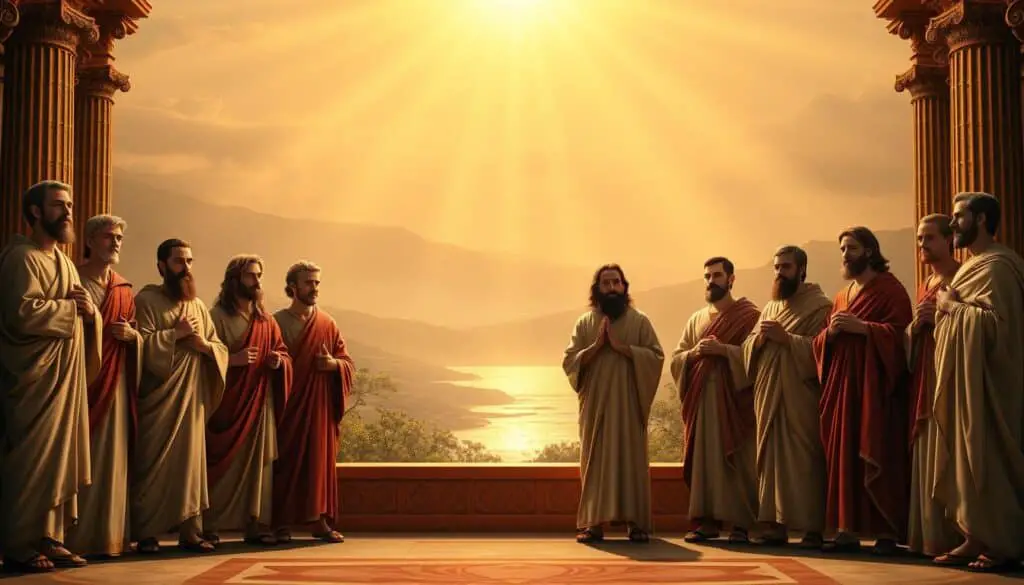
Meet the twelve men handpicked by Jesus to spread His message and lay the foundation of the early Christian church. These individuals, each with unique backgrounds, played pivotal roles in shaping the faith we know today. From tax collectors like Matthew to passionate fishermen such as Peter and John, their diverse experiences enriched the movement.

Among them was Simon Peter, known by both his Hebrew name and the Greek name given by Jesus. His dual identity symbolizes the blend of cultures within the early church. Their stories, intertwined with biblical narratives and historical traditions, offer insights into the human side of faith.

These men, though ordinary, left extraordinary legacies. Their journeys from doubt to belief, from fear to courage, resonate deeply with anyone exploring their faith. This article delves into their lives, highlighting how their personal struggles and triumphs continue to inspire believers worldwide.

Key Takeaways

  • The twelve men chosen by Jesus were crucial in establishing the early Christian church.
  • Their diverse backgrounds, including tax collectors and fishermen, influenced their roles in the movement.
  • Figures like Simon Peter had dual identities, reflecting the cultural blend of early Christianity.
  • Their stories connect biblical accounts with historical traditions, providing rich narrative insights.
  • Their legacies continue to inspire faith journeys, emphasizing the impact of ordinary individuals in extraordinary circumstances.

Historical Context of the Apostolic Age

The Apostolic Age, spanning from the resurrection of Christ to the end of the first century AD, was a transformative period for the early Christian church. This era laid the foundation for the traditions and practices that would shape Christianity.

Key Facts About the New Testament Accounts

  • The New Testament includes the Gospels and Epistles, which were written during this period.
  • The early church expanded rapidly, with significant events like Pentecost, where 3,000 believers joined the church.
  • Leaders such as Paul and Peter played crucial roles in integrating both Jewish and Gentile believers.

How Gospel Narratives and Traditions Shaped the Early Church

Gospel narratives and traditions were central to the early church’s practices. These accounts, passed down through the apostles, influenced teachings, community life, and worship. For instance, the Last Supper and the Great Commission became pivotal moments in Christian tradition.

Social and Political Context of 1st-Century Judea

Judea in the 1st century was a melting pot of cultures under Roman rule. The social and political climate was tense, with Jewish nationalism on the rise. This context influenced the apostles’ ministries and the spread of Christianity.

Distinct Contributions of Each Apostle

Each apostle brought unique skills and backgrounds to their ministries. From Peter’s leadership to Paul’s missionary journeys, their contributions were vital in spreading Christ’s teachings across the Mediterranean.

Examples from Biblical Texts

Biblical accounts, such as Peter’s sermon at Pentecost and Paul’s conversion on the Damascus road, illustrate life during the Apostolic Age. These narratives provide insights into the challenges and triumphs of the early church.

The Apostolic Age was a period of growth and establishment for the Christian faith. The apostles’ ministries, guided by the New Testament accounts and traditions, laid a strong foundation for the church’s future.

The Calling of the Apostles

The calling of the apostles marks a pivotal moment in the establishment of the early Christian church. Jesus’ method of calling His followers was deeply personal, often interrupting their daily routines with a transformative encounter.

Personal Encounters with Jesus

Jesus often called His disciples during their everyday activities. For example, Peter and Andrew were fishing when Jesus invited them to follow Him. Similarly, Matthew was working as a tax collector when he received his call. These personal encounters were powerful, leading to immediate life changes. The emotional and spiritual shift was profound, as they left behind their former lives to pursue a higher purpose.

The Calling of the Apostles

The Immediate Response to the Call

The disciples’ response was swift and decisive. They left their jobs as fishermen or tax collectors without hesitation. This abandonment of their old lives symbolized a commitment to a new mission. Their stories, as recorded in biblical accounts, highlight the transformative power of these encounters. The calling of the apostles not only changed their lives but also laid the foundation for the church’s growth and legacy.

Overview of jesus disciples Roles in the Ministry

The disciples of Jesus were ordinary individuals who became extraordinary leaders in the early Christian church. Their diverse backgrounds and unique callings set them apart, and their roles evolved significantly over time.

From Fishermen to Faith Leaders

Many of the disciples, such as Peter, Andrew, James, and John, were fishermen by trade. Their experience on the water prepared them for a life of ministry in unexpected ways. Jesus often used fishing metaphors, like “fishing for people,” to describe their new mission. Over time, these fishermen became influential faith leaders, spreading Jesus’ teachings across the Mediterranean.

Name Background Ministry Role
Peter Fisherman Key preacher and leader in the early church
Andrew Fisherman Missionary and evangelist
James Fisherman Early church leader
John Fisherman Apostle and writer of the Gospel of John

Tax Collectors Transformed by Grace

Matthew, a tax collector, is another example of how ordinary individuals were transformed by their encounter with Jesus. His background in finance and record-keeping made him uniquely qualified to document Jesus’ life and teachings in his Gospel. The transformation of tax collectors like Matthew highlights the power of grace and redemption in early Christianity.

Over time, teaching became a central part of the disciples’ roles. They traveled, preached, and mentored others, laying the foundation for the church’s growth. Their ministries were marked by a deep commitment to spreading Jesus’ message, and their legacy continues to inspire people today.

Detailed Breakdown of the Twelve Apostles

The twelve apostles chosen by Jesus played a crucial role in spreading His teachings and establishing the early Christian church. Each apostle brought unique qualities and backgrounds to their mission, shaping the foundation of Christianity.

Core Figures: Peter, James, and John

Among the apostles, Peter, James, and John formed Jesus’ inner circle. Peter, known for his leadership, often spoke on behalf of the group. James and John, brothers known as the “Sons of Thunder,” were witnesses to key events like the Transfiguration. Their close relationship with Jesus highlights the trust He placed in them.

Other Notable Disciples and Their Backgrounds

Other notable apostles included Andrew, Philip, Bartholomew, Thomas, Matthew, James (son of Alphaeus), Jude (Thaddeus), Simon the Zealot, and Judas Iscariot. Each had distinct roles: Matthew, a tax collector, documented Jesus’ life, while Thomas was known for his skepticism. Judas, infamous for his betrayal, is linked to the symbolic “silver” pieces he received.

The Selection Process and Group Dynamics

Jesus carefully selected His apostles, often calling them during their daily routines. This personal approach created a deep commitment. The group dynamics were crucial, with each apostle having specific roles. Their unity and diversity laid the groundwork for the church’s growth.

Name Background Role
Peter Fisherman Leader and preacher
Andrew Fisherman Missionary
James Fisherman Early church leader
John Fisherman Apostle and writer
Philip Unknown Evangelist
Bartholomew Unknown Preacher
Thomas Unknown Doubting apostle
Matthew Tax collector Writer
James (Alphaeus) Unknown Leader
Jude Unknown Missionary
Simon Zealot Activist
Judas Unknown Betrayer

The apostles’ diverse backgrounds and roles exemplify how ordinary individuals can achieve extraordinary things through faith. Their stories continue to inspire and guide believers today.

Twelve Apostles

Key Biblical Narratives and Miracles

The New Testament is rich with accounts of miracles performed by the apostles, showcasing divine power and affirming their mission. These narratives not only highlight their faith but also demonstrate the transformative impact of their work.

Healing of the Sick and Exorcisms

One of the most notable miracles involved Peter, who healed a lame man at the temple gate. This act of healing was not just a physical restoration but also a spiritual awakening for many witnesses. Similarly, Philip’s ministry in Samaria included exorcisms, freeing people from spiritual bondage and drawing them to the faith.

Commissioning to Preach the Gospel

The apostles were explicitly commissioned by Jesus to spread the gospel worldwide. This mandate was reinforced through miracles that validated their authority. For instance, after the resurrection, Jesus empowered them to heal the sick and cast out demons, as seen in Matthew 10:1 and Mark 6:7.

Miracle Purpose Reference
Healing the lame man Establishing divine authority Acts 3:1-11
Exorcisms in Samaria Spiritual liberation Acts 8:39
Surviving a viper’s bite Demonstrating divine protection Acts 28:3-6

These miracles, as recorded in the New Testament, underscore the apostles’ deep commitment to their mission. Their stories continue to inspire believers today, illustrating the power of faith and obedience. For more insights into the lives and teachings of these apostles, visit our collection of biblical resources.

Insights from the Gospel Accounts

The four Gospel accounts—Matthew, Mark, Luke, and John—offer unique perspectives on the lives and ministries of the apostles. Each Gospel provides distinct insights, helping us better understand their characters, roles, and contributions to the early Christian church.

Unique Perspectives in Matthew, Mark, Luke, and John

Matthew’s account often highlights the apostles’ interactions with Jewish traditions, while Mark focuses on action and the urgency of Jesus’ mission. Luke, known for its emphasis on compassion, provides a broader view of the apostles’ experiences. John, meanwhile, offers a more theological perspective, deepening our understanding of their faith and spiritual growth.

Gospel Key Details Purpose
Matthew Includes the detail of twelve baskets of leftovers after feeding the 5,000. Highlights abundance and fulfillment of Jewish expectations.
Mark Mentions the crowd being organized into groups of hundreds and fifties. Emphasizes community organization and practical aspects of ministry.
Luke Provides a more condensed account, focusing on Jesus directing the crowd to sit in groups. Illustrates Jesus’ compassion and efficiency in meeting needs.
John Focuses on the faith of the disciples and the crowd, showing a progression of belief. Underscores the spiritual significance of the miracle.

These narratives not only reveal the apostles’ personalities but also their growth in faith. The Gospels collectively paint a rich tapestry of their journeys, emphasizing themes like brotherhood, unity, and the evolution of leadership. Through these accounts, we gain a deeper appreciation for the apostles’ roles in spreading the message of faith and their lasting impact on the early church.

Gospel Accounts

The Legacy and Impact on the Early Church

The apostles’ efforts laid the groundwork for the early church, shaping its traditions and practices. Their preaching and missionary work spread Christianity across the Mediterranean, establishing communities of followers who embraced the teachings of Jesus.

Building the Foundations of Christian Tradition

Simon Peter emerged as a key leader, preaching the gospel to both Jewish and Gentile audiences. His role was pivotal in integrating diverse groups into the early church. Other apostles, like Paul, expanded the reach of Christianity through missionary journeys, preach gospel messages, and establish churches in distant lands.

Apostle Contribution Legacy
Simon Peter Preached at Pentecost, leading thousands to faith Key figure in unifying early Christian communities
Paul Wrote epistles that shaped Christian theology Established churches across the Roman Empire
Matthew Documented Jesus’ life in his Gospel Provided a detailed account for future followers

The apostles’ teachings emphasized discipleship, encouraging followers to adopt a life of faith and service. Their legacy endures, influencing modern Christian practices and thought. The structures they established, like church governance, continue to guide religious institutions today.

Early Church Legacy

The Role of Apostles in Restoring the Church Today

Modern ministries draw inspiration from the ancient apostles, adapting their principles to contemporary needs. This section explores how these timeless roles continue to shape church restoration and renewal in today’s world.

From Ancient Times to Modern-Day Ministry

Today’s churches act on the foundation laid by the early apostles, integrating their teachings into modern practices. Community service and missionary work are central, mirroring the acts of the original apostles who spread the gospel globally.

Restoration initiatives often focus on both physical places and spiritual renewal. These efforts require careful money management, ensuring resources are used effectively to support communities and spread the word across the world.

Aspect Ancient Approach Modern Application
Ministry Focus Spreading teachings, performing miracles Community engagement, global outreach
Financial Management Shared resources among believers Budgeting for global initiatives
Global Reach Regional spread Worldwide impact through technology

These modern initiatives reflect the enduring influence of the apostles’ acts, emphasizing a balance between spiritual and practical aspects to restore and renew the church in a changing world.

Iconography and Symbols of the Apostles

The lives and ministries of the apostles are vividly captured through iconic symbols and artistic representations. These visual elements, deeply rooted in early church traditions, offer insights into their roles and contributions to Christianity.

Artistic Representations in Religious Art

Religious art has long used symbols to tell the stories of the apostles. For example, Peter is often depicted with keys, representing his role as a foundational leader of the church. Andrew is associated with an X-shaped cross, symbolizing his martyrdom. These symbols, found in works like Leonardo da Vinci’s *The Last Supper*, highlight the apostles’ spiritual journeys and sacrifices.

Understanding Apostolic Symbols and Their Meanings

Each apostle’s symbol carries deep theological meaning. The “piece silver” linked to Judas Iscariot signifies betrayal and redemption. Peter’s keys, as mentioned in the New Testament account, symbolize spiritual authority. These symbols, often depicted in religious art, serve as visual reminders of their faith and martyrdom.

Apostle Symbol Meaning
Peter Keys Authority to forgive sins
Andrew X-shaped Cross Martyrdom
Matthew Money Bags Past as a tax collector
Judas Piece Silver Betrayal

These symbols, part of early church traditions, continue to inspire modern worship. They visually reinforce the apostles’ stories, making their legacy accessible to new generations. For deeper insights, explore our biblical resources.

Lessons Learned from the Lives of the Twelve Apostles

The lives of the twelve apostles offer timeless lessons that continue to inspire believers today. Their journeys, marked by faith, sacrifice, and leadership, provide a blueprint for living a life of purpose and devotion.

Faith, Sacrifice, and Leadership Qualities

The apostles exemplified remarkable character, leaving behind their livelihoods to follow a higher calling. Matthew, for instance, was a tax collector before his transformation, as noted in Matthew 9:9. His story teaches us about the power of redemption and the willingness to embrace change.

Their sacrifices were profound. Each apostle dedicated their life to spreading the gospel, often facing persecution and hardship. The story of Judas, who betrayed Jesus for 30 pieces of silver, serves as a cautionary tale about the consequences of disloyalty. Yet, even in failure, there is a lesson about the importance of faith and forgiveness.

Leadership qualities shone brightly among the apostles. Peter, though impulsive, became a key figure in the early church. His hand in uniting believers and his courage in preaching the gospel demonstrate effective leadership. Similarly, Paul’s missionary journeys showcase strategic thinking and adaptability.

Lesson Example Application
Faith and Obedience Matthew leaving his tax collector’s life (Matthew 9:9) Trust in divine guidance, even when uncertain.
Sacrificial Love Peter and Andrew leaving their fishing nets Commit fully to your calling, prioritizing greater purposes.
Leadership Through Action Peter preaching at Pentecost Lead with courage and integrity, inspiring others to follow.

These lessons remain relevant today, encouraging believers to live with integrity, lead with compassion, and trust in God’s plan. The apostles’ stories remind us that true character is forged through challenges and that faith can overcome even the darkest trials. Let their examples guide you in your own journey of faith and service.

Conclusion

In conclusion, the lives and ministries of the twelve apostles remain a cornerstone of Christian faith. From their diverse backgrounds to their transformative roles, these individuals laid the foundation for the early church and beyond. Their stories, rooted in tradition, continue to inspire believers today.

The legacy of Jesus Christ and His apostles endures, shaping modern practices and traditions. The twelve apostles, including figures like the son of Alphaeus, exemplify how ordinary individuals can achieve extraordinary things through faith. Their journeys from doubt to belief and fear to courage offer timeless lessons.

Today, the teachings of the apostles continue to guide spiritual growth and community service. Their examples encourage us to embrace faith, sacrifice, and leadership. As we reflect on their stories, we are reminded of the power of tradition and the enduring impact of their mission.

Explore further the rich accounts and lessons from these foundational figures. Let their journeys inspire your own path of faith and service. The legacy of the apostles invites us to reflect deeply and live with purpose.

FAQ

Who was Matthew, the tax collector, and why is he important in the New Testament?

Matthew was a tax collector before becoming one of Jesus’ twelve apostles. He is significant because he wrote the Gospel of Matthew, which emphasizes Jesus’ fulfillment of Old Testament prophecies. His background as a tax collector also symbolizes transformation through faith.

What role did James and John, the sons of Zebedee, play in Jesus’ ministry?

James and John were fishermen and two of Jesus’ closest disciples. They, along with Peter, formed an inner circle and witnessed key events like the Transfiguration. Their boldness and passion often highlighted their leadership roles in the early church.

How did Judas Iscariot’s actions impact the story of Jesus’ life and death?

Judas Iscariot is known for betraying Jesus for 30 pieces of silver, leading to His arrest and crucifixion. His actions, while tragic, fulfilled biblical prophecies and set the stage for Jesus’ resurrection, a central event in Christian faith.

What does the Bible say about the selection process of the twelve apostles?

According to the Gospels, Jesus prayerfully chose His twelve apostles, selecting ordinary men like Simon Peter, a fisherman, and Matthew, a tax collector. This diverse group represented His desire to transform lives and spread His teachings to all people.

How did the early church view the role of apostles after Jesus’ resurrection?

After Jesus’ resurrection, the apostles became leaders in the early church, preaching the gospel and establishing Christian traditions. They were seen as foundational to the church’s growth, with figures like Peter and John playing key roles in its development.

What lessons can modern followers of Jesus learn from the lives of the apostles?

The apostles’ lives teach us about faith, sacrifice, and leadership. Their willingness to leave everything to follow Jesus and their courage in spreading His teachings despite challenges inspire believers today to live out their faith with conviction and humility.

How does the Gospel of Matthew reflect his unique perspective as a former tax collector?

Matthew’s Gospel often highlights themes of mercy, forgiveness, and the inclusion of outcasts. His background as a tax collector may have influenced his emphasis on Jesus’ compassion for marginalized groups and His call to repentance.

What is the significance of the apostles’ symbols in religious art?

Each apostle is often represented by a specific symbol in art, such as Peter with keys or Matthew with a tax bag. These symbols reflect their roles in Jesus’ ministry and their contributions to the early church, serving as visual reminders of their stories and legacies.

How did the apostles’ teachings shape the traditions of the early church?

The apostles’ teachings, recorded in the New Testament, laid the groundwork for Christian doctrine and practices. Their sermons, letters, and actions provided guidance for early believers, establishing a foundation for the church’s growth and unity.

What is the difference between an apostle and a disciple in the New Testament?

While all apostles were disciples, not all disciples were apostles. The twelve apostles were specifically chosen by Jesus to be His closest followers and leaders in spreading the gospel. Disciples, however, included a broader group of believers who followed Jesus’ teachings.

How did the apostles preach the gospel after Jesus’ ascension?

After Jesus’ ascension, the apostles relied on the Holy Spirit for empowerment. They preached boldly in places like Jerusalem and beyond, sharing the message of salvation through Jesus Christ and establishing communities of faith wherever they went.

Unraveling the Significance of ‘Jesus Wept’: A Deeper Look


Among the many verses in the Bible, John 11:35, known as “Jesus wept,” holds a unique place as the shortest verse in the King James Version. This brief yet profound phrase has captivated Christians for centuries, inviting reflection on the emotional depth of Jesus’ ministry.

The context of this verse is deeply rooted in the story of Lazarus, a close friend of Jesus who had passed away. Upon arriving in Bethany, Jesus was met with mourning, and His emotional response was both human and divine. This moment, though brief, speaks volumes about His compassion and understanding of human sorrow.

This article delves into the layers of truth hidden within these two words. We’ll explore the historical context, the theological implications, and how this verse has been interpreted across cultures. By examining John 11:35, we uncover not just a moment of grief but a reflection of Jesus’ mission and the essence of His message.

As we journey through this exploration, we’ll discuss the scriptural context, the concept of salvation by grace, and how this verse has shaped cultural and theological discussions. Join us as we uncover the richness behind one of the Bible’s most poignant verses.

Key Takeaways

  • John 11:35 is the shortest verse in the King James Version of the Bible.
  • The verse highlights Jesus’ emotional response to Lazarus’ death, showcasing His humanity and compassion.
  • The context of Lazarus’ story provides deeper theological insights into Jesus’ mission.
  • The phrase has significant cultural and theological implications.
  • This article explores the historical context, theological meaning, and cultural interpretations of “Jesus wept“.

Introduction: The Mystery of the Shortest Bible Verse

Have you ever wondered what the shortest verse in the Bible is? The answer might surprise you. It’s not a lengthy passage but just two powerful words: “Jesus wept” (John 11:35). This verse, though brief, carries deep emotional and theological significance, making it a fascinating topic for exploration.

Historical Overview and Trivia

John 11:35 is not just short; it’s also packed with meaning. In the King James Version, it’s the shortest verse, but its length varies across languages. For instance, in Korean, it’s only six characters, while in German, it’s twelve. This verse highlights Jesus’ humanity and compassion as He mourns the death of Lazarus, a close friend. It’s a moment where His divine nature meets human emotion, showing His deep empathy for those suffering.

Modern-Day Cultural References

Today, “Jesus wept” has become a cultural reference, often used beyond religious contexts. It’s been a theme in art, music, and even everyday language, symbolizing shared human experiences of grief. This phrase bridges the gap between ancient scripture and contemporary life, reminding us that emotions like sorrow are universal. The interplay between past events and modern interpretations shows how timeless Jesus Christ’s teachings are, offering comfort and understanding in our complex world.

As we explore this verse further, we’ll delve into its biblical context and how it reflects broader themes of life and faith. The story of Lazarus and Jesus’ emotional response continue to inspire and challenge believers today. Learn more about how this verse has shaped cultural and theological discussions across time.

Biblical Context and Interpretation

John 11:35, known as “Jesus wept,” is deeply rooted in the story of Lazarus, a close friend of Jesus who had passed away. This verse offers a glimpse into Jesus’ emotional response, blending His humanity with divine purpose.

Exploring the Narrative of John 11:35

When Jesus arrived in Bethany, He was met with mourning. His tears were not just a sign of grief but also a reflection of His deep empathy for human sorrow. This moment highlights Jesus as both a compassionate person and a divine figure.

Understanding Jesus’ Emotional Response

Martha’s conversation with Jesus reveals her faith in His power. She believed in the resurrection, even in the midst of death. This exchange underscores the significance of each moment in the story, where faith and doubt intersect.

Aspect Humanity Divinity Significance
Jesus’ Tears Shows compassion and empathy Reflects divine sorrow over death Emphasizes shared human emotions
Lazarus’ Resurrection Illustrates human limitations Demonstrates divine power Symbolizes victory over death
Martha’s Faith Expresses human belief Highlights divine promise Connects faith to resurrection

Biblical Context of Jesus Wept

This narrative not only explores the emotional depth of Jesus but also the theological implications of His actions. The place of these events, Bethany, becomes a symbol of both death and resurrection, shaping Christian doctrine.

Exploring the Meaning Behind “jesus wept”

Delving deeper into the verse John 11:35, we uncover layers of meaning that go beyond a simple expression of sorrow. This moment in Scripture offers profound insights into the nature of divine love and the human condition.

The Impact of Disbelief and Compassion in Scripture

Disbelief and compassion intertwine in this narrative, as Jesus’ emotional response was, in part, a reaction to the doubt surrounding Him. Despite Martha’s strong faith, the atmosphere was thick with uncertainty. Jesus’ tears not only reflected His empathy for Lazarus’ family but also a deeper sorrow over the spiritual blindness of those around Him. This moment highlights how compassion is not just an emotion but a powerful force that can transform lives.

Scholars like Witness Lee have noted that Jesus’ weeping was a silent, contemplative act, contrasting with the more audible mourning of those around Him. This silence speaks volumes about the depth of His love and understanding of human suffering.

Connecting the Story of Lazarus to Broader Biblical Themes

The story of Lazarus serves as a microcosm of the biblical narrative, presenting Jesus as both the son of God and the savior of humanity. This duality is central to understanding the verse’s significance. The resurrection of Lazarus symbolizes the victory over death, a theme that resonates throughout Scripture.

At the heart of this message is a call to belief. Jesus’ actions and emotions were not just a response to immediate circumstances but a revelation of God’s love. The thing that drives this narrative is the transformative power of divine compassion, urging believers to reflect on their relationship with this love.

Salvation by Grace: Reflections on Christian Teachings

Salvation is a profound gift from God, offered through grace and received by faith. It’s not something we earn through our efforts or good deeds, as emphasized in Ephesians 2:8-9: “For it is by grace you have been saved, through faith—and this is not from yourselves, it is the gift of God—not by works, so that no one can boast.”

Insights from Ephesians and Other Doctrinal Passages

The biblical concept of sin is addressed through the redemption provided by Jesus Christ. His sacrifice offers forgiveness and restoration, transforming our lives from a path of sin to a new life in Him.

The moment we accept this gift is pivotal. It’s an instant transformation, where faith in Jesus Christ brings salvation, as stated in Romans 10:9. This transition is not gradual; it’s a powerful, immediate change that renews our hearts and minds.

Aspect Grace Significance
Salvation A free gift from God Transforms life and secures a blessed end
Sin Addressed through redemption Offers forgiveness and restoration
Life Received through faith Continuity in grace after acceptance

After accepting grace, life continues in the assurance of God’s love. Ephesians 1:13-14 reminds us that we’re sealed with the Holy Spirit, guaranteeing our inheritance. This truth brings comfort, knowing our end is secure in Him.

Reflect on how this gracious gift reshapes your understanding of sin and faith. Salvation by grace is not just about forgiving past mistakes but also about living a transformed life, trusting in God’s plan for your future.

Salvation by Grace

Cultural, Artistic, and Modern Interpretations

From ancient texts to modern media, the phrase “Jesus wept” has transcended its biblical origins, influencing art, music, and everyday language. This small verse has become a cultural touchstone, resonating across different worlds.

“Jesus Wept” in Art, Music, and Literature

The phrase has inspired countless works of art. In music, Kanye West sampled it in his song “Bound 2,” blending sacred and secular themes. In literature, authors like Stephen King have referenced it, showing its enduring relevance. Visual artists have also used it to express sorrow and hope, making it a powerful symbol in modern town life.

The Phrase as an Everyday Exclamation and Its Controversies

Today, “Jesus wept” is often used as an exclamation, expressing frustration or disbelief. While some find it meaningful, others view it as disrespectful. This duality reflects its complex role in culture, bridging the gap between religious and secular contexts.

This phrase captures a universal truth, connecting human emotions across different worlds. Whether in art, music, or daily interactions, it continues to resonate, reminding us of the power of compassion and love in our shared human experience.

Conclusion

In the brief yet profound verse of John 11:35, we find a moment that transcends time, speaking directly to the heart of humanity. This shortest of all biblical verses, “Jesus wept,” encapsulates the depth of human emotion intertwined with divine purpose. It reminds us that even in death, there is hope—a hope rooted in the promise of resurrection and eternal life.

This verse, though simple, carries a multifaceted message. It reflects the dual nature of Jesus Christ as both a compassionate man and the divine Son of God. The story of Lazarus serves as a powerful reminder of faith’s transformative power, turning despair into hope and sorrow into joy. It invites us to reflect on our own moments of doubt and how faith can lead us through darkness into light.

As we conclude, let this verse inspire you to embrace the truth it holds. Whether seen as a historical event or a timeless message, John 11:35 continues to offer comfort and inspire belief in eternal life. Take a moment to explore more biblical teachings and share this enlightening word with others. Let it be a reminder that in every season of life, God’s love and grace are always present.

FAQ

What is the significance of the shortest verse in the Bible?

The shortest verse in the Bible, John 11:35, highlights Jesus’ emotional response to the death of Lazarus. It underscores His humanity and compassion, making it a powerful moment in Scripture.

How does the verse "Jesus wept" reflect His divine nature?

While Jesus wept shows His human side, it also reveals His divine empathy. It demonstrates that Jesus Christ, as the Son of God, deeply understands and shares in human sorrow.

What role does faith play in the story of Lazarus?

Faith is central to the narrative. Martha’s declaration, “I believe you are the Son of God,” showcases her trust in Jesus, even in the face of death and grief.

How does this verse connect to the broader message of salvation?

The resurrection of Lazarus points to the ultimate truth of eternal life through Jesus Christ. It serves as a testament to God’s love and the gift of salvation by grace.

Why is this moment in John 11:35 so emotionally impactful?

The emotional weight of “Jesus wept” lies in its simplicity. It captures a raw human moment, reminding us of Christ’s compassion and His understanding of our heart’s deepest pains.

How does this verse influence modern Christian teachings?

It reinforces the idea that faith and love are at the core of Christianity. The verse also emphasizes the importance of empathy and compassion in living out our faith.

What lessons can we draw from Lazarus’ story today?

The story teaches us about trust, faith, and the transformative power of God’s love. It reminds us that even in death, there is the promise of new life through Christ.

How does this verse relate to everyday life?

It encourages us to approach life’s challenges with faith and compassion. Just as Jesus responded to sorrow with love, we too can reflect His heart in our interactions.

Discover the ‘Jesus Revolution’ – A Captivating True Story


Step into the inspiring true story of Jesus Revolution, a 2023 American Christian drama film directed by Jon Erwin and Brent McCorkle. Based on the autobiographical book by Greg Laurie, this movie brings to life the origins of the Jesus movement, blending faith, history, and transformation in American spirituality. The film features a strong cast, including Joel Courtney, Jonathan Roumie, Kimberly Williams-Paisley, and Kelsey Grammer, ensuring a compelling narrative that resonates with both faith-based audiences and general moviegoers.

Released on February 24, 2023, Jesus Revolution achieved significant success, grossing $54.3 million worldwide. This film not only highlights the historical context of the Jesus movement but also delves into personal journeys of transformation, offering a profound look at the cultural and spiritual shifts of the late 1960s and 1970s in California. With its engaging storytelling and strong production values, Jesus Revolution captivates viewers, making it a standout film in its genre.

Key Takeaways

  • The film tells the true story of the Jesus movement’s origins.
  • It features a talented cast and impressive production quality.
  • The movie was a box office success, grossing over $54 million.
  • It appeals to both faith-based and general audiences.
  • The film explores historical and personal transformational journeys.

The Historical Roots and Cultural Context

The late 1960s was a time of profound cultural and spiritual transformation in America, setting the stage for a movement that would redefine faith and community. This era was marked by societal shifts that led to a spiritual awakening, particularly among the youth.

The 1960s Counterculture and Its Spiritual Awakening

The 1960s counterculture movement played a pivotal role in reshaping traditional spirituality. Young people, disillusioned with mainstream values, sought new meaning and community. This shift created fertile ground for the emergence of the Jesus Movement.

Historical events, such as the Vietnam War and the Civil Rights Movement, influenced this spiritual evolution. The counterculture’s emphasis on peace, love, and communal living aligned with Christian teachings, drawing many to the Jesus Movement. This period saw the rise of contemporary Christian music and the growth of faith-based communities.

How Historical Events Shaped a New Movement

Key events of the 1960s and 1970s significantly impacted the formation of the Jesus Movement. The movement’s growth was fueled by a desire for authenticity and connection, leading to the establishment of communal groups and the development of new worship styles.

Feature Description Impact
Spiritual Focus Emphasis on personal relationship with Jesus Revitalized Christian practices
Cultural Impact Integration of music and art Popularized contemporary Christian music
Legacy Establishment of faith communities Influenced modern church movements

“The Jesus Movement was more than a spiritual awakening; it was a cultural phenomenon that reshaped American Christianity.” – Greg Laurie

Understanding this historical context is crucial for appreciating the Jesus Movement’s significance and its portrayal in the film. The movement’s legacy endures, influencing contemporary Christian practices and communities.

The Journey Behind the ‘Jesus Revolution’ Film

The Jesus Revolution film brings to life the inspiring true story of a spiritual awakening that transformed countless lives. Directed by Jon Erwin and Brent McCorkle, the movie is based on Greg Laurie’s autobiographical book, offering a glimpse into the origins of the Jesus Movement.

Production Insights and Directorial Vision

Principal filming took place in Mobile, Alabama, and California, capturing the essence of the 1970s setting. The directors aimed to balance historical accuracy with creative storytelling, ensuring the film resonates with both faith-based and general audiences.

Casting Highlights: From Greg Laurie to Kelsey Grammer

Joel Courtney shines as Greg Laurie, portraying his journey from rebellion to faith. Kelsey Grammer, stepping in for Jim Gaffigan, delivers a strong performance as Pastor Chuck Smith, a pivotal figure in the movement.

Jesus Revolution film behind the scenes

“The Jesus Movement was more than a spiritual awakening; it was a cultural phenomenon that reshaped American Christianity.” – Greg Laurie

The film’s production faced challenges, from location changes to casting adjustments, yet it successfully crafted a compelling narrative that honors its historical roots while engaging modern viewers.

Exploring How the jesus revolution Transformed American Spirituality

The Jesus Revolution was a pivotal moment that reshaped American spirituality, sparking a national rethinking of faith and community. This movement emerged during a time of cultural upheaval, offering a fresh perspective on spirituality that resonated deeply with a generation seeking meaning beyond traditional norms.

Real-Life Impact and Greg Laurie’s Transformation

At the heart of this spiritual awakening was Greg Laurie, a young man whose journey from counterculture to Christianity exemplifies the transformative power of the Jesus Movement. Laurie’s story, as depicted in the film, highlights how the movement offered a sense of belonging and purpose, leading him to become a key figure in modern Christian leadership.

Film Adaptation: Balancing Historical Facts with Cinematic Storytelling

The film masterfully blends historical accuracy with compelling storytelling, capturing the essence of the Jesus Movement. By integrating personal narratives with broader cultural shifts, the movie honors the historical context while engaging contemporary audiences. This balanced approach ensures that the film is both informative and emotionally resonant.

The legacy of the Jesus Revolution is evident in its enduring influence on American church dynamics and societal values. The film’s thoughtful portrayal of this era ensures that its impact continues to inspire new generations, bridging the past with the present.

Behind the Impact: Reception, Reviews, and Awards

The Jesus Revolution film made a significant splash upon its release, drawing both praise and criticism. While critics had mixed opinions, audiences embraced the movie wholeheartedly, awarding it an impressive CinemaScore of “A+”. This enthusiastic response was mirrored at the box office, where the film achieved notable success.

Audience Reactions and Box Office Milestones

The movie’s debut was strong, with over 2,000 screens across the U.S. showcasing its premiere. It grossed an impressive $54.3 million worldwide, a testament to its appeal. The film’s performance on its opening day set the tone for its continued success, resonating particularly with faith-based audiences.

Jesus Revolution audience reaction

Category Details Impact
Box Office $54.3 million worldwide Significant commercial success
CinemaScore “A+” rating High audience satisfaction
Awards Dove Awards recognition Cultural and industry acclaim

Critical Reviews and Industry Recognition

While critics were divided, with some praising the film’s historical portrayal and others finding it overly sentimental, the movie found its footing in the faith-based community. Platforms like Rotten Tomatoes and Metacritic highlighted its cultural significance, and it received honors at the Dove Awards. This recognition underscores its role in the film industry and its lasting impact on faith-based cinema.

For those interested in learning more about the cultural and historical context of the Jesus Movement, visit this resource for deeper insights.

Conclusion

The Jesus Revolution film captures a pivotal moment where faith intersected with counterculture, leaving an enduring mark on American spirituality and cinema. This movie is more than just a film—it’s a window into a transformative era that reshaped American religious history.

The production team ensured authenticity by filming in Mobile, Alabama, and California, capturing the essence of the 1970s setting. Strong performances from Joel Courtney and Kelsey Grammer added depth to the narrative, making the story relatable and engaging.

The film’s success was evident at the box office, grossing $54.3 million worldwide and earning an “A+” CinemaScore. It sparked meaningful conversations about spirituality, inspiring audiences to reflect on faith and transformation.

As Jesus Revolution continues to inspire, it reminds us of the power of storytelling in film to bridge the past and present, fostering discussions about faith and cultural change for future generations.

FAQ

How does the film portray the cultural shifts of the 1960s?

The film captures the 1960s’ cultural shifts by depicting the era’s counterculture movement and its influence on spirituality, highlighting how young people sought new meaning and connection.

What role does Greg Laurie play in the film’s narrative?

Greg Laurie is central to the story, portraying his real-life journey from a troubled teen to a spiritual leader, illustrating personal transformation amid the cultural upheaval.

How did the filmmakers balance historical facts with storytelling?

The filmmakers blended meticulous research with cinematic storytelling to ensure historical accuracy while engaging audiences with a compelling narrative.

What’s the significance of the film’s title in relation to its content?

The title reflects the spiritual awakening of the 1970s, emphasizing a movement focused on Jesus and its impact on American spirituality.

How has the film been received by both religious and secular audiences?

The film has resonated with diverse audiences, praised for its authentic portrayal of faith and cultural change, appealing to both religious and secular viewers.

Are there any notable scenes or moments that stand out in the film?

The film features powerful scenes of community and transformation, including pivotal moments in Greg Laurie’s journey and the movement’s growth.

How does the film address the legacy of the Jesus Revolution today?

The film explores the lasting impact on modern spirituality, showing how the movement influenced contemporary faith practices and community building.

Discover the Life-Changing Love of Jesus Today


In a world that often feels divided, the transformative message of Jesus offers a powerful reminder of hope and unity. His love, rooted in selflessness and compassion, inspires individuals to live with purpose and meaning. Through Christ-centered outreach, ministries provide both spiritual and physical support, helping people navigate life’s challenges.

Embracing Jesus’ message invites you to make a difference in your community. Whether through donations, serving others, or spreading His teachings, every action contributes to transforming lives. This divine love compels us to shift focus from self-interest to caring for others, as emphasized in 2 Corinthians 5:14-15.

This article will guide you through biblical insights, personal testimonies, and practical steps to embrace this life-changing love. By focusing on one person, one time, and one day at a time, you can experience the profound impact of Jesus’ love in your life.

Key Takeaways

  • Jesus’ love inspires purposeful living and meaningful relationships.
  • Ministries provide spiritual and physical support to those in need.
  • Embracing Jesus’ message encourages community service and outreach.
  • Biblical teachings highlight the importance of selfless love and compassion.
  • Small, consistent actions can lead to significant life transformations.

Understanding the Essence of Jesus’ Love

Jesus’ love is a cornerstone of Christian faith, offering hope and unity in a divided world. Rooted in selflessness and compassion, His love inspires purposeful living and meaningful relationships. Through Christ-centered outreach, ministries provide both spiritual and physical support, helping people navigate life’s challenges.

Exploring Biblical Foundations

The Bible illustrates Jesus’ love through teachings and parables. In John 3:16, God’s universal love is evident, offering eternal life to all who believe. 1 Corinthians 13:4-8a describes love as patient, kind, and humble, reflecting Jesus’ character. These passages reinforce the transformative power of His love.

Connecting Faith to Everyday Life

Understanding Jesus’ love can turn hardships into moments of divine intervention. Ministries often connect faith with everyday struggles, providing support to those in need. For example, outreach programs offering food and shelter demonstrate how biblical principles guide believers in navigating life’s challenges. This connection makes the biblical message accessible and practical for daily living.

Embracing Jesus’ message encourages community service and outreach. His love compels us to shift focus from self-interest to caring for others, as seen in biblical teachings. Through small, consistent actions, we can experience the profound impact of Jesus’ love in our lives.

Real-Life Impact: jesus loves you in Everyday Life

Everyday life is where the love of Jesus shines brightest. Through acts of kindness, compassion, and service, His love transforms lives in profound ways. From feeding the hungry to sheltering the homeless, these acts reflect the heart of Jesus’ teachings.

Personal Testimonials of Transformation

Brandi T., a volunteer at the Annual Sunflower Banquet, shares her story: “Serving others has shown me the true meaning of Jesus’ love. It’s about being present and caring for each person.”

Nick, once homeless, found hope through a local shelter: “The love shown by the volunteers reminded me that I’m valued. Jesus’ love changed my life.”

Community Outreach and Service

Outreach programs provide more than just meals; they offer emotional support and hope. Volunteers dedicate their time to make a difference, embodying Jesus’ love.

Initiative Focus Impact Activities
Annual Sunflower Banquet Community Engagement 500+ served annually Meal service, clothing distribution
Homeless Support Shelter and Food 200 individuals monthly Food, shelter, counseling

These efforts reflect Jesus’ love, offering hope and renewal. By giving time and talent, volunteers create lasting change, showing that love is a powerful force for transformation.

Real-Life Impact of Jesus' Love

A Spiritual Journey: Overcoming Challenges with Love

Life’s challenges can often feel overwhelming, but embracing the love of Jesus offers a path to peace and purpose. Through faith and community, many have found strength to transform struggles into opportunities for growth.

Finding Peace and Purpose

Faith and prayer are powerful tools for easing anxiety. They help establish a sense of peace and direction. Philippians 4:7 reminds us of God’s promise of peace that surpasses understanding. By focusing on this truth, we can navigate life’s difficulties with confidence.

Responding to “Does Jesus Love Me?”

Many wonder, “Does Jesus love me?” The Bible clearly answers yes. In John 3:16, God expresses His love for the world, offering eternal life to all who believe. This love is not based on our actions but on His grace.

Sarah, a ministry participant, shares, “I felt lost until I realized Jesus’ love was always there. It gave me purpose and direction.”

Aspect of Growth Impact Activities
Prayer Reduces anxiety Daily reflection, meditation
Community Provides support Fellowship, outreach
Bible Study Deepens understanding Group discussions, personal reading

Embracing this journey transforms struggles into learning experiences. With faith and community, we find the strength to overcome, living a life filled with purpose and love.

Conclusion

In a world seeking hope, the love of Jesus stands as a beacon of transformation and unity. Through ministries and community outreach, His love has touched countless lives, offering both spiritual and physical support to those in need. This journey from biblical teachings to real-life application reminds us that every day is an opportunity to live out His message of unconditional love.

Embracing the support of faith-based initiatives and community outreach can lead to profound life changes. Whether through prayer, volunteering, or donations, every action contributes to spreading Jesus’ love. Join this movement today and help further the mission of transforming lives through compassion and service.

Remember, Jesus’ love remains steadfast and transformative. Let it guide you each day, inspiring you to make a difference in your community and beyond. Together, we can create a world filled with hope, unity, and the life-changing power of His love.

FAQ

How can I experience Jesus’ love in my daily life?

Start by reflecting on His teachings and applying them to your actions. Prayer, gratitude, and serving others are powerful ways to connect with His love every day.

What role does faith play in understanding Jesus’ love?

Faith is the foundation. It helps us trust in His plan and embrace His love, even when life’s challenges arise. Faith guides us to see His love as a constant in our journey.

How does Jesus’ love help in overcoming life’s challenges?

His love provides strength and hope. It reminds us we are not alone and that every struggle has a purpose. His love is a source of comfort and peace.

Can Jesus’ love bring purpose to my life?

Absolutely. His love reveals our true purpose: to live with meaning, serve others, and share His love. It helps us find direction and fulfillment in life.

How can I share Jesus’ love with others?

Share it through kindness, compassion, and genuine care. Simple acts of love, like helping a neighbor or listening to a friend, reflect His love in action.

Does Jesus’ love offer hope for the future?

Yes. His love is eternal and unchanging. It gives us hope for better days, assurance of His presence, and confidence in a brighter tomorrow.

Exploring the Crucifixion: Jesus on the Cross


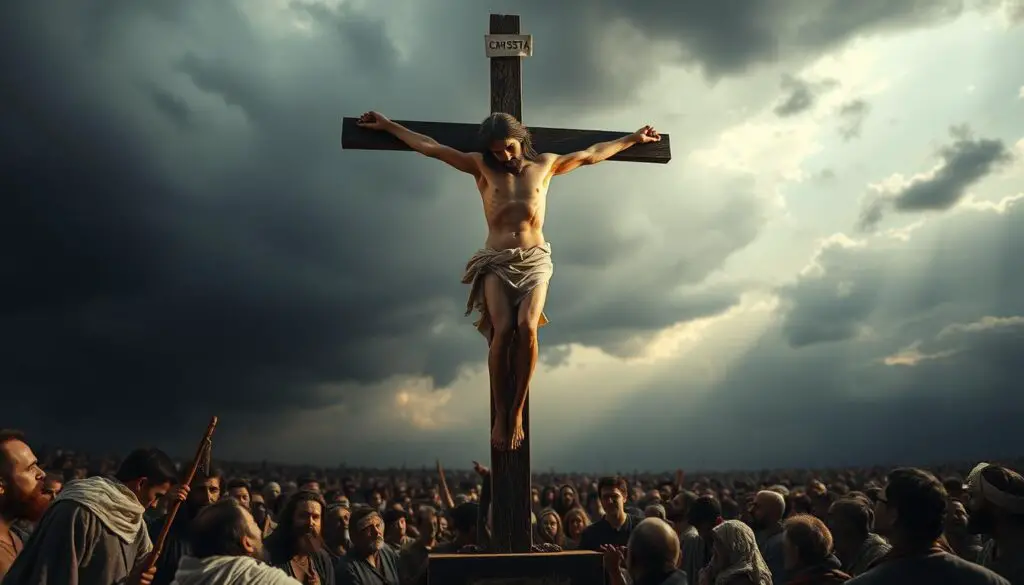
The crucifixion of Jesus is a pivotal event in Christian faith, holding deep spiritual, historical, and cultural significance. It is through this act that Christians believe Jesus sacrificed himself for humanity’s redemption. The crucifixion, as described in the canonical gospels, was a brutal method of execution that involved nailing or binding the victim to a cross, leading to a slow and painful death.

According to historical accounts, Jesus was betrayed by Judas, one of his disciples, which led to his arrest. After a series of trials, including being brought before Pontius Pilate, Jesus was sentenced to death. The crucifixion process involved flogging, the placement of a crown of thorns on his head, and being nailed to a cross. This method of execution was common in ancient Rome, often used for political rebels and criminals.

The crucifixion of Jesus is not only a historical event but also a cornerstone of Christian theology. It symbolizes the ultimate act of love and sacrifice, offering forgiveness for humanity’s sins. The event is recorded in all four Gospels, emphasizing its importance in Christian tradition.

Key Takeaways

  • The crucifixion of Jesus is central to Christian faith, symbolizing redemption and sacrifice.
  • Crucifixion was a common Roman execution method, often used for political rebels.
  • Jesus was betrayed by Judas, leading to his arrest and trials before Jewish and Roman authorities.
  • The crucifixion involved flogging, wearing a crown of thorns, and being nailed to a cross.
  • The event is recorded in all four Gospels, highlighting its theological significance.

Understanding the Context of the Crucifixion

To fully grasp the significance of the crucifixion, it’s essential to explore its spiritual and historical context. This event, deeply rooted in the 1st-century environment, was not just a religious act but also a political and cultural phenomenon.

Spiritual and Historical Background

The crucifixion of Jesus, as depicted in the gospel accounts, carries profound spiritual meaning. It symbolizes the ultimate sacrifice for humanity’s redemption. Historically, this practice was a common Roman execution method, often reserved for rebels and criminals. The public nature of crucifixions made them a tool for displaying Roman authority.

Cultural Significance of Crucifixion Practices

The role of Roman soldiers in executing the crucifixion was crucial. They followed orders, but their actions also carried cultural weight. To the Jewish community, crucifixion was a symbol of curse and humiliation, adding depth to the theological narrative.

Historical records from sources like Josephus and Tacitus provide a dual perspective—both as historical events and religious interpretations. These accounts highlight how cultural practices influenced the understanding of Jesus’ sacrificial act.

  • The crucifixion occurred in a 1st-century context, reflecting Roman practices and Jewish sensitivities.
  • Soldiers played a key role in executing the order, shaping cultural perceptions.
  • Historical records and gospel narratives together offer a comprehensive view.

This blend of history and spirituality sets the stage for understanding the crucifixion’s enduring impact.

Historical Background of Jesus on the Cross

The crucifixion of Jesus is deeply rooted in the historical and cultural context of the 1st century. It was a time when Roman authority intersected with Jewish traditions, creating a complex backdrop for this pivotal event.

Crucifixion Context

Understanding the historical setting requires examining both Roman and Jewish perspectives. The Roman Empire, under Pontius Pilate, used crucifixion as a method of execution, often for political dissidents. This practice was meant to deter others from challenging Roman authority.

Roman and Jewish Perspectives

The Roman legal system was systematic. Jesus was arrested, tried, and sentenced within a short period. The Jewish leadership, however, viewed Jesus as a threat to their religious and social order. This collaboration between Roman and Jewish authorities highlights the political and religious tensions of the time.

The crucifixion itself was a public spectacle. Jesus was on the cross for six hours, from 9 AM to 3 PM. During this time, he spoke seven last words, which are recorded in the Gospels. These words, such as “Father, forgive them” and “It is finished”, carry deep theological significance.

The Roman soldiers followed their procedures meticulously. They erected the cross, inscribed “King of the Jews” in three languages, and divided Jesus’ garments. The Jewish leaders, however, saw this as a humiliation, reflecting their own cultural and religious biases.

  • The crucifixion occurred on a specific day, with events unfolding from the arrest to the burial within 24 hours.
  • Roman legal practices emphasized public display and deterrence, while Jewish leaders focused on maintaining religious purity.
  • Jesus’ words on the cross, such as “Today you will be with me in paradise”, resonate deeply in Christian theology.
  • Historical accounts personify Jesus as both a leader and a sacrificial victim, fulfilling Old Testament prophecies.
  • Scholars note both consistencies and differences in accounts from sources like Josephus and Tacitus.

These historical and theological elements together provide a comprehensive understanding of the crucifixion’s significance.

The Gospels’ Narratives of the Crucifixion

The New Testament provides a detailed account of the crucifixion through the four Gospels, each offering unique perspectives while sharing a common purpose.

Comparing the Canonical Accounts

Each author in the New Testament presents the crucifixion with distinct emphases. Matthew highlights the fulfillment of prophecy, while Mark focuses on Jesus’ actions and emotions. Luke, known for his attention to Jesus’ compassion, details interactions with those around Him. John, meanwhile, emphasizes Jesus’ divine nature and the fulfillment of His mission.

While the core events remain consistent, each Gospel’s style and focus reflect the author’s theological themes. For instance, Luke’s narrative often includes dialogues that underscore themes of forgiveness and salvation, such as Jesus’ prayer for His persecutors.

Harmonizing the Passion Story

Despite their differences, the Gospels collectively present a unified story of sacrifice and redemption. Each account contributes a unique part to the narrative, weaving together historical detail and theological depth. The Passion story, as portrayed in the New Testament, serves as the foundation of Christian belief, illustrating the triumph of love over sin and death.

For those seeking deeper understanding, exploring these Bible verses provides profound insights into the significance of the crucifixion.

An In-depth Look at the Passion of Christ

The Passion of Christ unfolds as a profound journey of sacrifice and transformation, capturing the emotional and spiritual depth of Jesus’ final hours. This pivotal event in Christian faith is not just a historical account but a deeply moving narrative that resonates with believers worldwide.

At the heart of the Passion is the symbolism of blood, which holds profound significance in the context of redemption and covenant. As described in Isaiah 53:4–12, the blood shed during the crucifixion represents the ultimate sacrifice for humanity’s sins. This sacred act embodies the essence of divine love and forgiveness, forming the cornerstone of Christian theology.

Passion of Christ

The final moments of Jesus’ life are marked by intense suffering, yet they also reveal remarkable spiritual strength. From the Last Supper to the crucifixion, each event is filled with emotional depth and theological meaning. His words and actions during this time continue to inspire reflection and devotion among Christians.

The Passion of Christ is more than just a historical event; it is a thing of profound meditation and faith. It bridges the gap between human frailty and divine grace, offering a message of hope and redemption. Through this sacred narrative, believers find comfort in the knowledge that His sacrifice was for the healing and salvation of all.

Crucifixion Details: Events at Golgotha

The crucifixion at Golgotha is meticulously documented in the four Gospels, providing a vivid timeline of events from the initial crucifixion to the final moments. This section delves into the key moments and their significance.

Timeline and Key Moments

The crucifixion began at 9:00 AM, as noted in Mark 15:25. Jesus was nailed to the cross, flanked by two criminals. The Roman soldiers, following procedure, divided His garments and placed a sign reading “King of the Jews” in three languages above Him.

Darkness descended from noon to 3:00 PM, as recorded in Matthew 27:45. During this period, Jesus uttered His final words, including the poignant “It is finished.” At 3:00 PM, He took His last breath, and the temple curtain tore in two, symbolizing the end of the old covenant.

Time Event Significance
9:00 AM Crucifixion Begins Marked the start of the crucifixion process.
12:00 PM – 3:00 PM Darkness Falls Symbolized divine mourning and judgment.
3:00 PM Jesus’ Last Breath Signified the completion of His sacrifice.
Post 3:00 PM Temple Curtain Torn Represented the end of the old covenant.

The four Gospels present these events with slight variations, yet collectively they provide a comprehensive narrative. Matthew, Mark, Luke, and John each emphasize different aspects, but all converge on the central events.

Historically, these moments have been commemorated through Christian rituals, particularly during Holy Week. The timeline from crucifixion to resurrection underscores the theological foundation of Christianity, emphasizing redemption and divine love.

Significance of the Seven Last Words on the Cross

During His final hours on the cross, Jesus uttered seven profound statements that hold deep theological and liturgical significance. These words, recorded across the four Gospels, provide unique insights into His character and mission.

Thematic Analysis of Jesus’ Final Sayings

The first saying, “Father, forgive them; for they know not what they do,” emphasizes forgiveness and compassion. The second, “Today you will be with me in Paradise,” offers assurance of salvation to a repentant criminal. The third, “My God, my God, why have you forsaken me?” reflects a moment of spiritual separation, quoting Psalm 22. The fourth, “Woman, behold your son!” demonstrates care for His mother. The fifth, “I thirst,” highlights His humanity. The sixth, “It is finished,” signifies the completion of His mission. The seventh, “Father, into your hands I commend my spirit,” represents surrender and trust.

Theological Interpretations and Fulfillment of Prophecy

These final words fulfill Old Testament prophecies and emphasize themes of forgiveness, salvation, and divine love. The phrase “It is finished” (John 19:30) marks the fulfillment of His sacrificial act, making further animal sacrifices unnecessary. Each saying reflects Jesus’ role as Savior and the completion of His divine mission.

Impact on Christian Liturgy and Devotions

These seven last words have shaped Christian worship, particularly during Good Friday services. They are often used in sermons and liturgical practices, reminding believers of Jesus’ sacrifice and love. The phrases continue to inspire devotion and reflection, bridging the gap between human frailty and divine grace.

Art and Culture: Interpretations of the Crucifixion

The crucifixion has left an indelible mark on art and culture, inspiring countless works across various mediums. From religious iconography to literary masterpieces, this event continues to captivate creators and audiences alike.

Iconography in Religious Art

Religious art has long been a cornerstone of crucifixion depictions. Artists like Diego Velázquez and James Tissot have crafted iconic works that explore the event’s spiritual depth. Velázquez’s “Christ Crucified” stands out for its dramatic realism, while Tissot’s series offers a more intimate, emotional portrayal. These works often emphasize symbolic elements, such as the number of wounds or the positioning of hands, to convey deeper theological meanings.

Crucifixion Iconography

Throughout history, the imagery of the cross has evolved, reflecting cultural and artistic trends. Early works focused on simplicity, while later pieces incorporated more intricate details, such as crowd reactions and celestial elements. This evolution highlights how the crucifixion’s message has been reinterpreted over time.

Literary and Musical Depictions

Literature and music have also drawn inspiration from the crucifixion. Works like “The Passion of Christ” by John Stainer use powerful melodies to recount the story, while literary pieces such as “The Dream of the Rood” offer poetic reflections. These depictions often focus on the emotional and symbolic aspects, using the cross as a metaphor for sacrifice and redemption.

In modern times, the crucifixion’s themes have influenced various genres. From classical compositions to contemporary art, the event’s universal message continues to resonate, making it a timeless subject in cultural expression.

Exploring jesus on the cross: Historical and Theological Insights

The crucifixion stands as a cornerstone of Christian theology, intertwining historical events with profound spiritual meaning. This section delves into the doctrine of atonement and salvation, exploring both historical insights and theological interpretations.

Doctrine of Atonement and Salvation

The execution of Jesus is widely viewed as a sacrificial act for humanity’s sins. This belief is rooted in theories like the Ransom Theory and Penal Substitution. These doctrines emphasize how His death on the cross symbolizes redemption, fulfilling Old Testament prophecies. The idea of substitutionary atonement, where Jesus bears punishment for humanity’s sins, is central to Penal Substitution Theory, supported by verses like Isaiah 53:5 and 2 Corinthians 5:21.

Crucifixion Insights

Theological Debates and Historical Evidence

Historical records and scholarly discourse provide a dual perspective on the crucifixion. While the Gospels narrate the event, historians like Josephus and Tacitus offer additional context. Debates persist about Jesus’ role as a willing sacrifice, with some viewing Him as a willing participant in redemption. The positioning of His feet during the execution holds symbolic meaning, reflecting theological interpretations of sacrifice and submission.

Examining historical accounts, both supporting and contrasting Gospel narratives, offers a comprehensive view. The crucifixion’s historical context, including Roman execution methods, underscores its significance. The event’s theological implications extend beyond history, shaping Christian beliefs about salvation and divine love.

The Role of Crucifixion in Early Christian Beliefs

The crucifixion became a cornerstone of early Christian theology, shaping beliefs and practices that continue to resonate today. This event was more than just a historical occurrence; it laid the foundation for understanding redemption and sacrifice.

The early Christian community deeply connected with the idea of suffering as a form of divine love. The body of Jesus, as described in the Gospels, symbolized the ultimate act of self-giving. This imagery became central to the development of Christian doctrines, emphasizing the idea of salvation through sacrifice.

  • The crucifixion emphasized the theme of suffering as a transformative act, inspiring early believers to embrace martyrdom as a testament of faith.
  • The depiction of the body on the cross symbolized the victory of love over death, becoming a powerful symbol for the early church.
  • This event marked a turning point in Christian history, influencing rituals like the Eucharist and liturgical commemorations.

The early church saw the crucifixion as a pivotal moment that redefined their understanding of sacrifice and redemption. This event not only shaped their theology but also influenced their practices, creating a legacy that endures in Christian traditions today.

The Intersection of Religion and Politics in the Crucifixion Narrative

The crucifixion of Jesus was deeply intertwined with the political climate of the 1st century. This event, often seen through a religious lens, was also a strategic act shaped by the tensions between Roman authority and Jewish leadership. The Roman Empire, under Pontius Pilate, used crucifixion as a tool to maintain control and deter rebellion. This method of execution was typically reserved for political dissidents, not common criminals, highlighting the Roman soldiers’ role in upholding imperial authority.

Pilate and Imperial Authority in Context

Pilate’s decision to crucify Jesus was influenced by political pressures. The Roman governor faced a delicate balance between maintaining order and appeasing the Jewish populace. The involvement of Roman soldiers in executing the order underscores the imperial machinery at play. Their actions, though procedural, carried political weight, as they represented the face of Roman authority in a volatile region.

The gospel details reveal a narrative where political motivations intersect with religious beliefs. Jesus’ last words, such as “Father, forgive them”, resonate both as a religious plea and a statement that could be interpreted politically. These final acts and words were recorded with precision, emphasizing their dual significance in both religious and political contexts.

Today, these historical details continue to influence modern interpretations of the relationship between church and state. The crucifixion narrative serves as a timeless reminder of how religious and political dimensions can intertwine, shaping both theology and governance.

Impact of the Crucifixion on Christian Rituals and Traditions

The crucifixion has profoundly shaped Christian rituals, creating a legacy that resonates deeply in the hearts of believers. This event is not just a historical occurrence but a cornerstone of faith, influencing traditions that continue to evolve.

Holy Week Observances and Good Friday Practices

Holy Week serves as a solemn reminder of the crucifixion’s significance. Christians worldwide observe this period with reflection, prayer, and specific rituals. Good Friday, in particular, is a day of mourning, commemorating the sacrifice of the son who gave His life for humanity’s redemption. Many churches hold special services, often incorporating symbolic elements like the bone imagery from Scripture, which underscores the unbroken nature of His body, fulfilling prophecy.

Easter and Beyond: Continuing Traditions

Easter celebrations, while joyful, are deeply rooted in the crucifixion narrative. The resurrection symbolizes victory over death, a theme intertwined with the tradition of renewal. Beyond Easter, the crucifixion’s impact is evident in practices like the Eucharist, which reflects on the sacrifice. These rituals connect believers to the historical event, making it a living part of their faith. For deeper reflection, explore these Bible verses, which offer insights into the crucifixion’s enduring significance.

Interpreting Gospel Texts: Key Details and Debates

Scholars have long examined the Gospel accounts of the crucifixion, uncovering a rich tapestry of textual variants and interpretive debates. These discussions reveal how different city contexts and authorial choices shaped the narratives, offering unique insights into the event’s theological and historical dimensions.

Textual Variants and Scholarly Analysis

One notable debate centers on the “breaking of legs” episode. This event, recorded in John 19:31-37, has sparked discussion about its historical accuracy and symbolic meaning. The act of breaking legs was a Roman practice to hasten death, but its absence in other Gospels raises questions about its historical consistency.

Another area of study is how the city of Jerusalem’s political and religious climate influenced the crucifixion narrative. The Gospels reflect the tensions between Roman authority and Jewish leadership, with each account emphasizing different aspects based on their audience and context.

Scholars also explore how the broader world of 1st-century Judaism and early Christianity shaped these texts. The crucifixion narratives are not isolated events but are deeply connected to the cultural and religious milieu of their time.

  • Scholars analyze how textual variants, like the “leg” breaking episode, impact the theological interpretation of the crucifixion.
  • Different city contexts influenced the Gospels’ narratives, reflecting local traditions and audiences.
  • The crucifixion accounts are part of a larger world of early Christian thought, connecting to themes of sacrifice and redemption.

These debates highlight the complexity and richness of the Gospel texts, offering a deeper understanding of the crucifixion’s significance within its historical and theological context.

Crucifixion in Art, Music, and Literature

The crucifixion has inspired countless works of art, music, and literature over the centuries. This event has been interpreted in various forms, each capturing its deep emotional and spiritual significance. From visual masterpieces to musical compositions, the crucifixion continues to be a timeless subject of creative expression.

Visual Representations Through the Ages

Artists have long been drawn to the crucifixion’s dramatic and symbolic nature. Works like Diego Velázquez’s Christ Crucified and James Tissot’s detailed series offer powerful visual narratives. These pieces engage the viewer’s eye, drawing attention to the emotional depth of the scene. The use of light, shadow, and composition emphasizes the theological and human aspects of the event.

Early icons and Renaissance masterpieces show a clear evolution in style and interpretation. While some works focus on the suffering, others highlight the divine nature of the sacrifice. This evolution reflects changing cultural and theological perspectives over time.

Musical Settings and Inspirational Works

Music has also played a significant role in interpreting the crucifixion. Composers like John Stainer have created powerful works based on the seven last words. These musical settings evoke a deep sense of reflection and emotion, connecting listeners to the event’s spiritual essence.

Literary works, such as The Dream of the Rood, offer poetic reflections on the crucifixion. These works often use the cross as a metaphor for sacrifice and redemption, bridging the gap between historical fact and theological insight.

Form Artist/Composer Work Significance
Painting Diego Velázquez Christ Crucified Dramatic realism and emotional depth
Music John Stainer The Crucifixion Musical interpretation of the seven last words
Literature Anonymous The Dream of the Rood Symbolism of the cross

These creative interpretations highlight how the crucifixion continues to inspire artists, musicians, and writers. By engaging with these works, we gain a deeper understanding of the event’s historical and theological significance.

Conclusion

The crucifixion narrative serves as a profound book of faith, weaving together history, culture, and theology. It is through this sacred account that we find the heart of Christian belief.

The role of the disciple has been crucial in preserving these stories. Their dedication ensures that the message of love and sacrifice endures through generations.

Even simple elements, like a garment, carry deep spiritual meaning. This attention to detail invites us to reflect on the richness of the narrative.

As we conclude, let us embrace the invitation to explore further. The crucifixion’s impact on individual faith and the broader Christian community is a story worth continuing to uncover.

FAQ

What is the significance of the crucifixion in the New Testament?

The crucifixion is central to Christian belief, symbolizing the ultimate sacrifice for humanity’s sin. It represents Jesus’ obedience to God’s will and the fulfillment of prophecy, as described in the four Gospels.

How did the Roman soldiers carry out the crucifixion?

Roman soldiers executed crucifixion by nailing the victim’s hands and feet to a cross. This act was a public display of execution, intended to deter others from committing similar offenses under Roman law.

What were Jesus’ last words on the cross?

According to the Gospels, Jesus’ last words included phrases like “Father, forgive them” and “It is finished.” These statements carry deep theological meaning and are often reflected in Christian liturgy.

How accurate are the biblical accounts of the crucifixion?

The accounts in the four Gospels provide detailed descriptions of the event. While scholars debate certain details, the core narrative remains consistent, supported by historical records of Roman execution practices.

Why was the crucifixion necessary, according to Christian theology?

The crucifixion is seen as a divine act of love, where Jesus took upon himself the punishment for humanity’s sin. This sacrifice is believed to restore humanity’s relationship with God, fulfilling the doctrine of atonement.

How did the crucifixion influence early Christian beliefs and practices?

The crucifixion shaped early Christian teachings on salvation and forgiveness. It became a cornerstone of faith, inspiring rituals such as the Eucharist and influencing the development of Holy Week traditions.

What role did Pontius Pilate play in the crucifixion?

As the Roman governor, Pilate sentenced Jesus to death by crucifixion. His decision, influenced by political pressure, highlights the intersection of religious and governmental authority in the narrative.

How is the crucifixion depicted in art and literature?

The crucifixion has been a recurring theme in religious art, music, and literature. It is often portrayed as a symbol of sacrifice and redemption, inspiring works from medieval hymns to modern compositions.

What does the crucifixion mean for Christians today?

For Christians, the crucifixion represents God’s love and the promise of salvation. It continues to inspire devotion, prayer, and reflection, particularly during Easter and Good Friday observances.