Exploring a global spiritual community with over 110 million members reveals a tradition shaped by ancient roots and modern relevance. This branch of Christianity traces its foundations to early creeds like the Nicene and Apostles’ statements, emphasizing continuity with historic teachings while adapting to contemporary needs.
At its core, this tradition balances Scripture, historical practices, and thoughtful reflection. Congregations worldwide maintain unity through shared worship styles and prayer books, creating connections across diverse cultures. From Australia to the Americas, local communities express their devotion through time-honored rituals and inclusive values.
Distinctive features emerged during the English Reformation, blending Catholic heritage with Protestant principles. This approach allows space for personal interpretation while upholding essential doctrines. Modern followers often appreciate how ancient liturgy coexists with practical applications for daily life, fostering spiritual growth within evolving societies.
Key Takeaways
- Global community of 110+ million across six continents
- Balances Scripture, tradition, and reason in theological practice
- Connects diverse cultures through shared worship patterns
- Maintains historic Christian creeds while engaging modern questions
- Offers a welcoming path for spiritual exploration and growth
Introduction to Anglican Beliefs
Rooted in centuries-old traditions yet thriving in today’s diverse society, this global spiritual family balances reverence for history with practical engagement. Its teachings draw from Scripture, early church wisdom, and thoughtful dialogue with modern life. This approach creates a living tradition that connects generations while addressing current challenges.
Foundations That Unite Communities
Four key elements shape this tradition’s identity. Biblical authority stands alongside respect for ancient leaders’ insights, creating continuity across time. The role of bishops preserves spiritual unity, while historical texts like the Thirty-nine Articles offer guidance without rigidness. These pillars support diverse Christian communities across the UK and beyond.
Modern Faith in Action
Today’s practice reflects a unique middle path. It honors sacramental worship common in older traditions while embracing Protestant emphases on personal connection with God. This flexibility allows local congregations to tailor services – from candlelit choral events to casual gatherings – without losing core values. Millions worldwide find this blend helps them grow spiritually while serving others.
Cultural adaptation remains vital. A church in Nairobi might incorporate drumming into hymns, while one in Toronto uses digital tools for outreach. Yet all share commitment to prayer, service, and creeds that have united Christians for millennia. This balance makes the tradition accessible to people exploring faith from various starting points.
Foundations of Anglican Faith: Scripture, Tradition, and Reason
Picture a sturdy three-legged stool supporting spiritual growth. This metaphor captures how Anglican communities balance three elements: divine revelation, historical wisdom, and thoughtful reflection.
The Authority of Holy Scriptures
Holy Scriptures form the bedrock of Anglican practice, viewed as containing all things necessary for salvation. These sacred texts serve as the ultimate standard of faith, guiding worship patterns and personal devotion. Many find strength in how biblical teachings connect to modern struggles through Holy Spirit-inspired wisdom.
Embracing Tradition and Reason
Historical practices shape Anglican identity without stifling progress. The Book of Common Prayer and Thirty-nine Articles preserve 16th-century reforms while allowing cultural adaptation. Human reason acts as the third pillar, encouraging believers to explore how eternal truths address contemporary issues.
This balanced approach prevents extremes. Like a stool needing all legs to function, Anglicans maintain:
- Scripture as primary authority
- Tradition as time-tested guidance
- Reason as essential for modern application
Such harmony helps communities honor ancient creeds while addressing today’s ethical questions. It creates space for both mystery and practical faith lived out in daily choices.
what do anglican churches believe: Core Principles and Practices
At the heart of this global tradition lies a vibrant tapestry of spiritual convictions. These teachings unite diverse congregations through shared understandings of divine truth and human purpose.
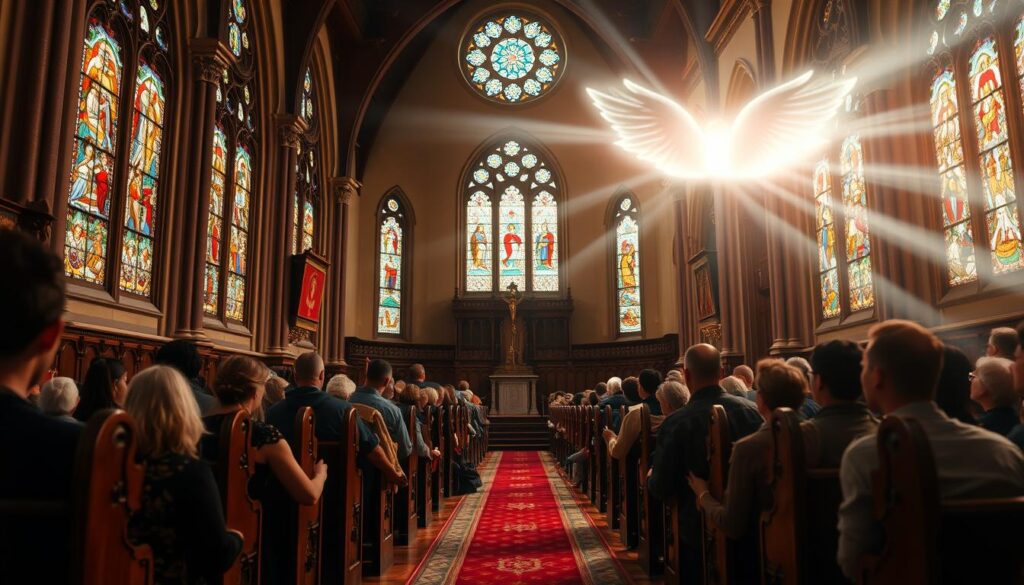
Central Doctrines and the Ecumenical Creeds
The Trinity shapes everything – one God revealed through three distinct yet united persons. This foundational belief appears in ancient creeds recited during baptism and weekly worship. “We acknowledge one baptism for the forgiveness of sins,” declares the Nicene Creed, echoing teachings embraced by Christians across centuries.
Jesus Christ’s life and resurrection form the cornerstone of salvation. Through His sacrifice, believers find reconciliation with God and hope beyond earthly struggles. The Apostles’ Creed summarizes this transformative message in simple, powerful language used worldwide.
The Influence of the Holy Spirit and Jesus Christ
Modern worshippers experience the Spirit’s presence in tangible ways. From inspiring compassionate service to deepening prayer lives, this divine guide empowers communities to live out their faith. Many describe feeling Christ’s love most strongly during Holy Communion, where bread and wine become sacred reminders of grace.
Three key impacts shape daily practice:
- Renewed understanding of Scripture through spiritual insight
- Transformed relationships guided by Christ’s example
- Unified mission fueled by the Spirit’s prompting
This living faith continues to adapt while holding fast to eternal truths. As one pastor notes, “Our creeds aren’t museum pieces – they’re roadmaps for seeking God in every generation.”
Historical Origins and the English Reformation
Centuries before smartphones and streaming services, spiritual seekers in Britain shaped a unique Christian path. This journey began with Celtic monks and reached a turning point when royal politics met religious reform.
From Early Church Roots to the 16th Century
After Roman soldiers left Britain in 410 AD, local believers developed customs distinct from Roman Catholic practices. Celtic Christianity flourished with nature-based prayers and monastic communities. These early traditions laid groundwork for later reforms.
The 16th century changed everything. King Henry VIII’s 1534 Act of Supremacy made the English church independent from papal authority. This political move sparked theological transformations that would last centuries.
| Aspect | Catholic Tradition | Anglican Approach |
|---|---|---|
| Leadership | Pope-centered | Monarch-led bishops |
| Worship Style | Latin liturgy | English prayer books |
| Theological Sources | Church authority | Scripture + tradition |
Reformers like Thomas Cranmer crafted a middle way. They kept ancient rituals while embracing Protestant ideas about Scripture’s importance. This balance helped churches maintain continuity during turbulent times.
Three lasting impacts emerged:
- Preserved early church structures like bishops
- Adapted worship for everyday people
- Created space for diverse interpretations
These 16th century decisions still influence modern practices. Churches today honor heritage while engaging contemporary questions, proving ancient roots can nurture fresh growth.
The Book of Common Prayer: A Liturgical Keystone
Imagine a book so influential it shaped worship across continents for nearly five centuries. The Book of Common Prayer remains central to Anglican identity, blending timeless language with adaptable spiritual practices. Its pages contain centuries of collective faith expressed through carefully crafted liturgies.

Evolution of a Spiritual Treasure
Archbishop Thomas Cranmer’s 1549 masterpiece revolutionized religious practice. By replacing fragmented regional rites with standardized English texts, he created unity through shared worship. Modern editions preserve core elements while updating language for clarity – like the 1979 U.S. version retaining 85% of traditional prayers.
Three key adaptations show its flexibility:
- Cultural sensitivity: African editions incorporate local idioms
- Ecumenical bridges: Joint Catholic-Anglican commissions refine shared texts
- Digital accessibility: Apps now deliver daily prayer reminders
Rhythms That Shape Lives
Morning and evening prayers structure spiritual routines for many families. Seasonal services like Advent or Lent create annual patterns of reflection. “These liturgies become the heartbeat of our faith,” notes a Chicago parishioner.
| Aspect | 1549 Original | Modern Editions |
|---|---|---|
| Language Style | Early Modern English | Contemporary phrasing |
| Service Options | 16 core rites | 40+ specialized liturgies |
| Global Versions | 1 (English) | 150+ translations |
Beyond Sunday services, the book guides weddings, funerals, and personal devotions. Its enduring appeal lies in balancing familiarity with room for local expression – a 450-year-old tradition still writing new chapters.
Sacraments and Worship in Anglicanism
Step into an Anglican service, and you’ll encounter sacred rhythms that connect believers across generations. At the center stand two sacraments recognized since the 16th century reforms – water marking new beginnings and shared meals sustaining spiritual journeys.
Gateways to Grace
Baptism opens the door to Christian life through water and prayer. Infants or adults receive this cleansing ritual, symbolizing fresh starts in faith communities. Many families treasure the moment when godparents promise support – a tradition linking modern believers to ancient practices.
Holy Communion forms the heartbeat of weekly worship. Called Eucharist or Mass, this meal uses bread and wine to remember Christ’s sacrifice. “We taste grace in every crumb,” shares a Maryland parishioner. The elements become spiritual nourishment rather than magical objects, feeding hearts through mystery and memory.
Three features shape these practices:
- Scriptural roots in Jesus’ own actions
- Ancient patterns adapted for today
- Community focus strengthening bonds
Regular services blend prayer, music, and sacraments into cohesive worship experiences. Whether in candlelit cathedrals or suburban chapels, these timeless traditions help people connect with divine love through tangible means.
FAQ
How does the Book of Common Prayer shape Anglican worship?
The Book of Common Prayer, first published in the 16th century, provides liturgy and prayers central to Anglican services. It unites global congregations through shared language, sacraments like baptism and Holy Communion, and structured worship rooted in Scripture and tradition.
What role do sacraments play in Anglican faith?
Baptism and Holy Communion are considered the two primary sacraments. They symbolize God’s grace and serve as outward signs of inward spiritual truths, connecting believers to Jesus Christ’s life and the early church’s practices.
How do Anglicans view the Holy Spirit’s influence?
The Holy Spirit is seen as guiding the church, inspiring Scripture, and empowering believers. This belief aligns with the Nicene and Apostles’ Creeds, emphasizing the Spirit’s role in salvation and sustaining Christian faith globally.
What distinguishes Anglican beliefs from Roman Catholic teachings?
While sharing sacraments and historic episcopate structures, Anglicans emphasize Scripture’s authority over papal infallibility. The English Reformation in the 16th century prioritized accessibility to worship in local languages and a balance of tradition with reason.
Why are bishops important in Anglican tradition?
Bishops represent continuity with the apostolic church, overseeing ministry and preserving unity. Their role reflects the historic episcopate, ensuring teachings align with core doctrines like those in the Articles of Religion and ecumenical creeds.
How does Anglicanism integrate Scripture and modern life?
Anglican theology uses a threefold approach: Scripture as the foundation, tradition as historical context, and reason to apply faith to contemporary issues. This framework helps address challenges while staying rooted in Christian faith.
What is the significance of the church year in Anglican practice?
The liturgical calendar structures worship around events in Jesus Christ’s life, fostering spiritual growth. Seasons like Advent and Lent emphasize reflection, aligning personal faith with the broader story of salvation.