Recent Posts

Lutheran Outdoors: Your Guide to Nature Adventures


Imagine waking up to birdsong in a forest chapel or sharing stories under starlit skies. Across America’s mountains, prairies, and coastlines, faith-based communities gather to celebrate nature’s wonders while deepening their spiritual bonds. These retreats blend outdoor exploration with meaningful connections, welcoming individuals from all walks of life.

Since 1943, these programs have offered more than campfires and hiking trails. They build inclusive spaces where everyone belongs—regardless of background, age, or identity. Over 120 affiliated sites follow a simple principle: love your neighbor as yourself. This commitment shines through activities designed to spark personal growth and strengthen relationships.

From summer camps to year-round retreats, participants discover how natural beauty reflects divine creation. Whether kayaking on glassy lakes or discussing scripture in pine-scented air, every moment fosters reflection and renewal. Families find common ground, youth develop leadership skills, and lifelong friendships take root.

Key Takeaways

  • Over 120 faith-based retreat centers operate nationwide, offering diverse outdoor programs
  • All activities emphasize inclusivity, welcoming people from every background
  • Experiences blend adventure with spiritual reflection in natural settings
  • Programs focus on personal growth, community building, and environmental appreciation
  • Year-round opportunities cater to families, youth groups, and individual explorers

Getting Started with Lutheran Outdoor Ministries

Faith-based outdoor programs blend adventure with purpose, creating spaces where people grow spiritually while exploring nature. These experiences help participants form lasting connections through shared activities and reflection.

Inclusive Camp Programs and Community Events

Diverse programs welcome individuals across all abilities and backgrounds. Upcoming events like the LOM Leadership Training (November 5-9) and OMC Great Gathering (November 9-13) help build leadership skills through team-building exercises and group worship. Daily schedules mix kayaking, scripture discussions, and service projects that strengthen community bonds.

Popular Program Types and Features
Program Type Ages Key Activities
Youth Camps 8-18 Campfire devotions, hiking challenges
Family Retreats All Shared meals, nature crafts
Servant Learning 14+ Trail restoration, community service

Faith, Leadership, and Spiritual Growth in Nature

Outdoor ministry helps future leaders develop through mentorship and hands-on experiences. Participants learn to lead group prayers during sunrise hikes and organize eco-friendly service projects. These programs emphasize how caring for creation deepens one’s faith while building practical skills.

Local organizations offer year-round support, helping families and groups plan meaningful outdoor adventures. Whether teaching kids campfire safety or guiding adults through wilderness retreats, every activity reinforces the connection between faith and stewardship.

lutheran outdoors: Bridging Faith and Adventure

Where rustling leaves meet hymns of gratitude, faith communities find renewal through nature’s classroom. These sacred spaces transform pine forests into prayer circles and mountain trails into pathways for spiritual discovery.
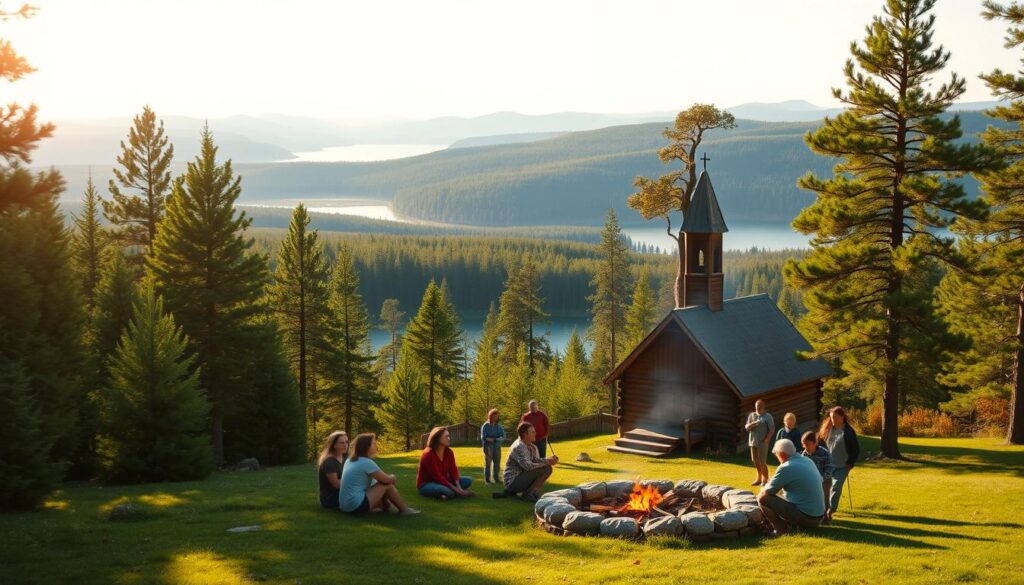
A tranquil, sun-dappled clearing nestled in a verdant pine forest. In the foreground, a group of people gather around a crackling campfire, their faces aglow with warmth and camaraderie. A rustic wooden chapel stands in the middle ground, its steeple reaching skyward, while in the background, rolling hills and a serene lake create a picturesque setting. The scene exudes a sense of peaceful retreat, where faith and nature converge, inviting the viewer to experience the restorative power of a Lutheran outdoor adventure.

Camps, Retreats, and Year-Round Programs

Outdoor ministry sites offer more than summer adventures. Weekend family camps bring generations together through stargazing worship services. Winter retreats turn snowshoeing expeditions into lessons about resilience.

Many locations host custom programs like:

  • Leadership workshops blending scripture study with wilderness survival skills
  • Intergenerational service projects restoring hiking trails
  • Creative arts retreats using natural materials for faith expression

Connect with Ministry, Staff, and Support Networks

Skilled staff members help groups design meaningful experiences. The Lutheran Outdoor Ministries network provides training for 1,200+ professionals across 150+ sites. Their certification programs ensure safety standards while nurturing spiritual mentorship skills.

Partner organizations like the American Camp Association help ministries maintain excellence. Through these connections, churches access resources for creating affordable family programs and accessible outdoor spaces.

Whether planning a church-wide conference or personal reflection time, these networks simplify logistics so you can focus on what matters – deepening faith through creation’s wonders.

Discover Outdoor Adventures and Camp Life

From mountain peaks to lakeside shores, faith-based camps across America create spaces where joy meets purpose. These locations blend outdoor exploration with personal growth, offering adventures that shape lives and strengthen communities.

Featured Camp Experiences and Leadership Opportunities

At Montana’s Flathead Lutheran Bible Camp, 2,300 youth yearly explore 250 acres of waterfront wilderness. Since 1943, this iconic site has taught campers to cherish creation through canoe trips and sunset worship services. “The experience changes how you see the world,” shares a recent participant.

Innovative programs like the LOM Songwriters Conference at Minnesota’s Good Earth Village blend music and mission. Last year’s theme, “God’s Word Comes Near,” inspired 12 original songs performed around campfires. Such creative events show how outdoor ministries adapt to new generations.

Signature Camp Locations and Features
Location Setting Key Features
Montana Lakeside Waterfront activities, leadership training
Minnesota Prairie Music programs, intergenerational retreats
Coastal Sites Oceanfront Marine ecology studies, service projects

Summer staff positions let leaders share their gifts while guiding hiking trips or leading devotionals. Year-round roles support family retreats and church events in settings ranging from rustic cabins to modern lodges.

Connect with organizations across the United States to find your perfect match. Whether teaching campfire safety or organizing prairie cleanups, every role helps others grow in faith and friendship.

Conclusion

Nature’s wonders await those ready to explore faith through adventure. Outdoor ministry programs across the United States invite individuals and families to discover spiritual growth amid breathtaking landscapes. With over 120 accredited sites, these experiences blend hiking, worship, and service projects into life-changing journeys.

Connect with local organizations to find programs matching your interests. Call 800-638-3522 or visit ELCA-affiliated camp websites for details on summer activities, year-round retreats, or staff opportunities. Many locations hold American Camp Association certifications, ensuring quality and safety standards.

These adventures offer more than fresh air—they help uncover hidden gifts while building meaningful friendships. Whether serving as volunteer leaders or attending family camps, participants strengthen their connection to creation and each other.

Take the first step today. Your path to deeper relationships and renewed purpose starts where faith meets the forest trail.

FAQ

Who can participate in outdoor ministry programs?

Programs welcome people of all ages, from children to adults. Families, youth groups, and individuals are invited to join activities like camps, retreats, and seasonal events designed to foster community and spiritual growth.

What types of activities are offered at these camps?

Camps blend adventure with faith-based learning. Activities often include hiking, team-building exercises, worship sessions, and creative workshops. Many locations also offer leadership training for teens and adults.

Are there year-round opportunities beyond summer camps?

Yes! Many organizations host retreats, family weekends, and mission-focused events throughout the year. Seasonal programs like fall festivals or winter getaways keep communities connected beyond traditional summer schedules.

How does faith integrate into outdoor adventures?

Through guided reflections, group discussions, and worship in natural settings, participants explore their spirituality. Leaders often use nature as a tool to teach stewardship, gratitude, and connection to shared values.

Can I volunteer or work at one of these camps?

Absolutely! Many sites rely on volunteers and seasonal staff. Roles range from counselors to activity coordinators. Training is typically provided, and some organizations offer internships or full-time positions.

How can I support outdoor ministries financially?

Donations, sponsorships, and fundraising events are common ways to contribute. Some camps also offer “camperships” to help families cover costs. Partnering with local churches or sharing program details online also boosts awareness.
Retire in Comfort at Lutheran Knolls Retirement Community


Finding an affordable, supportive home for your retirement years can feel overwhelming. At this welcoming community in Upper Chichester, Pennsylvania, seniors aged 62 and older discover a place where comfort meets practicality. The property’s unique rental assistance program ensures residents pay just 30% of their income toward housing costs, easing the stress of fixed expenses.

For over three decades, this well-maintained housing option has prioritized independence and safety. Residents enjoy thoughtfully designed living spaces alongside access to social activities and health-focused services. From group outings to on-site wellness checks, the community fosters connections while respecting personal freedom.

What truly sets Lutheran Knolls apart is its dedication to creating a nurturing environment. Staff members work closely with residents to address individual needs, whether coordinating transportation or planning engaging events. This approach ensures every year spent here feels fulfilling and worry-free.

Key Takeaways

  • Rent is calculated at 30% of income, ideal for managing retirement budgets
  • Exclusive to seniors aged 62+ in Upper Chichester, PA
  • Features accessible units and health-focused support services
  • Regular social activities promote community engagement
  • Three-decade legacy of reliable senior housing solutions

Community Overview and Location Insights

Location plays a vital role in choosing retirement housing. At 1800 Mill Road in Upper Chichester, Pennsylvania, this senior community blends suburban tranquility with practical convenience. Tree-lined streets and nearby parks create a serene environment, while essential services sit just minutes away.

Prime Suburban Setting

Residents enjoy quick access to healthcare providers, pharmacies, and grocery stores. The property sits within walking distance of public transit routes, helping people maintain independence without car ownership. Local libraries and community centers host regular activities, from book clubs to fitness classes.

Navigating Availability

High demand means the waiting list often extends multiple years. As a Section 202 property exclusively for those 62+, eligibility depends on income thresholds that adjust annually. Prospective residents should apply early and confirm current requirements.

The 30% income-based rent structure helps manage monthly expenses, particularly for fixed-budget seniors. Modern construction ensures wheelchair-accessible units and safety features missing in older housing options. Community staff assist with applications and explain available support programs.

Senior Services and Engaging Amenities

A vibrant retirement lifestyle thrives on accessible support and meaningful connections. At this Upper Chichester community, every detail focuses on helping residents flourish through tailored assistance and social opportunities. The dedicated resident services coordinator acts as a central resource, organizing everything from medical visits to creative workshops.

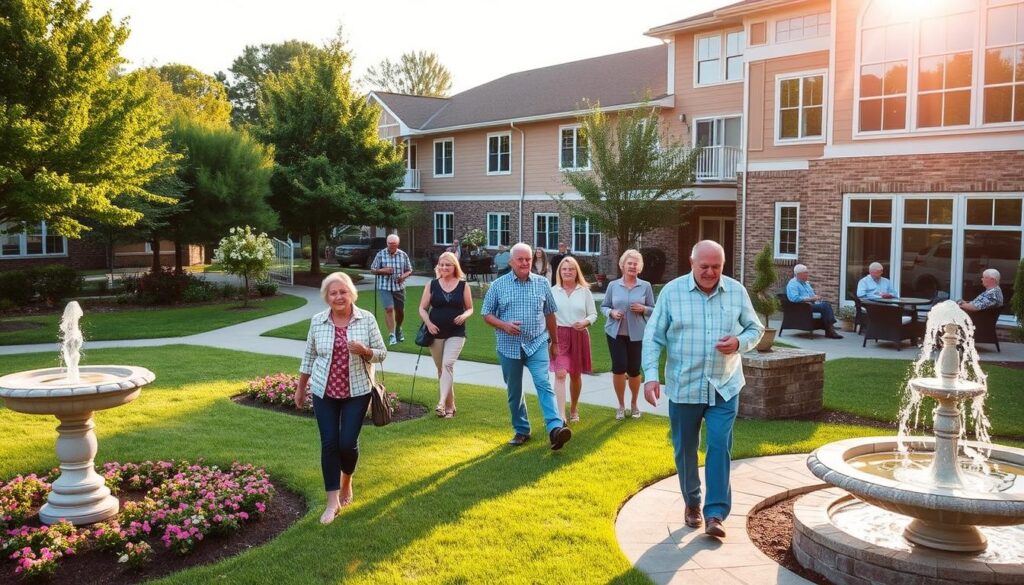
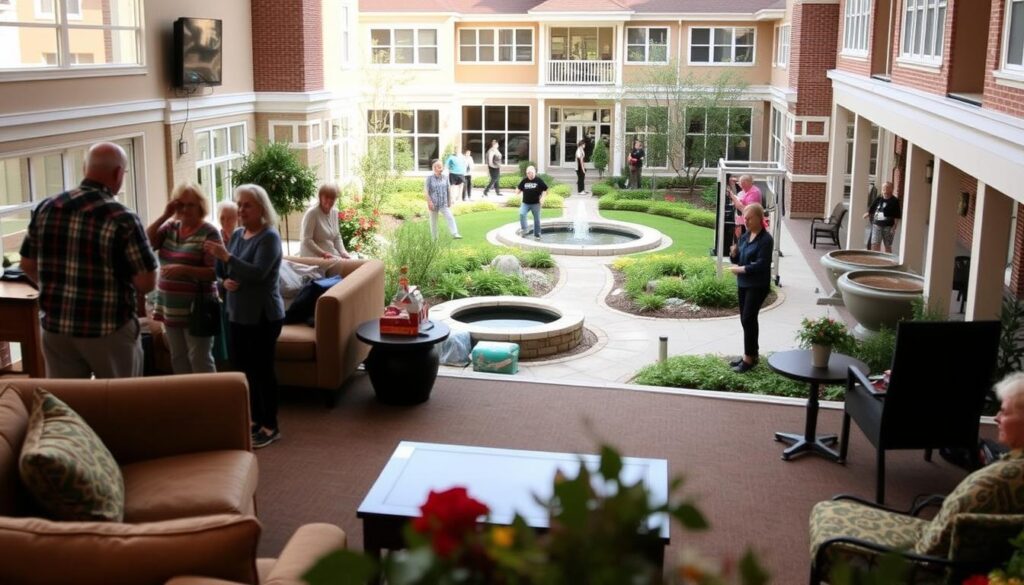
A serene and well-appointed senior living community, Upper Chichester's Lutheran Knolls Retirement Community. In the foreground, residents engage in lively group activities, a cozy lounge area with plush seating and tasteful decor. The middle ground features a well-equipped fitness center, seniors participating in group exercise classes. In the background, a manicured courtyard with lush greenery, water features, and comfortable seating areas for socializing. Warm, natural lighting bathes the scene, conveying a sense of comfort, wellness, and active community living for the golden years.

Recreational, Social, and Wellness Programs

Weekly calendars burst with options designed for active aging. Group exercise classes adapt to various mobility levels, while book clubs and craft sessions spark creativity. Seasonal events like harvest festivals keep the year exciting, fostering friendships among neighbors.

Health-focused activities include walking clubs and nutrition workshops. These programs help manage expenses by reducing reliance on external fitness centers. Transportation services ensure everyone joins off-site cultural outings or local shopping trips.

Healthcare Support and Independent Living Assistance

Medical coordination simplifies complex needs. Staff help schedule appointments and explain insurance options, easing income-related worries. Partnerships with nearby clinics provide priority access for residents.

Safety features like emergency call systems offer peace of mind. The community’s services extend to prescription delivery and medication reminders. This support lets residents maintain independence while managing health expenses effectively.

Financial Benefits and Income Qualifications at lutheran knolls

Managing retirement finances becomes simpler with clear guidelines and supportive programs. This community helps seniors balance their budgets through structured assistance tailored to different income levels.

Understanding Eligibility Thresholds

Income limits adapt to household size and local economic factors. The table below shows current qualification levels based on Area Median Income (AMI):

Household Size 30% AMI 50% AMI 80% AMI
1 Person $23,450 $39,100 $62,500
2 People $26,800 $44,650 $71,400

These figures update annually, helping the program stay responsive to economic changes. Most applicants qualify at 50% AMI or below.

Smart Budgeting Through Subsidies

Residents contribute just 30% of their income toward rent. This model keeps housing costs predictable, especially for those with fixed retirement funds. The property uses two assistance programs:

  • PBRA: Direct rental subsidies from HUD
  • LIHTC: Tax incentives for affordable housing

Current Section 8 voucher holders can transition smoothly, as the community offers comparable benefits. Regular income reviews ensure rent adjustments match any changes in financial circumstances.

This approach lets residents allocate more funds to healthcare, leisure activities, and daily needs. Financial stability becomes achievable through thoughtful program management and annual eligibility checks.

Conclusion

Choosing the right retirement community means balancing practical needs with personal comfort. This Upper Chichester property delivers both through its income-based rent model and supportive environment. Residents gain financial predictability while enjoying modern amenities designed for active seniors.

The community’s focus on independence shines through its accessible facilities and engaging social programs. From wellness checks to group outings, every service helps maintain vibrant lifestyles. Local shops and parks nearby add convenience without sacrificing peaceful suburban living.

While the waiting list reflects high demand, the long-term benefits justify early applications. Those who secure housing here find lasting value in predictable costs and built-in social connections. It’s a practical solution for seniors prioritizing both financial stability and quality of life.

For older adults seeking affordable comfort near Philadelphia, this retirement option stands as a thoughtful choice. Its decades-long track record proves reliable support systems make golden years truly fulfilling.

FAQ

Where is Lutheran Knolls located?

The community is situated in Upper Chichester, Pennsylvania, offering easy access to local parks, shopping centers, and medical facilities. Its serene setting provides a peaceful environment for retirees.

How does the waiting list work for residency?

Priority is given to seniors aged 62+ who meet income guidelines. Applications are reviewed in the order they’re received, with occasional exceptions for urgent needs. Regular updates are provided during the process.

What income qualifications are required?

Eligibility depends on household size and gross annual income, which must align with HUD’s limits for subsidized housing. Specific thresholds are updated yearly and shared during application reviews.

Are there social activities available for residents?

Yes! From fitness classes to book clubs, the community hosts diverse events. Transportation for off-site trips and on-site gatherings ensures residents stay engaged and connected.

What healthcare support is offered?

While independent living is emphasized, partnerships with local providers offer access to in-home care, medication management, and wellness checks. Emergency response systems are also available.

How does subsidized rent work here?

Rent is calculated based on 30% of adjusted monthly income, covering utilities and maintenance. Financial counseling is provided to help residents manage expenses effectively.

Rejuvenate Your Spirit in Nature with Lutheran Outdoor Ministries


Imagine breathing crisp mountain air while reflecting on life’s deeper questions. Across America, faith-based communities are rediscovering the power of nature to renew perspectives and strengthen connections. Through intentional programs rooted in spiritual values, participants find fresh ways to grow personally and collectively.

These initiatives celebrate diversity, welcoming individuals from every walk of life. Everyone belongs here – whether you’re seeking quiet contemplation or adventurous group activities. Over 120 affiliated locations nationwide provide spaces where friendships flourish amid forests, lakes, and trails.

Time outdoors often becomes a gateway to meaningful conversations and self-discovery. Many describe feeling closer to their beliefs while hiking through towering trees or gathering around campfires. This blend of environmental appreciation and spiritual exploration creates lasting memories.

Programs emphasize teamwork and mutual support, helping participants build trust through shared challenges. Whether kayaking or meditating by a stream, every activity reinforces the idea that we’re all part of something greater. Accessibility remains a priority, ensuring people of varying abilities can engage fully.

Key Takeaways

  • Faith-centered outdoor programs foster personal growth through nature immersion
  • Inclusive environments welcome diverse backgrounds and abilities
  • 121 affiliated locations offer tailored experiences across the U.S. and Puerto Rico
  • Nature activities blend spiritual reflection with community building
  • Adaptive programming ensures full participation for all individuals

Explore Lutheran Outdoor Ministries Programs and Retreats

Picture yourself surrounded by towering pines, where spiritual growth meets adventure. These faith-centered initiatives offer tailored experiences for individuals and groups seeking connection through nature. From summer adventures to quiet winter reflections, there’s a rhythm for every season of life.

Faith-Based Outdoor Retreats

Weekend getaways blend campfire worship with trail explorations. Summer programs burst with energy – youth groups paddle lakes while families bond over shared devotionals. One retreat leader shares: “We’ve seen friendships form faster around a climbing wall than in any church basement.

Inclusive Camp Experiences and Spiritual Growth

Specialized programs welcome diverse abilities and ages. Check out these popular options:

Program Type Activities Duration
Servant Learning Trail restoration & group study 3-5 days
Family Camps Kayaking, crafts, evening worship Weekend/weeklong
Older Adult Retreats Guided nature walks, scripture discussions 2-4 days

Year-round opportunities mean you can stargaze in July or snowshoe in January while deepening your beliefs. Many locations let groups customize schedules – perfect for church youth trips or multigenerational gatherings.

Diverse Outdoor Ministry Activities and Annual Events

From mountain peaks to lakeside retreats, faith-centered experiences thrive through creative programming. Each year brings fresh ways to connect with nature while building meaningful relationships. Discover opportunities that spark joy across generations.

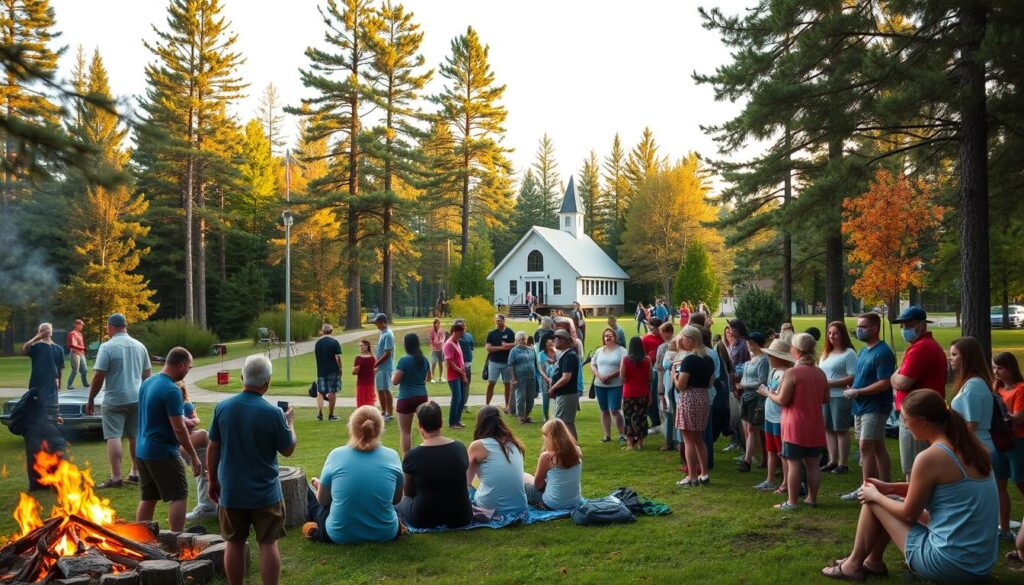
A serene outdoor scene with a group of people engaged in various Lutheran ministry activities. In the foreground, a group of adults and children gathered around a campfire, sharing stories and s'mores. In the middle ground, a large group participates in a guided nature walk, observing wildlife and foliage. In the background, a lakeside chapel stands amidst towering pine trees, bathed in soft, golden late afternoon light. The atmosphere is one of community, tranquility, and a deep connection to the natural world.

Seasonal Camps, Retreats, and Conferences

Summer bursts with energy at sites like Flathead Lutheran Bible Camp, where 2,300+ youth paddle crystal-clear Montana lakes annually. Winter transforms these spaces into cozy hubs for reflection by crackling fires. Year-round, locations adapt their landscapes for tailored spiritual adventures.

Leadership Training, Youth Programs, and Community Gatherings

The LOM Leadership Training Event in North Carolina equips leaders with wilderness-based mentoring skills. “Our team returns energized with practical tools for faith formation,” shares a recent participant. Youth initiatives blend ropes courses with group discussions, creating safe spaces for personal growth.

Special Events and Creative Worship Experiences

Music meets mountains at the innovative Songwriters Conference, where artists recently crafted 12 original works celebrating divine connection. Major gatherings like the OMC Great Gathering unite professionals at scenic Lake Junaluska each November. These events spark collaborations that ripple through communities nationwide.

Navigating Service Directories and Program Information

Ready to find your perfect match among faith-based nature programs? Start by exploring trusted directories like the ELCA-affiliated network. These resources help you filter options by location, activity types, and spiritual focus areas.

How to Choose Your Ideal Experience

Look for ACA-accredited sites – this seal means they meet 300+ safety and quality standards. One camp director notes: “Our accreditation isn’t just paperwork – it’s our promise to families.” Always check staff training details and facility photos before deciding.

Consider these key factors when comparing options:

Program Focus Best For Accreditation Check
Family Camps Multigenerational bonding ACA/LOM Network
Youth Adventures Team building & growth First Aid Certifications
Adult Retreats Spiritual renewal Staff Experience Levels

The Lutheran Outdoor Ministries Center in Illinois shows what to seek – 600 acres of year-round programming blending scripture with nature. Their staff creates tailored experiences, from prairie hikes to lakeside meditations.

Visit lomnetwork.org for updated job openings or program calendars. Many centers offer virtual tours so you can “walk” the trails before visiting. Remember to ask about scholarships – most sites provide financial assistance to ensure everyone can participate.

Conclusion

Sunlight filters through leaves as laughter echoes across a quiet lake. This is where transformative journeys begin – where faith grows stronger through shared moments in nature’s classroom. Community connections thrive when people gather around campfires or hike trails together, discovering new depths in their beliefs.

These experiences offer more than temporary escapes. Many participants describe “finding clarity I’d been missing” through guided reflections or group activities. With over 120 faith-based centers nationwide, there’s always space to breathe deeply and reset.

Ready to begin your own story? Explore online directories showing seasonal programs from coast to coast. Virtual tours let you preview locations before committing. Financial assistance options make these adventures accessible to all.

Your path to spiritual renewal might start with a weekend retreat or family camp. Every sunrise brings fresh opportunities to grow closer to others – and to something greater. What will you discover when you step into nature’s embrace?

FAQ

What types of programs are available for youth?

Summer camps, leadership training, and creative worship events help young people grow spiritually while exploring nature. Programs focus on teamwork, faith-building, and outdoor adventures like hiking or canoeing.

How do I find retreat centers near me?

Many organizations offer online directories with filters for location, program types, and dates. Popular sites like LutheranRetreats.org provide maps and seasonal event calendars to simplify your search.

Are these activities suitable for first-time campers?

Absolutely! Camps welcome all skill levels, with trained staff guiding activities. Whether it’s a day retreat or weeklong conference, everyone can participate at their comfort level.

Can adults join community gatherings or events?

Yes! Annual conferences, volunteer opportunities, and family-focused weekends let adults reconnect with nature and faith. Many centers also host workshops for spiritual renewal.

What makes these experiences different from regular camps?

Programs blend outdoor exploration with intentional faith practices—like campfire devotionals or eco-friendly service projects—to nurture both personal growth and community bonds.

How are leaders trained to support participants?

Staff complete certifications in safety, mentorship, and inclusive leadership. Many have backgrounds in education or theology, ensuring a supportive environment for all ages.

Lutheran Residences of South Pasadena: Senior Living


Finding a welcoming home for older adults that balances comfort and convenience can feel overwhelming. At 6800 Park Street in South Pasadena, Florida, a senior living community offers precisely that blend. Nestled in a quiet area with sidewalk-lined streets, this location provides easy access to shops, parks, and everyday essentials—all within walking distance.

Modern amenities like air-conditioned spaces and updated interiors create a fresh, inviting atmosphere. Each residence includes practical features such as refrigerators and carpeting, designed for day-to-day ease. Safety measures like on-site parking and security systems add peace of mind for residents and families alike.

The neighborhood’s calm vibe suits those who value tranquility without sacrificing accessibility. Nearby grocery stores and recreational spots support independent living while fostering social connections. Affordable rent options make this community a standout choice for seniors seeking quality housing on fixed incomes.

Key Takeaways

  • Convenient location near shops, parks, and essential services
  • Modern amenities including renovated interiors and safety features
  • Walkable neighborhood with a peaceful residential atmosphere
  • Affordable pricing tailored for seniors on budgets
  • Easy access to information via email or direct contact

Overview of Lutheran Residences of South Pasadena

For decades, this Florida-based housing option has prioritized accessible living for older adults. Built on a foundation of trust, it combines affordability with practical comforts tailored for active seniors. Its location balances quiet streets with nearby conveniences—perfect for those seeking independence without isolation.

Community Background and History

Established over 30 years ago, the neighborhood began as a solution for retirees needing budget-friendly homes. Over time, it evolved into a hub for self-reliant seniors who appreciate walkable amenities. Today, it maintains its original focus: providing no-fuss apartments that simplify daily life while fostering connections.

Core Values and Mission

Every decision here centers on value-driven care. Instead of luxury extras, you’ll find essentials like safety features and responsive staff. “Our goal is to help residents thrive, not just reside,” explains a longtime team member. Regular feedback from families ensures services stay aligned with real needs.

Communication remains a priority, with easy access to information through email or phone. Recent reviews highlight the management’s dedication to addressing concerns promptly. This approach keeps the environment welcoming and adaptable for all residents.

Our Senior Living Community

Daily life here balances personal freedom with neighborly connections. Nestled in South Pasadena’s tree-lined streets, this neighborhood offers a relaxed pace while keeping essentials close. Sidewalks encourage strolls to nearby shops, and parks provide space for casual meetups or quiet reflection.

A serene senior living community nestled in a lush, verdant landscape. A well-manicured lawn dotted with blooming flower beds leads to a charming, two-story building with a warm, inviting facade. Residents stroll along neatly paved pathways, enjoying the gentle breeze and the soothing sound of a nearby water fountain. Sunlight filters through large windows, casting a soft, golden glow over the comfortable seating areas and cozy gathering spaces. Elderly individuals engage in lively conversations, their faces radiating contentment and a sense of community. The overall atmosphere exudes a harmonious blend of tranquility, care, and active, enriching lifestyle.

Resident Lifestyle and Environment

Thoughtfully designed apartments feature layouts that simplify daily routines. Open kitchens and accessible storage make independent living effortless. Common areas like lounges and gardens become natural gathering spots, fostering friendships over coffee or shared hobbies.

The area supports active seniors through walkable conveniences. Grocery stores sit minutes away, and pharmacies cater to health needs. Recent reviews praise the blend of privacy and camaraderie: “It feels like a small town within the city,” one resident notes.

Safety features like well-lit pathways and 24/7 maintenance add peace of mind. Community boards share information about exercise classes or local events, helping residents stay engaged. This approach creates value for those wanting comfort without complicated schedules.

Nearby schools like Bear Creek Elementary contribute to the family-friendly atmosphere. Yet the focus remains on creating a home where seniors thrive through both independence and shared experiences.

Features and Amenities for Residents

Thoughtful design meets practicality in spaces crafted for older adults. Every detail focuses on blending comfort with independence, creating environments where daily life flows smoothly. From updated interiors to accessible outdoor areas, these features prioritize both safety and enjoyment.

Modern Interiors and On-Site Facilities

Renovated apartments showcase fresh layouts designed for ease of movement. Air conditioning systems maintain ideal temperatures year-round, while noise-reducing carpeting adds comfort. Fully equipped kitchens include refrigerators and ranges, empowering residents to cook meals independently.

Safety remains central to the design. Security cameras monitor common areas, and 24/7 maintenance teams address concerns swiftly. A recent review notes: “The attention to detail in these spaces makes daily tasks feel effortless.”

Interior Features Outdoor Features
Updated kitchen appliances Sidewalk-lined pathways
Central air conditioning Shaded seating areas
Emergency call systems Secure parking spaces

Outdoor Spaces and Accessibility

Wide, paved walkways connect residents to gardens and neighboring parks. Benches placed along routes encourage spontaneous conversations or quiet moments. The entire property adheres to accessibility standards, supporting those using walkers or wheelchairs.

Proximity to grocery stores and pharmacies means essentials stay within reach. This walkable setup reduces reliance on transportation while promoting an active lifestyle. As one resident shared: “I love feeling connected to everything without leaving my comfort zone.”

Services Offered for Seniors

Aging gracefully requires more than just a comfortable space—it demands thoughtful support tailored to individual needs. This community delivers both practical assistance and enriching opportunities, ensuring residents maintain independence while staying connected.

Personalized Care and Support

Trained staff members provide daily check-ins and assist with medication management. Emergency response systems in every apartment offer instant access to help when needed. Families appreciate regular updates through email or phone calls, keeping them informed without hassle.

Customized meal plans accommodate dietary preferences, while housekeeping services simplify routines. “The team truly listens,” shares one resident. “They adapt their approach as my needs change over time.”

Community Engagement and Wellness Programs

Weekly social events range from book clubs to gardening groups, fostering friendships among neighbors. On-site fitness classes like chair yoga promote mobility, while educational workshops address topics from nutrition to technology basics.

Local partnerships bring musicians and artists to the community, creating lively shared experiences. Recent reviews highlight how these activities combat isolation: “There’s always something new to try—it keeps life interesting!”

FAQ

What care options are available for seniors at Lutheran Residences of South Pasadena?

The community offers personalized care plans, including assistance with daily tasks, medication management, and round-the-clock support. Health monitoring and wellness programs are tailored to individual needs.

What amenities can residents enjoy on-site?

Modern interiors feature spacious common areas, fitness centers, and dining spaces. Outdoor gardens, walking paths, and shaded seating areas provide relaxing spaces to socialize or unwind.

How does the community keep residents engaged?

Daily activities like fitness classes, art workshops, and group outings foster connection. Book clubs, volunteer projects, and themed events ensure there’s always something exciting happening.

Are apartments designed for accessibility?

Yes! All units include safety features like grab bars, emergency call systems, and step-free showers. Common areas have wide doorways and elevators for easy navigation.

What makes this community stand out in the Saint Petersburg area?

Blending faith-based values with modern senior care, the focus is on dignity and joy. Its location near parks, medical centers, and cultural spots adds convenience for residents and families.

Is meal preparation included with housing?

Nutritious meals are served daily in communal dining areas, with options for dietary restrictions. Residents can also access kitchenettes for light snacks or personal cooking.

Lutheran Orthopedic Hospital: Restoring Mobility, Improving Lives


When injuries or chronic pain disrupt your daily routine, it can feel like you’re missing out on what matters most. At our facility, we focus on helping you reclaim your independence through personalized care plans. Our specialists combine advanced techniques with compassionate support to address joint issues, fractures, and mobility challenges.

We prioritize non-invasive solutions like physical therapy and joint injections whenever possible. If surgery becomes necessary, our board-certified surgeons use minimally invasive methods to speed up recovery. Patients benefit from cutting-edge technology and rehabilitation programs tailored to their unique needs.

What sets us apart? A track record of exceptional outcomes and a philosophy that puts your goals first. Whether you’re recovering from a sports injury or managing arthritis, we create clear pathways to help you move freely again. Over 89% of patients return to their favorite activities within projected timelines.

Key Takeaways

  • Personalized treatment plans focus on restoring independence
  • Non-surgical options explored before recommending procedures
  • Minimally invasive techniques reduce recovery times
  • Proven success rates across all major orthopedic treatments
  • Rehabilitation programs tailored to individual lifestyles

Expert Orthopedic Care Close to Home

Getting back to your active life starts with care that’s both exceptional and easy to reach. Our network brings top-tier specialists to neighborhoods across the region, so you don’t need to travel far for expert support. From surgeons to therapists, every team member works together to create solutions that fit your schedule and location.

Your Neighborhood Care Team

We’ve built a community-focused team that understands local needs. Board-certified surgeons collaborate with physical therapists and nurses who live in your area. This means treatment plans reflect real-world recovery goals—like picking up grandkids pain-free or returning to weekend hikes.

Care When You Need It Most

Twisted your ankle at Saturday’s game? Our OrthoStat clinics handle urgent injuries without appointments. With same-day availability at multiple locations, we help you avoid emergency room waits. Most patients walk out with a recovery plan in under 90 minutes.

Seven clinics operate extended hours, including weekends. Whether you need ongoing therapy or sudden injury care, we’re here to keep you moving forward. Quality care shouldn’t require a road trip—that’s why we’re investing in communities, not just big-city centers.

Comprehensive Services at our lutheran orthopedic hospital

Effective recovery begins with options that match your body’s needs. Our team believes in starting with the gentlest approaches first, reserving surgery only when essential. This strategy helps many patients achieve lasting relief while maintaining their natural mobility.

A serene, modern medical clinic interior. In the foreground, a patient reclining on a padded treatment table, receiving a non-invasive pain management therapy, such as acupuncture or massage. Soft, natural lighting filters in from large windows, creating a calming ambiance. The middle ground features state-of-the-art medical equipment and cabinets, conveying the advanced, yet holistic approach to treatment. In the background, subtle Lutheran cross motifs and soothing earth-toned decor reinforce the hospital's commitment to comprehensive, faith-based orthopedic care.

Healing Without Incisions

Over 65% of patients improve through conservative care plans. We combine three key elements:

  • Custom physical therapy routines to rebuild strength
  • Precision medication plans for targeted relief
  • Joint-friendly procedures like ultrasound-guided injections

One patient recently shared: “After six weeks of guided therapy, I could finally play catch with my grandson again.” Our specialists continuously update these programs using the latest research in movement science.

When Surgery Becomes Essential

For complex cases requiring procedures, our surgeons rank among the nation’s top 10% for successful outcomes. Advanced methods like arthroscopy and robotic-assisted techniques minimize tissue damage. Patients typically:

  • Experience 40% faster recovery than traditional surgery averages
  • Regain full mobility 3 weeks sooner
  • Report 90% satisfaction with long-term results

Whether mending a torn ligament or replacing a worn joint, we create detailed recovery blueprints. Every plan considers your work schedule, hobbies, and personal milestones.

State-of-the-Art Rehabilitation and Therapy

Recovery becomes reality when expert guidance meets cutting-edge resources. Our rehabilitation programs blend advanced technology with hands-on care to rebuild strength and confidence. Every space is designed to feel welcoming while delivering measurable progress toward your goals.

https://www.youtube.com/watch?v=3camwslg-R8

Rebuilding Lives Through Movement

Physical therapy focuses on restoring what matters most—your ability to move without limits. Therapists use real-time motion analysis to correct imbalances and prevent future injuries. One patient recently shared: “Learning proper lifting techniques changed how I approach everyday tasks—no more back pain!”

Occupational specialists help you master daily activities through adaptive strategies. Whether buttoning shirts or returning to work, they break challenges into achievable steps. Sessions often include:

  • Custom exercises to improve grip strength
  • Simulated home/work environments for practice
  • Energy conservation techniques for chronic conditions

Our therapists collaborate daily with surgical teams to align recovery phases. This integration ensures your rehab plan evolves as you heal. Advanced tools like hydrotherapy pools and body-weight support systems let patients push boundaries safely.

From arthritis management to post-surgical recovery, programs adapt to your pace and lifestyle. 92% of participants meet their primary mobility goals within projected timelines. We measure success by how easily you reclaim favorite activities—not just clinical metrics.

Personalized Treatment for a Better Life

True healing begins when care adapts to your story. We craft recovery plans around what makes your daily routine meaningful—whether that’s gardening, coaching little league, or simply carrying groceries without discomfort. Our specialists start by listening to understand your priorities, then build strategies that align with your capabilities and aspirations.

A close-up view of a healthcare professional carefully reviewing a personalized treatment plan with a patient, their faces expressing care and understanding. The scene is bathed in warm, soft lighting, creating an atmosphere of trust and empathy. The treatment plan, held in the clinician's hands, is the focal point, surrounded by medical equipment and tools subtly positioned in the background, suggesting a professional, yet compassionate, medical setting. The overall composition conveys the personalized, attentive nature of the patient's care, reflecting the hospital's commitment to restoring mobility and improving lives.

Focus Area Our Approach Your Benefit
Lifestyle Analysis Detailed discussions about work, hobbies, and family roles Realistic recovery milestones
Collaborative Planning Joint decision-making during weekly progress reviews Greater control over healing pace
Skill Building Custom tutorials for injury prevention and strength maintenance Long-term independence

One recent patient shared: “They didn’t just fix my knee—they helped me redesign my kitchen to avoid strain.” This holistic view helps 94% of patients maintain their progress long after treatment ends.

We blend medical expertise with life coaching techniques to address hidden challenges. Fatigue management for working parents? Ergonomic adjustments for remote workers? Our team maps out solutions during your initial assessment. You’ll leave with clear action steps and resources tailored to your circumstances.

Recovery extends beyond clinic walls. Weekly check-ins and digital tracking tools keep you supported between visits. Whether you’re training for a 5K or relearning basic movements, we celebrate every victory that brings you closer to living fully.

Innovative Approaches to Pain Relief

Modern solutions for discomfort blend precision care with flexible recovery options. Our team uses advanced technology to address both sudden injuries and persistent aches, creating plans that adapt as your needs change.

Advanced Inpatient Procedures

Same-day surgeries at 15+ regional centers help patients return home faster. Specialists perform procedures like nerve blocks and spinal therapies using equipment that reduces tissue trauma. Key locations include:

  • Parkview Regional Medical Center
  • The Orthopedic Hospital in Fort Wayne
  • Lutheran Hospital

One recent patient noted: “I walked out feeling relief within hours—not days.” Recovery suites feature motion-tracking systems to ensure safe mobility post-procedure.

Outpatient Services and Monitoring

Maintain your routine while receiving expert care through our walk-in clinics. Therapists use wearable sensors to track progress between visits, adjusting plans in real time. Services include:

  • Custom injection therapies
  • Guided strength-building sessions
  • Nutritional guidance for joint health

Telehealth & Follow-Up Support

Virtual check-ins keep your recovery on track without clinic visits. Our app lets you share movement videos with therapists and receive same-day feedback. 83% of users report better pain management through weekly digital coaching.

From initial consultation to full recovery, we provide continuous support across multiple care settings. This network approach ensures you always access the right resources for your healing journey.

Conclusion

Your path to pain-free movement starts with tailored solutions designed around your life’s rhythm. Our team delivers comprehensive care through regional clinics and walk-in centers, ensuring expert support remains close to home. We blend proven non-surgical treatments with precision procedures when needed, always prioritizing your long-term mobility and quality of life.

State-of-the-art rehab programs guide every phase of recovery, from initial injury to full activity resumption. Therapists use motion analysis and adaptive strategies to help you rebuild strength safely. Over 90% of patients achieve their primary goals through these progressive methods.

What makes our approach unique? Personalized plans that adapt to your work schedule, hobbies, and recovery pace. Whether managing arthritis or rehabbing sports injuries, we create clear roadmaps for lasting results. Innovative pain relief methods and multiple facility options keep advanced care within reach.

Ready to move freely again? Connect with our specialists today to start your journey toward renewed independence. Same-day appointments available at seven convenient locations.

FAQ

What non-surgical treatments are available for joint pain?

Options include physical therapy, steroid injections, custom braces, and personalized exercise plans. Our team prioritizes conservative methods to reduce discomfort before exploring surgery.

How long does recovery take after joint replacement surgery?

Most patients regain mobility within 6–8 weeks, but full recovery varies. We create tailored rehab plans to speed healing, combining in-clinic sessions and at-home exercises.

Can I access therapy services without a referral?

Yes! Walk-in appointments are available for initial consultations. Our therapists assess your needs and collaborate with physicians for seamless care.

Are virtual follow-up appointments effective?

Absolutely. Telehealth visits let you discuss progress, adjust treatments, and address concerns from home. We use secure platforms for real-time communication with your care team.

What makes your rehab programs unique?

Our therapy combines advanced equipment with one-on-one coaching. We focus on restoring strength, flexibility, and confidence—helping you return to daily activities faster.

Do you offer second opinions for complex cases?

Yes. Our specialists review imaging, diagnoses, and treatment plans to ensure you receive the most accurate, up-to-date recommendations for your condition.

Lutheranism Denominations: Understanding the Divisions


When you step into a Lutheran church, you’re joining a tradition rooted in 16th-century reforms. These Protestant communities share core beliefs about grace and scripture but express them in surprisingly diverse ways. Today, over 40 unique church bodies in North America carry forward Martin Luther’s teachings, each with its own story to tell.

Three major groups stand out: the Evangelical Lutheran Church in America (ELCA), the Lutheran Church-Missouri Synod (LCMS), and the Wisconsin Evangelical Lutheran Synod (WELS). While they all honor the archived original writings of Luther, differences in biblical interpretation and social stances create distinct identities. Some focus on unity through the Lutheran World Federation, while others prioritize doctrinal precision.

Why does this matter? These divisions reflect how faith adapts across cultures and generations. From lively worship styles to debates on modern issues, each group wrestles with balancing tradition and relevance. The global network of over 74 million members shows both shared heritage and local flavors.

Key Takeaways

  • North America hosts 40+ Lutheran groups, with ELCA, LCMS, and WELS as the largest
  • All share Martin Luther’s teachings but differ in interpreting scripture and social policies
  • The Lutheran World Federation connects 74 million members across 98 countries
  • Denominations vary in worship styles, ordination practices, and engagement with modern culture
  • Historical events and immigration patterns shaped today’s Lutheran landscape

Overview of Lutheranism in the United States

The story of Lutheran communities in America begins with European settlers carrying their faith across the Atlantic. Immigrants from Germany, Sweden, and Norway planted distinct traditions that grew into today’s Lutheran church networks. These groups brought more than Bibles – they carried centuries of theological debate and cultural practices.

Historical Context and Reformation Roots

Colonial-era Lutherans organized through groups like the Pennsylvania Ministerium, founded in 1748. This early structure helped preserve Reformation teachings about grace and scripture while adapting to frontier life. “We stand where Martin Luther stood,” declared early leaders, yet American realities shaped new approaches to worship and community.

Three key forces reshaped these evangelical Lutheran traditions:

  • Pietism’s emphasis on personal faith
  • Rationalist challenges to traditional doctrines
  • Revivalism’s emotional worship style

Importance of the Book of Concord

This 1580 collection of Reformation writings serves as the archived original guide for most Lutheran church America groups. Its pages contain:

  • The Augsburg Confession (core beliefs)
  • Luther’s explanations of faith
  • Agreements on controversial doctrines

While all major Lutheran world bodies respect these texts, some apply them strictly while others allow modern interpretations. The Lutheran Church uses these documents like a compass – some follow every degree, while others navigate broader directions.

Historical Evolution of Lutheran Denominations

The journey of Lutheran church groups in America reads like a family tree with many branches. Cultural roots and changing beliefs shaped how these communities grew apart and came together over centuries.

A detailed historical chart showcasing the evolution of Lutheran denominations over time. In the foreground, a centralized timeline depicts the key schisms and splits that led to the formation of distinct Lutheran sects, each represented by distinct icons and symbols. The middle ground features architectural renderings of iconic Lutheran churches, their styles and designs evolving alongside the denominational changes. In the background, a muted map of Europe highlights the geographic spread and regional influences that shaped the Lutheran movement. Warm, earthy tones evoke a sense of tradition and heritage, while strategically placed lighting casts dramatic shadows to convey the gravity and significance of this religious historical narrative.

Early Reformation Influences

Colonial settlers brought Europe’s religious debates to new soil. The 1748 Pennsylvania Ministerium became North America’s first organized evangelical Lutheran body. Like seeds from the same tree, German, Norwegian, and Swedish groups grew separately to protect their traditions.

Language barriers mattered. A German-speaking Lutheran synod in Missouri (1847) operated independently from Swedish groups in Minnesota. These divisions preserved archived original Reformation texts but limited collaboration.

Charting Splits and Mergers

Twentieth-century Lutherans faced a choice: unite or stay separate. The table below shows key moments when groups merged or chose independence:

Year Event Significance
1820 General Synod formed First major attempt at national cooperation
1960 American Lutheran Church created Merged 3 ethnic synods
1988 ELCA established Largest merger (3.3 million members)
1847-present LCMS remains independent Kept strict doctrinal standards

While most groups joined the Lutheran World Federation network, some saw mergers as compromising truth. Today’s landscape reflects both unity efforts and cherished differences.

Main Lutheran Bodies and Their Impact

Two powerful forces shape modern Lutheran practice in America. The Evangelical Lutheran Church in America (ELCA) and Lutheran Church-Missouri Synod (LCMS) demonstrate how shared roots produce distinct expressions of faith.

Evangelical Lutheran Church in America (ELCA)

With 3.8 million members, the ELCA leads as America’s largest evangelical Lutheran group. Formed in 1988 through mergers, it connects to 98 countries via the Lutheran World Federation. This network supports global aid projects while encouraging dialogue on modern social issues.

The ELCA champions inclusive policies, ordaining women and LGBTQ+ clergy since 2009. Its congressional roster shows political diversity – 58% Democrats and 42% Republicans. In 2020, 52% of members voted for Trump, reflecting varied viewpoints within united worship.

Lutheran Church – Missouri Synod (LCMS)

The LCMS guards archived original Reformation teachings with 2 million members. Founded in 1847, it partners with conservative groups through the International Lutheran Council. Worship styles emphasize traditional hymns and literal Bible readings.

Political alignment here trends conservative – all seven LCMS congressional members are Republican. Nearly 70% supported Trump in 2020, mirroring their strict doctrinal stance. The synod operates 2,300 schools nationwide, shaping communities through education and charity work.

These Lutheran church giants show how faith adapts. One embraces cultural shifts, the other preserves historical foundations. Both leave lasting marks through hospitals, food banks, and disaster response teams across Lutheran Church America.

In-depth Look at lutheranism denominations

Imagine a family reunion where relatives share the same last name but bring different recipes to the table. Modern Lutheran groups mirror this dynamic – united by heritage yet distinct in practice. Three major networks shape their interactions while independent bodies carve unique paths.

A grand cathedral with stained glass windows in the foreground, representing the diverse denominations of Lutheranism. In the middle ground, a gathering of clergy and worshippers, each with distinct vestments and expressions, symbolizing the varying traditions and practices. The background depicts a cityscape, with a mix of historic and modern architecture, hinting at the global reach and evolution of the Lutheran faith. The scene is illuminated by warm, natural lighting, creating an atmosphere of reverence and unity amidst the nuances of this Christian denomination.

Active Denominations and Associations

The Lutheran World Federation acts as the big tent, connecting progressive groups like the Evangelical Lutheran Church in America. These churches often reinterpret archived original texts for modern social issues. Their focus? Global partnerships and interfaith dialogue.

Association Members Key Focus
Lutheran World Federation 148 churches Social justice, ecumenism
International Lutheran Council 54 churches Biblical literalism
Confessional Evangelical Conference 34 churches Separatist practices

Conservative voices gather under the International Lutheran Council, home to the Missouri Synod. These groups treat Reformation writings like fixed stars – unchanging guides for doctrine. The strictest communities join the Confessional Evangelical Lutheran Conference, including the Wisconsin Evangelical Lutheran Synod.

Outside these networks, groups like the Church of the Lutheran Brethren mix tradition with local flavors. Some prioritize ethnic roots, while others emphasize personal spiritual experiences. This mosaic shows how one faith tradition meets diverse needs across Lutheran Church communities.

The Role of International Lutheran Associations

Global Lutheran groups work like a network of neighbors – sharing resources while keeping their own house rules. These alliances help churches tackle big challenges without losing their unique identities. Let’s explore how they bridge continents through faith and action.

a detailed and highly accurate global map of the Lutheran World Federation, showcasing its worldwide presence and influence. The map should be rendered in a clean, minimalist style with muted colors, emphasizing the geographic distribution of Lutheran churches and organizations. The continents and major countries should be clearly delineated, with subtle borders and subdued landmass details. The map should be centered, taking up the majority of the frame, with a slight sense of depth and perspective to create a sense of scale and grandeur. The overall mood should be one of authority, stability, and international cooperation, reflecting the global nature of the Lutheran World Federation.

Lutheran World Federation Overview

Born in 1947, the Lutheran World Federation now connects 145 churches across 98 countries. This group feeds 2.8 million people annually through its humanitarian programs. “We grow stronger when we listen across cultures,” says one leader, highlighting their focus on unity through service.

The LWF’s work includes:

  • Running refugee camps in conflict zones
  • Training clergy in sustainable farming methods
  • Hosting global youth exchanges

International Lutheran Council and Conference Highlights

Conservative groups find their home in the International Lutheran Council, founded in 1993. These churches treat the archived original Reformation texts like instruction manuals rather than conversation starters. Their 54 member bodies share strict doctrinal standards but support each other’s missionary work.

Association Founded Members Focus
Lutheran World Federation 1947 74 million Social justice partnerships
International Lutheran Council 1993 7.15 million Traditional teachings
Confessional Evangelical 1993 500,000 Separation from liberal groups
Global Missional Forum 2010s 15 nations Modern outreach methods

Newer groups like the Global Confessional and Missional Lutheran Forum mix old beliefs with fresh approaches. They’re testing how traditional churches can engage digital natives without compromising core values. This balancing act defines modern Lutheran church collaborations worldwide.

Political Influences on Lutheran Denominations

Voting booths reveal fascinating patterns within Lutheran church networks. The 118th Congress includes 20 lawmakers from these faith traditions, showing how theological values translate to political action. While all honor archived original Reformation teachings, their policy approaches differ sharply.

Party Lines and Faith Traditions

The Evangelical Lutheran Church in America (ELCA) balances red and blue. Its 12 congressional members split 58% Democrat and 42% Republican. Notable figures like Senator Joni Ernst (R-IA) prove faith doesn’t dictate party loyalty here. ELCA’s connection to the Lutheran World Federation aligns with its social justice focus.

Contrast this with the Missouri Synod (LCMS). All seven LCMS lawmakers are Republican, reflecting strict adherence to traditional teachings. Nearly 90% of their clergy lean right politically. This conservative Lutheran approach extends to policy priorities like religious liberty and education reform.

These divisions shape legislation. ELCA members often back climate initiatives, while LCMS representatives champion school choice. Yet both groups unite on anti-poverty efforts, proving shared values can bridge political gaps in Lutheran Church America.

FAQ

What is the largest Lutheran body in the United States?

The Evangelical Lutheran Church in America (ELCA) is the largest, with over 3 million members. It’s known for its progressive stances on social issues and ecumenical partnerships.

How does the Lutheran Church—Missouri Synod differ from the ELCA?

The LCMS holds more conservative theological views, emphasizing strict adherence to traditional Lutheran teachings. It rejects liberal interpretations of Scripture common in the ELCA.

What role does the Book of Concord play in Lutheran churches?

This 1580 text unites Lutherans globally by outlining core beliefs like justification by faith. Bodies like the LCMS treat it as binding, while others, like the ELCA, view it as historical guidance.

Are there international groups connecting Lutheran denominations?

Yes! The Lutheran World Federation (LWF) and International Lutheran Council (ILC) foster collaboration. The LWF leans progressive, while the ILC supports confessional, conservative traditions.

Why did splits occur among Lutheran groups historically?

Disagreements over doctrine, worship practices, and responses to cultural changes—like immigration or social issues—led to divisions. Mergers, like the 1988 ELCA formation, also reshaped the landscape.

Do Lutheran denominations engage in politics?

Some do. The ELCA often advocates for social justice policies, while the LCMS focuses on religious liberty. However, individual congregations vary in their political involvement.

What smaller Lutheran groups exist outside major bodies?

Groups like the North American Lutheran Church (NALC) and Lutheran Congregations in Mission for Christ (LCMC) prioritize biblical authority. Others, like the Wisconsin Evangelical Lutheran Synod, remain strongly confessional.