Recent Posts

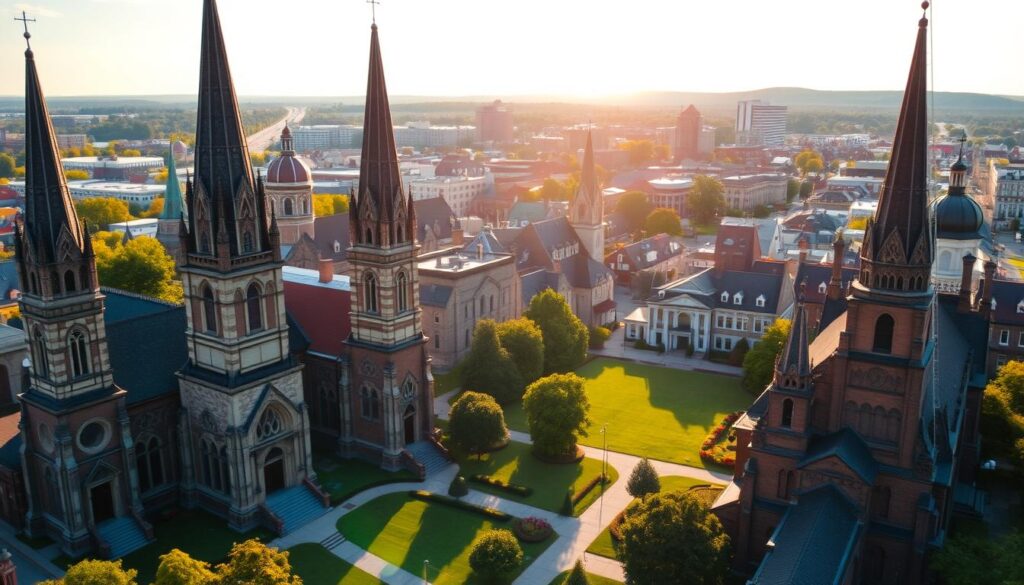
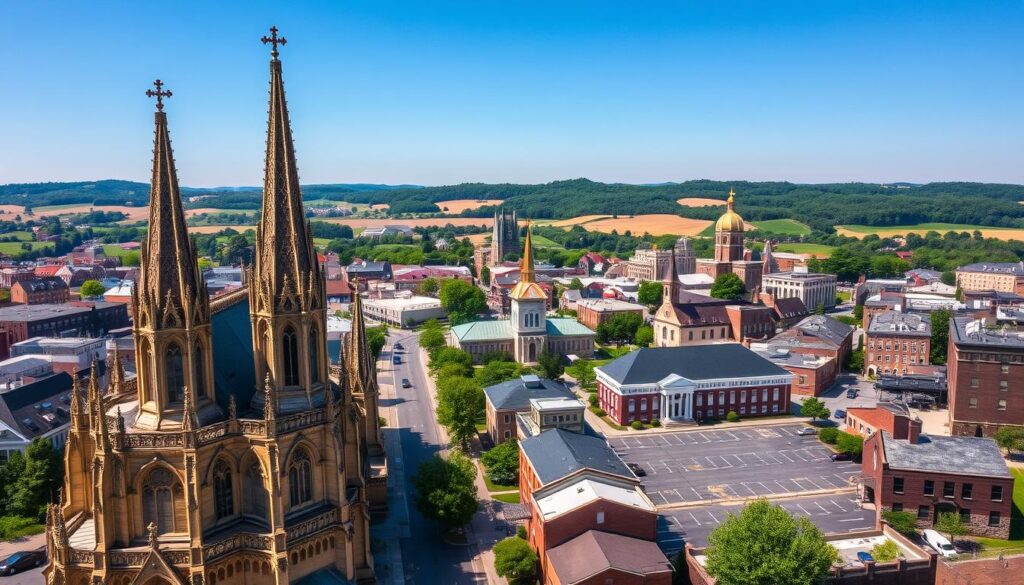
Explore the Protestant Church in Krakow, Poland


Discover a welcoming spiritual hub where cultures unite in one of Europe’s most enchanting cities. Since 2006, a dynamic faith community has grown here, blending timeless traditions with contemporary worship. This international congregation gathers weekly, offering services in both Polish and English to connect locals and expats alike.

What began as a small group now thrives as a multicultural family. Members from Spain, the U.S., South Africa, and beyond share meals, prayers, and life experiences. Biblical teachings remain central, with a focus on practical applications for modern challenges. Over time, this approach has created a space where diverse backgrounds strengthen shared beliefs.

The community’s warmth extends beyond Sunday gatherings. Regular events foster friendships while helping newcomers adapt to life abroad. Through volunteer initiatives and cultural exchanges, participants build bridges between traditions. This balance of spiritual depth and inclusive hospitality makes the group stand out in Krakow’s historic landscape.

Key Takeaways

  • International faith community active since 2006
  • Bilingual Polish-English services for diverse attendees
  • Blends traditional values with modern worship styles
  • Supports cultural adaptation for expatriate residents
  • Emphasizes practical Bible-based teachings

Exploring the “protestant church krakow” Experience

Join a narrative where cultural diversity strengthens spiritual unity. What began in living rooms now thrives as a beacon for global seekers. Small groups of international residents started gathering in 2006, united by a desire to worship while honoring their heritage.

Historical Background and Church Evolution

Early meetings focused on shared meals and Bible study. Over time, these intimate gatherings grew into structured services. By 2010, the group moved to Hotel Sympozjum while keeping home-based fellowship alive.

Year Milestone Impact
2006 First home gatherings Laid foundation for multicultural worship
2012 Weekly home groups established Deepened personal connections
2023 Hybrid services introduced Expanded global reach

Core Beliefs and Mission Statement

“To know Him and make Him known” drives every activity. This community blends evangelical teachings with practical support for modern challenges. Members explore faith through:

  • Bilingual Sunday services celebrating cultural roots
  • Tuesday night groups sharing life’s highs and lows
  • Volunteer projects bridging Polish and international traditions

Weekly rhythms create family-like bonds. As one member notes, “Here, strangers become siblings through shared time and purpose.” This approach helps newcomers build meaningful connections while growing spiritually.

Weekly Services and Community Events

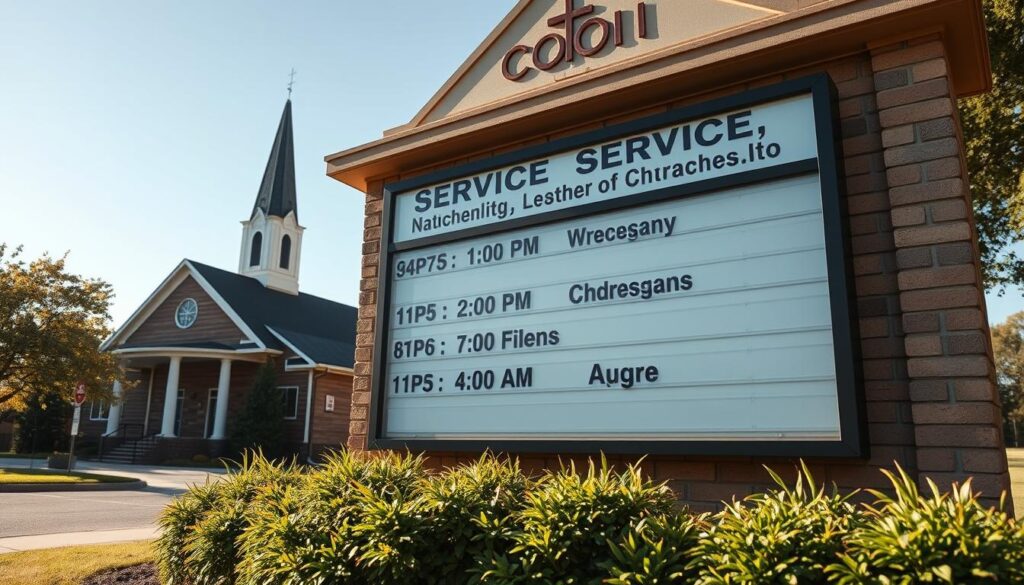
Experience vibrant weekly rhythms that blend spiritual growth with genuine connection. Every Sunday at 11:00 AM, attendees gather at Hotel Sympozjum for uplifting worship and practical teachings. Midweek home groups then deepen these bonds through shared learning and support.
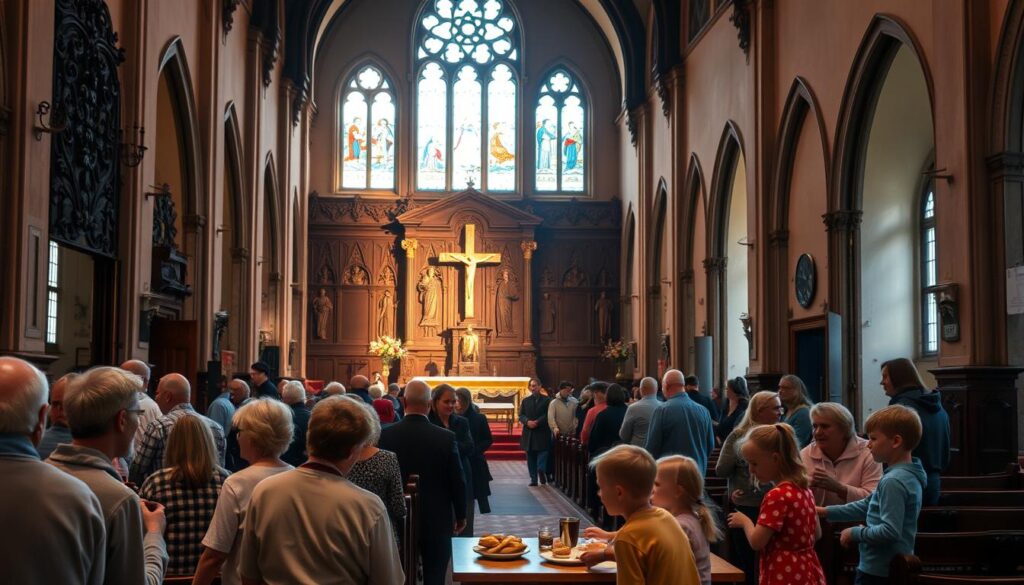
weekly worship community events

Regular Worship and Bible Study Gatherings

The Sunday service lasts 90 minutes, blending contemporary music with life-focused biblical messages. After singing ends, conversations continue over homemade cakes and tea. “This fellowship time helps us carry Sunday’s energy into our week,” notes a regular attendee.

Tuesdays bring smaller gatherings in local homes. Groups discuss scripture, share personal challenges, and pray together. These meetings create safe spaces where people grow spiritually while forming lasting friendships.

Special Events and Fellowship Opportunities

Event Frequency Focus Area
Sunday Services Weekly Collective Worship
Home Groups Weekly Personal Growth
Cultural Nights Monthly Community Building

Online Streaming and Hybrid Services

Live YouTube broadcasts let global participants join Sunday gatherings remotely. Recent upgrades now allow online viewers to interact via chat during services. This hybrid approach ensures no one misses meaningful connections, whether they’re across town or overseas.

Directory of Reformed and Evangelical Churches

Finding your spiritual home becomes simpler with organized resources. This guide helps you locate communities that match your schedule and beliefs across Poland’s major cities.

Local Church Listings in Krakow

New Covenant Church serves as a central meeting point at Monte Cassino 2. Their Sunday gatherings start at 11:00 AM—call 694 016 061 for directions or special accommodations. Many appreciate the convenient morning schedule that leaves afternoons free for family time.

Comparative Insights from Neighboring Communities

While each congregation has unique features, shared values create unity. Warsaw City Church describes itself as “a space for those exploring faith,” while Poznan LifeHouse focuses on multi-generational outreach. Most maintain Sunday services between 10:30 AM and 11:30 AM for consistency.

City Service Time Special Feature
Gdansk 11:30 AM Mall-based location
Warsaw 10:30 AM Urban ministry focus
Poznan 11:00 AM Hotel meeting space
Wroclaw 5:00 PM Evening worship option

These groups collaborate through resource sharing and joint outreach projects. Biblical teaching remains central while allowing local expressions of faith. Whether you prefer historic venues or modern spaces, options exist across Poland’s cultural landscape.

Engaging in a Multicultural Spiritual Environment

Step into a space where global traditions fuel compassionate action. Over 20 nationalities gather weekly, creating bonds that transcend borders through shared values and service. This vibrant mix transforms Sunday gatherings into cultural celebrations with practical impact.
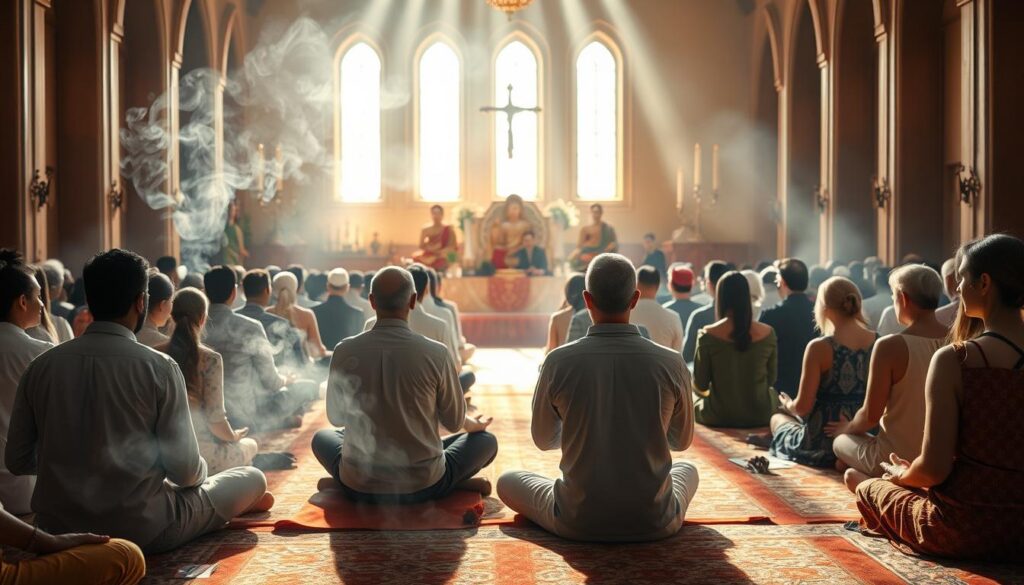
multicultural spiritual community

International Outreach and Fellowship

Members from Spain to South Africa collaborate on projects addressing local and global needs. Recent efforts supported displaced Ukrainian families through housing assistance and language classes. “We don’t just talk about love – we live it through action,” explains a volunteer coordinator.

Outreach Ministry Focus Area Global Reach
Crisis Support Refugee assistance Ukraine, Middle East
Education Bilingual preschool 50+ local families
Arts Program Creative workshops Krakow artists network
Literature Multilingual publications 12 European countries

Community Life: From Family to Global Connections

Weekly potlucks become culinary journeys featuring pierogi alongside Malaysian satay. New parents find babysitting co-ops, while retirees share career advice across continents. Cultural nights spotlight traditions through music and storytelling, helping expats feel at home.

These connections create safety nets for life transitions. A British member shares: “When my father passed away overseas, my church family here became my anchor.” Through shared meals and collaborative projects, people build relationships that last beyond their time abroad.

Conclusion

Finding your spiritual community becomes an adventure when diverse traditions merge with modern faith practices. This international gathering offers more than Sunday services—it builds lasting connections through shared meals, bilingual discussions, and collaborative projects.

You’ve discovered how traditional values meet contemporary needs here. Practical details about locations and schedules help you find rhythms that fit your life. Whether through morning worship or evening groups, there’s space to grow while forming friendships across cultures.

The real magic happens when global perspectives unite under shared values. From Spanish guitar hymns to Polish pierogi feasts, every gathering celebrates cultural richness. These experiences create unique opportunities for personal growth and mutual understanding.

Your next move? Walk through those doors. Taste the warmth of a community where strangers become family. Whether you stay for months or years, you’ll carry forward lessons in faith that transcend borders and backgrounds.

FAQ

What types of gatherings are available during the week?

Weekly activities include Sunday worship, small-group Bible studies, and prayer meetings. Special events like seasonal celebrations or volunteer projects are also organized regularly.

Are there programs tailored for families or children?

Yes! Many congregations host youth groups, parenting workshops, and interactive sessions designed to nurture faith across generations. Check local listings for age-specific opportunities.

How can visitors connect with the local spiritual community?

Newcomers are welcome to join Sunday services, fellowship meals, or cultural exchange events. Some groups also offer mentorship programs to help individuals settle into communal life.

Do these congregations provide online participation options?

A> Most offer livestreamed or recorded services, along with virtual Bible studies. Hybrid formats ensure everyone can engage, whether attending in person or remotely.

What makes this spiritual network unique in the region?

A blend of historic traditions and modern outreach creates a dynamic environment. Emphasis on multicultural dialogue and grassroots initiatives fosters meaningful connections beyond borders.

Are there resources for non-Polish speakers?

Several groups host English-language services and international fellowships. Translation support or multilingual materials are often available for global participants.
Protestant Churches Open Now – Find One Close By


Finding a supportive faith community has become more accessible than ever. Across American cities and neighborhoods, local congregations extend warm invitations to those seeking connection and growth. From historic chapels to modern multi-site ministries, these spaces blend tradition with innovation to serve diverse spiritual needs.

Chicago’s Fourth Presbyterian Church demonstrates this commitment through its open-door policy on North Michigan Avenue. Similarly, Progressive Baptist Church engages both in-person and virtual attendees with morning services, while Park Community Church fosters relationships through neighborhood-based gatherings. Such examples reflect a nationwide trend of adaptable worship experiences.

Modern congregations recognize busy lifestyles by offering varied service times – mornings, evenings, and weekends. Many provide digital tools like live streams and online directories to simplify planning visits. Whether you prefer intimate settings or larger assemblies, options exist to match personal preferences while maintaining meaningful traditions.

Key Takeaways

  • Multiple service times accommodate different schedules
  • Both traditional and contemporary worship styles available
  • Online resources help locate nearby gatherings quickly
  • Inclusive environments welcome first-time visitors
  • Hybrid options combine in-person and virtual participation
  • Neighborhood-focused ministries foster local connections

Welcome to a Community of Faith and Service

Communities centered on faith offer more than Sunday gatherings. They become spaces where relationships deepen and purpose flourishes. At their core, these groups prioritize radical hospitality—a practice modeled by ministries like Chicago’s Fourth Presbyterian, which opens its doors to all seeking spiritual growth.

Embracing Love, Grace, and Hospitality

What does radical hospitality look like? Imagine walking into a room where your background or beliefs don’t define your welcome. Congregations like Progressive Baptist demonstrate this through family-focused programs and practical teachings that apply ancient wisdom to modern challenges.

These environments thrive on grace. Members learn to extend compassion freely, mirroring the unconditional acceptance they believe comes from a higher power. Weekly services blend timeless traditions with fresh approaches—think soul-stirring hymns followed by coffee-shop-style discussions.

Experience Uplifting Worship and Belonging

True connection happens when people share meaningful moments. Many describe worship here as “a conversation with the divine”, where music and meditation create space for reflection. Others find joy in volunteer teams that address local needs, turning faith into action.

Beyond spiritual practices, these groups foster lasting friendships. From meal trains for new parents to mentorship programs, the focus remains on enriching daily life through shared values. It’s not about perfection—it’s about growing together.

protestant church near me open now

Navigating spiritual needs becomes simpler with flexible schedules and multiple participation methods. Congregations nationwide prioritize accessibility through updated digital tools and strategic timing. This approach helps people connect when and how they need it most.

Service Times and Directions for Today

Many faith groups offer morning, afternoon, and evening gatherings. Chicago’s Progressive Baptist streams at 9:30am CT from 3658 S Wentworth Ave, while Park Community coordinates prayer calls twice daily. Real-time updates through websites eliminate guesswork – you’ll know exactly when doors open.

worship service times and locations

Hybrid options let you join from home or attend physically. Interactive maps with GPS coordinates help first-time visitors find buildings quickly. Some even provide parking tips and public transit routes.

Local Locations Across the United States

From skyscraper shadows to prairie landscapes, spiritual homes exist in every setting. Urban centers might host multiple congregations within walking distance, while rural areas often feature historic chapels. “Our members come from three counties,” shares a Midwest ministry leader.

Technology bridges geographic gaps. Mobile apps show nearby gatherings with current attendance options. Many coordinate schedules regionally, ensuring daily opportunities for connection. Whether seeking quiet reflection or lively discussion, there’s space waiting.

Explore Vibrant Programs and Worship Opportunities

Modern congregations offer dynamic pathways for spiritual growth beyond Sunday services. Through creative initiatives and hands-on learning, members discover fresh ways to live out their beliefs. Let’s explore how these opportunities strengthen both local and global communities.

Building Foundations Through Family Ministries

Family-focused programs create spaces where generations grow together. Take Progressive Baptist’s PBC Kids, where children aged 3-12 explore faith through interactive games and storytelling. Their teen ministry combines Bible study with service projects, helping youth develop leadership skills.

Program Age Group Key Features Frequency
PBC Kids 3-12 years Creative worship & team activities Weekly
Family Prayer Nights All ages Interactive devotionals Monthly
Grandparent Workshops Adults Faith-sharing techniques Quarterly

Empowering Communities Through Action

Prayer initiatives like “Pray for Your Two” encourage members to support specific neighbors. The Black Boy Literacy Campaign tackles educational gaps, while Park Community’s Renew Chicago team revitalizes local spaces. These efforts show faith in motion.

Learning That Changes the World

Global justice programs connect local actions to worldwide needs. Mission:All trains members in cross-cultural outreach, while Park Global funds clean water projects across three continents. Through these efforts, communities live out their call to love all people.

Staff and volunteers work year-round to create welcoming environments. As one leader notes: “When we share our gifts, we build a better world together.” From Sunday school to international missions, every program fuels purposeful living.

Conclusion

In every corner of America, doors are open for those seeking spiritual connection and meaningful service. Vibrant churches welcome individuals at all stages of their journey, offering spaces where worship and practical compassion intersect. These gatherings become anchors for personal growth and collective impact.

From bustling city centers to quiet neighborhoods, diverse congregations create environments where people explore their relationship with God. Whether through intimate prayer circles or uplifting musical services, each person finds pathways to deepen faith while serving others.

The true strength of these groups lies in their commitment to love in action. Food pantries stock shelves, mentorship programs guide youth, and global partnerships address pressing needs. This hands-on approach transforms beliefs into tangible change across neighborhoods and around the world.

Discovering your spiritual home begins with a single visit. Local gatherings provide year-round opportunities to build relationships and experience grace. When hearts and hands unite, lives transform—and so does the world around us.

FAQ

How can I find service times and locations?

Visit our website or mobile app for real-time updates on gatherings, directions, and schedules. Many locations across the U.S. host services on Sundays and midweek, with options for in-person and online participation.

Do you offer programs for children and families?

Yes! Age-specific ministries for kids, youth groups, and family-focused events are central to our community. From interactive lessons to fun activities, we prioritize safe, engaging spaces for young people to grow in faith.

What opportunities exist to serve the local community?

We partner with food banks, shelters, and outreach organizations to meet practical needs. Volunteer teams also lead neighborhood cleanups, mentorship programs, and justice initiatives—everyone’s gifts can make a difference.

What type of worship can I expect?

Gatherings blend contemporary music, timeless hymns, and relatable teaching. Whether through prayer, creative arts, or Scripture-based messages, we aim to create an uplifting environment where all feel welcome.

How can I get connected as a newcomer?

Join a welcome event, small group, or serving team to build relationships. Our staff and members love helping people find their place in the community—no pressure, just genuine hospitality.

Are there ways to support global justice efforts?

Absolutely. We collaborate with international partners to fund education, clean water projects, and disaster relief. Donations, advocacy, and mission trips are just a few ways to engage.

Discover Top Protestant Churches in Kuala Lumpur


Finding a spiritual home in Malaysia’s bustling capital offers unique opportunities to connect with rich traditions and modern faith communities. This guide highlights historic landmarks and dynamic congregations that cater to diverse worship preferences, from century-old architectural marvels to vibrant contemporary gatherings.

One standout example is a brick-structured sanctuary established in 1906, known for its stained glass windows and clay-tile roof. This landmark serves as both a cultural treasure and active worship space. Newer communities blend modern music with casual atmospheres, hosting services at convenient times like 10:30 AM for busy families and professionals.

Multilingual options abound, with some congregations offering services in Mandarin, Bahasa Malaysia, and other languages. Whether you prefer traditional liturgies or interactive gatherings, these communities provide tailored experiences for spiritual growth. Many also feature children’s programs and clear visitor guidelines to ensure welcoming first-time experiences.

Key Takeaways

  • Explore historic worship spaces dating back to the early 20th century with unique architectural features
  • Find contemporary services blending modern music styles with traditional beliefs
  • Discover multilingual congregations reflecting the city’s cultural diversity
  • Access practical details about service times, parking, and family-friendly programs
  • Learn how different communities balance heritage with modern spiritual needs

Experience the “protestant church kuala lumpur” Community

Walking through Malaysia’s vibrant metropolis reveals living monuments where history and hope intersect. These sacred spaces blend cultural legacy with modern spiritual practices, offering visitors meaningful connections rooted in timeless values.

Rich Historical Foundations and Architectural Heritage

The Evangelical Lutheran Zion Church began in 1906 when ministers discovered plantation workers lacked worship spaces. After 18 years of temporary locations, its brick sanctuary opened in 1924 with stained glass windows casting colorful light on hardwood columns.

This landmark’s clay-tile roof shelters generations of stories – from early Tamil Lutheran gatherings to present-day multicultural services. As Bishop Sandegren declared during its dedication: “These walls will echo with prayers that transcend language and time.”

Embracing Faith, Healing, and Community Worship

Modern congregations address urban challenges through transformative ministries. Recent teachings like “Do You Want to Be Healed?” explore John 5’s account of miraculous restoration, emphasizing how spiritual growth requires active trust.

Weekend gatherings balance traditional hymns with contemporary melodies, creating welcoming environments for professionals and families. Many find renewal through prayer circles and volunteer initiatives that extend care beyond sanctuary walls.

From historic sanctuaries to innovative outreach programs, these communities prove sacred spaces evolve while maintaining core values. Their doors remain open to all seeking guidance, connection, or simply a moment of peace in the city’s rush.

Engaging Church Services and Worship Essentials

Modern faith communities thrive when practical needs meet spiritual nourishment. Many congregations design their weekly rhythms to help urban dwellers balance busy schedules while deepening their connection to timeless truths.

casual church services and family programs

Sunday Worship Details and Casual Comfort

Morning gatherings start as early as 7:00 AM for traditional liturgical services, while contemporary options like the 10:30 AM casual worship experience let families arrive stress-free. “Come as you are” isn’t just a slogan here – most attendees wear jeans or relaxed outfits that mirror the welcoming atmosphere.

Tech-friendly features simplify participation. Touch ‘n Go parking systems eliminate cash hassles, and live streams let remote visitors join real-time services. Multilingual options cater to global citizens, with weekend gatherings in English, Mandarin, and regional languages.

Programs for Families, Kids, and Youth

Children’s ministries transform Sunday mornings into adventures. The Garden City Kids program uses interactive Bible stories and crafts to engage young minds aged 3-10. While parents focus on worship, kids discover faith through age-appropriate activities led by trained volunteers.

Teen programs tackle real-life issues through mentorship and community projects. One parent recently shared: “My daughter found her confidence through the youth leadership workshops – it’s more than childcare, it’s character-building.” Family-friendly events like picnics and service days strengthen bonds beyond weekend services.

Embracing Multiple Ministries and Connection Opportunities

In a city where cultures converge, spiritual communities offer more than Sunday services—they become hubs of connection and growth. These spaces adapt to urban lifestyles while nurturing relationships through tailored programs and shared experiences.

Diverse Congregations and Worship Styles

One landmark congregation hosts six distinct service formats across multiple venues. Attendees choose between traditional liturgies with organ music or modern gatherings featuring live bands. Language-specific groups create welcoming environments for Mandarin, Iban, and Nepali speakers through culturally resonant teachings.

Service Style Languages Venues
Traditional Liturgical English Main Cathedral
Contemporary Praise English/Mandarin MPH Hall
Cultural Services Nepali/Iban ACA Building

Community Groups, Events, and Membership

Small groups meet weekly in homes and cafes for Bible studies that blend deep discussions with practical life applications. Newcomers use connection cards to join mentorship pairings or volunteer teams matching their interests.

Leadership development programs train members for roles ranging from children’s ministry to outreach coordination. Seasonal events like livestreamed scripture studies allow remote participation, while baptism classes prepare families for meaningful spiritual milestones.

One recent attendee shared: “The student ministry helped me balance exams and spiritual growth through Friday study groups.” These layered opportunities ensure everyone finds their niche within the community’s vibrant tapestry.

Conclusion

Your search for a faith community in Malaysia’s vibrant capital leads to diverse paths of spiritual discovery. Each congregation provides distinct opportunities to build meaningful relationships while honoring timeless values. Whether you feel drawn to heritage buildings with stained-glass stories or modern spaces hosting interactive discussions, both environments foster authentic connections.

Practical considerations like flexible service schedules and inclusive dress codes make participation effortless. Young families appreciate engaging children’s programs that teach values through creative play, while students find mentorship in youth initiatives. These communities remove barriers so you can focus on what matters most – personal growth and collective support.

Cultural diversity shines through multilingual services and celebrations of global traditions. Many first-time visitors quickly transition into active members through newcomer workshops or volunteer teams. “Every meaningful connection starts with a simple hello,” notes one community leader.

Ready to begin? Explore websites for service details or visit multiple groups to find your ideal fit. You’re invited to experience the warmth and transformative power of faith that thrives in these welcoming spaces. Don’t hesitate to ask questions – every journey starts with one courageous step.

FAQ

What time are Sunday services held?

Most congregations in the city center host morning worship between 8:30 AM and 11:00 AM. Some also offer evening sessions. Check specific websites for exact schedules.

Is there a dress code for attending services?

Attire ranges from casual to business-casual. Focus on comfort while respecting the spiritual environment. Modest clothing is appreciated across all gatherings.

Are there activities for children during services?

Yes! Many locations provide Sunday School, youth groups, and childcare. Programs often include music, storytelling, and age-appropriate faith-building activities.

How can I join small groups or volunteer?

Connect through welcome desks or online portals. Opportunities include community outreach, choir participation, and fellowship circles tailored to diverse interests.

Do congregations offer services in multiple languages?

Several communities host sessions in English, Bahasa Malaysia, Mandarin, or Tamil. Bilingual resources and translation devices may also be available.

Are healing or prayer ministries available?

Many locations provide dedicated prayer teams, counseling services, and wellness workshops. These ministries emphasize spiritual growth and emotional support.

How do I become a member?

Membership processes vary. Attend orientation classes, meet with leaders, or complete online forms. Visitors are always welcome to explore without commitment.

Discover Top Christian Churches Across the UK


Welcome to your guide to thriving faith communities in the United Kingdom. With over 50 national denominations—from Anglican to Orthodox traditions—this region hosts one of Europe’s most diverse spiritual landscapes. Whether you prefer centuries-old rituals or modern worship styles, there’s a place here for every seeker.

Historic cathedrals stand alongside lively community congregations, each offering unique ways to connect with faith. Many prioritize inclusivity, creating spaces where individuals from all backgrounds can grow spiritually. You’ll find services ranging from quiet liturgical gatherings to energetic praise sessions.

Beyond Sunday worship, these communities foster connection through outreach programs, youth groups, and study circles. They focus on building relationships that support both personal journeys and collective well-being. Our directory highlights locations with clear service details, helping you find your ideal match.

Key Takeaways

  • Explore 50+ denominations across Anglican, Catholic, Orthodox, and other traditions
  • Find congregations blending historic practices with modern worship styles
  • Access churches offering community programs beyond standard services
  • Discover inclusive environments welcoming people at all faith stages
  • Compare locations through detailed service times and contact information

Overview of Christian Churches in the UK

Great Britain’s faith communities form a living mosaic shaped by 2,000 years of history. From ancient Roman outposts to today’s multicultural cities, spiritual traditions here blend timeless rituals with fresh expressions. Churches Together in England, a council uniting 50+ denominations, reflects this ongoing journey of unity and diversity.

Roots of Religious Life in England and Wales

Organized worship began taking shape during Roman rule, with the 6th-century Gregorian mission cementing Christianity’s foothold. By medieval times, over 9,000 parishes dotted the landscape – a network still influencing where people gather today. The Reformation birthed the Anglican Church’s distinctive via media approach, balancing sacramental and reformed practices.

Innovation in Today’s Faith Communities

Modern congregations balance heritage with creativity. Pentecostal and Charismatic movements introduced contemporary music and informal services, while traditional denominations adopt new outreach methods. Over 20% of parishes now host international congregations, addressing shifting cultural needs.

“Our strength lies in honoring the past while embracing the present,” notes a CTE representative. “From Gothic cathedrals to storefront chapels, every space tells part of Britain’s ongoing spiritual story.”

Tradition Distinct Features Community Impact
Anglican Liturgical services Food banks in 83% of dioceses
Pentecostal Contemporary worship Youth mentorship programs
Orthodox Byzantine rituals Cultural preservation initiatives

Recent growth areas include digital ministry partnerships and eco-conscious worship spaces. Over 60% of congregations now stream services, creating hybrid communities that connect people across Great Britain and beyond.

Understanding “christian churches uk” and Its Impact

When exploring spiritual communities in Britain, the phrase “Christian churches UK” reveals a vibrant tapestry of traditions. This term describes over 50,000 congregations spanning medieval cathedrals, storefront chapels, and even digital meeting spaces. Each adapts timeless values to address modern needs while preserving cultural heritage.

christian churches uk impact

These groups do more than host weekly services. Many run food banks that distribute 1.3 million meals annually. Others offer counseling programs or support networks for vulnerable populations. A Bristol-based pastor notes: “Our shared mission unites different traditions – we’re neighbors helping neighbors.”

Technology reshapes how communities connect. Over 75% now stream services, creating hybrid gatherings where global members participate. Virtual Bible studies and online donation portals expand their reach beyond physical locations.

Collaboration between denominations strengthens their collective impact. Joint initiatives tackle homelessness and environmental concerns. This cooperative spirit helps diverse groups address societal challenges while respecting distinct practices.

Diverse Denominations and Traditions

The United Kingdom’s spiritual landscape thrives through its mix of worship styles and doctrinal approaches. From candlelit choral services to lively prayer meetings, these variations reflect centuries of theological evolution. Let’s explore how different groups shape modern faith experiences.

Anglican Roots and Reformed Practices

Anglicanism’s broad spectrum ranges from high-church rituals to casual gatherings. Some parishes use incense and traditional hymns, while others feature rock bands and interactive sermons. A London vicar explains: “Our strength lies in honoring ancient liturgy while speaking to contemporary hearts.”

Key Anglican branches include:

  • Anglo-Catholic groups emphasizing sacraments
  • Evangelical wings focused on personal conversion
  • Central traditions blending both approaches

Protestant and Nonconformist Movements

Reformed traditions prioritize direct engagement with scripture. Methodists pioneered open-air preaching, while Baptists championed believer’s baptism. Today, many Protestant groups lead community projects like homeless shelters and addiction recovery programs.

Tradition Worship Style Community Role
Pentecostal Spontaneous prayer Youth empowerment
Quaker Silent meditation Peace advocacy
Free Church Bible-centered teaching Family support

These movements prove faith thrives through adaptation. Whether through centuries-old practices or modern innovations, there’s space for every seeker to grow.

The Church of England: A Pillar of UK Christianity

Steeped in centuries of tradition, this institution shapes spiritual life across England and Wales. Its influence extends to the Channel Islands and beyond, connecting 26 million members through shared rituals and community service.

Church of England historical milestones

Key Historical Milestones

Henry VIII’s 1534 split from Rome changed everything. Royal authority replaced papal rule, creating a distinct path for the British Isles. Thomas Cranmer’s 1662 Book of Common Prayer made worship accessible to ordinary people—not just Latin-speaking clergy.

The Elizabethan Settlement (1559-1563) cemented a middle way. It blended Catholic rituals with Protestant theology, a balance still defining Anglican identity today. Over time, the church expanded its reach:

  • 43 cathedrals anchoring local communities
  • Cross-border parishes in Wales and Europe
  • Social programs supporting education and welfare

Modern governance reflects unique ties to the kingdom. The monarch serves as Supreme Governor, while the Archbishop of Canterbury leads spiritual matters. This structure preserves tradition while addressing 21st-century needs.

Community and Congregational Life in UK Churches

At the heart of British spiritual hubs lies a vibrant network of relationships that transform Sunday gatherings into lifelong connections. Many describe their church family as a safe space where people from all walks of life share meals, celebrate milestones, and weather challenges together. “We’re not just seat neighbors—we’re life companions,” explains a Manchester congregation member.

church community life

Weekly rhythms extend beyond worship services through small group studies and volunteer teams. Members might teach Sunday school, join cleaning crews, or organize neighborhood food drives. These activities create natural opportunities for spiritual growth while addressing practical needs.

A team-oriented approach empowers members to lead initiatives matching their skills. One London community reports 80% participation in service roles—from greeting newcomers to managing social media. This shared responsibility builds ownership and deepens connections.

Outreach programs demonstrate faith in action. Local congregations frequently partner with schools and charities, offering tutoring services or hosting donation drives. Such efforts reinforce the idea that spiritual life flourishes through practical care for others.

Newcomers often find their place through casual invitations to coffee meetups or hobby-based groups. As relationships blossom, many discover a supportive network that feels like home. This organic growth model keeps communities dynamic and welcoming.

Service and Worship: What to Expect

Finding your rhythm in a spiritual community starts with understanding weekly patterns. Most groups design their schedules to welcome both early risers and late sleepers, creating multiple entry points for connection.

Flexible Timing for Modern Lives

Morning services typically begin between 9:00 AM and 11:00 AM, with some locations offering afternoon options at 2:30 PM. Evening meetings around 6:00 PM cater to those with weekend commitments. Many spaces host multiple gatherings—you might find traditional liturgy at 9:00 AM followed by contemporary worship at 11:00 AM.

In-person services usually last 60-90 minutes. They blend music, teaching, and community interaction. “Our coffee hour after the final hymn often becomes the highlight,” shares a London worship leader. Some groups extend the experience through shared meals or small group discussions.

Digital Doors Always Open

Over 80% of communities now stream their meetings. Platforms like YouTube and Facebook Live let you participate from home while maintaining connection. Many websites archive sermons for later viewing, perfect for night-shift workers or caregivers.

Hybrid models combine physical and digital elements seamlessly. A Birmingham congregation reports 40% of their online attendees eventually visit in person. Whether you join live or catch up later, these services ensure nobody misses meaningful moments.

From sunrise gatherings to midnight prayer chains, today’s spiritual communities adapt to varied schedules. This flexibility helps people weave faith practices into busy lives while building lasting relationships.

FAQ

How have congregations in Great Britain adapted their practices over time?

Many groups have blended traditional liturgy with modern expressions of faith, such as digital outreach or community-focused programs. This balance preserves heritage while meeting contemporary needs.

What distinguishes Anglican traditions from other Protestant movements?

Anglican worship often follows the Book of Common Prayer and emphasizes sacraments, while Reformed and Nonconformist groups prioritize preaching and congregational participation. Both share a commitment to Scripture.

Are in-person gatherings still central to congregational life?

Yes! Most communities offer Sunday meetings alongside online services. Physical gatherings foster connection, while digital options expand accessibility for those unable to attend.

How does the Church of England influence local communities today?

Beyond spiritual guidance, it often partners with charities, schools, and councils to address social issues. Its historic presence provides a stable framework for outreach across England and Wales.

Can visitors participate in services even if they’re new to the faith?

Absolutely. Most welcome seekers with open arms, offering guidance through printed materials, friendly greeters, or introductory sessions. Participation level is always your choice.

What role do online platforms play in modern worship?

Livestreams, podcasts, and social media help maintain connections between weekly meetings. They’re especially valuable for remote members, shift workers, or those exploring faith privately.

Exploring the History of the Protestant Church of Ireland


Let’s uncover the story of one of Ireland’s most enduring religious institutions. With roots stretching back over 1,500 years, this faith community uniquely blends ancient traditions with Reformation-era reforms. Its influence spans the entire island, connecting modern worshippers to early Celtic Christianity while adapting to contemporary society.

This denomination stands as the second-largest Christian group across Ireland, serving over 380,000 members. Unlike many religious organizations, it operates independently while maintaining ties to Anglican traditions. Historical records show its leadership structure dates back to medieval monastic communities, creating a fascinating bridge between past and present.

Membership numbers reveal interesting patterns, with about 58,000 regular attendees reported in recent surveys. The institution’s presence remains significant in both urban centers and rural areas, particularly in Northern Ireland. Through centuries of political change, it has preserved its identity while fostering dialogue with other belief systems.

Today, this religious body contributes to education, charity work, and cultural preservation. Its ability to honor Celtic saints like Patrick while embracing modern governance makes it a unique case study. Join us as we explore how this organization continues shaping spiritual life across Ireland.

Key Takeaways

  • Ireland’s second-largest Christian group operates across the entire island
  • Blends ancient Celtic traditions with 16th-century Reformation principles
  • Serves over 380,000 members with diverse worship practices
  • Maintains historical ties to early medieval monastic communities
  • Plays active roles in education and community services today

Historical Origins and Early Developments

Centuries before organized dioceses shaped religious life, Ireland’s spiritual landscape thrived through unconventional structures. Early Christian communities here developed a distinct identity, blending local customs with emerging faith practices.

Monastic Powerhouses of Knowledge

Irish spiritual centers operated unlike anywhere else in Europe. Instead of bishops controlling regions, abbots ruled self-sufficient communities that doubled as universities. These hubs became famous for:

  • Preserving ancient texts during Europe’s “Dark Ages”
  • Training missionaries who spread learning abroad
  • Developing unique artistic styles in metalwork and manuscripts

“The Irish saved civilization while Rome burned.”

Historian Thomas Cahill

Viking Raids and Changing Tides

Norse invasions starting in 795 AD shattered this golden age. Raiders targeted monasteries for their wealth, causing:

Before Norse Raids After Norse Raids
Independent governance Growing Roman influence
Local Easter calculations Adoption of Roman calendar
Abbot-led communities Bishop authority expansion

By the 1100s, Ireland’s religious leaders faced tough choices. Pressure from English reformers and Rome finally led to adopting standardized practices. This pivot created foundations for future reforms while preserving Celtic spiritual roots.

The Reformation and Formation of the protestant church of ireland

A royal decree in 1536 reshaped Ireland’s spiritual identity forever. This period saw English monarchs extend their influence beyond politics into sacred spaces, creating lasting religious divisions.

henry viii irish reformation

Henry VIII and the Irish Supremacy Act

Henry VIII of England needed allies to secure his break from Rome. In 1536, he pressured the Irish Parliament to pass legislation declaring him head of Ireland’s religious institutions. This move:

  • Severed official ties with the Roman Catholic Church
  • Established English monarchs as spiritual leaders
  • Began partial monastery closures across the island

Unlike England’s rapid changes, Ireland’s transition proved messy. Gaelic-speaking regions resisted English-language services, creating what historians call “reformation without conversion.”

Shifts from Roman Catholic to Reformed Practices

The new state church faced unique challenges. Only 10% of Ireland’s population spoke English when reforms began, making Protestant teachings hard to spread. Key differences emerged:

England’s Reformation Ireland’s Experience
Complete monastery closures Partial dismantling
Widespread English adoption Local language barriers
Growing Protestant base 90% Roman Catholic loyalty

“Ireland became a land of two churches – one legally established, the other culturally dominant.”

Religious historian Margaret MacCurtain

This mismatch between official status and popular belief created tensions lasting centuries. The church of England’s structure became Ireland’s state church, though most citizens kept their Roman Catholic traditions alive in homes and secret gatherings.

Structural Evolution and Cultural Transformations

The 19th century brought seismic shifts to Ireland’s religious institutions. Political winds and social demands forced dramatic restructuring, reshaping centuries-old systems into modern frameworks.

Diocesan Reorganization and Church Governance

After merging with England’s religious body in 1800, Irish leaders faced new challenges. The 1870 convention became a turning point, creating:

  • A General Synod combining bishops, clergy, and lay members
  • Streamlined dioceses reduced from 30+ to 11
  • Two provinces led by Armagh and Dublin archbishops

Political Impacts and the Disestablishment Era

The 1869 Irish Church Act severed state ties overnight. This “Great Separation” transformed operations:

Before 1871 After 1871
State-funded salaries Self-supported finances
Political influence Independent governance

“Disestablishment forced creativity – they built sustainability through community support.”

Historian Eoin O’Malley

Modern Adaptations and Contemporary Worship

Today’s structure balances tradition with practicality. The General Synod meets annually, while local dioceses address regional needs. Modern services blend ancient liturgy with digital outreach, proving this centuries-old institution can evolve while honoring its roots.

Legacy, Beliefs, and Broader Impact in Ireland

Ireland’s spiritual tapestry gains depth through cross-denominational partnerships. While maintaining Anglican roots, this faith community actively bridges divides through creative collaborations. Its influence extends beyond worship spaces into classrooms and community centers nationwide.

interfaith collaboration in ireland

Relationship with Other Christian Traditions

This Anglican body connects globally through the 85-million-member Anglican Communion. Locally, it partners with the Roman Catholic Church and Presbyterian Church on social initiatives. Key partnerships include:

Partnership Scope Impact
Porvoo Communion European Lutheran-Anglican dialogue Shared clergy training
Methodist Covenant Joint worship since 2002 Combined youth programs
Irish Council of Churches All-island cooperation Peacebuilding initiatives

Role in Education and Social Services

Trinity College Dublin – founded in 1592 – remains a landmark of Protestant education. Over 60 primary schools nationwide blend academic rigor with inclusive values. Social programs focus on:

  • Food banks serving all faiths
  • Counseling for rural communities
  • Heritage preservation grants

“Their schools became laboratories for religious coexistence long before it was fashionable.”

Historian Maeve O’Rourke

Public funding supports these efforts, reflecting trust across communities. Though representing under 3% of the Republic’s population, this tradition punches above its weight in shaping Ireland’s ethical landscape.

Conclusion

This article has explored how Ireland’s second-largest Christian group bridges ancient traditions with modern faith. Serving over 386,000 members, the Irish church maintains its distinct identity across political boundaries. Its structure spans eleven dioceses, uniting communities through shared heritage.

From state ties to self-governance, the institution demonstrates remarkable adaptability. Over five centuries, it preserved Celtic practices while adopting reformed principles. Educational initiatives and social programs continue impacting Irish society today.

The church’s journey reveals how faith communities evolve without losing core values. By honoring medieval roots and contemporary needs, it remains relevant in a changing world. This balance offers lessons in cultural preservation and innovation.

As challenges arise, the Irish church’s history provides a foundation for future growth. Its story underscores the power of tradition meeting transformation, inspiring both members and observers alike.

FAQ

How did Celtic Christianity shape early religious practices in Ireland?

Celtic Christianity blended local traditions with monastic life, emphasizing community-focused worship and scholarship. Monasteries became centers of learning and spirituality, distinct from Roman Catholic structures until the 12th century.

What role did Henry VIII play in forming the Protestant Church of Ireland?

Henry VIII’s 1536 Irish Supremacy Act declared him head of the Irish Church, breaking ties with Rome. This marked the start of Reformed practices, though widespread adoption took centuries due to resistance from Roman Catholics.

How did the Disestablishment Act of 1869 impact the Church?

The act ended its status as the state-sponsored institution, removing government funding and legal privileges. This forced structural reforms, shifting focus to voluntary membership and community engagement.

What is the Church’s relationship with other Christian groups today?

It collaborates with Roman Catholic and Presbyterian communities on social initiatives and interfaith dialogue. Shared efforts in education and charity reflect a commitment to unity despite theological differences.

How does the Church contribute to education in modern Ireland?

It supports primary and secondary schools nationwide, emphasizing values-based learning. Many historic institutions, like Trinity College Dublin, retain ties to its heritage while serving diverse populations.

Discover Top Christian Churches in York, PA


Finding a spiritual home that matches your beliefs can feel overwhelming. In this historic Pennsylvania city, you’ll discover a vibrant mix of congregations blending tradition with modern values. From centuries-old sanctuaries to innovative community hubs, these faith-based groups create spaces where everyone belongs.

The area’s spiritual landscape features diverse worship styles and denominations. Some congregations focus on timeless rituals, while others prioritize casual gatherings and hands-on service projects. No matter your preferences, you’ll find opportunities to connect through Sunday services, volunteer initiatives, or educational programs.

Many local organizations go beyond Sunday mornings by offering youth activities, food drives, and neighborhood partnerships. These efforts reflect their commitment to strengthening both faith and community ties. Whether you’re new to the region or exploring different traditions, you’re welcome here.

Key Takeaways

  • Diverse worship experiences cater to traditional and contemporary preferences
  • Historic congregations coexist with modern community-focused groups
  • Active outreach programs address local needs and foster connections
  • Inclusive environments welcome people from all backgrounds
  • Educational and social activities support spiritual growth at every age

Overview of Christian Churches in York, PA

York’s faith-based organizations create vibrant spaces for connection across denominations. You’ll find Lutheran, Baptist, Presbyterian, and nondenominational groups scattered from downtown to suburban areas. These congregations balance tradition with fresh approaches to community engagement.

Historic institutions like Trinity Lutheran and First St John’s share streets with newer ministries. Many have served locals for generations, while others focus on modern outreach. Whether you prefer liturgical services or casual gatherings, options abound.

Smaller groups foster tight-knit relationships through shared meals and study sessions. Larger organizations offer youth programs, food pantries, and music ministries. Each church tailors its activities to support spiritual growth and practical needs.

Weekend services might include traditional hymns or contemporary bands, depending on the congregation. Midweek events range from volunteer projects to prayer groups. This variety ensures everyone finds meaningful ways to participate in worship and service.

Guide to christian churches york pa

Choosing where to worship involves three key factors: location, worship style, and community connections. Start by exploring congregations near your home or workplace. Many groups cluster in walkable downtown areas, while others thrive in suburban neighborhoods.

Check when each church opens its doors beyond Sunday gatherings. Most host midweek activities like youth groups or volunteer projects. Evening programs let busy people engage with their spiritual community after work hours.

Compare service formats using online resources before visiting. Websites often list:

  • Denominational affiliations
  • Music preferences (traditional vs contemporary)
  • Accessibility features like ramps or hearing aids
Feature Downtown Locations Suburban Sites
Parking Street/metered Free lots
Building Age Historic (100+ years) Modern facilities
Service Times Multiple Sunday options Single morning service

First-time visitors appreciate welcome teams who explain programs and beliefs. Don’t hesitate to call or email staff with specific questions about childcare, transportation help, or belief systems. Friendly congregations want to make your search easier!

Historical Legacy of York’s Christian Communities

The roots of spiritual gatherings in this region stretch back to colonial times, when determined settlers planted seeds of faith that still flourish today. These early groups laid foundations for both religious practice and civic development, shaping the area’s cultural identity.

historical churches York PA

Founding Stories and Traditions

In 1733, German immigrants established what would become a cornerstone of local spirituality. Led by Pastor Stoever, 23 families created a congregation initially named in their native tongue – a nod to their European origins. Their meeting place served as more than a worship center; it became a hub for preserving language, customs, and mutual support during frontier challenges.

Impact on Local Heritage

These pioneers didn’t just build houses of prayer. They founded schools, organized healthcare efforts, and fostered literacy. Their stone sanctuaries evolved into neighborhood landmarks, blending European architectural styles with practical American adaptations. Many original structures still stand as testaments to enduring craftsmanship.

Modern congregations honor this legacy through historical archives and anniversary celebrations. Traditional hymns occasionally echo through vaulted ceilings, connecting today’s worshippers to generations past. This living history reminds us how spiritual community shapes both individual life and collective progress.

Worship Services and Community Life

Gathering for spiritual nourishment takes many forms across local congregations. Weekly rhythms blend ancient traditions with fresh expressions of worship, creating spaces where faith grows through shared experiences. These gatherings often extend beyond Sunday mornings, weaving spiritual practices into daily life.

Weekly Liturgy and Sacraments

Denominational traditions shape how groups celebrate sacred moments. Lutheran congregations like Christ Lutheran prioritize liturgical structure, offering Holy Eucharist weekly at 10:00 AM. Others observe communion monthly or quarterly, treating each observance as a unifying spiritual refreshment.

Tradition Communion Frequency Music Style
Lutheran Weekly Hymns & Organ
Baptist Monthly Contemporary Band
Non-denominational Quarterly Mixed Styles

Many locations now blend time-honored elements with modern touches. Responsive readings might precede multimedia-enhanced sermons, while traditional choirs share schedules with praise teams.

Pastoral Care and Fellowship

Support systems thrive through milestone celebrations and everyday connections. Clergy guide families during baptisms, weddings, and memorial services, offering comfort during life’s transitions. One pastor notes, “We walk alongside people in their brightest and darkest hours.”

Fellowship flourishes through:

  • Shared meals after worship
  • Small group discussions
  • Seasonal festivals
  • Volunteer partnerships

Christ Lutheran’s Coffee Hour model inspires similar gatherings citywide, fostering friendships over refreshments. Many groups also provide virtual access, live-streaming events for homebound participants.

Locations and Denominations Across York, PA

Spiritual seekers will find welcoming spaces throughout the city’s neighborhoods. Each area offers distinct advantages shaped by its history and local needs.

church locations York PA

Downtown and Historic Venues

Walkable streets host century-old congregations like Christ Lutheran Church at 29 S. George Street. These architectural gems blend stained-glass beauty with active ministries. First Presbyterian Church on E Market Street and St Matthew Lutheran on W Market Street form a spiritual corridor near cultural landmarks.

Historic districts make denomination-hopping easy. Saints Peter & Paul Catholic Church near Beaver Street shares blocks with Protestant groups. Many buildings feature original woodwork and pipe organs, creating awe-inspiring settings for traditional worship.

Suburban and Community-Based Churches

Neighborhoods beyond downtown prioritize modern convenience. Good Shepherd Lutheran on Roosevelt Avenue offers ample parking and youth sports leagues. Pine Grove United Methodist’s campus at 2523 Pine Grove Road includes playgrounds and tech-equipped classrooms.

Grace Baptist Church near Prospect Road exemplifies suburban adaptability. Their café-style gathering space hosts contemporary services alongside parenting workshops. These locations prove community connections thrive in newer facilities too.

Whether drawn to urban heritage or suburban accessibility, people discover meaningful ways to grow their faith. The city’s geographic spread ensures everyone finds a spiritual home within reach.

Service Times, Events, and Programs

Balancing spiritual commitments with daily life becomes easier when congregations offer flexible options. Local groups design schedules to meet diverse needs while maintaining meaningful traditions. You’ll find morning and evening opportunities that adapt to work hours and family routines.

church service times York PA

Regular Service Schedules

Most locations provide multiple Sunday gatherings. Early risers appreciate 8:00 AM worship, while others prefer mid-morning services at 10:00 or 11:00. Some groups even host evening sessions for those with weekend commitments.

Christ Lutheran Church demonstrates this flexibility well. Their September-May schedule includes Holy Eucharist at 10:00 AM followed by Coffee Hour fellowship. Summer brings consolidated services from June through Labor Day to accommodate vacation plans.

  • Live-streaming via Facebook expands access
  • Wheelchair ramps ensure inclusive participation
  • Staff answers questions at (717) 854-5589

Special Community Gatherings

Annual celebrations unite neighbors through shared traditions. Easter sunrise services and Christmas Eve candlelight events draw crowds with special music and themed messages. Many locations host outdoor summer worship in parks or parking lots.

Year-round activities strengthen bonds beyond Sunday mornings:

  • Vacation Bible School programs for kids
  • Harvest festivals with local vendors
  • Midweek prayer groups and Bible studies

These gatherings create welcoming spaces for spiritual exploration. As one organizer notes, “Our doors stay open for both regulars and first-time visitors.”

Church Community and Outreach

Local congregations transform faith into action through hands-on service. Groups collaborate across neighborhoods to address pressing needs while building meaningful relationships. This shared commitment turns spiritual values into tangible support systems.

Engaging with the Local Community

Organizations like Christ Lutheran Church live out their mission to “reflect God’s love” through practical initiatives. The York Alliance Family of Churches strengthens this effort by coordinating resources across multiple locations. Their joint programs create safety nets for vulnerable populations.

Essential outreach efforts include:

Program Type Frequency Community Partners
Food Distribution Weekly Local Schools
Tutoring Services Bi-Weekly Public Libraries
Housing Support Monthly Shelter Networks

One volunteer coordinator shares, “We keep our doors open because everyone deserves dignity.” This philosophy drives partnerships with civic groups to address education gaps and family needs. Seasonal projects like back-to-school drives ensure year-round engagement.

Facilities often serve as community hubs beyond worship hours. Meeting spaces host addiction recovery groups and cultural events, strengthening neighborhood bonds. Global missions extend this care worldwide through disaster relief and development projects.

Navigating Your Journey of Faith in York

Embarking on a spiritual path requires both personal reflection and community support. Local congregations offer diverse environments where beliefs can flourish through shared experiences. Your exploration might start with weekend visits or casual conversations with members.

Building Relationships with Spiritual Guides

Ministry teams play vital roles in nurturing growth. Pastors and lay leaders provide tailored guidance through life’s challenges and celebrations. At Christ Lutheran, for example, staff emphasize baptismal foundations while supporting practical needs.

Living Your Beliefs Through Action

True faith blossoms when paired with service. Many groups integrate volunteer work into their programs, creating pathways to apply spiritual values. Food drives, mentorship initiatives, and neighborhood cleanups let members make tangible impacts.

Starting your journey here means finding alignment between teachings and daily life. Most organizations welcome questions about traditions and outreach efforts. Through these connections, you’ll discover meaningful ways to grow while enriching the wider community.

FAQ

What types of worship services are available?

Most congregations offer weekly liturgy, sacraments, and contemporary gatherings. Many blend traditional hymns with modern worship styles to meet diverse spiritual needs.

How can I get involved in local outreach programs?

Connect with staff or volunteers to explore opportunities like food drives, mentorship initiatives, or neighborhood cleanups. Many groups prioritize partnerships that uplift families and individuals.

Are there resources for those new to faith?

Yes! Leaders often provide classes, small groups, or one-on-one guidance to help people explore beliefs, ask questions, and grow in their spiritual journey.

Do churches host events beyond Sunday services?

Absolutely. Look for seasonal celebrations, youth activities, volunteer fairs, and fellowship meals. These gatherings strengthen bonds and create space for shared purpose.

How do congregations support individuals facing challenges?

Pastoral care teams offer counseling, prayer support, and practical assistance. Many also partner with local organizations to address needs like housing or healthcare.

What role do historic traditions play in modern services?

While honoring legacy through architecture, music, or rituals, most groups balance heritage with fresh approaches to keep worship relevant and engaging for all ages.

Can I visit multiple locations to find the right fit?

Of course! Exploring different denominations and settings—from downtown sanctuaries to suburban campuses—helps you discover where you feel most connected.

How do staff members help newcomers feel welcome?

Greeters, orientation sessions, and social events ease first-time visits. Don’t hesitate to ask about membership processes or ways to join small groups for deeper connections.