Recent Posts

Explore the Rich History of the Protestant Church in Switzerland


For over five centuries, a powerful spiritual movement has shaped Switzerland’s cultural identity. What began as a bold Reformation-era experiment now stands as one of Europe’s most unique religious alliances. This organization unites 24 regional branches with the Evangelical-Methodist community under a shared vision.

Many don’t realize how geography shaped this faith network. Mountainous terrain once kept communities isolated, leading to distinct theological practices in each city. By 2019, these groups formed a cohesive federation that balances local traditions with national collaboration.

Urban centers like Zurich and Geneva played starring roles in this evolution. Their thinkers sparked ideas that rippled across borders, blending spiritual values with practical governance. Today, nearly 2 million members participate in this living tradition that honors its past while adapting to modern life.

Key Takeaways

  • Traces its roots to 16th-century Reformation movements
  • 25-member federation includes regional and Methodist communities
  • Serves 1.92 million members as of recent reports
  • Current leadership under President Rita Famos
  • Combines local customs with national coordination
  • Continues shaping global theological discussions

The organization’s structure reveals Swiss values in action. Rather than centralizing power, it empowers regional voices through what locals call “spiritual federalism.” This approach has allowed ancient cathedrals and modern congregations alike to thrive in cities and valleys across the country.

Introduction to Swiss Protestantism and Its Historical Context

Cantonal alliances created unexpected opportunities for religious change. During the 16th century, Switzerland’s decentralized structure allowed towns to become hotbeds of spiritual innovation. City councils often dictated local faith practices, creating a mosaic of beliefs across Swiss cantons.

Urban centers like Bern and Basel embraced new ideas faster than remote valleys. Market towns buzzed with debates about scripture, while alpine villages preserved traditional rituals. This split shaped worship spaces – bustling city churches hosted fiery sermons, while mountain chapels maintained quiet devotion.

Language borders deepened these contrasts. German-speaking regions developed stripped-down services focused on preaching. French areas favored structured liturgy with communal singing. Both approaches shared a common thread: reshaping spiritual life through accessible theology.

By the 1650s, a delicate balance emerged. Most regions officially recognized one tradition, yet tolerated minority groups. This pragmatic approach let diverse practices coexist without central control. The time-tested system still influences how communities organize spiritual life today.

The Reformation in Switzerland: Breaking New Ground

In the 1520s, Swiss cities became laboratories for religious revolution. Urban centers like Zurich buzzed with radical ideas as reformers reimagined spiritual life. Huldrych Zwingli led this charge, transforming Zurich’s Grossmünster into a hub for scripture-based teachings that spread like wildfire.

Bern joined the movement in 1528 when Berchtold Haller convinced city leaders to adopt reformed practices. Basel followed a year later under Johannes Oecolampadius, merging academic rigor with grassroots change. These cities formed a powerful triangle of influence, reshaping worship and civic life.

French-speaking regions caught the reform wave later. By the 1540s, Geneva’s streets echoed with debates led by William Farel and John Calvin. Their ideas turned the city into a global center for reformed theology. This staggered timeline shows how cultural borders shaped religious transformation:

  • German-speaking areas: 1520s reforms
  • French regions: 1530s-40s changes
  • Italian valleys: Limited adoption

City councils didn’t just alter church rituals – they reinvented education and social services. Zurich’s leadership declared, “True faith requires both prayer and practical charity,” establishing Europe’s first mandatory poor relief system. This blend of spiritual and civic renewal became Switzerland’s gift to the world.

The Early Impact of the Protestant Revolution in Swiss Cantons

The 16th-century spiritual upheaval redrew Switzerland’s religious map in unexpected ways. Merchants carried radical ideas along trade routes, while mountain passes slowed their spread. This created striking contrasts between bustling city squares echoing with reform debates and alpine villages clinging to familiar rituals.
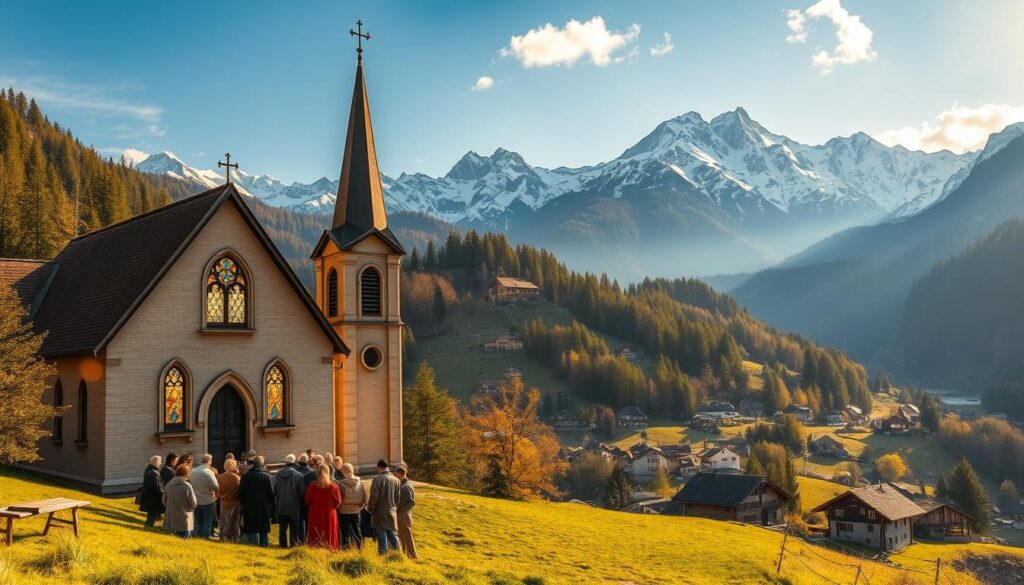
reformed faith swiss cantons

Transformative Changes in Urban Centers

Zurich’s cobblestone streets became laboratories for social change. City councils replaced Latin masses with scripture discussions in local dialects. Basel merged its university with reformed teachings, creating Europe’s first theological training ground for Protestant leaders.

Bern took a practical approach. Leaders declared, “True faith feeds both souls and bodies,” establishing soup kitchens alongside new churches. These urban hubs developed distinct flavors of reformed faith while sharing core principles.

Diffusion of Reformed Ideas in Rural Areas

Mountain communities resisted changes that threatened their seasonal traditions. Catholic strongholds like Uri maintained pilgrimage sites, while mixed cantons found creative compromises. In Glarus, families from different faiths shared grazing lands but attended separate services.

Traveling preachers bridged the divide. They adapted messages for rural audiences, linking biblical parables to farming cycles. By 1600, weekly markets in valley towns buzzed with debates about predestination and community ethics.

Foundational Figures in Swiss Protestant History

Two visionary thinkers transformed religious thought through bold ideas and practical reforms. Their contrasting approaches created a theological legacy that still shapes modern faith communities.

Huldrych Zwingli and His Pioneering Role

Born in 1484, Zwingli sparked change by reimagining sacred rituals. He declared, “True worship lives in hearts, not ceremonies,” replacing traditional communion with symbolic interpretation. This radical view set Swiss reforms apart from both Catholic and Lutheran traditions.

The reformer’s 1531 death during religious conflicts left unfinished work. Yet his later writings on predestination laid groundwork for future theologians. Zwingli’s blend of civic engagement and spiritual renewal became his lasting gift.

John Calvin’s Transformative Influence in Geneva

When Calvin came to Geneva in 1536, he found a city ripe for transformation. His systematic doctrine turned religious theory into daily practice. The French exile organized schools, hospitals, and strict moral codes alongside worship reforms.

Calvin’s Institutes of the Christian Religion became Protestantism’s first comprehensive guidebook. His emphasis on divine sovereignty through predestination debates energized global religious discussions. By 1564, Geneva exported reformed ideas through trained ministers and printed texts.

Though never meeting personally, Zwingli (1484-1531) and Calvin created complementary legacies. One ignited the flame of reform, while the other built institutions to keep it burning. Together, they shaped a movement that crossed mountains and oceans.

protestant church of switzerland: Formation and Evolution
reformed churches swiss federation

Twentieth-century Switzerland witnessed a groundbreaking shift in religious collaboration. In 1920, leaders from 24 regional reformed churches formed the Fédération des Eglises protestantes de Suisse. This alliance balanced local traditions with national coordination, mirroring the country’s political structure.

The federation’s founders declared, “Unity thrives when roots remain deep.” They crafted a framework allowing cantonal churches to keep their rituals and governance while sharing resources. Members ranged from bustling urban congregations to remote alpine parishes.

Key features of this unique model:

  • Legal representation for all members at federal level
  • Joint initiatives in education and social services
  • Preservation of regional dialects in worship

By 2020, the organization adopted a simpler name – Protestant Church in Switzerland. This rebranding reflected evolving goals while honoring its reformed church heritage. The change strengthened public recognition without altering theological independence.

Today, this network includes Methodist communities alongside historic Swiss reformed groups. Its success lies in blending flexibility with shared purpose – a formula admired by religious federations worldwide.

Doctrinal Milestones and Reformed Confessions

Swiss religious leaders achieved what many thought impossible – unifying rival theological camps through groundbreaking agreements. These pacts balanced deep convictions with practical cooperation, creating blueprints still studied worldwide.
helvetic confession theological agreement

The Consensus Tigurinus and Second Helvetic Confession

In 1549, Heinrich Bullinger and John Calvin bridged Zurich and Geneva’s differences through the Consensus Tigurinus. This 26-article document settled heated debates about communion, declaring: “True faith transforms symbols into spiritual nourishment.”

The 1566 Second Helvetic Confession became Switzerland’s theological cornerstone. Bullinger crafted it as a comprehensive guide addressing:

  • Scripture interpretation methods
  • Church governance structures
  • Sacraments’ symbolic nature
Document Year Key Figures Main Focus Impact
Consensus Tigurinus 1549 Bullinger, Calvin Eucharist theology Unified Swiss reformers
Second Helvetic 1566 Bullinger Complete doctrine system Adopted by 13 cantons

Debates on Predestination and Revolutionary Theology

Swiss theologians reshaped the doctrine predestination debate through nuanced positions. Unlike strict Calvinism, they emphasized God’s mercy over abstract decrees. This approach let communities adapt teachings to local needs while keeping core principles.

Bullinger’s confession cleverly sidestepped divisive language about eternal fate. Instead, it focused on practical Christian living – a strategy that maintained unity across regions with different traditions.

The Role of Cantonal Churches in Shaping National Identity

Switzerland’s regional faith communities have long mirrored its political landscape. Cantonal churches developed alongside local governments, creating unique partnerships between spiritual and civic life. This collaboration shaped education systems and social services across Alpine valleys.

Legal status varies significantly between cantons. Some maintain official state ties through historic agreements. Others operate independently while preserving reformed church principles. These differences reflect each region’s historical path.

Urban centers like Zurich amplified this model’s influence. Their institutions blended tradition with progressive ideas, becoming cultural anchors. Through shared values and adaptable structures, these communities helped forge an identity rooted in local diversity.

Today, this system remains a vital part of Swiss heritage. It honors regional traditions while fostering national unity – a balance few countries achieve.

FAQ

How did the Reformation begin in Switzerland?

The movement started in Zurich under Huldrych Zwingli, who challenged traditional practices. His teachings in the early 16th century sparked debates that spread to other cantons, reshaping religious life.

Why was Geneva important to Swiss Protestantism?

Geneva became a hub under John Calvin’s leadership. His Institutes of the Christian Religion and emphasis on doctrinal clarity influenced Reformed theology globally, earning the city the nickname “Protestant Rome.”

What role did the Second Helvetic Confession play?

Written by Heinrich Bullinger, this 1566 document unified Reformed teachings across Swiss regions. It addressed topics like predestination and became a cornerstone for Reformed churches beyond Switzerland.

How did rural areas respond to Reformed ideas?

Rural regions adopted changes slower than cities. Local leaders often blended new teachings with traditional practices, creating unique expressions of faith while maintaining community ties.

What caused tensions between cantons during the Reformation?

Religious divides led to conflicts like the 1531 Kappel Wars. Catholic and Reformed cantons clashed politically, but later agreements allowed coexistence while preserving regional autonomy.

How did Calvin’s theology differ from Zwingli’s?

Both emphasized scripture, but Calvin focused on predestination and church structure. Zwingli prioritized symbolic communion and civic reform, shaping Zurich’s identity as a Reformed center.

What was the Consensus Tigurinus?

This 1549 agreement bridged Calvinist and Zwinglian views on communion. It promoted unity among Reformed groups, helping solidify a shared theological foundation across Switzerland.

How do cantonal churches function today?

Many operate under the Fédération des Églises protestantes de Suisse, balancing local traditions with national collaboration. They manage education, social services, and interfaith dialogue while maintaining historical ties.
What Does the Protestant Church Think About the Pope?


Understanding different Christian perspectives starts with one big question: how do modern believers view religious authority? For centuries, this topic has shaped how communities practice their faith and work together. While some see unity in shared values, others focus on theological differences that began during the Reformation.

Not all Protestant groups agree on every detail. Some emphasize scripture as the ultimate guide, while others value tradition alongside biblical teachings. These varied approaches create unique viewpoints on leadership roles within Christianity.

Many denominations share concerns about concentrating power in a single religious figure. This hesitation stems from historical conflicts and differing interpretations of early church practices. Yet today, collaboration on social justice and community outreach often bridges old divides.

This article explores three key areas:

  • The roots of these disagreements in church history
  • Current theological debates about spiritual authority
  • Modern partnerships that transcend traditional boundaries

Key Takeaways

  • Protestant views on papal authority vary by denomination
  • Scriptural interpretation remains a central dividing line
  • Historical conflicts continue to influence modern perspectives
  • Cooperation often occurs despite theological differences
  • Leadership models reflect broader debates about Christian unity

Historical Context of the Papacy and the Protestant Reformation

Debates about spiritual authority began long before the 16th century. Early Christian communities operated without centralized leadership, relying instead on regional councils and shared teachings. Over time, the Bishop of Rome gradually expanded influence, claiming succession from Saint Peter.

Early Church Leadership and the Role of Peter

First-century believers saw Peter as primus inter pares (first among equals) rather than a supreme ruler. After his death, later traditions reinterpreted his legacy to support hierarchical structures. By the Middle Ages, the papacy became intertwined with European power dynamics.

Influential Figures: Martin Luther and Henry VIII

A devout member of the Catholic Church, Martin Luther initially hoped the Pope would reform questionable practices. His 1517 protests targeted corruption, not papal office itself. When excommunicated, he declared scripture—not human institutions—as Christianity’s true foundation.

Across the Channel, Henry VIII’s marital disputes sparked England’s break with Rome. The king rejected papal authority in 1534, creating a national denomination. This move reflected both personal motives and a broader cultural shift toward localized governance.

Reformer Action Impact Year
Martin Luther Posted 95 Theses Spark for Reformation 1517
Henry VIII Act of Supremacy English Reformation 1534
Philip Melanchthon Wrote papal critique Systematic anti-papal arguments 1537

Melanchthon’s 1537 treatise crystallized Reformation arguments against papal claims. He challenged historical continuity, noting early bishops never exercised universal jurisdiction. This historical fact remains central to modern discussions about Christian unity.

Theological Foundations and Scriptural Interpretations

At the heart of Christian doctrinal debates lies a single verse with massive implications. Matthew 16:18 sparks intense discussions about leadership models, with interpretations shaping entire denominations. These differences reveal deeper questions about how communities anchor their beliefs.

scriptural authority debate

Interpretations of Matthew 16:18 and Its Impact on Papal Claims

Many believers view Jesus’ words “on this rock I will build my church” as pivotal. Catholic tradition links the “rock” to Peter’s role as first bishop of Rome. However, Reformed thinkers like Herman Bavinck argue the phrase refers to Peter’s confession of Jesus’ divinity, not personal authority.

Scripture shows Peter being corrected by Paul in Galatians 2:11-14, suggesting shared accountability. The “keys of the kingdom” also appear in Matthew 18:18, given to all apostles. This collective approach challenges ideas of one leader holding exclusive spiritual authority.

Reformed Perspectives on Apostolic Succession

Early Christian writings show apostles appointing local leaders, not universal rulers. Bavinck noted: “The apostolic office was temporary – like eyewitnesses to Christ’s resurrection.” Most Protestant groups see leadership as service roles, not divine successors.

Concept Catholic View Protestant View
Foundation of Church Peter as first pope Christ as cornerstone
Apostolic Succession Unbroken bishop lineage Teaching continuity, not office
Scripture vs Tradition Equal authority Bible as ultimate guide

Modern denominations often adopt flexible governance models. Congregational structures and elder boards reflect the belief that all members share in gospel stewardship. This approach keeps theological focus on shared truths rather than hierarchical claims.

Protestant Church Pope: Understanding Divergent Views

How do historical records challenge traditional claims about religious leadership? Many communities question whether ancient texts support modern hierarchical structures. These debates often center on two critical areas: biblical interpretation and early organizational patterns.

Scriptural Critiques and Historical Discrepancies

Reformed theology expert Herman Bavinck made a striking observation: “Even if Peter held special authority, this doesn’t automatically transfer to later Roman leaders.” His analysis highlights three missing links:

  • No evidence Peter served as Rome’s bishop for decades
  • Absence of succession planning documents
  • Silence about papal roles in Paul’s Roman correspondence

Early Christian writings reveal something surprising. The Roman community initially operated through group leadership rather than single-bishop rule. This collaborative model appears in documents like Clement’s first-century letter, where multiple elders jointly address issues.

“The keys given to Peter in Matthew 16 were shared with all apostles later – collective stewardship matters more than individual power.”

Modern scholars note another contradiction. If Peter truly led Roman Catholics as their first pope, why does Paul’s letter to Romans 16 list 28 community members without mentioning him? This silence raises questions about later claims of monarchical authority.

These findings shape how many view spiritual leadership today. Most emphasize shared responsibility over centralized control, aligning with New Testament descriptions of believers as “a royal priesthood.” This perspective continues influencing interfaith discussions about Christian unity.

Controversies and Misconceptions Surrounding Papal Supremacy

Accusations of the papacy being the Antichrist might sound extreme today, but they once dominated religious debates. These claims reveal how historical conflicts shaped modern views on spiritual authority.

papal authority controversies

Debates Over Papal Authority and the Antichrist Label

Martin Luther’s fiery writings called the Bishop of Rome “the very Antichrist” in 1520. His stance grew from personal clashes with Catholic leaders and Lorenzo Valla’s work exposing forged documents used to support papal claims. Humanist scholarship armed reformers with historical facts challenging traditional narratives.

By the 1550s, many groups saw the papacy as fulfilling biblical prophecies about opposition to Christ. This view spread through:

  • Political tensions between nations and Rome
  • New access to biblical texts in local languages
  • Growing distrust of centralized religious power
Era View on Papacy Key Influences Current Status
16th-17th Century Widespread Antichrist label Reformation conflicts Largely abandoned
Modern Mainstream Theological objections Ecumenical dialogue Focus on shared values
Seventh-Day Adventists Continues prophecy view End-times theology Maintains distinct stance

Today, most groups avoid harsh labels while still rejecting papal supremacy. As one modern scholar notes:

“We’ve learned to disagree on leadership models without denying shared Christian roots.”

Seventh-Day Adventists remain an exception, linking their end-times teachings to specific papal actions. This shows how historical issues still shape some denominational identities.

Pope Francis and Modern Challenges in Church Doctrine

Modern religious leadership faces unprecedented tests balancing ancient traditions with evolving social values. This tension plays out vividly in debates surrounding current Roman Catholic leadership and its global influence.

papal leadership challenges

The Integrated Approach to Tradition and Contemporary Issues

Carl Trueman’s description of Pope Francis as “a liberal Protestant in a white papal robe” sparks heated discussions. Yet Francis maintains traditional stances on core doctrines while addressing modern concerns like environmental care. His 2023 statement clarifies:

“Blessing individuals doesn’t mean approving unions – the sacrament remains unchanged.”

This dual focus creates unique challenges. The pontiff emphasizes mercy in pastoral practice while upholding official teachings. Some leaders see this as theological inconsistency, others as compassionate adaptation.

Media Interpretations and Public Reaction

News outlets often amplify select phrases from papal documents, creating confusion. When Francis allowed blessings for individuals in same-sex relationships, headlines suggested radical change. His actual words stressed: “The Lord’s design for marriage stays central.”

Many Protestants appreciate his focus on social justice yet remain cautious about centralized authority. As one theologian notes: “Shared values on poverty don’t erase differences in how we understand spiritual leadership.”

These dynamics show how ancient institutions navigate modern complexities. While divisions persist, new dialogues emerge around serving communities in changing times.

The Broader Impact on Christian Unity and Interdenominational Relations

Modern faith communities increasingly focus on what unites rather than divides. While theological debates about leadership persist, many find common ground through shared service. Joint efforts addressing poverty and human rights show how collaboration thrives despite doctrinal differences.

Building Bridges Through Shared Goals

Ecumenical dialogues reveal surprising agreements on core truths. Over 60% of interfaith partnerships now tackle practical issues like disaster relief rather than abstract debates. A Catholic bishop recently noted: “When we feed the hungry together, our message gains credibility.”

Younger generations often prioritize action over historical disputes. Many interdenominational projects—from urban food banks to climate initiatives—operate without resolving ancient conflicts. This pragmatic approach helps diverse groups work as one people of faith.

Some denominations maintain boundaries while others forge new connections. What matters most? As one leader put it: “Truth remains central, but kindness opens doors.” This balance shapes modern efforts to honor differences while serving others.

FAQ

How do non-Catholic Christians view the bishop of Rome?

Many believers outside Catholicism respect the spiritual role of the bishop of Rome but reject claims of universal authority. They emphasize Christ, not human leaders, as the head of the faith community.

Why is apostolic succession debated among different denominations?

Some groups prioritize direct biblical leadership over institutional lineage. They argue that spiritual authority comes from Scripture and faith, not historical officeholders.

Did early reformers like Martin Luther challenge papal claims?

Yes. Luther and others questioned teachings they saw as conflicting with biblical truths, advocating for a return to Scripture as the ultimate guide over institutional traditions.

What’s the significance of Matthew 16:18 in discussions about leadership?

While some interpret this verse as supporting centralized authority, others believe it highlights the collective mission of believers rather than a single individual’s supremacy.

How do modern ecumenical dialogues address historical divisions?

Conversations often focus on shared beliefs like grace and redemption while acknowledging differences. Mutual respect and collaborative service are prioritized over doctrinal uniformity.

Why do some groups use terms like “Antichrist” regarding certain leaders?

This stems from historical conflicts over perceived overreach of power. Most modern believers avoid such labels, favoring constructive dialogue instead.

How has Pope Francis influenced interdenominational relations?

His emphasis on social justice and humility has fostered goodwill. However, theological differences on issues like salvation and sacraments remain points of discussion.

Visit the Premier Protestant Church in Bangkok


Finding a spiritual home in a foreign city can feel overwhelming. In Thailand’s vibrant capital, international communities thrive through diverse faith gatherings. Many seekers discover meaningful connections here through worship experiences that blend tradition with modern relevance.

Faith traditions in this region trace back nearly 200 years, shaped by early missionaries who established lasting foundations. Today, English-speaking congregations create welcoming spaces for locals and global visitors alike. You’ll find services ranging from traditional hymns to contemporary praise music, all designed to foster connection.

Communities here prioritize inclusivity, offering programs for families, young professionals, and long-term residents. Whether you prefer liturgical services or casual gatherings, there’s a place where you can grow spiritually. Many groups also organize cultural events and volunteer opportunities to build relationships beyond Sunday meetings.

Understanding practical details makes visiting easier. Most gatherings provide clear schedules, transportation tips, and newcomer orientations. Dress codes vary but generally lean toward smart casual attire, reflecting the warm local culture.

Key Takeaways

  • English-speaking congregations create accessible worship experiences
  • Historical roots dating to 1828 shape modern faith practices
  • Multiple denominations cater to different spiritual preferences
  • Community events foster connections beyond weekly services
  • Central locations and clear visitor guidelines simplify first-time attendance

History and Heritage of Christ Church Bangkok

Spiritual journeys often begin with stories etched in stone and stained glass. This community’s origins trace back to 1828 when dedicated missionaries laid foundations that still shape worship spaces today. Their legacy blends European traditions with Thai cultural warmth, creating a unique faith tapestry.

Early Missionary Efforts and Founding Roots

The London Missionary Society sent pioneers who navigated language barriers and tropical climates. Dr. Daniel Bradley became a key figure after arriving in 1835. His English lessons for Prince Mongkut fostered royal connections that later secured land grants.

King Rama IV supported these efforts by donating riverside property in 1861. This became home to the Protestant Union Chapel, later called the English Church. Four decades later, Rama V provided expanded grounds where today’s iconic structure stands.

Evolution of Protestant Denominations in Thailand

Three main developments shaped modern faith groups:

  • The 1934 merger creating the Church of Christ in Thailand (CCT)
  • Government-recognized partnerships preserving cultural relevance
  • Preservation efforts maintaining original stained glass artworks

These denominations balance tradition with community needs. The CCT remains the largest, while smaller groups focus on specific ministries. Through wars and societal changes, their shared commitment to service unites diverse believers.

Discover “protestant church bangkok” Services and Community

Modern faith communities blend timeless traditions with contemporary needs. Morning light filters through colorful artworks, creating spaces where spiritual growth meets practical support. These gatherings welcome everyone through diverse programs that nurture both individuals and families.

Sunday Worship, Coffee, and Fellowship

Many groups start their weekly rhythm with warm drinks and conversation. At one city-center location, the 10:00 AM service begins after an hour of casual mingling. Early arrivals often say this pre-service time helps forge friendships faster.

stained glass faith community

Blending Heritage with Modern Updates

Recent renovations honor history while improving functionality. Skilled craftsmen spent years restoring delicate stained glass scenes during 2008-2012 updates. Three standout artworks anchor the space:

Artwork Theme Symbolism Location
Sacrificial Love Communion Table centerpiece Main hall
Welcoming Children Inclusive community values Education wing
Resurrection Hope New beginnings Entry corridor

Weekday programs extend the community’s reach. Rainbow Land kindergarten operates Monday-Friday, while expatriate parents gather thrice weekly. Outreach teams like Youth with a Mission engage 300+ staff across 20 locations, demonstrating active care beyond the walls.

Navigating the Service Directory and Visitor Information

Discovering new places of worship becomes stress-free with clear guidance. Central locations and thoughtful planning help visitors focus on meaningful experiences rather than logistics. Let’s explore how to smoothly join gatherings and access family-friendly resources.

How to Find Your Way and Join a Service

Two main venues stand out for their accessibility. The Bangkok City Baptist Church sits on Sukhumvit 21’s 14th floor, just six minutes from Sukhumvit MRT. Asok BTS station lies nine minutes away – perfect for Sunday morning arrivals.

Christ Church positions itself near BNH Hospital where Convent Road meets North Sathorn. Both locations use English as their primary language during services, though attendees often converse in multiple tongues before and after gatherings.

Community Engagement, Child Ministries, and Practical Tips

Families appreciate dedicated care for young ones aged 0-8 years. While parents participate in services, trained staff guide children through age-appropriate activities. No special attire or donations expected – come as you are.

Twice-monthly prayer meetings deepen connections between members and newcomers. These 1:30 PM sessions create space for personal growth and shared support. Whether staying for years or visiting briefly, everyone finds warm welcomes here.

Conclusion

Building meaningful connections in a new city starts with finding your people. Thailand’s capital hosts thriving spiritual communities where English speakers discover meaningful worship and lasting friendships. Historical roots meet modern approaches here, creating spaces where tradition and innovation coexist harmoniously.

Whether you prefer stained-glass sanctuaries or contemporary gatherings, options abound. Central locations and thoughtful visitor guides make first-time attendance stress-free. Many groups offer childcare support, letting families focus on their spiritual journey while kids enjoy age-appropriate activities.

These communities extend care beyond weekly services through outreach programs and cultural events. You’ll find volunteer teams feeding neighborhoods and musicians bridging cultural divides. Their warmth reflects the city’s spirit of hospitality.

Your search ends where shared values begin. Step through welcoming doors to find support, inspiration, and connection in this dynamic urban landscape.

FAQ

What languages are services conducted in?

Services at Christ Church Bangkok are primarily in English, with translation support available. Some events also incorporate Thai to welcome local families and visitors.

Are children welcome during worship hours?

Absolutely! Dedicated programs for kids, including Sunday School and youth activities, are offered. Parents can attend services knowing their little ones are engaged in age-appropriate lessons.

How has the community adapted to modern needs?

While preserving its historic stained glass windows and architecture, the space now includes updated facilities like air conditioning and multimedia tools. Outreach programs address current social issues, too.

Can visitors participate in weekday activities?

Yes! Beyond Sunday gatherings, midweek groups meet for Bible studies, volunteer projects, and cultural exchange events. Check the online directory for schedules.

Is there parking available near the building?

Limited street parking exists, but public transport is recommended. The BTS Skytrain’s Surasak station is a 10-minute walk away, making access convenient for newcomers.

What role did missionaries play in its founding?

Early 19th-century missionaries established the congregation to serve expatriates. Over time, it grew into a hub for both international members and Thai believers seeking cross-cultural fellowship.

Find the Best Protestant Church in Calgary


Finding a place to grow your faith and connect with others can feel overwhelming. In Alberta’s bustling urban center, communities rooted in Scripture and fellowship thrive. This guide helps you navigate options that blend timeless teachings with modern engagement.

Many congregations focus on biblical truth while fostering genuine relationships. Take Woodgreen Presbyterian, for example. Located at 924 Heritage Drive SW, this group emphasizes Reformed principles and Christ-centered outreach. Their mission? To stay faithful to Scripture while serving neighbors locally and globally.

Whether you prefer traditional hymns or contemporary worship styles, there’s space for everyone. Families appreciate programs that nurture spiritual growth across generations. Newcomers often highlight the warm atmosphere and practical support networks available.

Key Takeaways

  • Calgary hosts diverse faith communities focused on scriptural teachings
  • Options range from historic denominations to modern worship experiences
  • Strong emphasis on building relationships and community service
  • Many congregations prioritize multi-generational engagement
  • Easy accessibility to contact information and locations

Experience Our Welcoming Community

Walking into a faith-based gathering here feels like joining an extended family. Smiles greet newcomers at every door, and conversations flow as naturally as morning coffee. These spaces thrive on shared values and a commitment to making everyone feel seen, heard, and supported.

Rooted in Timeless Truths

Many local congregations trace their foundations to centuries-old Christian traditions. Core teachings focus on Jesus’ life and scriptural wisdom, blending reverence with practical life applications. Weekly services often include interactive Bible studies that encourage personal reflection and group discussion.

Connecting Beyond Sunday Mornings

Monthly potluck dinners turn into laughter-filled evenings where stories and casseroles get shared equally. Summer brings neighborhood barbecues, while winter months spark cozy book clubs and charity knitting circles. Volunteer teams regularly organize food drives and mentorship programs, creating bridges between members and their city.

Young families appreciate playground meetups where parents swap parenting tips while kids play. Retirees find purpose leading history discussion groups or organizing mission trips. This intergenerational mix creates a vibrant tapestry of experiences, proving faith grows best when nurtured together.

Explore Service and Worship Offerings

Engaging in meaningful worship and community service starts with accessible opportunities. Local congregations prioritize flexible participation, blending in-person gatherings with digital options to meet diverse needs. Whether you’re seeking spiritual growth or practical support, structured programs create pathways for connection.

Inspiring Sunday Worship and Live Streams

Weekly gatherings kick off at 10:30 am, blending uplifting music with messages rooted in timeless truths. “The blend of hymns and modern worship helps everyone feel included,” shares a regular attendee. Live streams extend these moments to homes, hospitals, or travel destinations, ensuring no one misses out.

Sunday worship service

Bible Studies, ESL Programs, and Ministries

Midweek gatherings dive deeper into scriptural exploration through small-group studies. Thursday evenings welcome newcomers to ESL classes, where language practice mixes with coffee and laughter. One participant notes, “It’s more than English lessons—it’s where I found my first friends here.”

Year-round initiatives include Sunday School for all ages and summer camps filled with outdoor adventures and Bible stories. Global outreach partnerships support humanitarian projects abroad, while local teams organize food drives and mentorship programs. These efforts reflect a shared commitment to serving others at home and beyond.

Discover “protestant church calgary” – Your Local Faith Hub

Balancing timeless teachings with fresh approaches defines these spiritual hubs. They honor enduring principles while embracing innovative ways to connect with today’s families and individuals. Ancient truths meet creative methods, creating spaces where heritage and progress coexist.

Traditional Values with a Modern Outreach

Core beliefs like scriptural authority and moral integrity anchor every initiative. One member shares, “We’re not abandoning the past—we’re making it accessible.” Social media campaigns and neighborhood partnerships help share timeless messages through podcasts, volunteer drives, and interactive workshops.

Engaging Youth Ministry and Family Programs

Wednesday nights buzz with energy as Grades 7-12 students gather for dynamic discussions and team-building activities. Parents appreciate flexible Sunday classes: toddlers through fourth-graders learn at 9 AM, 10:45 AM, or 12:30 PM. Fifth and sixth graders join the 10:45 AM session, building foundations for teenage years.

Monthly leadership events spark growth every last Friday. Teens and young adults explore practical faith applications with mentors. A parent notes, “The programs meet kids where they are—both spiritually and socially.” Family-focused schedules let households grow together while forging lasting bonds.

Conclusion

Every individual deserves a space where faith and fellowship flourish together. Local congregations create environments where spiritual growth meets real-life connections. From interactive youth initiatives to senior-focused study groups, programs cater to all stages of life.

Modern worship styles blend seamlessly with foundational teachings, making timeless truths feel fresh and applicable. Multiple service times and streaming options remove barriers to participation, letting you engage however works best.

What truly sets these communities apart? Their commitment to building bridges across generations. Shared meals, volunteer projects, and mentorship opportunities forge bonds that last. New faces quickly become cherished friends in this welcoming atmosphere.

Ready to explore? These faith families stand prepared to walk alongside you. Discover how meaningful connections and purposeful living grow naturally when rooted in shared values and mutual support.

FAQ

What types of gatherings are available for families?

We host family-friendly events, youth groups, and seasonal activities designed to strengthen bonds and nurture faith. Programs include interactive workshops, volunteer opportunities, and age-specific discussions.

How can I participate in online worship sessions?

Live streams of Sunday services are accessible through our website and social media platforms. You can also join virtual Bible studies or request recordings if you miss a session.

Are there volunteer opportunities for newcomers?

Absolutely! From community outreach projects to event planning teams, we welcome everyone to contribute. Check our bulletin or connect with our outreach coordinator for current needs.

Do you offer support for non-English speakers?

Yes! Our ESL classes and multicultural ministries create inclusive spaces for learning and connection. Sessions focus on language skills, cultural integration, and shared faith experiences.

What makes your community unique?

We blend timeless traditions with fresh approaches to outreach, prioritizing authentic relationships and practical service. Our focus on mentorship, especially for younger members, sets us apart.

Can I attend events without being a member?

Of course! All workshops, seasonal celebrations, and fellowship meals are open to guests. Come as you are—we’d love to get to know you.

Protestant Churches in Las Vegas: Your Guide


Finding a spiritual home in a bustling city can feel overwhelming, but you’re not alone. Countless individuals have discovered welcoming faith communities here over the years, each offering unique ways to connect and grow. This vibrant city hosts a variety of congregations focused on fostering meaningful relationships and nurturing spiritual journeys.

Whether you’re new to the area or exploring your beliefs, local faith groups prioritize creating spaces where everyone feels valued. Many emphasize compassionate support and practical outreach, reflecting their dedication to serving others. You’ll notice diverse worship styles—from traditional hymns to modern gatherings—but all share a commitment to uplifting teachings.

These communities thrive on authentic connections, making it easy to build friendships rooted in shared values. Some have been part of the city’s fabric for decades, offering programs for families, youth, and those seeking guidance. With this guide, you’ll gain insights into what makes each congregation special and how to find your perfect fit.

Key Takeaways

  • Las Vegas offers diverse spiritual communities focused on connection and growth
  • Congregations prioritize compassionate care and community service
  • Worship styles vary but emphasize uplifting, biblically rooted messages
  • Many groups provide tailored programs for all ages and life stages
  • Local faith organizations have years of experience welcoming newcomers
  • This guide simplifies your search for a nurturing spiritual environment

Discovering Local Protestant Churches in Las Vegas

Exploring spiritual communities in a lively city opens doors to diverse worship experiences. Local congregations create environments where music, teaching, and fellowship blend seamlessly. You’ll find gatherings tailored to early risers, night owls, and everyone in between.

Worship Services and Community Events

Weekly gatherings often mix modern bands with timeless hymns, letting you connect through your preferred style. Many groups host midweek sessions for deeper discussions or casual meetups. Families appreciate dedicated spaces where kids explore age-appropriate lessons while adults engage in meaningful dialogue.

Seasonal festivals and service projects turn beliefs into action. From holiday food drives to neighborhood cleanups, these efforts unite members across generations. Shared meals and game nights foster friendships that extend beyond Sunday mornings.

What Sets Protestant Churches Apart

Central to these communities is the idea that personal faith shapes daily choices. “Scripture becomes a roadmap, not just a textbook,” one longtime attendee notes. Teachings focus on applying ancient wisdom to modern relationships, careers, and challenges.

Unlike some traditions, leadership roles often extend to all members. This approach encourages everyone to contribute their talents, whether through mentoring, organizing events, or supporting local charities. It’s this blend of timeless values and practical living that keeps communities thriving for decades.

Exploring “protestant church las vegas” and Congregational Offerings

Amid the city’s vibrant energy, meaningful connections await through congregations blending tradition with modern relevance. These communities stand out through their creative approaches to spiritual growth and service-oriented focus.

worship services

Second Baptist Church Highlights

Known as “The Miracle on Madison Ave”, this congregation welcomes seekers through multiple Sunday gatherings. Early risers appreciate the 8:00 am service, while late-morning attendees join at 11:00 am. Their 9:30 am Sunday School fosters intergenerational learning with classes tailored for all life stages.

Midweek engagement happens through Bible studies offered twice on Wednesdays. “We prioritize practical faith,” explains a member. Their outreach programs provide groceries and support for neighbors facing hardships.

FCC Las Vegas and Multi-Congregation Campus

This unique campus hosts four distinct faith groups under interim pastor Tyler Whipkey. Sunday mornings buzz with activity as different communities share spaces while maintaining their traditions. The 10:00 am service streams live, letting homebound members participate fully.

Experience Genuine Worship and Faith

Both locations emphasize hands-on spiritual development through:

Feature Second Baptist FCC Campus
Sunday Worship 8:00 & 11:00 am 10:00 am
Sunday School 9:30 am N/A
Midweek Study 11:45 am & 7:00 pm Varies by group
Virtual Option No Yes

These communities prove spiritual growth thrives when teachings translate into compassionate action. Whether through shared meals or collaborative projects, they create spaces where beliefs become lived experiences.

Planning Your Visit to a Las Vegas Christian Church

Preparing for your spiritual journey starts with practical details. Knowing when and where to go helps create a stress-free experience. Let’s explore how to navigate service options and connect with welcoming communities.

Service Schedules and Visiting Hours

Weekend flexibility makes it easy to join gatherings that fit your rhythm. One location offers Saturday evening worship at 4:00 pm, perfect for those with busy Sunday plans. Sunday morning services typically run at 9:00 am and 11:30 am across multiple congregations.

Consider these tips for your first visit:

  • Arrive 10-15 minutes early to find parking and seating
  • Check for childcare options if bringing young children
  • Dress codes range from casual to business attire—call ahead if unsure

Locations and Contact Information

Two convenient spots serve different parts of the city:

  • 500 Madison Ave: Heart of the community with Sunday services at 8:00 am and 11:00 am
  • 6200 W. Lone Mountain Rd: Northwest location offering Saturday/Sunday options

Reach out directly for personalized assistance:

  • Madison Ave location: (702) 648-6155
  • Lone Mountain team: Available through website contact forms

Both places prioritize making newcomers feel at home. “We keep lights on and doors open for anyone seeking connection,” shares a staff member. Whether you prefer traditional or contemporary styles, these communities help you find your rhythm.

Conclusion

Starting your search for a faith community marks an exciting chapter in personal growth. The congregations featured here showcase just a few welcoming options available across the valley. Each brings distinct strengths—from energetic gatherings to hands-on service initiatives—that help beliefs come alive.

It’s natural to explore multiple groups before finding your ideal fit. Some thrive in traditional settings, while others prefer collaborative campuses. What unites them is a commitment to fostering genuine connections and practical faith applications.

Take that first step by visiting a service or joining a community event. Many offer casual meetups where you can ask questions and experience their culture firsthand. “Our doors stay open for anyone seeking meaningful relationships,” shares a local leader.

Remember, building spiritual roots takes time. Whether through vibrant worship or neighborhood outreach programs, these communities stand ready to walk alongside you. Your journey toward deeper connections and purposeful living starts now.

FAQ

What makes Protestant congregations in Las Vegas unique?

Local congregations emphasize inclusive community-building, blending traditional teachings with modern outreach. Many prioritize youth programs, multicultural ministries, and volunteer-driven initiatives tailored to the city’s diverse population.

How can I find service times for nearby congregations?

Most groups share updated schedules on their websites or social media. For example, Second Baptist Church posts weekend worship hours and midweek study sessions online, while FCC Las Vegas offers flexible Sunday morning and evening options.

Are there churches here that welcome families with kids?

Absolutely! Many locations provide childcare during services and host youth-focused activities. Some even have playgrounds or dedicated teen mentorship programs to support spiritual growth across all ages.

What should I expect during a first visit?

Guests often describe a warm, casual atmosphere. Services typically include live music, group prayer, and relatable sermons. Dress codes are usually flexible—just come as you are!

Do these congregations host community events?

Yes! From food drives to seasonal festivals, many organize gatherings open to everyone. The multi-campus FCC community, for instance, frequently holds charity markets and interfaith dialogues downtown.

How do I connect with others outside Sunday services?

Small groups, volunteer teams, and classes (like Bible studies or parenting workshops) meet regularly. Check bulletin boards or online calendars for details—it’s a great way to build friendships while serving others.

Explore the Historic Protestant Church in Geneva


In the heart of Europe lies a city that shaped religious history. During the 1500s, this vibrant hub became a magnet for thinkers seeking spiritual renewal. Visionaries like Jean Calvin and Guillaume Farel sparked a movement here that would ripple across continents.

By the mid-16th century, the location earned a powerful nickname: “Protestant Rome.” Thousands fleeing persecution found sanctuary within its walls. The establishment of a renowned academy in 1559 turned the area into an intellectual powerhouse, training leaders who carried Reformed ideals worldwide.

Today, visitors encounter stunning architecture that whispers stories of resilience. From towering steeples to hidden courtyards, every stone reflects centuries of cultural transformation. These landmarks aren’t just relics—they’re living testaments to how ideas can redefine a nation’s identity.

The legacy lives on through modern practices and interfaith dialogue. As you walk through cobblestone streets, you’re tracing paths where history’s boldest reformers once stood. This journey through time reveals how courage and conviction built bridges across borders.

Key Takeaways

  • A 16th-century spiritual revolution transformed Geneva into Europe’s Reformation capital
  • Pioneers like Calvin created educational systems that influenced global religious thought
  • Historic sites blend architectural beauty with stories of religious refuge
  • The city’s nickname reflects its role as a safe haven for persecuted believers
  • Modern Switzerland’s culture of tolerance roots in this transformative era
  • Visitors can explore living history through preserved buildings and institutions

Introduction: Discovering Geneva’s Protestant Legacy

When religious turmoil swept across Europe, a haven for reformers took root beside Alpine peaks. This 16th-century transformation began with bold thinkers challenging old traditions. Their ideas reshaped not just beliefs, but entire communities.

An Overview of the Reformation’s Local Impact

Early reformers here didn’t just debate theology—they rebuilt society. Schools opened to teach new principles, while leaders redesigned civic structures. By 1550, this city-state had become a blueprint for modern religious communities.

The changes reached kitchens and council chambers alike. Families adopted new worship practices, while laws reflected fresh interpretations of scripture. This holistic approach created lasting social bonds.

Enduring Echoes Through Time

Thousands fleeing persecution found safety here during the 1500s. Many brought skills that boosted local craftsmanship and trade. Today, this spirit of shelter lives on through global organizations based in the region.

Modern discussions about human rights trace back to these reforms. The emphasis on education and fair governance continues to shape Switzerland’s approach to international relations. What started as local changes now influence global conversations about freedom and fairness.

Exploring the protestant church geneva: History and Reformation Impact

A quiet revolution began in the early 1500s as bold thinkers reimagined faith’s role in society. Local leaders embraced radical ideas that reshaped worship, education, and community life—laying groundwork for lasting change.

Reformation history refuge Geneva

Origins and Early Reformation Efforts

Guillaume Farel’s fiery speeches in 1536 ignited a civic transformation. His partnership with Jean Calvin created a blueprint for organized religious communities. Their reforms reached beyond theology, establishing schools and social programs that prioritized literacy and fairness.

Calvin’s Institution Chrétienne became a cornerstone text, merging scripture with practical governance. By mid-century, this approach attracted scholars seeking structured yet adaptable models for spiritual life.

Geneva as a Refuge for Spiritual Renewal

Persecuted families from France and Italy poured into the city, bringing craftsmanship and trade skills. This influx turned the area into a mosaic of cultures and ideas. One refugee remarked: “Here, we found not just safety—but a chance to rebuild.”

The 1559 Academy trained leaders who spread Reformed principles globally. Théodore de Bèze’s teachings amplified Geneva’s reputation, earning comparisons to ancient Rome for its cultural influence. Through war and upheaval, the city remained a lighthouse for those valuing conscience over conformity.

Architectural Splendor and Cultural Significance

Design principles born from conviction shaped spaces for collective purpose. Structures built during the Reformation era reveal how form followed function, creating environments that fostered both worship and community connection.

Iconic Architectural Features and Design

Central pulpits and unobstructed sightlines defined 16th-century sacred spaces. These choices weren’t accidental—they placed scripture at the heart of gatherings. Wooden benches curved around speaking platforms, encouraging active participation.

Region Adopted Feature Century
Scotland Octagonal towers 17th
Netherlands Barrel-vaulted ceilings 18th
South Africa Whitewashed interiors 19th

Natural light flooded through clear glass windows, symbolizing spiritual clarity. This approach influenced public buildings beyond religious spaces, from town halls to libraries.

Cultural Impact and Educational Contributions

The 1559 Academy became Europe’s first reformed university, training thinkers who shaped nations. Over 200 years, its graduates established similar schools across three continents. A student from Edinburgh noted: “We learned to build minds before buildings.”

When church and state separated in 1907, former religious schools evolved into public institutions. This transition cemented the city’s reputation as a cradle of accessible learning. Today, parks and plazas continue this legacy of communal gathering spaces.

Modern architects still draw inspiration from these principles. Open layouts in contemporary structures echo Reformation-era values of inclusion and dialogue.

Influential Figures and Their Lasting Legacy

Ideas from 16th-century thinkers still shape modern spiritual conversations. Their bold visions created frameworks that bridged personal faith and community action. Let’s meet the pioneers who turned radical concepts into enduring systems.

Reformation leaders theological legacy

Jean Calvin and the Reformation Model

When Calvin arrived in 1536, he transformed theory into practice. His Institution Chrétienne blended scripture with daily life, creating a blueprint for organized worship. This work became the basis for Reformed communities worldwide.

Calvin’s academy trained leaders who carried his ideas from Scotland to South Africa. A student later wrote: “He taught us to build institutions that outlive individuals.”

The Roles of Farel, Zwingli, and Other Reformers

Guillaume Farel’s fiery sermons paved the way for Calvin’s systems. Meanwhile, Ulrich Zwingli developed theology that complemented Geneva’s approach. Their teamwork made the region a magnet for religious innovation.

Heinrich Bullinger sealed this legacy with the 1566 Helvetic Confession. This document unified Swiss cantons under shared principles. French Protestantism later drew heavily from these texts.

Together, these figures crafted an identity that earned their home the nickname “Protestant Rome.” Their focus on education and governance continues to influence global religion centuries later.

Geneva and the Swiss Cantonal Churches: Interconnected Histories

Swiss cantonal churches federation

Switzerland’s patchwork of cantons holds a mirror to its religious heritage. Since 1920, the Federation of Protestant Churches has united 24 regional bodies under shared principles while respecting local identities. This unique system reflects the nation’s federal structure—where unity and diversity coexist.

Comparative Insights with Swiss Cantonal and Reformed Churches

Each canton’s faith community operates like a distinct thread in a tapestry. Some maintain official state ties, while others function independently. “Our strength lies in balancing local identity with collective purpose,” notes a Federation spokesperson. These variations showcase how Reformed theology adapts to different political landscapes.

Legal statuses range from state-supported churches to self-governed groups. Zurich’s church collaborates closely with civic authorities, while Vaud’s operates through formal agreements. Despite differences, all share core teachings from Reformation-era confessions.

The Federation’s Role and Synodical Council Impact

Renamed in 2020, the Protestant Church in Switzerland coordinates joint initiatives across cantons. Synodical councils handle day-to-day operations, ensuring grassroots voices shape national decisions. This structure empowers local leaders while tackling shared challenges like community outreach.

Educational programs and social projects thrive through inter-cantonal teamwork. A recent initiative trained volunteers in six regions to address urban poverty. Such efforts prove how centuries-old Reformed values continue guiding modern Swiss society.

Conclusion

Modern diplomacy finds deep roots in centuries-old values of shelter and dialogue. The 1602 Escalade victory cemented this city’s reputation as a fortress of freedom – a quality that later defined Switzerland’s neutral status during global conflicts. Today, over 180 international organizations call this lakeside hub home, continuing its legacy as a place where peace takes practical shape.

Swiss cantons demonstrate how local identities strengthen national character. Their collaborative governance model, born from Reformation-era teamwork, now supports humanitarian activities spanning borders. From refugee protections to climate initiatives, these efforts mirror 16th-century commitments to collective welfare.

Demographic shifts tell their own story. Catholic immigration reshaped religious landscapes, yet the spirit of inclusion remains unchanged. Schools here still teach conflict resolution techniques developed during Reformation debates, proving education outlasts empires.

As dawn breaks over Alpine peaks, the city awakens as both memory and promise. Its stone walls whisper tales of resistance, while glass towers host talks shaping tomorrow’s rights frameworks. This enduring balance between history and progress makes the region a living classroom for peaceful coexistence.

FAQ

Why is Geneva often linked to spiritual renewal in Europe?

During the 16th century, the city became a safe haven for reformers and refugees fleeing persecution. Its emphasis on scriptural study and democratic governance inspired movements across the continent, earning it the nickname “the Protestant Rome.”

What educational contributions emerged from this period?

Leaders like Jean Calvin established schools and the University of Geneva, prioritizing literacy and theology. These institutions became models for combining faith with critical thinking, shaping modern Reformed education systems.

How did Swiss cantons influence Geneva’s religious identity?

Nearby regions like Zurich and Bern shared Reformed ideals, creating a network of support. Collaborative efforts, such as the Helvetic Confession, unified doctrines while allowing local practices, strengthening ties between cantonal churches.

Who were key figures beyond Calvin in shaping this legacy?

William Farel persuaded Calvin to stay in Geneva, while Huldrych Zwingli pioneered reforms in Zurich. Together, they created a collaborative model that balanced theological rigor with civic engagement.

Are there architectural landmarks from this era still visible today?

Yes! The St. Pierre Cathedral stands as a symbol of Reformation simplicity, with its stripped-down design emphasizing community worship. Many historic buildings now host cultural events, blending heritage with modern life.

How does this history affect Geneva’s current cultural activities?

Annual events like the Escalade Festival celebrate the city’s resilience, while museums and interfaith dialogues reflect its ongoing commitment to inclusivity and intellectual freedom.