Recent Posts

Protestant Churches in Toronto: Your Guide


Discover a vibrant network of faith communities shaping Toronto’s spiritual landscape. These congregations blend tradition with modern relevance, creating spaces where people connect through shared values of love and service. Whether you’re new to the city or deepening your faith journey, there’s a place for everyone here.

From historic buildings to contemporary gatherings, these groups prioritize meaningful relationships and personal growth. Many host weekly events at locations like 383 Jarvis Street, where neighbors unite to learn, reflect, and support one another. Their mission extends beyond Sunday services into daily community outreach.

Each congregation offers unique ways to engage with faith while maintaining core principles. You’ll find opportunities for volunteer work, creative expression, and intergenerational friendships. These spiritual hubs thrive at the heart of local life, fostering connections that transform individuals and neighborhoods alike.

Key Takeaways

  • Toronto’s faith communities prioritize inclusive gatherings and neighborhood impact
  • Weekly events blend traditional teachings with modern community-building approaches
  • Multiple congregations offer tailored programs for different spiritual needs
  • Central locations make participation accessible across the urban core
  • Community service initiatives extend support beyond religious activities

Discovering the Heart of Protestant Churches in Toronto

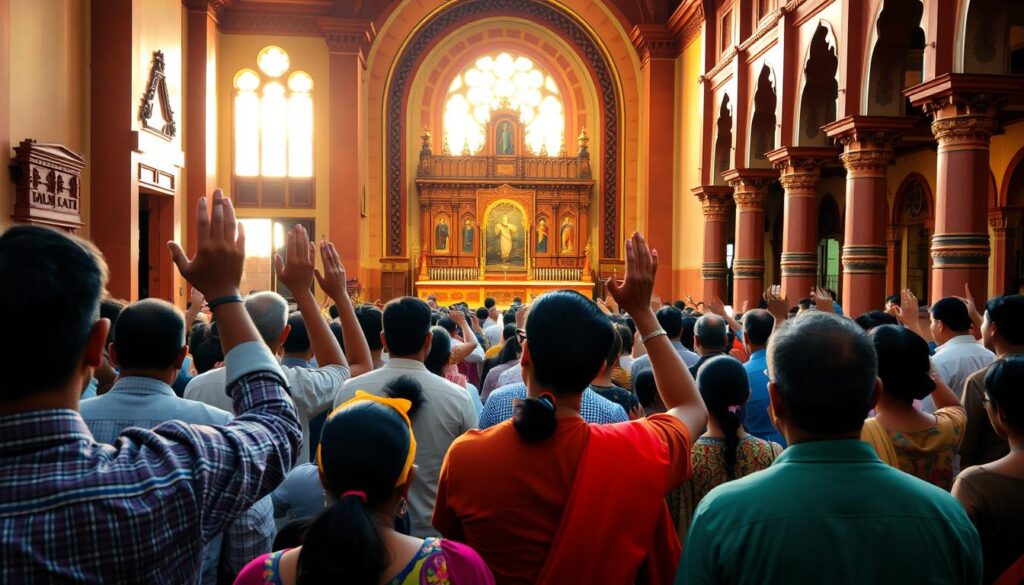
At the core of these spiritual communities lies a revolutionary view of human worth. One local congregation shares: “The Gospel reveals we’re both deeply flawed and profoundly loved.” This perspective shapes how members interact, seeing every individual as bearing divine fingerprints of dignity.

Understanding Church Values and Community Spirit

Weekly gatherings become more than rituals – they’re spaces where people experience belonging. Many groups emphasize practical love through food drives and mentorship programs. “Our faith isn’t confined to Sundays,” explains a volunteer coordinator. “It’s how we approach work conflicts and neighborly disagreements.”

The Role of Worship and Prayer in Daily Life

Morning commutes transform into prayer sessions for some, while others find quiet moments during lunch breaks. This ongoing spiritual dialogue strengthens personal resilience. Members often describe their workplaces as unexpected mission fields where small acts of kindness make big impacts.

The heart of these communities beats strongest in their inclusive approach. From college students to retirees, everyone finds a place to contribute. Shared meals and neighborhood cleanups turn abstract values into visible change, proving faith thrives when lived out loud.

Protestant Churches Toronto: Community and Worship Services

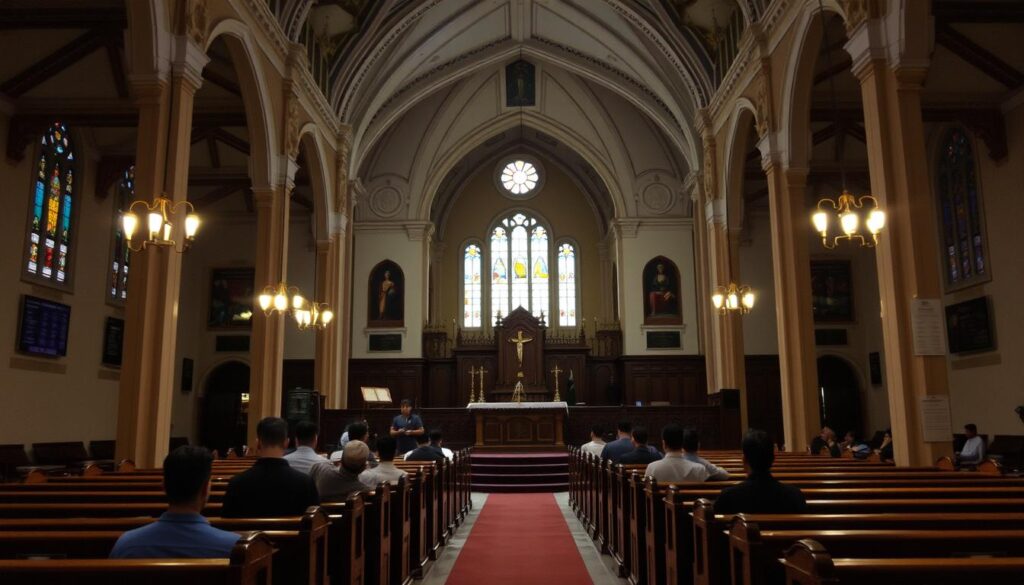
Balancing tradition and flexibility, these communities offer varied worship opportunities to match modern lifestyles. Multiple service times throughout the week make spiritual growth accessible for early risers, night owls, and everyone in between. Online streaming options ensure nobody misses meaningful gatherings, whether they’re homebound or traveling.
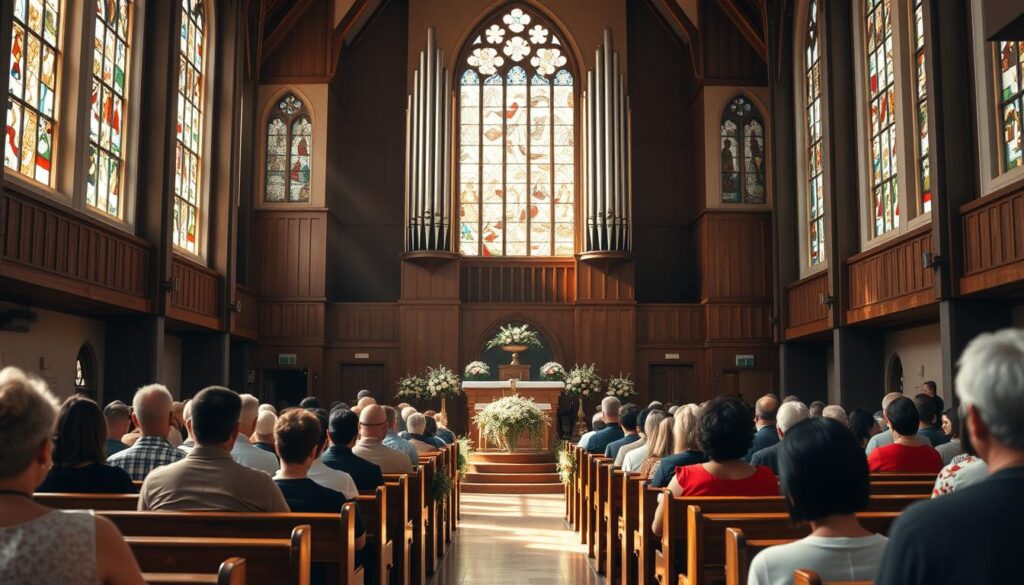
weekly worship services

Weekly Gatherings and Service Times

Many congregations host morning and evening services to accommodate different schedules. One downtown group welcomes families with dedicated children’s programs during their 9:15 a.m. gathering. “Our GT Kids activities let parents focus while children explore faith through age-appropriate lessons,” shares a ministry leader.

Some locations provide contemporary music sessions, while others maintain classic hymn traditions. Midweek study groups and prayer meetings create additional touchpoints for connection. These regular rhythms help members build consistent spiritual habits alongside their daily routines.

Special Events and News Updates

Seasonal celebrations and service projects keep communities engaged beyond Sunday mornings. Summer often brings outdoor concerts and neighborhood barbecues that strengthen relationships. Many groups share real-time updates through social media and email newsletters to keep everyone informed.

From holiday food drives to intergenerational mentorship programs, these events turn faith into action. “Our calendar stays full because people want to make a difference year-round,” notes an events coordinator. Digital platforms help spread the word about volunteer opportunities and inspirational stories.

Exploring Ministries, Leadership, and Community Initiatives

Faith communities thrive when members connect through shared purpose. Across these groups, you’ll find structured programs that turn beliefs into action while nurturing personal growth.

Ministries and Volunteer Opportunities

A variety of ministries address different life stages and interests. From career support groups to senior companionship programs, there’s space for everyone to contribute. “Our volunteers power every initiative,” shares a ministry coordinator. “They cook meals, mentor youth, and even maintain our gardens.”

Ministry Type Focus Area Age Group
Community Care Food distribution All ages
Next Gen Youth mentorship 13-18 years
Creative Arts Worship through music 18+ years

Spotlight on Church Leadership

Experienced leaders guide these efforts with care. Will, a senior minister for over 15 years, holds advanced theology degrees and champions neighborhood partnerships. Facility manager Frank Cormier recently led a rainbow picnic table project that became a local landmark.

Family, Kids, and Youth Engagement

Specialized programs help children explore faith through interactive lessons. Elementary-age kids enjoy story circles, while teens tackle real-world issues in discussion groups. Parents appreciate how these activities build confidence alongside spiritual understanding.

Long-term commitment defines leadership here. Many staff serve for years, creating stability that helps communities flourish. From weekend volunteers to facility managers, every role strengthens collective impact.

Conclusion

For decades, welcoming congregations have shaped lives across the city through shared values and practical service. These spiritual hubs create spaces where people from all walks of life find belonging – whether through weekly worship, summer outreach projects, or year-round mentorship programs.

The iconic rainbow picnic table on Jarvis Street embodies this inclusive spirit. More than a colorful landmark, it declares: “Everyone has a place here.” Such initiatives reflect how communities transform abstract faith into tangible care.

Behind every meal drive and children’s program stand dedicated teams. Staff and volunteers pour years into crafting meaningful experiences, from downtown art ministries to neighborhood prayer groups. Their work strengthens the social fabric one connection at a time.

Ready to explore? Discover how these communities blend timeless traditions with fresh approaches to service. Whether you seek quiet reflection or hands-on volunteering, there’s always room at the table.

FAQ

What are typical service times for weekly gatherings?

Most congregations host Sunday morning services between 9 AM and 11:30 AM. Midweek prayer meetings or Bible studies often occur on Wednesdays or Thursdays. Check individual websites, like St. James Cathedral or Timothy Eaton Memorial Church, for exact schedules.

How can I get involved in community initiatives?

Many locations offer food banks, mentorship programs, or neighborhood cleanups. For example, The Meeting House runs outreach projects downtown. Visit their volunteer pages or contact ministry leaders directly to explore opportunities matching your skills.

Are there programs tailored for families with young kids?

Yes! Churches like Knox Presbyterian provide Sunday school, summer camps, and parent support groups. Youth groups for teens often meet weekly, blending faith discussions with social activities. Some even host parenting workshops or family movie nights.

How do I stay updated on special events or seasonal services?

Subscribe to email newsletters or follow social media accounts (like Yorkminster Park’s Instagram). Many post Easter, Christmas, or summer festival details 4–6 weeks in advance. Bulletin boards onsite also highlight upcoming guest speakers or concerts.

Can I participate in ministries without formal membership?

Absolutely! Initiatives like Habitat for Humanity builds or community gardens welcome all skill levels. Just reach out to the outreach manager—they’ll help you join teams prepping meals, organizing donations, or tutoring local students.

What’s the best way to connect with pastoral leadership?

Attend post-service coffee hours or book a chat via church office phones/emails. Many pastors, like Rev. Andrew Stirling at St. Paul’s Bloor Street, host monthly “Ask Anything” sessions. Others share reflections through podcasts or blogs.
Visit the Protestant Church in Warsaw, Indiana


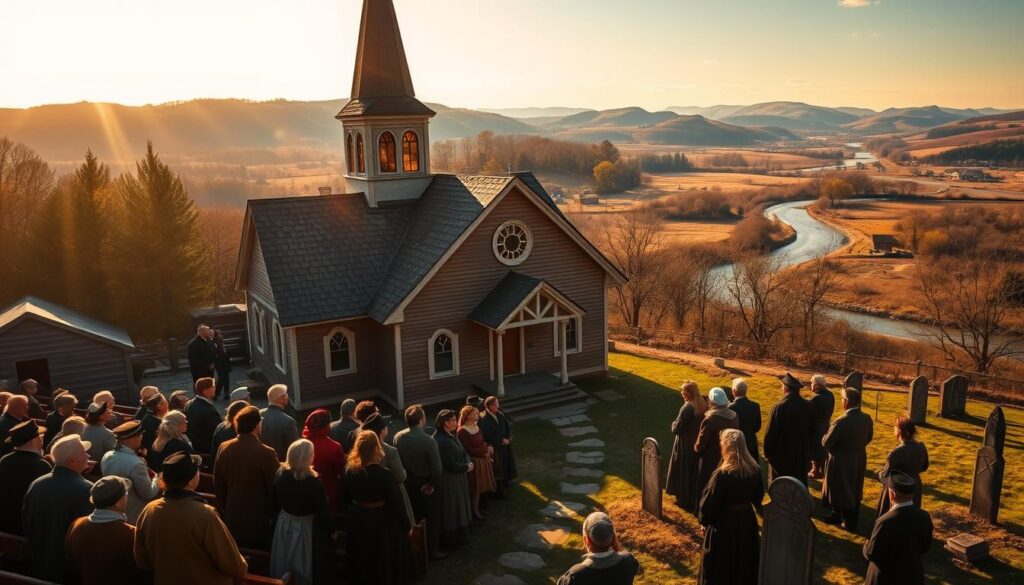
Step into a space where faith and community unite in the heart of northern Indiana. Our local congregation blends timeless values with modern expressions of spirituality, creating a welcoming environment for all. Whether you’re exploring your beliefs or seeking a place to grow, you’ll find connection here.

Engage in uplifting gatherings designed to inspire and strengthen your journey. From heartfelt music to thoughtful teachings, every service aims to meet you where you are. Families and individuals alike appreciate the blend of tradition and fresh perspectives that define our approach.

Beyond weekly meetings, opportunities to serve and connect abound. Local outreach programs and small groups foster relationships that extend beyond the walls of our building. Here, you’re not just a visitor—you’re part of a family committed to making a difference.

Newcomers and long-time residents discover a supportive network that celebrates growth and shared purpose. Join us as we build bridges, share hope, and create meaningful moments together.

Key Takeaways

  • Experience a welcoming atmosphere focused on personal and collective growth.
  • Engage in services that balance tradition with contemporary relevance.
  • Connect through local outreach, small groups, and community-building activities.
  • Find a spiritual home tailored for both individuals and families.
  • Participate in initiatives that positively impact the Warsaw area.

Our Rich History and Heritage

Discover the story etched into every stone and stained-glass window of our spiritual home. For generations, this space has stood as a testament to craftsmanship and enduring faith. Its design reflects both reverence for tradition and a vision for community connection.

Architectural Roots and Gothic Design

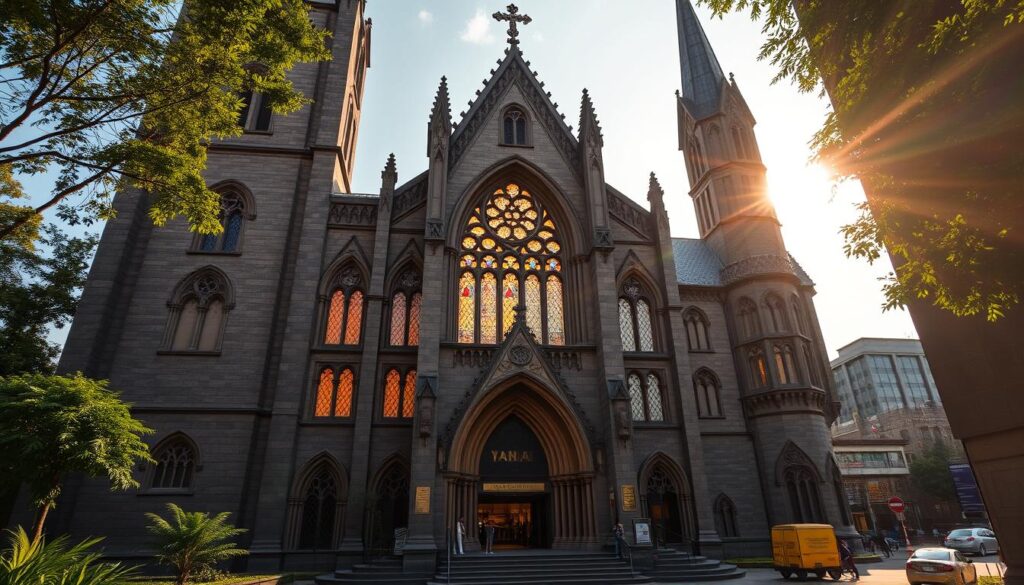
Pointed arches and vaulted ceilings anchor our building’s character. These features mirror the aspiration to reach toward divine truth. Sunlight filters through intricate window patterns, casting colorful reminders of hope across gatherings.

Skilled artisans shaped these walls using methods passed down through centuries. Their work created more than a structure—it built a haven where people find belonging. This commitment to beauty continues to inspire modern visitors.

Surviving Adversity and Renewal

Through fires, storms, and societal shifts, our community rebuilt with resilience. Each restoration project honors the original vision while embracing today’s needs. “We don’t preserve bricks—we strengthen foundations of faith,” remarked a longtime member.

Period Challenge Response
1890s Original construction Hand-carved woodwork installation
1930s Economic hardship Expanded food distribution programs
2000s Modernization needs Energy-efficient updates + heritage conservation

Education remains central to our mission. Early leaders established a school that still operates as part of neighborhood life. Today, study groups explore timeless teachings while addressing current issues.

This legacy of perseverance stems from trust in Jesus Christ and neighborly bonds. As you walk through our doors, you join a living story—one that keeps writing new chapters of grace.

Experience the protestant church warsaw Community

Walk into a space where generations gather to learn, grow, and celebrate together. Our community thrives through shared experiences that nurture both personal faith and collective bonds. Every week brings fresh ways to engage with timeless truths.

Engaging Worship Services and Sunday School

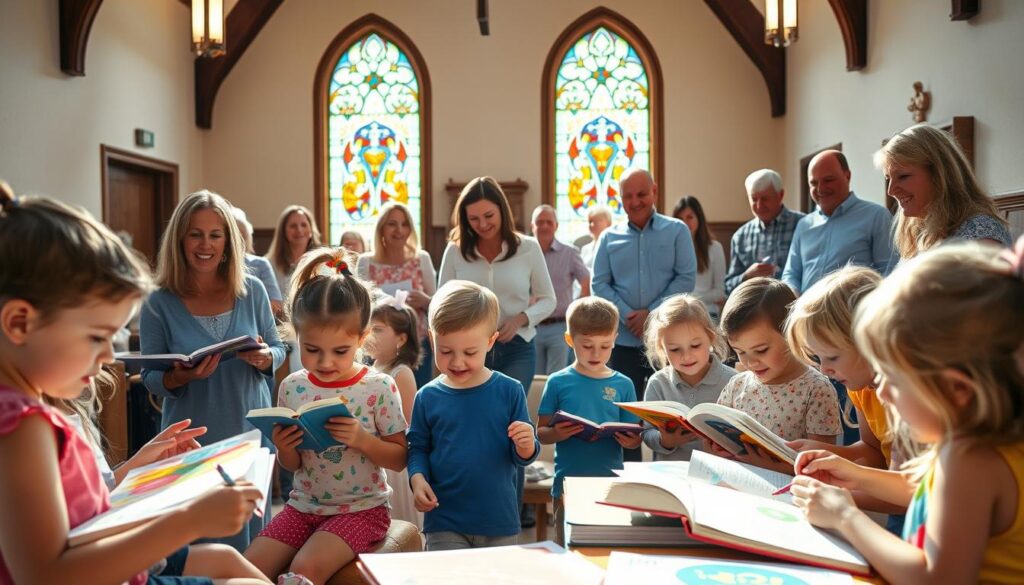
sunday school activities

Weekly gatherings blend uplifting music with practical teachings that resonate across age groups. Dynamic speakers explore how Jesus Christ‘s message applies to modern life. Interactive elements invite participation, turning observers into active contributors.

Learning opportunities extend beyond the main service. Age-specific classes create safe spaces for exploration:

Age Group Focus Area Key Activities
Children (5-12) Bible stories Creative crafts, group games
Teens (13-18) Faith discussions Service projects, peer mentoring
Adults Practical theology Book studies, prayer workshops

Spiritual Growth and Fellowship

Small groups meet regularly in homes and coffee shops across Warsaw. These gatherings strengthen relationships while deepening understanding of scripture. One member shares: “Our group feels like extended family—we celebrate wins and navigate challenges together.”

Seasonal retreats and service trips provide hands-on ways to live out faith principles. Whether planting community gardens or organizing donation drives, members put beliefs into action. These efforts unite people from diverse backgrounds through shared purpose.

Newcomers quickly discover they’re valued part of something bigger. From casual potlucks to deep theological conversations, every interaction builds stronger connections within our growing family.

Ministries, Events, and Virtual Engagement

Discover fresh ways to grow spiritually while building meaningful connections. Our programs blend timeless teachings with innovative approaches, meeting people wherever they are in life’s journey.

Weekly Bible Studies and Community Programs

Small groups gather throughout Warsaw to explore scripture in relatable ways. Sessions cater to diverse interests and schedules:

Group Type Meeting Time Focus
Young Professionals Tuesday evenings Faith in the workplace
Parents & Caregivers Wednesday mornings Raising children with purpose
Seniors Thursday afternoons Legacy-building through service

Local outreach initiatives create tangible impact. Recent projects include:

  • Monthly neighborhood clean-up days
  • Back-to-school supply drives
  • Intergenerational mentorship pairings

Livestream Services and Online Outreach

Can’t join us in person? Our worship gatherings stream live every Sunday across multiple platforms. One regular viewer shares: “The online chat feels like sitting next to friends in the pews.”

Virtual resources keep our community connected 24/7:

  • On-demand video teachings
  • Interactive prayer request forms
  • Digital Sunday School lessons for kids

Through these efforts, we’re redefining what it means to be a spiritual family in the digital age. Whether you’re across town or across time zones, you’re always welcome here.

Conclusion

Your journey toward meaningful connections starts here. In our welcoming environment, individuals and families find space to grow spiritually while building lasting relationships. Whether you’re new to the area or deepening your faith, you’ll discover support at every step.

Engage with programs that blend timeless teachings with contemporary life. From interactive studies to neighborhood projects, there’s room to explore beliefs while making a difference. Shared values create bonds that extend beyond weekly gatherings.

Join our church family and experience how hope takes root in everyday moments. Together, we cultivate purpose through service, learning, and genuine care. Take the next step—your spiritual home in Warsaw awaits.

FAQ

What time are Sunday services held?

Weekly gatherings take place at 9:30 AM and 11:00 AM, with dynamic teachings and uplifting music. Arrive early to connect with others over coffee!

Are there programs available for children?

Yes! Age-specific Sunday School classes meet during both service times. Kids enjoy engaging lessons, crafts, and activities designed to nurture their faith.

How can I join small groups or Bible studies?

Explore weekday gatherings through our online calendar or connect with our welcome team. Groups meet in homes and at the building, focusing on prayer, scripture, and fellowship.

Is the building open for tours or historical visits?

Absolutely! Our Gothic-inspired architecture and stained glass are open to the public weekdays from 10:00 AM to 2:00 PM. Guided tours share stories of resilience and renewal.

Can I watch services online if I can’t attend?

Yes! Livestreams are available every Sunday at 11:00 AM on our website and social media. Past messages and worship sessions are also archived for later viewing.

What outreach initiatives does the congregation support?

We partner with local food pantries, host free community meals, and organize mission trips. Seasonal events like holiday fairs and youth camps foster connection across generations.

Discover the Best Protestant Churches in Manila for Worship and Community


Finding a spiritual home that aligns with your beliefs can transform your life. In a city bursting with cultural diversity, Manila’s faith communities stand out for their warmth and inclusivity. This guide helps you navigate vibrant congregations where meaningful connections and uplifting worship experiences thrive.

Many of these groups trace their roots to 1898, when U.S. chaplains and missionaries introduced Protestant traditions. Today, nearly 11% of Filipinos identify with these denominations, which range from Pentecostal gatherings to locally founded ministries. Each offers unique programs that blend spiritual growth with community service.

Whether you value contemporary music, Bible-based teaching, or outreach initiatives, there’s a place for you here. Some congregations have served neighborhoods for decades, creating tight-knit networks through youth programs and volunteer projects. Others focus on modern worship styles that resonate with younger generations.

Key Takeaways

  • Explore diverse worship styles and denominations across Manila’s faith communities
  • Learn about congregations with deep historical roots and modern approaches
  • Find groups prioritizing fellowship, outreach, and personalized spiritual growth
  • Discover how local ministries actively support their neighborhoods
  • Identify welcoming spaces for newcomers and long-term residents alike

Introduction to Protestant Churches in Manila

Spiritual growth thrives in spaces where melodies meet meaningful connections. Manila’s faith communities offer vibrant hubs where diverse backgrounds unite through shared values and uplifting traditions.

Overview of Worship and Community

Sunday gatherings here range from organ-accompanied hymns to electric guitar-led praise sessions. Many congregations host midweek small groups where people discuss faith journeys over home-cooked meals. These settings foster relationships that support members through career changes, family milestones, and personal challenges.

Community initiatives often include:

Activity Type Traditional Style Contemporary Approach
Worship Music Classical hymns Modern worship bands
Study Format Lecture-style sermons Interactive workshops
Outreach Food drives Tech mentorship programs

The Significance of an Ultimate Guide

Choosing where to grow spiritually impacts daily life more than many realize. Our research highlights communities with childcare support for young families and career-focused ministries for professionals. One member shared: “Finding my group helped me rebuild after losing my job – they became my anchor.”

This guide simplifies your search by matching belief systems with practical needs. Whether you prioritize neighborhood involvement or global missions, the right fit awaits.

Historical Background of Protestantism in the Philippines

The late 19th century brought seismic shifts to the islands’ spiritual identity. As the American colonial regime replaced Spanish rule after 1898, new religious ideas arrived with occupying forces. This pivotal time laid foundations for diverse faith practices that still influence local culture today.

American colonial religious history

U.S. military chaplains became unexpected spiritual pioneers during the Filipino-American War (1899-1902). These volunteers held services for soldiers while introducing Protestant teachings to curious locals. Leaders from major denominations saw the islands as fertile ground for spreading their beliefs, often viewing colonization as divine destiny.

This cross-cultural exchange created lasting changes. Where Spanish Catholicism emphasized hierarchy, American missionaries promoted personal scripture study. Early gatherings blended Western hymns with Tagalog translations, planting seeds for future adaptations. By 1901, organized efforts from groups like Methodists established permanent ministries.

Today’s faith communities reflect this unique heritage. Traditional hymnbooks sit alongside indigenous instruments in many services. Sermons address modern social issues while preserving core teachings from those early years. This blend of old and new continues shaping spiritual journeys across generations.

American Mission and Early Evangelical Efforts

August 28, 1898, changed spiritual life in the islands forever. On that humid Sunday, Chaplain George Stull gathered soldiers in a repurposed Spanish dungeon near Manila Bay. What began as a military service became the first spark of lasting change.

Military Chaplains as Spiritual Pioneers

Stull’s diary reveals curious locals joining his Methodist Episcopal service that day. This unexpected mix of American troops and Filipino seekers planted seeds for cross-cultural congregations. Military chaplains soon expanded their role from comforting homesick soldiers to sharing new interpretations of scripture.

Building Bridges Through Service

Early missionaries faced a delicate task. They introduced fresh ideas to communities steeped in Roman Catholic traditions spanning 300 years. Instead of confrontation, many focused on practical support:

  • Opened clinics treating tropical diseases
  • Established schools teaching English and vocational skills
  • Created literacy programs using translated Bibles

Under American rule, these efforts gained official backing. Denominations built hospitals and colleges that still operate today. One teacher noted: “We didn’t just share hymns – we shared hope through healing and learning.”

This strategic approach helped new teachings take root. While the Catholic Church remained dominant, alternative spiritual paths emerged. Communities discovered choices reflecting both global connections and local needs.

Pioneering Filipino Leaders and Their Legacy

Personal stories often shape spiritual movements in profound ways. The journey of one remarkable family reveals how faith transitions influenced entire communities during a transformative era.

The Zamora Family and Early Conversions

Paulino Zamora’s life changed forever in 1872 when Spanish authorities executed his uncle, priest Jacinto Zamora. This tragedy sparked deep questions about religious authority, leading the family to explore new spiritual paths. Paulino later joined the Masons, becoming a vocal advocate for reform.

His son Nicolas took a different route, joining Methodist missionaries in 1900. Within three years, he rose from deacon to elder, captivating crowds with relatable sermons. “He spoke like someone who understood our struggles,” noted a listener from those early years.

Unlike foreign preachers, Nicolas blended traditional Filipino values with new teachings. He organized study groups that felt like family gatherings rather than formal classes. This approach helped build trust among people wary of foreign-led religious groups.

The Zamoras’ legacy lives on through congregations emphasizing cultural relevance. Their story reminds us that meaningful change often starts with individuals courageous enough to reimagine tradition.

Evolution of Protestant Denominations in Manila

Faith communities in the Philippines began rewriting their spiritual playbook during the early 20th century. What started as foreign-led missions transformed into self-reliant movements shaped by local needs and cultural pride.

Filipino-led Protestant groups history

From Independent Movements to Organized Churches

In 1909, a bold shift occurred in Tondo. Filipino Methodists working with the church United States mission launched Pulong ng Katotohanan (Truth Society). This group organized evangelistic projects without American oversight, planting seeds for homegrown ministries.

Nicolas Zamora accelerated this change by founding IEMELIF – the nation’s first fully independent denomination. His approach blended Methodist teachings with Tagalog language services, creating spaces where neighbors felt understood. One member recalled: “We finally worshipped without feeling like guests in our own land.”

Building self-sufficient communities required innovation:

  • Local leaders developed training programs for pastors
  • Volunteers managed finances through neighborhood contributions
  • Sermons addressed everyday struggles alongside scripture

By the 1920s, these efforts proved independence didn’t mean isolation. New denominations partnered with global networks while keeping decision-making local. This balance of tradition and autonomy continues shaping spiritual journeys across generations.

Architectural and Cultural Significance of Church Buildings

In the heart of spiritual spaces, every curve and corner holds a message. The Church of the Risen Lord stands as a testament to this truth, its parabolic shape challenging traditional notions of sacred design. This unique form reminds visitors that human perfection remains elusive – a concept mirrored in the structure’s gentle slopes that never quite reach a defined peak.

symbolic church architecture culture

Modern meets meaningful in its basilica-style framework. The concrete shell roof, folded like origami paper, creates dynamic acoustics while symbolizing life’s unfolding journey. “The roof isn’t just structural – it’s a sermon in steel and cement,” shares a local architect.

Design Element Cultural Influence Spiritual Symbolism
Parabolic Walls Filipino value of humility Human imperfection
Folded Roof Traditional paper crafts Life’s unfolding path
Open Layout Community-centric values Inclusive worship

These spaces serve multiple roles beyond Sunday services. Many host literacy programs and disaster relief coordination centers. The blending of Western architectural principles with local artistry creates landmarks that resonate with both history and hope.

Light filters through stained glass depicting native flora instead of European saints. Wood carvings by regional artisans adorn prayer niches. This intentional design approach helps people connect faith traditions with cultural identity, making sacred spaces feel like home.

Exploring the “protestant church manila” Experience

Walking into a Sunday service here feels like joining a family reunion where strangers become friends. Voices rise in harmony, blending centuries-old hymns with guitar-led praise songs.

First-time visitors often notice how traditions merge with local culture. English teachings flow seamlessly into Tagalog prayers, while tambourines accent classic organ melodies. One regular shares: “Our music mirrors our lives – rooted in history but dancing with today’s rhythm.”

Traditional Elements Modern Adaptations Community Impact
Scripture recitations Interactive app devotionals Tech mentorship programs
Choir performances Multimedia worship teams Youth skills workshops
Potluck dinners Virtual small groups Online counseling services

Fellowship extends beyond weekly services through neighborhood projects. Professionals mentor students on Saturdays, while retirees organize food drives. These activities create bonds that often last decades.

Newcomers appreciate how teachings address real-world challenges. Recent series covered work-life balance and parenting in the digital age. As one young parent noted: “They don’t just talk about faith – they show how it works Monday through Friday.”

Through years of evolution, these communities maintain their core mission. They’ve become spaces where people from various walks of life grow together, proving that spiritual connection thrives when tradition meets innovation.

Worship, Music, and Community Practices

Harmony of voices and hands in service defines modern faith gatherings. Across the city, worship experiences blend ancient traditions with fresh expressions. Organ-led hymns share space with electric guitar riffs, creating spaces where generations connect through shared rhythms.

Student Ministry and Ecumenical Outreach

Young adults find purpose through specialized programs addressing academic stress and career questions. One thriving group pairs engineering students with mentors in their field while exploring ethical dilemmas. These initiatives reflect a culture that values both practical skills and spiritual growth.

Music bridges global and local traditions seamlessly. Original Tagalog worship songs sit alongside translated classics, creating soundtracks that resonate deeply. Many congregations partner with public schools, offering free education resources through after-school tutoring.

Ecumenical efforts thrive through neighborhood clean-ups and disaster relief collaborations. A church united with Buddhist temples recently built a community garden, proving shared values often transcend doctrinal differences. As one volunteer noted: “We grow better together – both vegetables and friendships.”

FAQ

How did American colonial rule shape religious practices in the Philippines?

During the early 20th century, chaplains and missionaries from the U.S. introduced new denominations like the Protestant Episcopal Church. Their efforts led to the establishment of schools and social programs, blending faith with education.

Who were key Filipino figures in early evangelical movements?

Leaders like the Zamora family played pivotal roles. Nicolas Zamora, for example, broke from foreign-led groups to form the Iglesia Filipina Independiente, emphasizing local leadership and cultural relevance.

What role do student ministries play in these communities?

Organizations like the Student Christian Movement focus on youth engagement, fostering interfaith dialogue and social activism. They often collaborate with universities to address issues like inequality.

Are there unique architectural styles in Manila’s churches?

Yes! Many blend Spanish colonial designs with modern elements. For instance, the Union Church of Manila combines stained glass and tropical motifs, reflecting both heritage and adaptability.

How do denominations address cultural diversity in worship?

Services often incorporate local languages, traditional music, and regional festivals. Groups like the National Council of Churches prioritize inclusivity, adapting rituals to resonate with Filipino customs.

What challenges did early missionaries face?

Beyond language barriers, they navigated resistance from established groups. Books like Protestantism in the Philippines by Cornell University Press detail clashes over doctrine and efforts to build trust.

Protestant Church Drawing: A Captivating Visual Journey


Step into a world where faith and creativity intertwine. For centuries, religious communities have used visual works to express beliefs, share stories, and connect with the sacred. This exploration invites you to discover how one artistic tradition reshaped spiritual expression through its focus on simplicity and personal devotion.

Born from a transformative period in religious history, these artistic creations broke from ornate traditions. Instead of grand icons, they celebrated ordinary moments and individual spiritual journeys. Artists found new ways to illustrate biblical truths through scenes of daily life, making divine concepts relatable to everyone.

Our journey spans from the 16th century to modern studios, revealing how theological ideas shaped artistic styles. You’ll see how simple lines and symbolic details convey complex messages about grace, community, and personal reflection. Unlike other religious art forms, these works prioritize meaning over decoration.

Key Takeaways

  • Discover how theological changes influenced artistic approaches to worship
  • Explore the shift from elaborate decoration to meaningful simplicity
  • Understand the connection between personal faith and visual storytelling
  • Learn how everyday scenes became powerful spiritual symbols
  • See how historical traditions continue inspiring modern creators

Through this friendly guide, we’ll unpack the beauty and purpose behind these remarkable works. Whether you love history, art, or spiritual traditions, prepare to see religious imagery in a fresh, inspiring light.

Origins and Historical Context of Protestant Church Drawing

What happens when spiritual revolutions reshape art? The 16th-century religious shifts didn’t just alter beliefs—they reinvented how communities expressed devotion. At the heart of this change stood bold thinkers who reimagined the role of imagery in worship.

From the Reformation to Artistic Expression

In 1517, a single act sparked a cultural earthquake. Martin Luther’s critique of indulgences challenged both theology and artistic norms. His focus on scripture over clergy authority led to simpler, story-driven works. Artists began illustrating biblical lessons through relatable scenes rather than ornate symbols.

Printing presses spread these ideas rapidly. Woodcuts and engravings became tools for teaching, making faith accessible to everyday people. This shift mirrored Luther’s belief: “True religion needs no golden statues, but open hearts.”

Influential Figures: Divergent Paths

While Luther tolerated some imagery, John Calvin saw it as dangerous. His strict view—that God’s invisibility forbids physical representations—shaped stark worship spaces. This split created two artistic streams:

Leader Art Approach Key Influence
Martin Luther Educational images Biblical storytelling
John Calvin Image-free zones Focus on scripture text

Northern Europe’s churches reflected these differences. Lutheran areas kept decorative elements, while Calvinist regions embraced minimalism. Both styles, however, shared a core goal: making faith personal and direct.

Artistic Elements and Signature Styles in Protestant Art

Imagine a world where art becomes a mirror of both faith and daily existence. Unlike earlier traditions, these creators found spiritual significance in ordinary moments—a baker kneading dough or neighbors gathering for a meal. Their works bridged the gap between sacred ideals and human experience.

protestant art styles

Exploring Religious and Secular Themes

Artists walked a tightrope between tradition and innovation. While some avoided biblical scenes entirely, others reinterpreted them through a new lens. Lucas Cranach’s 1531 Adam and Eve used familiar stories to explore moral choices, while Pieter Bruegel’s Peasant Wedding celebrated community bonds without religious figures.

This shift wasn’t random. Theological beliefs shaped every brushstroke. As one reformer noted, “True worship lives in life’s quiet corners.” Painters used light and composition to highlight dignity in mundane tasks—like Vermeer’s milkmaid bathed in golden sunlight.

Everyday Life Versus Sacred Narratives

Rembrandt’s The Night Watch reveals the era’s priorities. Instead of saints, it honors civic guards—ordinary men protecting their city. Three key techniques transformed daily scenes into spiritual statements:

  • Symbolic lighting: Divine presence suggested through window beams or candle glow
  • Framing choices: Cropped compositions focused viewers on human connections
  • Textured details: Worn hands or patched clothes celebrated humility

These innovations created a visual language anyone could understand. A farmer saw holiness in painted fields mirroring his own. A merchant found grace in market scenes. Through art, complex ideas became touchable—proof that faith thrives beyond church walls.

Understanding “protestant church drawing” in Worship Settings

Visual tools have long shaped spiritual understanding across traditions. In worship spaces, these elements walk a careful line between instruction and inspiration. Their presence reflects deep theological conversations about how humans connect with sacred ideas.

The Role of Imagery in Faith Formation

Many communities embrace art as teaching aids rather than objects of veneration. Stained glass windows once served as biblical comics for those who couldn’t read. Today, modern congregations use projection screens to achieve similar goals—making ancient stories feel immediate.

Historical debates still influence modern practices. The Seventh Ecumenical Council’s decision echoes in churches that display crosses or murals. As one theologian noted, “These visuals aren’t holy themselves—they’re road signs pointing toward holiness.”

Tradition Visual Approach Primary Purpose
Lutheran Educational displays Scripture reinforcement
Calvinist Text-focused spaces Minimal distraction

Contemporary creators find fresh ways to honor both beliefs. A Portland congregation recently installed rotating art shows featuring local artists. “Our walls teach through beauty,” explains their pastor. “They spark conversations about grace during coffee hour.”

This balance keeps imagery as a living part of faith journeys. Whether through children’s bulletin drawings or sanctuary installations, visual language continues shaping how communities experience the divine together.

The Impact of the Protestant Reformation on Visual Culture

How did a religious revolution redraw Europe’s visual landscape? The 16th-century Reformation didn’t just change beliefs—it rewrote the rules of artistic expression. Centuries of tradition collapsed as new doctrines challenged how communities saw—and showed—their faith.

Debates Over Iconography and Religious Representation

Art became a battlefield. Protestant reformers saw lavish images as distractions from scripture. Catholic leaders doubled down on grand visuals to inspire awe. This clash birthed two distinct approaches to sacred art.

Aspect Protestant Approach Catholic Response
Sacred Imagery Limited biblical scenes Elaborate holy figures
Art Patrons Wealthy merchants Church authorities
Symbolic Focus Textual emphasis Sensory experience

The printing press turbocharged this movement. Woodcuts mocking Catholic practices spread like wildfire. One 1521 pamphlet showed church leaders as money-hungry wolves—a viral meme of its day.

Artists adapted to survive. Lucas Cranach shifted from saints to moral allegories. Hans Holbein turned to portraiture. As religion moved from altars to homes, art followed—depicting families reading Bibles instead of praying to statues.

“The Reformation didn’t destroy art—it forced it to grow new roots.”

Art Historian Clara Voss

These changes still echo. Modern churches debate screen projections versus stained glass. Museums preserve Reformation-era works as both art and historical testimony. The great iconography debate lives on—proof that visual language shapes faith as powerfully as words.

Comparing Protestant and Catholic Artistic Traditions

What happens when art becomes theology’s loudspeaker? The 16th century saw two powerful movements craft distinct visual languages. While Reformers stripped down decoration, Catholic creators answered with breathtaking drama.

catholic protestant art comparison

Visual Storytelling from the Reformation and Counter-Reformation

Catholic artists weaponized beauty to defend doctrine. Murillo’s The Immaculate Conception swirls with angels, asserting Mary’s purity against Protestant doubts. Rubens’ Crowning of Saint Catherine bursts with heavenly figures—a direct rebuke to critics of saint veneration.

Three elements defined Counter-Reformation works:

  • Theatrical lighting: Golden beams spotlight divine moments
  • Emotional intensity: Faces glowing with spiritual ecstasy
  • Physical movement: Drapery swirling like visible prayers
Aspect Catholic Art Protestant Art
Focus Miracles & saints Bible stories & daily life
Style Baroque drama Quiet realism
Goal Inspire awe Teach morals

Bernardino Mei’s Christ Cleansing the Temple mirrored Catholic reforms—violent action purging corruption. Meanwhile, Protestant works showed families reading Scripture, making faith personal.

These styles shaped cultures. Catholic regions birthed celestial ceilings and weeping Madonnas. Protestant areas perfected genre paintings where a loaf of bread could symbolize God’s provision.

“The Counter-Reformation didn’t just make art—it made theology you could feel.”

Art Scholar Elena Marquez

Modern Interpretations and Contemporary Influence

A quiet revolution reshapes modern sanctuaries as communities rediscover art’s power to spark connection. Once cautious about visuals, many congregations now weave creativity into worship spaces—stained glass meets projection mapping, ancient symbols merge with digital installations.

modern faith art

How Historical Art Inspires Today’s Believers

Three trends define this renaissance:

  • Ecumenical exchange: Artists borrow Orthodox icon techniques while maintaining Protestant emphasis on personal reflection
  • Tech integration: Apps let users explore biblical scenes through augmented reality
  • Everyday sacredness: Murals depict diverse communities sharing meals, echoing Bruegel’s peasant feasts

Digital platforms amplify these ideas. Instagram accounts like @GospelInColor gain thousands following modern takes on parables. A Chicago ministry uses AI tools to recreate lost Reformation-era sketches, sparking fresh dialogues about faith and innovation.

“Art isn’t decoration—it’s invitation,” notes muralist Lila Chen. Her interactive wall at a Denver worship center lets visitors add painted prayers. This approach mirrors historical teaching methods, using visuals to make theology tangible for all ages.

As denominations collaborate, new traditions emerge. A Boston collective recently blended Lutheran woodcut styles with Mexican folk art—proof that ancient forms still speak across cultures. Through these experiments, communities find fresh ways to honor their roots while painting bold futures.

Conclusion

The story of religious artistry took a dramatic turn five centuries ago. What began as a bold movement challenging ornate traditions grew into a lasting visual language. Through simple lines and humble scenes, artists found ways to make faith feel personal and accessible.

This artistic legacy continues to shape communities today. Modern creators honor historical roots while experimenting with digital tools and diverse styles. Like Rembrandt’s candlelit faces or Vermeer’s sunlit rooms, today’s works find holiness in human connection.

Key ideas from the Reformation still resonate. Biblical authority and everyday dignity remain central to visual storytelling. Whether through centuries-old woodcuts or projected images in modern spaces, the focus stays on meaning over decoration.

As we reflect on this journey, one truth emerges clearly. Spiritual beliefs and creative expression aren’t rivals—they’re partners. Together, they help people see the extraordinary within ordinary lives, proving great art doesn’t need gold leaf to shine.

FAQ

How did the Reformation shape Protestant artistic traditions?

The Protestant Reformation, led by figures like Martin Luther and John Calvin, shifted focus from ornate religious imagery to simplicity. Art became a tool for teaching Scripture rather than venerating saints, emphasizing biblical stories and moral lessons over decorative iconography.

What distinguishes Protestant art from Catholic visual traditions?

While Catholic art often features elaborate statues, stained glass, and depictions of saints, Protestant works prioritize accessibility. They highlight everyday life and biblical narratives, avoiding symbolic excess to align with doctrines like sola scriptura (“Scripture alone”).

Why did everyday scenes become common in Reformation-era art?

Artists like Lucas Cranach the Elder blended sacred themes with relatable settings to connect faith with daily experiences. This approach reflected the belief that spirituality thrives in ordinary life, not just grand rituals.

How did Martin Luther influence religious imagery?

Luther supported art as a teaching aid but rejected idolatry. His collaborations with artists helped create woodcuts and prints that simplified complex doctrines, making them accessible to laypeople during the 16th century.

Were secular themes accepted in Protestant communities?

Yes! Over time, Protestant artists incorporated secular subjects like landscapes and portraits. This reflected a broader view of God’s presence in all creation, not just overtly religious contexts.

What sparked debates about religious images during the Reformation?

Reformers criticized Catholic practices they saw as idolatrous, like praying to statues. This led to iconoclasm in some regions, though many Protestants still used art cautiously to educate rather than adorn.

How does historical Protestant art inspire modern believers?

Contemporary creators draw from Reformation principles—clarity, simplicity, and storytelling—to design spaces and visuals that deepen worship without distraction. Think minimalist designs or narrative-driven installations.

Did Protestant leaders completely reject beauty in worship spaces?

Not entirely. While rejecting extravagance tied to Catholic traditions, reformers like Calvin allowed modest artistic expressions that directed attention to God’s Word rather than human craftsmanship.

Discover the Best Protestant Churches to Visit in Bangalore


Welcome to Bengaluru—a city where spiritual heritage meets modern energy. Perched 900 meters above sea level on the Deccan Plateau, this vibrant metropolis balances its reputation as India’s tech hub with a deep-rooted connection to diverse faith traditions. Among its mosaic of temples, mosques, and gurudwaras, you’ll find over 200 sacred spaces reflecting centuries of architectural and cultural evolution.

What makes these destinations special? It’s their ability to blend history with warmth. Many structures showcase stunning colonial-era designs, while others highlight contemporary styles. Visitors often describe the atmosphere as welcoming—a place where quiet reflection meets community spirit.

From intricate stained glass to soaring spires, each location tells a story. These landmarks aren’t just about worship; they preserve Bengaluru’s layered identity. Whether you’re drawn to artistry, history, or peaceful moments, you’ll find something inspiring here.

Key Takeaways

  • Bengaluru’s elevation and multicultural vibe create a unique setting for spiritual exploration
  • Historic and modern designs coexist, offering visual and cultural richness
  • Sacred spaces here prioritize inclusivity, inviting people from all walks of life
  • Architectural details range from Victorian influences to minimalist modern styles
  • Many sites double as cultural hubs, hosting events that celebrate local traditions

Exploring Bangalore’s Rich Spiritual Heritage

Where glass towers meet ancient spires, a unique harmony of beliefs thrives. The people here have nurtured a secular identity for generations, making the city a living example of unity. Over 150 historic churches stand as architectural landmarks, each telling stories of cultural fusion.

City’s Multi-Religious Legacy

British colonial rule left a lasting imprint, with missionaries and soldiers establishing many places of worship between 1700-1900. These spaces became hubs for diverse groups:

Community Cultural Contribution Language Services
Scottish Settlers Presbyterian traditions English & Kannada
Irish Regiments Military chapel designs Tamil & Telugu
Local Congregations South Indian music Multi-lingual prayers

Interplay of Tradition and Modernity

Morning bells still echo near tech parks, creating surreal moments where past meets present. Many best places for quiet reflection hide in plain sight between coffee shops and coworking spaces.

These landmarks aren’t frozen in time. They host coding workshops beside Sunday schools, proving faith and progress coexist. Visitors often describe the atmosphere as “a time capsule with free Wi-Fi.”

Timeless Architecture and Design of Bangalore Churches

Bengaluru’s skyline tells stories through stone and light. Its sacred spaces showcase a blend of European grandeur and local craftsmanship. From vaulted ceilings to intricate motifs, every detail reflects thoughtful design choices that have endured for generations.

Gothic, Renaissance, and Roman Influences

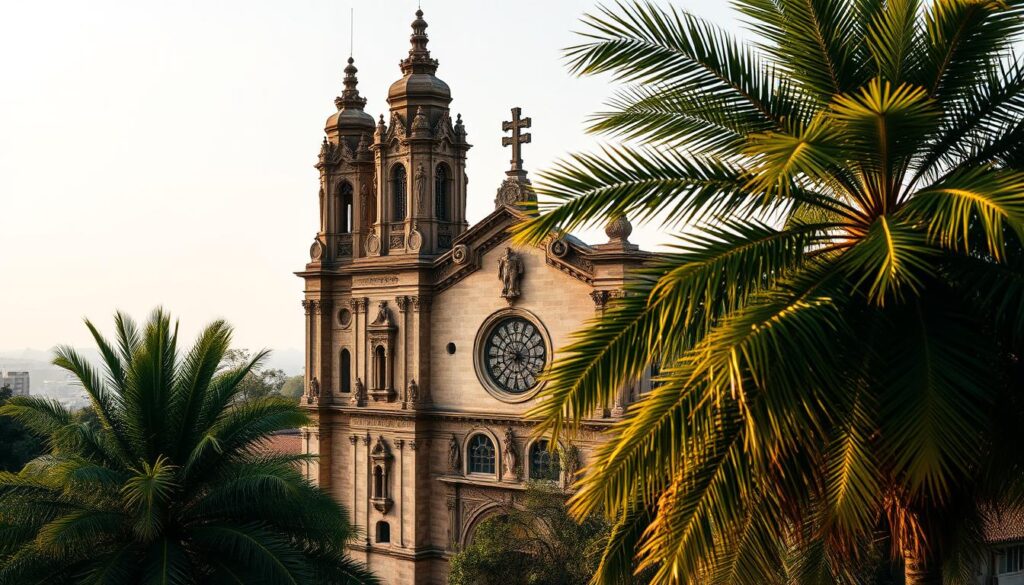
St. Mark’s Cathedral stands as a textbook example of English Renaissance architecture, with symmetrical facades and ornamental pillars. Meanwhile, St. Mary’s Basilica leans into Gothic drama—pointed arches and ribbed vaults create a sense of upward motion. “The columns seem to reach for the heavens,” one visitor noted.

stained glass windows

Sacred Hearts Church offers a stylistic cocktail. Its main structure nods to French Gothic traditions, while side altars feature Roman-inspired domes and classical columns. This fusion creates visual contrast without losing harmony.

Unique Features: Stained Glass, Pipe Organs, and More

No visit is complete without admiring the stained glass windows. At St. Luke’s, sunlight transforms biblical scenes into kaleidoscopic displays. The colors shift throughout the day, offering new perspectives with each hour.

Music lovers gravitate toward St. John’s Church, home to a rare 19th-century pipe organ. Its deep, resonant tones still accompany hymns during services. Equally impressive is St. Luke’s 80-foot tower—a granite-and-glass marvel blending Indian craftsmanship with Western engineering.

These structures prove that beauty serves purpose. Their architecture isn’t just decorative—it shapes how light falls, how sound travels, and how communities gather. Each style tells a chapter of Bengaluru’s evolving story.

Historic Landmarks: Iconic Churches of the City

Bangalore’s streets whisper tales of faith etched in stone and stained glass. These sacred sites blend spiritual significance with dramatic historical events, creating living museums of colonial-era India.

Famous Sites and Their Stories

St. Mark’s Cathedral stands proudly on M.G. Road as the oldest Anglican place of worship in the region. Its English Renaissance arches have sheltered worshippers since 1808. Nearby, Holy Trinity Church broke ground in 1852 after soldiers protested restrictive policies—a bold move that attracted famous visitors like Winston Churchill.

Landmark Year Built Unique Feature
Fort Church 1808 First Protestant site (demolished 1933)
St. Patrick’s 1844 Dome entrance for Irish troops
Holy Trinity 1852 Military protest origins

Preserving Colonial and Spiritual Heritage

Many original structures faced challenges over time. The Fort Church made way for hospitals, but its story lives through archives. Conservation teams now use 3D mapping to protect remaining sites. “These places aren’t just buildings—they’re time capsules,” notes a local historian.

From soldier gatherings to modern-day tours, these landmarks continue bridging past and present. Their survival depends on careful restoration—ensuring future generations can touch the same stones that witnessed history unfold.

Protestant Church Bangalore: A Closer Look

Modern Bengaluru thrives on innovation, yet its sacred spaces remain anchors of cultural continuity. These institutions blend tradition with urban energy, creating hubs where faith meets daily life.

multicultural worship Bangalore

Historical Impact and Community Role

The Assembly Of God Bethel Church redefines scale in spiritual gatherings. With space for 10,000 attendees, it hosts services in eight languages—from French to Nepali. “Our doors open wider than our sanctuary,” shares a longtime member.

All Peoples Church exemplifies grassroots growth. What began with 10 individuals in 2001 now draws thousands weekly. Founder Ashish Raichur notes:

“True community starts when strangers become family through shared purpose.”

Architectural and Cultural Insights

Modern designs prioritize connection over ornamentation. Sprawling auditoriums feature advanced acoustics, while flexible seating adapts to diverse events. Observe how these spaces serve multiple roles:

Feature Assembly Of God All Peoples
Capacity 10,000 3,500
Languages 8 5
Founded 1986 2001

Glass facades and open lobbies create welcoming environments. Yet traditional elements persist—hymn boards display lyrics in regional scripts, blending heritage with modernity. These spaces prove that spiritual centers can evolve without losing their soul.

Weekend Getaways and Spiritual Retreats in Bangalore

Looking for a peaceful escape from Bengaluru’s fast-paced life? The city’s spiritual landmarks offer perfect weekend getaways where history and tranquility meet. These sacred spaces transform into havens of calm, especially during special events that blend devotion with dazzling displays.

spiritual retreats Bangalore

Ideal Sites for a Relaxing Visit

St. Mark’s Cathedral becomes a winter wonderland each December. Thousands of fairy lights outline its English Renaissance arches, creating a magical setting for evening carol services. Visitors often describe the atmosphere as “a holiday postcard come to life.”

At Francis Xavier’s Cathedral, New Year’s Eve shines bright. The granite cross glows with multicolored LEDs, while midnight mass features candlelit processions. It’s one of the best places to witness community joy blending with spiritual reflection.

September brings vibrant energy to St. Mary’s Basilica. The 10-day Marian festival culminates in a flower-decked procession through nearby streets. Locals recommend arriving early to secure a spot near the main altar.

Location Best Time Key Feature
St. Mark’s Cathedral December Light-covered arches
Francis Xavier’s December-January Illuminated cross
St. Mary’s Basilica September Floral procession

Beyond festivals, these sites offer daily retreat opportunities. Morning visitors find serenity in courtyard gardens where birdsong replaces traffic noise. The best time for solitary reflection? Weekday dawn hours, when soft light filters through stained glass.

Planning your visit around these events turns a simple trip into a memorable weekend getaway. Each location combines architectural beauty with seasonal traditions, proving spiritual refreshment exists just beyond Bengaluru’s tech parks.

Understanding the History of Church Establishments

Every brick in Bengaluru’s historic worship sites whispers tales of yesteryears. These structures began as modest meeting places, evolving into architectural marvels through colonial ambition and community dedication. Their timelines reveal surprising twists—from policy disputes to reconstruction sagas.

Colonial Roots and Modern Restorations

Trinity Church’s 1848 foundation marked a turning point. Built to serve British regiments, its completion in 1852 sparked demand for more spaces. The East India Company initially resisted, enforcing a controversial ‘One Station, One Church’ rule. This policy collapsed faster than Francis Xavier’s Cathedral cross did in 1912—a dramatic event requiring post-WWI reconstruction.

Landmark Year Started Notable Fact
Sacred Heart 1880 Began in rented bungalow
All Saints 1869 13-month construction
St. Andrews 1866 Military-funded project

Evolution of Worship Spaces Over the Years

Early congregations often met in repurposed barracks. Sacred Heart’s journey from Race Course Road cottage to Gothic masterpiece shows this transformation. “We build not just walls, but bridges between eras,” declared Rt. Rev. Msgr. Kleiner at its 1893 expansion.

Military chapels gradually welcomed civilian worshippers. Builders faced unique challenges—imported stained glass survived monsoons, while local granite withstood decades of use. Today, careful restorations maintain original designs while upgrading facilities for modern needs.

These sites now serve dual roles: active church communities and heritage landmarks. Their survival across two centuries proves Bengaluru’s talent for blending tradition with reinvention.

Navigating Church Locations Across the City

Exploring Bengaluru’s spiritual landmarks becomes an urban adventure where history hides between modern storefronts. Let’s map out must-see spots and quiet treasures worth discovering.

Popular Areas: Brigade Road and M.G. Road

Two iconic streets anchor the city’s spiritual geography. St. Mark’s Cathedral dominates M.G. Road with its Renaissance arches, while St. Patrick’s sits just off bustling Brigade Road. Both locations blend seamlessly with shopping districts – perfect for combining cultural visits with café stops.

Don’t miss Holy Trinity Church at M.G. Road’s eastern end. Its military heritage adds unique character to this historic corner. These places Bangalore visitors love remain accessible via metro stations and ride-sharing apps.

Hidden Gems in Lesser-Known Neighborhoods

Venture beyond main thoroughroads to find quiet sanctuaries. Cooke Town’s century-old chapels surprise with Art Deco details, while Richards Town hides a minimalist prayer hall inside a converted bungalow.

Local tip: Use cycling routes to uncover these churches Bangalore residents cherish. Many sit near leafy parks, offering peaceful respites from urban noise. Whether you seek grandeur or simplicity, the city delivers diverse spiritual places waiting to be explored.

FAQ

What architectural styles can I find in the city’s historic places of worship?

Many sites blend Gothic, Renaissance, and Roman influences, featuring elements like pointed arches, intricate carvings, and towering spires. Stained glass windows and pipe organs are common highlights.

Which areas are best for exploring spiritual landmarks?

Brigade Road and M.G. Road host well-known sites, while quieter neighborhoods hide lesser-known gems with unique stories. These areas reflect the city’s multi-religious legacy and colonial past.

Are there any serene spots for a weekend retreat?

Yes! Several locations offer peaceful settings for reflection, combining lush greenery with timeless design. These spaces provide a break from urban life while celebrating cultural and spiritual heritage.

How have these religious sites evolved over time?

Originally built during colonial rule, many have undergone careful restorations to preserve their original charm. Modern updates often balance tradition with contemporary needs for community gatherings.

What role do these landmarks play in local culture?

Beyond worship, they serve as hubs for events, festivals, and social initiatives. Their design and history also attract art lovers and history enthusiasts, fostering a deeper connection to the city’s roots.

Can visitors attend musical performances or events?

Some venues host choir recitals, organ concerts, and seasonal celebrations. Check local listings for events open to the public—experiencing live music in these acoustically rich spaces is unforgettable.

What makes the stained glass windows special?

Crafted with vibrant colors and detailed biblical scenes, these windows transform sunlight into dynamic storytelling. They’re not just decorative but also symbolize spiritual themes through artistry.

Explore the Protestant Church Experience in Mumbai


Mumbai’s skyline tells stories of faith through its diverse places of worship. Among them stand historic sanctuaries blending colonial architecture with modern spiritual vitality. These spaces offer more than Sunday services—they’re hubs for cultural exchange and community support.

Some congregations trace their roots to the 18th century, like the iconic cathedral near Horniman Circle. Others thrive in contemporary settings, hosting events from youth programs to multilingual gatherings. Weekly activities often include food drives, music workshops, and interfaith dialogues, reflecting the city’s dynamic energy.

Visitors appreciate the mix of traditional hymns and contemporary worship styles. Many communities provide translation devices or bilingual bulletins, ensuring everyone feels included. Seasonal festivals and charity bazaars frequently bring neighborhoods together under shared values.

Key Takeaways

  • Historic and modern worship spaces coexist across the city
  • Multilingual services cater to diverse cultural backgrounds
  • Community programs extend beyond religious activities
  • Architectural landmarks double as cultural treasures
  • Flexible worship styles accommodate various preferences

Overview of Mumbai’s Diverse Church Landscape

Mumbai’s architectural tapestry reveals layers of cultural exchange through its worship spaces. Stone walls whisper colonial-era stories while glass-fronted buildings pulse with today’s rhythms, creating a unique spiritual mosaic.

Historic Churches and Cultural Heritage

St. Thomas Cathedral, founded in 1718, anchors the city’s Christian legacy with its weathered spires. Nearby, the Afghan Church’s Gothic arches—built in 1865—still echo with military hymns from British regiments. These landmarks preserve craftsmanship from another century, like All Saints’ intricate stained glass depicting biblical scenes.

Modern Worship Spaces and Community Hubs

Newer congregations thrive in places like The Church at Powai, where weekend services blend live bands with tech-friendly prayer apps. Many host job fairs or free tutoring centers, addressing urban challenges beyond Sunday gatherings. A member recently shared: “Our book club connects retirees with college students—faith becomes friendship here.”

From Malabar Hill’s heritage sites to Bandra’s multicultural hubs, these spaces adapt while honoring tradition. Whether you seek quiet reflection or volunteer opportunities, Mumbai’s spiritual venues offer doors open to all.

History and Evolution of Religious Architecture in Mumbai

The city’s spiritual edifices stand as testaments to evolving design philosophies over generations. Colonial rulers left indelible marks through stone carvings and vaulted ceilings, blending European traditions with local craftsmanship.

Portuguese Influences and Gothic Styles

Sixteenth-century Portuguese Jesuits pioneered Mumbai’s earliest European-style buildings. St. Michael’s (1534) introduced arched doorways and barrel vaults, while St. Andrew’s (1575) showcased intricate limestone facades. Gothic elements flourished under British rule, seen in Gloria Church’s 160-foot turrets mirroring Canterbury Cathedral’s silhouette.

Portuguese Jesuit architecture Mumbai

Architectural Adaptations Through the Centuries

Builders cleverly modified European blueprints for Mumbai’s tropical climate. High ceilings promoted airflow, while shaded verandas replaced enclosed naves. Materials shifted from imported marble to durable local basalt during the Victorian age.

Period Key Features Example
1500s-1700s Baroque facades, courtyards St. Michael’s
1800s Gothic spires, stained glass St. Thomas Cathedral
1900s-present Steel reinforcements, solar panels Contemporary worship centers

Modern renovations balance heritage preservation with functionality. “We maintain original wood beams while adding wheelchair ramps,” shares a conservation architect. This fusion honors the past while serving today’s diverse communities.

Directory of Protestant Church Mumbai Services

Finding faith-based gatherings in a bustling metropolis just got simpler. This curated list connects seekers with active congregations offering diverse worship styles and community programs. Whether you prefer traditional liturgy or contemporary services, there’s a welcoming space for everyone.

Service Listings and Contact Information

Discover congregations across the city with verified details updated monthly. Our table below shows key details like contact numbers and service languages. Ratings help identify communities loved by their members.

Community Contact Rating Languages
The Church at Powai +91-XXXXX5829 4.6★ English, Hindi
MFC Fellowship +91-XXXXX7077 5★ Multilingual
New City Community +91-XXXXX6119 4.3★ English
All Saints Tamil +91-XXXXX8618 3.9★ Tamil, English
Jeevan Shanti +91-XXXXX-NA 4.4★ Marathi, Hindi

Many locations host special programs like career workshops or senior socials. Weekday evening services help busy professionals maintain spiritual routines. One member shares: “The midweek prayer group became my stress-relief sanctuary.”

Digital resources make first visits easier. Most communities share service times and parking tips online. Remember to check websites for holiday schedules or monsoon weather updates before visiting.

Key Service Details and Mass Timings

Planning your visit to spiritual gatherings just got easier. Communities across the city provide diverse schedules to match every routine, from early risers to night owls. You’ll find options that sync with work hours, family needs, and cultural preferences.

service schedules in Mumbai churches

Weekday and Weekend Schedules

Check this table for popular locations and their regular timings:

Community Weekday Services Sunday Services
Living Word Closed 9am, 11am
Gloria 7:30am, 7pm (Eng) 7am, 8:15am, 9:30am, 5:30pm
Portuguese (Dadar) 6am, 6:45am, 7:30am, 7pm 6:30am, 8am, 9:30am, 5:45pm (Konkani), 7pm
St. Thomas 7am-3pm (visits) 8:45am worship

Early morning slots help beat traffic, while evening services welcome those wrapping up work. Some locations stay open all day for quiet reflection, like Mount Mary’s 8am-8:30pm visiting hours.

Special Events and Celebrations

Holidays transform these spaces into vibrant hubs. Easter sunrise gatherings and Christmas carol nights often see triple the usual attendance. One organizer notes: “Our harvest festival feeds 1,200 families while celebrating gratitude.”

Multilingual programs bridge language gaps. You might hear prayers in Konkani, Tamil, or Marathi alongside English. Many communities livestream major events so distant members can join.

Architectural and Historical Highlights

From Gothic turrets to monsoon-ready porches, these sacred spaces showcase adaptive brilliance. Their designs tell stories of cultural fusion, where European blueprints met local ingenuity.

Monumental Landmarks and Unique Designs

One of the oldest churches in the city, St. Thomas Cathedral (1718), stuns visitors with Neo-Gothic arches and brass-polished windows. Its UNESCO-listed structure features Plaster of Paris interiors that glow under stained glass light. Nearby, Gloria Church’s 160-foot towers mirror England’s Canterbury Cathedral but add tropical touches like shaded walkways.

historic church architecture Mumbai

The Afghan Church honors fallen soldiers with memorial plaques beneath its vaulted ceiling. Builders cleverly incorporated high ceilings to combat humidity while maintaining Gothic grandeur. A conservation expert notes: “These spaces blend memorial purpose with active worship—a rare architectural duality.”

Preservation Efforts and New Developments

Modern teams use 3D scanning to restore century-old stonework without losing original details. Check current projects in this table:

Landmark Preservation Technique Year Completed
St. Thomas Lime mortar restoration 2022
Gloria Structural reinforcement Ongoing
Afghan Church Stained glass replication 2021

Newer buildings adopt solar panels and wheelchair ramps while respecting historic styles. Communities balance heritage with functionality—proof that sacred spaces can evolve without losing their soul.

Notable Church Landmarks in Mumbai

Mumbai’s architectural gems blend spiritual significance with visual grandeur. Two sites stand out for their cultural impact and timeless design.

Iconic Sites Like Mount Mary and St. Thomas Cathedral

St. Thomas Cathedral anchors the city’s heritage with its UNESCO-recognized Neo-Gothic spires. Built in 1718, this landmark welcomes visitors weekdays from 7am to 3pm. Its Sunday services at 8:45am continue three centuries of tradition.

Perched above the Arabian Sea, Mount Mary Church attracts thousands during its September festivals. The basilica’s 16th-century statue and hilltop views make it a favorite spot for reflection. Though Catholic, it shares Mumbai’s Christian legacy with neighboring Protestant communities.

Both sites showcase how sacred spaces shape urban identity. Their towers and arches serve as meeting points for locals and guideposts for explorers. As one historian notes: “These landmarks turn stone into stories anyone can experience.”

FAQ

What is the oldest church in Mumbai?

St. Thomas Cathedral, built in 1718, is among the city’s oldest. Its Gothic architecture reflects Mumbai’s colonial past and remains a key heritage site.

How did Portuguese influences shape Mumbai’s religious buildings?

Portuguese Jesuits introduced Baroque and Gothic styles in the 16th century. Structures like Our Lady of Immaculate Conception Church showcase intricate facades and vaulted ceilings.

Where can I find service timings for Protestant congregations?

Most listings, like St. John the Baptist Church, share schedules online. Weekday services often occur mornings, while Sundays feature larger gatherings with hymns and sermons.

Are there churches in Mumbai that host cultural events?

Yes! Afghan Church and Gloria Church organize choir performances, holiday markets, and interfaith dialogues, fostering community connections beyond worship.

What architectural styles dominate Mumbai’s churches?

Gothic Revival, Neo-Classical, and Indo-Gothic blends are common. St. Michael’s Church in Mahim mixes Portuguese design with local craftsmanship.

Can visitors access historic church interiors during non-service hours?

Many, like St. Thomas Cathedral, welcome tourists on weekdays. Check official websites or call ahead, as preservation projects may limit access occasionally.

Which churches are known for annual festivals?

Mount Mary Basilica’s September Feast draws thousands. St. Peter’s Church in Bandra also celebrates São João with traditional dances and boat parades.

How do I contact a specific congregation for event details?

Direct numbers and email addresses are often listed on church websites. For example, Dadar’s St. Paul’s Church shares updates via social media too.