Recent Posts

What Beliefs Do Baptists Have?


Exploring the foundations of one of America’s most influential Christian traditions reveals a deep commitment to scripture and individual spiritual responsibility. Emerging during the 17th-century Reformation, Baptist congregations prioritized personal faith over institutional mandates. Their early emphasis on soul liberty—the idea that every person answers directly to God—shaped their distinct identity.

Central to their practice is believer’s baptism, a symbolic act reserved for those who consciously choose faith. Unlike infant baptism, this ritual reflects a personal declaration of belief. Equally important is the principle of local church autonomy, where congregations govern themselves without external hierarchies.

Historical records show Baptists championed religious freedom, influencing the separation of church and state in early America. Their doctrinal roots trace back to New Testament teachings, with scripture serving as the ultimate authority. Over time, these core ideas evolved, adapting to cultural shifts while maintaining theological consistency.

Key Takeaways

  • Scripture is the supreme authority in Baptist theology.
  • Believer’s baptism symbolizes voluntary faith commitments.
  • Local churches operate independently without denominational control.
  • Religious freedom and individual conscience are foundational principles.
  • Historical ties to the Reformation shape modern practices.

Introduction to Baptist Beliefs

Tracing its roots to 17th-century England, this faith tradition grew from reformers seeking to align Christianity with New Testament patterns. Early advocates rejected state-controlled religion, prioritizing voluntary faith and congregational independence. Their convictions sparked a global movement that later flourished in colonial America.

Historical Background and Origins

Originally influenced by Calvinist theology, early groups like Particular Baptists emphasized predestination. By the 18th century, evangelical revivals shifted focus toward personal conversion experiences. The Great Awakening further blended Baptist ideals with grassroots evangelism, creating lasting ties to American religious culture.

Core Doctrines at a Glance

Three pillars define their framework:

  • Bible authority over tradition or hierarchy
  • Membership limited to professing believers
  • Self-governing local churches free from external control

These principles allowed congregations to adapt while maintaining doctrinal unity. Revival meetings in the 1800s expanded their influence, linking individual spirituality with community transformation.

what beliefs do baptist have

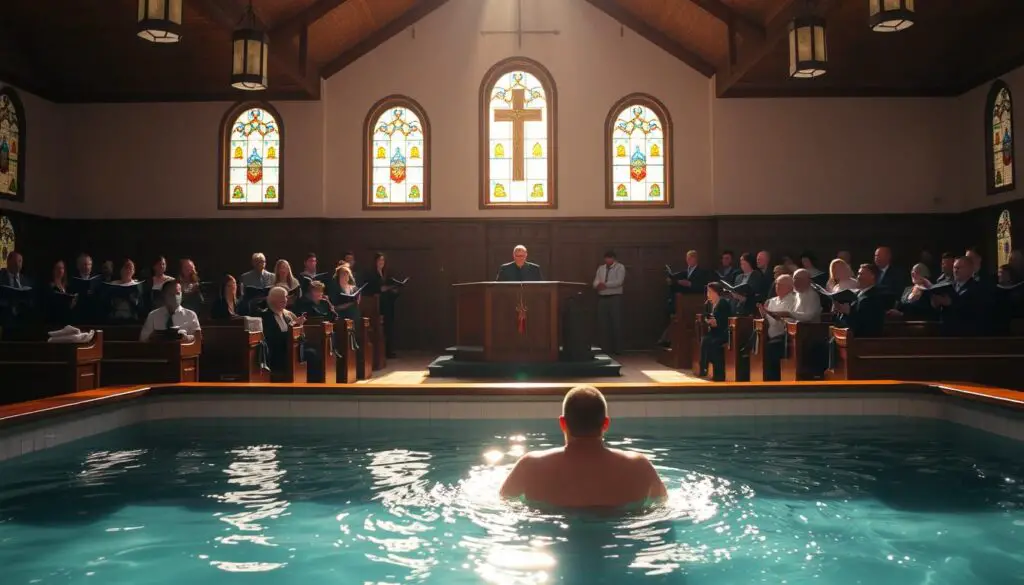
Personal faith journeys and community accountability define this tradition. Unlike infant baptism practiced elsewhere, water immersion here marks a conscious choice made after spiritual awakening. This act symbolizes cleansing from past mistakes and rebirth into a faith-driven life.
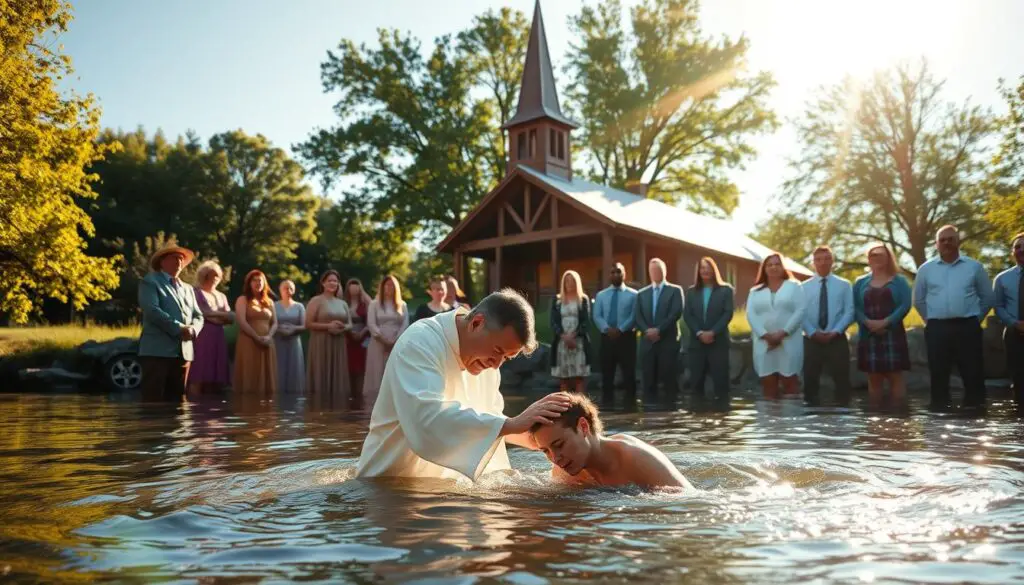
Baptist baptism practices

Scriptures serve as the ultimate guidebook for daily living. Members turn to biblical teachings to navigate relationships with one another and society. A 2022 Pew Research study found 89% of Baptist congregants view the Bible as literal truth, shaping ethical decisions and communal norms.

Church membership requires personal testimony of conversion. Leaders often interview candidates to confirm genuine understanding of faith commitments. This creates congregations where every member actively participates rather than passively attends.

Practice Baptist Approach Common Alternatives
Baptism Timing After personal conversion Infancy or childhood
Membership Requirement Verbal testimony of faith Family heritage
Scripture Application Direct personal interpretation Clergy-led guidance

These principles foster churches where people support each other through life’s challenges. Weekly gatherings often include shared meals, prayer circles, and collaborative service projects. Over time, these practices build tight-knit communities centered on mutual spiritual growth.

The Authority of Scripture in Baptist Thought

“The Holy Scripture is the only sufficient, certain, and infallible rule of all saving knowledge, faith, and obedience,” declares the Second London Confession of 1689. This bold statement captures the heartbeat of Baptist theology—a deep trust in God’s Word as the ultimate compass for life and worship.

Understanding Biblical Infallibility

For congregations in this tradition, the Bible isn’t just helpful—it’s without error in matters of faith. The Philadelphia Confession (1742) reinforces this, calling Scripture “the supreme judge” in religious disputes. Every teaching, practice, or moral question gets measured against its pages.

This conviction shapes how people approach decisions. Pastors and members alike study texts directly rather than relying solely on denominational decrees. It’s why many churches encourage personal Bible reading alongside Sunday sermons.

Confessions and Interpretations

While confessions like the New Hampshire Baptist Statement of Faith exist, they’re seen as guides—not replacements for Scripture. As one 19th-century leader noted: “Our church has no creed but the Bible.” These documents summarize shared understandings but remain open to revision if new biblical insights emerge.

This non-creedal approach fosters unity without uniformity. Local congregations might interpret certain passages differently while still affirming the Bible’s central authority. It’s a balancing act between individual conscience and collective wisdom rooted in God’s Word.

“The Scriptures… are given by inspiration of God to be the rule of faith and life.” – Philadelphia Confession of Faith

The Significance of Believer’s Baptism

Dipping beneath the water’s surface marks more than a ritual—it’s a public declaration of faith. This practice anchors spiritual identity within congregations, blending ancient symbolism with personal conviction.

Baptism by Immersion Explained

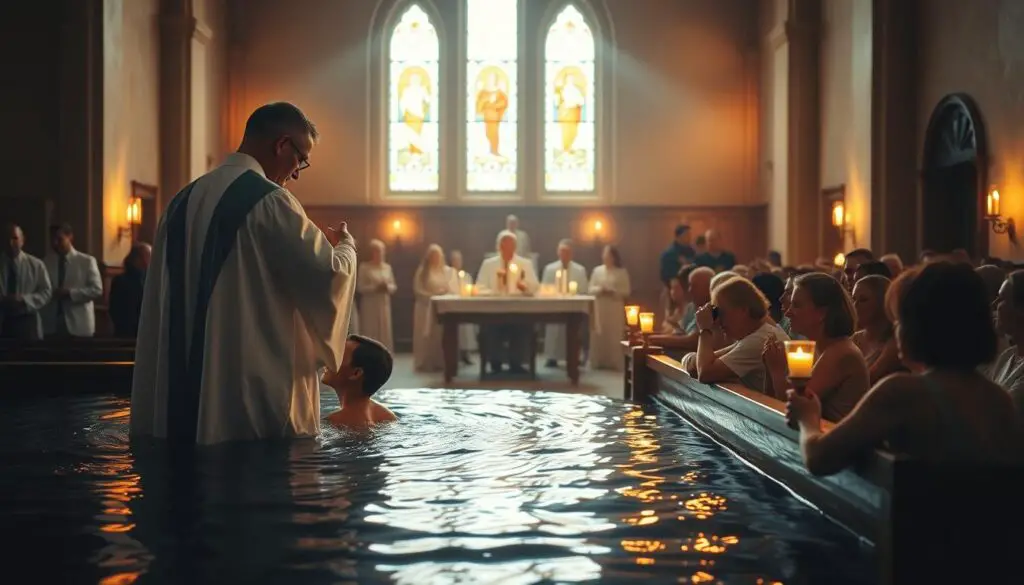
Full-body immersion mirrors New Testament accounts of Jesus’ baptism. Unlike sprinkling or pouring, this method visually reenacts burial and resurrection. Early church writings from the 2nd century AD describe converts being “plunged three times” into water as standard practice.

Baptists maintain this physical act reflects a spiritual truth. When believers descend into the water, they symbolize dying to old habits. Rising up represents embracing new life through Christ’s victory over death.

Symbolism and Spiritual Renewal

The ritual acts as a spiritual reset button. Participants publicly affirm their commitment to follow biblical teachings. This contrasts with traditions where infants receive baptism before understanding its meaning.

Churches often host baptism services during Sunday gatherings. Friends and family cheer as individuals step into the water. These moments create lasting memories while reinforcing the church’s role in nurturing faith journeys.

For many, the experience sparks deeper engagement with scripture and service. It’s not just about getting wet—it’s about washing away doubt and rising with purpose.

Local Church Autonomy and Membership

In congregations across America, a unique blend of independence and fellowship shapes community life. Each local church operates as its own governing body, free from external denominational control. This structure allows communities to adapt practices while maintaining core principles.
local church autonomy and membership

Church Governance and Decision Making

Pastors and deacons lead spiritual and practical matters, but final authority rests with the congregation. Major decisions—like budget approvals or staff hires—often involve member voting. Monthly business meetings keep everyone informed and engaged.

While independent, many churches join regional associations for shared resources and missions. These partnerships provide support without compromising self-governance. It’s a balance between freedom and collaboration.

Steps to Becoming a Church Member

New members typically complete a membership class covering core teachings. Afterward, they share their faith journey with church leaders. This interview ensures alignment with the congregation’s values.

Following baptism, candidates are presented to the church for affirmation. Active participation in services and outreach becomes part of their spiritual commitment. This process builds accountable relationships within the faith community.

Worship, Communion, and the Lord’s Supper

Sunday mornings in Baptist congregations blend heartfelt singing with deep spiritual reflection. Services often open with hymns and contemporary worship songs, creating space for collective praise. Expository sermons—verse-by-verse Bible teachings—anchor these gatherings, helping members apply scripture to daily life.

Communal Worship Practices

Spontaneous prayer marks Baptist worship styles. Members frequently share prayer requests aloud, followed by group intercession. This practice reinforces the one another principle seen in New Testament letters—believers supporting each other through life’s joys and struggles.

Music teams typically include volunteers from the church, fostering participation over performance. Many congregations alternate between traditional hymns and modern worship choruses, balancing reverence with cultural relevance.

Meaning of the Lord’s Supper

Communion services occur monthly or quarterly, depending on the church. Unleavened bread and grape juice symbolize Christ’s body and blood, recalling His sacrificial death. Unlike some traditions, Baptists view this as memorial—not literal transformation.

“This bread represents His broken body; this cup signifies the new covenant—do this in remembrance of Me.” – Pastor explaining communion liturgy

Practice Baptist Churches Other Traditions
Communion Elements Bread & juice (symbolic) Wine or sacramental wafers
Frequency Monthly/quarterly Weekly or daily
Participation Baptized believers only All attendees

The Holy Spirit guides these moments, deepening personal reflection during silent prayers. Many churches pair communion with testimonies of faith renewal, linking individual journeys to Christ’s ultimate sacrifice.

Baptized members see this ritual as spiritual recalibration—a chance to recommit to biblical values. Through shared bread and cup, congregations reaffirm their unity while honoring Jesus’ final commandment.

Historical Developments in the Baptist Movement

Charting the Baptist movement’s journey reveals dramatic shifts in theology and practice. Early congregations in the 17th century leaned heavily on Calvinist teachings about predestination. By the 1730s, fiery preachers like George Whitefield sparked a new focus on personal conversion during the Great Awakening.

From Calvinism to Evangelicalism

Revival meetings replaced rigid doctrines with emotional appeals for repentance. Camp meetings drew thousands, blending hymn singing with testimonies of transformed lives. This shift birthed modern evangelicalism, prioritizing individual spiritual experiences over inherited theological systems.

The Impact of Modernism and Fundamentalism

Twentieth-century debates split many congregations. Modernists sought to reconcile faith with science, while fundamentalists doubled down on biblical literalism. The Baptist Convention faced internal clashes over issues like evolution and scriptural interpretation.

Historical confessions still guide many churches today. Documents like the 1833 New Hampshire Confession help maintain continuity amid changing cultural tides. As one pastor noted: “Our roots remind us why immersion matters and why churches must govern themselves.”

“We’re not just preserving history—we’re stewarding truths that shaped nations.” – 19th-century Baptist historian

Ongoing discussions about baptism methods and leadership roles prove these communities thrive through respectful disagreement. Their ability to adapt while honoring core principles explains the movement’s enduring global influence.

Separation of Church and State in Baptist Tradition

Baptists pioneered religious freedom long before it became constitutional law. Their 17th-century fight against state-controlled worship laid groundwork for modern liberties. Early leaders like Roger Williams fled persecution to establish Rhode Island as America’s first haven for conscience rights.

Foundations for Religious Liberty

Baptists argued faith must flow from personal conviction, not government decree. John Leland, a key figure in Virginia’s religious freedom statute, declared: “Truth stands on its own merits—no sword needed.” This conviction shaped the First Amendment’s no-establishment clause.

Three principles anchor their stance:

  • Governments lack authority over spiritual matters
  • Tax dollars shouldn’t fund religious institutions
  • All faiths deserve equal protection under law

Practical Implications for Today

Modern congregations continue defending these ideals. Recent court cases show Baptists opposing school prayer mandates and state-sponsored religious symbols. Their reasoning? Coercion corrupts authentic faith.

This principle also protects churches from bureaucratic overreach. Self-governance allows congregations to choose leaders, set doctrines, and manage funds without external interference. As culture wars intensify, these historic safeguards ensure liberty remains more than a slogan.

“Render unto Caesar what’s Caesar’s—but keep Caesar out of the baptismal waters.” – Modern Baptist pastor

Conclusion

Baptist identity thrives on balancing personal conviction with community strength. Anchored in Scripture’s authority, congregations maintain practices like believer’s baptism and self-governance. These principles, tested through centuries of debate, remain vital in modern church life.

Religious freedom stands as a cornerstone, protecting individual conscience while fostering collective worship. Historical shifts—from Calvinist roots to evangelical revivals—show adaptability without losing core truths. Today’s Baptist churches continue championing this legacy through local missions and global partnerships.

Readers exploring these traditions discover more than rituals. They find frameworks for ethical living and community service. Whether through baptism’s symbolism or Sunday gatherings, faith becomes action guided by timeless values.

This analysis bridges past and present, showing how enduring principles meet contemporary challenges. The journey invites personal reflection—how might these ideas shape your own spiritual path?

FAQ

Why is baptism by immersion central to Baptist practice?

Baptists view immersion as the biblical model, symbolizing a believer’s identification with Jesus’ death, burial, and resurrection. This act reflects personal faith and spiritual renewal rather than infant baptism traditions.

How do Baptist churches govern themselves independently?

Local congregations make decisions without external hierarchy. Members often vote on leadership, budgets, and doctrinal matters, emphasizing accountability to Scripture and shared mission.

What role does religious liberty play in Baptist history?

Early advocates like Roger Williams fought for separation of church and state, opposing government interference in faith. This principle remains vital, protecting individual conscience and diverse worship practices.

How do confessions of faith guide Baptist churches?

Documents like the Baptist Faith and Message outline shared beliefs but aren’t binding. Local churches use them as teaching tools while prioritizing Scripture’s authority over human interpretations.

Why is communion significant in Baptist worship?

The Lord’s Supper commemorates Jesus’ sacrifice, inviting believers to reflect on grace and unity. Unlike some traditions, Baptists see it as symbolic, not sacramental, and open to baptized members.

How did the Baptist movement evolve from Calvinist roots?

Early Baptists emphasized predestination but later embraced evangelical outreach. Figures like Charles Spurgeon balanced Reformed theology with passionate evangelism, shaping modern missions and revivalism.

What steps lead to church membership in Baptist congregations?

Individuals typically profess faith, undergo believer’s baptism, and agree to the church’s covenant. Membership often includes voting rights and participation in communal discipleship.

How do Baptists balance tradition with modern cultural shifts?

While upholding biblical authority, many churches adapt outreach methods. Debates over social issues, worship styles, and technology reflect ongoing dialogue between heritage and relevance.

What Are the Main Beliefs of Baptists?


Exploring the core principles of the Baptist tradition reveals a vibrant tapestry of faith and community. Rooted in early Puritan influences, this branch of the Christian faith emphasizes personal spiritual commitment and the transformative power of Jesus Christ. Today, these ideals continue to shape congregations across the United States.

Central to Baptist practice is the belief in Scripture as the ultimate authority. Unlike some denominations, decisions often rest with local church members rather than external hierarchies. This focus on congregational governance dates back to the movement’s 17th-century origins, which championed religious liberty and individual conscience.

Historically, Baptists evolved through waves of revivalism and social change. From their Puritan roots to the First Amendment’s protections, they’ve advocated for the separation of church and state. Modern congregations still prioritize believers’ baptism by full immersion, symbolizing spiritual rebirth and alignment with Jesus Christ’s teachings.

Key Takeaways

  • Scripture serves as the foundation for Baptist teachings and decision-making.
  • Congregational governance empowers individual churches to manage their affairs.
  • Believer’s baptism by immersion reflects personal commitment to faith.
  • Religious freedom remains a cornerstone of Baptist history and identity.
  • Modern practices blend historical traditions with evolving community needs.

The Historical Context of Baptist Beliefs

Baptist theology grew from 17th-century debates over religious identity. Early dissenters, influenced by Puritan ideals and Calvinist teachings, sought to redefine Christianity beyond state control. This tension birthed groups like the Particular Baptists, who blended predestination with a radical focus on local church independence.

Roots in Early Puritan Movements and Calvinism

Calvinism’s emphasis on God’s sovereignty shaped early Baptist views of salvation. Leaders like John Smyth argued for believers’ baptism, rejecting infant rituals. By 1644, the London Confession formalized these ideas, though many congregations resisted creeds, preferring spirit-led interpretations of Scripture.

Transition Through Evangelical Revival and Modernism

The Great Awakening reshaped practices in the 18th century. Preachers like George Whitefield sparked evangelism efforts, while the First Amendment later cemented religious freedom as a civic right. Rhode Island’s founding by Roger Williams became a blueprint for separation of church and state.

By the 1900s, modernism challenged traditional views. Debates over biblical authority divided some churches, yet most upheld congregational governance. Today, this history echoes in self-governing parishes and ongoing advocacy for conscience-driven faith.

Primary Doctrines and Core Principles

For Baptists, the Bible isn’t just a book—it’s the living voice directing their spiritual journey. This authority shapes worship, ethics, and community life. Every decision, from personal choices to church policies, flows from Scripture’s teachings.

Baptist core doctrines

The Authority of Scripture in Faith and Practice

The New Testament serves as the ultimate guidebook. Baptists turn to verses like 2 Timothy 3:16-17 to affirm that Scripture equips believers for every good work. This reliance means sermons focus on biblical exegesis, and members often study passages collectively.

Congregations apply this authority to matters of faith practice. For example, many churches vote on leadership roles after prayerful scriptural reflection. This approach ensures alignment with God’s Word rather than human traditions.

The Concept of a Non-Creedal, Spirit-Led Faith

Baptists avoid rigid doctrinal statements, trusting the Holy Spirit to illuminate truth. While historic confessions exist, they’re seen as guides—not binding creeds. This freedom allows diverse interpretations within biblical boundaries.

The priesthood of all believers empowers every member to interpret Scripture. Laypeople lead prayers, teach classes, and participate in baptisms. A mechanic might preach Sunday’s sermon, illustrating how faith transcends professional clergy roles.

Creedal Systems Baptist Approach
Fixed doctrinal statements Scripture as sole authority
Hierarchical enforcement Spirit-led congregational discernment
Uniform practices Contextual application of biblical principles

Believer baptism embodies this ethos. By immersing consenting adults, churches visibly declare resurrection into new life through Jesus Christ. The act rejects ritualism, emphasizing personal commitment over inherited tradition.

Understanding Believers’ Baptism and Immersion

In Baptist tradition, baptism isn’t just a ritual—it’s a profound declaration of faith. This sacred act weaves personal conviction with communal celebration, creating moments where believers visibly embrace their spiritual journey.

Symbolism and the Practice of Full Immersion

When someone steps into the baptismal waters, they reenact Christ’s burial and resurrection. The plunge beneath the surface symbolizes death to old ways, while rising represents new life through faith. As Romans 6:4 explains, “We were buried with Him through baptism into death, that just as Christ was raised… we too might walk in newness of life.”

Full immersion follows New Testament patterns. Unlike sprinkling, this method mirrors Jesus’ baptism in the Jordan River. Many churches use indoor pools or natural bodies of water, ensuring the candidate is fully submerged. The congregation often cheers as the person emerges, celebrating their public commitment.

Baptism Method Symbolic Meaning Common Denominations
Immersion Death/rebirth Baptist, Pentecostal
Sprinkling Cleansing Catholic, Lutheran
Pouring Spiritual renewal Methodist, Reformed

In Texas, Riverbend Church hosts lakeside baptisms where members share testimonies before immersion. One participant described it as “feeling weighed down by my past one moment, then lifted into hope the next.” These gatherings strengthen church bonds, uniting groups in shared worship.

For Baptists, this ordinance isn’t a requirement for salvation but a joyful response to grace. It marks the start of a deeper relationship with God, witnessed and affirmed by fellow believers.

Exploring what are baptist main beliefs and Their Impact on Local Churches

Local congregations thrive through self-governance while maintaining deep connections with broader Baptist principles. This balance of independence and unity creates vibrant spiritual hubs where members actively shape their collective journey.

Church Autonomy and Congregational Governance

Each local church operates independently, choosing leaders and setting policies through member votes. This structure traces back to Roger Williams’ 17th-century Rhode Island colony, where religious liberty meant freedom from external control. Today, churches might share resources through groups like the Southern Baptist Convention but retain final decision-making authority.

Congregational meetings often determine budgets, outreach programs, and doctrinal stances. For example, a Texas congregation recently voted to fund a bilingual evangelism initiative after months of prayer and discussion. Such autonomy fosters creativity while keeping practices rooted in Scripture.

Cooperative ministries show how independence coexists with collaboration. Churches unite for disaster relief or mission trips without surrendering self-rule. “We’re like siblings,” explains a pastor from Ohio. “Different personalities, same DNA.”

Centralized Denominations Baptist Churches
Top-down leadership Member-driven decisions
Uniform policies Contextual adaptations
External oversight Local accountability

This model impacts daily life profoundly. Members feel ownership over their spiritual home, whether teaching Sunday school or organizing food drives. Shared values bind diverse congregations, proving that freedom and fellowship can flourish together.

Worship, Ordinances, and Community Life

Gathering around shared rituals and relationships forms the heartbeat of Baptist communities. These moments—whether breaking bread or mentoring new believers—anchor spiritual growth in everyday life.

Lord's Supper Baptist worship

The Lord’s Supper as a Time of Remembrance

When Baptists share the Lord’s Supper, they step into a 2,000-year-old story. The bread and cup symbolize Christ’s broken body and shed blood, echoing His final meal with disciples. As 1 Corinthians 11:26 notes, this act proclaims His death “until He comes.”

Rhode Island’s earliest congregations practiced this ordinance monthly, fostering unity amid religious diversity. Today, churches often pass trays of unleavened bread and grape juice while reflecting on grace. A pastor in Nashville describes it as “remembering forward—honoring the past while anticipating eternity.”

Membership, Discipleship, and Mutual Accountability

Joining a Baptist church starts with baptism and often includes membership classes. These sessions explore doctrine, church history, and expectations for communal faith practice. New members pledge to support the congregation through service and giving.

Discipleship thrives through small groups where people study Scripture and share struggles. One Ohio church pairs seasoned believers with newcomers for monthly coffee meetings. This intentional care mirrors the priesthood of all believers, where everyone contributes to the church’s life.

  • Bread & Cup: Symbols of Christ’s sacrifice, renewed with each observance
  • Membership Vows: Public commitment to grow and serve alongside others
  • Accountability Partnerships: Weekly check-ins to encourage spiritual consistency

From Rhode Island’s colonial chapels to Texas megachurches, these practices knit congregations into resilient spiritual families. Through worship and mutual care, they embody Christ’s love in a fractured world.

Baptists in a Modern Context: Religious Freedom and Interchurch Relations

Baptists continue shaping America’s religious landscape by championing principles forged in their turbulent past. Their commitment to liberty and self-governance now meets 21st-century challenges, from cultural shifts to interfaith partnerships.

Advocating for Separation of Church and State

Baptists have long opposed government interference in spiritual matters. This stance traces back to Roger Williams, who founded Rhode Island as a haven for conscience-driven faith. Today, groups like the Baptist Joint Committee defend the First Amendment, ensuring no church receives state favoritism.

Policy Area Baptist Approach Other Denominations
Government Partnerships Neutrality preferred Some seek tax-funded programs
Religious Tests Opposed since 17th century Varies by tradition
Interfaith Cooperation Collaborate without compromising doctrine Often hierarchical agreements

In 2022, Southern Baptist leaders opposed school prayer mandates, arguing true faith can’t be legislated. “Freedom thrives when church and state respect each other’s lanes,” explains Amanda Tyler of the BJC.

Engaging in Ecumenical Dialog and Cooperative Ministries

While valuing independence, many congregations join hands across denominational lines. After Hurricane Ian, Florida Baptists worked with Catholic Charities to rebuild homes—a partnership focused on service, not doctrinal debates.

Such efforts reflect the Baptist movement’s adaptability. Churches might differ on baptism modes yet unite for evangelism campaigns or food drives. A Nashville pastor notes, “Our authority is Christ, not consensus. That frees us to collaborate without fear.”

Balancing autonomy with unity remains tricky. Yet, as global religious tensions rise, Baptists model how liberty and cooperation can coexist—one meal packed, one soul nurtured at a time.

Conclusion

From colonial meetinghouses to modern megachurches, Baptist churches have nurtured a distinct spiritual identity. Their commitment to Scripture’s authority and believers’ baptism remains unshaken, even as practices adapt to new cultural realities. Local congregations still vote on matters big and small, honoring their principle of self-governance.

The United States owes much to early Baptist advocacy for religious freedom. Figures like Roger Williams laid groundwork for the First Amendment, ensuring faith thrives without state interference. Today, this legacy fuels both worship and civic engagement.

Cooperative ministries show how autonomy strengthens unity. Churches partner for disaster relief or youth programs while guarding local decision-making. Shared values—like immersion baptisms and Bible-centered teaching—bind diverse churches across generations.

Want to learn more? Explore how these historic principles shape vibrant faith communities. Whether through baptismal waters or congregational votes, Baptist traditions continue making waves in American spiritual life.

FAQ

How do Baptists view the role of Scripture in daily life?

Baptists emphasize the authority of Scripture as the ultimate guide for faith and practice. The Bible is seen as divinely inspired, providing clear teachings for personal ethics, church governance, and spiritual growth. This focus encourages individual study and application of biblical principles.

Why is believer’s baptism through immersion significant?

A: Immersion symbolizes a believer’s identification with Jesus’ death, burial, and resurrection. Unlike infant baptism, this practice reflects a conscious choice to follow Christ, rooted in New Testament examples. It represents spiritual cleansing and public commitment to the Christian faith.

What does "priesthood of all believers" mean for church members?

This principle affirms that every Christian has direct access to God through Jesus Christ, eliminating the need for intermediaries. It empowers individuals to interpret Scripture, participate in worship, and share responsibilities like evangelism and discipleship within congregations.

How do Baptist churches handle leadership and decision-making?

Most Baptist churches practice congregational governance, where members collectively make decisions on doctrine, finances, and leadership. Pastors and deacons serve as spiritual guides, but final authority rests with the local body, ensuring autonomy from external hierarchies.

What role does religious liberty play in Baptist history?

Early advocates like Roger Williams fought for separation of church and state, influencing the First Amendment. Baptists historically oppose government interference in religious matters, defending freedom of conscience for all faith groups. This commitment remains central to their identity.

How do modern Baptists engage with other Christian traditions?

Many participate in ecumenical dialogues and cooperative ministries, focusing on shared goals like poverty relief or evangelism. While preserving distinct beliefs, groups like the Baptist World Alliance foster unity without compromising core principles like believer’s baptism or church autonomy.

What distinguishes the Lord’s Supper in Baptist worship?

The ordinance is a symbolic act of remembrance, honoring Jesus’ sacrifice. Unlike some traditions, Baptists view it as a memorial rather than a sacramental practice. Participation is typically open to all professing believers, reflecting their emphasis on personal faith over ritual.

How do Baptists approach evangelism and community outreach?

Sharing the Gospel is a cornerstone, driven by the belief in Christ’s resurrection as humanity’s hope. Local churches often prioritize missions, disaster relief, and neighborhood programs. This outward focus stems from Jesus’ Great Commission and a desire to demonstrate faith through action.

Exploring the Core Beliefs of Baptists


For over four centuries, Baptist traditions have shaped communities through distinct convictions rooted in scripture. At their heart lies a commitment to biblical authority, where the Bible guides all matters of faith and practice. This principle unites congregations worldwide, even as interpretations evolve.

Central to their identity is believer’s baptism—a public declaration of personal faith reserved for those old enough to understand its significance. Unlike infant baptism, this practice reflects the belief that salvation comes through individual choice, not tradition.

The history of Baptist movements traces back to 17th-century Europe, where early advocates championed religious freedom and separation of church and state. These ideals later flourished in America, influencing both spiritual growth and societal values.

Today, Baptist churches prioritize congregational autonomy while fostering unity through shared doctrines. Their enduring emphasis on evangelism and discipleship keeps ancient convictions alive in modern settings.

Key Takeaways

  • Baptist teachings emphasize the Bible as the ultimate authority for faith and practice.
  • Believer’s baptism symbolizes personal commitment rather than inherited tradition.
  • Historical roots in religious freedom continue to shape Baptist communities today.
  • Local congregations maintain independence while sharing core doctrines.
  • Early Baptist principles influence modern approaches to evangelism and community building.

Foundations of the Baptist Faith

Central to Baptist doctrine is the belief that every member holds direct access to divine truth through scripture. This principle shapes how congregations approach spiritual growth and decision-making, blending individual conviction with collective discernment.

Biblical Authority and Sola Scriptura

Scriptural authority remains the cornerstone of Baptist theology. Early confessions, like the 1689 London Baptist Confession, declared scripture the “only infallible rule for faith and practice.” This Sola Scriptura approach rejects traditions that conflict with biblical teachings.

Local churches govern themselves but align decisions with scriptural guidelines. For example, many congregations vote on leadership roles or budgets—a practice rooted in shared accountability to biblical standards rather than hierarchical control.

Equality and the Priesthood of All Believers

Baptists champion the priesthood of all believers, eliminating clergy-laity divides. Historical records show early members rotating preaching duties and voting equally on doctrinal matters. This equality fosters transparency in church life.

Modern congregations continue this legacy. Bible studies often encourage open discussion, reflecting trust in each member’s ability to interpret texts. Such practices strengthen communal bonds while honoring personal faith journeys.

What are some baptist beliefs

Baptist communities stand out through two defining practices that mirror their spiritual priorities. These traditions reflect centuries of theological reflection while remaining deeply personal for members today.

Believer’s Baptism by Immersion

Immersion baptism serves as a public declaration of faith, symbolizing spiritual rebirth. Unlike sprinkling or infant rites, this practice follows New Testament examples where believers entered water fully. One early Baptist leader noted, “As Christ was buried and raised, so we imitate His journey through immersion.”

Churches require candidates to articulate their faith journey before baptism. This ensures membership reflects conscious commitments rather than cultural habit. Modern congregations often host riverside ceremonies or indoor baptisteries to maintain this sacred practice.

Separation of Church and State

Baptists historically resisted government interference in religious matters. Roger Williams, founder of Rhode Island, argued that “forced worship stinks in God’s nostrils”—a principle shaping America’s religious freedom laws.

Today, this conviction drives advocacy against state-sponsored religion. Local congregations independently manage finances and leadership while supporting interfaith dialogue. Such autonomy allows diverse communities to thrive without doctrinal compromise.

“Soul liberty means every person answers directly to God, not earthly powers.”

—17th-century Baptist tract

These dual emphases—personal faith and institutional independence—continue uniting Baptist people across generations. Through baptism and religious liberty, they nurture both individual growth and collective evangelism efforts.

Historical Development and Theological Shifts

Baptist theology has navigated centuries of change while preserving core convictions. From radical reformers to modern revivalists, these communities adapted their methods without abandoning foundational principles.

historical baptist worship

Early Separatist Roots and the Reformation

Emerging from 16th-century Anabaptist movements, early Baptists rejected state-controlled religion. They championed immersion as a symbol of spiritual death and resurrection, distancing themselves from infant baptism practices. Congregations operated underground, prioritizing scriptural purity over institutional approval.

The Evangelical Revival and Modernism

The 18th-century Great Awakening reshaped Baptist worship. Emotional sermons replaced rigid liturgy, emphasizing personal conversion. Figures like Charles Spurgeon blended Calvinist theology with outreach strategies, creating templates still used in evangelism today.

By the 1900s, debates over biblical interpretation split many congregations. Some embraced historical criticism, while others doubled down on literalism—a divide influencing modern priesthood of believers’ practices.

Fundamentalism and Theological Debate

Early 20th-century conflicts birthed Baptist fundamentalism. Leaders like J. Frank Norris opposed evolution theories and modernist theology, arguing:

“Truth isn’t negotiable—it’s anchored in scripture’s unchanging words.”

These tensions birthed new denominations but also renewed focus on grassroots worship. Many churches revived extemporaneous prayer and hymn-singing traditions, balancing structure with spontaneity.

Local Church Autonomy and Congregational Life

Baptist communities flourish through a unique blend of independence and cooperation. Each congregation operates as a self-governing body, making decisions that reflect its local context while maintaining ties to broader groups. This balance between freedom and fellowship has shaped Baptist identity since colonial times.

Independent Church Governance

Local churches maintain complete separation from denominational control. Early American Baptists like Isaac Backus argued that “Christ alone is head of the church”, rejecting bishops or regional supervisors. Today, congregations choose their pastors, manage finances, and set outreach priorities without external mandates.

This liberty allows creative adaptations. A Texas church might host rodeo-themed Vacation Bible School, while a Brooklyn congregation partners with immigrant support groups. Both honor shared doctrines while addressing community-specific needs.

Communal Decision Making and Membership

Members vote on major decisions during business meetings—a practice tracing back to 18th-century revivals. This collaborative approach strengthens the relationship between leaders and congregants, fostering transparency.

New members undergo interviews to ensure alignment with church values. One deacon described the process as “spiritual resurrection, where individuals publicly commit to communal growth. Such practices create tight-knit communities that support members through life’s challenges.

Autonomous Model Centralized Model Impact
Local decision-making Top-down directives Faster adaptation
Voluntary associations Required affiliations Stronger unity
Customized ministries Standardized programs Community relevance

Across the world, this emphasis on local liberty empowers churches to address issues like poverty or religious persecution. Nigerian Baptists recently used their autonomy to shelter displaced families amid regional conflicts—a modern example of historic principles in action.

The Lord’s Supper, Baptism, and Worship Practices

Baptist worship rituals blend ancient symbolism with heartfelt expression, creating spaces where faith becomes tangible. These practices—rooted in scripture yet adaptable—reflect centuries of devotion to spiritual authenticity.

Communion as a Symbolic Remembrance

In baptist churches, communion serves as a memorial rather than a sacrament. Bread and grape juice represent Christ’s sacrifice, echoing His command: “Do this in remembrance of me.” Members partake only after self-examination, ensuring alignment with matters faith practice demands.

Lord's Supper Baptist tradition

Unlike liturgical traditions, most congregations observe communion monthly or quarterly. This rhythm preserves its solemnity while emphasizing daily spiritual commitment over ritual.

Extemporaneous Prayers and Hymn Singing

Spontaneous prayers dominate services, allowing worshippers to voice needs without prewritten scripts. A deacon might pray for healing while a teen thanks God for exam strength—each prayer weaving personal stories into collective worship.

Hymns like “Amazing Grace” often transition into modern choruses. This blend honors heritage while embracing contemporary expression. Many baptists believe this musical diversity mirrors the priesthood of all believers principle.

Element Baptist Approach Impact
Prayer Unscripted, congregational Deepens personal connection
Music Hymns + modern worship Bridges generations
Sermons Expository preaching Strengthens biblical literacy

The separation church state principle safeguards these traditions. Without government influence, baptist churches maintain purity in rituals—from baptismal waters to communion plates. This independence lets congregations adapt while preserving core matters faith practice.

Through unbroken chains of practice—from 17th-century house churches to megachurches—these worship styles sustain a distinct identity. They remind participants that faith thrives through both ancient symbols and living, breathing community.

The Intersection of Baptist Faith and Religious Freedom

Baptist communities have long championed religious freedom as both a divine mandate and civic responsibility. Their advocacy stems from teachings of Jesus Christ, who modeled respect for individual conscience. This commitment shapes how they engage with society while guarding spiritual autonomy.

Advocacy for Religious Liberty

Early Baptists like Roger Williams saw “soul freedom” as inseparable from Christ’s message. They argued that forced worship contradicts His teachings on voluntary faith. Williams founded Rhode Island as a haven for dissenters—a cornerstone of the United States’ religious liberty framework.

The First Amendment later codified these ideals, influenced by Baptist petitions. Modern congregations continue this legacy, opposing laws that blur church-state lines. For example, many challenge school policies favoring specific prayers, citing the holy spirit’s role in personal conviction.

Impact on Church-State Relations

Baptist views on the Lord’s Supper reflect their broader stance. Just as communion requires personal reflection, they believe governance must avoid spiritual coercion. This principle keeps religious rituals free from political influence.

Today, Baptist groups defend minority faith rights globally. Their efforts ensure governments protect—not dictate—spiritual practices. As one pastor noted, “True faith thrives where believer baptism isn’t mandated but chosen.”

From colonial debates to modern courtrooms, Baptists remind the United States that liberty remains faith’s fertile soil. Their voice continues shaping laws that honor diverse worship while upholding shared human dignity.

Conclusion

From colonial dissenters to modern advocates, Baptists consistently prioritize spiritual independence and communal bonds. Their journey began with 17th-century separatists who championed believer’s baptism and local church governance. These principles later fueled Rhode Island’s founding—a bold experiment in religious freedom—and shaped the First Amendment’s guarantees.

Today, the New Testament guides their relationship with God within community life. Congregations balance autonomy with cooperation, addressing modern challenges while honoring scriptural truths. This dynamic interplay keeps the Baptist movement vital across generations.

Religious freedom remains a cornerstone, inspiring global advocacy for conscience rights. Baptists’ historic stand in Rhode Island paved the way for First Amendment protections. By fostering bonds one another within community, they model unity amid diversity.

Through centuries, these values—rooted in scripture—have guided worship and civic engagement. As new issues arise, the Baptist movement continues championing faith lived with courage, compassion, and commitment to religious liberty.

FAQ

Why is believer’s baptism central to Baptist identity?

Baptists practice baptism through full immersion after an individual’s personal confession of faith, symbolizing spiritual rebirth and commitment to Christ. This contrasts with infant baptism, emphasizing conscious choice over tradition.

How do Baptists approach church governance?

Local congregations operate independently, guided by Scripture and congregational voting. Leaders are chosen by members, reflecting a commitment to autonomy and shared responsibility in spiritual matters.

What role does religious freedom play in Baptist history?

Early advocates like Roger Williams in Rhode Island fought for church-state separation, influencing the First Amendment. Baptists historically oppose government interference in worship or conscience, prioritizing individual liberty.

How is the Lord’s Supper observed in Baptist churches?

Communion serves as a symbolic remembrance of Christ’s sacrifice, not a sacramental ritual. Churches often share bread and juice, inviting baptized believers to participate during worship services.

What defines the “priesthood of all believers” concept?

Every Christian has direct access to God without needing clergy mediation. This principle encourages personal Bible study, prayer, and equal participation in ministry roles within the faith community.

Why do Baptists emphasize evangelism?

Sharing the Gospel reflects Christ’s command to make disciples globally. Missions, outreach, and personal testimony aim to invite others into a transformative relationship with Jesus, rooted in grace and repentance.

How do Baptists view Scripture’s authority?

The Bible is considered the ultimate guide for faith and practice. Many affirm *sola scriptura*, rejecting extra-biblical traditions that conflict with its teachings while encouraging interpretive discussions within congregations.

What historical events shaped Baptist theology?

The Reformation’s emphasis on individual faith, 18th-century revivals, and debates over modernism versus fundamentalism all influenced doctrines like salvation through grace, biblical inerrancy, and congregational independence.

What Are the Main Baptist Beliefs?


For over 400 years, Baptist teachings have shaped Christian communities worldwide. Rooted in 17th-century England, this faith tradition spread to America, where groups like the American Baptist Churches USA continue to prioritize personal relationships with God and the transformative power of Jesus Christ. Unlike denominations relying on formal creeds, Baptists emphasize individual spiritual journeys guided by Scripture.

Central to their practice is the conviction that Jesus Christ serves as both Lord and Savior. Followers hold that His sacrifice offers redemption, and every believer must consciously choose to follow Him. This direct connection fosters a faith deeply tied to daily life, not just Sunday worship.

Baptists also view the Bible as the ultimate authority—a divinely inspired text that informs their values and decisions. Historical records show early congregations rejected hierarchical structures, instead empowering local churches and members. This focus on autonomy and personal accountability remains a hallmark today.

As we explore these principles, you’ll discover how Baptist beliefs influence modern practices, from baptism rituals to community outreach. Whether you’re new to the topic or seeking deeper understanding, this guide illuminates the heart of their faith.

Key Takeaways

  • Baptist traditions began in the 1600s, emphasizing personal faith over rigid doctrines.
  • Jesus Christ’s role as Savior and His sacrificial love are foundational to their teachings.
  • The Bible is considered the supreme guide for spiritual and moral decisions.
  • Believers prioritize individual choice in faith, often called “soul freedom.”
  • Local churches operate independently, reflecting a commitment to congregational autonomy.

Foundations of Baptist Faith

Emerging from religious upheaval in 17th-century England, Baptist groups forged a distinct path separate from the Church of England. Early followers faced persecution for rejecting infant baptism and state-controlled worship. Their commitment to local church autonomy and scriptural authority became cornerstones of a movement now spanning 1.3 million members globally.

From Persecution to Global Presence

Seventeenth-century Baptists navigated intense opposition while establishing core practices. Leaders like Thomas Helwys championed religious freedom, declaring in 1612, “The king is a mortal man, not God—let him not judge spiritual matters.” This defiance shaped their identity as communities valuing individual conscience over institutional control.

Scripture as the Unchanging Guide

Baptist groups unified around the Bible’s supreme authority, rejecting human-made creeds. This focus fueled doctrinal clarity across centuries. For example:

Century Practice Impact
17th Congregational governance Empowered members to lead local churches
18th Revival meetings Strengthened personal faith experiences
21st Digital outreach Expanded global community connections

Today, these historical principles continue shaping worship styles and missionary work. Churches maintain independence while collaborating through voluntary networks, proving ancient roots can nurture modern growth.

Core Inquiry: What Are the Main Baptist Beliefs

Baptist teachings center on a vibrant, lived faith that shapes daily choices and spiritual growth. Rather than relying solely on tradition, these communities emphasize how Scripture and personal conviction guide believers’ journeys. This approach creates a dynamic faith experience rooted in both ancient truths and modern relevance.

Baptist faith and biblical authority

Key Doctrines and Principles

Four pillars define Baptist theology:

  • Biblical authority: Scripture remains the ultimate guide for doctrine and ethics
  • Regenerate membership: Churches consist of those who’ve consciously chosen faith
  • Soul freedom: Every person answers directly to God, not institutions
  • Local church autonomy: Congregations self-govern under Christ’s leadership

These principles foster spiritual maturity. As 19th-century pastor Charles Spurgeon noted, “A Bible-reading church is a growing church.” Members study Scripture independently and collectively, seeking wisdom for contemporary challenges.

The Role of Faith and Relationship With God

Baptists reject the idea of spiritual intermediaries. Each believer maintains a direct connection with God through prayer and Scripture. This “priesthood of all believers” means:

  • Worship becomes personal, not performative
  • Moral decisions flow from individual conscience
  • Service stems from gratitude rather than obligation

Modern congregations use small groups and mentorship programs to nurture this relationship. A member in Texas shares, “My faith isn’t just Sunday morning—it’s how I parent, work, and vote.” This holistic approach distinguishes Baptist communities, where spiritual growth and daily life intertwine.

Biblical Authority and Local Church Autonomy

Two pillars define Baptist communities: unwavering trust in Scripture’s guidance and self-governed congregations. These principles create a faith ecosystem where divine truth meets human responsibility, shaping both spiritual practices and community structures.

Authority of Scripture in Worship and Life

Baptists treat the Bible as their ultimate roadmap—not just for Sunday services, but for career choices, family matters, and social ethics. One pastor explains, “Our worship songs, sermons, and small-group studies all start with ‘What does Scripture say?’” This approach fosters unity across diverse congregations while allowing personal application.

Independence and Function of the Local Church

Each Baptist church operates like a self-contained spiritual family. Members vote on leaders, approve budgets, and shape outreach programs without denominational mandates. This autonomy mirrors the early Christian churches described in the New Testament.

The separation of church and state remains vital. Baptists historically resisted government interference, like 17th-century advocate Roger Williams who founded Rhode Island as a haven for religious liberty. Today, congregations collaborate voluntarily through missions or disaster relief while preserving local decision-making.

Every believer’s voice matters through the priesthood principle. From selecting pastors to revising bylaws, members gather to pray and vote. This shared responsibility strengthens community bonds and keeps faith rooted in collective wisdom rather than top-down control.

Believer’s Baptism and Ordinances

In Baptist communities, two sacred acts vividly express faith: baptism and the Lord’s Supper. These practices aren’t mere rituals—they’re visible testimonies of spiritual rebirth and communal remembrance. Rooted in Scripture, they unite congregations across generations.

Baptist baptism and Lord's Supper

Baptism by Immersion: Symbolism and Practice

Baptists reserve baptism for those who consciously embrace faith. Infant christening is rejected because, as one pastor notes, “Grace can’t be inherited—it’s chosen.” Full immersion in water mirrors Jesus’ own baptism and carries rich symbolism:

  • Death: Going under represents dying to sin
  • Burial: Submersion reflects Christ’s tomb
  • Resurrection: Rising signifies new life through salvation

This practice dates to 17th-century English dissenters. Modern churches maintain it to honor biblical patterns and personal commitment.

The Significance of the Lord’s Supper

Communion services focus on remembrance, not mystical transformation. Bread and juice symbolize Christ’s body and blood, reminding believers of His sacrificial love. Unlike some traditions, Baptists view this meal as:

  • A memorial of Jesus’ crucifixion
  • A celebration of spiritual unity
  • A recommitment to live by His teachings

Churches typically serve communion monthly or quarterly. A deacon in Georgia explains, “Each time, I’m humbled by God’s grace and challenged to love deeper.”

Century Practice Purpose
1600s Believer’s baptism Distinguish from state churches
1800s Open communion Welcome all redeemed believers
2000s Multimedia explanations Clarify symbolism to modern audiences

These ordinances anchor Baptist identity. They transform internal faith into shared action, creating communities where personal conviction and collective worship thrive together.

Baptist Evangelism, Ministry, and Social Impact

Baptist communities channel their faith into action through global missions and local service. Their commitment to sharing spiritual hope fuels initiatives that transform lives while addressing societal needs. This dual focus creates ripples of change across neighborhoods and continents.

Mission Work and Global Outreach

Over 5,000 missionaries supported by Baptist churches serve in 30+ countries. The Cooperative Baptist Fellowship partners with local leaders to provide:

  • Medical clinics in Southeast Asian villages
  • Literacy programs across African communities
  • Disaster recovery teams in hurricane-prone regions

One volunteer in Honduras shared, “We don’t just build houses—we build relationships that last generations.”

Advocating Religious Freedom and Social Justice

Baptists have defended religious liberty since their founding. The Baptist Joint Committee recently influenced U.S. Supreme Court cases protecting worship rights for all faiths. Churches also address systemic issues through:

Initiative Location Impact
Food equity programs Urban centers 1.2 million meals served annually
Prison ministry networks 12 states 3,000 inmates mentored since 2020
Refugee resettlement Southern border 200 families housed in 2023

Empowering Every Beliener in Ministry

Local congregations equip members through training programs. A Texas church’s “Neighborhood Hope” project trained 400 volunteers to:

  • Tutor at-risk students
  • Repair homes for seniors
  • Host community reconciliation dinners

Membership growth often follows these efforts—35% of new attendees cite community service as their entry point into church life.

Conclusion

At the heart of Baptist identity lies a dynamic interplay between timeless truths and modern faith practice. Centuries-old principles—like Scripture’s authority and congregational freedom—still fuel vibrant ministries addressing today’s spiritual and social needs.

Local churches thrive through the priesthood of all believers, where every member contributes gifts and insights. This principle shapes everything from baptismal services to food pantries, proving ancient practices adapt to contemporary matters.

Religious liberty remains non-negotiable. Baptists champion the separation of church and state, ensuring worship stays voluntary and conscience-driven. Meanwhile, global missions and neighborhood outreach demonstrate how personal faith becomes collective action.

Looking ahead, communities need fresh passion for spiritual renewal. Through prayer, Scripture, and the Holy Spirit’s guidance, Baptist churches continue writing their story—one where individual conviction and shared purpose build hope across generations.

FAQ

Why is baptism by immersion central to Baptist practice?

Baptists view immersion as a public declaration of faith, symbolizing Jesus Christ’s death, burial, and resurrection. This act reflects a believer’s commitment to follow Christ and join a community of faith.

How do Baptist churches maintain independence?

Local congregations govern themselves under Christ’s authority, free from external control. Membership is voluntary, and decisions are made collectively by believers through prayer and scriptural guidance.

What role does religious liberty play in Baptist beliefs?

Baptists advocate for the separation of church and state, emphasizing freedom of conscience. This principle protects individuals from government interference in matters of faith and worship.

How do Baptists approach evangelism globally?

Mission work and outreach are prioritized, focusing on sharing the gospel and addressing social justice issues. Many churches partner with organizations to support education, poverty relief, and religious freedom efforts worldwide.

What defines the “priesthood of all believers”?

This doctrine teaches that every Christian has direct access to God through Jesus Christ. It empowers individuals to interpret Scripture, serve in ministry, and participate in worship without needing a human mediator.

How is salvation understood in Baptist theology?

Salvation is seen as a gift of grace received through faith in Christ’s sacrificial death and resurrection. Baptists emphasize a personal relationship with God, marked by repentance and spiritual renewal.

What requirements exist for church membership?

Membership typically requires believer’s baptism and a profession of faith. Congregations often value active participation in worship, service, and communal support as part of their shared mission.

Can Baptists Be Cremated? Your Guide to Understanding


When planning end-of-life arrangements, many people of faith wonder how their beliefs align with modern practices. For Baptists, questions about cremation often arise due to traditional preferences for burial. This guide explores the intersection of faith, personal choice, and practical considerations to help families navigate these decisions with clarity.

Historically, burial has been the most common practice in Baptist communities, rooted in biblical examples and respect for the body as a temple. However, views on cremation have evolved. Many churches now recognize it as an acceptable option when aligned with sincere spiritual intentions.

We’ll examine scriptural perspectives, cost comparisons between burial and cremation, and how to plan meaningful funeral services. Insights from Southern Baptist leaders and theological teachings provide a balanced framework for honoring loved ones while respecting individual wishes.

Key Takeaways

  • Burial remains traditional, but cremation is increasingly accepted in Baptist communities.
  • Biblical teachings emphasize honoring the body rather than specific funeral methods.
  • Financial factors often influence decisions between burial and cremation.
  • Memorial services can adapt to either choice while maintaining spiritual significance.
  • Consulting church leaders helps align arrangements with personal beliefs.

Baptist Funeral Traditions and Historical Insights

For generations, faith communities have shaped funeral practices around deeply held beliefs. Early Christian traditions heavily influenced Baptist approaches to honoring loved ones. These customs reflect a reverence for the body’s sacred role in life and death.

Roots in Early Christian Practices

Burial became central to Baptist traditions through biblical examples like Jesus’ entombment (John 19:40). Early church members viewed it as a way to honor the “temple of the Holy Spirit”. This perspective shaped memorial services focused on dignity rather than haste.

Biblical Guidance for Modern Decisions

Scriptures such as John 5:28 highlight resurrection beliefs that shaped funeral views. While the Bible doesn’t forbid other methods, burial became symbolic of hope in physical renewal. Many churches still emphasize this connection during memorial planning.

Today’s services blend historical values with personal preferences. Families often work with spiritual leaders to create meaningful tributes that respect both faith and individual wishes. This balance keeps traditions alive while embracing compassionate flexibility.

Can Baptist Be Cremated? Exploring Beliefs and Choices

Modern families often face tough decisions when honoring loved ones’ final wishes. While traditional practices hold deep meaning, evolving perspectives create space for personal choice. This section unpacks how spiritual values intersect with practical realities in memorial planning.

Baptist cremation beliefs

Examining Diverse Spiritual Perspectives

Views on memorial methods vary across congregations. Some leaders emphasize burial’s connection to resurrection symbolism, while others focus on the soul’s eternal journey. Pastor Rick Warren notes, “What matters most is the heart behind the decision, not the method itself.”

Southern Baptist theologian Albert Mohler clarifies:

“Scripture doesn’t condemn cremation but urges respect for the body as God’s creation.”

This balanced approach helps families align actions with theirfaithwithout rigid rules.

Burial and Cremation: Meaningful Contrasts

Traditional burial often symbolizes:

  • Physical resurrection hope
  • Biblical precedents
  • Community mourning rituals

Cremation appeals for practical reasons like cost and flexibility. Yet both methods allow families to:

  • Honor the departed’s legacy
  • Create personalized services
  • Express spiritual truths about life beyond death

Dr. Russell Moore reminds believers: “Our hope lies in Christ’s victory, not preservation methods.” This truth comforts many choosing simpler arrangements while maintaining faith-centered memorials.

Cremation vs Burial: Financial and Personal Considerations

Making final arrangements often involves balancing practical realities with heartfelt intentions. Families weigh costs, logistics, and emotional needs while honoring their loved one’s legacy. Both options carry distinct advantages that shape modern memorial planning.

Cost Factors and Practical Advantages

Cremation typically costs 50-70% less than traditional burial. Urns average $100-$1,000 compared to burial plots exceeding $2,000 in many areas. Transportation fees and casket expenses further widen the gap.

Budget-conscious families appreciate these savings. Cremated remains can be divided among relatives or scattered in meaningful places. This flexibility helps create personalized tributes without financial strain.

Personal Wishes and Family Influences

Many prioritize leaving clear instructions about their preferred memorial method. A 2022 survey found 62% of adults discussed funeral preferences with family members. These conversations prevent disputes during emotional times.

Cultural traditions and geographic factors also play roles. Urban families often choose cremation for simpler logistics. Others opt for burial to maintain generational cemetery connections. Memorial services adapt beautifully to either choice through:

  • Custom music or scripture readings
  • Displayed photographs and mementos
  • Shared stories celebrating the person’s impact

One funeral director notes: “The most meaningful services reflect what mattered to the individual, not just the method.” This approach respects both practical needs and emotional content.

Biblical Foundations: Burial, Resurrection, and Afterlife

Scripture shapes how many believers approach memorial decisions. The Bible provides rich symbolism connecting physical practices with spiritual truths. These teachings offer guidance while allowing room for personal discernment.

Scriptural Examples of Burial in the Bible

Early biblical figures like Abraham (Genesis 23) and Jesus (Matthew 27:60) were buried with care. These accounts show respect for the body as part of God’s creation. The apostle Paul later described baptism as symbolic burial: “We were buried with Christ through baptism into death” (Romans 6:4).

The Role of Resurrection in Baptists’ Beliefs

Resurrection hope remains central to Christian faith. Jesus’ empty tomb (John 20:6-7) anchors this belief. Many churches teach that burial reflects trust in physical renewal, while cremation doesn’t hinder God’s power to restore life.

Key connections between scripture and practice:

  • Baptism’s imagery mirrors burial and new life
  • Resurrection accounts emphasize bodily transformation
  • Fire appears in purification contexts (1 Corinthians 3:13)

Pastor John Piper explains:

“Our earthly bodies matter, but Christ’s resurrection guarantees eternal restoration.”

This perspective helps families honor loved ones while focusing on eternal hope.

Practical Aspects of Baptist Funeral Services

Organizing a meaningful farewell requires balancing spiritual traditions with practical needs. Families often find comfort in structured guidance while preserving personal touches that honor their loved one’s legacy.

Baptist funeral service planning

Planning the Service with a Pastor

Begin by contacting your church leader within 24 hours of passing. Most pastors help select scriptures like Psalm 23 or hymns that reflect the person’s spiritual journey. Discuss preferred service elements:

  • Memorial location (church or alternative venue)
  • Participation of choir or guest speakers
  • Inclusion of military honors if applicable

One minister advises: “Share stories that showcase their life’s impact—it makes the service uniquely healing.” Many families combine traditional prayers with video tributes for modern relevance.

Customs: Viewings, Organ Donation, and Interment

Viewings typically occur 1-2 days before the main service, allowing community support. Open-casket arrangements require coordination with funeral homes, while cremation services might display urns alongside photos.

Organ donation aligns with Baptist values of compassion. Discuss timing with medical teams to respect both donation protocols and family wishes. Final interment choices include:

  • Burial in church-affiliated cemeteries
  • Columbarium niches for cremated remains
  • Memorial gardens with engraved stones

Most congregations support various options, focusing on the “celebration of eternal life rather than specific methods. Clear communication with your church team ensures traditions adapt to your needs gracefully.

Conclusion

Navigating memorial choices requires balancing spiritual values with practical realities. While traditional burial reflects biblical patterns of honoring the body, modern perspectives recognize cremation as a valid option when done respectfully. Financial considerations and personal wishes often guide these decisions, allowing families to honor loved ones in meaningful ways.

Church leaders emphasize that memorial methods matter less than the heart behind them. Many congregations support both approaches, focusing on services that celebrate a person’s legacy. Open dialogue with spiritual advisors helps align arrangements with faith principles while respecting individual preferences.

Whether choosing burial or cremation, the Christian hope remains unchanged. Resurrection beliefs affirm that earthly remains don’t limit eternal restoration. By prioritizing love and remembrance, families create tributes that honor both their loved one’s wishes and enduring spiritual truths.

FAQ

How do Baptist traditions view cremation compared to burial?

Historically, burial has been the preferred choice due to its alignment with biblical examples. However, many modern congregations accept cremation as a personal decision, provided it honors the dignity of the body and respects the family’s wishes.

Are there specific Bible verses that guide Baptists on funeral practices?

Yes. Passages like Genesis 3:19 (“dust to dust”) and 1 Corinthians 15:42-44 (resurrection teachings) shape beliefs. These scriptures emphasize honoring the body while trusting in spiritual renewal after death.

What factors influence a Baptist family’s choice between cremation and burial?

Cost, environmental concerns, and family traditions often play roles. While some prioritize affordability or simplicity, others value maintaining burial customs rooted in their faith community.

How does cost impact decisions about end-of-life arrangements?

Cremation is typically less expensive than traditional burial, which involves caskets, plots, and headstones. Families may choose based on budget, though pastoral guidance ensures spiritual values remain central.

Do Baptists believe cremation affects resurrection beliefs?

Most Baptist teachings affirm that God’s power transcends physical state. Whether buried or cremated, the focus remains on the soul’s eternal destiny rather than the body’s condition.

What role does a pastor play in planning a Baptist funeral?

Pastors often lead services, offering scripture-based comfort and helping families design ceremonies that reflect their loved one’s faith. They may also address theological questions about death and remembrance.

Are viewings or organ donation common in Baptist services?

Viewings are frequent, allowing mourners to gather and reflect. Organ donation is generally supported as an act of compassion, aligning with the belief in serving others even in death.

Exploring Baptist Beliefs: A Guide


Welcome to a journey through one of Christianity’s most vibrant traditions. With roots stretching back to the 17th century, this faith community emphasizes direct personal relationships with God and a commitment to Scripture as the ultimate guide. Today, over 42 million adherents worldwide uphold these principles, blending historical depth with modern relevance.

This guide unpacks core teachings that shape congregations globally. You’ll discover how biblical authority influences worship styles, decision-making, and daily life. Central practices like immersion baptism and communion reflect deep spiritual symbolism, uniting believers across cultures.

Local congregations operate independently, a hallmark of this tradition. This autonomy allows communities to address unique needs while maintaining shared doctrines. From small rural assemblies to urban megachurches, this flexibility fosters both unity and diversity.

Historical milestones also play a key role. Early advocates championed religious freedom and individual conscience—values still celebrated today. Their legacy lives on in ministries prioritizing evangelism, education, and social justice.

Key Takeaways

  • Global community of over 42 million, rooted in 400 years of history
  • Bible-centered approach guides worship and decision-making
  • Immersion baptism symbolizes spiritual rebirth and commitment
  • Self-governing congregations adapt to local needs and cultures
  • Pioneered religious freedom principles still relevant today
  • Personal faith experience valued alongside collective traditions
  • Diverse expressions within shared foundational doctrines

Understanding the Foundations of Baptist Faith

At the heart of this faith tradition lies a commitment to scriptural authority shaping every practice. Early leaders declared, “The Scriptures are the only sufficient rule for faith and conduct,” as seen in the 1689 Second London Confession. This principle remains central, guiding how communities interpret spiritual matters and organize their life together.

Biblical Authority as the Cornerstone

Every teaching and tradition flows from Scripture’s unchanging truth. Members affirm this through personal Bible study and congregational decisions rooted in biblical principles. Key events like Christ’s death and resurrection form the bedrock of teachings about salvation and eternal life.

Historical Roots and Early Developments

Emerging in 17th-century England, early groups like the General Baptists championed religious freedom against state-controlled churches. Their emphasis on adult baptism and local church governance spread globally, adapting to diverse cultures while maintaining core doctrines.

Period Key Development Impact
1609 First Baptist congregation forms in Amsterdam Established believer’s baptism
1644 Publication of First London Confession Defined core doctrines
1792 Formation of Baptist Missionary Society Expanded global outreach
1905 World Baptist Alliance founded United 127 countries

Today, over 42 million adherents worldwide maintain these historic convictions. Local churches continue exercising autonomy while cooperating through missions and humanitarian efforts, proving ancient principles remain vital in modern contexts.

Exploring what baptist beliefs in Local Church Autonomy and Congregational Governance

In communities across America, self-governance shapes how faith takes root. This distinctive approach lets each congregation reflect its members’ values while maintaining unity through shared spiritual foundations. Over 85% of Baptist churches report making decisions through member-led votes, from budget approvals to outreach initiatives.

The Significance of the Local Church

Every assembly operates as its own spiritual family. Members gather to choose leaders, plan ministries, and interpret Scripture collectively. This structure mirrors early Christian communities described in the New Testament, where believers actively shaped their worship and service.

Principles of Autonomy and Community Engagement

While independent, churches frequently partner for larger missions. Many participate in:

  • Disaster relief networks spanning 50 states
  • Youth camps supported by regional associations
  • Translation projects for global Scripture access

This balance allows creative solutions to local needs. A rural congregation might host farm-to-table meals for neighbors, while an urban church develops job-training programs. Both honor Jesus Christ through context-sensitive practice.

Cultural diversity flourishes under this model. Haitian congregations in Miami incorporate Caribbean music into services, while Korean churches in Los Angeles blend traditional hymns with local artistry. Yet all affirm core teachings about salvation and discipleship.

Core Practices in Baptist Worship and Ordinances

Distinctive worship practices shape spiritual identity within many faith communities. For over 300 years, immersion baptism and communion have served as visible expressions of commitment and unity. These acts aren’t mere rituals but profound declarations of faith rooted in New Testament teachings.

Baptist worship practices and ordinances

Baptism by Immersion: Symbolism and Practice

Full immersion baptism mirrors Jesus’ own example in the Jordan River. Over 75% of American congregations practice this method, seeing it as a public declaration of spiritual rebirth. The act symbolizes burial of old habits and rising to new relationship with God—a physical echo of Romans 6:4’s teaching on dying to sin.

Water’s complete covering represents cleansing from past struggles. This practice underscores liberty of conscience, as individuals choose baptism after personal faith decisions rather than infant ceremonies.

The Lord’s Supper: Remembrance and Fellowship

Communion services unite members through shared bread and cup. Unlike some traditions, Baptists view this meal as symbolic—a memorial of Christ’s sacrifice rather than literal transformation. Most congregations observe it monthly, fostering reflection on spiritual relationship with God and others.

Historical records show early Baptists risked persecution to practice communion freely. Today, this ordinance reinforces separation of church and state by focusing on voluntary participation rather than institutional mandates.

Practice Symbolic Meaning Frequency
Immersion Baptism Spiritual rebirth & commitment Once per believer
Lord’s Supper Christ’s sacrifice & unity Monthly/Quarterly
Scripture Reading Divine guidance Every service

Both ordinances highlight liberty in worship while nurturing communal bonds. They allow diverse congregations to express shared convictions through culturally relevant yet doctrinally consistent methods.

Baptist History and Theological Evolution

Dynamic theological shifts have reshaped this Christian tradition over four centuries. Early Particular Baptists leaned heavily on Calvinist doctrines, emphasizing predestination. By the 1800s, evangelical fervor softened these views, creating space for broader participation in faith communities.

From Early Traditions to Modern Movements

The 1742 Philadelphia Confession highlighted strict Calvinist principles. But frontier revivals and social reforms sparked change. Southern Baptists emerged as key players, blending evangelism with cultural engagement. Their growth mirrored America’s expansion—from 4,000 churches in 1845 to 47,000 today.

Modern congregations balance historic roots with fresh approaches. The holy spirit now guides many in reimagining faith practice, from contemporary worship music to digital outreach. This evolution reflects adaptability while honoring core commitments like religious liberty.

Influence of Evangelism and Missionary Work

Mission boards transformed global outreach. Consider these milestones:

Year Initiative Impact
1814 First U.S. mission society 12 states reached
1900 Lottie Moon offering $3.8M annual support
2023 Global hunger relief 14M meals served

The lord supper evolved too—once quarterly, now often monthly. This shift underscores communal bonds and priesthood believers concepts. Churches collaborate as one another partners, funding disaster relief and literacy programs worldwide.

Southern Baptists championed religious liberty debates, defending church state separation. Their voice remains vital in discussions about faith’s public role. Through change, the holy spirit continues inspiring new expressions of ancient truths.

Religious Liberty, Evangelism, and Social Impact

Freedom of conscience stands as a cornerstone for communities valuing both spiritual depth and societal transformation. This commitment to individual relationship with God fuels active engagement in public matters, blending faith with practical action.

Baptist religious liberty and social justice

Advocating Separation of Church and State

Early American leaders like Roger Williams—a minister exiled for his views—fought to prevent government interference in worship. Their efforts shaped the First Amendment, ensuring no group could impose religious practices on others. Modern congregations continue this legacy by defending rights for all faiths.

One pastor summarized this principle: “True faith thrives when chosen freely, not forced by power.” Today, over 60% of churches participate in interfaith alliances protecting religious expression in schools and workplaces.

Baptist Contributions to Social Justice

From civil rights marches to hunger relief programs, collective action defines this tradition. Martin Luther King Jr., raised in a Baptist home, exemplified how evangelism and justice work intertwine. His leadership showed that spreading hope requires addressing systemic inequality.

Contemporary initiatives include:

  • Coalitions providing 2 million meals monthly through food banks
  • Legal aid clinics serving immigrant communities
  • Scholarship funds breaking cycles of poverty

Membership in these efforts often starts locally. A single person might organize a neighborhood clean-up, while regional groups tackle housing reforms. Together, they prove faith without works remains incomplete—a living testament to shared values.

Conclusion

Centuries of faith have shaped a tradition where personal conviction meets collective purpose. Through evolving practices and steadfast principles, communities continue thriving by anchoring their salvation in Christ while honoring Scripture’s timeless wisdom.

Core teachings endure across generations. Biblical authority guides worship styles and ethical choices. Self-governing congregations address local needs without compromising shared truths. Immersion baptism and communion remain powerful symbols of spiritual rebirth and unity.

Historical roots reveal remarkable adaptability. From 17th-century pioneers of religious liberty to modern social justice initiatives, this religion balances heritage with innovation. The priesthood of believers concept empowers individuals to live out faith actively—whether leading ministries or serving neighbors.

Today’s expressions honor this legacy through diverse cultural adaptations. Urban food banks and global mission partnerships demonstrate how ancient values meet contemporary challenges. Such resilience proves traditions grounded in salvation and Scripture remain vital through every century.

We invite you to explore how these enduring principles might inspire your spiritual journey. Their blend of personal freedom and communal strength offers fresh perspectives for modern seekers of truth.

FAQ

How does biblical authority shape Baptist practices?

Scripture serves as the ultimate guide for faith and practice. Congregations and individuals rely on its teachings to make decisions, nurture personal relationships with God, and uphold traditions like baptism and communion.

What role does the local church play in governance?

Each congregation operates autonomously, making decisions through member participation. This self-governance fosters community engagement while maintaining unity in core principles like evangelism and discipleship.

Why is baptism by immersion significant?

Immersion symbolizes the believer’s identification with Jesus’ death, burial, and resurrection. It reflects obedience to New Testament teachings and publicly declares faith in Christ’s redemptive work.

How do Baptists view the Lord’s Supper?

The Lord’s Supper is a symbolic act of remembrance, celebrating Christ’s sacrifice and fostering fellowship among members. It’s practiced periodically, emphasizing spiritual reflection over ritual.

What historical events influenced Baptist theology?

Early roots trace back to 17th-century reformers advocating religious liberty. Movements like the Great Awakening emphasized revivalism, while modern missions expanded their global impact through evangelism.

How do Baptists advocate for religious freedom?

They champion the separation of church and state, ensuring individuals can worship freely. This commitment stems from historical struggles against state-controlled religion and a focus on personal conscience.

What is the priesthood of all believers?

This doctrine teaches that every Christian has direct access to God through Christ, eliminating the need for human intermediaries. It encourages personal accountability and active participation in ministry.

How do congregations approach social justice?

Many prioritize acts of service, such as feeding the hungry or advocating for equality, guided by Scripture’s call to love others. These efforts reflect faith in action rather than political alignment.