Recent Posts

Are Baptists Black? Exploring the Diversity of the Baptist Faith


What does it mean to belong to a faith shaped by centuries of cultural evolution? The question “Are Baptists Black?” sparks curiosity about identity and tradition within one of America’s most influential religious groups. This article dives into the vibrant tapestry of Baptist communities, where spiritual practices intersect with diverse cultural experiences.

African American congregations have played a pivotal role in shaping Baptist traditions. Their roots trace back to early spiritual movements that blended Christian teachings with resilience during periods of racial inequality. These communities became pillars of hope, fostering unity and empowerment through shared beliefs.

This exploration isn’t just about history—it’s about understanding how faith adapts across generations. From 18th-century revivals to modern-day worship styles, Baptist practices reflect both continuity and change. Scholarly research reveals how theology intertwined with social justice efforts, challenging systemic barriers while nurturing spiritual growth.

By examining historical records and contemporary voices, this article highlights why labels rarely capture the full story. Whether through music, preaching, or community outreach, Baptist identity remains as dynamic as the people who uphold it.

Key Takeaways

  • The Baptist tradition encompasses diverse cultural and historical influences.
  • African American congregations have significantly shaped Baptist practices since the 18th century.
  • Spiritual resilience often intersected with social justice efforts in these communities.
  • Modern Baptist identity reflects both historical roots and evolving interpretations of faith.
  • Understanding this background enriches discussions about religious diversity today.

Historical Roots of the Baptist Faith in America

Tracing the origins of the Baptist church reveals a journey shaped by both conviction and community. By the mid-18th century, evangelical fervor swept through the colonies, creating spaces for marginalized groups to claim their spiritual identity. Among these were African American congregations, who blended Christian teachings with cultural resilience to form distinct worship traditions.

Early Foundations and Influences

The Great Awakening ignited a shift toward personal faith experiences. This movement allowed enslaved individuals and free people of color to reinterpret scripture through their lived struggles. Many formed secret gatherings, laying groundwork for organized congregations. By 1773, the first independent African American Baptist church was established in Virginia, marking a turning point.

The Role of Evangelical Movements

White preachers initially led revival meetings, but grassroots efforts soon took center stage. Enslaved leaders emerged, crafting sermons that resonated with their communities’ hopes. These early churches prioritized autonomy, fostering practices like communal singing and collective decision-making.

Event Year Impact
First Black-led congregation 1773 Modeled self-governance
National Baptist Convention 1814 Unified regional churches
Post-Civil War expansion 1865-1900 Doubled membership

As social landscapes shifted, so did these communities. They adapted worship styles while preserving core values—proving faith could thrive amid adversity. This legacy continues to shape modern expressions of spirituality.

Cultural and Social Influences on Black Baptist Identity

The heartbeat of African American spiritual life often pulses strongest within communal gatherings. Shared experiences forged through centuries of struggle and triumph shaped worship styles that resonate deeply today. These traditions didn’t just unite members—they became lifelines during eras of systemic exclusion.

Community, Worship, and Shared Traditions

Sunday services transformed into more than rituals. Call-and-response preaching, soul-stirring hymns, and collective prayer sessions created bonds that extended beyond church walls. For many, these practices offered emotional refuge while reinforcing cultural identity.

Historical accounts reveal how enslaved individuals reinterpreted scripture to affirm their humanity. Secret gatherings under moonlight evolved into vibrant congregations where liberation theology took root. This legacy lives on in modern services, blending reverence with resilience.

Impact of Race and Segregation on Church Practices

Racial barriers forced communities to build self-sustaining networks. Churches doubled as schools, meeting halls, and hubs for civil rights organizing. Even after slavery, segregated spaces pushed members to rely on internal leadership and resources.

One historian notes: “These institutions didn’t just survive oppression—they redefined what collective strength could achieve.” From voter registration drives to economic cooperatives, faith-driven activism became inseparable from spiritual growth.

Understanding the Debate: are baptists black

Why do assumptions about faith communities’ racial makeup persist? Many simplify the story, overlooking how segregation and cultural shifts shaped modern spiritual identities. This debate often centers on visibility rather than historical complexity.

Examining Common Misconceptions

One widespread myth suggests all congregations share uniform racial characteristics. In reality, regional differences and migration patterns created varied membership structures. Early white-led institutions influenced some narratives, but enslaved individuals formed parallel networks that redefined worship.

Misconception Reality Impact
“All members share one racial background” Multiethnic groups exist nationwide Overlooks 21% mixed congregations*
“History began with formal institutions” Underground meetings preceded churches Erases grassroots contributions
“Modern identity mirrors antebellum era” Post-Civil Rights theology evolved Diminishes current social advocacy

*Pew Research Center data

Contemporary Perspectives in the United States

Today, over 40% of historically black baptist groups report increasing diversity. Younger members often prioritize shared values over racial homogeneity. As scholar Tanya Smith observes: “Labeling faiths by race ignores how communities grow beyond their origins.”

Social media amplifies discussions about representation, yet clarity remains vital. Recognizing both historical struggles and present-day inclusivity helps foster meaningful dialogue.

The Role of the Black Church in American History

Few institutions have shaped collective resilience like the spiritual communities born from struggle. For over two centuries, these spaces evolved from secret gatherings to powerful forces for societal change. Their story intertwines faith with the fight for human dignity.
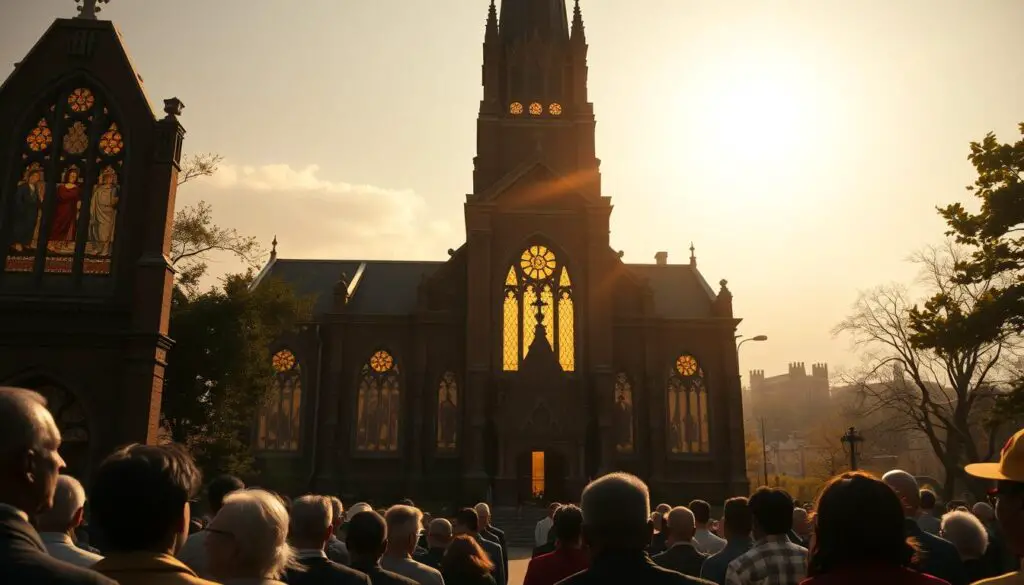
Black church historical role

From Slavery to Freedom: Key Eras

During the slave years, worship often occurred covertly in forests or cabins. Enslaved individuals reinterpreted biblical stories to affirm their humanity. After emancipation, pastors like Andrew Bryan built formal congregations, transforming hope into action.

Milestone Years Significance
First underground gatherings 1700s Preserved cultural identity
Founding of AME Church 1816 Established Black-led structure
Montgomery Bus Boycott 1955 Church-led civil rights strategy

The Church as a Hub for Social Justice

By the 20th century, pastors became frontline advocates. Martin Luther King Jr. famously declared: “The church must be the guide and the critic of the state.” Congregations organized voter drives, funded schools, and sheltered activists.

Today, these traditions continue. Modern leaders address issues like housing inequality and healthcare access. Historical lessons fuel ongoing efforts—proving faith and justice remain inseparable.

Influential Figures and Pioneers in Black Baptist History

Visionary leaders laid the groundwork for spiritual communities that thrived against immense odds. Their courage reshaped worship into a tool for collective empowerment and societal change.

Early Leaders and Trailblazers

David George escaped slavery in 1778, founding Silver Bluff Church—one of America’s earliest independent congregations. His work inspired others to seek freedom through faith. George Liele, another formerly enslaved preacher, established churches in Jamaica while advocating for abolition.

Andrew Bryan faced violent opposition yet grew his Savannah congregation to 700 members by 1800. These pioneers didn’t just preach—they organized groups to challenge unjust systems. Their leadership blended spiritual guidance with practical activism.

Leader Contribution Legacy
David George Founded first Black-led church Modeled self-governance
George Liele International missionary work Promoted cross-cultural growth
Andrew Bryan Expanded Southern congregations Proved resilience amid persecution

Notable Pastors and Missionaries

Modern figures continue this legacy. Missionaries like John Jasper used vivid storytelling to connect scripture with everyday struggles. Their efforts turned churches into hubs for education and economic cooperation.

Today’s leaders balance tradition with innovation. While historical figures prioritized survival, contemporary ministers focus on community growth through tech and outreach. Yet both eras share a commitment to freedom—spiritual and social.

Demographics and Community Impact of African American Baptists

Numbers tell stories of resilience—and for African American spiritual communities, population shifts reveal profound transformations. Between 1865 and 1900, membership in these congregations doubled, reflecting a hunger for autonomy amid Reconstruction-era challenges. This growth wasn’t just about faith—it reshaped civic life across the United States.

Growth and the Establishment of Independent Congregations

Post-emancipation, newly formed churches became cornerstones for education and economic cooperation. By 1895, the National Baptist Convention united over 1.3 million members, creating a platform for nationwide advocacy. One historian notes: “These spaces weren’t just houses of worship—they were incubators for leadership.”

Year Membership Impact
1865 150,000 Post-slavery reorganization
1895 1.3 million National Baptist Convention founded
1950 4.5 million Civil Rights mobilization

Independent congregations fueled cultural vibrancy through music festivals and youth programs. Census data shows 67% of urban centers with majority African American populations hosted at least one Baptist convention by 1920. These gatherings strengthened networks that later drove voter registration campaigns.

Today, digital outreach continues this legacy. Streaming services and community apps help modern groups address issues like healthcare access—proving tradition and innovation coexist. As demographics shift, so do methods, but the core mission remains: nurturing collective life through shared purpose.

Church Architecture and Worship Styles in Black Baptist Congregations

Spaces where communities gather often mirror their values and aspirations. For generations, architecture and worship styles have shaped spiritual identity, blending reverence with cultural expression. From humble wooden structures to soaring modern sanctuaries, design choices reflect both heritage and innovation.

Traditional Practices Versus Modern Interpretations

Early 19th-century churches in South Carolina favored simple, rectangular buildings with high ceilings—ideal for natural acoustics. These spaces prioritized communal singing and fellowship. Materials like pinewood and handcrafted pews symbolized resourcefulness amid limited resources.

Today, urban congregations embrace glass facades and multimedia integration. A Charleston-based church, rebuilt in 2020, combines Gothic arches with solar panels. As one architect noted: “Design now serves dual purposes—honoring history while meeting contemporary needs.”

Feature Traditional (1800s) Modern (2000s)
Building Materials Wood, brick Steel, recycled composites
Seating Layout Central pulpit focus Flexible, circular arrangements
Technology Acoustic resonance Livestream capabilities

Cultural Expressions in Music and Dance

Rhythm and movement remain central to worship experiences. Call-and-response hymns from the 18th century evolved into gospel choirs that energize services. In Columbia, South Carolina, youth ministries blend hip-hop beats with traditional spirituals—a practice praised for bridging generational gaps.

Dance troupes often reinterpret African diasporic traditions during holidays. These performances preserve ancestral stories while inviting new interpretations. As cultural curator Lena Wells explains: “Every step carries the weight of history and the lightness of hope.”

This dynamic interplay between past and present fuels the movement toward inclusive, adaptive worship. Whether through architecture or artistry, these communities continue rewriting their story—one note, one brick at a time.

Challenges, Racism, and Resilience in the Baptist Community

In the shadow of oppression, faith groups have forged paths of resistance and hope. Systemic barriers once barred spiritual leaders from public leadership roles. Laws restricted gatherings, and violence targeted those who spoke against injustice. Yet these trials fueled creativity—secret prayer meetings became acts of defiance, and sermons doubled as blueprints for liberation.
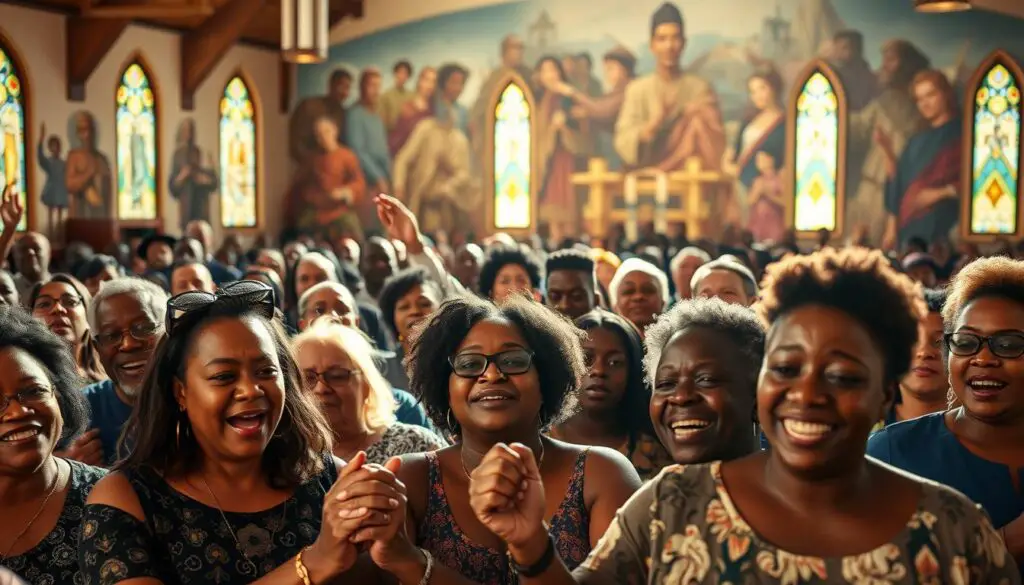
Baptist community resilience

Overcoming Historical Discrimination

Preachers faced relentless threats in the 19th century. Many were denied education or jailed for organizing worship. One account describes a minister in Mississippi who held services in swamps to avoid detection. “Our hymns carried codes,” recalled a member. “Freedom wasn’t just a heavenly promise—it was a plan.”

Communities countered segregation by building self-reliant networks. Churches hosted literacy classes and economic cooperatives. During Reconstruction, over 60% of Southern congregations created schools alongside their sanctuaries. This dual focus on spiritual and practical needs strengthened collective resolve.

Era Challenge Religious Response
1870s-1890s Jim Crow laws Underground voter education
1950s-1960s Church bombings Nonviolent protest training
2000s-Present Digital divide Online outreach programs

Modern practices continue adapting. Gospel music now addresses police brutality, while sermons tackle housing inequality. Religion remains a bridge between tradition and progress—a tool for nurturing both faith and fairness.

Diverse Expressions within the Baptist Denomination

Organizational structures in spiritual communities often mirror their values—some favor independence, while others thrive through collective systems. This spectrum creates rich variations in worship styles and community engagement. Over time, these differences have sparked both innovation and debate about the best way to uphold tradition.

Autonomous Congregations Versus Denominational Structures

Self-governing groups make decisions locally, from selecting leaders to managing funds. A rural Alabama church, for example, votes on every initiative—a practice rooted in 19th-century resistance to external control. In contrast, denominational bodies set shared guidelines, like curriculum standards for youth programs.

Modern ministers navigate these models differently. One Texas pastor notes: “Autonomy lets us address neighborhood needs swiftly. But collaboration brings resources we couldn’t access alone.” This balance shapes how communities adapt over time without losing core identity.

Structure Type Decision-Making Funding Sources
Autonomous Local committees Member donations
Denominational Regional councils Shared grants
Hybrid Mixed leadership Crowdfunding + dues

Younger leaders often blend approaches. Streaming services and app-based giving reflect modern ways to engage members. Yet monthly potlucks and handwritten newsletters remain staples—proving innovation doesn’t erase tradition.

As governance evolves, so does unity. Some fear fragmentation, but many see strength in flexibility. After all, diverse methods can share one mission: nurturing faith through meaningful connection.

National Impact and the Evolution of the Baptist Faith

Faith communities have long served as engines for societal transformation, blending spiritual guidance with tangible action. During the Civil Rights era, churches became vital hubs for organizing protests and voter drives. Their influence extended beyond Sunday sermons, shaping laws and cultural attitudes nationwide.

Civil Rights Movements and Religious Advocacy

The Montgomery Bus Boycott exemplified this intersection. Ministers coordinated carpools from church basements, while congregants fundraised for legal battles. “Our faith demanded we confront injustice,” recalled activist Rosa Grayson. This work laid groundwork for landmark legislation like the Voting Rights Act.

Initiative Years Active Outcome
Freedom Rides 1961 Desegregated interstate travel
Poor People’s Campaign 1968 Highlighted economic inequality
Modern prison reform advocacy 2010-Present Reduced mandatory minimums

Continued Growth and Leadership in the United States

Missionaries today expand this legacy through tech-driven outreach. A 2022 Pew study found 43% of congregations use apps for community aid requests. Traveling missionaries partnered with urban planners to address food deserts in seven states last year.

Leadership programs now prioritize youth experience. Atlanta’s NextGen Ministry trains teens in public speaking and policy analysis. “We’re preparing them to lead both congregations and city councils,” explains director Mara Whitlock.

Focus Area Participating Churches Annual Reach
Voter education 1,200+ 2.3 million
Disaster relief 890 600,000 meals served
College mentorship 340 15,000 students

Conclusion

Labels often fall short when capturing the essence of religious identity. The question “Are Baptists Black?” reveals more about assumptions than reality. Baptist churches have always been shaped by diverse cultural threads, from 18th-century spiritual resilience to modern social advocacy.

Historical data shows how these congregations became anchors for community empowerment. Their efforts blended worship with education, economic cooperation, and civil rights organizing. This dual focus—spiritual and practical—transformed local groups into national forces for justice.

Today’s Baptist churches continue evolving while honoring their roots. New generations prioritize inclusivity, proving faith thrives through adaptation. “Our strength lies in shared purpose, not uniformity,” notes a Chicago pastor leading hybrid worship services.

The legacy of these community-driven efforts reminds us that progress demands both courage and collaboration. As history meets innovation, the journey toward equity continues—one sermon, one outreach program, one act of solidarity at a time.

FAQ

Is the Baptist faith exclusively tied to African American communities?

No, the Baptist tradition includes diverse racial and cultural groups. While African American congregations have deeply shaped its history in the U.S., Baptist churches serve global communities across ethnicities.

How did slavery influence the formation of Black Baptist churches?

Enslaved individuals often practiced Christianity in secret, blending African spiritual traditions with evangelical teachings. After emancipation, many founded independent congregations to worship freely and build self-governed communities.

What cultural traditions distinguish African American Baptist worship?

Vibrant gospel music, call-and-response preaching, and communal participation are hallmarks. These practices reflect resilience, cultural heritage, and a focus on collective empowerment through faith.

Did Black Baptist leaders play a role in the Civil Rights Movement?

Yes. Figures like Dr. Martin Luther King Jr., a Baptist minister, leveraged church networks to organize protests. Congregations provided meeting spaces, resources, and moral guidance during the fight for equality.

Are all Baptist congregations part of a centralized denomination?

Baptist churches prioritize local autonomy. Groups like the National Baptist Convention USA support collaboration, but individual congregations often set their own practices and leadership structures.

How did segregation impact Baptist church growth in America?

Racial divides led to separate congregations, with African American churches becoming hubs for education, activism, and economic support. This separation fostered unique traditions while challenging systemic inequality.

Who were early pioneers in Black Baptist history?

Leaders like Lott Carey, a missionary and founder of Liberia’s first Baptist church, and Nannie Helen Burroughs, an educator and activist, paved the way for institutional growth and social advocacy.

Do African American Baptist churches still face challenges today?

While progress has been made, issues like racial inequity, economic disparities, and generational shifts in religious engagement require ongoing adaptation and community-focused solutions.

Southern Baptist Beliefs: A Comprehensive Guide


Welcome! Whether you’re new to exploring faith traditions or seeking deeper insight, this guide offers a clear look at the core principles shaping one of America’s largest Protestant groups. Rooted in Scripture and community, these teachings emphasize personal faith, evangelism, and service.

The Southern Baptist Convention (SBC) unites over 47,000 autonomous congregations. Each church governs itself but shares foundational doctrines outlined in the Baptist Faith and Message. This document highlights priorities like the authority of the Bible, salvation through Jesus Christ, and religious freedom.

Diversity thrives within this framework. Urban megachurches, rural chapels, and multicultural congregations adapt to local needs while upholding shared values. Missions and education remain central, with efforts spanning disaster relief, theological training, and global outreach.

In this guide, you’ll discover how history shaped these beliefs, how worship practices reflect their message, and why religious liberty remains a cornerstone. Let’s dive into the traditions, challenges, and enduring impact of this vibrant faith community.

Key Takeaways

  • Autonomous churches collaborate under the Southern Baptist Convention’s doctrinal umbrella.
  • The Bible serves as the ultimate authority for teaching and practice.
  • Missions and evangelism drive global and local outreach efforts.
  • Religious freedom and individual conscience are deeply valued.
  • The Baptist Faith and Message outlines essential doctrines like salvation and church governance.

Introduction to Southern Baptist Beliefs

At the heart of this faith community lies a shared commitment to biblical teachings. The Baptist Faith and Message serves as a guiding confessional statement, offering clarity on doctrines while respecting local church autonomy. First adopted in 1925, this document unites congregations through foundational truths rather than rigid rules.

Scripture remains central to every belief. Many congregations highlight verses like 2 Timothy 3:16-17, emphasizing the Bible’s role in shaping faith and practice. This focus on divine authority fosters unity across diverse worship styles—from vibrant urban gatherings to quiet rural services.

Though doctrines remain consistent, expressions vary. Some churches prioritize modern worship music, while others cherish traditional hymns. Yet all affirm core principles: salvation through Jesus Christ, believer’s baptism, and the importance of evangelism. This balance of flexibility and conviction strengthens their collective mission.

Cooperation defines the SBC’s approach. Churches pool resources for global ministries, disaster relief, and theological education. Such collaboration reflects their belief that “every member is a minister,” empowering individuals to serve their communities and the wider world.

Historical Background of the Southern Baptist Convention

In 1845, a pivotal meeting in Augusta, Georgia, set the stage for a new chapter in American religious history. Delegates from southern states formed the Southern Baptist Convention after splitting from northern counterparts over missions and slavery debates. This decision created a network focused on shared doctrines while allowing local congregations to retain independence.

Foundational History and Key Milestones

Early growth centered on missions and education. By 1859, the group established its first seminary, fueling theological training across the South. The Baptist Faith and Message, adopted in 1925, unified churches under core teachings like biblical authority and believer’s baptism. These principles guided outreach during crises, including postwar reconstruction and the Civil Rights era.

Cultural and Regional Influences

Regional identity shaped practices. Rural communities emphasized revival meetings, while urban centers developed Sunday schools and social ministries. Post-World War II, congregations expanded westward, adapting to diverse populations. Cultural shifts in the 1980s–90s led to renewed focus on evangelism and doctrinal clarity, reflected in revised confessional statements.

Year Event Impact
1845 Convention founding Established cooperative missions model
1925 First Baptist Faith and Message Clarified doctrinal standards
1995 Apology for racial discrimination Addressed historical divisions

Today, these roots influence how churches address modern challenges. From disaster relief to digital outreach, historical commitments to Scripture and cooperation remain vital. As one early leader noted, “Our strength lies in unity of purpose, not uniformity of method.”

Core Doctrines of the Southern Baptist Faith and Message

Guiding every Southern Baptist congregation is a set of foundational truths rooted in Scripture. The Baptist Faith and Message outlines these principles, serving as a compass rather than a rulebook. It balances clarity with flexibility, allowing churches to adapt ministries while staying anchored to eternal truths.

Biblical Infallibility and Confessional Principles

Central to their identity is the belief that the Bible is without error in its original manuscripts. This conviction shapes teaching, worship, and decision-making. Historical confessions—like the 1689 London Baptist Confession—inform their understanding, though Scripture remains the final authority.

Churches affirm doctrines such as salvation through grace alone and believer’s baptism by immersion. These teachings create ethical frameworks for issues like marriage, justice, and community service. Local autonomy lets congregations address cultural challenges while upholding shared convictions.

Trinitarian Beliefs and The Nature of God

The Trinity—Father, Son, and Holy Spirit—forms the heart of their theology. Jesus Christ is celebrated as fully divine and human, whose sacrificial death offers redemption. The Holy Spirit empowers believers for spiritual growth and service.

This Trinitarian focus unites diverse congregations. Whether singing hymns or launching food drives, members see their work as reflecting God’s character. As one pastor notes, “Our unity isn’t in methods, but in the Messiah we serve.”

What is southern baptist beliefs: Exploring Key Tenets

At the core of this tradition lies a shared commitment to transformative truths. Congregations across the Baptist Convention unite around non-negotiable principles while celebrating their freedom to serve uniquely. These doctrines shape how members live, worship, and engage their communities.

kingdom god

Understanding the Essentials

Central to their identity is the belief in a personal new birth experience—a spiritual awakening through faith in Christ. This rebirth fuels a passion for sharing the message globally. Churches prioritize Scripture as their ultimate guide, ensuring teachings align with biblical authority.

Three pillars define their collective mission:

  • Voluntary cooperation: Every congregation chooses to partner in missions and ministries.
  • Religious liberty: Individuals and churches freely practice convictions without state interference.
  • Local autonomy: While united by the Baptist Faith, each church governs its own affairs.

The concept of the Kingdom of God inspires both eternal hope and earthly action. Members see their work—from feeding neighbors to planting churches—as part of God’s plan to renew the world. As one pastor explains, “We’re building for tomorrow while serving today.”

This balance of freedom and unity empowers diverse congregations. Urban centers and small towns alike champion evangelism, discipleship, and compassionate service. Together, they reflect a faith that transforms individual lives and entire communities.

Church Organization and Cooperative Programs

Local churches stand as independent entities, yet they’re woven into a tapestry of shared purpose. This balance of autonomy and collaboration defines their approach to ministry. While each congregation governs itself—choosing leaders, managing finances, and tailoring outreach—they unite through a voluntary partnership that amplifies their impact.

Freedom to Lead, Power to Unite

Every church operates under the Lord Jesus Christ as head, guided by the Holy Spirit and New Testament principles. This self-governance allows rural chapels and urban megachurches alike to address unique community needs. As one pastor explains, “We answer first to Scripture, then to our neighbors.”

Fueling Global Missions Together

The Cooperative Program acts as the financial backbone for collective efforts. Churches contribute a percentage of offerings to fund:

  • International Mission Board: Sending workers to 130+ countries
  • North American Mission Board: Planting churches across the U.S. and Canada
  • Disaster relief through state conventions

This pooled approach lets small congregations participate in large-scale evangelism. In 2023 alone, over $190 million supported 3,500+ missionaries worldwide. Mission boards coordinate these efforts while respecting local church strategies.

Historical roots strengthen this model. Early Baptists mirrored the body of Christ described in 1 Corinthians 12—diverse parts working as one. Today, that vision continues through shared training resources, youth camps, and seminary scholarships funded by cooperative giving.

Worship Practices and Lifestyle in Southern Baptist Churches

Sunday mornings buzz with energy in congregations across this tradition. Whether in a small-town chapel or a city megachurch, weekly gatherings blend heartfelt worship with practical teaching. These meetings aren’t just routines—they’re celebrations of shared faith and opportunities to grow closer as a community.

Weekly Worship and Observance of the Lord’s Day

A typical service starts with upbeat music or timeless hymns. Many churches project lyrics on screens, while others flip through hymnals. After singing, members often share prayer requests—for healing, job searches, or family needs. The sermon usually ties Bible passages to everyday life, helping people apply ancient wisdom to modern challenges.

Styles vary widely. Some congregations feature rock bands and light shows, while others prefer pianos and choirs. One church might host a quiet prayer meeting, while another organizes potluck lunches where everyone brings a dish. As one member jokes, “Our casseroles are as diverse as our worship songs!”

The Lord’s Day focuses on three priorities: learning, connecting, and serving. Morning services often lead into small groups where people discuss faith questions. Many churches host evening events like youth gatherings or community service projects. This rhythm helps members support one another through life’s ups and downs.

Singing together remains a powerful unifier. From raising hands during praise songs to harmonizing on Amazing Grace, music builds bridges across generations. Testimony times let people share how Jesus Christ has changed their lives—stories that often spark hope in others.

Balance is key. Personal Bible study during the week fuels Sunday interactions. As one pastor notes, “We don’t just consume messages—we live them out together.” This mix of private reflection and collective worship keeps communities vibrant and united.

Mission, Evangelism, and Church Planting Efforts

Fueled by a passion to share hope globally, the Convention mobilizes members through structured mission networks. These partnerships amplify local efforts into worldwide impact, guided by the New Testament call to “make disciples of all nations.”

Domestic Mission Boards and Outreach

The North American Mission Board equips churches to plant congregations in underserved areas. From urban neighborhoods to Native American reservations, teams provide training, funding, and volunteer support. Recent initiatives include disaster recovery programs and literacy projects in Appalachia.

International Mission Board and Global Influence

Over 3,500 missionaries serve through the International Mission Board, working in 130+ countries. Their efforts range from medical clinics in Africa to church planting in Southeast Asia. One worker in South America shared, “Seeing communities embrace Christ’s love reshapes everything—from family bonds to economic stability.”

Initiative Region Impact (2023)
Clean water projects Sub-Saharan Africa 120,000+ served
Urban church plants North America 89 new congregations
Bible translation Asia-Pacific 5 languages completed

The Cooperative Program funds these missions through pooled church contributions. This model lets small congregations participate in large-scale outreach. Over 40% of donations directly support field workers, while 30% trains future leaders at seminaries.

Motivation springs from the Holy Spirit’s guidance and Jesus’ command in Acts 1:8. As one volunteer noted, “We’re not just building churches—we’re nurturing the whole body of Christ.” This spiritual drive turns statistics into transformed lives, both abroad and next door.

Religious Liberty, Doctrinal Authority, and Ethical Standards

Championing freedom of conscience, the Baptist Convention upholds religious liberty as a divine mandate. Their faith message asserts that governments should never dictate spiritual convictions, echoing Jesus’ words: “Render to Caesar what is Caesar’s, and to God what is God’s.” This principle fuels advocacy for all people to worship freely—or not at all—without state interference.

religious liberty

Scripture’s authority shapes every doctrine and ethical standard. Churches turn to passages like Romans 13:1-7, which balances civic duty with ultimate allegiance to the Lord Jesus Christ. While individuals interpret texts prayerfully, congregations hold each other accountable through loving correction and shared faith.

Ethical living flows from spiritual rebirth. As one leader explains, “A transformed life naturally bears fruit—honesty, compassion, and justice.” This balance honors personal conviction while fostering unity across the churches.

Doctrinal consensus emerges voluntarily, not through coercion. The Baptist Faith and Message guides without binding, allowing diverse communities to address modern challenges. Whether debating social issues or launching outreach, liberty and biblical truth remain inseparable anchors.

Contemporary Relevance and Global Influence of Southern Baptists

From urban food banks to congressional hearings, this faith network shapes modern America through action and conviction. Over 1,200 new congregations launched since 2020 reflect their adaptive outreach, blending traditional values with digital ministry tools like livestreamed Bible studies.

Cultural Engagement Through Service

Local churches drive community transformation. In 2023, groups provided 32 million meals through food pantries and partnered with schools for literacy programs. These efforts mirror the body of Christ in action—meeting practical needs while sharing hope.

Ethical debates often feature voices from this tradition. Leaders recently testified before Congress on religious freedom cases, citing the Baptist Faith’s emphasis on conscience rights. Their advocacy extends globally, supporting persecuted people in 18 nations through legal aid networks.

Initiative Scope 2023 Impact
Disaster Relief North American 600+ deployments
Church Plants Urban/Rural 1,287 new congregations
Advocacy Training National 15,000+ leaders equipped

Global missions remain vital. The International Mission Board reports 89,000 professions of faith last year across Southeast Asia and Africa. Yet domestic efforts thrive too—Hispanic congregations grew by 14%, reflecting demographic shifts.

Amid societal changes, the message stays anchored. As one pastor notes, “We’re called to love our neighbors, whether that means feeding them or defending their freedoms.” This balance of compassion and conviction keeps the tradition relevant in a divided nation.

Conclusion

Throughout its history, the Baptist Faith and Message has anchored a diverse network of churches in shared truth. From rural chapels to urban ministries, congregations thrive by blending local creativity with timeless doctrines. Their cooperative spirit—fueling missions from Appalachia to Asia—proves unity doesn’t require uniformity.

Scripture remains the ultimate guide, shaping ethical life and global outreach. Over 3,500 missionaries and 1,200 new churches since 2020 show how faith translates into action. Yet every project, whether disaster relief or Bible translation, starts with individual hearts transformed by Jesus Christ.

This tradition’s strength lies in its balance. Autonomous groups adapt to community needs while upholding confessional statements. The Holy Spirit empowers both quiet service and bold advocacy, reflecting God’s love across the nation and world.

Want to explore further? Consider how these principles inspire personal growth and collective impact. Dive deeper into their New Testament roots or volunteer with local outreach—your journey starts here.

FAQ

How did the Southern Baptist Convention begin?

The Southern Baptist Convention formed in 1845, primarily over regional disagreements about missions and slavery. Today, it focuses on cooperative missions, doctrinal unity, and evangelism through groups like the International Mission Board and North American Mission Board.

What role does the Cooperative Program play?

The Cooperative Program pools resources from churches to fund domestic and global missions, theological education, and ministries. Over billion has been distributed since 1925, supporting entities like the Ethics & Religious Liberty Commission.

Do congregations have independence in decision-making?

Yes! Local churches govern themselves under Christ’s authority. They voluntarily partner with the Southern Baptist Convention for missions and outreach while maintaining autonomy over staffing, budgets, and ministries.

How do Southern Baptists view Scripture?

The Baptist Faith and Message affirms the Bible as God’s infallible Word, the ultimate authority for faith and practice. This belief drives evangelism, discipleship, and ethical standards within the denomination.

What missions work do Southern Baptists prioritize?

From church planting in the U.S. through the North American Mission Board to global efforts via the International Mission Board, sharing the Gospel remains central. Over 3,500 missionaries serve in 156 countries.

Why is religious freedom emphasized?

Rooted in historic Baptist principles, the Ethics & Religious Liberty Commission advocates for conscience rights globally. Southern Baptists believe all people should freely respond to the Gospel without coercion.

How do worship services typically look?

Churches celebrate the Lord’s Day with preaching, congregational singing, prayer, and communion. Styles vary, but all focus on glorifying God, edifying believers, and proclaiming Christ’s redeeming work.

Do Baptists Believe in Drinking Alcohol? Explore the Answer


The relationship between faith and alcohol has sparked debate for centuries. Among Christian denominations, Baptists often face questions about their stance on this topic. To understand their perspective, we must explore historical traditions and cultural influences that shape modern views.

Early Christian art frequently depicted wine as a sacred symbol. For example, 14th-century frescoes showed Jesus performing miracles involving this beverage. These artistic choices reflected wine’s role in communion practices and spiritual ceremonies.

Church teachings have historically influenced attitudes toward alcohol consumption. While some traditions emphasize moderation, others highlight potential risks. This tension creates varied interpretations within congregations today.

Modern discussions often reference biblical accounts of wine usage. However, cultural shifts and health awareness have added new layers to the conversation. Understanding these factors helps explain why perspectives differ even within the same denomination.

Key Takeaways

  • Historical Christian art uses wine symbolism in sacred contexts
  • Early church practices influence modern interpretations of alcohol
  • Cultural shifts impact religious views on consumption
  • Biblical accounts remain central to theological discussions
  • Denominational teachings balance tradition with contemporary values

Introduction: Setting the Stage for Baptist Views on Alcohol

Understanding a denomination’s stance on substances requires exploring its historical roots. Early Christian traditions often intertwined spiritual rituals with daily life, creating frameworks that still influence modern practices. This legacy shapes how many congregations approach topics like total abstinence today.

Two main perspectives dominate discussions: complete avoidance versus controlled consumption. Total abstinence refers to avoiding all alcoholic beverages, while moderate use alcohol allows limited intake under specific conditions. These positions often spark lively debates about biblical interpretation and personal responsibility.

Approach Definition Key Support
Total Abstinence Complete avoidance of alcohol Prevention of alcohol abuse
Moderate Use Limited consumption with discipline Historical communion practices

Recent discussions highlight growing concerns about alcohol abuse in society. Data from The Lancet shows a 25% rise in alcohol-related health issues since 2010, prompting many churches to re-examine their teachings. This shift reflects broader cultural awareness about substance misuse risks.

Church leaders increasingly reference World Health Organization reports showing 3 million annual deaths linked to harmful drinking. These statistics add urgency to conversations about faith-based guidelines while respecting individual choice.

Historical Perspectives on Alcohol in Christianity

The story of wine in Christian rituals begins long before modern debates took shape. Early believers viewed fermented drinks through a lens shaped by practicality and symbolism. This dual perspective laid foundations for evolving attitudes across centuries.

Sacred Sips: Wine in Early Worship

First-century Christians incorporated wine into the Eucharist as both nourishment and metaphor. Historical records show they mixed water with fermented grape juice using ratios like 3:1. This practice, called krasis, reduced alcohol content to about 2-3% – similar to modern beer.

Ancient Brewing Science

Natural fermentation in clay amphorae created unstable results. Cooler climates produced weaker brews, while desert heat accelerated alcohol levels. Communities developed strict dilution rules to ensure consistency in religious ceremonies.

Era Alcohol Content Dilution Practice Cultural Role
Ancient 2-4% 3 parts water : 1 wine Sacramental
Modern 12-14% None Recreational

The 19th-century temperance movement reshaped these traditions. Activists argued stronger modern drinks couldn’t compare to ancient diluted versions. This historical disconnect still fuels discussions about appropriate consumption levels.

Understanding these roots helps explain why some faith communities distinguish between ritual use and daily habits. The gap between past practices and present realities continues to inform theological debates.

Biblical Foundations: Wine, Grape Juice, and Their Meanings

Scriptural accounts provide essential insights into ancient attitudes toward fermented beverages. These texts reveal complex symbolism, blending celebration with cautionary wisdom. Understanding this duality helps explain modern interpretations of sacred practices.

Old Testament Insights on Alcohol

Ancient Hebrew rituals often included wine as part of offerings. Proverbs warns, “Wine is a mocker, strong drink a brawler” (20:1), highlighting risks of excess. Yet Ecclesiastes praises grape juice as a gift to gladden hearts (9:7), showing balanced perspectives.

New Testament References to Moderation

Paul’s letters urge believers to avoid drunkenness while permitting limited use (Ephesians 5:18). The Last Supper’s grape juice or wine remains debated, but its symbolic role is clear. Early churches practiced abstinence during spiritual preparation, linking purity to sacred moments.

Testament Example Theme
Old Nazirite vows (Numbers 6) Temporary abstinence
New Wedding at Cana (John 2) Joyful provision

Biblical narratives treat drinking alcohol as neither wholly condemned nor freely permitted. This nuanced approach informs many faith communities’ guidelines today. Symbolic meanings continue shaping discussions about modern-day practices.

The Role of the Temperance Movement in Shaping Views

Social reform waves often reshape religious practices. The 19th-century temperance movement became a cultural earthquake, shaking Protestant attitudes toward alcohol. Methodist leaders spearheaded campaigns against “demon rum,” framing sobriety as both moral duty and social necessity.

This crusade targeted beer and spirits equally, arguing they fueled poverty and family breakdown. Church rallies displayed smashed barrels while pamphlets warned, “Lips that touch liquor shall never touch mine.” By 1851, Maine passed America’s first prohibition law—a domino effect followed.

Denomination Position Key Action
Methodist Full abstinence Founded Anti-Saloon League
Baptist Growing support Local church pledges

Legislative wins like the 18th Amendment (1920) stemmed from pulpits framing prohibition as God’s will. Yet debates simmered—was temperance about personal choice or societal control? These tensions influenced Baptist congregations navigating modern freedoms against historical warnings.

Today’s discussions still echo this movement. While soda replaced communion wine in many churches, questions linger: Can faith communities address addiction without stigmatizing all drinkers? The past century’s lessons remain bottled in these complex dialogues.

do baptist believe in drinking alcohol

Faith communities often grapple with evolving social norms while preserving core values. Many congregations now navigate a spectrum of perspectives regarding beverage use in daily life. This diversity reflects broader cultural shifts and theological reinterpretations.

The Southern Baptist Convention maintains strong resolutions discouraging consumption. Their 2006 statement called alcohol “a destructive force” incompatible with Christian witness. Yet some younger congregations quietly adopt more nuanced approaches, emphasizing personal accountability over blanket prohibitions.

Reformed Baptist groups often take contrasting positions. Leaders like John Piper argue moderate use aligns with biblical freedom when exercised responsibly. This creates visible divides—conservative churches serve grape juice during communion, while others permit wine in worship settings.

Recent surveys reveal 18% of Southern Baptist pastors know members who occasionally drink socially. Though official policies remain unchanged, practical enforcement varies widely. Urban congregations often display greater flexibility compared to rural counterparts.

These tensions highlight how historical convictions interact with modern realities. As discussions continue, many churches prioritize addressing addiction risks while respecting individual conscience within community guidelines.

Total Abstinence Versus Moderate Alcohol Use: Baptist Perspectives

Faith communities navigate complex questions about lifestyle choices through scriptural wisdom and practical discernment. This balance becomes particularly visible when examining approaches to alcohol use, where historical teachings meet modern social realities.

Theological Arguments for Complete Abstinence

Many congregations emphasize avoiding all alcoholic beverages as a protective measure. Passages like Proverbs 23:20-21 warn against associating with wine drinkers, interpreted as advocating full separation. Church policies often cite addiction risks and the call to be “set apart” in conduct.

Embracing Christian Freedom Through Moderation

Other groups highlight Paul’s instruction: “Do not get drunk on wine, but be filled with the Spirit” (Ephesians 5:18). This perspective views limited alcohol use as permissible when guided by self-control. Some interpret Jesus’ miracle at Cana as endorsing joyful yet responsible consumption.

Approach Biblical Support Practical Application
Abstinence Proverbs 20:1 Church-wide prohibitions
Moderation 1 Timothy 5:23 Personal discretion

How congregations view alcohol often depends on local culture and leadership. Urban churches might address social drinking differently than rural ones, reflecting varied community challenges. These differences showcase how tradition adapts to contemporary contexts while maintaining core values.

Impact of the Southern Baptist Convention on Alcohol Policy

Organizational policies often serve as compasses for faith communities. The Southern Baptist Convention (SBC) has long advocated abstinence, passing resolutions calling alcohol “a destroyer of human dignity.” Their 2006 statement urged churches to exclude members involved in beverage production, reflecting strict doctrinal alignment.

Recent shifts appear in SBC-affiliated institutions. Southwestern Seminary revised its employee conduct code in 2021, allowing limited consumption outside ministry hours. This contrasts with earlier bans enforced through expulsion. Such changes spark debates about doctrinal purity versus cultural adaptation.

Era Policy Focus Leadership Example Institutional Impact
Pre-2010 Total prohibition Paige Patterson’s strict codes Zero-tolerance enforcement
Post-2020 Contextual discretion Adam Greenway’s nuanced approach Case-by-case evaluations

Prominent Baptist theological leaders shape these trends. Albert Mohler maintains abstinence as “a gospel issue,” while others cite Paul’s advice to Timothy about medicinal wine. Local Baptist pastors often mirror these divides—rural preachers emphasize teetotaling, while urban ministers discuss addiction without blanket condemnation.

These developments connect to broader questions: Should governance prioritize unity or individual conscience? As policies evolve, the SBC’s influence remains pivotal in balancing tradition with modern realities.

Contemporary Shifts in Baptist Attitudes Toward Drinking

Changing tides in religious communities often mirror broader societal transformations. Social media platforms and generational perspectives now shape how many congregations approach drinking alcohol. A 2023 Lifeway Research study found 32% of younger churchgoers view moderate consumption as acceptable—a stark contrast to older members’ strict abstinence traditions.

Digital debates reveal evolving stances. Viral TikTok testimonials from pastors’ kids show candid discussions about balancing faith with college social norms. One user shared: “My small group talks openly about peer pressure—something my parents’ generation never did.” These conversations highlight shifting priorities in modern faith practices.

Age Group Stance on Alcohol Key Influence Church Example
60+ Total abstinence Traditional teachings Rural Alabama congregation
25-40 Contextual moderation Social media dialogues Atlanta urban ministry

Similar patterns emerge in the Presbyterian Church America, where 41% of congregations now permit wine during communion. This parallel suggests broader church america trends toward nuanced substance policies. Interactive online polls show 58% of millennials support reevaluating historical prohibitions against drinking alcohol.

Sunday school curricula increasingly address addiction without demonizing all consumption. A Nashville church’s recovery program blends biblical principles with medical insights—mirroring approaches used by Catholic addiction ministries. These adaptations reflect efforts to remain relevant while upholding core values.

As digital natives reshape religious discourse, many congregations navigate uncharted waters. The evolving landscape demonstrates how cultural currents continue to redefine centuries-old traditions surrounding drinking alcohol.

Case Study: Alcohol Policies in Baptist Educational Institutions

Academic institutions often serve as testing grounds for balancing tradition with modern realities. At Baptist theological seminaries, alcohol policies reflect both doctrinal commitments and evolving cultural norms. Recent shifts at schools like Dallas Theological Seminary reveal how historical abstinence teachings adapt to new educational contexts.

Baptist theological seminary

Moody Bible Institute revised its code of conduct in 2022, allowing limited alcohol consumption for non-student residents. Meanwhile, Southern Baptist-affiliated schools maintain strict prohibitions. These differences highlight how theological seminaries navigate community expectations while training future leaders.

Institution Policy (2010) Policy (2023) Symbolic Practice
Dallas Theological Complete ban Faculty discretion Glass wine in historical displays
Southern Seminary Zero tolerance No change Communion grape juice only

The symbolic presence of glass wine in seminary museums sparks classroom discussions about biblical fermentation methods. Professors use these artifacts to explore ancient rituals without endorsing modern consumption.

Policy changes carry practical implications. A Southeastern Baptist Theological Seminary graduate noted: “Our training emphasized addiction risks, but also historical context—preparing us for diverse congregations.” This approach aims to equip leaders for nuanced pastoral challenges.

As Baptist theological seminaries refine their guidelines, they shape how future ministers address alcohol-related issues. These institutional choices will influence church practices for generations.

Scriptural Mandates and Church Leadership Guidelines on Alcohol

Religious leaders carry unique responsibilities in modeling ethical behavior. Scripture sets clear expectations for those guiding congregations, particularly regarding substance use. These standards help maintain spiritual integrity while addressing modern challenges.

Ancient Directives for Modern Leaders

Leviticus 10:9 forbade priests from drinking before temple service, emphasizing clarity in sacred duties. Similarly, 1 Timothy 3:3 requires elders to be “not given to drunkenness,” highlighting sobriety as a leadership qualification. These texts discourage abuse while prioritizing communal well-being.

Ritual purity often involved unfermented grape products. Jewish traditions used fresh juice during Passover to symbolize renewal, avoiding fermented drinks linked to excess. This practice reinforced the idea that sacred moments demand heightened awareness.

Scriptural Role Substance Rule Symbolic Purpose
Old Testament Priests No alcohol before service Maintain ritual focus
New Testament Elders Avoid drunkenness Model self-control

Many Baptist Convention affiliates extend these principles through membership covenants. Candidates for deacon roles often pledge abstinence, aligning with historical views on leadership accountability. Such policies aim to prevent scandals while fostering trust.

Elders today face added scrutiny in social settings where alcohol is present. A 2022 Lifeway survey found 67% of churchgoers expect leaders to avoid public consumption entirely. These expectations reflect ongoing concerns about abuse and its impact on spiritual credibility.

The unfermented grape tradition still influences communion practices in conservative congregations. By choosing juice over wine, churches honor symbolic purity while adhering to Baptist Convention guidelines. This balance helps leaders exemplify disciplined living without compromising ancient values.

Comparative Analysis: Baptist Views Versus Other Denominations

Christian denominations display diverse approaches to alcohol, shaped by theology and cultural context. The Presbyterian Church (USA) permits wine in communion, viewing it as symbolic of Christ’s sacrifice. This contrasts with many Baptist congregations that exclusively use unfermented grape juice to avoid any association with intoxication.

Pentecostal groups like the Assemblies of God take stricter positions, advocating complete abstinence. Their official statements cite alcohol’s potential to hinder spiritual clarity. Meanwhile, Lutheran traditions often mirror Catholic practices—using wine in sacraments while emphasizing moderation.

Denomination Communion Element Social Stance
Baptist Grape juice Varied abstinence policies
Presbyterian Church Wine/juice options Moderation encouraged
Assemblies of God Juice only Total prohibition

Historical debates explain these differences. The 19th-century push for unfermented grape juice gained traction in Baptist circles through temperance advocates like Thomas Welch. This innovation became a theological marker, distinguishing them from Anglican and Catholic wine traditions.

Cultural factors also play roles. Urban Presbyterian Church congregations often adopt more flexible policies than rural ones. The Assemblies of God maintains consistency across regions, reflecting its centralized governance structure. These patterns show how doctrine and environment jointly shape denominational practices.

Health Concerns and Social Consequences in Alcohol Use

Modern research continues to uncover the profound effects of beverage choices on physical health and community well-being. Recent studies highlight urgent concerns about consumption patterns, urging both medical and faith communities to address these challenges.

Medical Research and The Lancet Findings

A 2023 Lancet study revealed startling connections between regular intake and chronic diseases. Researchers noted, “No level of consumption is entirely risk-free—even one glass daily increases cancer likelihood by 4%.” This aligns with biblical warnings about excess, emphasizing moderation as a protective measure.

Consumption Level Health Risks WHO Data
Light (1-2 glasses) Liver strain, sleep disruption 5% global disease burden
Heavy (6+ glasses) Heart disease, cognitive decline 18% addiction rates

Global Statistics from the World Health Organization

The WHO reports 3 million annual deaths linked to misuse—a figure surpassing malaria-related fatalities. Social consequences extend beyond health, with 22% of families citing substance-related conflicts. These realities echo Proverbs’ caution: “Who has woe? Those who linger over wine.”

Experts stress that responsible habits prevent abuse. While cultural norms evolve, data-driven awareness helps communities balance tradition with wellness priorities. Addressing these challenges requires collaboration between healthcare providers and spiritual leaders.

Social Media and Public Perception Among Baptists

Digital platforms have become modern confessionals where faith practices face public scrutiny. Online discussions reveal a growing gap between private habits and public declarations regarding beverage consumption. Bloggers often share stories of members who “drink beer” at backyard gatherings while avoiding alcohol at church events.

Digital Discussions on Alcohol Use in Churches

Posts tagged #FaithAndCulture show users debating whether historical figures like Jesus drank wine regularly. One viral tweet argued: “If the Messiah turned water into wine, why can’t I enjoy a glass with dinner?” These exchanges highlight how people want know more about the origins of current guidelines.

Private Facebook groups host candid conversations about navigating social expectations. A Tennessee member shared: “Our small group knows I occasionally drink beer—but we’d never discuss it during Sunday school.” This discretion reflects tensions between personal freedom and community standards.

Platform Discussion Focus Common Phrases
Reddit Historical precedents “Jesus drank at weddings”
TikTok Modern dilemmas “How I balance faith and parties”

Church leaders increasingly monitor these platforms to understand what followers want know. While official policies remain cautious, digital dialogues suggest evolving attitudes that could shape future teachings.

Challenges and Moral Responsibilities: Drunkenness in Biblical Narratives

Ancient texts offer sobering lessons about excess through vivid stories of downfall. Noah’s post-flood intoxication left him exposed and ashamed, while David’s misuse of power during Uriah’s tragedy began with a feast. These accounts show how overindulgence clouds judgment and fractures relationships.

Scriptural descriptions often use precise measurements to highlight risks. When Lot’s daughters gave him wine, the text specifies they used half measures—yet even this portion led to disastrous choices. This subtle detail warns that partial indulgence can still erode self-control.

Cultural acceptance of social drinking grows today, even though biblical patterns urge caution. Proverbs praises wisdom that avoids stumbling blocks, framing moderation as a good thing. Similarly, Timothy’s advice to “use a little wine” for health stresses intentionality over casual consumption.

Leaders carry added responsibility to model restraint. Elders who avoid excess demonstrate that holiness involves both personal discipline and community care. As Paul notes, freedom shouldn’t become a “stumbling block”—a principle guiding ethical choices in modern settings.

Scripture never labels wine itself evil but consistently treats recklessness as dangerous. Balancing enjoyment with accountability remains a good thing, echoing ancient calls to walk wisely amid life’s complexities.

Reflections on Faith, Alcohol, and Modern Society

Personal choices often become public conversations in tight-knit religious communities. Stories from church members reveal how evolving social norms challenge long-held convictions. These accounts highlight the delicate balance between individual freedom and collective values.

modern faith dilemmas

Personal Testimonies and Ethical Dilemmas

A youth pastor from Texas shared: “Our small group debated whether attending a brewery fundraiser conflicted with our values. Some saw it as outreach—others as compromise.” This tension mirrors broader shifts among southern baptasts, where younger members increasingly question blanket prohibitions.

Social gatherings amplify these conflicts. College students report pressure to choose between beer-centric parties and church friendships. One student noted: “I don’t drink, but explaining that gets exhausting.” Such scenarios force communities to reevaluate how they address modern realities without abandoning core principles.

Traditional Approach Modern Challenge Common Solution
Total avoidance Workplace happy hours Designated “dry” events
Silence on the topic Social media transparency Open forums for discussion

High beer consumption rates in southern states complicate matters further. Data shows 38% of adults in these regions drink weekly—a stark contrast to church teachings. Some southern baptasts now advocate for addiction education over strict rules, arguing prevention beats prohibition.

  • How should communities support recovering members without judgment?
  • Can fellowship exist in spaces where alcohol is present?
  • What defines responsible behavior in shifting cultural landscapes?

These questions linger as congregations navigate uncharted territory. The path forward may lie in balancing grace with accountability—honoring tradition while embracing compassionate dialogue.

Conclusion

Navigating centuries of tradition and modern realities reveals a complex tapestry of beliefs. Historical practices like unfermented grape juice in communion reflect cautious approaches rooted in the temperance movement. Yet evolving cultural norms challenge longstanding views on alcoholic beverages, creating space for thoughtful dialogue.

Many congregations still prioritize abstinence, viewing it as protection against misuse. Others emphasize personal accountability, citing biblical examples of measured use. This tension between caution and freedom has shaped Baptist teachings for over a century.

Leaders often balance scriptural mandates with community needs. Reformed Baptist perspectives highlight this balance, encouraging wisdom in daily choices. Practices like substituting wine grape juice in rituals maintain symbolic purity while addressing health concerns.

As denominations like the Presbyterian Church adopt varied approaches, Baptists face pivotal questions. How can traditions evolve without losing core values? What role should modern science play alongside ancient texts?

Ultimately, this journey invites reflection on heritage and personal conviction. By studying scripture and honoring communal wisdom, individuals find paths that blend reverence with relevance. After all, living thoughtfully remains a good thing—whether raising a glass or choosing silence.

FAQ

What’s the Southern Baptist Convention’s stance on alcohol?

The Southern Baptist Convention officially encourages total abstinence, citing concerns over addiction and societal harm. Many churches affiliated with the SBC prohibit leaders from consuming alcoholic beverages.

Did early Christians use wine in communion?

Yes, historical records show fermented wine was common in early church practices. However, some Baptist groups later adopted unfermented grape juice due to the temperance movement’s influence in the 19th century.

How do Baptist views compare to Presbyterian Church in America beliefs?

The Presbyterian Church in America allows moderate alcohol use, while many Baptist denominations emphasize abstinence. Reformed Baptist congregations often align more closely with conservative interpretations favoring limited or no consumption.

Are there health reasons Baptists avoid alcohol?

Yes, organizations like the World Health Organization highlight risks tied to alcohol abuse. Many Baptists reference studies from The Lancet or medical research to support abstinence as a protective measure for families and communities.

Do Baptist colleges enforce alcohol bans?

Institutions like the Southern Baptist Theological Seminary typically prohibit alcohol on campus. These policies reflect denominational values and aim to model sobriety for students preparing for ministry roles.

How has social media influenced Baptist discussions on drinking?

Platforms like Twitter and Facebook have sparked debates about cultural shifts. Younger Baptists often challenge traditional abstinence views, while others reaffirm commitments to avoiding alcohol entirely.

What biblical passages shape Baptist alcohol perspectives?

Proverbs 20:1 and Ephesians 5:18 are frequently cited to warn against drunkenness. However, interpretations vary—some emphasize moderation, while others argue even small amounts risk glorifying sin.

Can Baptist pastors drink alcohol privately?

Most Baptist churches forbid pastors from consuming alcohol, even socially. Leadership covenants often include clauses requiring abstinence to avoid causing stumbling blocks within congregations.

Do Baptists Drink Alcohol?


Many wonder about faith-based approaches to beverages with cultural and spiritual significance. Historical records show wine played a key role in ancient religious practices, including early Christian rituals like the Eucharist. For example, the miracle at Cana’s wedding feast highlights its symbolic importance in Scripture.

Biblical traditions often describe wine as both a celebration of blessings and a cautionary symbol. Some passages praise it as a divine gift, while others warn against excess. This dual perspective shaped many denominations’ teachings over time.

Modern faith groups interpret these teachings differently. While some emphasize moderation, others advocate complete abstinence. These views often reflect broader cultural values and theological priorities within communities.

Exploring this topic reveals how historical context intersects with contemporary beliefs. We’ll examine how traditions evolved and why certain practices remain influential today.

Key Takeaways

  • Wine holds deep symbolic meaning in Christian history and rituals
  • Biblical texts present both positive and cautionary views of fermented drinks
  • Denominational teachings often reflect cultural and theological priorities
  • Modern interpretations range from moderation to abstinence
  • Historical context helps explain current faith-based perspectives

Background on Alcohol in Christian History

The relationship between faith and fermented drinks stretches back millennia, shaping rituals and daily life. Ancient winemaking techniques reveal practical wisdom—early vintners used natural yeast and limited fermentation periods. This produced beverages with lower alcohol content than modern equivalents, often diluted with water for safety.

Ancient Traditions and Wine Making

Grape harvesting and pressing methods from 3000 BCE show remarkable ingenuity. Clay jars stored mixtures that fermented for just days, creating mildly alcoholic beverages. Communities viewed these drinks as gifts of sustenance, blending nourishment with spiritual symbolism.

Early Church Usage and the Eucharist

First-century believers incorporated wine into sacred meals and communion practices. The Apostle Paul’s letters reference its use as both a sacramental element and social lubricant. One early text notes: “Wine gladdens the heart, yet excess dims wisdom.”

By the 3rd century, some leaders voiced concerns about overindulgence. This tension between celebration and caution sparked debates that would echo through later generations. Scholars at institutions like the Baptist Theological Seminary trace modern abstinence movements to these foundational discussions.

Biblical texts reinforced balanced perspectives—Psalms praise vineyards, while Proverbs warns against drunkenness. These dual teachings created a framework that still guides many faith communities today.

Biblical References and Teachings on Alcohol

Scripture presents wine as both a divine blessing and a moral test. From celebratory feasts to cautionary tales, biblical texts address fermented drinks with balanced wisdom. This duality shapes how faith communities approach consumption even today.

Symbolism and Warnings in Scripture

Proverbs 20:1 warns, “Wine is a mocker, strong drink is raging—whoever is led astray by them is not wise.” Yet Psalm 104:15 praises wine as a gift that “gladdens human hearts.” These contrasting passages highlight alcohol’s complex role in biblical narratives.

Stories like Noah’s vineyard misstep (Genesis 9:20-21) and Lot’s compromised judgment (Genesis 19:30-36) illustrate alcohol’s risks. Meanwhile, Jesus’ first miracle—turning water into wine at Cana—showcases its celebratory value. Ephesians 5:18 draws a clear line: “Do not get drunk with wine… but be filled with the Spirit.”

This tension between appreciation and restraint informs many modern teachings. The southern baptist convention often cites these scriptures when discussing alcohol use, emphasizing personal responsibility. Their interpretations balance historical context with contemporary ethical concerns.

Understanding this biblical framework helps explain why some southern baptist groups advocate moderation while others promote abstinence. These foundational texts remain central to ongoing conversations about faith and personal choice.

Historical Baptist Views on Alcohol

Faith communities have long grappled with balancing tradition and societal influences when shaping practices. Among Southern Baptists, this tension crystallized in evolving attitudes toward fermented beverages during the 19th century.

Roots of Abstinence Traditions

Early Baptist leaders like John Leland argued fermented drinks posed spiritual risks. His 1836 treatise declared: “The grape’s sweetness turns bitter when it masters the soul.” This perspective gained momentum as urban industrialization increased alcohol-related social problems.

Theological seminaries played pivotal roles in formalizing abstinence teachings. Curricula emphasized scriptural warnings against intoxication, training ministers to advocate sobriety. By 1890, over 75% of Southern Baptist churches had adopted temperance pledges as membership requirements.

Three factors strengthened these views:

  • Rising alcoholism rates during the Industrial Revolution
  • Women’s temperance activism within congregations
  • Interpretations linking moderation to moral compromise

These historical positions continue influencing modern debates. While some argue total avoidance remains safest, others suggest updated approaches for contemporary contexts. Theological institutions still reference 19th-century writings when discussing alcohol use in ministerial training programs.

Modern Trends Among Southern Baptists

Evolving social norms are reshaping long-held practices within faith communities. Recent studies reveal 37% of younger Southern Baptist Convention members now view moderate social drinking as acceptable—a stark contrast to previous generations. This shift emerges despite official denominational documents still advocating abstinence.

Several Baptist convention-affiliated colleges quietly revised alcohol policies last decade. “We focus on wisdom rather than prohibition,” explains a dean at Baptist Theological Seminary. This pragmatic approach reflects broader cultural changes, particularly in urban congregations.

Three factors drive this evolution:

  • Millennial and Gen Z members prioritizing personal conviction over institutional mandates
  • Increased interdenominational dialogue with groups practicing moderation
  • Scholarly re-examinations of historical temperance movement contexts

Yet tensions persist. A 2022 Baptist Theological Seminary report notes: “Our doctrinal heritage warns against alcohol much more strongly than current cultural pressures acknowledge.” Many churches now host open forums to navigate these complex discussions.

This generational pivot doesn’t signal rebellion, but rather a desire to engage modern realities while honoring spiritual principles. As one pastor observes: “We’re learning to distinguish between tradition and timeless truth.”

Understanding Do Baptists Drink Alcohol?

Contemporary faith discussions often circle back to ancient texts, seeking guidance for modern dilemmas. Scholars note that scriptural passages about fermented drinks spark lively debates—especially regarding their role in daily life.

Scriptural Interpretations and Debates

Key verses like Proverbs 20:1 and Ephesians 5:18 fuel discussions about boundaries. Some theologians argue these texts condemn alcohol abuse, not measured use. Others maintain any consumption risks spiritual compromise.

A Baptist Theological Seminary professor explains: “We study cultural contexts—like diluted wine in biblical times—to inform today’s choices.” This approach acknowledges historical differences while addressing modern concerns about addiction.

Communion Practices and Theological Insights

The symbolism of a glass of wine in communion remains contentious. While some denominations use grape juice, others retain fermented elements as tradition dictates. Recent surveys show:

Denomination Communion Element Alcohol Stance
Southern Baptist Grape Juice Abstinence
Methodist Juice/Wine Option Moderation
Lutheran Wine Sacramental Use

Seminary courses now explore these variations, encouraging students to view alcohol through multiple lenses. One curriculum states: “Responsible use requires understanding both scripture and societal impacts.”

While some leaders warn against normalized drinking culture, others emphasize heart posture over strict rules. This tension reflects broader efforts to balance tradition with contemporary realities.

Cultural Shifts in Baptist Communities

Cultural evolution prompts Baptist communities to revisit their stance on beverages. Urban congregations increasingly encounter social settings where non-alcoholic options share tables with wine and craft beers. This shift challenges traditional abstinence teachings rooted in 19th-century temperance movements.

cultural shifts baptist communities

A 2023 Lifeway Research survey found 42% of churchgoers aged 18-35 believe moderate use aligns with biblical principles when separated from excess. “We’re seeing a generational pivot,” notes Pastor Michael Chen of Houston. “Young adults want their faith to engage culture, not hide from it.”

Three key factors drive this change:

  • Increased secular workplace interactions
  • Social media’s normalization of casual drinking
  • Interfaith marriages introducing new perspectives

The table below highlights regional differences in approach:

Region Common Practice Key Influences
Urban Northeast Moderate social use Cultural diversity, collegiate environments
Rural South Continued abstinence Traditional values, multi-generational families
West Coast Contextual flexibility Tech industry norms, non-denominational partnerships

Debates often center on ethical witness versus personal freedom. Some argue abstinence maintains clear spiritual boundaries, while others emphasize responsible engagement. These discussions mirror broader societal tensions between individual choice and communal values.

As cultural currents reshape Baptist communities, many find themselves navigating uncharted waters—honoring heritage while responding to contemporary realities.

The Influence of the Southern Baptist Convention

Organizational decisions often mirror the societies they serve—a truth evident in this denomination’s approach to social issues. Over the past century, policies have shifted to address evolving cultural landscapes while maintaining core theological principles.

Institutional Policies and Changing Norms

Early 20th-century resolutions called for total abstinence, framing alcohol as incompatible with Christian witness. A 1905 convention declaration stated: “No member shall partake in beverages that cloud spiritual clarity.” These stances reflected Prohibition-era values dominating the world at the time.

Modern resolutions reveal nuanced adaptations. The 2023 annual meeting acknowledged “challenges posed by shifting social norms” while reaffirming cautionary principles. Key factors driving current discussions include:

  • Scientific research on addiction risks
  • Generational differences in cultural engagement
  • Global denominational partnerships

Day-to-day implementation varies as local congregations balance tradition with community needs. Urban churches often face more complex scenarios than rural ones—a reality noted during regional leadership summits.

The convention’s health guidelines emphasize collective wisdom, urging members to “consider weaker brothers” when making personal choices. This approach acknowledges both individual freedom and communal responsibility—a delicate balance refined across multiple centuries of faith practice.

Health and Ethical Considerations

Balancing physical well-being and moral responsibility remains central to discussions about fermented beverages. Recent studies reveal startling connections: alcohol abuse contributes to 5% of global disease burden, according to The Lancet. This data challenges communities to weigh personal choices against collective health impacts.

Ancient texts offer timeless warnings. Proverbs 23:29-35 vividly describes the “woe, sorrow, and contentions” caused by overindulgence. Similarly, Ephesians 5:18 contrasts drunkenness with spiritual clarity, urging believers to avoid behaviors that cloud judgment.

Three ethical concerns emerge when consumption leads to harm:

  • Broken family relationships from addiction cycles
  • Economic strain on communities due to healthcare costs
  • Erosion of trust in leadership roles

Consider Sarah’s story—a pastor’s daughter who struggled with binge drinking in college. Her journey highlights how individual choices ripple through faith networks. “My actions hurt people I loved,” she reflects. “Recovery required rebuilding trust.”

Modern health guidelines acknowledge moderate use may suit some individuals. However, WHO reports alcohol causes 3 million deaths yearly—a stark reminder of abuse risks. Many faith leaders stress proactive measures like counseling support and addiction education.

These discussions reveal a delicate balance: honoring personal freedom while protecting community well-being. As one seminary professor notes: “Wisdom lies in understanding both passages and people.”

Social Implications of Alcohol Use in Church Settings

How do faith communities navigate the complex social dynamics of beverage choices during gatherings? Fellowship events often become microcosms of broader debates—balancing tradition, health insights, and evolving cultural norms. Recent surveys show 58% of congregations now permit non-alcoholic options exclusively, while 22% allow limited fermented drinks for adult-only functions.

Moderation Versus Abstinence in Fellowship

Shared meals and celebrations highlight contrasting approaches. Some communities reference 1 Timothy 5:23—where Paul advises wine for health reasons—to support measured use. Others prioritize group safety, citing Proverbs 31:4-5’s warning against impaired judgment. A 2023 American Journal of Public Health study found moderate consumption may lower heart disease risks, yet increases cancer likelihood by 7%.

Consider these common scenarios:

Event Type Common Practice Key Considerations
Wedding Receptions Toasting with sparkling juice Inclusivity for recovering members
Adult Bible Studies Optional wine pairings Respecting personal convictions
Youth Gatherings Strict abstinence Modeling clear boundaries

Changing social behaviors challenge long-standing traditions. Urban churches increasingly host mixology-free fundraisers, while rural congregations maintain dry potlucks. “Our health policies adapt as science reveals new information,” notes a Texas pastor. These shifts spark vital discussions about balancing individual freedom with communal well-being.

Ultimately, many communities find wisdom in ongoing dialogue—referencing scripture while addressing modern complexities. As one deacon observes: “True fellowship thrives when we honor both tradition and change.”

Comparative Analysis of Baptist Denominations

Baptist denominations display striking diversity in their approaches to fermented beverages. Recent studies reveal how scriptural interpretations and cultural contexts shape these views. A 2021 Baylor University analysis found 62% of American Baptist churches maintain total abstinence policies, while 22% permit limited use in social settings.

Cooperative Baptist Fellowship congregations often emphasize contextual discernment. Their guidelines state: “Scripture warns against excess, not measured enjoyment.” Conversely, Southern Baptist Convention resolutions continue advocating abstinence as the safest path for spiritual integrity.

Denomination Alcohol Stance Scriptural Emphasis
Primitive Baptists Complete prohibition Proverbs 23:31
Alliance of Baptists Personal discretion Ecclesiastes 9:7
National Baptists Communion use only 1 Timothy 5:23

Cultural adaptation creates challenges for doctrinal consistency. Urban churches increasingly encounter members who view moderate consumption as culturally normative. Rural congregations often maintain stricter standards tied to temperance movement legacies.

This diversity mirrors broader religious debates about balancing tradition with modern realities. As one seminary study notes: “The problem isn’t the beverage—it’s maintaining unity amid differing convictions.” These discussions reveal how faith communities navigate evolving social landscapes while honoring shared spiritual roots.

Perspectives from Church Leaders and Pastors

Church leaders often find themselves at the crossroads of personal conviction and community expectations. Recent interviews reveal how pastors navigate this delicate balance while addressing evolving social norms.

Voices From the Pulpit

Pastor Emily Ruiz of Nashville shares: “Our role isn’t to police choices but to model wisdom.” Her approach emphasizes liberty while encouraging accountability. Meanwhile, Rev. Mark Thompson in Alabama maintains abstinence policies, stating: “Acceptance shouldn’t mean compromising biblical standards.”

Approach Scriptural Basis Congregation Impact
Liberty-Focused Galatians 5:13 Encourages personal discernment
Cautionary Proverbs 20:1 Maintains clear boundaries
Contextual 1 Corinthians 10:23 Bridges generational gaps

Guiding Principles in Practice

Many leaders reference Paul’s advice about “not being mastered by anything” when counseling members. Pastor James Keller notes: “Total avoidance removes stumbling blocks for those struggling.” Others advocate responsible use, citing Christ’s example at feasts.

A 2023 Lifeway survey found 68% of pastors address this topic annually. Their guidance often reflects local culture—urban churches lean toward acceptance frameworks, while rural ones prioritize tradition. “We’re shepherds, not lawmakers,” summarizes Rev. Sarah Lin of Texas.

These discussions highlight how leaders balance individual liberty with communal responsibility. As theological educator Dr. Robert Mills observes: “True acceptance means walking together through complex choices.”

Alcohol in Baptist Worship and Tradition

Sacred rituals often carry deep symbolic meanings that transcend time. For many congregations, communion wine represents Christ’s sacrifice—a tradition rooted in the Last Supper. Early believers used fermented elements to mirror biblical accounts, viewing them as holy connections to apostolic practices.

Baptist communion practices

By the 19th century, most groups shifted to grape juice. This change reflected both practical concerns and an emphasis on symbolic purity. Leaders argued non-alcoholic elements better honored the sacrament’s solemn nature while avoiding misuse risks.

Modern churches face fresh questions about these traditions. Some members wonder if abandoning wine distances worship from scriptural examples. Others highlight cultural shifts—like increased addiction awareness—that justify continued limitations. A 2022 survey found:

  • 83% of congregations use juice exclusively
  • 12% permit wine in special services
  • 5% let individual families choose

These limitations aim to maintain reverence and prevent distractions. As one deacon notes: “Our focus stays on spiritual nourishment, not beverage debates.” Yet evolving perspectives challenge long-held norms, especially among younger members seeking historical authenticity.

Balancing tradition with modern needs remains delicate. Many churches now host discussions exploring scripture’s emphasis on heart posture over external forms. This approach honors heritage while addressing contemporary concerns—a middle path shaped by wisdom and mutual respect.

Examining Total Abstinence Among Baptist Believers

Many congregations maintain strict avoidance practices despite shifting cultural norms. This commitment often surfaces during formal meetings, where leaders reinforce abstinence as both spiritual discipline and community protection. Historical records trace this stance to 19th-century temperance movements that linked sobriety to moral integrity.

Ethical arguments emphasize avoiding any appearance of compromise. A 2021 denominational guideline states: “Our witness depends on clear boundaries—even a single glass could confuse seekers.” This principle extends to communion services, where grape juice replaces wine to honor tradition while preventing triggers for recovering members.

Three core reasons drive ongoing abstinence advocacy:

  • Preserving congregational unity across generations
  • Eliminating addiction risks in vulnerable populations
  • Maintaining distinct cultural identity amid secular trends

Recent church meetings showcase practical applications. Nashville pastors unanimously voted to keep facilities alcohol-free during weddings and receptions. Similar policies govern seminary events, reflecting what one leader calls “ethics of care over convenience.”

While some urban groups now permit exceptions for home gatherings, traditionalists argue consistency matters most. As a Mississippi deacon notes: “Our stance isn’t about fear—it’s about faithfulness to principles that have protected communities for decades.” This tension between heritage and adaptation continues shaping Baptist identity nationwide.

Anticipating Future Trends in Baptist Views on Alcohol

Emerging cultural currents challenge historical norms, sparking reevaluation in faith circles. Recent convention debates reveal growing interest in nuanced approaches to traditional teachings. Younger members increasingly view abstinence as one option among others, not an absolute requirement.

Generational differences drive much of this discussion. Millennial leaders often cite “contextual faithfulness”—adapting principles to modern realities while honoring core values. A 2024 Lifeway study notes 41% of Gen Z congregants support limited social use under specific guidelines.

Three factors could shape upcoming trends:

Influence Potential Impact Timeline
Interfaith dialogue Adoption of moderation models 5-10 years
Public health research Revised risk assessments Ongoing
Urban church growth Relaxed fellowship policies 3-5 years

Some congregations cautiously test “half-chance” approaches—allowing wine at adult retreats while maintaining dry Sunday services. These experiments aim to balance tradition with evolving social norms. “We’re learning to hold conviction and curiosity together,” shares a Nashville youth pastor.

The subject remains dynamic, shaped by both heritage and ethical innovation. As one theologian observes: “Tomorrow’s guidelines will likely emphasize wisdom over rules—a return to scripture’s original emphasis on the heart.”

Conclusion

The balance between spiritual teachings and societal changes remains pivotal in faith communities. Historical roots in temperance movements, scriptural warnings about excess, and modern reports on shifting attitudes all shape this complex discussion. While some claim abstinence preserves tradition, others highlight benefits of contextual engagement.

Recent data reveals 37% of younger members now view moderate use as acceptable—a stark contrast to past generations. This mirrors broader cultural shifts where personal conviction often challenges institutional norms. Key reports from theological institutions and claims about health benefits emphasize wisdom over rigid rules, encouraging dialogue that respects diverse perspectives.

Ultimately, respectful conversations bridge tradition and contemporary life. By honoring shared values while acknowledging individual journeys, communities foster unity amid evolving practices. Such exchanges remind us that faith thrives not in absolutes, but in thoughtful discernment.

FAQ

What is the Southern Baptist Convention’s official stance on alcohol?

The Southern Baptist Convention strongly advocates for total abstinence, citing concerns over addiction, health risks, and biblical warnings against drunkenness. Many churches within the denomination discourage members from using alcoholic beverages entirely.

How do Baptist Theological Seminaries address alcohol in their teachings?

Institutions like the Southern Baptist Theological Seminary emphasize historical church teachings and scriptural principles that caution against drunkenness. While some acknowledge moderate use in specific contexts, they prioritize avoiding behaviors that could lead to abuse or harm one’s witness.

Are there biblical passages that influence Baptist views on drinking?

Yes. Scriptures such as Proverbs 20:1 (“Wine is a mocker”) and Ephesians 5:18 (“Do not get drunk with wine”) shape teachings. However, debates exist over interpretations of Jesus’ use of wine in the Eucharist and whether total abstinence is biblically mandated.

Have modern Baptist communities shifted their views on alcohol?

Some younger congregations and leaders advocate for a nuanced approach, balancing personal liberty with ethical responsibility. While many still uphold abstinence, cultural shifts and studies on moderate consumption have sparked discussions about rigid traditions.

How do pastors address alcohol use in sermons or counseling?

Many focus on stewardship of health, avoiding addiction, and maintaining a strong Christian testimony. Personal testimonies often highlight struggles with alcohol abuse, reinforcing the emphasis on caution and accountability within fellowship settings.

Do health considerations play a role in Baptist alcohol policies?

Absolutely. Concerns about addiction, liver disease, and societal harm are frequently cited. Some churches partner with recovery programs, framing abstinence as both a spiritual commitment and a practical safeguard for physical well-being.

How do Baptist denominations differ in their approach to alcohol?

While groups like the Southern Baptist Convention promote strict abstinence, other Baptist branches may tolerate moderate use in private settings. These differences often stem from varying interpretations of scripture and cultural contexts.

Is wine ever permitted in Baptist worship services?

Most congregations substitute grape juice for wine during Communion, aligning with 19th-century temperance movements. This practice reflects a commitment to avoid even the appearance of endorsing alcoholic beverages in sacred contexts.

Baptists and Their Restrictions: Understanding the Limits


Baptist traditions are rooted in deep biblical interpretation and community values. These practices shape daily life, worship styles, and ethical choices. While denominational guidelines vary, many restrictions stem from shared beliefs about scriptural authority.

The Southern Baptist Convention provides a framework for many congregations. As the largest Baptist group in the U.S., it influences teachings on topics like leadership roles and moral conduct. However, each church maintains autonomy local church principles, allowing flexibility in applying these standards.

Historical context matters too. Early Baptists emphasized personal faith over institutional control, a legacy still visible today. Modern interpretations balance tradition with contemporary challenges, creating dynamic discussions about community expectations.

Key Takeaways

  • Baptist practices derive from scripture and historical traditions
  • The Southern Baptist Convention shapes many denominational standards
  • Local churches retain decision-making independence
  • Community behavior reflects shared theological values
  • Historical roots influence modern interpretations of restrictions

Introduction to Baptist Restrictions and Their Context

Restrictions within Baptist practice emerge from shared beliefs and historical precedents. These boundaries reflect a commitment to scriptural authority while balancing community expectations. The Southern Baptist Convention plays a pivotal role, offering doctrinal guidance that many congregations adopt voluntarily.

Traditional values like biblical literalism and moral accountability shape these standards. For example, the Baptist Faith and Message, a key doctrinal statement, outlines principles for ethical living. Yet local churches retain flexibility—a hallmark of Baptist church autonomy. One pastor notes:

“Our unity comes from scripture, but applications vary based on community needs.”

Southern Baptists often emphasize conservative interpretations compared to progressive Baptist groups. This distinction appears in debates over leadership roles or social issues. While the Baptist Convention provides resources, individual churches finalize their own policies.

Understanding these dynamics prepares readers to explore how restrictions evolved across eras. Historical roots and modern adaptations create a living tradition that continues to spark dialogue.

Historical Context of Baptist Beliefs and Practices

Baptist history began as a bold challenge to religious authority in 17th-century Europe. Early leaders like John Smyth and Thomas Helwys broke from the Church of England, seeking freedom to practice faith based on personal conviction rather than institutional mandates. Their vision laid the groundwork for Baptist churches to prioritize individual conscience and scriptural fidelity.

Foundations of Baptist History

Exiled to Amsterdam in 1609, Smyth’s group formed one of the first Baptist congregations, emphasizing believer’s baptism by immersion. This act symbolized a clean break from state-controlled religion. Helwys later returned to England, founding the first Baptist church on English soil in 1612. His pamphlet, A Short Declaration of the Mystery of Iniquity, famously argued:

“Let them be heretics, Turks, Jews, or whatsoever, it appertains not to the earthly power to punish them.”

This defense of religious liberty became a cornerstone of Baptist identity.

Key Figures and Milestones

By the 1630s, Baptist communities faced persecution but grew rapidly in colonial America. The Baptist faith message evolved through events like the Great Awakening, which emphasized personal conversion. Figures like Roger Williams championed church-state separation, reinforcing early commitments to freedom of conscience.

These historical struggles shaped modern Baptist churches, blending tradition with adaptive principles. Today, their legacy continues to influence debates about community standards and individual rights.

Understanding the Baptist Faith Message

Central to Baptist identity is a commitment to scripture as the ultimate guide for faith and practice. This foundation shapes distinctive beliefs while honoring the autonomy local congregations hold in applying biblical principles. Matthew 16:18 underscores this approach, where Jesus declares:

“On this rock I will build my church.”

Core Beliefs and Doctrinal Points

Baptist teachings prioritize salvation through faith alone, biblical authority, and believer’s baptism by immersion. These practices reflect direct engagement with scripture rather than institutional mandates. For example, baptism symbolizes personal commitment to following Jesus Christ, mirroring His example in the Gospels.

The local church serves as the primary space for living out these doctrines. Members support one another through prayer groups and service projects, creating mutual accountability. This shared responsibility strengthens community bonds while respecting each congregation’s autonomy local governance.

Role of the Scriptures in Shaping Practice

Biblical texts guide everything from worship styles to ethical decisions in Baptist life. Many congregations use verse-by-verse preaching to explore practical applications of teachings. This method helps members connect ancient wisdom to modern challenges.

By emphasizing personal study, Baptists encourage individuals to build relationships with Jesus Christ independently. Yet the local church remains essential for collective growth—a balance between individual faith and communal support for one another. Such flexibility allows diverse congregations to maintain unity through shared scriptural foundations.

The Influence of the Southern Baptist Convention on Restrictions

Founded in 1845, the Southern Baptist Convention (SBC) emerged from a split over slavery and missionary policies. This event shaped its role as a unifying force for churches across the U.S. While respecting local autonomy, the SBC provides doctrinal guidelines that many congregations adopt voluntarily.

Organizational Structure and Leadership

The SBC operates through a network of state conventions and national committees. Its Cooperative Program pools resources from member churches to fund missions and seminaries. Annual meetings allow delegates to vote on resolutions, creating collective standards without overriding local authority.

Year Event Impact on Restrictions
1845 SBC formation Established centralized doctrinal framework
1925 Cooperative Program launch Strengthened financial ties between churches
1995 Apology for racial segregation Revised membership inclusion policies
2020 Leadership diversity initiatives Expanded roles for women in certain churches

Accountability flows both ways. Members uphold doctrinal commitments through annual reaffirmations of the Baptist Faith and Message. Churches risk losing SBC affiliation if they deviate from core teachings like baptism by immersion or biblical inerrancy.

Historical decisions still echo today. The 1995 racial reconciliation resolution, for example, pushed many churches to address diversity gaps. Such milestones show how the SBC balances tradition with gradual adaptation.

what are baptists not allowed to do

Many distinctive practices within Baptist communities reflect their commitment to scripture and individual accountability. While interpretations vary, several traditions stand out across congregations:

  • Infant baptism is typically avoided, reserving the act for professing believers
  • Communion often excludes non-members as a symbolic boundary
  • Leadership roles remain restricted to ordained men in conservative churches

Believer’s baptism by immersion serves as a public declaration of faith, not a salvational requirement. As Romans 6:4 states:

“We were buried with Him through baptism into death, that just as Christ was raised from the dead… we too might walk in newness of life.”

This emphasis on conscious choice distinguishes Baptists from denominations practicing infant christening. Historical debates about church-state separation also led to rejecting government interference in spiritual matters—a stance still shaping modern policies.

While some view these boundaries as restrictive, many people see them as safeguards for theological integrity. A 19th-century Baptist minister once noted how such practices “anchor communities to scriptural truth while honoring personal conviction.”

Baptists and Religious Liberty: Balancing Freedom and Doctrine

Balancing individual freedom with doctrinal unity has always challenged Baptist communities. Their emphasis on personal conscience often collides with collective standards, creating dynamic tensions. This struggle traces back to early debates about slavery, which divided congregations and shaped denominational policies.

In the 19th century, the Southern Baptist Convention formed partly over disputes about enslaved life. Some leaders defended bondage using scripture, while abolitionist Baptists cited Galatians 3:28:

“There is neither Jew nor Greek, slave nor free… for you are all one in Christ Jesus.”

Era Challenge Doctrinal Response
1845 SBC split over slavery Justified through selective biblical interpretation
1995 Racial reconciliation Formal apology for supporting slavery
2020s Religious freedom debates Advocacy for conscience rights in public policy

Modern congregations address this painful legacy through education and inclusive initiatives. Many host racial unity workshops or revise historical materials to acknowledge past errors. Yet doctrinal boundaries remain—like limiting leadership roles based on scriptural readings.

Religious liberty remains central to Baptist identity. Groups like the Ethics & Religious Liberty Commission defend faith-based freedoms while promoting ethical consistency. As one pastor explains: “We champion liberty, but never at scripture’s expense.”

These ongoing debates shape how Baptists engage societal issues today. Their history shows both the power of principled stands and the cost of misplaced priorities.

Restrictions in Worship and Communion Practices

Baptist worship traditions blend reverence with intentional boundaries rooted in scriptural interpretation. These practices unite congregations through shared symbolism while honoring theological distinctives. Central to this approach are communion rituals and baptism methods that emphasize personal commitment.

Communion as a Remembrance of Christ

The Lord’s Supper holds deep symbolic meaning, often restricted to baptized believers in good standing. Unlike open communion traditions, many Baptist churches view participation as a covenant act for members only. This practice stems from Paul’s warning in 1 Corinthians 11:27-29 about unworthy participation.

Practice Baptist Approach Historical Origin
Communion Frequency Monthly or quarterly observance 17th-century English Separatists
Elements Used Unleavened bread & grape juice 19th-century temperance movement
Participation Rules Membership requirement in 68% of churches Early Anabaptist influence

Baptism by Immersion and Its Significance

Full-body immersion baptism remains non-negotiable for most Baptist congregations. This method visually reenacts Christ’s burial and resurrection, as described in Romans 6:4. Early Baptist history shows how this practice became a hallmark of dissent against state churches practicing infant sprinkling.

Church leadership plays a key role in maintaining these standards. Pastors often require baptism candidates to share personal conversion testimonies first. Such requirements reinforce community accountability while honoring individual faith journeys.

These worship boundaries create focused spiritual environments. As one 18th-century Baptist circular noted: “Our practices guard sacred ground without barring seekers from truth’s doorstep.” This balance continues to shape vibrant, disciplined congregations today.

Membership Requirements and Church Discipline in Baptist Churches

Joining a Baptist church involves more than attendance—it’s a covenant commitment. Members agree to uphold shared beliefs and support groups through active participation. This process often includes discipleship classes explaining doctrinal foundations and community expectations.

Commitment and Disciplinary Processes

Matthew 18:15-20 outlines a restorative approach to conflict resolution. When disagreements arise, members first address issues privately. If unresolved, they involve trusted witnesses before escalating to church authority. This tiered system prioritizes reconciliation over punishment.

Step Action Purpose
1 Private conversation Resolve issues discreetly
2 Mediation with witnesses Ensure fair perspective
3 Church leadership review Protect community standards

New member classes, like the 6-week course at First Baptist Dallas, teach biblical principles for daily living. These sessions clarify the church’s name and mission while fostering relationships within small groups.

Accountability remains central. As Pastor Rick Warren notes:

“Discipline isn’t about control—it’s helping people realign with Christ’s vision for their lives.”

Through prayer partnerships and service teams, members encourage one another to live out their faith authentically. This balance of grace and truth helps congregations maintain unity without compromising convictions.

The Role of Local Church Autonomy in Setting Limits

Baptist congregations operate like independent families under shared spiritual principles. This structure allows each group to address issues based on their community’s unique needs while honoring core beliefs. Central to this approach is congregational polity—the idea that members collectively guide their church’s direction.

Baptist church autonomy

Autonomy in Governance and Decision Making

Local churches make final calls on policies ranging from leadership selection to outreach programs. For example, First Baptist Nashville and Saddleback Church both follow Baptist doctrines but tailor ministry strategies to their regions. This flexibility stems from the priesthood of all believers—a concept empowering every member to contribute insights.

Decision Type Group Process Outcome
Budget Approval Congregational vote Prioritizes community needs
Outreach Initiatives Committee proposals Aligns with local demographics
Doctrinal Disputes Elder-led discussions Preserves theological unity

Shared beliefs anchor these discussions. When a Texas church debated modern worship styles, members studied scripture together before voting. As one deacon noted: “Our unity isn’t forced—it’s forged through prayerful dialogue.”

This system also resolves issues efficiently. A Florida congregation recently revised membership covenants after input from small group studies. Such collaborative efforts ensure policies reflect both biblical truth and practical realities.

The Evolution of Baptist Views on Social and Cultural Issues

Baptist approaches to social issues have transformed significantly over the decades. Historical tensions around race and cultural diversity reveal both progress and lingering challenges. These shifts highlight how scriptural interpretation interacts with changing societal norms.

Racial Diversity and Integration in Church History

For years, many Baptist congregations mirrored America’s racial divisions. The Southern Baptist Convention’s 1995 apology for supporting slavery marked a turning point. This admission sparked efforts to address systemic inequities within churches and seminaries.

Seminary classrooms saw gradual integration starting in the 1960s. By 2012, the SBC elected its first African American president—a milestone reflecting evolving priorities. Autonomy allowed some churches to lead these changes early, while others resisted due to regional pressures.

Year Milestone Impact
1845 SBC founding tied to slavery Created racial divisions for generations
1995 Formal racial reconciliation resolution Launched diversity training programs
2012 First Black SBC president Encouraged multicultural leadership models
2020 20% non-white SBC congregations Reflected demographic shifts in membership

Local autonomy enables congregations to interpret the gospel through unique cultural lenses. A Nashville church might host bilingual services, while a rural Mississippi congregation focuses on interracial dialogue groups. Both approaches aim to honor biblical unity principles.

These changes influence modern worship and outreach. Over 40% of SBC churches now have diversity committees—a practice rooted in the gospel call for reconciliation. As one pastor summarized:

“Our history reminds us to pursue justice, but our autonomy lets each community chart its path.”

The Impact of Biblical Teachings on Restrictive Practices

Scriptural directives shape Baptist life like compass points guiding daily choices. Specific verses become living statements that inform everything from worship styles to personal ethics. For instance, 1 Corinthians 6:19-20 states:

“Your body is a temple of the Holy Spirit… therefore honor God.”

This passage inspires many congregations to restrict alcohol use and promote physical stewardship. Such practices reflect a religion rooted in literal scriptural application.

Different Baptist groups prioritize distinct teachings. Conservative churches emphasize Paul’s statement in 1 Timothy 2:12 about male leadership roles. Progressive congregations focus on Galatians 3:28’s message of equality, creating varied approaches to gender participation.

Individuals often internalize these teachings through small-group studies. A person might avoid certain media content after reflecting on Philippians 4:8’s call to dwell on “whatever is pure.” Others practice tithing strictly, citing Malachi 3:10 as non-negotiable.

Theological debates arise when interpreting ambiguous passages. While some view 2 Timothy 3:16-17 as requiring rigid rules, others see flexibility in applying “all Scripture” to modern contexts. This tension keeps Baptist religion dynamic yet anchored to ancient texts.

Through prayer and community dialogue, members navigate these boundaries. As one believer shared: “Scripture isn’t just rules—it’s wisdom for thriving.” This mindset helps people embrace restrictions as pathways to spiritual growth rather than limitations.

Contemporary Debates Within the Baptist Community

Modern Baptist communities navigate complex debates that mirror broader societal shifts. Discussions about LGBTQ+ inclusion, women in ministry roles, and racial justice dominate recent dialogues. These conversations reveal deep divides in scriptural interpretation while testing historic commitments to religious liberty.

Modern Controversies and Diverse Opinions

Recent articles in Baptist Press highlight tensions over same-sex marriage policies. Some congregations advocate for compassionate engagement, citing Jesus’ outreach to marginalized groups. Others maintain traditional marriage definitions, referencing Leviticus and Pauline epistles. This split reflects broader theological camps:

Theological Position Scriptural Basis Policy Impact
Traditionalist 1 Corinthians 6:9-11 Support state religious exemption laws
Progressive Galatians 3:28 Advocate for anti-discrimination measures
Centrist Romans 14:1-4 Focus on local church autonomy

Shifts in Theological Interpretations

Changing views on gender roles illustrate evolving biblical analysis. Over 300 Southern Baptist churches now employ women in pastoral roles despite convention guidelines. As theologian Beth Moore observed:

“The Spirit equips whom He calls—our task is to discern without prejudice.”

These debates influence state policies too. Baptist groups in Texas recently opposed school curriculum changes, while Georgia leaders endorsed prison reform initiatives. Such actions show how doctrinal discussions shape public engagement.

Religious liberty remains central, yet definitions vary. Some frame it as protection from government interference, others as freedom to challenge systemic injustice. These evolving perspectives ensure Baptist communities stay relevant amid cultural transformation.

Comparative Analysis: Baptists Versus Other Denominations

Christian denominations share core beliefs but differ in how they apply scriptural principles. Baptists stand apart through their emphasis on local church autonomy and believer-led rituals. These distinctions create unique worship patterns compared to Catholic and mainline Protestant traditions.

Contrasts with Catholic and Mainline Protestant Practices

Baptist theology rejects hierarchical structures seen in Catholicism. Unlike the Pope’s centralized authority, Baptist congregations vote on decisions independently. A 2022 Pew Research study found 89% of Baptist churches self-govern, compared to 12% of Catholic parishes.

Practice Baptist Catholic Lutheran
Baptism Age Adults only Infants + adults Infants + adults
Communion Access Members only All baptized Open
Leadership Gender Male-only (conservative) Male-only Mixed

Diversity in scriptural interpretation drives these differences. Baptists prioritize personal conversion experiences, while Catholics emphasize sacramental grace. As theologian Timothy George notes:

“Baptist identity lives in the tension between radical freedom and radical obedience.”

Mainline Protestants often blend tradition with modern theology. The United Methodist Church, for example, permits female clergy—a practice some Baptist groups still debate. These variations show how diversity shapes Christianity’s global message.

Despite contrasts, shared values like charity and prayer unite denominations. Baptists join Catholics in food drives but maintain distinct theology about salvation. This balance of unity and diversity keeps interdenominational dialogue vibrant.

The Intersection of Theology and Cultural Restriction

Baptist practices evolve through ongoing conversations between timeless scripture and changing social landscapes. Cultural values often shape how communities interpret biblical teachings, creating distinct approaches to faith-based boundaries. This dynamic relationship ensures traditions remain relevant while addressing modern issues.

Scriptural Interpretations and Social Contexts

Shifting societal norms influence how denominations apply scriptural principles. For example, debates about LGBTQ+ inclusion often center on Romans 1:26-27. Conservative groups prioritize literal readings, while progressive congregations emphasize Christ’s inclusive ministry. These differing lenses create varied restrictions across Baptist churches.

Social Issue Baptist Approach Methodist Stance Presbyterian Policy
Women in Leadership Restricted (conservative) Fully permitted Varies by congregation
Alcohol Consumption Discouraged Moderation encouraged No official ban
Racial Justice Advocacy Growing support Central to mission Mixed engagement

Historical examples reveal how culture molds practice. Early 20th-century Baptists championed temperance, linking alcohol abstinence to moral purity. Today, some churches relax these rules to connect with younger generations. Such adaptations show how denominations balance tradition with contextual sensitivity.

Modern issues like climate action also test theological frameworks. A North Carolina congregation recently installed solar panels, viewing stewardship as a creation-care mandate. Others prioritize evangelism over environmental things, fearing diluted spiritual focus.

“The church must be both anchor and sail—rooted in truth, responsive to winds of change.”

These tensions highlight Baptist adaptability. While core doctrines stay fixed, applications shift to address community needs. This interplay keeps the faith vibrant across generations and denominations.

Real-Life Examples of Restrictive Practices in Baptist History

Baptist history reveals moments where deeply held convictions clashed with cultural realities, leaving lasting marks on the faith community. These case studies show how restrictions shaped—and sometimes fractured—the nation’s largest Protestant group.

Baptist historical restrictions

When Doctrine Divided a Denomination

The 1845 split over slavery remains a defining moment. Mission boards barred slaveholders from serving, prompting Southern churches to form the SBC. This division entrenched regional divides for generations. A Georgia pastor later admitted:

“Our silence on racial justice betrayed the gospel we preached.”

By the 1920s, alcohol bans became another flashpoint. Many churches expelled members for drinking, citing 1 Corinthians 6:10. These rules gained national traction during Prohibition but faced pushback post-1960s as cultural norms shifted.

Lessons From Past Controversies

Three key insights emerge from these events:

  • Rigid stances often create unintended consequences
  • Cultural context influences scriptural application
  • Repentance requires institutional humility

The SBC’s 1995 racial reconciliation resolution marked a turning point. Churches began hosting diversity workshops and revising hymnals to include Black spirituals. As one Mississippi deacon noted: “We’re learning to separate eternal truths from temporal biases.”

Modern Baptists still grapple with these legacies. Yet historical missteps now inform healthier approaches to community boundaries—proving even painful chapters can yield growth.

Conclusion

Baptist communities navigate a delicate dance between ancient convictions and modern realities. Their practices, shaped by centuries of scriptural interpretation, reflect a commitment to preserving theological identity while addressing evolving cultural landscapes. From baptism rituals to leadership standards, these boundaries emerge from shared beliefs rather than rigid mandates.

Local church autonomy remains central, allowing congregations to adapt guidelines to their context. This flexibility explains why one church might embrace contemporary worship music while another clings to hymns—both rooted in the same doctrinal soil. Historical tensions around race and social justice reveal both missteps and growth, proving tradition evolves through humility.

Today’s debates over inclusion and ethics show how Baptists balance freedom with accountability. As cultural norms shift, so do applications of biblical principles—though scripture’s authority stays fixed. The denomination’s strength lies in its ability to unite diverse communities under a common faith message.

Ultimately, Baptist life thrives where freedom and fidelity intersect. Members honor their past without being bound by it, crafting a living tradition that speaks to new generations. This dynamic tension ensures the faith remains both anchored and adaptable—a testament to its enduring relevance.

FAQ

How does local church autonomy shape Baptist practices?

The autonomy of local churches allows each congregation to govern itself independently. While the Southern Baptist Convention provides guidance, decisions on worship style, leadership, and membership rules are made locally. This flexibility fosters diversity in practices while maintaining core beliefs like biblical authority.

Are Baptists restricted from consuming alcohol or dancing?

Many Baptist churches discourage alcohol use and social dancing based on interpretations of scriptural teachings about holiness. However, these guidelines vary by congregation due to local church autonomy. Some groups emphasize personal conviction over strict rules.

Why do Baptists practice believer’s baptism by immersion?

A: Baptism by immersion symbolizes a believer’s public faith in Jesus Christ and aligns with New Testament examples. It reflects the Baptist faith message that only those who consciously choose faith should be baptized, contrasting with infant baptism in other denominations.

Can women hold leadership roles in Baptist churches?

Views on women in leadership vary. The Southern Baptist Convention affirms male-only pastoral roles, citing specific scriptural interpretations. However, some Baptist congregations ordain women, reflecting diverse theological perspectives within the broader community.

How did Baptists address slavery in their history?

The Southern Baptist Convention formed in 1845 over disputes about slavery. While early leaders defended the practice, modern statements reject racism and emphasize racial reconciliation. This shift highlights evolving social and cultural engagement within Baptist theology.

Do Baptists allow communion for non-members?

Most Baptist churches reserve communion for baptized believers, viewing it as a symbolic act for committed members. This practice underscores the importance of church discipline and shared faith in communion as a remembrance of Christ.

How do Baptists differ from Catholics on religious authority?

Unlike Catholics, Baptists reject centralized hierarchies, prioritizing local church autonomy and scriptural authority over tradition. They emphasize individual interpretation of the Bible and reject practices like sacramental systems or papal infallibility.

What role does religious liberty play in Baptist beliefs?

A: Religious liberty is a cornerstone of Baptist theology, rooted in the belief that faith cannot be coerced. Historically, Baptists advocated for separation of church and state, influencing laws protecting freedom of conscience in the United States.

Are Baptists unified on modern social issues?

Debates over topics like LGBTQ+ inclusion or racial justice reveal diversity. While the Southern Baptist Convention holds conservative stances, progressive congregations challenge traditional views, reflecting ongoing theological reinterpretations within the community.

How do Baptists enforce church discipline?

A: Church discipline involves accountability among members, often guided by Matthew 18. Processes range from private counseling to expulsion, aiming to restore individuals while preserving the congregation’s integrity. Practices depend on each church’s governance structure.

The Baptist Perspective on Free Will


Understanding theological views can feel overwhelming, especially when exploring nuanced topics like human agency. This article unpacks one core question: How do certain faith traditions view personal choice in matters of salvation? Let’s dive into a historical and doctrinal journey to find clarity.

Rooted in early American religious movements, groups like the Free Will Baptists emerged as distinct voices. Leaders such as Benjamin Randall and Paul Palmer shaped their emphasis on universal grace and individual responsibility. Their teachings contrasted with stricter Calvinist doctrines, creating a unique theological identity.

This guide explores how these beliefs developed over time, including rituals like believer’s baptism and open communion. We’ll also examine their cultural influence within U.S. communities. Historical records and modern congregational practices provide the foundation for our discussion.

Whether you’re new to the topic or seeking deeper insight, this friendly overview simplifies complex ideas. Let’s explore how faith and freedom intersect in this tradition.

Key Takeaways

  • Free Will Baptists originated from early American religious movements emphasizing personal choice.
  • Key figures like Benjamin Randall helped shape doctrines opposing predestination.
  • Salvation is viewed as universally available, requiring individual acceptance.
  • Practices such as adult baptism reflect core theological principles.
  • Historical records show lasting cultural impacts on U.S. faith communities.

Understanding Free Will in Baptist Theology

At the heart of this tradition lies a dynamic tension between divine grace and human choice. Churches within this framework teach that spiritual decisions require active participation, rejecting the idea of predetermined destinies. This perspective shapes how communities approach rituals, teachings, and daily spiritual life.

The concept of freedom in faith and salvation

Central to their doctrine is the belief that salvation becomes effective only through personal acceptance. Unlike traditions emphasizing irresistible grace, these congregations highlight individual accountability. John 3:16 often serves as a cornerstone, with its promise that “whoever believes” may attain eternal life.

This view introduces conditional security—the idea that continued faith sustains one’s spiritual standing. 1 Corinthians 10:12 warns believers to “stand firm” rather than assume automatic protection. Such teachings encourage ongoing commitment rather than passive assurance.

Within local church bodies, this theology translates into practices like adult baptism. New members publicly affirm their conscious decision to follow spiritual principles. Open communion policies further reflect trust in each person’s capacity to choose responsibly.

Ultimately, this approach fosters communities where personal journeys and collective support coexist. It’s a balance between divine invitation and human response, shaping both private devotion and shared worship experiences.

Historical Roots and Evolution of Free Will Baptists

The story of Free Will Baptists begins in the early 1700s, when colonial America became fertile ground for new religious ideas. Emerging from General Baptist traditions, these groups emphasized personal spiritual agency—a contrast to the rigid predestination teachings of their time.

history of Free Will Baptists

The Palmer Movement in North Carolina

Paul Palmer ignited one of the earliest branches in 1727. His fiery sermons across North Carolina challenged Calvinist views, declaring salvation accessible to all. By 1729, he established the first congregation near Chowan River, prioritizing adult baptism and congregational autonomy.

Palmer’s legacy grew through grassroots networks. Traveling ministers called “itinerants” spread his message, forming over 40 churches by 1755. Their focus on local decision-making laid groundwork for modern associational practices.

The Randall Movement in New England

Meanwhile, Benjamin Randall shaped a parallel movement in New England. After a spiritual awakening in 1776, he rejected predestination, teaching that grace required human cooperation. His followers, later called “Randall Line” churches, organized structured associations for mutual support.

Though both movements shared core values, differences emerged. Palmer’s southern groups leaned into revivalism, while Randall’s northern churches valued doctrinal precision. These distinct approaches enriched the tradition’s diversity.

Today, their shared emphasis on choice continues influencing congregations nationwide. From Sunday services to community outreach, these historical roots remind worshippers that faith thrives through active participation.

do baptist believe in free will

A common inquiry in faith discussions centers on the balance between divine sovereignty and human autonomy. For congregations rooted in this tradition, spiritual choice isn’t just possible—it’s foundational. Let’s unpack this through historical teachings and modern practices.

Central to their doctrine is the idea that every person holds the capacity to accept or reject salvation. Early writings, like the 1812 Treatise on the Faith of Free Baptists, state:

“God’s grace flows freely, but only through willing hearts does it take root.”

This contrasts with groups emphasizing predestination, where individual agency plays a smaller role.

Consider these key differences:

Theological Aspect Free Will Baptists Other Baptist Groups
Salvation Access Universal offer Elect-only (some traditions)
Human Role Active acceptance required Divine initiation emphasized
Security of Believer Conditional on faith Often “once saved, always saved”
Baptism Practice Adult immersion after confession Varies by congregation

Historical debates reveal lively discussions. During the 1845 General Assembly, leaders argued whether moral responsibility could exist without genuine choice. Their conclusion? Freedom defines meaningful faith.

Today, this perspective encourages exploration rather than rigid formulas. As one modern pastor notes, “Faith grows best where questions are welcome.” Whether studying scripture or engaging in community, the emphasis remains on thoughtful participation over passive adherence.

Baptist Doctrines: Salvation, Faith, and Divine Grace

The interplay between divine grace and human action forms a cornerstone of Baptist teachings. This balance shapes their unique approach to spiritual growth and community life.

Baptist doctrines salvation grace

Conditional Security vs. “Once Saved, Always Saved”

At the heart of doctrinal debates lies a critical question: Can salvation be lost? Free Baptist traditions teach conditional security—the belief that ongoing faith sustains one’s spiritual standing. As the 1834 New Hampshire Confession states:

“Perseverance is the mark of true saints, not a guaranteed inheritance.”

This contrasts sharply with “once saved, always saved” views. Consider these distinctions:

Aspect Conditional Security Unconditional Security
Basis of Assurance Continued faith Initial conversion
Human Role Active participation Divine preservation
Key Scripture Hebrews 3:14 John 10:28

The Role of Personal Responsibility and Grace

Grace initiates salvation, but human response completes it. Early leader John Smyth compared this partnership to “a river needing both source and current.” Churches emphasize discipleship programs and accountability groups to nurture this balance.

Modern congregations reflect this through:

  • Monthly covenant renewal services
  • Mentorship initiatives for new believers
  • Transparent testimonies during worship

This doctrinal order ensures grace remains central while affirming human agency. As one Tennessee pastor explains, “We work with grace, not for it.” The result? A faith that feels both divinely anchored and personally authentic.

The Practice of Ordinances: Baptism, Communion, and Feet Washing

Rituals shape spiritual identity in profound ways. For the Free Baptist Church, three practices—baptism, communion, and feet washing—anchor believers to core truths while fostering communal bonds. Each ordinance carries distinct symbolism, blending personal commitment with shared tradition.

Baptism as an Initiatory Rite

Adult immersion marks the first public step of faith. Unlike infant ceremonies, this act follows a conscious confession of belief. “Baptism isn’t a requirement for grace,” notes a 19th-century church manual, “but a joyful response to it.” Candidates often share testimonies beforehand, linking their stories to the congregation’s legacy.

Open Communion and Its Regulations

The Lord’s Supper welcomes all believers, yet guidelines ensure reverence. Churches typically require:

  • Self-examination before participation
  • Membership in a Christian congregation
  • Genuine repentance for recent wrongs

This balance reflects scriptural advice from 1 Corinthians 11:28. Tables contrast communion practices:

Practice Free Baptist Church Other Traditions
Frequency Monthly Varies
Participants All baptized saints Members only (some)
Elements Unleavened bread & juice Often wine

Feet washing, though less common today, survives as a humility ritual. The 1834 New Hampshire Confession called it “a living parable of service.” Modern churches may host annual ceremonies, pairing the act with charity projects.

Together, these practices map a believer’s journey—from initial commitment to ongoing growth. They remind congregations that faith thrives through both personal choice and collective memory.

Key Figures and Movements in Free Will Baptist History

Two visionary leaders laid the groundwork for modern theological perspectives within this tradition. Their distinct approaches created regional movements that still shape congregational life today.

Influential Leaders: Benjamin Randall and Paul Palmer

Benjamin Randall ignited spiritual renewal in New England after his 1776 conversion experience. He organized the first association of churches in 1780, stressing that divine grace required human cooperation. His “Six Principles” became doctrinal cornerstones, including conditional salvation and local church autonomy.

Paul Palmer’s 1727 evangelistic campaigns transformed the American South. By prioritizing open-air revivals and grassroots organizing, he established 40 congregations within 25 years. A 1742 manuscript attributed to Palmer states:

“The plowman deserves his wage, but the harvest belongs to every willing soul.”

Aspect Randall’s Movement Palmer’s Movement
Geography New England Southern Colonies
Focus Doctrinal education Mass evangelism
Governance Formal associations Local autonomy
Legacy Modern seminary systems Revival traditions

Randall’s structured approach balanced Palmer’s fiery outreach methods. Together, they established patterns still visible in:

  • Sunday school curricula emphasizing personal study
  • Outdoor baptismal services
  • Congregational voting practices

Modern theologians frequently reference Randall’s 1792 “Letters on Christian Liberty” when discussing faith-based decision-making. Meanwhile, Palmer’s evangelistic zeal remains a model for missionary work across denominational lines.

Cultural and Social Impact on Baptist Churches in the U.S.

Social dynamics and religious freedom became deeply intertwined as Free Will Baptists expanded across the United States. Their growth mirrored America’s evolving cultural landscape, blending tradition with community needs.

Growth of Free Will Baptists and Their Congregational Practices

By the mid-1800s, over 1,000 congregations dotted the nation, from Maine farmlands to Southern frontier towns. This growth wasn’t accidental—it reflected a deliberate focus on accessible theology. Churches adapted to local customs, offering services in native dialects and hosting outdoor revivals.

Cultural shifts further shaped their practices. Urbanization in the 20th century led to new outreach programs, like soup kitchens and literacy classes. A 1923 church bulletin declared:

“Meeting physical needs opens hearts to spiritual truths.”

Historical Practice Modern Adaptation
Camp meetings in fields Multi-church conferences
Itinerant preachers Online sermon series
Handwritten hymnals Digital worship guides

Collaboration between congregations strengthened their impact. Joint initiatives, like disaster relief networks, showcased shared values while respecting local autonomy. This balance helped preserve unity without stifling creativity.

Today, these traditions influence broader evangelical culture. Concepts like volunteer-led ministries and participatory worship owe much to early Free Baptist models. Communities nationwide still reflect this legacy—where faith fuels both personal growth and collective service.

Modern Reflections on Free Will and Church Order

How do modern faith communities balance personal freedom with collective structure? For today’s Free Baptist congregations, this question sparks lively dialogue. Recent discussions reveal a commitment to preserving doctrinal foundations while adapting to contemporary challenges.

Church leaders emphasize the connection between individual choice and communal harmony. Rev. Marcus Green notes:

“True spiritual order isn’t control—it’s creating space for members to grow while honoring shared values.”

This approach shapes how churches handle hot-button issues like LGBTQ+ inclusion or women’s leadership roles.

Current debates often center on interpreting historical words through modern lenses. Some advocate strict adherence to 19th-century confessions, while others push for contextual updates. A 2023 denominational survey found:

  • 62% support maintaining traditional governance models
  • 28% desire more flexible interpretations
  • 10% remain undecided

Members exercise responsibility through participatory practices. Many congregations use:

Traditional Practice Modern Adaptation
Quarterly business meetings Digital voting platforms
Elder-led decisions Focus groups for younger members

Scripture remains central, with Galatians 5:13 (“serve one another humbly in love”) guiding discussions. As theologian Dr. Leah Carter observes, “Our power lies in holding tension—honoring the past while making room for new ways of belonging.” This delicate balance continues shaping the body of believers in an ever-changing world.

Conclusion

Exploring spiritual traditions reveals how deeply faith intertwines with human agency. The Free Baptast movement demonstrates this through its emphasis on personal commitment within divine grace. Saints like Benjamin Randall and Paul Palmer built frameworks where choice became sacred—a legacy still shaping church life today.

Modern congregations maintain this balance. Rituals like adult baptism and open communion reflect trust in individual discernment. Historical records show how early teachings on conditional security fostered resilient communities rooted in accountability.

These principles continue influencing daily spiritual life. From Sunday services to outreach programs, the connection between ancient practices and contemporary needs remains vital. Churches thrive by honoring both collective memory and personal journeys.

Want to dive deeper? Study original confessions or visit local congregations. Every hymn, sermon, and shared meal carries echoes of this rich heritage. May your exploration strengthen your understanding of how order and freedom coexist in vibrant faith communities.

FAQ

What is the Baptist stance on human choice in salvation?

Many affirm that individuals have the ability to accept or reject God’s grace through faith. This aligns with teachings about personal responsibility and voluntary commitment to Christ.

How do Free Will Baptists view eternal security?

They often teach conditional security, meaning continued faith is essential for salvation. This contrasts with “once saved, always saved” doctrines found in some traditions.

Are baptism and communion open to all in these churches?

Baptism by immersion is typically reserved for professing believers. Communion, however, is frequently open to anyone committed to following Christ, regardless of denomination.

What historical movements shaped Free Will Baptist beliefs?

The Palmer Movement in North Carolina and the Randall Movement in New England emphasized congregational autonomy, believer’s baptism, and the importance of free will in spiritual decisions.

Do Free Will Baptists practice foot washing?

Some congregations observe foot washing as a symbolic act of humility, though it’s less common than baptism or communion. Practices vary by local church.

How do modern churches balance free will and divine sovereignty?

Many emphasize cooperation between human choice and God’s grace, rejecting strict predestination while upholding Scripture as the authority for faith and practice.

Who were key leaders in early Free Will Baptist history?

Benjamin Randall in New England and Paul Palmer in the South were instrumental in organizing congregations and promoting doctrines centered on voluntary faith.

What role does congregational governance play?

Local churches often operate independently, making decisions through member participation rather than hierarchical structures. This reflects their commitment to individual and communal responsibility.