Recent Posts

What Are the Beliefs of Baptist Church?


Baptist congregations emphasize a faith rooted in Scripture, individual spiritual commitment, and community practices. These groups prioritize the Bible as the ultimate authority for doctrine and daily living. This focus shapes their approach to worship, ethics, and church governance.

One defining practice is baptism by immersion, reserved for professing believers. This symbolizes personal faith rather than infant rites. Another key aspect is the separation of church and state, a principle championed since the early 1600s to protect religious freedom.

Baptist communities avoid formal creeds, stressing personal conversion and voluntary membership. Leaders like John Smyth and Roger Williams shaped these ideas through movements promoting soul liberty and local church autonomy. The 1644 London Confession later codified essential theological positions.

Today, many Baptists maintain these traditions while adapting to modern contexts. Their shared Christian faith connects diverse congregations across the United States. In the following sections, we’ll explore how these principles influence worship styles, community life, and social engagement.

Key Takeaways

  • Scripture serves as the central authority for doctrine and practice
  • Believer’s baptism by immersion reflects personal faith commitments
  • Separation of church and state remains a foundational principle
  • Non-creedal structure emphasizes individual conscience and choice
  • Historical roots trace back to 17th-century religious freedom advocates
  • Local congregations maintain self-governance within shared beliefs

Understanding Baptist Church Fundamentals

At the heart of Baptist identity lie two core doctrines shaping worship and community life. These principles guide how congregations interpret faith, practice rituals, and engage with society.

Scriptural Authority and Sola Scriptura

Sola Scriptura – “Scripture alone” – forms the bedrock of Baptist theology. The Bible serves as the final authority for doctrine, surpassing traditions or human interpretations. This approach fuels dynamic Bible study sessions where members directly engage with texts.

Local churches design sermons around biblical teachings rather than denominational mandates. This self-governance model allows adaptations to cultural contexts while maintaining theological consistency across the United States and around the world.

Believer’s Baptism and Immersion

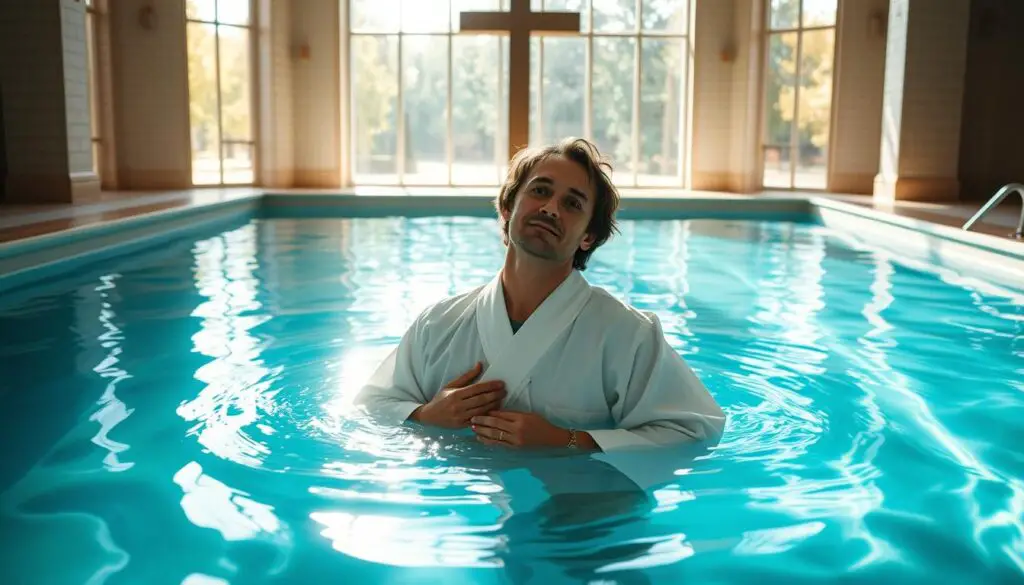
Baptists practice full-body immersion baptism exclusively for those old enough to profess personal faith. This ritual mirrors New Testament accounts of Jesus’ baptism and the early church’s practices. Unlike infant christening, it symbolizes conscious commitment rather than inherited tradition.

Three key elements define this practice:

  • Voluntary choice by the individual
  • Public declaration through immersion
  • Connection to Jesus’ death and resurrection

These fundamentals distinguish Baptist communities from many Protestant groups. They’ve particularly influenced religious culture in the United States, where separation of church and state enables diverse expressions of faith. Global Baptist networks maintain these core practices while addressing regional needs through local churches.

Historical Foundations of the Baptist Movement

In the 1600s, English dissenters reshaped Christianity through radical ideas about faith and freedom. Leaders like John Smyth and Thomas Helwys broke from state-controlled churches, forming communities where membership required personal conviction rather than birthright.

Origins in the 17th Century and Separatism

Smyth’s group fled persecution by establishing England’s first Baptist congregation in Amsterdam. Their core ideas sparked controversy:

  • Voluntary adult baptism instead of infant rites
  • Local churches governing themselves without bishops
  • Religious liberty for all, not just approved denominations

Thomas Helwys later brought these principles home, declaring, “The king is a mortal man, not God” – a bold challenge to royal church authority. This separatist spirit took root in colonial America, shaping early religious culture.

Influence of the Great Awakening

The 1740s revival transformed Baptist growth across the United States. Preachers like George Whitefield inspired mass conversions, while itinerant ministers established new churches in frontier regions. Three lasting impacts emerged:

  • Emphasis on emotional conversion experiences
  • Expanded use of lay preachers and camp meetings
  • Stronger focus on evangelism and missionary work

This era cemented baptism by immersion as both spiritual symbol and community event. Today’s congregations preserve this heritage through vibrant worship styles and commitment to individual faith journeys.

Key Distinctive Beliefs in Baptist Theology

Distinct theological pillars define Baptist identity beyond common Christian doctrines. Sola Scriptura remains non-negotiable, treating the Bible as life’s ultimate roadmap rather than a symbolic text. This principle fuels debates, sermons, and personal study sessions where members wrestle directly with biblical passages.

Believer’s baptism stands as a physical declaration of faith. Full immersion mirrors New Testament accounts, symbolizing resurrection and cleansing. Unlike infant rituals, it requires conscious choice – a hallmark of the movement’s emphasis on personal conviction over tradition.

Three structural elements shape congregational life:

  • Self-governance without denominational oversight
  • Equal voting rights for all members
  • Local adaptation of worship styles

These practices reflect trust in individual discernment. Conversion experiences anchor spiritual journeys, with many describing moments of profound personal renewal. Stories from the United States show how revivals and tent meetings historically amplified this focus on heartfelt commitment.

Modern Baptists balance tradition with cultural shifts. Urban congregations might blend hymns with contemporary music, while rural groups preserve revivalist fervor. This adaptability keeps the movement relevant across the United States, even as core doctrines remain unchanged.

At its best, this theology fosters communities where faith feels alive and participatory. Members don’t just attend services – they shape them through shared leadership and active discipleship.

Exploring What Are the Beliefs of Baptist Church

Baptist communities across the United States blend shared convictions with local interpretations of faith. While Scripture remains central, regional associations help congregations navigate modern challenges without imposing rigid doctrines. This balance between unity and diversity defines their collective identity.

Local associations provide resources like training programs and disaster relief coordination. They don’t dictate theology but foster collaboration through voluntary partnerships. For example, a Texas network might host youth camps while a Midwest group focuses on urban ministry grants.

Individual experiences shape collective practices in tangible ways:

  • Bible study groups often mix traditional interpretations with personal applications
  • Worship music ranges from Appalachian gospel to multicultural praise bands
  • Community service projects reflect local needs, from food banks to immigration aid
Historical Practice Modern Expression
17th-century separatism Interfaith dialogues on social justice
Camp meeting revivals Digital evangelism through podcasts
Handwritten confessions Collaborative denominational apps

In the United States, many believers describe their faith as “lived theology” – praying at protests or starting small businesses with ethical guidelines. These actions mirror early Baptists who linked spiritual commitment to societal transformation. Today’s congregations honor that legacy while reimagining its application.

Regional conventions occasionally spark debates about cultural adaptation versus doctrinal purity. Yet most believers agree their shared values – like religious liberty and soul competency – create stronger bonds than any disagreement.

The Role of the Local Church in Baptist Practice

Local congregations form the heartbeat of Baptist practice, blending self-direction with shared spiritual purpose. Each assembly operates as its own governing body, making decisions through member consensus rather than external hierarchies. This structure stems from a deep conviction that every believer holds equal standing before God.

Congregational Governance and Priesthood of Believers

Members vote directly on matters like budget approvals, pastoral appointments, and community outreach strategies. This hands-on approach keeps ministries responsive to neighborhood needs – whether organizing food drives or launching addiction recovery programs. One pastor noted, “Our people don’t just fill pews; they fuel our mission through active participation.”

The priesthood principle reshapes leadership roles. Lay members lead Bible studies, administer benevolence funds, and even preach during services. This shared responsibility fosters spiritual growth while preventing power concentration. Over centuries, this model has adapted to cultural shifts while maintaining core values.

Historical Practice Modern Adaptation
17th-century member votes Digital polling for remote participation
Revival meeting planning Social media-driven outreach campaigns
Rotating lay preachers Volunteer ministry teams

Fellowship networks help congregations collaborate without compromising autonomy. Regional associations provide resources like disaster relief training or youth curriculum packages. These partnerships strengthen community impact while respecting each local church’s unique identity.

For modern members, this system makes faith tangible. Weekly gatherings become spaces where decisions shape real-life outcomes. From approving building repairs to funding scholarships, every voice matters in sustaining vibrant spiritual life.

Separation of Church and State: A Core Value

Religious freedom stands as a cornerstone principle shaping Baptist identity since its beginnings. This commitment protects both individual conscience and collective worship from government overreach, creating space for diverse spiritual expressions.

church-state separation principle

Historical Context and Modern Implications

Early leaders like Thomas Helwys risked imprisonment to defend this ideal. His 1612 declaration – “Let them be heretics, Turks, Jews, or whatsoever, it appertains not to the earthly power to punish them” – became a rallying cry against state-controlled religion. These convictions later influenced America’s First Amendment protections.

Three modern impacts demonstrate this principle’s vitality:

  • Legal safeguards preventing government interference in worship styles
  • Protection for believer baptism practices against regulatory challenges
  • Collaborative interfaith advocacy for conscience rights

Current debates about public funding for religious schools test these boundaries. Baptist denominations often oppose such measures, fearing compromised autonomy. Recent Supreme Court cases reveal how this 400-year-old theology still informs legal arguments about religious expression.

Historical Precedent Contemporary Application
Helwys’ imprisonment for dissent Amicus briefs supporting minority faiths
Colonial-era tax exemptions Nonprofit status protections

This enduring value enables Baptist groups to maintain distinct practices like believer baptism while cooperating across denominations on shared social concerns. It remains both shield and compass – defending sacred spaces while guiding ethical engagement in civic life.

Baptist Worship and Communion Practices

Worship services pulse with heartfelt singing and communal reflection, embodying core spiritual values. These gatherings blend structured traditions with spontaneous expressions of faith, creating spaces where ancient rituals meet modern relevance.

The Significance of the Lord’s Supper

Communion serves as a vivid reminder of Christ’s sacrifice, observed with unleavened bread and grape juice. Unlike sacramental views, Baptists treat it as a symbolic act of obedience. Most congregations share this meal monthly, turning it into time for personal examination and renewed commitment.

Three elements shape its observance:

  • Open participation for all professing Christians
  • Emphasis on individual spiritual preparation
  • Connection to Jesus’ final instructions in Scripture

Monthly Observances and Hymn Singing

Southern Baptists often pair communion with extended hymn sessions, while other groups might use contemporary worship bands. Expository preaching typically anchors services, dissecting biblical texts verse-by-verse. Spontaneous prayer requests frequently follow, allowing members to voice personal needs aloud.

Historical Tradition Modern Adaptation
Shape-note singing Multimedia lyric projections
Quarterly communion Monthly or weekly observances
Acapella harmonies Blended instrumental arrangements

Regional differences emerge clearly in worship styles. Some southern Baptist churches maintain strict a cappella traditions, while urban congregations incorporate jazz or gospel influences. This diversity reflects the authority local churches hold in shaping their worship experiences.

Through these practices, communities strengthen bonds while honoring historical roots. The rhythm of monthly communion and daily devotionals creates sacred time markers in believers’ lives, blending personal faith with collective celebration.

The Evolution of Baptist Theology Over Time

Theological landscapes within Baptist communities have shifted like rivers over centuries, carving new paths while maintaining bedrock convictions. Early leaders taught predestination – a strict Calvinist view of divine election. By the 1800s, figures like Andrew Fuller championed free will, steering the Baptist movement toward evangelical outreach.

Revival meetings sparked dramatic changes. Charles Spurgeon’s fiery sermons blended Calvinism with passionate appeals for personal conversion. This tension birthed hybrid doctrines – “God’s sovereignty walks hand-in-hand with human responsibility,” as one 19th-century preacher declared.

Three societal forces reshaped theological priorities:

  • Urbanization demanded practical sermons addressing factory workers’ struggles
  • Civil rights movements inspired ethical debates about biblical justice
  • Global missions expanded perspectives on cultural adaptation
17th-Century Focus 21st-Century Emphasis
Predestination debates Social justice applications
Local church covenants National conventions collaboration
Strict separatism Interdenominational partnerships

Modern conventions showcase this evolution. The Southern Baptist Convention revised its doctrinal statement in 2000 to address gender roles and technology ethics. Yet core ideas endure – Scripture’s authority and each believer’s priesthood remain non-negotiable.

Younger generations now reinterpret tradition through lenses like environmental stewardship. As historian Bill Leonard observes, “Baptists keep one foot in the Reformation and another in whatever culture they’re trying to reach.” This dance between roots and branches keeps the Baptist movement both anchored and adaptive.

Baptist Perspectives on Membership and Discipleship

Joining a Baptist community begins with a personal declaration of faith, marking both individual conviction and communal welcome. Prospective members typically share their spiritual journey publicly before baptism by immersion. This initiation reflects core faith practices – conscious choice over inherited tradition.

Newcomers often complete discipleship courses exploring biblical foundations. These classes clarify expectations like weekly worship attendance and financial support. “We’re not just adding names to a roster,” explains a Tennessee pastor. “We’re inviting people into transformative relationships.”

Three pillars sustain membership integrity:

  • Regular participation in communal worship
  • Accountability through small prayer groups
  • Service in local outreach initiatives

Historical records show early congregations required signed covenants promising holy living. Today’s members might join tech teams or mentoring programs instead. This evolution maintains the original focus on active spiritual growth within congregations.

Past Requirements Current Practices
Public repentance for lapses Confidential pastoral counseling
Monthly covenant renewals Annual spiritual health check-ins

Shared meals after baptism services symbolically reinforce community bonds. These gatherings mirror the early church’s faith practices, blending celebration with mutual encouragement. Through such traditions, personal commitment fuels collective spiritual vitality.

The Diversity Within Baptist Denominations

Baptist traditions unfold like a mosaic across the religious landscape, revealing distinct patterns within shared frameworks. While united by core principles like congregation autonomy and Scripture’s authority, various groups interpret these values differently. This diversity sparks both rich collaboration and spirited debates about doctrine and practice.

Southern Baptists vs. General Baptists

Southern Baptists, America’s largest Protestant group, emphasize biblical inerrancy and traditional social values. Their 2000 Baptist Faith & Message affirms male-led leadership and opposition to same-sex marriage. General Baptists, rooted in 17th-century English Separatism, often adopt more progressive stances on gender roles and social justice.

Key differences emerge in:

  • Approach to doctrine: Literal vs. contextual Scripture interpretation
  • Church structure: Centralized conventions vs. loose associations
  • Cultural engagement: Political activism vs. community-based outreach

Modern Associations and Global Impact

Global networks like the Baptist World Alliance connect 47 million members across 130 countries. These groups address regional needs while respecting local congregation independence. Nigerian Baptists combat religious violence through interfaith schools, while Brazilian Baptists lead urban poverty initiatives.

Group Historical Roots Modern Focus
Southern Baptists 1845 split over slavery Evangelism & seminary education
General Baptists 1609 Amsterdam exile Ecumenical partnerships
Cooperative Baptists 1991 moderate split Social justice advocacy

Recent dialogues bridge divides through shared commitments like separation church-state principles. A Texas pastor notes, “We disagree on baptism methods but agree the government shouldn’t pick favorites.” This balance of unity and diversity keeps Baptist traditions vibrant worldwide.

Key Figures and Pioneers in Baptist History

Courageous reformers shaped Baptist identity through acts of defiance and theological innovation. Among them, two English exiles laid groundwork that still defines communities today.

Architects of Religious Liberty

John Smyth and Thomas Helwys risked everything for their convictions. After fleeing England in 1607, Smyth’s group developed believer’s baptism in Amsterdam. Helwys later penned history’s first manifesto demanding religious freedom for all, writing: “Let them be heretics, Jews, Turks, or whatsoever – they ought not to be persecuted.”

Their radical ideas faced fierce opposition:

  • Rejection of infant baptism as unbiblical
  • Insistence on local church self-governance
  • Defiance of state-controlled religion

Enduring Legacies

These pioneers influenced America’s religious landscape through later leaders like Roger Williams. Their fight for church state separation became foundational to U.S. constitutional principles. Modern Baptists honor this heritage through global advocacy for conscience rights.

Leader Contribution Modern Impact
John Smyth First Baptist congregation Voluntary membership models
Thomas Helwys Religious liberty writings First Amendment precedents

Helwys’ imprisonment and Smyth’s exile show how history repeats when people challenge authority. Their courage continues inspiring movements defending spiritual autonomy worldwide.

Baptist Values and Practices Around the World

Global Baptist communities embody their principles through culturally adaptive expressions of faith. From Nigerian cities to Ukrainian villages, these groups maintain core commitments while addressing local needs. Religious freedom remains a rallying cry, shaping how congregations engage with diverse political systems.

In Nigeria, believers operate interfaith schools to counter religious violence. Brazilian Baptists run recycling cooperatives alongside worship services. Ukrainian congregations once held baptisms underground during Soviet-era restrictions. These actions reflect a shared DNA:

  • Voluntary membership decisions
  • Resistance to state interference in worship
  • Scripture-guided community development

Challenges emerge where governments restrict minority faiths. Chinese house churches navigate surveillance, while Russian Baptists face registration hurdles. Yet creative adaptations thrive – Myanmar believers use coded songs to teach banned doctrines.

Region Practice Impact
South Korea Tech-driven evangelism Youth engagement tripled
Germany Refugee sponsorship 17 new congregations
Mexico Indigenous language Bibles 3,000+ translations

Historical activism fuels modern efforts. Thomas Helwys’ 1612 plea for religious freedom inspires legal defenses in India today. Southern Baptist missionaries helped draft Japan’s postwar constitution, embedding conscience protections.

This global tapestry shows how local practice preserves universal ideals. Whether fighting caste discrimination or hosting pop-up food banks, Baptists prove core values transcend borders. Their legacy thrives through flexibility – ancient truths wearing new cultural garments.

The Role of Baptism in Baptists’ Faith Practice

Full immersion baptism stands as a defining act of spiritual commitment within Baptist communities. This public declaration symbolizes personal transformation, marking both individual faith journeys and communal celebration. Unlike infant christening, it reflects conscious choice – a tradition rooted in New Testament teachings.

Rituals of Immersion and Renewal

The plunge into water visually echoes Jesus’ burial and resurrection. As one pastor explains, “We don’t just get wet – we reenact the gospel story with our bodies.” Local congregations often host these ceremonies in rivers, lakes, or specially designed baptismals, turning them into community-wide events.

Three layers of meaning shape the practice:

  • Public testimony: Witnesses confirm the believer’s faith journey
  • Spiritual cleansing: Water symbolizes forgiveness and new beginnings
  • Church unity: The act connects individuals to centuries of tradition

Modern groups adapt rituals while preserving core symbolism. Urban churches might use heated pools for winter baptisms, while rural communities gather at sunrise for outdoor services. These variations highlight how worship styles reflect cultural contexts without compromising doctrine.

Historical Practice Modern Expression
17th-century river baptisms Indoor heated baptismal pools
White baptismal robes Personalized testimony videos

In local congregations, preparation often includes counseling sessions and written faith statements. One Texas church requires candidates to share their stories publicly before immersion. This approach strengthens community bonds while honoring each person’s unique spiritual path.

Through these living traditions, baptism remains a cornerstone of identity – bridging past convictions with present-day expressions of devotion.

Baptist Contributions to Religious Freedom and Civil Rights

For centuries, courageous voices within Baptist communities have shaped global struggles for equality and conscience rights. Their commitment to individual spiritual autonomy fueled movements challenging oppressive systems on both sides of the Atlantic.

Early English Baptists like Thomas Helwys faced imprisonment for demanding religious freedom beyond state approval. His 1612 declaration – “Let them be heretics, Jews, or whatsoever” – became a blueprint for modern human rights charters. Colonial America saw Roger Williams establish Rhode Island as a sanctuary for persecuted minorities, embedding these ideals into New World governance.

The priesthood of believers principle transformed civil rights activism. African American congregations led voter registration drives, while white pastors like Clarence Jordan broke segregation norms through interracial farming communes. Martin Luther King Jr., shaped by Baptist teachings, declared, “Injustice anywhere threatens justice everywhere.”

Historical Impact Modern Legacy
1612 Helwys manifesto Amicus briefs supporting LGBTQ+ rights
1845 anti-slavery splits Refugee resettlement programs
1950s bus boycotts Police reform advocacy

Local membership meetings became training grounds for civic engagement. Churches taught literacy skills needed for voting tests and hosted NAACP organizers. Today, Baptist networks continue influencing policy through prison ministries and immigration clinics.

This legacy thrives where religion meets real-world needs. From 17th-century pamphleteers to modern street medics, Baptists prove faith without social action rings hollow. Their story reminds us that true spiritual freedom always seeks liberation for others.

Baptist Church: Faith, Practice, and Community Engagement
Baptist community engagement

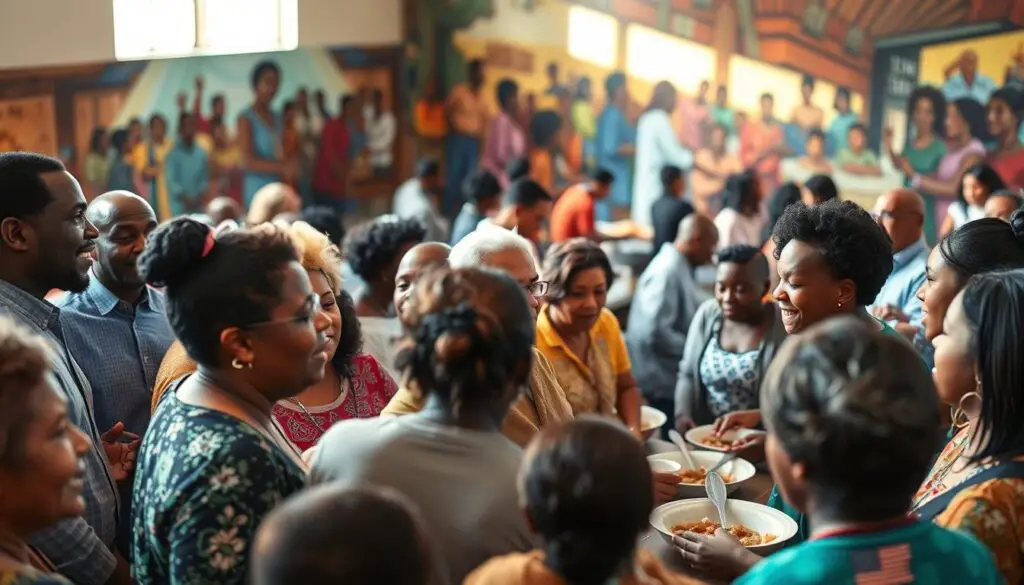
Local Baptist congregations turn spiritual convictions into neighborhood transformation through shared action. In Rhode Island, one church operates a round-the-clock food pantry staffed entirely by members. Their motto – “Hands busy serving, hearts open to all” – reflects how worship extends beyond Sunday services.

Immersion baptism becomes a community celebration here. New believers often join outreach teams within weeks, symbolizing faith made visible through service. A recent candidate shared: “Coming up from the water felt like joining a movement bigger than myself.”

Three practices strengthen communal bonds:

  • Shared meals after worship services
  • Neighborhood clean-up Saturdays
  • Emergency fund managed by members

These efforts mirror historic patterns. Rhode Island congregations trace their community focus to Roger Williams’ 1638 vision of a “lively experiment” blending faith and civic responsibility. Today’s partnerships with schools and shelters continue that legacy.

Seasonal events like back-to-school drives and holiday toy exchanges become spiritual practices. One parent noted, “Seeing our kids wrap gifts for strangers teaches more than any sermon.” Through such engagement, immersion in faith becomes immersion in neighborly care.

Modern challenges test these traditions. Rising rents in Rhode Island pushed one church to convert classrooms into affordable studios. Members vote annually on which local issues to prioritize – this year, mental health resources topped the list.

Conclusion

Centuries after their founding, Baptist principles continue shaping spiritual landscapes through adaptable yet rooted practices. Scriptural authority remains central, guiding communities that reject rigid creeds in favor of personal conviction. Their commitment to believer’s baptism and self-governed congregations preserves a distinct identity across generations.

While honoring tradition, these groups evolve to address modern challenges. Urban food banks and digital ministries now stand alongside river baptisms and hymn sings. This balance reflects their historical DNA – resisting state control while championing justice causes.

Baptists reject complacency as fiercely as they once opposed religious tyranny. From colonial-era pamphleteers to civil rights marchers, their legacy thrives where faith fuels action. Understanding these foundations reveals why diverse expressions coexist under shared values.

Whether preserving tradition or pioneering change, this movement proves core convictions can bridge eras. Their story invites us to see unity not in uniformity, but in the vibrant tapestry of lived faith.

FAQ

How do Baptists view the authority of Scripture?

Baptists emphasize Sola Scriptura, meaning the Bible alone guides faith and practice. They reject extra-biblical creeds as binding, prioritizing personal study and local church interpretation of biblical teachings.

Why is immersion important in Baptist baptism?

Immersion symbolizes spiritual renewal and mirrors Jesus’ example. Unlike infant baptism, Baptists practice believer’s baptism, reserved for those who consciously profess faith, reflecting a personal commitment to Christian discipleship.

How do Baptists approach church governance?

Local churches operate independently under congregational governance. Members vote on decisions, reflecting the priesthood of all believers. Regional associations or conventions offer fellowship without overriding a congregation’s autonomy.

What role does religious freedom play in Baptist theology?

Early leaders like Roger Williams in Rhode Island championed church-state separation to protect conscience rights. Modern Baptists advocate against government interference in worship or doctrine, upholding individual liberty.

How did the Great Awakening shape Baptist growth?

Revivalists like George Whitefield emphasized personal conversion, aligning with Baptist values. This fueled expansion in the American colonies, fostering evangelism and lay participation that defined the movement’s grassroots energy.

What distinguishes Southern Baptists from other groups?

The Southern Baptist Convention, formed in 1845, emphasizes missionary work and conservative theology. Unlike General Baptists, they often hold stricter views on scriptural inerrancy and congregational policies.

How do Baptists practice communion?

The Lord’s Supper is a symbolic act of remembrance, typically observed monthly. Bread and juice represent Christ’s sacrifice, open to all professing believers regardless of denomination, reflecting unity in the Christian faith.

What global impact do Baptists have today?

Missionary efforts since the 18th century spread Baptist theology worldwide. Today, groups in Africa, Asia, and Latin America adapt practices to local cultures while maintaining core principles like believer’s baptism and evangelism.

How did Baptists contribute to civil rights movements?

Leaders like Martin Luther King Jr. leveraged Baptist teachings on equality and justice. Churches often served as hubs for organizing, advocating for religious freedom and societal change through nonviolent resistance.

Why do Baptists reject infant baptism?

Infant baptism conflicts with the belief that only individuals old enough to understand sin and redemption can make a genuine profession of faith. This aligns with their emphasis on personal accountability and voluntary discipleship.
Baptists and Drinking: Uncovering the Truth


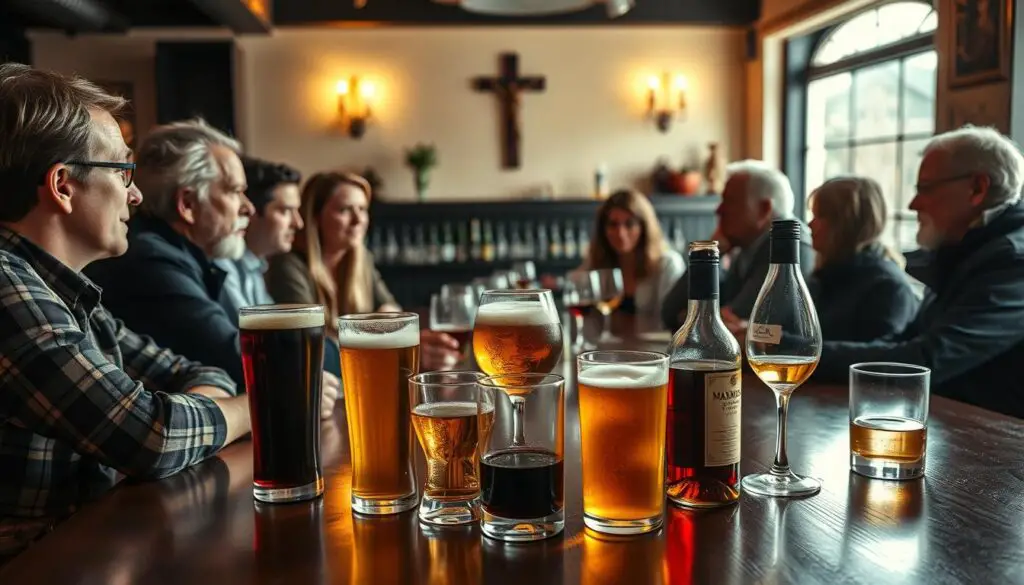
For generations, the question of whether Southern Baptist communities embrace or avoid alcohol has sparked lively discussions. While many associate the tradition with total abstinence, recent shifts suggest this stance isn’t as rigid as it once was. What’s driving this nuanced conversation?

Historically, avoiding alcohol was seen as a mark of faithfulness in Southern Baptist circles. Churches emphasized temperance, linking sobriety to spiritual integrity. But today, cracks are appearing in that long-held consensus. Schools affiliated with the denomination have quietly lifted alcohol bans, and debates at events like the SBC annual meeting reveal changing attitudes.

According to Lifeway Research, nearly 40% of Protestant churchgoers now believe moderate drinking is acceptable. Ethics professor Evan Lenow notes this reflects broader cultural and theological reevaluations. “Younger generations,” he explains, “are questioning whether abstinence is a biblical mandate or a cultural artifact.”

This article explores how historical values collide with modern perspectives. We’ll examine reports, interview insights, and the delicate balance between personal conviction and communal norms. Whether you’re part of the church or simply curious, join us as we unpack a century of tradition—and the forces reshaping it.

Key Takeaways

  • Southern Baptist traditions historically promoted complete alcohol avoidance.
  • Recent studies and policy changes suggest evolving views within the community.
  • Scholars like Evan Lenow highlight generational shifts in theological interpretation.
  • Debates now focus on balancing scripture with cultural context.
  • Reports from Lifeway Research provide data-driven insights into these trends.

Historical Context: The Roots of Baptist Abstinence

Early Baptist communities built their identity on clear ethical boundaries. By the late 1800s, many congregations adopted covenants explicitly forbidding alcoholic beverages, framing total abstinence as a safeguard against moral decline. These commitments weren’t just cultural—they were rooted in scripture, particularly warnings against drunkenness in Ephesians and Proverbs.

Baptist Theological Seminary Perspectives on Alcohol

Seminary teachings reinforced this stance. For example, a 1914 Baptist Theological Seminary ethics course stated: “Moderation risks sliding into excess; abstinence protects the church’s witness.” This view shaped generations of leaders, linking alcohol avoidance to spiritual discipline. A 2006 Southern Baptist Convention resolution echoed this, urging members to “abstain wholly” to avoid causing others to stumble.

Southern Baptist Convention’s Historic Stance

For over a century, SBC annual meetings reaffirmed strict policies. Dr. Evan Lenow noted in a 2012 report: “Early resolutions treated alcohol use as incompatible with Christian ethics.” These positions weren’t merely symbolic—churches often barred members who drank, even socially. Lifeway Research later found that 72% of Baptist pastors in 1990 still opposed any consumption.

Yet cracks emerged as scholars revisited biblical texts. A theological seminary study in 2015 argued that “scripture condemns abuse, not all use.” This tension between tradition and reinterpretation set the stage for modern debates about personal conviction versus communal norms.

Modern Trends: Changing Perspectives on “do baptists drink”

A quiet revolution is reshaping Baptist views on alcohol consumption. While historical teachings emphasized total abstinence, new research reveals surprising shifts in practice and perception.

Baptist alcohol consumption trends

LifeWay Research and Shifts in Consumption

Recent studies from Lifeway show 33% of churchgoers now occasionally enjoy a glass wine or beer. “My congregation knows I drink responsibly,” shares Pastor Mark Collins*, a Southern Baptist leader. “Faith isn’t about rules—it’s about wisdom.”

This change reflects updated understandings of alcohol health risks. Researchers emphasize distinguishing between moderate use and abuse. As one professor noted: “We’re learning to quantify drunkenness rather than demonize all beverages.”

Panel Discussions and Cultural Dialogues at SBC Meetings

The 2023 SBC annual meeting featured unprecedented debates about alcoholic beverages. Leaders discussed balancing scripture with modern science, while younger members cited social media conversations normalizing responsible consumption.

These dialogues mark a departure from past policies. While older resolutions warned against any alcohol use, recent statements focus on preventing excess. As cultural attitudes evolve, so does the church’s approach to this century-old debate.

Legalism vs. Christian Freedom: Debating Alcohol Use in the Church

Should faith communities enforce strict rules about alcoholic beverages, or trust individuals to exercise wisdom? This question fuels heated debates within the Southern Baptist Convention. While historic resolutions promoted total abstinence, critics argue this approach risks replacing spiritual discernment with rigid human-made standards.

Critiques of Legalistic Approaches to Alcohol

Many scholars challenge the idea that banning all alcohol use aligns with scripture. Ethics professor Evan Lenow stated: “Legalism treats believers like children who can’t handle freedom. Galatians 5 reminds us Christ sets us free to bear spiritual fruit, not follow man-made lists.”

Social media amplifies these critiques. Platforms buzz with stories of pastors enjoying a glass wine responsibly—a stark contrast to older church policies. A 2021 survey found 29% of younger Baptists view total abstinence as unnecessary if balanced with self-control.

Legalism Focus Freedom Focus
Strict bans on all alcohol Guidance against drunkenness
External rule enforcement Internal Spirit-led conviction
Fear of cultural influence Trust in personal discernment

Balancing Scriptural Warnings with Christian Liberty

The Bible clearly condemns drunkenness (Ephesians 5:18) but never prohibits moderate alcohol consumption. As Lenow notes: “Our task isn’t to regulate beverages but to cultivate hearts that honor God.”

Recent SBC annual meetings reflect this shift. While reaffirming warnings against excess, leaders now emphasize avoiding judgment toward those who drink responsibly. This mirrors Paul’s advice in Romans 14:3: “Let not the one who abstains pass judgment on the one who eats.”

Still, tensions linger. Older members recall when churches expelled members for any alcohol use. Yet as one seminary professor observed: “True ethics flow from love, not fear. We’re learning to measure quantifying drunkenness, not demonize shared meals with wine.”

Conclusion

The Baptist journey with alcohol reveals a community navigating tradition and transformation. Historical commitments to abstinence, rooted in scriptural warnings against drunkenness, now coexist with growing emphasis on Christian freedom. As Lifeway Research highlights, many believers today view moderate consumption as compatible with faith when exercised wisely.

Scholars like Evan Lenow note this shift reflects deeper theological reflection. “Our focus,” he said, “should be cultivating hearts that honor God, not policing beverages.” Recent SBC dialogues confirm this trend—discussions now prioritize guiding principles over rigid rules, acknowledging cultural shifts while respecting scripture.

While debates continue, the core challenge remains balancing conviction with compassion. Data shows younger generations value personal discernment, yet honor the Baptist church’s legacy of moral vigilance. This delicate dance between freedom and responsibility invites ongoing conversation.

As perspectives evolve, may communities foster grace-filled dialogue. Whether one abstains or enjoys a glass wine occasionally, mutual respect anchors unity. After all, Christian freedom thrives when rooted in love—not fear.

FAQ

What historical factors shaped Baptist views on alcohol?

Early Baptists emphasized total abstinence due to societal issues tied to alcohol abuse in the 19th and 20th centuries. The Southern Baptist Convention reinforced this stance through resolutions discouraging consumption and promoting temperance as a moral imperative.

How are modern Baptists addressing alcohol use differently?

Some younger leaders and scholars argue for a nuanced approach, balancing scriptural warnings against drunkenness with Christian freedom. LifeWay Research surveys show growing acceptance of moderate consumption, though many churches still discourage it to avoid addiction risks.

Does the Southern Baptist Convention still oppose all alcohol consumption?

The SBC maintains strong discouragement of alcohol use, citing health and ethical concerns. However, debates at annual meetings and seminary panels reflect evolving dialogues about cultural shifts and interpretations of biblical teachings on moderation.

How do Baptist seminaries approach discussions about alcohol?

Institutions like the Southern Baptist Theological Seminary teach historical abstinence principles but also explore theological debates. Professors like Dr. Thomas Schreiner note Scripture condemns drunkenness, not responsible use, fostering classroom discussions on ethics and personal conviction.

Are Baptists today more accepting of social drinking?

While older generations often equate abstinence with holiness, younger Baptists increasingly view moderate drinking—like a glass of wine—as permissible. Social media and global church interactions have influenced this gradual shift, though divisions persist.

What role does "Christian freedom" play in alcohol debates?

Advocates argue that Romans 14 allows personal discretion, provided choices honor God and avoid causing others to stumble. Critics warn against normalizing alcohol in church culture, fearing it could weaken witness or enable addiction.

How do health concerns factor into Baptist alcohol policies?

Many churches highlight alcohol’s societal harm, including addiction and family breakdowns, to justify abstinence. Leaders like Russell Moore have cited public health data to support minimizing alcohol access, even while acknowledging biblical silence on total prohibition.

How Many Baptists Are There in the US?


Understanding religious demographics helps paint a clearer picture of America’s cultural landscape. Among Protestant groups, Baptists stand out as one of the largest denominations, with a significant presence nationwide. This article explores their membership numbers, organizational structure, and what these figures mean for communities across the country.

When discussing religious affiliation, it’s important to distinguish between individual churches and broader networks. A single congregation might represent hundreds of members, while national organizations connect thousands of these local groups. The United States hosts an expansive network of Baptist communities, reflecting both regional traditions and shared beliefs.

Membership totals often include active participants and those connected through family or cultural ties. These numbers highlight not just spiritual engagement but also the social influence of these churches. Whether you’re curious about faith-based statistics or regional trends, this breakdown offers insights into a defining aspect of American life.

Key Takeaways

  • Baptists form one of the largest Protestant groups in the U.S., with millions affiliated nationwide.
  • Membership counts include both active congregants and broader community connections.
  • Local churches operate independently but often align with larger denominational organizations.
  • The term “membership” can refer to individuals or entire congregations, depending on context.
  • Regional differences shape how Baptist communities grow and interact within the United States.

Overview of Baptist Beliefs and Practices

What defines Baptist beliefs? A focus on personal choice in faith and baptism sets them apart. Unlike many Christian traditions, they emphasize adult baptism by immersion—a public declaration of one’s commitment to their beliefs. This practice reflects their core value: a direct relationship with God, free from intermediaries.

Core Doctrines and Faith Practices

Central to their religion is the idea that belief must be a conscious decision. Baptism isn’t for infants but for those old enough to choose their spiritual path. Scripture holds ultimate authority, guiding both personal conduct and congregational decisions. Local churches operate independently, reflecting their commitment to self-governance.

This emphasis on individual faith extends to daily life. Many prioritize prayer, Bible study, and community service as expressions of their beliefs. Their doctrinal simplicity avoids rigid rituals, focusing instead on heartfelt worship.

Worship Style and Community Traditions

Services often blend structure with spontaneity. Hymns, sermons, and shared prayers create a collective yet personal experience. Congregations might clap, sing loudly, or share testimonies—practices rooted in genuine emotional connection.

Community plays a vital role. Potlucks, outreach programs, and small groups strengthen bonds while living out their faith. Despite regional variations, this balance of independence and unity remains a hallmark of Baptist worship.

how many baptists: Tracking US Membership and Demographics

Baptist communities in the U.S. reflect a dynamic blend of tradition and modern shifts. With over 30 million adherents, their presence spans diverse age groups and geographic regions. Let’s explore how numbers and demographics shape this influential network.

Baptist demographic trends in the United States

Nationwide Trends and Membership Stats

Recent data shows Baptist congregations total approximately 85,000 nationwide. These groups vary widely—some belong to large denominations, while others remain independent. For example:

Denomination Congregations Membership Average Age
American Baptist 5,200 1.1 million 57
National Baptist 10,500 5 million 49
General Baptists 790 68,000 62

Younger age cohorts increasingly join non-denominational groups, impacting traditional membership counts. Still, established denominations maintain strong ties through community programs and intergenerational activities.

Regional Distribution and Demographic Insights

Southern states host over 40% of Baptist congregations, reflecting historical roots. Texas alone claims 12% of National Baptist churches. Meanwhile, Midwestern states show higher engagement among the 55+ age bracket.

“Local autonomy allows churches to adapt while preserving core values—this flexibility drives regional diversity.”

Urban areas see growing multicultural groups, particularly within the American Baptist denomination. Rural regions often rely on smaller congregations as community anchors. These patterns highlight how denomination structures balance tradition with localized needs.

Major Baptist Conventions Explored

Collaborative networks play a pivotal role in uniting independent Baptist churches across America. These groups balance local autonomy with shared goals, creating frameworks for outreach, education, and cultural impact. Let’s unpack the key organizations shaping this tradition.

Southern Baptist Convention Insights

The Southern Baptist Convention (SBC) stands as the largest U.S. baptist denomination, with 13 million members. Known for its missionary focus, the SBC coordinates over 47,000 churches while allowing each congregation to govern itself. Core principles include biblical authority and evangelism.

This baptist convention also addresses social issues through resolutions voted on annually. Their cooperative funding model supports seminaries and disaster relief—showcasing unity without sacrificing independence.

National Baptist Convention Highlights

Founded in 1886, the National Baptist Convention represents the oldest African-American Baptist body. Its 5 million members emphasize civil rights advocacy and community development. Unlike the SBC, it prioritizes collective action on systemic inequality.

Local churches retain control over staffing and budgets, but the baptist association provides resources like youth programs and theological training. This blend of flexibility and support fuels its enduring influence.

Other Baptist Groups and Associations

Smaller conventions like the Progressive National Baptist Convention focus on specific causes, while the Baptist World Alliance connects 127 global groups. These networks foster dialogue on topics like religious freedom and poverty.

Regional baptist associations handle practical matters—shared event planning or clergy training. Though diverse, all uphold the baptist denomination’s core tenets: believer’s baptism and congregational self-rule.

“Conventions don’t control churches; they amplify what congregations achieve together.”

Historical Evolution of Baptist Churches in America

The story of Baptist churches in America is woven into the nation’s social and spiritual fabric. From colonial dissenters to modern community builders, their journey reflects both beliefs and cultural shifts. Let’s explore how this life-shaping tradition adapted across centuries.

Baptist church historical evolution

Origins and Early Growth

Baptist roots took hold in the 17th century as colonists sought religious freedom. Early baptist churches emphasized individual conscience—rejecting state-controlled faith. The Great Awakening of the 1740s sparked explosive growth, with fiery preachers drawing thousands of believers.

By the 19th century, debates over slavery split congregations. Northern groups championed abolition, while Southern churches defended the practice. This division birthed separate conventions, shaping regional identities still visible today.

Modern Developments and Movements

The 20th century brought new challenges and adaptations. Civil rights movements saw African-American Baptist leaders like Martin Luther King Jr. mobilize churches for social justice. Meanwhile, missionary efforts expanded globally.

Recent decades highlight shifting practices. Many baptist churches now blend traditional hymns with contemporary music. Others prioritize community services—food banks or youth programs—to meet modern needs while honoring their articles of faith.

“Our strength lies in balancing timeless truths with timely action.” – 19th-century Baptist minister

Through every era, believers have shaped these individual congregations. Their ability to adapt ensures Baptist life remains vibrant, even as old debates give way to new movements.

Conclusion

Exploring America’s spiritual mosaic reveals the enduring influence of the Baptist church. With millions participating in individual churches nationwide, this group balances tradition with modern challenges. Their commitment to core values—like believer’s baptism and local autonomy—remains unshaken, even as they address societal shifts.

Today’s Baptist identity thrives through diversity. Small rural congregations and urban multicultural groups coexist under broad denominational umbrellas. The Baptist World Alliance strengthens these connections, fostering unity across 127 global partners while respecting each church’s independence.

Historical lessons remind us that human flaws like sins haven’t dimmed their mission. Instead, individual churches innovate—launching food banks or youth programs—to serve communities while staying rooted in faith. This adaptability ensures relevance in a changing world.

As highlighted in earlier articles, numbers only tell part of the story. What truly defines this group is its blend of personal conviction and collective purpose. Whether you’re part of a Baptist community or simply curious, these insights invite deeper reflection on faith’s role in shaping lives.

Looking ahead, the Baptist church continues evolving—proving that timeless beliefs can flourish in any era. Their story isn’t just about membership stats; it’s a testament to resilience, hope, and the power of shared values.

FAQ

What is the current membership of Baptist churches in the United States?

Baptist churches in the U.S. have approximately 14.5 million members, with the Southern Baptist Convention representing the largest group at over 13 million. Other groups, like the National Baptist Convention, USA, Inc., add significantly to this total.

What core doctrines define Baptist beliefs?

Key beliefs include believer’s baptism (immersion after professing faith), the authority of Scripture, salvation through faith alone, and the autonomy of individual churches. Congregations govern themselves without external hierarchies.

How do Baptist worship services typically look?

Worship styles vary but often feature sermons, congregational singing, and prayer. Many emphasize Scripture readings and community-focused traditions like potlucks or outreach programs. Styles range from traditional hymns to contemporary music.

Are Baptist denominations growing or declining in membership?

While some groups report declines due to cultural shifts, others maintain steady growth through evangelism and community engagement. The Southern Baptist Convention has seen fluctuations but remains the largest Protestant denomination in the U.S.

Where are Baptists most concentrated geographically?

Baptist churches are strongest in the Southern United States, including Texas, Georgia, and North Carolina. However, national conventions like the American Baptist Churches USA have active congregations in the Midwest and Northeast.

What distinguishes the Southern Baptist Convention from other groups?

The Southern Baptist Convention (SBC) is the largest Baptist body, known for its conservative theology and missionary focus. It formed in 1845 over disputes about slavery and remains influential in shaping evangelical movements today.

How did Baptist churches begin in America?

Early Baptists arrived in the 17th century, advocating for religious freedom and separation of church and state. Growth surged during the First and Second Great Awakenings, with splits later occurring over issues like slavery and doctrinal differences.

What are key differences between National and Southern Baptist conventions?

The National Baptist Convention, USA, Inc., is the largest African American Baptist group, emphasizing social justice and civil rights. The SBC, predominantly white, focuses on evangelism and traditional theology. Both operate independently but collaborate on global missions.

Do all Baptists practice baptism the same way?

Most practice believer’s baptism by immersion, viewing it as a public declaration of faith. However, practices can vary slightly between congregations, with some allowing transfers of membership from other denominations.

How do modern Baptist churches address contemporary issues?

Many engage with topics like racial reconciliation, poverty, and religious liberty. Groups like the Cooperative Baptist Fellowship and Baptist World Alliance promote global partnerships, while others prioritize local community needs.

What Are the Basic Baptist Beliefs?


If you’re new to understanding Baptist traditions, you’re in the right place. This guide breaks down the foundations of their faith in simple terms. At the heart of Baptist practice is a deep respect for Scripture as the ultimate authority. Every teaching and tradition ties back to biblical teachings.

One standout feature is the emphasis on believer’s baptism. Unlike some traditions, Baptists baptize only those who consciously choose to follow Jesus Christ. This symbolizes personal commitment rather than inherited ritual. Churches also operate independently, reflecting a belief in local congregation leadership.

Religious freedom is another cornerstone. Historically, Baptists championed the idea that faith should never be forced. This principle shaped their role in advocating for separation of church and state in America.

By the end of this article, you’ll grasp how these beliefs shape worship, community, and daily life. Let’s dive in!

Key Takeaways

  • Scripture guides all Baptist teachings and practices.
  • Believer’s baptism reflects personal commitment to faith.
  • Churches operate independently without external control.
  • Religious liberty is a historic Baptist priority.
  • Faith in Jesus Christ is central to salvation.

Overview of Baptist History and Core Values

Tracing back to the 1600s, Baptist origins intertwine with religious reform and independence. Early groups broke from the Church of England, rejecting infant baptism and state-controlled worship. Their commitment to voluntary faith drew inspiration from Anabaptist movements while carving a distinct path.

Historical Context and Origins

Persecution shaped Baptist identity from the start. English dissenters faced fines and imprisonment for refusing to conform. This forged a deep value for religious liberty—later influencing America’s First Amendment. Early congregations prioritized regenerate church membership, admitting only those professing personal faith.

Key Moments in Baptist Tradition

Three milestones defined their growth:

  • Roger Williams founded Providence Plantations (1638), establishing early religious freedom principles.
  • The Philadelphia Confession (1742) unified doctrinal standards across local churches.
  • Nineteenth-century missions expanded Baptist influence globally.

Leadership roles like pastors and elders evolved to serve growing communities while maintaining congregational authority. Today, Baptist churches worldwide uphold this blend of historical conviction and adaptable church governance.

Embracing Biblical Authority in Baptist Theology

Central to Baptist identity is the conviction that Scripture stands above all human traditions. Every teaching, practice, and confession must align with biblical principles. This commitment shapes how congregations interpret doctrine and live out their convictions.

The Bible as the Ultimate Guide

Baptists view the Bible as inerrant—free from error in its original texts. It serves as the final authority on matters of faith and practice. Historical documents like the Second London Confession (1689) reinforce this stance, stating:

“The Holy Scripture is the only sufficient, certain, and infallible rule of all saving knowledge, faith, and obedience.”

Personal interpretation plays a key role. Baptists believe the Holy Spirit guides individuals in understanding Scripture. This aligns with the “priesthood of all believers,” where every Christian has direct access to God without intermediaries.

Role of Confessions and Scripture

While confessions summarize core beliefs, they never override biblical teachings. These documents clarify positions on topics like baptism and salvation but remain subordinate to the Bible’s authority.

Confession Purpose Key Emphasis
Second London Confession Unify doctrinal standards Scripture’s supremacy
New Hampshire Confession Modernize beliefs Individual soul liberty
Baptist Faith and Message Contemporary guidance Missions and evangelism

For example, immersion baptism derives directly from New Testament accounts of Jesus Christ’s own baptism. This practice reflects obedience to Scripture rather than tradition alone.

Understanding Believer’s Baptism by Immersion

Baptist churches emphasize a distinctive practice: full-body immersion in water for those old enough to profess faith. This ritual isn’t just tradition—it’s a visual sermon about spiritual transformation. Unlike sprinkling or infant rites, it mirrors New Testament examples of Jesus Christ and early followers.

believer baptism immersion

Why Immersion Matters

Going underwater symbolizes dying to old ways, while rising up reflects new life through resurrection. Romans 6:4 explains this: “We were buried with Him through baptism into death, so that just as Christ was raised… we too might walk in newness of life.” Baptists see this physical act as obedience to Christ’s command in Matthew 28:19.

Scripture Shapes the Practice

Three factors set believer’s baptism apart:

  • Conscious choice: Only individuals who understand the gospel participate.
  • Complete immersion: Reflects the Greek word “baptizo,” meaning to dip or submerge.
  • Church affirmation: Congregations witness and celebrate the commitment.

This table contrasts Baptist immersion with other approaches:

Feature Believer’s Baptism Infant Baptism
Age Requirement Teens/Adults Newborns
Mode Full immersion Sprinkling/Pouring
Theological Basis Personal faith Covenant family

While baptism publicly declares faith, Baptists stress it doesn’t save—only Jesus Christ’s sacrifice does. It’s a step of obedience, like the Ethiopian eunuch’s request in Acts 8:36: “Look, here is water. What prevents me from being baptized?”

The Autonomy of the Local Church and Governance

Baptist congregations thrive on a unique principle: each local church governs itself. This self-rule stems from their conviction that Christ alone leads His followers through Scripture and congregational discernment. No outside hierarchy dictates decisions—members collectively shape their community’s path.

Local Church Independence and Membership

Every Baptist congregation operates like a self-governing family. Members voluntarily join after professing faith, often signing a church covenant outlining shared commitments. This agreement might include promises to support one another financially, spiritually, and morally.

Historical examples show this independence in action. Early Baptists in colonial America faced persecution for rejecting state-controlled religion. Today, modern churches maintain this ethos by choosing their own pastors, budgets, and outreach programs without denominational mandates.

Governance Model Baptist Polity Other Denominations
Decision-Making Congregational vote Bishops/Councils
Membership Voluntary profession Birthright/Infant baptism
Leadership Elected deacons/committees Appointed hierarchy

Church Discipline and Self-Government

Accountability preserves community health. If a member acts contrary to biblical standards, the church follows Matthew 18:15–17—private correction first, then gradual escalation. Restoration, not punishment, drives this process.

Deacons and pastors lead practical matters, but final authority rests with members. For instance, choosing a new worship space or revising bylaws requires majority approval. Churches often cooperate regionally for missions or disaster relief while retaining full independence.

Role Responsibilities Election Process
Pastor Teaching, counseling Congregational vote
Deacon Service, finances Nomination & ballot
Members Voting, ministry participation Baptism & covenant

what are basic baptist beliefs: Core Doctrines Explained

At the heart of Baptist theology lie foundational truths about God’s nature and humanity’s redemption. These principles unite congregations across traditions, shaping worship and personal devotion. Let’s explore the bedrock teachings that define their spiritual journey.

core baptist doctrines

The Trinity, Christ’s Work, and the Holy Spirit

Baptists affirm one eternal God existing as three distinct persons: Father, Son, and Holy Spirit. This triune nature reflects unity in purpose while maintaining individuality. Jesus Christ, fully divine and fully man, bridges heaven and earth through His sacrificial work on the cross. As Hebrews 4:15 states:

“For we do not have a high priest who is unable to sympathize with our weaknesses, but one who in every respect has been tempted as we are, yet without sin.”

The Spirit actively transforms believers—convicting hearts at conversion and nurturing spiritual growth. This process, called sanctification, empowers daily obedience.

Salvation, Sanctification, and Eternal Security

Salvation springs from God’s unmerited favor, not human effort. Ephesians 2:8–9 clarifies: “By grace you have been saved through faith… not a result of works.” Once redeemed, believers enjoy eternal security, sealed by God’s promise (John 10:28–29).

Doctrine Biblical Basis Practical Impact
Trinity Matthew 28:19 Worshiping one God in three persons
Christ’s Resurrection 1 Corinthians 15:20 Hope beyond earthly life
Eternal Security Romans 8:38–39 Confidence in God’s faithfulness

These truths anchor Baptist spirituality. They inspire gratitude for Christ’s sacrifice and reliance on the Spirit’s guidance. Through Scripture and community, believers grow into the likeness of their Savior.

The Role of Religious Liberty and Church-State Separation

Baptists have long stood as defenders of conscience rights in matters of faith. Their commitment to religious liberty reshaped societies, ensuring no government could dictate spiritual choices. This principle remains vital today, guiding how churches engage culture while preserving doctrinal integrity.

Historical Advocacy for Religious Freedom

Early Baptist leaders like Roger Williams and John Leland fought against state-controlled religion. Williams founded Rhode Island as a refuge for persecuted groups, declaring:

“Forced worship stinks in God’s nostrils.”

Their efforts influenced America’s First Amendment, embedding church-state separation into law. Baptists argued faith thrives when chosen freely, not mandated by rulers.

Modern Applications in Worship and Ministry

Today, congregations honor this legacy through community partnerships. Food banks, disaster relief, and interfaith dialogues reflect their ministry priorities. Churches avoid government funding that might compromise their mission, relying instead on voluntary support.

In worship services, pastors address social issues without endorsing political parties. This balances prophetic voice with institutional independence. Collaborative missions projects—like literacy programs—show how shared values can uplift diverse neighborhoods.

Historical Practice Modern Expression
Petitioning for religious rights Advocating for global conscience freedoms
Rejecting state interference Maintaining doctrinal autonomy

By guarding separation principles, Baptists protect both individual conviction and collective witness. Their stance reminds society that true faith cannot be legislated—only lived.

Conclusion

Baptist convictions continue shaping lives through timeless principles and community-driven faith. Rooted in Scripture’s supreme authority, these teachings guide both personal devotion and collective worship. From believer’s baptism symbolizing new life to local church autonomy fostering grassroots leadership, each distinctive strengthens spiritual vitality.

Historical battles for religious freedom remind us why conscience rights matter today. Doctrines like salvation by grace and Christ’s resurrection anchor hope beyond earthly struggles. Churches thrive when believers serve together—whether through Sunday gatherings or global missions.

Want to experience this firsthand? Visit a Baptist congregation or explore resources on ministry practices. Let these enduring truths inspire your journey toward deeper faith in Jesus Christ and fellowship with His people.

FAQ

Why do Baptists practice baptism by immersion?

Baptists view immersion as the biblical model, symbolizing a believer’s identification with Jesus’ death, burial, and resurrection. This act reflects personal faith and obedience to Scripture rather than infant baptism traditions.

How does the local church operate independently?

Each congregation governs itself under Christ’s authority, choosing pastors, managing ministries, and making decisions without external hierarchy. Members unite through shared faith and voluntary commitment to mission work.

What role does religious liberty play in Baptist theology?

Baptists historically advocate for freedom of conscience, rejecting state interference in worship. This principle ensures individuals and churches follow Scripture without coercion, aligning with New Testament teachings.

How do Baptists interpret salvation and eternal security?

Salvation comes through faith in Christ alone, not works. Many Baptists believe in eternal security—God’s grace preserves believers—though interpretations vary. Sanctification grows from gratitude for redemption.

What distinguishes the Lord’s Supper in Baptist practice?

The Lord’s Supper commemorates Jesus’ sacrifice, using bread and cup as symbols of His body and blood. Participation is reserved for baptized believers, emphasizing unity and reflection on Christ’s resurrection.

Why is missions central to Baptist churches?

Missions flow from Christ’s command to spread the Gospel globally. Local churches support evangelism, plant congregations, and address spiritual needs, reflecting the Holy Spirit’s work in transforming lives.

How do Baptists approach church membership?

Membership requires a credible profession of faith, baptism by immersion, and commitment to the congregation’s mission. Active participation in worship, service, and fellowship strengthens communal accountability.

What is the “priesthood of all believers”?

This doctrine affirms every Christian’s direct access to God through Christ, eliminating the need for human mediators. It empowers individuals to study Scripture, pray, and serve according to their gifts.

What Do Baptists Believe? Key Tenets Explained


Exploring the foundations of a vibrant religious tradition can feel like stepping into a story centuries in the making. This article unpacks the core principles that shape a community rooted in personal faith and scriptural focus. Whether you’re new to the topic or seeking clarity, let’s dive into what defines this distinctive approach to Christian practice.

At the heart of this tradition lies a deep commitment to the authority of the Bible. Followers prioritize individual connections with Jesus Christ, viewing salvation as a transformative journey rather than a ritual. This emphasis on personal choice shapes everything from worship styles to community engagement.

One defining practice is believer’s baptism, symbolizing voluntary dedication to a life guided by faith. Churches within this group often operate independently, valuing local leadership while sharing common values. The resurrection of Jesus serves as a cornerstone, inspiring hope and shaping daily decisions for millions.

Key Takeaways

  • The Bible serves as the ultimate authority for teachings and practices.
  • Personal faith in Jesus Christ is central to spiritual identity.
  • Believer’s baptism reflects conscious commitment rather than tradition.
  • Local churches maintain self-governance while sharing core values.
  • The resurrection underscores hope and purpose in everyday life.

Understanding the Historical Roots of Baptist Faith

The story of Baptist faith begins in 17th-century England, where early advocates sought to reform Christian faith practices. Dissatisfied with the Church of England’s structure, these reformers emphasized personal spiritual commitment over institutional rituals. Their bold stance led to persecution, pushing many to seek religious freedom abroad.

Origins and Early Developments

In 1609, the first Baptist congregation formed in Amsterdam under John Smyth’s leadership. These groups rejected infant baptism, insisting only conscious believers should participate. Persecution forced many to settle in America, where they championed self-governed local churches.

Evolution Through Centuries

By the 18th century, Baptist ideas spread rapidly during the Great Awakening revivals. Leaders like Roger Williams fought for church-state separation, shaping modern religious liberty concepts. This focus on individual faith and biblical authority fueled global growth.

Period Key Event Impact
1609 First Baptist church in Amsterdam Established believer’s baptism
1639 Rhode Island founding Pioneered religious tolerance
1740s Great Awakening Boosted membership through revivals
1905 Baptist World Alliance formed United churches across 23 countries

Today, over 40 million members worldwide trace their spiritual heritage to these courageous beginnings. Their legacy lives in churches valuing both personal conviction and community action.

Core Doctrines and the Authority of Scripture

Scripture isn’t just studied here—it actively shapes decisions and daily practices. This approach creates a living framework where ancient texts meet modern spiritual journeys. Every teaching and tradition gets measured against biblical wisdom.

The Bible as the Ultimate Guide

For these communities, the Bible holds unmatched authority in matters of faith and church life. Unlike groups relying on formal creeds, members prioritize personal engagement with scripture. Many highlight 2 Timothy 3:16-17, which describes God’s word as “profitable for teaching and reproof.”

This direct connection empowers individuals to interpret teachings while respecting shared principles. Local congregations maintain autonomy to preserve scriptural accuracy without external pressures. Such freedom has shaped membership standards for centuries.

Scriptural Foundations of Faith

Key practices like believer’s baptism draw straight from New Testament examples. Romans 6:4 illustrates immersion as a symbol of spiritual rebirth—a choice made consciously, not by tradition. Churches often cite John 3:3-5 to emphasize personal transformation through faith.

Four ways scripture guides community life:

  • Settling doctrinal questions through biblical analysis
  • Designing worship services around scriptural models
  • Training leaders using pastoral epistles
  • Resolving conflicts with Matthew 18 principles

This focus keeps teachings consistent across generations while allowing cultural adaptation. What unites them isn’t a handbook, but a shared commitment to exploring God’s word together.

Baptist Beliefs: Practices, Faith, and Church Autonomy

In a world of rigid doctrines, some communities thrive through flexibility and personal conviction. This approach shapes how congregations operate, worship, and grow—guided by timeless principles rather than fixed formulas.

church autonomy and unity

Defining Non-Creedal Belief Systems

Instead of binding members to formal creeds, these groups emphasize scriptural exploration. As one pastor notes: “Our handbook isn’t laminated—it’s lived through daily engagement with God’s word.” This fosters a membership rooted in active faith, where individuals take direct responsibility for their spiritual growth.

Churches prioritize local decision-making. Members and leaders collaborate to choose pastors and set policies—a practice dating back to early congregational models. This autonomy allows adaptations while maintaining core values like believer’s baptism and voluntary membership.

Unity in Diversity Across Denominations

From Southern Baptists to independent congregations, shared foundations create surprising harmony. All affirm:

  • The Bible’s ultimate authority
  • Each person’s access to God
  • Immersion baptism for professing believers
Denomination Focus Distinct Practice
Southern Baptists Evangelism Cooperative missions funding
Independent Local outreach Elder-led governance
Progressive Social justice LGBTQ+ inclusion debates

These differences showcase how one faith can inspire varied expressions. What unites them? A commitment to letting scripture shape both personal life and collective action.

The Significance of Believer’s Baptism and the Lord’s Supper

Two practices stand at the heart of spiritual expression for many Christians: one marks the start of a transformed life, while the other renews commitment to its source. These sacred acts bridge personal conviction with shared identity, creating moments where individual journeys intersect with communal worship.

Symbolism Behind Baptism by Immersion

Full-body immersion in water isn’t just tradition—it’s a vivid retelling of the gospel. As the person goes under, they mirror Jesus Christ’s death and burial. Rising up symbolizes His resurrection and the believer’s new life through faith.

This practice dates back to New Testament accounts, where converts publicly declared their trust in Christ. Unlike infant ceremonies, it requires conscious choice. Over 75% of historic congregations maintain this method, viewing it as essential to authentic discipleship.

The Role of Communion in Baptist Worship

The Lord’s Supper turns simple bread and juice into powerful reminders. Participants remember Christ’s sacrifice—His body broken and blood shed for salvation. Unlike some traditions, it’s seen as a memorial, not a mystical event.

Churches typically share communion monthly or quarterly. This rhythm encourages reflection without ritualism. As one member explains: “It’s like pressing ‘reset’ on my spiritual priorities.”

Ordinance Symbolism Frequency Biblical Basis
Baptism Death/Rebirth Once Romans 6:4
Communion Christ’s Sacrifice Regular 1 Corinthians 11:24-26

Together, these acts form a spiritual rhythm—launching believers into purpose and regularly refocusing them on grace. They’re not requirements for salvation, but joyful responses to it.

Local Church Autonomy, Membership, and Leadership

Imagine a community where every voice shapes its future—this is the heartbeat of congregational life. These groups thrive through shared responsibility, blending ancient principles with modern collaboration.

The Practice of Self-Governance in Local Congregations

Each local church operates like a self-governing family. Members vote on budgets, choose pastors, and set outreach priorities without external mandates. This independence traces back to early congregations that resisted state-controlled religion.

local church autonomy

New membership begins with a personal faith story and baptism. Churches use covenants—shared promises—to maintain unity. As one deacon notes: “Our covenant isn’t rules—it’s our GPS for walking together.”

Governance Area Local Decision Biblical Basis
Leadership Selection Congregational Vote Acts 6:3-5
Doctrinal Standards Scriptural Alignment 2 Timothy 3:16
Outreach Focus Community Needs Matthew 28:19

Empowering Members Through Direct Involvement

Every attender holds equal authority in spiritual matters. This priesthood believers principle means janitors and teachers share ministry duties. Sunday school programs often get designed by volunteers, not just staff.

Modern baptist churches maintain this approach through:

  • Quarterly town halls for idea sharing
  • Rotating leadership teams
  • Skill-based volunteer matching

One Texas congregation recently redesigned their food pantry through member surveys. Such stories show how church autonomy fuels both tradition and innovation.

Separation of Church and State: Advocating Religious Liberty

In the tapestry of American freedoms, one thread stands out for its enduring impact: the principle keeping faith and governance distinct. This ideal didn’t emerge from theory but from hard-won battles fought by early advocates of conscience rights. Their legacy continues to shape how communities protect spiritual independence today.

Historical Advocacy for Religious Freedom

Persecution in Europe taught early reformers the dangers of state-controlled religion. When colonial authorities fined dissenters or seized property, leaders like Roger Williams pushed back. His 1636 Rhode Island colony became a safe haven—the first place where church and state operated separately by design.

By 1776, Baptist pastor John Leland convinced James Madison to include religious liberty in the Bill of Rights. Their partnership proved that “truth thrives best when governments don’t meddle”, as Leland wrote. This principle later inspired Supreme Court rulings protecting minority faith groups.

Year Milestone Impact
1639 Rhode Island Charter Banned religious tests for office
1779 Virginia Statute Ended state-funded churches
1947 Everson v. Board Applied separation nationally

Modern Implications in Society

Today’s leaders still guard this boundary. Pastors often speak against laws that might dictate worship practices or limit outreach work. Recent court cases have addressed vaccine mandates in churches and zoning laws affecting religious schools.

Three ways congregations uphold this authority:

  • Training members on religious rights
  • Partnering with interfaith groups
  • Supporting legal defenses for conscience cases

As one modern leadership manual states: “Our pulpits teach scripture—not party platforms.” This commitment ensures communities stay focused on their mission, free from external pressures.

Conclusion

At the crossroads of personal conviction and community identity lies a faith tradition shaped by enduring principles. Central to this approach is the Bible’s role as the foundation for church life, paired with a non-creedal practice that values individual scriptural engagement. Local congregations maintain self-governance, allowing each membership body to address cultural needs while preserving core values.

Sacred acts like communion and baptism vividly retell the story of Jesus Christ’s death and resurrection. These symbols anchor spiritual journeys in tangible expressions of salvation. Meanwhile, the historic fight for separation church and state protections continues to safeguard religious rights across modern societies.

From 17th-century reformers to today’s pastors, consistent leadership has guided baptist churches through cultural shifts. Their history reveals how adaptable structures can nurture both tradition and innovation.

What might these time-tested principles offer your understanding of faith communities? Explore how local church autonomy and shared convictions continue shaping spiritual life in unexpected ways.

FAQ

How do Baptists view the role of the Bible in their faith?

Scripture is seen as the ultimate authority, guiding all teachings and practices. Many emphasize personal study and application of biblical principles in daily life.

Why is immersion important during baptism?

Full-body immersion symbolizes a believer’s identification with the death, burial, and resurrection of Jesus Christ. It reflects a public declaration of personal faith.

What sets Baptist congregations apart in terms of governance?

Local churches operate independently, choosing their leaders and managing affairs without external control. This self-governance fosters community-driven decision-making.

How do Baptists approach communion?

The Lord’s Supper is viewed as a symbolic act of remembrance, not a sacramental ritual. Participants reflect on Christ’s sacrifice and renew their commitment to faith.

Why is religious freedom central to Baptist history?

Early advocates fought against state-mandated religion, promoting individual conscience. Today, many continue to support the separation of religious institutions from government influence.

What’s required for membership in most congregations?

Individuals typically affirm a personal relationship with Christ and undergo believer’s baptism. Active participation in the community’s mission is also encouraged.

Do all Baptist groups share identical practices?

While core doctrines like salvation through Christ unite them, traditions and styles of worship can vary widely between different associations and regions.

How are leaders selected within local churches?

Pastors and deacons are usually chosen by congregational vote. Qualifications often align with biblical standards, emphasizing character and spiritual maturity.

Discover the Original Free Will Baptist Beliefs


What makes a religious group stand out in a crowded spiritual landscape? For the Free Baptists, the answer lies in their unwavering commitment to individual choice and inclusive theology. Rooted in 18th-century New England, this denomination balances deep doctrinal traditions with practical, everyday values.

Central to their identity is the idea that salvation is available to all through grace, not predetermined fate. Early leaders like Benjamin Randall championed this view, arguing that every person has the authority to accept or reject divine love. This belief shaped the church’s focus on community outreach and personal accountability.

Unlike stricter denominations, Free Baptists emphasize free agency—the power to shape one’s spiritual path. Their teachings blend scriptural rigor with compassion, creating a faith that values both doctrine and lived experience. From Sunday services to neighborhood initiatives, their practices reflect a desire to serve others without judgment.

Today, the church remains anchored in humility and service. Members often describe their worldview as “heavenly-minded but earthly-good,” merging reverence for scripture with a hands-on approach to improving the world. Whether through charity work or worship, their mission stays clear: to honor faith while uplifting people.

Key Takeaways

  • Free Baptists prioritize personal choice in matters of salvation and spiritual growth.
  • Benjamin Randall played a key role in shaping the denomination’s early principles.
  • The church teaches that grace is freely available to everyone, regardless of background.
  • Their doctrine balances theological depth with practical, community-focused values.
  • Service and humility remain central to the Free Baptist way of life.

Historical Background and Roots

How did a movement emphasizing spiritual independence take shape in colonial America? The answer lies in the fiery sermons of traveling preachers and the courage of early reformers. By the late 1700s, religious revivalism swept through New England, challenging rigid doctrines with a message of accessible grace.

Origins and Early Influences

George Whitefield’s revivals sparked a hunger for faith rooted in personal experience rather than strict rules. This energy birthed the term “Free Wills” in 1780—a bold declaration that salvation wasn’t limited to a chosen few. Northern congregations focused on communal accountability, while southern groups leaned into individual conversion stories.

Benjamin Randall and the Rise of Free Baptists

Benjamin Randall transformed these ideas into action. After a life-changing spiritual awakening, he preached that grace wasn’t earned but freely given. His sermons attracted farmers, tradesmen, and thinkers tired of distant religious hierarchies.

Debates raged about whether believers could lose their salvation. Randall argued that human responsibility mattered as much as divine love. This balance between divine power and earthly choice became the church’s heartbeat—a rhythm still felt in modern Free Baptist communities.

Core Doctrines and Theological Distinctions

What defines a faith community more than its foundational teachings? For this denomination, clarity on spiritual matters comes through three pillars: human agency, divine generosity, and accessible redemption. These principles shape a theology that values both divine power and human participation.

Free Will, Free Grace, and Free Salvation

The church’s teachings rest on the idea that every person can respond to spiritual truth. Unlike groups that emphasize predestination, they teach that grace is an open invitation—not a limited resource. This aligns with their view of Jesus Christ’s sacrifice as sufficient for all, not just a select few.

Free Baptist theological doctrines

Members often describe their doctrine as “divine partnership.” God initiates salvation through grace, but individuals must actively receive it through faith. This balance avoids extremes—salvation isn’t earned by works, nor is it forced upon anyone.

Balanced Theology and Apostasy Considerations

How does the church handle the risk of abandoning faith? Leaders stress that while salvation is secure, it requires ongoing commitment. “Eternal security exists,” one pastor notes, “but so does human responsibility to persevere.”

This perspective rejects two extremes: the idea that salvation can’t be lost no matter what, and the notion that believers must constantly “re-earn” God’s favor. Instead, they emphasize daily faithfulness as evidence of genuine transformation. It’s a practical approach—rooted in scripture yet mindful of real-world struggles.

Understanding the original free will baptist beliefs

How do faith traditions maintain relevance across generations? For this community, the answer lies in teachings that blend timeless truths with practical guidance. Their approach to scripture emphasizes clarity and personal application, creating a framework adaptable to modern life.

Defining Unique Doctrinal Elements

Central to their identity is the conviction that spiritual growth requires active participation. Unlike groups that prioritize divine sovereignty alone, they teach that human responsibility shapes one’s journey. “Grace opens the door,” explains Pastor Marie Ellis, “but each person must choose to walk through it.”

This focus on choice extends to their view of scripture. Leaders emphasize a plain reading of biblical texts, avoiding overly symbolic interpretations. For example, salvation is seen as available to all—not limited by predestination—but requires continual commitment.

Doctrinal Element Free Baptists Many Churches
Human Agency Essential for salvation Often secondary
Scriptural Interpretation Literal and practical Varied approaches
Community Role Shared accountability Individual focus

These distinctions help members address contemporary issues while honoring tradition. When facing ethical dilemmas, they turn to scripture first—not cultural trends. This balance allows them to engage society without compromising core values.

Their practices also reflect this uniqueness. Weekly gatherings prioritize collective prayer and mutual encouragement, fostering resilience in challenging times. By merging doctrinal depth with relational warmth, they create spaces where faith thrives.

Key Ordinances and Worship Practices

How do sacred rituals shape a community’s identity? For this church, three symbolic acts—baptism, communion, and foot washing—anchor their spiritual life. These practices aren’t empty traditions but vivid expressions of their core teachings.

Free Baptist worship practices

Each ordinance bridges ancient scripture with modern devotion, offering tangible ways to live out faith.

Baptism and the Lord’s Supper: Symbols of Renewal

Believer’s baptism marks a public declaration of new life. Members describe it as “dying to old ways” and rising with Jesus Christ’s resurrection power. Unlike infant christenings, this act follows a personal decision to embrace salvation.

The Lord’s Supper reinforces communal bonds. Bread and cup serve as reminders of sacrifice: “This isn’t just a memorial,” explains Deacon Harris. “It’s a moment to recommit to serving others.” Shared monthly, it unites the church across generations.

Washing the Saints’ Feet as a Model of Humility

This lesser-known practice roots the community in humility. Inspired by Christ washing His disciples’ feet, members pair up to wash each other’s feet. “Kneeling before another person strips away pride,” says Pastor Linda Mills. “It reminds us that leadership means serving.”

  • Baptism: Celebrates individual choice and spiritual rebirth
  • Communion: Strengthens unity through shared remembrance
  • Foot Washing: Embodies servant leadership for all men and women

Together, these acts weave doctrine into daily life. They turn abstract ideas like grace and free will into lived experiences—proof that ancient truths still transform modern hearts.

Contemporary Impact and Blue-Collar Heritage

How does a faith community stay grounded in modern times? For Free Baptists, the answer lies in their blue-collar roots and commitment to timeless values. Their identity remains tied to hard work, neighborly care, and scripture-based living.

Conservative Values and Cultural Identity

This church thrives where faith meets action. Many congregations gather in rural towns or urban neighborhoods where members fix cars, teach school, or farm land. “We’re ordinary people serving an extraordinary God,” says mechanic and deacon Carl Whitaker. Their doctrine emphasizes practical holiness—honesty in business, fidelity in marriage, and generosity to strangers.

Local churches often operate food pantries or repair homes for widows. These efforts reflect their belief that grace isn’t just preached but lived. The American Association of Free Baptists supports these initiatives through training and resources while preserving their distinct name and mission.

Local and Denominational Associations

Regional fellowships like the Ohio State Association host summer camps and vocational workshops. These events strengthen bonds between free baptists across states while teaching skills from woodworking to financial stewardship. “Our faith shapes how we work,” explains teacher Martha Cole. “Every job becomes a chance to honor Christ.”

National partnerships focus on disaster relief and church planting. Volunteers rebuild homes after hurricanes or mentor new congregations in growing cities. Through it all, the authority of scripture guides decisions. As Pastor Tim Reid notes, “The Bible isn’t just our guidebook—it’s our blueprint for building up both man and community.”

Conclusion

In a world of shifting spiritual trends, Free Baptists stand firm through timeless principles. Rooted in 18th-century revivals, their blend of scriptural authority and human responsibility continues to guide communities today. Historical figures like Benjamin Randall laid foundations emphasizing grace for all—a doctrine that still shapes worship and service.

The church’s identity thrives where blue-collar values meet sacred tradition. From baptism symbolizing rebirth to foot washing modeling humility, practices bridge ancient texts with modern life. Local congregations prove faith isn’t just taught but lived through food pantries and disaster relief.

Every man holds the power to explore these teachings, finding guidance in their balance of divine truth and earthly action. Scripture remains the unchanging core, reinforcing the church’s enduring mission. Their story invites deeper study—not as relics of the past, but as living proof that steadfast convictions shape tomorrow.

FAQ

Who was Benjamin Randall, and why is he important to Free Will Baptists?

Benjamin Randall founded the Free Will Baptist movement in 1780, emphasizing free grace and the belief that salvation is available to all. His teachings rejected strict Calvinist predestination, shaping the denomination’s focus on personal choice and spiritual accountability.

How do Free Will Baptists view free will compared to other Baptist groups?

They stress that every person can accept or reject God’s grace, contrasting with groups that teach predestination. This belief in human agency aligns with their doctrine of free salvation, rooted in Christ’s sacrifice and resurrection.

Do Free Will Baptists believe someone can lose their salvation?

Yes. They teach that apostasy is possible if someone turns away from faith. This reflects their balanced view of God’s grace and human responsibility, urging believers to actively nurture their spiritual life.

Why is washing the saints’ feet practiced in some Free Will Baptist churches?

This ordinance symbolizes humility and service, following Jesus’ example in John 13. It reinforces community bonds and reminds members to live with compassion, though not all congregations observe it today.

How do Free Will Baptists engage with modern cultural issues?

Many uphold conservative values, prioritizing biblical authority on topics like family and morality. Their blue-collar roots often shape a practical, community-focused approach to ministry and outreach.

What role do local churches play in Free Will Baptist governance?

Congregations operate independently but collaborate through associations like the National Association of Free Will Baptists. This structure balances local autonomy with shared missions and doctrinal unity.

How does the resurrection of Jesus Christ shape their theology?

The resurrection is central, affirming victory over sin and death. It underpins hope for eternal life and motivates believers to share the Gospel, reflecting Christ’s transformative power.

Are Free Will Baptists part of a larger denominational network?

Yes. Groups like the Original Free Will Baptist Convention connect churches for missions, education, and resource sharing, preserving their heritage while adapting to contemporary needs.