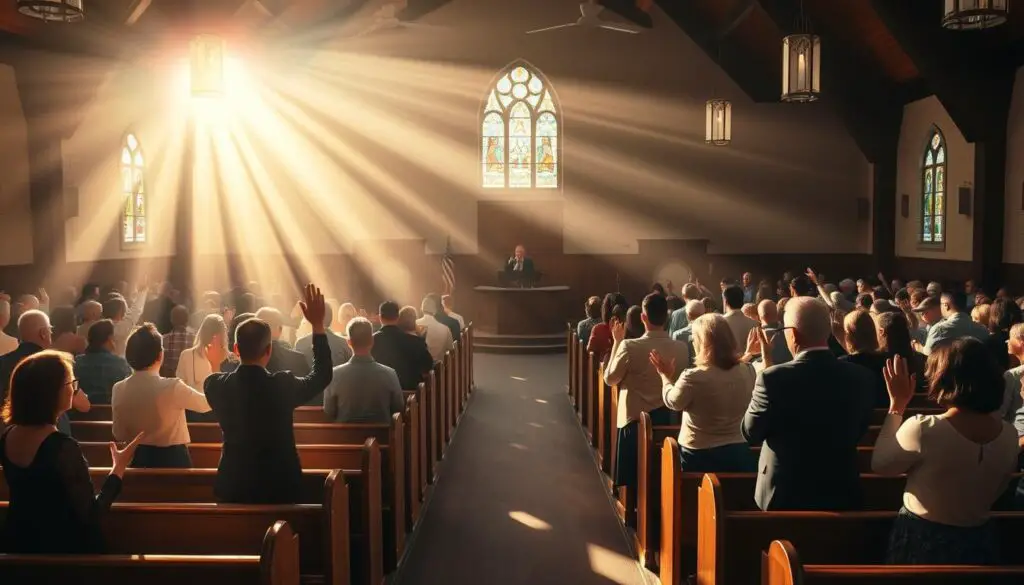
Picture this: a packed church reception hall, punch cups trembling on tables, and a sudden electric slide breaking out among the deacons. Wait—Baptists dancing? It’s a question that’s sparked more whispers than a Sunday school potluck. While some assume strict rules govern every sway and shuffle, reality often surprises.
Take Sister Ruth’s infamous two-step at her niece’s wedding. Or Brother Bob, who once moonwalked during a youth group lock-in. These stories aren’t just funny—they reveal a lively tension between tradition and joy. Even Scripture sends mixed signals: King David danced wildly in praise (2 Samuel 6:14), while other passages warn against reckless revelry.
So why the fuss? For generations, cultural practices have collided with interpretations of “modest living.” Some see rhythmic movement as harmless celebration. Others view it as a slippery slope toward sin. But as one preacher joked, “If the Israelites could dance after crossing the Red Sea, maybe we’re allowed a conga line at Easter.”
This debate isn’t just about steps—it’s about how faith shapes daily life. From wedding receptions to worship services, the conversation continues. And trust us: the answers are far from predictable.
Key Takeaways
The Baptist stance on dancing blends tradition, scripture, and personal conviction.
Biblical references to dance range from celebratory to cautionary, fueling ongoing discussions.
Real-life stories often defy stereotypes about strict prohibitions.
Cultural shifts continue to influence modern perspectives within congregations.
Upcoming sections will unpack historical roots and evolving attitudes.
Historical Perspectives on Baptist Dancing
Centuries before electric slides or conga lines, ancient communities used rhythmic movement to express faith. Scripture offers vivid snapshots: Miriam leading tambourine processions after crossing the Red Sea (Exodus 15:20) and David’s ecstatic praise before the Ark of the Covenant. Yet early church leaders often saw cultural practices as threats to spiritual focus.
Biblical References and Early Interpretations
Biblical accounts present dance as both celebration and cautionary tale. While Psalms urge believers to “praise His name with dancing,” Ecclesiastes warns there’s “a time to mourn and a time to dance.” Early Baptist thinkers leaned heavily on Paul’s letters about modesty, interpreting exuberant movement as gateways to sin. A 19th-century preacher’s journal states: “Bodily motions stir passions better left dormant.”
Cultural Influences and Shifts Over Time
Anti-Catholic sentiment during the Reformation era shaped many Protestant views. Missionaries returning from overseas often condemned local dances as “heathen rituals,” reinforcing strict codes. By the 1920s, some congregations banned even swaying during hymns. Yet cultural milestones softened stances:
Time Period
Perception of Dance
Influencing Factors
Early Church
Celebratory worship
Biblical narratives
19th Century
Moral danger
Victorian values
Late 20th Century
Nuanced acceptance
Youth culture integration
As theologian L.M. Carter noted in 1987: “What once divided now unites—when done in reverence.” This evolution shows how time reshapes traditions without erasing their roots.
Modern Insights on “can baptist dance”
Sunday mornings look different now than they did fifty years ago. Many congregations blend hymns with gospel beats, while others host joyful movement during services.
New Rhythms in Sacred Spaces
At the 2023 BWA World Congress, delegates from six continents shared worship styles. Korean choirs incorporated traditional fan dances. Nigerian attendees led processions with vibrant steps. A Brazilian pastor noted: “Movement becomes prayer when hearts align.”
Breaking Old Patterns
Some churches host monthly “praise nights” with choreographed routines. Others use gentle swaying during communion. These shifts challenge assumptions about what’s appropriate in sacred places.
Traditional Practice
Modern Adaptation
Cultural Influence
Hymns Only
Multicultural Music
Global Partnerships
No Movement
Expressive Gestures
Youth Engagement
Formal Services
Themed Worship Nights
Community Outreach
Workshops like “Moving in Faith” help members explore worship through motion. One participant shared: “I finally understood Psalm 149:3 – dancing can honor God when done with pure intent.”
Debates continue, but many agree: joyful expression takes countless forms. As a BWA spokesperson stated, “Unity doesn’t require uniformity.”
Personal Experiences and Community Anecdotes
Laughter echoes through a crowded fellowship hall as flower petals scatter under twirling feet. What begins as a typical wedding reception often becomes sacred ground for unexpected joy. These moments reveal how communities navigate age-old questions through lived experiences.
When Traditions Meet Toe-Tapping
At a Texas church wedding last spring, 72-year-old Deacon Harris shocked guests by leading a line dance to “Celebration.” His granddaughter later shared: “Grandpa’s shuffle became our favorite sermon—no words needed.” Similar stories emerge nationwide:
A Kentucky congregation’s annual picnic now features square dancing lessons
Teens in Atlanta use choreographed steps during Easter sunrise services
Widows in Oklahoma sway together during monthly hymn sings
Rhythms Without Borders
Global gatherings showcase diverse approaches to movement. At the 2023 Baptist World Alliance meeting in São Paulo, delegates shared:
Region
Celebration Style
Community Impact
Nigeria
Processional dances with colorful banners
Strengthens intergenerational bonds
Philippines
Bamboo pole tapping during harvest festivals
Blends cultural heritage with faith
Appalachia
Clogging to bluegrass worship music
Attracts younger families
Maria Gonzales, a mission worker from Guatemala, reflects: “Our bodies pray too. Sometimes feet speak what lips can’t.” These stories don’t erase debates—they humanize them. As one youth leader noted, “Joy has a way of softening old hard lines.”
Conclusion
In the tapestry of faith, threads of tradition and joy intertwine uniquely across generations. Over the years, attitudes toward movement in worship have shifted—from cautious early interpretations to modern celebrations that blend cultural expressions with reverence.
Stories from churches worldwide show this evolution. A Texas line dance becomes unspoken testimony. Nigerian processions strengthen community bonds. These moments remind us the debate isn’t about rules, but how we embody gratitude.
Scripture invites joyful living, whether through quiet reflection or spirited gatherings. What matters most? Following Christ’s example of love. Differences in celebration styles needn’t divide when compassion guides practice.
As cultures evolve, so do expressions of devotion. Parties, weddings, and worship services each offer chances to honor God through unity. Let’s focus not on steps taken but hearts transformed—the true rhythm of faith.
FAQ
How have views on movement in worship evolved among some congregations?
Over the years, many congregations have embraced diverse expressions of faith, including rhythmic activities, as part of communal joy. Cultural shifts and reinterpretations of scripture have led to broader acceptance in various settings.
Is rhythmic expression considered inappropriate in certain religious settings?
While some communities historically discouraged such activities, others now see them as a natural celebration of life. Teachings often focus on intent rather than the act itself, emphasizing respect and moderation.
Do celebrations like weddings allow for joyful movement in more conservative groups?
Yes! Stories from members often highlight moments where even traditional gatherings include lively expressions. These events reflect personal freedom within shared values, blending reverence with cultural traditions.
Are there regional differences in acceptance of expressive practices?
Cultural context plays a significant role. For example, churches in urban areas or multicultural regions might incorporate dynamic styles, while rural communities may prioritize quieter forms of worship.
How do younger generations influence traditional worship norms?
Younger members often bridge tradition with contemporary ideas, advocating for inclusive practices. Their perspectives encourage dialogue about what it means to honor faith authentically in modern life.
Understanding religious traditions helps us appreciate diverse perspectives. The Free Will Baptists stand out with their focus on personal choice in faith. Rooted in historic revivalism, their teachings blend conservative values with a practical approach to spirituality.
This group emphasizes individual responsibility in salvation, rejecting predestination. Their identity often reflects blue-collar roots, valuing hard work and community bonds. These traits shape how they interpret scripture and engage with modern challenges.
This article explores their origins, doctrines, and worship styles. We’ll examine how concepts like free grace and salvation through faith guide their practices. Historical influences from 18th-century revival movements remain central to their identity today.
Readers will discover how these teachings impact daily life within congregations. From baptism rituals to community outreach, every practice reflects their commitment to voluntary faith. The balance between tradition and personal conviction offers unique insights into their worldview.
Key Takeaways
Free Will Baptists prioritize individual choice in spiritual matters
Historical revivalism shaped their doctrinal foundations
Conservative values intersect with practical, community-focused living
Distinct worship practices reflect their interpretation of scripture
Free grace theology emphasizes accessible salvation for all believers
Understanding the Historical Roots and Revivalistic Beginnings
Religious movements often mirror the cultural landscapes from which they emerge. In 17th-century England, theological debates about human agency sparked new interpretations of scripture. General Baptists championed the term “free will” to counter Calvinist predestination, arguing that god created mankind with moral choice.
Origins in 17th Century England and the Term “Free Will”
This theological stance became a spiritual rebellion. Early preachers emphasized that creation itself revealed divine intent for human autonomy. Their teachings spread through cottage meetings and handwritten tracts, laying groundwork for future reforms.
Benjamin Randall’s Leadership and Early Revivalism
Across the Atlantic, Benjamin Randall ignited spiritual fires in post-revolutionary America. His open-air gatherings stressed personal conversion over church rituals. One follower recalled: “He made eternal truths feel immediate, like God’s breath on our necks.”
Randall’s approach blended scriptural authority with frontier practicality. He organized self-governing congregations where farmers and tradesmen shaped their doctrine. This fusion of revival fervor and grassroots leadership defined their identity during a time of global political change.
The interplay between spiritual awakening and world events proved crucial. As democratic ideals reshaped nations, these communities saw human freedom as both sacred gift and social responsibility. Their early writings frequently referenced how god created people to actively participate in redemption’s story.
Examining Free Will Baptist Beliefs and Their Doctrinal Pillars
Central to this faith tradition lies a dynamic interplay between divine invitation and human response. Three principles shape their spiritual framework: voluntary decision-making, unmerited favor, and accessible redemption. These concepts work together to create a pathway where individuals actively engage with sacred truths.
Voluntary Faith, Divine Favor, and Universal Redemption
The first principle emphasizes humanity’s capacity to choose spiritual alignment. Early preachers taught that grace operates like an open door – anyone may enter, but none are forced through. This approach avoids fatalistic views while maintaining reverence for sacred authority.
Redemption’s availability to all remains a cornerstone. As one 19th-century minister declared: “The cross casts shadows long enough to cover every seeking soul.” This universal scope underscores their view of divine love as inclusive yet requiring personal acceptance.
Decision-Making in Spiritual Commitment
Active participation defines the journey toward sacred alignment. Followers stress that saying “yes” involves three steps:
Acknowledging moral imperfection
Embracing transformative renewal
Committing to ongoing spiritual growth
This process mirrors New Testament teachings about turning toward righteousness. Practical obedience becomes the natural outcome of genuine heart change, not merely rule-following.
Modern congregations maintain this emphasis through interactive worship styles. Hymn lyrics often pose questions, inviting singers to personally affirm truths. Such practices keep the focus on individual accountability within community support structures.
Jesus Christ, The Resurrection, and the Promise of Salvation
At the heart of Christian faith lies a transformative event that reshapes human destiny. The life, death, and return of Jesus Christ form the bedrock of spiritual hope for millions. This truth pulses through teachings about renewal and divine connection.
Christ’s Redemptive Work and Its Scriptural Basis
Sacrificial love defines Jesus Christ’s mission across Gospel accounts. John 3:16 underscores God’s gift through His Son’s death, while Romans 5:8 highlights unearned mercy. One early church leader wrote: “He bore our brokenness to mend creation’s fracture.”
Event
Scriptural Reference
Spiritual Impact
Crucifixion
Matthew 27:32-56
Paid humanity’s moral debt
Resurrection
1 Corinthians 15:3-4
Confirmed power over death
Ascension
Acts 1:9-11
Established eternal advocacy
The Impact of Resurrection on Belief and Hope
Empty tomb narratives fuel confidence in God’s promises. As Paul explains in 1 Corinthians 15:17, “If Christ hasn’t risen, faith means nothing.” Followers find courage knowing resurrection previews their own victory over mortality.
This hope shapes daily living. A modern believer shared: “Knowing Jesus conquered death helps me face life’s storms.” The eternal life guarantee transforms how communities approach suffering and service.
Personal connection remains vital. Spiritual growth blossoms when individuals embrace salvation as relational journey rather than theological concept. Through prayer and scripture, they discover lasting purpose anchored in divine love.
Distinctive Doctrinal Features and Community Values
The intersection of work and worship defines identity within these congregations. Members often describe their faith as “boots-on-the-ground spirituality” – practical, resilient, and deeply connected to everyday life. This blend of conservative theology and working-class values creates a unique spiritual ecosystem.
The Conservative and Blue-Collar Identity
Hard work and mutual support form the backbone of community life. Many congregations organize volunteer networks that:
Provide meals during harvest seasons
Repair homes for elderly members
Sponsor trade-school scholarships
One mechanic turned lay leader shared: “We show God’s grace through wrenches and work gloves as much as Sunday sermons.” This hands-on approach keeps teachings grounded in real-world applications.
Balanced Theology in a Changing World
Scriptural authority guides decisions without stifling compassion. When facing modern issues like technology or social shifts, communities weigh three factors:
Biblical principles
Historical precedents
Current cultural context
This method preserves core values while allowing thoughtful adaptation. A farmer’s wife explained: “Our faith isn’t about rejecting change – it’s about filtering it through God’s truth.”
Personal stories cement these values across generations. Members frequently share how grace transformed family relationships or helped overcome addiction. These lived examples make abstract doctrines tangible, showing how ancient truths meet modern struggles.
Scriptural Foundations and Historical Confessions
Foundational documents shape how communities understand their purpose and practices. For generations, sacred texts and shared agreements have guided spiritual growth. These resources provide both direction and unity among diverse members.
The Authority of the Bible from Cover to Cover
Every church teaching springs from scripture’s unchanging truth. The 1834 Confession states: “We receive the Holy Scriptures as containing all things necessary for salvation.” This conviction fuels deep study of biblical law and prophetic messages.
Members view the Bible as a complete guide for life. One minister noted, “God’s word corrects like a compass – always pointing toward holy living.” This trust in scriptural authority influences decisions from family matters to community outreach.
Insights from the 1834 Confession of the Free-Will Baptists
Historical documents clarify shared convictions. The 1834 Confession outlined three key articles:
Salvation through Christ’s sacrifice
Baptism as obedience to apostles’ teachings
Every person bearing responsibility before God
These principles still shape worship and service today. The Confession’s emphasis on apostles’ practices keeps rituals rooted in New Testament patterns. Modern members often describe baptism as “our yes to Jesus’ call,” mirroring early church traditions.
Personal accountability remains central. As the Confession states, “No one can plead ignorance on judgment day.” This balance between divine law and human response creates a faith that’s both structured and deeply personal.
Worship Practices: Baptism, the Lord’s Supper, and Foot Washing
Sacred rituals connect modern worshippers to early church traditions. Three practices stand out for their symbolic depth and communal impact. Each act roots participants in scriptural patterns while fostering spiritual growth.
The Immersive Baptism and Its Spiritual Significance
Full immersion in water marks a believer’s public declaration of faith. This practice mirrors Jesus’ baptism in the Jordan River, symbolizing burial of old ways and rebirth into new life. As one member shared: “Coming up from the water feels like breathing heaven’s air for the first time.”
Practice
Scriptural Basis
Symbolic Meaning
Baptism
Matthew 3:16
Death to sin, resurrection to grace
Lord’s Supper
1 Corinthians 11:23-26
Christ’s sacrifice and ongoing presence
Foot Washing
John 13:14-15
Humility and mutual service
The Symbolism Behind the Lord’s Supper and Feet Washing
The Lord’s Supper transforms simple elements into profound reminders. Bread represents Christ’s body broken for healing, while the cup signifies his blood sealing a new covenant. Open communion welcomes all believers, reflecting divine inclusivity.
Foot washing ceremonies revive Jesus’ act of servant leadership. Participants kneel before peers, embodying His command to “wash one another’s feet.” A deacon explained: “This ritual scrubs away pride better than any sermon.” Both practices strengthen community bonds through shared obedience to New Testament models.
These sacred acts create living connections across generations. They transform ancient instructions into tangible expressions of faith, uniting worshippers through time-tested spiritual disciplines.
Church Life, Ministry, and Governance in the Free Will Baptist Tradition
Community structure shapes how faith groups grow while keeping their core values. Free Will Baptists blend local independence with nationwide fellowship through creative organization. This system honors each congregation’s voice while pooling resources for larger goals.
Local and National Associations in Church Organization
Churches govern themselves but stay connected through voluntary partnerships. State associations offer support without controlling decisions. A pastor from Tennessee explained: “We’re like family farms – independent but stronger when we share tools and wisdom.”
Role
Pastoral Duties
Congregational Responsibilities
Teaching
Lead Bible studies
Elect leaders
Outreach
Coordinate missions
Approve budgets
Discipleship
Provide counseling
Maintain facilities
Power flows through teamwork rather than top-down rules. Most churches form committees to handle practical matters like event planning or property care. This approach keeps members invested in daily operations.
Regular meeting days strengthen bonds between families and neighboring churches. Many congregations host shared meals after Sunday services and midweek prayer gatherings. These traditions build trust through face-to-face connections, turning abstract ideas into lived experiences.
Conclusion
Communities rooted in spiritual freedom carry enduring messages for modern seekers. The Free Will Baptists’ journey—from Benjamin Randall’s revival fires to the 1834 Confession—reveals a doctrine built on accessible grace. Their blend of historical depth and practical faith shapes vibrant church life through rituals like baptism and shared meals.
At its core, this tradition champions personal response to divine invitation. Stories of transformed lives echo the gospel’s power to redirect human nature. Daily choices reflect sacred commitments, whether serving neighbors or studying creation’s wonders.
Every generation faces new questions, but timeless truths remain. The call to repentance and obedience stands open to all, inviting men and women to experience salvation’s renewing work. Through simple acts of worship and mutual care, these communities keep ancient hopes alive in our changing world.
Their legacy reminds us that spiritual freedom thrives when paired with loving action. As the works god accomplishes through willing hearts continue, this path offers both challenge and comfort for those seeking purpose in everyday life.
FAQ
What historical events shaped Free Will Baptists?
Their roots trace back to 17th-century England, emphasizing freedom in faith. Benjamin Randall later led revival movements in America, blending passionate preaching with a focus on personal decision-making.
How do they view salvation and human choice?
They teach that Christ’s grace is available to all, but individuals must freely accept it. This balance of divine grace and human responsibility is central to their doctrine.
Why is Jesus’ resurrection important to their beliefs?
The resurrection confirms Christ’s victory over sin and death, offering hope for eternal life. It reassures believers of God’s power to fulfill promises of redemption.
What makes their worship practices unique?
Immersion baptism symbolizes spiritual rebirth, while the Lord’s Supper and foot washing reflect humility and unity. These acts emphasize obedience to Scripture and community bonds.
How do they interpret the Bible’s authority?
Scripture is seen as the ultimate guide for faith and practice. The 1834 Confession highlights their commitment to biblical truths, like Christ’s atonement and humanity’s need for repentance.
How are Free Will Baptist churches organized?
Local congregations operate independently but connect through regional and national associations. This structure supports shared missions while respecting each church’s autonomy.
Do they emphasize community values?
Yes! Many identify with blue-collar traditions, valuing hard work, simplicity, and mutual support. Their theology adapts to modern challenges while staying grounded in Scripture.
What role does free will play in daily life?
Believers are encouraged to make choices honoring God, from ethical decisions to acts of service. This freedom reflects trust in the Holy Spirit’s guidance and personal accountability.
Exploring how certain Christian groups approach social issues often reveals a blend of faith, tradition, and personal conviction. For example, discussions about wine and its role in religious life have sparked debates for centuries. This article unpacks how one denomination navigates these conversations with care.
Historical context matters. Ancient practices, like the use of wine in rituals, shape modern perspectives. Even stories such as Jesus turning water into wine at Cana highlight its symbolic importance. Yet interpretations vary widely across communities.
Another layer involves cultural shifts. While some churches encourage abstinence, others focus on moderation. Pastors often weigh scriptural teachings against societal norms to guide their congregations. This balance reflects a respect for individual choice—a core value for many.
It’s important to note that views within denominations aren’t uniform. Regional traditions and generational differences play a role too. By examining these factors, we gain insight into how faith adapts to changing times.
Key Takeaways
Historical and scriptural contexts heavily influence modern perspectives on alcohol use.
Biblical accounts, like the miracle at Cana, remain central to theological discussions.
Diverse opinions exist even within shared denominational frameworks.
Cultural traditions and evolving social norms shape church teachings.
This article explores scripture, history, and community practices to provide clarity.
Historical Context and Biblical Roots of Alcohol Use
Ancient societies laid the groundwork for how we view wine in spiritual and daily life. Texts like 2 Maccabees reveal its role in rituals, while everyday use often involved mixing it with water to balance flavor and effects. This practice wasn’t just practical—it reflected a cultural priority on moderation.
Ancient Wine Practices in the Biblical Era
Fermentation techniques in the Mediterranean transformed grapes into a staple beverage. Storage in clay amphorae preserved its quality, and diluted wine became common at meals. The Mishnah even outlines ratios for mixing—sometimes one part wine to three parts water—to ensure responsible consumption.
Cultural Norms and Wine Dilution Methods
Why dilute wine? Beyond taste, it reduced alcohol content, aligning with values of clarity and self-control. Talmudic discussions praised this approach, noting it prevented overindulgence. Over centuries, these methods shaped how communities interpreted moderation—a legacy still felt in many churches today.
Scriptural Foundations: Admonitions and Approvals
Biblical texts offer a layered perspective on wine and its role in spiritual life. While some passages emphasize caution, others celebrate its symbolic value. This tension shapes how many believers approach the issue today.
Old Testament Guidelines for Holiness
Leviticus 10:9 forbids priests from drinking wine before temple duties. Nazarites took vows to avoid grape products entirely (Numbers 6:3). These rules highlighted purity as essential for leaders serving God’s people.
New Testament Balance and Symbolism
Jesus’ miracle at Cana (John 2:1-11) framed wine as a sign of joy. Yet Paul warned against drunkenness in Ephesians 5:18, urging believers to be “filled with the Spirit.” The Last Supper later linked drink to Christ’s sacrifice.
Testament
Focus
Key Teaching
Old
Purity Laws
Priests/Nazarites abstain for holiness
New
Moderation
Avoid excess; honor God with self-control
Proverbs 23:20-21 ties alcoholabuse to poverty, while 1 Timothy 3:8 advises deacons to avoid being “fond of much wine.” These words guide communities in balancing freedom with responsibility.
Analyzing Free Will Baptist Beliefs on Alcohol: Historical and Theological Perspectives
The journey of Baptist teachings on wine and spirits reveals a dance between tradition and adaptation. Early American congregations often held relaxed views, with some leaders even distilling spirits. Elijah Craig, a 18th-century preacher, famously linked his name to bourbon—a reminder of how cultural norms once intertwined with faith.
By the late 1800s, tides began shifting. The Southern Baptist Convention passed resolutions urging abstinence, influenced by temperance movements. Frontier life’s rough edges—where saloons outnumbered churches—pushed many congregations toward stricter stances. As one 1896 study noted, “Churches saw sobriety as both spiritual duty and community survival.”
Evolution of Doctrinal Views in Baptist History
Internal business debates also shaped policies. Some feared alcohol’s economic grip on rural towns, while others argued for personal liberty. This tension birthed varied practices: rural churches often banned wine entirely, while urban ones sometimes permitted moderate use during communion.
“Our forebears didn’t reject drink out of hatred for joy, but love for their neighbors.”
Today, many members balance heritage with modern contexts. Youth groups discuss biblical moderation, while pastors reference Proverb’s warnings. Yet, the legacy of those 19th-century battles lingers—a testament to how faith adapts without losing its core.
Alcohol’s Role in Worship and Community Life
Communal gatherings often blend ancient symbols with modern values. Shared rituals—like breaking bread or raising a cup—create bridges between generations. For many, these acts aren’t just traditions but living connections to sacred stories.
Communal Rituals and Shared Symbols
In worship spaces, wine frequently appears during communion. This practice echoes Jesus’ Last Supper, where he called the cup “the new covenant.” Some churches use grape juice instead, but others preserve historical ties with actual wine. One deacon noted, “The taste reminds us we’re part of something bigger than ourselves.”
Outside formal services, alcohol sometimes surfaces in family celebrations. A wife might serve wine at holiday meals, honoring heritage while prioritizing moderation. Yet tensions linger: Can one support total abstinence publicly but enjoy a drink privately? These questions spark quiet debates around kitchen tables.
Scripture offers guidance without strict rules. Paul’s advice to avoid causing others to stumble (Romans 14:21) shapes many people’s choices. A youth leader shared, “I won’t order beer at dinner if a struggling member is present.” Such thoughtfulness mirrors biblical calls for communal care over personal freedom.
Balancing these ideals remains challenging. While some view alcoholic beverages as gifts to savor, others see risks outweighing benefits. Yet most agree: How we handle alcohol use reflects our commitment to love neighbors as ourselves.
Balancing Moderation and Abstinence: Health, Social, and Spiritual Considerations
Responsible decisions about drinking touch every aspect of life. Communities often wrestle with how to honor personal freedom while protecting collective well-being. Ancient wisdom and modern science both warn against excess—yet finding balance remains deeply personal.
Impacts of Alcohol Abuse on Family and Society
Scripture paints vivid pictures of drunkenness’ consequences. Proverbs 23:29-35 describes bloodshot eyes, reckless choices, and lingering regret. Isaiah 5:11 condemns those who “rise early to run after wine,” linking overindulgence to societal neglect.
Three key areas feel the strain:
Families: Financial stress and emotional distance often follow repeated abuse
Workplaces: Productivity drops as hangovers disrupt routines
Communities: Public health costs rise with liquor-related accidents
Romans 13:13 urges believers to avoid “orgies and drunkenness,” framing sobriety as spiritual armor. Yet total abstinence isn’t mandated—moderation appears in stories like Jesus enjoying wine at feasts.
Modern churches address this tension through education and support groups. Many emphasize that one drink can’t define faith, but patterns matter. As one counselor notes, “Broken relationships from alcohol often take longer to heal than physical effects.”
Ultimately, the challenge lies in honoring both caution and celebration—a dance as old as fermented grapes themselves.
Case Studies: Biblical Examples and Modern Church Practices
History often teaches through contrasts. Consider Daniel, who refused royal wine in Babylon to honor his faith (Daniel 1:8). His choice became a model for abstinence. Meanwhile, Jesus’ presence at feasts showed moderation wasn’t sinful—a balance still debated today.
Scriptural Resolve and Modern Dilemmas
John the Baptist’s austere life—no drink but water—contrasts with Paul’s advice to “use a little wine” for health (1 Timothy 5:23). These stories reveal scripture’s nuanced approach. Yet modern churches face tougher questions: Can leaders preach abstinence while privately enjoying beer?
When Doctrine Meets Daily Life
The Southern Baptist Convention officially discourages alcohol, but a 2015 Lifeway study found 40% of pastors knew members who drank. One deacon admitted, “My friends at church wouldn’t understand my weekend bourbon.” This tension mirrors ancient struggles between ideals and reality.
In Texas, a business owner lost leadership roles after photos surfaced of him at a wine tasting. Yet his house small group still meets, focusing on grace over legalism. Such cases show how communities navigate sin accusations while preserving unity.
“We’re called to holiness, not perfection. The cup matters less than the heart holding it.”
Shifting Trends and Debates in Baptist and Evangelical Circles
Cultural landscapes shape faith practices as much as scripture. Over time, rising education levels and economic shifts have quietly reshaped how some churches approach age-old questions. Urban professionals now mingle with lifelong congregants, bringing new perspectives to old debates.
Younger leaders often ask: Does strict abstinence still serve communities in a globalized world? A Nashville pastor recently shared, “My seminary peers discuss wine at dinner parties—something their predecessors avoided.” This generational shift reflects broader societal changes.
Influence of Socio-Economic Changes on Alcohol Use
Wealthier congregations increasingly encounter liquor in business settings and travel. One deacon noted, “My friends abroad toast with champagne—it’s awkward to refuse.” Such experiences challenge blanket prohibitions, pushing some members toward nuanced views.
Three factors drive this evolution:
Exposure to diverse cultures through work and education
Yet tensions remain. Rural churches often maintain stricter policies, fearing alcohol’s historical ties to poverty. As one lay leader argued, “Why risk what took years to overcome?” The debate mirrors ancient dilution practices—mixing water with wine to temper its effects.
Ultimately, the question persists: How can communities honor their past while engaging an ever-changing present? The answer, like faith itself, remains a journey.
Conclusion
Balancing scriptural teachings with contemporary practices remains a dynamic challenge for believers. Throughout history, debates about wine and its role have intertwined cultural norms, biblical passages, and evolving community standards. From ancient dilution methods to modern discussions on alcoholic beverages, the tension between moderation and abstinence persists.
Scripture urges discernment, as seen in Paul’s words to “test everything” (1 Thessalonians 5:21-22). While some leaders advocate for total abstinence to avoid sin, others emphasize responsible drinking guided by love for neighbors. This balance reflects the diversity within denominations like the Baptist Convention, where personal conviction often shapes practice.
Unity emerges when members prioritize integrity over judgment. Whether sharing a beverage at home or abstaining to support struggling friends, choices rooted in compassion bridge divides. As cultural attitudes shift, the call remains: honor tradition while engaging modern complexities with grace.
Ultimately, how communities navigate these questions—respecting both caution and celebration—reveals their commitment to faith in action.
FAQ
How do Free Will Baptists view alcohol consumption today?
Many congregations emphasize personal responsibility and caution, often promoting abstinence to avoid risks linked to drunkenness. Leaders highlight biblical warnings against excess while respecting individual conscience.
Why do some churches avoid wine in communion services?
Concerns about alcohol’s potential misuse and its effect on vulnerable members led many to adopt grape juice. This practice aligns with teachings on preserving unity and avoiding stumbling blocks within the church family.
What role does scripture play in shaping views on drinking?
Passages like Proverbs 20:1 and Ephesians 5:18 guide teachings, stressing sobriety and self-control. Jesus’ use of wine is often contextualized within ancient dilution practices, encouraging modern believers to prioritize wisdom over cultural norms.
How has Baptist history influenced attitudes toward liquor?
Early 20th-century movements, including temperance advocacy, solidified many churches’ stance on total abstinence. Social issues like family breakdowns from abuse reinforced this as a protective measure for communities.
Are there exceptions for moderate alcohol use among members?
While rare, some individuals interpret scripture as permitting limited use in non-disruptive contexts. However, pastors often advise against it to prevent misunderstandings or harm to others’ spiritual journeys.
How do Southern Baptists differ in their approach to this issue?
The Southern Baptist Convention officially discourages consumption, citing societal harm. Free Will Baptists share similar concerns but may allow more flexibility for congregational autonomy in decision-making.
What health or social factors support abstinence teachings?
Studies on addiction’s impact on families, workplace safety, and mental health inform these stances. Churches aim to model holistic wellness, emphasizing stewardship of the body as part of faithful living.
Do cultural shifts affect debates about alcohol in churches?
Yes. Younger generations’ relaxed views on drinking challenge traditional norms, sparking discussions about balancing grace with accountability. Leaders navigate these tensions through scripture-focused dialogue.
Baptist traditions have shaped spiritual communities for centuries, blending deep-rooted biblical authority with a focus on personal faith. This article explores their foundational ideas, offering clarity on how these beliefs guide worship and daily life.
Central to Baptist practice is the conviction that Scripture alone holds ultimate truth. Passages like 2 Timothy 3:16 (“All Scripture is God-breathed”) and Psalm 119:105 (“Your word is a lamp for my feet”) reinforce this view. Revelation’s closing warning against altering God’s words further cements their commitment to textual integrity.
Baptist church history reveals a legacy of religious freedom and local congregation autonomy. From early American settlers to global missions, their emphasis on believer-led communities has fostered diverse yet unified expressions of worship.
This guide will unpack key themes like salvation through grace, the role of believers in church governance, and how personal relationships with God shape collective faith. Whether you’re new to the topic or deepening your understanding, we’ll walk through these principles step by step.
Key Takeaways
Baptists prioritize Scripture as the final authority for doctrine and practice
Local churches maintain self-governance under congregational leadership
Believer’s baptism symbolizes voluntary commitment to faith
Religious freedom remains a historic cornerstone of Baptist identity
Salvation is viewed as a gift received through grace, not works
Foundational Authority: The Inspiration of the Holy Scriptures
At the heart of Baptist practice lies an unwavering trust in Scripture’s divine origin. This conviction shapes how communities interpret truth and live out their faith collectively.
Verbal and Plenary Inspiration
Baptists affirm every word in the Bible carries God’s breath. The term “verbal inspiration” means even individual words matter, while “plenary” confirms Scripture’s complete reliability. As 2 Timothy 3:16 states, “All Scripture is God-breathed and useful for teaching.”
This principle extends to both Old and New Testaments. Psalm 119:160 reinforces this: “Your word is true from the beginning.” Such verses ground church teachings in textual precision rather than human interpretation.
Inerrancy and Final Authority
The New Testament holds special significance as the fulfillment of God’s promises through Jesus Christ. It serves as the ultimate guide for doctrine and daily living. Congregations structure worship, membership, and outreach around biblical patterns seen in New Testament church models.
Discipleship practices mirror apostolic examples. Baptism rituals, communion observances, and leadership roles all trace back to scriptural mandates. This commitment ensures authority remains rooted in God’s unchanging truth rather than shifting cultural trends.
The Triune God: Understanding the Godhead
Baptist teachings center on a God who exists as three distinct yet inseparable persons. This triune relationship—Father, Son, and Holy Spirit—reflects unity in purpose while maintaining individual roles. Genesis 1:26 hints at this complexity with God’s plural declaration: “Let us make mankind in our image.”
Co-Eternal and Co-Equal in Nature
Each member of the Godhead shares divine nature and eternal existence. 1 John 5:7 clarifies: “There are three that bear witness in heaven: the Father, the Word, and the Holy Spirit.” Though distinct in person, they operate as one in love and authority.
Jesus Christ bridges divinity and humanity. As fully God and fully man, His life and resurrection demonstrate God’s plan for redemption. The Holy Spirit empowers believers today, guiding the church and renewing spiritual life through conviction and comfort.
Person of the Godhead
Primary Role
Key Attribute
Father
Creator and Sustainer
Omnipotence
Son
Redeemer and Mediator
Sacrificial Love
Holy Spirit
Helper and Counselor
Transforming Presence
This divine partnership shines in 2 Corinthians 13:14: “The grace of the Lord Jesus Christ, the love of God, and the fellowship of the Holy Spirit be with you all.” Baptists celebrate this mystery—a God who is both unified and relational, inviting all into deeper faith.
Jesus Christ: The Core of Baptist Faith
Baptists view Jesus Christ as the heartbeat of their faith—a divine rescuer who walked among humanity. His life, sacrificial death, and triumphant resurrection form the unshakable foundation of salvation. This truth fulfills ancient prophecies like Isaiah 7:14, which foretold a virgin-born Savior who would “be called Immanuel.”
Deity, Resurrection, and Atonement
Jesus’ dual nature as fully God and fully man anchors Baptist theology. He lived a sinless life, modeling perfect obedience while maintaining divine nature. As John 1:14 states, “The Word became flesh and made his dwelling among us.”
His death on the cross serves as the ultimate atonement for human sin. Baptists believe this sacrifice bridges the gap between a holy God and flawed humanity. John 16:7-8 highlights the Holy Spirit’s role in convicting hearts about this truth.
The resurrection jesus experienced—bodily rising from the grave—confirms His victory over death. This miracle, central to Baptist hope, guarantees eternal life for believers. As 1 Corinthians 15:17 declares, “If Christ has not been raised, your faith is futile.”
Together, these truths shape Baptist worship and daily living. They celebrate a Savior who is both approachable friend and conquering King—the source of redemption’s promise.
Exploring what are the main beliefs of baptists
Baptist spirituality thrives on convictions that connect Sunday worship to everyday choices. These core beliefs fuel both personal devotion and community action, creating a faith that’s deeply rooted yet actively expressed.
Foundations of Belief
At the core of Baptist teaching lies salvation through grace alone. Ephesians 2:8-9 captures this: “By grace you have been saved through faith—not by works.” This gift sparks spiritual rebirth, transforming believers from within.
Three key matters define their doctrine:
Doctrine
Biblical Basis
Practical Expression
Salvation by Grace
Romans 3:24
Personal trust in Christ’s sacrifice
Regeneration
John 3:3
Lifestyle changes reflecting new life
Sanctification
1 Thessalonians 4:3
Daily growth in holiness
Faith in Motion
Faith practice emerges through intentional steps. Baptists call this act obedience—responding to God’s love through service, prayer, and ethical decisions. A believer might volunteer at a food bank or mentor youth, seeing these as extensions of worship.
Communal rhythms like weekly gatherings and communion reinforce shared identity. Yet personal Bible study remains vital, letting individuals engage directly with God. As one Southern Baptist doctrinal statement notes: “Each member bears responsibility for spiritual growth.”
These core beliefs create a vibrant cycle: truth inspires act obedience, which deepens understanding of divine grace. It’s a faith that works—not to earn favor, but to celebrate it.
The Role of the Holy Spirit in Transformation
For Baptists, spiritual growth isn’t a solo journey—it’s a dynamic partnership with the Holy Spirit. This divine helper actively shapes hearts, minds, and actions, making faith tangible in everyday life.
Indwelling, Guidance, and Regeneration
Jesus promised in John 14:16-18: “I will ask the Father, and he will give you another advocate to help you forever—the Spirit of truth.” This indwelling presence becomes a compass for believers, offering wisdom during tough decisions and comfort in trials.
The Spirit’s work starts with regeneration—a spiritual rebirth. Romans 8:9 clarifies: “You are not in the realm of the flesh but in the realm of the Spirit, if indeed the Spirit of God lives in you.” This transformation reshapes priorities, turning self-centered habits into acts of love.
Three ways the Holy Spirit empowers the church:
Teaching through Scripture meditation
Uniting diverse members in worship
Inspiring creative ministry approaches
A thriving relationship god depends on recognizing the Spirit’s whispers. Whether during quiet prayer or lively fellowship, His guidance turns ordinary moments into sacred opportunities. As Baptists often say: “The same power that raised Christ lives in us—let’s live like it!”
Baptism by Immersion: A Symbol of Union with Christ
Dipping beneath the water’s surface, Baptist believers physically enact their spiritual rebirth—a powerful symbol rooted in New Testament practice. Romans 6:4 captures this vividly: “We were buried with Christ through baptism into death, so that just as Christ was raised from the dead, we too may live a new life.”
This immersion ritual mirrors Jesus’ own baptism in the Jordan River. Three layers of meaning emerge:
Symbolic Act
Spiritual Reality
Personal Response
Submersion in Water
Death to old ways
Repentance from sin
Moment Under Water
Burial with Christ
Trust in His sacrifice
Rising from Water
Resurrection power
Commitment to follow
Baptism isn’t a requirement for salvation but a joyful declaration of it. Baptists emphasize conscious choice—only those who personally trust Christ participate. This contrasts with infant ceremonies, prioritizing individual faith over tradition.
Churches often celebrate these moments publicly, inviting communities to witness transformed lives. New believers might share testimonies beforehand, explaining how grace reshaped their priorities. For many, the act becomes a spiritual anchor—a reminder to “walk in newness of life” daily.
Through immersion, Baptists visualize their deepest conviction: faith isn’t inherited but embraced. Each splash echoes Christ’s victory, inviting others to experience the same hope.
The Lord’s Supper: A Time for Remembrance and Devotion
Gathered around a simple table, Baptists unite in a practice steeped in memory and meaning. The Lord’s Supper serves as a sacred mirror—reflecting Christ’s sacrifice while drawing believers closer to Him and each other. Unlike rituals focused on mystical change, this ordinance centers on active remembrance.
Symbolism of Bread and Grape Juice
Plain bread and grape juice become powerful storytellers during communion. The broken bread recalls Jesus’ body, wounded for humanity’s healing. As 1 Corinthians 11:24 explains: “This is my body, which is for you.” The cup symbolizes His blood, shed to seal a new covenant of forgiveness.
Element
Symbolic Meaning
Personal Reflection
Bread
Christ’s physical suffering
Gratitude for sacrificial love
Grape Juice
Cleansing through shed blood
Renewed commitment to holiness
Baptists intentionally avoid viewing these elements as spiritually transformed. Instead, they spotlight Jesus’ burial and resurrection through symbolic participation. This approach aligns with His command: “Do this in remembrance of me” (Luke 22:19).
Communal Worship and Reflection
Sharing the Lord’s Supper knits congregations together in humility. As hands pass trays and voices pray softly, differences fade behind shared gratitude. Many churches read Scripture aloud, like Isaiah 53:5: “He was pierced for our transgressions.”
Three focus points guide this time:
Examining personal faith journeys
Praying for fellow believers
Anticipating Christ’s promised return
This rhythm of worship turns individual hearts toward collective hope. Tears and smiles often mingle as participants recall God’s faithfulness through trials. For Baptists, communion isn’t a somber duty—it’s a celebration of grace that still changes lives today.
Local Church and Membership: Building a Faith Community
In Baptist life, the local church stands as a beacon of self-directed fellowship. These congregations thrive as spiritual families where members collectively shape their mission. Matthew 18:20 frames this beautifully: “Where two or three gather in my name, there am I with them.”
Church Autonomy and Self-Governance
Each church operates independently, guided by its members rather than external hierarchies. This church autonomy allows decisions about worship styles, budgets, and outreach to reflect local needs. Three pillars define membership:
Personal faith in Christ
Immersion baptism as a public declaration
Commitment to mutual accountability within community
Regenerated believers—those who’ve experienced spiritual rebirth—form the foundation. Unlike institutions requiring birthright ties, Baptist local congregations prioritize conscious choice. This creates spaces where doubts can be voiced and growth nurtured through shared study.
Autonomy Principle
Practical Impact
Self-Governance
Members vote on leaders and ministries
Financial Independence
Local funding supports tailored missions
Doctrinal Freedom
Congregations interpret Scripture collectively
This model fosters vibrant community bonds. When disagreements arise, dialogue replaces top-down decrees. As one Texas pastor notes: “Our unity isn’t forced—it’s forged through humble collaboration.” Through autonomy, churches remain agile, addressing hunger drives or youth programs with grassroots passion.
Mission and Ministry: Witnessing in the World
Baptist communities ignite global change through hands-on service and gospel sharing. Fueled by Jesus’ command to “make disciples of all nations” (Matthew 28:19), they bridge local action with worldwide impact. This outward focus reflects their conviction that faith thrives when shared freely.
Evangelistic Outreach and Global Impact
Mission work flows from neighborhood food drives to disaster relief across oceans. Baptists partner with schools, clinics, and churches abroad, addressing both spiritual and physical needs. One pastor in Kenya notes: “Our water wells and Bible studies arrive together—Jesus meets people where they are.”
Mission Focus
Local Expression
Global Impact
Education
Tutoring programs
Building schools in rural areas
Healthcare
Free clinics
Medical missions combating disease
Advocacy
Voter education drives
Fighting for religious liberty worldwide
Central to these efforts is defending religious liberty—the right to worship without coercion. Baptists historically champion this freedom, believing it safeguards all other human rights. Their advocacy helps persecuted believers from Beijing to Baghdad practice faith openly.
The vision of kingdom earth drives holistic transformation. Clean water projects in Haiti or job training in Detroit all echo Christ’s call to love neighbors tangibly. As Micah 6:8 urges: “Act justly, love mercy, walk humbly with your God.”
Through collaborative ministry, Baptists build thriving community networks that span continents. Every meal packed, Bible translated, or law reformed becomes a stitch in the fabric of global hope—one intentional act at a time.
American Baptist Tradition: History, Diversity, and Religious Liberty
From colonial meetinghouses to modern urban ministries, American Baptist churches have championed faith freedom since the 1600s. Early leaders like Roger Williams fought for separation of church and state, planting seeds for a movement valuing conscience over coercion. Their history reflects a bold experiment: diverse congregations united by shared convictions, not centralized control.
Today’s churches mirror this legacy. Some worship with hymns and liturgy, while others use rock bands or bilingual services. Yet all affirm local church autonomy—a testament church principle tracing back to Acts 14:23, where early believers appointed elders by communal consent.
Central to this diversity is the priesthood believers concept. Every member interprets Scripture personally, guided by the Holy Spirit. As one Virginia pastor explains: “We don’t gatekeep God’s Word—we equip people to engage it directly.” This fuels grassroots ministries addressing homelessness, racial justice, and addiction recovery.
American Baptist history shines in its defense of religious liberty. Their 19th-century advocacy helped secure First Amendment protections. Modern efforts support persecuted minorities worldwide, echoing founder John Clarke’s 1663 charter declaring Rhode Island a haven for “liberty in religious concernments.”
Cooperative missions amplify local impact. Food banks, disaster teams, and scholarship funds thrive through shared resources. As Galatians 5:13 urges, “Serve one another humbly in love”—a call these churches answer daily, proving faith and freedom can transform communities.
Conclusion
At the crossroads of personal conviction and communal practice stands Baptist faith—a tradition anchored in Scripture’s unchanging authority and Christ’s redeeming work. Through 1 Peter 1:3, believers celebrate a “living hope” born from Jesus’ resurrection, shaping how they worship, serve, and grow together.
Central to this identity are symbolic acts like baptism, declaring one’s rebirth through immersion, and communion, remembering Christ’s sacrifice. Local church autonomy empowers congregations to address needs while preserving doctrinal purity—a balance fostering vibrant spiritual community.
Mission drives action. Whether feeding neighbors or defending religious liberty, Baptists live out grace through hands-on love. Their legacy thrives not in rigid rules, but transformed lives reflecting God’s character.
As you reflect on these core beliefs, consider how intentional faith shapes daily choices. Baptist tradition invites all to experience renewal—not through rituals, but a living relationship with Christ. May this exploration inspire deeper unity in worship and joyful obedience to His call.
FAQ
How do Baptists view the authority of Scripture?
Baptists affirm the verbal and plenary inspiration of the Bible, believing every word is God-breathed. Scripture’s inerrancy and role as the final authority guide doctrine, practice, and personal faith.
What defines Baptist beliefs about Jesus Christ?
Central to Baptist theology is Christ’s deity, resurrection, and atoning sacrifice. His physical resurrection and role as the sole mediator between God and humanity anchor teachings on salvation and eternal life.
Why is baptism by immersion important?
Baptism symbolizes a believer’s union with Christ through His death, burial, and resurrection. Immersion reflects this spiritual reality and serves as an act of obedience following conversion.
How do Baptists practice the Lord’s Supper?
The Lord’s Supper is a symbolic remembrance of Christ’s sacrifice. Bread and grape juice represent His body and blood, fostering communal worship and reflection on His redemptive work.
What role does the Holy Spirit play in Baptist belief?
The Spirit indwells believers, guiding transformation and regeneration. His work includes convicting of sin, empowering for ministry, and uniting the global church in mission.
How do Baptists approach church governance?
A: Local church autonomy is key, with congregations self-governing under Christ’s lordship. This aligns with the priesthood of all believers, emphasizing collective discernment and leadership.
What distinguishes Baptist views on religious liberty?
Baptists historically advocate for separation of church and state, resisting government interference in matters of conscience. This commitment stems from early struggles for faith freedom in America.
How do Baptists engage in global ministry?
Missions focus on evangelistic outreach, discipleship, and addressing societal needs. Organizations like the Southern Baptist Convention support church planting, education, and humanitarian efforts worldwide.
What historical influences shape Baptist identity?
Roots trace to Anabaptist influences and English Separatism, emphasizing believer’s baptism and congregational governance. The First Great Awakening further shaped revivalist and evangelistic priorities.
How does church membership function in Baptist communities?
Membership reflects a voluntary covenant among regenerated believers. It involves mutual accountability, participation in communal worship, and shared responsibility for the church’s mission.
Understanding Baptist perspectives on alcohol requires exploring scriptural teachings and historical practices. Many believers seek clarity on how ancient texts like Proverbs or Leviticus shape modern church life. Scholars such as Charles L. Quarles note biblical references to wine often describe diluted drinks, unlike today’s stronger beverages.
Early Christian communities, as Steve Mayo highlights, balanced cultural norms with spiritual wisdom. The New Testament discusses moderation, while warnings against drunkenness appear in Ephesians and Galatians. This tension between historical context and current interpretations fuels ongoing discussions.
Modern Baptist views often emphasize avoiding excess while acknowledging alcohol’s role in ancient rituals. Some congregations permit limited use, while others advocate total abstinence. These stances reflect diverse readings of scripture and cultural influences across denominations.
This article compares ancient practices with today’s attitudes, examining how verses about wine guide church teachings. We’ll analyze shifts in doctrine over time and their practical effects on worship and community life.
Key Takeaways
Biblical definitions of wine differ from modern alcoholic beverages
Early Christians practiced moderation, not total prohibition
Baptist doctrines vary between abstinence and cautious acceptance
Scriptural warnings focus on drunkenness, not all consumption
Cultural context shapes modern interpretations of alcohol use
Biblical Foundations on Alcohol and Moderation
Exploring biblical texts uncovers a complex relationship between faith and the use of alcoholic beverages. Ancient scriptures used distinct terms for fermented drinks: the Hebrew yayin and Greek oinos described diluted wine, while shekar referred to stronger brews. This linguistic precision shaped early religious practices.
Sacred Texts and Sober Leadership
Leviticus 10:9-10 prohibited priests from drinking before rituals, emphasizing clarity in sacred duties. Similarly, Numbers 6:2-3 required Nazirites to avoid grape products during vows. These rules highlighted abstinence as a form of spiritual dedication, particularly for leaders.
Warnings Against Excess
New Testament teachings reinforced boundaries. Ephesians 5:18 states,
“Do not get drunk on wine, which leads to debauchery.”
Proverbs 14:12 warns that“there is a way that appears right, but in the end it leads to death”—a caution against recklessalcoholconsumption.
First Timothy 3:3 specifically instructs church overseers to avoid drunkenness, setting higher standards for spiritual guides. These passages frame sobriety as essential for maintaining holy practices rather than condemning all use.
Biblical language creates a tension between moderate enjoyment and strict avoidance. This duality continues influencing modern debates about alcohol in faith communities, revealing how ancient wisdom adapts across centuries.
Historical and Cultural Insights on Drinking Practices
Ancient wine preparation methods differed starkly from modern practices. Diluting fermented drinks with water was standard in both Jewish and Mediterranean societies. Mix ratios of 2:1 or 3:1 (water to wine) reduced alcohol content to about 2-4% – weaker than most beers today.
Ancient Wine Dilution and Its Significance
Athenaeus of Naucratis documented Greco-Roman customs where undiluted wine was considered barbaric. Jewish communities similarly mixed their beverages, viewing proper dilution as wise and civilized. This practice served practical purposes:
Aspect
Ancient Wine
Modern Equivalent
Alcohol Content
2-4% (diluted)
12-15% (standard)
Daily Consumption
Common hydration source
Recreational use
Production Method
Natural fermentation
Distilled liquor options
First-century texts often reference diluted wine as safer than untreated water. As the Center for Faith and Culture notes,
“What passed for wine in antiquity wouldn’t qualify as such in modern liquor stores.”
These practices explain why biblical warnings focus on excess rather than moderate use. Understanding historical context helps prevent misapplying ancient texts to today’s stronger alcohol products. Cultural norms shaped consumption patterns then, just as they do now.
what do baptists believe about drinking
Baptist teachings on alcohol balance scriptural wisdom with modern challenges. Theological analyses by scholars like Steve Mayo reveal how interpretations of ancient texts shape diverse stances today.
Scriptural Interpretations That Shape Beliefs
Key passages like Proverbs 23:29-35 describe wine‘s dangers when misused, while Ecclesiastes 9:7 permits enjoying it moderately. This duality creates space for debate: does “strong drink” in Leviticus 10:9-10 equate to modern liquor? Mayo argues cultural context determines acceptable use.
Views on Moderation, Abstinence, and Drunkenness
Many congregations emphasize Ephesians 5:18’s warning against drunkenness rather than banning all consumption. However, some advocate total abstinence to avoid potential sin or addiction risks. Practical church guidance often hinges on two factors:
Potential harm to personal spirituality
Impact on community witness
A pastor might permit wine at home but discourage public consumption. This approach reflects Paul’s advice in Romans 14:21 about avoiding actions that could mislead others. Balancing freedom with responsibility remains central to Baptist ethics.
Contemporary Shifts in Baptist Attitudes
Recent decades show surprising changes in how some congregations approach alcohol. The Baptist Paper reports growing discussions about rethinking total abstinence, especially among younger members. Ethics professor Evan Lenow notes,
“We’re seeing more nuanced conversations about responsible use rather than blanket bans.”
Modern Examples and Changing Church Practices
Southern Baptist Convention panels now feature pastors debating moderation principles. One Texas church allows beverage consumption at home but avoids public events serving alcohol. Others host “theology on tap” discussions in coffee shops, blending fellowship with candid talks about faith and culture.
Perspectives from Southern Baptists and Ethics Professors
Lenow’s research reveals 23% of Baptist millennials view moderate drinking as acceptable if it doesn’t harm others. This shift clashes with older members’ abstinence traditions. A 2023 medical report linking light wine use to heart health further fuels debates about balancing scripture with modern science.
Impact of Social and Cultural Influences
Cultural acceptance of alcohol in mainstream America pressures churches to revisit strict rules. Some argue total bans push people away, while others fear compromising biblical standards. As one pastor’s wife shared anonymously,
“We don’t serve wine at dinner parties—not because we can’t, but because we won’t risk confusing our guests.”
Impact of Alcohol on Christian Life and Community
Scripture offers clear warnings about alcohol’s potential to disrupt spiritual growth and fellowship. Proverbs 20:1 states, “Wine is a mocker, strong drink a brawler, and whoever is led astray by it is not wise.” This ancient wisdom highlights how alcoholic beverages can cloud judgment and damage relationships.
Spiritual Consequences and Warnings in Scripture
Isaiah 5:11 condemns those “who rise early in the morning to run after their drinks”, linking excessive consumption to moral decay. New Testament teachings reinforce this theme—1 Corinthians 6:9-11 lists drunkenness among behaviors that hinder kingdom inheritance. Three key risks emerge:
Impaired decision-making leading to sinful actions
Physical harm from prolonged abuse
Damaged trust within faith communities
Pastoral Guidance and Considerations for Fellowship
Many church leaders recommend practical safeguards. Pastor Mark Dever advises,
“Set personal boundaries before facing temptation—not during vulnerable moments.”
Common strategies include:
Hosting substance-free gatherings
Creating accountability partnerships
Offering recovery programs
A 2023 Lifeway Research report shows 18% of congregations addressed alcohol-related conflicts last year. These incidents often strain community bonds and weaken collective faith practices. By prioritizing sober-mindedness, churches protect both individual life paths and their communal witness.
Conclusion
Navigating faith-based decisions about alcohol involves balancing ancient wisdom with modern realities. Scriptural warnings against drunkenness remain clear, while historical practices reveal diluted beverages differed from today’s stronger options. This context helps explain why many congregations emphasize personal responsibility over blanket prohibitions.
Current Baptist approaches often prioritize community well-being alongside individual freedom. Some choose abstinence to avoid risks, while others practice cautious moderation. Both paths aim to honor spiritual health and protect others from potential harm.
Cultural shifts continue influencing this question, yet core principles endure. As 1 Thessalonians 5:21-22 advises, believers should “test everything” and “hold fast to what is good.” Whether embracing total avoidance or measured acceptance, the goal remains unchanged: living in ways that reflect divine truth and strengthen communal bonds.
Ultimately, Baptist teachings call for mindful choices that align faith with daily life. By valuing sobriety of spirit and service to others, individuals navigate alcohol’s complexities while maintaining their witness in a changing world.
FAQ
Is alcohol consumption considered sinful for Baptists?
Baptist beliefs vary, but many emphasize avoiding drunkenness as sinful. Some denominations, like Southern Baptists, advocate total abstinence due to alcohol’s potential for abuse and harm to others.
Does the Bible explicitly condemn drinking wine?
Scripture acknowledges wine in cultural contexts but warns against excess. For example, Ephesians 5:18 advises against being “drunk with wine,” stressing self-control over indulgence.
Why do some churches promote abstinence over moderation?
Abstinence often stems from pastoral concerns about addiction, protecting families, and upholding witness. Groups like the SBC highlight alcohol’s risks in modern society compared to ancient diluted beverages.
How have Baptist views on alcohol shifted in recent years?
Younger generations increasingly accept moderate drinking, influenced by cultural trends. However, many congregations still discourage it, aligning with historical teachings on avoiding stumbling blocks.
What role does fellowship play in Baptist alcohol policies?
Churches prioritize unity and avoiding division. Serving alcohol at events remains rare, as leaders aim to respect those with convictions against it and prevent misunderstandings.
Are there exceptions for using wine in communion services?
Most Baptist churches substitute grape juice for wine during communion. This practice began in the 19th century to promote temperance and avoid normalizing alcohol use.
How do Baptists address alcohol addiction within their communities?
Many churches offer support programs, emphasizing redemption and healing. Leaders often frame addiction as a spiritual battle, encouraging reliance on faith and accountability.
At the heart of many Christian traditions lies a unique blend of theological conviction and personal choice. Among these, the Free Will Baptist movement stands out for its emphasis on individual freedom and divine grace. Rooted in 17th-century England, this denomination emerged from General Baptist teachings, later shaped by leaders like Benjamin Randall in colonial America. Their focus? A faith built on the idea that every person can freely accept or reject salvation through Christ.
Central to their identity is the belief in free salvation—a gift available to all, not just a predestined few. This contrasts with stricter Calvinist doctrines, highlighting a balanced theology that values both God’s sovereignty and human responsibility. Worship practices, such as believer’s baptism by immersion, reflect their commitment to scriptural authority.
Beyond doctrine, Free Will Baptists are known for their tight-knit communities. Often described as conservative and blue-collar, they prioritize practical faith lived out in everyday life. Whether through local church initiatives or shared values of service, their focus remains on fostering spiritual growth without compromising personal accountability.
Key Takeaways
Centers on the freedom to choose salvation through Jesus Christ.
Traces origins to 17th-century General Baptists and American revivalist Benjamin Randall.
Rejects predestination, emphasizing grace available to everyone.
Practices believer’s baptism and values scriptural authority.
Known for community-driven worship and conservative, practical theology.
Overview of Free Will Baptist Beliefs
Central to their identity is a trio of principles shaping both doctrine and daily life. These ideas—free will, free grace, and free salvation—form a theological framework distinct from many Protestant traditions. Rooted in early General Baptist teachings, the denomination evolved through centuries, refining its emphasis on personal accountability.
Defining the Core Doctrines
Every person, according to Free Will Baptists, possesses the ability to choose faith. Unlike predestinarian views, their doctrine teaches that God’s grace extends to all. Salvation becomes a genuine offer, not a preordained script. This mirrors the historic “freewillers” of 17th-century England, who rejected rigid Calvinism.
Free grace and salvation are inseparable here. There’s no earning favor through works—redemption flows from Christ’s sacrifice alone. As theologian Kevin Riggs notes, this creates a faith grounded in accessibility, not exclusivity.
The Role of Free Grace and Free Salvation
Imagine grace as an open door. For this denomination, it’s unlocked for everyone. The catch? Individuals must walk through it. This balance—divine initiative meeting human response—defines their practical conservatism.
How does this shape daily life? Churches prioritize humility and service, reflecting grace in action. While sharing similarities with other Baptist groups, their focus on conditional security sets them apart. Followers believe faith can be abandoned, making spiritual growth a lifelong journey.
What is free will baptist beliefs? Key Concepts Unpacked
Navigating theological debates about choice and destiny, this tradition offers a middle path. At its foundation lies the conviction that individuals hold genuine agency in spiritual matters. Unlike rigid predestination views, adherents affirm that every person can respond to divine invitation.
Human Responsibility and Divine Offer
The term “free will” here means more than casual choice—it’s about moral accountability. Benjamin Randall, an 18th-century leader, often stressed that Christ’s sacrifice becomes effective only when embraced willingly. This mirrors Jesus’ words in Revelation 3:20: “I stand at the door and knock.”
Grace Without Strings Attached
Free grace means salvation isn’t earned. It’s gifted through Jesus’ sacrifice, available to anyone. Scholar Kevin Riggs compares it to sunlight—“you can’t buy it, but you must step into it.” This idea fueled early growth among working-class communities seeking accessible faith.
Conditional security adds another layer. Followers believe salvation remains secure only through ongoing faith. Like tending a garden, spiritual growth requires consistent care. This contrasts with “once saved, always saved” doctrines common in other denominations.
Randall’s writings reveal careful balance. He taught that God’s sovereignty works with human freedom, not against it. Modern churches echo this through ministries focused on practical discipleship and community support.
Historical Evolution of the Free Will Baptist Movement
Tracing its roots to 17th-century England, the movement began among General Baptists who emphasized personal choice in faith. Early members migrated to America, carrying their rejection of predestination across the Atlantic. Critics mockingly called them “freewillers”—a label they proudly adopted as a badge of conviction.
Two Paths, One Faith
By the late 1700s, two distinct branches emerged. The Palmer-line flourished in southern colonies, blending revivalism with agrarian values. Meanwhile, Benjamin Randall ignited a northern revival from New Hampshire, stressing practical discipleship. His fiery sermons drew farmers, craftsmen, and sailors, forming tight-knit congregations.
Mergers That Shaped a Denomination
Randall’s followers organized associations, codifying doctrines like conditional security and free salvation. Decades later, the 1911 and 1935 mergers united regional groups, creating a cohesive national identity. These steps transformed scattered revival meetings into structured churches with shared practices.
Year
Event
Impact
1700s
Palmer & Randall movements
Regional growth
1911
Northern merger
Standardized doctrines
1935
National unification
Strengthened outreach
Today, this heritage lives in churches valuing both individual freedom and communal accountability. From camp meetings to modern ministries, their story reflects resilience—a faith shaped by ordinary people embracing extraordinary grace.
Distinctives and Conservative Values
Rooted in simplicity and shared purpose, Free Will Baptists have cultivated a reputation for steadfast integrity. Their identity blends unpretentious living with theological balance, creating communities where faith feels both familiar and transformative.
Blue-Collar Heritage and Community Spirit
Early congregations often met in barns or homes, reflecting their working-class roots. Even today, many churches avoid ornate structures, preferring functional spaces where neighbors gather as family. Kevin Riggs once joked that their “Free Wheel College” training emphasized “plowing fields and preaching sermons with equal grit.”
This practical mindset extends to daily life. Members prioritize modesty, hard work, and mutual aid—values forged during eras of economic hardship. One 1930s congregation in Tennessee pooled resources to build homes for widows, embodying their motto: “Faith without works is empty.”
Balanced Theology and Practical Conservatism
Free Will Baptists avoid extremes, favoring a middle path between rigid dogma and cultural compromise. They uphold biblical inerrancy while emphasizing grace-driven living. For example, salvation is seen as a gift to steward, not a license for complacency.
Traditional worship: Hymns and Scripture readings anchor services.
Community focus: Food pantries and mentorship programs bridge faith and action.
Accountability: Small groups encourage spiritual growth through transparency.
This blend of conviction and compassion keeps congregations grounded. As one pastor noted, “We’re not here to impress the world—just to reflect Christ in our corner of it.”
Worship Practices and Ordinances in Free Will Baptist Churches
Three sacred acts shape spiritual life among Free Will Baptists, blending ancient traditions with modern humility. These practices—baptism, communion, and foot washing—anchor worship while embodying core teachings about grace and choice.
Symbols of Renewal and Remembrance
Baptism by immersion marks a believer’s public commitment. As E.L. St. Claire preached, “Going under the water isn’t magic—it’s saying ‘Yes’ to dying with Christ and rising anew.” This ritual requires prior repentance, emphasizing personal experience over ritual obligation.
The Lord’s Supper follows Jesus’ command to “do this in remembrance of me.” Congregants share bread and juice monthly, reflecting on Christ’s sacrifice. Kevin Riggs notes it’s “a family meal where grace becomes visible.”
Lessons in Servant Leadership
Foot washing, though rare elsewhere, remains vital here. Modeled after John 13, members wash each other’s feet during special services. One deacon explained, “Kneeling with a basin reminds us no task is beneath Christ’s followers.”
Ordinance
Biblical Basis
Community Impact
Baptism
Matthew 28:19
Public faith declaration
Lord’s Supper
1 Corinthians 11:24-25
Shared remembrance
Foot Washing
John 13:14-15
Humble service
These acts reinforce doctrines through action. Baptism mirrors free choice, communion celebrates grace, and foot washing nurtures unity. Together, they create churches where faith feels lived, not just believed.
Community, Associations, and National Influence
From small-town congregations to nationwide initiatives, Free Will Baptists weave individual conviction into collective action. Their structure balances grassroots autonomy with collaborative purpose—a harmony rooted in early revival meetings. This framework supports both local traditions and global outreach, reflecting their commitment to unity without uniformity.
Local Church Governance and National Associations
Each congregation operates independently, led by pastors elected through member consensus. Leaders guide spiritual matters, while major decisions—like property purchases or doctrinal updates—require congregational votes. This model mirrors Benjamin Randall’s 18th-century emphasis on shared responsibility.
Regional associations link churches for training and resource sharing. The National Association, formed in 1935, coordinates missions across 40 states. Their annual convention unites thousands, funding colleges, disaster relief, and global evangelism.
Group Type
Governance
Focus Area
Contribution
Local Churches
Pastor + Congregation
Community Outreach
Food banks, youth programs
Regional Associations
Elected Committees
Leadership Training
Seminary partnerships
National Association
Delegate Assembly
Global Missions
Funds 200+ missionaries
The Role of Unaffiliated Groups and Broader Mission
Nearly 15% of churches remain independent, preserving unique practices like quarterly foot-washing services. These groups often pioneer niche ministries—one Appalachian association runs addiction recovery homes, while African-American congregations host urban mentorship programs.
United by core doctrines yet diverse in methods, the denomination thrives through this flexibility. As one missionary noted, “Our structure lets rural chapels and city megachurches advance the same mission—just with different tools.”
Conclusion
Throughout three centuries of spiritual journey, Free Will Baptists have woven together conviction and compassion. Their core doctrines—free will, grace accessible to all, and salvation through Christ—anchor a faith where choice meets divine invitation. From English General Baptists to Benjamin Randall’s revivalist spark, history reveals a movement shaped by ordinary people embracing extraordinary purpose.
Distinctive practices like baptism by immersion and foot washing embody humility, mirroring Christ’s call to servant leadership. Conservative values and blue-collar roots foster tight-knit communities where faith translates into action—food pantries, mentorship programs, and disaster relief missions.
Structured yet adaptable associations empower local churches while advancing national outreach. This balance preserves authenticity while fueling growth across 40 states and beyond. The denomination thrives not through grand gestures, but through steadfast commitment to scripture and neighbor.
Interested in exploring deeper? Consider visiting a congregation or studying Randall’s writings. Whether drawn to theological depth or practical service, there’s space here to grow—and to join a mission bridging centuries of faith with modern relevance.
FAQ
How do Free Will Baptists view salvation and human choice?
They emphasize free grace and teach that salvation is available to all through Jesus Christ. Individuals can accept or reject this gift, highlighting the role of personal choice in faith. This contrasts with predestination-focused doctrines.
What role did Benjamin Randall play in the denomination’s history?
Benjamin Randall, an 18th-century preacher, founded the movement in New England. His teachings on conditional security and congregational independence shaped its early identity, blending evangelism with a focus on local church autonomy.
How do worship practices differ from other Baptist groups?
Churches observe believer’s baptism by immersion, the Lord’s Supper, and sometimes foot washing. These acts symbolize commitment to Christ, repentance, and humility, reflecting their practical approach to spiritual growth.
What defines their community values?
Rooted in blue-collar heritage, many congregations prioritize close-knit fellowship and service. Their theology balances conservative principles with adaptability, fostering unity while respecting individual church governance.
Are Free Will Baptists part of larger associations?
While some affiliate with groups like the National Association, others remain independent. This mix allows collaboration on missions and education while preserving each congregation’s self-governance.
How does their stance on eternal security compare to Calvinism?
They reject the idea of “once saved, always saved,” teaching instead that believers can walk away from faith. This conditional security underscores accountability and ongoing spiritual commitment.
What historical ties do they have to earlier Baptist movements?
Emerging from English General Baptists, the denomination blended Arminian theology with American revivalism. Early leaders like Randall formalized doctrines that distinguished them from stricter Calvinist traditions.