Recent Posts

Exploring Baptist Beliefs: What You Need to Know


Understanding the foundations of Baptist traditions offers insight into one of America’s most influential Christian movements. Rooted in scriptural authority and a commitment to personal faith, these communities prioritize individual conscience and collective worship. This guide explores their core principles, historical shifts, and enduring values – all while keeping the tone approachable for newcomers and curious readers alike.

At the heart of Baptist practice lies believer’s baptism, a symbolic act reserved for those who consciously embrace their faith. Unlike infant baptism traditions, this ritual reflects a personal choice tied to spiritual maturity. Historical records, including the STORRE report, show how early Baptists broke from state-controlled religion to champion religious freedom – a legacy still evident today.

Local congregations operate independently, making decisions without centralized oversight. This self-governance model fosters adaptability while maintaining unity through shared doctrines. Over centuries, theological perspectives evolved, with many groups shifting from strict Calvinist roots toward broader evangelical outreach.

Key Takeaways

  • Baptist traditions emphasize personal faith decisions and adult baptism
  • Independent local churches govern themselves without hierarchical structures
  • Religious freedom and scripture-based teachings form core values
  • Historical evolution includes shifts toward evangelical practices
  • Community-focused worship remains central to Baptist identity

The Historical Roots of Baptist Beliefs

The story of Baptist origins reads like a spiritual revolution. Emerging in 17th-century Europe, early groups championed radical ideas like separation of church from state control. Their journey began with Calvinist teachings about predestination but soon took unexpected turns.

Calvinist Influences and the Evangelical Shift

Foundational Baptist doctrines initially mirrored Calvinist views on divine sovereignty. Leaders like John Smyth argued that scriptural authority mattered more than tradition. By the 1730s, revival movements reshaped priorities. Preachers emphasized personal conversion over rigid theology, sparking growth across America.

Key Milestones in Baptist History

Four pivotal events defined the movement’s path:

Year Event Impact
1609 First Baptist church in Amsterdam Established believer’s baptism
1639 Roger Williams founds Rhode Island colony Pioneered religious freedom laws
1740s Great Awakening revivals Shift to experiential faith
1845 Southern Baptist Convention forms Expanded regional influence

Immersion baptism became central during this evolution. Unlike sprinkling rituals, full-body immersion symbolized rebirth. Churches also adopted congregational governance, letting local members decide matters collectively. This blend of tradition and adaptability kept communities thriving through cultural shifts.

What Baptist Believe: Core Doctrines and Practices

At the heart of these communities lies a deep commitment to foundational principles guiding both belief and daily life. Central to their identity is the conviction that scriptural authority shapes every aspect of faith. Members view the Bible not just as ancient text but as a living guide for modern challenges.
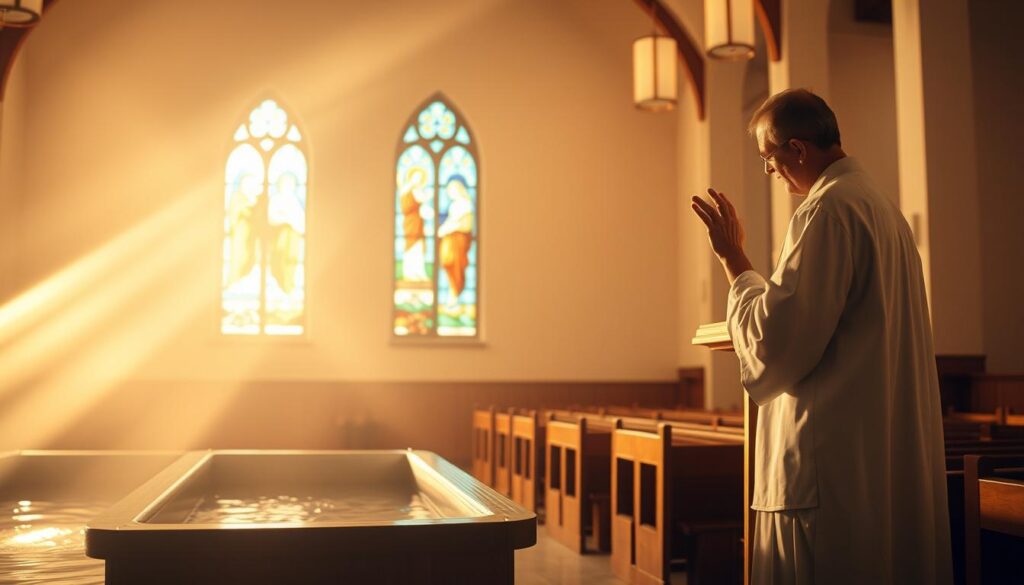
Scriptural authority and baptism practices

Guiding Principles in Action

Full-immersion baptism stands as a powerful symbol of spiritual rebirth. Unlike other traditions, this practice is reserved for individuals old enough to consciously embrace their faith. Water immersion mirrors the death and resurrection of Jesus, creating a vivid expression of personal commitment.

Congregational autonomy ensures each church operates independently. Local members make decisions about leadership, budgets, and outreach without external interference. This structure fosters adaptability while preserving unity through shared values.

Core Principle Practical Expression Community Impact
Scriptural Authority Bible-based sermons and teachings Creates doctrinal consistency
Believer’s Baptism Immersion ceremonies for adults Strengthens personal faith journeys
Local Governance Member-led decision making Encourages grassroots leadership
Worship Liberty Flexible service formats Allows cultural adaptation

Worship services blend structure with spontaneity. Hymns and prayers often flow alongside contemporary music, reflecting both tradition and innovation. This balance between reverence and relevance helps congregations connect across generations.

The emphasis on religious liberty extends beyond church walls. Many advocate for conscience rights in public life, continuing their historical role as champions of faith freedom. These practices continue shaping communities worldwide, maintaining relevance in an ever-changing world.

Formation and Importance of the Local Church

Local congregations form the backbone of Baptist communities, serving as hubs for spiritual growth and collective action. These groups operate like extended families, where members collaborate on worship, outreach, and mutual support. Their structure reflects a centuries-old conviction: churches thrive when empowered to interpret scripture and address local needs.

Autonomy and Congregational Governance

Every congregation governs itself through member-led decisions. Leaders seek guidance through prayer and biblical study rather than external mandates. This approach honors the belief that the Holy Spirit works directly within each community.

Key aspects of self-rule include:

  • Voting on pastoral appointments and budgets
  • Shaping outreach programs for neighborhood needs
  • Interpreting scripture without denominational pressure

This independence extends to theological matters. Churches may adopt different stances on social issues while maintaining core doctrines like the Lord’s Supper as a memorial of Jesus Christ. Such flexibility allows adaptation to cultural shifts without compromising foundational truths.

Historically, this model supported the separation of church and state. Early congregations resisted government interference, paving the way for modern religious liberty protections. Today, this legacy empowers communities to address contemporary challenges while preserving their distinct identity.

Baptism, Communion, and Worship Practices

Two sacred rituals anchor spiritual life for many congregations: immersion baptism and the Lord’s Supper. These practices aren’t mere traditions—they’re vivid expressions of faith that unite communities through shared symbolism.

The Significance of Immersion Baptism

Full-body immersion mirrors Jesus’ burial and resurrection. Participants step into water as a public declaration of leaving old ways behind. This faith practice requires conscious choice, distinguishing it from infant baptism common in other denominations.

Early leaders saw this ritual as essential to the priesthood of all believers. Every member, not just clergy, could testify through baptism. This empowered individuals while strengthening bonds among one another.

Practice Symbolic Meaning Community Role
Immersion Baptism Death to sin, rebirth in Christ Public affirmation of faith
Lord’s Supper Remembrance of sacrifice Collective spiritual reflection
Scripture Reading Guidance for daily living Shared learning and growth

The Lord’s Supper: Symbolism and Practice

Communion services focus on remembrance rather than mystical change. Bread and juice represent Christ’s body and blood, prompting deep reflection on sacrifice. Many churches hold this faith practice monthly, creating regular moments for spiritual renewal.

During these gatherings, members often pray for one another, embodying the priesthood of believers concept. This mutual support system traces back to the baptist movement’s early days, where communal care was vital for survival.

Both rituals connect modern worshipers to baptist history. They serve as living links to centuries of believers who prioritized personal conviction over institutional mandates. Through these acts, communities continually renew their commitment to walking with one another in faith.

The Role of Autonomy and Separation of Church and State

Independence from external control defines both the structure and spirit of many faith communities. For centuries, this principle has shaped how groups organize worship, interpret scripture, and engage with society. At its core lies a conviction: spiritual matters belong to the people, not governments.
church autonomy and religious liberty

Defending Religious Liberty in Practice

Local congregations have long operated as self-directed entities. Early advocates like Roger Williams—founder of Rhode Island—argued that state interference corrupted true faith. His 17th-century writings echoed New Testament teachings, insisting churches thrive when free from political agendas.

This commitment sparked landmark moments. In 1802, Baptist leaders penned the Danbury Letter, urging Thomas Jefferson to uphold a “wall of separation.” Their efforts later influenced First Amendment protections, ensuring religious liberty for all Americans.

Modern communities continue this legacy. Each local congregation votes on leadership, budgets, and outreach—decisions rooted in collective prayer rather than top-down mandates. As one 19th-century minister noted, “A church tied to earthly powers becomes deaf to heavenly callings.”

Belief in personal salvation reinforces this autonomy. Since spiritual accountability rests with individuals, structures exist to support—not dictate—faith journeys. This balance between personal conviction and communal strength remains vital across generations.

Challenges and Growth in Baptist History

Navigating today’s rapidly changing world presents both obstacles and opportunities for faith communities. Congregations balance tradition with innovation as they address shifting cultural norms and evolving member expectations.

Membership trends reveal a mixed picture. While some groups report steady growth through youth programs and digital outreach, others face declines tied to generational divides. One pastor notes, “Our doors stay open, but we’re rethinking how to fill the pews—and hearts.”

Modern Developments and Future Directions

Leadership structures now blend seasoned ministers with tech-savvy teams. Many congregations adopt multi-campus models or streaming services to reach broader audiences. These changes reflect the movement’s historic adaptability while honoring core values like local autonomy.

Cultural debates around social justice and politics test traditional stances. Some churches host community dialogues, while others prioritize unity through shared worship. This tension between engagement and separation echoes the movement’s founding principles of religious liberty.

Future growth may hinge on interdenominational partnerships and creative evangelism. Emerging strategies include:

  • Collaborative mission trips with diverse faith groups
  • Workshops addressing mental health and family dynamics
  • Hybrid worship formats merging in-person and online participation

As time reshapes societal norms, these communities continue proving their resilience. By holding fast to scriptural foundations while embracing fresh methods, they chart a course for meaningful impact in modern times.

Conclusion

Throughout centuries, communities grounded in scripture and autonomy have shaped a distinctive spiritual identity. Their journey—from early resistance to state-controlled religion to modern-day life-centered worship—reflects both steadfast principles and adaptive growth. Core practices like immersion baptism and congregational governance remain pillars, uniting members through shared purpose.

Historical challenges tested these traditions, yet each era sparked renewal. Today, local congregations thrive by balancing ancient rituals with contemporary needs. Every member contributes to this living legacy, fostering connections that transcend generations.

The symbolism of death and rebirth in baptism echoes beyond individual faith. It represents collective hope—a reminder that spiritual resilience outlasts cultural shifts. Communities continue evolving while holding fast to sacred roots.

Curious about this enduring legacy? Engage with local churches to experience firsthand how tradition and innovation coexist. Their story, written by countless hands, invites all to explore its depth and relevance in modern life.

FAQ

How do Calvinist teachings shape Baptist theology?

Early Baptists drew from Calvinist ideas like predestination but later emphasized free will and personal conversion. This blend created a focus on individual faith and evangelism, distinct from strict Calvinism.

Why is immersion baptism central to Baptist practice?

Immersion symbolizes spiritual rebirth and aligns with New Testament examples. It reflects a conscious choice to follow Christ, reserved for those old enough to profess their faith.

What makes congregational governance unique in Baptist churches?

Each congregation operates independently, choosing leaders and managing affairs without external control. This autonomy reflects trust in local communities to interpret Scripture and make decisions collectively.

How do Baptists view the separation of church and state?

They strongly advocate for religious liberty, opposing government interference in spiritual matters. This principle protects freedom of conscience and prevents state-imposed doctrines.

What role does the Lord’s Supper play in worship services?

It serves as a symbolic remembrance of Christ’s sacrifice, not a sacramental ritual. Participants reflect on redemption and unity, often sharing bread and juice during gatherings.

How have modern challenges influenced Baptist growth?

Issues like cultural shifts and doctrinal debates have spurred adaptations in outreach and teaching methods. Many congregations now blend traditional values with contemporary approaches to engage new generations.

Why is Scripture considered the ultimate authority?

Baptists prioritize the Bible over tradition or hierarchy, believing it guides faith and practice. This commitment fosters diverse interpretations while maintaining core teachings like salvation through Christ.
Pentecostal Free Will Baptist Beliefs: Discover the Fundamentals


Welcome to an exploration of a faith tradition rooted in deep spiritual conviction and community. At its core, this church holds the Bible as the inspired Word of God, guiding every aspect of doctrine and daily life. Followers emphasize a personal relationship with Jesus Christ, viewing Him as both fully divine and central to salvation.

The teachings focus on three foundational truths: repentance, forgiveness of sins, and living a life transformed by faith. Members believe in one God expressed through three persons—Father, Son, and Holy Spirit. This understanding shapes their worship and underscores the importance of spiritual renewal.

Community plays a vital role here. Congregations prioritize fellowship, aiming to reflect biblical principles in practical ways. From Sunday services to outreach programs, the goal is to foster connections that strengthen individual and collective faith.

As we delve deeper, you’ll learn how these doctrines have evolved over time and why they remain relevant today. Whether you’re new to this tradition or seeking clarity, this guide offers insights into a faith built on Scripture, grace, and purposeful living.

Key Takeaways

  • The Bible serves as the ultimate authority for teachings and practices.
  • Jesus Christ is central to salvation and viewed as fully divine.
  • Repentance and forgiveness are essential steps in spiritual growth.
  • Belief in the Trinity shapes worship and theology.
  • Strong community ties reflect the church’s commitment to fellowship.
  • Historical roots influence modern interpretations of Scripture.

Historical Foundations and Biblical Doctrines

Understanding the roots of a faith tradition offers insight into its enduring principles. This church traces its theological identity to early American revival movements, where passionate preaching and personal conversion shaped communities.

Scriptural Basis and Inspiration of the Bible

Central to this tradition is the belief that Scripture is God-breathed (2 Timothy 3:16). Leaders emphasize studying texts in their original context to guide modern faith practices. This approach fosters a dynamic relationship between ancient wisdom and contemporary life.

Origins of Free Will Baptism and Revivalism

The Great Awakening of the 18th century sparked a shift toward individual spiritual responsibility. Benjamin Randall, a key figure, championed the idea that salvation is freely available to all—a contrast to stricter Calvinist views of his time. Early preachers focused on heartfelt sermons rather than rigid doctrinal systems.

Tradition Key Influence Impact on Doctrine
Arminian Theology Human choice in salvation Emphasized free will over predestination
Wesleyan Revivalism Personal holiness Shaped views on sanctification
Revivalist Movements Emotional worship Encouraged experiential faith

Over time, these ideas merged into a distinct identity. Churches today still prioritize Scripture’s authority while valuing the Holy Spirit’s role in personal transformation. Their history reminds believers that doctrine grows from both divine truth and human experience.

Exploring Pentecostal Free Will Baptist Beliefs

At the heart of this tradition lies a vibrant spiritual journey marked by transformative encounters. These experiences shape both individual lives and collective worship, blending timeless truths with modern-day relevance.

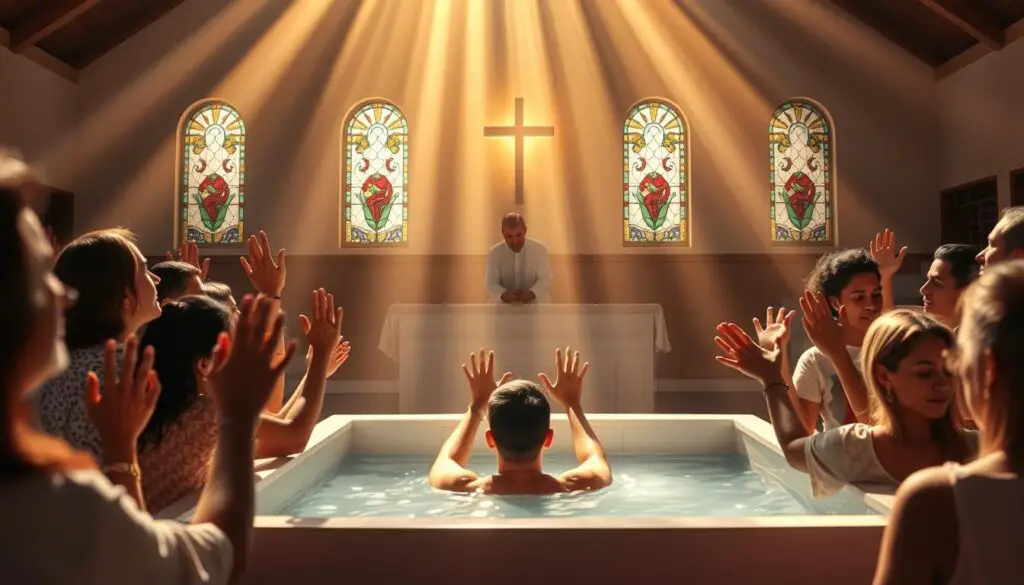
holy spirit baptism

Core Doctrines: Justification, Regeneration, and Sanctification

Members describe their faith journey in three stages. Justification begins the process—being made right with God through faith in Christ. As one believer shared, “It’s like stepping from shadows into sunlight.”

Regeneration follows, often called the “new birth.” This isn’t mere ritual but a heart change, as 2 Corinthians 5:17 states:

“If anyone is in Christ, they are a new creation.”

Sanctification then becomes a daily walk. It’s growing in holiness through prayer, Scripture, and community support. These doctrines aren’t abstract ideas—they’re lived out in soup kitchens, youth programs, and Sunday gatherings.

The Role of the Holy Spirit: Pentecostal Baptism and Divine Healing

The Holy Spirit’s presence fuels this faith. Many describe their “Spirit baptism” moment—a surge of joy often accompanied by speaking in tongues (Acts 2:4). This empowerment fuels ministries and missions worldwide.

Divine healing also holds significance. Testimonies abound of restored health through prayer, echoing James 5:14-15. As one pastor notes, “We pray expecting miracles, but trust God’s wisdom above all.”

These practices create churches that feel both ancient and alive. Whether through vibrant worship or quiet acts of service, the focus remains: a faith that transforms.

Community Impact and Ministry Practices

Local congregations thrive through shared purpose and active participation. Members gather not just for worship but to build relationships that extend beyond Sunday mornings. From mentoring programs to neighborhood outreach, every initiative reflects a commitment to practical faith.

Local Church Life and Unity in Service

Weekly gatherings blend heartfelt worship with collaborative projects. Many churches host food drives, tutoring sessions, and prayer groups—efforts that strengthen both the congregation and surrounding areas. One member shared, “We’re not just a building; we’re a family working together.”

Structured ministries empower individuals to lead. Women’s groups, men’s fellowships, and outreach teams create spaces for diverse talents to shine. This grassroots approach ensures everyone contributes meaningfully.

Youth Ministry and Events Like Crusader Youth Camp

Young people find mentorship and adventure through annual programs. The Crusader Youth Camp, for example, combines outdoor activities with Bible engagement. Teens hike, swim, and discuss Scripture around campfires—a mix that fosters lifelong faith habits.

Parents often note how these events spark spiritual growth. “My son returned more confident in his values,” one mother remarked. Local churches also organize mission trips and service projects, teaching youth to live out their beliefs.

Through these efforts, the network cultivates a vibrant yet grounded community. Whether you’re seeking discipleship or a place to serve, there’s room to grow here.

Conclusion

Rooted in Scripture and service, this faith tradition offers a path where ancient wisdom meets modern community impact. Its teachings—shaped by revival-era passion and biblical fidelity—emphasize personal transformation through doctrines like justification and regeneration. These principles aren’t relics; they fuel soup kitchens, mentorship programs, and youth camps that shape futures.

Historical roots matter here. Early leaders prioritized Bible engagement over rigid systems, creating churches that value both truth and lived experience. Today, this legacy thrives through local ministries fostering discipleship and leadership development. The Crusader Youth Camp exemplifies this blend—teens explore faith while hiking trails and studying Scripture.

Looking for a spiritual home that values action? Visit a nearby church or join outreach events. Whether through Sunday gatherings or neighborhood projects, there’s space to grow and serve. Your journey toward purposeful living could start here.

FAQ

What role does the Bible play in PFWB teachings?

Scripture is central to faith practices, serving as the inspired foundation for doctrines, discipleship, and daily living. Members prioritize Bible engagement to guide decisions and spiritual growth.

How does the church approach salvation and personal faith?

Teachings emphasize justification through faith in Christ, regeneration by the Holy Spirit, and lifelong sanctification. Individuals are encouraged to embrace grace while actively pursuing holy living.

Are divine healing and spiritual gifts part of worship services?

Yes, congregations believe in the Holy Spirit’s active presence, including gifts like healing and prophecy. These experiences are woven into gatherings as part of authentic faith expression.

What ministries exist for young people?

Crusader Youth Camp and similar events foster spiritual development through fellowship, teaching, and mentorship. These programs build community while grounding teens in biblical truth.

How do local churches support global outreach?

Missions work is vital, with congregations partnering globally through prayer, financial support, and hands-on service. This reflects the commitment to sharing Christ’s love across cultures.

Can women hold leadership roles within the church?

Leadership structures vary by congregation, but many value women’s contributions in ministry roles, education, and outreach while aligning with specific doctrinal positions on church governance.

Free Will Baptist Beliefs on Tongues


Many religious groups blend tradition with evolving spiritual practices. One such community is rooted in the American South, combining centuries-old Baptist principles with vibrant Pentecostal influences. Let’s explore how this denomination approaches spiritual experiences while honoring its heritage.

This group traces its origins to early 20th-century North Carolina. Historical records show strong connections to the Holiness movement’s emphasis on personal spiritual encounters. Leaders like Reverend G.B. Cashwell helped shape its unique identity, merging traditional values with charismatic worship styles.

Central to their practice is the concept of divine empowerment through prayer and scripture. Members emphasize personal relationships with the divine, viewing spiritual gifts as tools for communal growth. Educational institutions like Heritage Bible College, founded in 1971, continue training leaders in these blended traditions.

Key Takeaways

  • Combines traditional Baptist values with Pentecostal worship practices
  • Originated in North Carolina through early 20th-century spiritual movements
  • Heritage Bible College plays vital role in leadership development
  • Focuses on personal spiritual experiences within community context
  • Balances scriptural authority with charismatic expressions

Historical and Doctrinal Foundations

In the early 20th century, a unique fusion reshaped a Southern religious group’s approach to worship. Traditional practices met charismatic enthusiasm as traveling preachers shared new ideas about spiritual empowerment.

Blending Traditions Through Time

Paul Palmer’s ministry laid groundwork for change in the 1910s. His emphasis on personal spiritual encounters prepared communities for shifts ahead. After the Azusa Street Revival spread nationwide, Reverend G.B. Cashwell brought Pentecostal teachings to local congregations.

This merger gained momentum through the 1940s. Worship services began incorporating spontaneous expressions of faith alongside structured liturgy. By 1959, these evolving practices led to establishing a distinct denomination valuing both heritage and renewal.

Educating Future Leaders

Heritage Bible College became central to preserving this blended identity. Founded in Dunn, North Carolina, it trained ministers to balance scriptural study with charismatic expressions. Leadership training programs emphasized practical ministry skills alongside theological education.

Historical records show enrollment tripled between 1975-1985. This growth helped spread adapted worship styles to new regions. Today, many congregations maintain this balance of tradition and spiritual vitality.

Exploring free will baptist beliefs on tongues

Communities across the American South maintain a distinctive approach to divine encounters. Their practices blend structured theology with spontaneous expressions, creating space for both reverence and renewal.

holy spirit baptism experience

The Power of Spiritual Immersion

Many congregations teach that the baptism holy experience marks a believer’s deeper connection with God. This moment often follows water baptism, seen as an outward sign of inward commitment. One minister describes it as “a fire that refines without consuming,” highlighting its transformative nature.

Historical records show members often report heightened spiritual awareness after this experience. A 1948 church journal entry states: “The Spirit moves where hearts yield completely.

Language Beyond Understanding

Speaking in unknown languages remains a key marker of spiritual encounters. Leaders emphasize this practice isn’t about performance but personal confirmation of divine connection. It typically occurs during prayer meetings or altar calls, fostering unity among participants.

Practice Purpose Frequency
Water Baptism Public declaration of faith Once per believer
Spirit Baptism Empowerment for service Ongoing experience
Prayer in Tongues Personal edification Daily practice

These rituals strengthen community bonds while honoring individual journeys. As one member shared: “My faith became tangible when words failed but my spirit sang.” This balance between personal experience and shared tradition continues shaping churches nationwide.

Understanding the Interplay of Holy Spirit, Baptism, and Grace

The journey of faith weaves together divine intervention and personal devotion. At its core lies a sacred partnership between spiritual practices and transformative encounters. This dynamic shapes how communities experience growth and healing.

Baptism Holy: Faith and the Testimony of Belief

Water baptism marks a believer’s public commitment, while baptism holy signifies inner renewal. Many view this dual process as God’s response to sincere faith in action. A church leader explains: “The first dip cleanses, the second ignites.”

Practice Connection Outcome
Water Baptism Physical declaration Community welcome
Spirit Baptism Spiritual empowerment Personal transformation
Grace Divine gift Ongoing sanctification

Divine Healing, Sanctification, and Personal Spiritual Growth

The holy spirit actively shapes believers through what many call a second work of grace. This process often involves:

  • Renewed purpose in daily life
  • Heightened compassion for others
  • Physical and emotional healing testimonies

Churches nurture this growth through prayer circles and shared miracles. One member recalls: “After years of struggle, grace became my compass.” Regular worship and scripture study help maintain this balance between human effort and divine partnership.

Conclusion

Throughout American religious history, communities have forged distinct identities by weaving together diverse spiritual threads. This denomination’s story shows how sacred practices evolve while staying rooted in core values.

Early 20th-century revivals sparked lasting change, blending structured theology with expressive worship. Figures like Cashwell and institutions such as Heritage Bible College preserved this balance, creating a roadmap for modern congregations.

Central to this legacy is water baptism as a public rite and spiritual encounters as personal confirmations. These experiences—marked by heartfelt expressions—strengthen both individual journeys and collective faith.

Today, churches nationwide continue this living tradition. They honor their past while embracing fresh expressions of devotion, proving that heritage and renewal can walk hand in hand. At its core, this journey reflects the enduring dance between divine gifts and human response.

FAQ

How do Free Will Baptist churches view speaking in tongues?

Many congregations emphasize personal spiritual experiences but generally prioritize scriptural evidence over charismatic expressions like glossolalia. Practices vary, with some groups embracing it as a sign of faith while others focus on baptism and grace as core testimonies.

What role does the Holy Spirit play in their doctrine?

The Holy Spirit is seen as a guide for sanctification and spiritual growth. While divine healing and personal renewal are valued, most churches avoid linking the Spirit’s presence solely to outward signs like tongues, aligning more with grace-centered theology.

How does baptism connect to faith in their teachings?

Baptism symbolizes public commitment to Christ and acts as a testimony of belief. It’s viewed as an outward expression of inward grace, reflecting obedience to Scripture rather than a requirement for salvation.

Has Pentecostalism influenced Free Will Baptist beliefs?

Historical ties to institutions like Heritage Bible College introduced some charismatic ideas, but most churches maintain distinct doctrines. Emphasis remains on free will, repentance, and the transformative power of grace over ecstatic worship practices.

Do they believe divine healing is part of modern faith?

Many affirm God’s ability to heal, often through prayer and anointing. However, this is typically framed within God’s sovereignty rather than as a guaranteed outcome of specific rituals or spiritual gifts.

How do grace and personal responsibility coexist in their theology?

They teach that grace enables salvation, but individuals must actively choose to accept it. This balance reflects their focus on free will—believers are called to pursue sanctification while relying on God’s unmerited favor.

Discover Greater Shiloh Baptist Church: A Vibrant Congregation


Welcome to a place where faith meets action. This spirited congregation has served as a cornerstone of its community for generations. Known for its lively worship services and commitment to uplifting others, it blends tradition with modern outreach.

At its heart, this faith community thrives on connection. Weekly gatherings pulsate with energy—think soul-stirring music, heartfelt sermons, and neighbors becoming family. Beyond Sunday services, local volunteer programs and youth initiatives demonstrate their dedication to making a difference.

This guide will explore how the congregation evolved while staying true to its roots. You’ll learn about its architectural beauty, historical milestones, and the leaders shaping its future. From early days as a small fellowship to today’s multifaceted ministries, adaptability remains key.

What truly sets this group apart? Its ability to balance time-honored practices with fresh approaches. Whether through food drives, educational workshops, or interfaith collaborations, relationships with surrounding neighborhoods grow stronger yearly.

Key Takeaways

  • Engages members through dynamic worship and community-driven programs
  • Maintains historical traditions while embracing modern outreach methods
  • Features striking architecture reflecting its spiritual journey
  • Prioritizes partnerships with local organizations for social impact
  • Guided by leadership focused on inclusive growth and service

Introduction to a Vibrant Congregation

Step into a community where spiritual growth and service unite. Nestled on Jefferson Avenue Southwest, this historic faith center has anchored its neighborhood for over a century. Its doors open wide to diverse worshippers seeking connection through uplifting services and hands-on outreach.

Where Faith Sparks Action

Weekly gatherings here pulse with life—joyful hymns echo alongside practical teachings. Members don’t just attend; they build food pantries, mentor youth, and partner with schools. The blend of prayer and purpose creates ripples far beyond Sunday mornings.

Your Guide to Legacy and Impact

This resource unpacks how the congregation shaped its identity while adapting to modern needs. You’ll explore:

  • Architectural details reflecting its spiritual journey
  • Profiles of leaders driving community transformation
  • Snapshots of programs bridging generations and cultures

Through historical records and current initiatives, you’ll see why this missionary hub remains vital. Expect clear insights into how traditions evolve while maintaining core values—a blueprint for meaningful engagement.

History of greater shiloh baptist church: A Journey Through Time

In 1891, Thomas Walker ignited a spiritual flame that would burn for generations. What began as a small fellowship soon grew into a cornerstone of faith, weathering storms and celebrating triumphs. Let’s explore how this community’s roots shaped its enduring legacy.

Founding and Early Development

Walker’s vision materialized with the 1901 completion of a striking sanctuary. Architect D. A. Helmich designed the structure using 1.2 million bricks sourced from D.M. Dry Goods Company. Measuring 90 feet long and 60 feet wide, the building became a hub for worship and social justice efforts.

Key Historical Milestones and Relocations

The 1902 National Baptist Convention brought both pride and tragedy when a stairway collapse injured hundreds. Despite this setback, the congregation persevered through zoning changes and the Great Depression. Relocations in the 1930s tested their resolve but strengthened communal bonds.

Year Event Impact
1891 Community founding Established spiritual foundation
1901 Sanctuary construction Created permanent worship space
1902 Convention accident Tested community resilience
1930s Economic challenges Sparked adaptive growth

These trials forged a missionary spirit that still drives outreach today. Each challenge became a stepping stone, proving that even broken bricks can build stronger foundations.

Pastoral Leadership and the Legacy of Dr. Michael Wesley

Visionary guidance transforms communities when knowledge meets purpose. Dr. Michael Wesley embodies this truth, blending academic excellence with spiritual wisdom to inspire generations. His journey from classroom educator to faith leader reveals how education fuels meaningful ministry.

pastoral leadership legacy

Dr. Wesley’s Educational and Spiritual Contributions

With three advanced degrees, including a Doctor of Ministry, Wesley built a 26-year career in Birmingham schools. As a teacher, assistant principal, and principal, he championed student success while nurturing his calling. This dual focus led to innovative programs merging Bible studies with life skills training.

Public Speaking, Publications, and Community Influence

Wesley’s voice resonates beyond pulpits. His five books, like Faith in Action: Lessons from the Frontlines, offer practical spiritual tools. National speaking tours and global missionary baptist conferences showcase his ability to bridge theology and everyday challenges.

Under his three-decade leadership, the congregation doubled its outreach initiatives while preserving core values. “True growth,” he often says, “starts when we teach minds and touch hearts.” This philosophy continues shaping a faith community where learning and service walk hand in hand.

Architectural Evolution and Worship Facilities

Bricks and belief intertwine in spaces where communities gather to grow. Shiloh Baptist Church’s physical journey mirrors its spiritual path—each expansion reflecting answered prayers and practical needs.

Design and Construction of Early Sanctuaries

The original 1901 sanctuary rose as a testament to craftsmanship. Builders stacked light-colored bricks into walls stretching 90 feet long, while wooden trusses arched overhead like open arms. Deep side galleries allowed overflow crowds to participate fully, a design choice still praised by architects today.

Economic storms reshaped these sacred spaces. During the 1930s relocation, members carried salvaged materials to new sites—a symbolic act of resilience. “Our buildings bend but don’t break,” one pastor noted, capturing their adaptive spirit.

Modern Enhancements and Facility Expansions

Twenty-first century updates honor tradition while embracing progress. The Jefferson Avenue Southwest campus added multi-purpose halls and tech-equipped classrooms. Solar panels now crown rooftops where slate once lay, blending sustainability with sacred function.

Recent expansions address growing needs:

  • Accessible entrances for elderly members
  • Soundproof childcare rooms
  • Commercial kitchens supporting meal programs

Through seven decades of change, Shiloh Baptist Church has proven spaces evolve when people invest in shared dreams. As current leadership often reminds us: “Walls hold memories, but floors feel tomorrow’s footsteps.”

Missionary Baptist Traditions and Community Engagement

Service pulses through every corridor of this faith community, blending time-tested practices with innovative outreach. For over a century, members have turned beliefs into action through programs addressing hunger, education, and social justice.

missionary baptist community outreach

Outreach Programs and Community Impact

Local neighborhoods benefit from weekly mentorship sessions and free tutoring centers. Dr. Michael Wesley often emphasizes, “Our doors swing outward—faith grows when shared.” This philosophy fuels partnerships with schools to provide backpacks filled with school supplies each fall.

Safety initiatives like neighborhood watch trainings and conflict resolution workshops strengthen community bonds. Annual cultural festivals celebrate diversity, drawing thousands to enjoy music, art, and shared meals.

Local Initiatives and National Outreach

While rooted in local needs, the congregation’s influence spans nationwide. Key efforts include:

  • Disaster relief teams deploying to flood zones
  • Virtual Bible study groups reaching homebound seniors
  • Advocacy campaigns for equitable housing policies

Dr. Wesley’s leadership bridges generations—youth lead food drives while elders share oral histories. This mix of old and new creates what members call “living traditions,” where hymn-singing volunteers pack meals for food-insecure families.

Faith, Learning, and Empowering the Congregation

Education fuels spiritual growth in this vibrant faith community. Members discover ancient truths through modern lenses, blending scripture study with real-world application. The result? Lives transformed by knowledge that moves beyond pews into daily practice.

faith-based education programs

Tools for Spiritual Growth

Weekly programs cater to diverse learning styles:

  • Interactive Sunday School sessions dissect scripture
  • Wednesday night workshops tackle parenting through Proverbs
  • Digital devotionals deliver daily reflections via app

Dr. Michael often shares, “When we teach people to fish spiritually, they feed communities for life.” His leadership birthed unique offerings like financial stewardship seminars and grief support book clubs.

Changed Lives, Stronger Bonds

Maria, a 34-year-old nurse, credits Tuesday Bible studies with helping her overcome anxiety. “Those pages became my survival guide during COVID shifts,” she recalls. Youth member Jamal now leads prayer circles after mentorship from older congregants.

The community’s approach balances tradition with innovation:

  • Handwritten prayer journals meet smartphone scripture alerts
  • Elders share oral histories through podcast interviews
  • Teens create TikTok faith challenges

This mix empowers all generations. As Dr. Michael notes: “True learning happens when heads nod and hands get dirty.” Through education, the congregation writes its next chapter – one transformed life at a time.

Conclusion

Through time-tested values and modern vision, this congregation continues shaping lives. Its journey—from humble beginnings to a thriving community hub—shows how faith evolves while staying rooted. The building itself tells stories, with century-old bricks now sharing space with solar-powered classrooms.

Dr. Michael Wesley’s leadership transformed spiritual education into action. His series of innovative programs bridged generations, proving traditions grow stronger when paired with fresh ideas. Today’s outreach efforts still reflect that balance, blending food drives with digital devotionals.

Explore their full story through downloadable timelines or visit their site at Jefferson Avenue Southwest. Whether you’re drawn to architectural history or hands-on service opportunities, this faith family welcomes all. Their legacy proves one truth: communities thrive when they honor the past while building tomorrow together.

FAQ

What makes this congregation’s worship experience unique?

The worship experience blends traditional Baptist practices with modern engagement, fostering spiritual growth through dynamic sermons, music, and community-driven activities.

How has Dr. Michael Wesley influenced the church’s direction?

Dr. Wesley’s leadership emphasizes education, social justice, and outreach, shaping initiatives like youth mentorship programs and partnerships with local organizations to address community needs.

Are there programs for children and teens?

Yes! Weekly youth Bible studies, summer camps, and leadership workshops empower younger members to grow spiritually while building meaningful connections with peers.

Can visitors participate in outreach initiatives?

Absolutely. Volunteer opportunities include food drives, tutoring partnerships, and disaster relief efforts, reflecting the congregation’s commitment to serving locally and nationally.

How does the facility accommodate large events?

Expansions like the multipurpose hall and upgraded audio-visual systems support gatherings ranging from worship services to conferences, ensuring accessibility and comfort for all attendees.

What historical moments define the congregation’s journey?

Key milestones include its 19th-century founding, relocations to accommodate growth, and the establishment of outreach programs that expanded its impact beyond the local community.

Where can I find sermons or publications by Dr. Wesley?

Recent sermons and articles are available on the official website, along with updates on upcoming speaking engagements and downloadable resources for personal study.

First Baptist Church Mustang OK: Inspiring Faith, Serving Community


Welcome to a place where faith and action come together. Nestled in the heart of Oklahoma, this congregation has been a cornerstone of spiritual growth and neighborly support for generations. Through worship services and hands-on outreach, members create meaningful connections that extend far beyond Sunday mornings.

The mission here centers on inspiring authentic relationships – with God, one another, and the wider community. Weekly programs blend traditional values with modern tools, like email newsletters, to keep everyone informed and engaged. Whether it’s organizing food drives or hosting youth activities, every effort reflects a commitment to compassionate service.

Time is valued deeply here. Thoughtfully planned events ensure families can participate without sacrificing their busy schedules. From seasonal celebrations to volunteer projects, each activity strengthens bonds while addressing local needs.

Key Takeaways

  • Serves as a spiritual and social anchor in central Oklahoma
  • Balances timeless traditions with digital communication methods
  • Prioritizes accessibility through streamlined scheduling
  • Welcomes newcomers with open arms and practical support
  • Builds trust through decades of consistent community care

Embracing Faith and Community Outreach

Unity in faith and dedication to neighbors shape the heart of this organization. Through dynamic gatherings and hands-on projects, members build bridges between spiritual growth and tangible support. Whether through uplifting services or neighborhood partnerships, every effort reflects a shared vision of compassion.

Inspiring Worship Services

Weekly gatherings blend heartfelt music, thoughtful messages, and group participation. Attendees often describe these moments as “rejuvenating” – a chance to recharge while connecting with others. Updates via email ensure everyone stays informed about service times and seasonal themes.

Community Initiatives and Events

The 928 area sees regular action through programs like weekend food drives and youth mentorship meetups. A dedicated community room hosts everything from planning sessions to holiday celebrations. Recent collaborations with local schools demonstrate how this church initiative extends its reach beyond traditional boundaries.

Special events, like annual charity auctions, bring diverse groups together under one roof. Volunteers appreciate the clear schedules and organized meetings that make participation simple. By focusing on practical needs and joyful gatherings, this congregation continues strengthening its role as a regional anchor.

In-Depth Look: first baptist church mustang ok

At the core of this congregation’s outreach lies a welcoming space designed for connection and growth. The fellowship center serves as a hub where laughter echoes through shared meals and quiet conversations unfold in cozy corners. Built to accommodate diverse needs, this facility features adaptable rooms equipped with modern amenities.

fellowship center activities

Fellowship Center and Support Groups

Weekly gatherings thrive in the main hall, while smaller groups use private rooms for focused discussions. A dedicated prayer room offers solitude, and the community kitchen buzzes during meal-prep events for families in the 928 area. Regular meetings follow clear schedules, with reminders sent via email to keep everyone informed.

Group Type Meeting Time Focus Area
GriefShare Thursdays 6 PM Emotional healing
Prayer Circle Tuesdays 10 AM Spiritual guidance
Family Support 1st Sunday monthly Parenting resources

GriefShare Experience: Healing Through Support

Those navigating loss find solace in the structured GriefShare program. Over 13 weeks, participants explore healing strategies through guided workbooks and group sharing. “This group gave me tools to process my loss while feeling understood,” shares a regular attendee.

Consistent meeting times allow members to plan around work and family commitments. Newcomers receive warm welcomes and detailed emails outlining the journey ahead. Through these efforts, the congregation continues fostering resilience across Mustang and beyond.

Service Information and How to Connect

Staying connected starts with clear details and easy access. Whether you’re joining a support group or planning to attend weekend services, knowing when and where matters. This section breaks down essential logistics to help you engage seamlessly.

Weekly Gatherings at a Glance

Regular meetings follow consistent schedules to simplify planning. The fellowship center hosts multiple activities daily, from spiritual growth sessions to community events. Check this overview for key timings:

Service/Group Day Time Location
Sunday Worship Sunday 10:30 AM Main Sanctuary
GriefShare Group Thursday 6:00 PM Room 204
Youth Bible Study Wednesday 7:00 PM Fellowship Hall

“The calendar sync feature saved me from missing our monthly potluck dinner!”

– Longtime Member

Digital Tools for Easy Access

Sync event schedules directly to your personal calendar in three steps:

  1. Visit the online events page
  2. Click the Google Calendar icon
  3. Refresh your device after syncing

iPhone and iPad users should enable sync settings in their device preferences. Need help? The contact team responds to emails within 24 hours. Detailed directions to the baptist church mustang location include landmarks like the community garden and historic clock tower.

Through thoughtful planning and modern tools, everyone stays informed about upcoming opportunities. This approach keeps the focus where it belongs – building meaningful connections.

Conclusion

This faith community thrives where spiritual growth meets practical care. Through vibrant worship and neighborhood partnerships, members nurture hope while addressing real needs. From weekly gatherings to seasonal events, every initiative reflects a dedication to building stronger connections.

Those facing loss discover healing through structured programs like the GriefShare group, while families find encouragement in shared meals and mentorship. Digital tools simplify participation – sync schedules via email or explore detailed directions online. Regular meeting times and responsive contact options ensure everyone can engage on their terms.

Ready to experience this blend of faith and action? Join a support group, attend services, or volunteer at upcoming projects. Together, we grow stronger through compassion that starts locally but reaches far beyond.

FAQ

What support groups are available for those dealing with loss?

The GriefShare program offers a structured, compassionate environment to process grief. Meetings include video sessions, group discussions, and practical resources. All are welcome regardless of faith background.

How can I stay updated on upcoming events?

Sync our online calendar to your device or sign up for email updates through the website. Weekly bulletins and social media also highlight activities like community outreach projects and seasonal gatherings.

Where is the Fellowship Center located?

The Fellowship Center is on the main campus near the sanctuary. Clear signage and friendly volunteers will guide you. Parking is available close to the entrance for easy access.

Are newcomers welcome at worship services?

Absolutely! Services blend traditional hymns with modern worship music, and messages focus on practical faith. Dress ranges from casual to business attire—come as you are.

How do I contact staff for prayer requests?

Use the “Contact Us” form online, call the office during business hours, or email prayerteam@fbcmustang.org. All requests remain confidential within the care team.

Is childcare available during meetings?

Yes, supervised nursery care and age-specific programs are provided during most gatherings. Check event details for specific arrangements or special needs accommodations.

Discover Victory Baptist Church in North Augusta


Nestled in the heart of Aiken County, this vibrant faith community offers warmth to all who walk through its doors. With a focus on meaningful connections, it serves as both a place of worship and a gathering spot for neighbors. Visitors often describe the atmosphere as genuinely inviting, where newcomers quickly feel like family.

The organization’s website provides easy navigation to explore weekly services, Bible study groups, and outreach programs. Clear menus help users quickly find event calendars or volunteer opportunities. Many appreciate the thoughtfully designed layout that prioritizes accessibility for first-time guests.

Through uplifting sermons and collaborative projects, members strengthen their bonds while supporting local causes. Seasonal festivals and youth programs further enrich the experience, creating lasting memories for participants. This approach reflects the group’s commitment to nurturing both faith and fellowship.

Key Takeaways

  • Centrally located in Aiken County’s growing residential area
  • Focuses on creating inclusive experiences for all ages
  • Website offers streamlined access to service details and event updates
  • Regularly hosts activities that blend spiritual growth with community service
  • Upcoming sections will detail worship styles and educational programs

Experience Uplifting Worship and Community Spirit

Sunday mornings here blend vibrant energy with quiet reflection. The space fills with modern worship songs led by a live band, creating rhythms that resonate across generations. Smiles and handshakes flow freely as regulars welcome newcomers like old friends.

Engaging Worship Services

Contemporary arrangements mix with timeless hymns during services, appealing to diverse musical tastes. Messages focus on practical faith applications – think “how does this ancient wisdom help me today?” Interactive prayer moments encourage personal connections, while monthly themed series keep teachings fresh.

Community Outreach Initiatives

Beyond Sunday gatherings, this group thrives through action. Weekly meal deliveries for homebound neighbors and back-to-school supply drives show their commitment. A popular grief support group meets Tuesdays, offering safe spaces for healing conversations.

Volunteers regularly partner with local food banks and organize neighborhood cleanups. “We grow stronger when we serve together,” remarks a longtime member. Visitors often stay for coffee hour discussions about upcoming service projects – proof that faith here walks hand-in-hand with compassion.

Our Mission and Values at victory baptist church north augusta sc

Guided by timeless principles, this community strives to create meaningful connections through faith. Every initiative flows from a desire to help individuals discover purpose while uplifting others. Members describe the environment as rooted in grace, where questions and growth go hand-in-hand.

mission and values community

Our Spiritual Mission

The foundation rests on empowering people to live out their beliefs daily. Weekly teachings emphasize practical applications of scripture, blending wisdom with modern challenges. Small groups meet regularly to discuss how faith intersects with relationships, careers, and personal goals.

Core Values and Beliefs

Integrity shapes every decision, from leadership meetings to youth programs. Compassion drives outreach efforts like free tutoring sessions and senior care partnerships. “We’re called to love without conditions,” shares a volunteer coordinator, highlighting their inclusive approach.

Commitment to Support and Growth

Mentorship programs pair seasoned members with newcomers, fostering trust across generations. Annual workshops address topics like financial stewardship and emotional wellness. These efforts ensure everyone finds tools to thrive spiritually and personally.

Seasonal retreats and service projects strengthen communal bonds while addressing local needs. By prioritizing both individual journeys and collective impact, the group cultivates lasting relationships that extend beyond Sunday gatherings.

Explore Inspiring Bible Studies and Community Events

Dynamic programs blend learning with connection, offering multiple ways to engage with timeless wisdom. Whether you’re seeking personal reflection or group discussions, there’s a place to grow alongside others.

Weekly Learning Opportunities

Morning and evening sessions cater to busy schedules, with formats designed for all ages. Families enjoy story-based studies on Thursdays, while adults dive into thematic explorations every Wednesday. Youth groups tackle real-life applications through interactive games and open dialogues.

Modern tools like video discussions and app-based study guides complement traditional verse analysis. “We make ancient texts feel relevant,” shares a group leader. These sessions often spark lively debates about balancing faith with daily challenges.

Upcoming gatherings include outdoor scripture workshops and intergenerational potluck dinners. A summer series on resilience features guest speakers and hands-on service projects. These events create natural bridges between spiritual development and neighborhood bonding.

Newcomers receive warm welcomes and optional mentoring partnerships. As one recent participant notes, “This isn’t about having all the answers – it’s about asking better questions together.” Visit the online calendar to find your perfect fit among these enriching opportunities.

Conclusion

Building bridges between tradition and modern life, this faith community fosters relationships rooted in shared purpose. Through uplifting services and practical teachings, members find guidance for daily challenges while contributing to meaningful causes.

Weekly gatherings balance spirited worship with deep reflection, complemented by hands-on outreach initiatives. Dynamic study groups invite open dialogue across generations, proving faith thrives when explored together.

What truly defines this group is its unwavering warmth. New faces quickly become valued partners in neighborhood projects or coffee-hour conversations. Whether through seasonal service drives or mentorship programs, everyone contributes to a supportive environment.

Ready to experience this welcoming spirit? Visit their website to explore service times or connect with a small group that matches your interests. Discover how lasting relationships grow when people pursue growth while lifting others.

FAQ

What types of worship services are offered?

We host dynamic, family-friendly services blending traditional hymns with contemporary worship. Services focus on biblical teaching, prayer, and fostering connections within our congregation.

How does the church support local communities?

Through food drives, youth mentorship programs, and partnerships with North Augusta organizations, we actively address needs like hunger relief, education support, and spiritual guidance.

Are there groups for spiritual growth?

Yes! We offer weekly Bible studies—both in-person and virtual—along with prayer meetings and workshops focused on faith development and practical life applications of Scripture.

Can newcomers join events easily?

Absolutely. Visitors are welcome at all gatherings, from Sunday services to seasonal celebrations. Check our website’s event calendar for details on locations, times, and registration.

What makes this congregation unique?

Our emphasis on authentic relationships sets us apart. Members prioritize compassionate outreach while maintaining deep-rooted biblical teachings that resonate with modern life challenges.