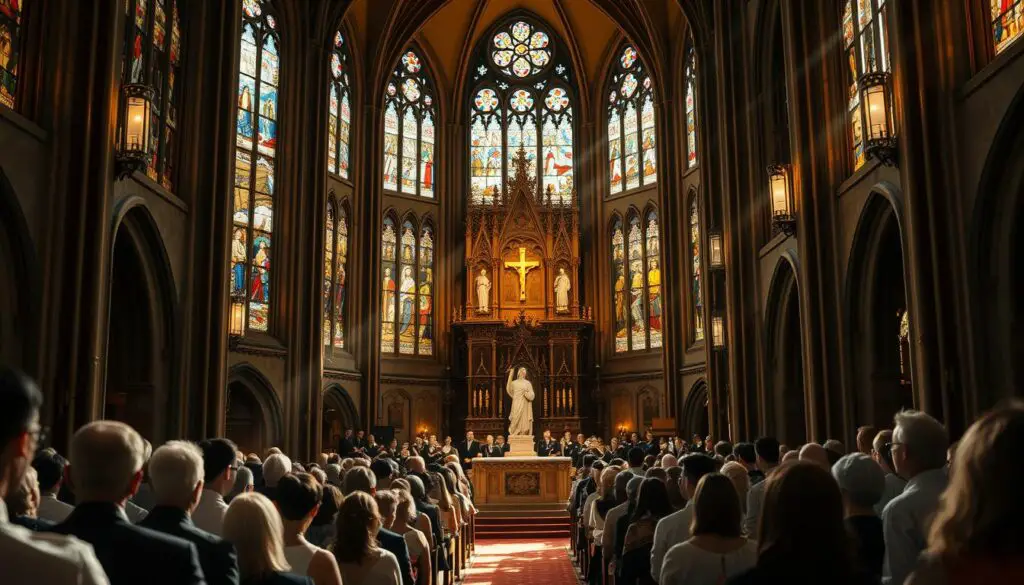
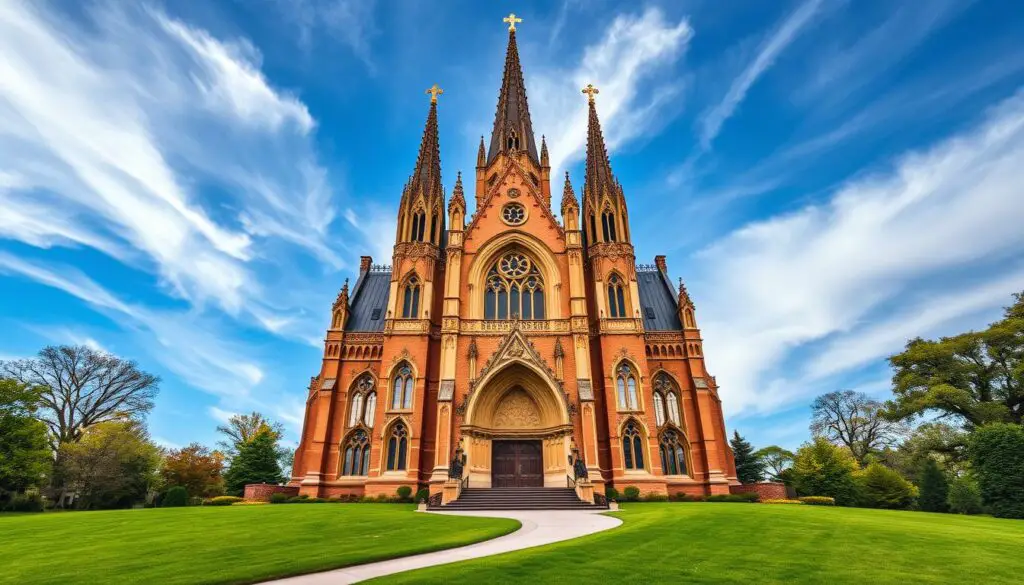
At the heart of Charlotte stands a welcoming space where faith and action come together. This congregation focuses on uniting families and individuals through shared values of compassion and purpose. Their mission? To inspire spiritual growth while addressing real-world needs, creating a ripple effect of hope across neighborhoods.
Located at 1520 Little Rock Road, Charlotte, NC 28214, this vibrant hub hosts events that bring people closer. From youth programs to food drives, every initiative reflects a commitment to uplifting others. Weekly gatherings and seasonal celebrations foster connections, ensuring everyone feels valued.
What makes this community unique is its blend of timeless wisdom and modern outreach. Rooted in biblical teachings, its ministries adapt to today’s challenges—whether through counseling services or educational workshops. Upcoming events promise opportunities for deeper engagement, from volunteer projects to collaborative festivals.
Key Takeaways
A welcoming mission focused on faith and practical support for all ages
Central location at 1520 Little Rock Road for easy access to gatherings
Diverse events and ministries that address both spiritual and community needs
A legacy of blending traditional values with innovative outreach
Upcoming programs designed to strengthen bonds and inspire action
Discover beth el baptist church: A Community of Faith
Finding a place where everyone belongs isn’t just a hope—it’s a reality within these walls. This congregation blends timeless values with open-hearted hospitality, making every interaction feel like coming home. Whether you’re attending for the first time or the hundredth, the focus remains on creating meaningful connections that uplift and inspire.
Warm and Welcoming Atmosphere
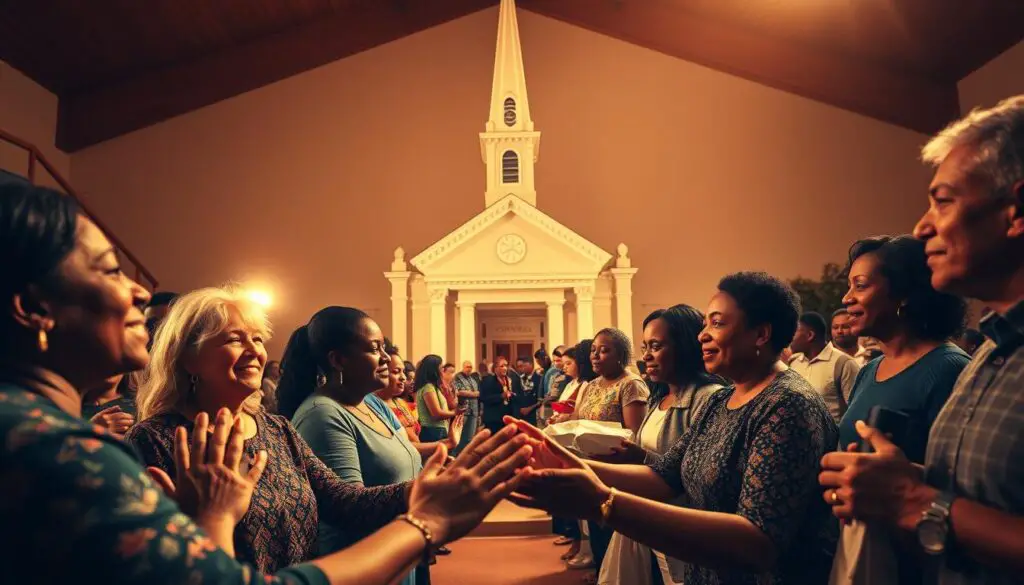
Walk through the doors and feel the difference. Greeters remember names, regulars save seats for newcomers, and laughter fills shared meals. It’s this intentional care that turns visitors into family. Monthly potlucks, youth game nights, and seasonal festivals ensure there’s always a reason to gather.
One member shared, “I knew I belonged here when three people offered me coffee before I reached the sanctuary.” This spirit of inclusion drives everything from Sunday services to volunteer projects.
Rich History and Biblical Tradition
Founded decades ago, this community’s roots run deep. Early members met in homes, studying scripture and supporting neighbors during tough times. Today, those same principles guide modern ministries. Weekly Bible studies honor traditional teachings, while outreach programs adapt lessons to address current needs like housing insecurity.
Annual milestones—like the 50th anniversary celebration—highlight how faith and service remain inseparable. From handwritten prayer journals to digital worship tools, the past informs the present, ensuring traditions stay alive and relevant.
Our Inspiring Services and Ministries
Weekly gatherings here blend time-honored traditions with heartfelt connections. Through uplifting worship and practical support, members find opportunities to grow spiritually while strengthening community bonds. Below, explore how these programs create spaces for both reflection and action.
Sunday Worship and Fellowship
Each Sunday at 10:30 a.m., the sanctuary fills with voices united in song and scripture. Services feature traditional hymns paired with modern messages, all grounded in KJV Bible teachings. After the final amen, the Family Life Center buzzes with conversation over coffee and homemade treats.
One regular attendee shared, “The warmth here goes beyond handshakes—it’s about truly seeing people.” Seasonal events like harvest festivals and guest speaker series deepen these connections throughout the year.
Prayer Requests and Spiritual Support
Need guidance? A dedicated team responds to prayer submissions within 24 hours. Whether shared online or handwritten in the chapel’s journal, every concern receives thoughtful attention. Confidential counseling sessions and small-group studies offer additional layers of care.
Support Type
Method
Availability
Prayer Requests
Online Form
24/7
Prayer Chains
Phone/Email
Weekdays
Counseling
In-Person
Scheduled
Monthly workshops address topics like stress management and family dynamics, ensuring everyone has tools to thrive. This dual focus on collective joy and individual needs defines the congregation’s approach to ministry.
Explore Our Community Programs & Outreach
Every neighborhood thrives when people unite for a common purpose. Through innovative initiatives, this congregation creates spaces where practical support meets heartfelt connections. Their programs address immediate needs while building relationships that last.
Family Life Center and Community Events
The Family Life Center buzzes with activity year-round. Weekly family game nights and parenting workshops help households grow stronger together. Seasonal festivals, like summer cookouts and winter craft fairs, turn strangers into neighbors through shared creativity.
One parent noted, “My kids ask every Thursday if it’s ‘game night’ yet—they’ve made friends here that feel like cousins.” The center’s multipurpose rooms host everything from job training seminars to dance classes, ensuring there’s something for every age.
New Member Welcoming Initiatives
First-time visitors receive more than a handshake. A personalized welcome package includes local resources and invites to small-group dinners. Mentorship pairs help newcomers explore ministries that match their interests, from choir practice to volunteer teams.
Monthly orientation sessions answer questions about traditions and programs. “We want everyone to feel known, not just noticed,” explains a longtime member who coordinates these efforts.
Local Outreach and Giveaways
Practical generosity defines neighborhood partnerships. Annual back-to-school drives distribute 500+ backpacks filled with supplies. The Thanksgiving meal project delivers ready-to-cook dinners to 200 families facing food insecurity.
Program
Frequency
Impact
Senior Grocery Delivery
Monthly
80+ households served
Community Coat Drive
Winter
300 coats donated
Free Literacy Tutoring
Weekly
45 students enrolled
These efforts extend beyond material help—volunteers often stay to listen to stories and share encouragement. As one recipient shared, “They didn’t just give me food; they gave me hope.”
Conclusion
Communities grow stronger when compassion meets action. The First Baptist Church of Glenarden embodies this truth, blending spiritual growth with hands-on support for families and neighbors. Its welcoming environment and historical roots create a space where everyone can thrive, whether through uplifting services or meaningful connections.
From seasonal festivals to weekly mentorship programs, this congregation proves that tradition and innovation can coexist. Outreach initiatives—like meal drives and tutoring—address real needs while building lasting relationships. “We’re not just sharing resources,” explains a volunteer. “We’re sharing hope.”
Ready to experience this warmth firsthand? Visit 1520 Little Rock Road or explore their event calendar online. Together, we can turn faith into action and challenges into opportunities. Let’s build a brighter future—one connection at a time.
FAQ
What are your service times?
We host Sunday worship at 8:00 AM and 11:00 AM, with midweek Bible study every Wednesday at 7:00 PM. Join us for fellowship and spiritual growth!
How can I submit a prayer request?
Share your prayer needs through our online form or contact our ministry team directly. We’re committed to supporting you in faith and prayer.
Do you offer programs for families?
Yes! Our Family Life Center hosts events like parenting workshops, youth activities, and seasonal giveaways to strengthen households and build community bonds.
How can I get involved in local outreach?
Volunteer with our food drives, mentorship initiatives, or neighborhood cleanups. Visit our outreach page to sign up for upcoming opportunities.
Is childcare available during services?
Absolutely. We provide safe, engaging childcare for infants through elementary-age children so families can fully participate in worship and events.
Can I watch services online?
Yes! Livestream our Sunday services on YouTube or Facebook, and access past sermons anytime through our media library.
How do I become a member?
Attend our New Member Orientation sessions to learn about our mission, values, and membership process. We’ll guide you every step of the way!
At Bethany Baptist, we believe in building a spiritual home where everyone feels welcome. Our mission is simple: follow Jesus and help others do the same. Whether you’ve walked with faith for years or are just starting your journey, our doors are open to you.
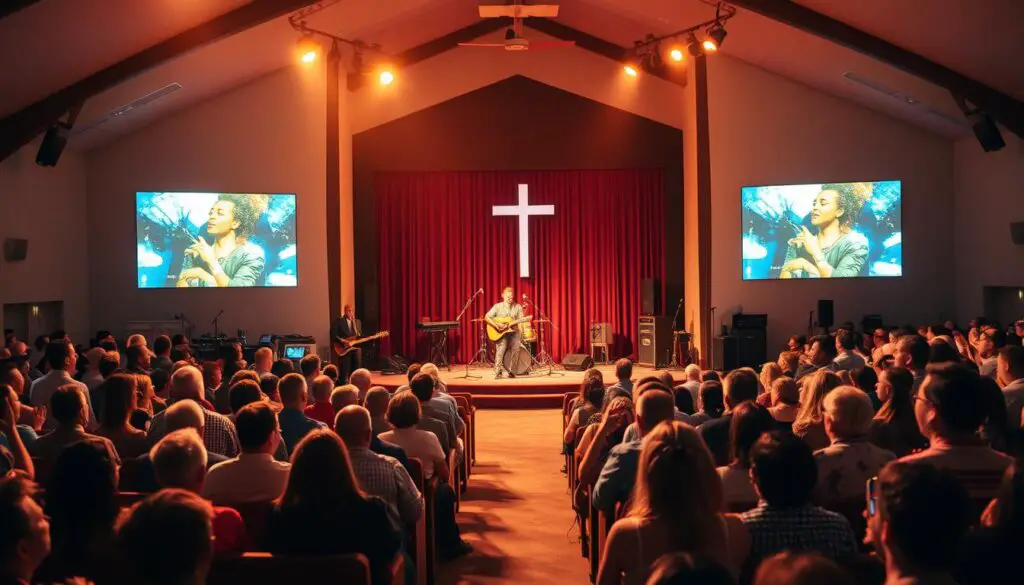
Every week, our gatherings blend inspiring teachings with heartfelt worship. Dynamic sermons and live music create an uplifting atmosphere that energizes the soul. But faith isn’t just about Sunday mornings—it’s about making a difference every day.
We’re passionate about serving our neighbors through food drives, volunteer projects, and youth programs. This commitment to community shapes who we are. Together, we strive to live out Christ’s love in practical, meaningful ways.
Key Takeaways
Welcoming environment for all spiritual journeys
Engaging worship experiences with live music
Practical community outreach programs
Teaching that connects faith to daily life
Focus on collective spiritual growth
Welcome to Our Spiritual Home
Step into a place where faith grows and friendships flourish. Our community thrives on creating meaningful connections that extend beyond Sunday gatherings. Here, every smile and handshake carries the warmth of genuine belonging.
Our Mission to Follow Jesus
We’re committed to walking together in faith, learning from Christ’s teachings every step of the way. Through practical Bible studies and group discussions, we help individuals apply timeless truths to modern life. This isn’t just about beliefs—it’s about action.
Program
Focus
Schedule
Family Nights
Building faith through shared activities
Wednesdays @ 6 PM
Youth Groups
Engaging teens with relevant teachings
Sundays @ 11 AM
Senior Fellowships
Encouraging wisdom-sharing across generations
Fridays @ 10 AM
Embracing a Life-Long Faith Journey
Whether you’re exploring spirituality for the first time or deepening your walk with God, our services meet you where you are. Weekly small groups provide safe spaces to ask questions and grow. Seasoned members often share how these circles helped them navigate life’s toughest seasons.
We celebrate milestones big and small—from baptism anniversaries to personal breakthroughs. Our approach blends tradition with fresh perspectives, ensuring everyone finds their unique path forward. After all, faith isn’t a race—it’s a journey we take side by side.
Discover Orlando First Baptist Church
Imagine a place where music and message unite to spark something extraordinary. Our Sunday gatherings blend rhythm and revelation, creating spaces where hearts open and lives shift direction. You’ll find more than a routine here—it’s an invitation to connect deeply.
Where Sound Meets Soul
Every week, skilled musicians craft vibrant worship sessions that bridge generations. Modern arrangements meet classic hymns, offering something fresh yet familiar. The energy is contagious—feet tap, hands rise, and voices join as one.
Messages focus on real-life application, breaking down biblical truths into actionable steps. Teachers share insights with warmth and clarity, making complex ideas feel approachable. Many visitors say these 60-minute services “fly by too fast.”
Element
Description
Duration
Live Band
Upbeat worship with full instrumentation
25 minutes
Sermon
Practical biblical teaching
30 minutes
Prayer Time
Guided reflection and community support
5 minutes
First-time guests often describe feeling uplifted yet challenged. One regular attender notes: “The music prepares my spirit, then the message gives me direction for the week.” Come see how sound and scripture work together to create moments that linger long after you leave.
Community Services and The Connect Experience
True faith shines brightest when shared. Beyond Sunday gatherings, we host initiatives that uplift neighbors and strengthen bonds. From food pantries to mentorship programs, our efforts create ripples of hope across the region.
Plan Your Visit and Engage
New here? Let’s make your first visit stress-free. Fill out our simple online form to share your interests and availability. We’ll pair you with a friendly guide who’ll answer questions and introduce you to like-minded members.
The Connect Experience helps newcomers plant roots quickly. Over three sessions, you’ll:
Discover our core values through interactive workshops
Build relationships in small, supportive circles
Identify ways to grow your unique gifts
One recent participant shared: “I arrived as a stranger and left feeling known. The series gave me tools to navigate faith with confidence.” Our team designs each week to meet you where you are—no prior knowledge needed.
Ready to take your next step? Spaces fill fast—secure your spot today. Together, we’ll turn curiosity into purpose.
Conclusion
Every journey needs a place to call home—where purpose meets practice. Our community thrives by blending timeless faith with modern relevance, partnering with local organizations to uplift lives. Through dynamic worship and hands-on service, we create spaces where spiritual growth becomes tangible.
What sets this congregation apart? It’s the fusion of heartfelt traditions with innovative outreach. Weekly gatherings energize through music that stirs the soul and messages that spark action. Beyond Sundays, food drives and mentorship programs turn beliefs into bridges between neighbors.
Whether you seek meaningful connections or tools for daily faith, there’s room here for you. Explore events designed to nurture curiosity and courage. Many discover that joining a small group or volunteering unlocks new dimensions of their spiritual walk.
Ready to experience this warmth firsthand? Plan your visit and see how faith transforms when lived together. Your seat at the table is waiting—let’s grow, serve, and celebrate life’s journey side by side.
FAQ
What time are Sunday services held?
Sunday gatherings begin at 9:30 AM and 11:00 AM, featuring uplifting worship and practical biblical teaching. Families can also explore age-specific programs during these times.
Is there a dress code for attending services?
Come as you are! Most attendees wear casual or business-casual attire. Our focus is on creating a welcoming environment, not outward appearances.
How can I participate in community outreach programs?
Through initiatives like The Connect Experience, volunteers support local families, food drives, and mentorship opportunities. Visit our service desk to learn about current projects.
What’s included in the 3-Week Connection Series?
This program helps newcomers build relationships, discover spiritual growth tools, and explore ways to contribute their talents. Sessions include group discussions and guided workshops.
Are children’s activities available during events?
Yes! We offer supervised programs for kids aged 6 months through 5th grade, including interactive lessons and music. All volunteers complete background checks for safety.
Do you stream services online?
Absolutely. Live broadcasts and archived messages are available on our website, perfect for those unable to attend in person or revisiting teachings.
For over five decades, our community has stood as a beacon of hope and fellowship. Founded on time-honored principles rooted in Scripture, we’ve grown into a place where individuals and families thrive. This year marks a special milestone: 50 years of unwavering commitment to spiritual growth and service.
Every week, we open our doors to neighbors seeking connection and purpose. Whether you’re new to faith or deepening your journey, you’ll find a welcoming environment here. Our gatherings blend meaningful traditions with fresh perspectives, creating spaces where everyone belongs.
What makes this congregation unique? It’s the genuine care shared among members and the focus on practical teachings that transform daily life. From uplifting worship services to neighborhood outreach programs, every activity reflects our core belief: faith should inspire action.
Key Takeaways
Over 50 years of faith-based service and community building
Inclusive environment welcoming diverse backgrounds
Biblically grounded teachings with modern relevance
Active outreach programs supporting local needs
Warm, family-friendly atmosphere for all ages
Inspiring Worship and Community
Gathering together fuels both spiritual growth and meaningful connections. Our weekly rhythm blends vibrant worship with opportunities to build relationships that last. You’ll find warmth here – whether you’re seeking guidance or simply curious about faith.
Live Worship Services and In-Person Gatherings
Join us every Sunday at 11:00 AM for a service that energizes hearts and minds. Music ranges from classic hymns to contemporary praise songs, creating space for everyone to engage. In-person meetings allow for spontaneous conversations and shared moments of reflection.
Many visitors mention how our gatherings feel like reunions with old friends. The mix of prayer, teaching, and fellowship helps people feel seen and valued. It’s where faith becomes tangible through collective experiences.
Interactive Sonday School and Bible Studies
Explore Scripture in fresh ways through our Sunday School classes at 9:45 AM. These sessions use group discussions and real-life applications to make biblical truths relatable. Kids and adults alike enjoy age-specific programs designed to meet them where they are.
Midweek Bible studies dive deeper into topics like forgiveness and purpose. These smaller groups foster honest conversations, helping participants connect faith to daily life. Through these ministries, we aim to equip people for challenges both inside and outside our walls.
Discover our Baptist church temple Heritage
Our story began with a commitment to guiding lives through Scripture. For generations, this community has woven timeless truths into everyday actions. The Bible remains our compass, as one leader once shared:
“The Scriptures tell us that salvation is only through the merits of Jesus Christ.”
Foundations Built on Scripture
Since 1973, we’ve prioritized teachings that bridge ancient wisdom and modern challenges. Over 800 sermons delivered in the past decade alone explore topics like forgiveness and purpose. These messages equip individuals to navigate relationships, careers, and personal growth with clarity.
Transforming Neighborhoods Through Action
Service isn’t just an idea here—it’s a way of life. Last year, volunteers contributed 12,000 hours through outreach programs. Initiatives like our weekly food pantry and youth mentorship create tangible change. One participant shared, “This place helped me rebuild my family after losing everything.”
Program
Impact
Year Started
Community Meals
48,000 meals served
1998
Youth Mentorship
92% graduation rate
2010
Neighborhood Cleanups
14 tons of waste removed
2021
Mark your calendars for September 15th—our annual Heritage Day celebrates 50 years of service with live music and family activities. Join us as we honor the past while shaping tomorrow’s opportunities.
Engaging Ministries, Events, and Sermons
Connecting faith to daily life happens through active participation. Our programs and gatherings create pathways for personal growth while strengthening bonds between neighbors. Whether you’re passionate about mentorship, creative expression, or hands-on service, there’s a place for you here.
Dynamic Ministries and Life-Enriching Programs
From youth mentorship to senior support groups, our initiatives address real needs. The Hope Builders program pairs teens with career coaches, while Neighbors United organizes monthly meal deliveries for homebound residents. Last year, 78% of participants reported improved life satisfaction through these efforts.
Program
Focus Area
Monthly Participants
Art of Parenting
Family support
120+
Green Horizons
Environmental care
65
Career Launchpad
Professional development
89
Compelling Sermon Series and Spiritual Growth
Our current teaching series, “Rooted in Purpose,” explores how ancient wisdom applies to modern challenges. Topics like financial stewardship and relational healing are presented through relatable stories. One attendee shared, “These messages helped me rebuild trust with my teenager.”
Upcoming Events and Community Calendar
Mark your calendars for these opportunities:
September 28: Fall Festival with live music and family games
October 12: Volunteer training for neighborhood literacy programs
November 4: Annual gratitude banquet celebrating local heroes
Newcomers can join any activity by visiting our welcome desk or signing up online. Together, we’re creating ripples of positive change—one connection at a time.
Conclusion
A legacy of faith and community has shaped our journey for half a century. For over five decades, we’ve blended timeless teachings with hands-on service, creating spaces where individuals grow and neighborhoods flourish. This isn’t just a church—it’s a true home for those seeking deeper connections and purpose.
From uplifting gatherings to impactful outreach, every effort reflects our commitment to biblical truth. Whether you’re exploring faith or ready to dive into meaningful work, there’s room here for you. Search our event calendar to find programs that align with your interests, or simply stop by this Sunday.
Together, we’re proving that shared values and action can transform daily life. Come experience the warmth of a community where everyone belongs. Your story matters here, and we can’t wait to walk this journey with you.
FAQ
What should I expect during a worship service?
Our services blend uplifting music, heartfelt prayer, and relevant teachings rooted in Scripture. Whether you join in person or online, you’ll experience a welcoming atmosphere focused on spiritual growth and connection.
Are there programs for children and teens?
Yes! We offer age-specific ministries, including interactive Sunday School classes, youth groups, and family-focused events. Every program is designed to nurture faith and build meaningful relationships.
How can I get involved in community outreach?
We host regular service projects, mission trips, and local partnerships. Visit our Community Calendar to explore opportunities like food drives, mentorship programs, and neighborhood cleanups.
Do you provide online access to sermons?
Absolutely. All messages are available on our website and streaming platforms. You can also subscribe to our podcast for weekly updates and past sermon series.
What’s the best way to stay informed about events?
Check our Upcoming Events page or sign up for our weekly newsletter. We also share real-time updates on social media for gatherings, workshops, and seasonal celebrations.
Is there a dress code for gatherings?
Come as you are! We prioritize authenticity and comfort. You’ll find everything from casual attire to business-casual styles—what matters most is joining with an open heart.
Welcome to a vibrant spiritual home where connection and growth thrive. At its core, this organization fosters an environment where people from all walks of life can explore their beliefs while building meaningful relationships. Rooted in timeless values, it balances tradition with innovation to meet modern needs.
Members and visitors alike find opportunities to deepen their understanding through engaging programs and events. The focus on inclusivity ensures everyone feels valued, whether attending in person or connecting digitally. Tools like the weekly digital bulletin and user-friendly app make staying informed effortless.
Central to its mission is the belief that collective worship strengthens individual journeys. Regular gatherings emphasize prayer, reflection, and shared learning. These moments create a foundation for personal transformation and lasting bonds among participants.
Beyond spiritual development, the emphasis on service shapes a culture of generosity. Local outreach initiatives and volunteer projects allow members to put their values into action. This commitment to others reflects the organization’s dedication to making a tangible difference.
Key Takeaways
A welcoming space for spiritual exploration and personal growth
Blends traditional practices with modern digital accessibility
Prioritizes inclusive participation and meaningful connections
Service-oriented programs extend support beyond its walls
Celebrate Community and Worship
Discover a gathering that blends heartfelt traditions with modern spiritual practices. Whether you’re joining for the first time or have been part of the journey for years, there’s always something uplifting to experience. Sunday mornings here pulse with energy, featuring music that bridges classic hymns and current worship styles.
Experience Sunday Morning Services
Walk into a room filled with warmth and purpose. Each service balances meaningful teachings with moments for personal reflection. Live music sets the tone, while messages focus on practical faith-building—perfect for families, singles, and seekers alike.
Engage with Our Digital Bulletin and Prayer Requests
Stay connected anytime through the weekly digital bulletin. It delivers updates, event highlights, and devotionals straight to your device. Can’t attend in person? Submit prayer requests online and receive support from others within hours.
Even when gatherings shift to virtual formats, the sense of community remains strong. Members regularly share how these tools help them stay grounded—and ready to uplift others.
Embrace the Spirit: baptist church bethany in Action
Experience a journey where faith meets everyday life. Here, spiritual growth thrives through active participation and intentional relationships. Whether you’re exploring beliefs or deepening your walk, there’s room to grow—and tools to help you flourish.
Joining for Worship and Spiritual Growth
Engaging with this community means more than Sunday gatherings. Weekly services blend dynamic teachings with moments for personal reflection. Many find these sessions spark meaningful conversations that extend beyond the sanctuary.
Discover Community Groups and Membership
Small groups create spaces for authentic connection. From book studies to service projects, these gatherings help people grow together. Formal membership offers deeper involvement, aligning personal journeys with shared goals.
Utilizing the myBethany App for Connection
Stay connected effortlessly with the myBethany app. This tool simplifies event sign-ups, tracks contributions, and delivers updates instantly. One member shared: “It’s like having the community in my pocket.”
Engagement Method
Key Benefits
Ideal For
In-Person Services
Live teachings & group worship
Immersive experiences
Community Groups
Relationship building
Personal growth
myBethany App
24/7 access to resources
Busy schedules
Every step toward involvement strengthens both individual faith and the collective body of believers. Through shared worship and service, lives transform—one connection at a time.
Our Core Beliefs and Church Vision
At the heart of our community lies a compass grounded in timeless truths. These principles guide every gathering, relationship, and outreach effort—shaping lives through clarity and purpose.
The Foundation of Faith: The Word of God and The Trinity
Scripture forms the bedrock of our shared journey. We affirm the Bible as God-inspired, offering wisdom for life’s complexities. Central to this belief is the Trinity—Father, Son, and Holy Spirit—working in harmony to nurture spiritual growth.
Historical records show this focus dates back to the congregation’s early days. Leaders consistently prioritized teaching Scripture’s transformative power. One former pastor noted: “Truth without application remains theory—we aim for heart-level change.”
Unity in Christ: The Role of the Church and Christian Conduct
Living out faith means embodying Christ’s love daily. Ethical choices—like honesty in relationships and generosity in service—reflect our commitment to unity. This shared responsibility strengthens both individuals and the broader body.
Weekly gatherings emphasize practical discipleship. Through prayer and collaborative study, members gain tools to navigate modern challenges. Over 60% of participants report these practices deepen their sense of belonging.
Scripture guides decision-making in personal and collective matters
Service projects and outreach stem directly from biblical mandates
Leadership transitions since the 1950s have reinforced doctrinal consistency
Conclusion
Every day offers new chances to strengthen your faith and build lasting connections. Through worship, service, and shared learning, this community helps individuals grow while uplifting others. Join us in person or online—each morning brings fresh opportunities to deepen your walk with Christ.
Stay engaged with tools designed for modern life. Watch inspiring sermons, download the weekly bulletin, or explore small groups that fit your schedule. Need support? Submit prayer requests anytime and experience the care of a dedicated spiritual family.
Whether you’re starting your journey or seeking to expand it, our resources empower meaningful participation. The myBethany app keeps you connected, while local projects let you put compassion into action. Together, we create ripples of hope that transform lives.
Ready to take the next step? Start your morning with inspiration, share your hopes through prayer, and discover how belonging strengthens both heart and community. Your story matters here—let’s write it together.
FAQ
What time are Sunday morning gatherings?
Join us weekly for uplifting worship and teaching. Check our website or app for service times, seasonal events, and special programs tailored for all ages.
How can I submit a prayer request?
Share your needs through our digital bulletin or myBethany app. Our prayer team responds confidentially, offering support and encouragement through life’s challenges.
Are there groups for building connections beyond Sundays?
Yes! Explore small groups, volunteer teams, and classes designed to deepen relationships and strengthen your walk. Topics range from family life to Bible study.
What makes this community’s beliefs unique?
We center on Scripture’s authority, salvation through Christ, and the Trinity. Our vision focuses on uniting people to live out grace, truth, and service locally and globally.
Can I access resources if I’m new or unable to attend?
Absolutely. Use the myBethany app for sermons, event updates, and giving. Live streams and archived messages let you engage anytime, anywhere.
How do I explore membership?
Attend a newcomers’ session to learn about our mission, values, and next steps. Membership classes offer clarity on how to serve and grow within the body.
Mormonism represents a distinctive religious tradition rooted in the teachings of Jesus Christ and centered around sacred texts like the Book of Mormon. Often linked to The Church of Jesus Christ of Latter-day Saints, this faith emphasizes spiritual renewal and community-focused practices. Followers believe their beliefs restore early Christian teachings through modern revelation.
Central to the church’s identity is the idea of a divine restoration. Leaders teach that ancient truths were revived in the 19th century, shaping congregational life and doctrines. This includes unique practices like temple worship and family-centered rituals, which aim to strengthen both individual faith and collective bonds.
While the term “Mormonism” is widely recognized, the religion’s official name underscores its commitment to Christ. The Book of Mormon serves as a companion scripture to the Bible, offering narratives about ancient civilizations and their spiritual journeys. These stories guide adherents in living purposeful, ethical lives.
This overview explores the origins, core teachings, and cultural impact of the faith. Whether you’re curious about its history or daily practices, we’ll provide clear insights into this dynamic tradition. Let’s dive in!
Key Takeaways
Mormonism centers on Jesus Christ and the Book of Mormon as foundational texts.
The Church of Jesus Christ of Latter-day Saints leads this global faith community.
Beliefs include modern revelations and a restoration of early Christian practices.
Temples and family rituals play vital roles in worship and daily life.
The faith emphasizes service, ethical living, and strong communal ties.
Understanding the Origins of Mormonism
The roots of this faith trace back to a young man’s divine encounters in 1820s New York. At age 14, Joseph Smith sought spiritual clarity amid competing religious ideas. His reported vision of Jesus Christ and heavenly messengers marked the start of a movement that would reshape modern religious history.
Joseph Smith’s Vision and Early Experiences
Smith described multiple revelations, including an angel named Moroni directing him to buried golden plates. These metal records, “written ancient” prophets, became the basis for the Book of Mormon. Over three years, Smith translated the text, claiming divine assistance through seer stones.
Early followers faced hostility as the church grew. Mobs destroyed printing presses, and Smith relocated communities multiple times. Despite persecution, adherents believed these trials mirrored struggles faced by ancient prophets in their scriptures.
The Role of Ancient Scriptures
The Book of Mormon recounts stories of civilizations guided by God, like Nephi and Alma. “Mormons believe these narratives complement biblical teachings,” offering insights into faith, sacrifice, and redemption. This blend of old and new revelations remains central to worship practices today.
Smith’s translations and teachings emphasized continuity with biblical figures. His work framed the church as a restoration, not a rebellion, against earlier Christian traditions. This perspective still shapes sermons, missionary efforts, and temple rituals worldwide.
what is mormonism: Definitions and Core Beliefs
This faith centers on Jesus Christ as the divine Savior and the driving force behind its doctrines. Adherents view His Atonement as essential to spiritual growth and salvation, shaping how they approach daily life and community service.
Belief in Jesus Christ and the Restoration
Central to Mormon teachings is the idea that early Christian practices were lost over time and later restored through divine guidance. Members affirm that Christ’s original “gospel framework” was revived in modern times, offering clarity on baptism, prophecy, and eternal purpose.
This restoration concept extends to family bonds. Church doctrine teaches that relationships can transcend death when sealed in temples. Such rituals reflect a broader belief in continuity between earthly life and heavenly promises.
While sharing core Christian beliefs like Christ’s Resurrection, distinct views emerge. For example, the Trinity is seen as three separate beings united in purpose rather than a single entity. These nuances highlight both shared roots and unique interpretations.
Mormons believe salvation comes through Christ’s grace but requires active faith demonstrated by repentance and service. This balance between divine mercy and personal effort shapes their worship and ethical choices.
By framing family as an eternal part of God’s plan, the faith encourages strong kinship ties. These principles form a spiritual foundation that guides everything from missionary work to community outreach.
The Historical Journey and Evolution
The 19th-century American frontier witnessed a remarkable saga of faith-driven perseverance. After Joseph Smith’s death in 1844, early Mormon communities faced intense persecution, triggering a 1,300-mile exodus. Led by church leaders like Brigham Young, thousands trekked westward to build a sanctuary in the Salt Lake Valley.
Migration, Westward Expansion, and Early Challenges
Brigham Young’s leadership proved pivotal during this grueling journey. Families hauled handcarts across plains and mountains, battling starvation and harsh winters. Settlers transformed arid land into fertile farms through cooperative work, showcasing their resilience.
Conflict arose over practices like plural marriage, which remained secret for years. Despite federal pressure and public scrutiny, communities organized tightly around shared goals. Schools, irrigation systems, and temples emerged as foundational pillars of frontier life.
These trials became a defining part of the faith’s identity. Today, pioneer stories inspire members to embrace sacrifice and unity. The legacy of that era still shapes worship practices, community values, and the church’s global growth.
Distinctive Practices and Traditions
Distinct rituals and community-focused traditions define this faith’s identity. From global outreach to sacred ceremonies, these practices reflect deeply held values while adapting to modern realities.
Missionary Work and Temple Worship
Missionary work remains a cornerstone of growth, with young adults dedicating 18–24 months to service. Over 50,000 volunteers worldwide teach principles from the Book of Mormon, fostering connections across cultures. This commitment stems from a belief in sharing restored truths with all people.
Temple worship offers sacred spaces for rituals like marriages and baptisms. Entry requires a temple recommend—a card verifying adherence to church standards. These ceremonies emphasize eternal family bonds, echoing teachings from written ancient texts.
Polygamy: History, Controversy, and Change
Early leaders practiced plural marriage in the 19th century, viewing it as a divine command. Public opposition intensified, culminating in the 1890 manifesto ending the practice.
“We are not teaching polygamy or plural marriage, nor permitting any person to enter into its practice.”
Today, the faith distances itself from polygamy while honoring its complex past. Modern traditions prioritize unity and ethical living, demonstrating how core values evolve without losing spiritual roots.
Mormonism in American Society and Global Impact
From neighborhood initiatives to worldwide humanitarian efforts, the LDS Church has shaped values across borders. In the United States, its emphasis on education and self-reliance influenced community-building strategies adopted by other groups. Over 16 million members worldwide now participate in programs addressing poverty, disaster relief, and literacy.
Cultural Contributions and Community Values
Latter-day Saints have left marks in business, politics, and the arts. Think of bestselling authors or tech innovators—many credit their family-first mindset to church teachings. “Service isn’t optional,” explains one Utah-based volunteer. “It’s how we live our faith daily.”
Globally, the church adapts while maintaining core principles. In Africa and Asia, local members blend traditions with LDS practices, creating vibrant worship styles. CNN reports congregations in 160+ countries, with South America and the Philippines seeing rapid growth.
Key strengths include:
High volunteer rates: 70% of U.S. people in the faith donate time weekly
Strong youth programs fostering leadership skills
Global food banks serving 400 million meals since 1985
These efforts show how shared values bridge cultural divides. Whether in the United States or across the world, the focus remains on uplifting people through unity and purpose.
Comparing Mormon Beliefs with Mainstream Christianity
Understanding doctrinal differences helps clarify how the Mormon faith intersects with broader Christian traditions. While sharing core values like Christ’s divinity, key distinctions shape worship practices and theological frameworks.
Divergences in the Trinity and Other Doctrinal Views
Most Christians view the Trinity as one divine essence with three persons. Mormon teachings describe God the Father, Jesus Christ, and the Holy Ghost as separate beings united in purpose. This distinction, as scholar Matthew Bowman notes, “reflects a restored understanding of early Christian texts.”
The Book of Mormon amplifies biblical narratives, offering accounts of Christ’s post-resurrection ministry in the Americas. This scripture complements—rather than replaces—the Bible, creating a dual foundation for doctrine. Such “additional testament” concepts distinguish LDS theology from other groups.
Missionary work also diverges. While many churches encourage evangelism, LDS missions involve structured two-year commitments for young adults. These efforts emphasize personal conversion stories tied to the Book of Mormon.
Roles for women reveal another contrast. Though they hold leadership positions in auxiliaries like Relief Society, priesthood authority remains male-only. Some splinter groups have challenged this practice, seeking broader inclusion.
Debates about the “four five” identity markers—like prophetic authority—highlight ongoing dialogues. As Bowman observes, “These discussions show how restoration theology evolves while maintaining core claims.”
Contemporary Perspectives on the Mormon Faith
Today’s Latter-day Saints navigate a rapidly changing world while staying anchored to their spiritual roots. Balancing tradition with innovation, the church addresses modern challenges through updated outreach and policies. These efforts reflect a commitment to preserving core teachings while fostering broader connections.
Modern Missionary Work and Institutional Growth
Missionary efforts now blend door-to-door visits with digital strategies. Over 54,000 young members serve globally, using social media to share the word of God. A 2023 CNN report highlighted a 20% rise in female volunteers since 2019, signaling shifting gender roles.
The LDS Church has expanded its presence in Africa and Asia, adapting messages to local cultures. New temples in Kenya and India demonstrate this growth, requiring temple recommends for sacred rituals. Members view these projects as fulfilling Joseph Smith’s vision of a worldwide faith community.
Reforms, Inclusivity, and Evolving Traditions
Recent years brought policy updates promoting racial equity and LGBTQ+ dialogue. The 2019 reversal of priesthood restrictions for Black members marked a pivotal step. One Utah-based leader stated:
“We strive to reflect Christ’s love through actions, not just words.”
Women now lead youth programs and interfaith initiatives, though priesthood roles remain unchanged. Community kitchens and disaster response teams show how ancient teachings inspire modern service. As church leaders emphasize, adapting to the times means staying true to eternal principles while embracing compassionate progress.
Conclusion
Exploring this faith reveals a dynamic blend of ancient principles and modern adaptation. From its 19th-century origins to global growth, core beliefs in divine restoration and family bonds remain central. The religion’s emphasis on community service and ethical living continues shaping members worldwide.
While sharing roots with Christian traditions, key differences—like the view of God as separate beings—highlight unique theological perspectives. Church leaders balance tradition with evolving practices, addressing modern questions through reforms and dialogue. These shifts reflect how spiritual values adapt across cultures without losing their foundation.
For those curious about rituals, history, or doctrinal nuances, deeper exploration offers rich insights. Whether studying pioneer stories or current mission efforts, understanding this religion enriches conversations about faith’s role in today’s world. Check official resources or local congregations to continue your journey.
FAQ
How did Joseph Smith’s vision shape Mormon beliefs?
Joseph Smith’s First Vision in 1820 is foundational. He claimed God the Father and Jesus Christ appeared, leading to the Restoration of Christ’s original church. This event underpins LDS teachings about modern revelation and prophetic leadership.
What role does the Book of Mormon play in LDS teachings?
The Book of Mormon is viewed as scripture alongside the Bible. Members believe it was written by ancient prophets in the Americas and translated by Joseph Smith. It’s considered a keystone of the faith, clarifying Christ’s teachings and God’s plan.
How do Mormon views on God differ from mainstream Christianity?
Mormons believe God the Father, Jesus Christ, and the Holy Spirit are separate beings united in purpose. This contrasts with the traditional Trinity doctrine. They also teach that God has a physical body, a unique doctrinal view.
Why is missionary work central to the Mormon faith?
Missionary service reflects Jesus Christ’s command to spread the gospel. Young adults often serve two-year missions, emphasizing community outreach and sharing LDS beliefs. It’s seen as both a duty and a transformative personal experience.
What is the significance of temples in Mormon tradition?
Temples are sacred spaces for ordinances like eternal marriages and baptisms for the dead. Unlike regular meetinghouses, entry requires a temple recommend, symbolizing spiritual readiness. These rituals aim to unite families beyond mortal life.
How has the LDS Church addressed its history with polygamy?
Early leaders, including Brigham Young, practiced polygamy in the 19th century. The Church officially ended the practice in 1890 under U.S. legal pressure. Today, members who advocate polygamy face excommunication.
What cultural values do Mormon communities emphasize?
Strong family bonds, service, and education are prioritized. The Church promotes self-reliance through welfare programs and encourages members to avoid substances like alcohol. These values foster tight-knit, globally dispersed communities.
How does the LDS Church approach modern social issues?
While upholding traditional doctrines, the Church has made reforms, like raising missionary age limits. It faces debates on LGBTQ+ inclusion and women’s roles. Leaders emphasize balancing core beliefs with evolving societal expectations.
In the mid-1800s, tensions between settlers and the U.S. government shaped the American West. One pivotal group emerged during this era—a religiously organized armed force that played a critical role in defending their community. Their actions laid the foundation for how the region navigated political and cultural challenges.
At the heart of this story was a prominent leader whose vision guided the settlement of the territory. Brigham Young, known for his decisive leadership, mobilized local resources to protect his followers. The strategic location of Salt Lake became central to these efforts, serving as both a sanctuary and a stronghold.
Conflicts arose as federal authorities sought to assert control over the area. These clashes highlighted the struggle between self-governance and national oversight. Over time, the events surrounding this period would come to define the region’s identity and its relationship with the rest of the country.
Key Takeaways
The religiously-aligned armed group was vital in defending settlers during territorial disputes.
Brigham Young’s leadership shaped the community’s response to external pressures.
Salt Lake’s geographic position made it a hub for cultural and military planning.
The Utah War underscored tensions between local autonomy and federal authority.
This era set the stage for the territory’s eventual integration into the United States.
Introduction to Utah’s Mormon Militia
The establishment of a citizen-led defense group marked a turning point in regional history. Settlers in the Great Basin faced threats from conflicts over land and resources. To counter these challenges, they organized a volunteer force focused on community protection.
Local men formed the backbone of this group. They trained regularly, blending frontier survival skills with military drills. Families relied on their efforts for safety, as federal troops were often distant or slow to respond.
Tensions with the national government accelerated the need for self-reliance. When disputes arose over territorial control, the group adapted its strategies. This included building outposts and stockpiling supplies for emergencies.
Religious leaders directed the force, merging spiritual guidance with tactical decisions. Their dual role created a unique dynamic between faith-based governance and federal expectations. This friction would later shape pivotal moments in the region’s development.
The Historic Migration and Settlement of Utah
The Great Basin’s arid landscape became the backdrop for a remarkable settlement story. In 1847, over 2,000 pioneers trekked 1,300 miles across plains and mountains to reach their new home. Facing brutal winters and scarce water, they relied on cooperation to survive. Their journey symbolized both faith and determination.
Brigham Young, appointed as the first governor of the territory, organized settlements with precision. He directed irrigation projects to transform dry valleys into farmland. Communities pooled resources, building schools and roads. “We must make the desert blossom,” he urged, inspiring collective effort.
Federal leadership initially clashed with local governance. When tensions over land rights escalated, preparedness became vital. Stockpiling food and weapons wasn’t just practical—it was a statement of self-reliance. These actions laid groundwork for later disputes some called a war of wills.
By 1850, the territory had grown into a thriving network of towns. The governor’s policies fostered unity, but external pressures tested their resolve. Challenges of migration forged a culture ready to defend its vision of independence.
Religious Foundations and Political Ideologies
Religious principles and political strategies merged uniquely in shaping early territorial governance. This fusion created a blueprint for survival in a harsh landscape while defending cultural autonomy.
Brigham Young’s Vision and Leadership
As both spiritual guide and territorial leader, Brigham Young blended faith with practicality. He established councils that handled everything from land distribution to dispute resolution. “Unity is our strength,” he declared, urging settlers to prioritize communal needs over individualism.
Distances of hundreds of miles between outposts challenged communication. Young responded by creating relay stations for messengers. This network allowed rapid coordination across valleys and mountains.
Plural Marriage and Church Governance
Polygamy became a cornerstone of social structure, reinforcing family ties and resource sharing. Church leaders held dual roles—overseeing spiritual matters while managing civic infrastructure like roads and irrigation.
Salt Lake City emerged as the heart of this system. Its central location in the Salt Lake Valley made it a hub for trade and decision-making. Nearby towns mirrored its layout, emphasizing orderly growth.
These foundations influenced defense strategies. Local units organized drills near Salt Lake City, preparing to protect their way of life. Young’s dual authority ensured religious and political goals stayed aligned, even during crises.
Build-Up and Tensions Leading to the Utah War
By 1857, simmering disagreements erupted into a crisis. Federal authorities grew uneasy with the Utah Territory’s self-governance. President Buchanan sent troops to replace local leaders, viewing their independence as defiance. This move sparked fear among settlers, who saw it as an invasion.
In Lake City, residents stockpiled grain and weapons. They burned supply wagons to slow approaching soldiers. “We’ll protect our homes at any cost,” one settler wrote. These acts of resistance turned isolated friction into widespread alarm.
The territory’s remote location fueled its defiant spirit. With limited federal oversight, communities developed their own laws and defense plans. When outsiders questioned their practices, distrust grew deeper.
Most clashes stayed small at first. Volunteers harassed troops with hit-and-run tactics. They blocked mountain passes and poisoned livestock. Though no major battles occurred, both sides braced for escalation.
This localized friction laid the groundwork for the Utah War. What began as cultural misunderstandings spiraled into a standoff. The territory’s fierce independence collided with national ambitions, setting the stage for conflict.
Outbreak of the Utah War: Causes and Early Conflicts
A tragic event in September 1857 would ignite national outrage and reshape the trajectory of territorial disputes. Two critical factors collided: a shocking act of violence and federal attempts to assert control. These forces transformed simmering disagreements into open confrontation.
The Mountain Meadows Massacre and Its Implications
In southern Utah, a wagon train from Arkansas met disaster. Local settlers and Paiute allies attacked the group, killing over 120 emigrants. News of the massacre stunned the nation, fueling perceptions of lawlessness in the West. “This horror must never repeat,” declared eastern newspapers, deepening distrust.
While motives remain debated, the tragedy amplified fears of civil war. Many saw it as evidence of unchecked frontier violence. Federal leaders used the incident to justify stronger intervention in territorial affairs.
Federal Orders and Rising Tensions
President James Buchanan responded decisively. He ordered 2,500 troops to replace local officials and install a new governor. “The territory must submit to federal authority,” he insisted, viewing self-rule as rebellion.
Settlers interpreted these moves as aggression. They burned supply trains and prepared defenses, convinced the government sought to destroy their way of life. President Buchanan’s actions unintentionally united communities against a common threat.
As both sides dug in, whispers of civil war spread. Though full-scale conflict never erupted, the standoff revealed how quickly misunderstandings could escalate. This clash of wills set patterns for future territorial integration challenges.
mormon militia utah: The Militia’s Formation and Structure
When federal pressures mounted in the 1850s, settlers reorganized their community defenses into a formalized system. This effort revived the Nauvoo Legion—a volunteer force originally created in Illinois. Brigham Young oversaw its re-establishment, blending frontier resilience with disciplined ranks.
The Origins of the Nauvoo Legion
Named after its Illinois predecessor, the Legion became the backbone of local security. Members trained weekly, mastering horsemanship and marksmanship. “We stand united,” declared one captain, reflecting their communal ethos.
Leadership shifted when a new governor arrived in 1858. Alfred Cumming’s appointment tested the Legion’s loyalty. Yet, most volunteers prioritized protecting settlements over political changes. Strategic outposts like Fort Bridger served as supply hubs, guarding vital trails into the lake valley.
The force mirrored U.S. Army structures, with companies divided into infantry and cavalry. Officers reported to regional commanders, ensuring swift coordination. This hierarchy proved crucial during supply raids and border skirmishes.
Today, the Legion’s legacy lives in community preparedness programs. Their blend of adaptability and unity offers lessons for modern crisis response—a testament to frontier ingenuity.
Defensive Strategies and Tactics Employed by the Militia
Facing imminent federal intervention, local forces devised creative methods to protect their settlements. One tactic involved setting fire to supply wagons and grasslands along invasion routes. This scorched-earth approach left advancing troops without food or fodder, slowing their progress through the rugged terrain.
Guerrilla-style ambushes became another key strategy. Small groups hid in narrow mountain passes, attacking federal convoys before vanishing into the wilderness. “We strike fast and disappear like shadows,” recalled a captain in 1858. These hit-and-run tactics frustrated larger, better-equipped armies.
Religious leaders coordinated defenses through coded messages and relay riders. They organized drills to train troops in marksmanship and horseback combat. Recruits learned to dismantle bridges and block roads with fallen trees—delaying maneuvers that bought time for communities to evacuate.
Local officials like Lot Smith led daring raids, burning three federal supply trains near Fort Bridger. Such bold actions showcased their adaptability. Though outnumbered, their knowledge of the land turned deserts and canyons into natural fortresses.
Training evolved as tensions grew. Volunteers practiced nighttime maneuvers and signal systems to outwit opponents. This blend of frontier ingenuity and disciplined preparation kept settlements one step ahead during the crisis.
The Role of Salt Lake City and Local Communities
Salt Lake City’s central location made it the beating heart of regional defense efforts during critical years. As tensions peaked, the city became a supply depot and communication nexus. Over 1,200 soldiers were stationed here at key times, guarding vital routes into the valley. Local blacksmiths worked day and night to produce weapons, while families donated food stores to sustain troops.
Years of conflict reshaped nearby towns. In 1858 alone, records show 85% of able-bodied men from surrounding areas joined patrols. Women managed farms and workshops, keeping daily life stable. “Every hand had work,” wrote one diarist, describing how even children carried messages between outposts.
The city’s strategic timing saved lives during crises. When federal troops approached in winter, locals burned their own crops to deny invaders supplies. This sacrifice bought time for families to evacuate to mountain hideouts. Five years later, similar tactics protected settlements during renewed tensions.
Community support proved decisive. Farmers lent horses for cavalry units, and churches became makeshift hospitals. Without this unity, the volunteer soldiers couldn’t have held their ground. Their shared resolve turned Salt Lake City into both a shield and a symbol of resilience.
Navigating Federal Authority and Territorial Governance
The shift in territorial leadership during the late 1850s tested the delicate balance between community autonomy and national oversight. As federal officials sought tighter control, local leaders faced a critical choice: resist or adapt.
Transition of Power: From Brigham Young to Alfred Cumming
When President Buchanan appointed Alfred Cumming as governor in 1858, tensions erupted. Many settlers viewed the move as federal overreach, fearing their way of life was under threat. “We built this land through sacrifice,” argued one community elder, reflecting widespread distrust of outside authority.
Cumming’s arrival sparked immediate friction. Local leaders initially refused to recognize his authority, creating a governance stalemate. Tax collection halted, and land disputes multiplied as competing systems clashed. Federal troops stationed nearby heightened anxieties, with some families stockpiling weapons.
Structured leadership proved vital during this upheaval. While Young stepped back from formal power, his influence remained strong. He urged cooperation to avoid violence, stating, “Wisdom lies in measured responses.” Meanwhile, Cumming worked to establish dialogue, touring settlements to build trust.
Key conflicts emerged over:
Control of public funds and infrastructure projects
Enforcement of federal vs. local laws
Management of communication routes like the Overland Trail
Influential figures on both sides sought middle ground. Cumming eventually gained partial acceptance by allowing local customs to coexist with federal mandates. This uneasy compromise showcased how leaders could navigate polarized environments through pragmatic flexibility.
How the Utah War Influenced Local and National Politics
The Utah War’s resolution sparked a reevaluation of governance structures on both regional and national levels. People across the territory debated how much autonomy communities should retain versus federal oversight. These discussions rippled into Congress, where lawmakers grappled with balancing frontier independence with national unity.
Controversies over law enforcement dominated post-war reforms. Incidents like the Mountain Meadows Massacre raised questions about local justice systems. “Can remote territories uphold the rule of law without federal support?” asked Eastern newspapers, fueling heated debates.
Three key areas of control shifted after the conflict:
Aspect
Local Governance
Federal Response
Leadership Appointments
Community-elected officials
Required presidential approval
Law Enforcement
Volunteer peacekeepers
Increased U.S. Marshal presence
Communication
Relay rider networks
Federal telegraph subsidies
These changes empowered people to demand clearer legal frameworks. By 1861, the territory established its first civilian courts, blending local customs with federal statutes. Religious leaders gradually shared authority with appointed judges, easing tensions.
Modern parallels persist in debates about states’ rights versus federal mandates. The war’s legacy reminds us that sustainable control requires balancing community needs with national law. As one historian notes, “Those 19th-century struggles taught us how to negotiate unity without uniformity.”
The Involvement of the Militia During the Civil War Period
With the country at war, local defense groups adapted to protect vital routes. The Nauvoo Legion—a volunteer force originally formed in Illinois—was reactivated in 1861. Their mission: guard critical supply lines like the Overland Trail from potential raids. Over 800 soldiers mustered within weeks, showcasing their rapid response capabilities.
Utah’s Territorial Defense in Action
The force remained vigilant through a series of strategic moves. They established checkpoints along mountain passes and increased daylight patrols. “Readiness is our shield,” declared one officer, emphasizing daily drills that sharpened marksmanship and horsemanship.
Key actions included:
Building a series of outposts along the Central Overland Route
Conducting mock battles twice weekly to simulate attacks
Coordinating with nearby settlements through coded smoke signals
Activity
Utah War (1857-1858)
Civil War (1861-1865)
Supply Route Defense
Burned wagon trains
Guarded telegraph lines
Communication Networks
Relay riders
Semaphore flag systems
Training Frequency
Weekly drills
Day-to-day exercises
This preparedness proved crucial when tensions flared in 1862. Though no major battles occurred, the series of conflicts tested their resolve. The force’s legacy lived on through community-led safety programs, blending frontier ingenuity with disciplined cooperation.
Organizational Structure and Military Protocols
Military precision and community cooperation defined the defense group’s daily operations. Elected captains managed each company, chosen for their experience and community trust. These leaders balanced input from local councils with battlefield authority, creating a unique blend of democracy and hierarchy.
Discipline extended beyond combat. A private journal notes: “We maintained peace through order—late arrivals faced extra sentry duty.” This structure contrasted sharply with chaotic violence during skirmishes. Officers resolved disputes through mediation first, reserving punishments for repeated offenses.
Training manuals emphasized preparedness over aggression. Leaders drilled de-escalation tactics alongside marksmanship, believing true strength lay in preventing violence. This philosophy created a rare peace within ranks, even as external tensions simmered.
Impact on Cultural Identity and the Path to Statehood
Resilience forged through hardship became the bedrock of regional identity. Stories of cattle drives across arid plains symbolized self-reliance, with herds often outnumbering settlers ten-to-one. “Every steer carried our future,” wrote one pioneer, capturing how livestock management shaped communal values.
The Great Salt Lake emerged as both a geographical anchor and spiritual metaphor. Its shimmering waters reflected the perseverance taught by Jesus Christ Latter-day teachings, blending faith with frontier survival. Annual gatherings near its shores celebrated shared triumphs over drought and conflict.
Cultural pride grew through creative adaptations. Families repurposed wagon parts into farm tools, while children memorized hymns about overcoming adversity. These practices, rooted in Jesus Christ Latter-day principles, reinforced unity during uncertain times.
When seeking statehood, leaders highlighted this legacy of determination. They pointed to thriving cattle ranches and irrigation systems around the Great Salt Lake as proof of stable governance. Today, rodeos and harvest festivals honor those early struggles—a testament to how hardship sculpted an enduring identity.
Personal Stories and Community Experiences from the Conflict
Diaries from frontier families reveal the human cost of political strife. Mary Ann Weston, a mother of six, wrote in 1857: “We buried our silverware beneath the cornfield when soldiers came. Every night, we prayed they’d pass us by.” Her account mirrors countless others who faced uncertainty with quiet courage.
The Church of Jesus Christ became a lifeline during crises. Local leaders organized rotating shifts to guard crops and share meals. “We were not just neighbors—we were stewards,” recalled James Covington, who lost his barn defending a neighbor’s grain store. This unity defined the Christ latter-day saints’ response to hardship.
President James Buchanan’s decision to send troops reshaped daily life. Families abandoned homesteads near military routes, clustering in fortified towns. Women like Eliza Partridge spun wool into uniforms while teaching children scripture. “Faith anchored us,” she noted, describing how the Church of Jesus Christ provided structure amid chaos.
Community sacrifices included:
Burning their own crops to starve approaching forces
Housing displaced families in overcrowded meetinghouses
Donating heirlooms to fund emergency supplies
These acts forged bonds that outlasted the conflict. As one elder summarized: “Our trials didn’t break us—they showed us who we could become.” The Christ latter-day saints’ blend of grit and compassion remains a testament to human resilience.
Broader Historical Significance and Lessons Learned
The Utah War’s echoes reached far beyond mountain valleys, shaping national debates about freedom and governance. It challenged the United States to rethink its approach to religious minorities, setting precedents for balancing federal authority with cultural autonomy. “No community should face isolation for its beliefs,” argued reformers, citing the conflict’s aftermath.
For the Latter-day Saints, the struggle became a masterclass in adaptation. Their ability to build self-sufficient communities in harsh environments inspired later frontier settlements. New York’s early role as their birthplace lingered in collective memory—a reminder of how persecution fueled westward migration.
Three key policy shifts emerged post-conflict:
Area
Pre-War Approach
Post-War Reform
Religious Rights
Limited protections
Expanded legal safeguards
Territorial Oversight
Direct federal control
Gradual autonomy grants
Conflict Resolution
Military intervention
Negotiated settlements
These changes influenced how the United States managed cultural diversity during westward expansion. The Latter-day Saints’ emphasis on communal planning offered blueprints for disaster response in arid regions. Meanwhile, New York’s legacy as a starting point underscored the link between urban origins and frontier resilience.
Modern parallels exist in debates over state power versus minority rights. The Utah War reminds us that lasting unity requires respecting differences while upholding shared values—a lesson etched into America’s evolving story.
Conclusion
The story of frontier defense in the 19th century reveals how communities navigated crises through unity and ingenuity. Religious beliefs shaped strategies for protecting settlements, blending spiritual purpose with practical preparedness. This approach left a lasting mark on regional identity and governance models.
Historical accounts of the Utah expedition underscore the complexities of self-rule during territorial expansion. Lessons from this era remain relevant, illustrating how cultural values influence conflict resolution and civic cooperation. Modern leaders can draw parallels when balancing local traditions with broader policies.
Exploring these events invites deeper reflection on resilience. Museums and archives across the region preserve artifacts and diaries that bring this pivotal period to life. Their collections offer tangible connections to the past—reminders of how determination forged a unique path forward.
By studying these chapters, we gain insights into the interplay of faith, community, and survival. Such stories challenge us to consider how history’s echoes shape today’s debates about autonomy and collective responsibility.
FAQ
What was the Nauvoo Legion’s role in early Utah settlements?
The Nauvoo Legion, originally formed in Illinois, became a key defensive force for Latter-day Saint pioneers in the Salt Lake Valley. It protected communities, managed resources, and enforced order under Brigham Young’s leadership during westward expansion.
How did federal policies escalate tensions before the Utah War?
President James Buchanan’s decision to replace Brigham Young as governor and send troops to enforce federal authority sparked distrust. Miscommunication and rumors of aggression led both sides to prepare for conflict, heightening regional instability.
Why was Salt Lake City central to the militia’s strategies?
As the territorial capital and religious hub, Salt Lake City housed critical supplies and leadership. Defensive plans included evacuating residents and burning the city if federal troops advanced, showcasing its symbolic and tactical importance.
How did the Utah War influence the territory’s path to statehood?
The conflict delayed statehood by deepening federal suspicion of Latter-day Saint governance. However, compromises like ending plural marriage and aligning with U.S. laws eventually eased tensions, paving the way for Utah’s admission in 1896.
What role did the territorial militia play during the Civil War?
Though largely uninvolved in major battles, the militia guarded communication routes and settlements. Their presence ensured stability in the West while federal forces focused on eastern conflicts.
How did Brigham Young’s leadership shape the militia’s actions?
Young blended religious authority with military strategy, positioning the militia as both a spiritual and physical protector. His directives emphasized unity, self-reliance, and resistance to perceived federal overreach.
What cultural impacts did the Utah War leave on local communities?
The conflict reinforced a collective identity centered on resilience and religious solidarity. Stories of survival and defiance became part of regional heritage, influencing traditions and attitudes toward external governance.