Recent Posts

Mormon Nauvoo: Uncover the Fascinating Past


Step into a story where early Native American settlements blossomed into a thriving 19th-century hub. Nestled along the Mississippi River, this city became a cornerstone of faith, resilience, and cultural exchange. Its name, meaning “they are beautiful,” was chosen by Joseph Smith in 1840, reflecting its natural charm and spiritual significance.

Once among Illinois’ largest urban centers, the area thrived through trade and community-building long before its religious prominence. The blend of Indigenous traditions, pioneer grit, and visionary leadership shaped its unique identity. Today, visitors explore preserved streetscapes and landmarks that whisper tales of ambition and perseverance.

At the heart of this heritage stands the iconic temple, a symbol of devotion rebuilt to honor its original design. The city’s role in shaping religious movements across the United States remains undeniable. Yet, its appeal extends beyond history buffs—think riverside strolls, artisan shops, and festivals celebrating its layered past.

Ready to dig deeper? Let’s journey through time to discover how this remarkable place became a beacon of hope and renewal.

Key Takeaways

  • Originally named by Joseph Smith, the city’s title translates to “they are beautiful.”
  • It grew rapidly in the 1840s, becoming one of Illinois’ largest urban areas.
  • The rebuilt temple serves as a central landmark honoring its spiritual legacy.
  • Rich Native American and pioneer influences shaped its cultural foundation.
  • Modern visitors enjoy historical sites alongside scenic river views.

Origins and Early Settlement of Nauvoo

Centuries before becoming a religious epicenter, this stretch of land along the Mississippi River buzzed with Indigenous life. The Sauk and Meskwaki tribes cultivated a vibrant village here, drawn to the river’s fertile banks and strategic trade routes.

Sauk and Meskwaki Heritage

For generations, the Sauk called the area Quashquame, named after a respected leader. Their community thrived through fishing, farming, and trading with neighboring tribes. The Meskwaki later joined them, creating a shared place of cultural exchange.

Aspect Sauk & Meskwaki Early Europeans
Settlement Name Quashquame Venus/Commerce
Economic Focus Hunting, Trade Agriculture, Trade
Key Feature River Access Town Planning

From Quashquame to Venus

In 1824, Captain James White purchased the land from Quashquame’s descendants. Settlers renamed it Venus, dreaming of a bustling port town. Though malaria slowed growth, the people persisted—rebranding the area as Commerce in 1834 to attract investors.

Located in Hancock County, the site’s riverside position made it ideal for trade. By 1839, this evolving place stood ready for its next chapter—one that would reshape American religious history.

The Transformation: Commerce to Nauvoo

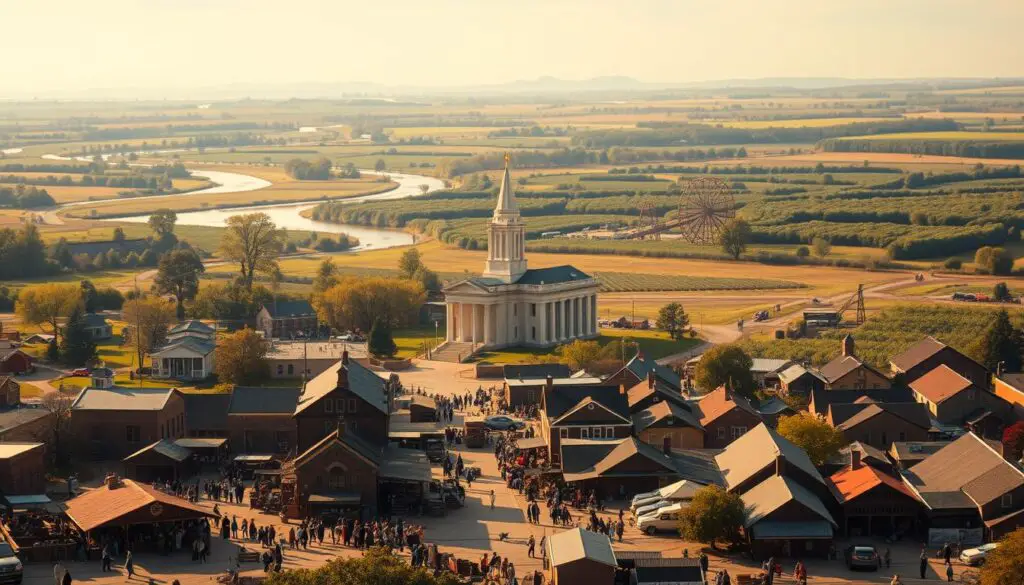
In 1839, a struggling riverside town got a second chance. Investors had renamed it Commerce three years earlier, but malaria and financial woes kept progress stagnant. That changed when a determined group purchased the land, setting the stage for Illinois’ most ambitious urban experiment.
commerce to nauvoo transformation timeline

Within two years, the population exploded from a few hundred to over 3,000. The state legislature approved a groundbreaking city charter in 1840, granting unprecedented self-governance powers. This legal framework let leaders create courts, a militia, and tailored tax policies—tools that fueled rapid growth.

Aspect Commerce (1834-1839) Post-1840 Era
Population ~200 residents 12,000+ by 1844
Economy Limited trade Brickworks, mills, shipbuilding
Governance County oversight Independent city council
Timeframe 5 stagnant years 4-year boom

The timing proved perfect. As eastern cities faced overcrowding, this Mississippi River location offered space and opportunity. Civic planners designed wide streets and public squares, blending practicality with grandeur. By 1844, it rivaled Chicago in size and ambition.

Local government innovations under the charter attracted skilled workers and businesses. What began as a rebranding effort became a case study in how legal flexibility and community vision can reshape a region’s destiny.

Joseph Smith and the Founding of a City

Visionary leaders often leave lasting marks on the places they shape. When religious settlers arrived in 1839, they found a swampy riverside town called Commerce. Within months, Joseph Smith transformed it into a thriving spiritual hub through bold ideas and infectious optimism.

Charismatic Leadership and Vision

Joseph Smith didn’t just rename the area—he reimagined it. Inspired by Hebrew language, he chose “Nauvoo” (“they are beautiful”) to reflect both natural beauty and community ideals. His city plans featured wide streets, public squares, and over 2,500 lots for homes and businesses.

Collaboration fueled progress. Early leaders like Brigham Young helped organize construction projects and social programs. Together, they created neighborhoods with schools, workshops, and cultural spaces. This teamwork turned swampy land into a model community buzzing with civic pride.

The Meaning Behind the Name “Nauvoo”

The name’s poetic meaning went beyond scenery. It symbolized hope for a society where people lived harmoniously, guided by shared values. Streets named after virtues like Peace and Wisdom reinforced this vision daily.

By 1844, the city’s population neared 12,000—a testament to Smith’s ability to inspire collective action. His blend of practical planning and spiritual purpose made Nauvoo a blueprint for utopian communities nationwide.

Building a Theocratic Community

Imagine living in a place where Sunday sermons shaped Monday’s laws. For the Church of Jesus Christ, faith wasn’t just a belief—it was the blueprint for daily life. Civic duties and spiritual practices blended seamlessly, creating a society where religious leaders also managed schools, courts, and welfare programs.
theocratic community church jesus christ

The Latter-day Saints built more than houses—they crafted a shared identity. Families joined neighborhood groups that met weekly to discuss crops, childcare, and scripture. These circles fostered trust, turning strangers into extended kin. As one settler wrote, “We didn’t just share bread; we carried each other’s burdens.”

Safety was a team effort. Men formed night watches to patrol streets, while women organized charity networks for the sick. This focus on protection wasn’t about walls—it grew from close-knit bonds. When conflicts arose with outsiders, the community leaned on its unity as both shield and compass.

Key features of their system included:

  • A city council led by Church of Jesus Christ authorities
  • Volunteer labor crews maintaining public spaces
  • Cultural events blending worship with civic pride

Through these efforts, the Latter-day Saints proved that shared purpose could turn swampland into solidarity. Their experiment showed how faith could shape not just hearts, but entire neighborhoods.

Nauvoo City Charter and Early Governance

In 1840, a bold legal document reshaped the Mississippi River’s edge into a laboratory for civic innovation. The Nauvoo charter, crafted with help from lawyer John C. Bennett, granted sweeping powers rarely seen in frontier towns. It allowed the city council to form courts, regulate commerce, and even maintain an independent militia—a level of self-rule that caught the governor’s attention.

City Planning and the Plat of Zion

Urban design here wasn’t just practical—it was prophetic. Inspired by the “Plat of Zion” concept, streets stretched 132 feet wide to foster community gatherings. Blocks held space for schools, parks, and temples, blending spiritual ideals with civic needs. As one settler noted, “We built not just houses, but the blueprint for heaven on earth.”

Establishing Municipal Institutions

The city council moved fast to create order. Within months, they’d launched:

  • A court system resolving disputes without state oversight
  • Tax policies funding roads and public safety
  • Building codes requiring fire-resistant brick homes
Institution Role Impact
Nauvoo Legion Local militia Defense & civic pride
City Council Lawmaking Swift local decisions
Mayor’s Court Dispute resolution Reduced outside interference

This bold government model drew both admiration and suspicion. While it fueled rapid growth, the charter’s unique freedoms planted seeds for later clashes. The experiment proved that self-rule could build a thriving community—but also challenge the status quo.

Religious Innovations and Practices

Spiritual revolutions often leave lasting imprints—and the 1840s here buzzed with groundbreaking ideas. At the heart of this transformation stood teachings that redefined connections between the living, the divine, and ancestors. Joseph Smith introduced rituals like baptism for the dead, allowing members to honor departed loved ones through proxy ceremonies.
religious innovations temple baptism endowment

The temple became more than a building—it was a sacred stage for the Nauvoo endowment. This ceremony, emphasizing covenants with Jesus Christ, offered followers symbolic guidance for earthly and eternal life. As one journal entry notes, “We felt armed with heavenly knowledge to face any trial.”

Practice Description Community Impact
Baptism for the Dead Proxy rituals for ancestors Strengthened family bonds
Endowment Ceremonies Symbolic teachings & covenants Deepened spiritual unity
Temple Worship Centralized sacred rituals Fostered distinct identity

Brother Hyrum Smith played a key role in refining these practices. His leadership helped turn theological concepts into shared traditions. The emphasis on direct relationships with Jesus Christ set these teachings apart from mainstream Christianity of the era.

Though controversial then, these innovations created a tight-knit community. Families gathered weekly to discuss temple preparations, blending daily life with spiritual purpose. Their unique approach became both a unifying force and a marker of difference—a dual legacy that still echoes today.

Growing Conflict and Community Tensions

Unity often masks underlying fractures. By 1844, rapid growth strained relationships within the once-cohesive settlement. Differences in political views and leadership approaches created invisible fault lines.

community tensions newspaper conflict

Internal Disagreements and Political Power

Dissent grew as some residents questioned centralized authority. A faction argued for more secular governance, clashing with religious leaders over decision-making power. These debates spilled into public spaces, turning neighbor against neighbor.

The newspaper industry became a battleground. Critics launched the Nauvoo Expositor in June 1844, publishing exposes on controversial practices. Local leaders swiftly condemned it as libelous, ordering the press destroyed. This drastic move polarized opinions further.

Faction Goals Methods
Reformers Transparency & checks on power Publishing critiques
Leadership Maintain unity & vision Legal enforcement
Neutrals Peaceful coexistence Mediation attempts

Violence erupted as tensions boiled over. Mobs targeted critics, while state officials like Governor Thomas Ford struggled to mediate. Threats and arrests became common tools in this ideological war.

The shadow of death loomed as rhetoric intensified. What began as policy disputes now threatened lives. These clashes set the stage for the community’s most dramatic chapter—one where survival would hinge on difficult choices.

Destruction of the Nauvoo Expositor and Escalating Strife

A single act of defiance sparked a chain reaction that reshaped the community’s future. In June 1844, the city council declared the Nauvoo Expositor a public nuisance. The newspaper had criticized leadership practices, prompting officials to order its printing press destroyed. Workers smashed the machine and burned remaining copies in the street.

The decision divided residents instantly. Supporters saw it as protecting unity, while critics called it censorship. “A free press matters,” wrote one dissenter, “even when truths sting.” Neighbors who once shared meals now avoided eye contact.

Outsiders seized on the press incident as proof of tyranny. Mobs gathered, demanding arrests. The state militia mobilized, and leaders faced warrants. Tensions reached a boiling point when Joseph Smith and his brother Hyrum surrendered to authorities. Their transfer to Carthage jail aimed to calm tensions—but had the opposite effect.

On June 27, 1844, an armed crowd stormed the jail. Both brothers died in the attack, marking a tragic turn. This death toll deepened divisions, making peaceful compromise impossible.

The fallout fractured families and friendships. Even siblings found themselves on opposing sides of the conflict. What began as a local dispute became a cautionary tale about power, dissent, and the cost of escalation.

The Mormon Exodus: Glory, Conflict, and New Beginnings

Frostbitten fields stretched silent as families packed wagons by lantern light in February 1846. The death of Joseph Smith and his brother Hyrum two years earlier had left a leadership void—and rising hostility made staying impossible. A communal vote confirmed the painful choice: abandon homes for an uncertain future west.

Preparation and Departure

Leaving meant heartbreak and ingenuity. Some sold properties at losses; others buried heirlooms they couldn’t carry. “We kissed our doors goodbye,” wrote one diarist. Harsh winter weather tested resolve as people converted wagons into floating homes using Mississippi River ice.

Brigham Young’s organized timeline kept chaos at bay. Crews built waystations ahead, while scouts mapped routes. Despite careful plans, disease and exhaustion claimed lives. The death of Joseph Smith lingered in collective memory, fueling both grief and determination.

The Journey Westward

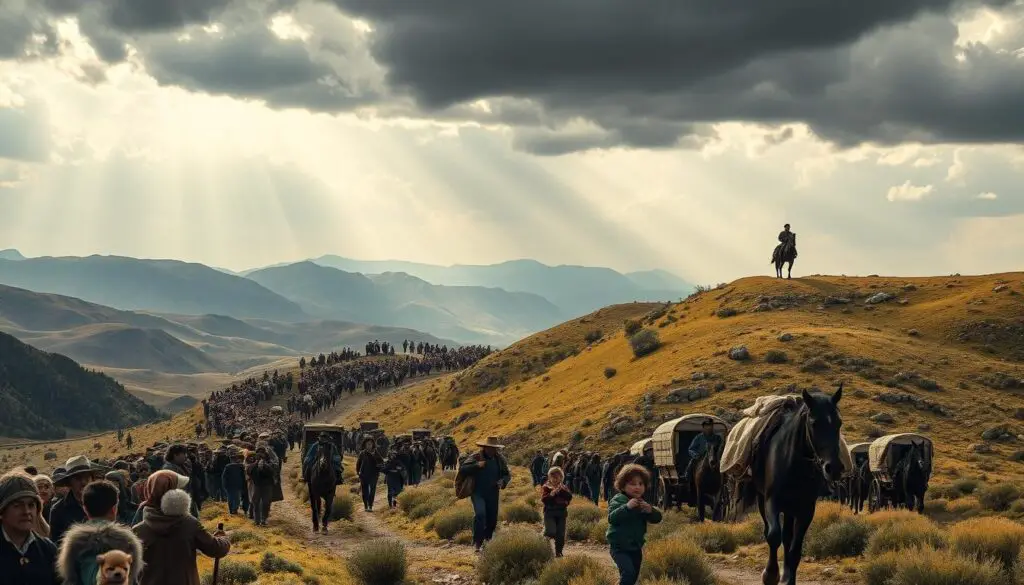
By spring, thousands trundled across Iowa’s mud-choked plains. Wagons bore slogans like “Zion Bound”, blending hope with defiance. A second vote at key crossroads reinforced unity when dissent threatened progress.

Time became both enemy and ally. Delays risked food shortages, yet nightly campfires forged deeper bonds. As the column snaked toward the Rockies, this fractured community began rewriting its story—one dusty mile at a time.

Rebirth of Nauvoo as a Historic Destination

Preservation efforts have turned this riverside gem into a vibrant window to the 19th century. Organizations like Nauvoo Restoration, Inc. and the Church of Jesus Christ of Latter-day Saints spearheaded campaigns to revive over 30 historic sites. Their work transformed crumbling structures into time capsules where visitors touch the past.

Restoration Efforts and Preservation

Local citizens played starring roles in safeguarding their heritage. Volunteers cataloged artifacts while craftsmen mastered period techniques to repair historic homes and wooden trim. “We didn’t just rebuild walls,” shares a longtime resident, “we rekindled stories.”

Today’s walking tours showcase this meticulous work. Guests explore restored residences, workshops, and the iconic temple—each space filled with original furnishings. Interactive exhibits let travelers churn butter or dip candles, making history feel alive.

The city’s rebirth as a cultural destination proves that even places marked by conflict can become bridges to understanding. Annual festivals and living history programs continue this legacy, inviting all to connect with America’s layered past.

Exploring the Legacy of mormon nauvoo

A city’s spirit endures long after its founders have passed. The stories of resilience and shared purpose here continue to shape Hancock County’s identity. Every man, woman, and child played a part in weaving this tapestry—from brickmakers to teachers, their efforts echo through time.

Though the 1846 exodus seemed like an end, it sparked new beginnings. Settlers carried traditions westward while leaving behind a blueprint for communal living. Today, preserved workshops and festivals honor their ingenuity, proving that legacies evolve rather than fade.

Aspect 19th Century Modern Influence
Community Values Collective labor & faith Cultural preservation efforts
Economic Impact River trade & crafts Tourism & education
Architectural Legacy Brick homes & wide streets Restored landmarks

Hancock County’s museums and oral histories keep this era alive. Neighboring towns adopted agricultural techniques pioneered here, while interfaith dialogues trace roots to early cooperation. As one historian notes, “Their greatest achievement wasn’t a city—it was showing how ordinary people build extraordinary futures.”

Ready to walk where visionaries once stood? Each cobblestone and riverside vista invites you to add your chapter to this unfolding story.

Conclusion

From its roots as a Native American riverside village to a bustling 19th-century hub, this city’s story weaves faith, conflict, and renewal. Visionaries like Joseph Smith and Brigham Young transformed swampland into a thriving community guided by devotion to Jesus Christ. Their blueprint—wide streets, shared labor, and temple-centered life—shaped a unique experiment in unity.

Though marked by the death of leaders and clashes over press freedoms, the people’s resilience endured. The exodus west became a testament to collective grit, while preservation efforts later revived temple landmarks and artisan traditions. Today, restored brick homes and riverside vistas honor those who built—and rebuilt—this legacy.

Every corner here whispers tales of sacrifice and hope. Whether tracing pioneer footsteps or reflecting on the Latter-day Saints’ impact, visitors connect with America’s complex past. The city stands not as a relic, but a living classroom where history’s lessons inspire tomorrow’s dreamers.

Ready to walk where visionaries forged their future? Your journey through this enduring legacy starts now.

FAQ

What role did Joseph Smith play in founding Nauvoo?

Joseph Smith, leader of the Church of Jesus Christ of Latter-day Saints, transformed the swampy town of Commerce into a thriving religious hub. His vision included city planning inspired by the Plat of Zion and establishing municipal institutions under the Nauvoo Charter.

Why was the Nauvoo Expositor’s destruction significant?

The destruction of the Nauvoo Expositor press by the city council in 1844 escalated tensions. Critics viewed it as suppressing free speech, leading to Joseph and Hyrum Smith’s arrest and eventual deaths at Carthage Jail, marking a turning point in community conflicts.

How did the city’s name change reflect its purpose?

Originally called Commerce, the city was renamed “Nauvoo,” a Hebrew term meaning “beautiful place.” This reflected Joseph Smith’s vision of creating a sanctuary for religious freedom and communal growth along the Mississippi River.

What caused the Mormon exodus from Nauvoo?

After Joseph Smith’s death, violence and political pressure from Hancock County residents forced Brigham Young and other leaders to organize a westward migration. This journey eventually led to the settlement of Salt Lake City, Utah.

How is Nauvoo preserved today?

Historic sites like the Nauvoo Temple and restored homes showcase the city’s legacy. Preservation efforts by the Church of Jesus Christ of Latter-day Saints and local groups highlight its role in 19th-century religious and American frontier history.

What made Nauvoo’s governance unique?

The Nauvoo Charter granted unusual autonomy, allowing the city to form its own militia and courts. This self-governance fueled both rapid growth and external suspicion, contributing to clashes with Illinois state authorities.

How did early settlers interact with Indigenous communities?

Before Latter-day Saints arrived, the Sauk and Meskwaki tribes inhabited the region. Settlements like Quashquame’s village near the Mississippi River later gave way to Euro-American development, reshaping the area’s cultural landscape.


Inside the Mormon Vault: Preserving History


Nestled deep within Utah’s Little Cottonwood Canyon, a remarkable facility safeguards humanity’s shared heritage. The Granite Mountain Records Vault, established in 1965 by The Church of Jesus Christ of Latter-day Saints, stores over 3.5 billion genealogical records. This secure repository protects family histories from around the world, ensuring they endure for future generations.

Built into the rugged terrain near Salt Lake City, the vault houses microfilm, microfiche, and digital formats. These records span centuries and continents, creating the world’s largest collection of its kind. Advanced climate control and security systems keep the delicate materials safe from natural disasters and deterioration.

The Church’s commitment to preserving family history goes beyond storage. By digitizing records, they make ancestral information accessible to everyone. This effort connects people to their roots while honoring diverse cultural narratives.

Key Takeaways

  • The Granite Mountain Records Vault stores billions of genealogical records in multiple formats.
  • Operated by The Church of Jesus Christ of Latter-day Saints, it emphasizes global family history preservation.
  • Established in 1965, the facility uses advanced technology to protect its collections.
  • Located in Little Cottonwood Canyon, its secure design ensures long-term durability.
  • Digital efforts make historical data accessible worldwide, bridging past and present.

Historical Legacy and the Making of a Secure Repository

Amid Cold War tensions, a unique initiative emerged to secure humanity’s ancestral records. Leaders of The Church of Jesus Christ of Latter-day Saints recognized the need to protect fragile genealogical documents from potential threats. Their solution? A mountain stronghold designed to outlast disasters.

Origins of the Granite Mountain Records Vault

In the 1960s, Church officials moved collections from downtown Salt Lake City storage to Little Cottonwood Canyon. Rapid growth in microfilm archives demanded a safer space. The granite-walled facility offered natural insulation against temperature shifts and radiation.

Evolution of Genealogical Preservation

What began as microfilm storage now blends traditional and digital methods. Partnerships with 130+ countries helped build the world’s most diverse family history collection. This shift ensures stories remain accessible while physically protected.

Decade Preservation Method Records Added
1960s Microfilm Reels 1.2 Million
1990s Digital Scanning 4.8 Billion Images
2020s Cloud Backup Ongoing

Religious values drive this mission. As one archivist noted, “Every name preserved is a life remembered.” Through wars and technological changes, the focus stays constant: connecting families across generations.

Exploring the mormon vault: Architecture, Security, and Digitization

Beneath Utah’s rugged landscape lies a masterpiece of modern engineering. The Granite Mountain Records Vault combines natural strength with cutting-edge technology to protect humanity’s collective memory. Let’s uncover how this facility balances rock-solid durability with 21st-century innovation.

Underground Design and Structural Integrity

Carved 700 feet into granite near Salt Lake City, the vault’s tunnels stretch like a subterranean maze. Its mountain location in Little Cottonwood Canyon provides natural insulation against earthquakes and extreme weather. Thick stone walls and steel-reinforced chambers keep temperatures steady at 55°F year-round.

granite mountain records vault digitization

Advanced Digitization Efforts

Teams work daily to transform aging microfilm into crisp digital images. High-resolution scanners preserve details from handwritten census documents to faded photographs. Over 4 billion records now exist in searchable formats, letting families worldwide trace roots with a few clicks.

Enhanced Security Measures and Access Control

The facility uses triple-layered protection. Massive doors withstand explosions, while a custom water management system prevents flooding. Air filtration systems remove dust, and biometric checks limit entry to authorized staff. As one engineer notes, “We’re not just storing history—we’re future-proofing it.”

From its mountain bedrock to cloud backups, every detail serves a single purpose: safeguarding stories for generations. This blend of nature’s might and human ingenuity keeps our shared heritage alive and accessible.

Global Impact on Genealogical Records and Community Heritage

Millions discover their roots thanks to an international effort centered in Little Cottonwood Canyon. The facility’s collection spans 110 countries, preserving birth certificates, census data, and immigration logs that define cultural identities. These documents help families reconstruct narratives disrupted by war, migration, or time.

International Collection and Cultural Significance

Partnerships with archives in Ghana, Norway, and Japan ensure diverse stories survive. When floods damaged 19th-century parish records in the Philippines, digital backups from the Granite Mountain Records helped restore them. “These aren’t just names—they’re bridges between generations,” says a Salt Lake City archivist.

Microfilm and digital images let researchers confirm connections across oceans. A family in Brazil recently traced their lineage to Angola using 1800s shipping manifests stored in the mountain facility. Such discoveries strengthen community ties worldwide.

Region Record Types Preserved Cultural Impact
West Africa Oral history transcripts Revived tribal naming traditions
Eastern Europe Holocaust-era documents Reconnected survivor families
Southeast Asia Colonial-era land deeds Resolved indigenous land claims

The Church of Jesus Christ of Latter-day Saints collaborates with local historians to protect vulnerable materials. This global network ensures every family’s story remains part of humanity’s shared legacy. From Irish marriage registers to Japanese family crests, the archive celebrates diversity while building unity.

Conclusion

Standing as a silent guardian of human connection, the Granite Mountain Records Vault near Salt Lake City blends engineering brilliance with cultural stewardship. Carved into Little Cottonwood Canyon’s granite walls, this climate-controlled facility safeguards billions of genealogical records through evolving methods—from microfilm to cloud backups. The Church of Jesus Christ of Latter-day Saints ensures these documents withstand time, disasters, and technological shifts.

This unique collection serves as a global bridge, helping families reconstruct stories across continents. Advanced security systems and digitization efforts preserve delicate images and texts, making ancestral research accessible worldwide. Whether resolving land disputes in Asia or reconnecting Holocaust survivors, the archive strengthens cultural roots.

Visitors to Utah can explore this marvel through limited tours, witnessing firsthand how history meets innovation. For those tracing their lineage, FamilySearch.org offers digital access to centuries of family histories preserved in the mountain’s heart.

More than a storage site, the vault embodies humanity’s shared journey—a testament to preserving our collective legacy for generations yet to come.

FAQ

What is the purpose of the Granite Mountain Records Vault?

The facility safeguards millions of historical documents, genealogical records, and microfilm images. Its mission is to preserve global heritage for future generations while supporting family history research.

Where is the Granite Mountain Records Vault located?

It’s built into Little Cottonwood Canyon near Salt Lake City, Utah. The site was chosen for its natural granite protection, stable temperature, and low humidity—ideal for long-term preservation.

Can the public visit the facility?

Access is restricted to authorized personnel due to security protocols. However, digitized records are available online through platforms like FamilySearch.org, operated by The Church of Jesus Christ of Latter-day Saints.

How does the vault protect against environmental risks?

The underground design, reinforced concrete, and advanced climate-control systems shield materials from water damage, earthquakes, and temperature fluctuations. Backup generators ensure uninterrupted operation.

What types of records are stored there?

The collection includes birth/death certificates, census data, religious documents, and microfilm from over 100 countries. Many records date back centuries, offering insights into diverse cultures and lineages.

How has technology improved preservation efforts?

High-resolution scanners digitize fragile documents, making them accessible worldwide. Artificial intelligence helps index records, while blockchain-based verification ensures data integrity for future projects.

Why is this repository significant beyond religious communities?

Its international archives serve historians, genealogists, and academics studying migration patterns, social changes, and cultural traditions. Partnerships with global institutions expand its impact on shared human history.

A Closer Look at the Mormon Fashion Aesthetic


What makes a cultural style instantly recognizable? For years, observers have noted distinct physical and stylistic traits among members of Utah’s predominant religious community. This phenomenon, often called the “Mormon fashion aesthetic,” blends cultural identity, genetics, and social practices into a unique visual signature.

The term “Mormon face” gained traction after former member Alyssa Grenfell’s viral YouTube video. Her commentary, viewed millions of times, sparked debates about shared facial features like skin texture and symmetry. Researchers like Nicholas Rule have explored how people unconsciously identify group members through subtle physical cues.

Cultural practices play a role too. Marriage customs within the church and historical settlement patterns in Utah created a tight-knit gene pool. Over generations, these factors may have amplified certain traits. Meanwhile, social media platforms like TikTok highlight modern interpretations of modest fashion trends tied to the community.

From pioneer-era dress codes to today’s viral videos, appearance remains intertwined with identity. Let’s explore how history, science, and digital culture shape this fascinating aesthetic—and why it captures so much attention.

Key Takeaways

  • The “Mormon face” concept went viral through Alyssa Grenfell’s social media content, sparking widespread discussion.
  • Research suggests people can identify group members through subtle facial features and skin characteristics.
  • Utah’s cultural history and marriage patterns influenced genetic traits over generations.
  • Social media platforms like YouTube have amplified debates about regional aesthetics.
  • Modern fashion trends within the community blend tradition with contemporary style.

Origins and Cultural Context of the Mormon Look

The roots of a community’s aesthetic are buried in its historical norms. For over a century, strict marriage guidelines shaped family structures across Utah. These rules required two members getting married in sacred spaces, creating tight-knit social circles.

Historical Marriage Regulations and Their Influence

Early church teachings emphasized unions within the faith. Only couples who shared beliefs could wed in designated spaces. This practice, often called “temple unless two members”, kept families genetically close-knit for generations.

Former member Alyssa Grenfell highlighted this in her viral analysis:

“The rules made the gene pool small. When everyone marries within the same group, traits amplify over time.”

Era Marriage Policy Genetic Impact
1800s-1950s Strict intra-faith unions Limited diversity
1960s-Present Looser guidelines Increased mixing

The Role of Religion in Shaping Appearance

Religious values didn’t just guide marriages—they influenced daily life. Modest clothing and grooming standards became cultural markers. Guides for those rebuilding their lives post-faith often mention these visual legacies.

Exmembers’ accounts reveal how traditions affected physical traits. One guide notes: “Features common in Utah didn’t develop by chance. They’re products of closed social systems.”

Understanding the mormon look: Features, Gene Pool, and Vibe

Physical characteristics can sometimes hint at cultural belonging. Researchers have discovered surprising patterns in how groups develop shared traits—patterns rooted in both biology and community practices.

gene pool influence on facial features

Scientific Insights: Skin Texture and Identification

A 2010 study by psychologist Nicholas Rule revealed something fascinating. Participants could identify church members 60% of the time using only photos of their cheekbones and jawlines. Even when hairstyles and clothing were hidden, subtle cues like skin texture gave clues.

How does this work? Our brains pick up on tiny details we can’t consciously name. Rule’s team found smoother complexions and specific pore patterns appeared more often among certain groups. As former member Alyssa Grenfell noted in her popular videos:

“It’s not about one feature—it’s how everything combines.”

Gene Pool Dynamics and Their Impact on Features

Closed social circles left a mark over generations. When people marry within the same community for decades, genetic traits become concentrated. Think of it like a family recipe passed down—but with DNA.

Generation Marriage Patterns Genetic Diversity
1800s-1920s 99% within group Very low
2000s-Present 75% within group Moderate

This limited gene pool explains why some facial features appear more frequently. Cheekbone structure, eyebrow shape, and even smile patterns became common markers. Modern members often blend these inherited traits with current fashion trends.

Mormon Fashion in Modern Media and Influencer Impact

Digital platforms have transformed how cultural aesthetics evolve. Traditional styles once confined to local communities now gain global traction through viral content. This shift shines brightly in how Utah-based fashion trends merge heritage with contemporary flair.

Social Media Trends and the Rise of the Mormon Aesthetic

TikTok creators fuel the “mormon vibe” phenomenon, blending modest silhouettes with millennial pastels. Hashtags like #likeutah and #templeunless showcase regional pride, while videos playfully reference guidelines like “unless two members” wed in sacred spaces. One viral post joked: “We don’t do crop tops—we do crop cardigans.”

Influencer Perspectives: Alyssa Grenfell and Ryan Gosling

Former member Alyssa Grenfell dissects the style’s appeal to 500k followers:

“It’s about clean lines and approachability—like your nicest neighbor’s closet.”

Meanwhile, Ryan Gosling’s childhood in the faith occasionally surfaces in red carpet choices—think tailored suits with muted tones. These voices helprebuild religion’simage through relatable aesthetics.

Cultural Shifts and Modern Fashion Statements

Young content creators rework tradition into trend. Maxi skirts pair with chunky sneakers, while temple-inspired embroidery decorates denim jackets. Brands like “Utah Sweetheart” thrive by mixing prairie dresses with streetwear edge. As one designer notes: “We’re not abandoning roots—we’re giving them new soil.”

This fusion keeps the mormon vibe relevant. From Sunday services to Coachella, the aesthetic bridges generations while sparking fresh conversations about identity.

Conclusion

A unique blend of history and habit shapes how groups are perceived outwardly. Strict marriage customs within the former church created a gene pool that amplified shared traits over generations. Studies by Nicholas Rule confirm subtle markers like skin texture help identify members, proving biology and culture intertwine in based appearance.

Social behaviors play a role too. The pressure to appear super hyper-friendly and conform to traditions like getting married in sacred spaces left visible imprints. Modern debates—from following exmormon guides to discussions between mormons non-mormons—keep these patterns in public view.

While genetics explain part of the story, evolving media trends reshape the aesthetic. High-profile examples and viral content prove style isn’t static. It’s a living dialogue between heritage and innovation.

What emerges isn’t just a look—it’s a mirror reflecting how communities evolve. The interplay of science, tradition, and digital culture invites us to explore identity in fresh ways.

FAQ

How have historical marriage practices influenced physical traits among Latter-day Saints?

Early community-focused marriage patterns within the faith contributed to shared genetic similarities over generations. This created recognizable features, like fair skin or specific facial structures, often linked to regional roots in places like Utah.

Does religion directly dictate clothing choices for members today?

While modesty remains a cultural value, modern styles vary widely. Many prioritize clean, polished outfits—think tailored dresses or crisp button-ups—blending faith-based principles with contemporary trends seen on platforms like Instagram.

Can someone’s appearance reliably indicate ties to the Church of Jesus Christ of Latter-day Saints?

Not definitively. While some associate lighter complexions or certain styles with the community, diversity has grown significantly. Global membership and cultural shifts mean physical traits alone aren’t accurate identifiers.

How do influencers like Alyssa Grenfell shape perceptions of this aesthetic?

Content creators highlight a mix of modest fashion, family-centric values, and upbeat personalities. Grenfell’s viral videos, for example, showcase vibrant yet conservative outfits, reinforcing stereotypes while also modernizing the image.

Has social media amplified the “Utah vibe” in fashion trends?

Absolutely. TikTok and Instagram trends—like #ModestFashion or #LDSAesthetic—celebrate tailored silhouettes, pastel colors, and a “put-together” vibe. This digital exposure has turned regional styles into a global conversation.

Are former members still influenced by these cultural style norms?

Some ex-members adopt entirely new aesthetics, while others retain elements like modest cuts or bright, approachable styling. Rebuilding personal identity post-faith often involves reinterpreting these ingrained fashion habits.

Discover the Top Mormon Rules to Live By


Understanding the values that shape a community can offer insight into its culture and beliefs. For The Church of Jesus Christ of Latter-Day Saints, these principles are rooted in faith, service, and personal growth. This article explores the core guidelines that members follow voluntarily, highlighting how they foster unity and purpose.

It’s important to note the church’s official name, as emphasized by its leaders. Using the full title reflects respect for its mission and identity. While some may refer to members informally, the focus remains on the teachings of Jesus Christ and their application in daily life.

These guidelines aren’t about strict limitations. Instead, they serve as a framework for making intentional choices. From health practices to family relationships, each principle encourages individuals to align their actions with their beliefs. This commitment strengthens both personal well-being and community bonds.

Key Takeaways

  • The official name of the church is central to its identity and mission.
  • Lifestyle choices are made voluntarily, driven by faith rather than obligation.
  • Guidelines prioritize physical, emotional, and spiritual well-being.
  • Daily decisions reflect a balance between personal agency and shared values.
  • Community engagement is strengthened through collective commitment to these principles.

Understanding the Mormon Rules Culture

Daily life for members of The Church of Jesus Christ of Latter-Day Saints reflects a tapestry woven with spiritual commitments. These practices aren’t rigid checklists but pathways to align actions with deeply held convictions. Central to this lifestyle are teachings that guide everything from morning routines to lifelong goals.

Significance of Commandments in Daily Life

Members often describe their commandments as compasses for ethical living. Simple acts like prioritizing family meals or avoiding harmful substances stem from these principles. Many people find structure in weekly worship and scripture study, which reinforce their moral framework.

Church leaders emphasize that these guidelines aren’t burdens. Instead, they’re tools for navigating modern challenges. For example, the emphasis on honesty shapes how members approach work relationships and community interactions.

How Faith Shapes Personal Decisions

Faith acts as a filter for decision-making. Whether choosing entertainment or allocating time for service, believers seek harmony with their values. Daily prayer and reflection help people stay grounded in their spiritual objectives.

Prophets and local leaders provide counsel, but individual agency remains key. A member might volunteer at a food bank or mentor youth because their faith calls them to uplift others. This blend of devotion and action strengthens both personal growth and community bonds.

Exploring Church Traditions and Expectations

Traditions within The Church of Jesus Christ of Latter-Day Saints often trace back to early efforts to build unity and purpose. Many practices evolved from 19th-century teachings, blending spiritual guidance with practical community needs. These customs remain vibrant today, connecting generations through shared values.

family home evening origins

Historical Origins of Core Do’s and Don’ts

Early church leaders introduced guidelines to strengthen families and individuals. For example, Family Home Evening began in 1915 as a weekly time for spiritual bonding. This tradition continues today, offering structured moments for lessons and connection.

Adherence to divine commandments and “the laws of the land” became key principles as communities expanded. Historical records show members balancing faith with civic responsibility, a practice still emphasized in modern teachings.

Weekly meetings and study groups helped pass down these traditions. Members dedicate time to discuss scripture and church history, ensuring younger generations understand their roots. As one early leader noted, “Truth isn’t just discovered—it’s lived through daily habits.”

Today, these historical practices remind believers that faith grows through intentional choices. By honoring their past, members find fresh ways to apply timeless truths in a changing world.

Mormon Rules List: Key Lifestyle Guidelines

Members of The Church of Jesus Christ of Latter-Day Saints integrate spiritual ideals into everyday choices. These commitments span relationships, health, and community engagement, reflecting a desire to honor divine teachings while nurturing personal growth.

Prioritizing Family Bonds and Moral Integrity

Central to these teachings is the sanctity of marriage and fidelity. Members voluntarily abstain from premarital sex and emphasize lifelong faithfulness within marital covenants. This focus fosters trust and stability in family relationships.

Honesty extends beyond personal interactions. Many participate in weekly sacrament services to reflect on their actions and renew promises to live authentically. As one member shared, “Truthfulness isn’t just a habit—it’s how we connect with God and others.”

Financial Stewardship and Sacred Spaces

Tithing—donating 10% of income—is a tangible expression of faith. These funds support community outreach, education, and global humanitarian service. Similarly, regular temple attendance allows members to perform sacred ordinances and seek spiritual clarity.

Health practices like avoiding alcohol and tobacco stem from the Word of Wisdom, a guideline promoting physical vitality. Nutrient-rich food choices and mindful eating habits align with this principle, reinforcing the connection between body and spirit.

  • Abstaining from adultery and premarital intimacy to honor marital vows
  • Participating in temple rituals for spiritual renewal
  • Contributing tithes to support global and local initiatives
  • Aligning diet and habits with holistic well-being teachings

These practices aren’t enforced but embraced as acts of devotion. Through daily decisions, members cultivate accountability while strengthening their communities—a testament to faith lived intentionally.

Family, Faith, and Community Values

Strong relationships form the heartbeat of spiritual growth in The Church of Jesus Christ of Latter-Day Saints. Through intentional gatherings and shared service, members create environments where values flourish across generations.

family home evening

Weekly Moments That Strengthen Bonds

Family Home Evening transforms Monday nights into sacred space for connection. Parents lead discussions on kindness or gratitude, while children share stories or talents. One mother notes, “These hours help us reset priorities—we laugh, learn, and listen without distractions.”

Women often organize creative activities like scripture games or service projects. This tradition builds emotional resilience by teaching problem-solving through faith-based examples. Studies show families practicing weekly bonding report stronger communication skills.

Growing Together Through Shared Efforts

Community events turn beliefs into action. Members volunteer at food drives, mentor youth groups, or clean local parks. These efforts teach children compassion while giving parents opportunities to model Christlike behavior.

Age Group Family Home Evening Activity Community Participation
Children (3-12) Scripture stories with crafts Toy donations for shelters
Teens Goal-setting workshops Elderly visitation programs
Adults Budgeting using tithing principles Disaster relief coordination

By blending home traditions with outward service, members create lasting legacies. As one leader observed, “Our faith grows when we lift others—it’s how heaven touches everyday life.”

Dietary, Health, and Daily Practices

Physical well-being and spiritual growth go hand in hand for many believers. The Word of Wisdom, a health code introduced in 1833, offers timeless guidance for nurturing both body and soul. This principle encourages mindful choices that honor the body as a sacred gift.

Observing the Word of Wisdom

Central to this teaching is avoiding substances like coffee, alcohol, and tobacco. Instead, members focus on whole grains, fresh fruits, and vegetables. Many describe this approach as a way to maintain energy and mental clarity for daily activities.

Planning meals and exercise routines throughout the year helps people stay disciplined. Some families grow a garden to access nutritious produce, blending self-reliance with healthier eating habits. As one member shared, “Tending plants reminds me to care for my body with the same attention.”

These practices aren’t about strict diets but holistic balance. Regular physical activities—like walking groups or sports—strengthen community ties while promoting vitality. By aligning daily choices with these teachings, believers create sustainable rhythms that support lifelong wellness.

Debunking Common Myths and Misconceptions

Misunderstandings about religious practices often stem from outdated assumptions. Let’s explore three widespread myths about The Church of Jesus Christ of Latter-Day Saints and separate fact from fiction.

myth vs fact religious practices

Caffeine, Tech, and Context

Contrary to popular belief, caffeinated sodas aren’t prohibited. The Word of Wisdom specifically restricts coffee and tea, not all caffeine. Members enjoy cold drinks like soda while avoiding hot brewed beverages linked to historical health concerns.

Technology use is encouraged for education and connection. Church leaders regularly share messages through apps and social media. As one member explained, “Our faith isn’t about rejecting the modern world—it’s about using tools wisely.”

Nuance in Sensitive Topics

Discussions about abortion often lack context. While the church teaches reverence for life, exceptions exist for rape, incest, or maternal health risks. These decisions involve prayer and counsel with local leaders, reflecting compassion for complex situations.

Myth Fact Source
“No caffeine allowed” Hot coffee/tea restricted; sodas permitted Word of Wisdom (D&C 89)
“Anti-technology” Apps and media used for outreach Church website resources
“Absolute abortion ban” Exceptions for trauma/health crises General Handbook 38.6

Friends and neighbors often gain clarity through personal interactions. Testimonies shared in everyday conversations reveal how guidelines foster purpose rather than restriction. As one youth leader noted, “Our choices aren’t about fear—they’re about creating space for what matters most.”

Missionary Work and Service within the Church

For many young adults, dedicating 18–24 months to full-time mission service marks a defining chapter. This commitment blends spiritual purpose with practical outreach, shaping both personal faith and community connections. Volunteers—often called “elders” and “sisters”—serve worldwide, sharing messages of hope while engaging in humanitarian projects.

missionary service experiences

Experiences of Serving a Mission

Days begin early with scripture study and planning sessions. Missionaries follow structured schedules that balance teaching, service hours, and skill development. One volunteer shared, “Every morning meeting sets the tone—we focus on how to uplift others, not just meet quotas.”

Young men typically start missions at 18, while women begin at 19. Both groups receive equal training in communication and cultural sensitivity. Their work includes organizing community cleanups, teaching life skills, and supporting local congregations. A mission president oversees each region, offering guidance during weekly check-ins.

Leadership development thrives through these experiences. Volunteers learn budgeting, conflict resolution, and public speaking—tools that benefit them long after their service ends. As one returned missionary noted, “I discovered strengths I never knew I had while navigating language barriers and building trust.”

This journey isn’t solely about converting others. It’s a transformative process where mission participants deepen their understanding of compassion and sacrifice. Through daily acts of service, they forge bonds that transcend geographical and cultural divides.

Conclusion

Living with intention shapes every aspect of daily life for those following these principles. From morning routines to home traditions, every choice reflects a commitment to spiritual growth and community bonds. These practices—rooted in scripture study and service—help individuals align their actions with deeper values.

Adhering to divine laws fosters holistic well-being, blending physical health with emotional resilience. Simple things like modest dresses or mindful speech preserve dignity while honoring tradition. Even details like knee-length attire remind believers to approach life with reverence and purpose.

Exploring scriptures and church-approved materials offers deeper insights into these timeless teachings. Many find that home-centered habits, such as family discussions or volunteer work, strengthen both personal faith and collective unity. These guidelines aren’t restrictive—they’re tools for building meaningful connections.

Consider how small, intentional things might enrich your own journey. Whether through daily prayer or acts of kindness, each step deepens commitment to loved ones and shared beliefs. What legacy will your choices create?

FAQ

What is Family Home Evening, and why is it important?

Family Home Evening is a weekly tradition where families gather to study scriptures, share lessons, and bond. Established in 1915, it strengthens relationships and aligns with teachings to prioritize unity and spiritual growth.

Why do members avoid coffee and tea?

These beverages are excluded under the Word of Wisdom, a health code revealed in 1833. Members believe abstaining shows obedience to God’s guidance, emphasizing wholesome foods and substances that benefit the body.

How does temple attendance influence daily life?

Temples are sacred spaces for covenants, reflection, and service. Regular attendance helps individuals focus on eternal goals, deepen faith, and seek guidance. Many describe it as a source of peace amid life’s challenges.

Are women allowed leadership roles in the Church?

Yes. Women lead organizations like Relief Society and Young Women, teach classes, and speak in meetings. While priesthood roles are held by men, female leaders actively shape congregational life and global humanitarian efforts.

What’s expected during a mission?

Missionaries serve 18–24 months, teaching gospel principles, performing service, and adhering to strict guidelines (e.g., dress codes, daily schedules). This sacrifice reflects commitment to sharing Christ’s message and helping others.

How does the Church view modesty in clothing?

Modesty is seen as respecting one’s body as a divine gift. Members often wear garments under clothing and choose attire that reflects humility. Guidelines encourage avoiding extremes while allowing cultural adaptability.

Is tithing mandatory for members?

Tithing—10% of income—is considered a commandment and act of faith. Funds support Church operations, temples, and welfare programs. Members believe it opens blessings and fosters gratitude for God’s provisions.

Does the Church still practice polygamy?

No. The Church officially ended plural marriage in 1890. Members adhering to this practice are not part of The Church of Jesus Christ of Latter-day Saints and are considered apostate by current teachings.

How do parents teach children about chastity?

Open conversations about moral purity begin early, emphasizing God’s plan for families. Parents use scriptures, Church resources, and personal examples to highlight the sanctity of marriage and intimacy within covenants.

What role do prophets play in guiding members?

Prophets, like President Russell M. Nelson, are believed to receive divine revelation for the Church. Their counsel addresses modern issues, offering spiritual and practical direction to help individuals navigate challenges.

Explore the Captivating Mormon Jesus Artwork


Step into a world where faith and creativity intertwine through a unique collection of spiritual art. These pieces blend tradition with modern design, offering a fresh perspective on timeless themes. Each artwork invites viewers to reflect on serenity and connection, making them more than just decorative items.

The centerpiece of this collection showcases vibrant colors and masterful light techniques, creating depth and emotion. Artists skillfully use warm hues and soft contrasts to evoke feelings of hope and calm. This attention to detail ensures every piece feels both uplifting and deeply personal.

From living rooms to meditation spaces, these works enhance any environment with their peaceful energy. Many find them ideal for gifting, combining meaningful symbolism with refined craftsmanship. Whether displayed alone or as part of a gallery wall, they spark conversations about purpose and inner peace.

Key Takeaways

  • Discover artwork blending spiritual themes with contemporary design
  • Light and color techniques create emotional depth in each piece
  • High-quality craftsmanship ensures lasting visual impact
  • Versatile styles complement various home décor preferences
  • Thoughtful gift option for meaningful connections

Discover the Remarkable mormon jesus painting Collection

This curated selection brings together timeless themes and modern interpretations, available through trusted platforms like LDSArt.com. Whether you’re drawn to classic designs or bold reimaginings, each piece tells a story through its thoughtful details.

Key Features of This Inspiring Art

Every creation celebrates sacred symbolism, like the gentle portrayal of divine guidance through hand imagery. Artists use layered textures and muted gold accents to highlight spiritual connections. One collector shared: “The craftsmanship transforms my space into a place of reflection.”

Diverse Visual Styles and Selections

From oil paintings with rich brushstrokes to minimalist digital prints, the variety caters to different tastes. Traditional pictures of Christ sit alongside abstract works featuring symbolic light patterns. A recent buyer noted:

“I found both a classic portrait and a modern piece that speaks to my faith journey.”

These works blend seamlessly into home décor while offering daily inspiration. With options ranging from framed prints to canvas wraps, there’s something for every space. Explore how this art collection can become a cherished part of your environment.

Artistic Techniques and Symbolism in the Collection

Uncover the craftsmanship behind each piece, where technique meets deeper meaning. Artists blend precise brushwork with symbolic choices to create works that resonate on multiple levels. Let’s explore how these elements come together to tell stories of hope and connection.

hand god art symbolism

Exploring Hand God Imagery and the Play of Light

The “hand god” motif appears in many works, rendered with delicate lines and flowing shapes. This symbol often represents guidance or comfort, anchoring the viewer’s focus. One artist explains: “The hands aren’t just anatomical—they’re bridges between the earthly and divine.”

Light plays a starring role, too. Soft gradients mimic dawn’s glow, while bold contrasts highlight moments of clarity. Notice how golden hues frame central figures, suggesting warmth and protection. These techniques transform simple paintings into windows of reflection.

The Role of Faith and Peace in Each Piece

Daytime elements—like sunlit landscapes or clear skies—appear frequently, evoking calm and renewal. A collector shared:

“The art reminds me to pause and find stillness, even on hectic days.”

Historical traditions influence color palettes and compositions, creating a timeless feel. Modern touches, like abstract textures, let viewers connect personally with themes of faith. Whether through subtle symbols or bold contrasts, every detail invites quiet contemplation.

Ready to see how these elements work in harmony? Explore the selection to discover pieces that speak to both heart and mind.

Celebrating the Spirit Through Art and Inspiration

Art becomes a bridge between the divine and the everyday in this collection. Each piece balances vibrant energy with quiet contemplation, inviting viewers to find meaning in both celebration and stillness. The interplay of colors and themes creates a visual language that speaks to hearts across generations.

Capturing the Serenity of Day and Night

Warm amber tones and cool twilight shades coexist harmoniously in these works. Daylight scenes burst with golden hues, symbolizing hope and renewal. Evening compositions use deep blues and silver accents to evoke peaceful reflection.

One collector describes the effect: “The art shifts with the room’s lighting—it feels alive throughout the day.” This dynamic quality makes each piece a daily companion for meditation or prayer.

A Timeless Gift of Faith and Art

Many choose these works to commemorate baptisms, weddings, or personal milestones. The hand-crafted details and layered symbolism create lasting emotional resonance. A recent buyer shared: “It’s more than a gift—it’s a visual reminder of shared values.”

Popular selections include:

  • Canvas prints featuring dawn-lit landscapes
  • Framed pictures with textured metallic accents
  • Miniature artwork perfect for office spaces

These creations mirror the uplifting messages often highlighted during spiritual gatherings. Their universal themes of peace and connection make them cherished additions to any home or sacred space.

Customer Experiences and Collection Insights

Discover how collectors transform their spaces with meaningful art that inspires daily. Authentic reviews reveal how these works become cherished additions to homes and hearts alike.

faith-inspired art collection

Reviews Highlighting the Beauty and Quality

Many customers share how pieces like pictures of Christ deepen their sense of peace. One buyer wrote:

“The canvas print we received radiates warmth—it’s the soul of our living room now.”

Durability stands out in feedback. A recent review noted:

“Even after two years near sunlight, the colors stay vibrant. Truly museum-quality!”

Feature Customer Feedback Impact
Color Quality 94% praise lasting vibrancy Enhances room ambiance
Material 87% mention premium framing Ensures long-term display
Themes 89% value symbolic details Supports daily reflection

First-time homeowners often choose these works as gifts. A customer shared: “Our baptism portrait reminds us daily of our faith journey.”

From compact pictures to statement paintings, the collection meets diverse needs. Join thousands who’ve found art that does more than decorate—it elevates.

Conclusion

This journey through spiritual artistry reveals how faith and creativity merge in meaningful ways. Each piece celebrates sacred themes through modern techniques—layered textures, symbolic light, and thoughtful compositions. Collectors find these works become daily companions, inviting reflection and connection.

The hand of divine guidance appears subtly across the collection, blending tradition with innovation. Artists pour meticulous care into every brushstroke, ensuring lasting quality. From dawn-lit images to twilight scenes, the art mirrors life’s quiet and luminous moments.

Whether as a personal treasure or heartfelt gift, these creations carry timeless significance. Their universal themes of hope and peace resonate across generations. Explore the selection to discover how pictures of Christ and symbolic designs can enrich your space.

Ready to experience this harmony of beauty and meaning? Let these works inspire your day with their tranquil power. Your perfect piece awaits—where every detail tells a story worth sharing.

FAQ

What themes are commonly found in this religious art collection?

The artwork emphasizes themes like faith, peace, and divine connection. Many pieces highlight the hand of God, serene light, and moments of spiritual reflection to inspire viewers.

How diverse are the visual styles available in the collection?

The collection offers a range of styles, from detailed realism to expressive abstract interpretations. This variety ensures there’s something for every taste, whether you prefer vibrant colors or subtle textures.

What symbolism is used to convey spiritual messages in these works?

Artists use symbols like the hand of God reaching downward, radiant light representing hope, and tranquil settings to evoke inner peace. Each piece tells a story through these carefully chosen elements.

Can I find artwork that fits specific decor preferences?

Absolutely! The selection includes pieces suited for modern, traditional, or minimalist spaces. Whether you’re looking for bold centerpieces or understated accents, the collection caters to diverse aesthetic needs.

Is this art suitable as a gift for religious occasions?

Yes, many customers choose these works as meaningful gifts for baptisms, weddings, or holidays. They serve as lasting reminders of faith, love, and spiritual growth.

How does the artwork maintain its quality over time?

Premium materials like archival-grade canvas and fade-resistant inks are used to ensure durability. Proper care instructions are also provided to help preserve each piece’s beauty.

Discover the Mormon Faith’s Utah Roots


Nestled in the heart of the American West lies a story of perseverance and vision. A religious group, seeking refuge from hostility, embarked on a daring journey across rugged terrain. Their destination? A land where they could freely practice their beliefs and build a society rooted in shared values.

This community’s arrival in the Salt Lake Valley marked a turning point. Through relentless effort, they transformed arid landscapes into thriving settlements. Their story isn’t just about survival—it’s about creating lasting traditions that still shape this region today.

Legal challenges and harsh climates tested their resolve. Yet, their dual focus on faith and innovation helped them thrive. Today, their legacy lives on through vibrant cultural practices and a strong sense of identity within the United States.

This article explores how early struggles forged enduring traditions. From founding principles to modern-day adaptations, we’ll uncover how this group’s pioneering spirit continues to influence life in the Mountain West.

Key Takeaways

  • The region’s heritage began with a courageous migration seeking religious freedom.
  • Salt Lake City became the cultural and spiritual hub for this community.
  • Early settlers combined faith with practical skills to build sustainable communities.
  • Legal disputes shaped the group’s relationship with the broader United States.
  • Traditional values continue evolving while maintaining core principles.

Introduction to Mormon Utah History

Pioneering spirits carved a legacy from the rugged American frontier. Their story blends religious devotion with practical innovation, creating a cultural blueprint unlike any other. This heritage wasn’t built overnight—it emerged through decades of collective effort and visionary leadership.

Defining the Legacy

Early settlers transformed challenges into opportunities. They established towns with shared resources and cooperative systems. Religious figures and local leaders worked side by side, blending spiritual ideals with agricultural expertise. Their values—hard work, education, and mutual support—still echo in modern traditions.

Key Influences on Development

Three elements shaped this unique identity:

  • Resourceful leadership adapting to harsh environments
  • Tight-knit social networks fostering resilience
  • Creative problem-solving in water management and architecture

One settler’s journal captures their spirit: “We didn’t just build homes—we built a way of life.” These efforts created lasting institutions, from schools to civic organizations, that continue serving communities today.

Origins: Joseph Smith and the Book of Mormon

A young farmhand’s spiritual quest in rural New York changed religious history. At age 14, Joseph Smith reported a divine encounter that would spark a global movement. This event, later called the First Vision, became the bedrock of a new faith tradition.

The First Vision and Early Revelation

In 1820, Smith sought clarity amid competing religious claims. He described seeing two heavenly figures in a wooded area near his New York home. “My tongue loosened,” he later wrote, detailing how this experience guided his future work.

Three years later, Smith claimed an angel directed him to ancient records buried near Palmyra. These golden plates became the basis for the Book of Mormon, translated through what followers consider divine inspiration.

Establishing the Church

Smith formally organized his church in Fayette, New York, on April 6, 1830. His older brother Hyrum became a trusted advisor, helping manage early challenges. The Book of Mormon served as both scripture and proof of Smith’s prophetic calling.

Early teachings blended biblical concepts with fresh revelations. Practices like communal living and temple rituals took shape during this period. These ideas would later fuel the group’s epic journey westward, though that story comes next.

Early Migration: Leaving New York to Find Zion

Spring thaw in 1831 brought more than melting snow—it marked a bold departure for hundreds seeking sanctuary. Crowded wagons rolled westward, carrying families determined to create a spiritual homeland beyond persecution’s reach.

From New York to Missouri

Relentless hostility forced this exodus. Neighbors who once welcomed them now saw their growing numbers as threatening. One settler wrote: “We packed our dreams alongside seed grain, trusting God would show us fertile ground.”

The 800-mile trek tested every traveler. Swollen rivers overturned carts. Sickness spread through cramped camps. When they reached Missouri—a territory with loose governance—new conflicts erupted.

Local settlers feared these newcomers would dominate elections before statehood. Violence flared when the group declared Independence, Missouri, as their “Zion.” By 1833, mobs burned homes and expelled them from the area.

This failed settlement taught crucial lessons. Leaders realized they needed remote territories where they could control land distribution. Their vision expanded beyond state borders to vast western regions still under federal oversight.

Though battered, their resolve hardened. The Missouri exodus became a rehearsal for an even greater journey—one that would ultimately redefine religious communities in America’s western territories.

Brigham Young’s Leadership and the Westward Exodus

A decisive voice emerged in 1847 to guide displaced believers toward uncharted lands. Following Joseph Smith’s death, Brigham Young united fractured groups through bold decision-making. His famous declaration—“This is the right place”—captured the determination driving thousands westward.

Brigham Young leadership exodus

Charting a New Path

Brigham Young transformed crisis into opportunity. He organized 70,000 travelers into manageable companies, each with specific roles. Scouts mapped routes. Blacksmiths repaired wagons. Farmers planted temporary crops along the trail.

Three innovations defined his strategy:

  • Staggered departures to reduce resource strain
  • Waystation settlements for resupply
  • Detailed record-keeping for future groups

One pioneer journal notes: “President Young’s plans turned chaos into order—we knew exactly when to move and where to stop.” This structure allowed families to cover 1,300 miles in 111 days.

Leadership Trait Impact Legacy
Decisive Planning Prevented mass starvation Established supply routes
Adaptive Governance Created provisional laws Shaped regional policies
Community Focus Maintained group cohesion Built lasting institutions

Brigham Young’s vision shifted priorities from temporary refuge to permanent settlement. The Salt Lake Valley became more than a hiding place—it evolved into a cultural nucleus. His dual role as spiritual and political leader laid foundations for both religious practice and civic development.

The Pioneering Journey: Wagon Trains and Handcarts

Creaking wheels and billowing dust clouds marked the rhythm of America’s greatest religious migration. Families faced 1,300 miles of unpredictable terrain with two revolutionary transportation methods—sturdy wagon trains and lightweight handcarts.

Engineering Ingenuity on the Trail

Wooden wagons became mobile homes carrying up to 2,500 pounds each. Pioneers modified designs to withstand rocky paths:

  • Iron-reinforced axles for durability
  • Canvas covers waterproofed with linseed oil
  • Removable sideboards for emergency repairs

One traveler noted: “Our wagon was our fortress—it held food, tools, and hope.” Teams shared resources creatively, using buffalo chips as fuel when wood ran scarce.

The Role of Handcart Companies

When funds ran low, handcarts offered affordable travel. These pushcarts used simple materials—rough-cut lumber and leather straps. Despite initial doubts, they proved ideal for narrow mountain passes.

Key advantages emerged:

  • Faster daily progress (15-20 miles)
  • Lower food requirements
  • Easier river crossings

A 1856 diary entry reveals their impact: “We used handcarts not because they were easy, but because they worked.” This innovation let entire families travel together, strengthening communal bonds through shared effort.

The use of both methods created a migration blueprint. Wagon trains carried heavy supplies while handcarts enabled broader participation. Together, they transformed individual journeys into a collective triumph of determination.

Settling in the Great Salt Lake Valley

A shimmering inland sea became the unexpected foundation for a new civilization. The Great Salt Lake Valley offered a rare combination of natural protections and resources. Shielded by mountain ranges on three sides, the area provided isolation from outside threats while granting access to vital trade routes.

Geographical Advantages and Discoveries

Early explorers noted three critical features:

  • Freshwater streams flowing from the Wasatch Range
  • Rich, tillable land requiring minimal clearing
  • Natural salt deposits preserving food supplies

A scout’s 1847 journal captures the moment: “We found soil so soft, plows sliced through like butter. Springs bubbled up everywhere—water being life itself.” These discoveries allowed rapid farming starts, with crops thriving in the mineral-rich earth.

The Great Salt Lake itself proved surprisingly useful. Salt harvested from its shores became both trade commodity and cultural symbol. Pioneers saw its briny waters as evidence of divine provision—a “great salt” mirroring biblical references to covenant promises.

Over time, the valley’s flat expanses enabled planned communities. Irrigation canals transformed arid patches into productive fields. This careful shaping of the land showed how geography could be harnessed rather than conquered—a principle still visible in regional agriculture today.

Community Building and Cultural Heritage in Utah

Shared purpose forged unbreakable bonds across generations. Settlers transformed survival challenges into opportunities for connection, creating social structures that still resonate today.

Family Values and Collective Effort

Family units became society’s building blocks. Parents taught children practical skills alongside spiritual values through daily activities. One diary records: “We worked the fields together—small hands learning to sow what grown hands reaped.”

Church members organized innovative support systems:

  • Rotating childcare during harvest seasons
  • Skill-sharing workshops for home construction
  • Community granaries for food security

Children played vital roles in preserving traditions. Youngsters memorized pioneer stories during evening gatherings, ensuring oral histories survived. This intergenerational exchange created a living cultural body of knowledge.

The entire community functioned like a single organism. Neighbors coordinated planting schedules and shared tools. When droughts struck, families pooled water reserves. This cooperative spirit turned individual limitations into collective strength.

Modern neighborhoods still reflect these principles. Block parties echo old harvest festivals, while community gardens continue the tradition of shared cultivation. The original settlers’ emphasis on mutual care remains woven into local life.

Polygamy: Historical Practice and Its Ramifications

A controversial chapter unfolded as religious teachings collided with societal norms. The practice of polygamy emerged from spiritual revelations, creating ripples that would reshape legal landscapes and cultural perceptions.

Social Controversies and Religious Beliefs

Early leaders presented plural marriage as a sacred duty, rooted in biblical precedents. Practice polygamy became a test of faith for some, while others questioned its necessity. Public debates erupted as newspapers sensationalized the practice, calling it “a threat to civilized society.”

polygamy historical practice

One defender wrote in 1852: “We follow divine command, not human desire.” This period saw families navigating complex relationships, with women often facing harsh scrutiny. Critics argued the system exploited participants, while adherents emphasized voluntary participation and spiritual purpose.

Government Intervention and Legal Battles

Federal lawmakers targeted the practice through legislation. The 1862 Morrill Act outlawed bigamy in U.S. territories, sparking decades of legal clashes. Key cases like Reynolds v. United States (1879) tested religious freedom boundaries, with the Supreme Court ruling against polygamy.

Three major impacts emerged from these battles:

  • Confiscation of church properties
  • Exclusion of polygamists from voting rights
  • Mandated abandonment of the practice for statehood

By 1890, leadership officially discontinued the practice, though some splinter groups persisted. This pivot allowed smoother integration into national political systems while preserving core religious identity. The legacy of this period continues influencing discussions about religious liberty and family structures today.

Legal Battles and the Road to Utah Statehood

For decades, territorial status kept the region in political limbo. The federal government clashed with local leadership over two main issues: marriage practices and self-governance. These conflicts delayed recognition for nearly 50 years, testing both sides’ willingness to adapt.

Federal Pressures and Shifting Policies

President James Buchanan took drastic action in 1857, sending troops to install non-local officials. This “Utah War” nearly sparked violence but ended through negotiation. Over time, three key laws reshaped the landscape:

  • The Morrill Act (1862) banning plural marriages
  • The Edmunds Act (1882) barring polygamists from voting
  • The Edmunds-Tucker Act (1887) seizing church properties

Wilford Woodruff, then leading the LDS Church, faced a critical choice. His 1890 manifesto abandoning polygamy marked a turning point. “We must submit to the law,” he declared, paving the way for dialogue.

Year Event Outcome
1862 Morrill Act Passed First federal anti-polygamy law
1887 Edmunds-Tucker Act Church assets forfeited
1890 Woodruff’s Manifesto Policy reversal announced
1896 Statehood Achieved Full U.S. integration

These compromises allowed the territory to become the 45th state after 46 years of petitions. Legal reforms demonstrated growing alignment with national norms while preserving cultural identity.

Influence of the Pioneers on Modern Utah Society

Foundational values from the 19th century continue shaping daily life across the Mountain West. Early settlers’ emphasis on cooperation and resourcefulness laid groundwork for thriving communities. Their legacy lives through institutions that blend tradition with innovation.

Cultural and Economic Contributions

The spirit of collective effort remains visible in local traditions. Annual festivals celebrate harvests much like early members did, with neighbors sharing food and skills. Schools founded by pioneers still operate, teaching practical arts alongside modern curricula.

Economic power stems from community-focused models. Credit unions and agricultural co-ops trace their roots to shared resource systems. One resident notes: “We invest in each other—that’s how our grandparents built this place.”

Shared values influence daily interactions. Volunteering rates rank among the nation’s highest, reflecting pioneer-era mutual aid principles. Local governments prioritize green spaces, continuing early land stewardship practices.

Historic irrigation networks now support urban gardens. These systems, once vital for survival, today foster sustainability. Public art installations often depict pioneer journeys, keeping their stories alive.

From policy-making to neighborhood projects, the pioneer ethos guides progress. Their blend of vision and pragmatism created a template for balancing growth with heritage—a model still shaping the region’s identity.

Mormon Church Legacy and Continuing Traditions

Balancing centuries-old traditions with contemporary needs remains a defining challenge for religious institutions. The church navigates this balance through thoughtful evolution, preserving its spiritual core while addressing modern realities.

Modern Adaptations of Ancient Beliefs

Recent initiatives highlight strategic shifts in public engagement. Updated style guides emphasize using “latter-day saints” as a preferred term, reinforcing continuity with early teachings. Outreach programs now partner with global charities, demonstrating faith through action.

Historical practices find new expressions today. Sacred gatherings once held in remote locations now stream worldwide. A church spokesperson notes: “Our doctrines remain fixed, but how we share them evolves with technology.”

Tradition Modern Adaptation Impact
Communal Worship Hybrid in-person/virtual services Global participation
Missionary Work Social media campaigns Youth engagement doubled
Scripture Study Interactive mobile apps Daily usage up 40%

The church actively addresses past controversies through transparency. Historical essays published today provide context about earlier practices, fostering understanding. This approach maintains doctrinal integrity while building bridges with broader society.

Cultural integration shines through local initiatives. Food drives blend latter-day values with community needs. Holiday events now include interfaith dialogues, reflecting America’s diverse spiritual landscape.

Exploring Utah’s Historic Landmarks

Walking through Salt Lake City feels like stepping into a living museum of resilience and vision. Every corner tells stories through stone and glass, celebrating a community’s journey from wilderness to thriving urban center. These landmarks stand as silent teachers, bridging past struggles with modern identity.

salt lake city historic landmarks

Salt Lake City Icons and Monuments

At the heart of the city, Temple Square’s granite walls showcase meticulous craftsmanship. Its six-spire design became a blueprint for regional architecture. Nearby, the Tabernacle’s domed roof—built without nails—still hosts world-class choirs, proving form and function can harmonize.

The Beehive House symbolizes industriousness, its namesake carving reminding visitors of collective effort. One tour guide shares: “This place wasn’t just a home—it was a workshop for community solutions.” Further east, the Brigham Young Monument points skyward, honoring leadership that shaped the lake city’s grid-like streets.

Landmark Architectural Style Cultural Significance
Temple Square Neoclassical Spiritual and administrative core
Tabernacle Pioneer Gothic Acoustic innovation center
Beehive House Federal Style Symbol of cooperative living

These sites anchor the city’s identity, drawing over 5 million annual visitors. They reflect how shared purpose transformed a desert valley into a crossroads of culture and faith. From pioneer-era ingenuity to modern preservation efforts, Salt Lake City’s landmarks remain touchstones for unity and progress.

Mormon Contributions to American Westward Expansion

The 19th-century expansion of America’s frontier found unexpected allies in organized groups shaping the landscape through faith and innovation. These pioneers transformed barren regions into connected communities, creating infrastructure that supported national growth. Their efforts became a hidden engine driving settlement across the West.

Three revolutionary practices defined their approach:

  • Grid-based town planning enabling rapid development
  • Shared irrigation systems maximizing limited water
  • Cooperative trade networks linking remote settlements

A settler’s 1862 letter reveals their mindset: “We built roads before homes—knowing trails would bind us to the nation.” This foresight helped establish supply routes used by thousands of non-affiliated migrants throughout the century.

Innovation Local Impact National Influence
Irrigation Canals Made desert farming viable Inspired federal reclamation projects
Cooperative Economics Prevented resource hoarding Shaped agricultural co-op models
Education Systems Taught practical skills Pioneered rural school standards

Their trade networks stretched from California’s ports to Missouri’s markets. By establishing waystations along key trails, they boosted commerce for all travelers. These hubs later evolved into thriving cities like Denver and Las Vegas.

Cultural contributions proved equally vital. Music festivals and harvest celebrations became tools for cross-community bonding. Shared barn raisings and quilting bees inspired similar traditions among other frontier groups.

Today, their lasting 19th-century contributions stand as testament to collaborative progress. From water management to urban design, these pioneers helped write a chapter in America’s story that continues to inspire.

Comparative Perspectives: Mormon and American Religious History

Religious movements often mirror broader cultural patterns while carving unique identities. This faith community’s journey reveals both alignment with national trends and distinctive approaches to social organization. Let’s explore how their path compares to other American religious traditions.

religious gender roles comparison

Shared Foundations, Different Expressions

Early gender roles showed surprising parallels and contrasts. Like many 19th-century groups, men frequently held leadership positions. However, women gained voting rights in church matters decades before national suffrage—a radical departure from mainstream norms.

Organizational structures shared features with other faiths:

  • Hierarchical leadership resembling Catholic dioceses
  • Lay clergy models similar to Protestant denominations
  • Communal welfare systems mirroring Shaker practices

One 1880 journal entry notes: “Our sisters managed storehouses while brethren preached—both labored as equals in God’s eyes.” This balance of traditional roles with progressive elements created a unique social dynamic.

Practice Similarities Differences
Leadership Male-dominated structures Women’s auxiliary organizations held real authority
Education Sunday school systems Early emphasis on women’s higher education
Community Support Charitable outreach Formalized welfare programs predating New Deal

Modern adaptations show converging trends. Women now lead national committees, aligning with broader religious movements. Men increasingly share domestic duties, reflecting societal shifts. These changes demonstrate how faith traditions evolve while maintaining core identity.

Future Reflections on Mormon Utah History

Standing in the shadow of snow-capped peaks, modern communities inherit more than land—they carry forward a blueprint for collective resilience. The early settlers’ journey offers timeless lessons for tackling today’s challenges, from climate adaptation to social cohesion.

Enduring Wisdom for Tomorrow

Between 1847 and 1869, over 70,000 pioneers transformed the Great Basin. Their numbers grew through careful planning—each wagon company carried seeds for 5 acres of crops. This foresight created food security for 500% population growth within 25 years.

Three key principles remain vital:

  • Resource sharing during scarcity
  • Adaptive problem-solving in crises
  • Long-term investment in community assets
Era Challenge Modern Parallel
1850s Irrigating deserts Water conservation tech
1870s Building trade routes Renewable energy grids
2020s Preserving values Digital community hubs

Current initiatives mirror pioneer ingenuity. Urban farms now use 19th-century irrigation methods to combat food deserts. Neighborhood councils revive cooperative decision-making models from 150 years ago.

The past isn’t just preserved—it’s a compass. As one historian notes: “Their greatest gift wasn’t what they built, but how they taught us to build together.” This legacy challenges each generation to create solutions as bold as their ancestors’ covered wagons.

Conclusion

Guided by steadfast leaders like Brigham Young and later church presidents, pioneers transformed adversity into enduring achievement. Their journey—from sacred revelations to sustainable settlements—showcases how vision and adaptability build legacies.

Key moments echo through time: bold migrations, innovative water systems, and cultural traditions born from unity. Modern presidents continue this ethos, balancing heritage with contemporary needs. Historic trails and festivals invite exploration of these interconnected stories.

Resilience remains the cornerstone. Early cooperation forged institutions that still thrive today, proving shared goals overcome obstacles. Visitors walking temple grounds or studying irrigation maps witness living history firsthand.

This narrative isn’t just about the past—it’s a roadmap for future collaboration. Discover how faith, leadership, and community shape progress. Let their journey inspire your own.

FAQ

Why did early Church members leave New York?

Seeking refuge from persecution, followers of Joseph Smith moved west to establish communities where they could freely practice their beliefs. Conflicts in Missouri and Illinois eventually pushed them toward the Rocky Mountains.

How did Brigham Young shape settlement in the Great Salt Lake Valley?

After Joseph Smith’s death, Brigham Young led the westward exodus, selecting the valley for its isolation and natural resources. His leadership ensured survival through organized planning, irrigation systems, and communal cooperation.

What made handcart companies unique during migration?

Handcarts provided a low-cost option for families without wagons. Though some groups faced harsh conditions, these companies exemplified resilience and collective effort, becoming a symbol of pioneer determination.

Why did polygamy cause tension with the federal government?

The practice conflicted with U.S. laws, leading to raids, arrests, and denied statehood. In 1890, President Wilford Woodruff issued the Manifesto, ending plural marriage to comply with federal demands and pave the way for Utah’s statehood.

What delayed Utah’s admission to the United States?

Disputes over polygamy and the Church’s political influence stalled statehood for decades. After banning the practice and adopting a secular government, Utah became the 45th state in 1896 under President Cleveland.

Which landmarks reflect Salt Lake City’s pioneer heritage?

Temple Square, the Tabernacle, and This Is the Place Heritage Park honor early settlers. These sites showcase architectural innovation and cultural traditions tied to the region’s founding.

How do pioneer values influence Utah today?

Community-focused ideals, education, and thriftiness remain central. Annual Pioneer Day celebrations and family history preservation highlight the enduring legacy of self-reliance and unity.

How has the Church adapted its practices over time?

While core doctrines like service and revelation persist, shifts include ending polygamy, expanding global outreach, and emphasizing interfaith collaboration. Modern tools like genealogy databases also connect members to their past.