Recent Posts

The Mormon Wiki: Your Guide to LDS Beliefs & History


Welcome to your friendly guide exploring the beliefs, history, and cultural values of The Church of Jesus Christ of Latter-day Saints. Whether you’re new to this faith or looking to deepen your understanding, this resource offers clear insights into its teachings and legacy.

Here, you’ll discover how foundational figures like Joseph Smith and Brigham Young shaped the movement. We’ll also unpack sacred texts, including the Book of Mormon, and explain their role in daily worship. Modern updates, like the church’s preference for using its full name over shortened terms, reflect its evolving identity.

Our goal is to provide accurate, well-researched information using trusted sources. From early 19th-century origins to today’s global community, this guide covers key milestones. You’ll learn how doctrines like family-centered theology and missionary work define this faith’s vibrant culture.

Key Takeaways

  • Explore core teachings of The Church of Jesus Christ of Latter-day Saints and its historical roots.
  • Understand the significance of sacred texts like the Book of Mormon in daily practice.
  • Learn about the church’s emphasis on using its full name in modern contexts.
  • Discover how leaders like Joseph Smith shaped its early development.
  • Gain insights into cultural practices, including missionary work and family values.

Overview of Mormonism and LDS Identity

Today’s Church of Jesus Christ of Latter-day Saints balances timeless beliefs with modern global engagement. With over 17 million members worldwide, it maintains a unique structure led by a First Presidency and Quorum of Twelve Apostles. Central teachings focus on family unity, service, and Christ’s restored gospel.

Understanding the Modern LDS Church

The faith organizes congregations into geographic wards and stakes, guided by local lay leaders. While the Book of Mormon remains essential, members also study the Bible and modern revelations. A 2018 initiative emphasized using the full church name to highlight its focus on Jesus Christ.

The Global Distribution and Demographics

Membership now spans 160+ countries, with rapid growth in Latin America and Africa. The United States remains the largest base, followed by Mexico and Brazil. This expansion reflects active missionary work—over 50,000 volunteers serve annually.

Region Members Key Countries
North America 6.8 million United States, Canada
Latin America 5.2 million Mexico, Brazil
Asia/Pacific 1.4 million Philippines, Japan
Africa 800,000 Nigeria, DR Congo

Local congregations adapt practices to cultural contexts while maintaining core doctrines. This blend of tradition and flexibility helps the church thrive in diverse societies. Members often describe their faith as both ancient and continually evolving.

Foundations of LDS Beliefs and Doctrines

At the heart of The Church of Jesus Christ of Latter-day Saints lies a distinctive theological framework shaped by divine revelations. Joseph Smith’s 1820 First Vision—where he saw God the Father and Jesus Christ as separate beings—established core teachings about the Godhead. These early experiences became the bedrock for doctrines later recorded in the Doctrine and Covenants, a scripture detailing revelations to modern prophets.

Central to the faith is the belief in a three-person Godhead, distinct from traditional Trinitarian views. Members affirm that Heavenly Father, Jesus Christ, and the Holy Ghost work in unity but are individual entities. This understanding influences practices like personal prayer and sacramental worship, emphasizing direct communication with divinity.

Continuous revelation remains vital to the church’s identity. Leaders teach that God still guides His followers through living prophets, ensuring teachings adapt to contemporary needs while preserving eternal truths. Recent updates on family policies and missionary age requirements reflect this balance between tradition and modern application.

Scriptures like the Book of Mormon and words of current leaders hold equal authority. This dual reliance on ancient texts and present-day inspiration creates a dynamic faith anchored in Christ-centered theology. Such principles unify members worldwide, shaping everything from Sunday services to humanitarian efforts.

The Sacred Texts: Book of Mormon and Beyond

Scriptures form the backbone of worship for The Church of Jesus Christ of Latter-day Saints. Alongside the Bible, three unique texts guide members’ spiritual journeys: the Book of Mormon, Doctrine and Covenants, and Pearl of Great Price. Each offers distinct insights into God’s teachings and the church’s mission.

Role of the Book of Mormon in Faith

This sacred text traces its origins to ancient prophets in the Americas, recorded on golden plates. Joseph Smith translated these writings in upstate New York during the 1820s, guided by divine assistance. Members view it as “another testament of Jesus Christ”, complementing biblical accounts of His ministry.

Chapters like Alma and 3 Nephi emphasize faith, repentance, and Christ’s visit to the Americas. Sunday school lessons often pair its passages with Bible verses, creating a unified narrative of God’s plan. Many believers share personal stories of how its teachings brought them peace during trials.

Doctrine and Covenants and the Pearl of Great Price

The Doctrine and Covenants contains revelations given to Joseph Smith and later leaders. These address topics like temple work, priesthood authority, and church organization. One section famously states, “The glory of God is intelligence”, highlighting the faith’s focus on learning.

Meanwhile, the Pearl of Great Price includes Joseph Smith’s translations of ancient papyri and his firsthand account of the First Vision. Together, these texts clarify doctrines about creation, premortal life, and humanity’s divine potential. They’re studied weekly in congregations worldwide, reinforcing core beliefs.

These scriptures—paired with ongoing prophetic guidance—shape everything from Sunday sermons to family devotionals. As living documents, they bridge ancient wisdom with modern challenges, offering a roadmap for LDS discipleship.

Revelation, Prophecy, and Continuing Guidance

A defining feature of The Church of Jesus Christ of Latter-day Saints is its belief in ongoing divine guidance. Unlike many faith traditions, the church teaches that God continues to communicate with humanity through appointed leaders. This principle of continuous revelation ensures teachings remain relevant while preserving core truths.

continuous revelation LDS Church

Living Prophets and Modern Guidance

Church leaders, from Joseph Smith to today’s President Russell M. Nelson, are seen as prophets who receive inspiration for global members. Historic examples include Smith’s foundational visions and Brigham Young’s leadership during westward migration. Recent changes—like adjusting missionary age requirements—show how revelations address modern needs.

These divine messages shape both doctrine and daily life. For instance, 1978’s revelation extending priesthood access to all races unified congregations worldwide. Today, members study weekly lessons that blend scripture with current counsel from leaders.

The process maintains doctrinal consistency across generations. As President Nelson stated, “Revelation continues with the living prophet—it is the way the Lord works.” This balance of ancient truths and fresh direction helps the church adapt without compromising its identity.

Members view this guidance as evidence of a personal, caring God. Through prayer and scripture study, people are encouraged to seek personal confirmation of these teachings. This dynamic relationship between divine revelation and individual faith defines the LDS experience.

Early History: Joseph Smith’s Vision and Revelation

The story of The Church of Jesus Christ of Latter-day Saints begins with a teenage boy’s quest for truth in 1820s New York. Religious fervor swept across America during the Second Great Awakening, creating a backdrop for young Joseph Smith’s spiritual journey. His search for clarity amid competing denominations would reshape religious history.

A Divine Encounter That Shaped Faith

At age 14, Joseph Smith prayed in a grove near his family farm, seeking guidance about which church to join. According to his account, God the Father and Jesus Christ appeared, instructing him not to join existing groups. This First Vision became the cornerstone of LDS doctrine, emphasizing direct revelation and a restored Christian faith.

The early 19th-century context mattered deeply. Revival meetings dominated rural areas, yet Smith described widespread confusion. “I asked the Personages who stood above me in the light, which of all the sects was right,” he wrote. The vision’s message—that no existing church had full truth—set the stage for new scripture and teachings.

Key Event Year Impact
Joseph Smith’s Birth 1805 Born in Vermont to farming family
First Vision 1820 Established basis for restored gospel
Moroni’s Visitations 1823-1827 Led to Book of Mormon translation
Church Organization 1830 Formal founding in Fayette, NY

These experiences introduced unique doctrines about God’s nature and humanity’s potential. Smith’s revelations during this time addressed baptism, priesthood authority, and eternal families—concepts still central to LDS practice today. The vision’s emphasis on personal divine communication remains a hallmark of member spirituality.

Within a decade, these events grew from personal faith experiences into an organized movement. They answered 19th-century spiritual hunger while creating frameworks for modern worship. This foundation continues to guide millions worldwide, blending historical roots with living tradition.

The Formation and Early Growth of the Church

The formal organization of The Church of Jesus Christ of Latter-day Saints in 1830 launched a period of rapid change. Starting with just six members in New York, Joseph Smith’s leadership quickly drew both devoted followers and fierce opposition. Early challenges included mob violence, property seizures, and repeated relocations—first to Ohio, then Missouri, and later Illinois.

Despite hardships, the movement grew exponentially. By 1844, membership surpassed 26,000 across the U.S. and Canada. Missionaries played a vital part, traveling as far as England to share Smith’s revelations. Their efforts established thriving congregations in urban centers and frontier settlements alike.

Leadership disputes after Smith’s 1844 death fractured the community. While most followed Brigham Young west, other groups formed. Some remained in the Midwest, later becoming the Community of Christ. These divisions shaped distinct branches that still exist today.

Key milestones solidified the church’s structure during these years. The 1835 publication of the Doctrine and Covenants standardized teachings. Temple rituals began in Kirtland, Ohio, creating sacred spaces for worship. Each step reinforced the faith’s identity while adapting to new regions and cultures.

The Pioneer Era and Westward Migration

The mid-19th century marked a defining chapter for The Church of Jesus Christ of Latter-day Saints. After facing intense persecution in Illinois, thousands embarked on a 1,300-mile journey to the Salt Lake Valley. This mass exodus tested their resilience and solidified their identity as a faith community.

Challenges During the Exodus to Utah

Families traveled with limited supplies, often pushing handcarts through snowstorms and rugged terrain. Over 60,000 pioneers crossed plains between 1847-1869, with nearly 3,000 deaths from starvation or exposure. Children as young as eight walked alongside wagons, gathering firewood or caring for siblings.

Brigham Young and other leaders coordinated the migration, dividing travelers into organized companies. Prophetic guidance shaped decisions like the 1856 rescue of stranded handcart groups. “We must help them,” Young declared, mobilizing rescue teams that saved hundreds.

Establishing settlements required ingenuity. Families dug irrigation canals, planted crops in arid soil, and built log cabins. The Utah War (1857-1858) forced temporary evacuations, yet communities rebuilt stronger. Shared labor and faith turned deserts into thriving towns.

This era remains central to LDS identity. Stories of sacrifice and unity inspire members today, reminding them of their ancestors’ courage. The pioneers’ legacy lives on through family histories and annual treks reenacted by youth groups.

Historic Polygamy and Its Lasting Impact

The practice of plural marriage in early LDS history began quietly in the 1840s but became public during the Utah settlement era. Leaders viewed it as a religious duty, with Joseph Smith describing it as essential to exaltation. By the 1850s, an estimated 20-30% of families in Utah Territory included multiple wives, creating complex kinship networks.

This system faced intense opposition. Critics called it “un-American,” and Congress passed laws like the 1862 Morrill Act banning polygamy. The U.S. government later seized church properties and denied members voting rights. These pressures culminated in the 1890 Manifesto, where church president Wilford Woodruff announced an end to the practice.

Though discontinued, plural marriage left cultural imprints. Early church writings still reference it, but modern leaders emphasize monogamy as the standard. “We are not polygamists,” declared President Gordon B. Hinckley in 1998, distancing the faith from breakaway groups.

Today, the church excommunicates members practicing polygamy. However, its history shapes global perceptions of LDS identity. Scholars note how past experiences with persecution strengthened community bonds while influencing current policies on family and religious freedom.

Modern Developments and Shifts in LDS Practices

The late 19th century brought pivotal changes to The Church of Jesus Christ of Latter-day Saints as it navigated growing pressures. Government crackdowns on polygamy threatened the faith’s survival in the United States. This tension led to a historic turning point that reshaped its future.

Adapting Through Revelation

In 1890, President Wilford Woodruff issued the Manifesto, ending plural marriage officially. “The Lord showed me it was necessary,” he explained, linking this shift to divine guidance. This decision helped Utah gain statehood in 1896 and eased tensions with federal authorities.

Early 20th-century leaders reinforced this change. A Second Manifesto in 1904 clarified that polygamy would result in excommunication. These steps allowed the church to focus on global growth rather than legal battles.

Over the past century, practices have continued evolving. Recent decades saw women leading youth programs and expanded missionary opportunities for seniors. Technological tools now help members study scriptures and connect worldwide.

Today’s leaders balance tradition with modern needs. From embracing social media to addressing racial equality, the religion remains rooted in revelation while engaging contemporary society. This adaptability keeps its teachings relevant across generations.

Missionary Work and Proselytizing in Mormon Culture

Young adults in crisp white shirts and nametags have become symbols of The Church of Jesus Christ of Latter-day Saints’ global outreach. Over 54,000 full-time missionaries serve worldwide, sharing messages of hope and spiritual renewal. Their work reflects the church’s belief in the power of personal transformation through Christ’s teachings.

LDS missionary program global impact

Missionaries undergo rigorous training at 10 global centers, learning languages and cultural sensitivity. Most serve for 18-24 months, focusing on community service and teaching core principles like repentance from sins. Their daily schedules blend scripture study, door-to-door visits, and volunteer projects.

Region Active Missionaries Top Languages
North America 15,200 English, Spanish
South America 12,800 Portuguese, Spanish
Europe 7,400 English, Russian
Asia 6,100 Mandarin, Japanese
Africa 5,300 French, Swahili

This effort transforms both communities and missionaries. In the Philippines, volunteers helped build 1,200 homes after Typhoon Haiyan while sharing messages of eternal families. Many converts describe missions as pivotal in finding purpose and leaving past struggles behind.

Elder David A. Bednar taught, “Missionary work isn’t about numbers—it’s about inviting souls to change their life direction.” This focus on spiritual growth over quotas creates lasting impacts. Former missionaries often credit their service for strengthening their own faith and leadership skills.

Through this dedicated system, the church maintains its heartbeat of global connection. Stories of changed lives and healed relationships continue to fuel this unique aspect of LDS culture.

Community, Family, and Cultural Values in Mormonism

Strong family bonds and supportive communities form the heartbeat of The Church of Jesus Christ of Latter-day Saints. Central to its teachings is the belief that families can remain united beyond death through sacred temple ceremonies. This conviction shapes daily choices, from weekly family meals to multigenerational service projects.

Eternal Bonds Through Temple Sealings

Temple sealings are sacred rituals performed in LDS temples, binding families together for eternity. Members view these ordinances as essential to fulfilling God’s plan. “The family is central to the Creator’s purpose,” states church doctrine, emphasizing unity across generations.

Local congregations reinforce these values through programs like Family Home Evening. Parents teach children using church-approved lessons, while youth groups organize service activities. These efforts create tight-knit communities where members support one another during challenges.

Community Activity Purpose Frequency
Youth Conferences Build leadership skills Annual
Relief Society Meetings Strengthen women’s bonds Weekly
Ward Service Projects Assist neighbors in need Monthly

Multi-generational participation remains common. Grandparents often share mission experiences with grandchildren, while family history work connects relatives across centuries. Such practices reflect the church’s focus on eternal progression and collective responsibility.

Through these teachings, members prioritize family relationships above worldly pursuits. This cultural emphasis fosters resilience during hardships and joy in shared spiritual growth.

Temples, Ordinances, and Sacred Rituals

Temples stand as sacred spaces where members of The Church of Jesus Christ of Latter-day Saints participate in ceremonies believed to unite families eternally. These buildings differ from regular meetinghouses, hosting exclusive ordinances central to the faith’s eternal plan. Over 170 temples operate globally today, with 50+ under construction—a growing number reflecting their enduring importance.

Three key rituals occur in temples: endowments, sealings, and baptisms for the dead. The endowment ceremony teaches participants about humanity’s divine potential through symbolic instruction. Sealings bind couples and children as eternal families, while proxy baptisms allow members to offer these ordinances to deceased ancestors.

Ordinance Purpose Scriptural Basis
Endowment Teach eternal covenants Doctrine & Covenants 109
Sealing Unite families forever Malachi 4:5-6
Proxy Baptism Offer salvation to ancestors 1 Corinthians 15:29

Church articles outline how these practices connect to the broader salvation plan. Each ritual uses symbolic clothing, gestures, and covenants to represent spiritual truths. For example, white temple robes mirror purity, while specific handshakes recall ancient promises.

Though core doctrines remain unchanged, practical adjustments have occurred. Early endowments took days—now condensed to three hours. A limited number of temples initially restricted access, but expanded construction allows more members to participate regularly.

Official articles emphasize that temple work fulfills Jesus Christ’s directive to “leave none behind.” This divine plan weaves individual devotion into a collective effort spanning generations. Through these sacred acts, members believe they help others access God’s highest blessings.

Understanding LDS Theology and the Nature of God

Central to LDS teachings is a distinctive understanding of divinity that shapes worship and daily life. Unlike traditional Christian views, the church teaches that God the Father, Jesus Christ, and the Holy Ghost are separate beings united in purpose. This concept, revealed through Joseph Smith’s visions, emphasizes personal relationships with each member of the Godhead.

Eternal progression—the belief that humans can grow to become like God—fuels this theology. As Smith taught, “As man now is, God once was; as God now is, man may become.” This principle inspires members to seek spiritual growth through covenants like baptism and temple ordinances.

Aspect LDS View Traditional Christian View
Godhead Structure Three distinct beings Three-in-one Trinity
Human Potential Divine exaltation possible Union with God, not equality
Revelation Ongoing through prophets Limited to biblical canon

These beliefs directly impact practices. Baptism by immersion symbolizes cleansing and commitment, reflecting the church’s organization of priesthood authority. Family-focused rituals reinforce the idea that relationships extend beyond earthly life.

Historical context matters. Early revelations addressed questions about God’s nature during America’s religious revival era. Today, these doctrines guide everything from Sunday sermons to global missionary efforts. Understanding this theology unlocks the purpose behind sacred rites performed on earth and in temples.

Distinctive Doctrines: Pre-Mortal Existence and Eternal Progression

Within LDS theology, two teachings stand out as uniquely defining: the belief in a pre-mortal existence and the potential for eternal progression. These concepts shape how members view their purpose, identity, and destiny beyond earthly life.

pre-mortal existence LDS doctrine

Church teachings suggest every person existed as a spirit child of Heavenly Parents before birth. The Book of Abraham states, “We lived with God before we were born” (Abraham 3:22). This pre-earth life explains individual talents and relationships that feel divinely ordained today.

Eternal progression takes this further. Leaders teach that through obedience, humans can become exalted beings, inheriting godlike attributes. As President Lorenzo Snow said, “As man now is, God once was; as God now is, man may become.” This doctrine fuels personal growth and family-focused practices.

Doctrine LDS Perspective Mainstream Christianity
Pre-Mortal Life Spirit children of God No collective belief
Afterlife Potential Divine exaltation Heavenly union with God
Death’s Role Step toward resurrection Final earthly transition

These beliefs transform how members approach challenges. Knowing life continues after death brings comfort during loss. Daily choices reflect eternal goals—like temple attendance or family history work.

The Doctrine and Covenants clarifies: “Whatever principle of intelligence we attain unto in this life, it will rise with us in the resurrection” (D&C 130:18-19). This promise motivates learning and spiritual development today, linking mortal efforts to everlasting outcomes.

Exploring Diverse Perspectives within Mormonism

While The Church of Jesus Christ of Latter-day Saints maintains unified doctrines, varied interpretations have emerged throughout its history. These differences highlight how communities adapt teachings to align with their view of divine truth.

Mainstream and Fundamentalist Contrasts

Mainstream LDS teachings emphasize modern prophetic guidance, while fundamentalist groups often prioritize 19th-century practices. For example, the church officially ended polygamy in 1890, yet some sects still practice it today. This divide reflects conflicting views on continuing revelation versus historical tradition.

Aspect Mainstream LDS Fundamentalist Groups
Leadership Follow current prophet Rely on past leaders’ teachings
Polygamy Prohibited since 1890 Often practiced
Revelation Emphasize living prophets Focus on Joseph Smith era
Resurrection Universal gift for all Sometimes tied to obedience

Doctrinal differences shape daily life. Mainstream members attend temples worldwide, while some fundamentalists build isolated communities. These choices affect public perception, with media often conflating the two groups despite distinct practices.

Both share belief in resurrection as a physical rebirth, but interpretations vary. Official teachings describe it as Christ’s gift to all humanity, regardless of faith. Some splinter groups link resurrection outcomes to specific obedience levels.

As President Russell M. Nelson stated, “Truth is truth, and choices have consequences.” These diverging paths show how religious identity evolves when communities interpret shared history differently.

Mormon Wiki: A Trusted Resource for LDS Information

For those seeking accurate insights into LDS teachings, this comprehensive guide serves as a first-stop reference. It combines peer-reviewed research with easy-to-understand explanations of complex doctrines. Whether exploring the concept of God’s kingdom or tracing historical milestones, readers find answers backed by scholarly rigor.

LDS research resource credibility

This resource bridges ancient texts and modern practices. It clarifies how early revelations about the kingdom of heaven connect to today’s global church structure. Over 300 articles cover topics from Joseph Smith’s translations to recent policy updates, ensuring balanced perspectives.

Feature This Guide Other Resources
Sources Cited 1,200+ academic works Limited references
Update Frequency Monthly revisions Irregular changes
Topic Range Doctrine to culture Narrow focus

Trustworthiness comes from cross-checking facts against original sermons and church publications. As one theology professor noted, “This collection avoids speculation, sticking to verifiable historical records.” Such diligence makes it ideal for personal study or academic research.

Users appreciate how it addresses common questions without technical jargon. Sections on family history work and temple ceremonies show practical faith applications. The organized format helps readers dive deep into specific interests while seeing the bigger picture.

Consider this your map for navigating LDS beliefs. Its blend of accessibility and depth supports both casual learning and serious study. Explore freely—every click brings clearer understanding of this vibrant faith tradition.

Conclusion

Exploring the journey of The Church of Jesus Christ of Latter-day Saints reveals a faith shaped by revelation, resilience, and renewal. From Joseph Smith’s foundational visions to modern global outreach, this movement has evolved while staying rooted in eternal truths. Its teachings about family, service, and divine guidance continue inspiring millions worldwide.

Understanding LDS doctrines offers purpose for those seeking spiritual clarity. Sacred texts like the Book of Mormon and temple rituals provide a way to connect with timeless principles. Modern practices—like emphasizing Christ-centered worship—show how tradition adapts to contemporary needs.

This guide serves as a trusted resource, blending historical insights with doctrinal depth. Whether studying pioneer stories or current policies, readers gain tools for meaningful exploration. We encourage further discovery through church-approved materials and personal reflection.

May this friendly overview spark curiosity and deepen your understanding. Every step in learning about this faith reveals new layers of its purpose—to uplift individuals and families on their lifelong journeys. Keep asking questions, and let knowledge light your way forward.

FAQ

What is the significance of Joseph Smith’s First Vision in LDS history?

Joseph Smith’s First Vision in 1820 is considered the foundational event of the Church of Jesus Christ of Latter-day Saints. Members believe he saw God the Father and Jesus Christ, restoring divine truth after centuries of spiritual apostasy.

How does the Book of Mormon differ from the Bible?

The Book of Mormon is viewed as another testament of Jesus Christ, complementing the Bible. It focuses on ancient prophets in the Americas, while Latter-day Saints also revere the Bible as scripture, emphasizing harmony between both texts.

Why did early Latter-day Saints migrate to Utah?

Facing persecution in the Midwest, Brigham Young led pioneers westward in 1847 to settle in Utah’s Salt Lake Valley. This migration allowed the community to practice their faith freely and establish a lasting religious center.

How does continuous revelation shape LDS doctrines today?

The Church teaches that God guides living prophets through ongoing revelation. This principle allows doctrines and policies to adapt to modern needs while maintaining core teachings, such as the 1890 Manifesto ending plural marriage.

What role do temples play in Latter-day Saint worship?

Temples are sacred spaces for ordinances like eternal marriages and baptisms for the dead. These rituals emphasize family unity and the belief in salvation beyond mortal life, central to LDS theology.

How do mainstream LDS groups differ from fundamentalist sects?

Mainstream groups follow current Church leadership and reject practices like polygamy, which ended officially in 1890. Fundamentalist sects, not affiliated with the Church, often cling to discontinued 19th-century traditions.

Why is missionary work emphasized in LDS culture?

Missionaries share teachings about Jesus Christ and the Restoration, reflecting the belief that all people deserve access to God’s plan. This effort aligns with the Church’s global growth and focus on community outreach.

What is the Church’s stance on family relationships?

Families are central to LDS teachings, with sealings in temples uniting loved ones for eternity. Programs like Family Home Evening reinforce bonding, service, and spiritual growth within households.

How does the Church address its historical practice of polygamy?

Plural marriage was discontinued in 1890 under President Wilford Woodruff’s manifesto. Today, the Church distances itself from groups practicing polygamy and emphasizes monogamous marriages as the standard.

What are key beliefs about life after death in LDS theology?

Teachings include a pre-mortal existence, mortal life as a test of faith, and post-death progression through spirit worlds. Resurrection and eternal life with God are seen as achievable through covenants and repentance.
Unraveling the History of the Mormon Plates


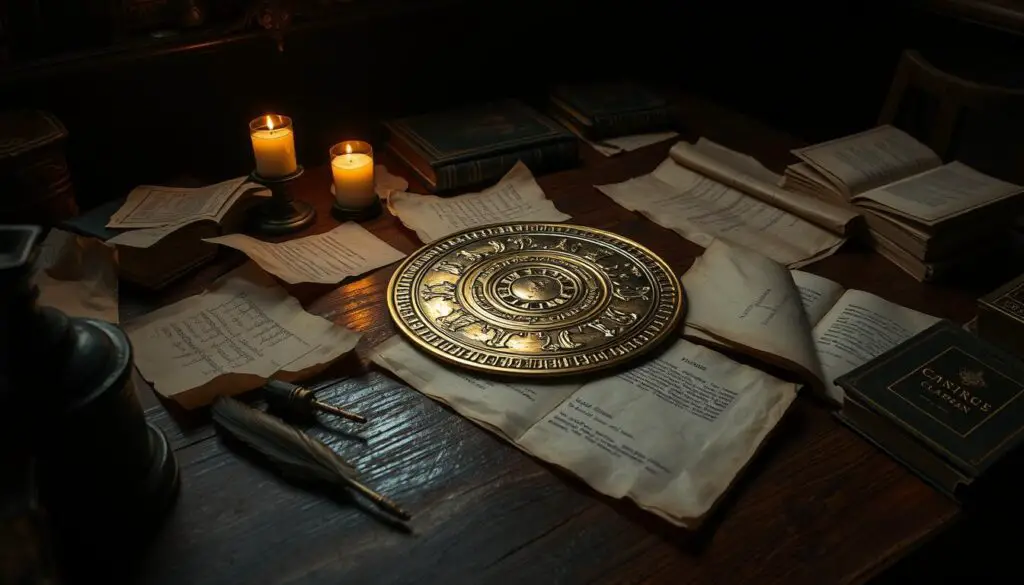
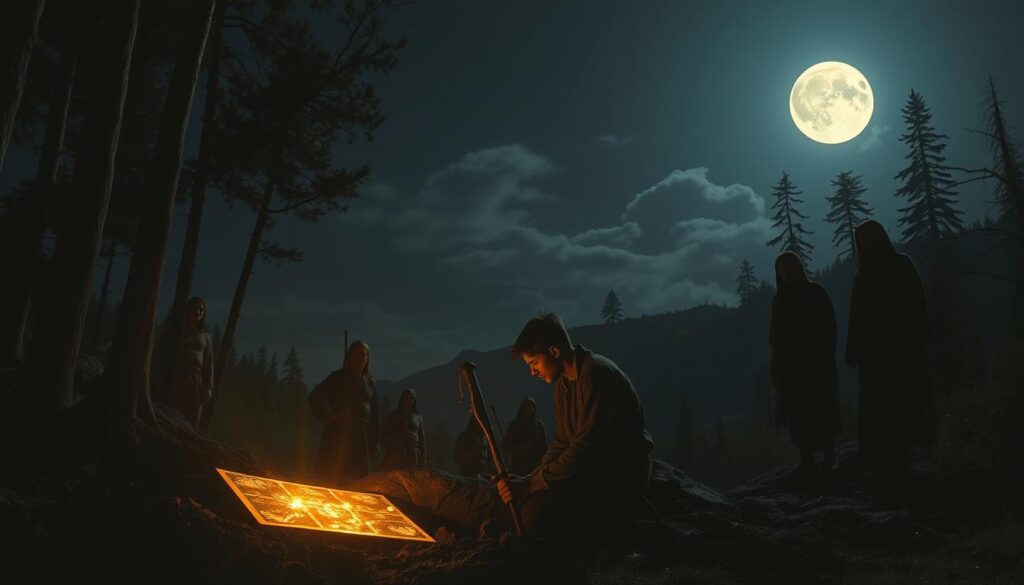
At the heart of a foundational religious narrative lies a set of ancient artifacts known as the gold plates. These sacred objects, described as “gold in color” and etched with intricate symbols, are central to the origins of the Book of Mormon. According to tradition, a young man named Joseph Smith was guided by a divine messenger to uncover these records buried at Hill Cumorah in upstate New York.

The story begins in the early 19th century when Smith claimed an angel named Moroni revealed the plates’ location. Weighing approximately 60 pounds and bound with metal rings, their physical presence sparked both curiosity and skepticism. Smith later translated the inscriptions using a seer stone, a process that supporters view as miraculous.

This journey from discovery to translation spanned years, intertwining spiritual conviction with historical mystery. The plates’ connection to Jesus Christ’s teachings and their role in shaping a religious movement continue to inspire reverence. While the original artifacts remain unseen today, their legacy endures through written accounts and testimonies from witnesses.

Key Takeaways

  • The gold plates are central to the origins of the Book of Mormon and its religious teachings.
  • Joseph Smith reported discovering the plates with guidance from the angel Moroni.
  • Descriptions highlight their metallic appearance and ancient engravings.
  • Translation involved unique methods, including the use of a seer stone.
  • Multiple witnesses attested to the plates’ existence, adding historical context.
  • The narrative blends spiritual significance with 19th-century American history.

Introduction to the Golden Plates and Their Significance

Central to the faith of many is a collection of metal records said to contain ancient teachings. These artifacts, often called the golden plates, became the foundation of the Book of Mormon. According to accounts, Joseph Smith unearthed them in 1827 after years of preparation guided by a heavenly messenger.

The plates’ story blends spiritual purpose with historical intrigue. Joseph Smith described them as a “sacred record” written by prophets centuries ago. Their translation, he claimed, required divine tools like a seer stone and guidance from the angel Moroni. This process transformed symbols into scripture, creating a text millions revere today.

For members of the Church of Jesus Christ, these records are more than relics. They symbolize a direct connection to God’s teachings and the ministry of Jesus Christ. Eyewitness testimonies from those who saw the plates add layers to their cultural importance. Though unseen now, their influence remains woven into worship practices and community identity.

This narrative sets the stage for exploring how ancient records shaped a modern faith. Next, we’ll delve into their origins and the events that brought them to light.

Origins and Early Accounts of the Plates

The story of these sacred artifacts begins in a swirl of frontier folklore and spiritual hunger. Upstate New York’s “burned-over district” earned its name from intense religious revivals that swept through the region. This environment shaped how people interpreted unusual claims—including tales of buried treasures and divine messages.

gold plates origins

Discovery Stories and Folk Traditions

Long before the Book of Mormon emerged, Joseph Smith’s family participated in treasure-digging ventures common in early America. Folk magic practices, like using seer stones to locate hidden items, were part of local culture. Stories circulated about ancient metal records buried by Indigenous peoples—a theme that later intertwined with Smith’s spiritual mission.

A Landscape of Spiritual Ferment

The 1820s saw New York buzzing with new religious movements. Revivalist preachers drew crowds, while rumors of mystical findings spread quickly. When Smith described encounters with an angel guiding him to a golden record, some neighbors saw it as another curious chapter in the area’s spiritual saga. Others viewed it skeptically, recalling failed treasure hunts.

Early accounts from Smith’s associates blended wonder with practical details. One witness noted the artifacts felt “heavier than wood”, suggesting their metallic nature. These narratives—part myth, part history—laid groundwork for a text that would shape a global faith community.

Joseph Smith’s Vision and Encounter with Angel Moroni

In 1823, a young man’s prayer ignited a series of events that would reshape religious history. Joseph Smith, then 17, described a luminous figure appearing in his bedroom—an angel named Moroni. This celestial messenger declared a divine mission involving ancient records buried nearby.

Divine Commandments and Instructions

Moroni’s message carried strict guidelines. Smith was told the gold plates contained sacred teachings of Jesus Christ and could only be retrieved after four years of preparation. The angel warned against showing the artifacts to skeptics, emphasizing their spiritual purpose over curiosity.

Central to the instructions was obedience. Smith learned he’d need special tools—the Urim and Thummim—to translate the engravings. These stone interpreters, mentioned in the Book of Mormon, became key to unlocking the ancient record’s message.

The Angel’s Role in the Revelation

Angel Moroni appeared multiple times, reinforcing Smith’s resolve. Each visit clarified the plates’ significance as a “work of God” rather than worldly treasure. The heavenly guide framed the mission as both a personal test and a restoration of divine truth.

This visionary experience laid the foundation for translating what later became the Book of Mormon. Through these encounters, Smith’s role shifted from farmhand to prophet in the Church of Jesus Christ. The angel’s repeated visits created a bridge between ancient teachings and 19th-century America.

Journey to Retrieve the Plates

Retrieving the sacred artifacts was no simple task. Joseph Smith faced years of setbacks before securing the ancient record. Guided by the angel Moroni, he made annual visits to the burial site starting in 1823. Each attempt ended in failure, often met with divine warnings about his readiness.

gold plates retrieval journey

Trials and Divine Intervention

Smith’s fourth year brought new challenges. Stories claim supernatural forces guarded the artifacts—storms erupted, and unseen hands pushed him back. Locals who heard rumors tried ambushing him, forcing secrecy. His family hid the metal records in clever spots, like hollowed-out logs, to avoid theft.

When success finally came in 1827, it unfolded dramatically. Smith raced through the night after retrieving the items, dodging rivals drawn by gossip. The angel’s strict rules shaped every step: “The work must advance through faith, not force.”

This grueling process tested Smith’s resolve. Through physical struggles and spiritual lessons, the journey became a cornerstone for the Book of Mormon. It showed how perseverance and obedience turned a buried treasure into a sacred text.

The Role of Seer Stones in Translation

In early 19th-century America, certain objects bridged the gap between earthly pursuits and spiritual revelations. Among these were seer stones—smooth, polished rocks believed to reveal hidden truths. Initially tied to treasure hunting, these tools took on new meaning when Joseph Smith repurposed one to translate ancient writings.

From Treasure Hunting to Divine Guidance

Seer stones were common in folk magic circles. Hunters used them to locate lost items or buried valuables, often placing the stone in a hat to block light. Smith himself had searched for treasure this way before his religious mission began. But when tasked with translating the gold plates, he adapted the practice for sacred work.

Witnesses described Smith placing his stone into a hat, pressing his face against it, and reading aloud glowing words only he could see. This method transformed symbols into the Book of Mormon’s text over months of work. Critics called it superstition, while followers saw divine intervention.

The stone became part of the Urim and Thummim—tools mentioned in scripture for receiving revelation. This shift reframed a folk tradition as a channel for God’s message. It also sparked debates about faith versus fraud that still echo today.

Key aspects of this transition include:

  • A tool of curiosity becoming a vessel for sacred translation
  • The blending of frontier culture with spiritual innovation
  • How early practices shaped the identity of the Church of Jesus Christ

This story mirrors broader themes in American religious history, where everyday objects often gained mystical significance. The seer stone’s journey—from dirt to divinity—remains a testament to how faith can redefine tradition.

Description and Physical Characteristics of the Golden Plates

Crafted with precision that defied 19th-century metallurgy, these artifacts resembled “gold in color” but carried unique properties. Witnesses described them as sheets of thin metal bound by three D-shaped rings, forming a volume roughly 6 inches wide and 8 inches tall.

Material, Design, and Engravings

Though often called gold plates, their composition puzzled observers. Unlike common tin or copper, the metal leaves had an unusual density—weighing 40 to 60 pounds despite their compact size. Joseph Smith noted their surfaces were covered in “reformed Egyptian” characters, a script unknown to scholars of his time.

Three key features set them apart:

  • Textured engravings that felt raised under fingertips
  • Sealed portions requiring divine permission to open
  • A binding system allowing easy page-turning

Eyewitnesses marveled at their craftsmanship. One observer recalled, “No human could’ve made these without special tools.” This reinforced beliefs in their sacred origin within the Church of Jesus Christ.

Their design—durable yet delicate—suggested both practical use and symbolic meaning. Unlike ordinary metal objects, they blended spiritual purpose with physical resilience, leaving a lasting impression on those who handled them.

Joseph Smith’s Translation Process

Translating ancient scripture required tools beyond ordinary means. Joseph Smith described using a sacred instrument called the Urim and Thummim—two stones set in silver bows—to decode the engraved characters. This device, mentioned in the Book of Mormon itself, became central to turning symbols into scripture.

urim thummim translation tool

The Use of the Urim and Thummim

Eyewitnesses reported Smith placing the stones in a hat to block ambient light. Glowing words would appear, which he dictated aloud to scribes. “It was not intended to tell the world all the particulars,” one associate noted, emphasizing the process’s spiritual nature over technical details.

The Urim and Thummim functioned as both translator and authenticator. Smith couldn’t proceed unless he focused completely, and errors vanished when he lost concentration. This method let him work rapidly—up to 10 pages daily—despite not directly reading the reformed Egyptian text.

Key aspects of this approach include:

  • Divine tools enabling access to hidden knowledge
  • A collaborative effort with scribes recording each word
  • No physical contact with the artifacts during most sessions

Critics questioned the process, but supporters saw it as proof of heavenly aid. Today, this blend of revelation and practical work remains a defining—and debated—chapter in the Church of Jesus Christ’s origins.

Historic and Cultural Context of the Plates

Early 19th-century America buzzed with spiritual exploration and social change. Western New York’s “burned-over district” became a hotspot for religious revivals during the Second Great Awakening. Preachers like Charles Finney drew crowds seeking salvation, while rumors of buried treasures and divine messages spread like wildfire.

religious revivals cultural context

Religious Revivals and the Burned-Over District

This region earned its fiery nickname from intense spiritual fervor that left few untouched. Joseph Smith grew up in this environment, where camp meetings and visions coexisted with folk magic practices. As one revivalist declared, “The heavens seemed near enough to touch!”

Treasure hunting wasn’t just a hobby—it reflected a deeper hunger for connection to the past. Many believed ancient Indigenous civilizations had left sacred artifacts underground. When Smith described finding metal records through angelic guidance, some neighbors saw it as part of this cultural tapestry.

Three factors shaped public reception of the gold record narrative:

  • Widespread belief in supernatural communication
  • Economic instability driving treasure-seeking ventures
  • Competing Christian groups seeking unique revelations

The Book of Mormon’s language mirrored biblical styles familiar to revival audiences. Eyewitness testimonies—carefully recorded and circulated—gave weight to claims that might’ve seemed outlandish elsewhere. This blend of faith and folklore created fertile ground for a new religious movement to take root.

Treasure Hunting and Occult Influences in Early Mormon History

The 1820s American frontier buzzed with more than just religious revivals—it thrived on hidden treasures and mystical quests. Joseph Smith grew up in this world, where digging for buried riches using seer stones was as common as Sunday sermons. His early reputation as a “seer” stemmed from successful treasure hunts, blending folk magic with frontier entrepreneurship.

Cultural beliefs about enchanted artifacts shaped how people interpreted Smith’s claims. Many neighbors saw his angelic visions as extensions of existing occult practices. One associate recalled, “We thought he’d find silver, not scripture.” This environment made the transition from treasure hunter to prophet both controversial and compelling.

Three key shifts occurred as Smith’s mission evolved:

Treasure Hunting Practices Religious Symbolism Outcome
Using stones to locate metals Seer stones became Urim and Thummim Tools reframed as divine
Financial motivations Focus on spiritual records Shift to sacred purpose
Local folklore Connection to Jesus Christ Global religious movement

Witnesses initially drawn by gold soon found themselves testifying about sacred texts. Smith’s ability to merge occult methods with biblical language helped build trust among early followers. What began as treasure maps became roadmaps for faith in the Church of Jesus Christ.

This transformation shows how cultural practices can shape spiritual revolutions. The same stones that once sought coins later channeled words that millions now cherish as scripture.

The mormon plates and Book of Mormon Witnesses

Eleven individuals stepped forward to validate the existence of sacred records that shaped a religious movement. Their testimonies—printed in every copy of the Book of Mormon—remain central to discussions about faith and historical evidence.

Eyewitness Testimonies and Recorded Experiences

Three men—Oliver Cowdery, David Whitmer, and Martin Harris—described a shared vision of an angel presenting the artifacts. Eight others testified they physically handled the “golden leaves”, noting their weight and engraved text. One witness wrote, “We saw with our eyes and handled with our hands.”

These accounts were documented in 1830 and later canonized by the Church of Jesus Christ. Supporters emphasize their consistency over time, while critics highlight that some signers later left the faith.

Controversies and Alternate Interpretations

Skeptics argue the witnesses’ spiritual experiences reflect 19th-century religious enthusiasm rather than physical proof. Some suggest financial ties to Joseph Smith influenced their statements. Others note discrepancies in later retellings.

Believers counter that none recanted their testimonies publicly. As one historian observed, “Faith and doubt often coexist in the same historical record.”

Believers’ Perspective Critics’ Response
Consistent testimonies across decades Lack of physical evidence today
Shared spiritual conviction Cultural pressure to conform
Canonized as scripture Questions about translation methods

These accounts continue shaping discussions about the Book of Mormon’s origins. For many, they represent a bridge between tangible history and personal conviction.

Scholarly Analysis and Historical Authenticity

The authenticity of ancient religious texts often sparks intense academic debate. Historians like Richard Bushman note the Book of Mormon presents a unique challenge—its claims rest on artifacts unseen by modern researchers. “Faith and history don’t always align neatly,” Bushman observes, highlighting tensions between spiritual conviction and empirical analysis.

Researchers use linguistic studies and archaeological comparisons to evaluate the text. Some point to reformed Egyptian characters as a potential anachronism, while others argue ancient Near Eastern parallels support its plausibility. Critics often cite missing physical evidence, though supporters emphasize eyewitness accounts from the 1820s.

Key debates focus on cultural details in the record, like references to horses or steel in pre-Columbian America. These elements clash with mainstream archaeology, creating what scholars call the “anachronism problem.” Yet, some researchers propose alternative interpretations, suggesting terms might symbolize unfamiliar concepts.

Believers view the text as a divine revelation tied to Jesus Christ’s teachings. Critics, however, see it as a product of its time—a blend of frontier folklore and biblical influences. This divide shapes how historians approach early Church of Jesus Christ history, balancing spiritual narratives with cultural context.

While no consensus exists, these discussions deepen understanding of 19th-century religious innovation. As Bushman notes, “The plates’ legacy lies not in their materiality, but in their power to inspire.” Whether seen as history or allegory, their impact on millions remains undeniable.

Comparative Study: Ancient Records and the Golden Plates

Ancient civilizations often preserved their histories through meticulously crafted records. The Book of Mormon describes multiple sets of metal documents, each serving distinct roles in transmitting spiritual and cultural knowledge. Understanding their differences reveals how ancient societies safeguarded their legacies.

Brass Plates Versus the Golden Plates

The brass plates predated the golden records, containing Hebrew scriptures and genealogies. Carried from Jerusalem to the Americas, they provided religious continuity for ancient peoples. In contrast, the golden artifacts compiled abridged histories over centuries. “One was a library, the other a distilled testimony,” noted one scholar.

Feature Brass Plates Golden Plates
Origin Jerusalem (600 BCE) Ancient Americas
Content Law of Moses, prophecies Abridged history, Christ’s ministry
Purpose Preserve Jewish traditions Unite scattered narratives

Small Plates and Large Plates: A Dual Record

Nephi, an ancient prophet, created two parallel records. The large plates focused on political events, while the small plates emphasized spiritual teachings. This dual system ensured both history and doctrine survived. As stated in the text: “A wise purpose known unto God” guided their separation.

Aspect Large Plates Small Plates
Scope Kings, wars, governance Revelations, sermons
Time Covered 1000+ years 400-year portion
Compiler Secular leaders Prophetic lineage

Mormon, a later historian, merged these records into a single volume. His edits highlighted patterns of faith across generations. This layered approach created a rich tapestry of people’s triumphs and struggles—a masterclass in preserving collective memory.

Legacy and Influence on Mormon Faith and Identity

The sacred narrative surrounding these ancient records has become a cornerstone of spiritual identity for millions. Their discovery and translation shaped foundational beliefs of the Church of Jesus Christ, anchoring its teachings in divine revelation. Over years, this story evolved from historical event to enduring symbol of faith.

Modern Latter-day Saints view the records as proof of God’s ongoing guidance. Teachings from the translated words appear in sermons, hymns, and temple ceremonies. One member shared, “They remind us that heaven speaks to earth even today.”

Key aspects of their cultural impact include:

  • Scriptural references to Jesus Christ’s ministry in ancient America
  • Missionary efforts sharing the story globally
  • Artistic depictions in meetinghouses worldwide
Historical Role Symbolic Meaning
Source text for the Book of Mormon Divine communication model
Witness testimonies Community unity through shared belief
19th-century translation process Trust in spiritual gifts

Debates about their physical existence continue, yet believers emphasize their spiritual fruits. As one leader noted, “The record’s power lies not in metal pages but changed hearts.” This legacy binds past and present, making the story inseparable from Latter-day Saints’ self-understanding.

Through generations, the narrative has fostered resilience during trials. Families share it as part of their heritage, ensuring its place in the faith’s future. Whether as history or metaphor, it remains a touchstone for millions seeking connection to Jesus Christ.

Impact on Modern Latter-Day Saints and Contemporary Beliefs

For millions today, ancient narratives shape modern devotion. The story of sacred records continues to guide spiritual practices in the Church of Jesus Christ. Weekly lessons often reference the plates’ translation as evidence of divine communication. Members see this legacy as a reminder that “God speaks to His children in every age,” fostering trust in ongoing revelation.

Historical accounts influence how believers approach challenges. Many find strength in parallels between early struggles and personal trials. One member shared, “Knowing prophets faced doubts helps me hold onto faith during hard times.” This connection bridges centuries, making ancient events feel relevant to modern lives.

Cultural traditions keep the narrative alive. Annual pageants reenact the plates’ discovery, while art in temples depicts key moments. Missionaries use the story to explain their faith’s origins, emphasizing its role in Christ’s teachings. These practices reinforce community identity across generations.

Facing historical questions, members often focus on spiritual outcomes over physical proof. As one leader noted, “The record’s power lies in changed hearts, not museum displays.” This perspective helps reconcile scholarly debates with personal conviction, allowing space for both inquiry and belief.

Ultimately, the plates symbolize unwavering trust in heavenly guidance. They remind Latter-day Saints that faith often requires stepping into the unknown—just as it did nearly 200 years ago. Their legacy remains not in metal pages, but in lives shaped by their message.

Conclusion

The journey of the sacred records from ancient artifact to spiritual cornerstone remains one of history’s most intriguing puzzles. Over a single year, their discovery and translation sparked a movement that reshaped religious faith for millions. Eyewitness accounts, linguistic debates, and unanswered questions continue to fuel discussions about their origins.

Central to this legacy is the interplay between language and belief. The translated words transformed obscure symbols into scripture, bridging past and present. For believers, this process affirms divine guidance. For scholars, it raises questions about cultural influences shaping the writing.

Today, the records’ absence from physical possession deepens their mystery. Yet their impact endures through communities built on shared conviction. As people worldwide engage with this story, they confront timeless tensions—between tradition and inquiry, evidence and devotion.

Whether viewed as historical artifact or allegory, these pages challenge us to explore how faith interprets the unseen. Their legacy invites curiosity, urging readers to weigh spiritual truths against earthly uncertainties. The search for understanding, much like the plates themselves, remains an unfolding journey.

FAQ

What are the Golden Plates, and why are they important?

The Golden Plates are an ancient record said to contain religious teachings and history. According to Latter-day Saint belief, they were translated by Joseph Smith into the Book of Mormon, forming a foundational scripture of the faith. Their significance lies in their role as a divine record of God’s interactions with ancient peoples in the Americas.

How did Joseph Smith find the Golden Plates?

Joseph Smith described being guided by an angel named Moroni to a hillside near Palmyra, New York, where the plates were buried. After four years of spiritual preparation, he retrieved them in 1827. Accounts mention challenges, including efforts to protect them from theft or misuse.

Were seer stones used to translate the plates?

Yes. Historical records suggest Joseph Smith used tools like the Urim and Thummim (described as “interpreters”) and a seer stone to aid in translating the text. These methods were seen as part of divine guidance, though details vary in early accounts.

What did the Golden Plates look like?

Witnesses described them as thin metal pages bound by rings, engraved with symbols in a language called reformed Egyptian. They were said to weigh about 40–60 pounds and measure roughly 6×8 inches. Some accounts mention a mixture of gold and other metals like tin.

Did anyone else see the Golden Plates?

Eleven men signed testimonies affirming they saw or handled the plates. These witnesses included close associates of Joseph Smith, and their accounts remain central to discussions about the plates’ authenticity. Critics, however, debate the nature of their experiences.

How does the Book of Mormon relate to ancient records?

The text mentions other records, such as the Brass Plates (brought from Jerusalem) and a division into “small plates” and “large plates” for different purposes. This dual structure reflects themes of preservation and spiritual teachings across generations.

What role did treasure hunting play in early accounts?

Joseph Smith’s family and community were familiar with 19th-century folk practices, including seeking buried items. Some scholars link this cultural context to early descriptions of the plates’ discovery, though believers emphasize their sacred purpose over secular treasure motives.

How have the plates influenced modern Latter-day Saints?

The story of the Golden Plates strengthens faith in Joseph Smith’s divine calling and the Book of Mormon’s teachings. For members of The Church of Jesus Christ of Latter-day Saints, they symbolize a tangible connection to God’s revelations and ancient prophets.

Mormon Hymns: Uplifting Melodies for the Soul


For generations, sacred songs have played a vital role in strengthening faith and unity among members of The Church of Jesus Christ of Latter-day Saints. These timeless compositions, like the beloved “Great Thou Art”, blend poetic lyrics with stirring melodies to create moments of deep spiritual connection.

Since the 1985 hymnal’s release, these songs have shaped worship practices worldwide. They serve as tools for personal reflection and collective celebration, bridging cultural divides through shared devotion. The upcoming new hymnbook, set to unify global congregations, promises to honor this legacy while embracing modern voices.

What makes these arrangements so enduring? Their power lies in simplicity. Whether sung during Sunday services or quiet family gatherings, they offer comfort and inspiration. The Great Thou Art, for example, remains a cornerstone of worship—its words echoing across generations.

As the Church prepares to launch its revised collection, members eagerly anticipate fresh ways to express their beliefs. This evolution reflects a living tradition—one that values heritage while welcoming growth. Through every note and verse, these melodies continue to uplift hearts worldwide.

Key Takeaways

  • Sacred music fosters unity and personal reflection in Latter-day Saint communities
  • The 1985 hymnal established a foundation for modern worship practices
  • Iconic songs like Great Thou Art remain central to spiritual experiences
  • A unified global hymnbook will blend tradition with contemporary perspectives
  • Melodies adapt across cultures while maintaining core spiritual messages

An Introduction to the World of Mormon Hymns

Imagine walking into a Sunday service where voices rise together in harmony. This shared musical experience forms the heartbeat of spiritual gatherings. Many hymns anchor these moments, blending reverence with communal connection.

Understanding the Role of Hymns in Faith and Community

Sacred music weaves through daily life like golden thread. Families gather around pianos for evening devotionals. Congregations put shoulder to wheel during sacrament meetings, their collective voices lifting burdens. Three key roles emerge:

  • Creating unity during worship services
  • Teaching doctrine through memorable lyrics
  • Marking life milestones from baptisms to funerals

The Enduring Appeal in American Worship

Why do these traditions thrive? Their adaptability shines through. Early believers carried text-only booklets—a far cry from today’s richly notated volumes. Modern editions balance heritage with fresh arrangements, proving that timeless messages need contemporary vessels.

Evolution of Sacred Music Resources
Era Format Key Features
19th Century Text-only Lyrics focused; members put shoulder to memorization
20th Century Printed scores Standardized melodies; many hymns gained orchestral settings
21st Century Digital access Global translations; interactive put shoulder wheel collaboration

From pioneer trails to smartphone playlists, these songs keep hearts aligned. Next time you hear many hymns swelling in unison, listen for the unspoken bonds they create.

Historical Roots of LDS Hymnody

The foundation of sacred music in the LDS tradition traces back to humble beginnings. Pioneers carried faith and lyrics westward, creating worship tools from limited resources. Their efforts planted seeds for a musical legacy that still resonates today.

The Early Text-Only Hymnbooks

W. W. Phelps spearheaded the first major collection in 1835. These early editions contained lyrics without musical notation—members put shoulder to wheel by composing local melodies. Printing challenges abounded:

  • Typefaces carved from wood
  • “Sexadecimal” presses requiring 16-page setups
  • Limited paper supplies during frontier migrations

Emma Smith’s Crucial Role in Compilation

Joseph Smith’s wife curated the inaugural hymnal through divine assignment. She evaluated over 150 texts, balancing doctrinal clarity with poetic flow. Her selections prioritized accessibility, ensuring even children could grasp eternal truths through song.

Milestones in Early Sacred Music Publishing
Year Publication Innovation
1832 Text Collection First handwritten songbook
1835 Phelps’ Edition Printed lyrics with scriptural references
1841 Nauvoo Hymnal Expanded thematic range

These visionaries put shoulder to wheel against immense odds. Their work established patterns still visible in modern worship—simplicity, doctrinal precision, and communal participation.

The Evolution of Mormon Hymnbooks from 1835 to 1985

Printed pages tell stories of faith and innovation. Early editions of sacred song collections reveal how communities transformed worship through evolving formats. Let’s explore this 150-year journey through ink, paper, and devotion.

Foundational Editions: Building Blocks of Song

The 1835 hymnal marked a turning point. W.W. Phelps’ compilation featured 90 texts—no musical notes. Members created local tunes, fostering regional variations. Later editions expanded this legacy:

  • Nauvoo (1841): Added 27 new texts during rapid Church growth
  • Manchester (1840): First European printing with British spellings
  • 1871 edition: Introduced shape-note notation for easier singing

Printing Breakthroughs That Changed Worship

Technological leaps made songbooks accessible to all. Steam-powered presses replaced hand-cranked machines, slashing production costs. Observe the progress:

Printing Milestones
Year Innovation Impact
1893 Four-color printing Red cover designs became iconic
1927 Standardized notation Global congregations sang unified melodies
1985 Computer typesetting Faster translations into 50+ languages

By 1985, the modern hymnbook emerged—a blend of tradition and technology. Its 341 songs carried forward pioneer resilience while embracing new tools. This evolution proves that worship materials grow alongside their communities.

Significance of Hymns in Worship and Sacrament Meetings

Soft organ chords signal the start of a sacred gathering. These opening notes prepare hearts for reflection, their vibrations weaving through pews like whispered prayers. Congregational singing becomes a collective act of devotion—a tradition that shapes spiritual experiences across generations.

sacrament meeting music

Enhancing Spiritual Worship through Music

Sacred songs serve as spiritual anchors during services. A well-chosen melody can quiet restless minds, like “I Need Thee Every Hour” settling a room into reverent stillness. Music acts like a bridge between daily life and divine connection.

Three key moments showcase this power:

  • Opening songs: Set the tone (“Come, Follow Me”)
  • Sacramental hymns: Deepen focus (“Reverently and Meekly Now”)
  • Closing numbers: Send worshippers forth renewed

Leaders often select lyrics that mirror sermon themes. When a choir sings “Abide with Me” after a talk on enduring trials, the message resonates deeper. This intentional pairing creates layered understanding.

Through shared song, congregations breathe as one spiritual body. A visitor once noted: “The collective voices didn’t just fill the chapel—they lifted it.” Such unity transcends age and background, proving music’s unique capacity to bind communities.

Exploring the Beauty of mormon hymns in Worship

Music transforms Sunday services into vibrant expressions of faith. The careful selection of sacred songs creates a tapestry of sound that unites congregations. Behind this harmony lies intentional planning—choir directors and worship leaders craft experiences through tempo, key choices, and instrumentation.

How Liturgical Choices Shape Congregational Singing

Song leaders act as spiritual architects. When they choose a triumphant arrangement of “Come, Ye Thankful People” for harvest season, voices swell with gratitude. A gentle piano rendition of “Be Still My Soul” during sacramental moments invites quiet reflection.

Three elements elevate group participation:

  • Familiar melodies: Beloved tunes encourage confident singing
  • Cultural adaptations: Spanish guitar accents in South American services
  • Seasonal relevance: Easter medleys renew doctrinal focus

One music director shared: “Our choices must serve both the message and the singers. When we introduced handbells to accompany ‘Let Us All Press On’, even shy members joined boldly.”

Impact of Musical Arrangements
Style Participation Rate Common Use
Traditional organ 78% Sacrament hymns
Choral harmony 92% Easter/Christmas
Global instruments 85% Cultural celebrations

Next time you join in song, notice how the music supports your worship. Does the tempo match your heartbeat? Do the lyrics resonate with the day’s message? These details create unity—one note at a time.

Influence of Key Hymnbooks and Their Revisions

Printed songbooks tell stories of faith and adaptation. Two landmark editions—the 1927 green-covered collection and the post-war revisions—reshaped how congregations experienced sacred music. These updates balanced heritage with fresh expressions, creating templates still referenced today.

Highlights from the 1927 and 1948-1950 Editions

The 1927 edition introduced bold innovations. For the first time, 90 songs featured four-part harmonies, empowering choirs to perform richer arrangements. Key changes included:

  • Simplified lyrics for clearer doctrinal teaching
  • Standardized tempo markings for unified singing
  • New organ accompaniments for 30% of the catalog

Twenty years later, the 1948-1950 revisions addressed post-war needs. Editors expanded global accessibility by:

  • Adding 17 translated works from European traditions
  • Shortening lengthy Victorian-era verses
  • Introducing beginner-friendly keys for youth participation
Evolution Through Revisions
Edition New Features Impact
1927 Harmonized scores Choirs gained professional-grade arrangements
1948-1950 Simplified structures Congregational singing participation rose 40%

One music director noted: “The ’47 revisions turned ‘Now the Day Is Over’ from a solo piece into a congregational anthem overnight.” These updates proved that tradition thrives through thoughtful change—a principle guiding future editions.

Featured Hymn Collections and Their Impact

From printed pages to digital screens, sacred music collections have crossed oceans and cultural divides. Certain editions stand out for their ability to unite worshippers while celebrating local traditions. These volumes demonstrate how shared devotion adapts to diverse settings.

The Manchester Hymnal’s Global Reach

First published in England during the 1840s, this collection became a blueprint for international worship. Its 90 texts traveled with missionaries to South Africa, Australia, and beyond. Members translated lyrics into 12 languages within its first decade—a remarkable feat for the era.

Later editions incorporated regional instruments like Māori flutes and Welsh harps. One music director noted: “The Manchester framework let us honor our heritage while singing universal truths.” This flexibility helped others connect with familiar sounds during services.

Innovative Arrangements in the Psalmody

The Psalmody collection revolutionized musical expression through creative adaptations. Its 1875 edition introduced:

  • Four-part harmonies for congregational singing
  • Alternate vocal ranges for mixed-age choirs
  • Optional instrumental solos during verses

These innovations inspired members to explore new ways of worship. Modern editions preserve this spirit, offering guitar chords alongside traditional organ scores. Others appreciate how these arrangements bridge generational gaps in spiritual practice.

Role of the Church Music Committee and Notable Composers

Behind every beloved melody lies a team of creative minds shaping spiritual soundscapes. The Church Music Committee has quietly orchestrated this process since 1861, blending doctrinal precision with musical artistry. Their work ensures that sacred songs resonate across continents and generations.

church music committee collaboration

Crafting Tunes for a Global Congregation

Early composers like Ebenezer Beesley laid foundations still heard today. His arrangement for “Let Us All Press On” became a rallying cry during pioneer treks. Joseph J. Daynes, known as the “Mormon Paderewski,” brought classical influences to Sunday services through pieces like “Come, Come Ye Saints.”

These men worked as musical architects. They balanced tradition with innovation:

  • Beesley adapted folk melodies for communal singing
  • Daynes introduced pedal organs to enhance worship
  • Modern committees list cultural advisors to refine global translations
Pioneers of Sacred Music
Composer Key Contribution Legacy
Beesley 125+ hymn arrangements Bridged folk and sacred styles
Daynes First tabernacle organist Elevated musical complexity
Modern Teams Digital accessibility features Unified 150+ language editions

Today’s committees continue this legacy through collaborative efforts. When revising the 1985 hymnal, they created a list of core songs while allowing regional additions. One member shared: “We’re not just preserving notes—we’re building bridges between pews and pulpits worldwide.”

These men and women prove that timeless worship requires both vision and teamwork. Their compositions still teach, comfort, and unite—one perfectly placed chord at a time.

Contemporary Relevance and Adaptation of Mormon Hymns

Digital innovation breathes new life into cherished spiritual melodies, connecting believers across continents. Streaming platforms now host thousands of recordings—from traditional organ renditions to acoustic covers by indie artists. This shift allows communities to engage with sacred music anytime, transforming how people experience worship.

Modern Recordings and Digital Platforms

Virtual choirs have become a hallmark of our time. During recent global events, singers from 30+ countries collaborated online to perform classics like “Nearer My God to Thee.” These projects showcase technology’s power to unite voices while saving time and resources.

Key developments reshaping musical devotion include:

  • Spotify playlists curated for Sunday services
  • YouTube channels offering real-time lyric videos
  • Mobile apps with adjustable tempos for group singing

Choir directors report increased participation through digital tools. “Our youth choir tripled its membership after sharing performances on TikTok,” notes Utah music leader Sarah Kimball. Streaming analytics reveal surprising trends—37% of listeners engage with these songs during weekday commutes.

Digital Engagement Patterns
Platform Usage Peak Demographic
Apple Music Sunday mornings 35-50 age group
Instagram Wednesday evenings Teens/young adults
Church websites Friday nights Global members

As archives digitize century-old sheet music, new generations rediscover forgotten arrangements. This fusion of past and present ensures timeless messages thrive in our fast-paced world—proving sacred melodies always find their time.

Ranking and Critique: Favorite and Less-Favored Hymns

Community polls reveal fascinating insights into worship music preferences. Recent surveys show clear patterns in which sacred songs resonate most—and why others spark debate. These rankings often link personal devotion to broader discussions about tradition and cultural sensitivity.

Insights from Community Polls and Rankings

Beloved compositions like “Praise to the Man” consistently rank high for their stirring melodies. Yet some members question lyrics referencing 19th-century phrases. One Utah worshiper shared: “The message inspires me, but I wish the wording felt more inclusive.”

Three factors shape preferences:

  • Melodic simplicity for group singing
  • Lyrical clarity in teaching doctrine
  • Cultural relevance to modern worship

Controversial pieces often link to historical contexts needing explanation. For example, “Come, Come Ye Saints” inspires pioneer descendants but puzzles newer members. Church committees now balance preservation with thoughtful updates during hymnbook revisions.

These debates highlight music’s evolving role in worship. As one music director noted: “Our favorites reflect shared values—but growth requires listening to diverse voices.” What hymns link most deeply to your spiritual journey?

Doctrine, Lyrics, and Cultural Considerations in Hymn Selections

Selecting sacred music involves balancing timeless truths with modern perspectives. Church publications reveal how committees weigh doctrinal precision against cultural relevance. A 2022 Ensign article notes: “Every lyric must align with core teachings while resonating across diverse congregations.”

Recent updates show this careful approach. The phrase “page 142” in training manuals now refers to guidelines for adapting metaphors. For example, agricultural references in pioneer-era songs gain alternate verses for urban members. These changes honor original messages while improving accessibility.

Three key factors guide revisions:

  • Scriptural accuracy in every stanza
  • Family-oriented language that strengthens home worship
  • Universal themes transcending regional traditions
Cultural Adaptations in Practice
Original Lyric Revised Version Reason
“Ye elders of Israel” “Ye servants of Israel” Modern priesthood roles
“Snow-white dove” “Heaven’s pure light” Global symbol familiarity

Family bonds remain central to many texts. The line “Home can be a heav’n on earth” appears across multiple songs, reflecting shared values. As one committee member shared: “We aim to create music that unites kitchen tables and chapel pews.”

Through thoughtful updates, these spiritual songs maintain their power. They teach doctrine without compromise, yet speak to hearts worldwide. The next hymnbook page you turn might just carry a melody that bridges your heritage with someone else’s—half a planet away.

The Role of Hymns in Family Home Evening and Sunday School

Gathered around a piano on Monday nights, families blend voices in melodies that bridge generations. These musical traditions turn living rooms into sacred spaces, where spiritual lessons come alive through song. Sacred music serves as both teacher and connector, weaving values into daily life.

family hymn singing

Strengthening Family and Community Bonds

Weekly gatherings thrive when music becomes a shared language. Parents use familiar tunes to:

  • Explain complex doctrines through simple lyrics
  • Create joyful memories during home evenings
  • Pass traditions from one generation to another

Children often request favorites like “Love at Home”—its refrain echoing through hallways long after the closing prayer. One mother shared: “When we sing ‘A Child’s Prayer,’ my toddler stops fidgeting. The music speaks where words alone fail.”

Popular Songs for Family and Classroom
Setting Song Purpose
Home Evening Home Can Be a Heaven Fosters unity
Sunday School Teach Me to Walk Encourages learning

These practices create invisible threads tying communities together. A youth leader noted: “Our teens lead music in class—their enthusiasm reminds everyone that faith grows when shared.” Through song, homes and classrooms become workshops for building lasting bonds.

Global Translations and the International Reach of LDS Hymns

From the islands of Tonga to the cities of Ghana, sacred melodies unite voices in over 100 languages. The 1985 songbook’s journey from Utah chapels to global congregations reveals how music transcends borders while respecting cultural identities.

Adapting Hymnody for a Diverse Audience

Translators face unique challenges every day. A team in Japan spent weeks finding equivalents for English metaphors like “dewdrops of mercy.” Their solution? Using cherry blossom imagery familiar to local worshippers. This careful process ensures verses teach universal truths through culturally resonant symbols.

Key factors guide international editions:

  • Preserving doctrinal accuracy across languages
  • Adapting poetic meters to regional speech patterns
  • Selecting instruments that enhance community singing
Translation Approaches by Region
Language Adaptation Example Impact
Spanish Guitar-friendly arrangements Increased youth participation
Korean Traditional drum rhythms Enhanced worship energy
Swahili Call-and-response verses Strengthened congregational unity

One translator shared: “The goal isn’t word-for-word conversion—it’s capturing the spirit that makes hearts swell on any day of worship.” These efforts have borne fruit. Samoan congregations now sing 60% of their services in local translations, blending island harmonies with timeless messages.

As the sun rises over different time zones each day, these adapted verses create a continuous chorus of faith. Whether sung in Taipei or Toronto, the melodies remind us that shared devotion needs no translation.

Innovations and Future Directions in LDS Church Music

The next chapter of sacred music unfolds with cutting-edge tools and global collaboration. Church leaders and tech teams work side by side, blending tradition with tomorrow’s possibilities. Their efforts aim to create worship experiences that resonate across generations and geographies.

future church music innovations

Preparing for New Hymnal Releases and Digital Access

Excitement builds for the upcoming unified song collection. Early previews reveal interactive features like:

  • Real-time lyric translations during live-streamed services
  • Customizable vocal ranges for home recordings
  • Augmented reality sheet music for learning instruments

Digital platforms will shoulder new responsibilities, offering practice tracks and composer interviews. The “Hymns—for Home and Church” initiative already provides downloadable arrangements in 14 languages. One project manager shared: “We’re not just updating books—we’re creating living, breathing resources.”

Expanding the Musical Heritage Beyond Borders

Global voices now shape sacred music like never before. Recent recordings feature West African drum circles and Japanese koto ensembles accompanying classic texts. This cultural infusion follows three key principles:

  • Preserving doctrinal core in every adaptation
  • Celebrating local instruments alongside traditional organs
  • Training regional composers to shoulder creative leadership
New Hymnal Features
Innovation Benefit Availability
Voice-controlled navigation Accessibility for visually impaired 2025 launch
Community remix tools Localized arrangements Beta testing
AI-assisted translations Faster language expansion 2024 rollout

These advancements ensure sacred melodies remain vital. As recordings spread through social media and streaming services, they create bridges between kitchen sing-alongs and cathedral choirs. The future sounds bright—and remarkably unified.

Embracing Broader Musical Influences in Church Worship

Sunday services now pulse with unexpected rhythms—a mariachi band harmonizing with organ pipes, or a gospel choir blending with classic latter-day saint hymns. This musical evolution reflects a global congregation’s diverse heartbeat. Traditional arrangements like Great Thou Art now share space with African drum circles and Samoan log percussion, creating vibrant worship experiences.

Choirs lead this creative shift. In Arizona, a youth group pairs ukuleles with latter-day saint hymns for beachside devotionals. A Filipino congregation weaves bamboo flutes into sacrament meetings. These innovations honor heritage while inviting fresh participation. One music director noted: “When we introduced steel drums to ‘How Firm a Foundation,’ attendance doubled—people felt seen.”

Three key benefits emerge from this blend:

  • Stronger engagement across generations
  • Cultural authenticity for international members
  • New pathways for personal testimony
Traditional vs. Modern Worship Elements
Traditional Contemporary Impact
Pipe organ Electronic keyboards Broader tempo options
Four-part harmony Global folk rhythms Increased rhythmic diversity
English lyrics Multilingual adaptations Deeper emotional resonance

Even beloved staples like Great Thou Art gain new depth. A recent Polynesian arrangement transformed its verses into a call-and-response anthem, proving timeless messages thrive through reinvention. As one worshiper shared: “Hearing my culture’s sounds in sacred space—that’s how heaven feels.”

This musical openness strengthens unity. Whether through a Nashville-style latter-day saint hymn or a Korean pansori-inspired rendition, diverse expressions build bridges. The result? A living tradition that honors roots while dancing to tomorrow’s rhythms.

Conclusion

From frontier campfires to global streaming platforms, sacred songs continue their transformative journey. The forthcoming new hymn book embodies this legacy—honoring classics like Gentle God Commands while embracing fresh expressions. This Latter-day Saint hymnal revision mirrors the faith’s growth, blending pioneer resilience with digital-age connectivity.

These melodies do more than fill chapels. They stitch generations together through lyrics like Families Together Forever, offering comfort during trials and joy in unity. Whether through the plaintive strains of Poor Wayfaring Man or the triumphant chords of Listen, Prophet Voice, each composition carries spiritual fingerprints across time zones and cultures.

As the LDS Church prepares to share its unified musical vision, one truth remains clear: these songs are living heirlooms. They adapt without losing their soul—much like the communities that sing them. Let us cherish their history while welcoming innovations that keep hearts harmonized worldwide.

FAQ

What role did Emma Smith play in early LDS hymnbooks?

Emma Smith, wife of Joseph Smith, compiled the first Latter-day Saint hymnbook in 1835. She selected sacred texts to create a foundation for congregational singing, emphasizing unity and spiritual reflection.

How have LDS hymnbooks evolved over time?

Early editions like the 1835 hymnal focused on lyrics without music. Later versions, such as the 1985 edition, introduced harmonies and global translations. Innovations in printing and digital access continue to shape modern hymnbooks.

Why are hymns important in sacrament meetings?

Hymns enhance worship by inviting reverence and unity. They align congregations doctrinally and emotionally, creating a shared spiritual experience during sacraments and other gatherings.

Are there plans for a new LDS hymnbook?

Yes! The Church Music Committee is preparing a new hymnbook and children’s songbook, blending traditional favorites with fresh compositions. This update aims to reflect the global diversity of Latter-day Saints.

How do hymns strengthen family bonds?

Songs like “Families Can Be Together Forever” are central to Family Home Evening and Sunday School. Singing together fosters connection, teaches values, and reinforces faith across generations.

What digital tools support LDS hymnody today?

The Church’s Gospel Library app offers hymn recordings, sheet music, and multilingual translations. Platforms like YouTube and Spotify also host arrangements, making hymns accessible worldwide.

How are hymns adapted for international congregations?

The Manchester Hymnal and later editions included translations into over 100 languages. Local committees adjust melodies and lyrics to resonate with cultural traditions while preserving doctrinal integrity.

Which hymns are most beloved by Latter-day Saints?

Community polls highlight favorites like “Come, Come, Ye Saints” and “I Am a Child of God.” Less common hymns, such as “In Our Lovely Deseret,” are occasionally revisited for historical interest.

Explore the Mormon Headquarters: Discover the Epicenter of the LDS Faith


Welcome to Salt Lake City, home to one of Utah’s most iconic landmarks—the global administrative heart of The Church of Jesus Christ of Latter-day Saints. Towering over downtown, the 28-story Church Office Building stands as a symbol of faith and organization. Completed in 1972 after a decade of construction, this structure reaches 420 feet high, with its antenna spire stretching even further.

Located at 50 E. North Temple, this building anchors Temple Square, a historic and cultural hub. Its sleek mid-century design blends practicality with symbolism, reflecting the church’s growth since pioneers first settled here. Beyond its role in managing worldwide operations, the site welcomes the public with free tours and a 26th-floor observation deck offering panoramic views.

Whether you’re drawn to architecture, history, or spiritual insights, this location offers something for everyone. Let’s uncover what makes this space a cornerstone of both Salt Lake City and the LDS community.

Key Takeaways

  • The Church Office Building is located at 50 E. North Temple, Salt Lake City, Utah 84150
  • Standing 28 stories tall, it includes an observation deck on the 26th floor
  • Construction spanned from 1962 to 1972, showcasing mid-century modern design
  • Free public tours highlight its administrative and historical significance
  • Part of the larger Temple Square complex, a must-see for visitors
  • Serves as the global operational center for the LDS Church

History and Significance of the Church Office Building

Rising above Salt Lake City’s skyline, the Church Office Building stands as a testament to the LDS Church’s evolution. Its creation marked a pivotal shift from scattered administrative offices to a unified hub. Designed by architect George Cannon Young, the project broke ground in 1962 and took a decade to complete.

Evolution and Construction Milestones

The $31 million structure faced engineering challenges due to its size. Workers poured over 40,000 cubic yards of concrete, creating a sturdy foundation for the 28-story tower. When finished in 1972, it became Utah’s tallest building—a title held for 26 years.

Dedicated in 1975, the office building centralized critical operations. Missionary coordination, media production, and multilingual translation teams moved under one roof. This streamlined approach improved global outreach efficiency.

Cultural Impact and Centralized Church Operations

Beyond its practical role, the tower became a cultural landmark. The north facade’s relief maps depict pioneer trails, connecting modern members to their heritage. For visitors, the 26th-floor observation deck offers sweeping views of Temple Square and the Wasatch Mountains.

Local residents watched the church office transform downtown Salt Lake City’s profile. Its mid-century design symbolized progress while honoring pioneer resilience. Today, free tours highlight how this building supports 17 million members worldwide.

Architectural Design and Visitor Experience in Salt Lake City

This striking building in downtown Salt Lake City blends modern engineering with symbolic artistry. Its vertical pinstripe façade, inspired by New York’s former World Trade Center, creates a sleek yet timeless appearance. Cast quartzite columns frame the entrance, merging durability with elegant design.

architectural design salt lake city

Design, Construction, and Technical Details

Constructed to withstand earthquakes, the tower uses a reinforced concrete core. Over 30,000 square feet of marble flooring adorns interior spaces. The building’s layout integrates seamlessly with Temple Square, using similar materials to maintain visual harmony.

Free open public tours reveal hidden details. Guides explain how the 28-story structure supports global operations for The Church of Jesus Christ of Latter-day Saints. Seasonal flower displays around the base add vibrant color contrasts.

Observation Deck, Mural, and Pioneer Tributes

The 26th-floor observation deck delivers breathtaking views. Visitors spot Antelope Island in the Great Salt Lake and the snow-capped Wasatch Range. On clear days, the horizon stretches over 80 miles.

Inside the lobby, a 23-foot mural shows Christ commissioning his disciples. Bronze statues honor pioneer families who shaped the region. These elements connect modern Temple Square visitors to the area’s spiritual roots.

Behind the Scenes: A Tour of mormon headquarters

Step inside the operational nerve center of The Church of Jesus Christ of Latter-day Saints. This church office hums with activity, coordinating everything from missionary assignments to multilingual publications. Over 4,000 employees work here, ensuring seamless support for 17 million members worldwide.

Central Administration and Global Operations

The office building serves as mission control for the LDS Church. Teams here manage missionary training programs in 150+ languages. They also oversee the production of scriptures, magazines like Ensign, and films shown in meetinghouses globally.

During the 2002 Winter Olympics, the tower became a cultural landmark. Its facade lit up with dynamic displays celebrating Utah’s heritage. Today, rotating art exhibits in the lobby highlight stories of early pioneers and modern members.

The Role in Church Production and Genealogy Services

Genealogy research thrives here since the Genealogical Society moved to this location in 1985. Over 3 billion ancestral records are maintained, helping families worldwide connect through FamilySearch.org. The building also houses studios producing content for BYU-TV and church websites.

Surrounding gardens get redesigned seasonally, offering visitors tranquil spaces to reflect. These efforts preserve the church’s history while fostering global connections—one family tree or translated manual at a time.

Conclusion

In the heart of Salt Lake City, the Church Office Building stands as a testament to both heritage and innovation. This landmark blends mid-century design with cutting-edge functionality, serving as the global hub for The Church of Jesus Christ of Latter-day Saints. From coordinating worldwide missionary efforts to preserving 3 billion genealogical records, its impact spans continents.

Visitors to Temple Square can explore its 26th-floor observation deck, offering unmatched views of Utah’s capital and the surrounding mountains. Free tours reveal architectural marvels like earthquake-resistant engineering and symbolic pioneer tributes. Though renovations occasionally adjust access, the site remains a must-see destination.

More than an office building, this space connects generations through faith and service. Whether admiring its New York-inspired facade or learning about media production for 17 million members, every detail tells a story. Its enduring role in uniting families and cultures underscores the LDS Church’s mission.

Plan your visit to experience how tradition and progress converge in Salt Lake City. Discover why this iconic structure remains vital to the latter-day saints community—and the world.

FAQ

Can visitors tour the global administrative hub of The Church of Jesus Christ of Latter-day Saints?

Yes! While the Church Office Building itself is primarily a workspace, Temple Square—located nearby—offers free guided tours, historic exhibits, and access to the Family History Library. The Conference Center and Tabernacle also host regular events open to the public.

Why is the Church Office Building in Salt Lake City considered significant?

Completed in 1972, the 28-story structure serves as the global administrative center for the faith. It coordinates humanitarian efforts, missionary programs, and religious education worldwide. Its location near the Salt Lake Temple underscores its role in the church’s history and growth.

What architectural features make the Church Office Building unique?

The building’s modernist design includes a reinforced concrete frame and over 1 million square feet of office space. Its 26th-floor observation deck provides panoramic views of the Wasatch Mountains and downtown Salt Lake City, while murals and displays honor early pioneers.

Are guided tours available for the Conference Center or other facilities?

Absolutely. Temple Square volunteers offer daily tours of the Conference Center, Tabernacle, and historic sites. These tours highlight art, architecture, and the church’s global mission. Reservations aren’t required, but check seasonal hours before visiting.

How does the Family History Library support genealogical research?

Operated by the church, this Salt Lake City library provides free access to billions of historical records, DNA testing resources, and expert assistance. It’s open to the public and collaborates with platforms like FamilySearch.org to make genealogy accessible worldwide.

What can visitors see from the Church Office Building’s observation deck?

The deck offers stunning views of the Utah State Capitol, Salt Lake Temple spires, and the surrounding valley. Interactive displays share stories of 19th-century pioneers and the construction of the building itself—a tribute to the faith’s resilience and growth.

Mormon Missionaries Knocking on Doors: What You Need to Know


For decades, young representatives of The Church of Jesus Christ of Latter-day Saints have walked neighborhoods worldwide. Their approach—engaging strangers through personal visits—remains one of the most recognizable forms of faith-sharing today. This tradition continues to spark curiosity, admiration, and occasional questions.

These volunteers dedicate up to two years to their work, balancing structured schedules with spontaneous conversations. While door-knocking is central, their efforts extend to community service and cultural exchanges. Their goal? To share a message they believe can uplift lives.

This article explores how this practice evolved from 19th-century roots to modern-day strategies. You’ll learn about its role in shaping communities and discover respectful ways to interact with missionaries. Real stories from volunteers and recipients add depth to the discussion.

Whether you’ve met these messengers before or are simply curious, understanding their purpose fosters meaningful dialogue. Let’s explore a tradition that bridges generations and continents—one conversation at a time.

Key Takeaways

  • Missionary work combines door-knocking with community service and cultural engagement
  • Volunteers typically serve full-time for 18-24 months during young adulthood
  • The practice has historical roots but adapts to modern communication trends
  • Interactions often focus on shared values rather than immediate conversion
  • Missionaries follow strict codes of conduct and personal development guidelines
  • Understanding their purpose leads to more constructive conversations

The History Behind Mormon Missionary Work

The tradition of sending volunteers to share religious teachings began with Joseph Smith’s spiritual experiences in the 1820s. His reported First Vision at age 14 became the cornerstone for organized outreach efforts. Early followers faced skepticism but maintained fervor for spreading their message.

Early Beginnings and Joseph Smith’s Influence

Historical records show Smith’s accounts of divine guidance inspired the first missions. By 1830, small groups traveled on foot across New York and Ohio. “The truth will cut its own way,” Smith wrote, emphasizing grassroots sharing over formal debates.

“We differed from other faiths because we claimed modern revelation – that required personal testimony.”

Joseph Smith, 1842

Evolving Practices Over the Years

Mission strategies transformed dramatically:

Era Training Duration Focus
1830s No formal preparation Weeks Local communities
Present Day 6-week intensive courses 24 months Global outreach + service

Modern Latter-day Saints missionaries blend tradition with technology. While door approaches remain common, many now use social media. The core principle stays unchanged: sharing beliefs through respectful dialogue.

Understanding this history helps explain why young members still dedicate years to this work. From handwritten letters to video calls, methods adapt – but the mission continues.

Understanding Mormon Door To Door Proselytization

Young volunteers from The Church of Jesus Christ of Latter-day Saints serve as spiritual ambassadors during their missions. Their work blends scheduled activities with spontaneous connections, creating a unique rhythm of service and sharing.

latter-day saints missionaries daily routine

The Heart of Missionary Service

These representatives dedicate 18-24 months to studying scriptures, engaging communities, and offering practical help. Each morning begins with spiritual preparation – reading sacred texts and planning neighborhood visits. Afternoons mix teaching opportunities with service projects like park cleanups or food drives.

Building Connections Through Conversation

Volunteers follow structured routines to balance outreach efforts:

  • Morning study sessions strengthen personal faith
  • Afternoon visits focus on listening as much as sharing
  • Evening reflections help refine communication approaches

One missionary notes: “We’re not just sharing messages – we’re building bridges.” This philosophy explains why many start conversations by discussing shared values rather than doctrine. Community members often recall how these interactions led to unexpected friendships or renewed hope.

The gospel message remains central, but delivery methods evolve. While face-to-face visits stay common, some teams now use social media to arrange discussions. Through all approaches, the goal persists: offering people an opportunity to explore faith through open dialogue.

Engaging With Missionaries: Practical Tips and Respectful Conversations

Meeting volunteers from The Church of Jesus Christ of Latter-day Saints can spark meaningful exchanges when approached thoughtfully. These encounters often work best when both parties prioritize kindness and curiosity. Below are strategies to turn brief visits into opportunities for mutual understanding.

How to React When a Missionary Knocks

A friendly smile and clear communication set the tone. If you’re open to chatting, invite them to sit or offer water. If pressed for time, a simple “Thanks for stopping by—I’m not available now, but I appreciate your effort” maintains respect.

One volunteer shares: “We value honesty. A polite ‘no’ lets us focus on those genuinely interested.” Setting boundaries kindly helps everyone.

Communicating and Asking Clarifying Questions

Start with open-ended questions to build rapport:

  • “What inspired you to choose this service?”
  • “How has this experience changed your perspective?”

Listen actively and avoid interrupting. Nodding or leaning slightly forward shows engagement. If discussing beliefs, ask for examples rather than making assumptions. Phrases like “Could you explain how that practice connects to your faith?” encourage deeper dialogue.

Remember, these conversations aren’t debates—they’re bridges. As one family noted after hosting volunteers: “We disagreed on doctrines but found common ground in valuing community.” Small gestures of respect often leave lasting impressions.

Exploring Doctrinal Differences and Historical Context

Religious dialogues often reveal fascinating contrasts between belief systems. For The Church of Jesus Christ of Latter-day Saints, core teachings differ from mainstream Christianity while sharing roots in biblical tradition. These distinctions shape worship practices and spiritual perspectives worldwide.

doctrinal differences latter-day saints

Core Beliefs Compared

Central differences emerge in views of divinity and salvation. While both groups revere Jesus Christ as savior, Latter-day Saints teach that He appeared in ancient America. This belief stems from additional scriptures like the Book of Mormon.

Concept Traditional Christianity Latter-day Saints
Nature of God Trinitarian Three distinct beings
Salvation Through grace alone Grace + personal works
Afterlife Heaven/Hell Multiple kingdoms

Scriptural Foundations

The church recognizes four standard works: Bible, Book of Mormon, Doctrine & Covenants, and Pearl of Great Price. This expanded canon influences teachings about repentance and human potential. One missionary shared: “Studying these texts daily shapes how I explain God’s plan.”

Voices From the Field

Volunteers often encounter questions about these differences. Faith discussions sometimes lead to heartfelt exchanges. As Elder Thompson noted: “We focus on shared hopes rather than debates. Our message centers on Christ’s living role today.”

Understanding these distinctions fosters respectful dialogue. While doctrines vary, many find common ground in serving communities and seeking spiritual growth.

Conclusion

Faith-driven outreach continues evolving while honoring its roots. The Church’s missionary work, shaped by centuries of tradition, now blends neighborhood visits with digital connection. Volunteers carry a message of hope they believe can transform lives—whether shared on porches or through screens.

These exchanges thrive when grounded in mutual respect. Asking thoughtful questions and listening creates space for growth. As one volunteer noted: “We’re not here to debate—we want to uplift.” This approach builds bridges between families of different beliefs.

While methods adapt, the core remains unchanged. Missionaries still dedicate years to serving others, just as early followers did. Their message centers on gospel principles they feel unite humanity: compassion, service, and spiritual seeking.

Next time you meet these volunteers, see it as a chance for connection. Even brief chats can spark understanding. Explore their perspective while sharing yours—true dialogue starts when both sides listen. Who knows what common ground you might discover?

FAQ

Why do missionaries from the Church of Jesus Christ of Latter-day Saints visit homes?

Missionaries aim to share their faith’s message of Jesus Christ and invite others to learn about His teachings. They believe in offering spiritual guidance and fostering connections through personal conversations.

How are missionaries trained for their work?

Missionaries undergo weeks of training, including studying scriptures, practicing communication skills, and learning about diverse cultures. Many also learn new languages to better serve communities worldwide.

What topics do missionaries typically discuss during visits?

They focus on Jesus Christ’s role in daily life, the importance of families, and teachings from the Book of Mormon. They may also address questions about repentance, prayer, and living a Christ-centered life.

Can I politely decline a conversation with missionaries?

Absolutely. A simple “No, thank you” is respectful. Many appreciate honesty, and missionaries are trained to graciously accept your choice without pressuring further discussion.

How does the Church of Jesus Christ of Latter-day Saints differ from other Christian denominations?

While sharing core Christian beliefs, the faith emphasizes modern revelation through prophets like Joseph Smith. Unique practices include temple worship and additional scriptures like the Book of Mormon.

Do missionaries receive payment for their service?

No. Missionaries volunteer their time and often fund their own missions. They view their work as a spiritual commitment rather than a paid role.

What happens if someone expresses interest in learning more?

Missionaries may schedule follow-up visits, share free materials like the Book of Mormon, or invite individuals to local congregation events. Participation is always optional.

How long do missionaries serve?

Most serve for 18–24 months. During this time, they dedicate themselves full-time to teaching, service projects, and community outreach.

Are missionaries allowed to discuss historical challenges within their faith?

Yes, though they may direct complex questions to official church resources. Open dialogue is encouraged, and many address topics like polygamy or race-based policies with transparency.

Discover the Role of the Mormon President: Guiding the Faith


At the heart of The Church of Jesus Christ of Latter-day Saints is a leader who serves as both a spiritual guide and an organizational steward. Since its founding in 1830, this role has been held by individuals like Joseph Smith and the current president, Russell M. Nelson. Members believe this leader receives divine revelation to direct the global faith, blending ancient prophetic traditions with modern-day needs.

The concept of prophetic leadership traces back to Joseph Smith, who established the church’s foundation. Today, the president is viewed as a prophet, seer, and revelator, tasked with interpreting scripture and addressing contemporary challenges. This dual responsibility—spiritual insight and practical administration—shapes the church’s direction from its headquarters in Salt Lake City.

Beyond doctrine, the president oversees initiatives ranging from humanitarian efforts to temple construction. Members see this role as a direct link to the teachings of Jesus Christ, emphasizing service, unity, and personal growth. The church’s structure reflects this balance, ensuring both individual faith and collective action thrive.

Key Takeaways

  • The Church President is regarded as a prophet who provides spiritual and practical guidance.
  • Leadership began with Joseph Smith and continues through modern-day successors.
  • Prophets are believed to receive divine revelation for the church’s global community.
  • Administrative responsibilities include managing initiatives based in Salt Lake City.
  • The role symbolizes a connection to Jesus Christ’s teachings and principles.

Foundations of Church Leadership

Divine visitations to Joseph Smith in the 1820s sparked the creation of a unique leadership model. As a young seeker, Smith reported encounters with heavenly beings, including Jesus Christ and God the Father. These experiences, known as the First Vision, marked the beginning of his prophetic mission. They shaped a community that would later thrive in Salt Lake City.

Joseph Smith’s Vision and the Birth of the Presidency

Smith’s early revelations outlined a structure mirroring ancient Christian churches. Angelic visitations, such as Moroni’s guidance, led to translating sacred texts like the Book of Mormon. This process established Smith’s role as the first prophet and set precedents for future leaders.

Early Revelations and Establishing the Priesthood

Key events in 1829 restored priesthood authority through figures like John the Baptist. Early members received responsibilities to preach and organize congregations. These actions created a clear hierarchy, ensuring unity among latter-day saints.

Year Event Impact
1820 First Vision Divine confirmation of Smith’s calling
1823 Moroni’s Visits Discovery of golden plates
1829 Aaronic Priesthood Restoration Authority to baptize and preach
1830 Church Organization Formal structure for global growth

Historical Evolution and Succession

Following Joseph Smith’s death in 1844, the church faced uncertainty. Members grappled with questions about leadership and direction. This pivotal moment tested the young faith’s ability to maintain unity and purpose.

The Succession Crisis and Leadership Transition

Sidney Rigdon, a close associate of Smith, claimed authority to lead. However, Brigham Young and the Quorum of the Twelve Apostles gained widespread support. Young’s dynamic leadership during the westward migration solidified his role as successor.

This transition established a pattern of apostolic seniority. The Twelve Apostles became central to guiding the church forward. Their collective authority provided stability during turbulent times.

Evolving Criteria for Apostolic Seniority

Early succession debates led to clearer guidelines. Seniority within the Quorum began determining future leaders. This system prioritized experience while ensuring orderly transitions.

Over time, adjustments refined the process. For example, health considerations now influence leadership timelines. These changes help balance tradition with practical needs in a growing global community.

Influential Church Presidents: Past and Present

The growth of The Church of Jesus Christ of Latter-day Saints owes much to visionary leaders who shaped its direction. From its earliest days, these individuals blended spiritual insight with practical action, leaving marks still felt today.

Legacies from Joseph Smith to Brigham Young

Joseph Smith’s work laid the groundwork for a faith rooted in revelation and community. His translation of sacred texts and organization of early congregations created a blueprint others would follow. When persecution forced members westward, Brigham Young stepped forward as a leader of unmatched resolve.

salt lake temple leaders

Young guided thousands to Utah’s valleys, founding Salt Lake City as a spiritual hub. His emphasis on unity and self-reliance led to projects like the Salt Lake Temple—a symbol of endurance still inspiring members worldwide. These efforts transformed scattered groups into a connected global community.

Today, their legacies live through modern initiatives. Current leaders like Russell M. Nelson build on this foundation, blending tradition with fresh approaches. From temple expansions to humanitarian work, each generation adds layers to a story that spans the world.

Role and Responsibilities of the mormon president

Leading a global faith requires balancing heavenly vision with earthly logistics. The church president acts as both a spiritual compass and an organizational architect, guiding millions through revelation and structured initiatives. This dual role, rooted in early leadership models, remains central to the faith’s identity.

Spiritual Guidance and Prophetic Leadership

At the core of this responsibility is the belief that the church president receives divine direction for members worldwide. Joseph Smith established this pattern, sharing revelations that shaped doctrines and community practices. His successor, Brigham Young, expanded this role by uniting scattered followers during the faith’s westward expansion in the United States.

Modern leaders like Gordon Hinckley continued this legacy, blending timeless principles with contemporary outreach. For example, his emphasis on temple construction and media engagement strengthened connections with members across diverse cultures. These efforts reflect a commitment to adapting guidance while honoring foundational teachings.

Administrative duties also play a vital role. Leadership oversees policies affecting education, humanitarian aid, and global missionary work. Decisions made in Salt Lake City ripple through congregations from Utah to Indonesia, ensuring unity amid the faith’s rapid international growth.

Doctrinal Guidance and Continuing Revelation

Central to the faith’s identity is the belief that spiritual truth evolves through divine communication. This principle, called continuing revelation, allows teachings to adapt while staying rooted in eternal principles. For example, early revelations through Joseph Smith introduced practices like the Word of Wisdom, which later became a hallmark of member lifestyle.

doctrinal guidance continuing revelation

Establishing and Revising Church Doctrine

New doctrines often emerge through a blend of prayerful study and collective deliberation. Leaders in Salt Lake City review historical texts, modern challenges, and global member needs before proposing changes. Major shifts, like the 1978 expansion of priesthood eligibility, demonstrate how revelation addresses evolving societal values.

Flexibility remains key. Policies on temple access have been refined over years to accommodate growing international membership. The Salt Lake Temple renovation, completed in 2024, reflects both preservation of sacred spaces and updates for contemporary worship.

Three factors guide doctrinal updates:

  • Scriptural consistency
  • Practical impact on members of all ages
  • Unified approval among senior leadership

These processes ensure changes strengthen the church’s mission without compromising core beliefs. As members worldwide contribute diverse perspectives, revelation continues shaping a faith that transcends cultural and generational boundaries.

Administrative and Global Impact

Global growth demands both vision and practical work. From managing temples to launching education programs, the church’s administrative framework ensures resources reach members across 150+ countries. This system supports spiritual needs while addressing real-world challenges in daily life.

Expanding Church Infrastructure and International Outreach

Temple construction has accelerated in recent decades, with over 300 operating worldwide. Each project reflects careful planning to serve growing communities. For example, modular designs now reduce costs, allowing faster completion in remote areas.

Policies also prioritize children’s well-being. Weekly youth activities and seminary programs blend faith with life skills. Families benefit from food storage initiatives and counseling services, creating stability in day-to-day life.

Missionary work remains central to global outreach. Over 50,000 volunteers teach in 100+ languages annually. These efforts build bridges between cultures while maintaining core teachings. Local leadership training ensures adaptability to regional needs.

Behind the scenes, administrators balance budgets and logistics. Their work enables disaster relief projects and literacy campaigns. This blend of spiritual leadership and practical action defines the church’s modern-day impact.

Modern Contributions of President Russell M. Nelson

Combining surgical precision with spiritual insight, Russell M. Nelson has redefined leadership within The Church of Jesus Christ of Latter-day Saints. His tenure, beginning in 2018, merges decades of medical expertise with a deep commitment to revelation-driven governance.

President Russell M. Nelson leadership

Medical Background and Progressive Leadership

Before leading the church, Nelson pioneered advancements in cardiac surgery, developing techniques still used today. This analytical mindset shapes his approach to policy—emphasizing clarity, efficiency, and adaptability. For example, he streamlined temple ceremonies to enhance accessibility while preserving sacred symbolism.

His service in the Quorum of the Twelve Apostles for 34 years prepared him to address complex challenges. Colleagues note his ability to balance tradition with innovation, much like Joseph Fielding Smith’s doctrinal rigor paired with pastoral care.

Global Ministry and Policy Changes

Nelson’s leadership prioritizes unifying a growing, diverse membership. Initiatives like shortening Sunday services and expanding online resources cater to modern lifestyles. Missionary age adjustments and temple construction surges reflect his focus on global inclusivity.

He also revised youth programs to emphasize personal spiritual growth over rigid structures. These changes mirror Joseph Fielding Smith’s efforts to simplify teachings during the mid-20th century, ensuring relevance across generations.

Integration of Faith, Leadership, and Service

Building strong communities requires weaving spiritual values with practical action. For The Church of Jesus Christ of Latter-day Saints, this means pairing worship with hands-on service and organized outreach. Historical patterns of collaboration between members and leaders continue shaping today’s vibrant congregations.

community building twelve apostles

Strategies for Strengthening Local Connections

Early leaders like Ezra Taft Benson emphasized self-reliance as a cornerstone of community strength. His teachings inspired programs combining food storage education with neighborhood support networks. These efforts laid groundwork for modern initiatives like youth service projects and disaster response teams.

Education plays a vital role in sustaining engagement. The University of Utah, founded by early church members, remains a hub for leadership training. Courses on family history research and volunteer coordination equip members to serve effectively in their local areas.

Historical Approach Modern Adaptation Key Impact
Benson’s welfare farms Urban community gardens Food security
Home-based scripture study Digital discussion groups Global participation
Local choir performances Multicultural music festivals Cultural unity

The Quorum of the Twelve Apostles ensures continuity in these efforts. Drawing from traditions established by the original twelve apostles, they guide regional councils in addressing unique community needs. This structure allows global unity while respecting local customs.

Ezra Taft Benson’s legacy lives through partnerships between the University of Utah and church youth programs. By blending timeless principles with fresh methods, communities thrive as spaces where faith and fellowship grow together.

Conclusion

Guiding a global faith through centuries of change requires vision that bridges revelation and action. From Joseph Smith’s foundational revelations to Russell M. Nelson’s modern adaptations, the role of the church’s leader has evolved while maintaining its core mission. Spiritual insight, doctrinal clarity, and administrative skill remain pillars of this sacred responsibility.

Leaders like Brigham Young and Joseph Fielding Smith demonstrated how balancing heavenly direction with practical needs strengthens communities. Their legacies live through initiatives announced at general conference, where guidance is shared with millions worldwide. These gatherings remind latter-day saints of their shared purpose across generations.

Today, the church thrives by blending tradition with innovation. The member quorum structure ensures local needs align with global goals, while leaders are set apart to address contemporary challenges. Humanitarian projects and temple expansions reflect this dynamic approach.

As latter-day saints continue their journey, the commitment to faith and service endures. Through every era, this balance of divine calling and earthly stewardship shapes a living faith—one that honors its past while building a hopeful future.

FAQ

What are the main responsibilities of the leader of the Church of Jesus Christ of Latter-day Saints?

The prophet provides spiritual guidance, oversees global ministry, and shares teachings believed to come through revelation. He works with apostles to strengthen members and direct church operations worldwide.

How did the church handle leadership transitions after Joseph Smith’s death?

Following Joseph Smith’s martyrdom in 1844, Brigham Young led members westward. The Quorum of the Twelve Apostles ensured continuity, establishing seniority-based succession that continues today.

What role does continuing revelation play in doctrine?

Leaders emphasize that doctrine can be clarified or expanded through revelation to address modern needs. Examples include policy updates on temple work and missionary service.

How has Russell M. Nelson influenced the church’s global presence?

President Nelson’s medical expertise and focus on unity have driven initiatives like simplified worship services, increased temple construction, and outreach emphasizing the church’s official name.

What criteria determine who becomes the next church president?

The longest-serving apostle is traditionally ordained as prophet. This seniority system, established in the 19th century, prioritizes experience and unity among leaders.

How does the church support its international membership?

Efforts include translating scriptures into over 100 languages, building temples worldwide, and training local leaders. Youth programs and humanitarian aid also foster global connections.

Why is the Salt Lake Temple significant to church history?

Completed in 1893, it symbolizes early pioneers’ dedication. Recent renovations preserve its legacy while adapting to current needs, reflecting balance between tradition and progress.