Recent Posts

Christian Churches United: Empowering Believers, Inspiring Unity


Across America, a growing network of spiritual organizations is reshaping how faith groups address societal challenges. These partnerships blend resources and expertise to help neighbors experiencing hardship, from housing instability to food insecurity. By focusing on shared values rather than differences, they create lasting change in local areas.

This directory helps you explore how different denominations collaborate while keeping their unique beliefs. You’ll see real examples of faith groups tackling homelessness and poverty through shared efforts. Their approach combines practical aid with emotional support, reflecting core teachings about compassion.

Many wonder how such diverse groups coordinate effectively. The answer lies in structured programs that align with community needs while respecting each congregation’s traditions. Volunteers and staff work side-by-side, offering everything from job training to crisis counseling.

Looking to get involved? This guide explains multiple entry points for participation, whether through donations or hands-on service. Discover how collective action amplifies individual efforts and fosters deeper connections between people of all backgrounds.

Key Takeaways

  • Collaborative faith initiatives address critical needs like housing and food access
  • Diverse spiritual groups maintain their identities while working toward common goals
  • Programs combine practical assistance with emotional and spiritual support
  • Community members can contribute through various engagement opportunities
  • Shared efforts create stronger neighborhood bonds and systemic solutions

Overview of the Christian Churches United Directory

Finding spiritual and practical support just got easier with an innovative online resource. This directory acts as a bridge between community members and faith-based groups offering essential services. Its design focuses on simplicity, helping users quickly locate assistance programs while fostering connections between neighbors.

Purpose and Vision for the Directory

The platform aims to unite people with organizations addressing critical needs like housing and food access. By highlighting collaborative efforts, it showcases how different groups work together while respecting their unique traditions. The vision emphasizes creating lasting community bonds through shared service opportunities.

Scope and Services Offered

Users can explore multiple assistance categories through intuitive filters. Key offerings include:

Feature Benefit Example
24/7 Crisis Support Immediate help for urgent needs Safe Haven shelters
Volunteer Matching Tailored service opportunities Food pantry staffing
Program Search Customizable filters by location Job training workshops

The directory also provides detailed profiles about worship styles and mission focuses. Whether seeking mentorship programs or disaster relief partnerships, users find updated information to match their goals.

Historical Roots and Evolution of United Churches

The story of spiritual collaboration spans centuries, shaped by believers seeking deeper connections. Early efforts focused on shared worship spaces and joint charitable projects. But a transformative shift occurred when groups began merging structures to strengthen their collective impact.
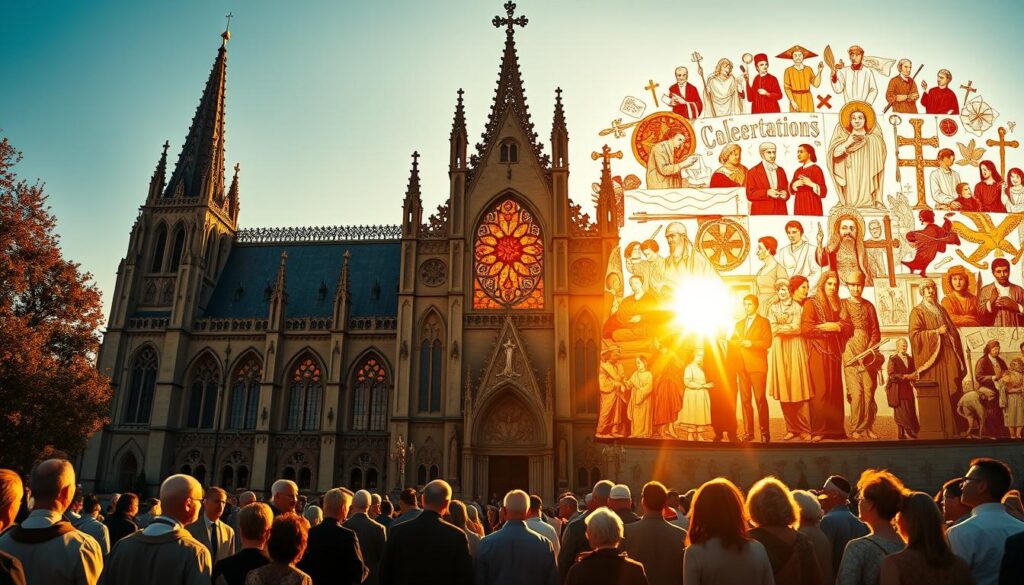
church union historical movements

Early Union Movements and Milestones

In 1817, Germany’s Old Prussian Union created a blueprint for merging traditions. Reformed and Lutheran groups combined resources while preserving theological distinctives. This pioneering union proved diverse beliefs could coexist within one organizational framework.

The model inspired similar efforts across Europe and North America. By the late 1800s, multiple denominations explored formal partnerships. These experiments laid groundwork for more ambitious collaborations.

Key Developments in the 20th Century

The 1925 formation of Canada’s national faith community marked a turning point. Methodists, Presbyterians, and Congregationalists pooled resources to address postwar social needs. This “kenotic ecclesiology” approach—where groups surrendered individual identities for shared missions—spread globally.

Over 150 structural mergers occurred worldwide by 2000. Many blended Presbyterian, Methodist, and Disciples of Christ traditions. These unions often prioritized practical ministry over doctrinal debates, creating platforms for community transformation.

The Mission and Values Behind Christian Churches United

At the core of collaborative faith efforts lies a powerful commitment to healing divisions through service. Rooted in the prayer “That they may all be one” (John 17:21), these partnerships demonstrate how shared purpose transcends theological differences. This approach recognizes scripture as both historical document and living guide, offering wisdom for today’s complex social challenges.

Commitment to Community Support

Local partnerships tackle pressing needs through coordinated action. Food banks, shelter networks, and job programs combine resources from multiple congregations. This strategy amplifies impact while maintaining each group’s unique identity.

Initiative Collaboration Model Outcome
Homeless Outreach Rotating shelter hosting 35% shelter capacity increase
Food Security Shared distribution centers 12M meals served annually
Mental Health Cross-trained volunteers 24/7 crisis hotlines

Embracing Diverse Theological Perspectives

These alliances thrive through respectful dialogue about faith interpretations. Essential beliefs form common ground, while non-essential differences spark growth opportunities. This balance allows progressive and conservative groups to address social justice together.

Local autonomy ensures congregations maintain distinct worship styles. Yet shared training programs create unified approaches to service. The result? Stronger neighborhoods built on mutual understanding and practical compassion.

Exploring the Impact of christian churches united in Modern Society

Modern faith collectives are redefining community support systems through innovative partnerships. These alliances tackle pressing issues like housing shortages and mental health crises while maintaining spiritual foundations. Their approach blends tradition with contemporary problem-solving, creating bridges between diverse groups.
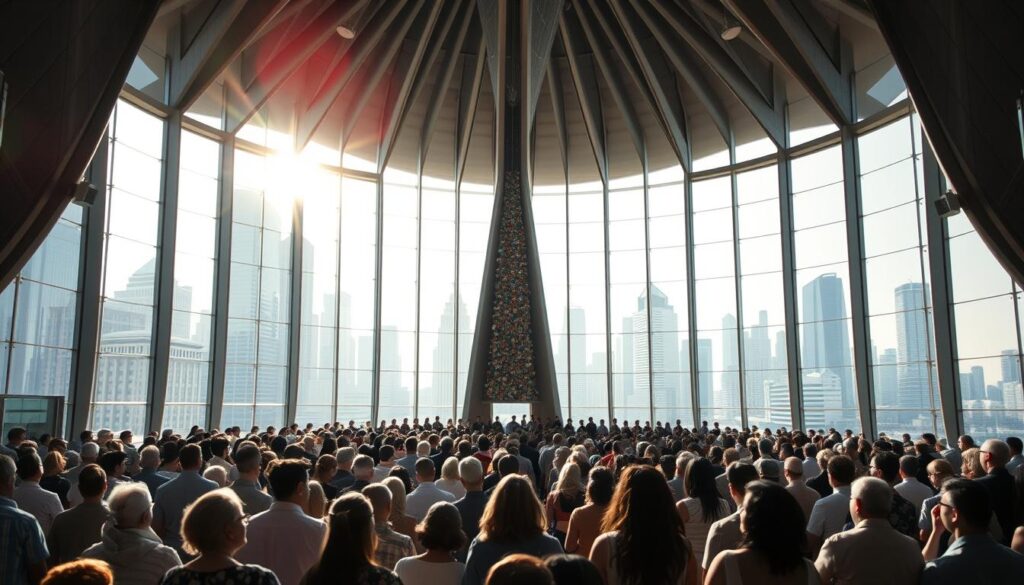
modern faith collective impact

One standout example comes from post-apartheid South Africa, where merged congregations helped heal racial divisions through shared leadership models. This process of reconciliation shows how spiritual groups can address historical injustices while building equitable futures. Similar efforts in the United States have transformed food distribution networks and disaster response systems.

Key impacts include:

  • 24/7 crisis hotlines staffed by cross-trained volunteers
  • Job training programs connecting employers with underserved populations
  • Environmental initiatives that combine scripture-based stewardship with clean energy projects

“When we pool our strengths, we create solutions no single group could achieve alone.”

These collectives adapt quickly to emerging needs. Recent efforts address immigration challenges through legal aid partnerships and language classes. Their social witness continues evolving, embracing new technologies while preserving core values of compassion and unity.

With over 4,600 congregations across the country, these networks demonstrate what’s possible when communities unite behind shared goals. They prove that meaningful action often begins with simple conversations between neighbors.

Navigating the Directory: How to Find Local Churches

Discovering spiritual communities that match your values just became simpler. The directory streamlines connections between seekers and neighborhood congregations through smart design and detailed profiles. Customizable search tools help you identify groups aligned with your priorities, whether you value traditional hymns or modern social initiatives.

Search and Filter Tips

Start by entering your zip code or city name to see nearby options. Refine results using multiple filters:

  • Worship styles: Contemporary bands vs. organ-led services
  • Programs: Youth mentorship or elder care initiatives
  • Accessibility: Ramp access or sign language support

Some denominations let individual locations set their own organizational structure. This means you might find two congregations from the same tradition offering different volunteer opportunities.

Utilizing Location-Based Resources

Interactive maps show each church’s proximity to bus stops and community centers. Detailed profiles explain:

Feature Details Provided
Leadership Models Pastoral teams vs. member-led committees
Service Times Weekend gatherings & midweek studies
Contact Methods Email forms & direct phone numbers

One user shared: “The transportation icons helped me find three walkable options near my apartment.” This practical approach removes barriers to participation while respecting each group’s unique identity.

Community Programs and Outreach Initiatives

Neighborhoods thrive when people unite behind practical solutions. Collaborative efforts now offer structured pathways to address urgent needs while building lasting relationships. These initiatives combine immediate aid with skill-building opportunities, creating ladders out of hardship.
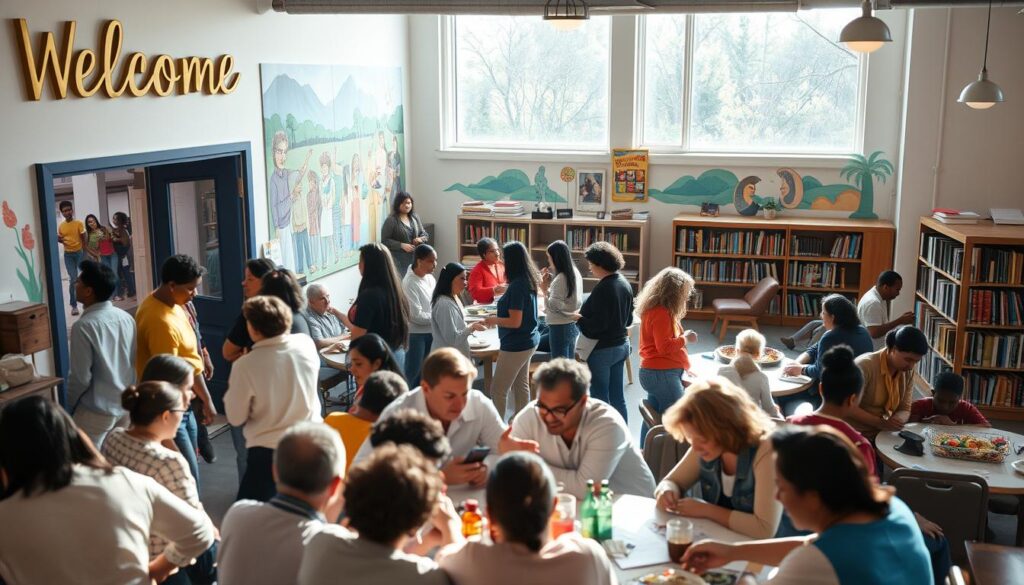
community outreach programs

Safe Haven and Crisis Support

The Safe Haven initiative provides more than temporary shelter. Trained staff offer 24/7 access to counseling and job coaching. This holistic approach helps men regain stability through:

Service Impact Success Metric
Emergency Housing Immediate safety 89% retention rate
Addiction Recovery Long-term health 200+ annual referrals
Job Training Economic independence 60% employment rate

Case managers work closely with participants for 6-18 months. This sustained support helps rebuild confidence and life skills.

Volunteer and Donation Opportunities

Community members fuel these programs through hands-on action. Opportunities range from meal preparation to career mentorship. Financial gifts amplify impact in measurable ways:

Donation Type Direct Benefit Community Effect
$50 Week of groceries Supports 3 families
$250 Job certification Creates 2 employable workers
$1000 Housing deposit Prevents homelessness

“Teaching resume workshops showed me how skills I take for granted can change lives.”

Monthly giving programs help sustain critical services. Every contribution – time, money, or expertise – strengthens community bonds while addressing root causes of poverty.

Shared Beliefs and Doctrinal Diversity

Spiritual communities thrive when they balance common ground with respectful differences. This delicate harmony allows groups to address modern challenges while honoring centuries-old traditions. At the heart of these partnerships lies a simple truth: unity grows stronger when rooted in mutual understanding.

Core Tenets and Collaborative Values

The foundation of these alliances rests on essential spiritual principles. Beliefs like Christ’s divinity and scriptural authority create shared identity across traditions. Historic creeds serve as guides rather than rulebooks, allowing groups to interpret teachings within their cultural contexts.

Local autonomy remains crucial in this framework. Individual congregations maintain decision-making power while contributing to collective goals. This approach lets progressive and conservative groups collaborate on social initiatives without compromising their distinct practices.

Ecumenical efforts demonstrate how doctrinal diversity strengthens communities. By valuing different perspectives, these partnerships develop innovative solutions to poverty and injustice. The result? A vibrant network where varied traditions unite to serve neighbors in need.

FAQ

What is the purpose of the Christian Churches United Directory?

The directory connects individuals with congregations, resources, and outreach programs. It aims to foster collaboration among member groups while highlighting local initiatives like food banks or volunteer opportunities.

How did united church movements evolve in the 20th century?

Many organizations shifted focus toward social justice, interfaith dialogue, and community-driven missions. Mergers between denominations, like the formation of the United Church of Christ, reflected a growing emphasis on shared goals over doctrinal differences.

What values guide these collaborative faith groups?

Core principles include inclusivity, service to marginalized communities, and respect for diverse interpretations of scripture. Programs often prioritize practical aid—such as housing assistance or crisis counseling—alongside spiritual growth.

How can I find a congregation near me using the directory?

Use location filters, zip code searches, or interactive maps to identify nearby options. Many listings also specify worship styles, language services, or accessibility features to match your preferences.

What types of outreach programs are commonly offered?

Initiatives range from homeless shelters and addiction recovery support to educational workshops and youth mentorship. Volunteer roles might include meal preparation, tutoring, or organizing donation drives.

How do member groups handle theological differences?

While united by core beliefs like compassion and service, many congregations maintain flexibility in practices. Dialogue-focused events and joint projects help bridge gaps between traditions while celebrating shared goals.
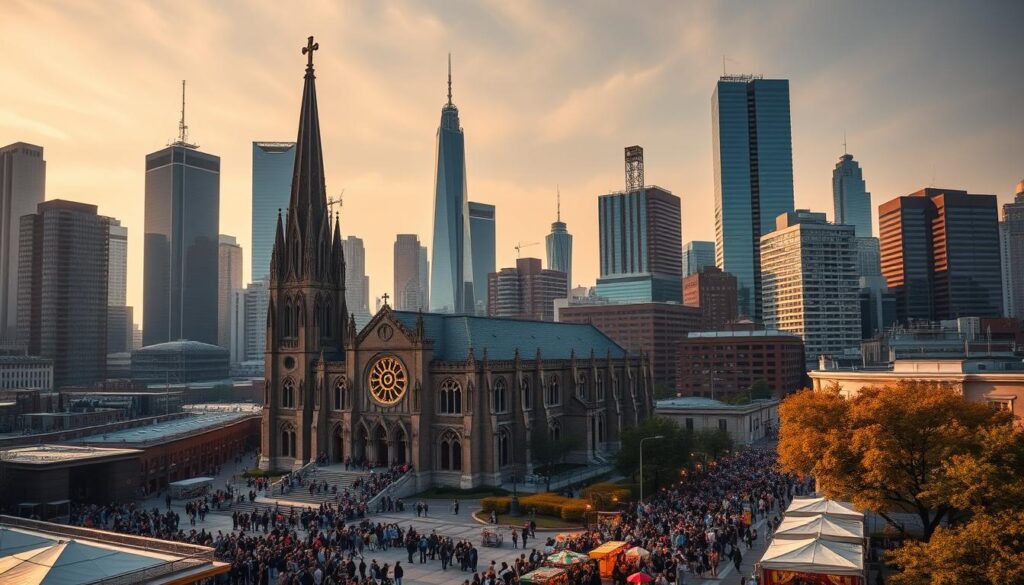
Top Protestant Churches to Visit in New York City


New York City’s spiritual landscape shines with vibrant faith communities that blend tradition and modernity. Whether you’re drawn to grand stained-glass sanctuaries or intimate gatherings, these congregations offer diverse worship experiences tailored to all seekers. From historic Methodist chapels to lively Baptist assemblies, each space reflects the city’s dynamic cultural tapestry.

Many of these sacred spaces go beyond Sunday services, acting as thriving spiritual hubs for social outreach and personal growth. They host food drives, youth programs, and interfaith dialogues, addressing both local needs and global challenges. For newcomers or lifelong residents, finding a community that aligns with your values has never been easier.

This guide highlights congregations known for their welcoming atmospheres and unique ministries. Discover locations with soul-stirring music, thought-provoking sermons, or volunteer opportunities that let you give back. Let’s explore how these spiritual homes can enrich your life in the Big Apple.

Key Takeaways

  • Explore historic and modern congregations across the city’s boroughs
  • Find communities actively engaged in social justice and neighborhood support
  • Learn about varied worship styles, from traditional hymns to contemporary services
  • Identify churches offering specialized programs for families, artists, and professionals
  • Navigate service times and transit-friendly locations with ease

Overview of NYC’s Protestant Community

From colonial roots to modern-day ministries, spiritual hubs shape the city’s identity. These groups have weathered wars, disasters, and social changes while maintaining their core mission. Their stories reveal how faith adapts to urban life without losing its historical heartbeat.

Historical Landmarks and Legacy

Trinity Church stands as Manhattan’s oldest spiritual anchor, founded in 1697. Presidents and pioneers once gathered here—George Washington prayed within its walls, and Alexander Hamilton rests in its cemetery. This landmark survived the Great Fire of 1776 and provided solace after 9/11.

Year Event Impact
1697 Trinity Church established Became NYC’s first Anglican parish
1776 Great Fire recovery efforts Rebuilt community spaces
2001 9/11 response initiatives Hosted interfaith memorials

Diversity in Worship and Congregations

Today’s faith groups mirror New York’s cultural richness. Some sing centuries-old hymns in Gothic chapels, while others host jazz worship in loft spaces. Over 50 languages echo through Sunday services citywide.

Architecture tells its own story. Spires from the 1800s share blocks with glass-walled sanctuaries. This blend creates neighborhoods where tradition and innovation thrive side by side.

Featured “protestant churches in nyc” Directory

Manhattan’s skyline isn’t just about skyscrapers—it’s dotted with steeples that anchor neighborhoods in faith and fellowship. Our curated list highlights welcoming spaces across five boroughs, each blending sacred traditions with urban energy.

protestant churches directory nyc

Service Times, Locations, and Amenities

Most Sunday gatherings start between 9 AM and 11 AM, with Wednesday evening prayer sessions growing in popularity. Easy transit access matters—look for sanctuaries near subway lines like the 4/5 trains in Brooklyn or the E/F stops in Queens. Many offer:

  • Stroller parking and toddler play areas
  • Braille bulletins for visually impaired visitors
  • Community kitchens serving post-service meals

Profiles of Iconic Communities

One historic Manhattan parish boasts a 200-year-old pipe organ, while a Brooklyn congregation hosts weekly jazz vespers. “Our doors open wider than our sanctuary,” shares a Queens pastor whose team organizes ESL classes. Don’t miss:

  • Stained-glass workshops at a Bronx fellowship
  • Young professionals’ mixers after evening services
  • Multilingual Bible studies in Staten Island

Dress codes range from Sunday best to casual attire—websites usually provide guidance. First-time guests often receive welcome packets with ministry contact details and event calendars.

Service and Community Highlights

Spiritual growth thrives where dynamic worship meets compassionate support. Many congregations create spaces where melodies uplift souls and thoughtful guidance strengthens daily life. You’ll find programs tailored to diverse needs, blending timeless traditions with modern approaches.

Worship Programs and Music

Sunday mornings come alive with voices harmonizing across generations. One landmark location features a 74-bell carillon and choirs that blend gospel with classical arrangements. Their music ministry welcomes professionals and amateurs alike, proving artistry fuels spiritual connection.

Style Instruments Special Features
Traditional Pipe organs, handbells Century-old hymn arrangements
Contemporary Drums, electric guitars Original worship compositions
Global Fusion Steel pans, djembes Multilingual song rotations

Faith Formation and Pastoral Care

Curious minds flourish through book clubs exploring ancient texts through modern lenses. “We grow by asking hard questions together,” notes a program director. Weekly small groups help people navigate life transitions while deepening their understanding.

Compassionate support extends beyond Sunday gatherings. Trained volunteers offer grief counseling and memorial planning. New parents receive meal deliveries, while seniors enjoy monthly fellowship lunches. These efforts build bonds that outlast seasonal programs.

Events and Worship Opportunities in the City

Year-round gatherings transform spiritual journeys into shared adventures. Urban faith communities curate experiences that blend inspiration with action, creating spaces where belief meets real-world impact.

city worship events

Upcoming Events and Special Services

Mark your calendars for July 17-18, 2025, when Times Square Church hosts its 212 Summer Slam. This overnight event helps teens explore faith through creative workshops and team challenges. “We want young people to discover their purpose beyond social media pressures,” shares the youth ministry director.

Community Gatherings and Social Initiatives

Neighborhood partnerships thrive through Saturday meal drives and art-based therapy sessions. One Queens congregation partners with local chefs to teach culinary skills to at-risk youth. These efforts build bridges across cultural divides while addressing practical needs.

Seasonal and Summer Programs

Warmer months bring outdoor concerts and intergenerational mission trips. Families love the Summer StoryWalk program where Bible passages line park trails. Check out these highlights:

Program Dates Features
Lakeside Retreat August 8-10 Kayaking & morning devotionals
Urban Garden Project June-September Community farming workshops
Winter Light Musical Dec 5-21 Theatrical retelling of 1950s ministry

Don’t miss Pastor Claude Houde’s special talk on July 20 about building resilient communities. His Quebec-based ministry gained recognition for innovative outreach strategies.

Insights into Faith and Community Support

Urban faith communities extend their impact far beyond Sunday services, tackling pressing needs through hands-on initiatives. These organizations blend spiritual guidance with practical assistance, creating lifelines for vulnerable populations while advocating for lasting societal change.

community support programs nyc

Social Services and Outreach Programs

One landmark congregation runs a crisis intervention center offering free legal aid and mental health resources. “We meet people where they are—physically and emotionally,” explains their outreach director. Their programs include:

  • Weekly food pantries serving 800+ families
  • Job training workshops with 92% placement rates
  • Anti-racism education series for local schools

This holistic approach addresses immediate needs while challenging systemic barriers. Partnerships with housing coalitions and healthcare providers amplify their reach across boroughs.

Community Grants and Local Impact

Financial investments spark transformative neighborhood improvements. A historic parish recently funded 47 initiatives through its grant program, prioritizing:

Focus Area Funds Allocated Beneficiaries
Education $5.1 million 23 public schools
Housing $6.8 million 1,200 low-income families
Migrant Support $4.4 million 18 shelter partnerships

These efforts demonstrate how strategic giving can reshape lives while strengthening community bonds. Volunteers often describe the work as “faith in action”, bridging spiritual values with real-world problem solving.

Conclusion

In a city that never sleeps, faith communities thrive as oases of connection and purpose. These vibrant groups reflect New York’s mosaic of cultures, offering countless pathways to deepen your spiritual journey through meaningful worship and service.

Each congregation serves as both anchor and compass—providing hope in challenging times while empowering members to transform their neighborhoods. From mentoring programs to cultural festivals, they bridge ancient traditions with modern urban realities, proving timeless values can address today’s complex issues.

Consider stepping into one of these welcoming spaces this weekend. Whether you seek quiet reflection or active volunteering, you’ll discover authentic relationships and fresh perspectives. Many first-time visitors become lifelong members after experiencing the warmth of shared meals and collaborative projects.

As our world evolves, so do these communities—adapting their methods while staying rooted in compassion. Your story could intertwine with theirs, creating ripples of positive change across the city and beyond. Why not explore how your unique gifts might flourish here?

FAQ

How can I find service times for congregations across the city?

Many communities share schedules online or through apps. Check individual websites for worship hours, locations, and special events like seasonal programs or summer gatherings.

Are there churches with diverse congregations that welcome newcomers?

Absolutely! From historic landmarks to modern ministries, NYC’s faith groups prioritize inclusivity. Look for community-driven initiatives or multicultural events to connect with welcoming congregations.

What opportunities exist for families and youth during summer?

Several organizations host camps, volunteer projects, and outdoor worship events. Explore faith-based summer programs focused on music, service, or creative workshops for all ages.

How do local ministries support vulnerable populations?

Many offer food pantries, counseling, and housing assistance. Look for outreach programs tied to social justice, mental health resources, or partnerships with neighborhood nonprofits.

Can visitors attend music performances or cultural events?

Yes! Iconic venues like Riverside Church or Trinity Wall Street host concerts, lectures, and art exhibits. Check their calendars for live performances that blend faith and creativity.

Are there grants available for community-led projects?

Some larger congregations fund local initiatives through community grants. Reach out to pastoral teams or visit church websites to learn about application processes and eligibility.

How can I get involved in volunteer work through a congregation?

Most groups post service opportunities online, like mentoring, neighborhood cleanups, or meal prep. Attend a welcome session or connect directly with outreach coordinators.

Do any congregations offer hybrid or online worship options?

Many provide livestreamed services and virtual small groups. Explore websites for digital access to sermons, prayer meetings, or faith formation classes.

Protestant Churches in Germany: A Comprehensive Look


When exploring Europe’s spiritual tapestry, few threads shine as brightly as Germany’s faith communities. At the heart of this tradition stands the Evangelical Church in Germany (EKD), a collaborative network uniting millions under shared values. With nearly 20 million members today, its influence stretches far beyond Sunday services.

The EKD’s structure reflects centuries of evolution. It blends three historic Christian traditions—Lutheran, Reformed, and United—into a vibrant modern framework. This diversity creates a spiritual mosaic where ancient rituals meet contemporary social engagement.

Geography plays a key role in understanding these communities. Northern and eastern regions often show stronger ties to this heritage, while southern areas lean toward other traditions. Cities like Hanover, home to the EKD’s headquarters, serve as hubs for theological innovation and community outreach.

What makes these groups stand out? Their ability to balance deep-rooted customs with modern challenges. From preserving historic cathedrals to addressing climate change, they remain active players in shaping society. Their story isn’t just about religion—it’s about identity, culture, and resilience.

Key Takeaways

  • The EKD unites over 19 million members across 20 regional faith groups
  • Three core traditions—Lutheran, Reformed, and United—shape its practices
  • Northern and eastern Germany show the strongest cultural connections
  • Modern priorities include social justice and environmental stewardship
  • Historic sites coexist with forward-thinking community programs

Overview of Protestant Churches in Germany

Nearly one in four Germans identifies with the country’s largest Christian network, shaping regional identities and social initiatives. These faith groups operate over 20,000 worship centers, blending spiritual guidance with practical support for local neighborhoods.

The Scope of German Protestantism

With 20.2 million members, this tradition influences education, healthcare, and cultural preservation. Its footprint spans from Baltic Sea coastlines to the Black Forest, creating a living heritage visible in town festivals and historic landmarks.

Understanding Denominational Diversity

Three main branches form the theological backbone:

Tradition Core Regions Distinct Practices
Lutheran North/South Traditional liturgy
Reformed Northwest Simplified worship
United Central/West Blended approaches

This variety allows communities to adapt while maintaining shared values. Coastal towns might host fish-themed harvest festivals, while urban centers run tech-friendly youth programs.

Beyond Sunday services, these groups manage 1,200 kindergartens and 300 senior care facilities. Their ability to evolve keeps them relevant in modern society—proving faith and progress can walk hand in hand.

Historical Roots and the Reformation Movement

A single act of defiance in 1517 reshaped Europe’s spiritual landscape forever. When Martin Luther nailed his Ninety-five Theses to a church door, he sparked debates that would redefine Christianity’s future.

martin luther reformation

Breaking With Centuries of Tradition

Luther’s bold move challenged religious authorities to their core. His sola scriptura principle shifted focus from papal decrees to personal Bible study. This idea spread like wildfire through German-speaking regions, empowering ordinary people to question established norms.

Aspect Pre-Reformation Post-Reformation
Language Latin liturgy Vernacular services
Sacraments Seven rituals Two core practices
Leadership Clergy-dominated Congregational input

Lasting Cultural Shifts

The changes went far beyond Sunday rituals. Luther’s German Bible translation standardized the language, while new schools made education accessible. Musical traditions flourished through congregational hymns that everyone could sing.

These reforms created ripple effects still felt today. Modern social programs and democratic values trace part of their origins to this revolutionary period. As one historian noted: “The Reformation didn’t just alter church structures—it rewired how societies function.”

Evolution of Protestant Churches Through Centuries

Spiritual organizations often become mirrors of a nation’s journey, reflecting political shifts and cultural values. The story of Germany’s faith communities reveals how centuries of change shaped their identity—and reshaped entire societies.

Early Efforts at Church Unification

Prussia’s 1817 royal decree sparked a quiet revolution. By merging Lutheran and Reformed traditions, it created a blueprint for cooperation that spread across German territories. “Unity in diversity” became more than a slogan—it fueled practical collaborations in education and community care.

The 1922 German Protestant Church Confederation marked a bold leap forward. This first national alliance connected 28 regional groups, serving 40 million members. Though short-lived, it proved shared governance could work without erasing local traditions.

Impact of the Peace of Augsburg to Modern Times

That 1555 agreement did more than end wars—it planted seeds of religious coexistence. By letting rulers choose their territory’s faith, it created a framework that still influences church-state relationships today.

Modern structures like the EKD grew from these roots. As one historian observed: “What began as political compromise became a model for balancing spiritual使命 with societal needs.” From state-controlled institutions to independent entities, these adaptations show how faith communities can evolve while staying grounded in their core values.

Impact of the World Wars and Political Changes

The 20th century tested religious institutions like never before. Global conflicts and shifting ideologies forced faith communities to navigate treacherous political waters while maintaining their core values.

Churches Under Nazi Influence and the Confessing Church

When authoritarian rule emerged in 1933, religious groups faced intense pressure to align with state agendas. A bold resistance movement formed, challenging attempts to distort spiritual teachings for political gain. This clash created deep fractures within congregations nationwide.

Group Leadership Position
Reichskirche Pro-government clergy Supported racial policies
Confessing Church Dietrich Bonhoeffer Rejected Nazi ideology

Brave theologians risked their lives to protect religious independence. Their underground networks became safe spaces for dissent during dark times. This legacy continues to inspire modern social justice efforts.

The Role During the German Democratic Republic

Post-war divisions created new challenges. Communities in East Germany operated under strict surveillance from 1949-1990. Despite communist pressures, they maintained youth programs and public dialogues that subtly challenged state narratives.

Key developments included:

  • 1969 separation from western counterparts
  • 1991 reunification after national unity
  • Ongoing reconciliation efforts post-1990

These groups proved faith could thrive even under oppressive regimes. Their meeting halls often doubled as hubs for peaceful political change, showing how spiritual spaces can foster societal transformation.

Organizational Structure and Governance

Modern religious organizations thrive on clear frameworks that balance unity with local needs. The Evangelical Church in Germany operates like a well-oiled machine, combining regional autonomy with national coordination through three key bodies.

ekd governance structure

The Role of the EKD and Regional Churches

At the heart of operations sits the 126-member Synod – 106 elected locally and 20 specialists appointed for expertise. This legislative group works alongside a 15-member Council handling executive decisions for six-year terms. “Our strength lies in shared responsibility,” notes a recent EKD report, highlighting their federal approach.

Leadership styles vary across regions:

Tradition Structure Key Leader
Lutheran Episcopal State Bishop
Reformed Presbyterian Moderator
United Mixed Synod President

Significant Church Figures and Leadership

Groundbreaking leaders have shaped modern operations. Margot Käßmann made history as the first female Council chair, while Heinrich Bedford-Strohm gained recognition for bridging faith and social issues. Their work continues through Hanover’s Church Office, where 200 staff coordinate nationwide programs.

This unique system proves that ancient traditions can adapt to 21st-century needs. By respecting local customs while maintaining national cohesion, the structure fosters both innovation and continuity.

protestant churches in germany: Membership, Traditions, and Demographics

german protestant demographics

Germany’s faith communities present a fascinating study in contrasts between formal affiliation and active engagement. While over 19 million people claim membership, only 1.2% regularly attend services. This gap highlights changing attitudes toward organized religion in modern society.

Regional patterns reveal deep cultural roots. Northern states like Schleswig-Holstein (55.7%) and Lower Saxony (51.5%) show stronger connections to this heritage. Southern areas maintain different religious majorities, creating a distinctive spiritual map.

Tradition Key Feature Modern Adaptation
Lutheran Historical liturgy Youth mentorship programs
Reformed Simplified worship Digital outreach initiatives
United Blended practices Interfaith partnerships

Age demographics tell another story. Only 11% of regular attendees are under 30, pushing communities to rethink engagement strategies. Many now blend traditional hymns with contemporary music during services.

The Evangelical-Lutheran Church and other groups maintain unity through shared principles. Members can participate fully in any congregation nationwide, thanks to mutual recognition agreements. This flexibility helps preserve relevance despite membership shifts.

Beyond Sunday services, these communities operate food banks, refugee support networks, and environmental projects. As one volunteer notes: “Our work isn’t just about belief—it’s about being present where life happens.”

Cultural Influence and Social Impact in Modern Society

Cultural landscapes are often shaped by silent forces. Among them stands a tradition of spiritual creativity and social conscience that continues to mold Germany’s identity. This enduring legacy manifests in concert halls, community centers, and ethical debates alike.

Religious Contributions to Art and Music

The Lutheran church revolutionized visual storytelling during the Reformation. Artists like Lucas Cranach translated theological ideas into vivid altarpieces, while architects reimagined sacred spaces for congregational participation. Modern structures like Essen’s Church of the Resurrection prove this creative spirit remains alive.

Music became faith’s universal language through pioneers like Bach. His compositions still echo in cathedrals today, blending mathematical precision with emotional depth. Contemporary musicians build on this heritage, crafting new worship songs that resonate with digital-age audiences.

Contemporary Social Engagement and Community Welfare

Today’s Protestant churches tackle global challenges through initiatives like Brot für die Welt. This program combats hunger in 90 countries while promoting sustainable farming. Locally, food banks and refugee shelters operate alongside historic parishes.

The evangelical reformed church leads environmental campaigns, advocating for climate policies and green energy. Their efforts show how ancient values can address modern crises. As one volunteer shared: “We’re not just preserving traditions—we’re building bridges to tomorrow.”

From bioethics debates to interfaith dialogues, these communities prove faith institutions can evolve without losing their soul. Their story isn’t confined to history books—it’s written in every mural restored, every meal shared, and every voice raised for justice.

FAQ

How did Martin Luther influence religious life in Germany?

Martin Luther’s Ninety-five Theses in 1517 sparked the Reformation, challenging Catholic practices and shaping new traditions. His teachings led to the rise of Lutheran and Reformed branches, creating lasting changes in worship and theology.

What role did churches play during the Nazi regime?

Many regional bodies faced pressure to align with Nazi policies, but the Confessing Church resisted. Leaders like Dietrich Bonhoeffer openly opposed state control, defending independent faith practices despite persecution.

How is the Evangelical Church in Germany (EKD) structured?

The EKD unites 20 Lutheran, Reformed, and United regional bodies. Each maintains autonomy over governance and traditions while collaborating on national initiatives like social programs or interfaith dialogue.

What traditions distinguish Lutheran worship today?

Services often emphasize liturgy, hymn singing, and communal sacraments like altar communion. Many congregations blend historic practices with modern outreach, such as community welfare projects or digital ministries.

How did political shifts in East Germany affect membership?

After World War II, state atheism in the German Democratic Republic led to declining participation. Post-reunification, many in eastern regions identify as non-religious, contrasting with higher engagement in western areas.

Do members pay taxes to support their church?

Yes, registered adherents contribute through a “church tax” collected by the government. This funds clergy salaries, building maintenance, and social services like hospitals or disaster relief.

Are evangelical reformed congregations common in Germany?

Reformed traditions are smaller compared to Lutheran groups but thrive in regions like Lippe. They emphasize scripture-centered preaching and simpler worship styles, often collaborating with other denominations.

How do churches address modern social issues?

Many advocate for refugee support, climate action, and equality. Initiatives like the “Church for Democracy” program counter extremism, reflecting a commitment to societal well-being beyond traditional roles.

Discover the Captivating Architecture of Protestant Churches


Step into a world where faith meets form, and spiritual values shape stone and space. For centuries, religious buildings have reflected theological priorities through their design. Protestant structures stand apart, favoring clean lines and open layouts that emphasize community and clarity.

The 16th-century Reformation sparked dramatic changes in worship spaces. Unlike earlier traditions, these designs prioritized practical needs over ornamentation. Pulpit placement became central, while natural light and acoustics supported congregational participation.

Modern interpretations continue evolving while honoring core principles. Architects now blend traditional symbolism with contemporary materials, creating spaces that feel both timeless and relevant. From Scandinavia’s minimalist chapels to America’s innovative megachurches, each structure tells a story of belief made visible.

Key Takeaways

  • Reformation-era designs broke from ornate Catholic traditions
  • Functional layouts enhance communal worship experiences
  • Pulpit centrality reflects focus on biblical teachings
  • Modern designs balance tradition with innovation
  • Architectural choices reveal theological priorities
  • Global examples showcase cultural adaptations

Introduction to Protestant Churches Architecture

The story of sacred spaces changed forever during the 1500s. Religious reformers like Martin Luther and John Calvin sparked a movement that reshaped not just beliefs, but the physical spaces where people gathered. Their ideas about direct connection with scripture led to radical changes in how communities designed their places of worship.

What This Guide Reveals

You’ll discover how 16th-century revolutionaries transformed existing Roman Catholic buildings into simpler spaces. We’ll explore how these changes weren’t just about looks—they reflected new priorities like communal singing and accessible preaching. The journey spans from makeshift meeting halls to today’s bold modern structures.

Roots in Cultural Upheaval

The Reformation wasn’t just theological—it was visual. As conflicts between Catholics and reformers intensified, architectural choices became declarations of identity. Stained glass gave way to clear windows, letting natural light symbolize spiritual clarity. Ornate altars were replaced by central pulpits, putting biblical teaching at the heart of gatherings.

This shift created spaces where everyone could see and hear equally. It wasn’t about removing beauty, but about making worship participatory rather than observational. These principles still guide designers today, proving good architecture can shape community as much as doctrine does.

Historical Foundations of Protestant Churches in the 16th Century

Protestant communities in France faced a practical problem during the Reformation: where to gather? As their numbers grew, private homes became inadequate. This need sparked one of history’s most dramatic makeovers of sacred spaces.

16th century church transformations

Reformation Origins and Early Adaptations

By the mid-1500s, groups began repurposing existing structures. Abandoned abbeys and Catholic buildings became blank canvases. The St Jacques church in Montauban shows how reformers removed altars and added simple wooden benches facing a central pulpit.

Three key changes defined these conversions:

  • Communion tables replaced elaborate altars
  • Clear windows flooded rooms with natural light
  • Acoustic improvements ensured everyone heard sermons

Iconoclasm: More Than Destruction

The removal of statues and paintings wasn’t random vandalism. As one historian notes: “Empty walls became sermons in plaster—a visual rejection of intermediary symbols.” In Nîmes, entire convents were stripped of religious images to create focused environments for scripture study.

Feature Catholic Church Reformed Space
Visual Focus Stained glass & statues Plain walls & text
Central Element Altar Pulpit
Seating Arrangement Random/standing Concentric benches

These transformations went beyond aesthetics. They physically demonstrated new beliefs about direct access to divine truth. The Jacobine convent in Agen still shows original whitewashed walls where frescoes once told biblical stories—now space for the spoken word to resonate.

Core Elements of Protestant Churches Architecture

Imagine entering a 16th-century worship space where every architectural choice tells a story of theological revolution. The reformers didn’t just rearrange furniture—they rebuilt spiritual experiences through deliberate design choices.

The Centrality of the Pulpit and the Word

Where Catholic buildings once drew eyes to golden altars, reformed spaces placed the pulpit front and center. This wasn’t just practical—it shouted that scripture held ultimate authority. Elevated platforms and angled seating ensured every voice carried clearly, making biblical teachings accessible to all.

As one reformer noted: “The spoken Word became our living altar.” Acoustics shaped stone walls and wooden ceilings, turning buildings into resonance chambers for sermons. This focus on hearing and understanding changed how communities engaged with faith.

Redefining Altars and Interior Layouts

The traditional altar didn’t disappear—it transformed. Communion tables became simpler, often moved to the side. This shift visually prioritized teaching over ritual. Circular seating patterns emerged, creating equality among worshippers.

Three key changes defined these spaces:

  • Benches faced the pulpit rather than religious art
  • Clear sightlines replaced visual distractions
  • Open floor plans encouraged collective participation

These interior changes made theology tangible. Barriers between leaders and congregations dissolved, reflecting the belief that all believers could approach divine truth directly. The architecture itself became a teacher, reinforcing reformed principles through spatial relationships.

The Impact of the Reformation on Church Interiors

Imagine walking into a sacred space where every corner whispers a theological revolution. The 16th-century shift in spiritual priorities didn’t just change beliefs—it redesigned entire rooms to shout new truths. Visual hierarchies crumbled as communities reimagined what worship could look like.

reformation church interiors transformation

From Altar-Centric to Pulpit-Focused Spaces

Gone were the days when priests stood elevated behind golden altars. Reformers moved the pulpit to the room’s heart, making scripture the star. “We built spaces where ears matter more than eyes,” wrote one designer. Clear sightlines and angled seating let everyone engage equally with teachings.

This wasn’t just furniture rearrangement. It declared that divine authority lived in shared understanding, not rituals. Simple communion tables replaced elaborate altars, reflecting the belief that grace comes through faith—not human works.

Incorporating Community and Public Worship

Circular seating patterns turned spectators into participants. Benches faced inward, creating circles of shared prayer and song. These layouts dissolved barriers between leaders and congregations, mirroring the idea of spiritual freedom for all.

New designs also served practical needs. Wider aisles accommodated growing crowds during this transformative time. Acoustics were fine-tuned for group singing, turning stone walls into amplifiers for collective voices. Every architectural choice whispered: “You belong here.”

Architectural Adaptations: Reusing and Repurposing Catholic Structures

When sacred spaces changed hands, they gained new voices. Reformed communities transformed existing buildings with practical creativity, turning ornate structures into functional gathering places. This wasn’t just renovation—it was spiritual reinvention.

Conversion of Abbeys, Convents, and Chapels

Abandoned monasteries became unlikely heroes of this transformation. In Valence, the former St Ruf abbey got a second life through government redistribution. Its vaulted ceilings now amplified sermons instead of chants. Similar changes swept the region, with Nîmes’ Ursuline convent chapel becoming a hub for scripture study.

Wealthy converts played key roles too. The Chamerolles estate’s private chapel shows how nobles blended personal faith with community service. These spaces often kept original stonework but added simple wooden benches—proof that beauty could serve new purposes.

Three patterns emerged in these adaptations:

  • Whitewashed walls replacing frescoes
  • Central pulpits installed where altars stood
  • Acoustic adjustments for clear speech

Local funding made many projects possible. Communities in Lyon and Rouen pooled resources to build original works from scratch. Each modification whispered the same truth: spaces shape faith as much as faith shapes spaces.

Revival and New Constructions in the 17th and 18th Centuries

secret protestant assemblies 17th century

The 17th century dawned with shadows over reformist worship spaces. Following Henry IV’s death in 1610, protections dissolved like morning mist. Authorities systematically destroyed temples built after 1598, leaving communities without permanent gathering places for nearly two centuries.

Secret Assemblies and the Era of the Désert

From 1685 to 1787, believers practiced their faith in hidden corners of France. Caves became cathedrals, forests turned into sanctuaries. One account describes “prayers whispered beneath oak boughs, Bibles hidden in bread baskets.” Portable communion sets and collapsible pulpits allowed quick dispersal if soldiers approached.

This underground period reshaped spiritual practices:

  • Stone walls replaced by living canopies
  • Central pulpits became traveling lecterns
  • Hymnbooks memorized rather than printed

The Edict of Tolerance and the Birth of New Temples

Louis XVI’s 1787 decree sparked dramatic change. After decades of hiding, communities rushed to build visible worship spaces. The first new chapels featured:

Feature Désert Era Post-1787 Design
Location Remote natural sites Urban centers
Structure Temporary setups Permanent stone buildings
Focal Point Portable Bible stand Fixed central pulpit

These new spaces balanced freedom with caution. Windows stayed clear rather than stained, reflecting hard-won transparency. Seating arrangements maintained the circular patterns perfected in secret gatherings, preserving that sense of shared participation.

19th Century: Diversity in Protestant Church Design

The 1800s brought a fresh wave of creativity to spiritual spaces across France. Communities began blending historical inspiration with practical needs, creating buildings that whispered both tradition and progress.

Classical Roots Meet Reformed Values

Early 19th-century designs often nodded to ancient Rome. Circular layouts with columned porticos appeared in cities like Orléans and Bordeaux. The Temple des Chartrons (1832) stood out with its dignified symmetry—proving classical elements could honor both history and reformed simplicity.

Local Flavors Shape Sacred Spaces

As the century progressed, regional tastes emerged. Builders in Nantes chose pointed arches and stained glass, while Paris’ Temple de l’Etoile (1874) mixed Gothic drama with clear sightlines. These choices showed how communities adapted shared beliefs to local landscapes.

From Rochefort’s sturdy columns to Sancerre’s delicate stonework, each structure told a dual story. They celebrated hard-won religious freedom while proving sacred spaces could evolve without losing their soul. This era’s legacy? Beauty and belief walking hand in hand.

FAQ

How did 16th-century reforms alter traditional religious spaces?

During the Reformation, many communities shifted focus from visual symbolism to scripture. This led to simpler interiors, with pulpits placed centrally to emphasize preaching. Altars were often replaced by communion tables to reflect new theological priorities.

Why do some older structures lack decorative artwork?

Iconoclasm—the rejection of religious images—was common during early reforms. Followers removed statues, paintings, and stained glass to avoid distractions during worship, prioritizing plain designs that highlighted communal participation.

Were existing Catholic buildings repurposed after the Reformation?

Yes! Abbeys, chapels, and convents were frequently adapted for new congregations. Modifications included removing side altars, adding larger seating areas, and redesigning layouts to accommodate group gatherings rather than private rituals.

What role did regional styles play in later designs?

By the 1800s, architects blended local traditions with revival trends. For example, Neo-Gothic elements appeared in urban areas, while rural regions used simpler forms. Materials like brick or stone often reflected geographical influences.

How did secret worship affect architectural choices?

Before legal tolerance, groups met discreetly in homes or barns. These spaces prioritized functionality over grandeur, fostering intimate settings that later influenced the emphasis on community-focused layouts in formal temples.

Do modern congregations still use these historical features?

Absolutely. Many contemporary designs retain elements like elevated pulpits, flexible seating, and minimal ornamentation. These features continue to reflect core values of accessibility and collective engagement in services.

Discover Protestant Churches in Your Area


Finding a spiritual home that aligns with your values can transform your faith journey. Modern tools make it simple to explore vibrant communities right where you live. Whether you’re relocating or seeking deeper connections, knowing where to start matters.

Today’s directories provide clear insights into worship styles, programs, and beliefs. You’ll find options ranging from traditional services to innovative gatherings designed for all ages. Many listings highlight family-friendly activities, volunteer opportunities, and small groups to help you connect.

Choosing a community involves more than theology—it’s about feeling welcomed. Look for places that prioritize inclusivity and support. Online resources now offer virtual tours or sermon samples, so you can explore comfortably from home.

Your search might lead to life-changing relationships and meaningful growth. With flexible in-person and digital options, engaging with a local group has never been easier. Take that first step toward a fulfilling spiritual path today.

Key Takeaways

  • Modern directories simplify finding faith communities tailored to your preferences.
  • Explore diverse worship styles, from classic to contemporary formats.
  • Prioritize churches that foster inclusivity and active community involvement.
  • Many groups offer hybrid options for flexible participation.
  • Detailed listings help assess theological alignment and family programs.
  • Virtual tools allow preliminary exploration before visiting in person.

Explore Local Community and Worship Opportunities

A welcoming community offers more than Sunday services—it’s a place to grow together. Many groups blend spiritual nourishment with social connection, creating spaces where relationships flourish. Whether you’re new to town or deepening roots, these networks become lifelines during challenges and celebrations alike.

Connecting Through Shared Activities

Weekly gatherings like City Life Houston’s small groups help people bond over shared interests. From book clubs to volunteer projects, these events build trust and purpose. Living Word Fellowship’s family picnics and youth programs also create inclusive environments for all ages.

Flexible Ways to Engage

Early risers love traditional 8:00 AM services, while others prefer modern 11:00 AM gatherings with lively music. Many churches now stream their 10:15 AM worship sessions online, letting you join from home. Prayer ministries at places like City Life Houston provide one-on-one support between services.

These options ensure everyone finds their rhythm. As one member shared, “The friendships I’ve made here changed my whole perspective on church life.” With varied schedules and formats, your spiritual journey stays fresh and meaningful.

Guide to “protestant churches nearby”: Your Service Directory

Navigating your spiritual journey begins with discovering congregations that resonate with your beliefs. Modern directories simplify this search by highlighting local groups’ core values and practical details. Let’s explore how these tools connect you with meaningful church Houston communities and beyond.

Finding a Church in Houston and Beyond

Houston’s spiritual landscape offers everything from nondenominational hubs to traditional congregations. City Life Houston, for example, focuses on creating “socially responsible disciples” through mentorship and outreach. Meanwhile, Living Word Fellowship supports families with childcare programs and flexible donation methods.

church directory

Overview of Church Services and Activities

Most listings outline service formats—from classic hymns to modern worship bands. Many churches also host youth initiatives, volunteer projects, and midweek study groups. Directories often note practical details like attire expectations or whether newcomers receive formal welcomes.

When reviewing options, prioritize alignment with your lifestyle. As one directory user shared, “Seeing service times and childcare options upfront helped our family choose faster.” Whether you seek quiet reflection or active community roles, the right fit awaits.

Experiencing Church Life and Spiritual Growth

Active participation in church activities enriches both faith and daily living. Through intentional programming and compassionate outreach, spiritual communities create spaces where life transformation becomes tangible for all ages.

Youth, Family, and Educational Programs

City Life Houston demonstrates this through their Kids Church and 10:15 AM Youth Services. Their educational courses like Biblical Foundations 101 equip members with practical faith tools. Living Word Fellowship complements this with accredited academies fostering academic and spiritual growth.

Program Type City Life Houston Living Word Fellowship
Children’s Activities Dual service-time care Nursery & preschool programs
Youth Development Leadership workshops Teen mentorship initiatives
Adult Education Relational skill-building Ministry training courses

Prayer Ministries and Community Outreach

The Unhinged Prayer Ministry Team at City Life Houston personally addresses every request, creating deep connections. Many groups extend this care beyond their walls through food drives and educational partnerships.

One volunteer shares: “Serving meals at our community kitchen showed me how worship extends into everyday actions.” These efforts strengthen both individual faith and neighborhood bonds, proving spiritual growth thrives through service.

Conclusion

Your path to meaningful connections begins with exploring local spiritual groups that match your values. Modern tools simplify discovering vibrant congregations through detailed directories and virtual previews. These resources highlight everything from childcare options to volunteer initiatives, helping you make informed choices.

Whether drawn to classic hymns or modern worship styles, diverse congregations offer spaces for authentic growth. Many prioritize practical outreach through food drives and mentorship programs. This blend of tradition and innovation creates environments where families and individuals thrive together.

Taking that initial visit could spark relationships that enrich your daily life. With hybrid participation options and flexible schedules, engaging has never been simpler. Why not explore your options this week? A welcoming faith community might be closer than you think.

FAQ

How can I find a church in Houston that fits my family’s needs?

Start by exploring local directories like Houston’s Faithful City Guide or church networks such as Houston Church United. Many list worship styles, youth programs, and service times. Visiting websites or attending open-house events helps gauge a community’s vibe.

What types of worship services are available locally?

Most congregations offer traditional, contemporary, or blended services. Some host outdoor gatherings or themed nights. Check platforms like Churchome or Life.Church for hybrid options, including livestreams and on-demand sermons.

Are there community events for newcomers in Houston?

Yes! Many groups organize neighborhood potlucks, volunteer drives, or seasonal festivals. Follow social media pages of churches like Second Baptist Houston or Grace Community Church for updates on fairs, workshops, and outreach projects.

Do local churches offer programs for teens and children?

Absolutely. Ministries like Student Life or AWANA focus on youth development through camps, mentorship, and Bible studies. Ask about Sunday school classes or midweek hangouts tailored to different age groups.

Can I participate in online services if I can’t attend in person?

Many congregations stream services live on platforms like YouTube or Facebook. Apps like Elevate Church or The Porch also provide virtual small groups and prayer sessions for remote engagement.

How do I get involved in volunteer opportunities through churches?

Connect with outreach teams like Buckner International or Houston Food Bank partners. Most churches list volunteer sign-ups on their websites, ranging from food drives to disaster relief efforts.

Top Christian Churches to Visit in Yuma, AZ


Discover vibrant spiritual hubs in Arizona’s sun-drenched southwest corner. This region boasts diverse worship experiences, blending traditional practices with modern approaches. Many congregations operate near major routes like US Hwy 95, offering convenient access for locals and travelers alike.

Faith-based groups here maintain multiple service times throughout the week. Morning gatherings typically start at 9:00 AM, with later options at 10:30 AM. Midweek programs often occur Wednesday and Friday evenings around 6:30 PM, accommodating various schedules.

These communities stand out for their warm hospitality and active community involvement. From family-focused ministries to outreach initiatives, each group cultivates meaningful connections. First-time visitors often praise the genuine welcome they receive, whether attending Sunday services or special events.

Local spiritual centers contribute significantly to regional charitable efforts. Food drives, youth programs, and interfaith collaborations demonstrate their commitment to practical service. This active participation strengthens both individual faith journeys and neighborhood bonds.

Key Takeaways

  • Multiple service times accommodate different schedules
  • Convenient locations near major transportation routes
  • Diverse worship styles from traditional to contemporary
  • Strong focus on community outreach and service projects
  • Family-friendly environments with youth programs
  • Notable hospitality for first-time attendees

Discover Yuma’s Vibrant Church Community

Local spiritual groups thrive through active participation and creative programming. Whether you’re seeking traditional worship or modern fellowship, there’s something for every schedule and interest.

Service Schedules and In-Person Gatherings

Weekly gatherings cater to diverse routines with morning and evening options. Many locations host Sunday services at 9:00 AM and 10:30 AM, followed by interactive Bible studies. Midweek connections happen Wednesday and Friday nights at 6:30 PM.

Day Time Program
Sunday 9:00 AM Main Worship Service
Sunday 11:00 AM Bible Study (C Building)
Wednesday 6:30 PM Prayer & Fellowship
Friday 6:30 PM Youth Programs

Community Events and Fellowship Opportunities

Beyond Sunday services, groups host seasonal celebrations and volunteer projects. Annual picnics and holiday food drives create bonding moments. “Our game nights helped me make real friends,” shares a recent participant.

Specialized programs like Hope Kids engage young families, while senior groups organize monthly outings. Volunteer teams welcome newcomers through:

  • Greeting committees
  • Music ministry tryouts
  • Outreach planning sessions

“The 10:30 service’s welcoming atmosphere made it easy to get involved.”

– Local Member

Plan Your Visit: christian churches yuma az

Effective visit planning ensures a smooth and welcoming first experience. Two primary locations offer easy access from major routes, with multiple worship formats to match different preferences.

plan church visit

Service Times, Locations, and Directions

Find congregations at 770 W 7th St or 6480 E US Hwy 95 – both near key highways. Call (928) 344-1360 or email ccchurch6480@aol.com for specific directions.

Service Type Days Times
In-Person Sunday 9:00 AM, 10:30 AM
In-Person Wednesday/Friday 6:30 PM
Online Streaming Sunday 9:00 AM, 10:30 AM, 12:00 PM

In-Person and Online Worship Options

Can’t attend physically? Join live through Facebook or YouTube. Archived sermons let you watch later if you miss the 12:00 PM broadcast.

Tips on Planning Your Church Visit

Arrive 15 minutes early to meet greeters and find parking. Ask about nursery services when calling – most locations provide childcare during services.

Check websites for virtual tours before visiting. Visitor packets explain programs and include welcome gifts for new attendees.

Experience Local Worship and Membership

Exploring meaningful connections through shared spiritual practices creates lasting bonds. Local groups offer dynamic learning environments where curiosity meets practical faith application.

Interactive Sermons and Bible Study Sessions

Engage with teachings through live Q&A segments and breakout discussions. Many gatherings feature real-life scenarios where scriptural principles address modern challenges. Pastor Joe Avila’s “New Life in Christ” series helps participants apply ancient wisdom to contemporary situations.

Program Day Time Leaders
Scripture Deep Dive Sunday 11:15 AM Santos Oranday
Faith in Action Wednesday 7:00 PM Joe Avila
Prayer Workshops Friday 6:45 PM Mixed Teams

Ways to Get Involved and Connect with Members

Newcomers find multiple entry points for participation. Try these starting options:

  • Join Thursday meal prep teams serving local families
  • Attend monthly mentorship mixers with experienced members
  • Explore music ministry auditions held quarterly

Current member Jessica shares: “The mentorship program answered my toughest questions about balancing faith and daily life.” Connection events often lead to lasting friendships and collaborative service projects.

Our small group became my second family within three months of joining.”

Digital giving options support community initiatives while honoring traditional principles of stewardship. Whether you plan to volunteer occasionally or lead programs, there’s space for every commitment level.

Conclusion

Finding a spiritual home enriches lives through shared values and supportive networks. Local faith-based groups create welcoming spaces where individuals and families thrive. Flexible schedules and hybrid worship options ensure everyone can participate, whether attending morning services or joining online gatherings.

From interactive Bible studies to youth mentorship programs, these communities offer growth opportunities for all ages. Seasonal events and volunteer initiatives foster deeper connections while serving neighborhood needs. “Joining a small group transformed how I engage with my faith daily,” shares a recent participant.

Traditional and contemporary worship styles coexist, anchored in timeless principles. First-time visitors often discover unexpected friendships through shared meals or collaborative projects. Taking that initial step to explore a service or event unlocks doors to meaningful belonging.

Whether seeking guidance or wanting to contribute, these gatherings provide tools for personal and collective growth. Lasting relationships form naturally in environments prioritizing authenticity and service above all.

FAQ

What are the service times for local congregations?

Most congregations offer Sunday morning services, with some providing midweek gatherings. Check individual websites for exact schedules, as times may vary. Many also host special seasonal or holiday events.

How should I prepare for my first visit?

Wear comfortable attire—most gatherings are casual. Arrive 10-15 minutes early to find parking and seating. Don’t hesitate to ask greeters or staff about programs for kids, teens, or newcomers.

Are there online worship services available?

Yes! Many congregations stream services live or offer recorded sessions. Explore websites or social media pages for links to virtual gatherings, Bible studies, or prayer groups.

What opportunities exist to connect with others?

From volunteer teams to small groups, most congregations provide ways to build relationships. Look for youth programs, outreach initiatives, or fellowship meals listed on event calendars.

Do these congregations host community events?

Absolutely! Many organize food drives, concerts, or family-friendly activities. These events often welcome both members and visitors—check bulletin boards or newsletters for updates.

How can I learn more about membership?

Attend a newcomers’ class or reach out to leadership teams. Most congregations share membership details during services or through welcome packets. Some even offer one-on-one meetings to answer questions.