Recent Posts

Protestant Churches: A Comprehensive Definition


Imagine a global movement that reshaped spiritual life for millions. This branch of Christianity, rooted in 16th-century reforms, offers a distinct approach to worship and belief. At its core lies a powerful idea: salvation through faith alone, not deeds or rituals.

These communities prioritize scripture as their ultimate guide, encouraging personal connections with divine teachings. With over 1.2 billion followers today, their influence spans continents and cultures. You’ll find vibrant congregations from Texas storefronts to African megachurches, all sharing foundational principles while celebrating local traditions.

What began as a challenge to established religious authority became one of history’s most transformative spiritual awakenings. The movement’s growth accelerated through vernacular Bible translations and grassroots leadership. Modern expressions range from traditional denominations to independent groups, each adapting centuries-old values to contemporary life.

Key Takeaways

  • Central belief in salvation through faith rather than works
  • Scripture serves as the primary authority for doctrine
  • Global community spanning 1.2 billion adherents
  • Originated in 16th-century religious reforms
  • Diverse practices unified by core principles
  • Significant cultural impact across six continents

Introduction to Protestant Churches

Picture a tapestry of spiritual communities shaping modern faith across continents. These groups form one of Christianity’s largest branches, united by shared convictions yet bursting with cultural variety. At their heart lies a revolutionary idea: every person can connect directly with divine truth through scripture and personal conviction.

Overview of Protestantism

This vibrant movement includes over 50 major denominations, from Lutherans to Pentecostals. While practices differ, all prioritize biblical authority and salvation through faith. You’ll find stained-glass cathedrals in Europe alongside open-air services in Africa—each reflecting local flavors while honoring core principles.

The Scope of the Ultimate Guide

We’ll explore how these communities transformed societies, from sparking education reforms to inspiring civil rights movements. Discover how 16th-century debates about religious authority still influence modern believers. You’ll see why independent congregations are growing fastest today, blending ancient truths with contemporary worship styles.

Our journey covers theological roots, cultural impacts, and surprising connections between historic traditions. Whether you’re curious about Calvinist teachings or charismatic revivals, this guide illuminates how diverse groups maintain unity through shared spiritual foundations.

Understanding the “protestant churches definition”

What began as a political statement became a spiritual revolution. The label “Protestant” first emerged in 1529 when German leaders challenged religious restrictions at the Diet of Speyer. They weren’t creating a new faith—they were fighting for freedom to practice existing beliefs.

protestant churches definition

Three pillars define these communities. Scripture stands supreme over human traditions, personal trust in divine grace replaces ritual-based salvation, and every believer becomes their own spiritual ambassador. This triad shapes worship styles from hymn-singing Lutherans to spirited Pentecostal gatherings.

Unlike medieval practices requiring institutional mediation, these groups emphasize direct divine connections. Members read sacred texts personally rather than relying solely on clergy interpretations. This approach sparked both unity in core beliefs and diversity in local customs.

While rejecting papal authority and certain Catholic doctrines, these communities maintain foundational Christian teachings. The Trinity, Christ’s divinity, and salvation through faith remain central. Modern expressions preserve this balance—honoring ancient truths while adapting to cultural shifts.

Historical Roots of Protestantism

Think of a time when questioning authority changed the world. The spiritual revolution we now call the Protestant Reformation didn’t appear overnight—it grew from centuries of simmering tensions. By the late medieval period, many believers felt disconnected from religious leaders who seemed more focused on power than spiritual guidance.

The Role of the Reformation

Three explosive forces collided in the 16th century: growing literacy, political ambition, and disgust with church corruption. As printing presses spread, ordinary people could suddenly read scripture themselves—no need for clergy to interpret it. This shift undermined the Catholic Church’s control over spiritual truth.

National rulers saw their chance. “Why should foreign powers dictate our faith?” became a rallying cry. When German princes protected Martin Luther after his 1517 protests, they weren’t just defending theology—they were claiming local authority over distant religious power.

Impact of the 16th Century Movements

The Reformation’s shockwaves reached far beyond Sunday services. Vernacular Bibles birthed national languages. Public schools emerged to teach reading, creating educated citizens. Even economics shifted as some groups linked hard work with divine favor.

These changes created lasting patterns. Congregations began governing themselves rather than waiting for Rome’s approval. Worship simplified—no more Latin chants ordinary folks couldn’t understand. This reform movement proved spiritual revolutions could reshape societies, not just altars.

Proto-Protestant Movements and Early Reform

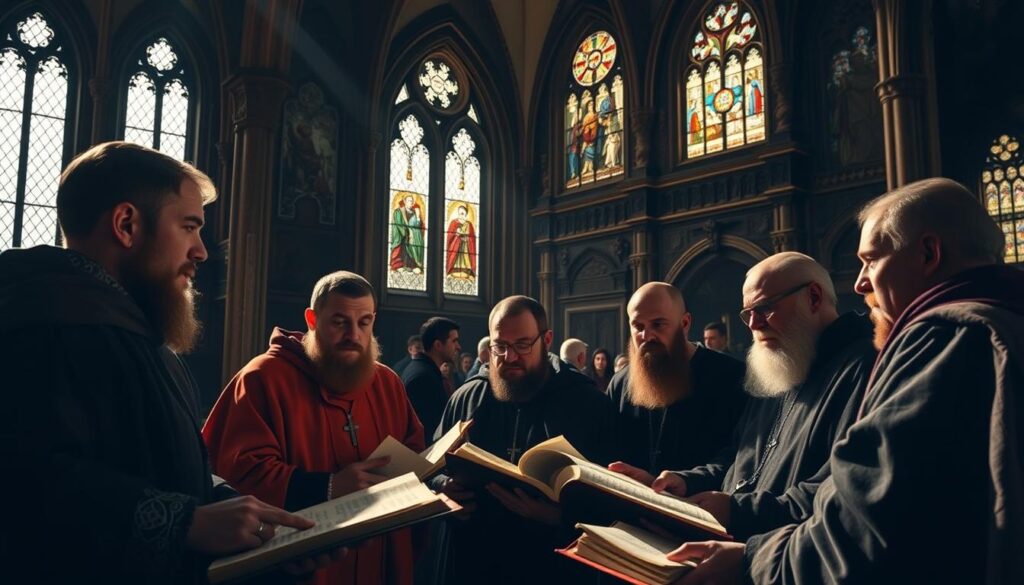
Long before Luther’s protests echoed through Europe, courageous thinkers planted seeds of religious change. These early reformers dared to question centuries of tradition, sparking ideas that would later ignite the Reformation. Their stories reveal how grassroots movements can challenge powerful institutions.
proto-protestant reformers

Pioneers of Spiritual Revolution

John Wycliffe shook 14th-century England by declaring scripture superior to church authority. He famously argued, “The sacred text belongs to plowboys as much as priests.” His team produced the first complete English Bible, making divine teachings accessible to common people.

Jan Hus continued this reform movement in Bohemia. At Prague University, he condemned corrupt clergy and fought for communion practices including both bread and wine. His fiery sermons drew thousands—and eventually, the attention of religious authorities.

Both men paid dearly for their convictions. Hus faced execution in 1415, burned at the stake for heresy. Wycliffe’s remains were later exhumed and desecrated. Yet their ideas survived, circulating through handwritten texts and secret gatherings.

Three lasting impacts emerged from these events:

  • Scripture translation into everyday languages
  • Questioning of religious hierarchy’s absolute power
  • Emphasis on personal faith over ritual observance

These proto-reformers proved that challenging established authority could reshape spiritual history. Their legacy shows how bold ideas, once unleashed, can’t be extinguished—even by fire.

Martin Luther and the Rise of the Protestant Reformation

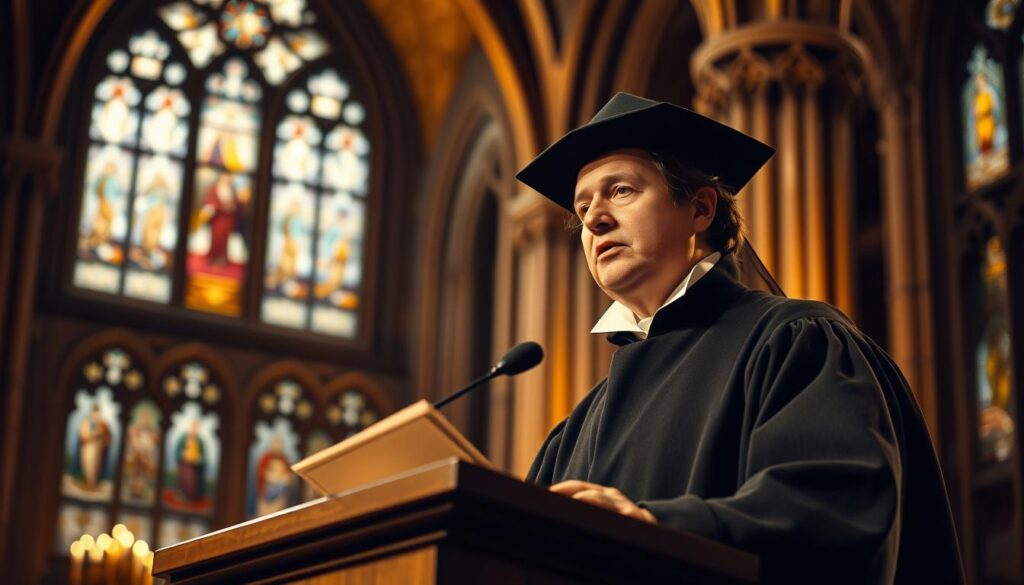
A single document reshaped Europe’s spiritual landscape forever. On October 31, 1517, an Augustinian monk nailed ninety-five arguments to a church door in Wittenberg. This act of defiance against religious authority became the spark for sweeping changes across continents.
martin luther protestant reformation

Ninety-Five Theses and Its Significance

Luther’s theses targeted a specific church practice – selling forgiveness through indulgences. “Why does the pope’s wealth grow while poor believers buy false peace?” he asked. His radical claim? Salvation comes through faith, not financial transactions.

The printing press transformed academic critiques into wildfire. Within months, translated copies reached common people from Paris to Prague. For the first time, many realized they could approach the divine without Catholic Church intermediaries.

Transformation Across Europe

Luther’s ideas spread faster than plague through 16th-century Germany. Local rulers saw an opportunity to break from Rome’s control. By 1525, over half the population in northern states attended Lutheran services emphasizing scripture over rituals.

This spiritual revolution birthed unexpected changes:

  • Vernacular Bibles empowered laypeople to interpret scripture
  • Public schools emerged to promote literacy
  • National identities strengthened against foreign religious control

The Protestant Reformation proved ideas could topple empires. Luther’s focus on grace as God’s gift continues shaping modern Christianity, reminding believers that true transformation begins within.

Influential Reformers: John Calvin and Huldrych Zwingli

While Luther ignited the Reformation’s initial spark, other thinkers constructed enduring theological frameworks. John Calvin’s systematic approach reshaped religious communities from Geneva to Glasgow. His teachings emphasized divine sovereignty, arguing that God’s plan governed all aspects of human existence.

Calvinism Versus Lutheranism

Calvin’s focus on predestination created clear distinctions from Lutheran beliefs. Where Martin Luther stressed individual faith as salvation’s pathway, Calvin’s doctrine highlighted God’s ultimate authority in choosing believers. This divergence birthed two influential traditions within the broader movement.

Swiss reformer Huldrych Zwingli added unique perspectives, viewing communion as symbolic rather than literal. His insistence on scriptural purity influenced church governance models still used today. Reformed groups preferred this label, reflecting their commitment to biblical realignment over mere opposition.

Calvinist ideas spread rapidly through Europe, shaping denominations in France and the Netherlands. Presbyterian systems empowered congregations through elected leadership—a radical shift from hierarchical structures. These innovations demonstrate how theological debates forged lasting spiritual legacies.

FAQ

What distinguishes Protestant groups from the Roman Catholic tradition?

These groups emphasize Scripture alone as the highest authority, rejecting papal infallibility. They also teach that salvation comes through faith, not works, and prioritize individual interpretation of the Bible. Key figures like Martin Luther and John Calvin shaped these beliefs during the Reformation.

How did the Protestant Reformation begin?

The movement started in 1517 when Luther publicly challenged Catholic practices, such as selling indulgences, by posting his Ninety-Five Theses. This act sparked debates across Europe and led to the formation of new Christian communities separate from Rome.

What’s the difference between Calvinism and Lutheranism?

Calvinism, founded by John Calvin, stresses predestination—the idea that God preordains salvation. Lutheranism, rooted in Martin Luther’s teachings, focuses on grace through faith alone. Both reject Catholic rituals but differ in governance and worship styles.

Were there reformers before Martin Luther?

Yes! Figures like John Wycliffe and Jan Hus criticized Church corruption in the 14th and 15th centuries. Wycliffe translated the Bible into English, while Hus advocated for congregational singing and clergy accountability. Their ideas laid groundwork for later reforms.

Why are the Ninety-Five Theses significant?

Luther’s document questioned Catholic doctrines like penance and indulgences. Its rapid spread—thanks to the printing press—ignited public debate, weakened papal authority, and encouraged others to challenge tradition, reshaping European Christianity.

How did Scripture shape Protestant beliefs?

Reformers promoted sola Scriptura, arguing the Bible—not Church leaders—should guide believers. This led to translations in local languages, empowering ordinary people to engage directly with Scripture and fostering personal faith over ritual.

What impact did 16th-century movements have globally?

They spurred colonization, missionary work, and cultural shifts like promoting literacy. Conflicts between Catholics and reformers also triggered wars, reshaping politics and inspiring later movements for democracy and human rights.

What key teachings define Protestant theology?

Core ideas include salvation by grace through faith, the priesthood of all believers, and Scripture as the sole divine authority. These principles reject medieval Catholic practices, emphasizing a direct relationship with God.

Discover the Best Christian Churches Around Me


Finding a spiritual home that aligns with your values can transform your journey of belief. With over 280,000 congregations listed on modern search platforms, exploring local options has never been simpler. Nearly all seekers start their search digitally today, and for good reason – detailed information helps narrow choices before stepping through a doorway.

This guide simplifies your search by highlighting what truly matters. You’ll learn how to evaluate worship styles, community engagement, and leadership approaches. 96% of people now use online tools first when seeking congregations, according to Church Finder data – a testament to how technology supports spiritual exploration.

Whether you’re relocating or deepening your connection to a belief system, understanding denominational differences saves time. Some communities prioritize traditional services, while others focus on youth programs or social justice initiatives. We’ll help you identify which features match your priorities.

Key Takeaways

  • Digital platforms list over 280,000 congregations nationwide
  • 96% of spiritual seekers begin their search online
  • Compare worship styles and community programs easily
  • Identify congregations matching your core values
  • Access detailed information before visiting in person

Your path to meaningful connections starts here. Let’s explore how to find spaces where you can grow, serve, and belong.

Explore Local Church Listings Near You

Your search for a meaningful congregation begins with detailed online profiles. Modern directories showcase vibrant communities through rich storytelling and practical details. These listings help you connect with groups that share your values before attending your first service.

What to Expect from Local Church Profiles

Today’s listings reveal more than addresses. The Seekers Of Unlimited Life Ministry explains their mission: “Finding direction through studying the Word of God.” Parkview Community Church highlights its focus on real people engaging real faith, showing how members grow together.

Historical context adds depth. North Shore United Methodist Church shares its 1910 origins and current role as a Reconciling Congregation. These profiles help you gauge if a community’s heritage aligns with your spiritual goals.

How Listings Highlight Services and Contact Details

Practical information matters. Trinity Church Watseka lists its location at 1658 E. Walnut St., while Life Bridge Community Church shares service times at 700 W. Liberty St. You’ll find:

  • Worship styles (traditional vs contemporary)
  • Special programs like youth groups
  • Key phrases like Carey Temple A.M.E.’s “friendly neighborhood church”

Crossroads Church sums up their approach: “No legalism. Just love.” This transparency helps you identify communities where you’ll feel at home. With clear schedules and locations, planning visits becomes effortless.

Finding Christian Churches Around Me: Your Service Directory

Navigating your spiritual path becomes clearer with modern digital tools designed for discovery. These platforms combine detailed insights with user-friendly interfaces, mirroring how today’s seekers evaluate restaurants or products through reviews. Over 280,000 congregations now appear in searchable databases, making comparison easier than ever.

faith community journey

Utilizing the Latest Church Finder Tools

Advanced filters help narrow options based on practical needs. One Texas pastor notes:

“Our membership grew 40% after listing – people appreciate seeing our live-streamed services upfront.”

Key features include:

Feature Digital Tools Traditional Search
Service Times Instant updates Phone calls required
Community Programs Detailed descriptions Word-of-mouth only
Virtual Tours Available 24/7 In-person visits needed

Success Stories from Real Community Members

Sarah from Ohio shares: “I found a group hosting weekly meals for single parents – exactly what my family needed.” Others describe connecting with niche ministries like addiction recovery groups through location-based searches.

These tools do more than list addresses. They reveal how congregations live their values through food drives or mentorship programs. As online directories evolve, they bridge the gap between spiritual aspirations and real-world connections.

Engaging with Community: Church Events & Ministries

Building meaningful connections happens through shared experiences. Local congregations create spaces where faith comes alive beyond weekly gatherings. From summer concerts to service projects, these initiatives help people grow spiritually while strengthening neighborhoods.

Local Event Highlights and Ministries

Summer Lecture Series at Holy Name Cathedral brings historians and authors to explore topics like Spanish colonial missions. Young Adult Monthly Gatherings blend coffee chats with discussions about applying faith in modern life. Adults 55+ enjoy themed luncheons through the Young At Heart program.

Monthly Holy Hour sessions focus on prayer for spiritual callings. As Pope John Paul II noted:

“The Eucharist strengthens the Christian life and makes the community of believers more cohesive.

Interactive Programs and Community Outreach

Matthew 25 ministries address urgent needs like homelessness through meal services and shelter support. Seasonal programs mobilize young adults to assist neighborhoods facing economic hardships. The Road to Emmaus Revival events unite people through music and shared stories of hope.

Cultural offerings like Summer Cathedral Concerts feature masterworks by Bernstein and Poulenc. International pilgrimages to Italy deepen connections to church history while exploring landmarks tied to Jesus Christ’s teachings.

Program Type Audience Impact
Educational Lectures All ages Historical & spiritual growth
Meal Services Neighbors in need 300+ meals weekly
Music Events Art lovers 1,200 annual attendees

Insights from Online Church Reviews & Resources

Online reviews now shape spiritual decisions as much as restaurant choices. Over 78% of seekers read feedback before visiting new congregations, according to Faith Community Insights. These digital footprints reveal what printed bulletins can’t – authentic experiences from real attendees.

online church reviews

What Reviewers Share About Spiritual Homes

Visitors often highlight practical details that matter most. One parent noted: “The nursery staff made our toddler feel safe – we could finally focus on worship.” Common themes include:

Aspect Frequency Mentioned Impact Score*
Children’s Programs 62% of family reviews 9.1/10
Music Quality 58% of feedback 8.7/10
Accessibility Features 41% of comments 8.9/10

*Based on 2023 survey of 2,400 U.S. church reviews

Digital Tools That Deepen Connections

Many communities now enhance their journey through technology. Holy Name Cathedral offers a $1/year Hallow App subscription – normally $60 – for guided prayers rooted in Catholic traditions. Their weekly newsletter reaches 12,000 subscribers with event updates and faith reflections.

These resources complement physical gatherings. As one user shared: “The app’s daily meditations help me feel connected to Jesus Christ between Sundays.” Combined with honest reviews, they create pathways for meaningful participation in modern spiritual life.

Conclusion

Your journey to find a spiritual home goes beyond Sunday services—it’s about joining people committed to growing together. As Holy Name Cathedral’s mission states, this church aims to “form a community of disciples who inspire, nurture, and join people on their faith journey to encounter and grow in Jesus Christ.” This vision of global connection through faith reminds us every search holds greater purpose.

Modern tools simplify discovering congregations matching your values. Online directories and honest reviews help filter options, but stepping through those doors remains essential. Whether drawn to traditional services or outreach initiatives, there’s a group ready to welcome you with genuine support.

Trust that your efforts matter beyond personal growth. By participating in a faith community, you contribute to creating “a world in communion with Jesus Christ.” Take that first visit—it might lead to relationships that uplift your spirit and strengthen your walk.

FAQ

How do I find accurate listings for congregations in my area?

Many platforms now offer updated directories with filters for location, worship styles, and ministries. Look for tools that verify details like service times and contact information to ensure reliability.

What features should I look for in a service directory?

Prioritize directories that highlight event calendars, outreach programs, and leadership bios. Interactive maps and direct messaging options can also simplify connecting with local groups.

Are there tools to help newcomers explore faith-based communities?

Yes! Modern church finders often include virtual tours, sermon archives, and volunteer sign-ups. Some even offer personalized recommendations based on your interests or spiritual goals.

How can I verify the quality of a congregation’s programs?

Check recent reviews from attendees and explore their social media presence. Many organizations now share video testimonials or highlight partnerships with local charities to demonstrate impact.

What types of community events do most groups host?

Look for seasonal gatherings, youth activities, or service projects like food drives. Many also offer small group studies, music ministries, or interfaith dialogues to foster connections.

Can I access resources for personal spiritual growth online?

Absolutely. Numerous congregations provide downloadable devotionals, prayer guides, and live-streamed services. Some even partner with apps for daily scripture readings or meditation practices.

The Hierarchy of Protestant Churches Explained


Ever wonder how faith communities organize themselves without a central authority? Many spiritual groups use creative approaches to leadership while honoring their core beliefs. This guide explores how various traditions structure their communities, blending ancient wisdom with modern needs.

Unlike systems with top-down governance, these groups often emphasize shared responsibility. Some maintain regional oversight through councils, while others let local assemblies make decisions independently. Historical reformers like Martin Luther and John Calvin shaped these models to reflect their interpretations of sacred texts.

You’ll discover how communities balance spiritual equality with practical leadership. From Anglican councils to Baptist self-governance, each approach reflects unique values. Many modern groups blend tradition with flexibility, creating spaces where members actively shape their collective journey.

Non-denominational communities are rising, focusing on core principles rather than labels. They often embrace ideas like personal faith and scriptural focus while avoiding rigid structures. This evolution shows how timeless values adapt to contemporary life.

Key Takeaways

  • Leadership models vary widely, from regional oversight to local decision-making
  • Historical figures shaped modern governance through scriptural interpretation
  • Communities balance member participation with organizational needs
  • Core values like personal faith influence structural choices
  • Newer groups often prioritize flexibility over traditional labels
  • Organizational systems reflect both spiritual ideals and practical realities

Introduction: The Rise of Protestant Denominations

Religious transformations often start with bold questions. In 16th-century Europe, thinkers began challenging traditional spiritual authority, sparking changes that would reshape Christianity forever. Martin Luther’s 95 Theses didn’t just critique practices—they ignited a revolution in how people connected with divine truth.

England’s break from Rome under Henry VIII created a unique path. The Act of Supremacy in 1534 established a national religious identity while keeping familiar structures. This blend of innovation and tradition became a blueprint for many communities seeking independence from centralized control.

John Wesley’s 18th-century movement shows how new ideas emerge within existing frameworks. His focus on personal spiritual experiences and the Holy Spirit’s role revitalized the Anglican tradition. Over time, these beliefs formed the Methodist Church, proving that renewal could happen without complete separation.

Three key principles defined this era:

  • Direct access to sacred texts without intermediaries
  • Salvation through personal conviction rather than rituals
  • Adaptable organizational models reflecting local needs

Today’s spiritual landscape still echoes these revolutionary ideas. From Baptist assemblies to nondenominational gatherings, the emphasis remains on individual connection rather than rigid systems. This legacy continues to inspire communities seeking meaningful ways to live their beliefs.

Understanding the protestant church hierarchy

How do spiritual groups maintain order while valuing personal conviction? Different approaches emerged from scriptural interpretations and practical needs. Three primary systems shape how communities organize their shared spiritual journeys.

faith community structures

Three Paths to Shared Leadership

Episcopal systems use regional overseers for multiple groups. Methodist and Anglican traditions often choose this approach. Leaders provide guidance while respecting local customs.

Presbyterian models share power through elected councils. Reformed groups typically adopt this method. Teams of elders and ministers make decisions together.

Congregational styles let local members lead directly. Baptist assemblies and non-denominational groups favor this path. Each community interprets teachings independently.

Model Key Feature Common Groups
Episcopal Regional oversight Methodist, Anglican
Presbyterian Elder councils Reformed churches
Congregational Local autonomy Baptist, Non-denominational

Roots in Scripture and Reform

Early Christian communities inspired these structures. The Book of Acts shows believers making collective decisions. Reformers like Calvin saw shared leadership as biblical.

Over time, groups blended New Testament ideas with cultural needs. This created diverse approaches while keeping core values. Today’s communities continue adapting these models for modern life.

Diving into Anglican and Episcopal Traditions

What holds together a global spiritual family spanning 70 million members? The answer lies in a unique blend of ancient rituals and adaptable leadership. This tradition traces its roots to 16th-century England, where historical shifts created a distinct path for Christian communities.

Role of the Book of Common Prayer

Thomas Cranmer’s masterpiece unites Anglicans worldwide. First published in 1549, this liturgical guide shapes worship through timeless prayers and services. Modern editions preserve traditional language while offering contemporary alternatives, creating continuity across generations.

The prayer book does more than structure services. It connects diverse cultures through shared rhythms of devotion. From Nairobi to New York, congregations recite the same creeds and sacramental forms, maintaining theological unity.

Bishops and the Episcopal Structure

Anglican leadership follows a three-tier system. Local priests serve parishes, bishops oversee regions called dioceses, and archbishops guide national bodies. The Archbishop of Canterbury acts as spiritual figurehead, though each national community governs itself.

This structure balances central guidance with local flexibility. Episcopal churches in America added democratic elements, letting lay members join clergy in decision-making. Bishops focus on spiritual mentorship rather than strict control, honoring the via media between older traditions and reformed beliefs.

The Evolution of Lutheran, Methodist, and Reformed Structures

Innovative leadership models reshaped spiritual communities through history. Three distinct approaches emerged from reformer insights, balancing ancient traditions with fresh perspectives.

Foundations of Modern Governance

Martin Luther’s salvation by faith principle transformed organizational thinking. His 1530 Augsburg Confession defined communities where preaching and sacraments guided practice. Today’s 80 million Lutherans blend pastoral guidance with member input, honoring this legacy.

John Wesley reimagined collaboration as an Anglican minister. His 18th-century Connexional system connected local groups through traveling preachers. Circuits and annual conferences created unity without rigid control—a model still vital to Methodists.

Teamwork Over Hierarchy

Reformed groups took a different path. Following Calvin’s teachings, they elected elders instead of bishops. Presbyterian churches use councils where clergy and members share decisions. This “priesthood of believers” approach rejects top-down authority.

These models prove spiritual communities thrive through adaptation. From Lutheran sacraments to Methodist circuits, each system reflects core beliefs in action. Modern groups continue evolving while staying rooted in timeless truths.

FAQ

How do Anglican traditions differ from other Christian groups?

Anglican traditions, like the Church of England, emphasize the Book of Common Prayer and an episcopal structure with bishops. This contrasts with denominations like Baptists or Presbyterians, which often prioritize congregational or elder-led governance.

What role did John Wesley play in shaping Methodist practices?

John Wesley founded the Methodist movement, emphasizing personal faith, social justice, and structured small-group ministries. His teachings led to the creation of the Methodist Church, which blends organized leadership with grassroots outreach.

Why do Reformed churches usually avoid centralized authority?

Reformed churches, influenced by Calvinist theology, often adopt shared governance between pastors and elected elders. This reflects their belief in collective accountability and the priesthood of all believers, rather than hierarchical control.

How does the Southern Baptist Convention structure its leadership?

The Southern Baptist Convention operates through autonomous congregations linked by cooperative agreements. Each local church independently chooses leaders, emphasizing congregational autonomy over top-down authority.

What defines the Episcopal Church’s approach to worship?

The Episcopal Church uses liturgical practices rooted in the Book of Common Prayer, blending scripture, tradition, and reason. Bishops oversee dioceses, but clergy and lay members collaborate in decision-making.

How did Martin Luther influence Lutheran church governance?

Martin Luther’s Reformation principles led Lutherans to prioritize scripture over papal authority. Many Lutheran bodies now balance synodical structures with local congregational input, avoiding rigid hierarchies.

Discover the Leading Christian Churches in Jacksonville


Exploring vibrant faith communities can deepen your spiritual journey and connect you with others who share your values. In Northeast Florida, a network of welcoming congregations offers diverse worship styles, practical support, and opportunities to grow closer to God. Whether you prefer Sunday morning traditions or contemporary weekday gatherings, there’s a place for everyone.

From the Mandarin Campus to the River City Campus, multiple locations provide flexible service times. A new permanent site at 2101 Longleaf Pine Pkwy, St Johns, FL 32259 now hosts Thursday evening and Sunday morning sessions. These gatherings blend meaningful teachings with heartfelt fellowship, creating spaces where visitors quickly feel at home.

Beyond Sunday sermons, many congregations prioritize community outreach. Food drives, mentorship programs, and neighborhood events reflect their commitment to serving others. Newcomers are encouraged to join small groups or volunteer initiatives that align with their passions.

Key Takeaways

  • Multiple campuses across the area offer Sunday and weekday services.
  • A new location in St. Johns provides Thursday evening worship options.
  • Friendly environments welcome both first-time visitors and long-term members.
  • Community-focused programs address spiritual and practical needs.
  • Detailed service schedules and ministry information help you get involved.

Explore Sunday and Weekday Worship Services

Balancing life’s demands with spiritual growth becomes easier with flexible worship schedules tailored to modern lifestyles. Multiple locations and service times ensure everyone can find moments that fit their rhythm. Early arrivals enjoy warm welcomes as doors open 30 minutes before each gathering.

Overview of Sunday Services

Campus Service Times Doors Open
Mandarin 9:30am & 11:00am 9:00am & 11:00am
River City 9:30am 9:00am
St. Johns 9:00am & 11:22am 8:30am & 11:00am

Special Weekday and Community Services

Midweek gatherings refresh busy schedules:

  • Wednesday Nights: 6:30pm services with focused prayer
  • Thursday Renewal: New 7:22pm gatherings at St. Johns

“The Thursday service feels like a reset button for my week—perfect timing after work!”

Families appreciate identical worship quality across all times, featuring live music and practical teachings. College students often choose the latest Sunday option, while young professionals flock to Thursday evenings.

Discover christian churches jacksonville: Community and Mission

At the heart of every meaningful journey lies a purpose that sparks action. For local congregations, this driving force shapes both Sunday gatherings and daily efforts to uplift neighbors. Their approach blends timeless values with modern solutions to life’s challenges.

community outreach programs

Our Mission and Faith

Transformative power defines the core belief system here. “We’re not just sharing ideas—we’re walking with people as they experience real change,” explains a ministry leader. This commitment fuels programs designed to help individuals grow spiritually while addressing practical needs.

Community Events and Outreach Programs

The Storehouse initiative stands out as a beacon of support. Families access clothing, furniture, and household essentials without cost—no questions asked. Seasonal festivals and weekly meetups further strengthen neighborhood bonds.

Volunteers often describe these efforts as “love in work boots.” From mentoring students to hosting job fairs, the focus remains on creating lasting impact. Partnerships with local schools and businesses amplify this effect across the region.

Newcomers quickly notice how gatherings blend fellowship with service opportunities. Whether sorting donations or sharing meals, every activity reinforces the connection between faith and action.

Plan Your Visit: Locations, Directions, and Timings

Your first visit should feel effortless with clear directions and flexible timings. Three welcoming campuses serve diverse neighborhoods, each offering distinct service schedules. Early arrival times allow for casual conversations and stress-free seating.

Mandarin Campus: Service Details

The Mandarin location buzzes with energy every Sunday morning. Doors swing open at 9:00am for the first service, with a second gathering starting at 11:00am. Regulars love the shaded parking spots and stroller-friendly entryways.

River City Campus and More Locations

River City’s single Sunday service at 9:30am creates an intimate atmosphere. Newcomers appreciate the clear signage directing them from I-295 to the campus entrance. The St. Johns location stands out with its Thursday evening option—a 7:22pm service that fits busy schedules.

Campus Sunday Times Weekday Option Address
Mandarin 9:30am & 11:00am None 123 Worship Lane
River City 9:30am None 456 Faith Avenue
St. Johns 9:00am & 11:22am Thu 7:22pm 2101 Longleaf Pine Pkwy

Each location provides free parking and wheelchair access. Volunteer greeters wear bright shirts for easy identification. “I never get lost here—the team makes navigation simple,” shares a recent visitor.

Digital maps on each campus webpage show real-time traffic updates. Service lengths typically run 75 minutes, leaving plenty of time for weekend plans. Whether you prefer morning sunlight or evening serenity, there’s a perfect time slot waiting.

Engage in Ministries and Discipleship Opportunities

Every spiritual journey thrives when paired with practical steps and supportive relationships. Structured programs and age-specific ministries create pathways for growth, whether you’re exploring foundational beliefs or ready to mentor others.

ministries discipleship opportunities

Growth Track and Discipleship Programs

The Growth Track program helps people build confidence in sharing their beliefs while deepening personal understanding. Four interactive sessions cover essential topics:

Session Focus Next Steps
1: Foundations Core beliefs Baptism prep
2: Gifts Skill discovery Serving roles
3: Groups Community building Join Disciple Group
4: Missions Global impact Short-term trips

Ministries for All Ages

Weekly programs meet diverse needs. Kids enjoy interactive Bible adventures with trained leaders. Youth groups tackle real-life topics through games and open discussions. Adults choose from 12 study groups meeting mornings or evenings.

Specialized support shines through sensory-friendly spaces and sign language interpreters. “Our daughter finally feels included,” shares one parent. “They adapt activities so everyone participates.”

Seasonal mission projects let families serve together—think backpack drives or neighborhood cleanups. Many discover hidden talents through these hands-on experiences. Others find lifelong friends in small groups that meet between services.

Experience a Uplifting Worship and Service Atmosphere

Real-life miracles unfold when people gather with open hearts. Weekly services become launching pads for personal breakthroughs through shared prayer and encouragement. The warmth of genuine relationships here creates spaces where burdens lift and joy multiplies.

uplifting worship atmosphere

Transformative Stories of Faith

Dan’s journey illustrates this powerful dynamic. After years struggling with smoking, he experienced freedom during a Wednesday prayer gathering. “I left that night without cravings—like a switch flipped,” he shares. His story now inspires others facing similar battles.

These moments happen regularly through:

Support Type Frequency Impact
Prayer Circles Weekly Immediate guidance
Testimony Nights Monthly Shared encouragement
Small Groups Daily options Ongoing growth

Members describe the environment as “a safety net for life’s storms.” New parents receive meal deliveries, while job seekers find networking help. One volunteer notes: “We celebrate graduations and sit with those grieving—it’s family.”

This culture of care extends beyond Sunday gatherings. Neighborhood barbecues and mentorship programs create natural opportunities for connection. Many discover their deepest friendships while serving together at community events.

Conclusion

Finding your place in a supportive spiritual family can reshape your daily life. These communities offer flexible worship experiences—from energizing Sunday gatherings to midweek renewal sessions—designed to meet people where they are. Whether you thrive in traditional services or modern formats, there’s space for every rhythm of life.

What truly sets these groups apart is their dual focus. They nurture personal faith through mentorship and Growth Track programs while actively addressing neighborhood needs. Weekly food drives and youth initiatives prove that spiritual growth and practical service walk hand-in-hand.

Stories of transformed lives echo through these spaces. A recovering addict finds hope. A struggling parent discovers support. Each journey highlights how authentic relationships and shared purpose create lasting change.

Ready to explore? Visit a service this week or join a volunteer team. Your seat at the table—and your chance to grow—awaits in this vibrant community.

FAQ

What times are worship gatherings held?

Most locations offer Sunday services at 9:30 AM and 11:00 AM. Weekday gatherings vary by campus—check the website for updated schedules.

How can I get involved in local outreach programs?

Join initiatives like food drives, mentorship opportunities, or neighborhood clean-ups. Visit the “Community Events” page to sign up for upcoming projects.

Are there programs for children and teens?

Yes! Age-specific ministries include interactive Kids Ministry, youth groups, and student discipleship courses designed to nurture growth at every stage.

What should I expect during my first visit?

You’ll experience uplifting music, practical teachings, and a welcoming atmosphere. Stop by the guest desk for a free gift and introductions to friendly faces.

Do you offer online services?

Absolutely. Stream live worship gatherings or watch past messages anytime through our app or website. Virtual small groups are also available.

Where are your campuses located?

Our Mandarin Campus is near I-295, and the River City Campus is off Collins Road. Detailed directions, parking tips, and maps are posted online.

How do I join a discipleship program?

Start with Growth Track—a four-week course exploring faith basics and ministry opportunities. Registration opens monthly on the website.

Explore Top Protestant Churches in America


protestant chruches

Step into the story of a movement that reshaped spirituality in the United States. What began in 16th-century Europe as a call for reform grew into a tapestry of beliefs that define much of American religious life. Early leaders emphasized personal faith and scripture over rigid traditions, sparking changes that crossed oceans.

Today, over 140 million Americans identify with denominations rooted in this heritage. From steepled New England meetinghouses to modern megachurches, these communities share core values like grace and service. Yet each group adds its own flavor—think lively gospel choirs or quiet Quaker gatherings.

You’ll see how these faith groups shaped schools, civil rights efforts, and neighborhood food drives. Historical figures like Martin Luther and Jonathan Edwards left marks still visible in Sunday sermons. Modern congregations balance ancient teachings with tech-friendly worship and social justice work.

Key Takeaways

  • Originated from 16th-century reforms emphasizing personal faith and Bible study
  • Home to diverse groups like Baptists, Methodists, and Lutherans
  • Played major roles in founding colleges and social movements
  • Modern communities blend tradition with digital outreach
  • Worship styles range from formal liturgies to contemporary music

Introduction to Protestant Churches in America

Uncover how a 16th-century movement shaped modern religious diversity in the U.S. What began as theological debates in Europe became foundational to America’s spiritual identity, blending ancient wisdom with new-world ideals.

Overview of Protestantism in the United States

The word “Protestant” first described reformers who challenged Roman Catholicism in 1517. Today, it covers dozens of groups united by core beliefs:

  • Scripture as ultimate authority
  • Salvation through faith alone
  • Direct connection between believers and God

These communities, also known by names like Baptist or Methodist, adapted European traditions to American soil. Their history intertwines with the nation’s growth – think frontier revivals and urban outreach programs.

Purpose and Scope of This Ultimate Guide

This resource helps you navigate three key areas:

  1. How denominations differ in worship style and governance
  2. Their role in shaping education and social justice
  3. Modern adaptations like multimedia sermons

You’ll gain tools to find communities matching your values. As one 19th-century preacher noted:

“The church lives not in buildings, but in hearts joined by shared conviction.

Historical Roots of the Protestant Reformation

The spark that lit the Reformation began with a hammer and a church door. In 1517, Martin Luther nailed his 95 Theses to a German chapel, challenging practices like selling forgiveness. This act didn’t just critique Roman Catholicism—it rewrote spiritual authority for millions.

Protestant Reformation history

Early Reformers and the 95 Theses

Luther’s writings spread like wildfire thanks to a new invention—the printing press. His bold decision to translate scripture into everyday language let farmers and shopkeepers read the Bible themselves. “Scripture belongs to all,” he argued, creating a seismic shift in how people connected with faith.

The Impact of Politics and the Printing Press

Local rulers saw Luther’s ideas as a chance to break from Rome’s power. German princes protected reformers, while pamphlets spread Reformation teachings across borders. Consider these key drivers:

Factor Role Outcome
Printing Press Mass-produced texts Ideas reached 20% of Europeans
Political Support Rival kings backed reformers New state churches formed
Vernacular Bible Accessible scripture Literacy rates doubled

This fusion of theology and technology birthed doctrines like Sola Scriptura—scripture alone guides believers. By rejecting sacraments as gateways to salvation, reformers reshaped Christianity’s history forever.

Understanding Protestant Churches: Beliefs and Practices

At the heart of Protestant identity lie foundational ideas that continue to shape worship communities. These principles guide everything from Sunday services to community outreach, creating distinct expressions of shared convictions.

Core Tenets and Doctrinal Foundations

Protestant groups share bedrock beliefs rooted in the 16th century reforms. Scripture stands as the ultimate authority, replacing institutional decrees with biblical truth. This focus empowers individuals to build a direct relationship with God through prayer and personal study.

Reformed churches, shaped by John Calvin’s teachings, emphasize God’s complete control over salvation. Others prioritize free will, allowing believers to choose their spiritual path. Despite differences, all reject the Roman Catholic view that rituals guarantee eternal life.

Two sacraments unite most denominations:

  • Baptism: Symbolizes spiritual rebirth
  • Communion: Remembers Jesus’ sacrifice

Leadership structures reflect democratic values. Many congregations elect committees instead of relying on top-down hierarchies. A Lutheran pastor explains:

“Our practices blend ancient traditions with modern needs—like streaming services for homebound members.”

Denomination Worship Style Key Emphasis
Lutheran Liturgical Traditional hymns
Pentecostal Charismatic Gifts of the Holy Spirit
Reformed Doctrinal Predestination

Major Protestant Denominations in America

America’s religious landscape showcases a vibrant mix of faith groups with deep historical roots. From structured liturgies to spontaneous worship, these communities reflect diverse approaches to shared spiritual foundations.

Foundational Faith Families

Anglican churches, also known as Episcopal congregations in the U.S., preserve centuries-old traditions like the Book of Common Prayer. They stand out for welcoming women into clergy roles while maintaining formal ceremonies.

Baptist groups prioritize local decision-making, with each church governing itself. Their emphasis on adult baptism by immersion contrasts with Lutheran practices of infant christening – both tracing to the 16th century.

New Shapes of Faith

Modern spiritual seekers increasingly flock to non-denominational communities. These groups often drop traditional names, focusing instead on contemporary worship and flexible structures. Many blend live music with tech-friendly teachings about the Holy Spirit.

From Methodist social justice initiatives to Pentecostal emphasis on speaking in tongues, each tradition offers unique pathways for connection. This diversity continues evolving, shaped by America’s ever-changing cultural tapestry.

FAQ

What sparked the Protestant Reformation in the 16th century?

The movement began when reformers like Martin Luther challenged practices of the Roman Catholic Church. Luther’s 95 Theses in 1517 criticized indulgences and emphasized salvation through faith alone, not works. Political support and the printing press helped spread these ideas rapidly.

How do Baptist churches differ from Lutheran or Methodist traditions?

A: Baptist churches emphasize adult baptism by immersion and local church autonomy. Lutherans follow teachings from Martin Luther, focusing on grace through faith, while Methodists, influenced by John Wesley, prioritize personal holiness and social justice.

Why have non-denominational congregations grown in popularity?

Many seek flexible worship styles and less formal structures. These groups often avoid traditional labels, focusing instead on Biblical authority, contemporary music, and community-driven outreach, appealing to younger generations.

What role does the Book of Common Prayer play in Anglican churches?

It guides worship, sacraments, and daily prayers, uniting Anglican congregations globally. First published in 1549, it reflects a blend of Reformed theology and Catholic traditions, maintaining liturgical consistency.

How did the Holy Spirit shape Pentecostal movements in the 20th century?

Pentecostalism emphasizes spiritual gifts like speaking in tongues and divine healing. This focus, rooted in Acts 2, revitalized worship practices and led to rapid growth, especially in Baptist and independent churches.

Do all Protestant denominations interpret the Bible the same way?

No—approaches vary. For example, Reformed churches prioritize systematic theology, while others lean on personal revelation. However, most agree on sola scriptura (Scripture alone) as the ultimate authority.

Christian Churches in Japan: A Spiritual Journey


Welcome to a fascinating exploration of sacred spaces where East meets West in breathtaking harmony. Though less than 1% of the population identifies with this faith, the country boasts over 7,700 spiritual sites spanning historic cathedrals, modernist chapels, and hidden rural sanctuaries. These architectural wonders tell stories of resilience, cultural fusion, and quiet devotion.

Many of these sacred buildings blend European-inspired designs with distinctly local touches. Stained glass might feature cherry blossoms, while wooden beams echo traditional temple craftsmanship. Visitors often marvel at how these structures feel both familiar and uniquely Japanese.

Most locations warmly welcome travelers of all backgrounds. Whether you seek quiet reflection, artistic inspiration, or historical insights, these spaces offer meaningful experiences. Their doors remain open to those curious about Japan’s complex spiritual heritage.

Key Takeaways

  • Discover over 7,700 spiritual sites across the islands
  • Experience stunning blends of Western and Japanese design elements
  • Find welcoming spaces open to all visitors regardless of faith
  • Explore both historic landmarks and contemporary architectural gems
  • Gain insights into centuries of cultural exchange and perseverance

Introduction to Japan’s Christian Heritage

Beneath cherry blossom skies lies a spiritual legacy shaped by secrecy and resilience. Foreign missionaries first brought their faith to the islands in 1549, sparking both curiosity and conflict. For generations, this belief system navigated cycles of acceptance and suppression, leaving an indelible mark on the nation’s cultural tapestry.

Background and Significance

When authorities banned foreign religious practices in 1614, devoted followers became known as Kakure Kirishitans. These hidden communities preserved rituals through coded symbols and oral traditions. One elder recalls, “Our ancestors disguised saints as Buddhist deities and used everyday objects as sacred tools.”

Restrictions eased in the 19th century, first permitting worship spaces for foreign residents. Full religious freedom for locals finally arrived in 1873, ending 259 years of underground practice. This turbulent history explains why many sites carry dual cultural meanings.

The Unique Blend of East and West

Modern spiritual architecture reveals creative fusions unseen elsewhere. Carpenters trained in shrine construction incorporated sliding screens and cedar beams into chapel designs. Stained glass artists blended biblical scenes with seasonal flora like plum blossoms and maple leaves.

These spaces became more than houses of worship – they symbolize dialogue between worlds. A Nagasaki local notes, “Our community altars hold both crucifix pendants and ancestral tablets.” This harmonious coexistence defines Japan’s approach to diverse belief systems.

Historical Journey of Christianity in Japan

The story of faith in this island nation reads like a gripping novel of courage and secrecy. What began as a bold spiritual venture faced centuries of challenges before blossoming into today’s diverse communities.

Early Missionaries and Hidden Believers

In 1549, Francis Xavier landed on Kyushu’s shores, sparking rapid growth. By 1580, over 150,000 converts practiced openly. But tides turned when authorities banned foreign beliefs. One survivor’s account reveals: “We prayed to statues resembling Buddha while whispering Latin verses.”

hidden christians japan

Persecution peaked in the 1600s. Officials exiled thousands to remote regions like Tsuwano. There, 37 martyrs chose death over abandoning convictions. Their resilience inspired secret rituals – folded paper crosses and disguised prayer books kept traditions alive underground.

From Ban to Revival: A Timeline

  • 1549: Francis Xavier establishes first missions
  • 1614-1873: Practice driven underground
  • 1865: Hidden communities rediscovered in Nagasaki
  • 1873: Ban lifted after international pressure

The 19th century brought renewed freedom. Formerly hidden groups emerged, blending ancestral practices with renewed connections to global believers. This fusion created the unique spiritual identity visible in modern christianity japan communities today.

Architectural Grandeur of Japanese Churches

Japan’s spiritual architecture reveals a dance between tradition and innovation. Visionary designers reimagined sacred spaces through bold geometric forms and cultural synthesis. These structures challenge expectations while honoring deep-rooted craftsmanship.

Modern Marvels and Traditional Influences

Kenzo Tange’s St. Mary’s Cathedral exemplifies this fusion. Its stainless steel shell forms a cross silhouette visible from Tokyo skyscrapers. “We wanted light to become prayer,” the architect noted about the concrete walls guiding sunlight through narrow slits.

Builders often combine ancient techniques with new materials. Cedar joinery from shrine construction meets steel reinforcement. Sliding paper screens reinterpret Gothic arches, creating spaces that feel both timeless and futuristic.

Feature Traditional Influence Modern Interpretation
Roof Design Pagoda-style eaves Angled concrete cantilevers
Wall Materials Washi paper screens Laminated glass panels
Symbolism Nature motifs Abstract geometric forms

Stained Glass and Symbolic Designs

The country’s glass windows transform sunlight into storytelling. Artists blend biblical scenes with seasonal flora – Easter lilies merge with cherry blossoms, while autumn maples frame nativity displays. This creates living art that shifts with the time of day.

In Nagasaki, a chapel’s rose window depicts local martyrs using traditional porcelain techniques. Such details make these beautiful churches unique bridges between worlds. Visitors often describe the effect as “light speaking through color.”

Iconic Churches in Japan: A Closer Look

Japan’s spiritual landscape reveals its most captivating stories through architectural masterpieces that defy expectations. These structures serve as living archives, blending global influences with local craftsmanship while hosting active communities.

iconic churches japan

St. Mary’s Cathedral and Harajuku Protestant Church

St. Mary’s Cathedral in Tokyo stuns visitors with its soaring concrete wings forming a cross-shaped silhouette. Architect Kenzo Tange redefined sacred space here, using light as a spiritual element through strategic slits in 140-foot walls. “The building itself becomes a prayer,” remarked a caretaker during a recent tour.

Near bustling Harajuku, the Protestant Church by Ciel Rouge Creation showcases fluid curves contrasting with Tokyo’s angular skyline. Its symbolic arches frame stained glass blending biblical motifs with ukiyo-e cloud patterns, creating a dialogue between French design and Japanese aesthetics.

Yokohama Union and Kaigan Churches

Yokohama Union Church holds special status as the nation’s oldest English-speaking congregation. Since 1863, its wooden spire has welcomed international worshippers, preserving original hymnbooks signed by Meiji-era visitors. Sunday services still echo with multiple languages.

Just blocks away, Yokohama Kaigan Church made history in 1872 as the first purpose-built space for local believers. Its hybrid design features a samurai castle-inspired bell tower above Gothic arched windows – a physical manifestation of cultural integration.

These landmarks offer more than photo opportunities. They represent turning points where foreign traditions took root through architectural innovation and community resilience. Each structure invites reflection on how spiritual spaces adapt while retaining core identities.

Distinct Features and Spiritual Ambiance

Step into spaces where light and form converge to create sanctuaries of serenity and innovation. Modern spiritual architecture here transforms sunlight into sacred geometry, crafting environments that calm minds and uplift hearts. Every element serves dual purposes – functional design meets symbolic meaning.

Innovative Designs by Renowned Architects

Visionary creators reimagine traditional concepts through bold curves and strategic apertures. One Tokyo landmark features walls angled to funnel daylight like liquid gold across pews. “We wanted worshippers to feel embraced by light itself,” explains the designer behind its sweeping arches.

These spaces masterfully balance grandeur with intimacy. A main hall seating 600 feels surprisingly personal through tiered seating and acoustic engineering. Curved ceilings guide voices into harmonious resonance during worship services, creating collective moments of connection.

Artistic Interior and Worship Spaces

Musical elements elevate the sensory experience. Massive pipe organs tower beside minimalist altars, their brass pipes reflecting kaleidoscopic light patterns. Sunday melodies blend with the soft rustle of turning hymnbooks, composing a living soundtrack for place worship.

Communities prioritize accessibility without sacrificing beauty. After evening worship services, these halls transform into concert venues welcoming all. A regular visitor shares: “The warmth here isn’t just from sunlight – it’s how strangers become friends.”

Through such thoughtful design, these beautiful churches achieve something remarkable. They honor their role as place worship while serving as bridges between cultures, art forms, and generations.

Visitor Insights and Etiquette Guidelines

Exploring sacred spaces here offers rich cultural exchanges, but requires awareness of local customs. Many sites blend global traditions with uniquely Japanese practices, creating etiquette rules that honor both worlds. A little preparation ensures your visit remains respectful and rewarding.

church etiquette guide

Proper Conduct and Dress Code

Modest attire shows respect in these spiritual settings. Avoid shorts or sleeveless tops, and remove hats upon entering. As one caretaker advises: “Dress like you’re meeting someone important – because you are.”

Silence phones before stepping inside. During worship services, refrain from walking around or chatting. A slight bow when entering acknowledges the space’s significance, mirroring local customs.

Photography and Respectful Behavior

Capture outdoor architecture freely, but check signage before snapping indoor shots. Flash photography often disrupts Sunday worship or private ceremonies. If unsure, ask staff – many provide multilingual guide sheets explaining rules.

Stay within marked visitor zones. Private prayer areas often lie beyond ropes or screens. Remember: these active churches japan balance tourism with their primary role as community spaces. Your mindfulness helps preserve their peaceful atmosphere for all.

Interdenominational Worship and Community Life

In the heart of bustling cities, spiritual communities thrive through linguistic bridges and cultural exchange. Over 30 nationalities gather weekly in these spaces, creating vibrant mosaics of shared faith. Union churches lead this movement, offering services that transcend language barriers while nurturing deep connections.

Multilingual Services and Global Congregations

Sunday mornings hum with the rhythm of multiple languages. A typical schedule might include English Mass at 9 AM, Vietnamese worship at noon, and Japanese Bible study by evening. “We don’t just translate words – we translate belonging,” shares a Tokyo congregation leader.

These international church communities trace their roots to 19th-century port cities. Today, they help newcomers navigate cultural transitions through:

  • Bilingual parenting workshops
  • Festivals blending harvest moon traditions with Easter celebrations
  • Language exchange programs paired with scripture study

The Protestant church near Osaka Station exemplifies this ethos. Its century-old English Mass tradition continues alongside Korean prayer circles and Tagalog choir practices. Visitors often describe the atmosphere as “a warm embrace from the global village.”

Exploring christian churches japan: A Cultural and Spiritual Hub

Beyond their sacred purpose, these community hubs pulse with year-round energy. Seasonal festivals and creative gatherings transform quiet spaces into vibrant crossroads of culture. Visitors find unexpected connections through shared meals, music, and light-filled traditions.

Community Events and Celebrations

Spring brings Easter egg hunts with hand-painted washi paper decorations. Summer festivals feature taiko drum performances beside barbecue fundraisers. One volunteer shares: “Our autumn bazaar sells both pumpkin pies and matcha cheesecake – it’s delicious diplomacy!”

December shines brightest with illumination events that draw thousands. Forests around worship centers glow with thousands of LED lights shaped like stars and angels. Families stroll paths lined with bamboo lanterns while carols echo through frosty air.

Event Seasonal Feature Cultural Blend
Christmas Market December lights display German-style stalls with origami ornaments
New Year Service Bell-ringing ceremony Prayer cards + traditional mochi offering
Harvest Festival Autumn produce sale Pumpkin carving meets ikebana workshops

January 1st offers a peaceful alternative to crowded shrines. Morning services include tea ceremonies and hymn singing. New year visitors receive handwritten blessings – a tradition blending calligraphy art with spiritual well-wishes.

These gatherings create natural friendship opportunities. Language exchange tables form during coffee hours. International students often find holiday homes through community networks. As one regular attender notes: “You come for the stained glass, but stay for the people.”

Transportation, Accessibility, and Local Guides

Navigating Japan’s spiritual landmarks becomes effortless with smart travel planning. Most sites sit within walking distance of major transit hubs, letting you combine cultural exploration with efficient movement. Public transport here runs like clockwork – your best ally for discovering hidden gems.

Plan Your Route by Train or Bus

Key locations cluster near Tokyo’s Yurakucho Line and JR Yamanote Line stations. From Edogawabashi Station, a 5-minute stroll leads to architectural marvels. In Yokohama, walk 10 minutes from Ishikawa-cho Station to reach historic sites blending East-West design.

Regional connections shine too. Ride the Hokuriku Shinkansen from Tokyo for 1 hour to access mountain-ringed sanctuaries. From Kyoto, a 2-hour train journey reveals coastal spiritual sites. Nagasaki’s tram system delivers visitors to symbolic landmarks in minutes.

Local Tips for First-Time Visitors

Download transit apps like Google Maps or JapanTravel for real-time updates. Morning hours offer quieter visits before tour groups arrive. “Check local event calendars,” advises a Tokyo-based guide. “Some sites adjust access during special services.”

Comfortable shoes prove essential – cobblestone paths and hilltop locations abound. Many spots provide English pamphlets, but consider hiring a certified guide for deeper historical insights. Their stories transform stone walls and stained glass into living history books.

Remember: entry policies vary. While most welcome respectful visitors, some active worship sites request limited photography. A quick bow at the entrance shows appreciation for these sacred spaces and their communities.

FAQ

What makes Japan’s spiritual sites blend Eastern and Western influences?

Many historic sites, like St. Mary’s Cathedral in Tokyo, combine modernist designs with traditional Japanese craftsmanship. This fusion reflects the country’s adaptation of foreign faiths while honoring local aesthetics.

How did communities practice their faith during Christianity’s ban in Japan?

“Hidden Christians” preserved rituals secretly for centuries, often disguising symbols as Buddhist imagery. The Ōura Church in Nagasaki stands as a tribute to their resilience after the ban lifted in 1873.

Are there multilingual worship services available?

Yes! Yokohama Union Church and Karuizawa Kogen Church offer services in English, catering to international visitors. Some locations provide translated materials or bilingual staff for guidance.

Can visitors attend events like Christmas illuminations?

Absolutely. Annual events, such as the Nagasaki Lantern Festival or Kyoto’s Miyazu Catholic Church illumination, blend festive lights with cultural celebrations. Check local schedules for seasonal activities.

What should I wear when visiting sacred spaces?

Modest attire is recommended. Avoid shorts or sleeveless tops, especially during services. Photography rules vary—always ask permission before capturing stained glass or interiors.

How accessible are these sites by public transit?

Most are near train stations. For example, Tokyo’s Harajuku Protestant Church is a short walk from JR Harajuku Station. Local buses often connect rural locations like Tōno’s Kogen Church.

Which architectural styles stand out in these buildings?

Kenzo Tange’s St. Mary’s Cathedral features bold concrete curves, while Yokohama Kaigan Church showcases Gothic Revival arches. Many integrate woodwork or shoji-inspired elements for a local touch.

Do any locations host community activities beyond worship?

Yes! Places like Nagasaki’s Ōura Church hold concerts, while Kyoto’s St. Philip Church organizes cultural workshops. Seasonal markets and volunteer events are also common.