Recent Posts

Discover Top Christian Churches to Visit in Portland


Welcome to a city where faith and community thrive side by side. Whether you’re new to the area or planning a visit, you’ll find spiritual hubs here that blend tradition with modern warmth. These spaces invite everyone to connect, reflect, and grow.

Portland’s spiritual landscape is as diverse as its people. From historic buildings with stained-glass windows to lively gatherings in contemporary settings, each congregation offers something special. Many focus on outreach programs, youth initiatives, and events that bring neighbors together.

Looking for a place to belong? Local faith communities prioritize inclusivity. You’ll discover groups hosting meals for those in need, volunteer projects, and small gatherings for deeper connections. No matter your background, there’s room for you here.

This guide will help you explore standout ministries and services across the city. Learn how each location fosters relationships and supports personal growth. Let’s find the perfect fit for your journey.

Key Takeaways

  • Explore diverse worship styles and community-focused programs
  • Find inclusive environments that welcome all backgrounds
  • Discover unique ministries addressing local needs
  • Connect with groups offering volunteer and social opportunities
  • Learn how to identify congregations matching your values

Overview of Portland’s Christian Church Scene

The story of faith in this city is one of adaptation and unity. Over generations, spiritual communities have blended time-honored traditions with fresh approaches to connect with modern seekers. This mix creates spaces where people from all walks feel welcomed.

Historical Context and Community Growth

Early congregations focused on neighborhood support and shared rituals. As the population grew, new groups emerged to address changing needs. Today, you’ll find everything from century-old buildings hosting choirs to lively gatherings in repurposed warehouses.

Denomination Type Community Focus Worship Style
Mainline Social Justice Traditional
Non-denominational Youth Programs Contemporary
Charismatic Creative Arts Experiential

These groups prioritize both spiritual growth and social impact. Many organize food drives, mentorship programs, and cultural festivals. This dual focus helps members follow Jesus through action and reflection.

Newer church plants often target specific neighborhoods or demographics. They use podcasts, community gardens, and bilingual services to engage diverse audiences. The result? A vibrant spiritual ecosystem that mirrors the city’s innovative spirit.

Services and Sunday Gatherings

Spiritual communities across the city offer varied approaches to weekly services. Flexible scheduling helps people engage with their faith while balancing work, family, and personal commitments.
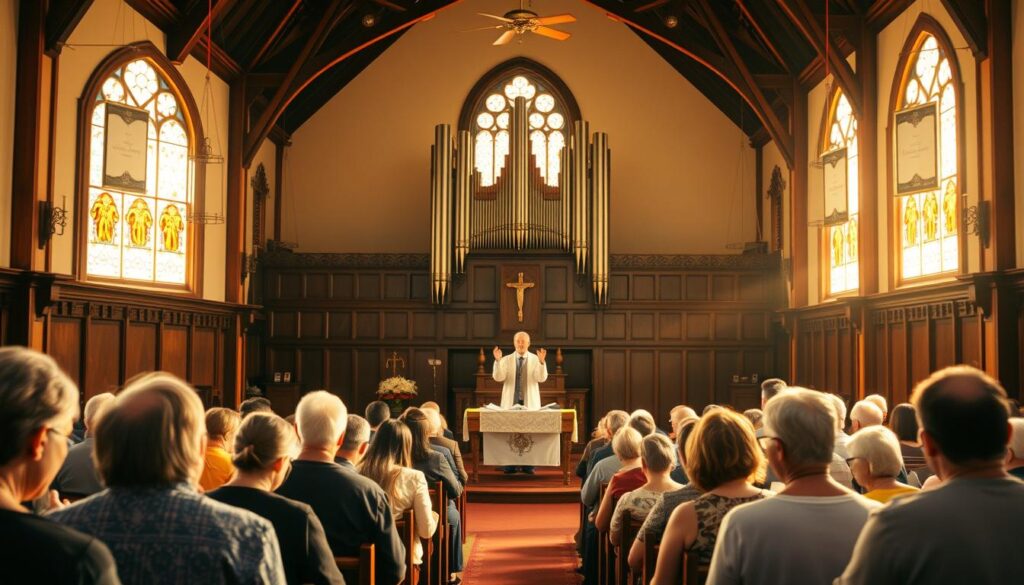
church gatherings

Worship Times and Locations

Bridgetown Church hosts three Sunday gatherings at their NE Tillamook Street location. The 9 AM, 11 AM, and 5 PM sessions blend musical worship with scriptural teachings. Attendees share prayer requests and quiet reflection moments during services.

New Hope Church provides morning services at 9 and 11 AM, plus a Spanish-language option at 2 PM. Their team notes: “We designed multiple time slots so nobody feels rushed. Come as you are – early birds and late risers all find space here.”

Time Format Special Features
9 AM In-person Live band worship
11 AM Hybrid Children’s programs
5 PM Evening Young adult focus

Online and In-Person Experiences

Many locations now stream services for home participation. New Hope’s 11 AM gathering airs live with chat-based prayer requests. Hybrid formats let people switch between physical attendance and digital access week-to-week.

First-time visitors appreciate this flexibility. One regular attendee shared: “When my work schedule changed, the 5 PM service became my perfect way to reconnect. The evening gathering feels more intimate somehow.”

Community Engagement and Following Jesus

Building meaningful connections starts with shared action. Many local congregations create ways for members to live out their beliefs through service. Bridgetown stands out with its neighborhood groups that meet weekly in homes. These gatherings blend meals, discussions, and practical support projects.

Ways to Get Involved in Church Life

Volunteer roles adapt to different schedules and skills. Sunday teams might handle greeting or childcare, while weekday crews tackle food distribution or home repairs. “We help people find roles that spark joy,” says a Bridgetown organizer. First-time participants often start with simple tasks like sorting donations.

Small groups form the heartbeat of ongoing engagement. Members study together, plan neighborhood cleanups, and host game nights. These regular meetups build trust that fuels deeper friendships and collaborative problem-solving.

Seasonal initiatives offer time-bound commitments for busy lives. Think back-to-school backpack drives or holiday meal deliveries. Such projects let volunteers see immediate impacts while connecting with others who share their values.

Inspiring Ministries and Inclusive Programs

Meaningful connections form through shared experiences and intentional support. Local spiritual groups design specialized initiatives to meet diverse needs while fostering belonging. From accessibility features to recovery-focused gatherings, these efforts reflect a commitment to serving all people.

Baptism and Accessibility Initiatives

New Hope Church creates space for public declarations of faith through baptism services. A leader explains: “These moments let individuals celebrate their spiritual journey visibly and joyfully.” Their 11 AM Sunday gathering also includes ASL interpretation, ensuring full participation for deaf attendees.

Youth Engagement and Recovery Support

Bridgetown’s monthly rhythm includes two standout events. Young adults unite every first Monday at 7 PM for worship sessions paired with reflective discussions. The second Friday brings the Recovery Community together from 6:30-8 PM. These meetings offer practical tools and peer encouragement for those overcoming addiction.

Both programs demonstrate how tailored ministries address specific life stages and challenges. By hosting regular gatherings, they build consistency that helps participants grow roots in their community. This intentional care model shows faith in action beyond Sunday mornings.

Christian Churches Portland: Discover Their Unique Journey

Every spiritual community carves its path through time, shaped by vision and local needs. Some began as grassroots efforts in living rooms, while others grew from century-old ministries. Their stories reveal how faith adapts while staying rooted in timeless truths.
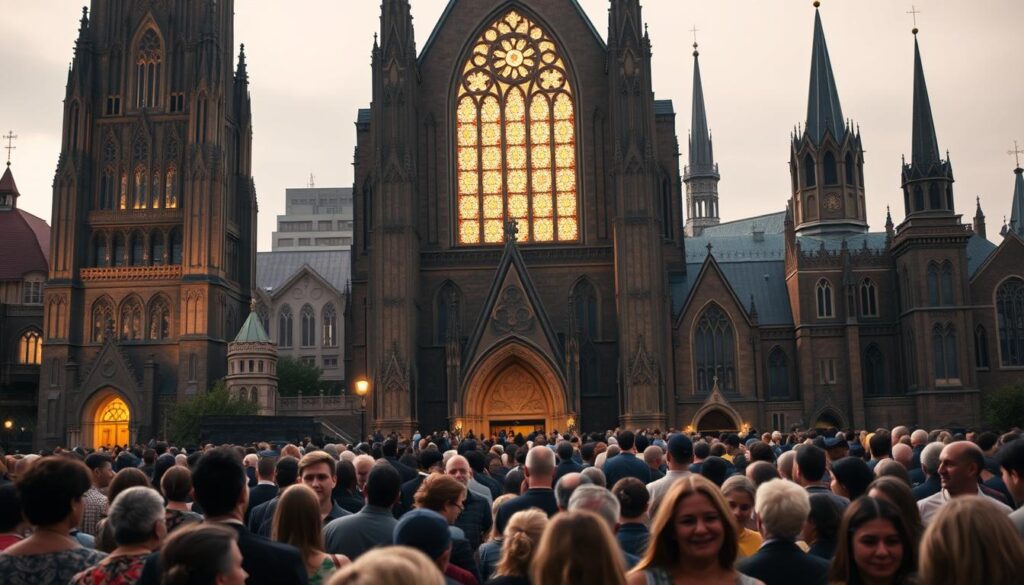
unique journey faith communities

From social justice advocates to creative arts enthusiasts, congregations develop distinct identities. One group might blend ancient liturgy with podcast discussions, while another hosts pop-up meals beside traditional worship. “Our mission evolves as our neighborhood does,” shares a ministry director. This flexibility helps communities stay relevant without losing their core purpose.

Focus Area Traditional Elements Innovative Methods
Social Justice Scripture-based teachings Mobile food pantries
Youth Development Baptism ceremonies Gaming ministry nights
Cultural Celebration Hymn singing Bilingual story circles

Many locations balance heritage with fresh ideas. A 1920s-built congregation recently added solar panels and disability access ramps. Another transformed its basement into a free community clinic. These changes show how spaces honor history while serving modern needs.

What unites them? A commitment to welcoming seekers from all walks of life. Whether through jazz-infused services or quiet meditation gardens, each community offers doorways to connection. Their journeys prove faith thrives when it listens as much as it leads.

Resources and Events to Enhance Your Faith Journey

Your spiritual growth thrives with tools and connections tailored to modern life. Local communities provide dynamic resources to nurture every step of your personal journey. Discover how these offerings fit seamlessly into daily routines while fostering deeper connections.
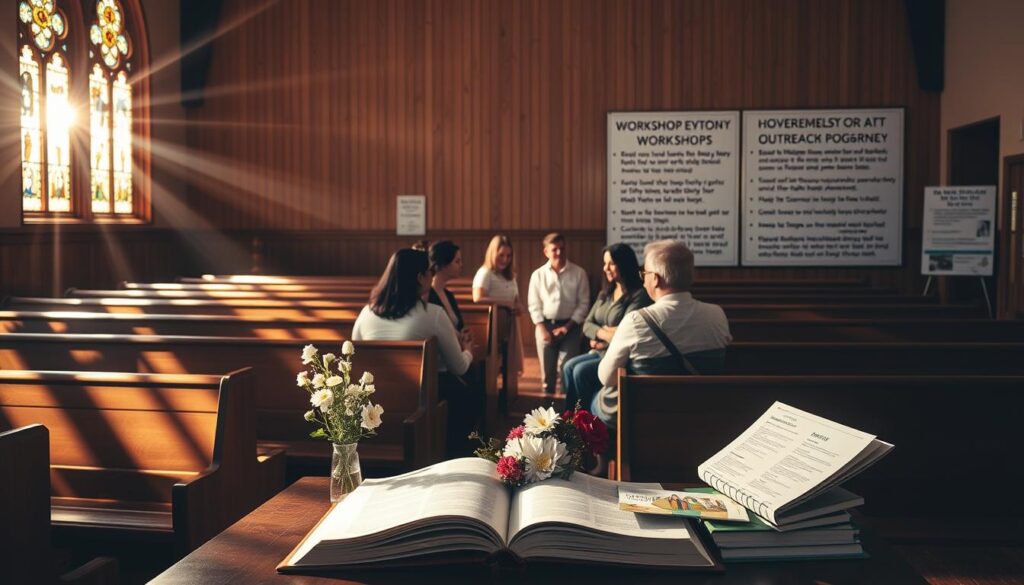
faith resources events

Weekly Teachings and Prayer Opportunities

Bridgetown’s digital library houses years of recorded gatherings. Explore scriptural insights through their podcast series or watch special lectures on demand. “Our teachings remain available so truth meets people where they are,” shares a ministry leader.

New Hope delivers fresh content through weekly emails. Subscribers receive prayer prompts, volunteer sign-ups, and curated worship music links. Their Spotify playlists blend modern anthems with classic hymns for daily encouragement.

Gatherings, Lectures, and Community Connections

Both communities host monthly events creating spaces for shared learning. Bridgetown’s lecture series tackles topics like forgiveness in relationships and finding purpose. New Hope organizes neighborhood dinners paired with group discussions about applying faith principles.

Resource Type Bridgetown Offerings New Hope Features
Teaching Archives 300+ video sermons Blog posts & study guides
Prayer Support Online request form 24/7 phone hotline
Monthly Events Book clubs & workshops Family game nights

Regular programs help maintain momentum between Sunday services. One attendee notes: “The parenting workshop gave practical tools while introducing me to other moms.” Whether joining online or in person, these resources strengthen both individual and collective growth.

Conclusion

Your path to belonging starts with a single visit. The city’s faith communities offer rich opportunities for spiritual growth through diverse worship styles and service projects. Whether you seek quiet reflection or active volunteering, these groups provide welcoming spaces to connect authentically.

Inclusive environments celebrate different backgrounds and life experiences. Many feature mentorship programs, creative workshops, and neighborhood partnerships. These practical resources help build support systems while fostering personal development.

Every community brings unique strengths to the table. Some excel in family programming, while others focus on social justice initiatives. Exploring multiple locations lets you discover where your values align best.

Ready to take the next step? Local gatherings welcome newcomers with open arms. Attend a service, join a volunteer team, or simply chat with members after events. Your journey toward meaningful connections begins here.

FAQ

What types of worship services are available?

Many local congregations offer both in-person and online gatherings. You’ll find traditional Sunday sermons, contemporary music sessions, and interactive Bible studies. Check individual websites for specific schedules and formats.

How can I connect with others outside Sunday services?

Faith communities often host small groups, volunteer projects, and social events. Look for recovery programs, youth meetups, or seasonal festivals to build relationships while growing spiritually.

Are there accommodations for people with disabilities?

Yes! Several ministries provide ASL interpretation, wheelchair access, and sensory-friendly spaces. Reach out to your preferred congregation to learn about their inclusive resources.

Do these groups offer guidance for new believers?

Absolutely. From baptism classes to mentorship programs, many organizations prioritize helping individuals explore their faith journey. Weekly teachings and prayer circles also foster deeper understanding.

Where can I find event calendars or updates?

Most faith-based hubs share upcoming lectures, concerts, and service opportunities on their websites or social media. Sign up for newsletters to stay informed about seasonal celebrations and outreach initiatives.

What makes local congregations unique?

Each group blends tradition with innovation—think historic buildings hosting modern art exhibits or ancient rituals paired with tech-friendly tools. Their shared focus on love and justice creates a vibrant spiritual tapestry.
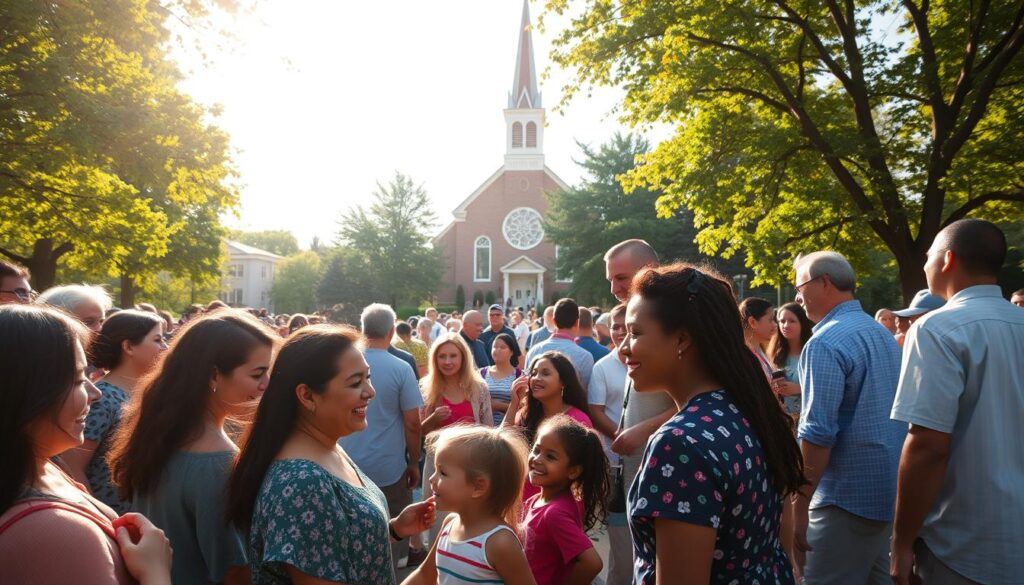
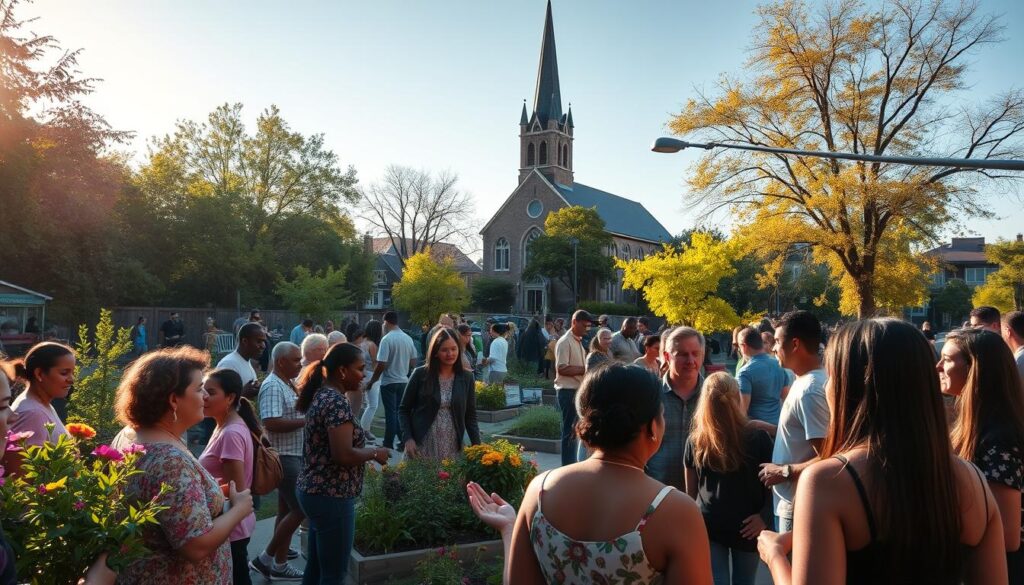
Top Christian Churches to Visit in Queens, NY


New York’s vibrant cultural mosaic shines through its sacred spaces. In one borough, historic steeples stand beside modern worship centers, each offering distinct approaches to spiritual connection. These community hubs blend tradition with contemporary outreach, creating welcoming environments for all seekers.

From Gothic Revival architecture to intimate neighborhood chapels, these institutions serve as more than prayer spaces. Many host food pantries, cultural festivals, and interfaith dialogues. Their stained-glass windows tell stories of immigrant communities building new lives while preserving cherished traditions.

What makes these gathering places special? Their ability to unite people across generations and backgrounds. Some buildings date back to the early 1900s, yet maintain lively youth programs and tech-savvy services. Others feature multilingual congregations reflecting the area’s rich ethnic tapestry.

Key Takeaways

  • Diverse worship styles accommodate traditional and modern preferences
  • Historic buildings coexist with active community programming
  • Cultural celebrations enhance spiritual experiences
  • Architectural beauty complements meaningful gatherings
  • Inclusive environments foster cross-generational connections

Discovering the History and Spirit of Queens’ Christian Community

Queens’ spiritual identity took shape through waves of newcomers carrying hope and heritage. Immigrant groups from Europe, Latin America, and beyond planted seeds of faith that grew into thriving congregations. These groups blended old-world customs with New World opportunities, crafting unique expressions of belief.

A Brief Historical Overview

Early 20th-century arrivals built sanctuaries resembling homelands they left behind. Polish stonemasons crafted intricate altars, while Italian artisans designed vibrant mosaics. Many institutions still display original membership rolls in fading ink and vintage photographs of founding families.

These spaces became anchors during turbulent times. One pastor’s journal from the 1930s notes: “We fed 300 families weekly while repairing our bell tower.” Such stories reveal how physical structures supported both practical needs and spiritual growth.

Foundational Beliefs and Traditions

At their core, these communities prioritize three timeless principles:

  • Compassionate service through food drives and mentorship programs
  • Intergenerational bonding via shared rituals and festivals
  • Adaptive worship balancing hymns with modern music

Annual events like harvest festivals and neighborhood clean-ups keep traditions alive while addressing current community needs. This blend creates living history that breathes new life into ancient practices.

Experiencing the Life, Community, and People at christian churches queens ny

At the heart of these spiritual homes beats a rhythm of connection that transcends Sunday services. One Elmhurst congregation exemplifies this energy, where laughter echoes through halls during potluck dinners and volunteers pack groceries for local families. community gatherings Queens

Community Events and Fellowship

Weekly neighborhood meetups create spaces for friendships to blossom over coffee and shared stories. Seasonal festivals transform parking lots into vibrant markets with international foods and handmade crafts. Annual service projects unite generations – teens painting murals alongside retirees planting community gardens.

Specialized groups cater to diverse needs:

  • Parent support circles with childcare co-ops
  • Young professionals hosting career development workshops
  • Multilingual prayer gatherings celebrating cultural traditions

Inspiring Services and Worship

Sunday mornings pulse with soul-stirring music blending pipe organs with gospel choirs. Interactive sermons invite participation through smartphone polls and live Q&A sessions. A member recently shared: “I finally feel seen here – my talents matter beyond the pews.”

Creative outreach initiatives let people use unique skills. Graphic designers create event posters while bakers supply homeless shelters. This approach turns faith into action, building bridges across the borough’s diverse landscape.

Diverse Worship Styles and Vibrant Church Services

From digital services to historic sanctuaries, faith experiences here cater to all generations. Spiritual communities balance innovation with heritage, offering multiple pathways for personal connection.

Modern Worship Experiences

Interactive screens and live-streamed gatherings let participants engage from home or pew. One worship leader notes: “Our hybrid approach keeps families connected during moves or health challenges.” Contemporary bands blend global music styles, while prayer groups use chat features for real-time support.

Traditional Ceremonies and Architectural Highlights

Century-old buildings with vaulted ceilings host candlelit services using original hymnals. Stained glass scenes of biblical stories cast colorful light on marble altars. These spaces maintain rituals like communion processions while explaining their symbolism to new attendees.

Messages often address real-life challenges through timeless wisdom. As one teacher shared: “The story of faith isn’t about perfection – it’s beautiful, disappointing, and hopeful all at once.” This honest approach helps people feel seen during personal struggles.

Architectural contrasts create unique atmospheres. Modern spaces feature acoustic panels for crystal-clear music, while historic sites preserve hand-carved confessionals. Both environments foster reflection through intentional design.

Connecting with Ministries and Local Groups

Building meaningful connections forms the cornerstone of local spiritual communities. Many offer streamlined pathways for involvement through hands-on service and relationship-building initiatives designed to meet practical needs.

community outreach Queens

Small Group Meetings and Community Outreach

Newcomers find welcoming support through “I’m New” starter guides that outline volunteer roles and group opportunities. Weekly gatherings in homes and community centers create spaces for shared learning – think book discussions paired with meal prep for shelter donations.

Outreach efforts mirror timeless values of compassion. Volunteers recently packed 500 hygiene kits while refurbishing a neighborhood playground. “Serving others helps me live my faith beyond Sunday mornings,” shares a longtime member.

Online and Live-Service Options

Hybrid participation models ensure everyone stays connected. Live-streamed services feature real-time prayer requests, while virtual small groups meet via video chat. Event calendars sync seamlessly with digital platforms, sending reminders for:

Features Online Options In-Person Options
Worship Services Live streams with chat support Multilingual gatherings
Group Meetings Zoom Bible studies Neighborhood coffee circles
Community Service Virtual fundraising Food pantry volunteering

Global partnerships let members support overseas education projects while addressing local needs like tutoring programs. This dual focus helps people make impacts both nearby and worldwide.

Conclusion

Sacred spaces across this borough pulse with transformative energy. These gathering spots nurture personal growth through shared experiences, blending ancient wisdom with modern relevance. Visitors often discover unexpected connections that reshape their understanding of belonging.

What makes these institutions stand out? Their ability to meet people where they are. Young professionals swap career tips after services while retirees organize meal deliveries. Cultural celebrations turn parking lots into global festivals, proving faith thrives through joyful collaboration.

At their core, these communities prioritize action-oriented compassion. Food drives support neighbors alongside mentoring programs lifting up youth. Whether through traditional hymns or podcast sermons, everyone finds pathways to contribute meaningfully.

The true magic lies in lasting impacts. Friendships forged during volunteer projects often span decades. Children who attended summer camps return as leaders, continuing cycles of support. This living network proves spiritual life flourishes when rooted in service.

For those seeking purpose, these spaces offer more than weekly rituals. They provide blueprints for community building that honor diverse backgrounds while creating unified visions. Here, individual journeys intertwine to write collective stories of hope.

FAQ

What types of worship styles are common in Queens congregations?

You’ll find everything from contemporary bands and multimedia presentations to traditional hymns and stained-glass sanctuaries. Many places, like Greater Allen Cathedral, blend modern energy with time-honored rituals.

How can I connect with local outreach programs?

Most groups host food drives, mentorship initiatives, and neighborhood clean-ups. Check websites for Calvary Chapel Queens or New Life Fellowship Church to explore their volunteer calendars and partnerships.

Are there historic congregations worth visiting?

Absolutely! St. Gregory’s Catholic Church, founded in 1922, features stunning Gothic Revival architecture. Flushing’s Free Synagogue (now a multicultural hub) also reflects the borough’s rich spiritual legacy.

Do these organizations offer virtual participation options?

Yes! Many provide live-streamed sermons, Zoom Bible studies, and prayer hotlines. The Brooklyn Tabernacle’s Queens extension even has an app for daily devotionals.

What family-friendly activities are available?

From summer camps to parent workshops, places like Resurrection Episcopal host movie nights, teen forums, and seasonal festivals. Some also partner with local schools for tutoring programs.

Can I attend events without being a member?

Of course! Most welcome guests to concerts, holiday markets, or wellness workshops. Follow social media pages for The Greater Allen Cathedral or New Jerusalem Baptist for updates on public gatherings.

Understanding the Diversity of Christianity: Protestant, Orthodox, Catholic


Christianity’s rich tapestry of beliefs and practices spans centuries, cultures, and continents. While followers share a common foundation in Jesus Christ’s teachings, distinct expressions of faith have emerged over time. These differences reflect unique interpretations of scripture, worship styles, and cultural influences—yet all remain rooted in the same spiritual heritage.

Early Christian communities faced divisions, as seen in Paul’s letters addressing disagreements among believers. Over time, major historical events shaped today’s denominational landscape. The Great Schism of 1054 and the 16th-century Reformation created lasting splits, leading to the three largest branches we recognize today. Each group developed its own traditions while preserving core principles like grace, salvation, and community.

By exploring these paths, we gain insight into how shared beliefs adapt to human experiences. This journey isn’t about choosing sides—it’s about appreciating how diverse approaches to faith strengthen the global church. Whether you’re deepening your spiritual walk or building connections with others, understanding these traditions fosters respect and unity.

Key Takeaways

  • Christianity’s three main branches share foundational beliefs but differ in practices
  • Historical events like the Great Schism and Reformation shaped modern denominations
  • Cultural contexts influenced worship styles and theological emphases
  • Core values of grace and community unite all Christian traditions
  • Learning about differences promotes mutual respect among believers

Introduction: Embracing Christianity’s Rich Diversity

The Christian faith blossoms in countless forms, each offering a distinct way to experience spiritual life. Like a garden with varied flowers, these expressions share roots in Christ’s teachings while reflecting local cultures and histories. This diversity isn’t accidental—it shows how God’s message adapts to human needs across time and space.

Three major branches have shaped global church history, each preserving core beliefs through unique practices. While their worship styles differ, all prioritize scripture, sacraments, and service. A closer look reveals surprising connections:

Aspect Shared Focus Distinct Expressions
Worship Style Communal prayer Liturgical vs. spontaneous
Spiritual Authority Scripture centrality Interpretation methods
Community Role Serving others Local vs. global outreach

Exploring these traditions deepens our appreciation for the unity underlying surface differences. As one theologian noted:

“Our varied practices are threads in a single tapestry of divine love.”

Understanding these paths helps believers find common ground. It transforms curiosity into compassion, building bridges where divisions once stood. By celebrating this richness, we honor the creativity of God’s family throughout history.

Historical Roots of Christianity and Early Divisions

Centuries before denominational splits, early believers formed a tight-knit community under Roman rule. This unified body—called the early church—began with Jesus’ apostles in Jerusalem. Their message spread rapidly, reaching Antioch, Alexandria, and eventually Rome itself.

The Apostolic Foundations

The apostles established worship patterns still seen today. They baptized converts, shared communal meals, and appointed local leaders. By 300 AD, Christian communities stretched from Britain to Persia, adapting to regional cultures while preserving core teachings.

Four factors kept believers united during Christianity’s first millennium:

  • Shared creeds like the Nicene formulation
  • Common reverence for martyrs’ sacrifices
  • Agreement on essential doctrines
  • Recognition of major church centers

The Great Schism of 1054

Tensions between Eastern and Western churches reached breaking point in 1054. The schism 1054 resulted from three key disagreements:

Issue Eastern View Western View
Papal Authority First among equals Supreme jurisdiction
Theology Opposed Filioque addition Supported revised creed
Language Greek liturgy Latin practices
Culture Byzantine traditions Roman governance

As one historian observes:

“The split reflected earthly divisions more than heavenly truths—both sides still knelt before the same cross.”

Despite this historic rift, the early church’s legacy endured. Both branches maintained apostolic succession and sacramental life, proving shared roots could weather even seismic changes.

Common Foundational Beliefs Across Denominations

At the heart of every Christian community beats a shared spiritual DNA. Despite varied worship styles, three bedrock beliefs unite all followers: the Trinity’s mystery, Christ’s divine-human nature, and salvation through grace. These truths form an unshakable foundation passed down through generations.

Christian unity beliefs

The first four ecumenical councils cemented these doctrines. Church leaders from East and West gathered at Nicaea (325 AD) and Chalcedon (451 AD) to affirm Christ’s full divinity and humanity. Their decisions still guide modern faith communities worldwide.

Core Doctrine Biblical Basis Ecumenical Agreement
Trinity Matthew 28:19 All traditions
Christ’s Divinity John 1:1-14 Universal acceptance
Resurrection 1 Corinthians 15:3-8 Central to all
Salvation in Christ Acts 4:12 Common confession

Scripture serves as the ultimate authority across denominations. While some groups include additional books, all embrace the 27 New Testament writings established by early apostles. This shared text fuels preaching, teaching, and personal devotion.

The Nicene Creed beautifully summarizes these unifying beliefs. As one modern pastor observes:

“When we recite these ancient words together, we join a chorus spanning continents and centuries.”

These common foundations allow diverse communities to celebrate their faith while respecting differences. They remind us that what binds believers outweighs what divides them.

A Closer Look at protestant orthodox catholic Traditions

The interplay of sacred writings and inherited customs shapes worship across denominations. While all value early church teachings, approaches to balancing scripture with tradition reveal fascinating contrasts. These differences highlight how communities preserve core truths while adapting to cultural shifts.

scripture and tradition balance

The Role of Scripture and Tradition

Christian groups agree on scripture’s divine inspiration but differ in applying it. Many emphasize:

  • Sacred texts as primary authority
  • Historical practices enriching biblical understanding
  • Ongoing guidance through spiritual leadership
Approach Source of Guidance Key Emphasis
Historical Churches Scripture + Tradition Continuity with early councils
Reformation Legacy Scripture Alone Personal biblical study

The phrase “sola scriptura” captures one branch’s focus on biblical primacy. As one scholar notes:

“Our shared Bible becomes different lenses—same light, varied colors.”

Shared Creeds and Councils

Ancient creeds remain unifying forces. The Nicene formulation, recited worldwide, declares essential beliefs about Christ’s nature. Early councils established doctrines still honored by:

  • All major denominations
  • Global missionary efforts
  • Interfaith dialogues

These agreements prove that diverse traditions can uphold common truths. Whether through liturgy or personal conviction, each path seeks to honor the same eternal message.

Understanding Catholic Doctrine and Practice

Ancient practices meet modern faith in one of Christianity’s most widespread traditions. Central to this spiritual path is a visible leadership structure tracing back to Jesus’ first followers. Communities maintain deep connections to early Christian roots through sacred rituals and ethical teachings.

Catholic doctrine and practice

Papal Authority and Apostolic Succession

The authority of Church leaders stems from an unbroken chain spanning two millennia. Catholics believe Jesus appointed Peter as the Church’s foundation, with each pope serving as his successor. This spiritual lineage ensures continuity with the apostles’ original mission.

Apostolic Succession Elements Purpose
Bishops’ ordination Preserve teaching authenticity
Papal elections Maintain leadership continuity
Ecumenical councils Address doctrinal questions

The Mystery of Transubstantiation

At Mass, ordinary bread and wine undergo a profound change Catholics call transubstantiation. They view the Eucharist as containing Christ’s true body and blood, nourishing believers spiritually. As one priest explains:

“The visible signs remain, but their essence becomes divine gift.”

Devotion to saints reflects the belief in heavenly intercession. Through practices like the rosary, members connect with holy figures while upholding moral teachings on life and family. These traditions blend ancient wisdom with modern social engagement, shaping global conversations about human dignity.

Exploring the Orthodox Church’s Liturgical Richness

Stepping into a traditional worship space feels like entering a living tapestry of faith. Vibrant colors, flickering candles, and intricate artwork create an atmosphere of sacred mystery. These spaces reflect centuries of spiritual wisdom preserved through carefully maintained practices.

Iconography and Sacred Rituals

Walls adorned with icons tell stories without words. These sacred images aren’t mere decorations—they’re considered windows connecting worshippers to divine truth. Each brushstroke follows patterns established in the early church, maintaining visual continuity across generations.

Icon Purpose Spiritual Function Historical Roots
Christ Pantocrator Focus for prayer Byzantine era
Saints’ Depictions Examples of holiness Ancient martyrologies
Feast Day Scenes Teach biblical events 4th-century art

The Emphasis on Tradition and Early Church Councils

Worship practices here follow patterns refined over millennia. The Liturgy of St. John Chrysostom, used since the 5th century, remains central to weekly services. As one theologian notes:

“Our rituals are lived theology—truth experienced through sight, sound, and movement.”

Seven councils from the first millennium shape doctrinal understanding. This commitment to ancient decisions creates stability while allowing cultural expressions in music and local customs. Seasonal fasting cycles and repetitive prayers like the Jesus Prayer help members cultivate inner stillness.

Examining the Protestant Emphasis on Scripture

The power of sacred texts to shape lives forms the cornerstone of a major Christian tradition. This approach centers on sola scriptura—the belief that scripture alone holds ultimate authority in matters of faith. While respecting historical teachings, followers prioritize biblical guidance over human traditions.

Sola Scriptura and Faith in Action

Many communities view the Bible as their spiritual compass. Some modern thinkers advocate suprema scriptura, recognizing wisdom from other sources while maintaining scripture’s supreme role. As one theologian clarifies:

“Our North Star remains unchanged—the Word illuminates every step.”

The concept of justification through faith alone revolutionized spiritual understanding. This principle asserts salvation comes through trust in Christ, not human effort. Yet true belief naturally blossoms into compassionate action—like a tree bearing fruit.

Personal Bible study sparked remarkable diversity in worship styles and interpretations. This freedom led to:

  • New translations making scripture accessible
  • Academic research deepening biblical insights
  • Creative outreach methods engaging modern audiences

Through prayer and direct engagement with texts, members experience what reformers called “the priesthood of all believers.” This living connection continues inspiring both personal growth and community transformation.

Comparing Doctrinal Differences and Salvation Perspectives

While Christian groups share a bedrock belief in Christ’s redemptive power, their ways of understanding salvation reveal fascinating contrasts. These differences often stem from how communities balance divine grace with human response—a conversation that’s shaped worship and ethics for centuries.

Distinct Interpretations of Faith and Works

Many emphasize faith as the sole requirement for salvation, citing Paul’s letters about God’s unearned favor. Others view good works as natural fruits of genuine belief. As one modern scholar observes:

“Our maps differ, but all roads lead to the same Savior.”

Tradition Salvation Focus Human Role
Historical West Grace through sacraments Cooperation with God
Reformation Legacy Faith alone Trust in Christ’s work
Eastern Heritage Becoming divine-like Mystical participation

These approaches influence practices like baptism and communion. Some groups see sacraments as channels of grace, while others view them as symbolic acts of obedience.

Modern dialogues highlight surprising agreements. All affirm salvation comes through Christ’s sacrifice, not human merit. Disputes often involve emphasis rather than exclusion—like artists using different brushes to paint the same scene.

Understanding these differences fosters respect among believers. It reminds us that varied ways of seeking God can coexist within Christianity’s unifying embrace.

The Role of Tradition and Church Councils in Shaping Beliefs

Decisions made centuries ago still guide modern faith communities. The early church laid foundations through major gatherings where leaders clarified essential doctrines. Four foundational church councils—Nicaea, Constantinople, Ephesus, and Chalcedon—established beliefs about Christ’s nature that all Christians uphold today.

Influence of Ecumenical Councils

Some traditions recognize seven councils as shaping their practices. These meetings resolved disputes about divine mysteries while balancing scripture with tradition. As one historian notes:

“Councils didn’t invent truth—they protected it from distortion.”

Authority structures developed through these debates, creating frameworks for interpreting sacred texts. While approaches differ, all groups honor the early church’s wisdom in preserving unity amid cultural shifts.

Modern believers inherit this rich legacy. The interplay of ancient tradition and evolving understanding keeps faith vibrant across generations. By respecting these shared roots, diverse communities maintain connection to Christianity’s living heartbeat.

FAQ

What caused the split between Eastern and Western Christianity in 1054?

The Great Schism resulted from theological disagreements, cultural differences, and disputes over authority. Key issues included the Pope’s role and phrases like the Filioque clause in the Nicene Creed. This division shaped the identities of what became the Roman Catholic and Eastern Orthodox traditions.

How do views on leadership differ among Christian traditions?

The Catholic Church teaches that the Pope holds supreme authority as the successor of Peter. In contrast, Orthodox communities emphasize shared leadership among bishops, while many Reformation-rooted groups prioritize local or congregational governance.

Why do some churches use icons in worship?

Icons hold deep spiritual significance in Orthodox practice as “windows to the divine,” fostering connection with sacred stories. Other traditions may limit visual representations, emphasizing simplicity or focusing solely on scriptural teachings.

What’s the difference between transubstantiation and other views of communion?

Catholics believe the bread and wine become Christ’s body and blood through transubstantiation. Orthodox teachings describe it as a holy mystery without defining the change, while many Reformation-aligned groups see it as symbolic or memorial.

How do interpretations of salvation vary?

Some emphasize salvation through grace alone, received by faith. Others highlight the interplay of faith and lived devotion, maintaining that spiritual growth and sacraments sustain one’s relationship with the divine.

Why are early church councils still important today?

Councils like Nicaea (325 AD) established core doctrines about Christ’s nature and the Trinity. These decisions remain foundational, uniting most Christians on essential beliefs despite later denominational developments.

What role does tradition play alongside scripture?

Many communities value ancient practices and teachings passed down through generations as complementary to biblical texts. However, some prioritize scripture as the sole authority, encouraging personal interpretation and application.

Understanding the Influence of Protestantism in the US


How did a religious movement become one of America’s most enduring cultural forces? From colonial meetinghouses to modern megachurches, faith communities rooted in Protestant traditions have left an indelible mark on the nation’s identity. Today, over 140 million Americans identify with these denominations—nearly half the country’s population.

Twelve of the original Thirteen Colonies embraced these beliefs, creating a foundation that shaped early laws and social norms. Maryland’s unique Catholic history highlights how religious tolerance emerged alongside dominant Protestant values. Ideas like personal accountability and democratic participation became cornerstones of American society.

This exploration goes beyond church pews. We’ll see how concepts like individual conscience influenced everything from education systems to civil rights movements. You’ll also discover the surprising diversity within these groups, from quiet Quaker meetings to lively evangelical gatherings.

As we trace this journey, you’ll gain fresh insights into debates about morality, freedom, and community that still shape national conversations. The story of these faith traditions isn’t just about the past—it’s key to understanding modern America’s evolving cultural landscape.

Key Takeaways

  • Over 140 million Americans align with Protestant traditions, making the U.S. home to the world’s largest Protestant community
  • Early colonial governments integrated Protestant values into foundational legal and social frameworks
  • Principles like religious freedom and self-governance directly shaped America’s democratic systems
  • Modern Protestantism includes diverse groups, from traditional denominations to contemporary nondenominational movements
  • These faith communities continue influencing debates on social issues, education, and civic engagement

Overview of Protestantism’s Impact in America

What foundational ideas transformed a 16th-century religious revolt into America’s cultural bedrock? At its heart lies a radical shift in spiritual authority that reshaped how people viewed their relationship with divinity and each other.

Breaking Chains of Spiritual Hierarchy

Protestant reformers like Martin Luther upended medieval church structures by declaring scripture the ultimate guide. “The Bible alone holds the keys to salvation,” Luther argued, rejecting the need for priestly intermediaries. This belief in personal interpretation became spiritual fuel for democratic thinking.

Seeds of Equality in Sacred Soil

Early settlers carried three revolutionary concepts across the Atlantic:

  • Direct communication with the divine
  • Equal spiritual worth for all believers
  • Salvation through faith rather than rituals

These principles proved explosive in colonial society. When the Massachusetts Bay Colony declared “No king but Christ,” they planted seeds of self-governance that would later blossom into political independence.

Protestant Principle American Manifestation
Priesthood of all believers Town hall democracy
Sola Scriptura (Bible alone) Public education movements
Individual conscience Bill of Rights protections

“A Christian man is the most free lord of all, subject to none.”

Martin Luther

This theological DNA continues influencing debates about freedom and community. From abolitionist pulpits to civil rights marches, Protestant ideals have repeatedly shaped the nation’s moral compass.

Early Beginnings: Colonial Era and Puritan Influence

How did small bands of believers lay the groundwork for a nation’s spiritual identity? The answer lies in the daring journeys of 17th-century reformers who crossed stormy seas to plant their vision in unfamiliar soil.

The Courage of Dissenting Groups

England’s religious landscape during this period forced radical choices. Dissenters faced fines, imprisonment, and social exclusion for rejecting the Anglican Church’s authority. One frustrated Separatist wrote, “We are hunted like foxes in the land that bore us.”

Blueprint for a New Society

Two settlements became crucibles for American religious identity:

Founding Period Comparisons
Colony Year Established Key Contribution
Plymouth 1620 Mayflower Compact (self-governance pact)
Massachusetts Bay 1629 First printed book in British America

“We found a hideous and desolate wilderness, full of wild beasts and wild men.”

William Bradford, Plymouth Governor

The Massachusetts Bay Colony’s rapid growth shocked European observers. Within three years, its population quintupled as word spread of a place where communities could shape their own religious practices.

These pioneers established patterns still visible today. Their emphasis on public education led to Harvard College’s 1636 founding. Strict moral codes evolved into enduring cultural values about work ethic and civic responsibility.

The Role of the Pilgrims and Puritans in Shaping American Faith

When families boarded ships to cross the Atlantic in 1630, they carried more than just supplies—they brought a blueprint for spiritual community. This wave of 20,000 settlers sought something radical: the freedom to build societies aligned with their strict religious convictions. Their journey marked the start of a cultural experiment that would shape the nation’s character for centuries.

puritan migration america

Migration Motivations and Religious Freedom

These reformers called themselves “non-separating Congregationalists,” believing they could purify the Church of England from within. Their vision extended beyond personal salvation. As one leader proclaimed, “We shall be as a city upon a hill—the eyes of all people are upon us.” This idea of America as a moral beacon still influences how the United States engages with the world.

Three key innovations emerged from their settlements:

  • Self-governing churches that practiced local decision-making
  • Public education systems ensuring biblical literacy
  • Economic habits linking hard work to divine approval

Harvard College’s 1636 founding revealed their commitment to educated leadership. Though initially restrictive, their approach to religious life planted seeds for broader liberties. The Puritan way of blending faith with daily routines became woven into America’s social fabric, proving that small communities can leave oversized legacies.

Evolution of Protestant Denominations in the US

Imagine a religious quilt stitched with threads from London, Wittenberg, and Geneva – that’s the fabric of American Protestant diversity. This vibrant tapestry took shape as immigrants brought distinct interpretations of Christian faith across the Atlantic.

protestant denominations in america

Baptists, Presbyterians, Lutherans, and More

Baptists emerged as dominant players, now representing one-third of all American Protestants. The Southern Baptist Convention alone claims 13 million members – more people than the population of Pennsylvania. Their growth reflects a focus on personal conversion and local church autonomy.

Presbyterian churches took a different path. With their educated clergy and love for systematic theology, they founded universities like Princeton. Today’s Presbyterian Church (U.S.A.) maintains 8,700 congregations, blending intellectual rigor with social activism.

Lutheran groups preserved European traditions while adapting to new realities. The Evangelical Lutheran Church in America, with 2.9 million members, mixes formal liturgy with contemporary outreach programs. Their evolution shows how immigrant faiths became distinctly American.

This explosion of denominations wasn’t chaos – it embodied core Protestant values. As one 18th-century preacher noted, “Where the Spirit breathes, new life springs up in unexpected places.” From storefront chapels to cathedral-like megachurches, these varied expressions continue shaping spiritual landscapes nationwide.

The Impact of the Great Awakenings on American Religion

What sparked the first nationwide spiritual revolution in colonial America? The 1730s saw ordinary colonists gather in fields and barns, transformed by fiery sermons about personal salvation. This spiritual wildfire—known as the First Great Awakening—reshaped religious life and planted seeds of national identity.

great awakening revival movement

Revival Movements and Spiritual Renewal

Jonathan Edwards lit the match in 1734 with his famous sermon “Sinners in the Hands of an Angry God.” His vivid descriptions of divine judgment made listeners feel “the ground shaking beneath their feet.” British evangelist George Whitefield then spread the flames, drawing crowds of 8,000—nearly Boston’s entire population.

Three radical changes emerged:

  • Farmers and laborers gained equal spiritual standing with educated elites
  • Worship shifted from formal rituals to emotional experiences
  • Traveling preachers bypassed traditional church structures
New Lights Old Lights
Emotional preaching Formal liturgy
Open-air revivals Church buildings only
Personal conversion Inherited faith

“The God that holds you over the pit of hell, much as one holds a spider over fire, abhors you.”

Jonathan Edwards, 1741 sermon

Camp meetings became the country’s first mass religious events. Families traveled for days to attend week-long gatherings where Baptists, Methodists, and Presbyterians preached side by side. These movements didn’t just renew faith—they trained ordinary people to lead, debate, and organize communities.

By aligning spiritual rebirth with self-determination, revival culture helped forge America’s democratic character. As churches multiplied across the frontier, they became training grounds for citizenship—proving that spiritual revolutions can reshape nations.

The American Revolution and Shifts in Religious Alignments

War doesn’t just reshape borders—it rewires belief systems. When muskets fired at Lexington in 1775, faith communities faced impossible choices. Those tied to British authority scrambled to reconcile spiritual convictions with political rebellion.

Anglican ministers found themselves trapped by their oaths. “How can we pray for King George while our neighbors fight his troops?” one clergyman agonized. Over 80% of these leaders fled to Canada or England, leaving empty pulpits across the country. Their departure forced surviving congregations to reinvent themselves as the Protestant Episcopal Church—a name emphasizing independence from both London and Rome.

Quakers faced different battles. Their pacifist principles clashed with revolutionary fervor, costing them influence in Pennsylvania’s politics. “We became strangers in our own land,” wrote a Philadelphia Quaker, describing how neighbors distrusted their neutrality.

“The war tested souls more than bayonets tested flesh.”

Revolution-era diary entry

These struggles forged unexpected outcomes. Patriots used the Anglican Church’s collapse to argue for separating church and state. By 1786, Virginia’s Statute for Religious Freedom—penned by Jefferson—became a model for the First Amendment. What began as a crisis of loyalty ultimately strengthened America’s commitment to diverse spiritual expression.

Modern-Day Trends: Declining Majority and Changing Dynamics

When did America’s religious landscape experience its most dramatic shift? The answer arrived quietly in 2012. For the first time since colonial days, groups rooted in Reformation traditions no longer claimed over half the population. This milestone revealed deeper transformations reshaping spiritual communities nationwide.

Mainline Protestant Decline versus Evangelical Stability

Traditional denominations like Methodists and Presbyterians have seen sharp membership drops since the late 20th century. Once dominant in cultural debates, these groups now face aging congregations and shifting social values. A study showed mainline churches lost 14% of adherents between 2009-2019 alone.

Meanwhile, evangelical communities buck the trend through adaptable approaches. Contemporary worship styles and digital outreach help maintain relevance. As one pastor noted, “We’re not changing our message—just how we share it.”

Group Trend Key Factor
Mainline Decline Aging membership
Evangelical Stable Tech-savvy outreach
Black Churches Steady Community leadership

Black congregations remain vital hubs for both faith and social action. Their stable numbers reflect ongoing roles in addressing inequality and fostering cultural pride.

“Our churches aren’t just buildings—they’re living networks of hope.”

Rev. Dr. Cynthia Hale

Today, 46.5% of Americans identify with these traditions. While no longer a technical majority, this remains the largest religious grouping. The term “Protestant” now covers everything from historic cathedrals to skatepark worship spaces, proving adaptability remains key to survival.

Statistical Insights and Demographic Shifts Over Centuries

Numbers tell stories older than the nation itself. Recent figures reveal 141 million Americans align with faith communities tracing back to Reformation roots—nearly half the country’s population. This massive group continues evolving, blending historic traditions with modern spiritual expressions.

Key Figures and Census Data Analysis

Evangelical communities lead with 25.4% of the population, outpacing mainline groups at 14.7%. Black congregations maintain steady influence at 6.5%, serving as cultural anchors in many neighborhoods.

Baptists dominate individual branches with 15.4% adherence. Nondenominational groups surge at 6.2%, reflecting growing preference for flexible spiritual identities. The Southern Baptist Convention remains America’s largest single denomination, claiming 1 in 20 citizens.

Tradition Population Share
Evangelical 25.4%
Mainline 14.7%
Black Churches 6.5%
Branch Adherents
Baptist 15.4%
Nondenominational 6.2%
Methodist & Pentecostal 4.6% each

“Demographic shifts mirror America’s journey—constant reinvention within enduring frameworks.”

Religious Historian Dr. Ellen Torres

These patterns show centuries-old institutions adapting to new realities. While United Methodists maintain 3.6% representation, younger generations increasingly choose community-focused congregations over denominational labels. The data paints a portrait of faith in motion—honoring legacy while embracing change.

Understanding “protestantism in the us” Through Demographics

Charts and surveys reveal more than numbers—they uncover America’s spiritual heartbeat. Over 140 million people connect with traditions born from Reformation ideals, creating a mosaic of belief that defies simple labels. This community’s strength lies in its adaptability, reshaping itself through waves of immigration and cultural change.

Younger generations are rewriting the rules. While 25% of seniors attend services weekly, only 12% of millennials do—yet nondenominational groups thrive by blending ancient truths with modern lifestyles. Regional differences tell their own stories: Southern Baptists dominate the Bible Belt, while coastal cities see more eclectic spiritual blends.

These patterns show faith traditions evolving without disappearing. As one researcher notes, “Decline in some areas fuels innovation elsewhere.” From bilingual congregations to digital ministries, demographic shifts prove that what unites these communities isn’t uniformity—it’s a shared capacity to meet changing needs while honoring enduring values.

FAQ

How did Protestantism shape early American society?

Early settlers like the Puritans and Pilgrims established colonies rooted in Reformed theology, emphasizing communal worship, moral discipline, and self-governance. Their focus on education and individual interpretation of scripture laid foundations for later democratic ideals.

What role did the Great Awakenings play in American religious life?

The First and Second Great Awakenings sparked nationwide revivals, emphasizing personal conversion and emotional worship. These movements expanded denominations like Baptists and Methodists while fueling social reforms, including abolitionism and women’s rights.

Why did Protestant dominance decline in the 20th century?

Factors like urbanization, secularization, and growing religious diversity reduced the majority status of mainline groups. However, evangelical branches maintained influence through grassroots activism and media outreach.

How did the American Revolution affect religious alignments?

Post-Revolution, state churches dissolved, promoting voluntary membership. Concepts of religious freedom in the Constitution encouraged denominational growth and reduced Anglican influence, empowering Baptists and Presbyterians.

What denominations emerged as key players in US Protestantism?

Baptists, Methodists, Lutherans, and Presbyterians became major groups. Each adapted to regional cultures—for example, Southern Baptists grew in the South, while Lutherans clustered in Midwestern immigrant communities.

How do modern demographics reflect shifts in Protestant identity?

Census data shows a drop from 70% identifying as Protestant in the 1900s to around 40% today. Growth in non-Christian faiths and secularism reshaped the landscape, though evangelicals remain politically active.

Did early Protestant colonies truly practice religious freedom?

Initially, colonies like Massachusetts Bay enforced strict conformity, exiling dissenters. True pluralism emerged later, influenced by figures like Roger Williams, who founded Rhode Island as a haven for diverse beliefs.

What distinguishes mainline Protestants from evangelicals today?

Mainline groups, like Episcopalians, often embrace progressive social views and ecumenism. Evangelicals prioritize biblical literalism, missionary work, and conservative cultural stances, sustaining higher engagement rates.

Protestantism Today: Exploring the Modern Faith


How does a 500-year-old religious movement stay relevant in our fast-paced world? The answer lies in its ability to balance tradition with modern realities. Representing roughly one in ten people globally, this branch of Christianity maintains a unique dual identity—both as a spiritual witness and a force for change.

The term “Protestant” traces back to 16th-century Germany, where reformers protested religious practices they saw as flawed. Today, this protest-and-witness spirit continues. Communities worldwide adapt core beliefs to local cultures while keeping foundational principles intact.

From South Korean megachurches to underground congregations in restricted nations, expressions of this faith vary widely. Nearly 40% of all Christians now identify with Protestant traditions. This growth reflects its ability to address contemporary issues while preserving historical roots.

Key Takeaways

  • Protestant traditions influence 10-12% of the global population
  • Originated from 16th-century reforms emphasizing spiritual authenticity
  • Combines historical roots with modern cultural adaptations
  • Present in every nation through visible and discreet communities
  • Shapes social values and personal beliefs across diverse societies

Modern Trends in Protestantism

Modern believers are reshaping religious practices in unexpected ways. A 2017 Pew Research study shows fascinating changes in how people interpret core teachings. Nearly half of U.S. Protestants now blend personal faith with community-driven actions—a shift from earlier emphases on belief alone.

Shifts in Belief and Practice

The survey reveals a 52% majority think good deeds and faith together secure salvation. Only 46% strictly follow the Reformation-era “faith alone” principle. This mirrors changing views on spiritual authority—52% value church guidance alongside the Bible.

Evolving Perspectives from Historical Roots

These trends don’t erase history. Many communities creatively merge old and new ways of worship. For example, some churches pair traditional hymns with digital outreach programs. Others reinterpret scripture through modern social justice lenses.

Time-tested ideas now coexist with fresh approaches. This balance keeps spiritual traditions alive while addressing current needs. As one pastor noted, “We’re not abandoning our roots—we’re watering them in new soil.”

Historical Foundations and the Reformation Legacy

The seismic shifts of the 16th century reshaped Christianity forever. At the heart of this transformation stood a German monk whose bold actions sparked a spiritual revolution. His ideas would ripple across continents and centuries, laying groundwork for modern faith practices.

Martin Luther’s Impact and Early Reformers

When Martin Luther nailed his 95 Theses in 1517, he challenged more than church corruption. He ignited a wildfire of religious reform. Other Protestant reformers like Calvin and Zwingli joined this movement, each adding unique perspectives to the growing call for change.

Luther’s translation of the Bible into German empowered ordinary people. Suddenly, scripture wasn’t locked behind Latin texts or priestly interpretation. This shift in religious authority became a cornerstone of Protestant identity.

The Role of Sola Fide and Sola Scriptura

Two Latin phrases defined the Reformation’s core. Sola fide (“faith alone”) declared that salvation comes through trust in God, not rituals. Sola scriptura (“scripture alone”) made the Bible the ultimate guide, replacing church traditions.

These principles didn’t just reform theology—they reshaped societies. The emphasis on personal study fueled literacy rates. Congregational singing democratized worship. The history of this period shows how ideas can alter civilizations.

As one scholar observed, “Luther’s hammer strikes still echo in modern churches.” From Bible study groups to faith-based activism, the Reformation’s legacy lives through believers who champion personal conviction and accessible spirituality.

Survey Insights: U.S. Protestant Beliefs

What do modern surveys reveal about religious convictions in America? Recent studies show a complex landscape where historical doctrines meet evolving perspectives. Nearly 7 in 10 white evangelicals uphold traditional views, while other groups blend ideas from multiple traditions.

survey results on Protestant beliefs

Key Findings from Recent U.S. Surveys

Data from comprehensive belief studies highlights striking contrasts. White evangelicals lead in adherence to Reformation principles:

Belief White Evangelicals Mainline Protestants
Salvation through faith alone 67% 32%
Bible as sole authority 58% 27%
Both principles combined 44% 14%

Open-ended questions about eternal life reveal deeper divides. When asked what determines entry to heaven, 46% of Christians emphasized actions compared to 43% prioritizing beliefs.

Divergences Between Evangelical and Mainline Views

Mainline communities show greater flexibility in interpreting salvation. Many incorporate elements like social justice work or moral behavior into their spiritual framework. This contrasts with evangelicals’ focus on personal relationships with God as the primary path to redemption.

Survey methods also influence responses. Structured questions about faith alone yield different results than open discussions about spiritual requirements. As one researcher noted, “How we ask the question shapes what truths people reveal.”

Political Influences on American Protestant Identity

Religious freedom isn’t just a right—it’s the bedrock of America’s spiritual-political landscape. This principle grew from early Protestant efforts to separate divine authority from government control while maintaining ethical governance.

religious freedom in America

Church and State: Historical Interplay

Colonial Protestants reshaped governance by demanding conscience rights. The revised Westminster Confession (1788) declared governments must “protect all Christian churches” without favoritism. This framework allowed diverse groups to coexist while preserving moral foundations.

Key historical phases show evolving approaches:

Era Church-State Approach Impact
1600s Colonial religious settlements Localized faith governance
1789 First Amendment ratification Federal protection for all beliefs
2020s Modern advocacy efforts Balancing LGBTQ+ rights with conscience protections

The Role of Religious Freedom in Shaping Beliefs

Protestant-led freedom movements created space for minority faiths. As Baptist leader Roger Williams argued, “Forced worship stinks in God’s nostrils.” This ethos helped shape laws protecting both personal conviction and community welfare.

Modern churches continue this legacy through:

  • Legal challenges protecting worship spaces
  • Interfaith coalitions addressing poverty
  • Youth programs combining civic education with spiritual growth

By championing religious freedom for all, Protestant communities maintain their prophetic voice while fostering inclusive democracy. This balance remains their most enduring political contribution.

Global Impact and the Expanding Reach of Protestantism

From bustling cities to remote villages, spiritual communities bearing the Reformation’s legacy now span every corner of our planet. Protestant churches operate in all 199 countries—flourishing in 28 majority nations while thriving within 171 others as minority communities. This growth defies simple patterns, shrinking in historic strongholds while exploding across three continents.

global Protestant churches

Trends in Non-Western Nations

Asia and Africa host the most dramatic transformations. China’s underground churches multiplied after 1976, with some estimates suggesting 100 million believers. “Our faith grew like bamboo after rain,” shares Li Wei, a Beijing pastor. “The harder they tried to uproot us, the deeper our spiritual roots spread.”

South Korean megachurches blend traditional ancestor veneration with contemporary worship. Nigerian congregations mix Yoruba drumming with Baptist hymns. These adaptations show how global religions maintain core beliefs while embracing local flavors.

Consider these growth hotspots:

  • Brazil’s Pentecostal movement adding 1 million members yearly
  • Ethiopian Lutherans developing unique communion practices
  • Indonesian house churches using gamelan music in services

This expansion reshapes Christian denominations worldwide. Over 60% of Protestant adherents now live outside Europe and North America. As leadership shifts southward, new theological voices emerge—African scholars rethinking poverty, Asian thinkers blending Confucian values with scripture.

The world watches as these vibrant communities redefine what it means to keep ancient faith alive in modern contexts. Their success lies not in rejecting culture, but in transforming it from within.

Interfaith Dynamics: Comparing Protestantism with Other Traditions

Bridges between faiths grow stronger where walls once stood. A surprising 65% of Catholics and 57% of Protestants now see their religions as cousins rather than rivals. Seven in ten Protestants correctly link their origins to the Reformation split from the Roman Catholic Church—proof that historical awareness fuels modern understanding.

Common Ground and Diverging Doctrines

Shared beliefs form sturdy foundations for dialogue. Over half of Christians highlight identical core truths: 20% emphasize belief in one God, while 18% point to Jesus Christ’s central role. “We’ve moved from shouting matches to coffee chats,” notes Reverend Sarah Kim, a Methodist interfaith coordinator. “Our views on communion still differ, but we don’t let that silence our shared call to serve.”

Modern partnerships tackle big issues together. The Catholic Church and Protestant groups jointly run 37% of U.S. food banks. They’ve also created interdenominational programs combating homelessness. Yet theological distinctions remain—like varying approaches to spiritual authority and sacraments.

Beyond Christian circles, new dialogues blossom. Buddhist-Protestant meditation retreats and Muslim-Christian study groups show how religions learn from others. The World Council of Churches recently partnered with Hindu leaders on climate projects. As Pastor Mark Williams observes, “We’re not blending faiths—we’re comparing notes to better love our neighbors.”

Historical tensions still surface, but cooperation outweighs conflict. The Roman Catholic-Protestant divide narrows yearly, with joint worship events attracting 2 million participants globally in 2022. While the Catholic Church and Protestant others maintain unique practices, their overlapping moral compasses now guide collaborative change.

Analyzing “protestantism today”: Trends and Future Outlook

Five centuries after sparking religious revolution, this faith tradition keeps rewriting its playbook. Beyond its 10% global following, its cultural footprint shines through three universal markers: the world’s most translated book (the Bible), most confessed creed (Jesus as Lord), and most sung chorus (“Hallelujah”).

Emerging Movements and Global Renewal

The term “Protestant” now signals more than historical reform—it’s become a living series of spiritual experiments. From Nairobi to Nashville, communities blend ancient rituals with TikTok discipleship programs. Street murals reinterpret scripture, while podcasts make theology accessible during commutes.

This renewal draws from surprising sources: tech innovators collaborate with seminary professors, and climate activists partner with urban churches. Young leaders reimagine the word “witness” to include environmental stewardship and racial reconciliation.

As a vital part of global Christianity, these movements prove adaptability fuels longevity. The future looks brightest where communities honor core beliefs while embracing fresh ways to serve. Like the Reformation itself, modern Protestantism thrives when conviction meets cultural creativity.

FAQ

How have Protestant beliefs shifted in modern times?

Many groups now blend traditional teachings with contemporary social issues, like inclusivity and environmental stewardship. While core ideas like sola fide (faith alone) remain, practices often adapt to cultural changes and younger generations’ values.

Why is Martin Luther still important today?

Luther’s emphasis on Scripture as the ultimate authority and salvation through grace reshaped Christianity. His critiques of institutional power still inspire movements advocating transparency and personal spiritual growth within churches.

What do surveys say about U.S. Protestant views on salvation?

Recent studies show evangelicals prioritize personal conversion, while mainline groups lean toward social justice as part of faith. Both value Jesus’ teachings but differ on how to apply them in daily life.

How does religious freedom shape American Protestant identity?

Debates over church-state separation influence how believers engage politically. Many see religious liberty as a core right, driving activism on issues like education, healthcare, and moral legislation.

Where is Protestantism growing fastest globally?

Regions like Africa, Latin America, and Asia are experiencing rapid growth. Local leadership and culturally rooted worship styles fuel this expansion, often blending traditional hymns with indigenous music.

How do Protestants view other religions like Catholicism or Islam?

While affirming shared values like compassion, Protestants often stress doctrinal differences—such as the role of saints or the authority of the Pope. Interfaith dialogue focuses on collaboration while upholding distinct beliefs.

Are new movements changing Protestantism’s future?

Yes! Networks focused on racial reconciliation, digital ministry, and house churches are gaining traction. These trends reflect a shift toward decentralized, community-driven faith experiences worldwide.

Discover Unique Protestant Jewelry Designs


Faith-inspired accessories have long served as powerful expressions of belief, blending artistry with deep spiritual meaning. For centuries, these wearable symbols have connected individuals to their religious heritage through carefully crafted designs. The cross remains one of the most recognizable motifs, embodying both tradition and personal devotion.

Many pieces feature historical emblems like family crests or carefully preserved coat patterns from past eras. Artisans often use durable metals such as silver or gold to create lasting representations of faith. These materials ensure each item withstands daily wear while maintaining its symbolic significance.

Modern interpretations balance timeless imagery with contemporary aesthetics, appealing to diverse tastes. Whether minimalist or ornate, every design tells a unique story through its form and craftsmanship. Collectors appreciate how these creations bridge generations, offering tangible links to shared values.

Key Takeaways

  • Faith-based accessories combine artistry with spiritual symbolism
  • Historical emblems connect wearers to centuries of tradition
  • Durable metals ensure lasting quality and daily usability
  • Designs range from minimalist to intricately detailed styles
  • Each piece serves as a personal expression of belief

Introduction: A Unique Approach to Protestant Jewelry Designs

Balancing tradition and innovation, these designs reflect core spiritual truths through minimalist elegance. The emphasis on simplicity allows symbols like the cross to shine, while subtle details hint at deeper meanings such as victory over death. Modern artisans reinterpret these motifs using polished silver or understated gold, creating pieces that feel both timeless and fresh.

Collections showcase versatile options, from sleek necklaces to layered pendant styles. Many designs feature clean lines that appeal to men seeking subtle expressions of faith, while delicate accents attract those who prefer refined elegance. Customer reviews often mention how wearing these pieces fosters a quiet yet powerful connection to personal beliefs.

Price points cater to various budgets without compromising quality. Affordable everyday items sit alongside heirloom-worthy creations meant to last generations. This range ensures everyone can find something meaningful, whether they’re shopping for themselves or selecting gifts that carry spiritual weight.

What truly sets these accessories apart is their ability to honor history while fitting seamlessly into modern wardrobes. By studying centuries-old symbols and reimagining them through today’s lens, designers create wearable art that speaks to the heart of faith. Each piece becomes more than an accessory—it’s a personal testament to enduring values.

The Rich History Behind Protestant Jewelry

Religious emblems transformed into personal adornments during times of upheaval, blending faith with survival. These symbols carried hidden meanings and open declarations, shaped by royal politics and public devotion.

Origins and Cultural Significance

The Reformation era sparked a revolution in spiritual expression. When Elizabeth I ascended after her sister Mary’s death, her 1559 coronation at Westminster Abbey cemented Protestant identity. Nobles began wearing discreet crosses inspired by royal coat arms, signaling loyalty without words.

St Edward the Confessor’s patonce cross became a template for early designs. This four-limbed symbol, once reserved for kings, now appeared on pendants and brooches. Followers used these pieces to navigate dangerous religious divides while maintaining community ties.

Evolution Over Time

By the 17th century, fear gave way to bold creativity. Artisans incorporated intricate scrollwork and gemstones into once-plain cross designs. Colonial settlers brought these styles to America, adapting them with local materials.

Historical records reveal how Elizabeth’s reign—ending with her 1603 death—established lasting traditions. Annual commemorations at Westminster Abbey kept these symbols relevant. Today’s pieces still echo the date-stamped craftsmanship of Tudor workshops, proving heritage thrives in modern hands.

Understanding Protestant Jewelry: Trends and Symbolism

Wearable symbols of faith carry centuries of meaning in their delicate forms. Modern designs blend ancient symbols with fresh styles, creating pieces that resonate across generations. At the heart of these creations lies the cross, a timeless emblem of sacrifice and triumph.

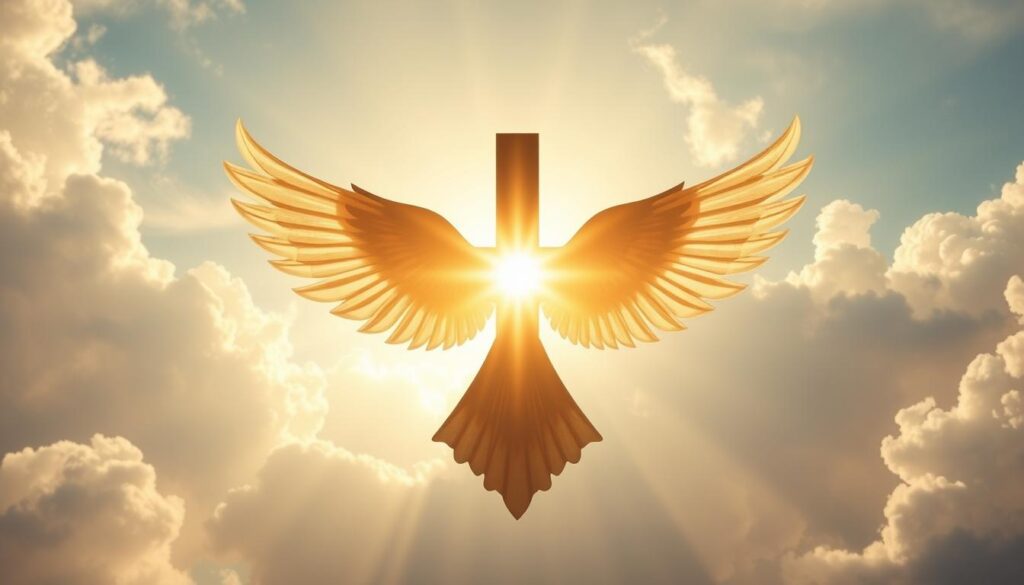
cross dove holy spirit symbol

The dove frequently appears alongside the cross, symbolizing both the Holy Spirit and divine peace. Artisans often position it beneath the cross’s base, visually connecting Christ’s victory to spiritual renewal. This pairing reminds wearers of their dual calling—to embrace salvation and share its message.

Symbol Meaning Common Designs
Cross Victory over death Patée, Celtic, Fleur-de-lis
Dove Holy Spirit & peace Pendant accents, engraving
Chain Unbroken faith Figaro, Rope, Box styles

Fleur-de-lis motifs between cross arms highlight the Trinity’s representation. This subtle detail adds theological depth without overwhelming minimalist aesthetics. Many designers use gold for these elements, echoing scripture’s descriptions of heavenly purity.

Contemporary collections feature versatile chain styles that complement symbolic pendants. Leading company catalogs showcase these pieces as daily reminders of faith’s enduring relevance. Whether layered or worn solo, each design invites quiet reflection on timeless truths.

Key Symbolic Elements in Protestant Jewelry

Three timeless symbols carry profound meaning in faith-inspired adornments. Each element combines historical roots with spiritual depth, creating wearable declarations of belief. Modern designers balance these ancient emblems with clean lines that appeal to today’s wearers.

cross dove holy spirit symbol

The Cross, Dove, and Fleur-de-lis

The cross stands central, transforming an ancient tool of death into a beacon of victory. Its vertical and horizontal beams symbolize the connection between heaven and earth. Many pieces feature fleur-de-lis accents between the arms, echoing French royal coat designs that represented the Trinity.

A descending dove often completes this sacred trio. This symbol recalls the holy spirit descending at Christ’s baptism, while also embodying divine peace. Artisans position it beneath the cross to visually unite sacrifice and spiritual renewal.

Element Spiritual Meaning Design Purpose
Cross Victory over death Central focal point
Dove Holy Spirit’s presence Pendant accent
Fleur-de-lis Trinity representation Decorative connector

Heritage and Faith Embedded in Design

Historic sites like Westminster Abbey preserve the craftsmanship that inspires modern creators. The Abbey’s coronation traditions influenced early pendant designs, blending royal symbolism with personal devotion.

Today’s pieces maintain this sacred control of meaning through intentional detailing. A fleur-de-lis might be subtly engraved, while dove wings curve protectively around a cross. These choices transform accessories into gift-worthy heirlooms that bridge centuries of belief.

Design Innovations: From Traditional to Contemporary

Modern craftsmanship breathes new life into timeless symbols through creative reinvention. Necklace designs now pair classic crosses with geometric accents or textured metals, offering fresh ways to showcase enduring values. These pieces maintain spiritual depth while adapting to modern fashion trends.

modern cross pendant necklace silver chain

Men’s collections showcase bold simplicity through cufflinks and matte-finished pendants. These designs use clean angles and durable materials like titanium, proving faith expressions needn’t sacrifice masculine appeal. Many wearers love how these items transition seamlessly from boardrooms to weekend outings.

Feature Traditional Contemporary
Materials Solid gold Sterling silver, titanium
Designs Single cross pendant Layered necklaces
Chain Styles Standard cable Figaro, wheat patterns

Silver’s rise in popularity stems from its versatility and understated elegance. Designers pair polished chains with oxidized crosses for striking contrast, creating depth without overwhelming symbolism. This approach lets people express beliefs subtly yet meaningfully.

Chain innovations now offer adjustable lengths and mixed-metal options. Wearers can layer delicate strands or opt for a single statement piece. These choices empower individuals to curate looks that reflect personal style while honoring sacred traditions.

Quality Craftsmanship and Material Selection

Modern artisans blend cutting-edge materials with sacred symbolism to create enduring pieces. The rise of 316L stainless steel revolutionized faith-inspired accessories, offering unmatched durability while preserving elegant finishes. This marine-grade metal withstands harsh conditions like sea water and chlorine without tarnishing, making it ideal for daily wear.

316L Stainless Steel vs. Fine Gold and Silver Finishes

Gold-plated steel provides the warm glow of precious gold at a fraction of the price. A 2-micron coating ensures lasting brilliance while maintaining scratch resistance. For those preferring cooler tones, polished silver finishes deliver timeless sophistication that pairs well with any outfit.

Material Benefits Best For
316L Steel Saltwater resistance Active lifestyles
Gold Plating Luxurious appearance Special occasions
Solid Silver Classic versatility Everyday elegance

Durability and Enduring Elegance

Leading companies now disclose manufacturing dates and quality certifications, mirroring standards once reserved for institutions like Westminster Abbey. These details help buyers choose pieces that align with their values and budget. A complete set crafted from premium materials becomes an heirloom, ready to pass between generations.

Men appreciate matte finishes that complement casual and formal looks alike. Whether facing ocean waves or boardroom meetings, these creations maintain their symbolic power through years of use. True craftsmanship lies in designs that age gracefully while keeping their spiritual message sharp.

Exploring Iconic Pieces: Cufflinks, Necklaces, and Pendants

British artisans continue redefining spiritual accessories through meticulous craftsmanship. Their creations blend historical emblems with modern wearability, offering pieces that honor tradition while fitting contemporary lifestyles. Each item tells a story through its materials and symbolism.

Highlights from Handmade UK Collections

The Patonce Cross Enamelled Cufflinks showcase heritage in wearable form. Inspired by St Edward the Confessor’s coat arms, these £50 pieces feature blue enamel accents on gold-plated metal. Their swivel back design combines practicality with nods to Westminster Abbey’s regal history.

For those preferring neckwear, the Huguenot-inspired pendant makes a bold statement. Measuring 44mm tall, its intricate cross-and-dove motif symbolizes victory over death. The 55cm chain allows versatile styling, from layered looks to standalone elegance.

Feature Cufflinks Pendant
Design Inspiration Royal coat arms French symbolism
Materials Gold-plated steel Polished silver
Symbolism Historical legacy Spiritual triumph
Price £50.00 Custom quote

Both pieces arrive in satin-lined boxes, ready for gifting. The set option lets buyers pair cufflinks with matching chains for coordinated elegance. Whether marking baptisms or personal milestones, these creations carry profound meaning in every detail.

Comprehensive Buyer’s Guide: Choosing Your Perfect Piece

Finding meaningful faith-inspired accessories requires thoughtful evaluation. These tips help you select items that align with personal values while offering lasting quality.

Smart Shopping Strategies

Compare price ranges across trusted sellers to balance budget and craftsmanship. Many love starting with simpler designs before investing in statement pieces. Always view multiple product images to assess scale and detailing.

Check customer reviews for real-world insights about durability and comfort. For men, measure chain lengths carefully—standard sizes might not suit broader necklines. Consider adjustable options for versatile wear.

Verifying Value and Legitimacy

Reputable company profiles share material sources and production dates. Look for hallmarks indicating metal purity or quality control standards. Authentic items often include certificates explaining symbolic elements.

Many people appreciate brands offering repair services—this shows confidence in their workmanship. When unsure, ask sellers direct questions about engraving techniques or finish longevity. A well-chosen piece becomes more than decoration—it’s a wearable testament to cherished beliefs.

FAQ

What symbols are commonly featured in faith-inspired jewelry designs?

Pieces often highlight the cross, dove, or fleur-de-lis, each representing themes like peace, the Holy Spirit, or royal heritage. Designs may also incorporate elements from historic coats of arms or landmarks like Westminster Abbey.

How do materials like 316L stainless steel compare to gold or silver?

316L stainless steel offers hypoallergenic durability, ideal for daily wear, while fine gold and silver finishes provide timeless elegance. Both options balance longevity with aesthetic appeal, catering to different preferences.

Are there jewelry pieces tied to British royal history?

Yes! Some collections draw inspiration from coronation regalia or symbols linked to kings and queens. For example, cufflinks might feature motifs reminiscent of the Crown Jewels or heraldic designs from the UK.

What should I consider when selecting a pendant or necklace?

Focus on craftsmanship, chain strength, and symbolic meaning. Look for hallmarks certifying metal purity, and consider adjustable chains for versatility. Brands like Handmade UK ensure quality through meticulous attention to detail.

Can these designs blend modern style with traditional symbolism?

Absolutely! Contemporary artisans reimagine classic motifs—like the dove or coat of arms—with sleek lines or mixed metals. This fusion appeals to those seeking both heritage and modern sophistication.

How do I verify the authenticity of a piece?

Check for stamps like “925” for sterling silver or “750” for 18k gold. Reputable sellers provide certificates of authenticity and detailed descriptions of materials, craftsmanship, and design origins.

Are there unisex options available?

Many designs, such as signet rings or minimalist crosses, suit all genders. Stainless steel or understated silver pieces often feature neutral aesthetics, making them versatile gifts.

What makes a piece "historically inspired"?

These items echo visual storytelling from events like the Reformation or royal milestones. For instance, a pendant might mirror Tudor-era fleur-de-lis patterns or Victorian-era engraving techniques.