Recent Posts

The Fascinating World of Protestant Knight Orders


Step into a realm where centuries-old traditions meet modern humanitarian efforts. These unique organizations trace their roots to medieval groups like the Knights Hospitaller, evolving from armored warriors to compassionate caregivers. Today, they blend ceremonial heritage with vital services like healthcare and disaster relief across the globe.

Their story begins during Europe’s religious transformations. While maintaining core values of honor and service, these groups adapted to new Protestant identities. The Order of St. John stands as a prime example, operating ambulance services and hospitals since the 11th century.

Modern members wear distinctive crosses not as weapons, but as symbols of hope. Through their official website, the Order of St. John connects volunteers worldwide. Their work ranges from supporting eye banks to training first responders in crisis zones.

This guide explores how these organizations preserve history while addressing today’s challenges. You’ll discover their governance structures, ceremonial practices, and partnerships with groups like the Red Cross. Their enduring legacy proves that true chivalry thrives through acts of mercy.

Key Takeaways

  • Modern groups evolved from medieval medical brotherhoods like the Knights Hospitaller
  • Distinctive crosses symbolize service rather than military power
  • The Order of St. John operates in 40+ countries through local branches
  • Primary activities include disaster response and healthcare initiatives
  • Official websites provide volunteer opportunities and historical resources
  • Collaborates with international aid organizations for maximum impact

Introduction to the Legacy of Protestant Knight Orders

What began as a humble hospital in Jerusalem grew into a movement shaping eight centuries of service. In 1050, Italian merchants secured land near holy sites to care for pilgrims of all faiths. This radical act of inclusivity laid the groundwork for organizations still saving lives today.

Overview and Significance

The early Order of Saint John broke barriers by treating Muslims and Jews alongside Christians. Their 12th-century recognition by papal decree transformed them into Europe’s first multinational aid network. By the 16th century, religious reforms split the group into two enduring branches:

Branch Established Focus
Sovereign Order of Malta 1530 Catholic healthcare initiatives
Order of Saint John 1530 Protestant charitable services
Johanniter Orders 1852+ Regional disaster response

Key Themes of the Ultimate Guide

Three threads connect medieval hospices to modern ambulances. First, the unbroken chain of service spanning centuries. Second, organizational adaptations through political upheavals. Third, the lasting impact of treating need, not creed.

From Jerusalem’s dusty streets to today’s mobile clinics, these groups prove compassion outlives empires. Their story isn’t just history – it’s a living blueprint for humanitarian action.

Historical Evolution of Protestant Knight Orders

Amidst the clash of swords and ideals, a revolutionary approach to service took shape. The Bailiwick of Brandenburg, born from Jerusalem’s original Knights Hospitaller, carved a unique path through Europe’s turbulent history. Their story spans holy wars, theological upheavals, and royal alliances.

bailiwick brandenburg commanderies

Foundations in the Crusader Era and Hospitaller Roots

In 1099, warriors dedicated to protecting pilgrims established Europe’s first multinational aid network. The German branch emerged in 1318 as a network of commanderies across the Holy Roman Empire. These fortified hospitals became centers of wealth and influence, blending military might with medical care.

Transformation During the Protestant Reformation

When Martin Luther’s ideas swept Germany, the Johanniter Order faced a pivotal choice. Most knights adopted Lutheran beliefs but kept ties to their Catholic roots. This dual identity sparked conflict, culminating in their 1581 expulsion by the Order of Malta’s leader.

The Thirty Years’ War nearly destroyed the Bailiwick. Yet the 1648 Peace of Westphalia marked a turning point. Prussian rulers from the House of Hohenzollern shielded the group, ensuring its survival. Protected yet independent, the order focused on charity rather than combat.

Through centuries of change, these guardians of compassion proved that faith in action outlasts empires. Their hospitals still operate today, silent witnesses to an enduring legacy of service over sword.

Structure and Organisation of the Protestant Knight Orders

Modern charitable networks maintain ancient frameworks through strategic global hubs. The Balley Brandenburg demonstrates this balance, operating 17 regional centers across Germany and international outposts from Australia to Venezuela. This decentralized model allows local adaptation while preserving core values.
maltese cross insignia

Commanderies, Membership, and Regional Influence

Four thousand members serve through 23 commanderies worldwide. Each center manages healthcare projects and disaster response tailored to local needs. The global commandery coordinates cross-border initiatives, ensuring unified service standards from Colombia to South Africa.

Ranks, Insignia, and Ceremonial Practices

Three classes uphold the order’s operations, distinguished by centuries-old symbols:

Rank Symbol Role
Commander Gold eagle cross Regional leadership
Knight of Justice Solid gold accents Charitable operations
Knight of Honour Black-enameled details Ceremonial duties

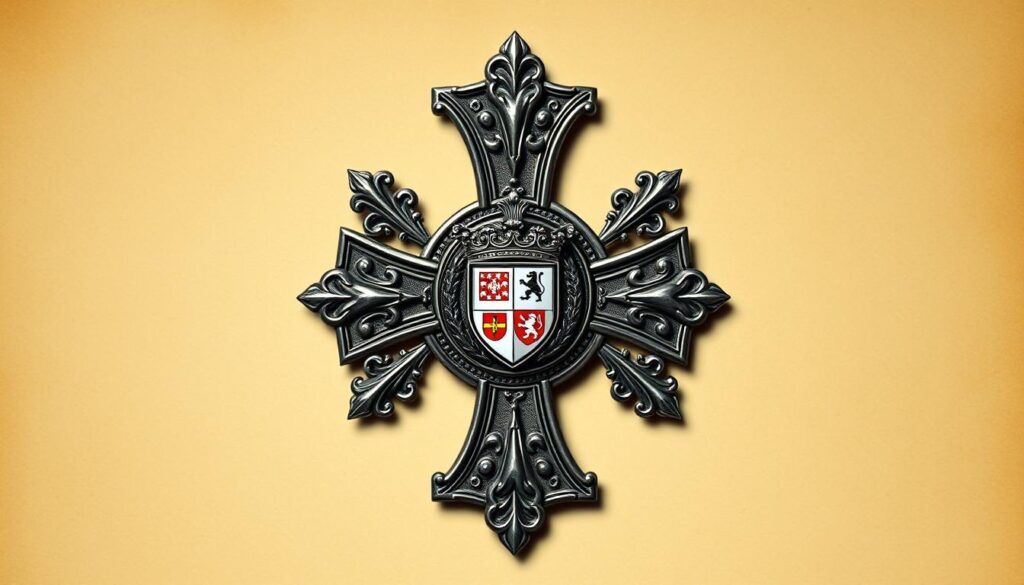
Investiture ceremonies feature the iconic white Maltese cross, unchanged since 1668. New members receive insignia in churches where their predecessors worshipped, linking modern volunteers to 10 generations of humanitarian work.

Key Figures and Notable Achievements

Behind every lasting legacy stand visionaries who turn ideals into action. The Bailiwick Brandenburg owes its modern vitality to leaders who balanced tradition with innovation. Their efforts transformed medieval concepts into life-saving health initiatives across continents.

Influential Leaders and Herrenmeisters

Prince Oskar of Prussia continues a 700-year leadership tradition as the thirty-seventh Herrenmeister. His work expands the order’s reach through digital platforms while honoring its charitable roots. Historical figures like Prince Friedrich Carl Alexander laid groundwork for today’s global ambulance services during the 19th century.

Contributions to Healthcare and Charitable Services

From mobile clinics in the United States to eye banks in Africa, these groups redefine modern service. The Order of St. John trains over 500,000 first responders annually through local chapters. Their iconic white cross now symbolizes hope in disaster zones and community hospitals alike.

Recent projects include partnering with tech firms to deliver medical supplies via drones. Such innovations prove that ancient symbols can spark tomorrow’s solutions. Through these activities, members keep compassion relevant in our rapidly changing world.

FAQ

What are the origins of the Bailiwick of Brandenburg and its ties to knightly traditions?

The Bailiwick of Brandenburg traces its roots to the medieval Knights Hospitaller. After the Protestant Reformation, it became independent under the Margrave of Brandenburg, blending chivalric values with Lutheran principles. Today, it’s part of the Alliance of the Orders of St. John.

How do organizations like the Order of Malta and St. John differ today?

The Sovereign Military Order of Malta focuses on Catholic traditions and global humanitarian aid, while Protestant orders like the Johanniter Order prioritize healthcare and community services. Both share a commitment to charity but differ in religious affiliation and historical paths.

What role do ambulance services play in modern knightly orders?

Groups like St. John Ambulance provide emergency medical training and disaster relief worldwide. These services honor their medieval hospitaller legacy by adapting ancient caregiving missions to modern health crises.

Can anyone join organizations like the Johanniter Order?

Membership often requires nomination and alignment with the order’s values. The Johanniter Order, for example, welcomes individuals committed to Christian charity and community service, regardless of noble lineage.

How did the Protestant Reformation reshape knightly orders?

During the Reformation, groups like the Bailiwick of Brandenburg split from Catholic oversight. They retained their charitable missions but adopted Protestant governance, later expanding into healthcare and education.

What symbols are associated with these organizations?

The eight-pointed cross, used by both the Order of Malta and St. John, symbolizes faith and service. Regional branches, like the Bailiwick of Brandenburg, may add unique heraldic elements to reflect their heritage.

Study at Protestant Theological University: Nurture Your Faith


Embark on a transformative journey where spiritual growth and academic rigor blend seamlessly. At Protestant Theological University, learners engage with faith-centered education designed to deepen understanding while fostering practical ministry skills. With campuses in Amsterdam and Groningen, this institution creates a global perspective rooted in Christian values.

The curriculum balances tradition with modern challenges, preparing students to serve communities effectively. Small class sizes ensure personalized mentorship, while partnerships with churches keep teachings relevant. Whether pursuing undergraduate programs or advanced research, every path supports meaningful careers in ministry or academia.

Beyond classrooms, students join a vibrant community passionate about service and dialogue. Scholarships and part-time work options make education accessible, and the 4.5/5 satisfaction rating reflects its commitment to excellence. Here, faith isn’t just studied—it’s lived through daily practice and connection.

Key Takeaways

  • Integrates spiritual development with hands-on ministry training
  • Offers flexible learning options across two European campuses
  • Maintains strong church partnerships for real-world relevance
  • Provides scholarships and career-focused support services
  • Encourages community engagement and cross-cultural perspectives

Discover a Rich History and Tradition

Rooted in centuries of faith-based scholarship, this institution’s story begins with a bold step toward unity. In 2007, two longstanding ministry training programs—Reformed and Lutheran—merged to form a stronger academic community. This fusion of distinct legacies created an environment where diverse perspectives enrich learning while honoring shared values.

Origins and the Merger of Traditions

For many years, both traditions independently shaped religious education across the Netherlands. Their 2007 union wasn’t just paperwork—it was a deliberate effort to combine strengths. The new structure prioritized focused leadership, adopting a single-faculty model to streamline theological studies. Today, church-appointed supervisors ensure teachings stay aligned with core beliefs.

The Evolution of Theological Education

What started as separate paths now thrives as a unified approach to ministry preparation. Courses blend historical wisdom with modern challenges, preserving each tradition’s unique contributions. Students explore how these merged roots influence current practices, from pastoral care to community outreach. This living history ensures graduates carry forward timeless principles in ever-changing contexts.

The school’s governance reflects its mission: a supervisory board selected by Dutch church leaders maintains strong ecclesiastical ties. This connection guarantees that education remains both academically rigorous and spiritually grounded—a balance that defines its identity.

Academic Programs and Theological Education

What does it take to turn spiritual calling into professional purpose? Our programs blend deep scriptural understanding with real-world ministry skills. Whether you’re starting your journey or enhancing existing expertise, structured learning paths meet diverse vocational goals.

academic programs ministry education

Education for Ministry and Official Credentials

Gain church-recognized qualifications through courses designed with input from active clergy. The ministry-focused curriculum covers everything from sermon preparation to community crisis management. Graduates leave ready to lead congregations or provide compassionate pastoral care.

Seasoned professionals benefit too. Short courses update skills in counseling techniques and interfaith dialogue. These post-academic options help workers stay effective in evolving spiritual landscapes.

Post-Academic and Research Opportunities

Our Groningen campus buzzes with global perspectives. The English-taught Master of Theology attracts students from six continents. Collaborative projects let learners compare cultural approaches to scripture interpretation.

For deep dives into faith questions, doctoral candidates pursue original research across four specialization areas. Many projects partner with churches to address contemporary social challenges.

Program Level Key Focus Duration Primary Location
Master of Theology Global ministry practices 2 years Groningen
PhD Studies Advanced theological research 4-6 years Amsterdam

Flexible scheduling options accommodate working professionals. Evening classes and hybrid formats make rigorous education accessible without career interruptions.

Campus Life in Amsterdam and Groningen

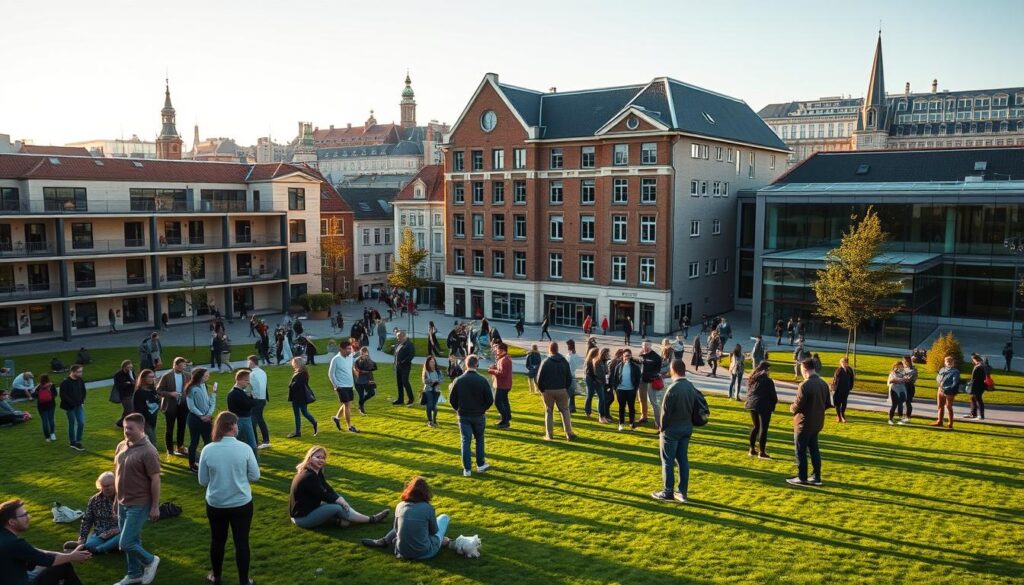
Where historic canals meet modern learning hubs, students thrive in two distinct yet equally inspiring settings. Amsterdam’s cosmopolitan energy pairs with Groningen’s cozy charm, creating diverse backdrops for spiritual growth and friendship. Both cities buzz with cafes, museums, and green spaces that fuel creativity between study sessions.

campus life amsterdam groningen

Student Experiences and Community Engagement

Join a mosaic of learners from 20+ countries sharing meals, prayers, and late-night debates. Weekly interfaith dialogues and neighborhood volunteer projects turn classrooms into real-world practice zones. Many students balance part-time roles at local faith centers, gaining hands-on experience while earning income.

Friday gatherings at Amsterdam’s Vondelpark or Groningen’s Noorderplantsoen foster lifelong bonds. These casual meetups often spark collaborative projects addressing homelessness or climate justice through spiritual lenses.

Campus Environment and Support Services

Need help settling in? Dedicated advisors match international students with furnished housing near campus—no stressful apartment hunts required. Over 60% receive tailored scholarships, and work-study programs connect learners with ministry internships across both cities.

The 4.5/5 satisfaction rating reflects thoughtful touches like 24/7 tutoring hubs and wellness workshops. “You’re never just a name here,” shares a second-year student. “Professors know your story and your dreams.”

From bike repair stations to inter-campus shuttle services, every detail supports thriving academic and spiritual life. Whether you’re kayaking Amsterdam’s waterways or cycling Groningen’s cobblestone streets, adventure and community await.

Commitment to Society and Church Engagement

How does faith translate into real-world impact? Through dynamic partnerships and activities, this institution bridges spiritual wisdom with pressing social needs. Conferences and public lectures invite diverse voices to explore how Christian values address modern challenges like climate action and inequality.

church and society engagement

Every year, over 30 public discourse events connect scholars with community leaders. “Our role isn’t just to study scripture,” notes a faculty member, “but to equip ministers as problem-solvers in their neighborhoods.” Students often co-lead workshops on topics ranging from refugee support to ethical business practices.

The partnership with the Protestant Church in the Netherlands ensures education stays rooted in practical church needs. Joint committees shape curriculum priorities, blending traditional theology with skills for today’s society. This collaboration produces pastors ready to lead intergenerational congregations and urban outreach programs.

Beyond classrooms, 78% of learners participate in local activities like food banks or interfaith councils. One student shares, “We’re taught that service isn’t optional—it’s how faith breathes.” These experiences transform abstract concepts into lived commitments, preparing graduates to spark meaningful change wherever they serve.

International Opportunities and Global Perspectives

Imagine discussing scripture with peers from six continents before breakfast. This school’s global approach turns classrooms into microcosms of worldwide faith communities. Over 40% of learners participate in exchange programmes, gaining firsthand insight into how different cultures interpret spiritual teachings.

Internationalization Efforts and Exchange Programs

Each year, the institution sends students to 30+ partner universities across five continents. A recent participant shared:

“My semester in South Africa reshaped how I approach community outreach—it’s like learning theology through a kaleidoscope.”

Faculty members mirror this diversity. Visiting scholars from Israel teach ancient textual analysis, while guest lecturers from Brazil explore urban ministry strategies. These perspectives help learners connect local practices to global spiritual movements.

Strategic partnerships with institutions like Yale Divinity School and Stellenbosch University fuel collaborative research. Joint projects address pressing issues—from climate ethics to interfaith reconciliation—in 12 countries worldwide. Many graduates credit these connections for job opportunities in international nonprofits or multicultural congregations.

Hybrid programmes let students combine online courses with intensive overseas workshops. “You’re not just reading about global theology,” explains a professor. “You’re building relationships that shape your life’s work.”

An In-Depth Look at protestant theological university

What transforms academic study into life-changing practice? This institution weaves rigorous scholarship with hands-on ministry training like threads in a tapestry. Here, ancient texts meet modern social challenges through applied theological study that prepares learners to lead with both wisdom and compassion.

Where Scholarship Meets Service

Classrooms buzz with discussions connecting 16th-century reformers’ ideas to today’s urban ministry needs. “We don’t just analyze scripture—we ask how it heals broken communities,” shares a faculty member. Courses balance deep dives into historical sources with simulations of real pastoral scenarios.

The curriculum spans four specialized areas of focus:

  • Ethical leadership in multicultural societies
  • Interfaith dialogue strategies
  • Contemporary biblical interpretation
  • Spiritual care in crisis situations

Partnerships with 120+ churches let students test classroom knowledge during weekend internships. Many report this blend of theory and practice helps them develop adaptable ministry skills. University applied learning methods ensure graduates can address both pulpit responsibilities and neighborhood food drives.

Research projects often start with church-identified needs, like recent studies on digital worship engagement. This approach keeps academic work grounded in real spiritual journeys. As one learner notes, “We’re not just studying faith—we’re seeing how it transforms lives daily.”

Navigating Admissions, Requirements, and Student Services

Starting your academic journey should feel empowering, not overwhelming. Our admissions team guides applicants through every step, ensuring clarity from initial inquiry to enrollment. Transparent processes and personalized assistance help you focus on preparing for meaningful studies rather than paperwork hurdles.

Application Process and Eligibility Criteria

Prospective learners complete a streamlined online application with three core requirements:

  • Academic transcripts demonstrating readiness for rigorous study
  • Two recommendation letters addressing spiritual and intellectual potential
  • A personal statement outlining vocational goals

The Executive Board oversees admission standards, maintaining consistency across all programs. International applicants receive extra support with visa processes and credential evaluations. Decisions typically arrive within four weeks of document submission.

Scholarship, Part-Time Work, and Support Amenities

Financial planning tools and campus resources create accessible pathways for all learners. The table below outlines key support options:

Opportunity Eligibility Benefits
Merit Scholarships Top 15% of applicants 40-60% tuition coverage
Ministry Grants Active church involvement €3,000 annual stipend
Campus Work-Study All enrolled students 10-15 hrs/week positions

Managing Director Anna de Vries notes: “Our housing team secures furnished apartments within walking distance of both campuses.” Additional services include writing workshops, mental health counseling, and career planning sessions tailored for ministry vocations.

Conclusion

Where purpose meets preparation, this faith-based institution crafts tomorrow’s spiritual leaders. Through its dual-campus education model, learners gain tools to navigate modern challenges while honoring timeless values. The blend of hands-on ministry training and global perspectives creates graduates ready to serve diverse communities.

From Amsterdam’s vibrant streets to Groningen’s historic charm, students find spaces to grow intellectually and spiritually. Flexible programs adapt to individual callings, whether leading congregations or advancing academic research. Partnerships with local churches ensure classroom theories meet real-world needs.

Every aspect—from scholarship options to cross-cultural exchanges—supports meaningful careers. Alumni consistently report feeling equipped to address societal issues through compassionate leadership. As one graduate shared, “This journey taught me how faith transforms both hearts and communities.”

Your path to impactful service begins here. Discover how deep roots in tradition can fuel innovative approaches to today’s spiritual questions.

FAQ

What programs are available for ministry preparation?

The institution offers accredited bachelor’s and master’s degrees focused on practical training, biblical studies, and pastoral care. These prepare graduates for roles like pastors, chaplains, or community leaders.

How does campus life support personal growth?

With campuses in Amsterdam and Groningen, students engage in workshops, interfaith dialogues, and volunteer projects. Support services include academic advising, mental health resources, and career counseling.

Are there opportunities for international study?

Yes! Exchange programs with global partners allow students to study abroad. Courses also integrate cross-cultural perspectives, fostering a deeper understanding of faith in diverse contexts.

What makes the academic approach unique?

Programs blend rigorous scholarship with real-world application. Small class sizes encourage debate, while research initiatives address contemporary issues like social justice and ethics.

What financial aid options exist?

Scholarships, grants, and part-time work opportunities help reduce costs. Advisors assist students in navigating funding options tailored to their needs.

How does the school engage with communities?

Partnerships with churches, nonprofits, and NGOs let students participate in outreach programs. These collaborations emphasize service, interfaith dialogue, and ethical leadership.

Can I pursue a PhD here?

Doctoral programs are available for advanced research in theology, ethics, or religious studies. Candidates work closely with faculty mentors and access specialized libraries.

What are the admission requirements?

Requirements vary by program but generally include transcripts, letters of recommendation, and a personal statement. International applicants may need proof of English proficiency.

Explore the Role of God in Protestantism


What makes certain Christian traditions unique in their approach to spirituality? At the heart of one major movement lies a focus on direct connection rather than institutional structures. With over 1.2 billion followers globally, this branch emphasizes personal faith and scriptural authority as foundations of religious practice.

Historical reformers reshaped how communities engage with spiritual teachings. Leaders like Martin Luther challenged existing norms, prioritizing individual access to sacred texts over hierarchical mediation. This shift created lasting changes in worship styles and community organization.

Central to these beliefs is the idea that divine grace, not human effort, determines spiritual outcomes. Followers maintain that sacred writings alone guide their faith journey, rejecting external interpretations not rooted in scripture. This principle continues to influence modern church activities and ethical frameworks.

Today, these theological perspectives shape everything from Sunday services to social initiatives. Communities often emphasize collaborative participation, reflecting the conviction that every believer holds equal spiritual value. Such ideas have also inspired cultural movements advocating for education and civic engagement.

Key Takeaways

  • Personal faith outweighs institutional rituals in daily spiritual life
  • Sacred texts serve as the ultimate guide for religious practice
  • Historical reforms permanently altered Christian worship patterns
  • Modern communities prioritize collective participation over hierarchy
  • Theological principles influence both worship and social action
  • Divine grace forms the foundation of salvation beliefs

Historical Foundations of Protestantism and Its Declaration of Faith

Long before the 16th-century Reformation, courageous thinkers began challenging religious norms. The late medieval period saw growing discontent with practices that seemed to prioritize power over spiritual growth. This tension created fertile ground for new ideas about faith and community.

Proto-Protestantism and Early Reform Movements

Groups like the Waldensians and Hussites paved the way for change. They believed ordinary people could connect with the divine through personal Bible study rather than relying solely on clergy. John Wycliffe’s groundbreaking efforts to translate scripture into common languages made sacred texts accessible beyond Latin-educated elites.

Jan Hus took these ideas further, openly criticizing the church’s wealth and the pope’s authority. His execution in 1415 shocked Europe but inspired future reformers. These movements shared a core belief: spiritual truth comes from scripture, not human traditions.

From Medieval Traditions to Reformation Ideals

The medieval Catholic Church’s practices, like selling forgiveness through indulgences, sparked intense debate. Reformers argued such actions distorted teachings about divine mercy. They asked: Could human institutions truly represent heavenly authority?

Early reformers answered with a resounding “no”. Their work laid the foundation for key principles later embraced during the Reformation. By prioritizing scripture over hierarchy, they reshaped how communities understood their relationship with the sacred.

The Reformation: A Catalyst for Change in the Role of God

A perfect storm of social change and political ambition fueled the Protestant Reformation. The 16th century saw rulers and thinkers challenge traditional power structures, creating new ways to understand spiritual relationships.

protestant reformation

Political and Social Context of the 16th Century

Martin Luther’s 1517 critique of indulgences struck at the heart of Catholic Church practices. His famous question – “Why does the pope not empty purgatory for love’s sake?” – exposed tensions between institutional wealth and spiritual ideals.

The 1529 Diet of Speyer became a turning point. When leaders declared:

“In matters concerning God’s honor and our soul’s salvation, each must stand before God and answer for himself.”

This bold statement gave the movement its name: Protestant. Rulers used religious reform to gain independence from both Rome and the Holy Roman Empire.

Three key factors accelerated change:

Factor Impact Outcome
Printing Press Spread ideas rapidly Vernacular Bibles reached common people
Political Rivalries Local rulers vs. central powers Territorial churches emerged
Social Mobility Growing merchant class Demand for accessible faith practices

These shifts made divine grace feel personal rather than institutional. Over 50 years, the Reformation reshaped how communities worshipped and governed themselves.

Key Figures Shaping Protestant Theology

The transformation of Christian thought in the 16th century owes much to visionary leaders who redefined spiritual authority. Their ideas didn’t just challenge existing systems—they rewrote the rules of religious practice entirely.

protestant reformers

Martin Luther and the Impact of the Ninety-Five Theses

When Martin Luther nailed his Ninety-Five Theses to a church door in 1517, he sparked a revolution. His bold claim? Salvation comes through faith alone, not payments or rituals. This directly opposed the Catholic Church’s role as mediator between people and divine forgiveness.

Luther argued that scripture—not church authority—should guide spiritual life. His translation of the Bible into German let ordinary people engage with sacred texts firsthand. “Why should the pope’s voice matter more than Christ’s own word?” he famously challenged.

John Calvin, Huldrych Zwingli, and Their Legacies

While Luther’s ideas spread, John Calvin built a theological framework emphasizing God’s ultimate control over human destiny. His concept of predestination taught that salvation was predetermined, not earned through deeds.

Meanwhile, Huldrych Zwingli stripped Swiss churches of ornate rituals, insisting worship reflect biblical teachings alone. Both reformers agreed: true faith required direct engagement with scripture, free from institutional interference.

These leaders shaped diverse beliefs across Europe. From Scotland to Hungary, their legacies prove how individual conviction can redefine centuries of tradition.

Understanding the Five Solas and Their Impact

How did Reformation leaders distill complex theology into practical principles? The answer lies in five Latin phrases that became battle cries for spiritual renewal. These Solas reshaped how communities approached sacred teachings, prioritizing direct engagement over institutional gatekeeping.

Sola Scriptura: Emphasizing Biblical Authority

At the heart of Reformation thought stood Sola Scriptura – scripture alone as ultimate truth. This principle rejected the idea that church traditions held equal weight with biblical texts. Reformers argued that every believer could interpret divine word personally, needing no priestly decoder.

This shift democratized spiritual authority. Suddenly, farmers and merchants could debate theology as equals with clergy. As one reformer declared:

“The Bible belongs to the people, not the palace.”

Sola Fide and Sola Gratia: Faith and Grace Explored

The twin concepts of faith and grace upended medieval ideas about salvation. Sola Fide taught that trust in divine mercy – not good deeds – opened heaven’s gates. Sola Gratia went further: this mercy came freely, never earned through rituals or payments.

Together, these ideas created a spiritual revolution. Believers no longer saw themselves as beggars pleading for scraps of grace. Instead, they stood confident in a love freely given – a radical understanding that still shapes worship today.

Church Doctrines: Salvation, Sacraments, and the Eucharist

How do sacred practices shape spiritual identity? Across Christian traditions, sacraments serve as visible expressions of beliefs about divine connection. While rituals vary, their meaning often sparks deep reflection on what makes faith tangible.

protestant sacraments communion

The Role of Sacraments in Protestant Worship

Most Protestant groups recognize just two sacraments: baptism and communion. This contrasts with the Catholic Church’s seven sacraments, highlighting a key difference in scriptural interpretation. As one reformer noted:

“Christ instituted two signs of grace—water for rebirth, bread for remembrance.”

Communion debates reveal deeper theological differences. Lutherans teach Christ’s presence exists “in, with, and under” the bread and wine, avoiding literal transformation claims. Reformed traditions view these elements as spiritual reminders rather than physical changes.

Three core ideas shape Protestant sacramental worship:

  • Baptism marks entry into faith communities
  • Communion renews commitment to sacred teachings
  • Marriage honors partnerships without conferring divine grace

These practices emphasize personal engagement over ritual mechanics. By focusing on faith rather than form, Protestant traditions keep scripture central to communal life. This approach continues to define modern church services worldwide.

The Significance of “protestantism god” in Modern Protestant Theology

Modern theology navigates a delicate balance between centuries-old convictions and evolving societal values. At its core lies a revolutionary idea: spiritual worth stems from unconditional love rather than human achievement. This principle shapes how believers approach both personal faith and community engagement today.

Redefining Spiritual Value and Community

Contemporary teachings emphasize that every person holds inherent dignity through divine grace. Unlike systems measuring worth by status or deeds, this understanding roots human value in sacred love freely given. Such ideas inspire church initiatives promoting social justice and individual conscience rights.

The role of grace in salvation remains central to theological discussions. Modern believers often view spiritual life as a journey shaped by trust rather than ritual. This perspective encourages active participation in both worship and societal improvement, reflecting timeless principles through fresh applications.

By prioritizing compassion over hierarchy, these teachings continue to transform how communities live out their faith. The result? A vibrant spiritual legacy that adapts to new challenges while staying anchored in its revolutionary roots.

FAQ

How does the role of divine authority differ between Protestant and Roman Catholic teachings?

Protestant beliefs emphasize Scripture alone (Sola Scriptura) as the ultimate authority, rejecting the Catholic Church’s reliance on papal decrees or tradition. This shift during the Reformation prioritized individual interpretation of the Bible over institutional hierarchy.

What sparked the Protestant Reformation in the 16th century?

Martin Luther’s Ninety-Five Theses (1517) critiqued practices like indulgences, igniting reforms. Social, political, and theological tensions—such as corruption in medieval churches and rising nationalism—fueled movements led by figures like John Calvin and Huldrych Zwingli.

Why do many Protestant churches recognize only two sacraments?

Reformers like Luther and Calvin limited sacraments to baptism and communion, viewing them as biblically mandated. They rejected medieval traditions like confession or marriage as sacraments, focusing instead on symbolic acts tied to grace and faith.

How do the “Five Solas” shape Protestant views on salvation?

The Solas—Scriptura, Fide, Gratia, Christus, and Deo Gloria—stress that salvation comes through faith and grace alone, not works. This contrasts with Catholic teachings emphasizing sacraments and merit, reinforcing a direct relationship between believers and divine mercy.

What role did political leaders play in spreading Reformation ideas?

Rulers like German princes and Henry VIII used reforms to challenge papal authority, gaining control over regional churches. This alliance between reformers and governments accelerated doctrinal changes and decentralized religious power across Europe.

How do modern Protestant denominations interpret the Eucharist differently?

Lutherans view communion as Christ’s real presence, while Calvinists see it as symbolic. Zwingli’s followers emphasize remembrance, reflecting broader debates about the sacraments’ spiritual vs. literal meaning in worship practices today.

Protestantism in Hungary: A Fascinating History


Imagine a kingdom where faith reshaped an entire nation’s identity. This is the story of how religious ideas sparked a cultural revolution in Central Europe, transforming a once-Catholic realm into a Protestant stronghold. Starting in the early 1520s, waves of reform swept through Hungary, challenging old traditions and creating new paths for education, literature, and politics.

What made this region so receptive to change? As a multiethnic power facing Ottoman expansion, Hungary’s diverse population and political tensions created fertile ground for new ideas. By the late 1500s, most locals had embraced Protestant teachings, blending them with their unique heritage.

This shift wasn’t just about religion—it rewrote national identity. Schools flourished, Hungarian-language texts multiplied, and communities rallied around shared beliefs. Even under Habsburg rule and later Communist regimes, these traditions survived, proving their enduring power.

Key Takeaways

  • The Reformation began reshaping Hungary’s spiritual landscape in the early 16th century
  • Political instability and cultural diversity accelerated religious change
  • Protestant ideals deeply influenced education, language, and national pride
  • Communities maintained their faith through centuries of challenges
  • Modern Hungary still reflects this transformative era

Introduction to Hungary’s Protestant Legacy

Centuries ago, a wave of religious change transformed the cultural fabric of a Central European power. By the 16th century, over three-quarters of its population had embraced reformed teachings—a spiritual shift unmatched in speed and scale across the continent. Today, this legacy lives on through vibrant communities and historic institutions.

Overview of Religious Transformation

The 2022 census reveals the enduring influence of this era. While 29.2% of citizens identify as Catholic, Protestant traditions claim 11.6%—a significant presence shaped by 500 years of history. This change didn’t happen in isolation. Ottoman expansion pressures and internal political struggles created perfect conditions for new ideas to take root.

Setting the Stage for an Ultimate Guide

What made this region so receptive to reform? Three key factors stand out: strategic position between empires, diverse ethnic communities, and growing demand for accessible worship. We’ll explore how these elements combined to reshape education systems, literary traditions, and even concepts of national identity.

Historical Roots and Early Religious Influences

Long before church steeples dotted the landscape, ancient spiritual practices shaped local culture. Tribes honored sacred springs and groves, believing natural forces held divine power. Their shamanic traditions mirrored Siberian Tengrism, blending sky worship with animal symbolism.

ancient hungarian religious symbols

Pre-Reformation Beliefs and Pagan Traditions

The mythical Turul bird soared through early legends as a protector of rulers. This falcon-like creature symbolized heavenly authority for the Árpád dynasty, leaving a lasting mark on national identity. Seasonal rituals and ancestor veneration connected people to both land and lineage.

Roman and Medieval Religious Practices

Everything changed when King Stephen I embraced Catholicism in 1000 AD. He built ten dioceses, declaring, “A kingdom with one faith stands strong.” But old customs didn’t vanish overnight—spring festivals became Easter celebrations, and sacred trees found new meanings in Christian parables.

By the 1100s, pagan rituals had mostly faded, though whispers of ancient religion lingered in folk tales. This spiritual adaptability created fertile ground for future changes, proving how faith evolves across time while preserving cultural roots.

The 16th Century: A Pivotal Era in Religious Change

What happens when a nation’s spiritual compass spins wildly within a single lifetime? The 1500s brought unprecedented change as foreign preachers carried radical ideas across borders. Within eighty years, these concepts rewired society from the ground up.

16th century religious transformation

Impact of the Reformation on Cultural Foundations

German travelers sparked the shift in the 1520s, sharing mixed theological views that resonated with locals. By the end of the century, over half the population had embraced reformed faiths. This wasn’t just about Sunday rituals—it reshaped schools, literature, and community bonds.

Political chaos accelerated change. After the 1526 Battle of Mohács fractured royal authority, towns gained power to choose their faith. Lutheranism spread through mining towns, while Calvinism took root in rural areas. Both became symbols of resistance against distant rulers.

The rapid transformation surprised even reformers. As one chronicler noted, “New churches rose faster than spring wheat.” This religious revolution preserved local identity during foreign occupations, ensuring Hungarian traditions survived turbulent years.

The Reformation Movement in Hungary

New ideas don’t knock politely—they burst through doors. By the 1520s, revolutionary theology from Wittenberg reached towns along trade routes, sparking debates in markets and churches alike. This movement didn’t just challenge religious norms—it reshaped how communities organized themselves.

Arrival of Lutheran Ideas

German merchants and miners became early adopters of Luther’s teachings. Northern towns like Kassa (Košice) saw rapid growth in Lutheran congregations. These groups blended scripture with local customs, creating a faith that felt both familiar and fresh.

Emergence of Calvinism and Unitarian Thought

While Lutheranism flourished in cities, rural areas embraced Calvinist principles. Márton Kálmáncsehi laid groundwork for this denomination, emphasizing education and scripture. His successor, Péter Melius Juhász, made history by translating the Bible—a move that democratized faith. “God’s word should speak our tongue,” he declared, linking religious identity to language.

Transylvania added another layer with Unitarian thinkers rejecting traditional Trinity views. Protected by local rulers, they built communities valuing reason over dogma. This diversity proved the movement wasn’t monolithic but adaptive to regional needs.

  • Lutheran ideas spread via trade networks, resonating with German-speaking urbanites
  • Calvinist reformers focused on education, creating schools alongside churches
  • Bible translations strengthened cultural pride while advancing theology
  • Unitarian groups thrived where political tolerance allowed intellectual risk-taking

Legacy of protestantism in hungary: Growth and Influence

A church’s true power lies beyond its pews. By the 19th century, spiritual communities had become cultural engines, preserving traditions while shaping modern identity. Hungarian Reformed Church leaders didn’t just lead prayers—they built schools, published books, and guarded national pride during foreign occupations.

hungarian reformed church historical growth

Establishment of the Hungarian Reformed Church

This institution became a lifeline for communities. Through its school network, over 2,000 educational centers taught reading and theology. “A literate nation cannot be conquered,” declared one reformer, linking faith to self-determination.

Bible translations transformed daily life. Vernacular scriptures made religious texts accessible, strengthening language preservation. This effort birthed Hungary’s first standardized grammar guides and dictionaries.

Ecclesiastical Province Membership (1910) Key Institutions Established
Eastern 720,000 15 seminaries, 200 schools
Western 680,000 10 colleges, 150 parishes
Northern 550,000 8 printing presses, 120 schools
Southern 420,000 5 theological academies
Central 250,000 3 universities, 80 libraries

With 2.62 million members by 1910, the church rivaled state structures. Its five provinces operated like self-governing regions, offering social services and legal support. This network became vital during political crises, proving faith communities could outlast empires.

Political and Cultural Impact on Church and State

Power struggles between altars and thrones shaped Central Europe’s destiny. Religious groups and rulers danced a delicate tango—sometimes partners, sometimes rivals. This dynamic created unexpected alliances that still influence modern governance.

Balancing Spiritual and Earthly Power

Monarchs historically held surprising control over sacred matters. They approved papal decrees and handpicked bishops, setting a pattern reformers later used to break from Rome. “A crown protects faith,” argued 16th-century leaders, justifying their oversight.

Transylvania’s unique political recipe allowed multiple beliefs to coexist. Three privileged groups formed its backbone:

Group Political Privileges Religious Affiliation Key Contributions
Hungarian Nobility Land ownership rights Calvinist majority Funded Protestant schools
Székelys Military autonomy Mixed Catholic/Reformed Guarded eastern borders
Saxon Germans Urban self-governance Lutheran strongholds Developed trade networks

During the Counter-Reformation, churches became political chameleons. Pastors doubled as diplomats, negotiating with Habsburg authorities while preserving local traditions. Some congregations formed secret networks, using coded hymns to share news.

Clever survival tactics emerged. Communities trained lay leaders to lead services if clergy got arrested. Others highlighted their role in preserving national identity, framing faith as patriotism. This strategy helped maintain influence even under strict government control.

Religious Freedom and Tolerance in Historical Context

How does a nation learn to embrace diverse beliefs? For centuries, communities here navigated shifting rules about worship. The 1781 Edict of Tolerance changed everything—it let persecuted groups build churches and schools after 100 years of restrictions. “We finally breathe free air,” wrote one pastor in his journal.

Progress accelerated during the 1848 Revolution. New laws granted equal rights to major Christian denominations, though Jewish communities still faced barriers. This partial victory showed how religious freedom often comes in stages rather than sudden leaps.

Year Milestone Impact Unfinished Work
1781 Edict of Tolerance Legalized Protestant worship Limited school funding
1848 Revolutionary Laws Christian equality Excluded Jewish citizens
1867 Jewish Emancipation Full citizenship rights Social prejudices remained

By 1867, Jewish emancipation completed the legal framework for multi-faith coexistence. Protestant leaders became unexpected allies for other minorities, arguing from their own struggles. Their advocacy helped create spaces where different denominations could share ideas and resources.

This hard-won tolerance transformed daily life. Neighbors with different beliefs worked together in markets and town councils. Churches hosted joint community events, proving diverse practice could strengthen rather than divide society.

Transylvania: A Unique Protestant Journey

While other regions faced religious wars, this eastern European territory charted a different course. Sandwiched between empires, Transylvania became a laboratory for coexistence. Its leaders turned political vulnerability into spiritual opportunity.

The Edict of Torda and Its Historical Significance

In 1568, John Sigismund made history with Europe’s first religious freedom law. The young ruler declared: “Faith is God’s gift—no force shall bind conscience.” This bold move protected four Christian groups across his realm.

John Sigismund‘s policy wasn’t just generous—it was strategic. By allowing Lutheran, Calvinist, Catholic, and Unitarian worship, he united divided parts of his country. Towns like Kolozsvár (Cluj) became hubs for theological debate and printing.

The prince’s legacy rippled beyond borders. Transylvania’s model inspired thinkers across the world, showing diverse beliefs could strengthen society. John Sigismund proved tolerance wasn’t weakness but wisdom—a lesson echoing through centuries of religious conflict.

FAQ

How did pre-Reformation beliefs shape Hungary’s religious identity?

Before the Reformation, Hungary’s spiritual landscape blended pagan traditions with medieval Catholicism. Local customs and Roman influences created a unique foundation that later allowed reformist ideas to take root.

What role did the 16th century play in Hungary’s religious transformation?

The 16th century was a turning point as reformers like Luther and Calvin spread ideas across Europe. These movements challenged Catholic dominance, leading to the rise of Calvinism and Unitarianism in Hungarian society.

How did Calvinism become dominant among Hungarian Protestants?

Calvinism’s emphasis on local governance and simplicity resonated with Hungarian communities. By the mid-16th century, it became the primary faith for many, eventually forming the Hungarian Reformed Church as a cornerstone of national identity.

Why was Transylvania significant for religious tolerance in the region?

Under leaders like John Sigismund, Transylvania passed the Edict of Torda in 1568, granting unprecedented freedom for Catholics, Lutherans, Calvinists, and Unitarians. This made it a rare haven of pluralism in Central Europe.

How did Protestantism influence Hungary’s culture and politics?

Religious reforms spurred educational advancements, vernacular literature, and debates about governance. Tensions between church leaders and Habsburg authorities also shaped Hungary’s struggle for autonomy and identity.

What challenges did Protestants face after the Reformation’s peak?

Post-17th century, Habsburg-led Counter-Reformation efforts pressured communities to return to Catholicism. Despite this, Calvinist and Lutheran groups preserved their traditions, especially in rural areas and Transylvania.

How does the Hungarian Reformed Church remain relevant today?

It continues to uphold Calvinist teachings while engaging in social initiatives. With over 1.5 million members, it plays a vital role in education, charity, and preserving Hungary’s Protestant heritage.

Exploring the Protestant Religion: A Comprehensive Guide


Welcome to a journey through one of Christianity’s most influential movements. For over five centuries, this branch of the Christian faith has shaped cultures, inspired revolutions, and touched billions of lives. What began as a 16th-century call for reform grew into a global tradition emphasizing personal connection with divinity.

At its heart lies a simple yet powerful idea: salvation comes through faith rather than rituals. This belief reshaped how people interact with scripture and spiritual leadership. Unlike older church structures, it champions every believer’s direct access to divine truth through the Bible.

Today, nearly 1.2 billion people identify with this tradition worldwide. From Lutherans to Baptists, diverse denominations share core principles while expressing them uniquely. You’ll discover how a German monk’s questions sparked changes still felt in modern worship services and church practices.

This guide unpacks the historical roots, key teachings, and lasting impact of these spiritual innovations. Whether you’re curious about theological differences or cultural influences, you’ll gain clarity on what makes this approach to Christianity distinct.

Key Takeaways

  • Originated 500 years ago as a reform movement within Christianity
  • Emphasizes personal faith over institutional rituals for salvation
  • Views the Bible as the ultimate spiritual authority
  • Includes thousands of denominations with shared core beliefs
  • Started with Martin Luther’s challenges to medieval church practices
  • Now represents nearly 40% of global Christians

Introduction to the Protestant Movement

Imagine living in a time when religious practices felt disconnected from everyday life. That’s exactly what sparked the 16th-century movement that reshaped Christianity forever. Fed up with corruption and questionable teachings, reformers across northern Europe demanded a return to biblical roots.

The term “Protestant” entered history in 1529 at the Diet of Speyer. German leaders protested restrictions on religious freedom, planting seeds for what became the Reformation. Their bold stand challenged the church’s authority and opened doors to new ways of worship.

Three key issues fueled this revolution:

  • Objections to selling forgiveness (indulgences)
  • Frustration with complex rituals
  • Desire for Scripture in common languages

People craved a faith they could understand without priests as middlemen. As one reformer put it, “Every believer becomes their own theologian through God’s Word.” This idea spread like wildfire, creating denominations that still shape the world today.

What began as internal criticism birthed a movement affecting politics, education, and social norms. Its focus on personal conviction and Bible study changed how millions connect with spirituality – proving that questions can sometimes spark global transformation.

Protestant Explained: Core Beliefs and Doctrines

Three revolutionary principles form the foundation of this faith movement, reshaping how believers connect with divinity. These core doctrines—established during the Reformation—continue to guide worship practices and personal spirituality across denominations.

core protestant doctrines

When Scripture Speaks Louder Than Tradition

The doctrine of Scripture alone changed everything. Instead of relying on church hierarchy for spiritual truth, believers began turning directly to the Bible. As Martin Luther declared, “A simple layman armed with Scripture is greater than the mightiest pope without it.”

This belief in biblical authority means every teaching gets tested against God’s Word. It’s why many churches encourage personal Bible study—a radical idea when most people couldn’t read Latin centuries ago.

Grace Through Faith, Not Deeds

The concept of faith alone offers profound comfort. Salvation becomes a gift received through trust in Christ, not a prize earned by good behavior. One reformer beautifully summarized it: “We contribute nothing but our need; God provides everything through grace.”

While moral living matters, these beliefs clarify that kind acts flow from gratitude rather than obligation. This distinction freed countless people from anxiety about measuring up spiritually.

Every Believer’s Sacred Role

The priesthood principle demolishes spiritual hierarchies. Everyone gains direct access to God through prayer—no special rituals or mediators required. This teaching empowers ordinary people to lead prayers, interpret Scripture, and shape their church communities.

Together, these doctrines create a faith built on personal relationship rather than institutional control. They continue to inspire new generations seeking authentic spiritual connections rooted in ancient truths.

Historical Roots: The Dawn of the Reformation

Long before Luther’s famous protest, Europe simmered with calls for church renewal. The 15th century saw growing frustration with the Roman Catholic hierarchy’s excesses. Popes funded grand art projects while peasants struggled—a disconnect that bred mistrust.

protestant reformation historical roots

Early reformers paved the way. John Wycliffe translated the Bible into English, declaring “Every Christian should know God’s Word firsthand.” Jan Hus challenged indulgences in Bohemia, sparking grassroots movements. Their ideas spread despite fierce opposition.

Three game-changers accelerated change:

Year Event Impact
1440 Gutenberg’s Press Mass-produced Bibles & reform texts
1492 Erasmus’ Greek New Testament Revived original Scripture studies
1512 Nationalist Revolts Kings resisted papal taxes

Christian humanists like Erasmus added fuel. They mocked corrupt clergy through satire while promoting biblical literacy. “When I get money,” he joked, “I buy books. If any’s left, I eat.”

By Luther’s time, Europe was primed for transformation. The Protestant Reformation didn’t erupt suddenly—it grew from seeds planted over two centuries. Failed earlier reforms made the 16th-century breakthrough inevitable.

Martin Luther and the Impact of the Ninety-Five Theses

What happens when one monk’s questions shake an empire? In 1517, Martin Luther nailed his Ninety-Five Theses to a church door in Wittenberg. This bold act challenged the Roman Catholic Church’s sale of indulgences—payments claiming to reduce punishment for sins.

Luther’s writings spread like wildfire thanks to the printing press. He argued salvation came through faith, not cash payments. “Why does the pope not empty purgatory for love’s sake,” he asked, “rather than for money?” This question struck at the Catholic Church‘s financial power.

The Catalyst for Change in the Roman Catholic Church

German princes protected Luther, seeing a chance to resist papal control. At the 1521 Diet of Worms, he refused to recant: “Here I stand. I can do no other.” His Bible translation let ordinary people read Scripture themselves—a revolutionary idea.

Practice Catholic Church (1517) Lutheran View
Salvation Through deeds + payments Faith alone
Scripture Access Latin-only clergy German translations
Leadership Pope-centered Believer priesthood

The Roman Catholic Church faced its biggest crisis. Luther’s ideas birthed new worship styles and empowered individuals. His actions proved that courage and conviction could reshape spiritual landscapes forever.

John Calvin and the Emergence of the Reformed Tradition

john calvin reformed tradition

A French lawyer turned theologian would redefine Christian doctrine for generations. John Calvin, born in 1509, became one of history’s most influential Protestant reformers. His logical approach created the Reformed tradition—a movement emphasizing God’s supreme authority in all matters of faith.

Calvin’s Institutes of the Christian Religion became Protestantism’s first systematic theology guide. He wrote, “True wisdom consists in knowing God and knowing ourselves.” This 1536 masterpiece addressed everything from prayer to predestination, shaping churches across Europe.

Three pillars defined his teachings:

  • God’s complete control over salvation
  • Scripture as the ultimate authority
  • Every believer’s duty to honor God through work

Unlike older church models, Calvin promoted educated leaders and member-led governance. This approach birthed democratic denominations in Scotland, Holland, and beyond. His focus on literacy led to new schools—Reformed communities believed everyone should understand Scripture.

The Reformed tradition’s impact stretches far beyond theology. Calvin’s ideas about vocation shaped modern work ethics, proving spirituality could thrive outside monastery walls. Today, Presbyterian and Congregational churches among others—carry forward these principles, maintaining their relevance in 21st-century faith.

The Bible as the Sole Infallible Authority

What gives a 500-year-old book such enduring influence? For Reformation leaders, Scripture became the ultimate roadmap for spiritual life. Martin Luther declared, “The Bible is the cradle wherein Christ is laid”—a vivid metaphor showing its central role in understanding divine truth.

This focus reshaped how churches operate. Unlike traditions that prioritized clerical decisions, reformers measured every teaching against biblical standards. They argued God’s Word contained all necessary guidance for salvation, making extra rituals or decrees unnecessary.

Three key changes emerged:

  • Vernacular Bibles replaced Latin texts
  • Congregations gained tools for personal study
  • Leaders faced accountability to scriptural truth

John Calvin emphasized this principle, writing “Scripture bears clear evidence of its own truth”. This belief fueled translation efforts, letting farmers and merchants access divine wisdom firsthand. Literacy rates soared as people craved direct engagement with sacred texts.

Modern churches still use the Bible as their North Star. While denominations debate specific verses, all agree Scripture holds final authority. This shared commitment keeps communities anchored while allowing fresh interpretations to address new challenges.

As one modern pastor notes: “Our job isn’t to reinvent the message—it’s to rediscover it in every generation.” This living approach to biblical authority ensures teachings remain relevant without compromising their eternal source.

Five Solas: The Guiding Doctrines of Protestantism

Five Latin phrases still shape modern Christian thought centuries after their creation. Emerging during the Reformation, the five solae became rallying cries against medieval church practices. These doctrines clarified essential differences from Catholic teachings while anchoring believers in biblical truth.

When Words Outweigh Tradition

Sola Scriptura (Scripture alone) placed the Bible above human authority. Reformers argued God’s Word alone could define spiritual life. This principle empowered ordinary people to study Scripture without relying on clergy interpretations.

Sola Fide (faith alone) transformed views on salvation. Leaders taught trust in Christ—not rituals—opened heaven’s gates. As one pastor noted, “We bring empty hands to receive grace, not full resumes to impress God.”

Grace’s Perfect Symphony

The remaining three solae form a harmonious system. Sola Gratia declares salvation as God’s unearned gift. Solus Christus affirms Jesus as humanity’s only mediator. Soli Deo Gloria directs all praise upward, reminding believers life’s purpose transcends personal gain.

Together, these five solae create a theological compass for protestant theology. They simplify complex spiritual concepts into accessible truths, proving revolutionary ideas can endure through changing times.

FAQ

What sparked the Protestant Reformation?

The Reformation began in 1517 when Martin Luther challenged Roman Catholic practices, like selling indulgences, through his Ninety-Five Theses. His critiques focused on corruption and doctrines not rooted in Scripture.

How do the Five Solas shape Protestant beliefs?

The Five Solas—Sola Scriptura (Scripture alone), Sola Fide (faith alone), Sola Gratia (grace alone), Solus Christus (Christ alone), and Soli Deo Gloria (glory to God alone)—emphasize reliance on biblical authority and salvation through divine grace, not human works.

What distinguishes Protestantism from Roman Catholicism?

Key differences include rejecting papal authority, prioritizing Scripture over tradition, and affirming salvation by faith alone. Protestants also emphasize the priesthood of all believers, unlike Catholicism’s hierarchical clergy structure.

Why is Martin Luther significant to Protestant history?

Luther’s writings and teachings challenged the Catholic Church’s doctrines, inspiring reforms. His translation of the Bible into German made Scripture accessible, empowering individuals to interpret faith personally.

How did John Calvin influence Protestant theology?

Calvin’s teachings on predestination and God’s sovereignty shaped Reformed traditions. His work Institutes of the Christian Religion systematized doctrines that later influenced denominations like Presbyterians and Puritans.

Why do Protestant denominations vary so widely?

Differences arise from interpretations of Scripture, worship styles, and governance. Groups like Baptists, Lutherans, and Anglicans share core Reformation principles but emphasize distinct practices or teachings.

What role does the Bible play in Protestant worship?

Scripture is viewed as the ultimate authority—above tradition or church leaders. Sermons and personal study focus on understanding biblical texts, reflecting Sola Scriptura as a cornerstone of belief.

Stylish Protestant Necklaces for Everyday Wear


Discover jewelry that blends modern style with meaningful symbolism. Our collection offers elegant pieces designed for daily wear, letting you carry spiritual reminders wherever life takes you. Each item combines subtle craftsmanship with timeless appeal, perfect for expressing personal beliefs through fashion.

Whether you prefer minimalist designs or detailed religious symbols, these accessories adapt to any occasion. They pair effortlessly with professional attire, casual outfits, or Sunday best. Durable materials ensure lasting quality, while thoughtful details create conversation starters about faith and values.

These pieces do more than accessorize—they serve as quiet sources of inspiration. Many wearers find comfort in having a tangible connection to their beliefs during busy days. It’s not just jewelry; it’s wearable meaning that grows more personal with time.

Key Takeaways

  • Modern designs merge spiritual symbolism with everyday fashion
  • Versatile pieces transition seamlessly between occasions
  • Premium materials ensure durability for daily use
  • Subtle details spark meaningful conversations
  • Wearable reminders of personal values and beliefs

Introduction to Our Inspirational Jewelry Collection

Transform everyday moments into opportunities for spiritual connection with accessories designed for meaning. Our curated pieces blend discreet symbolism with modern aesthetics, creating wearable anchors for your beliefs.

Overview of Daily Inspiration

These creations serve as gentle prompts throughout your routine. A brushed metal cross catches sunlight during morning coffee. A scripture engraving becomes tactile encouragement during stressful hours. Each detail holds intentionality, merging form with faithful function.

Research shows visual cues improve emotional resilience. One wearer notes: “Touching my pendant helps me recenter during hectic days.” This interplay of design and devotion makes spiritual practice accessible amid modern life’s pace.

Why Choose Faith-Inspired Accessories?

Faith jewelry bridges personal conviction and outward expression. Unlike bold religious symbols, our pieces use subtle nods that spark curiosity without overwhelming. Delicate chain links might represent community bonds. Geometric shapes could echo architectural elements from historic chapels.

Feature Our Collection Standard Jewelry
Purpose Spiritual grounding Decoration only
Conversations Meaningful exchanges Style compliments
Longevity Sentimental value grows Trend-dependent

Visit our studio to discover how minimalist designs can carry profound significance. These aren’t mere accessories—they’re companions for life’s journey, reminding wearers of core truths through beauty that endures.

The History and Significance of Protestant Necklaces

Faith-inspired adornments have carried spiritual meaning for centuries, evolving with cultural shifts. Religious jewelry became a distinct form of expression during the 16th-century Reformation, when believers sought subtle ways to affirm their theology. Unlike ornate Catholic pieces, these items focused on core biblical truths through minimalist design.

Symbolism in Religious Jewelry

The cross emerged as the defining emblem, representing Christ’s sacrifice and salvation. Early designs prioritized simplicity to reflect Protestant values of humility and direct scripture engagement. This focus contrasts with other traditions that incorporate saints or elaborate iconography.

Modern creators reinterpret these symbols through sleek metals and geometric shapes. One wearer shared: “My pendant isn’t just decoration—it’s a daily reminder of grace.” Such pieces invite questions, opening doors for heartfelt discussions about personal beliefs.

From Tradition to Modern Appeal

Contemporary artisans blend historical roots with current trends. Brushed finishes replace plain iron, while scripture engravings gain artistic flair. These updates honor tradition while appealing to younger generations seeking meaningful accessories.

Key design evolutions include:

  • Lightweight chains for all-day comfort
  • Layered cross pendants for versatile styling
  • Customizable engraving options

Today’s faith-centered jewelry balances reverence with wearability, proving timeless symbols can adapt without losing their soul.

Discover the Perfect “protestant necklace” for Everyday Wear

Choosing faith-centered jewelry for daily use combines personal expression with practical considerations. The right piece feels like a natural extension of your style while honoring spiritual values. Comfort and durability matter most for accessories worn through commutes, meetings, and everything in between.

everyday faith-inspired necklace

Start by evaluating your routine. Do you need something lightweight for active days? Prefer subtle symbolism over bold statements? Modern designs answer these needs with options ranging from barely-there chains to engraved pendants. One customer shared: “My go-to piece works with yoga pants and blazers equally well.”

Key elements to consider:

  • Adjustable chain lengths for layering or solo wear
  • Hypoallergenic metals for sensitive skin
  • Secure clasps that withstand movement

Versatility transforms a necklace into a wardrobe staple. A dainty cross pairs effortlessly with weekend outfits, while textured metals add interest to professional looks. It’s about finding harmony between your beliefs and daily aesthetic.

For those seeking meaningful presents, these pieces make perfect gifts that deepen connections. Whether treating yourself or someone special, you’ll find unique designs celebrating faith through wearable artistry.

Unique Design Elements and Craftsmanship

Artistry meets devotion in every carefully crafted piece. Our designers blend premium materials with symbolic details to create jewelry that stands the test of time. Each element serves a purpose, from the choice of metals to the precision of engravings.

sterling silver cross pendant

Sterling Silver and Gold Accents

Sterling silver forms the foundation of our most-loved designs. Its bright luster highlights delicate crosses and scripture engravings beautifully. For added warmth, 14k and 18k gold-plated finishes create rich contrasts that catch the eye.

Rose gold has surged in popularity, offering a modern twist on classic symbols. One customer noted: “The rose gold cross feels both fresh and timeless.” These metals resist tarnishing, ensuring your piece remains radiant through years of wear.

Material Benefits Best For
Sterling Silver Hypoallergenic, durable Daily wear
14k Gold-Plated Warm tone, affordable Special occasions
18k Gold-Plated Luxurious finish Heirloom pieces

Intricate Pendants and Cross Designs

Cross pendants range from sleek modern lines to intricate Celtic knots. Artisans hand-carve details like vine patterns or Greek lettering, creating depth that rewards closer inspection. Each design carries layered meaning, blending aesthetics with spiritual significance.

Scripture verses etched along chain links serve as hidden encouragement. A customer shared: “Finding Philippians 4:13 on my pendant’s clasp makes me smile daily.” These thoughtful touches transform jewelry into personal affirmations of faith.

Styles for Every Occasion and Versatile Daily Use

Your wardrobe deserves accessories that adapt to life’s rhythms while reflecting core values. Modern faith-inspired jewelry offers solutions for every scenario, from weekend errands to boardroom meetings. Designs balance subtlety with intentional details, creating pieces that feel purpose-built yet effortlessly stylish.

versatile cross necklace styles

Casual and Elegant Options

Weekend-ready styles feature clean lines and lightweight chains. These pieces pair perfectly with relaxed outfits, offering understated nods to faith through minimalist crosses or discreet engravings. One wearer notes: “My go-to chain disappears under tees but still reminds me what matters.”

Elevated designs shine in professional settings. Polished metals and architectural pendant shapes complement blazers and dresses without overpowering. Adjustable chains let you customize lengths for necklines, while secure clasps withstand active days.

Feature Casual Styles Elegant Styles
Chain Thickness 1-1.5mm 2-3mm
Pendant Size 10-15mm 18-25mm
Best Paired With Denim, knits Tailored looks
Signature Detail Matte finishes Bezel-set stones

For special events, consider layered cross necklace combinations. Mix delicate chains with meaningful charms to create depth. These adaptable looks transition smoothly from daytime productivity to evening gatherings.

Many find these pieces make thoughtful gifts for milestones. A customer shared: “Gave my sister a cross necklace for her promotion—she wears it daily.” With options spanning rugged men’s pendants to dainty women’s designs, there’s truly something for every story.

Customer Testimonials and Real-Life Inspiration

Our community’s experiences reveal how faith-centered jewelry becomes part of life’s meaningful moments. These stories showcase the personal connections formed through thoughtfully designed pieces.

Stories Behind the Jewelry

Susan L. found more than a cross necklace while searching for her grandson. “The verse on the back sparked conversations about courage,” she shared. For Robert M., his collection grew naturally: “Each piece marks different chapters of my spiritual journey.”

What Our Customers Love

Parents especially appreciate durable designs that withstand active lifestyles. One mother praised: “The rugged chains survived my twins’ soccer season while keeping their birthday gift special.” Many note how quick service and thoughtful packaging make purchases stress-free.

These accessories often become daily reminders of what matters most. Whether chosen for personal wear or as meaningful presents, they carry stories worth sharing. Visit our collection to find pieces that resonate with your own narrative.

FAQ

What makes your cross necklaces ideal for daily wear?

Our pieces combine lightweight, durable materials like sterling silver and subtle designs to blend seamlessly with any outfit. They’re crafted for comfort without compromising on meaningful symbolism.

Are these pieces suitable as gifts?

Absolutely! Each item arrives in a sleek gift box, ready for special occasions like baptisms, confirmations, or birthdays. Many customers choose them as heartfelt reminders of faith and love.

How do I care for my sterling silver jewelry?

Gently polish with a soft cloth to maintain shine. Avoid exposure to harsh chemicals or moisture, and store it in the included pouch when not in use to prevent tarnishing.

Do you offer customization for pendants?

While our current designs focus on timeless crosses and minimalist accents, we occasionally release limited-edition customizable pieces. Check our “New Arrivals” section for updates!

What shipping options are available?

We provide fast, tracked shipping nationwide. Orders over qualify for free delivery, and all purchases come with a hassle-free return policy for your peace of mind.

Can I wear these designs for formal events?

Yes! Our collection includes elegant options with delicate gold accents or layered chains that pair beautifully with evening wear, offering versatility for both casual and dressy looks.

How do you ensure ethical craftsmanship?

We partner with artisans who prioritize sustainable practices. Every piece is hand-finished, ensuring quality while supporting fair-wage workshops and eco-friendly materials.