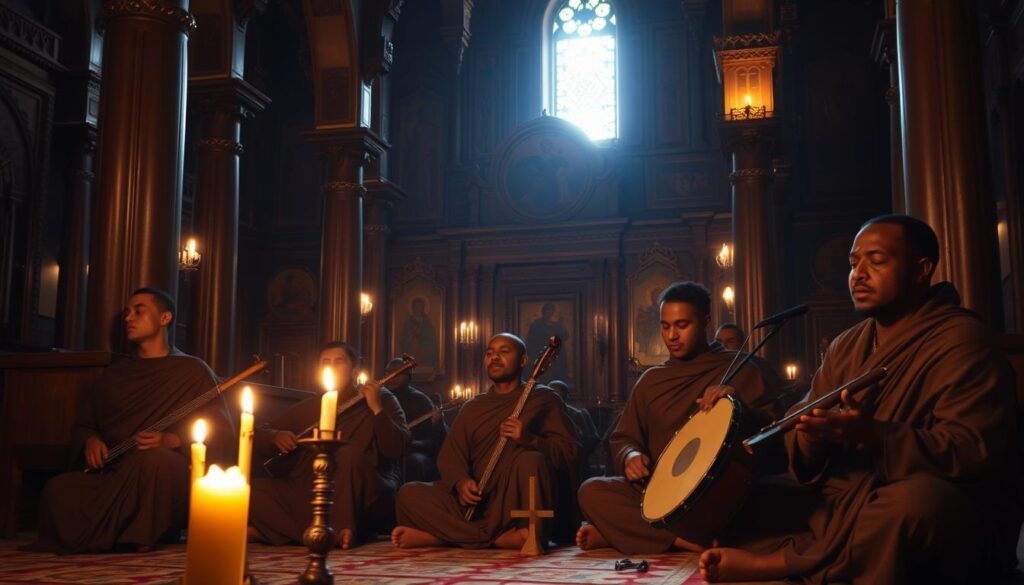
Visual markers in religious spaces often hold layers of meaning that go beyond decoration. For many believers, these emblems act as silent teachers, conveying spiritual truths through simple yet profound designs. They bridge the gap between abstract ideas and physical reality, making complex concepts accessible to everyone.
During the Reformation, leaders sought to create clear distinctions in worship practices. This period birthed unique representations that emphasized personal connection with the divine. Unlike elaborate art in other traditions, these designs focused on minimalism and direct communication of core beliefs.
Many Reformation-era emblems serve dual purposes. They educate while reinforcing community identity. A simple cup or open book might represent communion or scripture authority—ideas central to spiritual identity. This intentional simplicity reflects a belief in unmediated access to sacred truths.
Today, these visual elements continue to evolve while honoring their roots. Modern worship spaces blend historical imagery with contemporary expressions, proving their timeless relevance. Their power lies in sparking reflection and fostering connections across generations.
Key Takeaways
- Visual emblems simplify complex spiritual ideas for all believers
- Reformation leaders created distinct imagery to reflect theological shifts
- Minimalist designs emphasize direct engagement with faith concepts
- Historical symbols adapt to modern worship while keeping core meanings
- Shared imagery strengthens community bonds and spiritual identity
Introduction to Protestant Church Symbols
The Reformation era reshaped how faith communities expressed their core values visually. As leaders like Luther and Calvin reimagined spiritual practice, they replaced ornate decorations with purposeful imagery. This shift wasn’t just about aesthetics—it reflected deep theological convictions about connecting with the divine.
Historical and Theological Context
Sixteenth-century reformers rejected elaborate religious art, fearing it might distract from God’s true nature. Statues and relics gave way to open Bibles and simple crosses, embodying the principle of “Scripture alone.” These changes weren’t merely decorative—they became visual sermons, teaching congregations through shapes and words rather than intricate carvings.
Iconoclasm, the removal of traditional images, cleared space for new forms of expression. A plain communion cup or unadorned pulpit could now speak volumes about grace and accessibility. This minimalist approach made complex ideas tangible for everyday believers.
Cultural Significance in Worship
Communities began using shared imagery to reinforce their identity. A fish symbol etched on a door or a dove carved into wood created instant connections among members. These markers served dual roles: educating the illiterate and uniting diverse groups under common beliefs.
Today’s worship spaces still balance tradition with innovation. Modern congregations might project Bible verses on screens while keeping wooden crosses at the front. This blend honors heritage while speaking to new generations—proof that simple designs can carry timeless truths.
Understanding the protestant church symbol
Faith communities often use visual elements to convey deep truths without words. These designs act as silent guides, helping people connect with spiritual ideas through simple forms. Unlike decorative art, every shape and line carries intentional meaning rooted in shared beliefs.
Definition and Origin
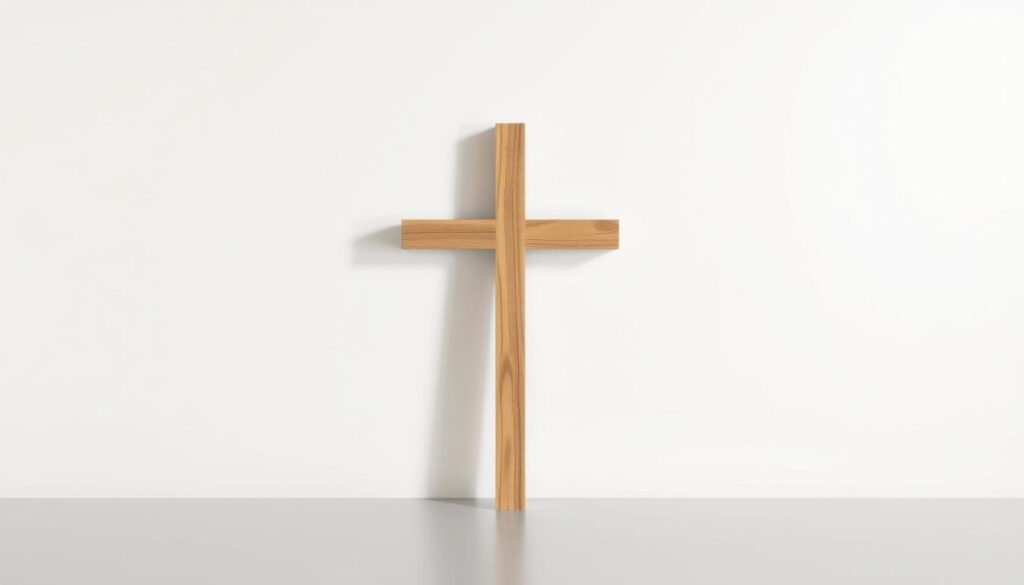
Reformation leaders redesigned worship spaces to reflect their core values. They chose minimalist emblems that focused attention on scripture rather than elaborate rituals. A plain wooden cross, for example, became central—a reminder of Christ’s triumph over death without depicting suffering figures.
This approach differed from other traditions. While some groups retained ornate art, reformers prioritized clarity. Their symbols served as teaching tools, especially for those who couldn’t read. An open Bible carving or communion cup illustration made abstract concepts tangible.
Today’s communities still value this balance. Modern spaces might feature abstract stained glass alongside traditional designs. The goal remains unchanged: creating focal points that inspire reflection without distraction. Historical roots blend with contemporary expressions, proving good design transcends time.
The Empty Cross: A Symbol of Resurrection
Why do some Christian spaces feature a cross without Jesus? The answer lies in resurrection hope. This intentional design choice reflects a deep theological conviction—celebrating life triumphing over death rather than dwelling on suffering.
Emphasis on Jesus’ Victory Over Death
The bare wooden shape serves as a visual proclamation. It declares Christ’s empty tomb rather than His execution. This distinction matters deeply—it shifts focus from pain to eternal victory.
Many congregations avoid depicting figures on crosses to honor biblical teachings about idolatry. Instead, they let the simple form speak. An unadorned cross becomes a universal reminder: death couldn’t hold the Savior.
| Empty Cross | Crucifix |
|---|---|
| Focuses on resurrection | Depicts suffering |
| Symbolizes completed work | Shows ongoing sacrifice |
| Used widely in churches | Common in other traditions |
This emblem comforts believers during hard times. It whispers, “Your struggles aren’t final.” When facing illness or loss, members find strength in its promise of renewal.
Modern worship spaces often center this symbol. You’ll spot it above altars, on communion tables, or etched into stained glass. Its placement invites reflection on core truths—grace received through Christ’s sacrifice and the hope of everlasting life.
The Pulpit: Simplicity in Protestant Worship
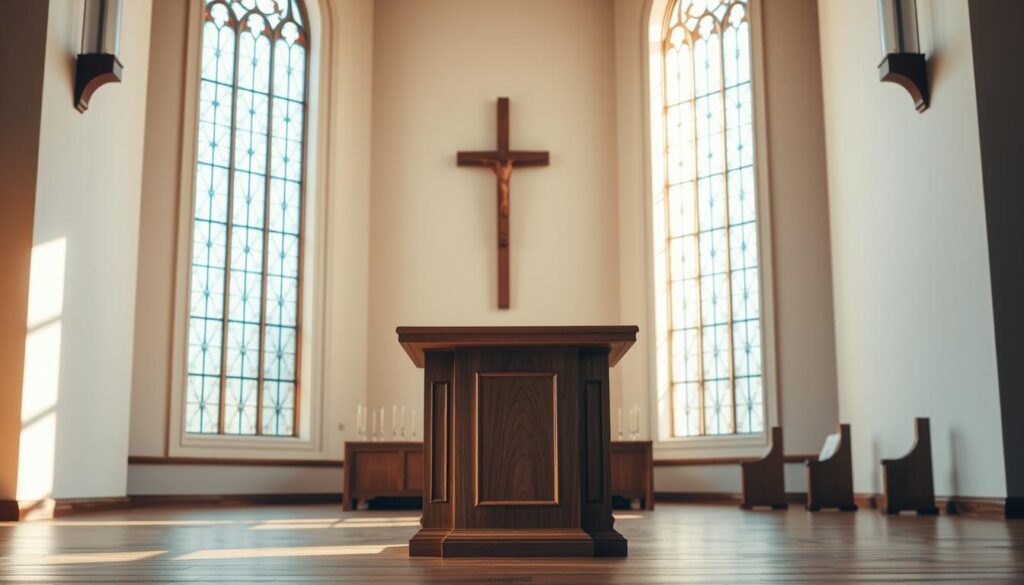
In many worship spaces, a simple wooden structure stands as a silent teacher. Unlike ornate altars or statues, this raised platform holds only an open Bible—a visual anchor for communities valuing direct engagement with sacred texts. Its uncluttered design reflects a deliberate choice to prioritize message over decoration.
Where Voice Meets Community
Reformation leaders reimagined worship by elevating Scripture physically and spiritually. The pulpit’s central placement declares that hearing God’s Word matters more than ceremonial displays. This shift created spaces where everyone could participate equally, not just observe rituals.
Early designs favored sturdy materials like oak, avoiding carvings that might distract. A plain lectern with minimal adornment became standard. This contrasted sharply with elaborate Catholic altars, emphasizing accessibility over hierarchy.
Three key principles guided this approach:
- Clarity in teaching core beliefs
- Equal access to biblical truths
- Focus on communal learning
Modern gatherings maintain this legacy through adaptable designs. Some use transparent acrylic pulpits, symbolizing transparency in teaching. Others project verses behind speakers—blending tradition with technology while keeping Scripture central.
The open Bible resting on this platform does more than decorate. It embodies the conviction that divine wisdom speaks through its pages. When preachers step behind it, they join a centuries-old chain of voices bridging ancient texts to modern lives.
From Icons to Scripture: Protestant Priorities
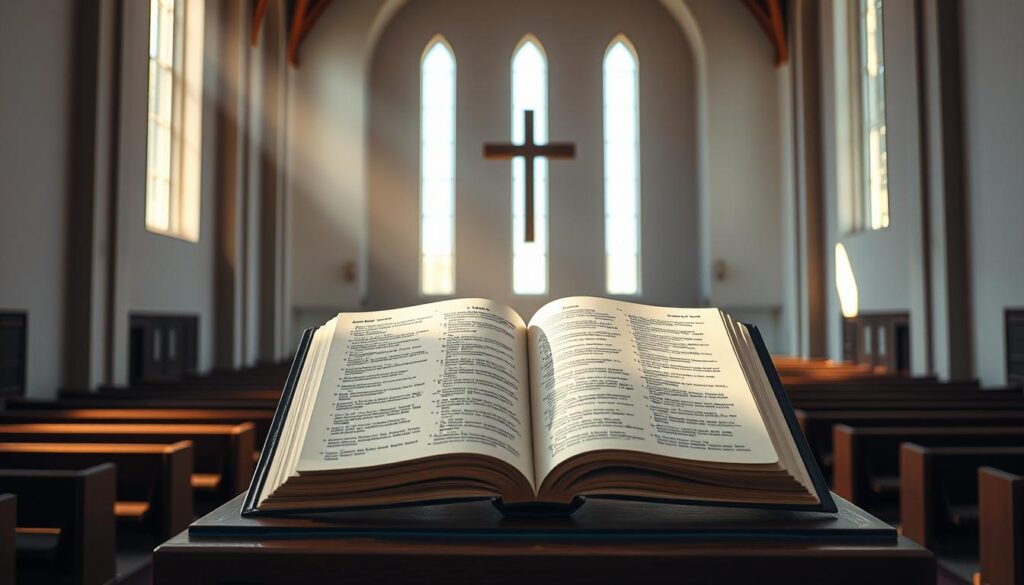
The Reformation sparked a dramatic transformation in how Christian communities engaged with sacred spaces. Instead of elaborate artwork, worship environments began showcasing open Bibles and inscribed verses. This visual revolution reflected a core conviction: divine truth lives in words, not carved figures.
A Shift Away from Graven Images
Reformers like John Calvin argued that human-made images could never capture God’s nature. They pointed to biblical warnings against idolatry, insisting spiritual focus belongs solely to the divine. “How can wood or paint contain the infinite?” wrote one 16th-century theologian.
This belief led to widespread removal of statues and stained glass. Plain white walls replaced frescoes depicting saints. The cleansing wasn’t about destroying beauty—it aimed to redirect attention to living truths found in Scripture.
The Emphasis on Solemn Biblical Authority
With visual elements stripped away, congregations turned to textual displays. Churches began etching Bible passages into walls and pulpits. Sola scriptura became more than a slogan—it shaped architectural choices.
Three key changes emerged:
- Pulpits moved to center stage as teaching platforms
- Communion tables featured carved verses instead of figures
- Stained glass shifted from saintly portraits to geometric patterns
Modern worship spaces continue this legacy. Projected verses now complement physical Bibles, blending tradition with technology. The message remains clear: God’s word stands above human artistry.
The Dove: Emblem of the Holy Spirit
Gentle wings and an olive branch mark one of Christianity’s most enduring emblems. This graceful bird appears across sacred texts as a living metaphor for divine presence. Its association with spiritual renewal traces back to Genesis and finds full expression in New Testament narratives.
Symbolic Meaning in Biblical Accounts
At Jesus’ baptism, “the Holy Spirit descended like a dove” (Matthew 3:16), linking the creature to God’s active presence. Unlike earthly rulers who arrive with fanfare, this moment reveals divine action through quiet movement. The bird’s natural traits—gentle cooing, monogamous habits—mirror qualities believers attribute to sacred influence.
“…he saw the Spirit of God descending like a dove and alighting on him” (Matthew 3:16)
Artistic Representations in Worship Spaces
Many congregations incorporate dove imagery to visualize spiritual truths. Stained glass designs often feature the bird hovering above baptismal waters or surrounded by golden light. Three common placements include:
- Above fonts, symbolizing rebirth through sacred immersion
- Carved into pulpits, representing inspired teaching
- Etched on communion ware, affirming grace
| Sacred Bird Traits | Common Bird Traits |
|---|---|
| Peace and purity | Urban adaptability |
| White plumage | Varied colors |
| Biblical references | Secular associations |
This imagery remains central during Pentecost, where believers celebrate the Spirit’s ongoing work. Its simplicity allows adaptation across cultures while maintaining core meaning—a testament to timeless design.
Communion Symbols: Chalice and Bread
Gathered believers share more than a meal when they approach the communion table. This sacred moment uses tangible elements to connect participants with foundational truths of their faith. Simple items become profound reminders of divine love and sacrifice.
Representation of Christ’s Sacrifice
The broken bread and poured drink carry layered meaning. Each piece represents Christ’s body—given willingly to bear humanity’s brokenness. The cup echoes ancient covenant rituals, now fulfilled through redemptive suffering.
Three core aspects define this practice:
- Bread as nourishment for spiritual journey
- Wine/juice marking new relationship terms
- Shared participation affirming unity
Many congregations use plain tables without carvings or cloths. This minimalist approach keeps focus on remembrance rather than ritual objects. As one reformer noted: “The table’s simplicity mirrors the gospel’s clarity.”
Different denominations vary in frequency and style but agree on core purposes. Whether using ceramic cups or silver chalices, all point to the same historical event. Through these emblems, believers across generations touch the heart of their spiritual heritage.
The Luther Rose: A Reformation Icon
One emblem stands out as a visual manifesto of spiritual renewal. Created in 1530, the Luther Rose combines bold colors and shapes to tell a story of divine grace. Its enduring design remains a touchstone for communities valuing clarity in their spiritual journey.
Historical Roots and Sacred Geometry
Martin Luther crafted his seal during a pivotal moment in religious history. The black cross at its center anchors the design, declaring trust in Christ’s redemptive work. Encircling it, a red heart pulses with the warmth of divine love—a radical concept during the Protestant Reformation.
The white rose blooming around these elements speaks volumes. Its petals whisper of peace found through faith, while the azure background stretches upward like dawn skies. This layered imagery wasn’t mere decoration. It served as Luther’s theological compass, guiding believers toward essential truths.
Modern eyes might miss the golden ring framing the entire piece. This unbroken circle mirrors eternity, wrapping the composition in assurance. “God’s promises have no expiration date,” it seems to say. Five centuries later, the Luther Rose still invites reflection on life’s deepest questions.
From stained glass to study Bibles, this emblem bridges past and present. Its genius lies in simplicity—transforming complex ideas into shapes anyone can grasp. Like a well-worn map, it continues guiding seekers toward hope that outlasts changing times.
FAQ
Why is the empty cross central to many congregations?
The empty cross highlights Christ’s resurrection and triumph over death, emphasizing hope rather than suffering. This contrasts with imagery focusing on crucifixion, redirecting attention to eternal life.
How does pulpit design reflect theological values?
Elevated podiums prioritize preaching and Scripture reading, underscoring the belief that God’s Word is the ultimate authority. Minimalist styles align with a focus on substance over ornamentation.
What role does the dove play in congregations?
Inspired by biblical accounts of Christ’s baptism, the dove represents the Holy Spirit’s presence, peace, and renewal. It often appears in stained glass or artwork as a reminder of divine guidance.
Why do some avoid elaborate decorations?
To prevent distractions from worship’s core purpose—teaching and fellowship. This practice stems from Reformation-era critiques of excessive iconography, prioritizing communal engagement with Scripture.
What do communion elements signify?
Bread and wine (or juice) commemorate Jesus’ sacrifice, symbolizing unity among believers. These acts honor His final meal with disciples, reinforcing themes of grace and shared faith.
How did the Luther Rose shape Reformation identity?
Designed by Martin Luther, this emblem blends a cross, heart, and rose to visualize key doctrines like salvation through faith. It remains a visual shorthand for Lutheran heritage and theological clarity.
Are there variations in symbolic practices across denominations?
Yes! While many share core symbols like the cross, traditions like liturgical colors or seasonal banners differ. These variations reflect diverse interpretations of Scripture and historical influences.