Recent Posts

Exploring the Path to Catholicism Conversion


Whether you grew up in another Christian tradition, practiced a different religion, or are new to spiritual exploration, the Catholic Church welcomes you. Millions have found meaning through its ancient practices and teachings. This guide walks you through every step of this life-changing process.

Joining the Church isn’t a one-size-fits-all experience. For many, it’s a transformative decision that reshapes their faith and daily life. You’ll work closely with a priest or mentor, following time-tested traditions while honoring your personal story.

We’ll cover both practical steps—like classes and rituals—and the deeper spiritual growth this path invites. No matter where you start, the Church offers tools and community to support your unique journey.

Key Takeaways

  • The Catholic Church welcomes seekers from all backgrounds
  • Conversion involves both learning and personal reflection
  • Priests guide individuals through structured preparation
  • Traditions date back centuries but remain relevant today
  • Spiritual growth continues beyond formal membership

Understanding the Journey to Becoming Catholic

Stepping into a new faith tradition blends learning with heartfelt commitment. The conversion process to become Catholic adapts to your spiritual background, whether you grew up in another Christian faith or are exploring religion for the first time. As one mentor shared, “This isn’t about changing who you are—it’s about discovering where you belong.”

The way forward depends on your baptism status. Baptized Christians from other traditions focus on Catholic teachings before professing faith. Unbaptized seekers start with foundational sacraments. Here’s how the paths differ:

Background Preparation Focus Sacraments
Previously Baptized Understanding Catholic doctrines Confirmation, Eucharist
New to Baptism Learning core beliefs & rituals Baptism, Confirmation, Eucharist

Preparation timelines vary—some need months, others a year. A parish leader notes:

“We meet people where they are, whether they’re deepening their faith or starting fresh.”

Your journey might include weekly classes, personal reflection, or community service. The Church pairs you with guides who respect your unique story. Ancient traditions meet modern needs in this transformative way of life.

Spiritual and Historical Foundations of the Catholic Church

Rooted in ancient traditions, the Catholic Church traces its origins to Jesus Christ and His apostles. St. Peter, recognized as the first Pope, established a spiritual lineage that continues through today’s bishops. This unbroken chain—called apostolic succession—links modern leaders directly to early Christian communities.

Over two millennia, the Church refined its teachings while preserving core truths. Early thinkers like St. Augustine and St. Thomas Aquinas shaped its theology, blending faith with reason. Their works, alongside Scripture and Tradition, form a living framework that guides believers across time.

The Church’s global reach unites diverse cultures under shared beliefs. From Rome to Manila, Mass follows the same structure—yet local customs enrich celebrations. A priest in Chicago explains:

“Our unity isn’t about sameness. It’s about shared love for Christ and His teachings.”

Key elements define Catholic identity:

Source of Truth Role Daily Impact
Sacred Scripture Divinely inspired teachings Personal prayer & study
Sacraments Visible signs of grace Community worship
Magisterium Teaching authority Guided moral decisions

This historical depth offers stability in modern life. Ancient rituals—like Lenten fasting or Eucharistic adoration—connect believers to generations past. The Church’s endurance through centuries of change continues to inspire those seeking lasting truth.

Reasons to Consider Embracing the Catholic Faith

People from all walks of life find themselves drawn to the Catholic faith for diverse yet deeply personal reasons. Some discover awe in ancient rituals, while others value the Church’s intellectual depth. As recent convert Sarah Johnston shares:

“There’s something transcendent about Mass—the reverence preserved through centuries speaks directly to the soul.”
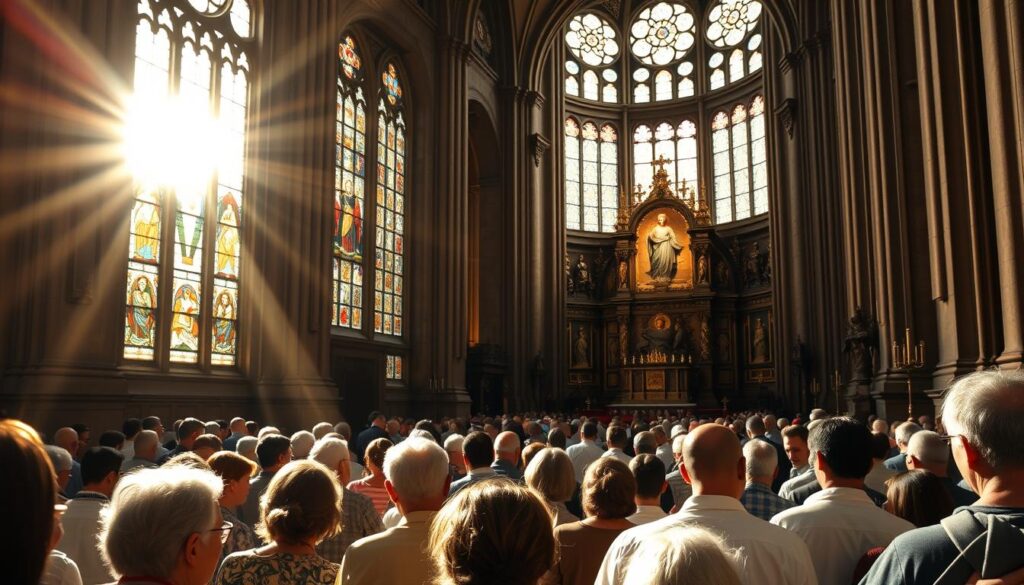
A vibrant Catholic faith community gathered in a grand cathedral, sunlight streaming through stained glass windows, creating a warm, reverent atmosphere. In the foreground, parishioners bow their heads in prayer, their faces reflecting a sense of profound devotion. The middle ground showcases the ornate, intricate architecture, with towering arches and ornate columns. In the background, the altar stands tall, adorned with religious symbols and imagery, conveying the deep spiritual connection within this sacred space. The scene exudes a sense of timeless tradition, community, and a profound commitment to the Catholic faith.

The Church’s rich theological tradition offers a unique way to unite faith and reason. Thinkers like Augustine and Aquinas created frameworks that still guide moral decisions today. This clarity provides stability in modern ethical dilemmas.

Beyond personal growth, the global community stands out. Whether in New York or Nairobi, Mass follows the same structure—creating instant belonging. Many also feel called by Catholic social teachings, which prioritize serving the poor and vulnerable.

Sacraments like Eucharist and Baptism offer tangible connections to the divine. As one member notes: “Receiving Communion isn’t symbolic—it’s encountering Christ Himself.” These experiences, combined with worldwide unity, make the journey transformative for seekers.

Embarking on the Inquiry Stage of Faith

Your spiritual exploration begins with simple curiosity. This initial phase—called the inquiry stage—lets you ask questions freely without pressure to commit. As one parish member explains: “Think of it as dipping your toes in living water to test the temperature.”

Discovering Your Motivations

Start by reflecting on what draws you to the church. Are you seeking intellectual answers? Spiritual connection? A sense of belonging? A mentor suggests writing down three core reasons to clarify your intentions.

Many find value in comparing their current beliefs with Catholic teachings. Consider these areas:

  • Views on community support and service
  • Understanding of sacraments and rituals
  • Perspectives on moral decision-making

Questions to Ask Yourself

This stage thrives on honest self-examination. Ask: “What life experiences prepare me for this journey?” and “How might this path affect my relationships with others?” There are no wrong answers—only stepping stones toward clarity.

Practical exploration options include:

  • Attending Mass without participating in Communion
  • Reading introductory books like Catholicism for Dummies
  • Joining parish social events to meet candidates and lifelong members

Take all the time you need—weeks, months, or years. Local parishes often host informal coffee meetings where persons in similar situations share experiences. As you gather insights, you’ll naturally sense when you’re ready for the next step—or if another path calls you.

Learning About the Rite of Christian Initiation for Adults (RCIA)

The journey to join the Catholic faith as an adult or older child follows a time-tested roadmap known as the Rite of Christian Initiation for Adults (RCIA). Sometimes called the Order of Christian Initiation for Adults (OCIA), this process welcomes seekers aged seven and older through structured spiritual growth. “It’s less like a class and more like walking with friends toward truth,” explains Maria Torres, a longtime RCIA sponsor.
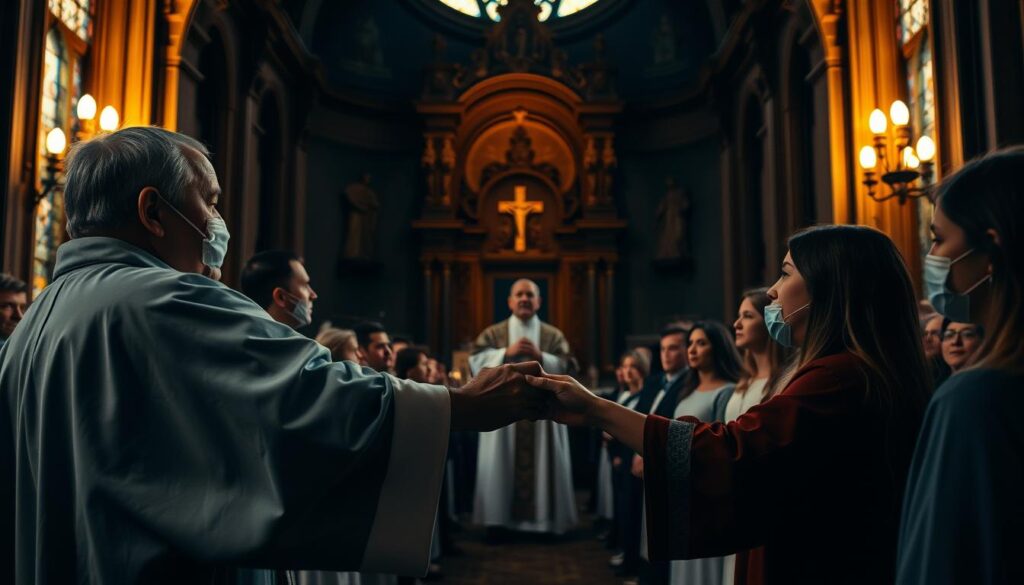
A serene, dimly lit church interior, with soft, warm lighting illuminating a group of adults gathered around a priest, their faces reflecting a sense of reverence and spiritual awakening. In the foreground, the hands of the priest and the initiates are clasped, symbolizing the sacred rite of Christian initiation. The middle ground features the seated congregation, their expressions attentive and contemplative. The background showcases the ornate architectural details of the church, creating a sense of timelessness and sacred space. The overall mood is one of reverence, contemplation, and the transformative power of faith.

Overview of the RCIA Process

Typically beginning in fall and culminating at Easter, RCIA blends group learning with personal reflection. Sessions cover Scripture, sacraments, and Church teachings while encouraging prayer and service. Every candidate partners with a sponsor—a practicing Catholic who offers guidance and shares lived experiences.

Key components include:

  • Weekly meetings for discussion and mentorship
  • Ritual celebrations marking spiritual milestones
  • Volunteer opportunities to practice Catholic social teachings

Differences for Unbaptized and Baptized Candidates

The process adapts based on your background. Unbaptized seekers (called catechumens) prepare for three sacraments—Baptism, Confirmation, and Eucharist. Those already baptized in other Christian traditions focus on Confirmation and Eucharist, entering the Church through a Rite of Reception.

Candidate Type Sacraments Received Preparation Focus
Unbaptized Baptism, Confirmation, Eucharist Foundational beliefs
Baptized Confirmation, Eucharist Catholic distinctives

Parishes work with local bishops to ensure each journey respects individual needs while maintaining unity with global Church practices. Whether you’re exploring faith for the first time or deepening existing beliefs, RCIA meets you where you are.

Preparing as an Unbaptized Candidate for Baptism

For those new to baptism, the journey begins with a sacred ceremony rooted in early Christianity. The term catechumen describes someone preparing to become Christian through baptism—a practice dating back to the first followers of Jesus. This ancient title carries modern significance, marking your entry into structured spiritual preparation.
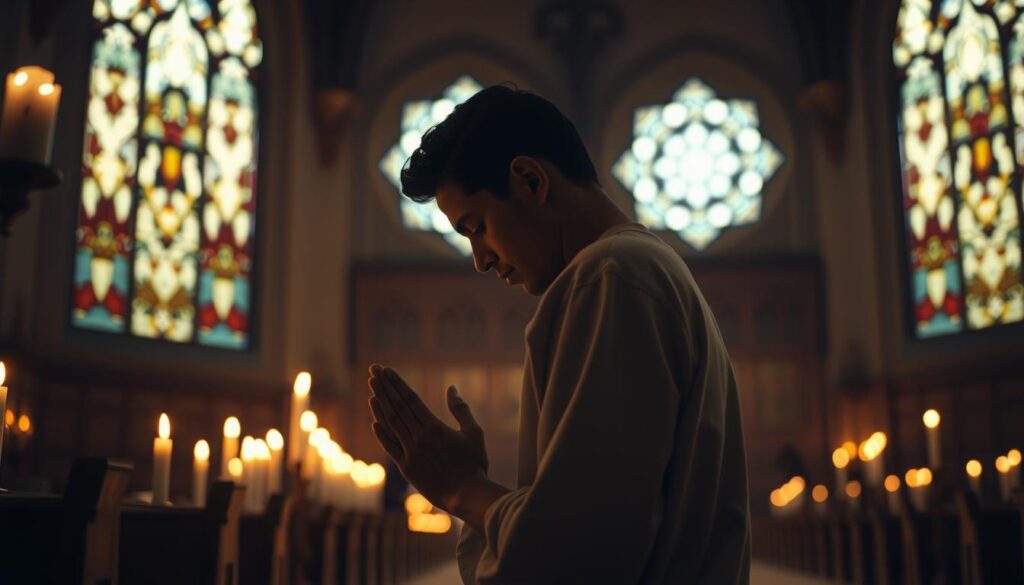
A devout individual kneeling in humble prayer, their head bowed and hands clasped, surrounded by a serene, candlelit sanctuary. The soft, warm lighting casts a gentle glow, creating an atmosphere of reverence and contemplation. In the background, intricate stained-glass windows filter in a muted, ethereal light, adding to the sacred ambiance. The figure's expression conveys a sense of peaceful anticipation, as they prepare to embark on the transformative journey of becoming a Christian catechumen.

The Rite of Reception into the Order of Catechumens serves as your official starting point. During this ceremony, you’ll publicly express your desire to join the Church community. A priest marks your forehead with the sign of the cross and presents a Bible, symbolizing your commitment to learning.

Key aspects of this step include:

  • Acknowledging your intention before the congregation
  • Receiving blessings for your spiritual journey
  • Beginning formal instruction in core teachings

While this rite doesn’t make you Catholic yet, it opens doors to deeper exploration. As Father Michael Rodriguez notes:

“This moment honors your courage while inviting the community to walk beside you.”

Most candidates reach this stage after a period of self-guided study—often weeks or months. There’s no pressure to rush; discernment continues throughout the process. Whether you’re 18 or 68, the Church celebrates seekers of any age taking this meaningful step toward truth.

Remember, becoming baptized Catholic unfolds gradually. The community supports you at every turn, ensuring you feel ready for each new phase of growth.

Exploring the Catechumenate Process

The catechumenate offers a structured yet flexible path for those preparing to join the Church. Lasting typically under a year, this period

The Rite of Reception and Early Formation

After expressing interest, candidates participate in the Rite of Reception—a joyful welcome into parish life. Approved study materials guide learning through Scripture, sacraments, and moral teachings. As the U.S. Bishops note:

“A comprehensive catechesis covering doctrine and Christian living forms the heart of this period.”

National Statutes for the Catechumenate

Duration and Instructional Phases

While most complete preparation within months, some need more time. Weekly sessions blend classroom learning with:

  • Prayer practices like lectio divina
  • Service projects reflecting Catholic social teaching
  • Gradual participation in Mass rituals

Sponsors—often seasoned parishioners—provide mentorship. One mother of three serving as a guide shares: “We walk together, answering questions and sharing our faith journey.” Regular check-ins ensure candidates feel ready for each new step, whether that takes weeks or years.

Moving Through the Rite of Election and Scrutinies

The journey toward full membership reaches a profound milestone during Lent. On the first Sunday of this sacred period, catechumens stand before their local bishop for the Rite of Election. Names are inscribed in the Book of the Elect—a tangible sign of divine calling and human response.

Deepening Commitment to Repentance

Three powerful rituals called scrutinies follow on subsequent Sundays. These Masses focus on spiritual healing through prayer and reflection. “The scrutinies aren’t about judgment,” explains a parish leader. “They help us shed what holds us back from embracing grace fully.”

Experiencing Rituals of Purification

Entire congregations support candidates through laying on of hands and intercessory prayers. Many find this communal embrace both humbling and empowering. It’s normal to feel vulnerable—these moments strengthen resolve as Easter approaches.

This final Lenten preparation mirrors ancient traditions while addressing modern struggles. Through structured rituals and personal growth, seekers ready themselves for the joy of initiation. The church walks beside you every step of this transformative day.

FAQ

What is the Rite of Christian Initiation for Adults (RCIA)?

The RCIA is a structured process for individuals exploring the Catholic faith. It guides unbaptized candidates, baptized Christians from other traditions, and even baptized Catholics who haven’t completed sacraments like Confirmation. The program includes prayer, study, and rituals to prepare for full communion with the Church.

How long does it typically take to become Catholic?

The timeline varies. For unbaptized candidates, the catechumenate often lasts a year or more, with phases like inquiry, formation, and sacramental preparation. Baptized Christians may have a shorter journey, depending on their prior faith background and readiness.

Can someone baptized in another Christian faith become Catholic?

Yes! Baptized Christians from other denominations undergo a modified RCIA process. They focus on understanding Catholic teachings and traditions before being received into the Church, often during Easter Vigil. This step may include Confirmation and First Communion.

What role do sponsors play in the RCIA process?

Sponsors are practicing Catholics who accompany candidates, offering spiritual support and guidance. They help integrate newcomers into the parish community and serve as mentors throughout the journey toward sacraments like Baptism or Confirmation.

What are the Scrutinies during Lent?

The Scrutinies are special rites for unbaptized candidates, celebrated on Sundays during Lent. These prayers focus on repentance, healing, and strengthening resolve before receiving sacraments at Easter. They emphasize spiritual purification and renewal.

Why do many converts cite history as a reason to join the Church?

The Catholic Church’s unbroken lineage to Jesus and the Apostles resonates with seekers. Figures like St. Augustine or modern scholars, such as those at Notre Dame or Columbia University, highlight how historical continuity and theological depth draw people to the faith.

Is family involvement encouraged during the RCIA process?

Absolutely. Families often participate in Mass, retreats, or parish events alongside candidates. This builds a supportive environment and helps loved ones understand the spiritual journey, whether it leads to Baptism or full communion.

What happens at the Rite of Election?

This ceremony, usually held on the first Sunday of Lent, marks a candidate’s formal commitment to join the Church. The bishop or priest publicly acknowledges their readiness, symbolizing their “election” by God and the community to receive sacraments at Easter.
Examining the Decline of Catholic Faith in the US


Over the past three generations, America’s spiritual landscape has undergone quiet but profound changes. Recent surveys show 19% of U.S. adults now identify with a faith community that once represented nearly a quarter of the population. This shift becomes even clearer when comparing today’s numbers to those from 1965, when six times more clergy served far fewer congregants.

What does this transformation mean for communities and cultural values? We’re not just talking about attendance figures – it’s about evolving relationships with tradition, community, and personal belief systems. Younger generations in particular are redefining what spirituality looks like in modern life.

This exploration isn’t about assigning blame or sounding alarms. Instead, we’ll look at regional patterns, generational attitudes, and social factors shaping these trends. From bustling cities to rural towns, the reasons behind changing affiliations vary as widely as America itself.

Key Takeaways

  • Religious identification patterns have shifted noticeably since the mid-1960s
  • Only 44% of current adherents rate faith as “very important” in daily life
  • Weekly participation rates now sit below 30% nationwide
  • Regional differences play a key role in affiliation trends
  • Multiple generations contribute to evolving spiritual practices
  • Understanding these changes helps decode broader cultural shifts

As we unpack these developments, we’ll consider what historical context and modern research reveal about American values. Whether you’re part of this tradition or simply curious about social change, these insights offer valuable perspective on our evolving nation.

Understanding the Catholicism Decline: Trends and Statistics

Recent surveys reveal striking changes in American spiritual affiliations. Three major studies show consistent patterns across different measurement methods and time frames. Let’s explore what the numbers tell us about evolving faith traditions.

What Surveys Reveal About Participation

The Pew Research Center tracked a 5-point drop in religious identification between 2007 and recent years. Their data shows membership falling from 24% to 19% – a significant shift in just fifteen years. The General Social Survey paints a similar picture, with numbers sliding from 26% to 21% since the 1970s.

These patterns become clearer when comparing studies:

  • Cooperative Election Study reports 17.5% affiliation in latest counts
  • Weekly service attendance halved since 1970s
  • Younger generations show lower engagement rates

Tracking Changes Through the Decades

The 1990s marked a turning point, with surveys showing stable numbers before gradual declines. Participation rates tell an even stronger story – only 1 in 4 adherents now attend regular services. This suggests a growing gap between cultural identity and active practice.

Researchers note these trends mirror broader social shifts. As one analyst observed: “What we’re seeing isn’t isolated – it’s part of America’s evolving relationship with organized communities.” The data helps us understand how spiritual lives adapt to modern realities.

Exploring the Contributing Factors Behind the Decline

Multiple forces have reshaped America’s spiritual identity. From sweeping social changes to institutional reforms, these influences created ripple effects across generations. Let’s unpack the key elements driving this transformation.

A grand Catholic cathedral stands in the foreground, its ornate spires and stained glass windows casting a somber, introspective mood. In the middle ground, parishioners gather outside, some engaged in animated discussion, others lost in contemplation. The background is shrouded in a hazy, subdued light, suggesting the waning influence of the church. Subtle cracks in the edifice and a sense of unease permeate the scene, hinting at the underlying challenges facing the institution.

Cultural Shifts and Changing Social Values

The 1960s brought seismic changes that challenged traditional norms. Surveys show 73% of adherents now support LGBTQ+ rights, while 59% favor accessible abortion. These views often clash with established teachings, creating tension for families balancing modern values with inherited beliefs.

Younger generations particularly struggle with this disconnect. As one researcher notes: “Millennials want communities that evolve with societal progress.” This gap impacts everything from marriage ceremonies to youth participation in sacraments.

Factor Impact Level Generational Effect
Vatican II Reforms High All age groups
Social Value Shifts Extreme Under 50s
Religious Education Changes Moderate Post-1980s
Institutional Scandals Severe All demographics

Impact of Vatican II and Institutional Changes

The 1960s reforms aimed to modernize worship practices but had unintended consequences. A National Bureau study found global attendance dropped 18% faster in Catholic communities than other denominations post-Vatican II. Some members felt traditional rituals lost their sacred quality.

Church leadership also faced growing scrutiny. High-profile scandals eroded trust, particularly among parents concerned about youth programs. Combined with relaxed religious education standards, these issues made consistent practice harder to maintain across generations.

These factors don’t operate in isolation. As cultural expectations shift and institutional challenges persist, families often renegotiate their relationship with time-honored traditions. The result? A complex web of reasons behind changing affiliations.

Regional and Demographic Insights in the United States

America’s spiritual map shows uneven patterns of belief and practice. While some areas maintain strong ties to tradition, others experience rapid shifts in community engagement. Let’s explore how geography shapes these variations.

Geospatial Distribution and State-Level Variations

Traditional strongholds face surprising changes. Massachusetts saw an 11% drop in identification since 2008, while Connecticut lost 16% of its affiliated population. Midwestern states like Kansas and Ohio report 6-8% reductions, according to recent surveys.

State Identification Change Key Notes
Florida +3% Growth in urban centers
New Mexico -9.8% Rural areas most affected
Mississippi +1.5% Increased mass attendance
Colorado -5.5% Youth disengagement rises

Differences in Mass Attendance and Parish Engagement

Weekly participation tells its own story. Southern states like Mississippi buck national trends with growing numbers, while Tennessee and North Carolina report 12% fewer regular attendees. Urban parishes face unique challenges – many struggle to track members as neighborhoods change.

Immigration patterns add complexity. Hispanic communities help stabilize numbers in Texas and California, yet leaders note integration challenges. “Parishes must adapt to cultural shifts while maintaining core values,” observes a Florida-based community organizer.

Some churches lose members through simple oversight. In Chicago, a once-active family stopped attending after their parish failed to notice six months of absences. Such stories highlight the need for better outreach strategies across the country.

Conclusion

America’s religious identity continues evolving in ways that defy easy explanations. Over three generations, communities across the country have navigated shifting relationships with organized church life. This transformation isn’t about rejection of faith, but rather how people connect with spiritual practice in modern times.

Regional differences reveal surprising patterns – Southern states see stable participation while Northeastern groups shrink. Urban parishes adapt to cultural currents, while rural areas face unique challenges. These variations show there’s no single problem or solution, only localized realities needing tailored responses.

Some leaders advocate updating policies to match today’s values, while others emphasize traditional roots. Both approaches miss a key point: many still cherish their spiritual heritage but seek deeper community ties. Successful strategies might focus on meaningful outreach rather than attendance numbers.

As we look ahead, this country’s religious landscape will keep changing. The real story isn’t in news headlines about shrinking numbers, but in how church communities adapt to serve new generations. Understanding these shifts helps us see broader changes in how Americans find purpose and connection through the years.

FAQ

What data shows the Catholic Church’s membership changes in recent years?

Studies by the Pew Research Center reveal a steady drop in self-identified Catholics since 2000. In 2022, only 20% of U.S. adults identified as Catholic, down from 24% in 2007. Surveys also highlight reduced weekly Mass attendance, especially among younger generations.

How have cultural shifts influenced participation in Catholic practices?

Changing views on issues like LGBTQ+ rights, gender roles, and reproductive policies have created tensions. Many younger believers feel disconnected from traditional teachings, leading to lower engagement with parishes or religious rituals like sacraments.

Are there regional differences in Catholic engagement across the U.S.?

Yes. States like Massachusetts and Illinois retain stronger parish networks, while areas in the Pacific Northwest report sparse attendance. Rural regions often face priest shortages, whereas urban centers struggle with diverse spiritual competition.

Did Vatican II reforms contribute to the current challenges?

While Vatican II modernized practices in the 1960s, debates over its long-term impact persist. Some argue it alienated traditionalists, while others believe it didn’t adapt quickly enough to social changes, leaving gaps in addressing modern ethical questions.

How is the Church addressing declining membership today?

Initiatives focus on youth outreach, digital evangelization, and lay leadership programs. Groups like CARA (Center for Applied Research in the Apostolate) track trends to help parishes adapt. However, reversing decades of decline remains a complex, ongoing effort.

Do younger Catholics practice their faith differently than older generations?

Surveys show millennials and Gen Z prioritize social justice and inclusivity over institutional loyalty. Many engage with spirituality outside traditional Mass settings, leaning toward community service or online faith groups instead.

Catholicism in the UK: Insights and Perspectives


For the first time in modern history, a quiet revolution is reshaping religious life across the United Kingdom. Recent data reveals that weekly attendance at Roman Catholic services now exceeds Anglican participation, particularly among younger generations. This shift marks a historic reversal of post-Reformation trends, with London leading the charge as a hub for vibrant Catholic communities.

What draws people to these ancient traditions in our fast-paced world? Many point to the enduring appeal of clear doctrine and spiritual continuity. Unlike institutions adapting to cultural currents, the Catholic Church maintains steadfast teachings on morality and purpose. Young adults especially appear drawn to this unapologetic stance in an era of shifting social values.

The growth isn’t confined to worship spaces. From university campuses to neighborhood initiatives, Catholic organizations are fostering connections through service and shared identity. Urban centers showcase this best, where diverse congregations blend centuries-old rituals with contemporary community-building.

Key Takeaways

  • Catholic weekly attendance now surpasses Anglican services nationally
  • Young adults drive much of this demographic shift
  • Clear doctrinal positions attract seekers of spiritual certainty
  • London serves as epicenter for this religious transformation
  • Growth reflects broader cultural trends favoring tradition

Understanding the Current Religious Landscape in the UK

Recent surveys reveal a dramatic shift in Britain’s religious affiliations. For over 500 years, the Church of England held cultural dominance after the Reformation. But the past few decades tell a different story—one where Catholic communities steadily gain ground.

Historical Context: Anglicanism Versus Catholicism

The Church of England shaped national identity since the 16th century. However, its influence has softened in recent years. Census reports show Anglican affiliation dropped from 40% to 12% between 1983 and 2023. Meanwhile, Catholic numbers remained stable, buoyed by immigration and younger followers.

Recent Trends and Survey Findings

Bible Society figures highlight striking changes. Gen Z churchgoers now prefer Catholic services by a 2:1 margin over Anglican ones. Monthly attendance patterns flipped dramatically:

Denomination 2018 2024
Anglican 41% 34%
Catholic 23% 31%
Post-COVID Recovery 503k (2022) 555k (2023)

Urban centers drive this change. London’s diverse population increasingly embraces Catholic traditions, blending global influences with ancient rituals. While pandemic closures hit all faith groups, Catholic communities rebounded faster—a sign of stronger commitment to regular worship.

Key Insights into catholicism uk: Growth and Transformation

A surprising spiritual awakening is redefining religious engagement among Britain’s youth. While older generations gradually step back, those under 25 are embracing organized faith at rates not seen in decades.

A vibrant congregation of young Catholics gathered in a sunlit church, their faces aglow with devotion and hope. In the foreground, a group of teenagers stand with hands clasped, their expressions serene and contemplative. In the middle ground, a family of four kneels reverently, the parents guiding their children in prayer. The background reveals a grand, ornate altar bathed in warm, golden light, symbolizing the timeless traditions of the faith. The scene conveys a sense of spiritual growth, as the younger generation embraces the enduring values of Catholicism in the UK, shaping the future of the Church.

Generational Shifts Reshape Religious Participation

Recent studies reveal 16% of 18-24 year-olds attend monthly services—nearly matching the 19% rate among seniors. But what truly stuns researchers? 41% of these young churchgoers now identify with Catholic traditions, doubling Anglican affiliation since 2018.

Affiliation 2018 2024
Catholic 30% 41%
Anglican 30% 20%
Pentecostal 15% 18%

This growth isn’t about inherited beliefs. Young converts often cite the appeal of structured rituals and moral clarity. “We’re tired of endless options,” shares one 22-year-old revert. “Ancient practices feel real in our screen-dominated lives.”

Men aged 18-24 show particular interest, with 33% affirming belief in God—higher than any other age group. Their daily prayer habits (23%) suggest deeper commitment than casual cultural adherence.

Urban parishes report vibrant communities where young people blend traditional Mass with social justice work. This fusion of timeless faith and modern purpose appears key to attracting among Gen Z seekers.

Social Media and Modern Influences on Faith

Young believers are finding their spiritual home in unexpected online spaces. Digital platforms like TikTok and Instagram now host vibrant communities where ancient traditions meet modern storytelling. Social media creators blend relatable humor with deep theological insights, making faith feel accessible to a generation raised on screens.

Impact of Digital Content and Authentic Voices

Luke Lenz, a 25-year-old convert, explains: “People crave truth that doesn’t shift with trends. Catholic creators show how principles apply to real life—dating, careers, even memes.” This authenticity resonates: accounts like @BibleInAFilter gain 500k+ followers by connecting scripture to daily struggles.

Platform 2020 Users 2024 Users Growth
TikTok 12k 290k 2,317%
Instagram 45k 610k 1,255%
YouTube 88k 420k 377%

How Online Engagement Reshapes Community Ties

Digital connections often spark real-world action. Group chats become prayer circles, while viral challenges lead to food drives. Mark Lambert of “Catholic Unscripted” notes: “Our viewers organize local meetups before ever stepping into a church.”

This online-offline blend creates global support networks. Young members share resources across time zones—a Canadian’s video guides Londoners through Lent. In a fractured world, these bonds offer both stability and adventure.

The Role of Church Leadership and Institutional Shifts

Religious communities thrive or falter based on how leaders navigate modern challenges. Two distinct approaches emerge when comparing the Catholic Church and Anglican institutions—one rooted in unwavering conviction, the other adapting to cultural currents.

A stately, Gothic-inspired cathedral stands tall, its spires reaching towards the heavens. In the foreground, a group of clergy in ornate robes and vestments gather, engaged in solemn discussion. Their expressions are thoughtful, as they ponder the weight of their responsibilities. The middle ground reveals a bustling congregation, their faces upturned, reverently listening to the words of their spiritual leaders. Soft, warm lighting filters through the stained-glass windows, casting a serene, contemplative atmosphere. The background is shrouded in a hazy, ethereal mist, emphasizing the sacred and timeless nature of the institution. The scene conveys a sense of hierarchy, tradition, and the profound influence of the church's leadership within the community.

Leadership Styles: Comparing Structural Foundations

The hierarchy of Roman Catholicism operates like a spiritual compass—fixed and centralized. Bishops enforce consistent teaching across all levels, creating stability many find reassuring. Anglican leadership, by contrast, often debates doctrine through democratic processes. This difference shows in recent surveys:

Aspect Catholic Approach Anglican Approach
Doctrine Formation Centralized authority Synod voting systems
Cultural Engagement Non-negotiable principles Evolving interpretations
Member Confidence (2024) 67% 41%

When Flexibility Weakens Authority

Anglicanism’s struggle with clarity became evident during debates on human sexuality. Former Archbishop Justin Welby faced criticism for what some called “wishy-washy leadership.” A 2023 religious study noted: “Institutions lose credibility when core beliefs shift with opinion polls.”

Case Study: The Conviction Advantage

Data from Georgetown University reveals why strict structures attract followers:

  • 78% of Catholic converts cite “doctrinal certainty” as key factor
  • Anglican retention rates dropped 22% since 2018
  • 63% of young believers prefer leaders who “stand firm”

While critics argue against inflexibility, the numbers suggest many crave religion that doesn’t bend to every societal wind. As one London parishioner put it: “You don’t remodel a lighthouse to match passing ships.”

Community Renewal and the Revival of Traditional Practices

Ancient bells ring with renewed purpose across London’s neighborhoods. The dioceses of Southwark and Westminster report record-breaking conversion rates, with over 950 new members joining last year alone. This surge isn’t just numbers—it’s a cultural shift toward timeless rituals in modern urban life.

A vast cathedral interior, bathed in warm, golden light filtering through stained glass windows. Pews filled to capacity with a throng of worshippers, their heads bowed in reverent prayer. The altar is the focal point, adorned with ornate religious iconography, casting an air of solemn ceremony. Shadowy, vaulted ceilings lend a sense of grandeur and timelessness, while the soft murmur of chanting and hushed voices create an atmosphere of spiritual renewal. A scene of community and tradition, reflecting the vibrant resurgence of Catholic faith in modern Britain.

Increased participation in Mass and community prayer

Weekend services now overflow with diverse crowds. Southwark’s 450 new candidates mark its highest intake in 10 years, while Westminster saw a 25% jump in registrations. Young men lead this trend—33% of converts under 35 are male, reversing decades of gender imbalances in religious participation.

Parishes blend old and new:

  • Midnight Masses with live-streamed prayers
  • Neighborhood rosary circles meeting in coffee shops
  • 24-hour adoration chapels attracting night-shift workers

New converts and the growing appeal of ritual and tradition

Half of Westminster’s newcomers seek baptism, drawn by what Archbishop Mark O’Toole calls “the magnetic pull of spiritual clarity.” Converts often describe feeling anchored by rituals that predate smartphones and social media.

Recent data shows why ancient practices resonate today:

Practice Under-35 Participation Growth Since 2020
Weekly Mass 41% +18%
Monthly Confession 29% +22%
Daily Prayer 33% +15%

As one 28-year-old engineer put it: “In a world of endless options, the Mass feels like coming home.” This revival creates its own momentum—vibrant communities naturally attract more seekers craving authenticity.

Conclusion

Across Western nations, a countercultural movement is taking root. Young adults increasingly embrace ancient faith practices as antidotes to modern fragmentation. From Paris to Pittsburgh, church attendance patterns reveal a hunger for spiritual clarity that transcends political trends.

This revival thrives through unexpected alliances. Social media influencers share sacramental wisdom beside viral memes. Urban parishes blend incense with soup kitchens. As commentator Michael Knowles notes, people crave “truth that withstands life’s storms”—a need many find fulfilled in time-tested traditions.

The growth brings fresh challenges. Expanding congregations require new ministries and spaces. Yet the rewards outweigh the work: communities where men and women rediscover purpose through shared rituals and service.

While some dismiss this as a passing reaction to uncertainty, figures suggest deeper roots. Weekly Mass attendance among under-35s now rivals senior churchgoers. As institutions adapt to this shift, they’re learning timeless truths still meet modern needs—when presented with conviction and compassion.

FAQ

Why are young adults in Britain increasingly drawn to Catholicism?

Surveys suggest younger generations value the Catholic Church’s emphasis on tradition, spiritual depth, and clarity in teachings. Authentic engagement on social media by faith leaders and peers also plays a role in connecting with this age group.

How does social media influence religious participation today?

Platforms like Instagram and TikTok allow churches to share teachings, testimonies, and live events, creating accessible entry points for curious individuals. This digital reach helps rebuild community ties, especially among those disconnected from physical congregations.

What explains the decline in Anglican church attendance?

Factors include generational shifts, reduced cultural influence of state-aligned institutions, and a growing preference for denominations offering stronger doctrinal identity. Reports highlight Catholicism and Pentecostal groups as beneficiaries of this trend.

Are traditional practices like Mass gaining popularity?

Yes. Many find rituals like Eucharistic adoration or communal prayer spiritually grounding. New converts often cite the beauty of liturgy and a sense of historical continuity as key reasons for joining Catholic communities.

How do leadership styles differ between Anglican and Catholic churches?

Catholic leadership often emphasizes centralized authority and doctrinal consistency, while Anglican structures vary regionally. Younger believers increasingly favor bold, conviction-driven approaches seen in some Catholic circles.

What role does community play in faith renewal?

Strong parish networks, youth groups, and service initiatives foster belonging. For many, shared prayer and social outreach bridge gaps left by secular culture, making faith feel relevant to daily life.

Catholics Kneeling: A Reverent Tradition


In faith communities worldwide, physical postures carry deep spiritual meaning. One practice that continues to spark reflection is the act of bending the knee during prayer. Far from being a casual gesture, this tradition holds centuries of theological weight and personal devotion.

Scripture reveals this posture appears over 50 times in the New Testament alone. The Greek term proskynein, meaning “to bow down,” appears most frequently in Revelation’s visions of heavenly worship. This biblical pattern suggests the posture transcends cultural trends, rooting itself in humanity’s response to the divine.

Modern discussions sometimes question whether such practices belong in contemporary services. As one prominent theologian noted, critics argue it might feel outdated or uncomfortable. Yet defenders emphasize its role in expressing humility before God’s majesty. The tension between cultural expectations and sacred symbolism remains a lively conversation.

This exploration invites readers to discover how ancient gestures bridge past and present. We’ll examine scriptural foundations, theological insights from Church leaders, and the enduring power of physical worship. Together, we’ll uncover why this humble act continues to shape spiritual lives across generations.

Key Takeaways

  • Rooted in biblical language, kneeling appears repeatedly in New Testament worship scenes
  • The posture symbolizes humility and reverence before divine presence
  • Modern debates explore cultural relevance versus timeless spiritual expression
  • Church leaders connect the practice to humanity’s relationship with transcendence
  • Physical gestures in worship carry layered theological meaning

Historical Origins and Cultural Context

What seems traditional today was once revolutionary, challenging the status quo of ancient empires. Early worship practices collided with cultural expectations, creating ripples that still shape spiritual life.

Classical Influences: Greek and Roman Attitudes

In classical societies, free citizens stood tall during rituals. Philosophers like Aristotle called bending the knee “barbaric behavior”, while Plutarch saw it as superstitious. For Greeks and Romans, this posture symbolized slavery—not dignity.

Early Christian Adoption of Kneeling

Followers of Christ flipped cultural norms upside down. They transformed kneeling into a bold declaration of freedom, seeing humility before God as true strength. Saint Augustine explained this shift: “The Savior’s sacrifice rewrote how we approach holiness.”

This radical choice wasn’t about fitting in. As Cardinal Ratzinger noted, early believers created a new spiritual language through physical expression. Their actions bridged old and new understandings of sacred connection.

Aspect Classical Perspective Christian Innovation
Posture Meaning Sign of weakness Symbol of reverence
Cultural Status Barbaric practice Noble devotion
Spiritual Significance Superstitious act Genuine prayer form

Biblical Foundations of Kneeling in Worship

The Bible repeatedly showcases this posture as a bridge between humanity and the divine. Sacred texts reveal a pattern spanning Genesis to Revelation, where bending the knee becomes sacred dialogue.

biblical worship postures

Strength Through Humility in Hebrew Scripture

Ancient Hebrew connects barak (to kneel) with berek (knee). This wordplay teaches that true power comes through surrender. When Solomon knelt at the Temple dedication, his royal authority bowed to higher sovereignty.

Daniel’s three daily prayer sessions demonstrate steadfast faith under pressure. His posture became armor against persecution—a quiet rebellion against earthly powers.

New Testament Echoes of Sacred Posture

Jesus modeled this practice during his Gethsemane prayers. The Greek term proskynein appears 59 times, most vividly in Revelation’s vision: “Every knee bowed before the Lamb.”

Early Christians followed this example. Paul’s farewell prayer in Acts and Stephen’s martyrdom scene both feature this physical expression. These moments reveal worship as full-body conversation with eternity.

Theological Significance and Spiritual Meaning

Our bodies become living prayers when physical gestures align with spiritual truths. This sacred dialogue between posture and belief reveals profound layers of meaning in religious practice.

Humility, Supplication, and Adoration

Lowering oneself before the divine mirrors the soul’s surrender. This posture whispers what words cannot: “You are God, and I am not.” Through bent knees, we acknowledge our need for grace while celebrating God’s infinite majesty.

Three core truths emerge in this sacred gesture:

  • Our complete dependence on divine guidance
  • The transformative power of heartfelt requests
  • Joyful recognition of God’s supreme nature

Christ’s Example in Gethsemane

In history’s most pivotal prayer, Jesus modeled perfect surrender. Cardinal Ratzinger observed how the Savior “entered humanity’s deepest brokenness” while kneeling. Saint Luke’s account shows Christ’s posture matching His plea: “Not my will, but Yours.”

This moment reframes human struggle as holy dialogue. As believers adopt this physical expression, they join Christ’s eternal conversation with the Father. The garden becomes a classroom where bodies learn soul-deep obedience.

Liturgical Traditions from Past to Present

Liturgical practices have evolved through centuries, yet certain postures remain timeless markers of devotion. These physical expressions form a living bridge between ancient rituals and modern worship experiences.

liturgical posture traditions

Pre-Conciliar Practices and Early Rituals

Before the Second Vatican Council, missals guided worshippers like choreography for sacred dance. The 1957 St. Joseph Missal directed people to kneel from the Sanctus bell through Communion. This created a unified physical response during the liturgy’s most solemn moments.

Mid-20th century guides reveal precise patterns:

  • Standing during Gospel readings
  • Sitting for scriptural lessons
  • Kneeling through Eucharistic prayers

“The posture of kneeling preserves essential moments of sacred encounter.”

1964 Bishops’ Directives

Post-Conciliar Adaptations in the Mass

Modern reforms balanced active participation with traditional reverence. While standing gained prominence for some parts of Mass, key segments retained kneeling. The Eucharistic Prayer and Communion distribution remained moments for bending the knee.

Liturgical Element Pre-Vatican II Post-Vatican II
Canon (Eucharistic Prayer) Kneeling throughout Kneeling maintained
Communion Reception Kneeling at altar rail Standing option introduced
Congregational Participation Silent observation Vocal responses encouraged

These changes show how liturgy adapts without abandoning its core. The Church continues honoring physical postures that help people connect with divine mysteries.

Understanding the Practice of catholics kneeling

Worship becomes whole when body and spirit move as one. This sacred posture acts like a living prayer, where physical form and inner devotion meet. Cardinal Ratzinger captured this truth perfectly: “The gesture itself carries worship’s essence—without it, faith risks becoming untethered from our human nature.”

congregational worship posture

This practice roots itself in a key belief: people aren’t just minds or souls. We experience life through touch, movement, and shared actions. Lowering oneself becomes more than tradition—it’s embodied prayer that shapes hearts through muscle memory.

Three vital roles this posture plays:

  • Creates visible unity as communities bow together
  • Teaches humility through physical surrender
  • Connects modern believers with ancient faith expressions

In gatherings, this shared motion strengthens bonds. When a congregation moves as one, individual doubts fade into collective reverence. The act becomes silent catechesis, showing newcomers what words might struggle to explain.

Modern worshippers often discover unexpected benefits. Many report deeper focus during prayer when their posture mirrors inner submission. As one regular churchgoer shared: “It’s like my body remembers sacred truths before my mind catches up.”

Perspectives from Church Fathers and Theologians

Spiritual giants through the ages have left us a rich tapestry of wisdom about sacred gestures. Their insights help modern believers grasp why physical postures matter in divine encounters.

Cardinal Ratzinger’s Theological Vision

Joseph Ratzinger saw this posture as “Christianity’s native language” rather than cultural borrowing. He argued that bending low springs from Scripture’s view of God’s nature – a Creator deserving complete reverence. “True worship begins when our bodies echo biblical truth,” he wrote.

Ancient Wisdom from Saint Augustine

Early thinkers like Augustine transformed classical ideas about devotion. While agreeing pagan idols demanded fearful submission, he taught that Christ’s humility redefined worship. “We bow before love incarnate,” he proclaimed, “not capricious powers.”

Second-century accounts of Saint James reveal intense prayer habits. His calloused knees became badges of holy persistence. Desert monks took this further – they believed refusing to bend showed diabolical pride. For them, this gesture marked humanity’s proper place before eternity.

These voices remind us that physical prayer isn’t optional add-on. It’s theology made visible – a way our whole being joins creation’s song of praise.

FAQ

Why is kneeling considered important in worship traditions?

Kneeling symbolizes humility, surrender, and reverence before the divine. It reflects a physical expression of inner devotion, rooted in biblical narratives and early Christian practices.

How does the Bible support kneeling during worship?

Both Old and New Testaments highlight kneeling as an act of submission and prayer. For example, Psalm 95:6 invites believers to “bow down” in worship, while Jesus’ prayer in Gethsemane (Luke 22:41) models this posture.

What role did early theologians play in shaping kneeling practices?

Figures like Saint Augustine emphasized kneeling as a sign of repentance and awe. Cardinal Ratzinger (Pope Benedict XVI) later described it as a “liturgical act” uniting the faithful in shared reverence.

How have liturgical practices around kneeling evolved over time?

Pre-Vatican II traditions often emphasized kneeling during key moments like the Eucharistic Prayer. Post-Conciliar adaptations, guided by the General Instruction of the Roman Missal, balanced reverence with communal participation.

Why do some communities kneel during specific parts of the Mass?

Postures like kneeling during the Agnus Dei or consecration highlight moments of profound sacredness. These actions unite congregations in acknowledging Christ’s presence and sacrifice.

Does cultural context influence attitudes toward kneeling?

Yes. While early Christians adopted kneeling from Greco-Roman gestures of respect, modern interpretations vary. Some cultures prioritize standing for active participation, while others retain kneeling for its symbolic depth.

What’s the connection between kneeling and unity in worship?

Shared postures foster collective focus and harmony. Kneeling together reflects a communal “yes” to divine mystery, as echoed in Paul’s words: “Every knee shall bow” (Philippians 2:10).

Top Catholic YouTube Channels to Watch


Discover a world of spiritual inspiration through engaging video platforms that bring faith to life. This guide highlights creators who blend timeless teachings with modern storytelling, helping viewers deepen their connection to spiritual traditions.

From daily prayer sessions to deep dives into scripture, these channels offer diverse ways to explore belief systems. Many creators have spent years building libraries of meaningful content, with some videos reaching millions of views. Their work ranges from traditional practices to contemporary faith discussions.

What makes these platforms special? They combine educational value with relatable storytelling. You’ll find everything from animated Bible stories to live-streamed community events. This variety ensures there’s something for every age group and interest level.

The best part? You can access these resources anytime. Whether you’re commuting or relaxing at home, spiritual guidance is just a click away. Many channels also feature interactive elements like comment discussions or prayer request forms.

Key Takeaways

  • Explore diverse faith perspectives through video formats
  • Access daily spiritual practices from anywhere
  • Find content matching different learning styles
  • Connect with global faith communities
  • Discover creators with years of experience
  • Engage with interactive video features

Exploring the World of Catholic YouTube Channels

Visual platforms now serve as dynamic hubs for faith-based learning and global connections. What began as basic recordings years ago has blossomed into vibrant spaces where tradition meets innovation.

From Humble Beginnings to Global Reach

Early creators started with simple prayer videos and sermon clips. Over views years, production quality evolved dramatically. Multi-camera setups and professional editing became common, making complex teachings accessible to all.

Pioneers like Bishop Robert Barron demonstrated how deep theological concepts could thrive online. His catholicism series set new standards for engaging religious content, inspiring countless others to share their perspectives.

Building Bridges Beyond Church Walls

Live-streamed services now connect homebound worshippers with their parishes. Comment sections buzz with shared prayer intentions, creating instant support networks. These digital gatherings often spark real-life friendships through local meetups.

Young adults especially appreciate bite-sized faith discussions between work and studies. One creator notes: “Our channel’s study groups have members from six continents – that’s the Holy Spirit’s Wi-Fi at work!”

Navigating catholicism youtube: Channels and Content

Digital spaces have transformed how people engage with spiritual teachings. Creators combine modern media skills with timeless wisdom to build thriving online communities. Let’s explore what makes certain channels resonate with millions.

Catholic YouTube channel features

Spotlight on Leading Spiritual Educators

Word on Fire stands out through Robert Barron‘s unique blend of scholarly insight and cultural commentary. Their videos dissect everything from superhero movies to classical philosophy through a faith lens. This approach has garnered over 500 million views across their content library.

What keeps viewers coming back? Regular uploads and polished production values. One subscriber shared: “The channel makes me feel like I’m discussing big ideas with a wise friend.”

Learning from Established Voices

Bishop Robert Barron‘s Catholicism series remains a benchmark for religious education. His team spent three years filming at 50+ global locations. This dedication shows in every frame, helping complex concepts stick with audiences.

The bishop’s secret? “We don’t dumb things down – we make them accessible,” he explains. This philosophy drives their mix of short explainers and in-depth documentaries.

Evolving Formats for Modern Seekers

Recent trends favor raw conversations about spiritual struggles. Many creators now host live Q&A sessions instead of scripted talks. Viewers particularly love seeing leaders’ personal prayer routines and book recommendations.

Channel Specialty Unique Feature
Word on Fire Theological deep dives Film analysis series
Ascension Presents Practical faith living 30-day challenges
Breaking the Habit Cultural issues Animated explainers
Pints With Aquinas Philosophy discussions Pub-style interviews

These varied approaches help different learning styles. Whether you prefer 5-minute reflections or hour-long lectures, there’s content matching your needs.

Leveraging Video Content for Inspiration and Community

Video content has become a powerful bridge between spiritual teachings and modern audiences. Its unique format helps people connect with timeless truths in fresh, relatable ways while building bonds across distances.

How Videos Foster Spiritual Growth and Connection

Seeing a teacher’s expressions and hearing their tone adds warmth to learning. Robert Barron and other creators use this intimacy to make complex ideas stick. Animated diagrams and real-life stories turn abstract concepts into “aha” moments viewers remember for years.

Regular video engagement builds habits. Many watch during lunch breaks or commutes, fitting spiritual growth into packed schedules. One subscriber shared: “These 10-minute reflections keep me grounded – like daily vitamins for my faith.”

Live streams create shared experiences. Virtual prayer groups and Q&A sessions let people participate from home. Comment sections buzz with support:

  • Shared prayer requests from six continents
  • Tips for applying teachings to modern life
  • Celebrations of personal breakthroughs

Algorithms help viewers discover new topics organically. After watching a video on forgiveness, someone might get suggestions about mercy in scripture. This personalized content pathway helps people explore at their own pace.

Creators often reply directly to comments, making big channels feel like local parishes. This approach breaks down barriers for those hesitant to ask questions in person. As one team leader notes: “Our camera isn’t just a lens – it’s an open door.”

Conclusion

The digital age has opened unexpected doors for sharing ancient wisdom globally. Today’s faith-based creators transform simple teachings into interactive journeys, using video formats that adapt to modern life. Many platforms use cookies data to suggest relevant content while respecting privacy settings – letting you control what ads or recommendations appear.

From live Q&A sessions to animated scripture breakdowns, these resources meet diverse needs. Whether you’ve followed these traditions for years or are newly curious, channels offer tailored approaches. Some services even adjust suggestions based on your location or viewing habits, creating a personalized experience.

Community remains central to this digital shift. Viewers exchange stories across continents, finding common ground in shared values. As algorithms show personalized content, remember to review settings periodically for optimal discovery. The future shines bright as creators keep blending timeless truths with fresh methods, proving spiritual growth knows no bounds.

FAQ

How do Catholic channels help with spiritual growth?

Many channels offer teachings, prayers, and discussions that inspire reflection and deeper faith. They create spaces for shared experiences, helping viewers feel connected to a global community.

Why is Bishop Robert Barron a popular figure in online faith content?

Known for his engaging style, Bishop Barron breaks down complex theology into relatable insights. His work on platforms like Word on Fire draws people seeking thoughtful, modern perspectives on tradition.

Can video content really strengthen community engagement?

Absolutely! Live streams, Q&A sessions, and shared prayer moments foster real-time interaction. These features let users participate actively, building bonds beyond geographical limits.

How do personalized recommendations affect faith-based viewing?

Algorithms suggest content aligned with your interests, making it easier to discover new teachings or speakers. This tailoring keeps content relevant, though adjusting privacy settings ensures control over data use.

What makes certain channels stand out in crowded platforms?

Unique storytelling, authenticity, and consistent quality matter. Channels that blend education with relatable narratives often resonate deeply, creating loyal audiences eager to learn and grow.

Unforgivable Sins in Catholicism: What You Need to Know


Many people of faith have wondered about teachings that seem to challenge the idea of divine forgiveness. One question that often arises centers on a passage from the Gospels where Jesus mentions a spiritual offense that cannot be pardoned. This concept, rooted in scripture, has sparked curiosity and concern for centuries.

The Gospel of Matthew (12:31-32) states clearly: “Every kind of sin and slander can be forgiven… but blasphemy against the Spirit will not be forgiven.” These words highlight a critical truth—while divine mercy is limitless, human hearts must remain open to receiving it. The Holy Spirit represents God’s active presence in our lives, guiding us toward repentance and renewal.

This teaching isn’t meant to frighten believers. Instead, it emphasizes the importance of spiritual awareness. Traditional interpretations identify six attitudes that risk distancing individuals from grace, including stubborn refusal to change or envy of others’ blessings. Recognizing these patterns helps strengthen one’s relationship with the divine.

Key Takeaways

  • The idea of an unforgivable offense originates directly from Jesus’ words in the Gospels
  • Blasphemy against the Holy Spirit refers to rejecting divine guidance persistently
  • Six spiritual attitudes are traditionally linked to this concept, including refusal to repent
  • Understanding these teachings promotes spiritual growth rather than fear
  • Divine mercy remains available to those open to transformation

Introduction to Unforgivable Sins in the Catholic Faith

When exploring teachings about wrongdoing, one idea often stands out: some actions seem to block reconciliation. This concept isn’t about divine limitations but human choices. At its core, it reflects how persistent rejection of transformation can create barriers.

Defining the Unforgivable Sin

The term often misunderstood refers to a hardened heart that refuses healing. Scripture clarifies this through Paul’s words:

“God’s love has been poured into our hearts through the Holy Spirit

(Romans 5:5). This divine presence gently nudges us toward growth—ignoring it risks spiritual stagnation.

The Importance of Understanding Sin and Forgiveness

Recognizing harmful patterns helps believers embrace renewal. The Holy Spirit acts as a compass, offering grace to those open to change. Consider these contrasts:

Attitude Spiritual Outcome
Refusal to repent Distance from healing
Accepting guidance Path to restoration
Envy of blessings Blindness to joy

Fear has no place here. Divine mercy flows endlessly—what matters is our willingness to receive it. By understanding these principles, we grow closer to living with purpose and peace.

Historical and Scriptural Background

The roots of spiritual teachings often intertwine with sacred texts and historical debates. Let’s explore how ancient writings shaped our understanding of divine mercy.

holy spirit scriptural references

Scriptural Passages in the Synoptic Gospels

Three Gospel accounts preserve Jesus’ word about actions blocking reconciliation. Matthew 12:31-32 warns about offenses that won’t be pardoned “in this world or the next.” Mark 3:28-29 uses stronger language, calling it an “everlasting sin.”

Luke’s version (12:10) shifts focus. Here, the teaching appears during discussions about persecution. This shows how context influences interpretation—the same principle applies whether addressing skeptics or supporters.

Gospel Key Phrase Context
Matthew “World to come” Response to critics
Mark “Everlasting sin” Spiritual warfare
Luke “Speaks against” Persecution warnings

Early Church Interpretations and Controversies

Third-century debates erupted when Novatianists claimed some wrongs were beyond forgiveness. They cited these verses to justify rigid rules. But leaders like St. Ambrose pushed back:

“God’s mercy outshines human stubbornness.”

Church Fathers clarified that “spirit forgiven” depends on openness, not divine limits. This truth remains vital today—transformation starts when we embrace guidance rather than resist it.

Exploring “catholicism unforgivable sins” in Context

What happens when people witness divine power yet choose to call it evil? This question lies at the heart of understanding one of scripture’s most sobering teachings.

The Unique Nature of the Blasphemy Against the Holy Spirit

Jesus addressed this concept after religious leaders saw Him heal a demon-oppressed man. Instead of celebrating, they claimed He used demonic power. This wasn’t a mistake—it was a willful distortion of truth.

The Pharisees acted from malice, not confusion. They knew the miracle reflected God’s work but spread lies to discredit Jesus. Their goal? To block others from faith. This deliberate rejection of the Holy Spirit’s activity reveals why this sin stands apart.

Three factors made their actions uniquely grave:

  • Clear evidence of divine intervention
  • Rejection rooted in jealousy, not ignorance
  • Active efforts to mislead others

Unlike those who doubted honestly, the Pharisees had reason to believe. Yet they chose to resist grace. This hardened stance—closing one’s heart to transformation—is what makes this sin against the Holy Spirit so serious.

Jesus’ warning reminds us: divine love never forces itself. When we persistently reject light, we risk losing our capacity to recognize it. But hope remains for all who stay open to truth.

Breakdown of the Six Specific Unforgivable Sins

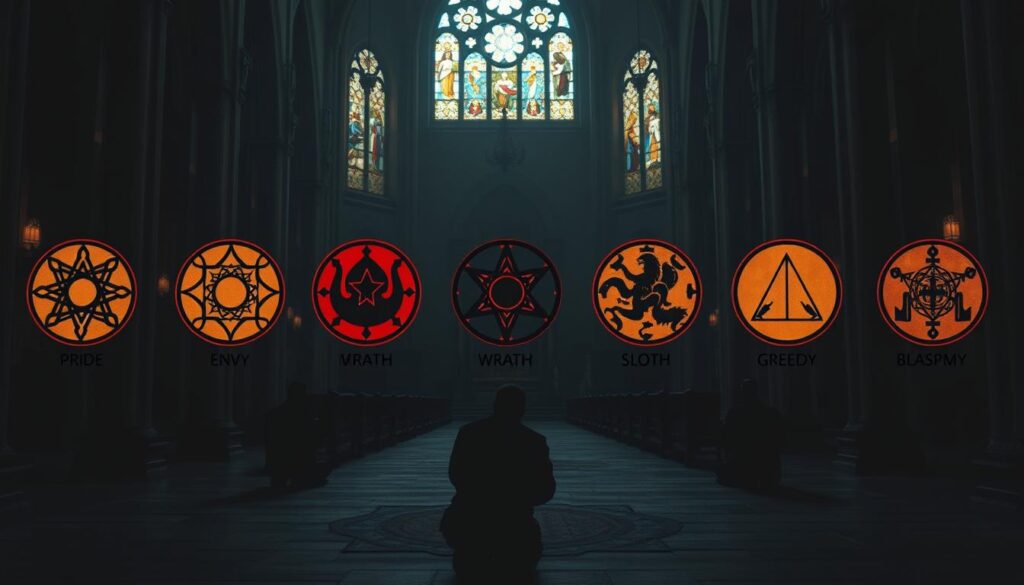
Spiritual growth requires understanding both light and shadow in our journey. Six attitudes traditionally oppose the Holy Spirit‘s work, creating distance from grace. These patterns reflect choices rather than divine punishment.

six sins against holy spirit breakdown

Despair and Its Implications

Despair goes beyond temporary sadness. It’s a willful decision to believe transformation is impossible—a rejection of divine power. This mindset says, “No one can save me,” shutting doors to hope.

Presumption and Impenitence

Presumption tricks people into thinking they don’t need guidance. Some assume God overlooks harmful actions if they’re “good enough.” Others delay change, expecting endless second chances without effort.

Impenitence keeps hearts locked in stubbornness. Imagine refusing to apologize after hurting someone—but on a spiritual level. Without remorse, healing stalls.

Obstinacy, Resisting Truth, and Envy of Another’s Spiritual Welfare

Obstinacy means ignoring clear signs to grow. Like rejecting a lifeboat during a storm, it’s clinging to harmful patterns despite knowing better.

Resisting truth often starts small—dismissing wisdom in scripture or others’ experiences. Over time, it hardens into rejecting divine love itself.

Envy of another’s spiritual welfare poisons joy. Instead of celebrating others’ growth, this attitude whispers, “Why not me?” It breeds division rather than unity.

The Role of the Holy Spirit in Forgiveness

Divine forgiveness flows through a partnership between grace and human openness. At Pentecost, the Holy Spirit arrived as a lifelong companion, equipping believers with wisdom and courage. This divine helper works quietly, like a friend whispering truth during life’s crossroads.

holy spirit guidance and forgiveness

Understanding the Holy Spirit’s Guidance

The Spirit shapes our hearts through seven gifts—wisdom, understanding, and right judgment among them. These tools help people navigate moral gray areas. When mistakes happen, gentle nudges prompt self-reflection. A missed opportunity to show kindness might linger in your thoughts until you make amends.

Contrast Between Divine Grace and Blasphemous Rejection

God’s grace always invites renewal, but humans hold the key. Consider how different responses shape spiritual journeys:

Divine Approach Human Response Outcome
Whispers truth Accepts guidance Spirit forgiven
Offers mercy Rejects persistently Stagnation
Gives courage Ignores conscience Hardened heart

The Pharisees’ story shows rejection in action. They saw miracles but called them evil—a deliberate refusal to acknowledge the Holy Spirit’s work. Yet even then, forgiveness remained available if they’d softened their stance.

Cooperation matters most. The Spirit won’t force change but celebrates every small step toward light. Listen for that inner voice urging growth—it’s how holy spirit forgiven moments transform lives.

Theological Insights from Church Fathers

Early Christian thinkers shaped how we understand spiritual struggles through careful study of scripture. Their wisdom helps clarify why some choices distance us from growth while others invite renewal.

Perspectives from St. Thomas Aquinas and Augustine

Thomas Aquinas sorted wrongdoings into three types. Mistakes from weakness or ignorance differ from those rooted in malice—knowing something harms others but choosing it anyway. This deliberate rejection of goodness hardens hearts over time.

St. Augustine called this topic a “great question” needing deep reflection. He stressed that true separation from grace comes not from a single error but from refusing to realign with truth.

Commentaries by St. Jerome, St. Ambrose, and St. Pacianus

St. Jerome argued the unforgivable act isn’t ordinary failure. It’s seeing divine work yet calling it evil—like accusing healings of being demonic tricks. St. Ambrose highlighted how this twists spiritual discernment, blocking one’s ability to recognize light.

These teachings remind us: transformation happens when we humbly seek guidance. As St. Pacianus noted, even grave errors can heal if met with openness to change.

FAQ

What makes a sin "unforgivable" in Catholic teaching?

A sin is considered unforgivable when someone deliberately rejects God’s mercy and refuses repentance. This often involves a hardened heart that denies the truth even when aware of it. The focus is on persistent refusal to accept grace, not God’s inability to forgive.

Why is blasphemy against the Holy Spirit called the "eternal sin"?

This sin is tied to final impenitence—a willful choice to resist grace and cling to error. It’s “eternal” because forgiveness requires openness to repentance, which the sinner rejects. However, the Church emphasizes that no one is beyond hope unless they persist in this state until death.

Are despair and presumption considered sins against the Holy Spirit?

Yes. Despair rejects God’s mercy, while presumption abuses His grace. Both distort trust in divine love. St. Thomas Aquinas linked these to obstinacy in error, as they shut the door to reconciliation through doubt or arrogance.

How does resisting known truth relate to unforgivable sins?

Resisting truth—like denying faith despite recognizing its validity—shows a refusal to align with God’s will. This stubbornness, combined with refusal to repent, risks cutting oneself off from the transformative power of the Holy Spirit.

Can envy of another’s spiritual gifts be unforgivable?

Envy becomes grave when it fuels hatred for God’s work in others. For example, resenting someone’s holiness or blessings reflects a heart opposed to divine goodness. However, it’s only unforgivable if one remains unrepentant, rejecting grace to heal such malice.

What role does the Holy Spirit play in overcoming these sins?

The Holy Spirit guides hearts toward repentance and truth. Even in grave sin, God’s grace invites conversion. Blasphemy against the Spirit is unique because it rejects this very invitation, making forgiveness impossible—not by God’s limits, but by the sinner’s closed heart.

Did early Church leaders like Augustine agree on this teaching?

St. Augustine stressed that the sin lies in persistent impenitence, not a single act. St. Jerome linked it to attributing Christ’s miracles to evil forces. While interpretations varied, all agreed it involves a lifelong rejection of grace, not a momentary failure.

Can someone accidentally commit an unforgivable sin?

No. These sins require full knowledge and deliberate consent. Ordinary doubts or struggles don’t qualify. The Church teaches that God’s mercy is always available to those who seek it, even after serious falls.