Recent Posts

The 4 Leading Protestant Churches You Should Know


Understanding America’s religious landscape begins with exploring its most influential Protestant groups. These faith communities have shaped spiritual practices, cultural values, and social movements across generations. While Protestant traditions are often grouped into three broad categories, specific denominations stand out for their historical significance and contemporary impact.

This guide highlights major Christian groups that transformed worship experiences nationwide. You’ll learn how these organizations balance rich heritage with modern challenges while maintaining their core beliefs. From founding stories to community outreach, each denomination offers unique insights into American spirituality.

We’ll explore membership trends, geographical strongholds, and cultural contributions that define these religious institutions. Whether you’re curious about theological differences or community engagement strategies, this overview provides essential information about faith groups that continue guiding millions of believers.

Key Takeaways

  • Protestant Christianity encompasses diverse traditions with distinct historical roots
  • Major denominations differ in worship styles and organizational structures
  • Cultural influence extends beyond religious practices to social initiatives
  • Membership patterns reveal regional concentrations across the U.S.
  • Modern challenges include adapting traditions to contemporary society
  • Community service remains central to these faith groups’ missions

Overview of Protestant Church Traditions in the United States

America’s faith communities showcase a vibrant mix of Christian traditions shaped by centuries of spiritual exploration. These groups share core beliefs but express them through distinct practices and organizational structures. Their influence extends beyond Sunday services, impacting education, social justice efforts, and community support systems nationwide.

Defining Protestant Identity

At the heart of these traditions lies a commitment to personal scripture interpretation. Unlike centralized religious authorities, believers engage directly with biblical texts. This approach fosters diverse worship styles while maintaining shared values like salvation through faith.

Major Denominational Families

Scholars recognize nine primary denominational families in the U.S. These include widespread groups like Baptists and Methodists, along with smaller communities such as Quakers. Each family developed unique governance models – from congregational self-rule to regional hierarchies.

Lutheran and Reformed traditions emphasize structured theology, while Pentecostal groups prioritize spiritual experiences. This variety allows different expressions of faith to thrive, reflecting America’s cultural adaptability. Together, they form a living mosaic of Christian practice that continues evolving today.

Historical Roots and Evolution of Protestant Denominations

The story of American Christianity remains incomplete without exploring its European origins. Religious transformations in the 16th century created new expressions of faith that crossed oceans and shaped spiritual identities. Let’s uncover how pivotal moments and theological debates birthed distinct Christian groups we recognize today.

Key Reformation Events

Martin Luther’s 1517 protest sparked a spiritual revolution across Europe. His critique of church practices led to foundational documents like the Augsburg Confession, which declared “The Gospel must be preached and sacraments administered rightly.” Meanwhile, England’s religious landscape shifted when Henry VIII severed ties with Rome, creating a church structure blending Catholic rituals with reformed theology.
protestant reformation historical roots

Emergence of Unique Christian Traditions

Radical reformers took spiritual renewal further. Anabaptists in Switzerland rejected infant baptism, arguing faith required conscious adult commitment. This stance birthed new worship styles emphasizing personal conversion and community accountability. Other groups like Lutherans focused on structured theology, while Anglicans balanced political realities with religious reform.

These movements shared a common thread: reimagining Christian practice through scripture. Their legacy lives in modern denominations that preserve core principles while adapting to cultural changes. From baptism debates to governance models, early disagreements still influence how believers gather and worship nationwide.

Understanding the “mention 4 protestant churches” Keyword in Context

Digital searches about faith communities often reveal deeper cultural questions. When people inquire about prominent Christian organizations, they’re seeking clarity amid complex spiritual landscapes. This curiosity reflects a natural desire to grasp foundational elements of religious identity without getting lost in endless doctrinal details.

Significance in American Religious History

Major denominational groups serve as living history books. Their growth patterns mirror societal changes – from westward expansion to civil rights movements. A 2020 Pew Research study showed 63% of Americans consider understanding these organizations crucial for interpreting national values.

User Search Intent and Expectations

Most searchers want practical insights: How do worship styles differ? Where are these communities concentrated? They seek information about membership trends and how traditions adapt to modern challenges. Recent news coverage highlights increased interest in how faith groups respond to social issues like climate change and racial justice.

This exploration helps people connect personal spirituality with broader cultural narratives. Whether researching family roots or evaluating community involvement options, users gain tools to navigate America’s diverse religious ecosystem.

Spotlight on Baptist Churches

Baptist churches stand as pillars of grassroots spirituality in America. Born from John Smyth’s 1609 Amsterdam congregation, these communities prioritize personal faith journeys over rigid hierarchies. Today, over 30 million U.S. members gather in autonomous congregations united by core principles.
baptist churches southern baptist convention

Southern Baptist Convention and Its Impact

The Southern Baptist Convention dominates as America’s largest evangelical protestant tradition network. With 14 million adherents, this decentralized denomination coordinates mission work while letting local churches control teachings. Its growth mirrors America’s westward expansion, embedding Baptist values into Southern culture.

This coalition gained national influence through disaster relief programs and educational institutions. “Our strength lies in shared purpose, not centralized authority,” explains a Nashville-based SBC leader. Their approach balances independence with collaborative outreach.

Believer’s Baptism and Variations

Baptist identity centers on believer’s baptism – full immersion after personal faith declarations. Unlike infant christening, this ritual symbolizes conscious commitment. Some congregations allow sprinkling for health reasons, but most maintain traditional methods.

This practice reflects Baptist theology emphasizing individual choice. From civil rights activism led by Martin Luther King Jr. to modern community kitchens, these churches blend spiritual convictions with social action. Their decentralized model lets local needs shape ministries while preserving core evangelical protestant tradition values.

Exploring the Methodist Tradition

Few spiritual movements blend heartfelt faith and hands-on service like the Methodists. Born from the fiery passion of two Anglican brothers, this tradition reshaped Christian practice through radical hospitality and organized outreach.
methodist tradition connexional system

The Wesley Legacy and Founding Principles

John and Charles Wesley launched their movement at Oxford University in the 1720s. Their “Holy Club” focused on disciplined prayer and helping London’s poor – practices that earned them the nickname “Methodists.” A pivotal moment came in 1738 when John felt his heart “strangely warmed” during a sermon, sparking an evangelical revival.

The brothers traveled tirelessly, preaching in open fields to reach marginalized communities. John’s famous declaration “The whole world is my parish” fueled their mission. Their theology emphasized:

Core Belief Modern Expression
Grace for all people Inclusive membership policies
Social holiness Community food banks
Personal transformation Small group discipleship

Modern Methodist Practices in the USA

Today’s Methodist church operates through a unique “Connexional” network. Local congregations share resources through regional circuits, maintaining unity while adapting to community needs. This system supports both evangelical protestant tradition outreach and mainline protestant tradition social programs.

Recent splits have created distinct branches:

  • The United Methodist Church (mainline)
  • Global Methodist Church (evangelical)
  • African Methodist Episcopal Church

Despite differences, all groups uphold the Wesleyan commitment to education and justice. From founding colleges to leading climate initiatives, Methodists continue shaping American spiritual life through action-oriented faith.

The Lutheran Church’s Influence on American Protestantism

When exploring America’s spiritual tapestry, few threads shine brighter than Lutheran traditions. Rooted in Martin Luther’s 16th-century reforms, these communities blend ancient rituals with practical faith. The Augsburg Confession of 1530 still guides them, declaring: “The Gospel must be preached and sacraments administered rightly.” Today, over 80 million Lutherans worldwide maintain this balance of doctrine and daily living.

Historical Foundations and Pioneers

German immigrants planted Lutheran seeds in colonial America, establishing the first congregation in 1640. Key figures like Henry Melchior Muhlenberg organized scattered groups into cohesive networks. Their work created the foundation for two major branches – the evangelical Lutheran church tradition and mainline protestant tradition expressions.

Core Theological Perspectives

Lutherans stand apart through their sacramental views. They recognize only Baptism and Communion as divinely instituted rites. The doctrine of Consubstantiation explains Christ’s presence “in, with, and under” Communion elements – a middle path between literal and symbolic interpretations.

Tradition Focus Social Impact
Lutheran Church-Missouri Synod Biblical literalism Private school networks
Evangelical Lutheran Church in America Social justice advocacy Refugee resettlement programs

These denominations demonstrate Lutheran adaptability. The Missouri Synod represents the evangelical protestant tradition with conservative stances, while the ELCA embodies mainline protestant tradition values through progressive policies. Both maintain Luther’s emphasis on grace through faith, proving ancient truths can thrive in modern contexts.

Presbyterian Church Contributions to Protestant Traditions

Democracy meets doctrine in Presbyterian traditions, where spiritual leadership thrives through collective decision-making. This approach reshaped how communities practice faith while influencing broader societal structures. At its core lies a system where wisdom flows upward from local congregations rather than trickling down from distant authorities.

Governance and Church Polity

Presbyterian churches operate like spiritual republics. Members elect elders – called presbyteroi – to guide congregations. These leaders form regional presbyteries and national assemblies, creating checks and balances that mirror civic governance. John Calvin’s Reformed theology fuels this model, blending biblical authority with shared responsibility.

Denomination Tradition Focus Social Impact
Presbyterian Church in America Evangelical Protestant Scriptural authority Church planting initiatives
Presbyterian Church (USA) Mainline Protestant Social justice advocacy Climate change partnerships

This structure shaped America’s founding ideals. Historical records show six signers of the Declaration of Independence belonged to reformed church communities. Their experiences with Presbyterian governance informed debates about federalism and representation.

Educational legacy remains vital. Institutions like Princeton University began as Presbyterian seminaries. Today, these churches support literacy programs and college scholarships, proving faith and knowledge grow best when rooted together.

Other Emerging Protestant Traditions and Denominations

Modern spirituality’s landscape is shifting as new faith expressions take root alongside established traditions. Independent congregations and refreshed interpretations of scripture are reshaping how communities practice their beliefs. This evolution reflects both cultural changes and a return to foundational spiritual values.

The Rise of Non-Denominational Movements

Many worshippers now favor non-denominational groups that prioritize biblical fundamentals over organizational labels. These communities often embrace the Five Solae principles while avoiding formal ties to specific denominations. The Vineyard network exemplifies this trend, blending contemporary worship with social justice initiatives.

Pentecostal and holiness movements continue gaining momentum through energetic services emphasizing spiritual encounters. Their focus on personal transformation resonates in urban centers and college towns alike. Many maintain evangelical protestant tradition values while adopting modern outreach methods.

Seventh day observance communities offer distinct perspectives on rest and worship rhythms. These groups combine Sabbath-keeping with health-focused ministries, attracting members seeking holistic faith practices. Their growth highlights Americans’ desire for spirituality that integrates daily life with sacred traditions.

From storefront churches to digital ministries, these emerging paths prove faith communities remain vital cultural forces. They demonstrate how ancient truths adapt to meet contemporary needs while preserving core evangelical protestant tradition convictions.

FAQ

What defines a church as part of the Protestant tradition?

Protestant churches emphasize faith in Christ alone, scripture as the ultimate authority, and salvation through grace. These core principles trace back to the Reformation, distinguishing them from other Christian traditions.

How does the Southern Baptist Convention differ from other Baptist groups?

The Southern Baptist Convention (SBC) is the largest Baptist body in the U.S., known for its evangelical focus and congregational governance. Unlike American Baptist Churches, the SBC maintains conservative theological stances on issues like biblical inerrancy.

Why are Methodist churches grouped under mainline Protestant traditions?

The United Methodist Church is categorized as mainline due to its historical influence, social engagement, and moderate theology. This contrasts with evangelical traditions that prioritize personal conversion and stricter doctrinal adherence.

What role does the Presbyterian Church play in Reformed theology?

Presbyterian churches follow Calvinist teachings, emphasizing God’s sovereignty and covenantal theology. Their unique polity uses elected elder boards, reflecting a commitment to shared leadership rooted in Reformation principles.

How do historically Black Protestant traditions shape American Christianity?

Groups like the National Baptist Convention blend evangelical theology with advocacy for social justice. Their worship styles and community focus reflect cultural resilience and a distinct response to systemic challenges.

Are non-denominational churches considered Protestant?

Yes—most non-denominational churches align with evangelical Protestant beliefs but avoid formal affiliations. They often prioritize contemporary worship and flexible structures, appealing to those seeking less institutionalized faith practices.

What distinguishes the Evangelical Lutheran Church in America?

The ELCA combines Lutheran teachings—like justification by faith—with progressive social positions. Its liturgical practices and ecumenical partnerships contrast with more conservative Lutheran bodies such as the LCMS.
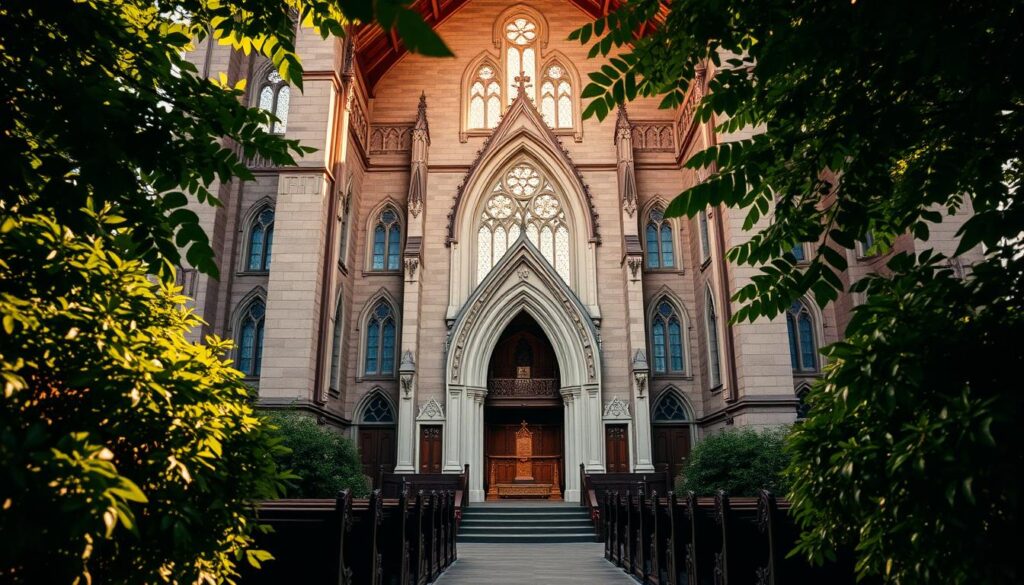
Protestant Reformed Church’s 100th Anniversary Celebration


A century of steadfast devotion comes alive this year as a faith community gathers to honor its enduring legacy. Over 1,900 members will unite at Calvin University and Calvary Church for a week-long event filled with reflection, fellowship, and spiritual growth. The occasion marks not just a milestone but a heartfelt celebration of shared values that have shaped generations.

Central to the gathering is the theme of “Grace,” explored through three keynote addresses by respected leaders. Prof. B. Huizinga will discuss foundational teachings, while Prof. C. Griess and Rev. J. Engelsma will share insights on practical application and doctrinal defense. These sessions aim to deepen understanding while fostering unity among attendees.

Daytime activities are reserved for registered guests, offering workshops and small-group discussions. Evening events, including livestreamed speeches, welcome broader participation. The blend of structured programming and open gatherings reflects the community’s commitment to inclusivity and growth.

As participants look back on decades of service, the focus remains on renewal. This anniversary isn’t merely about history—it’s a springboard for future mission work. The steering committee envisions a week that strengthens bonds and reignites passion for collective purpose.

Key Takeaways

  • Over 1,900 attendees will gather to commemorate a century of faith and service.
  • The theme of “Grace” guides keynote speeches on teaching, living, and defending core beliefs.
  • Calvin University and Calvary Church host both private and public events throughout the week.
  • Evening sessions are open to all, with livestream access for remote participation.
  • The celebration emphasizes spiritual renewal and commitment to future community impact.

Overview of the Centennial Celebration

A once-in-a-century event unfolds as believers unite to celebrate their shared journey and future vision. Over 1,900 participants from across North America will gather for seven days of worship, learning, and connection. The steering committee has carefully designed two distinct experiences to honor both registered guests and broader community members.

Daytime programming at Calvin University offers exclusive workshops for those who secured spots early. These sessions focus on deepening faith through interactive discussions and mentorship opportunities. Evening events shift to a more inclusive format, with livestreamed speeches welcoming all who wish to join.

Activity Type Access Key Features
Daytime Sessions Registered Members Only Small-group studies, Q&A panels
Evening Programs Open to Public Keynote addresses, musical worship

The overwhelming response highlights how deeply this community values its heritage. One organizer noted, “We’ve seen families register three generations—grandparents, parents, and teens.” This intergenerational participation creates unique opportunities for shared learning and relationship-building.

While honoring past achievements remains central, planners emphasize forward-looking elements. New mentorship initiatives and mission partnerships will launch during the gathering. These efforts aim to equip attendees for continued service in their local communities and beyond.

Historical Legacy of the Protestant Reformed Church

The seeds of this movement were planted in 1925, influenced by centuries-old beliefs carried across continents. What began as a small group committed to doctrinal clarity grew into a vibrant network spanning generations. Its journey mirrors the broader narrative of faith communities navigating cultural shifts while holding fast to core principles.

Foundations and Early Beginnings

During America’s religious landscape changes, leaders established a denomination rooted in 16th-century teachings. These pioneers emphasized scripture’s authority, drawing from Reformation thinkers like Calvin. Migrants later spread these ideas, creating pockets of believers nationwide.

reformed church history

Growth Through the Decades

Membership expanded steadily as families valued theological consistency. By the 1950s, congregations flourished in Midwest industrial cities and rural areas alike. A steering committee member reflected: “Our strength lies in multi-generational bonds—grandparents passing convictions to grandchildren.”

Year Milestone Global Connection
1875 International alliances form London-based unity efforts
1925 Denomination established North American focus
16th Century Reformation roots European theological shift

This growth paralleled worldwide Reformed partnerships. While maintaining distinct practices, the group collaborated with others sharing commitments to scriptural fidelity. Today, nearly 100 years later, these relationships continue shaping its mission.

Event Details and Daily Schedules

The week-long celebration offers a balanced mix of open gatherings and exclusive experiences. Attendees can choose between evening programs welcoming all and daytime sessions reserved for registered members. This structure ensures both community-wide participation and in-depth engagement for committed participants.

Evening Speeches and Live Sessions

Calvary Church lights up nightly at 7 p.m. from Monday through Wednesday. Each evening begins with steering committee insights, followed by musical highlights like the Children’s Choir and family-led performances. Tuesday’s program shines with the Phelps family’s harmonies, blending tradition with heartfelt worship.

Day Time Highlights
Monday 7 p.m. Opening remarks, choir performance
Tuesday 7 p.m. Phelps family music showcase
Wednesday 7 p.m. Historical site reflections

Thursday’s grand finale shifts to DeVos Performance Hall for a united singspiration. One organizer shared, “These evenings remind us how music and message can move hearts together.”

Daytime Activities for Registered Participants

Mornings buzz with guided tours of landmark locations. Groups explore remodeled buildings like the original First PRC site, where founders once gathered. These walks through history deepen connections to shared roots while inspiring future collaboration.

Grace: The Central Theme

At the heart of this milestone gathering lies a profound exploration of divine favor. Three thought leaders will unpack how this concept shapes belief systems and daily practices. Their collective insights form a roadmap for understanding sacred teachings in modern contexts.

Teaching Grace

Professor B. Huizinga opens the series by tracing how core principles have been shared across generations. His address highlights educational methods that make timeless truths accessible. “True learning happens when doctrine meets real-life application,” he observes.

Living Grace

Professor C. Griess shifts focus to practical implementation. His presentation spotlights the beauty of holiness in ordinary moments—from family meals to workplace interactions. Attendees will discover fresh ways to embody their values through intentional living.

Defending Grace

Reverend J. Engelsma concludes with strategies for preserving sacred traditions amid cultural shifts. This address examines historical challenges faced by the reformed church, offering wisdom for navigating modern debates. His approach balances conviction with compassionate dialogue.

Together, these sessions create a vibrant tapestry of reflection and action. The reformed church‘s enduring mission comes alive through stories of perseverance and hope. As one organizer notes, “These talks aren’t just lectures—they’re invitations to deeper understanding.”

Venues and Location Highlights in Grand Rapids

Grand Rapids emerges as the ideal host for this landmark gathering, weaving together modern convenience and historical significance. Attendees will experience events across thoughtfully chosen venues that reflect the community’s values and growth.

grand rapids venues reformed church

Modern Spaces for Meaningful Exchange

Calvin University’s campus buzzes with daytime workshops, offering cutting-edge facilities for registered participants. Tech-equipped classrooms and inviting common areas create environments where learning flows naturally. One organizer notes, “The layout encourages both focus and spontaneous conversations—perfect for deepening connections.”

Historic Settings for Evening Reflection

Calvary Church takes center stage each night, its arched ceilings amplifying choir harmonies and keynote messages. Steering committee member Josh Hoekstra calls it “a sacred space where generations find common ground.” The venue’s warm lighting and stained glass windows add depth to shared worship experiences.

Guided tours visit the remodeled First PRC building, where original architectural details meet modern updates. This stop lets attendees touch history while envisioning future possibilities.

The celebration’s grand finale unfolds at DeVos Performance Hall downtown. Known for its crisp acoustics, the venue transforms collective voices into a powerful expression of unity. From campus to city center, Grand Rapids’ diverse spaces frame every moment of this milestone event.

Live Streaming and Digital Access Options

Modern technology bridges continents as this historic event becomes globally accessible through innovative digital solutions. Every evening program will beam directly to screens worldwide, ensuring no one misses the celebration. Three keynote speeches and the grand Thursday singspiration will stream live on multiple platforms.

live streaming digital access

Nick Kleyn’s YouTube Channel for Global Access

Viewers everywhere can tune in through Nicholas Kleyn’s YouTube channel. The high-definition broadcasts capture every choir performance and speech with crisp clarity. A simple click on the provided link lets families experience events as if seated in the front row.

This approach removes travel barriers for international members. One organizer shared, “We’ve already received messages from supporters in six continents ready to join virtually.” The channel’s chat feature will enable real-time interaction during streams.

Overflow Streaming at the Calvin Fine Arts Center

Local attendees can enjoy a communal atmosphere at the Fine Arts Center’s overflow site. Large screens and surround sound replicate the main venues’ energy perfectly. This space welcomes walk-ins without registration, ideal for last-minute participants.

Both streaming options reflect the reformed church’s commitment to inclusive fellowship. Members unable to secure event tickets still gain full access to spiritually enriching content. As attendance caps rise digitally, the celebration’s impact multiplies exponentially.

Community Participation and Registration Information

Joining this historic gathering requires thoughtful planning to accommodate both intimate learning and community-wide celebration. Over 1,900 individuals secured spots for daytime sessions through advance registration—a testament to their commitment to growth and connection.

Daytime workshops at Calvin University remain exclusive to registered members who completed the fee-based process. This ensures every participant receives personalized materials and access to interactive programming. One organizer shared, “Our team designed these sessions for deep engagement—we want everyone to feel fully prepared.”

Event Type Access Features
Daytime Activities Pre-registered Only Workshops, meal packages
Evening Programs Open to All Keynote speeches, music

Evening events welcome everyone without prior sign-ups, creating space for spontaneous connections. Families and first-time visitors can enjoy inspirational messages while learning about theological traditions.

Those unable to attend physically can still participate through livestreamed evening sessions. This hybrid approach allows the celebration to impact members across generations and geographic locations equally.

Celebrating the “protestant reformed church 100th anniversary”

As the sun sets on a century of faith, hearts unite in gratitude for enduring blessings. The PRCA community pauses this week to honor a remarkable journey—its 100th anniversary of upholding sacred traditions while nurturing spiritual growth. From humble beginnings in 1925 to today’s vibrant network, this milestone reflects steadfast commitment to shared convictions.

In Walker, Michigan, Hope PRC celebrates its own 100th anniversary, mirroring the broader legacy with local festivities. Friday’s special program at First CRC Jenison kicks off a weekend of reflection, followed by a joyful Saturday picnic and Sunday services led by Rev. David Overway and Rev. Ken Koole. These gatherings weave personal stories into the broader tapestry of a reformed church community thriving across generations.

Families will share meals where grandparents recount early struggles, and children envision future outreach. Such moments capture the essence of this centennial celebration—honoring roots while sowing seeds for tomorrow’s harvest.

Here, every handshake and hymn becomes a living testament to the reformed church’s resilience. As banners flutter and voices rise, one truth echoes clear: some legacies only grow richer with time.

FAQ

What is the main focus of the centennial celebration?

The event centers on reflecting on God’s faithfulness over the past century, emphasizing themes like grace, unity, and the enduring witness of biblical teachings.

Will there be activities for children or families?

Yes! Daytime programs include family-friendly sessions, interactive workshops, and age-appropriate lessons designed to engage all generations.

How can I access the event if I can’t attend in person?

A> All evening speeches and select sessions will be live-streamed globally via Nick Kleyn’s YouTube channel, with overflow streaming available at the Calvin Fine Arts Center.

What role does Calvin University play in the celebration?

Calvin University hosts key activities, including evening lectures and panel discussions, while Calvary Church serves as the primary venue for worship services.

Is registration required for daytime events?

Yes, some workshops and small-group discussions require advance registration to ensure seating and materials are prepared. Check the official schedule for details.

How does the event highlight the theme of grace?

Through sermons, seminars, and testimonies, the celebration explores grace as a core doctrine—teaching its principles, applying it daily, and defending its truth.

Are there historical exhibits or resources available?

Yes! A curated display of archives, photos, and publications will showcase the denomination’s journey, alongside a commemorative book detailing its 100-year history.

Can non-members participate in the festivities?

Absolutely. The event welcomes guests from all backgrounds to join in worship, learning, and fellowship. Registration is open to everyone.

3 Must-See Protestant Churches for Your Next Adventure


Welcome to a captivating exploration of sacred spaces that blend spiritual enrichment with breathtaking design. Across the United States, historic and modern places of worship stand as testaments to the diverse expressions of Christian faith. Whether you’re drawn to quiet reflection or awe-inspiring craftsmanship, these destinations offer something for every traveler.

Religious tourism isn’t just about visiting buildings—it’s a doorway to understanding America’s cultural tapestry. Each site tells a story of tradition, community, and evolving beliefs. From soaring steeples to intimate chapels, the selected locations highlight how different denominations shape both their practices and their architecture.

You’ll learn how these sacred spaces balance reverence with accessibility. Many welcome visitors to attend services, join guided tours, or simply admire their artistry. Respectful engagement is encouraged, whether you’re attending a hymn sing-along or studying stained-glass narratives.

This guide will help you appreciate the historical significance and modern relevance of these landmarks. Prepare to uncover hidden details about their construction, denominational roots, and role in local communities. Practical tips will also ensure your visits are both meaningful and memorable.

Key Takeaways

  • Explore sites that showcase spiritual depth and architectural brilliance
  • Gain cultural insights through America’s Christian heritage
  • Discover how denominations shape worship styles and building designs
  • Learn etiquette for engaging with active faith communities
  • Understand the societal impact of religious diversity
  • Get ready for a guide packed with historical context and travel advice

Introduction: Discovering Sacred Spaces

Stepping into America’s sacred spaces feels like opening a living history book. These buildings aren’t just walls and windows—they’re storytellers of faith, resilience, and community. From New England meeting houses to Southern chapels, each structure reveals how people have gathered, prayed, and shaped society for generations.

Visiting these locations lets you touch history. You’ll see how social movements like abolition or civil rights unfolded under vaulted ceilings. Stained glass becomes a timeline, showing saints alongside modern activists. Even the pews whisper tales of weddings, town meetings, and quiet moments of reflection.

What makes these visits special? You’re not just observing—you’re invited to participate. Many congregations host Q&A sessions or cultural events. As one pastor notes: “Our doors open wider than our steeples reach.” Respectful travelers can join Sunday services, choir practices, or community meals.

Worship Style Music Community Focus Architectural Clues
Traditional Liturgy Pipe organs Historical preservation Gothic arches
Contemporary Praise Band-led Youth programs Multi-use spaces
Participatory Services A cappella hymns Social justice work Eco-friendly design

This article focuses on three major denominations that shaped America’s spiritual landscape. Each offers distinct traditions while sharing core values of service and fellowship. Whether you seek quiet meditation or lively discussions, these spaces welcome all curious minds.

Remember: Check visitor guidelines before arriving. Some locations request modest attire or restrict photography during services. A little preparation ensures your experience honors both the space and its worshippers.

A Brief History of Protestantism and Its Impact

A single document sparked a spiritual revolution in 1517. Martin Luther’s Ninety-five Theses challenged religious authority, declaring faith alone as the path to salvation. This bold move rejected strict hierarchies, urging believers to engage directly with Scripture.

protestant reformation history

Luther’s ideas spread like wildfire across Europe. Reformers like John Calvin and Huldrych Zwingli added their voices, creating diverse denominations. Their shared focus? Personal connection with God over ritual. This shift birthed congregational singing and sermons in local languages.

When these principles reached America, they shaped more than worship. Early colonists used Protestant concepts of self-governance to frame democratic ideals. Churches became hubs for debating liberty – some even stored gunpowder during the Revolution!

The legacy lives in surprising ways. Nineteenth-century congregations led abolition efforts, while 20th-century faith groups marched for civil rights. Many Ivy League schools started as training grounds for clergy, proving education’s sacred role.

Today, these roots influence how communities tackle modern issues. Food banks, climate action, and interfaith dialogues all carry echoes of Reformation values. As one historian notes: “The past isn’t just present – it’s actively shaping tomorrow’s conversations.”

The Evolution of Church Architecture and Design

Imagine walking into a room where every wall speaks. That’s what happened when 16th-century reformers reimagined sacred spaces. Gone were the gold-leaf saints and painted altars. Instead, whitewashed walls displayed Bible verses in bold lettering. This shift turned buildings into three-dimensional sermons, where architecture itself taught theology.

John Calvin’s arrival in Geneva sparked more than debates—it changed how people experienced worship. Iconoclasts removed statues and stained glass, replacing them with pulpits centered under high ceilings. Why? To focus attention on preaching. As one historian quips: “They traded visual spectacles for spoken truth.”

Denomination Architectural Focus Key Feature
Lutheran Acoustic precision Balcony seating
Baptist Baptismal centrality Pool visibility
Methodist Community gathering Movable chairs

America put its spin on these designs. Colonial meeting houses doubled as town halls, reflecting faith’s role in public life. Today’s structures prioritize flexibility—think retractable stages and solar-paneled roofs. Modern congregations might worship in converted warehouses, proving spaces adapt to mission needs.

From vaulted ceilings that amplify hymns to circular layouts encouraging discussion, every detail serves a purpose. As you visit these sites, notice how light falls on open Bibles or how aisles guide movement. You’re not just seeing buildings—you’re witnessing living expressions of belief.

Martin Luther and the Reformation Legacy

A monk’s bold act in 1517 changed how millions relate to their faith. Martin Luther’s Ninety-five Theses didn’t just critique church practices—they redefined Christianity’s core. His doctrine of justification by faith alone declared salvation a divine gift, not a reward for deeds. This idea shook medieval Europe and still guides modern denominations.

martin luther reformation legacy

Luther rejected labels tied to his name. He preferred “evangelical,” from the Greek euangelion (“good news”), to emphasize gospel centrality. “What makes someone Christian isn’t membership in a group,” he argued, “but trust in God’s grace.” This focus reshaped worship, prioritizing scripture over hierarchy.

His German Bible translation empowered ordinary people. Suddenly, farmers and shopkeepers could read scripture without clergy mediation. This democratization sparked global translation efforts, making sacred texts accessible across languages.

Luther’s Principle Medieval Practice Reformation Innovation
Salvation by faith Indulgences sold Grace as free gift
Priesthood of believers Clergy dominance Shared spiritual authority
Vernacular worship Latin-only services Local language engagement

These ideas transformed church governance. Congregations began electing leaders and debating theology collectively. Modern Protestant groups reflect this legacy—whether through participatory services or community-led charity work.

Luther’s reforms live in unexpected ways. From hymn lyrics in pop music to interfaith food drives, his emphasis on personal faith and social responsibility endures. As one pastor notes: “We’re still learning to balance conviction with compassion, just as Luther did.”

Understanding Protestant Denominations in the United States

America’s spiritual landscape blooms with diverse denominations, each rooted in unique interpretations of Scripture. Baptists emphasize personal conversion and believer’s baptism, while Methodists focus on social holiness and communal growth. Presbyterians, guided by Calvinist principles, value elder-led governance—a contrast to Lutheran traditions shaped by Reformation-era liturgy.

protestant denominations united states

Historical migrations shaped these groups. Scandinavian Lutherans settled the Midwest, Dutch Reformed communities flourished near the Great Lakes, and Anglican colonists left lasting marks in Virginia. These patterns created regional identities: Baptist strongholds in the South, Quaker peace advocacy in Pennsylvania, and Pentecostal vibrancy in urban centers.

Modern shifts challenge traditional structures. Nondenominational movements now attract younger crowds with contemporary worship styles. Yet established groups adapt through technology and outreach. “Our hymns might stream online, but our mission stays grounded,” notes a Methodist pastor in Ohio.

Despite differences, core beliefs unite these traditions. All affirm Scripture’s authority and salvation through grace. Whether in steepled churches or storefront chapels, shared values of service and fellowship continue shaping North America’s faith communities.

3 protestant churches: A Closer Look

America’s spiritual journey unfolds through landmarks where belief and beauty converge. Our curated list spotlights three locations chosen for their historical impact, architectural innovation, and community roles. Each represents distinct denominational traditions while welcoming visitors to explore their stories.

  • Showcase design elements reflecting their era
  • Maintain active community outreach programs
  • Offer educational resources for guests

From a New England meeting house to a Southern revival-style chapel, these buildings reveal how regional cultures shaped worship spaces. The Midwest’s Scandinavian-inspired sanctuary demonstrates immigrant influences on American faith practices.

“Our architecture isn’t just stone and glass—it’s an invitation to explore living traditions,” shares a pastor from one featured congregation. Visitors might attend gospel choir rehearsals or view civil rights-era artifacts displayed in fellowship halls.

Upcoming sections detail each location’s unique blend of theology and local flavor. You’ll discover practical insights for planning visits, from seasonal events to volunteer opportunities that deepen cultural understanding.

United Methodist Church: Tradition and Transformation

With 7.8 million members, the United Methodist Church stands as a dynamic force in American religious life. Born from John Wesley’s 18th-century revival movement, this denomination blends Anglican roots with frontier-era adaptability. Its signature combination of structured theology and grassroots activism continues to shape communities nationwide.

From Hymns to Humanitarian Work

Early Methodists rode horseback to spread their message of personal holiness and social reform. This zeal fueled abolition efforts and women’s suffrage campaigns. Today, their faith drives food pantries, disaster relief teams, and climate action initiatives. As one member explains: “We’re called to love God and neighbor – that means showing up where needs are greatest.”

Buildings That Build Bridges

United Methodist architecture mirrors its evolving mission. Historic sanctuaries feature stained-glass tributes to reformers, while modern campuses host job-training centers. Key design elements include:

  • Circular seating fostering connection
  • Multilingual signage welcoming diverse groups
  • Solar panels powering community kitchens

This denomination’s unique governance balances bishops’ guidance with lay leadership. It’s a system that honors tradition while empowering local innovation – much like the church itself.

Southern Baptist Convention: Spiritual and Cultural Significance

In a nation shaped by religious diversity, one denomination stands out for its profound influence. The Southern Baptist Convention unites over 16 million members across the United States, making it the country’s largest Protestant group. Founded in 1845, its growth mirrors America’s own story—rooted in regional identity yet adapting to national challenges.

Distinctive practices define this faith community. Believer’s baptism by immersion symbolizes personal commitment, while local church autonomy allows congregations to address community needs. “We’re bound by shared beliefs, not rigid structures,” explains a Tennessee pastor. This flexibility fuels both rural chapels and urban mega-churches with stadium-style seating.

Membership Trends and Growth Insights

Recent years brought shifting dynamics for the Baptist Convention. While maintaining strong presence in the South, new initiatives target diverse urban populations. Multilingual services and youth mentorship programs reflect changing demographics. Yet traditional values like biblical authority remain central to worship and outreach.

Architectural styles reveal this balance of heritage and innovation. Classic white-steepled buildings dot small towns, symbolizing continuity. Modern complexes feature coffee shops and sports facilities, creating spaces for connection beyond Sunday services. Both models prioritize scripture-focused sanctuaries where sermons take center stage.

The denomination’s future hinges on addressing generational shifts. Younger members increasingly value social justice alongside evangelism. As one Texas congregation shows, food banks and disaster relief now complement mission trips. This evolving approach seeks to honor tradition while speaking to contemporary needs.

Lutheran Church: Faith, Art, and Architecture

Music fills vaulted spaces where ancient hymns meet modern voices. The Lutheran tradition, rooted in Martin Luther’s reforms, thrives through a blend of liturgical reverence and evolving cultural engagement. In the United States, this denomination balances European heritage with American innovation, creating spaces where theology takes physical form.

Heritage and Beliefs

With 4.5 million members, the Evangelical Lutheran Church in America leads one of the nation’s largest faith communities. Their Missouri Synod counterpart (2.3 million) maintains stricter doctrinal adherence. Both share core teachings like the sacramental union—viewing communion as Christ’s real presence “in, with, and under” bread and wine.

Architectural designs reflect this duality. Gothic arches frame stained-glass narratives of Reformation heroes, while accessible layouts welcome diverse congregations. “Our buildings teach through light and sound,” explains a Minnesota pastor.

Modern Relevance in Worship

Traditional liturgy coexists with fresh approaches. Congregations host jazz vespers and podcast sermons without abandoning Luther’s Small Catechism. Food pantries and climate initiatives extend Sunday teachings into daily life.

Seasonal celebrations—like Advent candlelight services—anchor communities in shared ritual. Through music, service, and adaptive spaces, these churches prove ancient traditions can speak to contemporary hearts.

FAQ

What are the largest Protestant denominations in the United States?

The United Methodist Church, Southern Baptist Convention, and Evangelical Lutheran Church in America rank among the largest. Each has distinct traditions, membership trends, and cultural influence across communities.

How has Protestant church architecture evolved over time?

Early designs emphasized simplicity and functionality, reflecting Reformation values. Modern structures often blend traditional elements with contemporary styles, prioritizing communal worship and accessibility.

Why is Martin Luther significant to Protestant history?

Luther’s 95 Theses sparked the Reformation, challenging doctrinal practices and paving the way for new theological perspectives. His legacy continues to shape Lutheran beliefs and broader Protestant thought.

What factors influence membership growth in groups like the Southern Baptist Convention?

Outreach efforts, cultural engagement, and regional demographics play key roles. While some denominations report stable numbers, others adapt to shifting spiritual preferences among younger generations.

How do United Methodist and Lutheran traditions differ?

The United Methodist Church emphasizes social justice and adaptive worship, while Lutheran practices focus on liturgical traditions and grace-centered theology. Both prioritize community impact but approach faith through unique lenses.

The 5 Must-See Protestant Churches


From towering steeples to intricate stained glass, spiritual spaces often reflect both divine inspiration and human creativity. This guide highlights remarkable worship centers that have shaped religious history across continents. These structures serve as living testaments to the rich diversity of Protestant traditions, blending sacred purpose with cultural identity.

With over 900 million followers worldwide, Protestant Christianity encompasses numerous denominations, each with distinct practices and beliefs. Anglicans, Baptists, and Lutherans represent just a few branches of this vibrant faith tradition. Many of their gathering places tell stories of perseverance, innovation, and community-building that span centuries.

What makes these sacred sites truly special? They’re more than buildings – they’re living centers of faith that continue shaping local cultures. From historic cathedrals that witnessed societal transformations to modern hubs fostering connection, each location offers unique insights into spiritual devotion.

Key Takeaways

  • Protestant Christianity includes diverse traditions with global followings
  • Historic worship spaces blend architectural beauty with cultural significance
  • Modern faith communities maintain centuries-old spiritual legacies
  • Sacred buildings often reflect local artistic styles and historical events
  • These centers remain vital for community support and spiritual growth

As we journey through these extraordinary locations, you’ll discover how faith communities adapt while preserving core values. Whether through Gothic arches or contemporary designs, each space reveals new dimensions of religious expression in our modern world.

An Overview of Protestant Church History

A spiritual revolution reshaped Europe in the 1500s, challenging centuries-old religious structures. This movement didn’t just alter beliefs – it rewrote how communities connected with faith. At its core lay a simple yet radical idea: direct access to divine truth through scripture.

Origins and Reformation

Martin Luther’s 1517 critique of indulgences ignited what we now call the Reformation. His 95 Theses questioned the Roman Catholic Church’s practices, emphasizing personal faith over institutional tradition. Other thinkers like John Calvin expanded these ideas, creating distinct theological frameworks that still guide various denominations today.

Three revolutionary principles emerged:

  • Scripture as ultimate authority (sola scriptura)
  • Salvation through faith rather than deeds
  • Every believer’s right to interpret biblical texts

Key Historical Milestones

Landmark events cemented these changes across Europe. The Augsburg Confession (1530) formally defined Lutheran beliefs, while England’s 1534 break from Rome created the Anglican church. These developments sparked cultural shifts that extended far beyond religion, influencing education, politics, and social structures.

By the 1600s, Reformed theology had spread through:

  • Calvinist movements in Switzerland
  • Presbyterian communities in Scotland
  • Various nonconformist groups across the continent

This era laid groundwork for today’s diverse spiritual landscape, where personal conviction and community practice coexist in modern worship spaces.

Defining Protestant Denominations and Their Heritage

Imagine a sprawling family tree where each branch represents a unique approach to faith. That’s what you’ll find within Protestantism – nine major denominational families shaped by history, culture, and conviction. While sharing core principles like salvation through grace, each group developed distinct practices that continue evolving today.

Distinctive Beliefs and Doctrines

Anabaptists broke from mainstream reformers in the 1520s, insisting on adult baptism. Their modern descendants like the Amish still prioritize community over individualism. Across the English Channel, Anglican tradition blends Catholic rituals with reformed theology – a middle path reflected in their Book of Common Prayer.

Baptists took congregational autonomy further than most. Their emphasis on personal conversion experiences resonates strongly in America’s Bible Belt. Meanwhile, Lutherans preserved liturgical traditions while championing Martin Luther’s “faith alone” doctrine. You’ll find their ornate altarpieces from Germany to Minnesota.

Cultural and Regional Influences

Geography shapes faith expressions as much as theology. Scottish Presbyterians distilled Calvin’s teachings into democratic church governance. Korean Methodists fused Wesleyan principles with Confucian respect for elders. Even within one denomination, practices vary wildly – compare Dutch Reformed austerity to Ghanaian Pentecostal exuberance.

These adaptations aren’t just historical footnotes. When Swedish Lutherans settled the Midwest, they built steeples resembling Nordic evergreens. Today, Haitian Baptists incorporate drum rhythms into worship. This living heritage proves traditions grow strongest when rooted in local soil.

Exploring 5 Protestant Churches

Across six continents, spiritual gatherings reveal how belief systems adapt to local customs while preserving core values. Our curated selection highlights worship spaces that embody this balance through their history, design, and community roles.

global protestant churches list

What Makes These Spaces Stand Out?

Each location earned its place through a mix of four key factors:

  • Historical footprints: Sites that shaped religious movements
  • Cultural blending: Architecture merging local and traditional styles
  • Community impact: Centers addressing social needs beyond worship
  • Global influence: Institutions guiding international faith practices

Take England’s Anglican mother church, serving 26 million members while preserving medieval traditions. Contrast this with Brazil’s vibrant Pentecostal network, where 22.5 million believers embrace contemporary worship styles. These examples show how shared beliefs manifest differently across cultures.

From Congo’s unified Christian body to Nigeria’s growing Anglican community, each denomination tells a unique story. Ethiopia’s Lutheran-rooted group demonstrates how ancient Christian lands reinterpret Reformation ideals. Together, they form a mosaic of modern spiritual expression.

These institutions aren’t frozen in time – they’re living laboratories where centuries-old doctrines meet 21st-century challenges. Their steeples and sanctuaries continue inspiring both devoted members and curious visitors worldwide.

Architectural Brilliance and Iconic Designs

Sacred spaces speak through their structures, where every arch and aisle carries deeper meaning. Architectural choices in worship buildings often mirror core beliefs, creating physical expressions of faith traditions.

Unique Structural Features

Many historic gathering places showcase clever design solutions. One church in Germany perfected acoustics that carry whispers to back pews, making sermons audible without microphones. Modern adaptations prioritize flexibility – movable chairs replace fixed pews to host community events or youth programs.

Regional influences shine through materials and layouts. Scandinavian designs use light pinewood ceilings to combat dark winters, while African congregations incorporate open-air courtyards for vibrant singing. These choices blend practicality with cultural identity.

Symbolism in Church Architecture

Every element holds intentional meaning. Elevated pulpits emphasize scripture’s importance, while clear glass windows replace ornate saints to highlight nature’s beauty as divine art. Central crosses often stand alone, avoiding distractions from core beliefs.

Feature Traditional Style Modern Approach
Pulpit Placement High wooden platform Circular stage design
Light Sources Stained glass narratives Skylights & LED panels
Community Spaces Separate fellowship halls Convertible worship areas

Today’s designs increasingly favor sustainability. Solar panels on rooftops and rainwater collection systems reflect stewardship values. This evolution shows how timeless principles adapt to contemporary needs while maintaining spiritual focus.

Uncovering the Stories Behind These Churches

Great institutions often begin with visionary individuals who transform faith into action. Let’s explore how specific historical figures shaped spiritual communities that still thrive today.

church historical figures

Architects of Faith

John Wesley’s horseback travels across 18th-century Britain birthed a movement. His 40,000 sermons didn’t just spread Methodist ideas – they created small groups that became community anchors. Centuries later, Martin Luther King Jr. used his Baptist pulpit to declare, “Injustice anywhere is a threat to justice everywhere.”

These leaders shared a common thread:

  • Grassroots organizing through local churches
  • Practical solutions for daily life challenges
  • Lasting institutions bearing their founders’ names

Living Legacies in Action

Many congregations started with ordinary people addressing urgent needs. One Midwestern church began as a 1920s soup kitchen during hard times. Today, it runs a tech training center for unemployed veterans.

Modern faith communities continue this tradition through:

  • After-school literacy programs
  • Free medical clinics
  • Disaster relief networks

As you walk through these sacred spaces, remember – every stained glass window and food pantry shelf tells stories of human resilience meeting divine purpose.

Major Protestant Denominations in the United States

America’s religious landscape tells a story of faith adapting to new frontiers. Four key groups have shaped spiritual practices while reflecting the nation’s evolving identity. Their distinct approaches reveal how ancient beliefs thrive in modern society.

major protestant denominations usa

Southern Baptist and Methodist Traditions

The Southern Baptist Convention leads as America’s largest Protestant denomination, with 12.7 million members. Their emphasis on personal conversion and local church autonomy mirrors American ideals of individual liberty. Baptisms by immersion symbolize conscious faith commitments rather than infant rituals.

Methodist growth exploded through 19th-century frontier strategies. Circuit riders on horseback and outdoor revivals built communities where pews preceded town halls. Today’s United Methodist Church maintains this activist spirit through global missions and prison reform advocacy.

Anglican and Lutheran Influences

Colonial-era Anglicans became the Episcopal Church after American independence. They blend ancient liturgy with modern social stances – ordaining women since 1976 and LGBTQ+ clergy since 2015. Their Book of Common Prayer remains a literary treasure.

Lutheran immigrants from Northern Europe planted robust communities. The Evangelical Lutheran Church preserves Reformation theology while hosting Scandinavian heritage festivals. Their colleges like Gettysburg and St. Olaf became educational cornerstones.

Denomination Membership Key Feature Cultural Impact
Southern Baptist 12.7 million Congregational governance Bible Belt influence
United Methodist 9.9 million Social justice focus 50+ US colleges
Episcopal 1.7 million Liturgical flexibility Historic campuses
Evangelical Lutheran 3.3 million Heritage preservation Immigrant support networks

These groups prove traditions grow stronger when rooted in local soil. From voter guides to food pantries, they continue shaping communities beyond Sunday services.

Comparing Protestant Movements and Family Trees

Global faith communities thrive through diverse organizational styles. While sharing core Christian beliefs, major groups developed unique structures reflecting their theological priorities. Let’s explore how four influential traditions balance unity with local expression.

Anglican vs. Baptist Approaches

The Anglican church unites 85 million believers under bishops’ guidance. This episcopal system preserves historical continuity through formal leadership roles. In contrast, Baptist churches champion local autonomy – each congregation governs itself without centralized authority.

Anglicans blend ancient rituals with modern flexibility, using prayer books across 165 countries. Baptists prioritize personal faith commitments, often holding believer’s baptism services in rivers or pools. Both models demonstrate how denominations adapt governance to their spiritual visions.

Lutheran and Methodist Developments

Lutheran church traditions emphasize Martin Luther’s teachings through liturgical services. Their 78 million members maintain Reformation-era hymns and sacramental practices. Meanwhile, reformed churches inspired by Calvinist theology focus on community transformation through education and activism.

Methodist groups expanded this social focus, creating networks of schools and hospitals. These developments show how family branches grow distinct while nurturing shared roots. From Africa’s booming congregations to Europe’s historic parishes, each tradition evolves within its cultural context.

This denominational diversity proves faith flourishes through multiple expressions. Whether through structured hierarchies or grassroots communities, these groups continue shaping spiritual landscapes worldwide.

FAQ

What defines a Protestant denomination?

Denominations are groups sharing core beliefs like salvation through faith and Scripture’s authority. Differences arise in practices, governance, or traditions—like the Southern Baptist Convention’s emphasis on local autonomy versus the United Methodist Church’s connectional structure.

How did the Reformation shape Protestant theology?

The 16th-century Reformation, led by figures like Martin Luther, emphasized justification by faith alone and challenged Roman Catholic doctrines. This movement birthed traditions such as Lutheranism and Reformed churches, influencing modern groups like the Anglican Communion.

What makes Methodist traditions distinct?

The United Methodist Church focuses on social holiness and grace through acts of service. Its roots in John Wesley’s teachings stress personal spiritual growth and community outreach, distinguishing it from Baptist traditions that prioritize believer’s baptism and congregational governance.

Why is architecture significant in these churches?

Designs often reflect theological values. For example, Lutheran sanctuaries may highlight sacramental symbolism with altars, while Baptist spaces prioritize pulpit centrality for preaching. Stained glass or minimalist layouts also convey stories or doctrinal focus.

How do Baptist and Anglican practices differ?

Baptists emphasize believer’s baptism by immersion and congregational autonomy. The Anglican Church, rooted in liturgy and episcopal structure, blends Protestant theology with historical Catholic traditions, like the Book of Common Prayer.

What role do these churches play in communities?

Many, like the African Methodist Episcopal Church, have driven social justice movements. Others, such as the Evangelical Lutheran Church in America, run food banks or disaster relief, embedding faith into local support networks.

What criteria highlight must-see churches?

Landmarks are chosen for historical impact, architectural innovation, or cultural influence. For instance, Riverside Church in New York blends Gothic design with interfaith activism, while historic Anglican cathedrals showcase centuries of craftsmanship.

How have regional cultures shaped denominations?

The Southern Baptist Convention grew from antebellum regional splits, while the Lutheran Church–Missouri Synod reflects German immigrant heritage. Regional values often influence stances on issues like worship style or community engagement.

Understanding the Protestant Church in the 1500s


A seismic shift in religious thought reshaped Europe during the 1500s. Sparked by growing dissatisfaction with certain practices, this era saw bold thinkers challenge long-held traditions. At its core was a push for direct engagement with faith, prioritizing individual interpretation over rigid hierarchies.

The movement began when a German monk publicly questioned common teachings, igniting debates across nations. His critiques of practices like indulgences resonated with both ordinary people and political leaders. This wasn’t just about theology—it became a catalyst for social change and cultural evolution.

What made this transformation possible? Printing technology allowed ideas to spread faster than ever before. Local rulers saw opportunities to assert independence from central powers. Meanwhile, everyday believers sought more meaningful connections to their spirituality.

Key Takeaways

  • Religious reforms of the 1500s emphasized personal faith over institutional authority
  • Political alliances and new technologies accelerated the spread of revolutionary ideas
  • Key figures risked persecution to redefine Christian practices and beliefs
  • The movement adapted to regional needs as it expanded beyond its German origins
  • Lasting impacts include modern concepts of individual conscience and accessible scripture

Historical Roots of the Protestant Movement

England’s journey toward religious independence began with simmering tensions and bold thinkers. Long before major reforms, scholars questioned how spiritual authority should work. Disputes over money and power between English leaders and the pope had brewed for 200 years.

Early Reform Influences and Humanism

John Wycliff lit the first sparks in the 1300s. He translated scripture into English, arguing that God’s word mattered more than institutional teachings. Centuries later, Erasmus brought fresh ideas to Cambridge. His work on Greek Bible texts trained thinkers who’d reshape England’s spiritual relationship with Rome.

Key Figure Contribution Impact
John Wycliff First English Bible translation Made scripture accessible
Erasmus Humanist scholarship Trained reform-minded leaders
Cambridge Circle Spread Luther’s concepts Prepared ground for change

England’s Gradual Distancing from Rome

Money conflicts planted early seeds of separation. When church funds flowed to Rome for years, local leaders grew uneasy. By 1520, Luther’s writings reached Cambridge’s “little Germany” group. Future archbishops here would later craft the church england‘s new direction.

Printing presses turbocharged these ideas. For the first time, ordinary people could read religious content themselves. This shift from Latin to everyday language changed how communities practiced faith.

Development of the protestant church 16th century

October 31, 1517, marked the beginning of a transformative era in Christianity. A German monk named Martin Luther nailed his 95 Theses to a local chapel door, questioning practices like paid forgiveness. This act became the catalyst for redefining spiritual relationships across Europe.

From Luther’s 95 Theses to a New Religious Order

Luther’s document argued salvation came through faith alone—not payments to religious institutions. He rejected the idea that people needed intermediaries to connect with divine grace. “Why does the pope not empty purgatory for love’s sake?” Luther challenged, highlighting contradictions in traditional doctrine.

The printing press turned these ideas into wildfire. Luther’s works spread 3x faster than previous religious texts. By 1525, his writings made up 1/3 of all German-language books. This accessibility let ordinary believers engage directly with scripture for the first time.

Practice Catholic Approach Protestant Change Impact
Salvation Earned through deeds Gift through faith Personal responsibility
Scripture Latin-only Local languages Wider participation
Leadership Central hierarchy Local governance Regional diversity

New communities formed around shared beliefs rather than geographic loyalty. Worship shifted from rituals to sermons explaining biblical texts. This freedom to interpret faith personally became a cornerstone of emerging traditions.

Key Figures and Their Reformation Ideas

Visionary leaders ignited a spiritual revolution that redefined faith across continents. These reformers didn’t just challenge authority—they reshaped how millions understood spirituality. Their teachings sparked debates, inspired movements, and created lasting divisions within Christianity.

Martin Luther’s Revolutionary Impact

A German monk’s bold act in 1517 changed history. Martin Luther questioned payment-based forgiveness systems, declaring salvation came through faith alone. His famous defense at the 1521 Diet of Worms—“I cannot and will not recant”—made him an outlaw but cemented his legacy.

reformation leaders ideas

John Calvin, Zwingli, and Other Reformers

While Luther sparked change, John Calvin built systems. His Geneva-based theology emphasized God’s absolute power and predestination. Swiss leader Huldrych Zwingli took different approaches, viewing communion as symbolic rather than literal.

Reformer Key Doctrine Lasting Impact
Luther Faith-based salvation Lutheran traditions
Calvin Predestination Reformed churches
Zwingli Symbolic rituals Swiss church models

Radical groups like the Anabaptists pushed further, rejecting infant baptism. Their ideas about voluntary faith membership influenced later Baptist movements. Each leader’s unique background shaped Europe’s religious map forever.

Political and Social Impacts on Church and State

A royal love affair sparked England’s most dramatic power shift. When Henry VIII sought to annul his marriage to Catherine of Aragon in 1527, the pope‘s refusal set history on a new course. This personal crisis became a national transformation, reshaping spiritual authority across the realm.

Breaking Bonds With Rome

The king‘s determination to secure a male heir led to unprecedented action. Parliament’s 1534 Act of Supremacy declared Henry “the only Supreme Head on Earth of the Church of England.” This bold move transferred control from Rome to the throne, creating a religious structure answering directly to the crown.

Monastic institutions faced dissolution between 1536-1540. Over 800 monasteries closed, their lands enriching the royal treasury. Former monks found new roles as parish priests or pensioners—a seismic shift in spiritual matters and economic power.

Crafting a Hybrid Faith System

Henry’s reforms created a unique blend of traditions. While rejecting papal authority, the Church of England kept many Catholic practices. This balancing act satisfied neither hardline reformers nor traditionalists, but it cemented the king‘s control over both state and soul.

Resistance carried grave risks. Statesman Thomas More lost his life for refusing to endorse Henry’s marriage to Anne Boleyn. His stand highlighted the high stakes in this fusion of personal ambition and national policy—a legacy that still shapes church-state relations today.

Major Doctrinal Shifts and Liturgical Changes

England’s spiritual landscape transformed dramatically under young rulers and visionary thinkers. A series of reforms reshaped worship from mysterious Latin rites to communal English services. This revolution in religious life made faith accessible while preserving familiar traditions.

anglican liturgical changes

Transformation of Worship Practices and Doctrines

Thomas Cranmer’s 1549 Book of Common Prayer turned rituals into conversations. For the first time, congregations heard marriage vows and funeral rites in their native tongue. The shift from stone altars to wooden communion tables visually rejected catholicism‘s sacrificial symbolism.

Simplified services focused on scripture rather than elaborate ceremonies. Parishioners now received bread and wine during communion—a radical break from medieval beliefs. These changes sparked debates but gradually became England’s new spiritual norm.

The Influence of the 42 and 39 Articles

Elizabeth I’s 1559 settlement crafted a unique way forward. The 39 Articles (1571) blended Calvinist ideas with traditional structures. This compromise allowed the church england to stand apart from both Rome and Geneva.

Document Key Feature Impact
42 Articles (1552) Denied purgatory Clarified Protestant doctrine
Book of Common Prayer English liturgy Standardized worship
39 Articles (1571) Middle path Defined Anglican identity

By retaining bishops but rejecting papal authority, the church england created a lasting model. Historians note this balance helped stabilize a nation weary of religious turmoil. The Articles remain foundational to Anglican doctrine today.

The Reformation’s Influence on People and Society

While reshaping spiritual landscapes, the Reformation era left deep marks on everyday lives through both conflict and creativity. Communities faced upheaval but also gained new ways to express faith and identity.

reformation cultural legacy

Cultural Legacy and the Pursuit of Religious Freedom

The Thirty Years’ War (1618-1648) showed the dark side of religious division. Historians estimate Germany lost nearly half its population—some towns vanished completely. Yet from this chaos rose stunning art and music. Johann Sebastian Bach’s compositions, for example, became timeless expressions of Lutheran devotion.

Education flourished as reformers emphasized literacy. By 1600, over 50 new universities opened across Europe. This focus on learning shaped future scientists, writers, and thinkers who valued inquiry over blind obedience.

  • Baroque artists blended sacred themes with dramatic emotion
  • Persecuted groups like the Pilgrims sailed to America seeking freedom
  • Work ethic ideals influenced early capitalist economies

Mary Tudor’s brutal crackdown earned her the name “Bloody Mary” after 300 executions. This violence pushed many to question state-controlled faith. Over time, the idea that individuals could choose beliefs became revolutionary—a cornerstone of modern democracies.

From church music to college classrooms, the movement’s echoes still resonate. Its mix of tragedy and progress reminds us how ideas can both divide and uplift societies.

Conclusion

The religious upheaval of the 1500s reshaped societies in ways we still feel today. What began as calls for reform within existing structures blossomed into enduring traditions that value personal conviction. This transformative era taught us how ideas about faith can rewrite political systems and cultural norms.

Leaders who challenged the Catholic Church left mixed legacies. Their push for accessible scripture and individual interpretation fueled education advances. Yet violent conflicts showed how spiritual power struggles could devastate nations. The movement’s paradox? Seeking unity often deepened divisions.

Modern democracies owe much to these changes. Concepts like elected leadership and personal liberties grew from debates about religious authority. Even workplace ethics and public schooling trace roots to reformers’ emphasis on literacy and moral responsibility.

As we navigate today’s complex world, the reformation reminds us that questioning traditions can spark progress—but demands wisdom. Its true legacy lies not in old conflicts, but in showing how ordinary people can reshape civilizations through conviction and courage.

FAQ

What sparked the Protestant movement in the 1500s?

Discontent with corruption in the Catholic Church, combined with thinkers like Martin Luther challenging doctrines such as indulgences, ignited reforms. Luther’s 95 Theses in 1517 became a rallying cry for change.

How did Henry VIII reshape England’s religious identity?

Henry VIII severed ties with the Pope through the 1534 Act of Supremacy, declaring himself head of the Church of England. This political move, driven by his desire for a male heir, accelerated England’s shift toward reform.

Why were Luther’s ideas considered revolutionary?

Luther emphasized salvation through faith alone, rejected papal authority, and translated scripture into vernacular languages. His teachings empowered individuals to interpret the Bible, weakening centralized religious control.

What role did John Calvin play in the Reformation?

Calvin expanded reform ideas, stressing predestination and a strict moral code. His writings, like Institutes of the Christian Religion, influenced Reformed churches and shaped communities in Geneva and beyond.

How did political leaders influence religious change?

Rulers like Henry VIII used reform to consolidate power, while German princes protected Lutherans to resist papal interference. Politics often dictated whether regions adopted Protestant or Catholic practices.

What liturgical changes occurred during this period?

Latin Masses shifted to local languages, clergy were allowed to marry, and rituals like confession were simplified. The 39 Articles later defined Anglican theology, blending Protestant and Catholic elements.

Why are the 39 Articles significant?

These doctrines, finalized in 1571, outlined the Church of England’s beliefs, rejecting transubstantiation while preserving episcopal structure. They remain foundational for Anglican identity today.

How did the Reformation impact everyday life?

It encouraged literacy through Bible access, reshaped social hierarchies, and fueled debates about individual conscience versus authority. These shifts laid groundwork for modern concepts of religious freedom.

Protestant Churches Around Me: Find Nearby Options


Finding a welcoming congregation that aligns with your beliefs can transform your spiritual journey. Local faith communities provide spaces to connect with others who share your values while deepening your personal growth. Whether you’re relocating or exploring new worship styles, your neighborhood likely offers diverse options to match your preferences.

Many congregations blend time-honored traditions with modern approaches to worship. You might discover services featuring uplifting music styles ranging from classic hymns to contemporary bands. These gatherings often create opportunities to build friendships through shared meals, volunteer projects, or study groups.

Visiting different locations helps identify where you feel most at home. Most groups warmly welcome newcomers, allowing you to explore at your own pace without obligation. Being part of a nearby spiritual home makes regular participation in services and special events more accessible and rewarding.

Your local area likely hosts congregations that celebrate both Christian teachings and community-specific values. Taking time to visit multiple groups ensures you find the ideal environment to nurture your beliefs while contributing to meaningful initiatives.

Key Takeaways

  • Local congregations offer varied worship experiences to match personal preferences
  • Building connections through shared values strengthens community bonds
  • Proximity enables consistent participation in services and activities
  • Visiting multiple groups helps identify the best spiritual fit
  • Most communities provide low-pressure environments for newcomers

Find Protestant Churches Around Me in Your Area

Exploring faith communities near you opens doors to diverse traditions and modern expressions of worship. Many groups blend theological depth with practical outreach, like Union City Church in Washington, DC, which hosts Sunday services at 9:00 and 11:00am. Their focus on “practicing the Way of Jesus together” reflects a common thread among local congregations: creating meaningful connections through shared values.

Identifying Local Congregations

Start your search by checking online directories or asking neighbors about nearby groups. Denominations vary widely—you might discover Methodist, Baptist, or non-denominational options. Visiting multiple locations helps you experience different worship styles firsthand. Some communities, like Union City Church in Dupont Circle, even offer multiple service times to fit busy family schedules.

Key Benefits of Nearby Worship Communities

Regular participation becomes effortless when your spiritual home is just minutes away. These groups often organize family-friendly picnics, volunteer projects, and study sessions that deepen relationships. “We’re committed to walking alongside people through life’s ups and downs,” shares a Union City Church member. Proximity also lets you join midweek gatherings for prayer or support groups without rearranging your entire day.

Plan Your Visit and Check Service Times

Proper planning can turn a simple visit into a meaningful connection with a local spiritual group. Many locations offer multiple Sunday gatherings to fit various routines, like Union City Church’s services at 9:00 and 11:00am. Checking schedules in advance helps avoid surprises – some adjust times during holidays or special events.

Understanding Sunday Service Schedules

Most communities host morning gatherings with early and late options. This flexibility helps families juggle weekend activities. Consider this typical Sunday lineup:

Community First Service Second Service Weekday Options
Urban Life Center 8:30am 10:45am Wednesday prayer
Grace Fellowship 9:00am 11:15am Thursday study
New Hope Collective 10:00am 6:00pm Youth nights

Parking, Directions, and Accessibility Info

sunday morning service parking directions

Parking availability varies – some locations share lots with nearby businesses while others offer reserved visitor spots. “We mark our closest spaces with orange cones every Sunday morning,” notes a community leader. First-time visitors often benefit from:

  • Online maps highlighting entry points
  • Public transit directions
  • Accessible seating areas

Driving by during the week helps locate parking areas and accessible entrances. Many groups post real-time updates about construction or event-related parking changes on their websites.

Family-Friendly Worship and Children’s Ministry

Growing together spiritually often starts with experiences that engage every family member. Many faith communities design programs where young ones build foundational beliefs through interactive learning while adults deepen their understanding through worship.

Interactive Learning for Young Minds

Catalyst Kids exemplifies modern children’s ministry with themed lessons and hands-on activities. Age-specific groups help kids explore biblical stories through:

Age Group Activities Parent Support
0-2 years Sensory play Weekly parenting tips
3-5 years Story circles Developmental guides
6-12 years Team challenges Family devotion kits

“Our volunteers train monthly to create safe spaces where curiosity meets faith,” shares a Catalyst Kids coordinator. Nursery care lets parents participate fully while knowing their littlest ones receive nurturing attention.

Shared Experiences for All Ages

Many services incorporate family moments like blessing ceremonies or interactive prayer stations. Midweek resources help continue conversations at home through:

  • Age-appropriate discussion guides
  • Parent workshops on faith-based parenting
  • Seasonal family service projects

These approaches help children see spiritual growth as a joyful journey rather than an obligation. When kids beg to return each week, families know they’ve found a community that truly supports their values.

Community Gathering and Fellowship Opportunities

Shared experiences form the heartbeat of vibrant spiritual communities. Beyond weekly services, local groups create spaces where bonds deepen through collaborative activities and mutual support. These connections often spark lasting friendships while nurturing personal growth.

community gathering teamwork

Join Groups and Serve on a Team

Small group meetings offer intimate settings to explore faith journeys. Many communities host gatherings focused on specific interests—like parenting support or neighborhood outreach. “Our Thursday book club became my anchor during a tough career transition,” shares a Catalyst Church member.

Serving teams let people contribute skills while building relationships. Options often include:

  • Creative arts teams designing worship experiences
  • Meal preparation groups supporting families in need
  • Tech crews managing livestream services

Seasonal events like harvest festivals or service projects unite diverse age groups. These gatherings naturally blend fun with purpose—a community garden day might include both planting vegetables and sharing life stories.

Newcomer workshops help people find their niche within the community. Through these structured yet welcoming environments, individuals discover meaningful ways to grow while uplifting others.

Navigating Your Way to a Local Church

Your journey to discovering a spiritual community begins with smart navigation strategies. Digital tools now simplify locating nearby worship spaces while helping you plan stress-free visits. Start by exploring interactive maps that highlight multiple routes and parking options.

church navigation map directions

Map Your Route Effectively

Modern apps provide real-time traffic updates and parking availability for Sunday services. Many locations share detailed directions through their websites—look for landmarks like clock towers or community centers. Key tools to try:

  • Church-specific apps with parking lot maps
  • Satellite views showing building entrances
  • Public transit integration features

Tips for Finding the Perfect Place to Worship

Virtual tours let you explore sanctuaries and fellowship halls before visiting. “We post parking updates every Saturday so families can plan ahead,” notes a ministry coordinator. Consider these approaches:

Visit during off-peak hours to assess accessibility. Compare multiple locations to find spaces that align with your schedule and values. Check neighborhood forums for firsthand experiences shared by regular attendees.

Parking availability often determines the best arrival time—some locations offer reserved spots for newcomers. Apps like Waze can suggest alternative routes if construction impacts your usual path. With thoughtful planning, you’ll find welcoming spaces that feel like home.

Understanding Worship Styles and Service Offerings

Exploring different worship experiences can enrich your spiritual practice. Communities often craft unique gatherings that honor their heritage while meeting modern needs. This variety lets you find spaces where rituals and rhythms align with your heart’s language.

Comparing Traditional and Contemporary Services

Faith groups structure gatherings in distinct ways to serve diverse preferences. Traditional services often feature:

Elements Traditional Contemporary
Music Hymns with organ/piano Modern bands with drums
Attire Formal wear common Casual clothing welcomed
Liturgy Printed programs Digital song lyrics
Technology Candlelight focus LED screens

Many groups blend both approaches. A worship leader shares: “Our early service uses hymnals, while the late gathering feels like a concert with faith-filled lyrics.” This hybrid way lets people choose what nourishes them most.

Contemporary services often prioritize conversation over ceremony. You might see informal prayer circles instead of recited creeds. The way communities design these experiences reflects their values—some emphasize teaching, others focus on musical worship.

Visiting websites helps preview service styles. Many post sample music playlists or sermon series. Finding your preferred worship rhythm strengthens your connection to shared spiritual practices.

Helpful Resources for Church Members

Modern faith communities thrive through digital tools that keep everyone connected. These resources empower members to stay informed while supporting spiritual growth during busy weeks. Let’s explore practical solutions that strengthen both individual journeys and collective outreach.

Online Tools and Church Updates

Congregations now offer dynamic platforms to simplify participation. Many provide mobile apps with real-time alerts about weather-related cancellations or volunteer needs. Check out these common features:

Tool Type Key Features Family Support
Member Apps Event RSVPs, prayer chains Parenting workshops
Website Portals Sermon libraries, online giving Kids’ activity kits
Social Media Live streams, daily devotionals Teen discussion guides

Weekly email digests often highlight upcoming gatherings and service projects. “Our app’s family calendar syncs with smartphones so nobody misses youth night,” shares a ministry coordinator.

How to Update Your Church’s Information

Platforms like AChurchNearYou.com make it simple to keep community details current. This free service allows congregations to:

  • Edit service times and parking instructions
  • Upload photos of facilities
  • Post seasonal event details

Updating takes three steps: create an account, verify ownership, and customize your profile. Regular refreshes ensure families find accurate information when planning their week. Most platforms offer tutorials to help staff master these tools quickly.

Conclusion

Discovering your spiritual home begins with curiosity and a willingness to explore. This personal journey often leads to meaningful connections that nurture both individual growth and community bonds. When you find spaces where your values align, you create opportunities for lifelong learning and shared purpose.

Families particularly benefit from congregations offering tailored programs. Many provide engaging activities for young minds while helping parents guide their child’s spiritual development. These environments allow every family member to ask questions and build faith at their own pace.

Your effort to visit multiple groups often reveals surprising rewards. What starts as Sunday visits can blossom into friendships, support networks, and chances to serve neighbors. Local spiritual communities thrive when people invest time in understanding their unique rhythms and traditions.

Taking that first step to explore nearby options opens doors to transformative experiences. Whether seeking guidance or wanting to support your child’s growth, welcoming spaces await where stories intersect and hearts connect.

FAQ

How do I find congregations near me that align with my beliefs?

Start by searching online directories like Google Maps or church-finder platforms. Many communities also list their core values, mission statements, and service styles on their websites. You can filter results by denomination, worship style, or programs like Catalyst Kids for families.

What should I check before visiting a Sunday service?

Review the church’s website for service times, parking details, and accessibility features. Some locations offer reserved spots for first-time guests or families with strollers. You can also call ahead to ask about dress codes or childcare options.

Are there activities for kids during worship gatherings?

Many congregations provide age-specific programs, such as Catalyst Kids, which combines faith-based lessons with interactive play. Nurseries for toddlers and youth groups for teens are common. Check if pre-registration is required for safety protocols.

How can I connect with others in the community?

Look for small groups, volunteer teams, or seasonal events like holiday gatherings. Churches often host coffee hours, potlucks, or service projects to foster fellowship. Platforms like Church Center or Breeze also list upcoming opportunities.

What’s the difference between traditional and contemporary services?

Traditional services often feature hymns, choirs, and liturgical elements, while contemporary gatherings use modern music, multimedia, and casual formats. Some churches offer both styles—explore their YouTube channels or social media to preview worship experiences.

How do I update my congregation’s online information?

Contact the church office directly or use platforms like FaithStreet. Ensure details like service times, parking instructions, and program updates (e.g., Catalyst Kids schedules) are current to help newcomers plan their visit.

What if I need help navigating to the location?

Most websites provide GPS-friendly addresses and photos of landmarks like entrances or parking lots. Apps like Waze or Apple Maps often include real-time traffic alerts. Larger churches may even have parking attendants to guide you.

Are there resources for families new to worship communities?

Yes! Many congregations offer welcome packets, parenting workshops, or mentorship programs. Look for family-oriented events like trunk-or-treats or vacation Bible school to help kids feel at home while building connections.