Recent Posts

Discover the Protestant Church in 29 Palms


Nestled in the heart of Twentynine Palms, California, this vibrant spiritual community has thrived since its humble beginnings in 1957. What started as gatherings in a family home has grown into a cornerstone of faith for locals and military families alike. The welcoming atmosphere makes everyone feel like they’ve found a second home, regardless of their background or how long they plan to stay.

Located at 6389 Godwin Road, the congregation proudly supports those stationed at the nearby Marine Base. Many members describe it as a place where people grow together through life’s challenges. Even with the transient nature of military life, the ministries here remain steady—equipping individuals to spread hope across the globe.

Whether you’re seeking meaningful connections or deeper biblical understanding, this group offers a space to explore your beliefs. The focus on practical teachings and genuine relationships creates an environment where spiritual growth feels natural. Stop by or call 760-365-0769 to experience the warmth firsthand.

Key Takeaways

  • Founded in 1957 with roots in home-based gatherings
  • Actively supports military families and long-term residents
  • Conveniently located near Twentynine Palms landmarks
  • Consistent programming despite community transitions
  • Focus on practical Bible teachings and global outreach
  • Open-door policy for newcomers and visitors

Discover Our Worship Services and Spiritual Gatherings

Our gatherings blend timeless teachings with modern family needs in a welcoming setting. Whether you’re seeking Sunday inspiration or midweek depth, our services cater to diverse spiritual journeys while keeping young minds engaged.

Sunday Morning Connection

Join Pastor Adam Everhart every Sunday at 10:30 AM for vibrant worship rooted in 2 Corinthians. Practical lessons meet real-life challenges as he unpacks Scripture with relatable examples. “We want truth to feel accessible, not academic,” he shares about his teaching style.

While adults explore faith together, our Children’s Ministry sparks curiosity through interactive Bible stories. Youth programs for teens run simultaneously, creating space for whole-family growth.

Thursday Night Deep Dive

Retired Marine Major Tony Williams leads our 6:30 PM Thursday study through Judges’ complex narratives. His military background brings fresh perspective to ancient battles and modern decision-making. Childcare services ensure parents can focus while little ones enjoy supervised play.

Anita Williams notes, “We’ve designed our midweek time to strengthen families through shared learning.” Both services feature dedicated nursery care for infants, letting parents participate worry-free.

Explore Our Ministries and Community Outreach Programs

From toddlers to seniors, our programs meet people where they are. We design every initiative to foster growth, connection, and service—because faith thrives best in community.

Shepherding, KidszTown & Youth, and Children Ministries

Our Shepherding Ministries walk alongside people through life’s highs and lows. Trained volunteers provide meals through Helping Hands and guidance through Biblical Counseling. Military families find extra support via Deployed Family Outreach—a program one mom calls “a lifeline during deployments.”

KidszTown sparks joy for children of all ages with AWANA clubs and Sunday School adventures. Youth Group meetings blend games with honest conversations about faith. “We want every child to feel God’s love in action,” explains our children’s director.

Discipleship, Men’s, Women’s, and Couple’s Ministries

Growth continues in our Discipleship Ministries, where small groups dive deep into Scripture. Women’s Bible studies tackle real-world challenges, while men’s groups focus on integrity in daily life. Couples rediscover teamwork through monthly date nights and workshops.

As Pastor Everhart often says, “Ministry happens when we share both burdens and laughter.” Whether you’re new to faith or deepening your walk, there’s space here to learn and serve.

Learn About Our Mission and Faith Foundations

At the heart of our community lies a commitment to timeless truths and global impact. We build relationships while staying anchored to principles that transcend generations. Every teaching and outreach effort flows from this dual focus.

mission faith foundations

Our Biblical Statement on Salvation and Faith

We hold Scripture as our ultimate guidebook for life and belief. The Bible reveals one God existing eternally as Father, Son, and Holy Spirit – three distinct persons united in purpose. This divine teamwork makes redemption possible for everyone.

Humanity’s need for rescue meets God’s solution: Jesus Christ. Through His death and resurrection, we receive forgiveness not by good deeds but through faith alone. Once accepted, this gift remains secure – no human effort can add to or subtract from God’s grace.

Scriptural Inspirations and Global Mission Outreach

Matthew 28:19-20 fuels our passion for sharing hope worldwide. Our local food drives and international partnerships all stem from Jesus’ command to “make disciples of all nations.” Members regularly participate in:

  • Cross-cultural training workshops
  • Mission trip funding initiatives
  • Language-specific Bible translations

Baptism by immersion symbolizes this life-changing commitment. Like early believers in Acts, we celebrate public declarations of faith. Whether serving across the street or across the world, we equip people to live out their purpose.

Connect Through Music, Digital Media, and Online Resources

Technology meets tradition in our digital outreach efforts. We blend modern tools with timeless truths to keep worship accessible beyond Sunday mornings. Whether you’re commuting or cooking dinner, spiritual growth stays within reach.

Spotify Playlist, Digital Sermon Notes, and Online Giving

Our curated Spotify playlist turns daily routines into moments of reflection. Updated weekly, it features songs that uplift the heart and refocus the mind. “Music bridges gaps between Sunday services and everyday life,” shares our worship leader.

Digital sermon notes help every person engage deeply with teachings. Download fillable PDFs before services or revisit them midweek. Online giving simplifies supporting missions—secure transactions take 30 seconds, letting members invest in global impact effortlessly.

Resource Features Access
Worship Playlist Curated songs, weekly updates Spotify/website
Sermon Notes Interactive PDFs, reflection prompts Email/portal
Secure Giving Recurring options, instant receipts Mobile-friendly site

Digital Connection Card and Baptism Information

Newcomers use our digital connection card to request prayer or join small groups. It’s faster than paper forms—submit details while memories are fresh. Baptism resources explain this sacred step through video testimonials and FAQ sheets.

As Psalm 150:6 reminds us, “Let everything that breathes praise the Lord.” From playlist streams to baptism streams, we equip people to live this truth daily.

Meet Our Dedicated Pastoral Leadership and Ministry Heads

Guiding every aspect of our community’s journey, a diverse team of leaders brings wisdom and warmth to every service and program. Their combined experience creates a supportive environment where people grow spiritually while serving others.
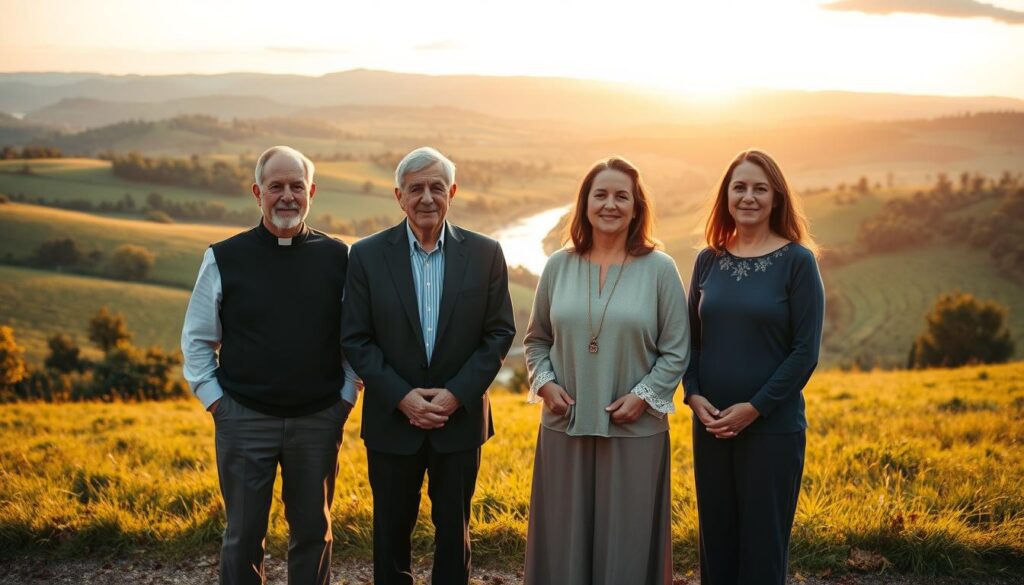
pastoral leadership team

Pastor Oversight and Deacon Teams

Founding pastor Jerel Hagerman and his wife Merrily established our faith community’s vision over decades. Sunday services thrive under Adam and Hayley Everhart’s guidance, blending biblical depth with practical living. Midweek gatherings gain unique perspective from Tony and Anita Williams’ military life experience.

Our deacon team strengthens operations through specialized skills. Chairman Bryon Buhecker leads men like Ryan Brown and Paul Bribiesca in maintaining facilities and supporting families. “We’re here to lift burdens,” shares Mat Green, describing their hands-on approach.

Ministry Leaders From Shepherding to Technical Support

David Squyres coordinates care through Shepherding ministries, while Laurinda Stewart directs uplifting worship experiences. Children’s programs flourish under Darla Burke’s creative leadership, with Jim Scherpich expanding global missions.

Behind the scenes, Beinn Stewart manages volunteer coordination and Ashley Claire oversees technical systems. From music to multimedia, this team ensures every ministry functions smoothly. Their collective heart for service helps everyone find meaningful ways to contribute.

protestant church 29 palms: A Heartfelt Community Experience

Military life brings constant change, but our community’s heartbeat remains steady through generations of shared journeys. Local residents and service families unite here, creating bonds that withstand deployments and relocations. This unique blend of temporary assignments and lasting connections forms our spiritual family’s DNA.
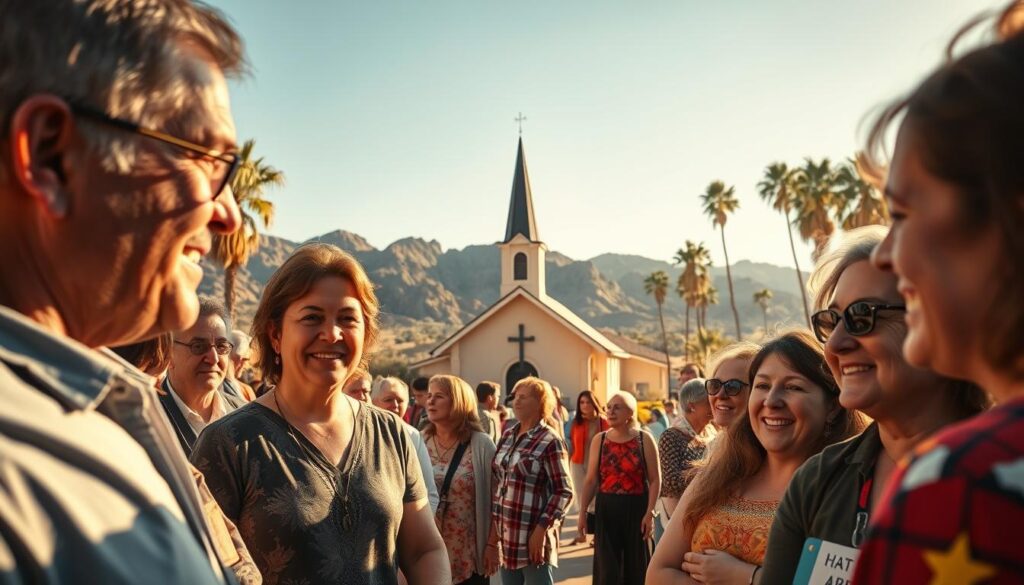
heartfelt community stories

Stories That Shape Our Family

Sarah, an Air Force spouse, recalls her first visit: “Within weeks of arriving at the base, this group became our home. They helped us unpack boxes and fill our hearts with hope.” Her story echoes through our pews—parents finding support during TDY assignments, teens building friendships that span continents.

The transient nature of our Marine neighbors has sharpened our welcome skills. New faces quickly become family, with meal trains starting before moving trucks leave. This rhythm of hellos and goodbyes fuels our global reach—over 37% of missionaries sent from our congregation first connected here during military postings.

Member Type Average Stay Key Contributions
Military Families 2-3 years Cross-cultural outreach ideas, rapid community integration
Local Residents 10+ years Historical knowledge, long-term ministry support
Retirees 5-7 years Mentorship programs, volunteer coordination

Former members now serve across six continents, applying lessons learned in our desert oasis. One marine-turned-missionary recently wrote: “What I gained in those Palms years sustains me in Congo’s jungles.” Whether here for months or decades, everyone leaves equipped to shine light in our ever-changing world.

Plan Your Visit and Get Involved in Our Community

Finding your place in a caring spiritual family starts with knowing when and where to connect. Our doors stay open for everyone seeking meaningful relationships and opportunities to serve. Whether you’re new to the area or deepening roots, we’ve designed schedules to fit busy lives.

Service Times and Connection Points

Join our Sunday gatherings at 10:30 AM for uplifting worship and practical teachings. Parents appreciate our childcare services that welcome children of all ages. Midweek refreshment comes every Thursday at 6:30 PM with Bible studies that unpack timeless truths.

Monday nights offer specialized growth opportunities. Men and women meet separately at 6:30 PM for focused discussions. Couples strengthen bonds through our monthly Saturday workshops starting at 11:00 AM.

Service Time Key Features
Sunday Worship 10:30 AM Full childcare, multi-generational teaching
Thursday Study 6:30 PM In-depth Bible exploration, nursery care
Marriage Workshops 1st Saturday/Month Practical relationship tools, group activities

Our central location at 6389 Godwin Road makes visits convenient for military families and desert residents alike. Need directions or details about our age-specific programs? Reach our team at 760-365-0769 or email aeverhart@joshuasprings.com.

Through these gatherings, many discover how the Holy Spirit transforms ordinary moments into extraordinary growth opportunities. Come as you are – we’ll handle the rest.

Conclusion

This desert faith community thrives through its ability to nurture lasting connections in temporary seasons. For over six decades, it’s served as an anchor for those passing through and a launchpad for those called to serve worldwide. Every handshake here carries the warmth of shared purpose.

Military families discover quick friendships through meals and childcare support. Longtime residents provide stability while learning from newcomers’ perspectives. Together, they create a mosaic of stories where transient assignments become transformational journeys.

The ripple effects stretch far beyond local borders. Lessons learned in Sunday gatherings fuel compassionate action across continents. Whether you’re exploring beliefs or deepening roots, this group offers space to grow while contributing to something eternal.

Stop by 6389 Godwin Road to experience authentic relationships that outlast desert storms. Call 760-365-0769 or visit online—your next chapter of spiritual growth starts here.

FAQ

What times are your worship services held?

We gather weekly for Sunday morning services and host midweek Bible studies. Specific times and locations are updated on our website to accommodate seasonal schedules and special events.

Are there programs available for children and youth?

Yes! Our KidszTown ministry offers engaging activities for younger attendees, while youth groups provide tailored spiritual growth opportunities for teens. Childcare is also available during most gatherings.

How can I participate in community outreach initiatives?

From local service projects to global missions, we offer diverse ways to serve. Connect with our outreach team or explore ministry groups focused on discipleship, couples’ support, or men’s and women’s fellowship.

Do you share sermons or worship music online?

Absolutely! Access sermon notes, Spotify playlists of worship music, and baptism resources through our digital platforms. Online giving and connection cards are also available for remote participation.

Who leads the ministries and pastoral care efforts?

Our pastoral team and dedicated volunteers oversee ministries, including shepherding, technical support, and discipleship. Each leader is committed to fostering a nurturing environment rooted in faith.

Can I share my personal faith journey with the community?

We love hearing stories of transformation! Members often share testimonies during services or through small groups, creating meaningful connections built on shared experiences.

How do I plan my first visit to a service?

Check our website for current service times, directions, and parking details. Feel free to contact us beforehand—we’ll gladly answer questions and help you feel at home.

What inspires your global mission work?

Guided by scripture and the Holy Spirit, we partner with organizations worldwide to spread love, offer aid, and support spiritual growth in underserved communities.
The Rise of Protestantism: A Look at the 1500s Church


Imagine living in an era where questioning authority could cost you everything. The 16th-century religious reform movement reshaped Europe’s spiritual identity, sparking debates that still influence faith practices today. At its core, this transformation began when bold thinkers challenged long-standing traditions, advocating for direct engagement with scripture over institutional intermediaries.

Central to this shift was Martin Luther’s 1517 publication of critiques against certain practices. His ideas spread like wildfire through newly invented printing presses, empowering ordinary people to rethink their relationship with faith and community. This period didn’t just alter rituals—it redefined who could access spiritual truth.

What made these changes revolutionary? For the first time, individuals could interpret sacred texts without relying solely on established hierarchies. This movement wasn’t just about theology—it laid groundwork for concepts like personal accountability and freedom of belief that resonate in modern societies.

Key Takeaways

  • The 16th-century religious shift started with critiques of traditional practices
  • Printing technology accelerated the spread of reformist ideas
  • Individuals gained unprecedented access to spiritual resources
  • New interpretations of faith challenged institutional authority
  • Lasting impacts include modern principles of religious self-determination

Historical Origins and Early Developments

When a single document can shake empires, you know history is being rewritten. By 1517, frustration with spiritual shortcuts had reached boiling point across Europe. Many clergy quietly questioned why forgiveness became a transaction rather than a sacred promise.

Setting the Stage for Change

The sale of indulgences epitomized the growing divide between doctrine and practice. A traveling preacher named Johann Tetzel famously claimed, “As soon as the coin in the coffer rings, the soul from purgatory springs.” This commercialization of faith alienated thinkers like Martin Luther, who saw scripture being overshadowed by profit.

Breaking Point in Wittenberg

On October 31, 1517, Luther nailed his critiques to a local chapel door—a normal way to spark academic debate. But his 95 Theses struck deeper chords:

“Why does not the pope empty purgatory for the sake of holy love… rather than for the sake of miserable money?”

The newly invented printing press turned these ideas into wildfire. Within months, translated copies reached farmers in France and merchants in England. For the first time, ordinary people debated theology using accessible pamphlets rather than Latin texts.

Aspect Pre-1517 Post-1517
Scripture Access Latin-only Vernacular translations
Indulgences Widely sold Publicly challenged
Religious Power Centralized Decentralized

These years transformed how communities viewed spiritual leadership. What began as doctrinal disagreements soon reshaped kingdoms—and ultimately, the modern world’s approach to faith.

Key Figures and Their Revolutionary Ideas

History often turns on the courage of individuals who dare to rethink the unthinkable. Two thinkers in particular became architects of spiritual transformation through their writings and convictions. Their work created ripples that became waves, reshaping how communities understood divine truth.

martin luther john calvin reformers

The Monk Who Moved Mountains

Martin Luther started as an Augustinian monk wrestling with questions of salvation. His academic training led him to challenge the sale of indulgences, which he saw as corrupting true faith. In 1517, he famously drafted 95 arguments against this practice—a document now called the 95 Theses.

Luther’s productivity stunned his era. Between 1518-1525, he published more works than the next 17 leading reformers combined. The printing press turned his writings into bestsellers, letting farmers and kings alike debate his ideas.

The Systematizer of Faith

John Calvin approached spiritual questions with legal precision. His Institutes of the Christian Religion (1536) outlined a theology emphasizing God’s supreme authority. Calvin taught that divine will shaped human destiny—a concept called predestination.

Geneva became his laboratory for implementing teachings. By 1541, the city transformed into a haven for exiles seeking to build communities based on scripture-first principles. Calvin’s influence soon reached Scotland, France, and beyond through trained ministers.

Aspect Martin Luther John Calvin
Key Focus Salvation by faith God’s sovereignty
Major Work 95 Theses Institutes
Lasting Impact Personal scripture access Church governance models

Though differing in methods, both men shared a goal: empowering ordinary people to engage directly with sacred texts. Their beliefs laid foundations for modern spiritual independence, proving that ideas could indeed move mountains.

Religious Movements and Cultural Shifts

Transformative ideas rarely arrive alone—they spark movements that redefine societies. By the 1520s, France became a battleground for competing visions of spiritual renewal. Two distinct approaches emerged: one seeking gradual change from within, the other demanding immediate separation.

Emergence of Evangelical and Humanist Trends

Humanist reformers like Erasmus focused on returning to original biblical texts. They aimed to purify religious practices through education, arguing that rituals should align with scripture. “The essence of faith lies in understanding, not repetition,” wrote one scholar, capturing their emphasis on personal study.

Meanwhile, radical thinkers embraced Luther’s call for complete independence. Their movement rejected traditional authority structures, creating new communities centered on direct scriptural interpretation. This split reshaped Europe’s spiritual map within a generation.

Impact of the Printing Press on Religious Thought

Gutenberg’s invention became the engine of change. Luther’s works appeared in French by 1524, spreading from Paris to Lyon and beyond. Printed pamphlets turned complex theological debates into public conversations.

Aspect Humanist Movement Evangelical Movement
Focus Internal church reform Complete separation
Key Tool Greek/Latin manuscripts Vernacular translations
Audience Educated elites General population

This technological leap empowered ordinary people. Merchants debated scripture during market days, while craftsmen shared pamphlets like modern social media posts. The way people engaged with faith shifted permanently—from passive observance to active participation.

Impact and Legacy of the protestant church 1500s

What happens when millions rewrite their spiritual playbook? The seismic shifts of the 16th-century religious overhaul didn’t just alter Europe—they forged new ways of thinking that crossed oceans. At its heart lay a radical idea: every person holds the right to shape their spiritual journey.

independent spirituality protestant legacy

Shaping Independent Spirituality

Before this era, sacred texts stayed locked in ancient languages. The movement changed that forever. Farmers could now read scripture in their own words, sparking debates around kitchen tables. “Faith isn’t a spectator sport,” wrote one reformer, capturing the shift from passive observance to active engagement.

This empowerment birthed modern concepts like religious self-determination. Families began teaching children through home Bible studies rather than relying solely on clergy. Personal accountability became central to spiritual life—a legacy visible in today’s emphasis on individual conscience.

Influence on American Religious Identity

Early settlers carried these ideas like precious cargo across the Atlantic. The Mayflower Compact echoed Reformation principles, valuing diverse beliefs within communities. By 1791, these ideals crystallized in the First Amendment’s guarantee of religious rights.

Aspect Pre-Reformation Post-Reformation
Scripture Access Priest-mediated Personal study
Worship Style Uniform rituals Varied denominations
Spiritual Authority Central hierarchy Local congregations

From Puritan meeting houses to modern megachurches, the influence persists. Over 40% of Americans change religious affiliations during their lives—a testament to lasting ideals about personal faith journeys. This cultural DNA shapes everything from volunteerism to free speech debates.

Protestantism in England: From Henry VIII to the Puritans

henry viii church england

Royal drama reshaped England’s spiritual landscape when Henry VIII clashed with Rome over his marriage. In 1534, the king declared himself head of a new national institution—the Church of England—after the pope refused to annul his union with Catherine of Aragon. This bold move fused traditional rituals with reformed ideas, creating a religious identity distinct from Europe’s other movements.

The Establishment of the Church of England

The Act of Supremacy gave the throne unprecedented control over spiritual matters. Though services initially resembled Catholic Mass, English Bibles soon appeared in parishes. Henry VIII maintained many old practices but severed ties to papal authority, proving political needs could drive religious change.

Conflicts and Reforms in English History

After Henry’s death, the nation became a theological pendulum. Young King Edward VI accelerated reforms before Queen Mary I restored Catholicism, earning her the nickname “Bloody Mary” for persecuting dissenters. Elizabeth I’s 44-year reign brought compromise:

Monarch Policy Impact
Edward VI Protestant reforms English prayer books
Mary I Catholic restoration 300+ executions
Elizabeth I Middle Way Stable hybrid system

Not everyone embraced Elizabeth’s approach. Puritans demanded stricter reforms, splitting into two factions. Separatists later sailed to America seeking freedom, while non-separatists worked to “purify” the Church of England from within. These divisions planted seeds for future democratic ideals about faith and governance.

Comparative Perspectives: Lutheranism, Calvinism, and the Catholic Church

When spiritual paths diverge, history gains new momentum. By the mid-16th century, three distinct approaches to faith emerged—each shaping societies through unique beliefs and practices. These differences didn’t just divide communities; they sparked cultural innovations still felt today.

Differences in Beliefs and Practices

Lutheranism spread across northern Europe, emphasizing salvation through faith alone. Calvinists focused on God’s sovereignty, creating strict moral codes in cities like Geneva. Meanwhile, the Roman Catholic tradition maintained sacraments and papal authority as cornerstones of worship.

The Role of the Counter-Reformation

The Catholic Church responded to the Protestant Reformation with its own reforms. The Council of Trent (1545-1563) clarified doctrines while addressing corruption. New orders like the Jesuits blended spiritual rigor with global education efforts—proving even ancient institutions could adapt.

This era’s debates reshaped everything from art to politics. While reformation movements empowered individual interpretation, the Catholic Church’s renewal efforts preserved unity for millions. Their competing visions still influence how we balance tradition with change.

FAQ

What sparked the Reformation in the 1500s?

Growing frustration with corruption and practices like selling indulgences in the Roman Catholic Church led reformers like Martin Luther to demand change. His 95 Theses in 1517 became a catalyst for challenging religious authority and inspiring new beliefs.

How did Henry VIII influence religious change in England?

Henry VIII’s desire to annul his marriage led him to break from Rome, creating the Church of England. This shift gave the monarchy control over spiritual matters and fueled ongoing debates about worship practices and clergy roles.

What’s the difference between Lutheranism and Calvinism?

Lutheranism focused on faith alone for salvation, while Calvinism emphasized predestination—the idea that God preordains who is saved. Both rejected papal authority but had distinct views on governance and human free will.

Why was the printing press important during the Reformation?

The printing press let reformers spread ideas quickly. Pamphlets and translated Bibles reached ordinary people, weakening the Catholic Church’s monopoly on religious teachings and sparking broader cultural shifts.

How did the Catholic Church respond to Protestant reforms?

Through the Counter-Reformation, the Catholic Church addressed criticisms by reforming clergy training and clarifying doctrines. Groups like the Jesuits also worked to reclaim influence through education and missionary work.

What role did the Church of England play in shaping spirituality?

It blended Catholic traditions with Protestant ideas, creating a middle ground. This approach allowed flexibility in worship but also caused conflicts, leading to movements like Puritanism that sought stricter reforms.

How did reformers like Calvin challenge traditional beliefs?

Calvin’s teachings on predestination and strict moral discipline reshaped communities. His Institutes of the Christian Religion became a foundation for Reformed churches, influencing governance and daily life in regions like Geneva.

Uncover the 4 Protestant Churches Shaping American Christianity


From colonial settlements to modern cities, America’s spiritual identity has been profoundly shaped by key Christian traditions. This guide explores the Anglican, Baptist, Lutheran, and Methodist denominations—foundational movements rooted in the Reformation that evolved uniquely on American soil.

Each of these groups brought distinct beliefs yet shared core principles like salvation through faith and the Bible’s authority. Their stories intertwine with pivotal moments in U.S. history, from the Great Awakening to civil rights struggles.

You’ll learn how early leaders like John Wesley and Roger Williams shaped their traditions. Discover how these churches influenced education, social justice, and community-building nationwide.

Whether you’re curious about religious heritage or cultural history, understanding these denominations offers insight into America’s spiritual mosaic. Let’s dive into their lasting legacies.

Key Takeaways

  • Four major denominations anchor America’s Protestant roots: Anglican, Baptist, Lutheran, and Methodist.
  • Each tradition adapted Reformation ideas to fit America’s evolving cultural landscape.
  • Shared beliefs include scripture-based faith and personal salvation.
  • Historical figures like Martin Luther and George Whitefield shaped these movements.
  • These churches played key roles in social reforms and education initiatives.
  • Modern expressions reflect both tradition and contemporary relevance.

Introduction: Exploring American Protestantism

America’s spiritual journey thrives through countless expressions of faith. At its heart lies a dynamic network of belief systems that evolved from shared roots but branched into distinct paths. This diversity isn’t accidental—it’s woven into the very fabric of how many believers approach scripture and community.

Understanding the Landscape of Christian Denominations

The word “denomination” describes organized faith communities sharing core beliefs while maintaining unique traditions. Unlike centralized religious structures, these groups emerged as believers interpreted biblical teachings differently. For example:

  • Some emphasize ancient rituals like communion
  • Others focus on personal spiritual experiences
  • Many actively address modern social challenges

This variety allows individuals to find spiritual homes aligning with their views. From the quiet reflection of Quaker meetings to the vibrant worship of Pentecostal gatherings, each tradition offers distinct ways to connect with the divine.

Why Denominational Diversity Matters

Different faith groups have shaped American culture in extraordinary ways. The Methodist movement’s historical focus on education led to founding universities, while Baptist traditions championed religious freedom early in colonial times.

Today, this diversity helps faith remain relevant. Urban ministries address homelessness, rural congregations preserve cultural heritage, and youth-driven movements tackle climate concerns. As one 19th-century theologian noted: “Our differences become strengths when rooted in shared purpose.”

Understanding these varied approaches helps us appreciate how millions of people live out their beliefs. It reveals why a single religious label could never capture America’s rich spiritual story.

Historical Context of Protestantism in the United States

America’s religious landscape grew from seeds planted during Europe’s 16th-century upheavals. When reformers like Martin Luther questioned Roman Catholic authority, they sparked changes that would cross oceans and shape new communities.

Protestant Reformation history

Early Reformation Influences

The schism began as a call to purify religious life. Reformers argued scripture—not church tradition—should guide faith. Luther famously declared: “A simple layman armed with Scripture is greater than the mightiest pope without it.”

Colonists carried these ideas to American shores. They established communities where:

  • Local congregations held more authority than distant bishops
  • Faith became personal rather than ritual-driven
  • Education helped people interpret the Bible themselves

The Evolution of Church Practices

Frontier life forced creative adaptations. Circuit riders replaced steepled buildings in rural areas. Camp meetings blended worship with social gatherings. As one pioneer journal noted: “We measured faith by deeds, not doctrines.”

Three key shifts emerged over time:

  1. Simplified rituals focused on practical daily living
  2. Democratic governance models in many denominations
  3. Emphasis on individual spiritual experiences

These changes created space for diverse groups to thrive. From urban parishes to prairie meeting houses, American religious life became as varied as its people.

Examining the Impact of Protestant Reformation on American Faith

A spiritual revolution began when ink met parchment in 16th-century Europe. Ideas from this era crossed oceans to shape America’s religious DNA, creating foundations for diverse beliefs we see today.

Pioneers Who Redefined Faith

Martin Luther’s 1517 stand against Roman Catholic authority cracked open new ways of thinking. His “sola scriptura” principle made the Bible accessible to everyone, not just clergy. This shift birthed core doctrines like salvation through faith alone—ideas that became America’s spiritual bedrock.

Reformers like John Calvin added layers to this theology. Their teachings about God’s sovereignty and the Holy Spirit’s guidance gave colonists tools to build fresh expressions of belief. As one historian noted: “They carried Reformation sparks that ignited prairie fires of revival across America.”

Three lasting impacts emerged:

  • Local congregations gained authority over distant religious leaders
  • Personal Bible study became central to spiritual growth
  • Democratic church structures mirrored America’s political values

This schism with older traditions didn’t just create new denominations—it shaped how Americans approach community, education, and social change. From abolitionist pulpits to civil rights marches, Reformation ideals keep influencing national conversations about justice and equality.

Exploring 4 protestant churches Shaping American Christianity

Distinct spiritual traditions emerged as cornerstones of U.S. religious life. The Anglican, Baptist, Lutheran, and Methodist movements stand out for their lasting influence. Each carved unique paths while sharing core Reformation values like scripture-centered belief.

American Protestant denominations comparison

Anglican communities brought structured worship styles from England. Their Book of Common Prayer shaped early colonial services. Over time, this evolved into the Episcopal Church, blending tradition with social engagement.

Baptist teachings prioritized personal faith decisions. Their emphasis on local leadership matched America’s democratic spirit. This approach fueled growth during frontier expansions and civil rights movements.

Name Core Focus Historical Contribution Modern Influence
Lutheran Sacramental theology Immigrant community support Interfaith partnerships
Methodist Social holiness Circuit rider evangelism Global relief efforts
Anglican Liturgical worship Colonial education systems Ecumenical dialogue
Baptist Believer’s baptism Religious liberty advocacy Urban ministries

Lutheran immigrants preserved Reformation teachings through hymns and schools. Their emphasis on grace provided comfort to Scandinavian and German settlers. Today, they bridge historical roots with contemporary issues.

Methodist camp meetings sparked nationwide revivals. Their system of traveling preachers reached remote areas. This energy later fueled abolitionist efforts and worker’s rights campaigns.

Anglican Church’s Role in Modern American Protestantism

Blending ancient rituals with modern social engagement, the Anglican tradition carves a unique path in America’s religious tapestry. This branch of Christianity maintains deep historical roots while addressing contemporary issues through its via media approach—a middle way between contrasting theological views.

From Monarchs to Modern Worship

Born from King Henry VIII’s 1534 break with Roman Catholic authority, the Church of England evolved into a global communion. In the United States, it became the Episcopal Church, preserving liturgical practices while embracing democratic governance. Today, over 70 million members worldwide follow this tradition’s blend of sacramental theology and flexible cultural adaptation.

Bridges Between Beliefs

The Book of Common Prayer remains central to Anglican worship, connecting modern believers to centuries-old traditions. Equally important are ecumenical partnerships—like dialogue with Roman Catholic leaders—that address shared challenges. Through food banks, interfaith councils, and climate initiatives, Episcopal communities demonstrate how ancient doctrines inspire fresh forms of service.

FAQ

Why does denominational diversity matter in American Christianity?

Denominational diversity reflects varied interpretations of scripture, cultural contexts, and worship styles. This richness fosters dialogue, adapts faith to modern challenges, and meets the spiritual needs of diverse communities.

How did the Protestant Reformation influence American faith traditions?

The Reformation’s emphasis on personal faith, scripture over tradition, and clergy accountability shaped early colonial churches. Ideas from reformers like Martin Luther and John Calvin inspired practices still seen in many congregations today.

What role does the Anglican Church play in modern U.S. Protestantism?

The Episcopal Church, rooted in Anglican traditions, blends liturgical structure with progressive social engagement. Its ecumenical efforts, like partnerships with Lutheran denominations, highlight a commitment to unity amid theological differences.

How have Protestant practices evolved in the United States?

From Puritan simplicity to charismatic worship, practices shifted with cultural changes. Innovations like revivals, gospel music, and community-focused ministries reflect ongoing adaptation while preserving core teachings.

What connects the Church of England to today’s Episcopal identity?

The Episcopal Church retains Anglican liturgy and sacraments but embraces democratic governance and inclusivity. This balance honors historical roots while addressing contemporary issues like social justice and interfaith collaboration.

How do ecumenical initiatives strengthen Protestant communities?

Partnerships across denominations—like shared outreach programs or joint theological studies—build mutual understanding. These efforts emphasize shared goals, such as serving marginalized groups, over doctrinal disagreements.

Discover Top Christian Churches in York, PA


York’s spiritual community thrives with vibrant faith groups offering diverse worship experiences. Whether you prefer modern music or time-honored traditions, local congregations create spaces where individuals connect deeply with their beliefs. Grace Community Church on Roosevelt Avenue, for example, blends upbeat gatherings with practical teachings, while historic Christ Lutheran Church downtown preserves centuries-old liturgical practices.

These faith communities prioritize inclusivity, welcoming both lifelong believers and those exploring spirituality. Many provide flexible service times, including evening options, to fit busy schedules. Beyond Sunday gatherings, they host volunteer programs, youth activities, and small groups that foster meaningful relationships.

York’s variety of denominations ensures everyone finds a spiritual home aligned with their values. From Bible-focused teachings at Taxville Road’s York Bible Church to community outreach initiatives across the city, these organizations unite people through shared purpose. Their focus on service extends beyond the sanctuary, addressing local needs through food drives and mentorship programs.

Key Takeaways

  • York features diverse worship styles, from contemporary to traditional services
  • Multiple service times accommodate varying schedules and preferences
  • Churches prioritize community outreach and practical faith application
  • Historic and modern congregations coexist with distinct theological approaches
  • All backgrounds find welcoming environments for spiritual exploration

Embracing Community and Inspiring Worship

Finding a spiritual home starts with open hearts and supportive communities. Local congregations prioritize relationships that uplift individuals through life’s challenges and joys. One member shares:

“Within a few months, I began to feel like part of the family. Folks here love digging into the Word and being instructed by the Holy Spirit.”

Grace Community Church attendee

Warm Welcome and Inclusive Church Family

Newcomers often describe feeling embraced from their first visit. Small groups and fellowship activities create safe spaces to share struggles and celebrate growth. Weekly coffee hours and mentorship programs help people connect beyond Sunday services.

Experience Life-Changing Worship and Prayer

Dynamic services blend modern music with timeless truths. York Bible Church emphasizes how “teaching from the Bible shapes us through song and relationships.” Many congregations report answered prayers during dedicated chains and personal reflection times.

Worship Elements Focus Areas Community Impact
Contemporary praise Practical faith application Food drives
Interactive prayer Holy Spirit guidance Mentorship programs
Bible-based teaching Personal spiritual growth Youth activities

These practices create transformative moments where people encounter hope. As one leader notes: “When we worship together, lives change – not just on Sundays, but every day.”

Explore Christian Churches York

Engaging programs and intentional relationships define local congregations committed to nurturing faith at every life stage. Two standout examples demonstrate how modern approaches meet timeless spiritual needs while fostering authentic connections.

Modern Ministries at Grace Community Church

Sunday evenings buzz with energy at this vibrant community. The 4:30 PM prayer session sets the tone for worship, followed by a 5:00 PM service blending upbeat music with practical teachings. Parents appreciate nursery care and children’s programs running parallel to adult services.

Their OneEighty youth ministry creates a welcoming space for teens. As one leader shares:

“We want young people to ask tough questions and discover how faith shapes their daily lives.”

modern ministries and gospel fellowship

Weekday Life Groups deepen connections through neighborhood gatherings. These small groups tackle real-life challenges while exploring biblical principles together.

Gospel-Focused Fellowship at York Bible Church

Sunday mornings here center on understanding God’s purpose through Jesus’ teachings. The 9:45 AM service – available both in-person and online – emphasizes scriptural truth with clear applications for modern family life.

Their prayer teams partner with members during personal struggles and celebrations alike. “When we invite the Holy Spirit into our community,” notes a staff member, “healing and hope follow.”

Both congregations prove that thoughtful ministry designs help individuals grow in faith while building lasting relationships. From toddler programs to teen meetups, they create spaces where every generation thrives.

Comprehensive Services and Ministries Offered

From nurturing young minds to honoring time-honored rituals, faith communities offer something for everyone. These programs strengthen bonds within the church family while addressing practical needs across generations.

Youth, Life Groups, and Family Engagement

Grace Community Church’s Life Groups meet weekly in neighborhoods, creating spaces where members share prayer requests and study scripture. “Our teens aren’t just the future church – they’re part of it now,” says a youth leader. Their Young Adults ministry fosters friendships through service projects and Bible discussions.

Nursery care and Junior Church let parents focus on worship while kids learn through age-appropriate activities. Family nights with games and devotionals help households grow together in faith.

Historic Traditions and Pastoral Care

At Christ Lutheran Church, the 10:00 AM Holy Eucharist connects modern people to centuries of liturgical heritage. Their pastoral team provides care during weddings, funerals, and personal crises, living out their mission to “reflect God’s love in practical ways.”

Outreach programs address local and global needs – from stocking food pantries to funding clean water projects worldwide. Support groups and counseling services ensure no one faces life’s challenges alone.

Conclusion

Finding connection and purpose takes many forms in this Pennsylvania community. Local congregations blend vibrant worship gatherings with practical support systems, creating spaces where all can explore their spiritual journey. Whether drawn to energetic praise music or reflective liturgical practices, visitors discover multiple entry points for growth.

These groups prioritize authentic relationships through small gatherings and outreach initiatives. From childcare programs to senior support networks, they address real-life needs while nurturing shared values. Many members report feeling empowered through mentorship and collaborative service opportunities.

Newcomers will find open doors and diverse approaches to biblical teachings. The focus remains on building bridges – between generations, traditions, and life experiences. Such intentional community-building helps individuals thrive while strengthening neighborhoods.

When seeking meaningful connections, consider exploring these welcoming environments. Their blend of timeless wisdom and modern engagement offers fresh pathways for personal and collective growth.

FAQ

How can I find a welcoming church family in the area?

Local congregations prioritize creating a supportive environment where everyone feels valued. Attend Sunday services or midweek gatherings to experience genuine connections and shared faith in action.

What types of worship experiences are available?

From traditional hymns to contemporary music, ministries blend meaningful prayer with uplifting messages. Many offer dynamic programs that encourage personal growth and spiritual renewal through the Holy Spirit.

Are there opportunities to serve others through church ministries?

Absolutely! Whether through life groups, outreach initiatives, or youth programs, you’ll discover ways to use your gifts. Organizations like Grace Community Church host volunteer-driven projects that impact York and beyond.

Do these churches offer support for families?

Yes—many provide dedicated children’s programs, teen activities, and parenting resources. Places like York Bible Church foster intergenerational bonds through events that strengthen relationships and nurture faith at home.

How do congregations balance historic traditions with modern needs?

Communities honor timeless teachings while adapting to current challenges. Pastoral care teams address real-life struggles through biblically grounded guidance, ensuring relevance without compromising core values.

Discover Protestant Churches Across the United States


From bustling city centers to quiet rural towns, America’s spiritual landscape thrives with vibrant faith communities. These institutions have long served as cornerstones of local life, blending tradition with modern values. Their influence stretches beyond Sunday services, shaping everything from neighborhood events to national ethics.

Dozens of denominations exist under the Protestant umbrella, each offering unique traditions and beliefs. Whether you’re drawn to historic congregations or contemporary worship styles, there’s a community for every seeker. This diversity reflects the nation’s cultural richness, connecting generations through shared spiritual journeys.

Our guide helps you navigate this dynamic world. We’ll explore how different groups adapt to changing times while preserving core teachings. You’ll also learn about regional trends, membership patterns, and the evolving role of faith in daily life.

Key Takeaways

  • America’s spiritual communities reflect a wide range of traditions and worship styles
  • Historic institutions continue to shape cultural values nationwide
  • Denominational differences highlight unique approaches to shared beliefs
  • Membership trends reveal shifts in modern religious engagement
  • Upcoming sections provide actionable insights for exploring these groups

Introduction: The Evolving Role of Protestant Churches in America

For centuries, spiritual communities have shaped America’s identity. These groups built schools, hospitals, and social programs long before modern institutions existed. Today, they face new tests while holding firm to timeless values.

Historical Perspectives and Contemporary Relevance

Early settlers established congregations that became civic anchors. Colonial meetinghouses hosted town debates alongside worship services. Over time, these groups adapted to industrial revolutions and civil rights movements without losing their core mission.

Modern congregations blend tradition with innovation. Livestreamed services reach homebound members, while food banks address local needs. One pastor notes: “Our building might be quieter, but our impact grows through partnerships and outreach.”

Understanding Church Membership in a Changing Landscape

Membership rolls no longer tell the full story. Many participate in programs without formal enrollment. Young adults often prefer flexible involvement over traditional commitments.

Era Focus Membership Approach
Colonial Times Community Survival Mandatory Participation
20th Century Institutional Growth Formal Registrations
Modern Day Social Impact Event-Based Engagement

Despite shifting metrics, annual charity drives and youth mentorships show enduring influence. As cultural priorities evolve, these communities keep redefining what faith in action looks like.

Exploring protestant churches usa: Key Denominations and Membership Trends

America’s faith communities showcase a tapestry of traditions, each weaving unique threads into the nation’s spiritual fabric. While some groups dominate membership charts, others shape culture through specialized ministries and historical legacies. Let’s unpack the distinctives of major organizations driving this diversity.

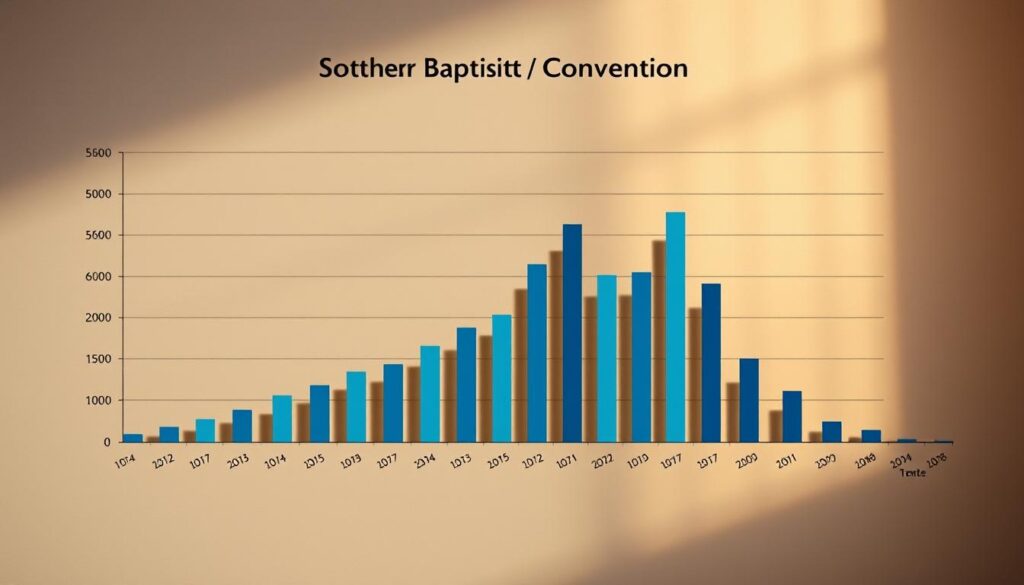
southern baptist convention membership trends

Southern Baptist Convention and Its Leading Influence

The Southern Baptist Convention remains the largest denomination, with 16.2 million members. Its decentralized structure empowers local congregations while maintaining shared beliefs like biblical literalism and evangelism focus. Regional strongholds span from Texas to the Carolinas, though recent outreach targets urban centers nationwide.

The United Methodist Church and Other Major Denominations

Second in size, the United Methodist Church balances traditional liturgy with progressive social initiatives. Its 7.8 million members support global health programs and interfaith dialogue. Meanwhile, groups like the Evangelical Lutheran Church preserve European-rooted practices, while the African Methodist Episcopal Church champions educational equity and racial justice.

Smaller but impactful denominations fill specific niches:

  • National Baptist Convention: 5 million members fostering Black theological scholarship
  • Presbyterian Church (USA): Representative governance model influencing civic engagement
  • Episcopal Church: Liturgical richness attracting intergenerational families

These groups face shared challenges—retaining younger members and addressing cultural shifts. Yet their adaptive strategies, from digital ministry tools to community gardens, prove faith communities remain vital in modern society.

Listicle Spotlight: Top Denominations by Membership in the United States

Membership numbers reveal fascinating patterns in America’s faith communities. Recent data from The Yearbook of American and Canadian Churches shows how traditions stack up in modern engagement. Let’s explore what these figures mean for spiritual life nationwide.

Leaders and Trends in Faith Communities

Here’s the breakdown of top groups by size:

  1. Southern Baptist Convention (16.2 million) – Dominates through local autonomy and evangelism focus
  2. United Methodist Church (7.8 million) – Balances liturgy with social justice work
  3. Church of God in Christ (5.5 million) – Key player in Black Pentecostal traditions
  4. National Baptist Convention (5 million) – Advances theological education initiatives
  5. Evangelical Lutheran Church USA (4.5 million) – Maintains Scandinavian-rooted practices

Adapting to New Realities

Only the Assemblies of God reported growth (+0.5%), while others face declines. Many groups now prioritize service quality over quantity. African Methodist Episcopal churches (2.5 million members) exemplify this shift through scholarship programs and food drives.

Despite challenges, these communities innovate. Livestreamed Bible studies and pop-up meal centers show faith adapting to modern needs. As one leader observed: “Our impact isn’t measured in seats filled, but lives changed.”

Conclusion

In every corner of the United States, communities gather in shared pursuit of meaning and service. The landscape of spiritual groups offers something for everyone—from traditional liturgies to modern outreach programs. While membership numbers show shifts, the true measure lies in transformed lives and strengthened neighborhoods.

Look beyond the statistics. Vibrant congregations thrive through food pantries, youth mentorships, and intergenerational connections. These efforts prove that lasting impact stems from compassion, not crowd sizes.

Your local area likely hosts multiple denominations, each with unique strengths. Visiting different groups can enrich your spiritual journey while supporting community bonds across the nation. Whether you seek quiet reflection or active service, opportunities await.

As traditions adapt to new challenges, core values remain steady. The heartbeat of faith communities continues to unite people, proving that growth happens when service meets sincerity.

FAQ

What is the largest Protestant denomination in the U.S.?

The Southern Baptist Convention holds the top spot, with over 13 million members. Its influence spans worship practices, community outreach, and theological education nationwide.

How has the United Methodist Church’s membership changed recently?

Membership has declined due to debates over theology and social issues. However, regional growth persists in areas aligning with its traditional values and community-focused ministries.

Where can I find reliable data on church membership trends?

The Yearbook of American and Canadian Churches offers annual updates. It tracks membership, donations, and participation across denominations like the Evangelical Lutheran Church and Assemblies of God.

What challenges do major denominations face today?

Secularization, generational shifts, and adapting to modern values are key hurdles. Groups like the African Methodist Episcopal Zion Church prioritize youth engagement to address these trends.

How does the African Methodist Episcopal Church impact communities?

Founded in 1816, it champions social justice, education, and empowerment. Its 2.5 million members actively support initiatives like affordable housing and voter registration drives.

Exploring the Protestant Church’s History in the 1600s


The 1600s were a time of intense change for religious communities across Europe. Power struggles between rulers and reformers reshaped beliefs, while ordinary people navigated shifting rules about worship and faith. This era saw kingdoms torn apart by conflicts rooted in theology, with leaders using religion to justify both unity and division.

Imagine living in a world where your beliefs could spark wars or determine your rights. That was reality for many during this period. Monarchs like England’s James I and revolutionaries such as Oliver Cromwell clashed over control of religious practices, creating ripple effects that reached local churches. These battles weren’t just about power—they shaped how individuals interpreted sacred texts and connected with their faith.

Behind the grand politics, everyday life transformed too. New translations of the Bible made scripture accessible, while revised rituals redefined community gatherings. What did it mean to worship freely when your choices could anger the crown? The answers forged during this time laid groundwork for modern ideas about religious tolerance and individual liberty.

Key Takeaways

  • The 1600s brought radical shifts in religious practices and political alliances across Europe
  • Monarchs and reformers clashed over control of faith communities, reshaping national identities
  • Accessible scripture translations empowered ordinary people to engage with religious texts
  • Wars and policies from this era influenced later concepts of freedom of worship
  • Local churches became battlegrounds for both spiritual and societal change

Overview of the 17th Century Protestant Movement

Northern Europe became a crucible of faith-driven transformation during the 1600s. People witnessed unprecedented clashes between established traditions and emerging spiritual ideas, with regions from Scandinavia to Hungary becoming battlegrounds for belief systems. This movement reshaped not just worship practices but entire societies.

Introducing the Era of Change

As conflicts like the Thirty Years’ War erupted, ordinary individuals found themselves caught between rival powers. Territories in Germany and the Low Countries saw the heaviest fighting, while England and Scotland grappled with internal religious tensions. New translations of sacred texts empowered common people to interpret faith independently.

The true church lives not in stone walls, but in the hearts of believers.

Key Themes and Trends

Three revolutionary ideas defined this time:

  • Scripture as the ultimate authority over tradition
  • Every believer’s right to spiritual leadership
  • Personal faith outweighing ritual observance

Communities experimented with self-governance models, shifting from top-down hierarchies to collaborative systems. The table below shows how different regions embraced these changes:

Region Governance Model Notable Development
England Episcopal Anglican reforms under monarchy
Scotland Presbyterian Local elder councils
Low Countries Congregationalist Community-led worship

This period’s legacy lives on through modern concepts of religious liberty and participatory governance. While churches faced immense challenges, their adaptations during this time created lasting frameworks for spiritual democracy.

Historical Context: The Post-Reformation Landscape

post-Reformation religious divisions Europe

By the 1600s, the religious upheavals of the past century had reshaped entire nations. People found themselves living in a patchwork of belief systems, where Lutheran strongholds in Scandinavia contrasted with Calvinist regions in Switzerland. The Peace of Westphalia in 1648 finally drew borders reflecting these divisions, creating safer spaces for worship but deepening cultural divides.

This era brought fresh challenges for communities trying to balance faith and governance. Local leaders wrestled with questions earlier reformers never fully answered: Who controls religious education? How should congregations handle disputes? Churches became laboratories for testing ideas about shared decision-making and individual conscience.

Imagine traveling through Germany during this time. You might hear French hymns in one town and German catechisms in the next, each region guarding its hard-won traditions. A merchant from Amsterdam noted: “We built our identity not just on what we believed, but what we refused to repeat.”

Region Dominant Faith Key Feature
Northern Germany Lutheran State-supported churches
Geneva Reformed Council-led governance
England Anglican Monarch-led reforms

These arrangements gave people stability after decades of conflict, but tensions simmered beneath the surface. The work of 16th-century thinkers now required practical applications—transforming abstract theology into Sunday services and community rules. This delicate dance between preservation and progress would define religious life for generations.

Religion and Politics in Early 17th Century England

England’s rulers faced a delicate balancing act in the 1600s. Kings sought to unite spiritual and political authority, while people demanded freedom to shape their own beliefs. This tension between crown and congregation defined an era where faith determined loyalty to the throne.

The Rise of Monarchical Power

James I declared religious unity essential for national stability. His 1606 proclamation stated: “No bishop, no king”—linking church structure to royal power. The monarch controlled appointments, liturgy, and even Bible translations. Yet dissenting voices grew louder as Puritans and Catholics challenged this centralized system.

The Role of the Anglican Establishment

The Church of England became a bridge between traditions. Its blend of reformed theology and ceremonial practices aimed to satisfy diverse groups. Key features included:

  • Royal supremacy over spiritual matters
  • English-language Book of Common Prayer
  • Bishops appointed by the king
Ruler Policy Impact
James I Religious conciliation Reduced open conflicts
Charles I Enforced uniformity Increased dissent
Local Leaders Customized practices Regional divisions

This system worked—until it didn’t. By 1625, cracks appeared as people questioned whether the Church of England served God or the throne. These debates planted seeds for future upheavals, proving that mixing faith and governance remained risky business.

James I and the Transformation of Worship

When James VI of Scotland ascended England’s throne in 1603, he inherited a divided spiritual landscape. Though raised Calvinist, the new king surprised many by embracing the Church of England’s traditions. This decision disappointed reformers hoping for Presbyterian reforms but set the stage for lasting changes in how people engaged with scripture.

King James Bible translation impact

The King James Bible and Its Impact

James I’s most enduring legacy began with a bold project: replacing the popular Geneva Bible. He assembled 47 scholars to create a translation that balanced accuracy with poetic language. The result became the standard text for the Church of England—and eventually, English-speaking communities worldwide.

The king‘s approach showed unexpected flexibility. While maintaining traditional rituals, he granted priests freedom in service details. Those who avoided practices like kneeling faced no punishment—a rare tolerance for the time.

Aspect Geneva Bible King James Bible
Translation Style Plain, Calvinist notes Poetic, neutral tone
Authority Source Reformers Monarchy & Scholars
Long-Term Influence Faded after 1640s Dominant until 1900s

This masterpiece did more than unify worship—it shaped English culture. Phrases like “labour of love” and “skin of teeth” entered daily speech. As one London printer noted: “The words lived in taverns and palaces alike.”

By blending royal authority with scholarly collaboration, James created a way to honor tradition while inviting people into deeper engagement with their faith. The Bible’s enduring popularity proved that spiritual unity could thrive without suppressing individual freedom.

Uniting Scotland and England in Faith

Crowns merged but beliefs clashed when James VI of Scotland became England’s king in 1603. Many hoped this political union would create religious harmony. Instead, it revealed how deeply spiritual traditions differed between nations.

Anglican and Presbyterian unity attempts

Scottish people expected their Presbyterian roots to influence the Church of England. English reformers dreamed of Calvinist reforms. Both groups felt betrayed when James embraced Anglican rituals instead. “We sought a brother, but found a stranger,” wrote one disappointed London preacher.

The table below shows key differences that hindered unity:

Aspect Scotland England
Leadership Elected elders Bishops appointed by king
Worship Style Simple services Formal liturgy
Scripture Focus Community interpretation Royal-approved texts

Charles I later worsened tensions by forcing Anglican practices on Scottish churches. When ministers refused the new prayer book in 1637, protests turned violent. A Edinburgh baker’s wife famously threw her stool at a bishop—sparking nationwide rebellion.

This time proved that shared faith couldn’t erase cultural divides. The Church of England‘s attempts to standardize worship only deepened divisions. Yet these struggles planted early seeds for modern ideas about religious freedom and self-governance.

Charles I and the Intensification of Religious Reform

Religious tensions reached a boiling point under Charles I’s rule. The king saw strict uniformity as essential to national stability, appointing William Laud to enforce his vision. Their partnership transformed worship practices in ways that alarmed many people.

Changes in Liturgy and Ritual

Laud’s reforms demanded exact use of the prayer book, down to specific gestures and priestly garments. Congregations now knelt during communion and traced crosses in the air—actions resembling Catholic traditions. Stained glass windows reappeared in Church of England buildings, fueling fears of a Rome-inspired reversal.

These changes hit hardest at local levels. A Yorkshire farmer noted: “Our plain services became theater shows overnight.” Calvinist groups faced fines for refusing ornate rituals, pushing some to form underground networks. The king‘s policies turned quiet dissent into open rebellion.

By 1637, Laud’s crackdowns sparked violent protests. When Edinburgh crowds threw stones at bishops enforcing the new rules, it marked a turning point. The Church of England‘s attempt to control faith practices ultimately weakened royal authority—and reshaped ideas about religious freedom for generations.

FAQ

How did the Anglican Church shape England’s religious identity during the 1600s?

The Anglican Church, led by the monarchy, became central to England’s spiritual and political life. Its rituals, like the Book of Common Prayer, unified worship but also sparked debates over tradition versus reform.

Why was the King James Bible significant beyond its religious role?

Commissioned by James I, this translation aimed to bridge divides between factions. Its elegant language influenced English culture, education, and law, leaving a legacy far beyond church walls.

What caused tensions between Charles I and religious reformers?

Charles’s push for stricter rituals, like mandatory altar placements, clashed with reformers who sought simpler worship. His alliance with figures like William Laud deepened distrust, fueling conflicts that led to civil war.

How did Oliver Cromwell’s rule affect religious freedom?

After the English Civil War, Cromwell’s government allowed more dissenters to worship openly. However, groups seen as radical still faced restrictions, showing the era’s complex balance of power and belief.

Were Scotland and England successfully united under one faith?

Despite efforts like the Act of Uniformity, differences in practice and governance persisted. Scotland’s Presbyterian roots often resisted Anglican influences, creating ongoing friction.

What role did ordinary people play in shaping 17th-century religious movements?

Grassroots groups, like the Puritans and Quakers, challenged authority through pamphlets, protests, and alternative congregations. Their activism reshaped debates about individual conscience and community norms.

How did the Restoration of 1660 change England’s religious landscape?

With Charles II on the throne, the Anglican Church regained dominance. Laws like the Clarendon Code barred dissenters from public office, solidifying the church’s political influence well into the 1700s.